
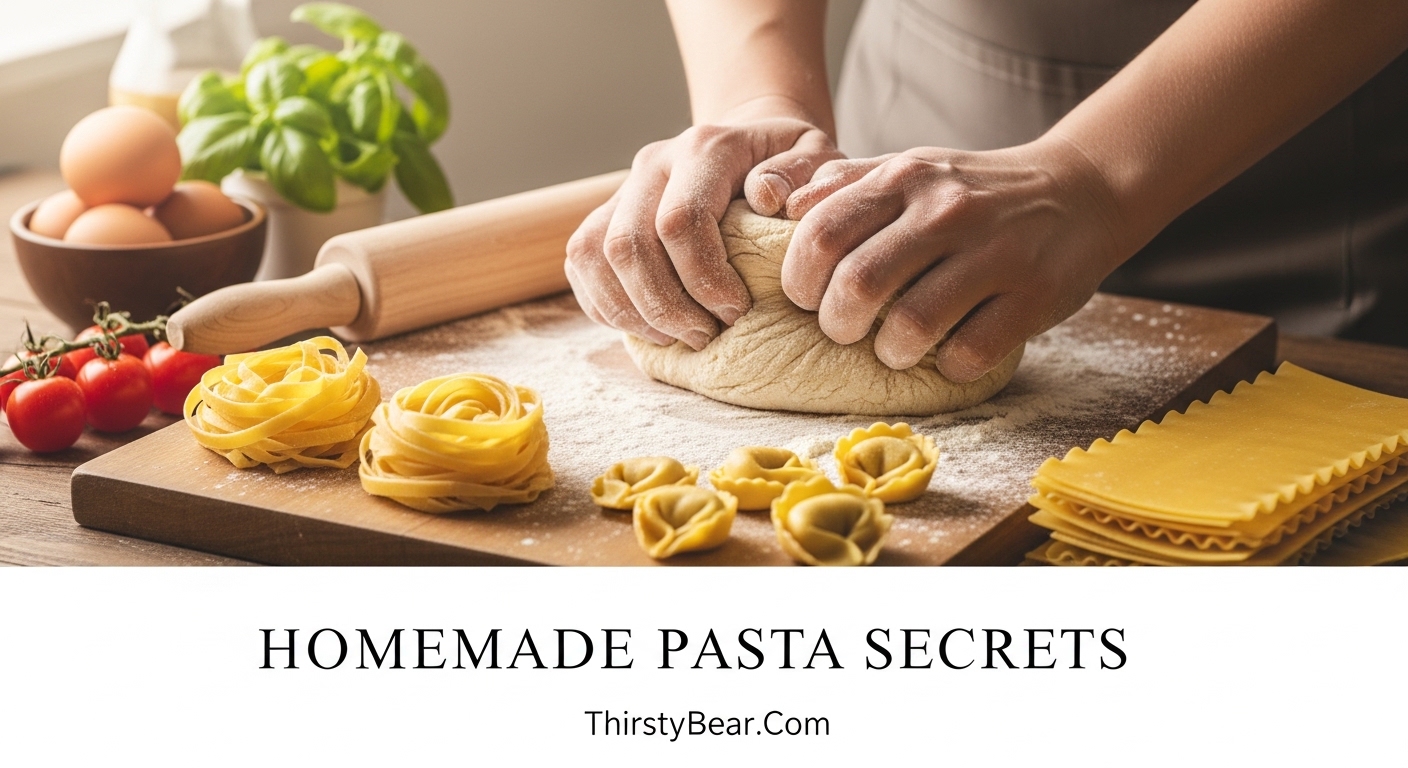
There’s nothing quite like the satisfaction of pulling perfectly tender, silky fresh pasta from a pot of boiling water. Yet for many home cooks, pasta-making feels like a mysterious art reserved for Italian nonnas and professional chefs. After years of experimentation and countless batches of dough, I’ve discovered that the difference between frustrating failures and consistent success comes down to a few key techniques most recipes never mention.
These homemade pasta secrets aren’t complicated, but they will transform your approach to making fresh pasta. Whether you’ve struggled with dry, crumbly dough that falls apart or sticky pasta that refuses to roll thin, understanding these fundamentals will change everything. Let me share what I’ve learned from Italian traditions, professional chefs, and plenty of trial and error in my own kitchen.
Table of Contents
The Real Homemade Pasta Secrets That Transform Your Dough
The secret to making exceptional fresh pasta isn’t one technique but a combination of precise methods that professional kitchens use every day. Here are the core principles that will elevate your pasta from good to unforgettable:
- Weigh your ingredients, especially eggs. Cup measurements vary too much, and egg sizes differ dramatically. A kitchen scale eliminates guesswork and ensures consistent results every single time.
- Use the right flour for your goal. Tipo 00 creates delicate, tender pasta perfect for sauces. Semolina adds chew and bite for heartier shapes. All-purpose works but requires hydration adjustments.
- Knead longer than you think. Most beginners stop too early. Proper kneading develops gluten networks that give pasta its structure and that satisfying toothsome bite.
- Rest the dough twice. Once after mixing, once after kneading. These rest periods allow flour to fully hydrate and gluten to relax, making rolling infinitely easier.
- Ditch the volcano method. Mixing in a bowl is cleaner, more reliable, and produces identical results. The traditional flour well looks impressive but creates unnecessary mess and risk of egg breakout.
- Semi-dry sheets before cutting. Letting rolled pasta sheets air-dry for 10-15 minutes prevents noodles from sticking together and gives them better texture when cooked.
- Cook fresh pasta briefly, 60-90 seconds max. Fresh pasta cooks much faster than dried, and overcooking turns delicate noodles into mush.
Understanding Flour: The Foundation of Great Pasta
Flour choice makes a dramatic difference in your pasta’s final texture and flavor. Most American home cooks reach for all-purpose flour out of habit, but understanding flour characteristics opens up new possibilities for your homemade pasta.
Tipo 00 Flour vs Semolina vs All-Purpose
Tipo 00 flour is finely ground Italian wheat with moderate protein content, typically around 11-12%. This flour creates pasta with a delicate, tender texture and smooth finish. It’s the traditional choice for filled pasta like ravioli and tortellini, where you want the filling to shine rather than compete with chewy dough.
Semolina flour comes from durum wheat and contains higher protein, usually 13-14%. Pasta made with semolina has a golden color, firm bite, and distinct chew. It’s excellent for hearty shapes like pappardelle or spaghetti that need to stand up to robust sauces. Many Italian grandmothers mix tipo 00 and semolina for the best of both worlds.
All-purpose flour works perfectly fine for homemade pasta, though results vary by brand. Look for AP flour with around 10-11% protein for best results. Lower protein flours create softer dough, while higher protein builds stronger gluten networks. The real secret isn’t finding perfect flour but understanding how your chosen flour behaves and adjusting hydration accordingly.
Why Protein Content Matters for Dough Structure
Protein in flour transforms into gluten when hydrated and worked. This elastic network gives pasta its structure, allowing it to hold together during rolling and cooking while maintaining a pleasant chew. Too little protein, and your pasta tears easily and cooks to mush. Too much, and you’ll fight tough, rubbery noodles that resist rolling.
The sweet spot for fresh egg pasta falls between 11-12% protein. This range provides enough strength for rolling thin sheets without becoming tough. When working with high-protein flours like bread flour, reduce hydration slightly and expect more resistance during kneading. Low-protein cakes and pastry flours generally lack the structure needed for pasta that holds its shape.
The Egg Ratio Secret: Why Weight Matters More Than Volume
Here’s where most pasta recipes lead beginners astray: the ratio of eggs to flour. You’ll see recipes calling for “2 cups flour and 3 eggs” or “100g flour per large egg.” These volume measurements create inconsistent results because eggs vary enormously in size and flour settles differently in measuring cups.
The professional secret is weighing everything. A reliable starting ratio for fresh egg pasta is approximately 100g flour to 60g egg. For a standard batch using about 400g flour, you’ll need roughly 240g eggs (usually 4 large eggs). This ratio produces dough that’s workable but not sticky, with enough hydration for proper gluten development.
Why does this precision matter? One extra large egg can add 20g more liquid than a large egg, pushing your dough from perfect to frustratingly sticky. Similarly, a cup of flour scooped directly from the bag weighs significantly more than a cup sifted or spooned gently. Weight measurements eliminate these variables entirely.
Forum discussions among pasta enthusiasts consistently identify weighing ingredients as the game-changer that transformed their results. Once you start using a kitchen scale, you’ll wonder how you ever managed without one. The small investment pays dividends in consistent, predictable dough every time.
Equipment Essentials: What You Actually Need
Good news: you don’t need a fully equipped Italian kitchen to make exceptional pasta. A few key tools make the process dramatically easier, but pasta has been made for centuries with basic implements.
A kitchen scale is non-negotiable for consistent results. As discussed above, weight measurements eliminate the guessing game that ruins many batches. Digital scales are inexpensive and accurate to the gram, making it easy to replicate successful ratios.
A pasta machine speeds up the rolling process and ensures even thickness. Manual clamp-on machines like the classic Marcato Atlas work beautifully and last for decades. Electric attachments for stand mixers offer convenience but aren’t necessary. That said, hand rolling with a rolling pin produces excellent pasta if you don’t mind more physical effort.
A bench scraper is surprisingly useful for dividing dough, cleaning your work surface, and cutting pasta shapes. It’s inexpensive but makes many tasks easier. A pastry brush helps remove excess flour from sheets, and drying racks prevent fresh noodles from sticking together as they dry.
Beyond these essentials, everything else is optional. Food processors can mix dough quickly, though some argue they overwork the flour. Pasta drying racks are convenient but a clean dowel rod or clothes hanger works just as well. Start with the basics and add tools as you discover what your personal pasta-making style requires.
Homemade Pasta Secrets: The Bowl Method vs Volcano Myth
Every pasta tutorial shows the same picturesque technique: a mound of flour with a deep well in the center, eggs cracked into the crater, whisked gently with a fork before incorporating the flour walls. It looks beautiful and romantic, but here’s the truth: the volcano method is unnecessarily difficult for beginners and creates mess without improving results.
Professional chefs and experienced home cooks increasingly advocate for the bowl method. Simply combine your flour and eggs in a bowl and mix with a fork or your fingers. Once shaggy dough forms, turn it out onto a clean surface for kneading. This approach contains the ingredients, prevents egg breakout disasters, and produces identical pasta.
The volcano method originated when pasta was made directly on wooden work surfaces. Modern kitchens have counters that may not be perfectly clean or level, making the well method risky. One small breach in your flour wall sends eggs running across your counter. The bowl method eliminates this anxiety entirely.
Some traditionalists argue the volcano method allows better control over hydration. In practice, you can adjust moisture either way. If your dough is too dry, add water a teaspoon at a time. Too sticky? Dust with a bit more flour. The mixing method matters far less than paying attention to dough texture as you work.
Step-by-Step: Perfect Pasta Dough Every Time
Step 1: Weigh and Prepare Your Ingredients
Start by weighing your flour and eggs on a digital scale. For your first batch, try 400g tipo 00 flour and 240g eggs (about 4 large eggs). Crack the eggs into a bowl and beat lightly with a fork to combine yolks and whites. Have a small bowl of water nearby for hydration adjustments and extra flour ready for dusting.
Room temperature eggs incorporate more easily than cold ones. If your eggs are straight from the refrigerator, let them sit in warm water for 5-10 minutes before using. This small step makes a noticeable difference in how smoothly the dough comes together.
Step 2: Initial Mixing and Rest Period
Place your flour in a large bowl and create a small well in the center. Pour the beaten eggs into the well and use a fork to gradually incorporate flour from the edges. Continue until the mixture becomes shaggy and difficult to mix with the fork.
At this point, use your hands to bring the dough together, pressing it into a rough ball. It will look messy and may feel sticky or dry depending on humidity and flour absorption. Don’t worry about perfection yet. Cover the dough loosely with plastic wrap or a towel and let it rest for 10 minutes.
This initial rest allows flour to begin absorbing moisture, making kneading more effective. You’ll notice the dough becomes more cohesive after even this short break. It’s one of those small secrets that dramatically improves the pasta-making experience.
Step 3: The Kneading Technique That Builds Gluten
Uncover your dough and clean your work surface. Dust the surface lightly with flour and begin kneading using the heel of your hand to push the dough forward, then fold it back toward you. Rotate the dough a quarter turn and repeat. Apply firm pressure but don’t force the dough.
For the first 5 minutes, the dough will feel awkward and may stick to your hands or surface. This is normal. Lightly flour your hands as needed, but avoid adding too much flour. The dough will become smoother and more elastic as you work.
Continue kneading for 8-10 minutes total. You’ll notice the texture transform from shaggy and rough to smooth and silky. The dough should feel tacky but not sticky, spring back when pressed, and develop a smooth surface. This thorough kneading develops the gluten network that gives pasta its structure and that satisfying al dente bite.
Step 4: The Second Rest (Critical Step)
Wrap your kneaded dough tightly in plastic wrap and let it rest at room temperature for at least 30 minutes. This rest period is non-negotiable. During kneading, gluten becomes tight and tense. The rest allows these proteins to relax, making the dough much easier to roll thinly without it shrinking back.
You can rest the dough for up to 2 hours at room temperature or refrigerate overnight for even more relaxed dough. If refrigerating, bring the dough to room temperature for about 30 minutes before rolling. Cold dough resists rolling and may tear.
This second rest is where many beginners rush, thinking they’re saving time. In reality, rolling under-rested dough takes twice as long and produces frustrating results. Give your dough the time it needs, and rolling becomes smooth and satisfying rather than a battle.
Rolling and Cutting: Where Most People Go Wrong
Cut your rested dough into 4-6 equal pieces and keep the pieces you’re not working with covered in plastic wrap. Working with one piece at a time, flatten it slightly with your hand. Set your pasta machine to its widest setting (usually 0 or 1) and feed the dough through.
Fold the dough in thirds like a letter, then feed it through the same setting again. This double pass helps develop structure and ensures even thickness. Continue folding and rolling 2-3 times at the widest setting before moving to the next thinner setting.
Progress through the machine settings, rolling once at each level. Most pasta shapes work well at setting 5 or 6 on a standard 7-setting machine. For filled pasta like ravioli, roll slightly thinner. For thick shapes like pappardelle, stop a setting earlier. As you work, lightly dust the dough with flour to prevent sticking.
If the dough shrinks back dramatically or becomes difficult to work, it needs more resting. Cover it and let it relax for 10-15 minutes before continuing. This resistance usually means the gluten hasn’t fully relaxed from kneading.
Once rolled to your desired thickness, let the pasta sheet air-dry for 10-15 minutes. This semi-drying step is a professional secret that prevents noodles from sticking together and gives them better texture. The sheet should feel slightly tacky but not wet to the touch.
Cut your pasta using the machine’s cutter attachment for spaghetti or fettuccine, or use a knife for hand-cut shapes like pappardelle or tagliatelle. For filled pasta, cut sheets into squares or circles using a cutter or knife. Hang cut pasta on a drying rack or dust with semolina and lay in loose nests on a baking sheet.
Cooking Fresh Pasta: The Al Dente Secret
Fresh pasta cooks much faster than dried pasta. While dried spaghetti might need 10-12 minutes, fresh pasta is typically done in 60-90 seconds. This quick cooking time means you must watch carefully to avoid overcooking.
Bring a large pot of well-salted water to a rolling boil. Fresh pasta contains less salt than dried commercial pasta, so seasoning the cooking water is important for flavor. Add your pasta and stir immediately to prevent sticking. Fresh pasta tends to stick together more than dried pasta in the first minute of cooking.
Start testing after 60 seconds. Fresh pasta is done when it floats to the surface and offers no resistance when bitten. Unlike dried pasta, fresh doesn’t really reach al dente in the traditional sense. It transitions from raw to done very quickly, with a narrow window between perfect and overcooked.
Reserve about a cup of pasta water before draining. This starchy liquid helps emulsify sauces and creates a silky finish. Fresh pasta releases more starch into the water than dried pasta, making this liquid particularly valuable for sauce consistency.
Never rinse fresh pasta after cooking unless you’re making pasta salad. Rinsing removes surface starch that helps sauce adhere. Drain well and immediately toss with your sauce or a little olive oil to prevent sticking.
Storage and Freezing: Make-Ahead Strategies
Fresh pasta cooks quickly, so making it ahead seems logical but requires careful handling. Uncooked fresh pasta keeps in the refrigerator for up to 2 days when dusted with semolina and stored in an airtight container. The pasta may darken slightly but cooks up perfectly.
For longer storage, freezing is your best option. Arrange cut pasta in loose nests on a baking sheet and freeze until solid, about 1 hour. Transfer the frozen nests to a freezer bag, removing as much air as possible. Frozen pasta keeps for 3-4 months and cooks directly from frozen, adding only 30-60 seconds to the cooking time.
Pasta sheets for filled pasta freeze well layered between parchment paper. Thaw in the refrigerator for a few hours before filling. Some cooks actually prefer freezing filled pasta like ravioli before cooking, as it helps the dumplings hold their shape better.
Dried fresh pasta has a different texture than freshly made pasta. If you want to dry pasta for long-term storage, hang it in a dry, well-ventilated area for 24-48 hours until completely brittle. Store dried pasta in an airtight container for up to a month. Note that dried fresh pasta rehydrates differently and may require slightly longer cooking times.
Troubleshooting: Solving Common Pasta Problems
Even with the best techniques, pasta-making sometimes goes wrong. Based on forum discussions and common beginner frustrations, here are solutions to the most frequent problems:
- Dough is too dry and crumbly: Add water one teaspoon at a time, kneading thoroughly between additions. Don’t be tempted to add egg instead, which will throw off your ratio. Room temperature water incorporates more easily than cold.
- Dough is too sticky and unworkable: Dust your work surface and hands with flour and continue kneading. Most sticky dough resolves itself as gluten develops. If still sticky after 5 minutes of kneading, add flour one tablespoon at a time.
- Dough tears when rolling: This usually indicates under-kneaded or under-rested dough. Let it rest covered for 15-20 minutes and try again. Tears can also result from rolling too thin too quickly. Return to a thicker setting and roll more gradually.
- Pasta falls apart when cooking: Under-kneaded dough lacks the gluten structure to hold together. Ensure you knead for the full 8-10 minutes. Rolling too thin can also cause disintegration. Try stopping at a slightly thicker setting.
- Pasta is tough or chewy: Overworked dough or excessive flour incorporation creates tough pasta. Knead only until smooth and elastic. Avoid adding too much flour during rolling. Overcooking also makes pasta gummy and tough.
- Noodles stick together after cutting: Semi-dry sheets before cutting, and dust cut pasta generously with semolina. Hang pasta immediately rather than letting it sit in piles. Cook immediately after cutting when possible.
- Inconsistent results between batches: This almost always comes from inconsistent measuring. Weigh ingredients precisely. Note that humidity affects flour absorption, so you may need to adjust hydration slightly day to day. Let dough texture be your guide rather than rigidly following exact measurements.
FAQs
What is the secret to making good pasta?
The secret to making good pasta is weighing ingredients precisely, kneading thoroughly to develop gluten, resting the dough properly, and not overcooking. Professional techniques like the bowl method instead of the volcano well, semi-drying sheets before cutting, and cooking fresh pasta for just 60-90 seconds transform results. Consistency comes from weight-based ratios rather than cup measurements.
What flour is best for homemade pasta?
Tipo 00 flour is best for delicate, tender pasta perfect for filled shapes and lighter sauces. Semolina creates firmer, chewier pasta with a golden color ideal for hearty shapes. All-purpose flour works well if it has 10-11% protein. Many Italian cooks mix tipo 00 and semolina for balanced texture. The real secret is understanding your flour’s protein content and adjusting hydration accordingly.
How long should you knead pasta dough?
Knead pasta dough for 8-10 minutes by hand. This develops the gluten network that gives pasta structure and that satisfying al dente bite. You’ll know you’ve kneaded enough when the dough transforms from shaggy and rough to smooth, silky, and elastic. It should spring back when pressed and feel tacky but not sticky. Proper kneading is non-negotiable for pasta that holds together during rolling and cooking.
Can you make pasta without a machine?
Yes, you can make excellent pasta without a machine using a rolling pin. Roll the dough as thin as possible, rotating frequently to maintain even thickness. Hand-rolled pasta has a rustic charm and excellent texture. It requires more physical effort and practice to achieve consistent thinness, but many traditional Italian cooks prefer this method. A pasta machine is convenient but not essential for good results.
Why is my pasta dough too dry?
Pasta dough becomes too dry from using too much flour relative to eggs, measuring inaccurately with cups instead of weight, or working in low-humidity conditions. Add water one teaspoon at a time, kneading thoroughly between additions. Room temperature water incorporates better than cold. The fix is gradual – don’t add multiple teaspoons at once or you’ll swing too far toward sticky dough.
Why is my pasta dough sticky?
Sticky pasta dough usually comes from using too much egg relative to flour, large eggs instead of standard, or under-kneading. Continue kneading for 5 minutes – most sticky dough resolves itself as gluten develops. If still sticky after proper kneading, dust your work surface and hands with flour and continue. Add flour one tablespoon at a time only if absolutely necessary. Most sticky dough just needs more kneading, not more flour.
Should I add olive oil to pasta dough?
Traditional Italian egg pasta typically doesn’t include olive oil in the dough. Oil can interfere with gluten development and make pasta more prone to sticking together. However, some American recipes add a small amount for richness or to help with rolling. If you add oil, use it sparingly – about one teaspoon per 400g flour. For authentic Italian-style pasta, skip the oil in the dough and save it for finishing the dish.
How do you know when pasta dough is ready?
Pasta dough is ready when it’s smooth, silky, and elastic. After proper kneading, it should feel tacky but not sticky, spring back when pressed, and have a consistent texture throughout. The windowpane test works here – stretch a small piece of dough; it should thin enough to see light through without tearing. If it tears easily, knead longer. Once properly rested, the dough should roll smoothly without shrinking back.
How long does fresh pasta keep in the fridge?
Fresh pasta keeps in the refrigerator for up to 2 days when properly stored. Dust cut pasta with semolina to prevent sticking, place in an airtight container or bag, and refrigerate. The pasta may darken slightly but cooks up perfectly. For longer storage, freeze the pasta for 3-4 months. Fresh pasta is best when cooked the same day it’s made, but proper refrigeration maintains quality for a couple of days.
Can you freeze fresh pasta?
Yes, fresh pasta freezes beautifully for 3-4 months. Arrange cut pasta in loose nests on a baking sheet and freeze until solid, about 1 hour. Transfer frozen nests to freezer bags, removing as much air as possible. Frozen pasta cooks directly from the freezer, adding only 30-60 seconds to the cooking time. Some cooks actually prefer freezing filled pasta like ravioli before cooking, as it helps the dumplings hold their shape better.
Conclusion
These homemade pasta secrets transform pasta-making from frustrating inconsistency into reliable success. The difference lies in precision, patience, and understanding what’s actually happening at each stage of the process. Once you experience the satisfaction of perfectly silky fresh pasta cooked to al dente perfection, you’ll understand why Italian cooks have passed these techniques down for generations.
Start with the basics: weigh your ingredients, knead thoroughly, rest properly, and don’t overcook. As you gain confidence, experiment with different flours, shapes, and flavor variations. Pasta-making rewards practice, and even imperfect homemade pasta tastes better than most dried pasta from the store. For serving inspiration beyond classic Italian sauces, try your fresh pasta in our macaroni salad recipe for a cold pasta dish, or explore beer and pasta pairings to complete your meal.
The real beauty of homemade pasta secrets isn’t their complexity but their simplicity. These techniques have been refined over centuries, passed from grandmother to granddaughter, from professional chef to apprentice. Now they’re yours to master, one batch of dough at a time.
1 thought on “Homemade Pasta Secrets: Professional Techniques for Perfect Fresh Pasta (October 2026)”