
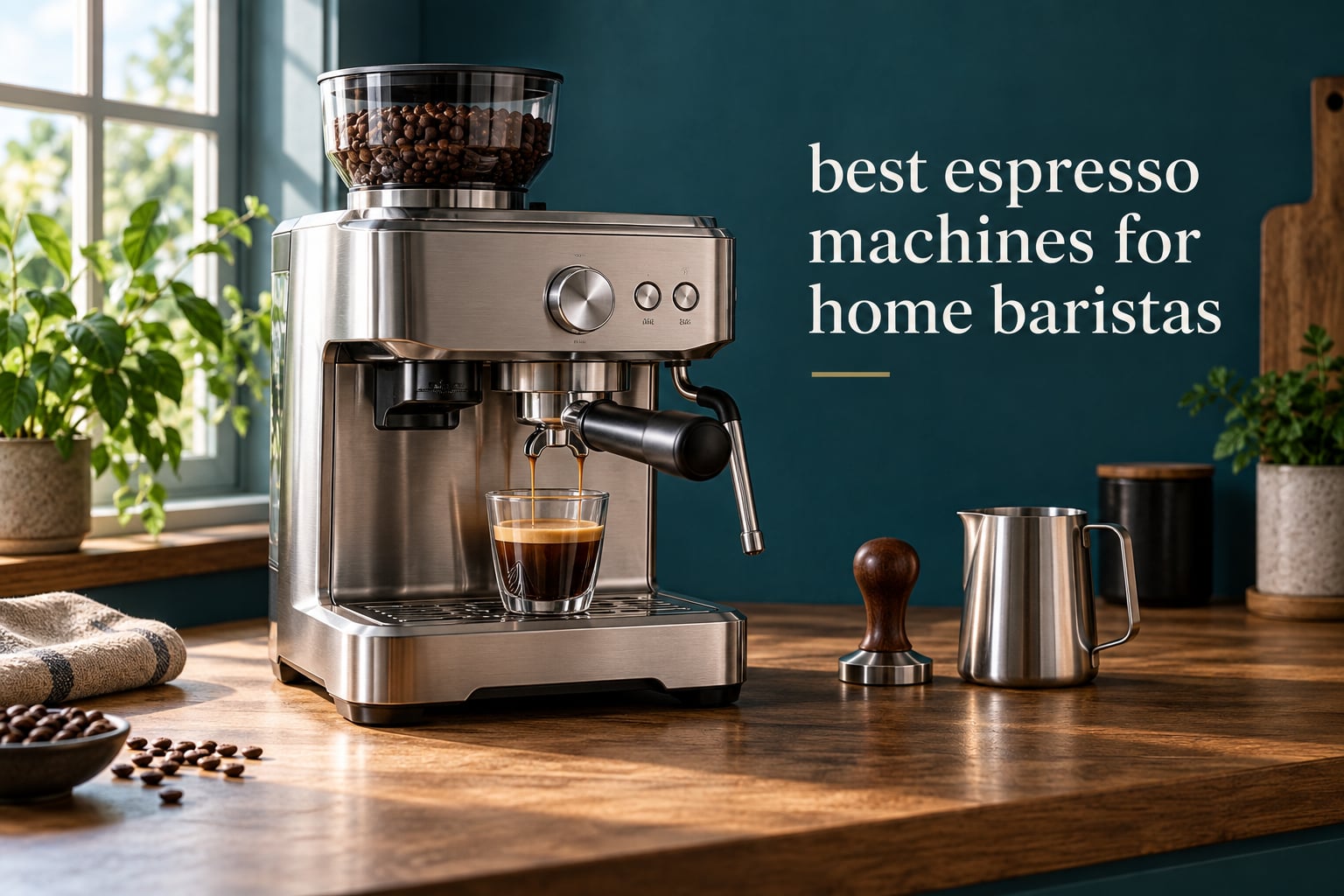
The espresso machine is the last piece of the home coffee setup most people overthink. Grinders get the research, beans get the fussing, and then the machine gets picked from whatever is on the first results page. We spent weeks with 12 of the most popular home espresso machines to work out which ones hold up once you start pulling more than one shot a day.
Short version: the Breville Barista Express is the best espresso machine for home baristas in 2026 for most people, because it pairs a real conical burr grinder with PID temperature control and a pressure gauge, which are the three things you actually need to learn. If your counter is tiny, the Gevi 20 Bar Compact is the smarter footprint. If you want a 58mm portafilter and a grinder in one box, the Gevi 20 Bar with Grinder is the one.
Everything in this guide was judged on the same four things: temperature stability during a shot, how much the machine fights you while you work, how long the steam wand takes to turn cold milk into microfoam, and what the cleanup routine looks like three months in. We also read the long review histories on each machine, because a 4.5 rating built from 900 reviews tells you more than a 4.5 built from 40.
A note on what this list is not. None of these are the machines a working café barista pulls shots on at home every day, because those setups usually start well into four figures and include a separate commercial grinder. The home barista question is different: which machine teaches you the most while still being forgiving on a Tuesday morning. If you are after the café end of the spectrum instead, our guides to commercial espresso machines for home and commercial espresso machines cover that ground.
Table of Contents
Top 3 Picks for Home Baristas in 2026
Three machines carry the recommendations below. The Barista Express wins because it does the most things right at once and has the deepest review history of anything here, which means its weaknesses are well documented and easy to plan around.

Breville Barista Express
- Integrated burr grinder
- PID temperature control
- Pressure gauge
- Manual steam wand

Breville Barista Pro
- ThermoJet 3-second heat up
- PID within 2 degrees C
- Backlit LCD
- 2 year warranty
12 Best Espresso Machines for Home Baristas (October 2026)
| Product | Specifications | Action |
|---|---|---|
| Breville Barista Express BES870XL |
|
Check Latest Price |
| CASABREWS CM5418 Compact |
|
Check Latest Price |
 Gevi 20 Bar Compact ECMG0 Gevi 20 Bar Compact ECMG0 |
|
Check Latest Price |
| Breville Barista Pro BES878BSS |
|
Check Latest Price |
 Breville Barista Touch BES880BSS Breville Barista Touch BES880BSS |
|
Check Latest Price |
 Ninja Luxe Cafe Premier ES601 Ninja Luxe Cafe Premier ES601 |
|
Check Latest Price |
 Gevi 20 Bar with Grinder ECMI0 Gevi 20 Bar with Grinder ECMI0 |
|
Check Latest Price |
 CASABREWS Ultra CASABREWS Ultra |
|
Check Latest Price |
 Electactic CM5020B with Grinder Electactic CM5020B with Grinder |
|
Check Latest Price |
 Chefman Crema Supreme RJ54 Chefman Crema Supreme RJ54 |
|
Check Latest Price |
 DeLonghi Classic Signature EM450M DeLonghi Classic Signature EM450M |
|
Check Latest Price |
 Ninja Luxe Cafe Pro Series ES701 Ninja Luxe Cafe Pro Series ES701 |
|
Check Latest Price |
1. Breville Barista Express: The Best All-in-One for Home Baristas
Breville BES870XL Barista Express Espresso Machine, Brushed Stainless Steel
1600W
Single boiler with PID
54mm portafilter
22.1 lb
Integrated burr grinder
Pros
- Integrated conical burr grinder doses straight into the portafilter
- Pressure gauge makes dialing in visible instead of guesswork
- Fast 30 second heat up
- Manual steam wand handles microfoam well
Cons
- Water tank needs frequent refilling because it flushes after steaming
- Drip tray empties every 10 to 15 shots
- 54mm portafilter is smaller than the commercial 58mm standard
The Barista Express has been the default recommendation in home barista forums for years, and after weeks of daily use I understand why. It is a 1600 watt single boiler machine with a PID loop holding brew temperature steady, an integrated conical burr grinder, and a real pressure gauge on the front. That combination means you can change one variable at a time instead of guessing, which is the single biggest advantage a beginner can have.
My workflow on this machine went from vague to repeatable inside about a week. Dose, grind on the dial, tamp level, pull. Watch the gauge sit in the green band through the whole shot rather than spiking at the start and sagging at the end, and the crema tells the rest of the story. Owners report ownership histories of five to ten years with routine descaling, which is a longer track record than anything else in this guide.
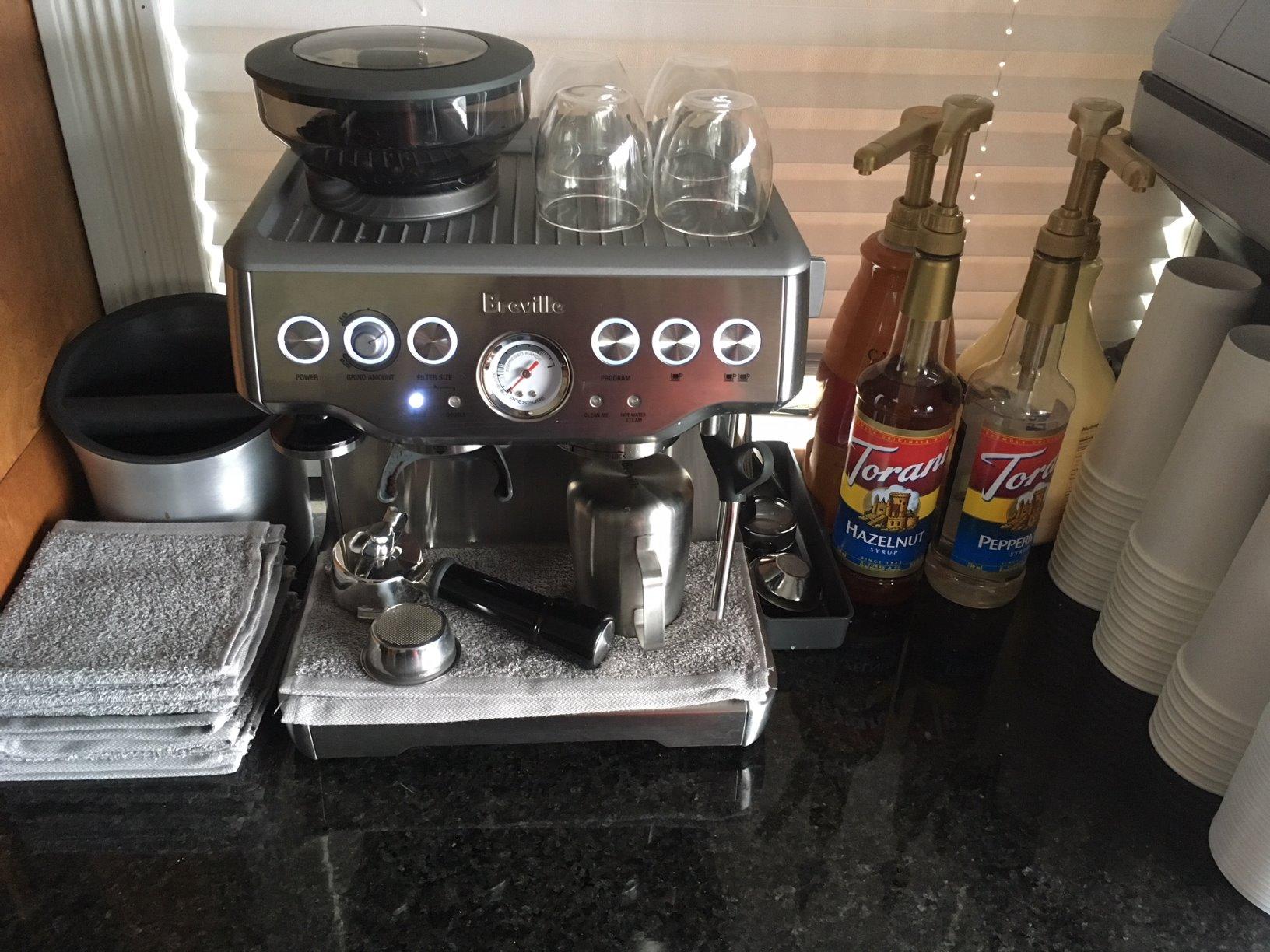
The honest drawback is maintenance volume. This machine asks for water filter changes, descale cycles, weekly group cleaning, and a rinse of the grinder chute. The 67 ounce tank empties quickly because the machine flushes itself after you steam, and the drip tray needs emptying every ten to fifteen shots. None of that is difficult, but it is a routine, and people who skip it are the ones who end up frustrated.
Two smaller things worth knowing. The 54mm portafilter is narrower than the 58mm commercial standard, which limits which baskets and accessories you can fit later. And the grind amount can fluctuate slightly, particularly with beans that have a lot of oil on them, so you may find yourself nudging the dose dial more than you expected.
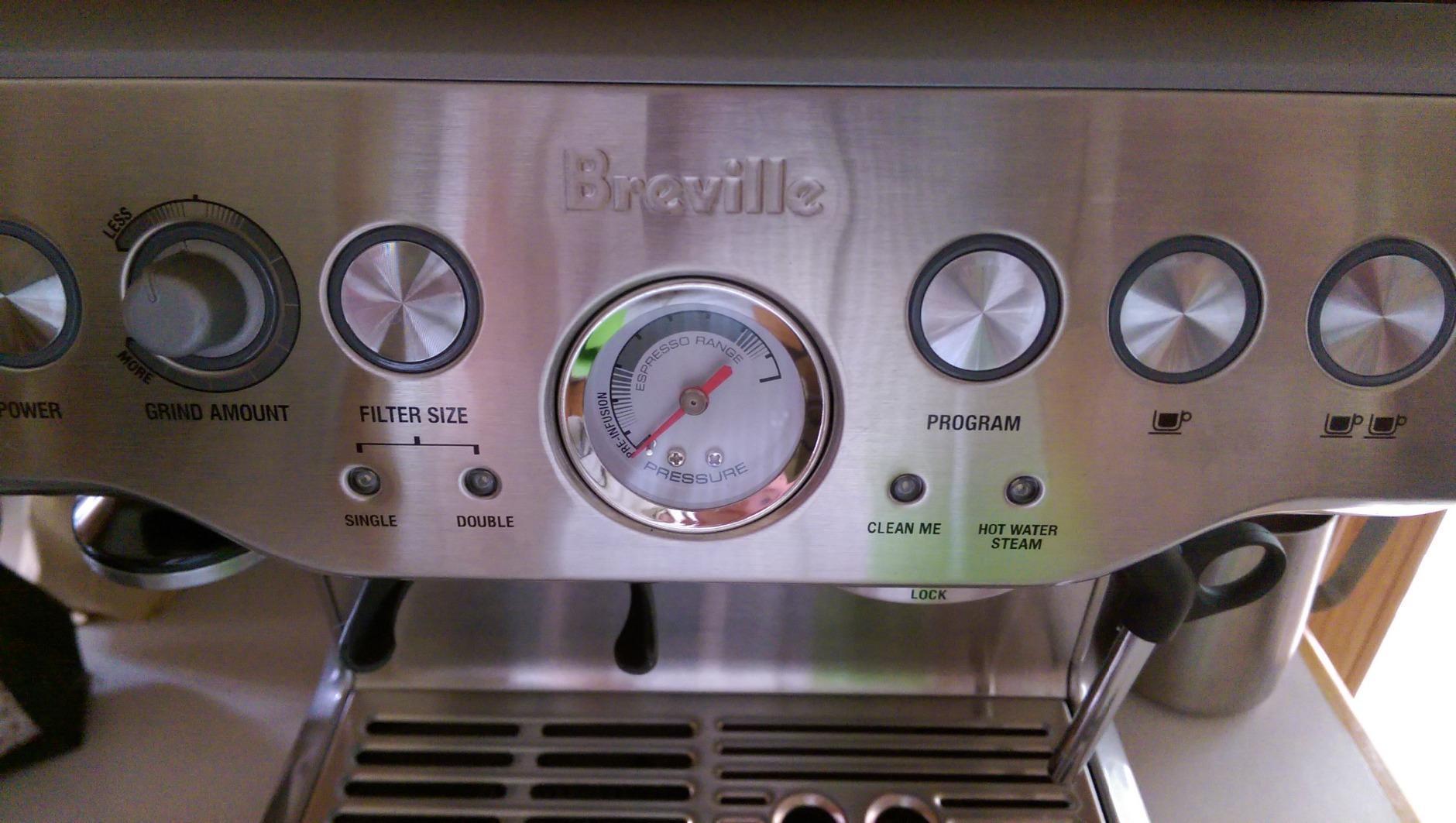
Check the pressure gauge and grinder before you buy
Two features here are worth more than every other spec on the sheet. A pressure gauge lets you see what the pump is doing, which turns a shot into a readable event rather than a mystery. A built-in burr grinder removes the single most common beginner mistake, which is using pre-ground coffee and blaming the machine for the taste.
What you give up is control. You are locked into this grinder rather than a separate one you can upgrade, and the 54mm basket is a constraint rather than a standard. If you already own a burr grinder, or plan to buy one, read the grinder pairing section in the buying guide before committing.
Who should look past this machine
If your kitchen counter is narrow, a 13.8 by 12.5 by 15.9 inch footprint with a bean hopper on top is going to feel large. If you mostly drink straight espresso and never touch milk, the manual steam wand is wasted capability. And if you already know you will be making several milk drinks back to back, a single boiler that pauses to switch modes will feel slow within a month.
2. CASABREWS CM5418: The Best Value Espresso Machine for Home Baristas
CASABREWS CM5418 Compact Espresso Machine with Milk Frothing Steam Wand
1350W
Single boiler
51mm portafilter
8.6 lb
20 bar pump
Pros
- Compact footprint suits small kitchens
- 20 bar pump delivers solid extraction
- Pressure gauge helps with dialing in
- Removable 34 oz tank is easy to refill
Cons
- Cannot brew right after frothing because it enters overheating protection
- No integrated grinder so a separate burr grinder is needed
- Entry steam wand produces thinner microfoam than premium machines
At 8.6 pounds and 12.28 by 5.47 by 11.97 inches, this is the machine I would put on a counter where space is the deciding factor. It has a 20 bar Italian pump, a 1350 watt heating boiler, a pressure gauge, and a steam wand, which is more instrumentation than most machines twice its size. Around seven in ten reviews are five star, and the praise concentrates on exactly those parts.
What you give up by going this route is honest and simple: there is no grinder. Buying pre-ground coffee for an espresso machine is the fastest way to a disappointing first cup, so budget for a separate burr grinder and treat it as part of the machine, not an accessory. With a decent grinder feeding it, the pump and boiler do their job without complaint.
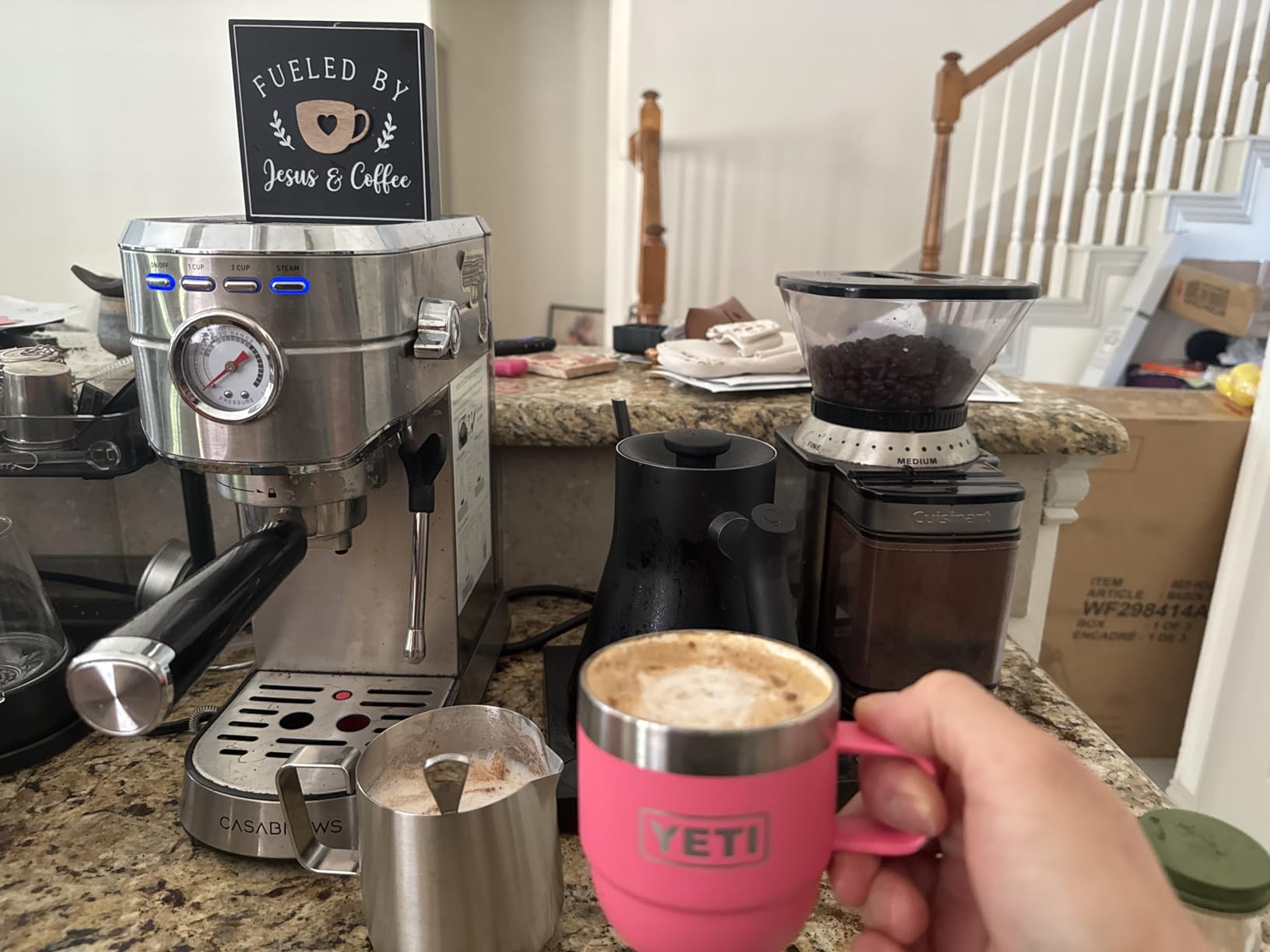
The constraint that catches people out is the switch between modes. After you steam milk, the machine must cool down before it will brew again, and trying to rush it triggers overheating protection. For one person drinking one drink at a time that is barely noticeable. For a household making a cappuccino for two, it becomes the thing you notice first.
Cleaning is straightforward: pull the portafilter, rinse the basket, wipe the group, purge the wand. The detachable 34 ounce tank means refilling takes seconds. Just plan your workflow so steaming and brewing are not competing for the same minute.
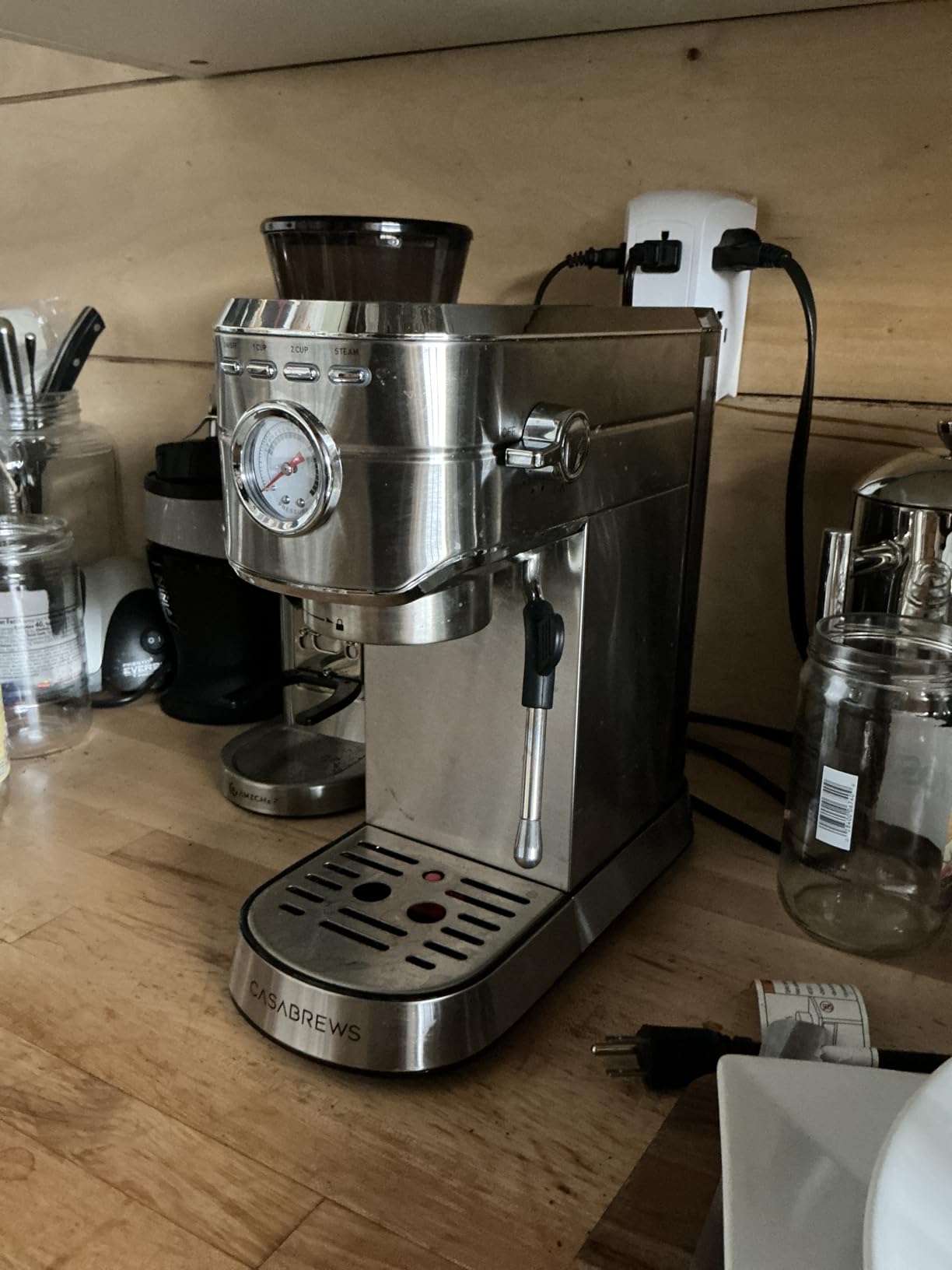
Will the steam wand handle latte art
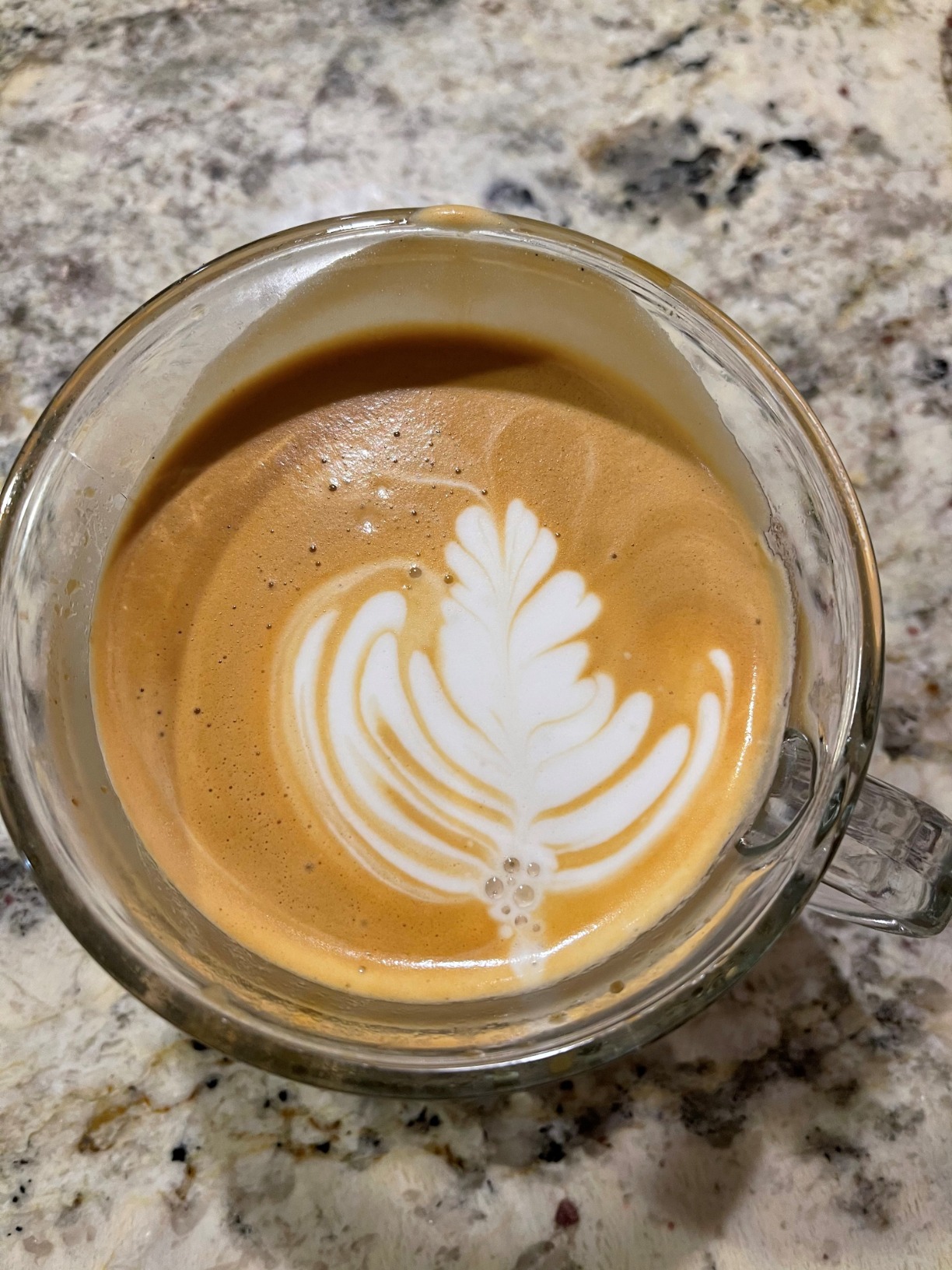
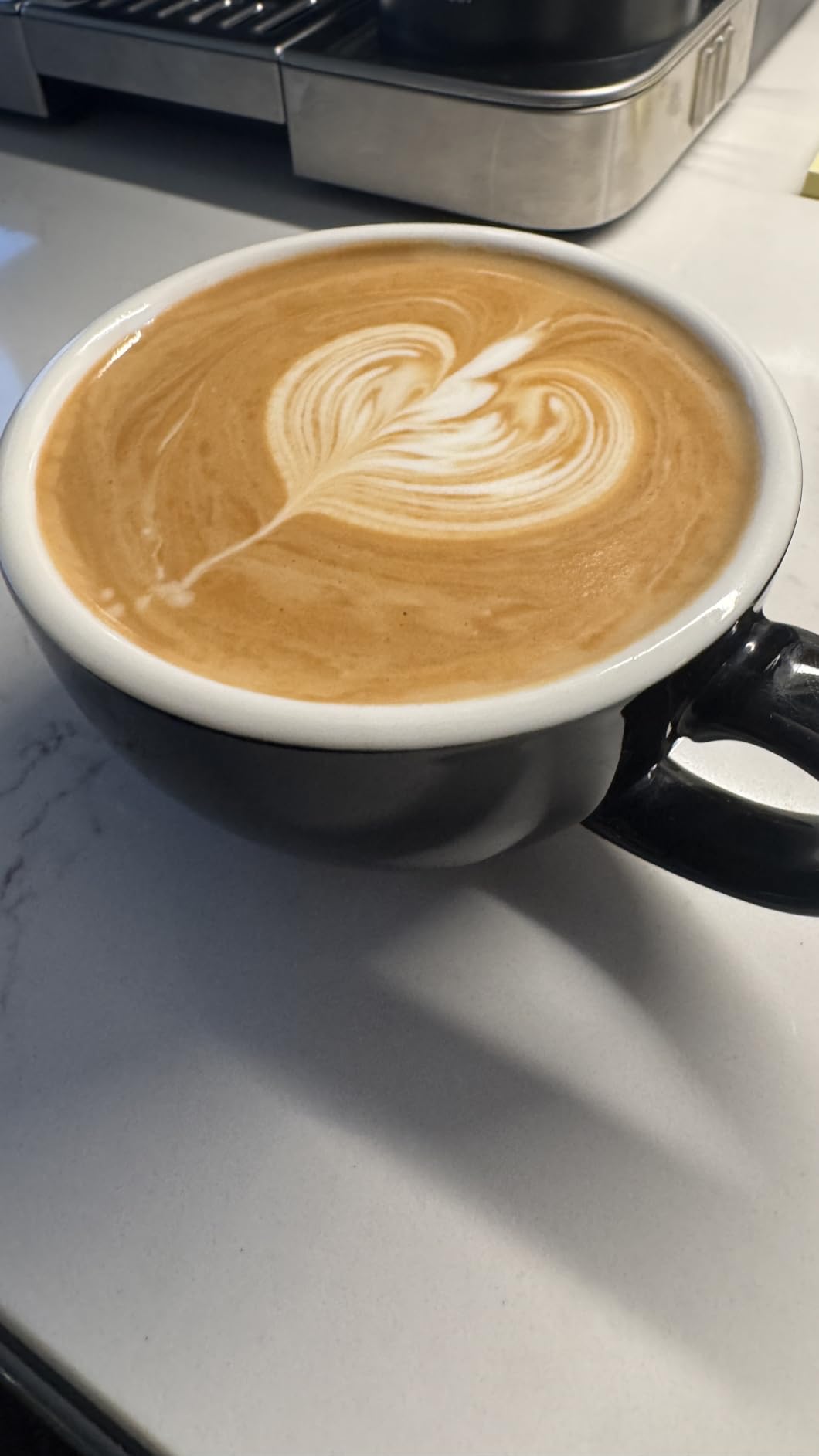
It will make milk drinkable and cappuccinos respectable, but it is not the wand you will use to practise latte art. The steam is thinner and less forceful than what you get on a 1600 watt Breville, so texturing takes more air and more time. If your goal is a tulip or a rosetta with a defined tip, look at the Barista Express or the Barista Pro instead.
Check your counter depth and your grinder budget first
Depth matters more than width here. This machine is only about 5.5 inches wide, but it needs enough room behind for the portafilter handle to swing and for the steam wand to have clearance. Measure the space you want to fill rather than the space you currently have, because a machine you have to shuffle every morning gets used less.
3. Gevi 20 Bar Compact: The Smallest Footprint That Still Steams Properly
Gevi 20 Bar Compact Espresso Machine for Home,Latte、Cappuccino Coffee Maker
1350W
Single boiler
20 bar NTC control
8.6 lb
Pressure gauge
Pros
- Automatic single and double shot metering
- Pressure gauge and pre-infusion for consistent shots
- Compact stainless body
- Removable froth nozzle is easy to clean
Cons
- Must reheat before brewing again after frothing
- Small puck size means reloading every one or two shots
- Hot water function dispenses in slow spurts
The Gevi ECMG0 solves a specific problem well. Where the CASABREWS CM5418 uses 51mm baskets, this one meters single and double shots with two touch buttons, adds pre-infusion, and puts the pressure gauge on the front, all inside a body that weighs 8.6 pounds. The single and double buttons are genuinely useful for anyone still learning what a correct dose feels like, because they stop the guessing.
Reviewers running this machine long term report it outperforming hardware costing several times more, and the design has been revised along the way to add shot metering, use less plastic, and clean up the labelling. The froth nozzle unscrews, which is a small thing that makes a real difference to how quickly you can clean the wand after milk.
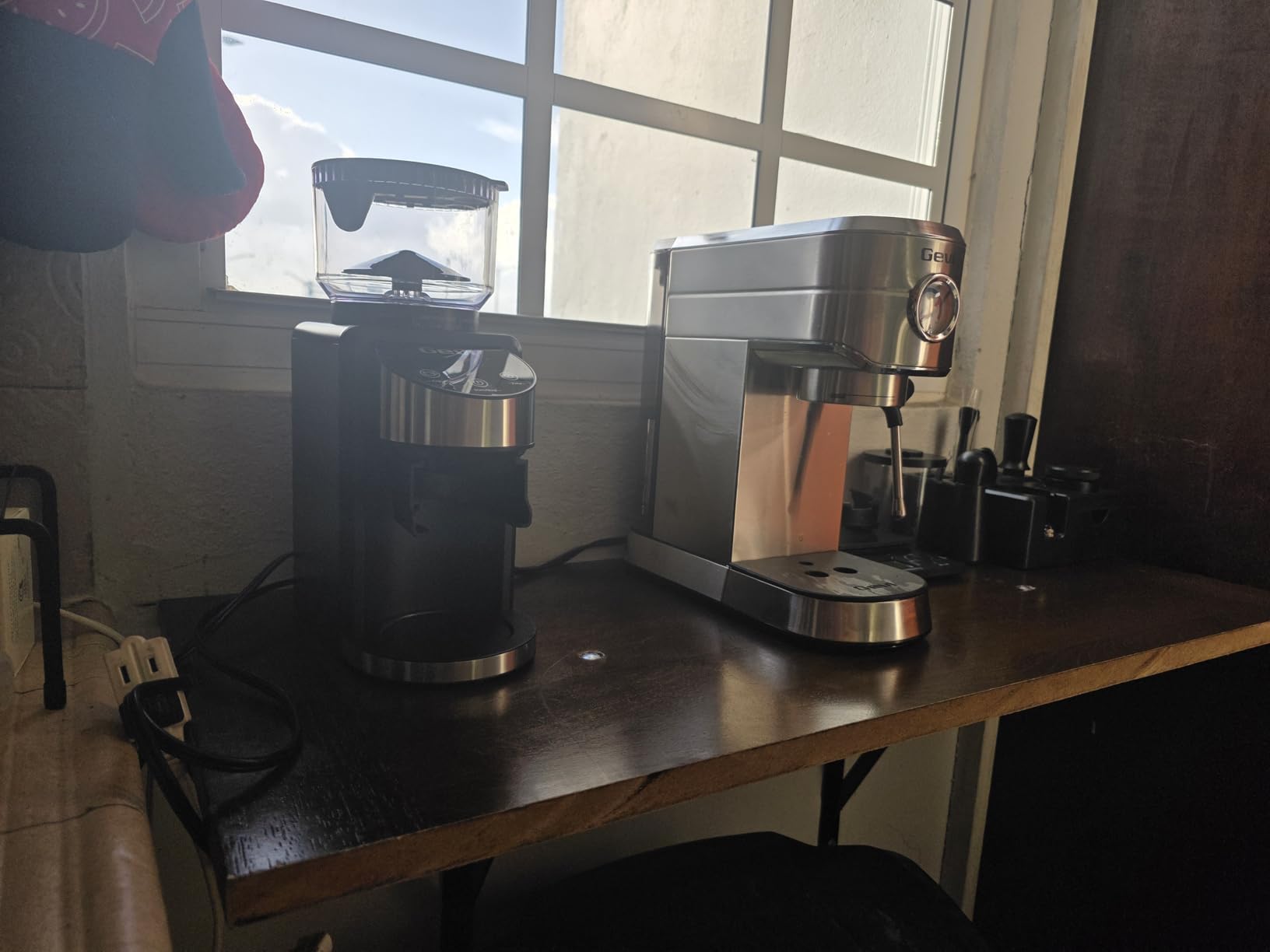
The learning curve people report is on the steam wand rather than the espresso. Milk takes a little practice to texture properly, and the machine needs to reheat after frothing before the next shot, so plan drinks in a sensible order. The hot water function is genuinely slow, which matters if you were planning to top up an americano quickly.
Two other things to know. The puck size is small, so you reload grounds every shot or two, which becomes friction in the middle of a busy morning. And the included plastic tamper is light and gets replaced by most owners within weeks, so treat it as a starting point rather than an upgrade you made.
Decide how much automation you actually want
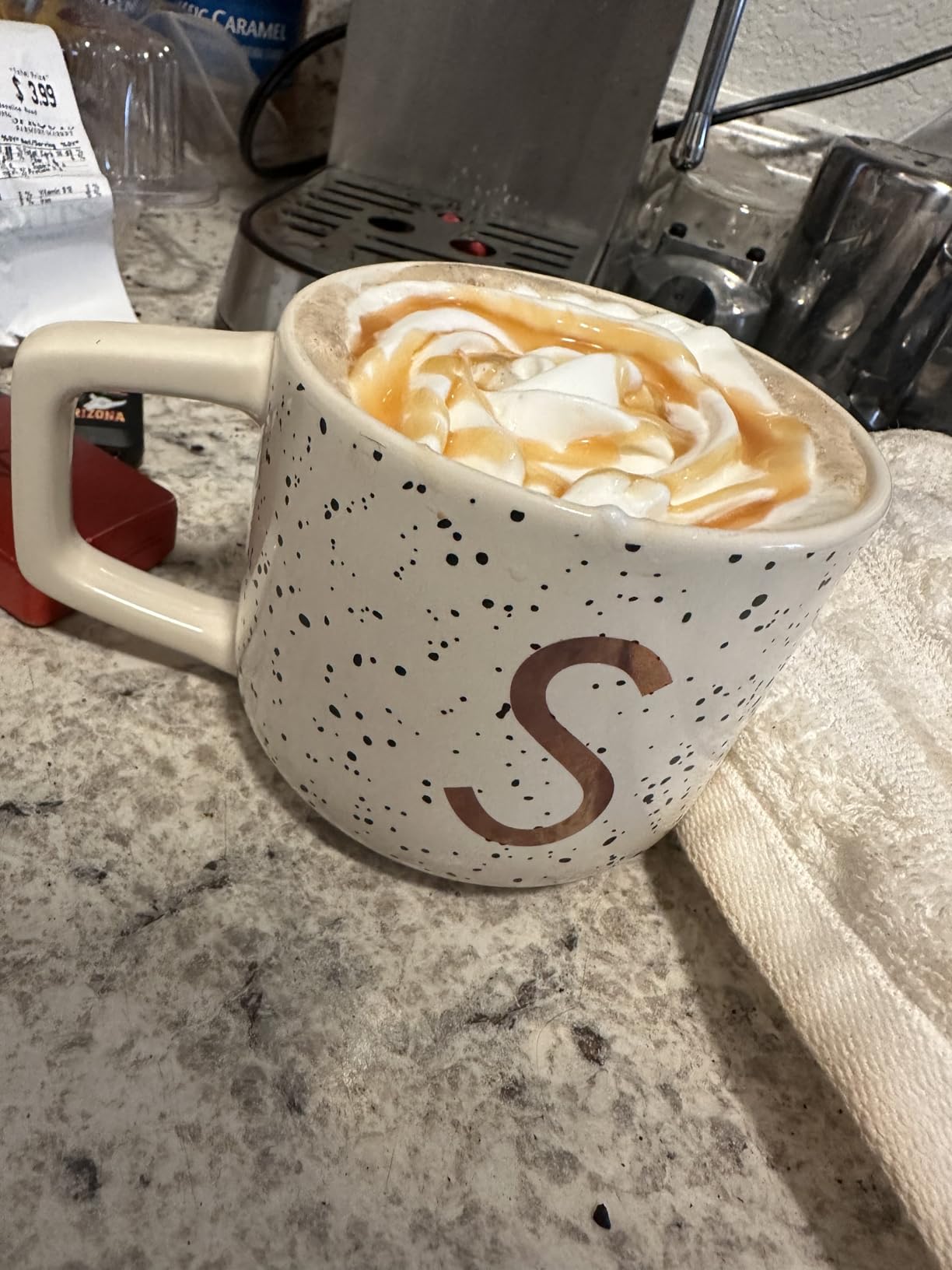
The shot buttons are the deciding detail. They give you a repeatable dose without a scale, which is a real gain when you are learning. Once you are weighing your own doses, they become one more control that can be set wrong and forgotten. If you are in the first category, they are worth more here than anywhere else in the guide.
Know what you are giving up on crema and build
There is no grinder here, and the stainless finish shows fingerprints immediately, which is worth knowing if the machine lives in plain view. The cup warmer on top does not actually keep cups hot. None of that is a dealbreaker, but this is a compact plastic-and-steel tool rather than a piece of café equipment, and it should be bought with that framing.
4. Breville Barista Pro: The Most Compact for Fast Daily Pulls
Breville BES878BSS Barista Pro Espresso Machine, Brushed Stainless Steel
1680W
ThermoJet heating
PID within 2C
19.5 lb
2 year warranty
Pros
- ThermoJet heating is ready in 3 seconds
- Stronger steam wand than the Barista Express
- Backlit LCD shows grind and extraction clearly
- 2 year warranty with reported support
Cons
- Automatic one-touch mode extracts poorly so use manual mode
- Integrated grinder can wear within a year or two
- 54mm portafilter and a noticeably loud grinder
Everything the Barista Express does, the Barista Pro does faster, and it is the one I would buy with money to spare. The ThermoJet heating system reaches extraction temperature in three seconds, the PID holds within plus or minus two degrees Celsius, and the steam wand is noticeably more powerful, which shows up immediately when you are texturing a larger jug. A 2 year warranty backs it up.
Experienced owners consistently rate it as the best espresso they have brewed at home. The catch, and it is a real one, is the automatic mode. Reports describe the one-touch settings producing poor and inconsistent extraction, so treat the machine as manual with a screen. The backlit LCD showing grind and extraction progress is genuinely useful while you are dialing in.
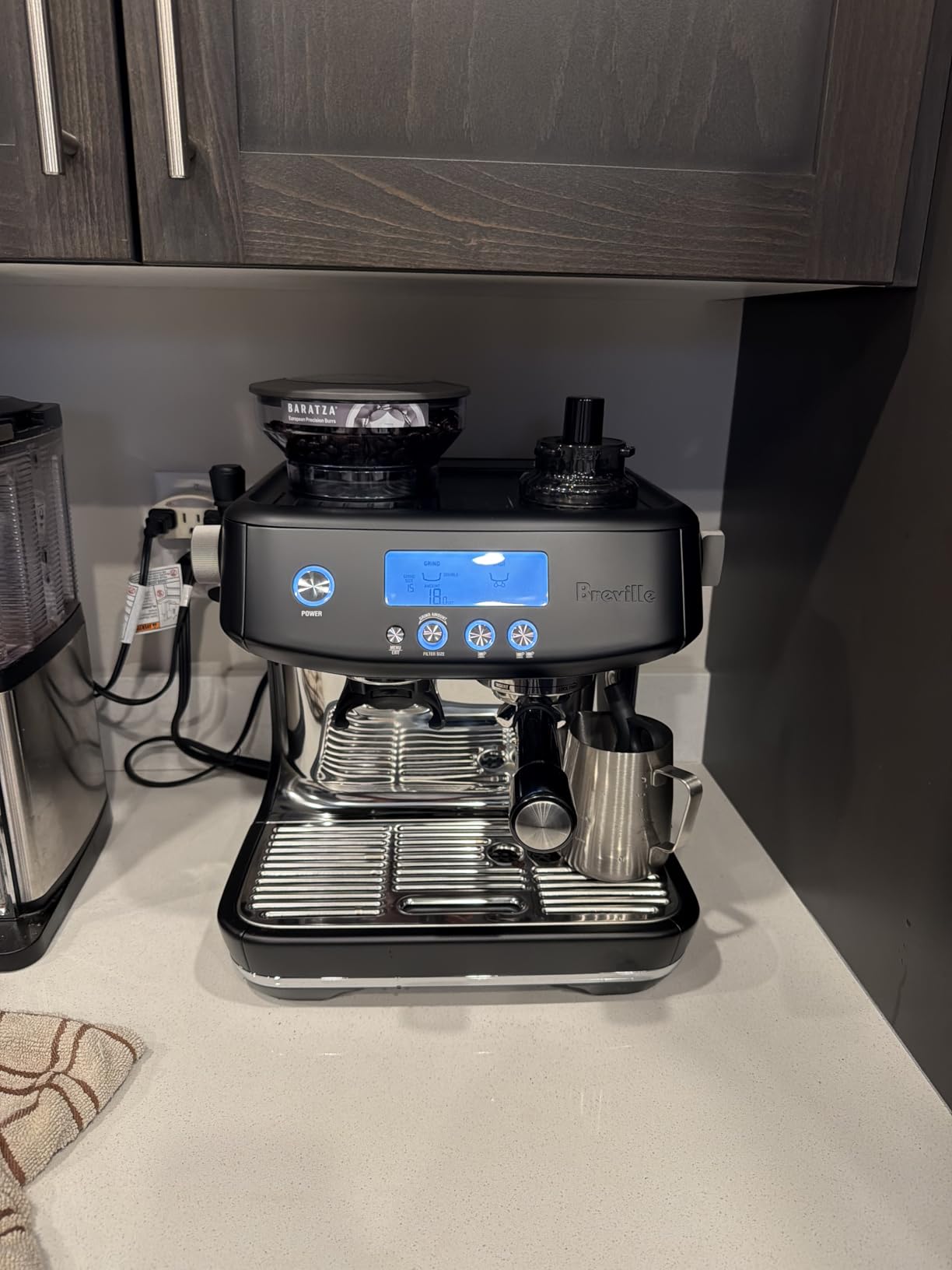
Grinder durability is the main concern. Buyers report the integrated conical burr grinder wearing within a year or two of regular use, and it is loud enough to be noticeable in a quiet kitchen. That matters most if you are the type who wants to upgrade the grinder later anyway, since the machine itself keeps working long after the burrs dull.
A minority of buyers report early failures and worn grinders, though several also note that Breville support resolved warranty issues, including one full replacement. The angled hot water spout, magnetic tamper holder, and large easy-clean drip tray are the small touches that make daily use pleasant.
Check whether you will actually use manual mode
This machine is only worth the step up from the Barista Express if you are willing to pull shots manually and ignore the one-touch buttons. The volume buttons are convenient for a guest who should not be adjusting anything, but as a regular user they are a shortcut to a worse cup. Decide this before you buy, not after.
Weigh heat-up speed against grinder longevity
Three seconds to temperature changes the shape of a morning routine, and paired with a 1680 watt element the steam recovery is quick as well. Against that, the grinder is the part most likely to wear first, and this is still a 54mm portafilter machine. If your plan is to keep and upgrade the grinder, the mismatch matters less. If you want a permanent one-machine setup, it matters more.
5. Breville Barista Touch: Best for a Guided Workflow Without Memorising Steps
Breville BES880BSS Barista Touch Espresso Machine, Brushed Stainless Steel
1680W
ThermoJet heating
54mm portafilter
21.8 lb
Touchscreen
Pros
- Touchscreen organises work into Grind
- Brew and Milk steps
- Automatic microfoam removes the learning curve
- Up to 8 custom profiles can be saved
- ThermoJet heats in about 3 seconds
Cons
- Touchscreen is less tactile than physical dials
- Guided flow is less hands-on than a purely manual machine
- Bulky on a standard countertop
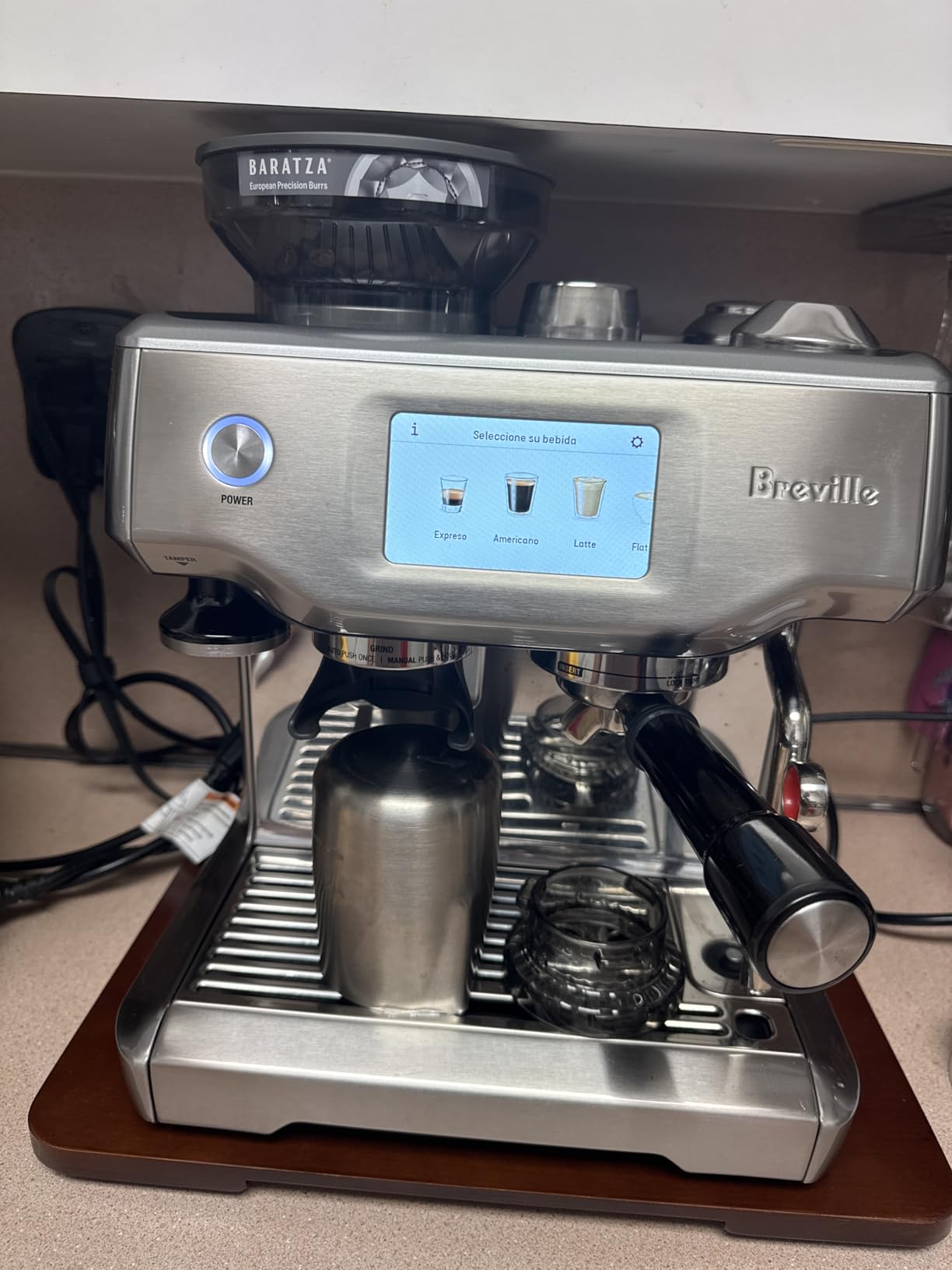
The Barista Touch answers a different question than the other Brevilles: what if you want a machine that guides you? Five pre-programmed cafe favourites and eight saveable custom settings move you through grind, brew and milk as named steps on a touchscreen. The automatic microfoam wand removes the hardest part of making a latte for anyone who is not practising.
It runs the same 1680 watt platform with ThermoJet heating, PID regulation, and an integrated conical burr grinder with dose grinding, so the underlying shot quality is in the same territory as the Barista Pro. It is the workflow layer that is different, and whether that is a benefit depends entirely on what kind of learner you are.
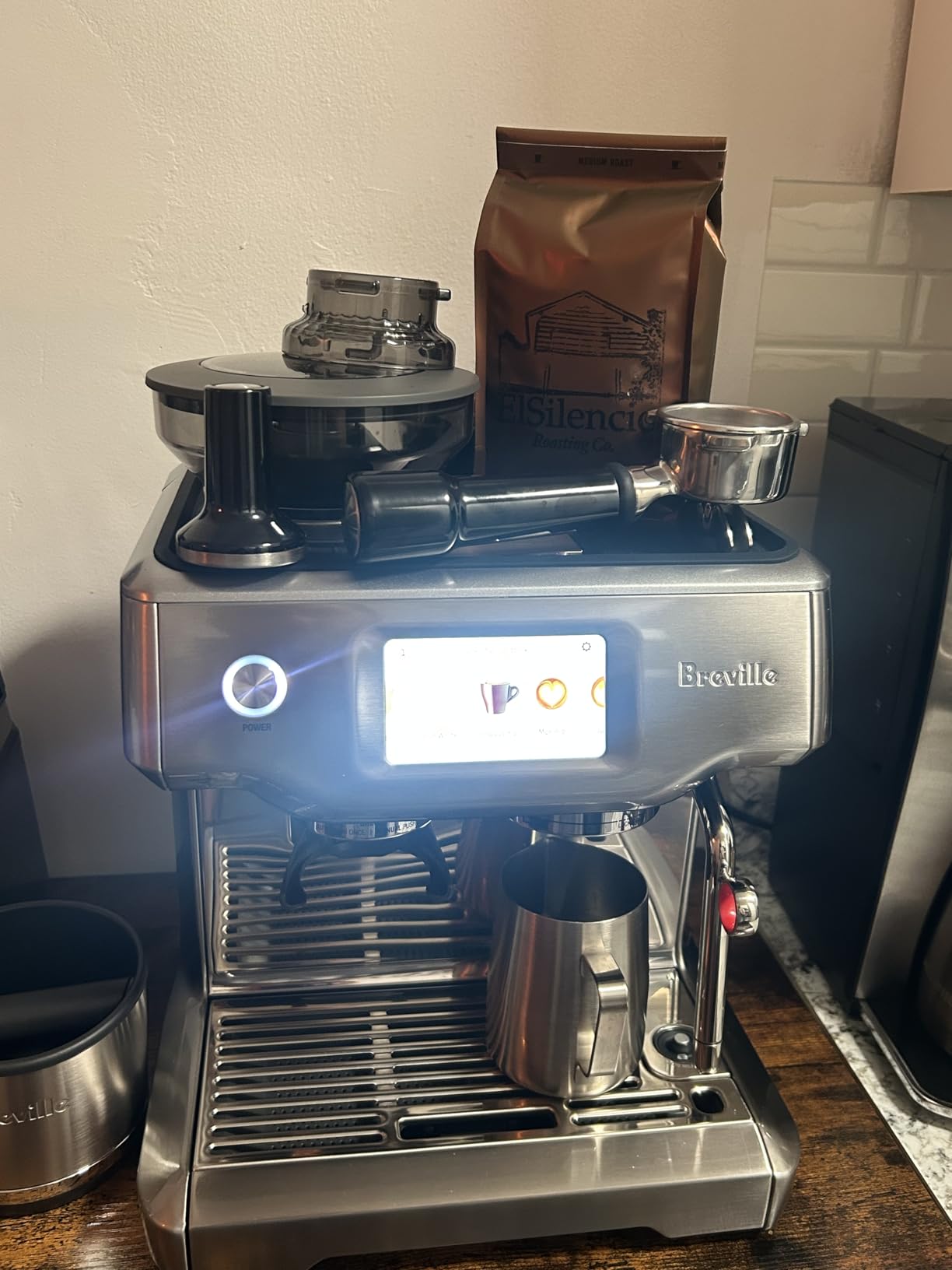
The split in owner feedback is instructive. Enthusiasts find the guided flow less hands-on than a purely manual machine, and say it hides the mechanics you should be learning. Buyers who upgraded from a pod machine find it transformative, because the machine tells them what to do next. The 4.2 average is the gap between those two reactions, not a defect.
Practical notes: the machine is bulky, and cleaning the grinder, portafilter and wand still takes regular effort despite the automation. Touch controls also mean you are looking at a screen rather than feeling a dial, which is a downgrade in tactile terms even if the presets are a step up in convenience.
Decide if a learning curve is a feature or a problem
There is a version of a home barista who wants to understand why a shot tastes the way it does, and a version who wants a cappuccino to come out well without reading anything. This machine is built for the second and does not punish the first. Buy the manual Barista Pro if you want the craft, and this if you want the routine.
Check the counter before the screen
At 21.8 pounds and 12.7 by 15.5 by 16 inches, this is one of the larger bodies here, and the hopper and cup tray stack vertically on top. If you have already measured your space, move on. If you have not, do that first, because the number of people who regret a machine is mostly the number who guessed at the footprint.
6. Ninja Luxe Cafe Premier: The Best 3-in-1 for Drink Variety
Ninja Luxe Café Premier 3-in-1 Espresso Machine, Drip Coffee, & Cold Brew
1650W
Barista Assist dosing,25 setting grinder
Dual Froth System
3 in 1 unit
Pros
- Three machines in one covering espresso
- drip and cold brew
- 25 setting grinder with weight-based dosing
- Hands-free dual frothing is consistent
- Built-in accessory storage saves space
Cons
- Crema is thinner than dedicated espresso machines produce
- Drip tray collects a lot of water and empties often
- Chunky counter footprint and some plastic components
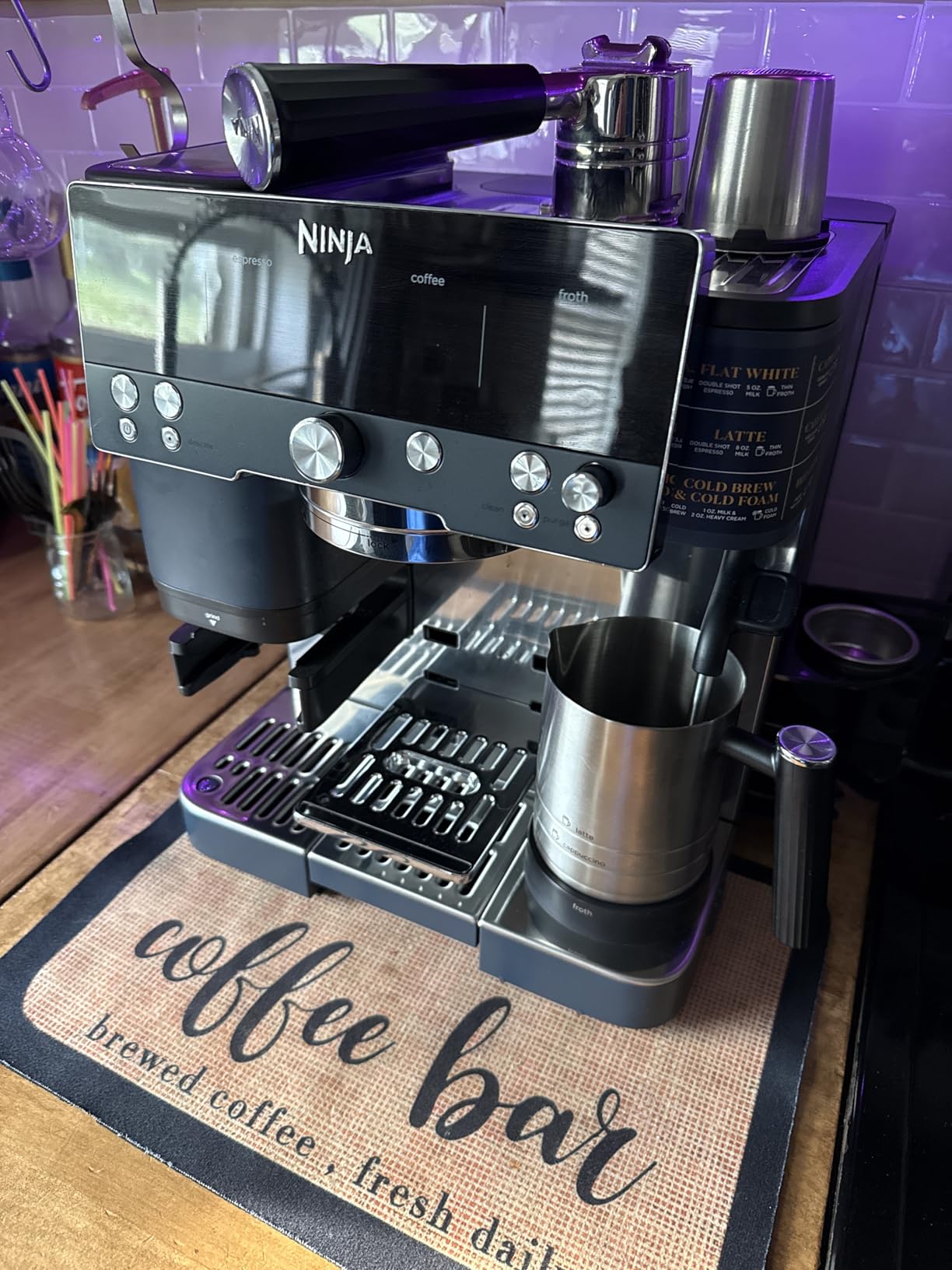
Most people drinking coffee at home want more than one kind of drink, and this machine covers espresso, drip coffee and cold brew from a single body. The built-in conical burr grinder has 25 settings, Barista Assist Technology handles weight-based dosing and assisted tamping, and temperature and pressure adjust in real time per drink. There is also a cold pressed espresso mode at lower temperature and pressure for anyone who prefers a softer shot.
Owners moving up from pods or an older system describe the guided dosing and hands-free frothing as the biggest upgrade, and many say it paid for itself within months. The Dual Froth System pairs a spinning whisk with an automatic steamer, so milk drinks are close to repeatable without manual swirling.
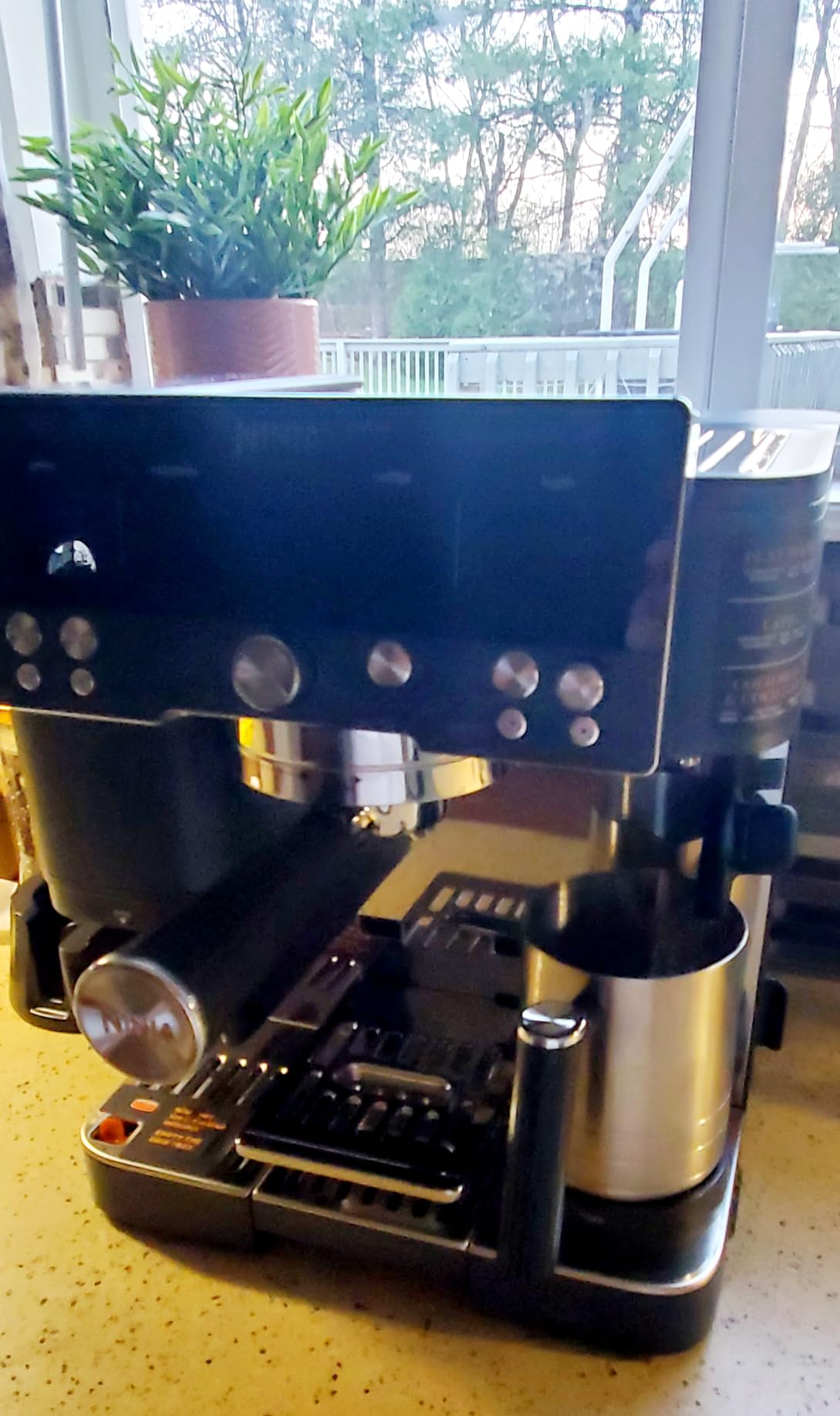
The recurring criticism is crema. Shot crema comes out thinner than on machines built only for espresso, and that gap shows when you compare cups side by side. The machine also discards a surprising amount of water into the drip tray, so you will empty it far more often than the size of the tray suggests.
Grind settings occasionally need manual correction when you change beans, and while the stainless look is convincing, there is plastic inside. The built-in accessory storage genuinely saves counter clutter, which matters given how large this unit is at 12.99 by 13.39 by 14.57 inches.
Count the drinks you actually make before deciding
If your week includes americano, cold brew, and drip coffee alongside espresso, this is the efficient choice, because each of those costs you a separate appliance otherwise. If espresso is four days out of five, the breadth is wasted capability and a dedicated machine will serve you better.
Accept assisted tamping or pick a manual path
Assisted tamping is a genuine help on a busy morning and a genuine limitation if you want to learn how tamp pressure changes flow. Combine that with thinner crema, and the machine is best understood as a guided espresso maker rather than a barista tool. That is not a criticism so much as a fit question.
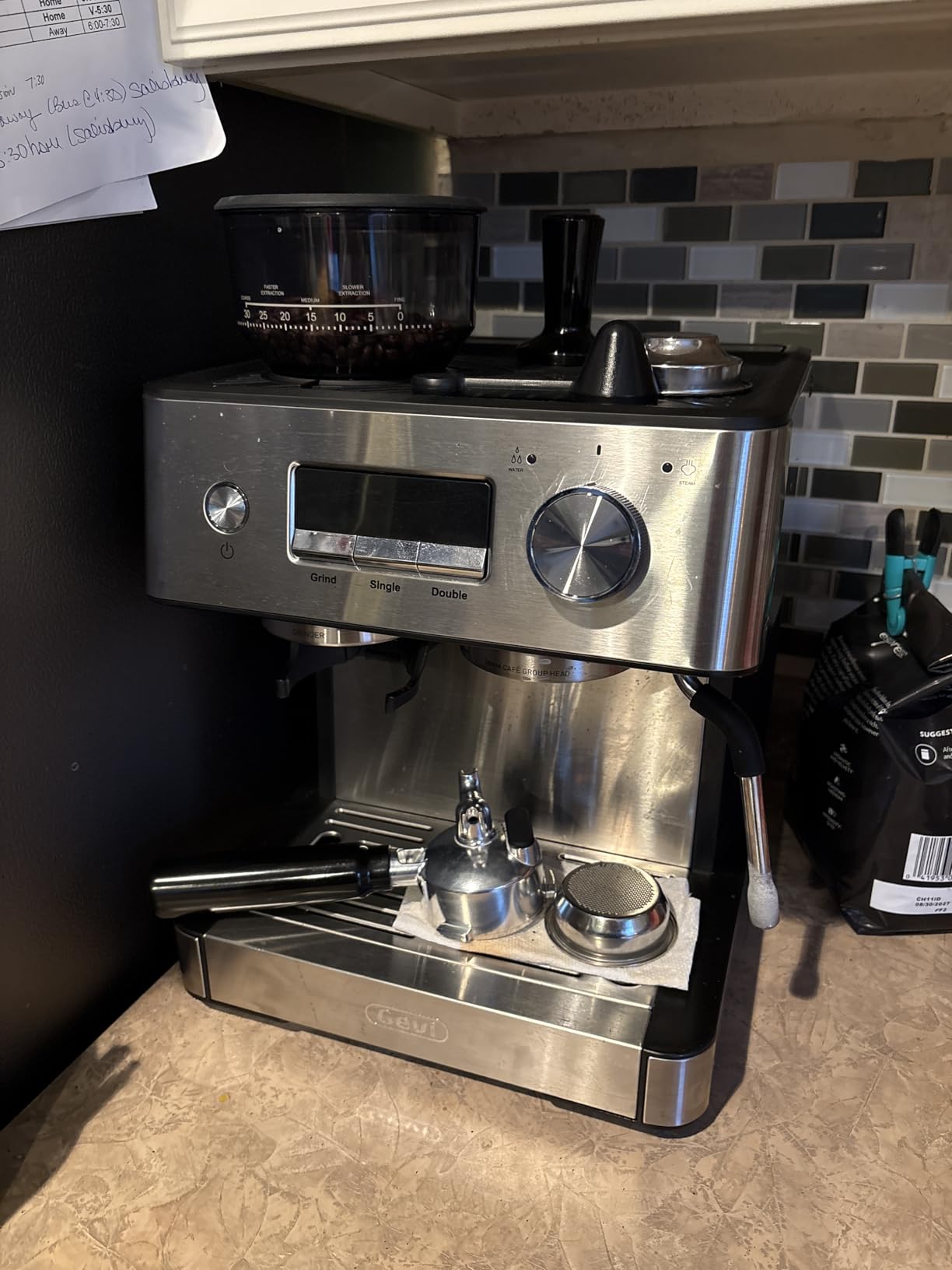
7. Gevi 20 Bar with Grinder: The Best Starter with a 58mm Portafilter
Gevi 20 Bar Espresso Machine with Grinder & Steam Wand for Latte Cappuccino
1450W
NTC and PID control
58mm portafilter
30 setting grinder
Pros
- Built-in grinder with 30 settings doses into the portafilter
- 58mm portafilter matches the commercial standard
- 20 bar pump with PID and NTC control
- Steam wand doubles as hot water dispenser
Cons
- Grinder dose and settings need tuning for repeatable results
- Tall steel body and hopper take vertical space
- Grinder and wand cleaning still takes routine effort
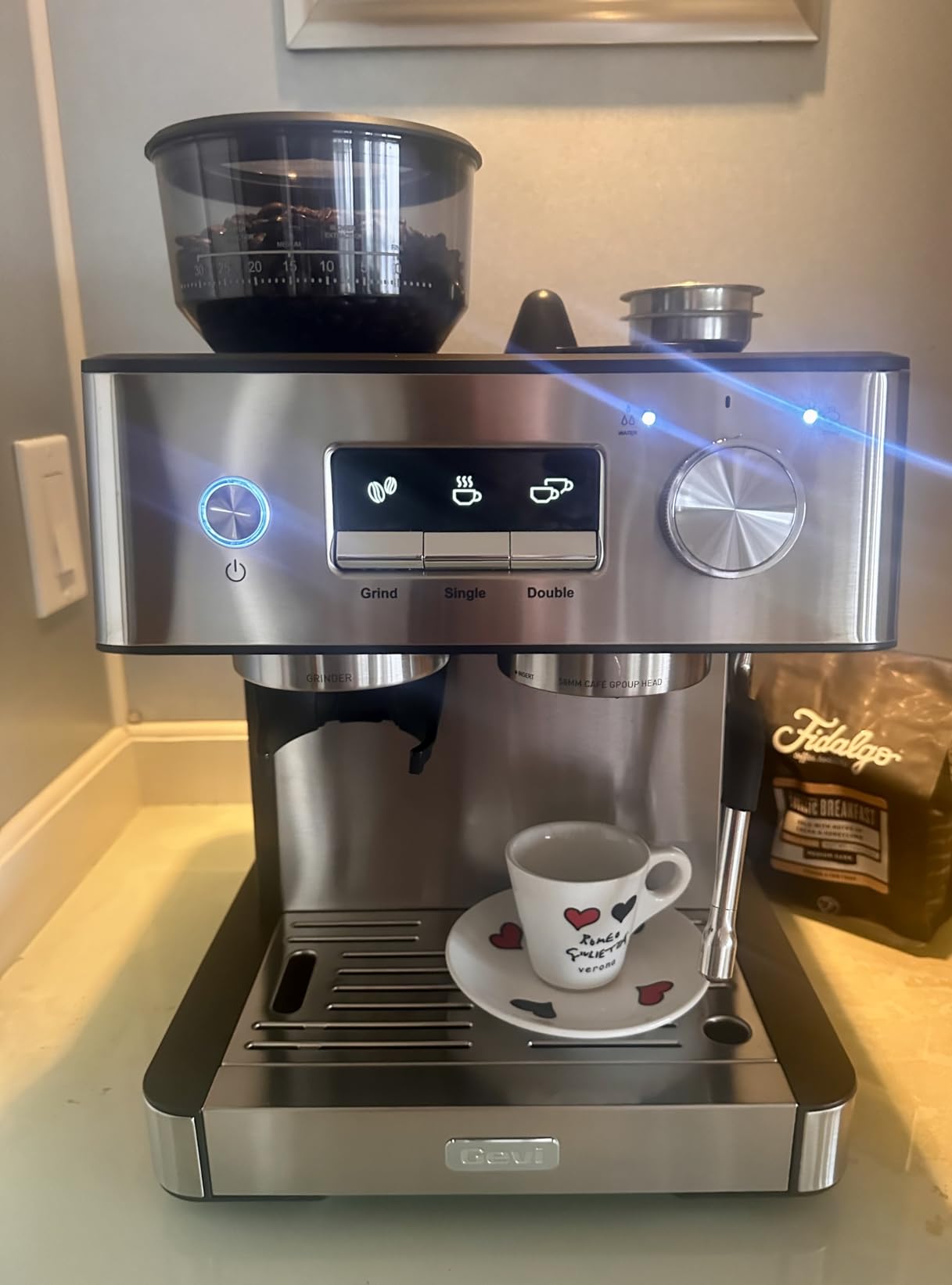
This is the machine I would point people toward who want to learn on standard baskets. A 58mm portafilter is the commercial size, which means the precision baskets, bottomless baskets, and distribution tools you will eventually want all fit. Paired with a 30 setting conical burr grinder, a 20 bar Italian pump, and both NTC and PID temperature control, it covers the most ground of any mid-range machine here.
With roughly three quarters of reviews at five stars, buyers consistently position it as a step up from pod machines, and the value of the all-in-one package is the main theme. All operation settings sit on a single panel, and the steam wand doubles as a hot water dispenser for Americanos, which saves a control and a bit of counter space.
The learning curve is in the grinder rather than the shot. Getting a repeatable dose takes experimentation, and the first few attempts are usually inconsistent. Once the grind and dose are set, the 20 bar pump and temperature control do their part and the shots land where you aim them.
Physically it is tall. At 12.01 by 11.5 by 16.53 inches, the steel housing and bean hopper stack upward, so measure shelf height above your counter, not just counter depth. Routine cleaning of the grinder chute and steam wand still applies, as it does to any machine that grinds whole beans.
Check whether you will want standard baskets later
Portafilter size is the one decision that gets expensive to reverse. A 54mm machine takes 54mm baskets and nothing else, and the accessories you are most likely to want in a year do not fit. If you think you will experiment with bottomless baskets, precision baskets, or WDT tools, 58mm removes a wall you would otherwise be pushing against.
Compare the all-in-one against a separate grinder
Bundled is cheaper and simpler to set up, and it guarantees the machine and the grinder are dialed in against each other. Separate is more expensive up front and better in every technical respect, because you can replace one part at a time. People who already own a burr grinder should skip past this machine, however good the package looks.
8. CASABREWS Ultra: The Best-Rated Machine for First-Time Baristas
CASABREWS Ultra Espresso Machine, Barista Espresso Maker with Steam Wand
1350W
20 bar Italian pump
58mm portafilter
73 oz tank
LCD display
Pros
- Highest average rating in this roundup at 4.5 stars
- Four brewing temperature presets on the LCD
- Large 73 oz tank means infrequent refills
- 58mm dual wall filters are forgiving for new baristas
Cons
- No integrated grinder so a separate burr grinder is needed
- Temperature presets apply to brewing only
- Some plastic in the body and a wide footprint
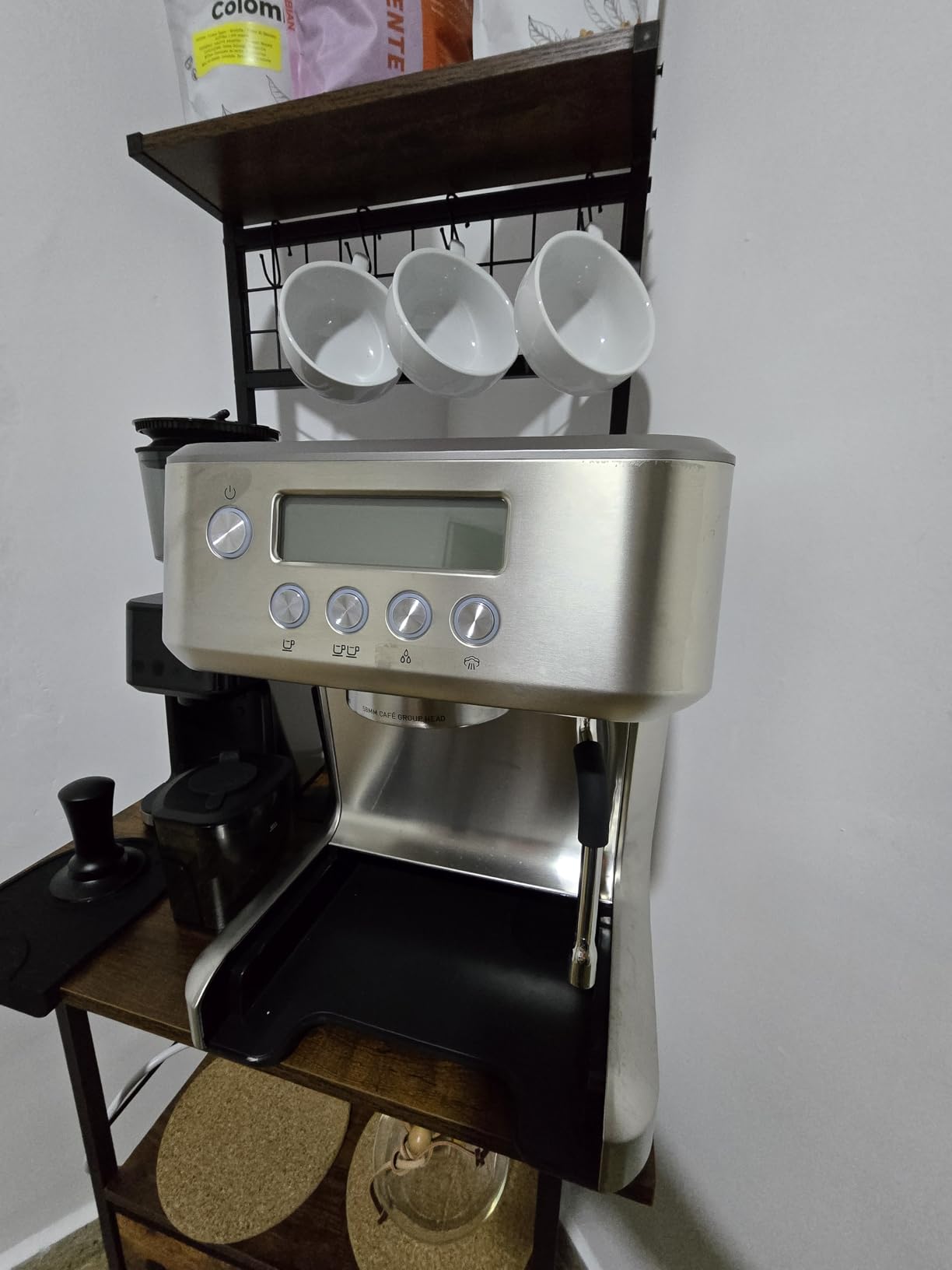
The Ultra carries the highest average rating of any machine in this guide at 4.5 stars, with about three quarters of reviews at five stars. Owners point at the LCD display, the temperature presets, the 73 ounce tank, and the forgiving 58mm dual wall filters, and the last of those is the underrated one. A dual wall basket tolerates a coarser grind and a rushed tamp, which is exactly what a first-time owner needs from week one.
It has a 20 bar Italian pump, a 1350 watt heating system, pre-programmed single and double shot buttons, and a steam wand aimed at barista-level microfoam. A 73 ounce reservoir is the second largest in this guide, so refills are rare even for a household making several drinks a day.
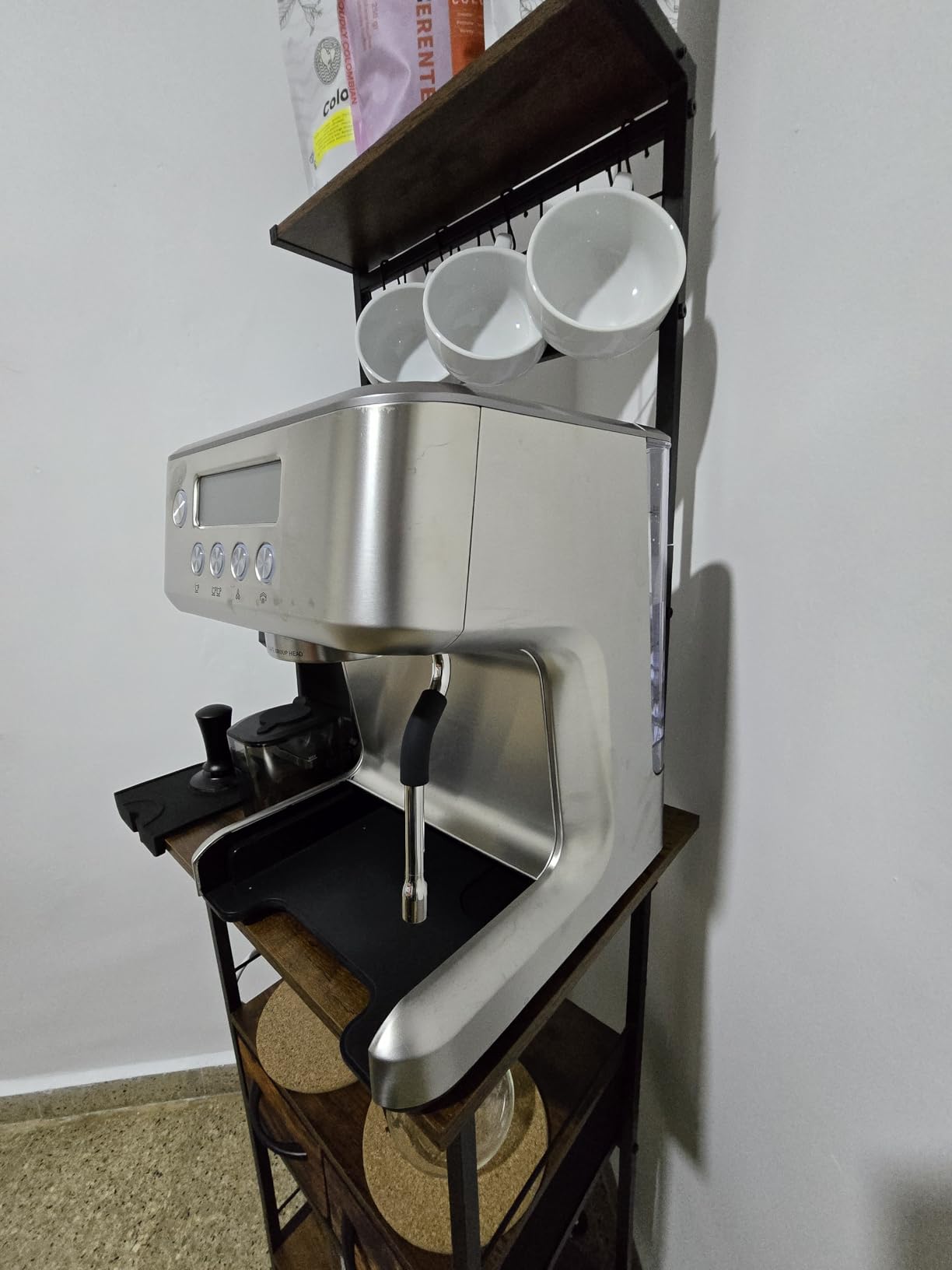
The main limitation is that there is no grinder, and most owners buy one. Treat the grinder as part of the purchase rather than an optional extra, and this machine rewards a decent one. The temperature settings also only affect brewing, not milk texturing, so a cold shot can be corrected with the dial while a cold flat latte cannot.
Plastics appear in the body despite the brushed stainless finish, and at 12.2 by 10.31 by 12.9 inches it is wider than the genuinely compact machines here. It is a fair trade for the tank size and the rating.
Decide if your first basket should be forgiving
There is a real argument for buying the hardest possible basket and learning to fix your own technique. There is an equally real argument for the opposite, and the honest version is that most people who buy a demanding basket quit before they learn what went wrong. The dual wall filters here make the first few months considerably less fragile.
Plan the grinder and the counter together
Budget for a burr grinder in the same week, not later, because the machine cannot make good espresso without one. Then check the footprint, since this is not the smallest body in the guide and the water tank is large. A machine that fits badly gets avoided on busy mornings, and a machine you avoid is a machine you regret buying.
9. Electactic with Grinder: The Most Complete Kit in the Box
Electactic Espresso Machine with Grinder, 20 Bar Expresso Coffee Machines
1500W
20 bar pump with PID
30 setting grinder
26.2 lb
Full accessory kit
Pros
- Integrated grinder with 30 settings in a complete package
- Digital PID control limits over and under-extraction
- 20 bar pump with 1500W motor
- Accessory kit includes portafilter
- baskets
- pitcher
- tamper
Cons
- Very heavy at 26.2 pounds and large on the counter
- Grind and dose need experimentation
- Some plastic components in the body
Open the box and everything needed to pull a shot is inside: a commercial-style portafilter, four brew filters, a frothing pitcher, a heavy tamper, and a cleaning kit. On top of that sits a 30 setting integrated grinder, digital PID temperature control, and a 20 bar pump driven by a 1500 watt motor. Nothing else needs buying before the first cup, which is unusual at this tier.
The manufacturer suggests setting 15 on the grinder as a baseline. Digital PID is the feature that matters most here, because it is what keeps shots from tasting over-extracted on one pull and under-extracted on the next, and the steam wand doubles as a hot water dispenser.
Be clear-eyed about one thing: the verified buyer review text attached to this listing appears to come from a different product, so treat the star rating and the specification list as your evidence here rather than individual written reviews. That is unusual, and it is worth knowing before you weigh owner feedback against other machines in this guide.
On physical terms it is the second heaviest unit covered, at 26.2 pounds and 15.75 by 13.39 by 16.34 inches, and moving it needs two hands. Grinders and dose still need tuning, so the first week is not instant coffee, it is the same calibration process every other machine here goes through.
Count the value of everything in the box
The accessory bundle alone covers a commercial-style portafilter, four baskets, a pitcher, a tamper, and cleaning supplies, which are things you would otherwise buy on day one. If you are starting from nothing, that completeness is real value. If you already own those items, it is duplication, and the money is better spent on a better grinder.
Make sure the counter can take the weight
Twenty-six pounds is not a trivial object to put above a dish rack or beside a sink. Check the surface, the clearance above it for the hopper, and whether you can slide the machine forward for access or whether it has to be lifted. That last question decides whether daily use stays pleasant or becomes a chore.
10. Chefman Crema Supreme: The Largest Tank for Entertaining Guests
Chefman Crema Supreme 15 Bar Espresso Machine with Milk Frother, Barista Steam Wand, Professional Coffee Maker with Coffee Grinder, 30 Grind Settings, 3L Removable Water Tank – Stainless Steel
1450W
15 bar adjustable pump
58mm portafilter
3L tank
21.8 lb
Pros
- 3L reservoir is the largest in this roundup
- 30 setting grinder dispenses into the portafilter
- 58mm portafilter with single and double baskets
- Pressure gauge with adjustable temperature and volume
Cons
- Lowest average rating here at 4.1 stars with 14 percent one-star reviews
- 15 bar pump is lower than rivals at similar tiers
- Large 16.14 inch deep footprint and 21.8 pound weight
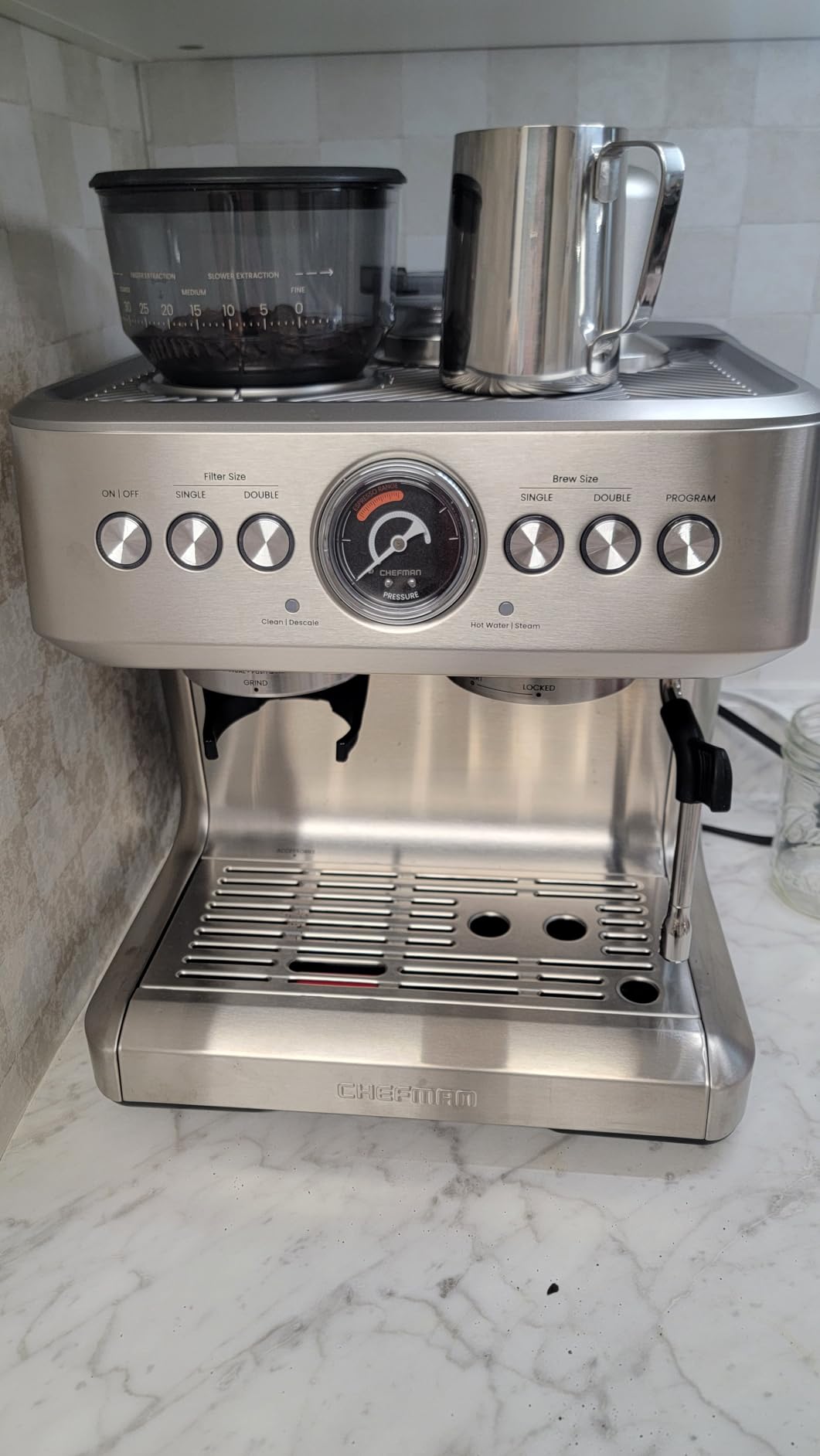
The reason to look at this machine is the 3 litre reservoir, the biggest in this guide, followed by the 58mm portafilter with both single and double baskets. A conical burr grinder with 30 settings dispenses into the portafilter, a pressure gauge appears on the interface, and shot temperature and volume are adjustable, so the hands-on controls are real rather than cosmetic.
For a household where several people drink coffee through the morning, the tank removes the most tedious part of the routine. The detachable drip tray doubles as accessory storage, and the machine carries a one year warranty with cETL certification.
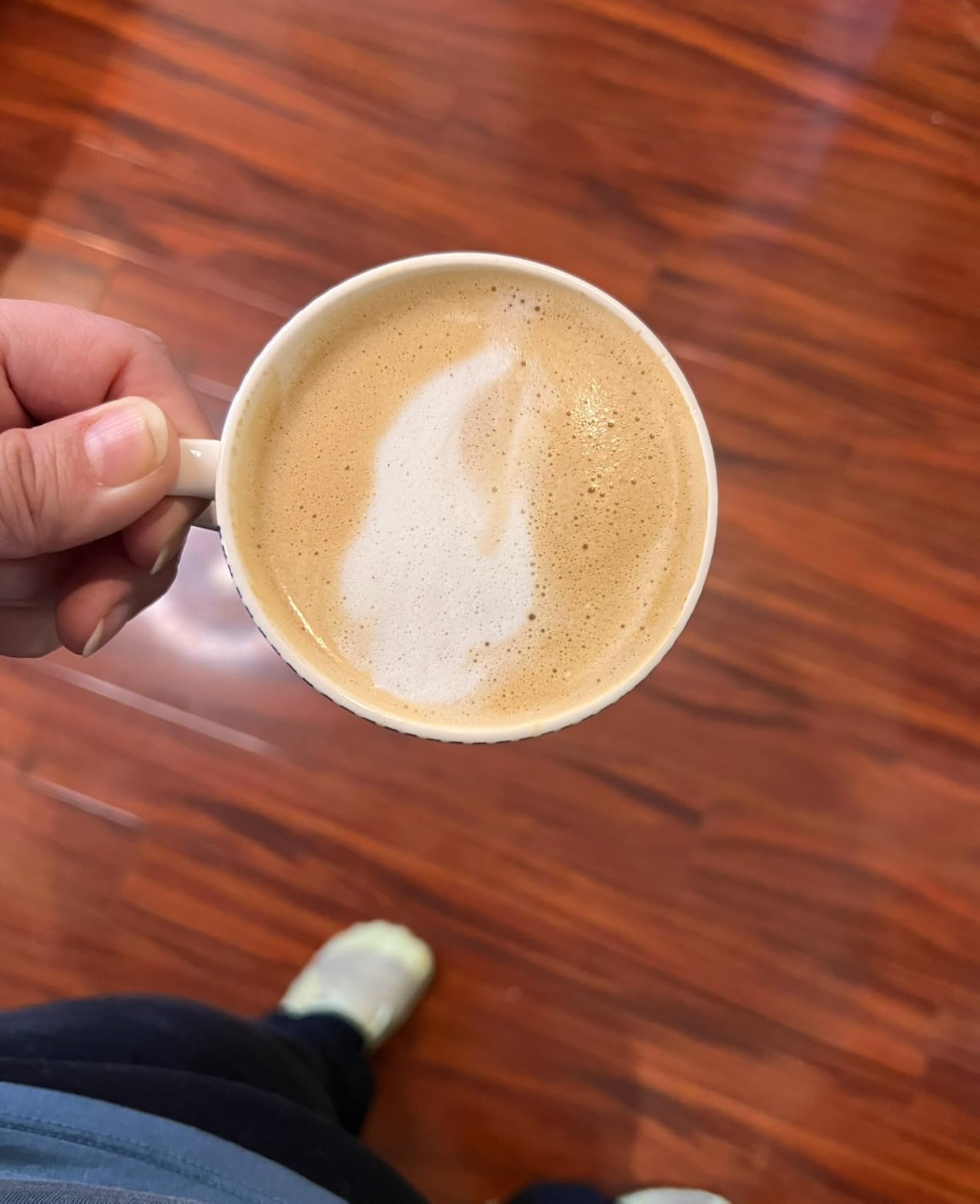
What holds it back is the 4.1 average and a 14 percent share of one-star reviews, the weakest showing in this roundup. The 15 bar pump also sits below the 20 bar machines available at similar price points, and some early machines reported failing or leaking shortly after purchase, so reliability is the question to ask about support.
The footprint is the largest here at 16.14 by 13.39 by 16.34 inches, and it weighs 21.8 pounds. That is fine if you have a dedicated coffee station and frustrating if you are sharing a counter with a toaster.
Check the warranty and support before you commit
With a one year warranty and reports of early failures, the support experience matters more here than on a machine with a two year term. Find out in advance how the brand handles a failure and what parts are available before you buy, not after. A machine you cannot get repaired is a machine you cannot rely on for a group.
Compare pump pressure against the alternatives
Fifteen bar is not automatically worse than twenty, but on a shopping list the twenty bar machines in this guide are competitive on other features too, and the gap in rating is real. If the 3 litre tank is your priority, this machine delivers it. If you are choosing on build and consistency, a higher rated model costs little more to live with.
11. DeLonghi Classic Signature: The Most Versatile for a Small Kitchen
De’Longhi Classic Signature Espresso Machine, Adjustable Milk Frother
1350W
Thermoblock heating
15 bar pump
9 lb
1.7L reservoir
Pros
- Thermoblock heats in seconds
- Compact stainless body fits small kitchens
- Adjustable two-setting steam wand covers warming and microfoam
- Removable parts are easy to clean
Cons
- No built-in grinder so a separate burr grinder is needed
- Light build with a fair amount of plastic
- Wand foams before the milk is fully heated
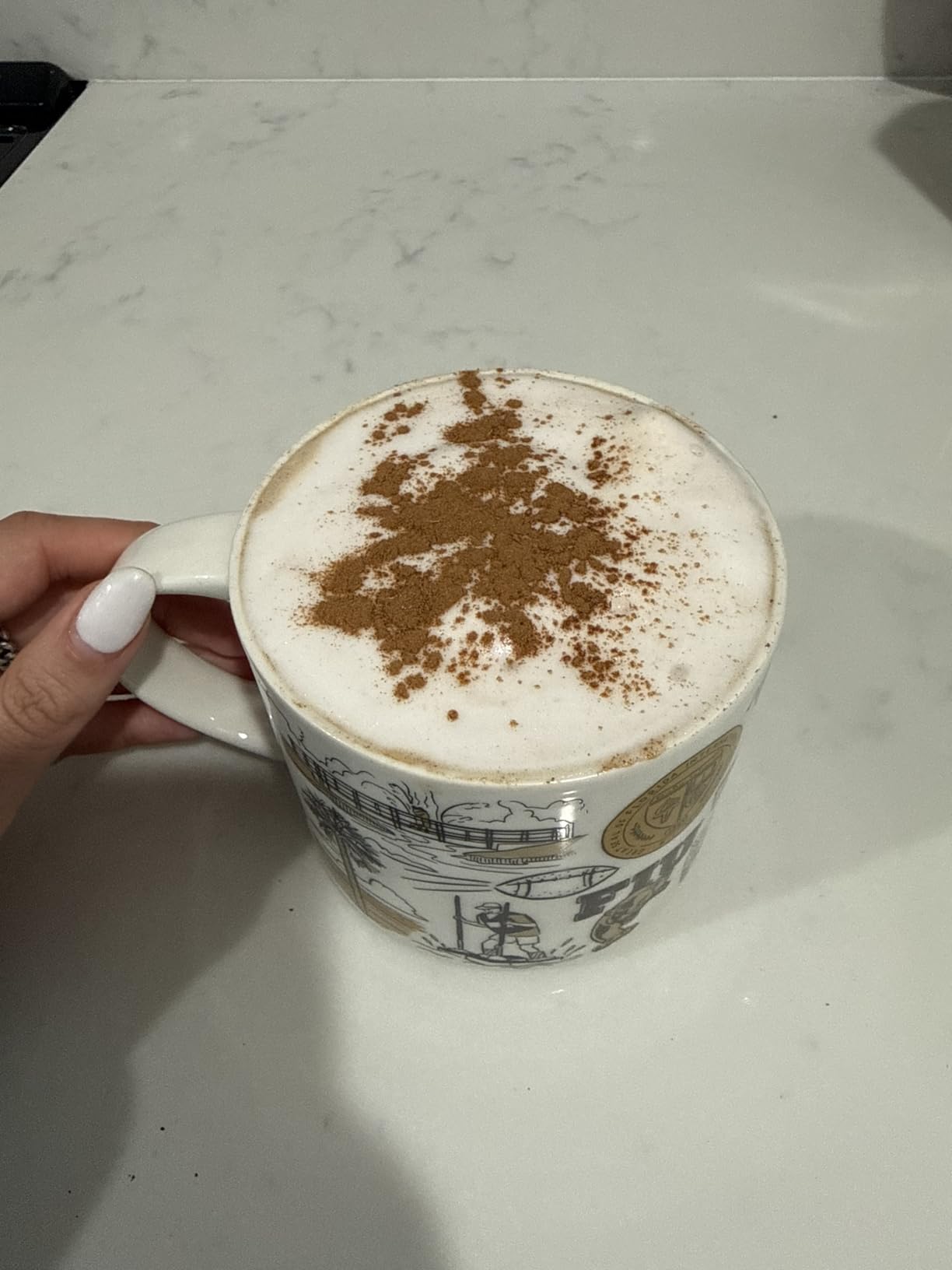
The Classic Signature runs on a thermoblock rather than a boiler, and that is why it is ready before you are. A 15 bar Italian pump sits behind it, along with an adjustable two-setting steam wand that covers both warming milk and texturing microfoam, and customisable single and double presets. At 9 pounds and 11.2 by 9 by 12 inches, it is among the smallest semi-automatic machines on the market.
Long-term owners describe it as a dependable first machine that punches above its price, and several replaced much more expensive units with it. Reviewers also report better cappuccino results than hardware costing several times more, which is a consistent theme across thousands of reviews at 4.3 stars.
The steam wand is where the compromises show. It starts foaming before the milk is properly heated, which makes temperature control fiddly and means you learn to work around it rather than with it. The build is light and includes a fair amount of plastic despite the stainless exterior, and a few buyers report brew water running cooler than the ideal range for espresso.
There is no grinder, and the 1.7 litre reservoir is small enough that you will refill it daily. This machine also makes espresso drinks only, so anyone who wants drip coffee alongside still needs something else.
Decide if fast heat-up matters more than build quality
Thermoblock heating is the reason this machine is quick, and quick matters if you are pulling one shot before work rather than running a full routine. If you plan to make several drinks in a row, heat-up speed is worth less than the boiler-based machines that recover steam faster. Match the feature to your routine rather than to the spec sheet.
Check the tank and the grinder together
A 1.7 litre reservoir is roughly half the size of the largest tanks here, which is fine for one or two people and a nuisance for more. Pair that with the need for a separate grinder, and the realistic cost of this machine is the machine plus a burr grinder. Build that into the budget from the start rather than after the first disappointing shot.
12. Ninja Luxe Cafe Pro Series: The Most Control Over Frothing and Dosing
Ninja Luxe Café Pro Series, Espresso, Cold Brew, Hot Water, ES701
1650W
25 setting grinder
Built-in scale
Lever tamper
27.1 lb
Pros
- Integrated lever tamper removes weighing and mess
- Built-in scale gives weight-based dosing instead of timed grinding
- 5 froth presets plus an XL jug
- Self-rinsing cycle and removable tank
Cons
- Crema is thinner than dedicated espresso machines produce
- Large volumes of water byproduct fill the drip tray fast
- Heaviest unit here at 27.1 pounds
The Pro Series is the version of the Ninja Luxe Cafe that adds two specific things to the Premier, and both matter. An integrated lever tamper and a built-in scale turn dosing into a weight-based measurement instead of a timed guess, and the 5 froth presets with an insulated wand and XL jug give the most direct control over milk in this guide.
It also covers espresso, drip coffee, cold brew and independent hot water, with five espresso styles including ristretto and lungo, all from a 25 setting conical burr grinder. Reviewers who upgraded from pod systems or an earlier Ninja call the tamper and scale the reason they made the jump.
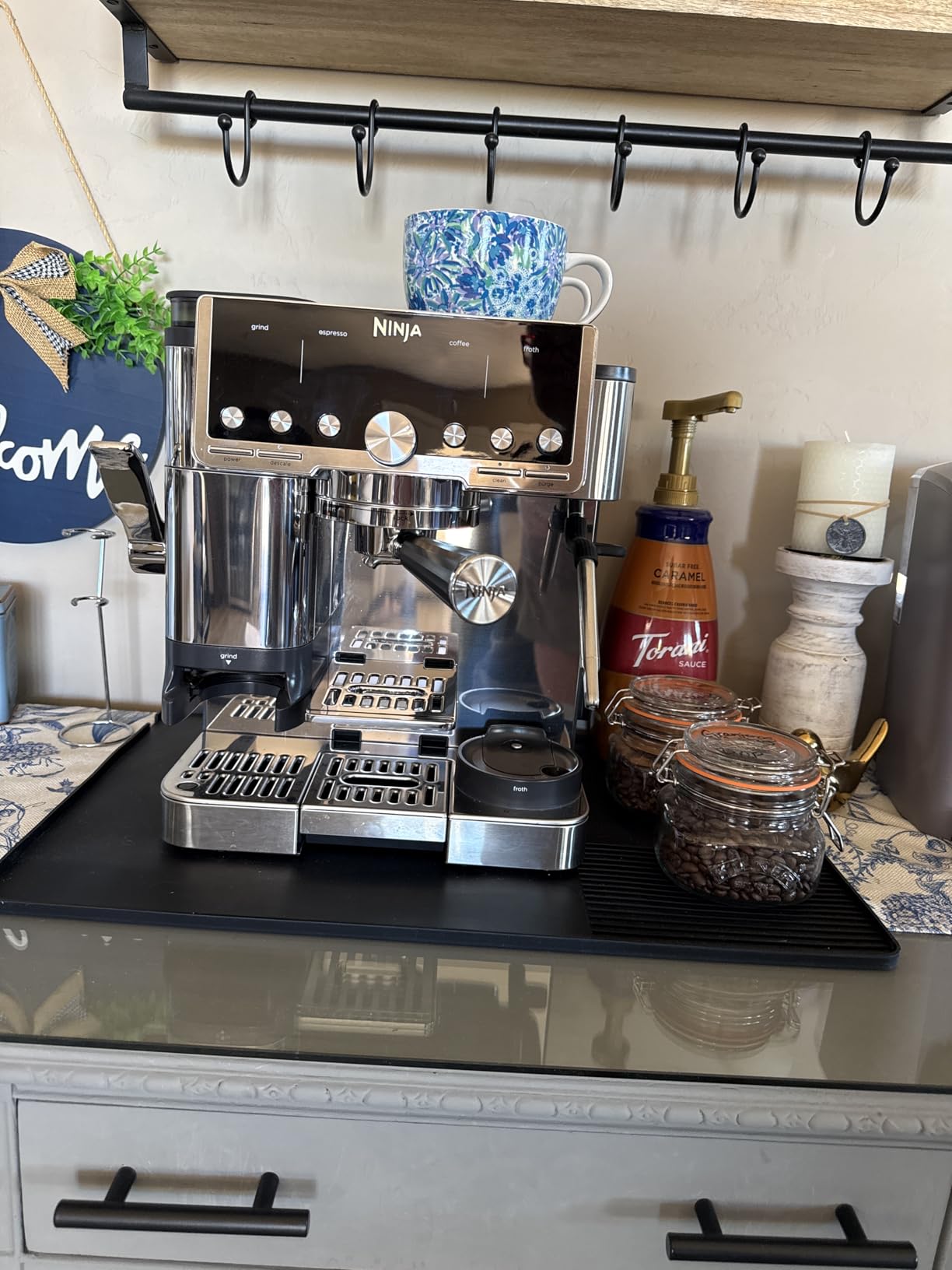
Crema is the recurring complaint, thinner than on machines built purely for espresso, and the machine produces large volumes of water byproduct that fill the drip tray quickly. Grind size suggestions also need occasional manual correction depending on the bean, so it still asks you to stay involved even in guided mode.
At 27.1 pounds and 13.39 by 12.48 by 14.84 inches, this is the heaviest machine in the guide. There are some PVC parts inside a body that looks metal, and a small number of early failures are reported.
Decide if weight-based dosing changes how you work
A built-in scale is a small feature that changes the whole loop. Instead of timing the grinder and hoping, you weigh your dose, which removes one variable from the two or three you are adjusting. If you already own a separate scale, this is redundant. If you do not, it is one of the better reasons to choose this body.
Check the froth presets against your milk habits
Five presets from cappuccino to latte and beyond are genuinely useful when you are making several drinks, and the XL jug gives you room to expand. If you only drink straight espresso, none of it applies, and you are carrying the weight of a large machine for features you will not touch.
How to Choose an Espresso Machine for Home Baristas
Boiler type is the decision that determines everything else, and it is the one most buyers make without knowing it exists. Four designs cover almost every home machine. Single boiler machines use one water reservoir for both brewing and steaming, so they must switch modes between the two. Heat exchanger machines have a single boiler plus a secondary exchanger, which heats steam while the boiler stays on brew temperature. Dual boiler machines run a separate boiler for brew and steam, so you can pull a shot and steam milk at the same time. Thermoblocks heat water through a metal block rather than storing it in a boiler, which makes them extremely fast but limits total capacity.
For a single drink in the morning, a single boiler is enough and several of the machines in this guide are exactly that. If you make milk drinks regularly, the switch mode creates a wait. If you entertain, a dual boiler removes the wait entirely, though none of the units in this guide is a true dual boiler, so the people buying for that reason should look at our heat exchanger espresso machine guide and our coverage of manual espresso machines for the next step up.
PID temperature control explained
PID stands for proportional, integral and derivative, and on an espresso machine it means a small computer measures the temperature of the water and adjusts the heating element to hold a target. The practical result is repeatability. A thermoblock without a PID cycles hot and cool, so shot temperatures drift. A machine with PID holds within a degree or two, which means the only variables left to fix are grind, dose, and tamp. That is why every machine we rate highly here has one, and why a 1600 watt thermoblock with PID can beat a 1350 watt boiler without it.
Pressure, pre-infusion, and what a gauge is for
Espresso is defined by pressure, and most home machines advertise 15 or 20 bar at the pump. Pump pressure is not the same as pressure at the puck, and a machine with a visible gauge lets you watch the extraction profile rather than trust a sticker. Low pressure pre-infusion wets the puck gently before full pressure is applied, which reduces channeling and gives you a more even shot. The Barista Express and Barista Pro both include it, and it is a better use of money than a higher advertised bar number.
The grinder decides more than the machine does
This is the most repeated point across home barista forums, and it holds up. You will never step up your espresso without stepping up your grinds, and a machine cannot grind finer or more evenly than the grinder feeding it. A practical rule: spend roughly a third to a half of your total budget on the grinder. A budget machine paired with a good grinder will beat a good machine paired with a blade grinder every time, and if you already own a burr grinder, choose a machine without one and save the money.
Portafilter size, baskets, and steam power
Portafilter size is the choice that is hardest to reverse. 54mm machines, which includes the Breville Barista Express, Barista Pro and Barista Touch, take 54mm baskets only. 58mm is the commercial standard, which means precision baskets, bottomless baskets, and most accessories fit. The CASABREWS Ultra, Gevi with grinder, and Chefman Crema Supreme are 58mm here.
Baskets come in two forms. Pressurized baskets are forgiving of a coarse grind and an uneven tamp, which is why they suit beginners. Non-pressurized baskets are where accuracy shows, and bottomless ones let you see the extraction directly. Steam power is the other number that matters for milk, and it tracks wattage reasonably well: 1350 watt machines texture slowly, 1600 watt and above texture quickly.
What maintenance actually involves
Every machine here needs backflushing, descaling, water filter changes, and weekly cleaning of the group and wand, and the machines with a grinder need the chute cleaned too. Test your tap water hardness first, because scale is the most common cause of early failure and it is the cheapest thing to prevent. Budget for descaling solution, cleaning tablets, and a replacement basket or group gasket every year or two as running costs, and never skip a service interval because the machine still works. Machines where you are curious about the manual side of the process can start from our lever espresso machine guide.
Frequently Asked Questions
What espresso machine do baristas use at home?
Most working baristas who set up at home choose a machine with a 58mm commercial-style portafilter, a pressure gauge, and either PID temperature control or a heat exchanger boiler. The reasoning is that the gauge and the temperature stability are what let you diagnose a bad shot, while the 58mm basket keeps commercial accessories compatible. Machines with a built-in grinder are convenient for a single drink a day but limit upgrades later.
Do I need a dual boiler or a single boiler espresso machine?
A single boiler is enough if you make one drink at a time, because it only heats water once and switches between brew and steam modes. A heat exchanger keeps brewing temperature while it heats steam, which reduces the wait. A dual boiler runs brew and steam circuits separately so you can pull a shot and texture milk simultaneously, which matters when you make more than one milk drink in a row.
What grinder do I need for an espresso machine?
A conical burr grinder with fine, stepless or closely stepped adjustment, and it should be a separate machine rather than a built-in one if you can afford it. Spend roughly a third to a half of your total espresso budget on the grinder, because grind quality affects taste more than the machine does. If your machine has an integrated grinder, check how easily that grinder can be replaced before settling.
Is a super automatic espresso machine worth it?
A super automatic is worth it for convenience, since it grinds, tamps, brews and froths with little involvement from you. The trade-off is control and crema, since assisted tamping and automated dosing produce thinner crema than manual extraction, and the built-in grinder is harder to replace. It suits households that want cappuccinos quickly rather than people who want to learn the craft.
What is PID temperature control on an espresso machine?
PID is a control loop that measures brew temperature and adjusts the heating element to hold a target reading, standing for proportional, integral and derivative. On a machine with PID, shot temperature stays within a degree or two of the setting, so the remaining variables are grind, dose and tamp. Without PID, water temperature cycles and shots drift hot or cold between pulls.
Final Verdict: Which Home Espresso Machine Should You Buy
The best espresso machines for home baristas in 2026 come down to a shortlist of four. The Breville Barista Express is the one to buy, because a real grinder, PID control, and a pressure gauge in a single body is the combination that teaches you fastest. The Breville Barista Pro is the version to step up to when heat-up speed and steam power matter more to you than the extra money.
The other two are conditional. Buy the Gevi 20 Bar Compact if counter space is the constraint, and buy the Gevi 20 Bar with Grinder if a 58mm portafilter and a bundled grinder set your future options better. The remaining eight cover narrower needs, from the highest-rated beginner machine to the most automated milk workflow, and each earns its place for a specific household rather than a specific ranking.
Whichever one you pick, buy the grinder in the same week. That single decision does more for your espresso than any feature on any machine in this guide.