
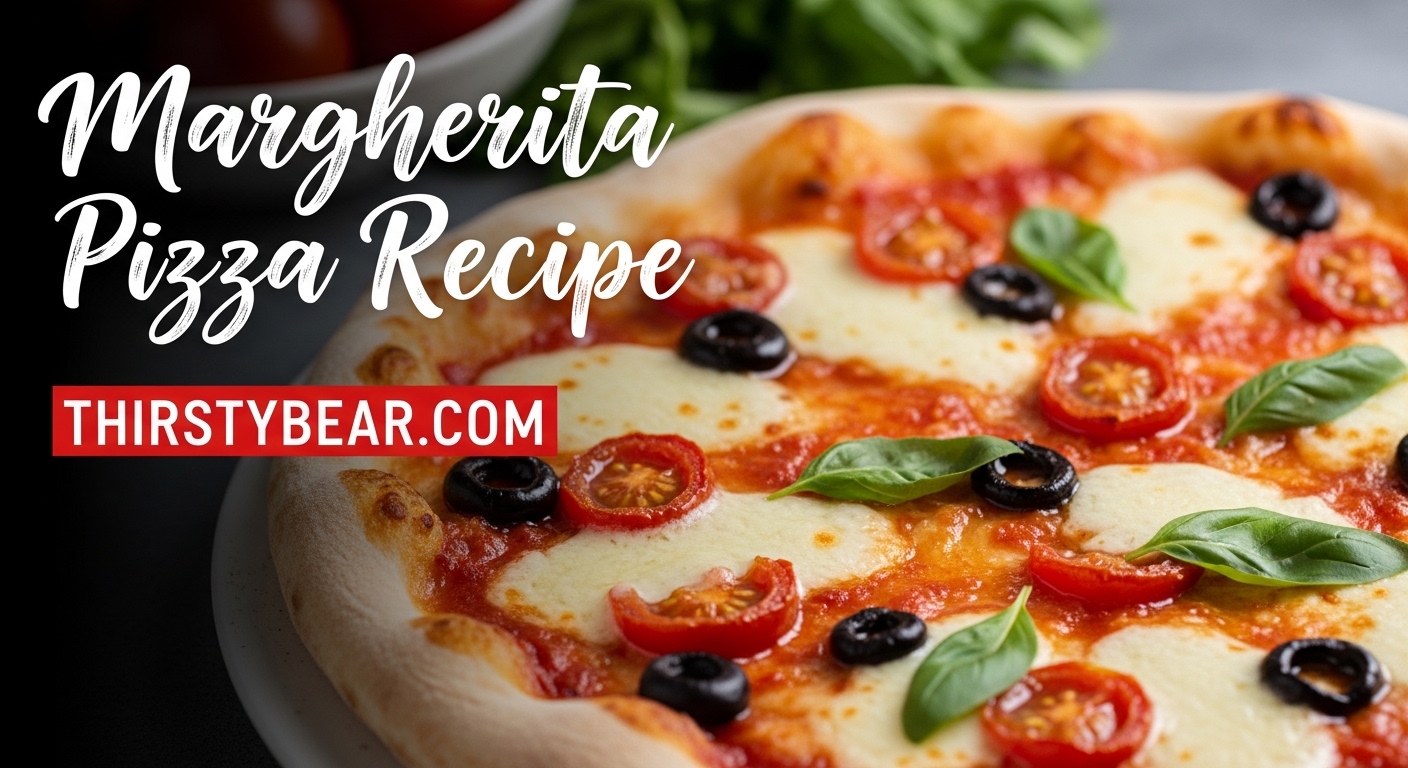
After spending a week in Naples learning from local pizzaiolos, I discovered that the most authentic margherita pizza recipe comes down to three things: San Marzano tomatoes, fresh mozzarella, and patience. This classic Neapolitan pizza represents the pinnacle of Italian culinary simplicity, showing how quality ingredients shine without heavy toppings to hide behind.
Mastering a margherita pizza recipe at home transforms your kitchen into a pizzeria. I’ve tested countless variations over the years, and this guide delivers everything you need to create restaurant-quality results with your standard oven. No fancy equipment required, though I’ll share what makes a real difference.
Table of Contents
What is Margherita Pizza
Margherita pizza is a classic Neapolitan pizza made with simple, fresh ingredients: tomato sauce, fresh mozzarella cheese, fresh basil leaves, and extra virgin olive oil on a thin crust. What makes this recipe special is its historical significance and the intentional color scheme representing the Italian flag.
Created in 1889 by pizzaiolo Raffaele Esposito in Naples, this pizza was named after Queen Margherita of Savoy. Legend says Esposito crafted three pizzas for the visiting queen, and she favored this one topped with mozzarella (white), tomato (red), and basil (green) – the three colors of the newly unified Italian flag. This royal endorsement helped establish pizza as Italy’s national dish.
Unlike American cheese pizzas loaded with toppings, authentic margherita pizza recipes focus on ingredient quality over quantity. The crust should be thin with characteristic leopard spotting from high-heat baking, the sauce simple enough to let the tomatoes shine, and the mozzarella fresh enough to create those signature white pools.
Flour Guide: Tipo 00 vs All-Purpose vs Bread Flour
The flour you choose dramatically affects your crust texture. Here’s how the main options compare for a margherita pizza recipe:
- Tipo 00 Flour: This finely ground Italian flour creates the most authentic Neapolitan crust. With 11-12% protein content and fine texture, it produces a thin, tender crust with just the right chew. I’ve tested this side-by-side with other flours, and the difference is noticeable in the crust’s elasticity and final texture. Best for traditional margherita pizza recipes targeting authentic results.
- All-Purpose Flour: The most accessible option that still delivers excellent results. With 10-12% protein, it creates a reliable crust that’s slightly less tender than Tipo 00 but still delicious. Perfect for home cooks starting their pizza journey or when specialty flours aren’t available. I’ve made hundreds of pizzas with AP flour, and they always turn out great.
- Bread Flour: Higher protein content (12-14%) creates a chewier, breadier crust with more structure. Works well if you prefer a thicker crust or plan to load on toppings. Not ideal for authentic thin-crust Neapolitan style, but excellent for New York-style variations. The extra gluten development gives the dough more snap.
Equipment You’ll Need
While you can make decent pizza with basic kitchen equipment, having the right tools elevates your margherita pizza recipe results significantly. Here’s what actually matters:
- Pizza Stone or Baking Steel: A preheated stone or steel mimics a wood-fired oven’s floor, creating that crispy crust. Baking steel conducts heat better and produces slightly better results, though quality stones work well too. Preheat for at least 45 minutes at 500°F or higher for maximum effectiveness. Without one, use an inverted baking sheet preheated similarly.
- Pizza Peel: Essential for transferring dough to the hot stone. Wooden peels hold dough well without sticking, while metal peels slide underneath cooked pizzas easily. If you don’t have one, use a rimless baking sheet dusted with semolina flour – the semolina acts like ball bearings, helping the pizza slide off easily.
- Semolina Flour: Not for the dough itself but for dusting your peel. This coarse corn product prevents sticking better than regular flour and adds subtle crunch to the crust’s exterior. Worth the small investment for how much easier it makes pizza transfer.
Ingredients for Authentic Margherita Pizza
The beauty of this margherita pizza recipe lies in ingredient quality. Each component plays a specific role, and cutting corners affects the final result. Here’s what you need and why it matters:
For the Pizza Dough:
- 3 cups flour (Tipo 00, bread flour, or all-purpose) – Forms the base structure. Tipo 00 gives most authentic results, but all-purpose works perfectly well.
- 1 teaspoon instant yeast – Provides the rise. Instant yeast doesn’t require proofing and activates quickly. Active dry yeast works too but needs blooming in warm water first.
- 1 1/4 cups water (room temperature, about 75°F) – Hydration level affects crust texture. This amount creates a workable dough that’s neither too sticky nor too dry. Adjust slightly based on your flour’s absorption.
- 2 teaspoons kosher salt – Enhances flavor and strengthens gluten structure. Don’t reduce this – salt is crucial for proper dough development and final taste.
- 1 tablespoon extra virgin olive oil – Adds subtle richness and helps keep crust tender. Can be omitted for a crispier, more traditional Neapolitan style.
For the Toppings:
- 1 can (28 ounces) San Marzano tomatoes – These are the gold standard for pizza sauce. Grown in volcanic soil near Mount Vesuvius, they’re sweeter and less acidic than regular tomatoes. Crush them by hand for rustic texture. Worth every penny for authentic flavor.
- 8 ounces fresh mozzarella (fior di latte or buffalo) – Fresh mozzarella provides the classic white pools and creamy texture. Buffalo mozzarella offers richer flavor but higher moisture content. Fior di latte (cow’s milk) melts more consistently and creates better leopard spotting. Either works beautifully in a margherita pizza recipe.
- Fresh basil leaves (about 15-20) – Adds the essential aromatic finish. Whole leaves placed after baking maintain bright flavor and prevent burning. chiffonade (cut strips) can be used but lose aroma more quickly.
- Extra virgin olive oil for drizzling – The finishing touch that ties everything together. Use good quality olive oil here since it’s not being cooked – you’ll taste the difference.
Homemade Margherita Pizza Recipe
Prep time: 20 minutes | Cook time: 10-12 minutes | Dough rise: 1-24 hours | Yields: 2 pizzas (4-8 servings)
Step 1: Prepare the Dough
Mix flour, yeast, and salt in a large bowl. Add water and olive oil, stirring until combined. Turn onto a floured surface and knead for 8-10 minutes until smooth and elastic. The dough should pass the windowpane test – you can stretch it thin enough to see light through without tearing.
Place dough in an oiled bowl, cover with plastic wrap, and let rise in a warm spot until doubled in size, about 1-2 hours. For better flavor development, refrigerate for 24 hours – this cold fermentation creates noticeably better taste and texture. I’ve tested both methods repeatedly, and the cold rise makes a significant difference.
Step 2: Prepare the Simple Sauce
While dough rises, crush San Marzano tomatoes by hand in a bowl. Add a pinch of salt. That’s it – no cooking required. The heat from the oven will concentrate the flavors naturally. If you must add something, a minced garlic clove works, but purists prefer just tomatoes and salt. Keep it simple for the most authentic margherita pizza recipe experience.
Step 3: Preheat Your Oven
Place your pizza stone or steel on the middle rack and preheat oven to 500°F (or highest setting) for at least 45 minutes. The stone needs to be fully saturated with heat for proper crust formation. Rushing this step results in soggy, undercooked crusts. I’ve tried shorter preheats, and they never work as well.
If using a baking sheet instead of stone, preheat it upside down on the rack. This creates a makeshift stone that still produces better results than a room-temperature sheet.
Step 4: Shape the Dough
Punch down risen dough and divide into 2 equal portions. On a floured surface, press one portion into a disk. Using your fingertips, push from center outward, leaving the edges slightly thicker to form the crust. Continue stretching until about 10-12 inches in diameter, rotating frequently to maintain even thickness.
Don’t use a rolling pin – it presses out all the air bubbles that create the desirable bubbly texture. Hand-stretching preserves the gas pockets that give Neapolitan pizza its characteristic lightness.
Step 5: Assemble Your Pizza
Dust your pizza peel with semolina flour. Transfer stretched dough to peel. Spread a thin layer of crushed tomatoes over the surface, leaving a 1-inch border for the crust. Less sauce is better here – too much creates a soggy crust. Tear mozzarella into small pieces and distribute evenly over the sauce.
Avoid overloading with cheese – fresh mozzarella releases water as it melts. Too much means a soggy crust, which is the most common problem I see with homemade margherita pizza recipes. Use restraint and trust the process.
Step 6: Bake to Perfection
Quickly slide pizza from peel onto preheated stone using a back-and-forth motion. Bake for 8-12 minutes until crust is golden with leopard spotting and cheese is bubbling. Rotate halfway through for even browning if your oven has hot spots.
The bottom should be firm and spotted with char, the edges puffed and crisp. Don’t worry about some dark spots – that’s authentic and adds flavor. The higher temperature creates the characteristic Neapolitan texture in ways home ovens rarely achieve.
Step 7: Finish with Fresh Basil
Remove pizza from oven using the peel. Immediately scatter fresh basil leaves over the hot surface – the residual heat releases their aromatic oils without wilting them completely. Drizzle with extra virgin olive oil and let rest for 2-3 minutes before slicing.
This resting period allows cheese to set slightly, making it easier to slice cleanly. Cut into 6-8 wedges and serve immediately while the crust is still crisp.
Tips for Success
- The Paper Towel Trick: Before using fresh mozzarella, pat it thoroughly with paper towels to remove excess moisture. This simple step prevents soggy crust and is the single most important technique I’ve learned for perfect margherita pizza recipes. Even 5 minutes of pressing makes a noticeable difference.
- Cold Rise for Better Flavor: While you can use dough after a 2-hour rise, refrigerating it for 24 hours develops noticeably better flavor through slow fermentation. The yeast produces more complex flavor compounds over time, and the cold temperature creates a more tender crumb structure.
- Test Dough Thickness: Hold your stretched dough up to light – you should be able to see light through the center. This transparency test ensures you’ve achieved the proper thinness. Too thick means doughy crust; too thin means tearing during transfer.
- Semolina is Your Friend: Always dust your peel with semolina flour, not all-purpose. The coarse texture acts like tiny ball bearings, helping the pizza slide off easily. This eliminates transfer frustration and prevents the dreaded stuck-dough situation.
- Preheat Longer Than You Think: 45 minutes minimum for your stone or steel. I’ve tested shorter times repeatedly, and they never produce the same crisp crust. The thermal mass needs time to fully heat through – rush this step at your peril.
Troubleshooting Common Problems
- Soggy Crust: This is the number one complaint I see about homemade margherita pizza recipes. Causes include too much sauce, wet mozzarella, or insufficient oven preheating. Solutions: use less sauce, pat mozzarella dry with paper towels, and ensure your stone preheats for at least 45 minutes at maximum temperature.
- Dough Not Rising: Usually caused by inactive yeast or cold environment. Check your yeast’s expiration date and use warm (not hot) water for activation. If your kitchen is cool, find a warmer spot for rising – near a preheating oven works well. You can also add a pinch of sugar to feed the yeast.
- Crust Burns Before Cheese Melts: Your oven temperature is too high or rack position is too close to heating element. Lower temperature by 25°F or move rack down one position. Also check that your cheese pieces aren’t too thick – tear into smaller, even pieces for consistent melting.
- Can’t Transfer Pizza to Stone: Your dough is sticking to the peel. Dust more generously with semolina flour and work quickly after assembling. If dough sticks, use a piece of parchment paper as a temporary base – you can slide it onto the stone with the pizza and remove halfway through cooking.
- Sauce Too Watery: San Marzano tomatoes should naturally be thick enough. If yours seem watery, drain crushed tomatoes in a colander for 5 minutes before using. Avoid adding extra water or other liquids that thin the sauce unnecessarily.
Variations and Serving Suggestions
While purists insist on the traditional trio of ingredients, thoughtful variations can elevate your margherita pizza recipe experience. For a white pizza variation, skip the tomato sauce and drizzle with homemade pesto sauce after baking, then top with fresh mozzarella and arugula. The bright basil flavor complements the creamy cheese beautifully.
Wine pairing brings out the best in margherita pizza. A light Italian red like Chianti or Barbera cuts through the richness without overwhelming the delicate flavors. Crisp whites like Pinot Grigio work well too, especially if you prefer lighter pairings with your meal.
For beer enthusiasts, Italian pilsners or lagers provide refreshing bitterness that complements the tomato and basil. Hop-forward IPAs stand up to the cheese’s richness, while wheat beers accentuate the herbaceous notes from fresh basil.
Serve with a simple arugula salad dressed with lemon vinaigrette to cut the richness, or pair with roasted vegetables for a more substantial meal. This fits perfectly into your family meal planning as a weekend treat that everyone will enjoy.
Storage and Reheating
Fresh pizza is always best, but leftovers happen. Store cooled slices in an airtight container in the refrigerator for up to 3 days. The crust will soften, but proper reheating restores much of its original texture.
For freezing, wrap par-baked crusts individually and freeze for up to 3 months. Top with sauce and cheese, then finish baking at 500°F for 5-7 minutes. This creates better results than freezing fully baked pizza.
Reheat refrigerated slices in a 400°F oven on a baking sheet for 8-10 minutes until hot and crisp. Avoid microwaving – it creates tough, rubbery crust that ruins the experience. A toaster oven works well for single slices if you’re reheating just for yourself.
Make dough ahead and refrigerate for up to 3 days before using. The extended fermentation improves flavor, and having ready-to-bake dough makes weeknight pizza surprisingly feasible.
Frequently Asked Questions
What does a basic Margherita pizza contain?
A basic Margherita pizza contains four key ingredients: tomato sauce (ideally San Marzano), fresh mozzarella cheese, fresh basil leaves, and extra virgin olive oil on a thin pizza crust. These simple components create the classic Italian pizza that represents the colors of the Italian flag – red tomato, white cheese, and green basil.
What three toppings are on a Margherita pizza?
The three traditional toppings on a Margherita pizza are tomato sauce (red), fresh mozzarella cheese (white), and fresh basil leaves (green). These ingredients were specifically chosen in 1889 to represent the colors of the newly unified Italian flag when Raffaele Esposito created the pizza for Queen Margherita of Savoy.
What’s the topping on a Margherita pizza?
Margherita pizza toppings are intentionally simple: crushed San Marzano tomatoes, fresh mozzarella cheese, and whole fresh basil leaves added after baking. Some recipes include a drizzle of extra virgin olive oil as a finishing touch. The beauty lies in using quality ingredients rather than adding multiple toppings.
Can I use regular mozzarella instead of fresh?
You can use regular mozzarella, but fresh mozzarella is essential for authentic margherita pizza recipes. Fresh mozzarella has higher moisture content and melts into those characteristic white pools, while low-moisture mozzarella creates a more uniform, less traditional result. If using regular mozzarella, slice thinly and reduce amount slightly to avoid excess moisture.
What temperature should I cook Margherita pizza?
Cook margherita pizza at the highest oven setting possible, typically 500-550°F (260-290°C). This high heat creates the characteristic leopard spotting on the crust and cooks the pizza quickly before the cheese makes it soggy. If using a pizza stone, preheat it for at least 45 minutes at this temperature before baking.
How do I prevent soggy crust on Margherita pizza?
Prevent soggy crust by using less sauce than you think you need, patting fresh mozzarella dry with paper towels before topping, and ensuring your pizza stone preheats for at least 45 minutes. Also avoid overloading with cheese – fresh mozzarella releases water as it melts, so use restraint when applying toppings.
Can I make Margherita pizza without a pizza stone?
Yes, you can make good margherita pizza without a stone by using an inverted baking sheet preheated at 500°F for 30 minutes. While not as effective as a dedicated stone, this method still produces better results than baking on room temperature cookware. Cast iron skillets also work well for personal-sized pizzas.
What is the difference between Margherita and cheese pizza?
Margherita pizza specifically uses fresh mozzarella, San Marzano tomatoes, fresh basil, and extra virgin olive oil on a thin crust following traditional Italian standards. Regular cheese pizza typically uses low-moisture mozzarella, generic tomato sauce, and often includes additional toppings like oregano or garlic powder. Margherita focuses on ingredient quality and simplicity.
Conclusion
Mastering an authentic margherita pizza recipe connects you to centuries of Italian tradition while delivering one of the most satisfying homemade meals imaginable. The combination of San Marzano tomatoes, fresh mozzarella, and fragrant basil creates something greater than the sum of its parts – a testament to Italian culinary philosophy of letting quality ingredients shine.
Whether you’re a first-time pizza maker or experienced home cook, this recipe guides you through proven techniques that consistently deliver excellent results. The key lies in respecting ingredient quality, following proper technique, and having patience through the process. Your first attempt might not be perfect, but each pizza teaches you something new.
I encourage you to try this recipe this weekend and experience the satisfaction of creating authentic Neapolitan pizza in your own kitchen. Once you taste the difference quality ingredients and proper technique make, you’ll understand why margherita pizza remains the gold standard for pizza purists worldwide. Plus, it pairs perfectly with your favorite beer or wine for a complete meal experience.