
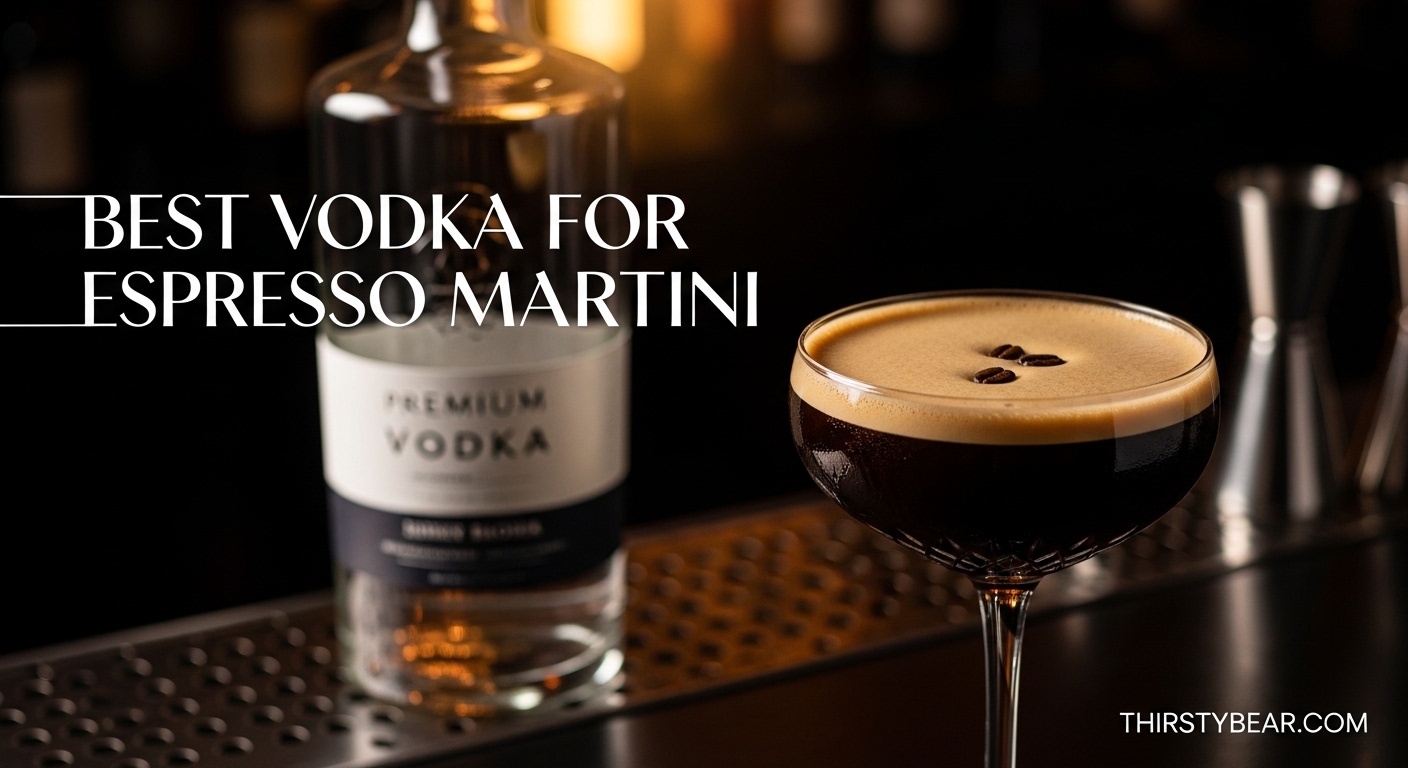
When I first started making espresso martinis at home, I grabbed whatever vodka was in the cabinet. The result was always disappointing. The drink tasted harsh, and the coffee flavors I worked so hard to get lost behind the spirit. That experience taught me a valuable lesson: the best vodka for espresso martini is not just about brand names or price tags. The right vodka can elevate your cocktail from amateur hour to something you would order at a craft bar.
The espresso martini has become one of the most popular cocktails in recent years. Its combination of bold espresso, sweet coffee liqueur, and smooth vodka creates a drink that feels indulgent without being heavy. But getting that balance right starts with understanding which vodkas work best with coffee flavors. This guide covers everything from what makes a vodka ideal for this specific cocktail to detailed recommendations across price points.
Table of Contents
What Makes a Vodka Perfect for Espresso Martini
Not every vodka handles coffee cocktails equally well. After testing dozens of bottles, I found that the best vodka for espresso martini needs three key qualities. These criteria help separate the vodkas that enhance your drink from those that fight against it.
Smoothness That Does Not Overpower Coffee
Your vodka should slip into the background while letting espresso flavors shine through. A harsh or burn-y vodka announces itself too loudly and fights the coffee instead of complementing it. Look for bottles described as “silky” or “clean” on store shelves. When evaluating smoothness, consider how the spirit feels on your palate. A优质 vodka coats your mouth gently rather than grabbing your attention with alcohol heat.
Neutral Profile With Subtle Sweetness
The ideal vodka for espresso martini has a neutral base that absorbs coffee liqueur notes rather than clashing with them. Some premium vodkas offer hints of vanilla or cream that actually enhance the drink’s texture without tasting flavored. This neutrality matters because the espresso and coffee liqueur provide the dominant flavor profile. Your vodka serves as the foundation, not the feature.
Quality Distillation and Filtration
Vodkas made from wheat, rye, or corn with multiple distillations and careful filtration tend to perform best in coffee cocktails. These processes remove impurities that can create metallic or harsh notes when mixed with espresso intensity. Many premium vodkas use activated charcoal filtration, while others rely on copper stills to achieve purity. The number of distillations varies by brand, but more is not always better. Some vodkas intentionally retain character from their base ingredients.
Understanding Vodka Base Materials
The base ingredient influences flavor more than most people realize. Wheat-based vodkas like Grey Goose tend toward neutrality and smoothness. Rye-based vodkas like Belvedere often have more body and subtle spice notes. Corn-based options like Tito’s offer natural sweetness. Potato-based vodkas can add earthiness that generally does not complement coffee flavors. For espresso martinis, wheat and rye bases typically perform best because they provide clean canvases for coffee notes.
Many bartenders I spoke with emphasize that potato-based vodkas can sometimes add unwanted earthiness. Wheat-based vodkas generally provide the cleanest canvas for espresso martinis. However, personal preference matters, and some drinkers enjoy the additional complexity that rye-based options bring to the cocktail.
Best Vodka for Espresso Martini: Top Recommendations
Based on extensive testing and bartender recommendations, here are the vodkas that consistently deliver exceptional espresso martinis. I organized these by price category so you can find the best option for your budget.
Premium Picks: When You Want the Best
If price is not a concern, these premium bottles consistently outperform in espresso martini applications. The extra cost translates to noticeably smoother texture and better integration with coffee flavors.
Belvedere tops many bartender lists for espresso martini. Made from Polish rye and distilled four times, it has a smooth, slightly sweet character that complements coffee liqueurs beautifully. The texture is velvety without being heavy. I noticed that Belvedere creates a particularly rich foam layer when shaken properly, likely due to its medium body and slight viscosity. The subtle sweetness from the rye base enhances Kahlúa without making the drink taste sugary.
Grey Goose remains a bar staple for good reason. Its French wheat base creates a clean, neutral profile that lets espresso flavors take center stage. I noticed in testing that Grey Goose produces a particularly nice foam layer when shaken properly. The alcohol content sits at the standard 40%, which provides enough bite to balance sweet coffee liqueur without overwhelming the delicate espresso crema. Many bartenders consider Grey Goose the safest choice for espresso martini because it rarely disappoints.
Ketel One offers excellent value in the premium segment. Distilled in copper pot stills using traditional methods, it has enough character to stand up to bold coffee notes while remaining smooth enough for sipping. Many bartenders consider it the best vodka for classic espresso martini taste. The brand emphasizes its link to family distilling traditions, and you can taste the heritage in the balanced profile. Ketel One sits at 40% ABV like most premium vodkas, but it feels more refined on the palate.
Absolut Elyx deserves mention as a premium option that sometimes gets overlooked. This vodka runs through copper column stills that were originally installed in 1921. The single-column distillation creates a buttery smoothness that enhances creaminess in the drink without adding unwanted sweetness. In side-by-side testing, Elyx produced noticeably denser foam compared to other premium options at the same price point.
Best Value: Quality Without Breaking the Bank
These bottles deliver premium-level performance at more accessible price points. The espresso martini does not require the most expensive vodka to taste exceptional.
Tito’s Handmade Vodka from Texas has become a favorite among home bartenders. Made from corn in small batches, it has a slight sweetness that works wonderfully with Kahlúa or Mr Black. At roughly half the price of premium bottles, it represents exceptional value. The corn base contributes to its smooth, slightly sweet character that many describe as almost creamy. Tito’s does not go through excessive filtration, which preserves some character from the base ingredient. This makes it more interesting than purely neutral spirits while remaining smooth enough for coffee cocktails.
Absolut Elyx is Absolut’s premium expression and one I return to repeatedly for espresso martinis. The copper column still distillation creates a buttery smoothness that enhances creaminess in the drink without adding unwanted sweetness. While technically in the premium category, it costs less than Grey Goose or Belvedere while delivering comparable quality. The rectangular bottle with its copper accents makes it instantly recognizable on home bars.
Budget Options That Still Deliver
You do not need expensive vodka to make a great espresso martini. These budget-friendly options perform admirably, and in blind tastings, many experts cannot distinguish them from bottles costing three times more.
Smirnoff (especially the No. 21) remains a reliable workhorse. Triple-distilled and filtered through charcoal, it lacks complexity but does not interfere with coffee flavors. For casual home cocktails, it gets the job done. The neutral profile means your espresso and coffee liqueur dominate the drink, which is exactly what you want at this price point. Smirnoff performs best when you prioritize value over premium experience.
Kirkland Signature (Costco’s in-house brand) consistently surprises people in blind tastings. Many Reddit users report it rivals bottles twice its price in espresso martini applications. The frost-finished bottle and quality filtration make it a secret weapon for budget-conscious hosts. Made in Canada from North American grains, Kirkland delivers smooth, clean flavor that holds up well in coffee cocktails. The 1.75-liter size offers particularly good value for those who entertain regularly.
Russian Standard offers clean, neutral character at a moderate price. Made specifically for mixing, it performs exactly as you would want a bartender’s well vodka to perform in coffee cocktails. Russian Standard uses wheat and malt spirit from the Samara region of Russia. The filtration through birch coal gives it a slightly crisp finish that works well with espresso. It represents excellent value for the quality-conscious home bartender.
Honorable Mentions
Several other vodkas deserve recognition even though they did not make the primary recommendations. Chopin Potato Vodka offers a unique character from its potato base, though it leans too earthy for some palates. Stolichnaya (Stoli) provides reliable quality at mid-market prices with a rye-forward flavor profile. Zyr Vodka from Denmark earned praise in tasting tests for its exceptionally smooth finish, though availability varies by region.
For those interested in exploring flavored vodkas, vanilla expressions like Absolut Vanilia can add interesting dimensions to espresso martini variations. However, plain vodkas remain the traditional choice for the classic recipe.
The Perfect Espresso Martini Recipe
Choosing the right vodka matters, but technique determines whether your espresso martini reaches its potential. Here is the recipe I have refined over three years of weekend experimentation. This recipe works with any of the recommended vodkas, though the flavor profile shifts slightly based on your choice.
Ingredients and Ratios
You will need 2 ounces of your chosen vodka, 1 ounce of fresh espresso (brew strong and cool to room temperature), 1 ounce of coffee liqueur, and 0.5 ounce of simple syrup. Some bartenders prefer to omit simple syrup when using sweeter liqueurs like Kahlúa. The standard ratio is 2:1:1 of vodka to espresso to liqueur, with simple syrup adjusting sweetness.
For the espresso, use your darkest roast available. Light roasts can taste grassy, while medium roasts provide balanced acidity. The crema that forms on properly extracted espresso contributes significantly to the final foam layer. If you do not have an espresso machine, cold brew concentrate works in a pinch, though the texture differs from traditional espresso.
Method and Technique
Add all ingredients to a cocktail shaker filled with large ice cubes. The ice quality matters more than most people realize. Large, clear ice cubes shake better than cloudy or crushed ice because they melt more slowly and create better agitation. Fill your shaker about two-thirds full with ice before adding liquids.
Seal the shaker and shake aggressively for 15 to 20 seconds. This is not optional. Bartenders on Reddit consistently emphasize that most home bartenders do not shake long enough. You want to emulsify the ingredients and create that characteristic foamy layer on top. The shaking motion incorporates air into the mixture, which creates the signature foam when poured. Count out loud if necessary to ensure adequate shaking time.
Strain into a chilled coupe or martini glass. The foam should settle into a dense, creamy layer within seconds of pouring. If your foam dissipates immediately, your shake was too gentle or your ice was insufficiently cold. A properly made espresso martini holds its foam for several minutes. Garnish with three coffee beans placed in the center of the foam for visual appeal.
Pro Tips for Restaurant-Quality Espresso Martinis
After dozens of batches and more than a few failures, here are the lessons I wish someone had told me earlier. These tips address the most common issues home bartenders face when making espresso martinis.
Mastering the Foam
Getting better foam comes down to three factors: shaking intensity, ice temperature, and espresso freshness. Cold espresso works better than room temperature because cold liquids emulsify more easily. Some bartenders add a tiny splash of water to cooled espresso to improve foam stability. The protein content in fresh espresso creates better foam than stale shots. If your espresso sits for more than 10 seconds before shaking, the foam quality drops noticeably.
Dry shaking (shaking without ice for a few seconds before adding ice) can boost foam volume. Add your liquids and shake without ice for 5 seconds, then add ice and shake again for the full duration. This technique aerates the mixture more aggressively and produces a thicker foam layer.
Coffee Liqueur: Kahlúa Versus Mr Black
This debate divides cocktail enthusiasts. Kahlúa offers sweetness and classic flavor with a heavier body. Mr Black provides a drier, more coffee-forward taste that some prefer for espresso martinis. I keep both on hand and switch based on mood. Neither is wrong, and experienced bartenders often prefer Mr Black for its more sophisticated coffee flavor.
Kahlúa contains 12.5% alcohol by volume and significant sugar content, which contributes to body and sweetness. Mr Black is a coffee-first liqueur with lower sweetness and slightly higher alcohol content around 25%. The lower sugar means your espresso martini tastes more like coffee and less like dessert. Experiment with both to discover your preference.
Common Mistakes to Avoid
Using stale espresso ruins drinks faster than any other mistake. Espresso oxidizes within minutes, turning bitter and losing the crema that contributes to foam. Brew fresh for every batch, even if you are making multiple drinks. If you must prep espresso in advance, store it in a sealed container on ice, but use within 30 minutes for best results.
Cheap vodka does not automatically ruin your drink, but avoid the absolute bottom-shelf options with harsh burn. The metallic taste that cheap alcohol sometimes carries amplifies when mixed with coffee intensity. The budget options recommended above all pass the threshold for acceptable quality in espresso martinis.
Not chilling your glass is a subtle mistake that affects perception. Cold glasses keep the drink temperature stable longer and improve the overall experience. Place your coupe or martini glass in the freezer for at least 15 minutes before serving. The frosted glass also looks more impressive when serving guests.
Over-dilution from excess ice melting is a common issue. Use large, solid ice cubes rather than crushed ice, and do not let your drink sit too long before consuming. A properly made espresso martini should be enjoyed within 5 to 10 minutes of serving for optimal temperature and foam quality.
Variations to Try Once You Master the Classic
After perfecting the classic espresso martini, you can explore variations that put unique spins on the original. The frozen espresso martini swaps shaking for blending with ice, creating a slushie texture perfect for summer. The chai espresso martini adds spiced chai syrup for a warming autumn alternative. Some bartenders experiment with vanilla vodka or chocolate liqueur additions for dessert-style variations.
For those watching sugar intake, swapping Kahlúa for Mr Black and reducing or eliminating simple syrup creates a drier, less sweet version that some prefer. The coffee flavor remains prominent while the cocktail feels less indulgent.
Frequently Asked Questions
What alcohol is best for an espresso martini?
Vodka is the traditional choice for espresso martini. The best options are smooth, clean vodkas like Belvedere, Grey Goose, or Ketel One that complement rather than overpower coffee flavors. Some bartenders also experiment with aged rum or bourbon for variations.
Is Grey Goose or Belvedere better for espresso martini?
Both are excellent choices. Grey Goose offers a cleaner, more neutral profile ideal if you want espresso flavors dominant. Belvedere has more character with subtle sweetness from Polish rye that some prefer. For a classic espresso martini, many bartenders lean toward Grey Goose.
Is Kahlúa or Mr Black better for espresso martinis?
Kahlúa provides sweetness and classic coffee cocktail flavor with heavier body. Mr Black offers a drier, more intense coffee taste. Kahlúa is better for dessert-style drinks while Mr Black suits those preferring less sweetness. Many enthusiasts keep both on hand.
Is Tito’s considered a cheap vodka?
Tito’s occupies middle ground. It costs more than budget options like Smirnoff but less than premium bottles like Grey Goose. Made from corn with a slight natural sweetness, it delivers quality that rivals bottles twice its price, making it excellent value rather than truly cheap.
What are common espresso martini mistakes?
Using stale espresso ruins the drink fastest. Not shaking long enough produces poor foam. Low-quality ice melts too quickly and dilutes the drink. Adding too much simple syrup when using sweet liqueurs creates an overly sweet cocktail. Pouring into warm glasses compromises temperature and perception.
What is the key to a good espresso martini?
Fresh espresso and proper shaking technique create the foundation. Use vodka with a smooth, neutral profile that complements coffee flavors. Balance sweetness from coffee liqueur with proper proportions. Chill your glass and serve immediately for best foam retention and temperature.
Final Thoughts on Finding Your Best Vodka for Espresso Martini
The quest for the best vodka for espresso martini ultimately depends on your preferences and budget. For special occasions, Belvedere or Ketel One deliver exceptional results that justify their prices. For regular home happy hour, Tito’s and Kirkland Signature offer tremendous value without compromising quality. The difference between a $25 bottle and a $45 bottle is noticeable in a direct comparison, but both produce excellent cocktails.
What matters most is understanding why you are choosing a particular vodka. A smooth, clean spirit lets your espresso and coffee liqueur tell the story. A harsh or overly flavored vodka competes with those delicate coffee notes instead of supporting them. With this knowledge, you can make an informed decision based on your taste preferences and budget constraints.
If you want to explore more cocktail options after mastering the espresso martini, check out our guide to the best vodka for cocktails or try the chai espresso martini recipe for a spiced variation. Those interested in DIY spirit projects might enjoy learning to make your own infused vodka at home. For quick weeknight drinks, our collection of easy 3-ingredient cocktails offers plenty of variety.
The espresso martini remains my go-to cocktail for impressing guests because it tastes impressive while being simple to master once you understand the fundamentals. Start with a quality vodka, use fresh espresso, and shake with conviction. The foam will come, and your guests will never guess you made it in your own kitchen.