
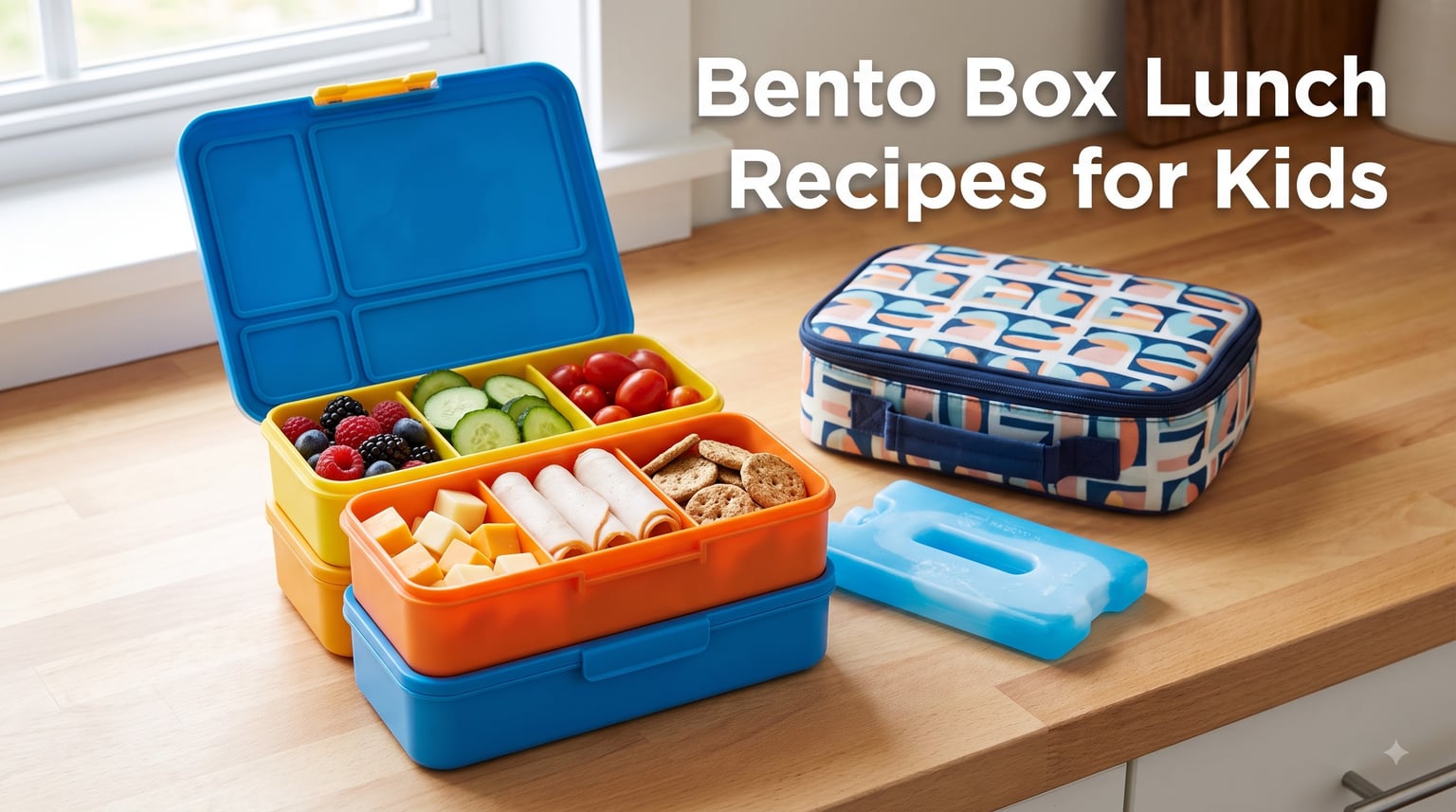
Packing school lunches five days a week can feel like a never-ending puzzle. I have been there, standing in the kitchen at 7 AM, staring at the fridge, trying to figure out what to put in my kid’s lunch box that they will actually eat. That is exactly why bento box lunch recipes for kids have become a game-changing approach for so many families I know.
The compartmentalized design of a bento box turns a stressful morning task into a quick, almost automatic assembly. You get built-in portion control, foods stay separated (a big deal for picky eaters), and the visual appeal makes kids more excited to open their lunch. In this guide, I will walk you through everything from the basic four-component formula to 25+ specific bento lunch ideas you can pack this week.
Whether you are dealing with a picky 4-year-old who refuses mixed foods, navigating nut-free school policies, or just trying to keep things affordable, there is a bento strategy that works. I have pulled together ideas from registered dietitians, parent forums, and my own kitchen testing to give you practical combinations that real kids actually eat. If you are also looking to upgrade your gear, check out our guide to the best food storage containers for lunch prep.
Table of Contents
Why Bento Boxes Work So Well for Kids’ School Lunches?
Bento boxes solve several problems that traditional lunch bags create. The compartments keep foods from touching, which is non-negotiable for many children. Each section acts as its own little container, so wet foods never make crackers soggy and fruit does not end up flavored by sandwich meat.
The visual presentation matters more than most parents realize. When kids open a lunch box and see colorful compartments with different foods in each section, it creates a sense of choice and control. Registered dietitians like Sarah Remmer note that this visual variety actually encourages children to try new foods because nothing feels overwhelming when it is in a small, separate compartment.
Portion control is built right into the design. Instead of guessing how much to pack, the compartments give you a natural guide. You fill each section with a different food group and the box does the rest. This helps reduce food waste, which is one of the biggest frustrations parents share on forums like r/Mommit and r/Bento.
From a nutritional standpoint, the bento format naturally encourages balance. You have space for protein, grains, fruits, and vegetables all in one container. It is hard to accidentally pack a lunch that is entirely carbs when you have four or five compartments staring back at you, each needing something different.
The Basic Components of a Healthy Bento Lunch
Every well-built bento lunch follows a simple four-component formula. Once you understand this framework, you can mix and match ingredients endlessly without overthinking it. The formula covers protein, complex carbohydrates, fruits or vegetables, and a healthy fat or treat. This structure ensures your child gets sustained energy rather than a sugar spike followed by an afternoon crash.
One parent on r/Bento put it perfectly when they said their go-to was “plain rice with furikake, bite-sized meat, steamed broccoli.” That simple combination hits all four components. You do not need fancy ingredients or expensive accessories to make a nutritionally complete bento lunch.
Component 1: Protein (The Anchor)
Protein is what keeps your child full and focused through afternoon classes. Good options include diced chicken, turkey slices, hard-boiled eggs, cheese cubes, hummus, edamame, meatballs, or beans. Aim for roughly 2 to 3 ounces of protein per lunch for elementary-age children.
If your school is nut-free, which most are now, you will need alternatives to peanut butter. Sunflower seed butter, cream cheese, Greek yogurt dip, and turkey roll-ups all deliver protein without triggering allergy restrictions. Protein does not have to come from sandwiches either. Many parents on cooking forums report their picky eaters prefer deconstructed protein like separate cheese, crackers, and meat rather than a assembled sandwich.
Component 2: Complex Carbohydrates
Complex carbohydrates provide the energy your child needs for recess, gym class, and after-school activities. Good choices include whole grain crackers, brown rice balls, pasta salad, mini pita pockets, quinoa cups, or a half sandwich on whole wheat bread.
Rice-based options are especially popular in bento boxes because they hold their shape and temperature well. Onigiri (rice balls wrapped in seaweed) are a staple in Japanese bento culture and work beautifully for American kids too. A Facebook parent shared that onigiri with tuna filling was one of the few things their picky eater consistently finished.
Component 3: Fruits and Vegetables (Fill the Color)
Fruits and vegetables should fill at least two compartments of every bento box. The more colorful the combination, the more nutrients your child receives. Try pairing something sweet like grapes or berries with something crunchy like cucumber slices, cherry tomatoes, or carrot sticks.
Cutting matters for younger children. A preschooler is far more likely to eat apple slices than a whole apple. Bite-sized pieces of bell pepper, mini cucumbers, and halved grapes are all safer and more appealing for small hands. One dietitian trick is to include a small dip like ranch, hummus, or yogurt to encourage vegetable consumption.
Component 4: Healthy Fats and a Small Treat
The final compartment is for healthy fats and occasionally a small treat. Avocado chunks, olives, nuts (if allowed at your school), seeds, or a small portion of dark chocolate all work here. This component adds satisfaction and helps with nutrient absorption, particularly for fat-soluble vitamins like A, D, E, and K.
A small treat does not have to mean junk food. Many parents include a homemade mini muffin, a few dark chocolate chips, or a small cookie. The key is keeping the portion small so it does not crowd out the nutritious components. The bento format naturally limits treat size because the compartment is only so big.
25 Bento Box Lunch Recipes for Kids
Here are 25 specific bento combinations organized by category. Each one uses the four-component formula and can be assembled in under 10 minutes once you have the ingredients prepped. These ideas come from a mix of registered dietitian recommendations, parent forum favorites, and my own testing with real kids.
Classic Sandwich Bento Ideas
1. Turkey and Cheese Bento: Turkey roll-ups, cheddar cheese cubes, whole grain crackers, apple slices, and a small handful of baby carrots. This is the easiest starter bento and almost universally accepted by kids.
2. PB&J Deconstructed Bento: Sunflower seed butter for dipping, whole wheat bread strips, fruit preserves in a small compartment, banana slices, and cucumber rounds. Deconstructing the sandwich makes it more interactive and fun.
3. Ham and Cheese Sliders: Mini Hawaiian roll sliders with ham and cheese, grapes, cherry tomatoes, and a small square of dark chocolate. The sweet roll makes this feel like a treat lunch.
4. Cream Cheese and Cucumber Bites: Cucumber rounds topped with cream cheese, whole grain pita triangles, strawberry halves, and a few pretzel sticks. Light, refreshing, and easy to eat without utensils.
5. Chicken Salad Bento: Small portion of chicken salad with crackers for scooping, blueberries, baby tomatoes, and a mini oatmeal cookie. Use Greek yogurt instead of mayo for a protein boost.
Protein-Packed Non-Sandwich Bentos
6. Meatball Bento: Three to four bite-sized meatballs (beef, turkey, or plant-based), a small container of marinara for dipping, mozzarella balls, roasted potato wedges, and steamed green beans. One Reddit user confirmed meatballs and rice are their child’s most-requested lunch.
7. Hard-Boiled Egg Bento: Two halved hard-boiled eggs, whole grain toast soldiers, avocado chunks, cherry tomatoes, and orange segments. Simple, protein-dense, and naturally nut-free.
8. Cheese and Cracker Stack Bento: Sliced cheese, sturdy crackers, salami or turkey pepperoni, apple slices, and baby carrots. This is essentially a homemade Lunchable but with better ingredients and no processing.
9. Edamame and Hummus Bento: A scoop of hummus, shelled edamame, pita wedges, cucumber sticks, and raspberries. This plant-based option delivers serious protein and fiber.
10. Yogurt Parfait Bento: Greek yogurt in one compartment, granola in another (packed separately to stay crunchy), mixed berries, and a few almond slices or seeds on top if your school allows them.
11. Leftover Chicken Bento: Diced rotisserie chicken, brown rice, steamed broccoli florets, and a small serving of fruit. Leftovers are the most underused bento resource, and this combination takes about 3 minutes to assemble.
Vegetarian and Allergy-Friendly Bentos
12. Veggie Sushi Bento: Cucumber avocado rolls (no raw fish needed), edamame, mandarin orange segments, and rice crackers. Avocado sushi was specifically mentioned on themomedit.com as a picky-kid favorite.
13. Black Bean Quesadilla Bento: Small black bean and cheese quesadilla wedges, salsa for dipping, corn chips, jicama sticks, and mango chunks. Budget-friendly and protein-rich without any animal products if you skip the cheese.
14. Pasta Salad Bento: Cold whole wheat pasta tossed with olive oil, cherry tomatoes, and olives, mozzarella balls, sliced bell peppers, and grapes. Pasta holds up beautifully in a bento box without reheating.
15. Smoothie Bowl Bento: Thick overnight oats or chia pudding, sliced banana, berries, coconut flakes, and a few dark chocolate chips. This works well for kids who prefer softer textures.
16. Lentil and Rice Bento: Cold lentil salad with diced vegetables, brown rice, cucumber slices, and apple wedges. Lentils are one of the most affordable protein sources you can pack.
International and Culturally Diverse Bentos
17. Onigiri Bento: Two rice balls wrapped in nori with a tuna or salmon filling, edamame, pickled cucumber, and orange slices. This is the traditional Japanese bento that started the whole concept, and it translates perfectly for American school lunches.
18. Korean Kimbap-Inspired Bento: Sliced rice and vegetable rolls wrapped in seaweed, mandarin oranges, cherry tomatoes, and a small handful of nuts or seeds. One Reddit parent confirmed kimbap works for their picky eater.
19. Mediterranean Mezze Bento: Hummus, olives, feta cheese cubes, pita triangles, cucumber slices, and grape tomatoes. This introduces new flavors without overwhelming kids because each item is in its own compartment.
20. Mexican Bean and Rice Bento: Refried beans in a small compartment, Spanish rice, tortilla chips, shredded cheese, and diced avocado. Affordable, filling, and easy to make in large batches.
21. Shortcut Spam Musubi Bento: A slice of grilled spam on rice wrapped with nori (the themomedit.com picky-kid favorite), steamed broccoli, pineapple chunks, and rice crackers. This is a fun cross-cultural option kids love.
Themed and Fun Bento Ideas
22. Breakfast for Lunch Bento: Silver-dollar pancakes (make a batch on Sunday and freeze), a small syrup container, turkey sausage links, mixed berries, and yogurt. Pancakes for lunch is always a hit, according to multiple parent sources.
23. Pizza Bento: Mini homemade pizza bites or leftover cold pizza, mozzarella balls, pepperoni slices, grape tomatoes, and a small apple. This Hawaiian pizza variation from Kroger’s blog adds pineapple chunks for a sweet twist.
24. Breakfast Muffin Bento: A homemade veggie muffin (zucchini or carrot), hard-boiled egg, cheese stick, fruit slices, and a few pretzels. Bake a batch of muffins on Sunday and use them all week.
25. Snack Plate Bento: Sometimes the best lunch is a grazing plate. Combine cheese cubes, crackers, dried fruit, trail mix (nut-free version), fresh berries, and a small treat. One forum parent summed it up: “Uncrustable, yogurt tube, berry mix, string cheese, Pirate’s Booty and edamame, no prep needed.”
Bento Box Lunch Strategies for Picky Eaters
Picky eating is the number one frustration parents bring up in lunch packing discussions. The bento format is actually one of the best tools for picky eaters because it respects their need for food separation while gently encouraging variety. The key is using the exposure approach rather than forcing new foods.
Food exposure works by repeatedly presenting new foods in small, non-threatening amounts. Each compartment can hold a tiny portion of something new alongside familiar favorites. Over time, repeated exposure without pressure leads to acceptance. Registered dietitians emphasize that it can take 10 to 15 exposures before a child accepts a new food, so patience is essential.
Start with what your child already eats and build from there. If they currently eat only chicken nuggets and crackers, pack those in two compartments and add a tiny portion of something new in a third. Do not expect them to eat the new food right away. The goal is simply having it there, normalizing its presence.
Deconstructed meals are another powerful strategy. Instead of packing a fully assembled sandwich, put bread, meat, cheese, and condiments in separate compartments. Many picky eaters prefer controlling how and in what order they eat things. This autonomy can dramatically reduce lunch refusal.
Involve your child in the packing process whenever possible. When kids help choose what goes in their bento box, they are more invested in actually eating it. Let them pick between two protein options, choose their fruit, or arrange the compartments themselves. This small amount of control goes a long way for anxious eaters.
Food Safety and Storage Guidelines for Bento Lunches
Keeping food safe from the time you pack it until your child eats it hours later is a real concern. The USDA recommends that perishable foods stay below 40 degrees Fahrenheit. In practice, that means you need a good cooling strategy for anything with meat, dairy, eggs, or cut produce.
Use at least two ice packs per lunch. Place one underneath the bento box and one on top, because cold air sinks but the top ice pack cools the food closest to the lid. For extra insurance, freeze a yogurt tube or a water bottle and use it as an additional cold source that thaws by lunchtime.
An insulated lunch bag is essential for maintaining temperature. Look for one with thick insulation and a tight zipper closure. Our guide to cooling solutions for packed lunches covers options that work well for school lunches specifically.
Some foods are naturally safer for unrefrigerated periods. Crackers, pretzels, dried fruit, whole fruits (unpeeled), nut butter sandwiches, and baked goods like muffins or cookies all hold up well at room temperature. If you are concerned about temperature control, lean toward these shelf-stable options for at least half the compartments.
Investing in quality containers with leak-proof seals prevents soggy disasters. Silicone-lined lids keep wet foods from leaking into dry compartments during transit. Bento boxes with latching lids are generally more secure than snap-on styles. If you are shopping for new containers, our food storage container guide highlights leak-proof options that work for lunches.
Make-Ahead and Time-Saving Strategies
The most common question parents ask is how to make bento lunches without spending hours in the kitchen every morning. The answer is batch preparation. Spending 60 to 90 minutes on Sunday sets up your entire week and makes weekday assembly a 5-minute task.
Start by prepping proteins in bulk. Cook a double batch of meatballs, hard-boil a dozen eggs, or shred a rotisserie chicken. Portion them into small containers so you can grab and drop them into compartments all week. Pre-cut vegetables and fruits into lunch-sized pieces and store them in airtight containers in the fridge.
Yes, you can absolutely pack bento boxes the night before. In fact, most experienced bento packers do exactly this. Pack everything except crackers and other items that might lose their crunch. Store the packed box in the refrigerator overnight and add an ice pack in the morning. This single habit eliminates morning stress completely.
Create a lunch component station in your pantry and fridge. Keep all the dry goods like crackers, pretzels, dried fruit, and granola in one bin. Keep prepped proteins and cut produce together on one shelf. When everything is visible and accessible, assembly becomes automatic rather than a scavenger hunt.
For families with multiple children, consider using a weekly lunch menu. Assign a theme to each day, like Taco Tuesday bento or Pasta Thursday bento. This reduces decision fatigue and lets you prep components for all kids at once. One r/Mommit parent noted that having a system was the only thing keeping them sane during the school year.
Frequently Asked Questions
What should I put in a bento box for kids?
A balanced bento box should include four components: a protein (turkey, cheese, eggs, hummus, or beans), a complex carbohydrate (crackers, rice, pasta, or bread), fruits or vegetables (at least two different kinds), and a healthy fat or small treat (avocado, olives, dark chocolate, or seeds). Fill each compartment with a different food group for natural balance.
How do you make a bento box for school lunch?
Start with a compartmentalized container, ideally with 4 to 5 sections. Fill the largest compartment with a protein, add a carbohydrate in another, use two sections for fruits and vegetables, and reserve the smallest section for a treat or healthy fat. Pack the night before and refrigerate, then add an ice pack in the morning.
What are easy bento box ideas for picky eaters?
Deconstructed meals work best for picky eaters. Try separated bread, meat, and cheese instead of a sandwich. Other hits include cheese and cracker stacks, plain rice with furikake, meatballs with dipping sauce, and snack plates with familiar items like yogurt tubes, string cheese, and pretzels. Always include one familiar food alongside anything new.
Are bento boxes good for kids?
Yes, bento boxes are excellent for children. The compartmentalized design encourages balanced nutrition, keeps foods separate for texture-sensitive kids, provides built-in portion control, and reduces food waste. The visual variety also makes meals more appealing and can encourage children to try new foods.
What are healthy bento box lunch ideas?
Healthy options include turkey and cheese roll-ups with fruit and veggies, hummus with pita and cucumber sticks, Greek yogurt parfaits with granola and berries, edamame with brown rice and steamed broccoli, and veggie sushi rolls with edamame. Aim for protein, whole grains, and colorful produce in every box.
How do you keep bento boxes cold?
Use two ice packs, one below and one above the container, inside an insulated lunch bag. You can also freeze a yogurt tube or water bottle to serve as an extra cold source that thaws by lunchtime. Pack the lunch the night before and refrigerate it so it starts cold.
Can you pack bento boxes the night before?
Yes, packing bento boxes the night before is highly recommended. Assemble everything except items that might get soggy, like crackers or crispy snacks. Store the sealed box in the refrigerator overnight and add the dry items and ice pack in the morning before school.
What are the best bento boxes for kids?
Look for bento boxes with leak-proof silicone seals, kid-friendly latching lids, 4 to 5 compartments, and dishwasher-safe materials. Stainless steel options are durable and food-safe, while BPA-free plastic containers are lighter for younger children. Choose a size appropriate for your child’s age and appetite.
Wrapping Up: Make Bento Lunches Work for Your Family
Bento box lunch recipes for kids do not have to be complicated or Pinterest-perfect. The most successful approach is the one that fits your schedule, your budget, and your child’s preferences. Start with the four-component formula, try a few of the 25 ideas above, and adjust based on what comes home eaten versus uneaten.
Remember that repetition is normal. Kids often want the same lunch for weeks at a time, and that is fine. What matters is that the lunch is balanced, safe, and something they will actually eat. Build your Sunday prep routine, invest in quality containers, and give yourself grace on the days when lunch is just crackers and a cheese stick.
The bento format is a tool, not a rule. Use it to simplify your mornings, reduce food waste, and give your child a lunch they look forward to opening. Once you find your rhythm, you will wonder how you ever packed lunches any other way.