
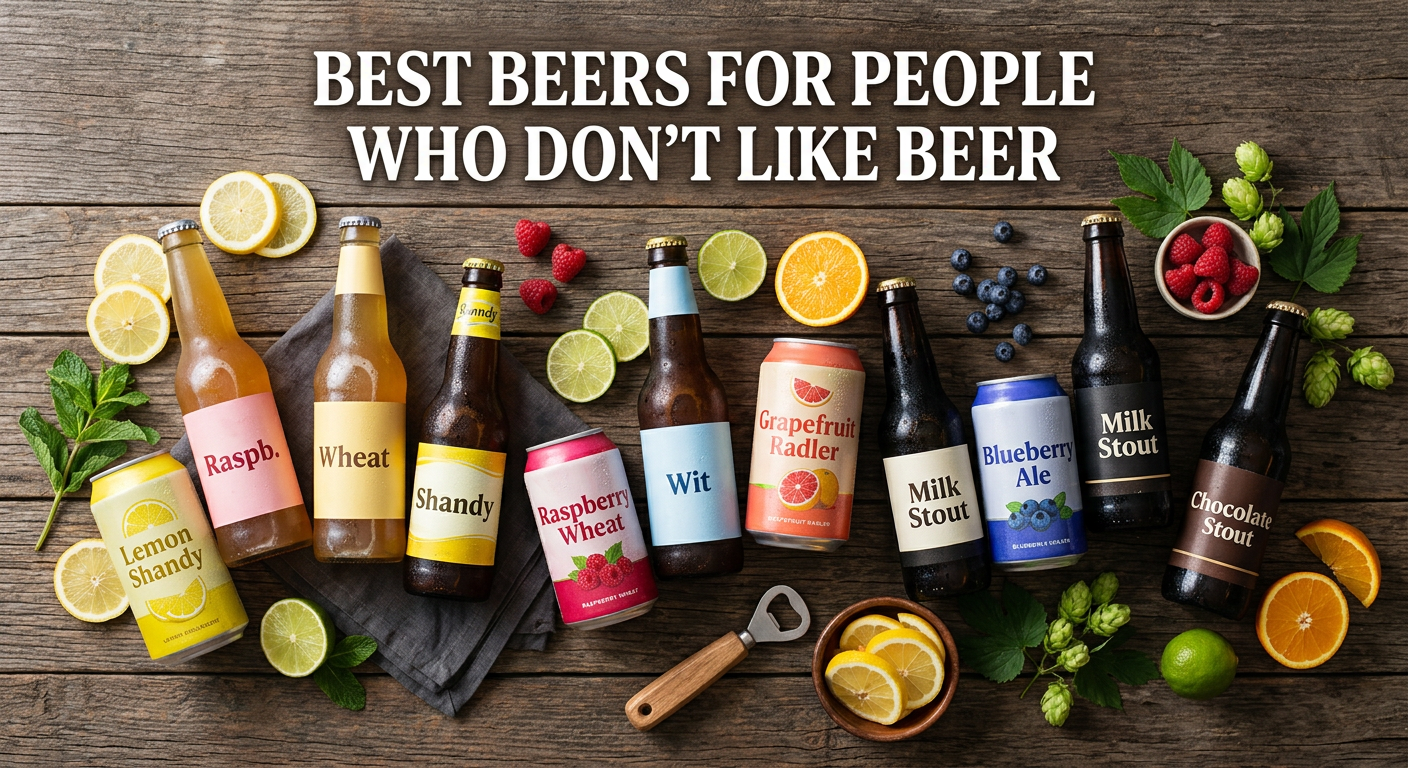
Let’s be honest: traditional beer isn’t for everyone. That bitter, sometimes skunky flavor profile found in mass-produced lagers and hop-bomb IPAs has turned countless people away from beer entirely. If you’ve tried a Budweiser or a heavily hopped IPA and thought “this is not for me,” you are not alone. But here’s the thing many non-beer drinkers don’t realize: the beer world is incredibly diverse, and some styles taste almost nothing like what you’ve tried before.
Our team has spent years exploring craft breweries, tasting rooms, and beer aisles across the country. We’ve helped countless friends and family members who swore off beer discover styles they genuinely enjoy. The secret? Finding the right gateway beer that matches your palate. Whether you love fruity cocktails, crisp ciders, or even just something refreshing on a hot day, there’s a beer out there designed for you.
In this guide, we’ll walk you through why traditional beer can be off-putting, break down the beer styles that actually work for skeptics, and give you specific recommendations to try. By the end, you’ll have a clear path to finding your gateway beer.
Table of Contents
Why Traditional Beer Can Be Off-Putting
Before we dive into solutions, let’s understand why beer often gets a bad reputation. The main culprit is hop bitterness. Hops are flowers added to beer during brewing that create bitterness, especially prominent in India Pale Ales (IPAs). The International Bitterness Unit (IBU) scale measures this, and many popular craft beers score extremely high. If you’re sensitive to bitter flavors, these beers can taste like drinking a lawn mower clipping smoothie.
Mass-produced lagers present a different problem. Many people describe them as “skunky” or “grass-like.” This comes from the brewing process and how these beers are stored and transported. Lightbeers try to solve this by reducing flavor intensity, but they often lose what makes beer interesting in the process.
The “acquired taste” argument also frustrates many people. Nobody wants to force themselves to drink something unpleasant for months before it becomes tolerable. Good news: you don’t have to. The beer industry has evolved, and breweries now create styles specifically designed to be approachable from the first sip.
Understanding what you already enjoy drinking helps tremendously. Wine lovers, cider fans, and even those who prefer sweet mixers all have natural gateway options waiting for them.
Beer Styles That Work for Non-Beer Drinkers
The key to finding a beer you’ll actually enjoy is exploring styles that minimize hop bitterness and emphasize other flavors. Here are the categories that consistently win over skeptics.
Wheat Beers and Belgian Witbiers
Wheat beers are often called the “classic gateway” for a reason. Made with a significant portion of wheat instead of just barley, these beers have a soft, almost creamy body. Belgian witbiers take this further by adding spices like coriander and orange peel.
The result? A beer that tastes more like a citrusy Belgian pastry than a traditional brew. The yeast character adds bready, slightly spicy notes while keeping the finish smooth and drinkable. These styles have virtually no hop bite, making them perfect for anyone who thought they hated beer.
Popular options in this category include Blue Moon Belgian White, Allagash White, and Hoegaarden. All are widely available and represent excellent starting points. Learn more about different beer styles in our comprehensive brewery guide.
Shandies and Radlers
Shandies and radlers are essentially beer mixed with fruit soda or lemonade. The concept started in Germany where cyclists would mix beer with lemon soda to stay hydrated. Today, these drinks barely taste like beer at all, which is exactly the point.
A radler (German for “cyclist”) typically mixes equal parts beer and fruit soda. A shandy often refers to the same concept, though the term is used more loosely. Either way, you get the refreshment of beer with the sweetness of your favorite fruit soda.
Leinenkugel’s Summer Shandy is the benchmark for this style in America, featuring real lemonade that makes for an incredibly refreshing summer sipper. Franzia offers a budget-friendly shandy option that many appreciate. Some bars even let you create your own custom shandy mixes.
Fruit Beers and Lambics
Fruit beers incorporate actual fruit into the brewing process, creating flavors that range from subtle to intense. Belgian lambics take this further by fermenting with wild yeast and bacteria, producing complex, funky, and fruity profiles.
Lindemans Framboise stands out as perhaps the most famous gateway beer in this category. Brewed with real raspberries, it tastes more like raspberry jam dissolved in champagne bubbles than traditional beer. Forum after forum mentions this beer as the “aha moment” where someone finally “got” beer.
Fruit wheat beers offer a more accessible entry point. Styles like 21st Amendment Hell or High Watermelon deliver real watermelon flavor without the funk of a true lambic. These are perfect for pool parties, brunch, or anyone who wants something fruity and refreshing.
Sour Beers
Sour beers have exploded in popularity over the past decade, and for good reason. They offer a completely different flavor profile than traditional beer. Instead of bitterness, you get tartness. Instead of heavy malt body, you get crisp, refreshing acidity.
The sourness comes from lactic acid bacteria introduced during fermentation. This creates flavors reminiscent of lemon juice or tart candy, making these beers incredibly refreshing on hot days. Goses, berliner weisses, and kettle sours all fall into this category.
Many non-beer drinkers appreciate sours because the tartness stimulates the palate similarly to wine or cider. If you enjoy a crisp white wine or a tart cider, a well-made sour beer might be your perfect match. Start with fruit-forward sours like raspberry or passionfruit varieties before exploring more adventurous options.
Sweet Stouts and Milk Stouts
Stouts might seem like an unlikely recommendation for non-beer drinkers, but hear us out. Sweet stouts and milk stouts emphasize chocolate, coffee, caramel, and roasted malt flavors over bitter hops. The result tastes more like a chocolate milkshake than a traditional beer.
Milk stouts (sometimes called cream stouts) add lactose sugar during brewing, creating a creamy, sweet finish that lingers pleasantly. These are excellent options for dessert lovers or anyone who enjoys coffee-flavored drinks.
Odell Lugene Chocolate Milk Stout is a standout in this category, offering rich chocolate notes without the alcoholic burn of typical stouts. Guinness Draught, while not technically a milk stout, provides a smooth, almost creamy experience that many newcomers find approachable. If you’ve ever enjoyed a mocha or chocolate coffee drink, these stouts will feel familiar.
Japanese Beers
Japanese beer culture emphasizes crispness, cleanliness, and minimal bitterness. Styles like Asahi, Kirin Ichiban, and Sapporo offer smooth, easy-drinking profiles that differ significantly from American or European counterparts.
The Japanese brewing approach focuses on achieving a “refreshing” quality above all else. This means lower hop bitterness, clean yeast profiles, and crisp finishes that pair beautifully with food. Japanese beer brands offer smooth, easy-drinking options worth exploring.
Asahi Super Dry deserves special mention for its unique brewing process that leaves virtually no residual sweetness or bitterness. It simply tastes clean and refreshing, making it an excellent bridge for anyone hesitant about beer flavor entirely.
Top Gateway Beer Recommendations for 2026
Based on our extensive tastings and consistent feedback from non-beer drinkers, here are the beers we recommend trying first. Each offers something unique, so don’t be afraid to sample a few.
Blue Moon Belgian White
This Belgian-style witbier has become synonymous with gateway beers. The addition of Valencia orange peel and coriander creates a citrusy, slightly spicy flavor profile that tastes more like a Belgian breakfast than traditional beer. It’s widely available, reasonably priced, and consistently approachable. Pour it with an orange slice to enhance the citrus notes even further.
Allagash White
For those wanting a more sophisticated gateway experience, Allagash White delivers. This Maine-brewed Belgian-style wheat beer offers incredible depth while remaining incredibly smooth. Notes of bready yeast, subtle spice, and a clean finish make this a beer you can sip slowly and genuinely enjoy. It’s become a staple in craft beer circles for good reason.
Leinenkugel’s Summer Shandy
If you want something that barely tastes like beer but still gives you that refreshing beer feeling, Summer Shandy delivers. The lemonade dominates, making this taste more like a citrus spritzer than a brew. It’s perfect for backyard barbecues, pool days, or any situation where you want something cold and refreshing without the typical beer flavor.
Lindemans Framboise
This is often the “eureka” beer for non-beer drinkers. Lindemans Framboise tastes like raspberry jam mixed with champagne. The raspberry flavor is intense and natural, the sweetness balances perfectly, and the carbonation makes it feel celebratory. Forum users consistently describe this as “like drinking jam” or “the beer that made me like beer.” One sip and you’ll understand why it has such a devoted following.
21st Amendment Hell or High Watermelon
Brewed with real watermelon, this fruit wheat beer delivers genuine watermelon flavor without being too sweet or too funky. It’s light, refreshing, and perfect for summer. The 21st Amendment brewery has built a loyal following by creating accessible beers that never talk down to their audience. Crack one open at a picnic and watch skeptics become fans.
Odell Lugene Chocolate Milk Stout
For those with a sweet tooth, Lugene delivers dessert in a glass. Rich chocolate notes from roasted malt combine with the creaminess of lactose sugar to create something truly indulgent. At 5.2% ABV, it’s not particularly strong, making it easy to enjoy an entire pint while savoring the chocolate milk flavors. This is the gateway beer for former root beer float lovers.
Asahi Super Dry
If you want the most “beer-like” experience while still minimizing everything that turns people away, Asahi Super Dry is your answer. Its clean, crisp profile has virtually no bitterness, no sweetness, and no funk. It simply refreshes. Japanese beer culture prioritizes this clean-drinking experience, and Asahi delivers it perfectly. Pair it with sushi, grilled fish, or any light meal for maximum enjoyment.
Tips for Beer Skeptics: Find Your Gateway Beer
Armed with these recommendations, here’s how to approach your beer journey strategically.
Match Your Current Preferences
Think about what you already enjoy drinking. Love wine? Start with sours or fruit lambics. Prefer cider? Try fruit-forward wheat beers or berry-based options. Have a sweet tooth? Milk stouts and fruit beers will call to you. If you’re looking for beer without the alcohol, check out our guide to the best non-alcoholic beers for options that skip the buzz entirely.
Wine lovers often appreciate the tartness and complexity of Belgian sours and lambics. Cider fans typically gravitate toward fruit-forward wheat beers and berry-based styles. Those who enjoy coffee drinks usually find milk stouts incredibly satisfying. Knowing your palate makes finding your gateway beer much faster.
The 3:30-300 Rule Explained
You might have encountered the “3:30-300 rule” in your search for approachable beers. This simple framework helps guide choices without getting lost in technical details. The gist: look for beers with approximately 3 grams of carbohydrates that save you about 30 calories compared to standard options, while delivering 300% more enjoyment through fruit flavors and drinkability.
This isn’t scientific precision, but rather a mindset shift. Focus on finding beers that genuinely taste good to you, not beers that have the “right” beer flavor. When fruit, spice, and sweetness dominate the profile, you naturally consume less and enjoy more.
Start Low, Go Slow
Begin with the most accessible styles: shandys, fruit wheats, and sweet stouts. These minimize everything that makes traditional beer challenging while maximizing approachability. Once you’ve found a few favorites, gradually explore more complex styles like true lambics or dry wheat beers.
Temperature also matters. Most gateway beers taste best slightly colder than traditional beers. Keep them between 35-40 degrees Fahrenheit for maximum refreshment. Glassware helps too, but don’t stress about getting fancy. A simple pint glass or even the bottle works fine for casual exploration.
Finally, don’t rush. Your palate will evolve. Something that seems too “beery” today might taste perfect in six months. Keep sampling, keep exploring, and stay open to unexpected favorites. Our easy beer bread recipe pairs perfectly with any meal and demonstrates just how versatile beer can be in food applications too.
Frequently Asked Questions
What beer should I drink if I don’t like beer?
Start with wheat beers like Blue Moon or Allagash White, fruit lambics like Lindemans Framboise, or shandies like Leinenkugel’s Summer Shandy. These styles minimize hop bitterness and emphasize fruit, spice, and malt sweetness instead.
What beer tastes the best for beginners?
The best beers for beginners are typically wheat beers, fruit beers, and shandys. Blue Moon Belgian White, Allagash White, and Lindemans Framboise consistently rank as the most approachable options for non-beer drinkers.
What is the 3:30-300 rule for beer?
The 3:30-300 rule is a simple framework: choose beers with around 3 grams of carbs, save 30 calories compared to regular beers, and enjoy 300% more because the fruit flavors make them far more palatable.
What is the easiest beer to drink for non beer drinkers?
Shandies and radlers are the easiest beers for non-beer drinkers because they mix beer with lemonade or fruit soda, making the beer flavor nearly undetectable. Leinenkugel’s Summer Shandy and Franzia Shandy are popular entry points.
Your Beer Journey Starts Here
The next time someone says “I don’t like beer,” remember this guide. Beer doesn’t have to mean choking down bitter IPAs or mass-produced lagers that taste like grass clippings. The craft beer world has evolved to create incredible diversity, and somewhere in that diversity lies your perfect glass.
Start with one recommendation from this list. Buy a single bottle of Lindemans Framboise and treat yourself to “beer that tastes like jam.” Grab a six-pack of Summer Shandy for your next backyard gathering. Visit a local brewery and ask for their most approachable wheat beer. You might be surprised.
Don’t let past experiences define your future relationship with beer. Give these gateway styles a chance, and you might just find yourself ordering rounds at the pub instead of sticking to wine or cocktails. Your taste buds will thank you.