
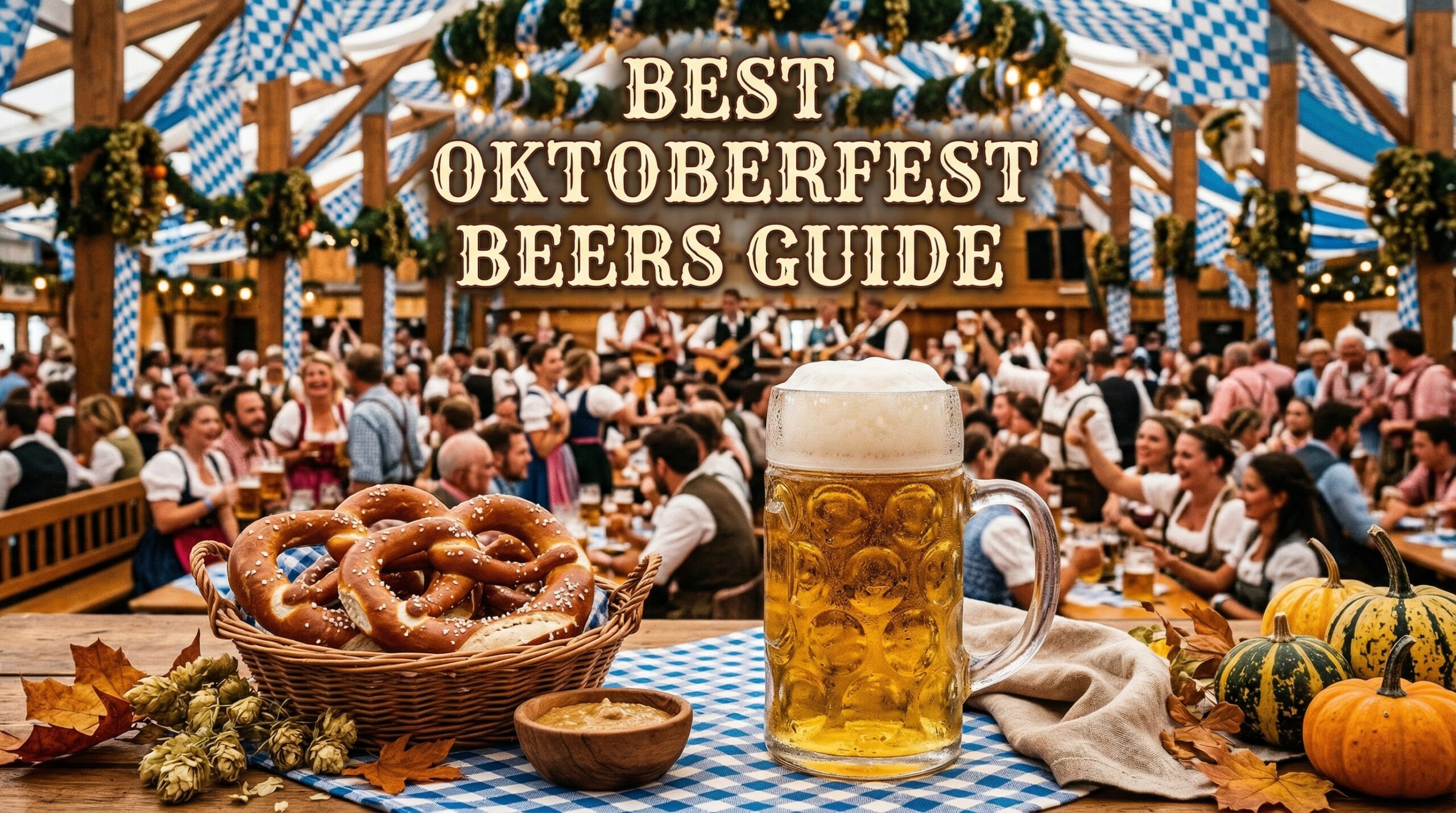
When autumn arrives, beer lovers around the world turn their attention to one of the most celebrated seasonal releases in brewing: Oktoberfest beers. These traditional German lagers represent centuries of Bavarian brewing excellence, bringing rich malt flavors and copper-hued depths to pint glasses from Munich to Milwaukee. Whether you are planning an Oktoberfest celebration at home or simply want to understand what makes these beers so special, this guide covers everything you need to know about the best Oktoberfest beers available.
We have explored the history, sampled the styles, and talked to brewery experts to bring you the most comprehensive look at Oktoberfest beers. If you want to experience these traditions firsthand, you can celebrate Oktoberfest at our brewery events throughout the season.
Table of Contents
The History of Oktoberfest: From Royal Wedding to Global Celebration
Every great beer story begins somewhere, and Oktoberfest boasts one of the most romantic origins in brewing history. The very first Oktoberfest took place in Munich, Bavaria on October 12, 1810, when Crown Prince Ludwig of Bavaria married Princess Therese of Saxony-Hildburghausen. The royal couple invited the citizens of Munich to join their wedding celebration, which included horse racing, food, and plenty of beer.
The horse racing event proved so popular that it became an annual tradition, and the celebration gradually expanded to include more entertainment, food vendors, and eventually the massive beer tents we recognize today. By the 1890s, the festival had grown into the enormous event that draws over six million visitors each year to the Theresienwiese grounds.
Throughout this evolution, the beer remained central to the celebration. Munich’s breweries competed fiercely for the honor of serving their beers at the festival, and this competition drove innovation in brewing techniques. The story goes that brewers in Munich discovered that brewing beer in March (Märzen) and storing it in cool mountain caves through the summer created a smoother, more flavorful lager. This discovery gave us the Märzen style that would become synonymous with Oktoberfest.
Today, Oktoberfest has spread far beyond Munich’s borders. Breweries around the world release their own autumnal interpretations, though the authentic German versions remain the gold standard. The festival runs from late September through the first weekend in October, with millions of liters of beer consumed in Munich alone each year.
Understanding Oktoberfest Beer Styles: Märzen vs Festbier
If you have spent any time exploring Oktoberfest beers, you have likely encountered two distinct styles: Märzen and Festbier. While both are traditional German lagers, they have different histories, characteristics, and fan bases. Understanding the difference helps you choose the right beer for your autumn celebration.
What is Märzen?
Märzen, which literally means “March” in German, is the original Oktoberfest beer style. Munich brewers in the 19th century faced a challenge: before modern refrigeration, the warm summer months made brewing risky because bacteria could spoil the beer. The solution was to brew extra beer in March and store it in cold rock-cellars or caves in the Alps through summer.
By the time autumn arrived, the stored beer had undergone a long, cold fermentation period called lagering. This extended aging developed a remarkably smooth, clean flavor with rich malt character. Märzen beers are typically amber to copper in color, with an ABV range of 5.5 to 6.5 percent. They feature prominent malt sweetness with notes of toasted bread, caramel, and sometimes a hint of honey. The hop bitterness is moderate, just enough to balance the malt without overpowering.
What is Festbier?
Festbier, which means “festival beer” in German, emerged in the 1990s as the official beer of modern Oktoberfest. Brewers noticed that the traditional Märzen was often too heavy and warming for the massive quantities festival-goers were consuming, especially as the festival extended into late September when temperatures could still be mild.
The solution was a lighter, more refreshing version that maintained the traditional lager character while being more sessionable. Festbier is golden in color rather than amber, with a slightly higher hop character and a cleaner, bready malt profile. The ABV range sits between 5.8 and 6.3 percent, making it marginally lighter than traditional Märzen. Festbier quickly became the standard at Munich’s Oktoberfest, though many breweries continue producing Märzen for export and those who prefer the richer, older style.
Märzen vs Festbier Comparison
Understanding the differences between these two styles helps you select the right beer for your palate and occasion.
| Characteristic | Märzen | Festbier |
|---|---|---|
| Color | Amber to copper | Golden |
| ABV Range | 5.5-6.5% | 5.8-6.3% |
| IBU Range | 18-25 | 20-30 |
| Malt Character | Rich, toasted, caramel | Bready, clean, subtle |
| History | Original Oktoberfest style | Modern festival style (1990s) |
| Best For | Cooler evenings, rich foods | Festival drinking, outdoor events |
Both styles adhere to the Bavarian Reinheitsgebot, the historic beer purity law that once restricted German beer to only water, barley, and hops (yeast was discovered later). This traditional approach ensures that every sip delivers authentic German brewing craftsmanship.
The Big Six Munich Breweries
When beer enthusiasts talk about authentic Oktoberfest beers, they inevitably mention the Big Six Munich breweries. These six historic breweries have been serving beer at Munich’s Oktoberfest for generations, each bringing their own unique heritage, brewing traditions, and signature flavors to the festival grounds.
The honor of serving beer at Oktoberfest is fiercely competitive, and only these six breweries have earned the right to pour their beers under the famous festival tents. Understanding what each brewery offers helps you navigate your Oktoberfest journey, whether you are in Munich or exploring their exports around the world.
| Brewery | Founded | Signature Character |
|---|---|---|
| Augustiner | 1819 | Traditional Helles style, unfiltered options, grassy hop notes |
| Hacker-Pschorr | 1417 | Malty, full-bodied, copper-colored, smooth finish |
| Hofbräu | 1589 | Bitter hop character, stronger ABV, imperial variants |
| Löwenbräu | 1383 | Full-flavored, pronounced yeast character, robust |
| Paulaner | 1634 | Balanced, smooth, clean finish, most exported to US |
| Spaten | 1342 | Malty richness, caramel sweetness, classic profile |
Augustiner: The People’s Brewery
Founded in 1819, Augustiner is Munich’s oldest brewery and holds a special place in Bavarian hearts. Unlike the other Big Six, Augustiner still serves its beer in the traditional manner: from wooden barrels rather than stainless steel tanks. This approach preserves a rustic, unfiltered quality that many beer purists consider the most authentic Munich experience. Their Oktoberfest offering emphasizes drinkability and subtle hop character, making it a favorite among locals who return year after year.
Hacker-Pschorr: Historic Excellence
With roots stretching back to 1417, Hacker-Pschorr claims one of the oldest brewing legacies among the Big Six. The brewery produces a Märzen that stands out for its rich malt backbone and surprisingly smooth finish despite its full body. Hacker-Pschorr has also embraced modern branding while maintaining traditional techniques, making their beers accessible to international audiences without sacrificing character.
Hofbräu: Royal Heritage
Hofbräu traces its origins to 1589 when the Wittelsbach family of Bavarian rulers established a brewery to serve their court. The brewery’s proximity to royalty gave Hofbräu a reputation for excellence that persists today. Their Oktoberfest offerings tend toward a more assertive hop profile and slightly higher alcohol content, appealing to those who prefer a more robust beer experience. Hofbräu also produces an imperial Oktoberfest variant that pushes the boundaries of the style.
Löwenbräu: The Lion’s Brew
Established in 1383, Löwenbräu is among the oldest of Munich’s breweries and certainly among the most recognizable internationally. Their Oktoberfest beer features a pronounced yeast character and robust malt profile that satisfies those seeking traditional depth. The brewery’s iconic lion logo has become synonymous with German beer culture worldwide, and their festival tent at Oktoberfest is one of the largest and most popular.
Paulaner: Balance and Accessibility
Founded in 1634 by the Benedictine monks of Neuschwanstein, Paulaner has become the most widely exported German Oktoberfest beer in the United States. Their success comes from a masterful balance of malt sweetness and hop bitterness, creating a smooth, approachable beer that appeals to a broad audience. Paulaner was also instrumental in developing the Festbier style that became the modern festival standard. If you find only one German Oktoberfest beer at your local bottle shop, chances are it is Paulaner.
Spaten: The Malt Master
Spaten dates back to 1342 and has built its reputation on exceptional malt-forward brewing. Their Oktoberfest Märzen exemplifies the traditional style with rich caramel sweetness, toasted bread notes, and a warming finish that makes it perfect for autumn evenings. Spaten has also been influential in brewing innovation, pioneering the use of pale malts that revolutionized German beer in the 19th century.
Top Recommendations: Finding the Best Oktoberfest Beers
Whether you are in Munich or exploring Oktoberfest options closer to home, knowing which beers to seek out enhances your seasonal drinking experience. While authentic German imports represent the gold standard, American craft breweries have increasingly developed their own excellent interpretations of the style.
Traditional German Options
For the most authentic experience, focus on the Big Six Munich breweries. Paulaner remains the most accessible in international markets, offering both their traditional Märzen and their Festbier. Their beers consistently deliver the balanced, smooth character that has made them famous. Spaten Oktoberfest Märzen brings deeper malt complexity for those who appreciate richer flavors, while Hacker-Pschorr offers an excellent middle ground between traditional and modern styles.
When shopping for imports, look for bottles marked with the word “original” or “Münchner Oktoberfest.” These designations indicate the beer was produced in Munich specifically for the festival season, ensuring authentic brewing methods and seasonal freshness.
American Craft Alternatives
American breweries have embraced Oktoberfest brewing with enthusiasm, and several have developed impressive interpretations of the style. Sierra Nevada has earned particular recognition for their annual Oktoberfest collaboration, working with different German breweries each year to create unique interpretations. Their version emphasizes American craft brewing sensibilities while respecting traditional German techniques.
Regional American craft options worth exploring include New Glarus Staghorn Oktoberfest in Wisconsin, Bell’s Octobertoberfest in Michigan, and Sierra Nevada’s celebrated seasonal release. These breweries bring local ingredients and brewing creativity while honoring the spirit of the original Bavarian style. Several of these have earned praise from beer enthusiasts even rivaling imported German options in blind tastings.
What to Look For
When selecting an Oktoberfest beer, examine the label for key information. The style designation (Märzen or Festbier) indicates the flavor profile you can expect. ABV percentages typically range from 5.5 to 6.5 percent, with Märzen generally at the higher end. Freshness matters enormously in seasonal beers, so check bottling dates when available and seek out the freshest options possible.
The color provides a helpful indicator before you even open the bottle: amber to copper suggests a traditional Märzen, while golden coloring points toward Festbier. Both offer excellent drinking experiences, but knowing the difference helps you match the beer to your menu and mood.
Perfect Food Pairings for Oktoberfest Beers
One of the joys of Oktoberfest beers is how magnificently they pair with autumn cuisine. The rich malt backbone of Märzen and the balanced character of Festbier both complement hearty fall flavors, making these beers versatile partners for seasonal menus.
Traditional Bavarian Pairings
No discussion of Oktoberfest food pairing would be complete without starting where the tradition began: Bavaria. The classic pairings exist for good reason, combining flavors that have evolved together over centuries of celebration.
Soft Pretzels with Beer Cheese: The bready, slightly salty exterior of a soft pretzel finds perfect harmony in both Märzen and Festbier. The malt sweetness of the beer echoes the dough’s interior, while the carbonation scrubs away richness, preparing your palate for the next bite. Add a side of beer cheese or mustard for an authentic experience.
Bratwurst and Sauerkraut: The snap of a well-cooked bratwurst combined with tangy sauerkraut creates a savory, umami-rich combination that stands up beautifully to Märzen’s robust malt character. The beer cuts through the fat, while the sauerkraut’s acidity refreshes your palate between bites.
Schweinshaxe (Roast Pork Knuckle): This crispy, rich pork dish demands a beer with enough body and malt presence to match its intensity. Märzen fits this challenge perfectly, with its caramel notes complementing the roasted skin while the carbonation handles the dish’s fatty richness.
Weisswurst (White Sausage) with Sweet Mustard: The delicate, mildly spiced white sausage pairs wonderfully with Festbier’s cleaner, more subtle malt profile. The beer does not overpower the sausage’s subtlety while still providing enough character to enhance the overall experience.
Modern American Adaptations
These traditional German foods translate well to autumn menus beyond Bavaria. Consider pairing Oktoberfest beers with roast chicken, apple-glazed pork chops, smoked bratwurst with caramelized onions, or hearty beef stew. The malty sweetness of Märzen particularly complements dishes featuring autumn vegetables like butternut squash, roasted carrots, and caramelized onions.
For vegetarian options, Oktoberfest beers pair excellently with mushroom stroganoff, beer-battered onion rings, and cheese boards featuring aged Swiss, Gouda, or alpine-style cheeses. The bready malt character of these beers brings out the umami in aged cheeses and earthy mushrooms alike.
Why These Pairings Work
Successful food and beer pairing relies on balancing intensities and complementary flavors. The malt-forward character of Oktoberfest beers creates natural bridges with bready, roasted, and caramelized flavors in food. The moderate hop bitterness provides enough structure to handle fatty dishes without overwhelming delicate proteins. Carbonation acts as a palate cleanser, refreshing your mouth between bites of rich food.
When planning your Oktoberfest menu, consider matching intensity levels: lighter Festbier for appetizers and lighter mains, bolder Märzen for rich, hearty dishes. Serving both styles allows guests to explore the range and discover their own preferences.
Where to Find the Best Oktoberfest Beers
One of the most common frustrations among beer enthusiasts is finding authentic Oktoberfest beers outside of Munich. While availability varies by region, several strategies help you track down the best options for your autumn celebration.
Seasonal Availability
Oktoberfest beers follow a strict seasonal calendar. German breweries typically release their Oktoberfest beers in late August or early September, with availability extending through October in most markets. By November, many varieties have already disappeared from shelves. This limited window makes early shopping essential for securing your favorites.
American craft breweries generally follow similar timing, with Oktoberfest releases appearing in late summer and peak availability during September. Some specialty beer retailers hold back inventory for October release, so a second shopping trip mid-season may yield options not available earlier.
Specialty Beer Retailers
For the widest selection, seek out specialty beer retailers and bottle shops rather than relying on standard grocery or convenience stores. These establishments often stock multiple German imports, American craft versions, and even local brewery releases of Oktoberfest-style beers. Building relationships with staff at these shops can also give you insider knowledge about incoming releases and limited editions.
Whole Foods, Total Wine, and similar specialty retailers often dedicate seasonal sections to Oktoberfest beers, making comparison shopping easier. German import sections at international grocery stores can yield pleasant surprises, with some stores directly importing beers not available through mainstream distributors.
Online and Subscription Options
Online beer retailers have expanded access to Oktoberfest beers that may be unavailable locally. Services like BeerAdvocate’s beer marketplace, Untappd’s shop, and brewery-direct ordering can deliver German imports and sought-after American craft releases directly to your door. Note that shipping regulations and warm temperatures can complicate summer and early fall ordering, so factor seasonality into your purchasing plans.
Beer subscription services such as Beer Drop, Tavour, or brewery-curated boxes occasionally feature Oktoberfest selections, providing an easy way to sample multiple styles without hunting through stores. These services work particularly well for exploring American craft interpretations you cannot find locally.
Breweries and Taprooms
Do not overlook your local brewery as a source for Oktoberfest-style beers. Many craft breweries produce seasonal Oktoberfest releases specifically for their taprooms, often featuring local ingredients or creative interpretations of the traditional style. Visiting the brewery provides an opportunity to sample fresh, unpasteurized beer that captures the style’s essence without the travel time that can affect imported products.
For those interested in experiencing authentic German Oktoberfest traditions closer to home, many breweries host their own Oktoberfest celebrations with special releases and German-inspired menus. You can check the latest seasonal releases and events at your local breweries for autumn celebrations.
Frequently Asked Questions
What are the big 6 Oktoberfest?
The Big Six Munich breweries are Augustiner, Hacker-Pschorr, Hofbräu, Löwenbräu, Paulaner, and Spaten. These six traditional breweries have been serving beer at Munich’s Oktoberfest for generations, each with their own unique brewing heritage and signature styles.
What are the main Oktoberfest beers?
The two main Oktoberfest beer styles are Märzen and Festbier. Märzen is the traditional amber-colored, malty lager that originated in Munich, while Festbier is the modern golden lager that has become the official festival beer since the 1990s.
What is the most sold beer at Oktoberfest?
Paulaner is consistently one of the most popular beers at Oktoberfest, along with Spaten and Hacker-Pschorr. Among the Big Six, each brewery serves hundreds of thousands of liters during the festival, with Paulaner and Spaten often leading in sales volume.
Raise Your Stein: Embracing Oktoberfest Tradition
Oktoberfest beers represent more than seasonal beverages; they embody centuries of brewing heritage, cultural celebration, and the art of balance between tradition and innovation. Whether you prefer the rich malt depths of traditional Märzen or the refreshing smoothness of modern Festbier, these beers offer something for every palate during the autumn months.
The Big Six Munich breweries have maintained their commitment to quality through generations, proving that respecting tradition while adapting to changing tastes creates enduring success. American craft breweries have added their own creative interpretations, expanding the style’s reach and possibilities.
As you explore the world of Oktoberfest beers, remember that the best beer is the one that enhances your celebration, whether you are gathered with friends at a local festival, hosting a themed dinner party, or simply enjoying a quiet evening watching the leaves change. The malty warmth of Märzen and the balanced refreshment of Festbier both have their place in autumn traditions.
We encourage you to explore these styles, try new pairings, and discover what resonates with your own taste preferences. If you are looking to experience authentic brewing traditions in person, you can celebrate Oktoberfest at our brewery events where we honor these time-honored techniques. Prost to your autumn brewing adventures.