
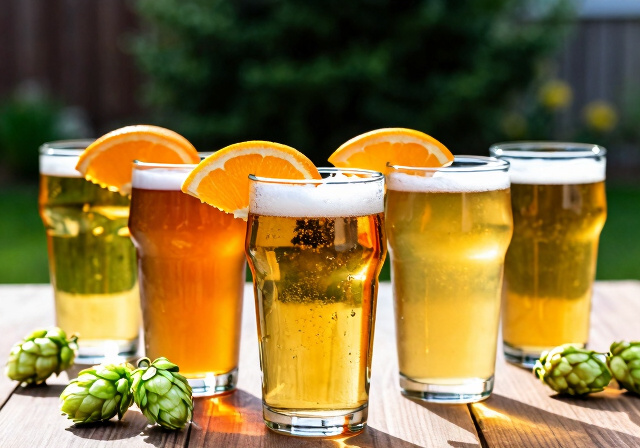
Let me start with a confession: I used to believe that great beer required high alcohol content. Then I discovered session beers. After years of sampling everything from imperial stouts to barrel-aged barleywines, I found myself reaching more often for something I could drink over hours without feeling the effects by the second round. That is the magic of session beers.
Whether you are planning a long afternoon at a backyard gathering, a hiking trip, or simply want to enjoy craft beer flavor without the rapid intoxication, session beers offer something increasingly rare in craft brewing: the ability to savor multiple drinks while staying present. This guide covers everything you need to know about finding full-flavor, lower-ABV beers that actually deliver on taste.
Table of Contents
What is a Session Beer?
A session beer is a low-alcohol beer designed for extended drinking sessions without sacrificing flavor or mental clarity. The defining characteristic is ABV, typically ranging from 3.0% to 5.0%. The term originated in British pubs where workers could enjoy multiple “sessions” of drinking during an afternoon without becoming incapacitated.
What makes session beers interesting from a brewing perspective is the challenge of achieving full flavor at lower alcohol levels. This requires careful selection of malt backbone, hop varieties, and brewing techniques that maximize flavor extraction without relying on high ABV for body and character. As BeerConnoisseur notes, session is not one style. It is a target defined by lower ABV, clean profile, and crisp finish.
The 3:30-300 rule serves as a useful reference for identifying session beers: 3% ABV (the target range), 30 IBU (indicating moderate hop bitterness), and 300 SRM (showing light golden color). This combination represents beers that remain refreshing while delivering satisfying flavor.
Why Choose Session Beers
There are several compelling reasons to explore session beers beyond just the obvious alcohol reduction. For starters, you can enjoy more beers over a longer period without the rapid impairment that comes from high-ABV drinking. This makes them ideal for social situations where you want to remain engaged and present.
From a practical standpoint, session beers typically contain fewer calories than stronger options. A typical session beer (3-5% ABV) runs about 100-150 calories per 12oz serving, compared to 150-250+ calories for stronger craft ales. If you are watching your calorie intake but still want to enjoy craft beer, session options make this much more manageable.
Our team has noticed that some of the most interesting brewing innovation happens in the session beer category. Breweries take on the challenge of proving that lower ABV does not mean lower flavor. The result is creative approaches to hop utilization, malt selection, and fermentation techniques that push the boundaries of what light-bodied beers can achieve. If you want to understand where craft brewing is heading, pay attention to what happens in the session beer space.
For those interested in our approach to brewing balanced, flavor-forward beers at lower alcohol levels, you can learn about our organic session beers and the philosophy behind creating beers meant for extended enjoyment.
Top Session Beer Styles
Session beers span multiple traditional styles, each bringing its own flavor profile and characteristics. Understanding these styles helps you select beers that match your preferences.
Session IPA
The Session IPA has become one of the most popular styles in the session beer category. These beers maintain the hop-forward character of standard IPAs while keeping ABV squarely in session range. The hop profiles typically feature citrus, tropical fruit, and sometimes pine or floral notes.
Forums and craft beer communities consistently recommend several standouts in this category. Founders All Day IPA remains a go-to choice with its balanced blend of Simcoe and Cascade hops delivering citrus and pine notes. Lagunitas DayTime IPA offers another excellent option featuring a fruit-forward hop bill that punches above its weight class. Dogfish Head Slightly Mighty uses adjuncts like quinoa to boost body and flavor while maintaining a remarkably low 3.5% ABV. BeerAdvocate users also cite Carton Brewing Boat as one of the best hoppy session beers available, praising its drinkability and flavor intensity.
German Pilsner
The German Pilsner represents the classic session beer template that has existed for centuries. This pale, crisp lager features a clean malt backbone with notable hop bitterness and a dry finish. The style originated in Pilsen, Czech Republic, but German brewers perfected it as a refreshing, everyday beer.
What makes German Pilsners excellent session beers is their remarkable drinkability. The carbonation lifts the palate, the bitterness provides structure, and the finish encourages another sip rather than weighing you down. Look for examples from Notch Brewing, which has built its entire brewery concept around session beers, or local craft breweries taking on the style.
Kölsch-Style
Kölsch originated in Cologne, Germany, where it is traditionally served in small, slender glasses called Stange. This pale, light-bodied ale sits somewhere between an ale and lager, featuring subtle fruitiness from ale yeast while maintaining a crisp, dry finish.
The style offers gentle complexity that makes it endlessly drinkable. You might detect notes of apple, pear, or white grape in the aroma, with a grain-like malt sweetness that never becomes cloying. The ABV typically sits around 4.0-5.0%, making these perfect for extended afternoon drinking.
Helles Lager
Munich Helles represents the German answer to those seeking a malt-forward but balanced session beer. The style features a bready, slightly sweet malt character balanced against modest hop bitterness. The result is smooth, rounded, and satisfying without being heavy.
Helles works exceptionally well when you want something with more malt presence than a Pilsner but still maintain the refreshing qualities of a session beer. The style demonstrates that full flavor does not require high alcohol or overwhelming hop character.
English Bitter
English Bitter holds special historical significance in the session beer category, as this traditional British style defined the concept of session drinking long before modern craft brewing. Bitters typically range from 3.0-5.0% ABV and feature a malty, sometimes caramel-like sweetness balanced with earthy or floral English hops.
The body tends to be light to medium, and carbonation is often lower than American craft standards, giving these beers a softer mouthfeel. The flavor profile emphasizes balance and drinkability over intensity. For those seeking traditional session beer character, English Bitters provide authentic examples of what brewers achieved before high-ABV brewing became fashionable.
Berliner Weisse and Gose
These wheat-based German styles offer refreshing, light-bodied options that often fall within session beer parameters. Berliner Weisse is a tart, highly carbonated wheat beer traditionally served with fruit syrup to balance its acidity. Gose adds salt and coriander to the mix, creating a uniquely savory-sour profile.
Both styles work exceptionally well as summer session beers due to their low ABV (typically 3-4%) and thirst-quenching character. Wheat-based beers tend to feel lighter in the mouth, making them incredibly crushable during hot weather or outdoor activities.
Session Beer Flavors and Characteristics
Understanding what to expect from session beers helps you select styles and specific beers that match your preferences. The flavor equation in session brewing differs from high-ABV beer production in several important ways.
Hop Character: Hops play a crucial role in session beers because they provide flavor and aroma that compensate for reduced malt presence. Common hop varieties in session beers include Cascade and Centennial for citrus and floral notes, Citra and Mosaic for tropical fruit intensity, Simcoe for pine and earth, and Saaz or Sterling for spicy, herbal character. The key is achieving noticeable hop presence without the bitter overload that can make some beers unpleasant to drink in quantity.
Malt Backbone: Even at lower ABV, quality session beers maintain a supportive malt structure. This might manifest as bready crust in German styles, subtle caramel in English varieties, or clean grain notes in pilsners. The malt provides balance and prevents the beer from tasting thin or watery, which remains one of the most common complaints about low-ABV options.
Body and Mouthfeel: Session beers should feel light but not thin. Carbonation level significantly impacts perception, with higher carbonation creating a crisper, more refreshing sensation that helps flavors pop on the palate. Some brewers use dextrin malt or wheat to add body without increasing alcohol or calories.
Finish: A clean, dry finish encourages continued drinking, which is the fundamental goal of session beer design. Bitterness should be present but not dominant, providing structure rather than punishment. The best session beers finish with enough lingering flavor to satisfy while remaining clean enough for another sip.
How to Choose the Right Session Beer
Selecting a session beer involves considering several factors that will determine your satisfaction with the choice. These factors include occasion, flavor preferences, food pairings, and availability in your region.
Consider the Occasion: Different session beer styles suit different situations. A backyard BBQ calls for something with more hop character and refreshment factor, making Session IPA or German Pilsner excellent choices. A long afternoon of watching sports might benefit from the drinkability of a Kölsch or the traditional character of an English Bitter. Poolside drinking suits the extreme crushability of Berliner Weisse or a light Gose.
Match Your Flavor Preference: If you love hop-forward beers, prioritize Session IPAs and hoppy Pilsners. Those who prefer malt character should explore Helles, English Bitters, and malt-forward session options. Sour beer enthusiasts have excellent choices in Berliner Weisse and Gose styles.
Think About Food Pairings: Session beers generally pair well with a wide range of foods due to their drinkability. The lighter styles work with salads, seafood, and light fare, while hoppy session beers can handle spicier foods, burgers, and grilled meats. The lower alcohol means the beer will not overwhelm subtle flavors in lighter dishes.
Check Regional Availability: Not all styles are equally available everywhere. Larger craft breweries like Founders, Lagunitas, and Dogfish Head distribute widely, making their session offerings accessible to most consumers. Smaller regional breweries may offer more unique session options but with limited geographic reach. When traveling, seeking out local session beers often reveals the most interesting options.
Best Occasions for Session Beers
Session beers earn their name by excelling in situations where you want to enjoy multiple drinks over extended periods while remaining functional and engaged.
Summer Outdoor Activities: Whether you are at the beach, pool, hiking, or just enjoying a backyard gathering, session beers provide refreshment without the rapid onset of intoxication. The lower alcohol content means you can safely enjoy 2-3 beers over several hours without significant impairment, making them ideal for daytime activities where you still need to drive home or remain alert.
Social Gatherings and Parties: Session beers let you participate fully in the social aspect of drinking without the pressure to consume high-ABV beers. You can nurse a single beer for an extended conversation, have two or three over an evening gathering, and still feel fine the next morning. This makes them excellent choices for events where you want to enjoy the experience without the follow-up consequences.
Sporting Events and BBQs: These extended social events often run for hours, making session beers a practical choice. The lower calorie count also means you can enjoy more beers without the caloric guilt that often accompanies heavy craft beer consumption at cookouts.
Post-Work Recovery: Some craft beer enthusiasts use session beers as a way to maintain their craft beer hobby without the recovery time required by stronger options. After a long week, a few session beers provides the ritual and flavor satisfaction of craft brewing without derailing your weekend plans.
Frequently Asked Questions
What defines a session beer?
A session beer typically has an ABV between 3.0-5.0%, offering full flavor without high alcohol content. The term originated in British pubs where multiple sessions of drinking occurred. Session beers prioritize drinkability, crisp finishes, and flavor you can enjoy throughout an extended drinking session.
What is the 3:30-300 rule for beer?
The 3:30-300 rule is a quick reference for beer characteristics: 3% ABV (session range), 30 IBU (bittering units showing moderate hop character), and 300 SRM (color scale indicating light golden color). This combination represents the sweet spot for balanced session beers.
What is the best low ABV beer for full flavor?
The best low ABV beers for full flavor include Session IPAs like Founders All Day IPA, Lagunitas DayTime IPA, and Dogfish Head Slightly Mighty. These maintain hop-forward character while staying under 5% ABV. German Pilsners and Kolsch-style beers also offer exceptional drinkability with balanced flavors.
Are session beers less calories than regular beers?
Yes, session beers typically contain fewer calories than their full-ABV counterparts. A typical session beer (3-5% ABV) contains 100-150 calories per 12oz serving, compared to 150-250+ calories for stronger ales. The exact difference depends on brewing ingredients and fermentation process.
Conclusion
Session beers represent one of the most exciting areas in craft brewing, where innovation and tradition meet to solve a fundamental challenge: how do you create beer with full flavor that you can enjoy over hours without compromise? The answer lies in understanding what you want from your beer drinking experience and selecting accordingly.
The next time you reach for a beer, consider whether a session option might serve you better than defaulting to a high-ABV imperial or double IPA. You might discover that less alcohol combined with thoughtful brewing creates something more satisfying than the brute-force approach of brewing strong and calling it complex. The best session beers prove that restraint in alcohol does not require restraint in flavor.
Explore the styles covered in this guide, ask your local brewery for their favorite session options, and keep an open mind about what lower-ABV brewing can achieve. The perfect session beer for your next afternoon gathering is out there waiting to be discovered.