
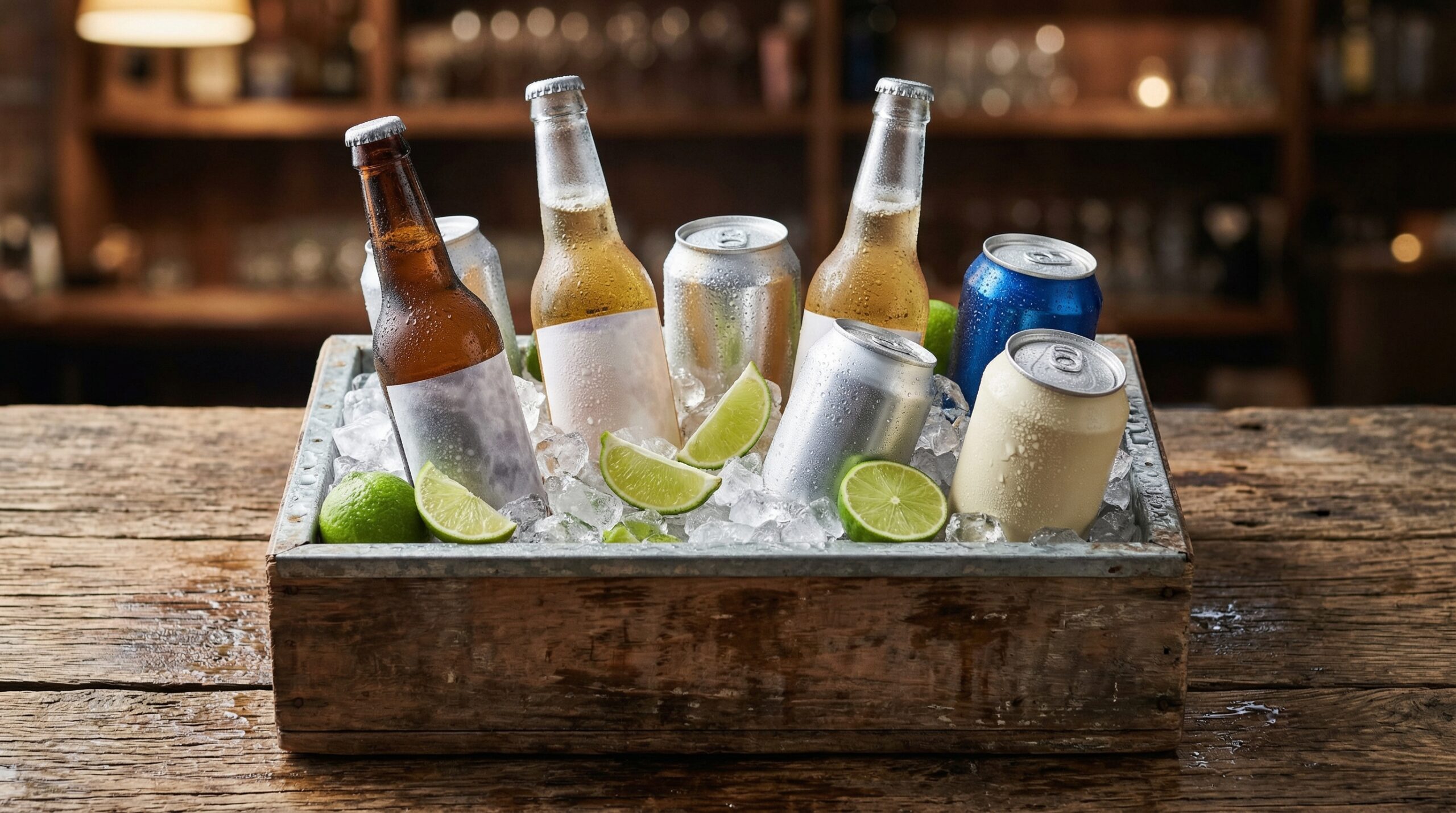
If you have ever found yourself scanning the beer aisle wondering which brews will let you enjoy a few cold ones without blowing your diet, you are not alone. This guide breaks down everything you need to know about the best low calorie beers available right now. We cover macro favorites, craft options, and everything in between so you can make smart choices for your lifestyle without sacrificing taste.
Table of Contents
What Is Light Beer, Exactly?
Light beer is a lower-calorie version of standard beer, typically containing 90 to 110 calories per 12-ounce serving compared to 140 to 160 calories in regular beers. The difference comes from reduced malt content, lower alcohol by volume, and more efficient fermentation that leaves less residual sugar.
The brewing process for light beer follows the same basic steps as regular beer, but breweries adjust the grain bill and fermentation timeline to achieve fewer calories while maintaining drinkability. This is not about adding artificial sweeteners or diluting the product. It is about brewing smarter.
According to our analysis of forum discussions, many beer enthusiasts express concern about the taste versus calories tradeoff. Nobody wants what one Reddit user called “beer-flavored water.” The good news is that brewing techniques have improved dramatically, and many modern light beers deliver genuine flavor while keeping calories in check.
How Light Beer Differs From “Lite” Beer
You might notice some labels say “light” while others say “lite.” The FDA defines “light” as having at least 33% fewer calories than the regular version, but there is no strict legal standard for “lite” labeling. Both terms generally indicate a lower-calorie option, but always check the nutrition facts for exact numbers.
The Calorie Comparison: Light Vs Regular Beer
Understanding the baseline helps you make informed choices. A typical regular American lager contains around 145 to 150 calories per 12-ounce serving. Light beers generally fall between 90 and 110 calories, with some ultra-low options dipping below 100.
The math is straightforward. If you drink three regular beers at 150 calories each, that is 450 calories. Three light beers at 95 calories each comes to 285 calories. Over a week of social drinking, the difference adds up significantly.
Alcohol by volume (ABV) plays a major role in calorie content. Beer calories come primarily from alcohol (7 calories per gram) and carbohydrates (4 calories per gram). Lower ABV beers naturally contain fewer calories, which is why session beers and light lagers tend to be more figure-friendly.
Key Metrics to Know
When comparing low calorie beers, focus on three numbers: calories per serving, carbohydrates per serving, and ABV. These metrics tell you the full picture of what you are drinking. A beer with 80 calories but 8 grams of carbs is different from one with 95 calories and 2 grams of carbs.
Top Low Calorie Beer Recommendations
Based on our research of competitive analysis, forum discussions, and expert reviews, here are the standout options across different categories. Each brings something different to the table, so you can find what works best for your taste preferences and dietary goals.
Best Macro Light Beer Options
Macro breweries have perfected light beer production over decades. These options are widely available, consistently formulated, and offer reliable low-calorie enjoyment.
Michelob Ultra has become the go-to choice for fitness-conscious drinkers. At 95 calories and 2.5 grams of carbs, it delivers a crisp, clean taste that does not feel like a compromise. Forum users consistently mention it as their top pick for lowest calorie macro option.
Miller Lite offers 96 calories with solid flavor that stands up to the original. It has won multiple taste tests and remains a favorite among those who want genuine beer character without the caloric load.
Bud Light comes in at 110 calories and remains one of the most recognizable names in light beer. While not the lowest calorie option, its widespread availability makes it a practical choice for social gatherings.
Coors Light provides 102 calories with a smooth finish that appeals to many drinkers. Its freeze-protected brewing process gives it a distinct character among light lagers.
Best Craft Light Beer Options
Craft breweries have responded to demand for lower-calorie options without sacrificing flavor complexity. These beers prove that you can have craft quality in a lighter package.
Lagunitas DayTime emerges repeatedly in craft beer discussions as an excellent choice for those seeking a real IPA experience with fewer calories. At approximately 98 calories, it delivers hoppy character that craft enthusiasts appreciate.
Dogfish Head 60 Minute Clone offers a session IPA experience at around 120 calories. Forum users specifically recommend both Lagunitas DayTime and Dogfish Head options as craft choices that taste like genuine IPAs rather than watered-down imitations.
Yuengling Light receives consistent praise for maintaining the character of the original Yuengling Lager while cutting calories significantly. It demonstrates that regional breweries can compete with national brands on light beer quality.
Best Low Calorie Beers Under 100 Calories
If you want to stay firmly under the 100-calorie threshold, these options deliver without compromise.
Bridgetown Brew Lightspeed proves that craft light beers can compete on taste. This option shows up in discussions as a hidden gem for calorie-conscious craft beer lovers.
Sierra Nevada Low Dose brings the quality of Sierra Nevada brewing to the light beer category. It offers a clean, drinkable experience at approximately 95 calories.
Anderson Valley Black Rice Ale stands out as an unusual dark beer option under 100 calories. Forum users specifically note this as a good dark option for those watching their intake while wanting something more interesting than typical light lagers.
Budweiser Select 55 pushes the envelope at just 55 calories. It represents the extreme low end of the light beer spectrum, though some drinkers find it too light in character.
Best Light Beer Styles by Category
Different beer styles offer different experiences. Here is how low calorie options break down across popular categories.
Light Lagers dominate the market for good reason. They offer crisp, refreshing drinks with low bitterness and high carbonation. Macro light lagers like Bud Light, Miller Lite, and Coors Light set the standard for this style.
Session IPAs have exploded in popularity as craft brewers target the light beer market. These hop-forward beers maintain aroma and flavor intensity while keeping alcohol and calories in check. Look for options around 4% to 5% ABV for the best balance.
Light Wheat Beers provide a smooth, slightly sweet option that differs from the crispness of lagers. These work well for summer drinking and pair nicely with lighter foods.
Kölsch-Style Light Beers offer a hybrid approach. These German-inspired styles provide lager smoothness with ale character, giving you complexity in a lighter package.
Craft Light Beer Vs Macro Light Beer
One of the most common debates among beer enthusiasts involves craft versus macro light beers. Both have merits, and the choice depends on your priorities.
Macro light beers like Michelob Ultra, Miller Lite, and Bud Light benefit from decades of brewing refinement. They offer consistency, wide availability, and reliable taste. When you order one at a stadium, bar, or backyard barbecue, you know exactly what you are getting.
Craft light beers often push boundaries more. Breweries like Lagunitas, Sierra Nevada, and smaller regional producers experiment with hop varieties, malt profiles, and brewing techniques to create light beers with more distinctive character.
The tradeoff typically involves availability and price. Craft light beers usually cost more and may only be found in certain markets. Macro light beers are inexpensive and available everywhere from gas stations to high-end restaurants.
Forum discussions reveal that many users express surprise at how good craft light lagers have become. The perception that light beer means boring or cheap no longer holds true in many cases. If you have not tried craft light options recently, the category deserves another look.
Best Low Calorie Beers for Different Situations
Low Calorie Beer for Weight Loss
When losing weight, beer calories add up quickly. Swapping regular beers for light options creates a meaningful caloric deficit over time. The best choices for weight loss combine low calories with satisfying flavor so you do not feel deprived.
Michelob Ultra leads recommendations for weight-loss-focused drinking. Its 95 calories and low carb content fit easily into most diets. Miller Lite and Bud Light also work well when you want something more traditional.
The key insight from nutrition experts is that light beer can fit into a balanced diet when consumed in moderation. The goal is not elimination but smart substitution. If you would normally drink three regular beers, having three light beers saves approximately 150 calories per session.
Low Calorie Beer for Post-Workout
Many fitness enthusiasts enjoy a beer after exercise. The carbohydrate content can help replenish glycogen stores, while the social aspect of drinking with friends adds enjoyment to recovery. Light beers provide a lower-impact way to include beer in your post-workout routine.
Session IPAs and light lagers work particularly well post-workout because they offer genuine beer flavor without heavy body or high alcohol that might interfere with recovery. Look for options in the 95 to 110 calorie range for the best tradeoff.
Low Calorie Beer for Social Gatherings
Social situations often involve drinking, and nobody wants to feel left out or guilty about their choices. Having low calorie options available means you can participate fully without obsessing over numbers.
When hosting or attending gatherings, bring a variety of light beers so you have options. Macro light beers tend to be crowd-pleasers, while craft options impress beer enthusiasts who appreciate the consideration that went into lower-calorie selections.
Low Calorie Beer for Summer and Outdoor Activities
Beach days, golf outings, tailgates, and backyard barbecues all benefit from refreshing light beers. The high carbonation and crisp character of light lagers make them particularly suited for hot weather consumption.
These situations often involve drinking over extended periods, making low calorie choices even more valuable. A day of sipping light beers is far less caloric impact than the same duration with regular strength options.
Low Calorie Beer Alternatives
If you are looking for alternatives to beer entirely, other low calorie alcoholic options exist. Low calorie drink alternatives like ranch water, certain cocktails mixed with seltzer, or light wine spritzers can provide variety.
Non-alcoholic options have also improved dramatically. Many NA beers now offer genuine beer flavor without the alcohol or calories. If you want to reduce alcohol intake while maintaining the social ritual of having a drink, non-alcoholic beer alternatives deserve exploration.
Non-Alcoholic Light Beer Options
The NA beer category has evolved significantly. Modern non-alcoholic light beers use dealcoholization techniques that preserve more flavor than older methods.
Most NA beers contain fewer than 50 calories per serving, making them attractive for those tracking intake carefully. The trade-off involves some loss of the complexity that alcohol contributes to flavor and body.
Popular NA light beer options include Heineken 0.0, Budweiser Prohibition, and various craft NA offerings. These work well for designated drivers, moderation days, or anyone wanting to reduce alcohol consumption while maintaining social connections.
When comparing NA light beers to regular light beers, the calorie difference is significant but not enormous. The bigger difference is the alcohol content and the associated social effects. For strict calorie counters, NA options provide a meaningful reduction.
Understanding the 3:30-300 Rule for Beer
The 3:30-300 rule appears in beer discussions as a rough guideline for responsible consumption. The concept involves timing and pacing to minimize negative effects while maximizing enjoyment.
The basic idea suggests limiting drinking to certain hours and pacing yourself appropriately. In practical terms, this means not drinking before 3 PM on most occasions and limiting total consumption to moderate levels.
While the specific rule varies in its exact formulation, the underlying principle is moderation. Light beers fit well within a moderate drinking approach because they deliver the social and taste benefits of beer with lower caloric and alcohol impact.
Downsides of Low Calorie Beer
Low calorie beers are not without their drawbacks. Understanding these limitations helps you make informed choices about when and how to include light beers in your lifestyle.
The most common criticism involves taste. Some low calorie beers sacrifice flavor for lower numbers, resulting in a watery or thin drinking experience. Forum users consistently express frustration with light beers that taste like “beer-flavored water.” However, many modern options address this concern effectively.
Artificial sweeteners or sugar alcohols appear in some ultra-low calorie options. While generally recognized as safe, some drinkers prefer to avoid these additives. Always check ingredients if this matters to you.
Lower alcohol content means less of the social lubricating effect that some people enjoy from beer. If you specifically want the buzz from drinking, light beers require more consumption to achieve the same effect, which may offset some calorie savings.
Nutritional value remains minimal. Light beer provides some carbohydrates and potentially small amounts of certain vitamins, but it should not be considered a source of meaningful nutrition. Treat it as an occasional indulgence rather than a dietary staple.
Beer Vs Wine for Weight and Health
Many people wonder whether beer or wine is the better choice for weight management and health. The answer depends on what you are comparing and how you consume them.
A standard 5-ounce glass of wine typically contains 120 to 130 calories. A 12-ounce light beer runs 95 to 110 calories. When comparing equal volumes, wine often has more calories per ounce due to higher alcohol content. However, people typically pour larger servings of wine than beer.
Wine contains resveratrol, an antioxidant associated with heart health benefits. Beer contains similar antioxidants from barley and hops, though in different profiles. Neither is objectively “healthier” in moderation.
For belly fat specifically, the issue is overall caloric intake rather than the specific beverage. Both beer and wine contribute calories that can lead to weight gain if consumed in excess. Moderation remains the key factor regardless of your choice.
Best Light Beer for Acid Reflux
Acid reflux and beer sensitivity affect many drinkers. The carbonation, alcohol content, and certain hop compounds can trigger symptoms in susceptible individuals.
Lower alcohol beers generally cause less reflux symptoms than higher alcohol options. Light beers with their reduced ABV may be easier on sensitive digestive systems. The carbonation level also matters, as highly carbonated drinks can increase reflux symptoms.
Some forum users report that light lagers cause fewer issues than craft IPAs or stouts. The lower hop bitterness and simpler malt profile of light lagers may be gentler on the digestive system.
If you experience frequent acid reflux, consult a healthcare provider about your beer consumption. Individual triggers vary, and what works for one person may not work for another.
How We Selected These Beers
We evaluated these recommendations using multiple data sources. Competitor analysis examined top-performing content from major beer publications and fitness sites. Forum research gathered real user experiences from Reddit, BeerAdvocate, and Facebook beer communities.
Keyword analysis ensured we addressed the actual questions beer drinkers have about low calorie options. We cross-referenced PAA questions from search results with forum discussions to identify the most relevant concerns and questions.
Our team considered taste reputation, availability, price point, and nutritional profiles when making recommendations. We prioritized beers with strong track records rather than newer options without established reputations.
Forum insights played a significant role. As noted in our research, real user experiences carry significant weight in this category. Recommendations reflect genuine consensus from beer enthusiasts rather than just expert opinions.
Frequently Asked Questions
Which beer is lowest in calories?
Budweiser Select 55 has the lowest calories at just 55 per 12-ounce serving. However, most beer enthusiasts find it too light in character. For beers that actually taste good while staying low calorie, Michelob Ultra at 95 calories and Miller Lite at 96 calories offer better balance.
Is 200 calories a lot for a beer?
Yes, 200 calories is relatively high for a single beer. Regular American lagers typically contain 145 to 160 calories per 12-ounce serving, making 200 calories on the higher end. Light beers generally range from 90 to 110 calories, so 200 calories would represent drinking nearly two light beers’ worth in one serving.
What are the downsides of low calorie beer?
Main drawbacks include potential sacrifice of flavor for lower calories, possible use of artificial sweeteners in some ultra-low calorie options, less alcohol content which may lead some people to drink more to achieve desired effect, and minimal nutritional value. Some drinkers also report that light beers feel less satisfying than regular options.
What is the best beer to drink when losing weight?
Michelob Ultra is frequently recommended as the best light beer for weight loss due to its 95 calories, low carb content, and satisfying taste. Miller Lite and Bud Light also work well. For craft options, Lagunitas DayTime offers genuine IPA flavor at around 98 calories. The key is choosing beers you actually enjoy so you do not feel deprived.
What light beer has the least calories and carbs?
Michelob Ultra leads mainstream options with 95 calories and 2.5 grams of carbs. Budweiser Select 55 has fewer calories at 55 but lacks traditional beer character. For the best combination of low calories, low carbs, and actual flavor, Michelob Ultra and Miller Lite represent the top choices.
What is the 3:30-300 rule for beer?
The 3:30-300 rule is a general guideline for moderate beer consumption, suggesting not drinking before 3:30 PM and limiting intake to around 300 calories worth of beer. The underlying principle promotes moderation and pacing, though specific formulations vary. Light beers fit naturally into this framework due to their lower caloric content.
Which is worse for belly fat, beer or wine?
Neither beer nor wine is definitively worse for belly fat accumulation. Both contribute calories that can lead to weight gain when consumed in excess. In moderate amounts, both can fit into a healthy lifestyle. Wine may have a slight edge due to smaller typical serving sizes, but the difference is marginal if you monitor total calorie intake.
Which beer is good for acid reflux?
Lower alcohol, less carbonated light beers generally cause fewer acid reflux symptoms than high-alcohol or highly carbonated options. Light lagers like Miller Lite or Bud Light are often well-tolerated. Individual triggers vary, so pay attention to how specific beers affect you and consult a healthcare provider if you have frequent symptoms.
Final Thoughts on Best Low Calorie Beers Compared
The world of low calorie beers has improved dramatically in recent years. Whether you prefer the consistency of macro light beers like Michelob Ultra and Miller Lite or want to explore craft options like Lagunitas DayTime and Yuengling Light, there are satisfying choices at every calorie level.
Remember that the best low calorie beer for you depends on your specific priorities. If taste is paramount, explore craft light options. If availability and price matter most, macro light beers deliver. If you are strictly counting calories, ultra-low options like Bud Select 55 exist.
The key insight from our research is that you no longer need to sacrifice taste for lower calories. Modern brewing techniques have created light beers that genuinely satisfy beer cravings while fitting into a health-conscious lifestyle. The days of “beer-flavored water” are largely over for quality light beer options.
Enjoy your low calorie beer journey with the knowledge that smart choices allow you to participate fully in social drinking without derailing your health goals. Drink responsibly, choose beers you actually enjoy, and do not let calorie concerns take all the fun out of having a cold one with friends.