
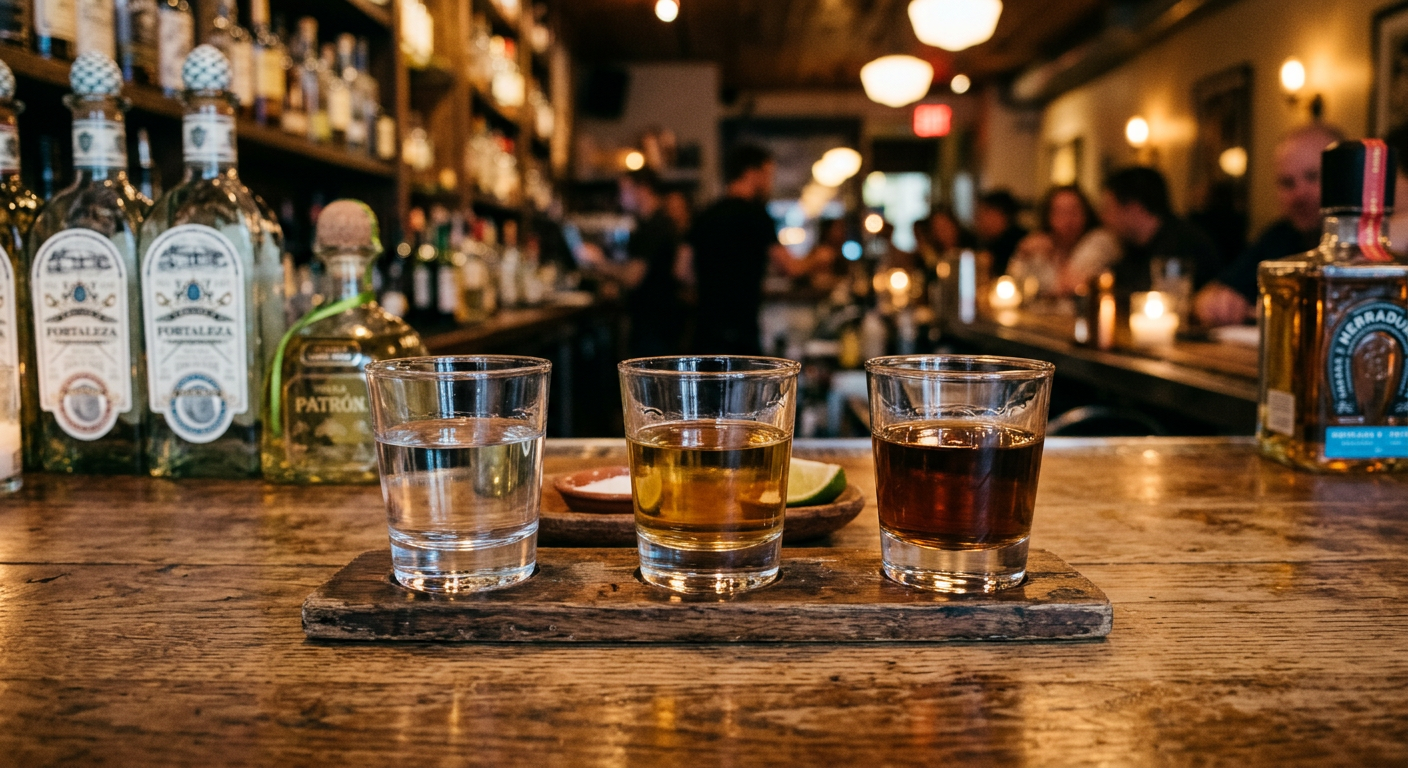
If you have ever stood in the spirits aisle wondering what sets Blanco apart from Reposado or Añejo, you are not alone. Understanding the Types of Tequila Explained can transform your next cocktail from ordinary to exceptional. The aging process is what creates these distinct categories, each offering a unique taste experience.
Tequila is a distilled spirit made from the blue agave plant, regulated by Mexican law and produced primarily in the state of Jalisco. The spirit has been crafted there for centuries, with the agave plant taking anywhere from 8 to 12 years to mature before harvest. Only spirits made in specific Mexican regions can legally be called tequila.
The Consejo Regulador del Tequila (CRT) oversees production standards, ensuring every bottle meets strict requirements. This certification matters because it guarantees authenticity and quality. If you want to learn more about how tequila differs from its smoky cousin, check out our guide on the difference between tequila and mezcal.
Table of Contents
What are the 4 Types of Tequila?
The Mexican government recognizes four main categories of tequila based on aging time. These are Blanco (unaged), Reposado (aged 2-12 months), Añejo (aged 1-3 years), and Extra Añejo (aged 3+ years). A fifth category called Joven or Gold often appears on shelves, though it is typically a blend.
Each type undergoes different barrel aging requirements, which directly impacts flavor, color, and price. Understanding these categories helps you choose the right bottle for sipping or mixing. The aging timeline is strictly regulated to earn each designation.
What is Blanco Tequila?
Blanco tequila, also called silver or plata, is the purest form of tequila. It is bottled immediately after distillation or aged for no more than two weeks. This minimal contact with wood preserves the bold agave flavor that purists crave.
The flavor profile features vegetal notes of agave, citrus, grass, and white pepper. Some bottles show a hint of sweetness from the cooked agave hearts, called pinas. The spirit carries more heat than aged varieties because nothing softens it.
Most professional bartenders reach for Blanco when mixing cocktails like margaritas and palomas. The bright, clean flavor cuts through citrus and other mixers without getting lost. If you want to try Blanco in a cocktail, try this ranch water recipe with blanco tequila for a refreshing twist.
What is Reposado Tequila?
Reposado means “rested” in Spanish, and that is exactly what this tequila does. It ages in oak barrels for a minimum of two months and up to twelve months. The shorter aging time gives it a golden color while introducing subtle wood influence.
The flavor balances pure agave character with notes of caramel, vanilla, and light spice. Many people find Reposado smoother than Blanco because the oak softens the spirit. This makes it approachable for sipping or mixing.
This type strikes the perfect middle ground between the bold agave punch of Blanco and the deep complexity of Añejo. Cocktail enthusiasts often use Reposado in drinks where a little extra depth enhances the experience without overpowering other ingredients.
What is Añejo Tequila?
Añejo tequila must age in oak barrels for at least one year, with many staying in wood for up to three years. The longer aging creates a dark amber color and rich, complex flavors that serious sippers appreciate.
Expect notes of chocolate, dried fruit, toffee, and oak when drinking Añejo. The extended barrel time mellows the spirit significantly, producing a smooth, sophisticated pour. Many enthusiasts consider this the sweet spot for sipping neat.
Professionals often serve Añejo after dinner as a digestif. The complexity unfolds slowly on the palate, revealing new nuances with each sip. Using it in cocktails can elevate simple drinks, though many argue Añejo deserves to be enjoyed on its own.
What is Extra Añejo Tequila?
Extra Añejo is the newest official category, introduced in 2026, requiring at least three years of oak aging. This places it between standard Añejo and the most premium spirits in terms of maturation.
The extended time in barrels produces intense wood character, with deep amber and mahogany hues. Flavors include rich vanilla, espresso, dark chocolate, and extended oak tannins. Some bottles develop smokiness reminiscent of certain Scotch whiskies.
This category appeals to collectors and those willing to pay premium prices for extraordinary depth. The spirit becomes almost translucent from years of evaporation and barrel interaction. Extra Añejo remains relatively rare compared to other categories.
Other Tequila Types Explained
While the four aging categories form the core of tequila classification, several other terms appear on labels. Understanding these helps you navigate the full spectrum of options available.
Joven Tequila (Gold)
Joven, meaning “young,” is often labeled as Gold tequila. It is typically a blend of Blanco and aged tequilas, sometimes with caramel color added. The result offers mild agave flavor with subtle oak influence at a lower price point.
Many popular mixto tequilas fall into this category. They work well in mixed drinks where the flavor can handle some sweetness and color. However, purists usually prefer 100% agave bottles for better taste and authenticity.
100% Agave vs Mixto
100% agave tequila uses only blue agave as the sugar source, while Mixto contains at least 51% agave with other sugars making up the remainder. The difference significantly impacts flavor and quality.
Real 100% agave tequila displays the CRT seal on the bottle, certifying authenticity. Forum discussions consistently highlight that 100% agave brands cause fewer hangover symptoms for many people. The fermentation and distillation of pure agave creates a cleaner final product.
Cristalino Tequila
Cristalino is a relatively new style that has gained popularity in recent years. It starts as aged Añejo tequila that is then filtered to remove color and some flavor compounds. The result looks like Blanco but tastes like aged tequila.
This category bridges the gap between mixability and complexity. It appeals to those who want the smooth character of aged spirits in a visually clear bottle. Cristalino remains controversial among traditionalists who question whether filtering defeats the purpose of aging.
How to Choose the Right Tequila
Selecting the right tequila depends on how you plan to use it. Blanco excels in citrus-forward cocktails where its bright flavor shines. Reposado works well in almost any mixed drink, adding subtle depth without overwhelming other ingredients.
For sipping occasions, Añejo or Extra Añejo provide the most satisfying experience. The investment in premium aged bottles makes sense when you can savor the complexity slowly. Consider serving them in a proper tequila glass to appreciate the aroma fully.
Always look for the 100% agave seal when possible. This certification ensures you are getting authentic tequila rather than a blended product. Price correlates roughly with quality, though excellent values exist in every category.
Frequently Asked Questions
What are the 4 types of tequila?
The four official types of tequila are Blanco (unaged), Reposado (aged 2-12 months), Añejo (aged 1-3 years), and Extra Añejo (aged 3+ years). Each category has specific aging requirements set by Mexican regulations.
What are the 5 types of tequila?
The five types include the four main categories (Blanco, Reposado, Añejo, Extra Añejo) plus Joven or Gold tequila, which is typically a blend of unaged and aged spirits. Some classifications also include Cristalino as a distinct style.
What is the difference between Blanco, Reposado, and Añejo tequila?
Blanco is unaged with bold agave flavor, Reposado rests 2-12 months in oak adding caramel and vanilla notes, and Añejo ages 1-3 years developing deep complexity with chocolate, spice, and oak flavors. Each offers a different balance of pure agave character versus barrel influence.
Can you use Reposado in margaritas?
Yes, Reposado works excellently in margaritas. It adds subtle oak and vanilla notes that complement citrus without overpowering the drink. Many bartenders prefer Reposado for margaritas because the slight aging smooths the spirit while maintaining enough agave character to stand out.
Final Thoughts on Types of Tequila Explained
Understanding the Types of Tequila Explained in this guide helps you make informed decisions at the bottle shop or bar. Each category offers distinct characteristics suited to different occasions and preferences. Whether you prefer the bold purity of Blanco or the refined complexity of Extra Añejo, there is a tequila type for every palate.
The aging process fundamentally transforms the spirit, turning crisp agave into rich, layered expressions over time. Do not be afraid to explore beyond your comfort zone. Trying all four main types side by side reveals how dramatically wood aging affects flavor.
Remember to look for the 100% agave seal and CRT certification when selecting bottles. These labels indicate authentic tequila crafted according to traditional standards. Your next pour might just become your new favorite.