
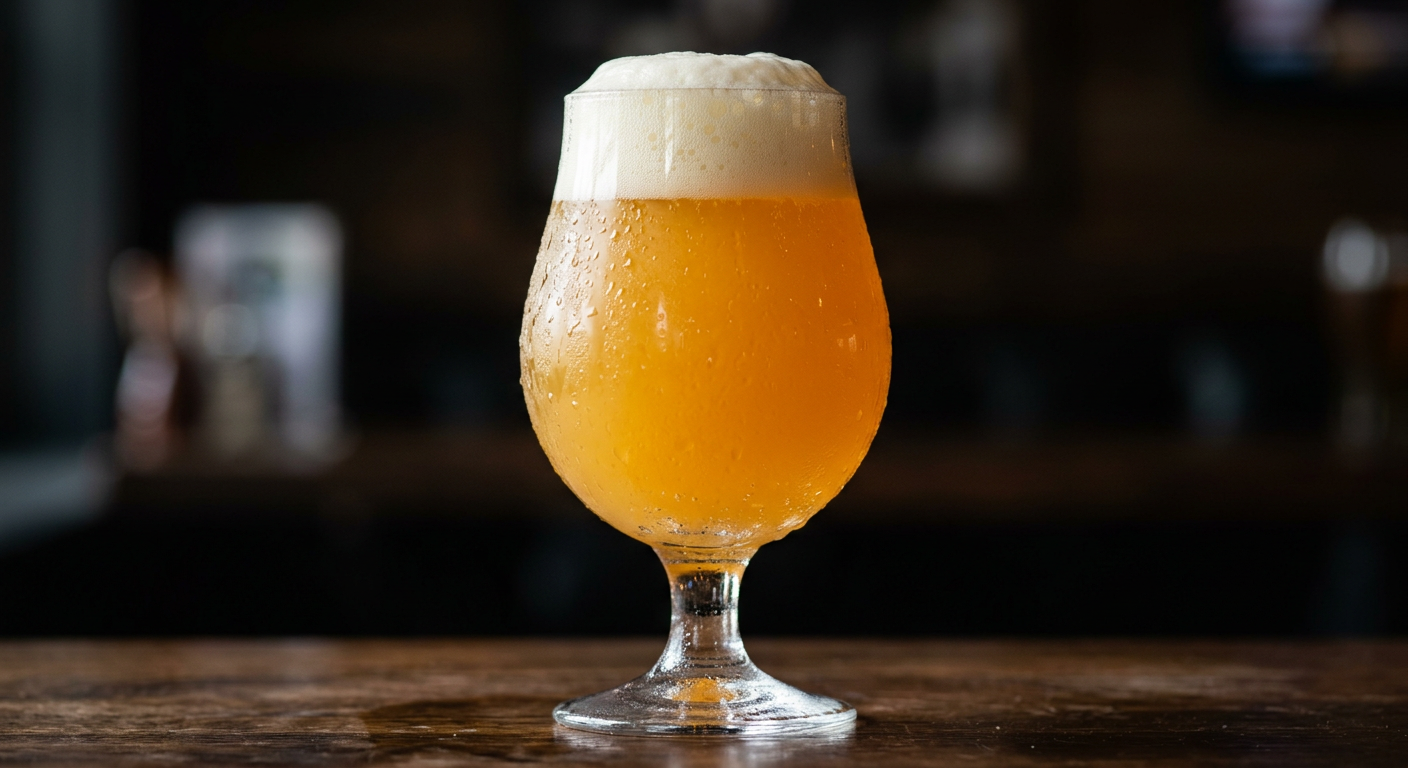
If you have walked into any craft brewery in the past several years, you have probably noticed something shifting on the tap list. The IPAs that dominate are no longer the crystal-clear, amber-hued beers with a sharp bite of bitterness. Instead, they look like orange juice, feel thick on the tongue, and smell like a fruit basket. These are hazy IPAs, and this Hazy IPA guide will teach you everything you need to know about them.
The style exploded onto the craft beer scene around 2014 and never looked back. Breweries that perfected hazy IPAs built cult followings overnight. Homebrewers started dedicating entire batches to cracking the code of that signature cloudiness. This guide covers what makes hazy IPAs different, how to brew them, and why they became the defining beer style of a generation.
Table of Contents
What is a Hazy IPA
A hazy IPA is an India Pale Ale that deliberately skips filtration, leaving the beer cloudy and opaque. The style emerged from New England, earning the alternate name NEIPA or New England IPA. While traditional West Coast IPAs showcase high bitterness and crystal-clear appearances, hazy IPAs prioritize aroma, flavor, and mouthfeel overIBU numbers.
The style began in Vermont, with The Alchemist’s Heady Topper widely cited as the spiritual ancestor. That beer showed what was possible when brewers stopped filtering and started focusing on hop expression through late additions and biotransformation. The movement spread through names like Tree House Brewing, whose Julius became a benchmark for what a hazy IPA could be.
When we talk about hazy IPAs, we are not just talking about appearance. The haze itself comes from proteins, beta-glucans, and polyphenols that stay in suspension because of specific grain bills and the absence of filtration. This cloudiness signals something deeper, a fundamental shift in how brewers approach hoppy beers.
Unlike filtered IPAs where proteins get stripped out during processing, hazy IPAs keep everything in. The result is a beer that feels fuller, tastes more vibrant, and carries hop aromas that dissipate within days in filtered beers. This is why fresh hazy IPAs from the tap are so different from the same beer in a can that sat for months.
Key Characteristics of Hazy IPAs
Cloudy Appearance and Color
The first thing you notice about a hazy IPA is how it looks. Poured into a glass, a hazy IPA ranges from pale golden to deep orange, with a density that blocks light completely. Some describe the appearance as looking like orange juice or mango nectar. This is not accidental haze from fermentation problems or infection. This is engineered instability, carefully maintained.
The haze comes from proteins and polyphenols that form complexes too large to settle out. These complexes scatter light rather than letting it pass through, creating that signature cloudy appearance. Breweries achieve this through specific grain bills heavy in oats and wheat, which contribute proteins that do not settle easily.
West Coast IPAs pride themselves on being brilliant and clear, achieved through filtration and fining agents. Hazy IPAs reject that entirely. The style celebrates turbidity, treating the cloudiness as a badge of honor rather than a flaw to eliminate.
Mouthfeel Descriptors
The mouthfeel of a great hazy IPA is unlike any other beer style. Words like velvety, pillowy, soft, and creamy describe what you feel on the palate. This thick, coating sensation comes from the high protein content of oats and wheat, plus residual dextrins that add body without sweetness.
Compare a hazy IPA to a standard pale ale and the difference is immediately obvious. Where the pale ale might taste crisp and thin, the hazy IPA coats every part of your mouth. This texture makes the beer feel more substantial, more filling, even when the alcohol content is similar.
The style deliberately avoids the sharp, drying bitterness of traditional IPAs. Instead of that tongue-drying, almost astringent quality, hazy IPAs finish smooth and juicy. The perceived bitterness stays low despite actual IBU measurements that can rival West Coast classics. This happens because the thick mouthfeel buffers the bitter receptors on your tongue.
Flavor and Aroma Profile
Tropical fruit dominates the flavor spectrum of hazy IPAs. Think mango, passion fruit, pineapple, and citrus. These aromas come from specific hop varieties used in late additions and dry hopping, where the goal is preserving volatile aroma compounds rather than extracting bittering acids.
The hop bill typically features varieties known for fruit-forward characteristics. Citra, Galaxy, Mosaic, and Nelson Sauvin appear constantly in recipes. Each brings different fruit notes, from Galaxy’s bold tropical punch to Mosaic’s complex berry and stone fruit layers. Some breweries layer multiple varieties to create complex fruit bouquets.
Beyond fruit, you might notice subtle hints of coconut, white grape, or even a diesel-like quality from certain yeast strains or hop compounds. The unfiltered nature means more hop particles stay in suspension, carrying these nuanced compounds directly to your nose with every sip.
Essential Ingredients for Hazy IPA
Grain Bill: Oats and Wheat
The foundation of any hazy IPA starts with the grain bill. Unlike traditional IPAs that rely on base malts and maybe a touch of crystal malt for body, hazy IPAs demand a significant proportion of protein-rich grains. Flaked oats typically make up 20 to 40 percent of the grist, with wheat contributing another 10 to 20 percent.
Flaked oats add beta-glucans and proteins that contribute to haze stability and mouthfeel. These proteins do not break down during fermentation the way some malt proteins do. Instead, they remain in suspension, creating that thick, coating texture hazy IPAs are known for. Flaked wheat serves a similar purpose while adding a subtle grain character that complements hop flavors.
Base malts provide the fermentable sugars, but selection matters. Many brewers favor maltsters known for undermodified malts, which retain more protein content. Pilsner malt works well as a base because of its light flavor profile that lets hop character shine through. Some recipes include small amounts of dextrin malt for additional body without sweetness.
If you are exploring non-alcoholic beer options, you might notice that creating similar mouthfeel in low-alcohol versions remains challenging. The proteins and dextrins that create hazy IPA texture depend on fermentation, which creates alcohol. You can explore non-alcoholic beer alternatives to see how craft breweries approach this problem differently.
Hop Varieties and Contributions
Choosing hops for hazy IPA requires a different mindset than traditional IPA recipes. The goal is not maximum bittering extraction. Instead, brewers target specific aroma compounds that survive late addition and dry hopping without driving bitterness too high.
Citra reigns as the king of hazy IPAs. Its flavor profile includes mango, passion fruit, pineapple, and citrus, with an aroma that punches through even thick grain bills. Galaxy brings tropical fruit boldness, often described as mango and passion fruit with a hint of peach. Mosaic adds complexity with berry, stone fruit, and subtle earthy notes.
Other varieties worth knowing include Nelson Sauvin, which brings white grape and tropical fruit character; El Dorado, known for stone fruit and citrus; and Idaho 7, which offers tropical fruit with a pleasing bitterness balance. Many breweries combine three or more varieties, layering different fruit notes to create unique flavor profiles.
Hop additions follow a different schedule in hazy IPA brewing. Bittering additions get minimized or eliminated entirely. Instead, most hop character comes from massive late additions, whirlpool hops at temperatures between 170 and 190 degrees Fahrenheit, and multiple rounds of dry hopping. This approach preserves volatile aroma compounds that would boil off in early additions.
Yeast Strain Selection
Yeast selection profoundly impacts the final hazy IPA character. The right strain can accentuate fruit esters, contribute to mouthfeel through attenuation levels, and even add its own aromatic qualities. London Ale III from White Labs became the default choice for many early hazy IPA brewers, and it remains popular for its ability to highlight tropical fruit notes.
Imperial Yeast’s A38 Juice and A24 Duet strains gained dedicated followings for their aggressive ester production and high attenuation. These strains leave some residual sweetness while pushing tropical fruit aromatics forward. The choice between strains depends on whether you want more banana and bubblegum notes or cleaner fruit expression.
Fermentation temperature control matters significantly with these strains. Lower temperatures, around 65 to 68 degrees Fahrenheit, keep ester production in check while still achieving clean fermentation. Some brewers ferment slightly warmer to encourage more fruit character, accepting the risk of off-flavors from stressed yeast.
Proper oxygenation before fermentation proves critical because haze yeast strains need healthy cell growth to fully ferment the medium-gravity wort. Underoxygenated batches often stall or produce grassy, vegetal flavors that ruin the hop character you worked so hard to develop.
Water Chemistry Basics
Water chemistry distinguishes hazy IPAs from their filtered counterparts in subtle but important ways. The chloride to sulfate ratio heavily favors chloride, which enhances mouthfeel and smooths bitterness. Where West Coast IPAs might have ratios of 1:3 or even 1:4, hazy IPAs thrive with ratios closer to 2:1 or higher in chloride’s favor.
Chloride ions accentuate the fullness and sweetness perception of the grain bill. They round out edges and create a smoother, more velvety mouthfeel. Sulfate, by contrast, sharpens bitterness and creates a drier finish. For hazy IPAs, that crispness works against the soft, juicy character you are trying to achieve.
Magnesium levels often increase slightly in hazy IPA recipes because the ions enhance hop perception without adding harshness. Calcium remains important for yeast health and protein coagulation during boiling. Most brewers target calcium levels between 50 and 100 parts per million, with magnesium around 10 to 20 parts per million.
pH management throughout the brewing process affects both haze stability and flavor. Mash pH around 5.4 to 5.6 optimizes enzyme activity and protein extraction. Boiling and fermentation pH influence how proteins and polyphenols interact, affecting both haze stability and flavor clarity.
How to Brew a Hazy IPA
Mashing Process
The mashing process for hazy IPA requires attention to protein extraction and modification. Unlike pale ales where you might employ a single infusion mash, hazy IPAs benefit from protein rests or step mashes that maximize protein content in the final beer. The goal is extracting enough soluble proteins to support haze formation without causing Lauter problems.
Temperature selection during mashing influences both fermentability and body. Most brewers target mash temperatures between 149 and 156 degrees Fahrenheit. Lower temperatures produce more fermentable worts and thinner beers. Higher temperatures leave more dextrins, adding body but potentially reducing haze stability as fermentation progresses.
The thickness of your mash affects protein extraction. Thicker mashes favor protein extraction but can cause sparging difficulties with the high oat content. Many brewers recommend Mash thicknesses between 1.25 and 1.5 quarts per pound of grain to balance protein extraction with processability.
Rinsing the grain thoroughly matters more in hazy IPA brewing because tannins from the husks create astringency that harshens the finish. Gentle sparging with water at 170 degrees Fahrenheit minimizes tannin extraction while still achieving proper extraction rates. The goal is a sweet, malty start that supports fruit hop flavors without competing with them.
Fermentation and Dry Hopping
Fermentation of hazy IPA requires patience and temperature control. Pitch an adequate amount of healthy yeast, typically around 200 billion cells for a five-gallon batch. Ferment at temperatures between 65 and 70 degrees Fahrenheit, depending on your yeast strain. Allow the fermentation to complete fully before any dry hopping, as active fermentation can push hop aromatics out with the carbon dioxide.
Dry hopping represents the most critical step in hazy IPA production. This is where you build the aroma that defines the style. Most recipes call for two to four pounds of hops per barrel, with additions spread across multiple applications. The first dry hop addition typically happens when fermentation is nearly complete, around 60 to 80 percent attenuation.
Biotransformation occurs when hops added during active fermentation interact with yeast enzymes. This process modifies hop compounds into new aromatic molecules that would not exist without the yeast present. The result is a more complex, integrated hop character that feels natural rather than added on top of the beer. Many brewers credit biotransformation for the signature juicy character of great hazy IPAs.
Second and third dry hop additions happen after primary fermentation completes, typically spaced two to three days apart. These additions refresh and layer hop aromatics without the biotransformation effect. Some breweries add hops during packaging for one final aromatic boost, though this risks oxidation if not done carefully.
Zero-Oxygen Techniques
Oxidation represents the enemy of hazy IPA quality. The same hop compounds that create those beautiful tropical fruit aromas oxidize quickly when exposed to air. Once oxidized, these compounds transform from fruit flavors into cardboard, sherry, or stale bread characters that ruin the fresh hop character you worked so hard to create.
Zero-oxygen techniques start with blanketing everything with carbon dioxide or nitrogen. Your brewing water should be deoxygenated by boiling and cooling under sealed conditions. Transfer all liquids using closed systems rather than open racking paths. Every exposure to air represents an opportunity for oxidation to begin.
Dry hopping under carbon dioxide pressure prevents oxidation during that critical hop contact time. Brewers use closed conical fermenters where they can push hops into the beer through a port without opening the vessel to air. Some use hop bombs, sealed containers that get filled with hops and then flooded with beer inside a sealed system.
Purge your kegs and bottles with carbon dioxide before filling. Leave no headspace in packaged beer where oxygen can accumulate and react with hop compounds. Even the pour matters, as splashing introduces oxygen. Pour gently down the side of the glass rather than creating a turbulent pour.
Packaging Without Oxidation
Packaging hazy IPAs requires the same obsessive attention to oxidation prevention as dry hopping. The moment your beer touches a bottle or can, oxygen exposure begins. Canning has become the preferred packaging method because the seaming process allows less headspace for oxygen compared to bottling, and cans block light that can degrade hop compounds.
If bottling, use bottles specifically designed for low oxygen pickup. Swing-top bottles with good seals outperform crown-capped bottles for long-term freshness. Fill bottles from the bottom using a bottling wand, and minimize splashing during the fill process. Leave as little headspace as possible without risking the bottle seal failing.
Carbonation levels in hazy IPAs run slightly higher than traditional IPAs, typically between 2.5 and 3 volumes of carbon dioxide. The higher carbonation enhances the perception of freshness and supports the juicy, almost soda-like character that makes the style so approachable.
Storage temperature dramatically affects how long a hazy IPA maintains its peak character. Warmer temperatures accelerate oxidation and hop compound degradation. For maximum freshness, store packaged hazy IPAs at 38 degrees Fahrenheit or below. Even at proper temperatures, most hazy IPAs peak within three to four weeks of packaging, making them fundamentally different from styles that improve with age.
Tips for Best Results
Several common mistakes plague homebrewers attempting hazy IPAs for the first time. The most frequent is excessive bitterness, which happens when brewers default to traditional IPA hopping schedules. Remember that the perceived bitterness of a hazy IPA should stay low despite actual IBU measurements that might seem high. Minimize early hop additions and trust the late-hopping approach.
Another common failure is haze that settles out within days of packaging. This instability happens when the grain bill lacks sufficient protein content or when fermentation does not complete fully. High-quality flaked oats and proper fermentation ensure haze remains stable for weeks. Underpitching yeast or fermenting too cool can lead to incomplete fermentation that fails to protect haze stability.
For those seeking inspiration, certain breweries have defined what great hazy IPA looks like. Tree House Brewing in Massachusetts created the template with beers like Julius that still set standards years later. WeldWerks in Colorado built their reputation on Juicy Bits, a masterclass in balance and aroma. On the West Coast, Great Notion in Portland and Cellarmaker in San Francisco produce hazy IPAs that demonstrate the style’s global reach.
When drinking hazy IPAs, freshness should guide your choices. Unlike wine or barrel-aged beers that improve with time, hazy IPAs degrade. The tropical fruit aromas that make the style special fade within weeks of packaging. Buy local when possible, check package dates, and drink within that freshness window to experience what the brewery intended.
Frequently Asked Questions
What makes a hazy IPA different from regular IPA?
Hazy IPAs differ from regular IPAs in appearance, mouthfeel, and flavor emphasis. They are unfiltered, giving them a cloudy appearance rather than the crystal clarity of traditional IPAs. The grain bills include significant portions of oats and wheat, creating a thick, velvety mouthfeel that buffers bitterness. Hop character comes from late additions and dry hopping rather than bittering additions, resulting in tropical fruit and citrus aromas rather than piney or floral notes.
What ingredients make a hazy IPA hazy?
The haze in a hazy IPA comes from proteins and polyphenols that form complexes too large to settle out of suspension. Flaked oats contribute beta-glucans and proteins that resist settling. Wheat adds similar proteins plus grain character. Undermodified malts retain more protein content than fully modified varieties. The absence of filtration means these haze precursors remain in the beer permanently.
How do you brew a hazy IPA at home?
Brewing a hazy IPA at home requires adjusting your standard IPA approach in several ways. Use a grain bill with 20-40% flaked oats and 10-20% wheat. Minimize bittering hops and add most hops in late additions, whirlpool, and dry hopping stages. Ferment with a yeast strain known for fruit ester production like London Ale III. Prevent oxidation throughout the process by using closed transfers and CO2 purging. Package and drink fresh, ideally within three weeks.
Why are hazy IPAs so popular?
Hazy IPAs became popular because they offer a more approachable alternative to traditional IPAs. The thick, velvety mouthfeel makes them feel rich rather than harsh. Tropical fruit and citrus aromas appeal to broad audiences without the piney or medicinal notes that some find off-putting in West Coast IPAs. The lower perceived bitterness makes them easy to drink multiple pints without palate fatigue. Social media also played a role, as the striking orange, cloudy appearance photographs exceptionally well.
What is the best yeast for hazy IPA?
The most popular yeast strains for hazy IPA include London Ale III, Imperial A38 Juice, and Imperial A24 Duet. London Ale III provides clean fermentation with subtle fruit esters that complement hop aromas. Imperial A38 Juice produces aggressive tropical fruit esters and finishes relatively dry while maintaining body. Imperial A24 Duet offers similar characteristics with slightly different ester profiles. All three strains handle the style’s requirements well and are readily available from homebrew suppliers.
Final Thoughts
The hazy IPA style represents a fundamental shift in how brewers and drinkers think about India Pale Ale. Rather than chasing maximum bitterness and crystal clarity, the style prioritizes aroma, flavor, and mouthfeel in a package that appeals to beer newcomers and veterans alike. Understanding the science behind the haze, the ingredient choices that drive the style, and the techniques that preserve hop character gives you the knowledge to appreciate and create exceptional hazy IPAs.
Whether you are brewing at home or exploring what your local brewery offers, approach hazy IPAs with freshness in mind. The tropical fruit aromas and velvety mouthfeel that define the style fade quickly. Seek out fresh releases, drink them promptly, and you will understand why this style captured the craft beer world so completely.
Ready to explore more beer styles? Check out the beer styles we offer at our brewery to see what else might interest you.