
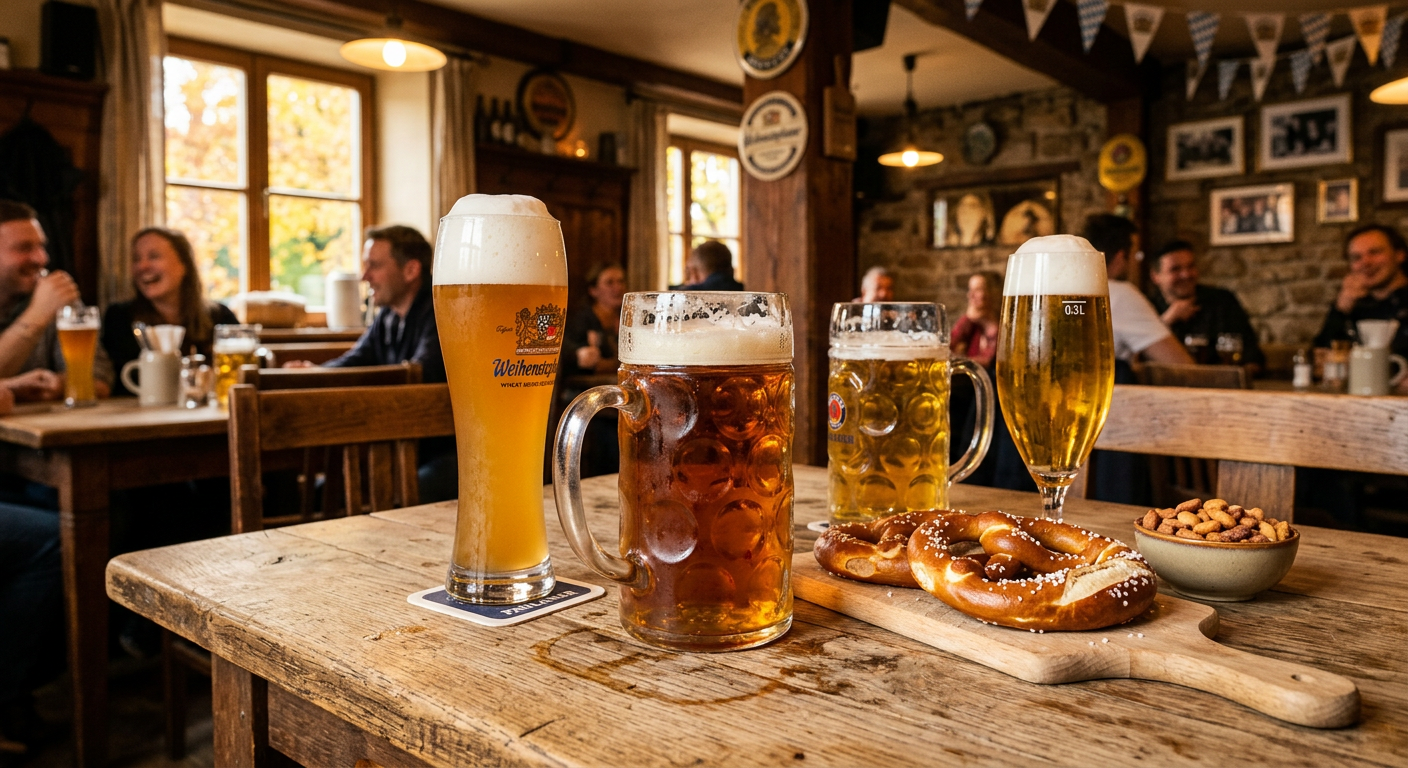
If you have ever wondered what makes German beer so special, you are not alone. German beers have earned a reputation worldwide for their quality, tradition, and distinctive flavors that span centuries of brewing excellence. Whether you are a seasoned beer enthusiast or just beginning to explore the world of European lagers and ales, finding the right German beer can open up a whole new appreciation for what brewing can achieve.
The United States has become a surprising haven for German beer lovers. Many of Germany’s most celebrated breweries export their products to American shores, making authentic German beers more accessible than ever before. From the crisp, hop-forward pilsners of northern Germany to the rich, malty doppelbocks of Bavaria, there is a German beer style suited for every palate and every occasion.
In this guide, our team will walk you through everything you need to know about finding and enjoying the best German beers you can buy in the US. We have researched the top breweries, tested dozens of imports, and compiled our findings into a comprehensive resource that will help you navigate the impressive world of German brewing.
Table of Contents
Why German Beer Stands Apart
Germany is to beer what France is to wine. The country has built an unparalleled reputation for brewing excellence that draws millions of enthusiasts to its beer gardens, bierkellers, and festivals each year. But what exactly sets German beer apart from the rest?
The answer lies in a combination of factors: brewing tradition, ingredient quality, and the famous Reinheitsgebot. This purity law, originally enacted in 1516, mandated that German beer could only be brewed using water, barley, and hops. While the law has been modernized to accommodate yeast and wheat, its spirit of using only the finest natural ingredients remains central to German brewing philosophy.
German breweries take immense pride in their heritage. Many of the brands you can find in American stores have been brewing the same recipes for 300, 400, or even 500 years. This commitment to tradition means you are not just drinking a beverage when you crack open a German beer. You are tasting centuries of refinement and expertise passed down through countless generations of master brewers.
Another distinguishing factor is the emphasis on malt-forward flavors. German beers typically showcase the complexity of carefully malted barley rather than overwhelming hop bitterness. The result is a spectrum of styles ranging from refreshingly crisp to deeply complex, all unified by their drinkability and balance.
For those interested in exploring other beer traditions, you might enjoy our look at Japanese beer brands, which offer their own unique approach to brewing philosophy. Or if you prefer to avoid alcohol altogether, we also have a guide to non-alcoholic beer options worth checking out.
Understanding German Beer Styles
German beer culture encompasses an impressive diversity of styles, each with its own character, history, and ideal serving occasion. Before we dive into specific recommendations, let us break down the major German beer styles you are likely to encounter.
Hefeweizen and Weizenbier
Hefeweizen is perhaps the most recognizable German wheat beer style, characterized by its cloudy appearance and distinctive banana and clove aromatics. The name literally means “yeast wheat,” referring to the unfiltered nature that leaves the signature haze and the fermentation character shining through.
Traditional hefeweizen is brewed with at least 50% wheat malt, which gives it a lighter body and crisper finish than many other beer styles. The yeast used in fermentation produces notable banana ester and clove phenol flavors that have become synonymous with the style. If you are new to German beer, hefeweizen makes an excellent starting point due to its approachable character and refreshing qualities.
Beyond basic hefeweizen, you will find variations like Kristallweizen (filtered clear), Weizenbock (strong wheat beer), and Dunkelweizen (dark wheat). Each offers a unique twist on the classic formula while maintaining the essential wheat beer character that makes this style so beloved.
Pilsner
The German Pilsner style originated in the city of Pilsen (Plzen) in what is now the Czech Republic, but German brewers have made it their own over the past two centuries. A well-crafted German Pilsner showcases the marriage of crisp, clean fermentation with firm hop bitterness and subtle malt sweetness.
What distinguishes a German Pilsner from its Czech counterpart is the preference for German hop varieties, which tend toward floral and herbal notes rather than the spicier Saaz hops of Bohemia. German pilsners are typically golden in color with excellent clarity and a persistent white head. The bitterness is noticeable but balanced, making these beers incredibly sessionable.
Northern German breweries have perfected the Pilsner style, with brands like Rothaus becoming cult favorites among American craft beer enthusiasts. These beers are perfect for hot summer days, pairing with everything from grilled meats to spicy dishes.
Helles and Marzen
Munich Helles, meaning “bright” in German, is the everyday lager of Bavaria. This style emerged in the late 19th century as Munich brewers sought to create a beer that could compete with the pale lagers gaining popularity elsewhere. The result is a golden, malt-accented beer with just enough hop presence to provide balance.
Helles is brewed with Munich malt, which lends a richer, more complex malt character than the plainer pilsner malts used in northern Germany. The hop character is deliberately subdued, allowing the malt to take center stage. This makes Helles an excellent food pairing beer, as it complements rather than overwhelms dishes.
Marzen, the style associated with Oktoberfest celebrations, is a stronger, more malt-forward version of Helles. Traditional Marzen was brewed in March (hence the name) and stored in caves over the summer months. The extra malt provides more body and alcohol warmth, while the slightly darker color speaks to the more pronounced Munich malt character.
Doppelbock and Bock
Bock beers originated in the northern German city of Einbeck, and the style has since become a staple of German brewing. These strong lagers range from pale Bock at around 6% ABV to the massive Doppelbock (double Bock) that can reach 10% or more.
The characteristic of Bock beers is their rich, malty sweetness balanced by enough alcohol warmth to prevent the beer from tasting cloying. Doppelbocks are particularly notable, often featuring flavors of dark fruit like plums and raisins, along with notes of caramel and chocolate from the specialty malts used in brewing.
German monks historically brewed Doppelbocks as “liquid bread” to get through fasting periods, which explains why many Doppelbock names end in “-ator.” The style remains a favorite for cold weather sipping and pairs wonderfully with rich, hearty dishes.
Kolsch and Altbier
Kolsch is a rare style with protected geographic designation. It can only be called Kolsch if brewed in Cologne (Koln) according to specific traditions. This pale, top-fermented lager bridges the gap between ales and lagers, offering the clean fermentation of a lager with the subtle fruitiness of ale yeast.
The style is intentionally subtle, with a delicate malt character, slight fruitiness, and very mild hopping. Kolsch is meant to be consumed young and fresh, typically served in small cylindrical glasses called Stangen. The experience is about nuance and refreshment rather than intensity.
Altbier, meaning “old beer,” comes from Dusseldorf and represents a darker, more bitter take on the same top-fermented lager concept. The use of more roasted malts gives Altbier its copper color and more pronounced hop bitterness, creating a beer with significantly more grip and intensity than its Cologne cousin.
Dunkel and Schwarzbier
Dunkel, meaning “dark,” is the traditional Munich dark lager that has been brewed in Bavaria for centuries. Despite its chocolate-brown appearance, Dunkel is not a heavy beer. The dark malts contribute roasted, chocolatey flavors without overwhelming bitterness, and the lager fermentation keeps the finish clean and drinkable.
Schwarzbier (black beer) takes the dark concept further, presenting an almost opaque black color reminiscent of stouts. However, like Dunkel, Schwarzbier remains surprisingly light on the palate thanks to the magic of German lagering. The roasted malts provide coffee and dark chocolate notes without the astringency often associated with darker beers.
These dark lagers are excellent choices for those who want the visual impact of a dark beer without the heaviness. They pair wonderfully with roasted meats, chocolate desserts, and hearty German cuisine.
Rauchbier
Rauchbier, meaning “smoke beer,” is perhaps the most distinctive and polarizing German beer style. Brewed in Bamberg, Bavaria, these beers get their defining character from malt that has been dried over open fires, imparting intense smoky flavors that range from subtle bacon notes to bonfire-in-a-glass intensity.
The style is an acquired taste, but enthusiasts swear by its unique character. The smoke presence typically accompanies a malty backbone, often from a Marzen or Bock base, creating a beer that is both complex and cohesive. Rauchbier demonstrates how German brewers can transform an ingredient into a signature character element.
Not all German breweries embrace the smoke character, but those that do have created something truly unique to the German brewing landscape. If you enjoy smoky whiskies or peated scotches, Rauchbier might become your new favorite German beer style.
Top German Beers Available in the US
Now that you understand the major German beer styles, let us explore specific recommendations. These beers represent the finest examples of German brewing available to American consumers, curated based on availability, quality, and the authentic character of each style.
Best Overall: Weihenstephaner Hefe Weissbier
Weihenstephaner Hefe Weissbier consistently earns recognition as one of the world’s greatest beers, and for good reason. Brewed at the Weihenstephan Brewery, which claims to be the oldest operating brewery in the world with origins dating to 1040 AD, this hefeweizen represents over a millennium of brewing expertise refined into a single bottle.
The beer pours a hazy golden yellow with abundant banana and clove aromatics that fill the room when you crack the cap. On the palate, you get the perfect balance of citrusy wheat, ripe banana, vanilla, and subtle clove spice. The finish is clean and refreshing, making this beer dangerously drinkable despite its 5.4% ABV.
What sets Weihenstephaner apart is the incredible depth of flavor packed into an accessible package. Whether you are a beer novice or a seasoned enthusiast, this hefeweizen offers something to appreciate. It pairs beautifully with brunch dishes, light salads, and is particularly magical with bananas foster or other fruit desserts.
Best for Oktoberfest: Ayinger Oktober Fest-Marzen
When it comes to authentic German Oktoberfest beers available in the US, Ayinger Oktober Fest-Marzen stands at the top of the heap. The Aying Brewery, located in the Bavarian countryside just south of Munich, has been crafting exceptional beers since 1878, and their Fest-Marzen exemplifies everything that makes German brewing special.
This amber-golden lager presents an irresistible combination of rich Munich malt sweetness and crisp Bavarian hop bitterness. The aroma suggests fresh bread and caramel, while the flavor develops layers of toasted malt, subtle dark fruit, and a clean, satisfying finish. At 5.8% ABV, it provides pleasant warmth without being boozy.
Ayinger Fest-Marzen is the perfect beer for autumn gatherings, harvest dinners, or any moment when you want to capture the spirit of Munich’s famous beer festival. Serve it slightly chilled around 45-50 degrees F to appreciate its full range of malt complexity. It pairs wonderfully with roasted chicken, pork loin, and traditional German sausages.
Best Pilsner: Rothaus Pils Tannenzapfle
Rothaus Pils Tannenzapfle has achieved cult status among American beer enthusiasts, and once you taste it, you will understand why. Brewed in the Black Forest region of Germany at the Rothaus Brewery founded in 1791, this pilsner represents the pinnacle of northern German brewing tradition.
The beer pours a brilliantly clear golden color with a pristine white head that laces the glass beautifully. The hop character is exceptional, presenting a complex mix of floral, herbal, and slightly spicy notes that differ dramatically from American or Czech pilsners. The malt backbone provides just enough sweetness to balance the firm hop bitterness.
What makes Tannenzapfle (which translates roughly to “fir tree”) so special is its drinkability. You can session these beers all afternoon without fatigue, yet each sip delivers satisfying depth and character. The 5.4% ABV is perfectly calibrated for refreshment without intoxication. If you have never explored German pilsners, this is the beer to start with.
Best Doppelbock: Paulaner Salvator
Paulaner Salvator is the original Doppelbock, created in 1785 when the monks of the Paulaner Order needed to sustain themselves during Lent. The name literally means “savior,” and for beer lovers seeking malty richness and warming alcohol, this beer truly is a savior. Paulaner remains one of Munich’s most beloved breweries, and Salvator remains the benchmark for the style.
The beer pours a deep mahogany with a persistent tan head. The aroma is an intoxicating mix of dark bread, caramel, dark fruit (think raisins and plums), and subtle chocolate. The palate follows with rich malt sweetness, notes of toffee and brown sugar, and just enough alcohol warmth to keep everything balanced.
At 7.9% ABV, Salvator is a beer to savor rather than rush. It is perfect for cool autumn evenings, pairing with aged cheeses, chocolate desserts, or simply enjoyed contemplative moments. The beer has a legendary status that it has maintained for over two centuries.
Best Kolsch: Gaffel Kolsch
For an authentic taste of Cologne brewing tradition, Gaffel Kolsch is an excellent choice. The Gaffel Brewery has been crafting this delicate style since 1918, and their expertise shows in every sip. As a protected designation, true Kolsch can only come from Cologne, making Gaffel an authentic piece of brewing history you can enjoy at home.
The beer pours a pale golden color with excellent clarity and a subtle white head. The aroma is remarkably subtle, offering hints of fresh bread, green apple, and very light fruit from the ale yeast. On the palate, you get a clean, crisp experience with gentle malt sweetness, slight yeast character, and a dry, refreshing finish.
Kolsch is meant to be drunk young and fresh, which is why it traditionally sells for very reasonable prices in Cologne beer halls. This is a beer for casual sipping, conversation, and extended sessions with friends. At 4.8% ABV, it invites you to linger without concern. Serve it well chilled in the traditional Stangen glasses for the full experience.
Best Dunkel: Weltenburger Kloster Barock Dunkel
Weltenburger Kloster Barock Dunkel claims the title of oldest dark beer in the world, with brewing documented at Weltenburg Abbey since at least 1050 AD. The brewery, located in a stunning Benedictine monastery on the Danube, continues traditions that predate most other organizations in the modern world.
This dunkel presents a beautiful dark brown color with ruby highlights when held to light. The aroma combines roasted malt, chocolate, and subtle coffee notes. The flavor develops these themes further, offering a surprisingly smooth and drinkable experience despite the dark appearance. The lager fermentation keeps everything clean and prevents any heaviness.
At just 4.7% ABV, Weltenburger Dunkel proves that dark beer does not need to be heavy or boozy. It makes an excellent introduction to dark beers for novices while offering enough complexity to satisfy experienced enthusiasts. Pair it with roast pork, mushroom dishes, or German chocolate cake.
Best Rauchbier: Aecht Schlenkerla Rauchbier
Aecht Schlenkerla Rauchbier is not for the faint of heart, but for those who acquire the taste, it becomes unforgettable. Brewed in Bamberg by the Heller family since 1644, this rauchbier has achieved legendary status among beer enthusiasts worldwide for its intense smoke character.
The beer pours a cloudy brown with a dense beige head. The smoke aroma hits you immediately, reminiscent of a campfire or smoked meats. Yet on closer inspection, you find layers of malt sweetness, dark fruit, and subtle hop character beneath the smoke. The flavor echoes the aroma with smoke leading the way but revealing increasing complexity as you drink.
At 5.1% ABV, this is a reasonably moderate beer that invites contemplation. Schlenkerla Rauchbier pairs surprisingly well with grilled meats, smoked fish, and sharp cheeses. It is also excellent with barbecued dishes, as the smoke character echoes the cooking method. Approach it with an open mind and you may discover your new favorite style.
Best Wheat Beer: Schneider Weisse Hefeweizen
While Weihenstephaner takes our top overall honor, Schneider Weisse Hefeweizen deserves recognition as an exceptional alternative that showcases another facet of German wheat beer brewing. The Schneider Brewery, founded in 1847 in the wheat beer capital of Bamberg, focuses exclusively on wheat beers, making them true specialists in the style.
This hefeweizen pours a hazy deep golden color with abundant carbonation and a persistent white head. The aroma is wonderfully complex, featuring banana, clove, vanilla, and a distinctive wheat character that distinguishes it from Bavarian competitors. The flavor develops these notes with beautiful integration and a crisp, refreshing finish.
Schneider Weisse stands apart through its commitment to traditional wheat beer brewing and its willingness to experiment with specialty variations like the celebrated Tap 7 Unser Hefeweizen. At 5.2% ABV, it remains sessionable while delivering premium quality. Try it with seafood, light pasta dishes, or simply enjoy it on its own.
Where to Buy German Beer in America
One of the most common questions we hear from readers is simply: where can I find these beers? The good news is that German beer availability in the United States has improved dramatically over the past two decades. Here is what you need to know about tracking down authentic German imports.
Major Retailers
Total Wine and More has emerged as one of the best sources for German beer in America. Their extensive selection typically includes Weihenstephaner, Ayinger, Paulaner, Rothaus, and many other premium imports. Total Wine locations often have dedicated German beer sections, making exploration easy and enjoyable.
BevMo! (Beverages and More) represents another excellent option, particularly for West Coast residents. Their German selection rivals Total Wine, and their knowledgeable staff can often provide recommendations based on your preferences. Both retailers maintain websites where you can check availability at your local store before making the trip.
Whole Foods Market has expanded its beer selection significantly, and many locations now carry quality German imports alongside their prepared foods. The benefit of buying German beer at Whole Foods is the ability to pair your selections with appropriate foods in a single shopping trip.
Do not overlook your local independent bottle shops and beer stores. Many carry curated German selections that larger retailers overlook. Building relationships with shop owners can lead to discoveries of limited availability imports and special releases you will not find elsewhere.
Online Options
Drizly and similar alcohol delivery services have transformed how Americans access beer. These platforms partner with local retailers to offer delivery of German beers directly to your door. Simply browse available options, place your order, and enjoy the convenience of having quality German beer arrive at your doorstep.
Beer of the Month clubs and subscription services represent another avenue for exploring German beer. Companies like Craft Beer Club occasionally feature German imports, while specialist importers may offer their own subscription options focused specifically on European styles.
For the most dedicated enthusiasts, some importers sell directly to consumers online. These options may require more research and longer shipping times, but they can yield rare and special bottles that retail stores do not carry.
Storage Tips
German beer, like all quality beer, benefits from proper storage. Always store bottles upright to minimize oxidation and keep them away from direct light, which can skunk the beer. The ideal temperature range for storing most German beers is between 45-55 degrees F, though refrigeration is acceptable and often necessary in warmer climates.
Most German lagers benefit from being served slightly warmer than typical American beer drinking temperature. Rather than serving from a very cold refrigerator, allow your German beer to rest at room temperature for 15-20 minutes before enjoying. This allows the complex flavors to emerge fully.
Pay attention to freshness dates when purchasing German beer. While these beers are generally more stable than hop-forward American craft beers, they still have optimal drinking windows. Bottles typically have best-by dates stamped on the label, and fresher is usually better for wheat beers and hop-sensitive styles.
How to Serve German Beer Right
Serving temperature dramatically affects how German beer tastes and smells. Here is a quick reference guide for getting the most from each style.
- Hefeweizen and Wheat Beers: Serve at 45-50 degrees F. The banana and clove aromatics emerge best when the beer is slightly warmer than refrigerator temperature. Use a tall weizen glass to showcase the impressive head and cloudy appearance.
- Pilsner and Light Lagers: Serve at 40-45 degrees F. These refreshing styles shine when quite cold, making them perfect for hot weather. A standard pilsner glass or nonic glass works well.
- Helles and Marzen: Serve at 45-50 degrees F. The malt complexity needs slightly warmer serving to fully develop. A dimpled mug or standard German lager glass honors the tradition.
- Doppelbock and Bock: Serve at 50-55 degrees F. The rich malt and alcohol character open up when served cellar temperature. A snifter or stemmed goblet allows you to warm the beer gently in your hand.
- Dunkel and Schwarzbier: Serve at 45-50 degrees F. The roasted character is most expressive at moderate temperatures. A dark lager glass or dimpled mug provides proper appreciation.
- Rauchbier: Serve at 50-55 degrees F. The smoke character evolves beautifully when the beer is allowed to warm slightly. A standard lager glass works well, though a smoked glass specifically designed for Rauchbier is ideal.
Food pairings with German beer are limited only by your imagination. Traditional Bavarian cuisine pairs naturally, but do not limit yourself. Hefeweizen complements brunch dishes, fruit desserts, and light seafood. Pilsners cut through fried foods beautifully. Doppelbocks match rich stews, aged cheeses, and chocolate. Schwarzbier unexpectedly excels with sushi and other delicate dishes.
At our German-inspired brewing philosophy, we believe that great beer deserves thoughtful service. Whether you are exploring German imports or crafting your own interpretations, taking time to serve beer properly transforms the experience from merely drinking into genuine appreciation.
Frequently Asked Questions
Can you buy real German beer in the US?
Yes, many authentic German beers are widely available in the US through specialty retailers like Total Wine, BevMo, and online platforms like Drizly. Major German breweries including Weihenstephaner, Ayinger, Paulaner, Rothaus, and Schneider Weisse export their products to American markets, making traditional German beer styles accessible to enthusiasts across the country.
What is the #1 German beer?
Weihenstephaner Hefe Weissbier is consistently ranked as one of the best German beers by enthusiasts and critics alike. Brewed at the world’s oldest operating brewery dating to 1040 AD, it offers perfect balance of banana and clove notes with refreshing wheat character. Other top contenders include Ayinger Oktober Fest-Marzen for Oktoberfest styles and Rothaus Pils Tannenzapfle for pilsner lovers.
What are the top German beers available in the US?
Top German beers available in the US include Weihenstephaner Hefe Weissbier (best overall), Ayinger Oktober Fest-Marzen (best for Oktoberfest), Rothaus Pils Tannenzapfle (best pilsner), Paulaner Salvator (best doppelbock), Gaffel Kolsch (best kolsch), Weltenburger Kloster Barock Dunkel (best dunkel), Aecht Schlenkerla Rauchbier (best rauchbier), and Schneider Weisse Hefeweizen (best wheat beer alternative).
Is German beer better than American beer?
German beer is not necessarily better than American beer but offers distinct traditional styles, adherence to the Reinheitsgebot purity law, and flavor profiles rooted in centuries of brewing tradition. German beers tend toward malt-forward profiles with balanced hopping, while American craft beer often emphasizes hop intensity. Both traditions have their merits, and the best choice depends on personal preference and the specific drinking occasion.
Start Your German Beer Journey
Exploring German beer represents one of the most rewarding paths in beverage appreciation. The combination of centuries-old traditions, rigorous ingredient standards, and genuine passion for the craft results in beers that offer something truly special. Whether you are sipping a crisp Rothaus pilsner on a summer afternoon or savoring a warming Paulaner Salvator by the fire, German beer has the power to create memorable moments.
Our team has tested countless German beers available in the American market, and we can attest that the quality of what you can find today is exceptional. The beers we have highlighted in this guide represent our honest recommendations based on taste, authenticity, and value. We hope this guide helps you discover new favorites and deepens your appreciation for what German brewing has to offer.
As you explore these recommendations, do not be afraid to branch out and try styles you might not initially expect to enjoy. Rauchbier especially rewards open-mindedness, and even longtime craft beer enthusiasts often find themselves surprised by how much they enjoy these distinctive smoked beers when approached correctly.
If you are interested in the broader world of beer traditions, we encourage you to read about our brewing story and how German brewing influences have shaped craft beer development in America. The story of beer is ultimately the story of people dedicated to creating something worth sharing.
Prost to your German beer adventures, and may every pint bring you closer to understanding why Germany has earned its legendary reputation in the world of brewing.