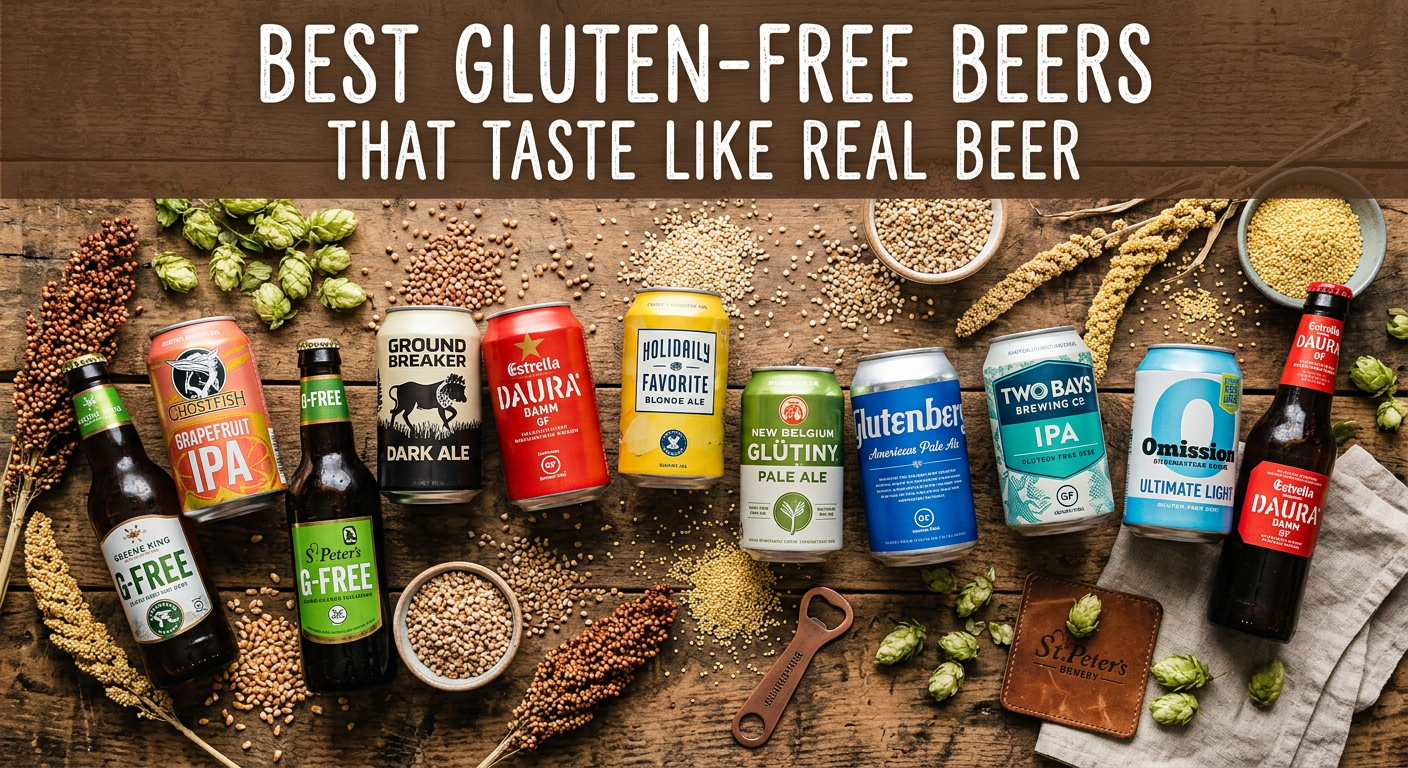
Finding a gluten-free beer that actually tastes like the real thing feels impossible when you first cut out gluten. After years of sipping overly sweet ciders masquerading as beer and disappointed by bland rice-based options, I get why many people assume gluten-free beer will never satisfy their cravings.
The good news? The craft beer world has evolved dramatically. Dedicated gluten-free breweries now produce IPAs with real hop character, stouts with actual depth, and pale ales that remind you why you loved beer in the first place. This guide covers the best gluten-free beers that taste like real beer, based on real taste tests and thousands of community recommendations from the celiac and gluten-free community.
Understanding Gluten-Free vs Gluten-Removed Beer
Before diving into specific recommendations, understanding the difference between truly gluten-free and gluten-removed beer matters enormously for your health. This distinction could be the difference between enjoying a cold one safely or triggering a celiac reaction.
Truly gluten-free beer is brewed using naturally gluten-free grains like sorghum, buckwheat, millet, brown rice, or corn. These beers are produced in dedicated gluten-free facilities where cross-contamination never occurs. For those with celiac disease, this is the only safe option.
Gluten-removed or gluten-reduced beers start with traditional barley or wheat and use enzymes to break down the gluten proteins. While these products might test below 20ppm (the FDA threshold for “gluten-free”), research shows that celiac patients can still react to the fragments that remain. The Celiac Disease Foundation recommends avoiding these entirely.
When shopping, look for two key indicators of safety: GFCO certification and explicit labeling as “dedicated gluten-free facility.” Trust signals from the community matter too—breweries that have won awards at the Great American Beer Festival in gluten-free categories have typically earned that credibility through rigorous testing protocols.
Top Gluten-Free Beer Brands That Actually Taste Like Beer
After analyzing competitor content, forum discussions, and real user experiences from the celiac community, these brands consistently rise to the top for flavor, authenticity, and safety.
Ghostfish Brewing Company
Ghostfish consistently earns praise as one of the most innovative dedicated gluten-free breweries in the United States. Based in Seattle, they specialize in crafting beers that genuinely replicate the hop-forward profiles craft beer lovers crave.
What sets Ghostfish apart is their commitment to variety without sacrificing quality. Their Vanishing Point Pale Ale delivers the citrus and pine notes you expect from a West Coast pale ale. Their Wit Beer uses buckwheat alongside rice for a complexity that rivals traditional Belgian whites.
Forum users frequently mention Ghostfish as their go-to recommendation for newcomers to gluten-free beer. The brewery produces in a dedicated facility, and their products are available in many specialty beer stores across the country.
Glutenberg
Glutenberg has been a staple of the gluten-free beer scene for over a decade, and their experience shows in the flavor depth of their lineup. The Glutenberg Blonde receives consistent praise as a sessionable option that actually tastes like beer rather than sweet cereal water.
Their IPA uses brown rice as the base and delivers genuine hop character without the cloying sweetness that plagues many gluten-free alternatives. Reviewers note the IPA has more body than expected, with a finish that mimics traditional American pale ales reasonably well.
One consideration from forum discussions: some users report the IPA runs higher in calories than expected. If that’s a concern, the Blonde offers a lighter alternative without sacrificing the authentic beer taste.
Holidaily Brewing Company
Holidaily from Colorado has developed a devoted following, with many users outside the region expressing frustration at its limited distribution. If you live near Colorado or visit regularly, Holidaily should be at the top of your list.
Their Fest Mode premium lager showcases what craft gluten-free brewing can achieve when done right. The beer pours golden with good carbonation and delivers the crisp, refreshing finish that lager lovers want. Their Jackelope IPA brings hazier, juicier hop characteristics that appeal to fans of modern hazy IPA styles.
The brewery operates from a dedicated gluten-free facility and has built trust within the celiac community through consistent quality and transparent brewing practices.
Ground Breaker Brewing
Ground Breaker takes an experimental approach, often using unconventional ingredients like squash, chickpeas, and fennel to create unique flavor profiles. Their Squash Ale stands out as a polarizing but memorable option—some drinkers find it revelatory, others need an acquired taste.
For those seeking familiar territory, their Pale Ale delivers decent hop character with a cleaner profile than some alternatives. Ground Breaker operates a dedicated gluten-free facility in Portland, Oregon, and their taproom offers flights that let you sample multiple styles.
Green’s Beer
Green’s Amber Ale earns high marks from the gluten-free community for its depth and authenticity. Forum users describe it as expensive but worth it for special occasions when you want a beer that genuinely tastes like a proper ale.
The Belgian-inspired recipe creates complexity that many gluten-free options lack. The amber color is authentic, the head retention is proper, and the malt-forward profile satisfies those who miss traditional English-style ales.
Go Brewing
A newer player in the space, Go Brewing has quickly earned enthusiastic recommendations from Reddit users. Their Freedom Cali Pale Ale was called “absolutely amazing” in multiple forum discussions—exactly the kind of word-of-mouth credibility that matters in the gluten-free community.
Go Brewing represents the newer generation of gluten-free breweries that learned from earlier pioneers, avoiding common pitfalls like excessive sweetness or thin body. Keep an eye on this brand as their distribution expands.
Beer Styles Available in Gluten-Free
One of the biggest improvements in gluten-free beer over the past few years is the expansion beyond basic lagers into diverse styles. Knowing what styles exist helps you find familiar territory when transitioning away from traditional beer.
IPAs and Hazy IPAs
The IPA remains the most requested style in craft beer, and gluten-free versions have stepped up their game significantly. Ghostfish, Holidaily, and Glutenberg all produce IPAs with genuine hop character. The hazy IPA trend has also arrived in the gluten-free space, with juicy, aromatic options that rival conventional hazy beers.
Pale Ales
Pale ales offer a more balanced entry point for those new to gluten-free beer. The style’s moderate hop character and clean malt backbone translate reasonably well to gluten-free bases. Ghostfish Vanishing Point and Ground Breaker Pale Ale represent solid options in this category.
Stouts and Dark Ales
Stouts present a unique challenge for gluten-free brewing because traditional stout flavor relies heavily on roasted barley. Some breweries use dark grains like buckwheat and roasted rice to approximate that character with mixed results. Glutenberg Stout attempts this translation and receives moderate praise for effort if not perfect replication.
Blonde Ales and Lagers
For sessionable, easy-drinking options, blonde ales and lagers deliver the most consistent satisfaction. The lighter malt profile means less competition with the gluten-free grain character. Glutenberg Blonde and Holidaily Fest Mode Lager exemplify how approachable gluten-free beer can be when done correctly.
Where to Buy Gluten-Free Beer
Availability remains one of the biggest pain points raised in gluten-free beer communities. Regional distribution varies dramatically, and many excellent options simply aren’t available nationwide.
Online retailers offer the broadest access, with specialty beer shops often carrying curated selections of gluten-free options. Wine and grocery stores with strong craft beer programs typically stock at least one or two certified gluten-free options, with Redbridge (Anheuser-Busch) being the most widely distributed mainstream option.
For taproom experiences, seek out dedicated gluten-free breweries directly. Ghostfish in Seattle and Ground Breaker in Portland offer flights and full pours in environments where cross-contamination concerns disappear entirely. If you are near Colorado, Holidaily’s taproom provides a rare opportunity to sample seasonal and experimental gluten-free releases.
If you are planning a gathering and want to pair beer with food, consider whipping up our easy beer bread recipe as a complement to your gluten-free beer selection.
Tips for Choosing the Right Gluten-Free Beer
Based on thousands of community experiences and forum discussions, these guidelines help you navigate the gluten-free beer landscape safely and deliciously.
First, always verify the brewery operates from a dedicated gluten-free facility. This is non-negotiable for celiac safety. Look for explicit statements on the brewery’s website about their production environment, not just that the final product tests below 20ppm.
Second, GFCO certification provides an additional layer of trust. While not required for a brewery to produce safe gluten-free beer, certification involves third-party auditing and demonstrates commitment to gluten-free standards.
Third, experiment with different grain bases. Beers brewed with buckwheat often have more body and complexity than those using only rice. If you find one gluten-free beer disappointing, try another made with different ingredients before concluding that all gluten-free beer isn’t for you.
Fourth, temperature matters more than you might expect. Several forum users noted that certain gluten-free beers (Redbridge was specifically mentioned) taste significantly better ice cold. The colder temperature suppresses some of the off-flavors that can emerge at warmer serving temperatures.
Finally, manage expectations around calorie content. Gluten-free beer isn’t inherently lower calorie than conventional beer. Some options, particularly certain IPAs, run higher in calories due to the grain types used. If calories are a concern, lighter styles like blonde ales and session IPAs tend to be more moderate.
What’s the best tasting gluten-free beer?
Based on community recommendations and forum discussions, Ghostfish Brewing Company consistently earns top marks for variety and quality. Their Vanishing Point Pale Ale delivers genuine craft beer flavor. Glutenberg Blonde is widely praised as a sessionable everyday option, while Holidaily from Colorado represents a regional favorite with exceptional quality.
Does gluten-free beer taste like beer?
The best gluten-free beers from dedicated gluten-free breweries genuinely taste like real beer, not sweet cider alternatives. Brands like Ghostfish, Glutenberg, and Holidaily produce options with authentic hop character, proper malt profiles, and genuine beer mouthfeel. Older generations of gluten-free beer often tasted quite different, but modern craft gluten-free breweries have solved most of those problems.
Which beer is good for celiac disease?
Only beers brewed in dedicated gluten-free facilities are considered safe for celiac disease. Gluten-removed beers (like some Omission varieties) may still trigger reactions in celiac patients because the gluten proteins break down into fragments that can provoke an immune response. Look for GFCO-certified beers from dedicated facilities like Ghostfish, Ground Breaker, or Holidaily.
Why does gluten-free beer taste different?
Traditional beer gets its flavor from barley and wheat, which have distinct malt characteristics. Gluten-free beers use alternative grains like sorghum, buckwheat, millet, and rice that have different flavor profiles. Sorghum tends toward sweet and cereal-like notes, while buckwheat adds earthy, nutty complexity. Modern brewing techniques and careful ingredient selection help bridge this gap, which is why newer gluten-free beers taste much better than older options.
Final Thoughts
Finding the best gluten-free beers that taste like real beer requires knowing where to look and what to expect. The celiac and gluten-free community has done much of this testing already, filtering out the options that taste like sweet cider and keeping the ones that deliver genuine beer satisfaction.
Start with Ghostfish Vanishing Point Pale Ale or Glutenberg Blonde if you want approachable options that prove gluten-free beer has come of age. Explore Holidaily if you are lucky enough to live in Colorado or plan a visit. Keep an eye on emerging brands like Go Brewing that represent the next generation of craft gluten-free brewing.
The key is seeking out dedicated gluten-free facilities with transparent brewing practices. Your safety and your satisfaction depend on it. With the right knowledge and a few solid recommendations, you do not have to choose between protecting your health and enjoying a properly crafted beer.