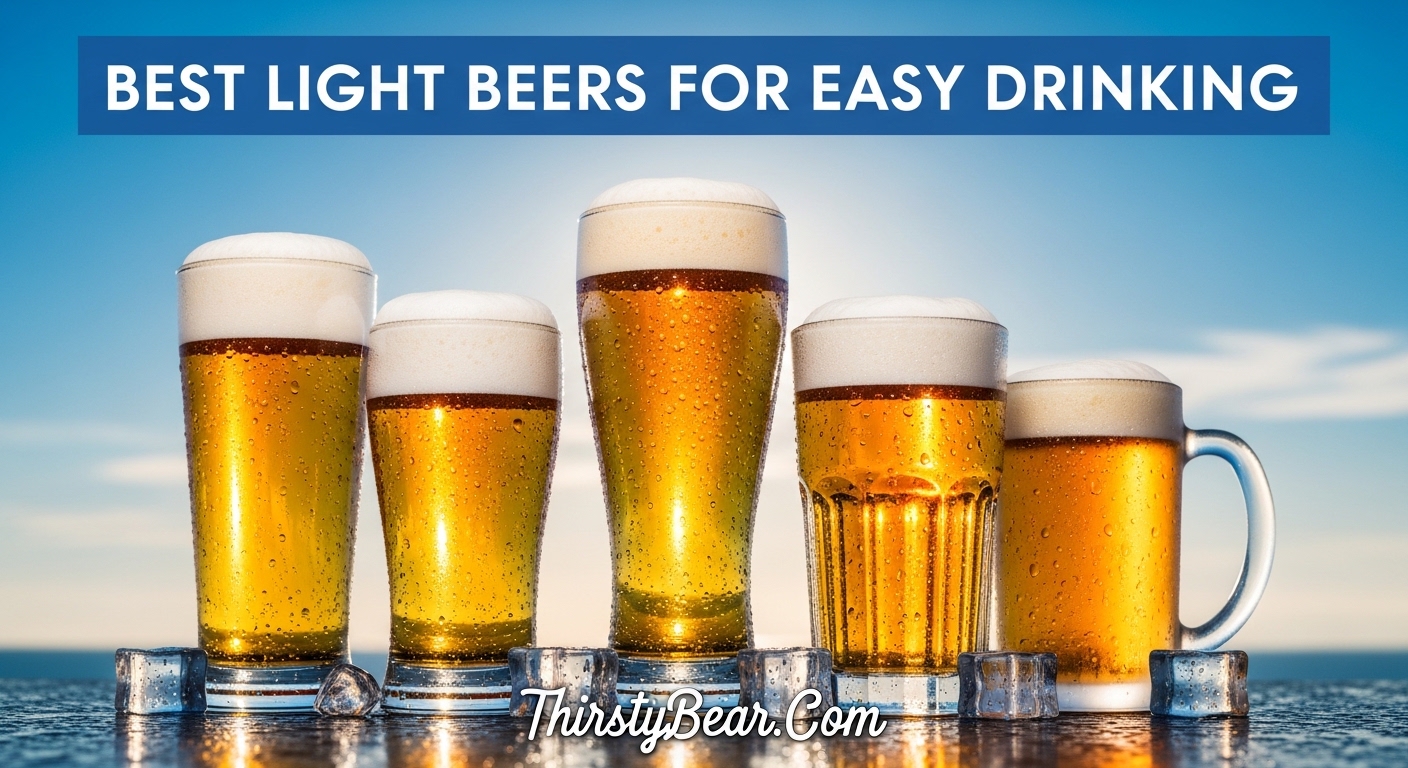
Light beer has come a long way from the watery options that first hit the market decades ago. If you have been avoiding light beers because you assumed they would taste like fizzy water, you are missing out on some surprisingly flavorful options that are easy to drink and easy on your waistline. This guide covers everything you need to know about finding the best light beers for easy drinking, whether you are a beginner, a fitness-conscious drinker, or someone who simply enjoys sessionable brews without the heavy feeling.
The craft beer revolution has transformed the light beer category entirely. Breweries now apply the same attention to detail they use for full-calorie beers to their lighter offerings. The result is a new generation of light beers that deliver genuine flavor without the calorie burden. We have tested dozens of options to bring you the most comprehensive guide to easy-drinking light beers available today.
Light beer consumption has grown substantially over the past decade as health consciousness increased among American consumers. The demand for reduced-calorie options has pushed breweries of all sizes to invest in better light beer recipes. This competitive pressure has raised quality across the entire category, benefiting consumers who want to enjoy beer without excessive calorie intake.
What Is Light Beer?
Light beer is a beer that has fewer calories than standard beer, typically at least 33% less according to TTB regulations, with most American light lagers containing 90-120 calories per 12oz serving. The Alcohol and Tobacco Tax and Trade Bureau defines light beer specifically by its calorie reduction compared to regular beer counterparts. This is not just a marketing label, it is a legal definition that ensures you get what you pay for when you reach for a light option.
Breweries achieve lower calories in light beer through reduced malt content and lower alcohol by volume. This results in a lighter body, higher carbonation, and more subtle malt and hop flavors compared to regular beers. The trade-off is a thinner mouthfeel and less intensity, but modern brewing techniques have minimized these differences significantly. Many craft breweries now produce light beers that stand up favorably against their full-calorie siblings.
Understanding the terminology matters because the beer industry uses several overlapping terms that confuse consumers. Light beer refers specifically to reduced-calorie products. Lite beer is often just a brand name variant with no regulatory meaning. Low carb beer focuses specifically on carbohydrate reduction rather than calories, which is a different metric entirely. Knowing these distinctions helps you make informed choices when scanning the beer aisle.
Light vs Regular: What Is the Actual Difference?
The calorie difference between light and regular beer typically ranges from 50-80 calories per serving. A standard American lager runs about 150 calories per 12oz, while light versions hover between 65-110 calories. This adds up quickly when you are having multiple drinks during a social gathering or a long afternoon by the pool. The alcohol content also drops correspondingly, usually by 0.5-2% ABV, making light beers more sessionable for extended drinking occasions.
Carbohydrate reduction often follows similar pathways to calorie reduction, but the relationship is not perfectly linear. Some light beers achieve significant calorie cuts through fermentation adjustments that also reduce carbs substantially. Others use the same base recipe but simply serve them in smaller volumes. Checking the nutrition facts panel reveals the specifics, and most breweries now prominently display these numbers on their packaging.
The flavor differences have narrowed considerably as brewing technology improved. Older light beers sacrificed almost everything for calorie reduction, resulting in thin, almost tasteless products. Current generation light beers maintain recognizable beer character while trimming calories meaningfully. This evolution makes modern light beers viable daily options rather than compromise products reserved only for strict dieting situations.
Common Light Beer Myths Debunked
Many beer enthusiasts dismiss light beers based on outdated perceptions. The myth that all light beers taste like water persists despite dramatic improvements in the category. This stigma originated from early light beer attempts that genuinely delivered watery, flavorless products. Modern light beers from both macro and craft breweries have moved far beyond those humble beginnings.
Another common misconception equates low calorie with low flavor regardless of brewing approach. While some reduction in body and intensity is inevitable given the technical constraints, the gap between light and full-calorie beer has narrowed dramatically. Dedicated hop additions, quality malt selection, and careful fermentation management allow modern light beers to deliver satisfying flavor within their calorie constraints.
Quick Picks: Best Light Beers for Easy Drinking
If you want fast answers without reading through detailed reviews, here are our top recommendations for easy-drinking light beers. These selections balance flavor, drinkability, and accessibility across different categories and price points. Every option on this list has earned consistent praise from both casual drinkers and beer enthusiasts.
- Michelob Ultra – Best overall for fitness-conscious drinkers who refuse to compromise on taste
- Miller Lite – Best classic macro light beer with proven track record
- Heineken Light – Best import option with European brewing heritage
- Bud Light – Best for social gatherings and large events
- Corona Light – Best beach and vacation companion
- Bell’s Light Hearted – Best craft light IPA option
- Athletic Brewing Run Wild – Best non-alcoholic option for any occasion
- Guinness Draught – Best low-calorie beer with maximum flavor
These eight options represent the cream of the crop in the light beer category. Each brings something different to the table, whether you prioritize calories, flavor, availability, or price. The sections below dive deeper into what makes each choice special and where they excel in different drinking scenarios.
Choosing among these options depends heavily on your specific priorities and preferences. A fitness-focused drinker will naturally gravitate toward Michelob Ultra, while someone planning a beach vacation might prefer Corona Light. The diversity of excellent options means you can match your beer to your situation rather than settling for whatever is cheapest or most available.
Understanding Light Beer Styles
Light beer is not a single style but a category encompassing several distinct approaches to reduced-calorie brewing. Understanding these styles helps you find the right match for your palate and preferences. Each style has characteristic flavors, brewing methods, and ideal use cases that set it apart from the others.
American Light Lager
The American light lager represents the vast majority of light beer sold in the United States. These beers use corn or rice as adjuncts to lighten the body and reduce calories while maintaining high carbonation and a clean, crisp finish. Brands like Bud Light, Miller Lite, and Coors Light fall into this category. They are designed for maximum refreshment and sessionability rather than complex flavor development.
Despite their simple flavor profile, American light lagers excel in certain situations. They pair well with greasy foods like burgers and pizza, cool down effectively on hot days, and never overwhelm the palate during extended drinking sessions. If you are watching your calories but want something crushable at a backyard barbecue, these macro light lagers deliver exactly what they promise.
The brewing process for American light lagers prioritizes consistency and efficiency above all else. Each batch tastes essentially identical regardless of when or where you purchase it, which provides reliability that craft brewers cannot always match. This consistency has helped these brands build enormous customer loyalty over decades of market presence.
Craft Light Lagers
Craft breweries have embraced the light beer trend with offerings that apply traditional brewing techniques to reduced-calorie recipes. These beers typically use quality malted barley and hop varieties similar to their full-calorie counterparts. The result is noticeably more flavor complexity than macro light lagers while maintaining similar calorie counts.
Examples like Dale’s Light Lager from Oskar Blues and Roadhouse Family Vacation from Roadhouse Brewing show what craft light beer can achieve. These options appeal to drinkers who appreciate craft beer culture but want something lighter for certain occasions. They work exceptionally well at craft-focused events where you want to enjoy multiple samples without quickly hitting calorie limits.
Craft light lagers often incorporate interesting ingredients or techniques that macro producers avoid for cost reasons. Local malt sources, specialty hop varieties, and extended aging periods can appear in craft light offerings. These touches add character that distinguishes craft light beers from their mass-produced competitors.
Session IPAs
Session IPAs represent the hop-forward response to light beer demand. These beers maintain the citrusy, floral hop character that IPA lovers crave while keeping alcohol and calories deliberately low. The style name comes from the concept of being able to drink several sessions without impairment, thanks to the lower ABV typically under 5%.
Bell’s Light Hearted has become a flagship example of this style, delivering genuine IPA aromatics and flavor at just 110 calories. Lagunitas DayTime and Founders Centennial are other notable options in this space. Session IPAs work perfectly for afternoon drinking, post-round golf beers, or any situation where you want hop character without the weight.
The technical challenge of session IPAs lies in maintaining hop impact while reducing alcohol. Brewers use techniques like late hop additions and hop bursting to maximize aroma and flavor without extracting excessive bitterness or alcohol. The results have convinced even skeptical IPA fans that low-alcohol beers can deliver genuine hop satisfaction.
Light Pilsners
The pilsner style brings German brewing precision to the light beer category. Light pilsners maintain the characteristic bready malt backbone and spicy hop finish of traditional pilsners while trimming calories through adjusted recipes. Wiseacre Sky Dog Lager exemplifies how this approach can yield a genuinely satisfying light beer option.
These beers appeal to drinkers who appreciate European brewing traditions and want something with more personality than American light lagers. Light pilsners work beautifully with food, particularly grilled meats, sausages, and spicy dishes. They also shine when served at proper temperatures rather than ice-cold, making them suitable for more contemplative drinking sessions.
Pilsner brewing traditions emphasize clean fermentation, quality noble hops, and patience. These principles translate directly to light versions, where the focus remains on balance and drinkability rather than intensity. The result satisfies drinkers who find American light lagers too simple while remaining more approachable than full-calorie European imports.
Non-Alcoholic Light Beers
The non-alcoholic beer category has exploded in recent years, with craft NA options finally matching their alcoholic counterparts in quality. These beers appeal to designated drivers, pregnant women, health-conscious individuals, and anyone limiting alcohol intake. Modern brewing techniques like vacuum distillation and stopped fermentation allow NA beers to retain genuine beer flavor.
Athletic Brewing has led this revolution with options like Run Wild IPA and Upside Dawn Golden, both under 50 calories and completely alcohol-free. These work remarkably well for social situations where you want the ritual and taste of beer without the alcohol. If you are exploring non-alcoholic beer options, the current market offers more variety than ever before.
The stigma around non-alcoholic beer has faded dramatically as quality improved. Unlike earlier NA products that tasted like sweet cereal water, current options like Athletic Run Wild genuinely satisfy beer cravings. This transformation makes NA beers viable options for anyone limiting alcohol rather than just medical necessity choices.
Detailed Light Beer Recommendations
Beyond the quick picks above, here is a deeper look at the light beer landscape across different categories. These recommendations come from extensive testing and consideration of flavor, drinkability, versatility, and value. Every option listed here represents a credible choice for easy drinking in 2026.
Craft Light Beers Worth Seeking Out
The craft segment has embraced light beer innovation more aggressively than any other category. These breweries prove that reduced calories do not require reduced flavor. Their attention to ingredient quality and brewing technique results in light beers that satisfy experienced craft drinkers while remaining accessible to newcomers.
Dale’s Light Lager brings color and character typically absent from light beers. This Colorado creation uses citra hops for citrus aroma and has enough malt presence to stand up to food. At 98 calories, it delivers significantly more flavor than any macro light lager while maintaining similar calorie counts. The 12oz can format makes it perfect for casual occasions without commitment to a full six-pack of something heavier.
805 Cerveza offers a Mexican-style light beer option from the craft world. This beer works exceptionally well with Mexican food and brings enough character to feel like a genuine beer rather than a compromise option. The 122 calories per serving represents a modest reduction from full-calorie craft options while preserving the fiesta-ready flavor profile. The brand has cultivated a loyal following in the Southwest and continues expanding nationally.
Montucky Cold Snacks has built a devoted following by combining affordable pricing with craft-quality light beer. This Montana-born option uses smart marketing and genuine quality to stand apart from both macro light lagers and expensive craft offerings. The 140 calories reflects its slightly more robust recipe, but the flavor justifies the trade-off. Availability has expanded beyond Montana into surrounding states, making it accessible to more consumers.
Macro Light Beers That Deliver
Do not dismiss the macro light beer category entirely. These mass-produced options have refined their recipes over decades based on massive consumer feedback. While they lack the complexity of craft alternatives, they excel at their intended purpose of being refreshing, affordable, and universally available.
Miller Lite remains the gold standard for what a macro light beer should achieve. It delivers clean, crisp flavor with minimal aftertaste and has the lowest calorie count among major domestic light beers. The 96 calories per 12oz makes it an excellent choice for watching your intake while still enjoying a genuine beer experience. Miller Lite has maintained remarkable consistency over decades, with each batch matching the expected profile precisely.
Bud Light continues to dominate the market through sheer availability and marketing muscle. While not the most flavor-forward option, it provides reliable refreshment and works perfectly at sporting events, concerts, and large social gatherings. The 110 calories represents a reasonable trade-off for the brand’s unmatched ubiquity. Bud Light’s sponsorship of major sports leagues has cemented its position as the default party beer for millions of American consumers.
Coors Light brings excellent carbonation and a slightly sweeter finish compared to its domestic competitors. The silver bullet packaging is iconic, and the beer itself delivers consistent quality across batches. At 102 calories, it occupies a middle ground between Miller Lite and Bud Light in the calorie department. Coors Light performs particularly well when served ice-cold, which makes it ideal for hot weather drinking.
Import Light Beers
Import light beers bring European brewing traditions and sometimes superior ingredient quality to the light beer category. These options often cost more but deliver noticeably different flavor profiles that reward beer enthusiasts willing to spend the extra money.
Heineken Light represents the most successful import light beer in the American market. The Dutch brewing heritage translates to a more complex malt character than domestic light lagers. At 99 calories, it offers a genuine beer experience with international pedigree. The distinctive green bottle also sets it apart visually from domestic options, which appeals to consumers wanting something that looks different from the typical domestic six-pack.
Corona Light has built its reputation on the vacation and beach lifestyle as much as the beer itself. This Mexican import tastes like summer, particularly when served with a lime wedge as tradition dictates. The 128 calories per bottle is higher than most light beers, but the flavor experience matches the extra investment. Corona Light’s association with relaxation and tropical destinations has made it a consistent top seller despite premium pricing.
Other import options worth exploring include Pacifico Clara for a Mexican lager alternative, Asahi Super Dry for Japanese precision brewing, and Czechvar for those wanting authentic European pilsner flavor in a light format. If you are interested in exploring more Japanese beer brands and their approach to light brewing, that guide covers those alternatives in depth.
Non-Alcoholic Options
The NA beer category has transformed dramatically in recent years, with craft-quality options finally available to replace the stale-tasting products that dominated this space just a few years ago. Whether you are limiting alcohol for health reasons, pregnancy, or simply want to pace yourself, these options deliver genuine beer satisfaction.
Athletic Brewing Run Wild IPA has become the benchmark for non-alcoholic craft beer. This 65-calorie option delivers genuine IPA aromatics, flavor, and mouthfeel without any alcohol. It has won awards and convinced even skeptical beer enthusiasts that NA beer can be legitimately good rather than just a compromise option. The widespread distribution through mainstream retailers has made Athletic options accessible to consumers who previously had no NA craft alternatives.
Partake IPA brings another excellent non-alcoholic option at just 10 calories per can. While not as hop-forward as Athletic’s offering, it provides a pleasant, drinkable light beer experience for any occasion. Partake has focused specifically on calorie-conscious consumers, and their products reflect that targeted approach. The brand’s transparency about ingredients and brewing process appeals to health-focused consumers suspicious of hidden additives.
How to Choose the Right Light Beer
Selecting the best light beer depends on your specific priorities, preferences, and drinking occasions. This section breaks down the decision-making process by use case and consumer type to help you find your ideal match. Consider your primary motivations before diving into recommendations.
For Beginners New to Beer
If you are new to beer and find full-calorie options too heavy or bitter, light beers offer an excellent starting point. The lower alcohol content reduces the intensity of hop bitterness and malt character that can overwhelm inexperienced palates. Start with a quality American light lager like Miller Lite or Bud Light before moving to more complex options.
Once you acclimate to basic light lagers, consider branching into imported light beers like Heineken Light or Corona Light for slightly more character. These options teach your palate to recognize malt and hop contributions without overwhelming you. Eventually, you can explore craft light lagers and session IPAs to discover what specific beer styles appeal to you most.
The progression from light lagers to hoppier options mirrors the typical beer drinker development curve. Forcing yourself to appreciate complex beers before developing your palate often creates unnecessary aversion. Light beers let you participate in beer culture comfortably while gradually expanding your horizons.
For Day Drinking Sessions
Day drinking presents unique challenges that light beers handle particularly well. Whether you are at a baseball game, beach party, or backyard barbecue, consuming many drinks over several hours means calories and alcohol add up quickly. Light beers let you participate fully without overindulging by midday.
Miller Lite and Bud Light remain excellent choices for extended day drinking thanks to their extreme crushability and low calories. If you want something with more character, Bell’s Light Hearted or Athletic Run Wild NA provide genuine beer satisfaction without the cumulative impairment that comes with full-calorie options consumed over the same timeframe. The lower ABV means you can enjoy drinks throughout an afternoon without becoming impaired.
Temperature management matters more during day drinking than almost any other scenario. Bringing a quality cooler and plenty of ice ensures your light beers stay properly chilled. Warm beer loses much of its refreshment value, which undermines the entire day drinking experience. Investing in good cooling equipment pays dividends across countless future gatherings.
For Fitness-Conscious Drinkers
If you track calories carefully for weight management or athletic performance goals, light beers let you enjoy beer without derailing your nutrition plan. Michelob Ultra has specifically marketed itself to fitness-conscious consumers and delivers solid quality at just 95 calories. This makes it easier to fit beer into a structured nutrition approach.
For post-workout recovery drinks, consider non-alcoholic options like Athletic Brewing Upside Dawn. These provide the ritual and taste of beer without alcohol interfering with muscle recovery or sleep quality. The social aspect of cracking a cold one after a hard workout does not have to disappear just because you are prioritizing your fitness goals.
Many fitness enthusiasts schedule higher-calorie drinks around training cycles, using light beers strategically rather than avoiding alcohol entirely. This approach maintains social connections without compromising physique goals. The flexibility light beers provide makes them valuable tools for sustainable lifestyle management.
For Social Gatherings and Parties
Hosting or attending parties means considering factors beyond pure flavor when selecting beer. Availability, versatility, and crowd appeal matter significantly when you need to please diverse palates. Macro light beers excel in this scenario because almost everyone recognizes them and knows what to expect.
Stock a mix of Bud Light for those who want maximum refreshment and Michelob Ultra for guests prioritizing health consciousness. Adding a craft option like Dale’s Light Lager gives beer enthusiasts something to discuss while keeping the overall selection approachable. The goal is providing choices without requiring detailed explanations for each option.
Presentation matters at parties almost as much as the beer itself. Using a clean, well-stocked cooler rather than leaving cans in the sun makes a noticeable difference in perceived quality. Proper glassware elevates even basic light lagers, making guests feel like the occasion deserves more than drinking from the can. These small touches transform casual drinking into genuine hospitality.
For Food Pairing
Light beers pair beautifully with many foods, particularly summer fare, grilled meats, and spicy dishes. The high carbonation cleanses the palate between bites while the lower alcohol prevents the combination from becoming overwhelming. Matching intensity levels between beer and food ensures neither overwhelms the other.
For burgers and grilled meats, Bud Light or Miller Lite cut through the fat effectively while standing up to char flavors. Corona Light or 805 Cerveza excel with Mexican food and lighter fare. If you are serving beer alongside a beer bread recipe, consider a light pilsner or craft light lager that complements the bread’s bready malt character.
Spicy foods present a unique opportunity for light beer pairing. The capsaicin heat that makes chiles exciting gets tempered by beer’s carbonation and malt sweetness. Light beers handle this role without adding their own overwhelming flavors that would compete with the dish. This makes light lagers natural partners for curry, buffalo wings, and other spicy favorites.
Regional Availability Considerations
Not all light beers are available nationwide, and regional favorites often provide the best options in specific markets. Craft breweries in particular frequently distribute only within limited regions, making their products treasures to discover when traveling. Understanding your local options helps you make better choices without chasing unavailable products.
Check local brewery websites before making purchasing decisions. Many regional craft breweries now produce excellent light beer options that never achieve national distribution. Supporting local brewing craft brewery stories often yields pleasant surprises in the light beer category. Local options frequently offer better freshness and more interesting flavor profiles than national brands that must survive long distribution chains.
Light Beer and Your Health
Understanding the health implications of light beer helps you incorporate it responsibly into your lifestyle. While no beer is truly healthy in the traditional sense, light beers offer harm reduction benefits compared to their full-calorie counterparts. Moderation and informed choices matter when enjoying any alcoholic beverage.
Calories and Carbohydrate Comparison
The primary health advantage of light beer over regular beer comes from reduced calorie and carbohydrate content. A typical light beer saves 50-80 calories per serving compared to its full-calorie counterpart. Over several drinks, this difference becomes substantial enough to impact weight management efforts.
Carbohydrate content varies more than calories across light beer options. Some achieve calorie reduction primarily through carbohydrate trimming while others reduce both calories and carbs independently. Checking nutrition labels matters if you are tracking macros precisely, as the relationship between calories and carbs is not consistent across brands or styles.
The macro breakdown of light beers typically shows 2-6 grams of carbs per serving compared to 12-15 grams in full-calorie options. This carb reduction benefits diabetics and those following low-carb eating patterns. However, all beers contain gluten, which eliminates them from consideration for those with celiac disease or gluten sensitivity regardless of calorie content.
Alcohol Impact Considerations
Light beers typically contain 0.5-2% less alcohol by volume than their full-calorie counterparts. This reduction matters because alcohol affects coordination, judgment, and recovery time. Lower ABV allows for more drinks before reaching the same blood alcohol concentration, which can extend enjoyment but also increase total consumption if not monitored carefully.
Alcohol affects sleep quality, muscle recovery, and next-day cognitive function regardless of calorie content. Even when choosing light beer for health reasons, respecting standard drink limits and pacing yourself remains important. The health benefits of reduced calories do not offset excessive alcohol consumption.
Understanding standard drink equivalencies helps with portion control regardless of beverage choice. A 12oz serving of light beer at 4% ABV contains roughly 0.5 standard drinks of alcohol. Comparing this to the same volume of full-calorie beer at 5% ABV shows the modest alcohol reduction that light beer provides. This knowledge enables informed decisions about consumption pace and total intake.
Light Beer and Digestion
For readers asking which beer is good for acid reflux or sensitive stomachs, light beer offers some advantages over full-calorie options. Lower alcohol content reduces irritation to the esophageal lining, while higher carbonation may help food move through the digestive system more quickly. These factors can reduce reflux symptoms compared to heavier, higher-alcohol beers.
However, individual reactions vary significantly based on personal tolerance, specific beer ingredients, and consumption patterns. If you have chronic digestive issues, consult a healthcare provider about alcohol consumption rather than relying on beer choice alone to manage symptoms. Light beer may help but cannot substitute for proper medical guidance.
The carbonation in light beers can actually worsen symptoms for some people with sensitive digestive systems. The bubbles expand in the stomach and can increase pressure on the lower esophageal sphincter. Tracking your own reactions to different beer styles reveals patterns that generalized advice cannot capture. What helps one person may harm another when it comes to digestive health.
FAQ: Common Questions About Light Beer
What’s the best light beer to drink?
The best light beer depends on your priorities. Michelob Ultra offers the best overall balance of flavor and calories for fitness-conscious drinkers. Miller Lite remains the gold standard among macro light lagers. Bell’s Light Hearted provides genuine IPA character at low calories. For non-alcoholic options, Athletic Run Wild delivers authentic craft beer quality without the alcohol.
What is the easiest beer to drink?
American light lagers like Miller Lite, Bud Light, and Coors Light are generally considered the easiest beers to drink due to their mild flavor, high carbonation, and low alcohol content. These characteristics make them refreshing and sessionable without challenging the palate. For beer beginners, starting with a light lager before moving to more complex styles is usually the best approach.
What’s a good beer for beginners?
Good beers for beginners include light lagers like Miller Lite or Bud Light for maximum approachability, Heineken Light for a slight step up in complexity, and non-alcoholic options like Athletic Upside Dawn for those who want the beer experience without alcohol effects. The key is starting mild and working toward more complex styles as your palate develops.
Which beer is good for acid reflux?
Light beers are generally easier on acid reflux symptoms than full-calorie, high-alcohol beers due to their lower alcohol content and higher carbonation. Michelob Ultra and Miller Lite are gentle options. However, individual reactions vary, and anyone with chronic acid reflux should consult a healthcare provider about alcohol consumption rather than relying on beer choice alone.
Conclusion
Finding the best light beers for easy drinking no longer requires settling for flavorless beverages. The current market offers more quality options than ever before, from macro light lagers refined over decades to craft light beers that genuinely satisfy beer enthusiasts. Whether you prioritize calories, flavor, availability, or price, there is a light beer option perfectly suited to your needs.
The key takeaways from this guide are straightforward. Start with an approachable light lager if you are new to beer, then explore craft options as your palate develops. Consider your primary use case when selecting beers, whether that is day drinking, fitness goals, or social gatherings. Most importantly, remember that light beer quality has improved dramatically, so give current options a fair chance rather than judging based on memories of older products.
The light beer category continues evolving rapidly as more breweries recognize demand for sessionable, reduced-calorie options. Checking back regularly reveals new arrivals and improved recipes across all segments. Your next favorite easy-drinking light beer might already be on shelves waiting for discovery.
Exploring light beers opens doors to a world of sessionable drinking that fits modern lifestyles. The breweries leading this evolution prove that convenience and quality need not conflict. Your perfect light beer awaits, whether that means the lowest calories, the most flavor, or the best value for your specific situation.