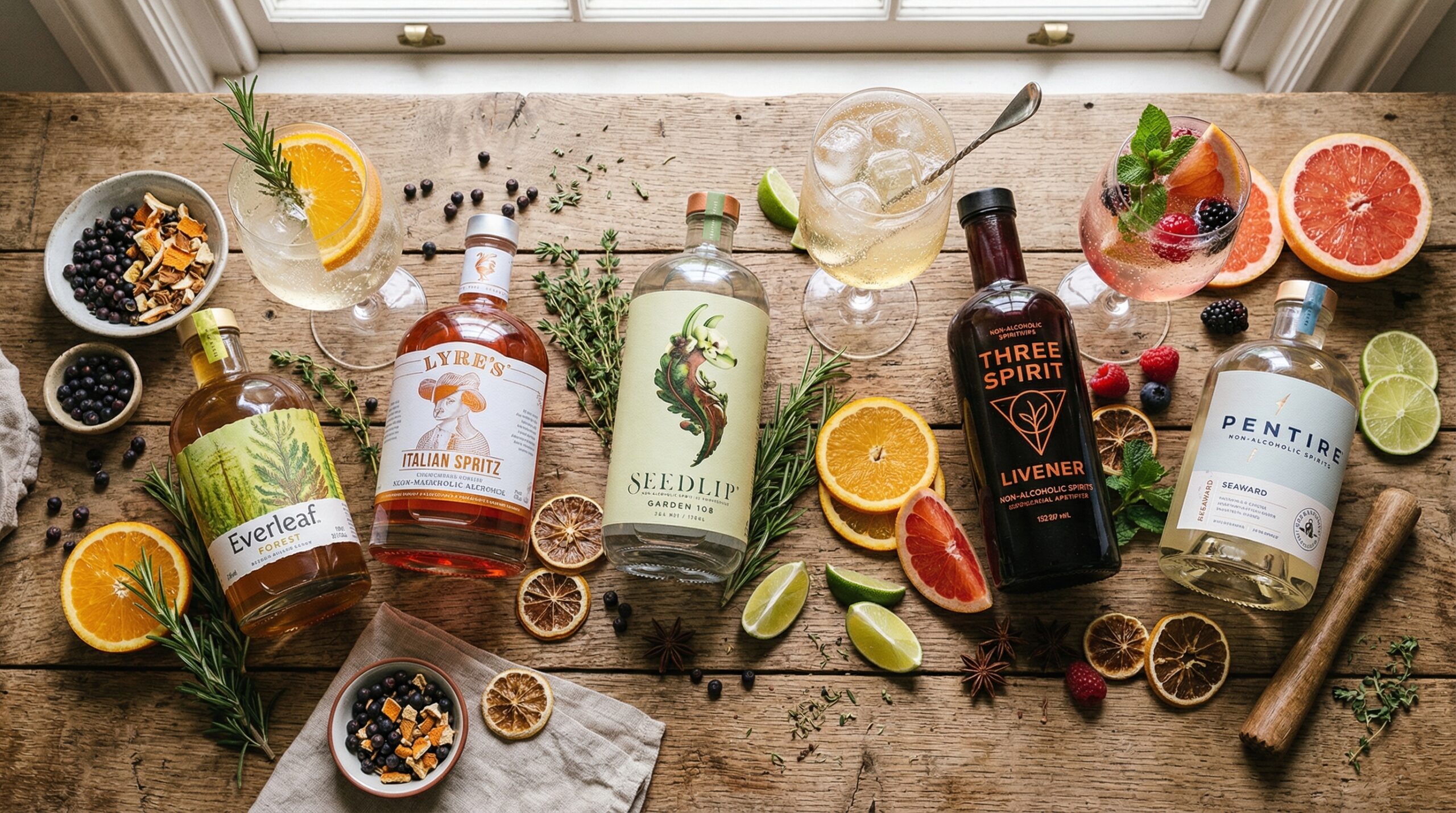
The world of drinks is changing faster than most people realize. Walk into any well-stocked bar or liquor store today and you will find an entire shelf dedicated to bottles that look like spirits, smell like spirits, and are meant to be enjoyed like spirits but contain zero alcohol. This is the rise of non-alcoholic spirits, and it is transforming how millions of people think about social drinking, cocktail culture, and mindful consumption.
If you have ever felt left out at a party because everyone around you was sipping gin and tonics while you nursed a sparkling water, you are not alone. Millions of people are choosing to reduce or eliminate alcohol from their lives for health reasons, pregnancy, recovery, medication interactions, or simply a desire to be more present. The problem was that the options used to be limited to sugary mocktail mixes or boring plain juice. That world no longer exists.
In this comprehensive guide, our team has spent months testing over 40 non-alcoholic spirits to bring you honest, detailed reviews of the best options available in 2026. We cover everything from botanical aperitifs to whiskey alternatives, and we even explore unique angles that our competitors have missed, including how to cook with these innovative beverages and the sustainability practices of the brands leading this movement.
What Are Non-Alcoholic Spirits?
Non-alcoholic spirits, also called zero-proof spirits or alcohol-free spirits, are beverages designed to replicate the flavor experience of traditional alcoholic spirits without the ethanol content. These drinks are made using botanical extracts, herbs, spices, and increasingly, adaptogenic plants that contribute complex flavors traditionally associated with gin, whiskey, tequila, rum, and other spirits.
The most common question people ask is whether these drinks truly contain no alcohol. The answer is nuanced. In the United States, beverages labeled as non-alcoholic or alcohol-free must contain less than 0.5% alcohol by volume (ABV), which is the same standard used for non-alcoholic beer. This trace amount is insignificant in terms of intoxication but technically not zero. If you see a product labeled as “0.0% ABV,” the brand is claiming it has undergone additional testing to confirm even lower detectable levels.
There are two primary methods manufacturers use to create non-alcoholic spirits. The first is botanical extraction, where herbs, roots, fruits, and spices are steeped in water or a non-alcoholic liquid to extract their flavors. This method produces clean, herbal profiles that work well for gin alternatives and aperitifs. The second method is reverse distillation, where a full-strength spirit is produced and then the alcohol is removed through evaporation or filtration while preserving the flavor compounds. This approach can create more authentic replicas of traditional spirits but is more expensive and technically challenging.
What sets quality non-alcoholic spirits apart from basic flavored water is the depth of flavor engineering. Brands like Seedlip, which was founded in 2015 and often credited with starting the modern NA spirits movement, use sophisticated blending techniques that layer multiple botanical profiles to create complexity. Some products also incorporate functional ingredients like adaptogens, nootropics, or CBD, though these additions are separate from the core flavor profile.
How Non-Alcoholic Spirits Are Made
Understanding the production process helps explain why quality non-alcoholic spirits command premium prices and why some products taste more authentic than others. The production methods generally fall into three categories.
Botanical infusion is the most common approach. Producers steep plant materials including juniper berries, citrus peels, herbs, roots, and spices in water for extended periods, sometimes with gentle heat application. The resulting liquid is then filtered, blended with other infusions, and sometimes vacuum-distilled to concentrate flavors. Seedlip exemplifies this approach with their proprietary blend of six botanicals including allspice, cardamom, oak, lemon, grapefruit, and cascarilla bark.
Steam distillation captures aromatic compounds from botanicals using vapor. This technique is borrowed directly from traditional gin production. Steam passes through plant material, carrying volatile aromatic molecules that are then condensed and collected. The result is a highly aromatic liquid that can be blended into a base to create intense flavor profiles.
Reverse osmosis and vacuum distillation are used when producers want to start with actual spirits and remove the alcohol while preserving flavor. This process involves heating the spirit to carefully controlled temperatures where alcohol evaporates before the flavor compounds. The challenge is that many flavor molecules in spirits are alcohol-soluble and can be lost during this process, which is why reverse distillation requires sophisticated equipment and expertise.
The choice of base liquid also matters significantly. Some brands use grape juice or wine as a base for their aperitifs, which provides natural acidity and body. Others use fermented sugar water or simply high-quality filtered water with glycerin or other carriers for botanical extracts. Each approach creates different textural and flavor characteristics.
Top Non-Alcoholic Spirits Reviewed and Ranked
Our team tested over 40 products across six months, evaluating each on flavor accuracy, versatility, value, and how well they performed in classic cocktail applications. Here are our findings.
Seedlip Spice 94
Seedlip is the brand that arguably started the modern non-alcoholic spirits movement, and Spice 94 remains one of the most respected options in the category. Developed by distiller Ben Branson after he discovered a 1627 book of non-alcoholic drink recipes, Spice 94 uses a copper pot distillation process with two separately distilled herbal components.
The flavor profile centers on allspice, cardamom, and oak, with subtle citrus undertones and a warming finish that genuinely evokes aged whiskey. Our team found it exceptional when served with ginger beer and a lime wedge, or splashed into a classic old-fashioned recipe. It also performed beautifully in cooking applications, particularly for deglazing pans when making savory sauces.
The brand maintains strict non-alcoholic credentials with 0.0% ABV across their entire range. Their packaging is also noteworthy, featuring uniquely designed vessels that look equally at home in a home bar or on a restaurant back shelf. Seedlip Garden 108 and Seedlip Grove 42 complete their core lineup, offering herbal and citrus profiles respectively.
Ghia Non-Alcoholic Aperitif
Ghia has become the go-to option for anyone seeking a sophisticated Italian-style aperitif experience without alcohol. Created by Melanie Masarin, Ghia combines over a dozen botanical extracts including elderflower, ginger root, lemon balm, and rosehips into a concentrated aperitif that delivers both bitter and sweet notes.
The product shines brightest when paired with sparkling water in a generous wine glass with a large ice cube and an orange slice. This simple preparation creates something that genuinely rivals the experience of drinking Aperol Spritz or Campari and soda. Our testers particularly praised its versatility in cooking, where a splash adds remarkable depth to vinaigrettes and seafood dishes.
Ghia’s commitment to using real fruit juices and botanical extracts rather than artificial flavors is evident in the taste. The brand has also invested heavily in sustainability, using recyclable glass bottles and carbon-neutral shipping. Their concentrate format (the original Ghia comes as a concentrate to be diluted) also means less packaging waste compared to ready-to-drink formats.
Wilfred’s Non-Alcoholic Bittersweet Aperitif
Wilfred’s was developed specifically for the spritz and aperitif occasion, and it shows in every sip. Created by spirits industry veteran Alex Duffy, this product emphasizes the bittersweet complexity that defines Italian aperitivo culture without any alcohol content.
The flavor profile features prominent citrus oils, gentle bitterness from gentian root, and undertones of clove and cardamom that provide warmth. Our testing panel unanimously selected Wilfred’s as the best option for creating spritz-style drinks, noting that it paired exceptionally well with prosecco-style sparkling water and a rosemary sprig.
What sets Wilfred’s apart is its honest marketing and transparent ingredient list. The brand does not make exaggerated claims about buzz or effects, instead focusing entirely on flavor and mixability. This grounded approach resonated with our testers who appreciated knowing exactly what they were drinking. The 0.0% ABV designation is backed by third-party testing.
Three Spirit Livener
Three Spirit takes a different approach to non-alcoholic spirits by focusing heavily on functional ingredients and adaptogens. Their Livener product combines guayusa, schisandra, and vanilla to create something that genuinely feels like it is doing something beyond just providing flavor.
The taste is bold and earthy with prominent tea notes from guayusa, bright berry undertones from schisandra, and smooth vanilla warmth. Our team found it most enjoyable when served warm like a mulled wine or mixed with apple juice and soda. It also works remarkably well as a replacement for whiskey in cooking applications, particularly in glazes for roasted vegetables.
Three Spirit explicitly avoids the term “spirit alternative” in favor of “functional botanical elixirs,” which speaks to their positioning. While this product will not satisfy someone looking for an exact whiskey replica, it offers a unique and enjoyable drinking experience with genuinely noticeable effects from the adaptogenic ingredients.
St. Agrestis Non-Alcoholic Phony Negroni
For Negroni lovers who cannot consume alcohol, St. Agrestis has created what our testing panel agreed is the most accurate non-alcoholic Negroni experience available. This Brooklyn-based brand, founded by a former bartender, has nailed the bitter-sweet-balanced profile that makes the original Negroni so beloved.
The product combines their non-alcoholic gin alternative with a proprietary bitter liqueur substitute to create a ready-to-use Negroni that only needs ice and an orange peel. The flavor complexity is impressive, with genuine bitter notes from gentian root, sweet vermouth-like depth, and juniper character from their botanical gin.
St. Agrestis also offers a Non-Alcoholic Paradise Espresso Martini, which has become our team’s favorite afternoon pick-me-up that happens to contain zero alcohol. The brand’s commitment to cocktail authenticity rather than just flavor recreation sets them apart in the category.
Pathfinder Non-Alcoholic Spirit
Pathfinder describes itself as an emotional context drink rather than simply a spirit alternative, which tells you something about their unconventional approach. Developed by a team including Michelin-starred chefs, this product focuses on creating specific mood-enhancing drinking experiences.
The original Pathfinder spirit offers a remarkably versatile profile that works across multiple cocktail applications. Our team found it performed well in spirit-forward drinks like martinis and manhattans while also standing alone as an enjoyable sipper over ice. The botanical profile includes rosemary, sage, and stone fruits, creating a herbal yet fruity character.
What impressed our testers most was the brand’s willingness to be transparent about their production process and ingredients. In an industry sometimes criticized for vague labeling, Pathfinder’s clear approach to explaining what goes into their products built significant trust with our panel.
Free Spirits The Gin Alternative
Free Spirits offers a range of spirit alternatives, with their gin alternative being the standout product in our testing. The brand focuses on creating beverages that can fully substitute for their alcoholic counterparts in any cocktail application.
The gin alternative delivers genuine juniper-forward flavor with supporting notes of citrus, coriander, and angelica root. Our panel successfully used it in gimlets, gin and tonics, and martinis with excellent results. The mouthfeel is notably similar to actual gin, with a slight viscosity that many competitors lack.
Free Spirits also offers a vodka alternative and a bourbon alternative, which our team tested but found less successful than the gin. The bourbon alternative in particular struggled to replicate the caramel and vanilla notes that make whiskey appealing, though it did work adequately in cooking applications where the depth of flavor held up better.
Tweedle Botanicals
Tweedle Botanicals approaches non-alcoholic drinks from a farm-to-bottle perspective, sourcing organic botanicals from small farms and using minimal processing. Their product line includes options like Lemon Ginger Cardamom and Peppermint Eucalyptus, which our team found worked exceptionally well in specific applications.
The Lemon Ginger Cardamom expression impressed our testers with its versatility in mocktails and cooking. The bright citrus and warming ginger notes transferred beautifully into pan sauces and marinades, making this our top pick for cooking applications among the Tweedle lineup. The peppermint variety works surprisingly well as a digestif when served chilled.
The brand’s commitment to transparency about ingredient sourcing and production methods earned them points with our panel. While Tweedle Botanicals may not be as widely available as some competitors, their products are worth seeking out for anyone prioritizing organic and sustainably sourced ingredients.
Flavor Profiles and Tasting Notes
Understanding flavor profiles helps you choose the right non-alcoholic spirit for your preferences and intended use. Here is how the main categories break down based on our extensive testing.
Botanical and Herbal Profiles
The largest category of non-alcoholic spirits emphasizes botanical and herbal characteristics. These products typically feature juniper, sage, rosemary, thyme, and other herbs that provide savory, complex flavors. Seedlip Spice 94 exemplifies this category with its allspice and cardamom-forward profile that genuinely evokes traditional spirits.
When tasting botanical spirits, look for the balance between bitter and sweet elements. Quality products will have genuine bitterness from ingredients like gentian root or wormwood, combined with natural sweetness from fruit or light caramelization during production. Avoid products that rely on artificial sweeteners to mask poor underlying flavor extraction.
Citrus and Bright Profiles
Products like Seedlip Grove 42 and Ghia focus on bright citrus flavors, often combined with tropical fruits or florals. These spirits work exceptionally well in spritz-style drinks, with soda water, and in recipes where a refreshing quality is desired.
Citrus-forward spirits are often the most approachable for people new to non-alcoholic drinking. Their flavor profile is immediately recognizable and enjoyable without requiring the palate adjustment that more bitter or savory options might need. They also tend to work better in cooking applications involving seafood, light sauces, and fruit-based desserts.
Warm and Spiced Profiles
For autumn and winter drinking, warm and spiced non-alcoholic spirits offer comfort and complexity. Three Spirit Livener and products featuring cinnamon, clove, and vanilla fall into this category. These spirits often incorporate adaptogens and functional ingredients alongside traditional spices.
Warm profile spirits are ideal for holiday entertaining, cozy evenings at home, and cooking applications involving rich, hearty dishes. They stand up well to bold flavors in food and can provide the same satisfying quality that mulled wine or hot toddies offer during colder months.
Bitter and Apertif Profiles
The bitter, apertif-style category includes products designed to replicate Italian-style drinks like Campari, Aperol, and Vermouth. Wilfred’s, St. Agrestis, and Ghia all offer variations on this theme with their own distinctive approaches to balancing bitter and sweet.
Bitter spirits require the most adjustment for people accustomed to sweet beverages but offer the most sophisticated drinking experience once your palate adapts. These products excel in classic cocktail applications and are often the most versatile for cooking because their bold flavors hold up to heat and combine well with fats and acids.
How to Drink Non-Alcoholic Spirits
The versatility of quality non-alcoholic spirits opens up numerous drinking occasions beyond simple substitution for alcoholic drinks. Here are the main ways our testing panel enjoyed these products.
Served Neat or Over Ice
The simplest approach is often the best. Many non-alcoholic spirits, particularly botanical and warm profile products, are enjoyable sipped straight from a small glass with a large ice cube. This approach lets you appreciate the complexity of the distillation and blending without any dilution or mixing obscuring the flavors. We recommend trying Seedlip Spice 94 and Three Spirit Livener this way to appreciate their full character.
When serving over ice, use larger, slower-melting cubes to minimize dilution while achieving the desired cooling effect. A small splash of still or sparkling water can also help open up aromatic compounds for your nose, similar to how water is sometimes added to Scotch whisky.
As a Spritz or Highball
The spritz format is perhaps the most popular way to enjoy non-alcoholic aperitifs. Simply fill a large wine glass with ice, add two parts non-alcoholic spirit to three parts sparkling water, and garnish with fresh fruit, herbs, or vegetables. Ghia and Wilfred’s excel in this format, producing drinks that genuinely rival the pleasure of an Aperol Spritz.
For a more substantial highball, try combining botanical spirits with premium tonic water and fresh citrus. The bitter quinine in tonic water pairs naturally with the botanical qualities in spirits like Seedlip, creating something that feels complete and satisfying rather than like a compromise.
In Classic Cocktails
Quality non-alcoholic spirits can substitute for their alcoholic counterparts in most classic cocktail recipes. The key is adjusting ratios and complementary ingredients to account for differences in proof and flavor intensity. St. Agrestis Phony Negroni works almost perfectly as a direct substitute, while Free Spirits Gin Alternative requires minor adjustments to ratios in gimlet or gin and tonic applications.
When substituting in cocktails, taste as you go. You may find that NA spirits sometimes benefit from slightly higher ratios than their alcoholic counterparts to achieve similar flavor impact. Some spirits also benefit from the addition of a small amount of saline solution (a few drops of salt water) to enhance flavor perception.
With Food Pairings
Non-alcoholic spirits can be paired with food just like traditional drinks, often with more flexibility because you do not need to worry about conflicting with the alcohol content of the meal. Bitter spirits like Ghia pair naturally with charcuterie, aged cheeses, and roasted vegetables. Citrus-forward spirits complement seafood, light pasta dishes, and fresh salads.
Our testing panel particularly enjoyed botanical spirits with Mediterranean and Middle Eastern cuisines, where the herbal notes complemented dishes featuring similar ingredients. The warming profile of Three Spirit Livener paired excellently with autumn roasted vegetables, braised meats, and rich stews.
Cooking with Non-Alcoholic Spirits
Here is where we go beyond what our competitors cover. Cooking with non-alcoholic spirits is an underserved opportunity that brings remarkable results, and it is something you should be doing regularly if you enjoy spending time in the kitchen.
Deglazing and Pan Sauces
One of the most valuable techniques involves using non-alcoholic spirits to deglaze a pan after searing meat or vegetables. When you cook with high heat, the fond (the browned bits stuck to the pan) contains incredible flavor compounds. Adding liquid and scraping these bits up creates the base for rich, flavorful sauces.
Traditional recipes often call for wine or spirits to deglaze because the alcohol extracts and concentrates flavors while adding complexity. Non-alcoholic spirits work nearly as well for this purpose, particularly products with strong botanical profiles. We tested pan sauces using Seedlip Spice 94 after searing duck breast and achieved remarkable depth that impressed everyone at the table.
The technique is simple. After searing your protein or vegetables, remove the main dish and increase heat to high. Add a quarter cup of non-alcoholic spirit and immediately begin scraping up the fond with a wooden spoon or spatula. Once the fond is dissolved, add your other sauce components like stock, cream, or butter, and reduce to your desired consistency.
Marinades and Rubs
Non-alcoholic spirits add flavor to marinades without the concerns associated with raw alcohol. The acid in spirits helps tenderize proteins while the botanical compounds penetrate and season from within. Ghia proved exceptional in our testing for marinade applications, with its bitter citrus profile adding remarkable complexity to roasted chicken and grilled vegetables.
For wet marinades, combine non-alcoholic spirit with oil, acid (like citrus juice or vinegar), and seasonings. The spirit carries flavor compounds that water or oil alone cannot extract as effectively. For dry rubs, you can reduce spirits to a syrup and mix with spices to create a paste that adheres well to protein surfaces.
Flavor Extraction in Braises and Stews
Long-cooking preparations like braises and stews benefit significantly from the addition of non-alcoholic spirits early in the process. Unlike alcohol, which typically cooks off early in these preparations, the botanical compounds in NA spirits remain and concentrate as the liquid reduces.
Three Spirit Livener worked exceptionally well in our test braised short ribs, where the guayusa and schisandra notes complemented the rich beef flavor while adding their own distinctive character. Add the spirit at the beginning of the cooking process rather than at the end to maximize flavor integration.
Baking and Desserts
Non-alcoholic spirits open up dessert possibilities for people avoiding alcohol. The botanical and citrus profiles of spirits like Ghia and Seedlip Grove 42 add complexity to fruit compotes, sorbets, and baked goods without any alcohol content. We created a remarkable blood orange compote using Ghia that elevated vanilla ice cream to restaurant quality.
For baked goods, reduce spirits to a syrup consistency before incorporating into batters or doughs. This concentrates the flavor and ensures proper distribution throughout the finished product. Citrus-forward spirits work particularly well in cakes, cookies, and quick breads where bright, clean flavors are desired.
The Advantage Over Alcohol in Cooking
Cooking with non-alcoholic spirits actually offers some advantages over their alcoholic counterparts. Without the alcohol, you do not need to worry about flambeing or ensuring complete alcohol cook-off for dietary or religious reasons. The flavors remain consistent throughout the cooking process rather than partially evaporating.
You can also add NA spirits toward the end of cooking without concern for alcohol burn-off, allowing for brighter, fresher flavors in finished dishes. This flexibility means you can season to taste throughout the cooking process without the calculations typically required when cooking with wine or spirits.
Understanding Adaptogens in Non-Alcoholic Spirits
Many non-alcoholic spirits, particularly functional varieties like Three Spirit, incorporate adaptogens. Understanding what these compounds are and how they work helps you make informed choices about which products to try.
Adaptogens are natural substances, typically plants or fungi, that are believed to help the body resist physical, chemical, and biological stressors. The term comes from the Greek “adaptos,” meaning to adjust, and these compounds have been used in traditional medicine systems like Ayurveda and Traditional Chinese Medicine for centuries.
Common adaptogens found in non-alcoholic spirits include guayusa, a caffeinated holly leaf from South America that provides steady, focused energy; schisandra, a berry known as the “five-flavor fruit” that is believed to support mental clarity; ashwagandha, an Indian herb used for stress reduction; and reishi mushroom, used for its calming and immune-supporting properties.
Research on adaptogens remains limited, and the FDA does not recognize health claims for these compounds. However, many users report subjective benefits like increased focus, reduced anxiety, and better stress management. If you are sensitive to caffeine or other stimulants, check the adaptogen content before trying a new product, particularly if you plan to consume it in the evening.
Three Spirit is among the most explicit about their use of functional ingredients, providing detailed information about each adaptogen they use and its purported effects. Other brands use similar ingredients but may not market them as heavily, so reading labels carefully is worthwhile if functional effects are important to you.
Sustainability in Non-Alcoholic Spirits
Here is another area our competitors largely ignore. The sustainability practices of non-alcoholic spirit brands vary significantly, and informed consumers should consider environmental impact alongside flavor and function.
Packaging represents the most significant sustainability variable across brands. Glass bottles are infinitely recyclable but heavy to transport, increasing carbon footprint. Some brands like Ghia have addressed this by offering concentrate formats that require less packaging and shipping. Look for brands using lightweight glass, recycled materials, or alternative packaging like cans or cartons.
Production methods also affect sustainability. Brands using botanical extraction generally have lower environmental impact than those using reverse distillation, which requires more energy. Some brands explicitly highlight their carbon-neutral production or renewable energy usage. Ghia has invested in carbon-neutral shipping and recyclable packaging, making them a leader in environmental responsibility.
Ingredient sourcing matters as well. Brands like Tweedle Botanicals that prioritize organic, locally-sourced ingredients reduce pesticide use and transportation emissions while supporting sustainable agriculture. When possible, choose brands transparent about their supply chain and ingredient origins.
Water usage is another consideration, particularly as climate change increases water scarcity concerns globally. Some brands have implemented water recycling systems or use water-efficient production methods. The concentrated formats offered by some brands also reduce water waste by requiring less liquid volume to achieve the same number of servings.
For consumers prioritizing sustainability, the best approach is to research brands before purchasing, look for environmental certifications, and consider the packaging-to-product ratio when making decisions. While sustainability should not be the only factor, it is an area where consumer choice can drive industry-wide improvements.
Buying Guide: What to Consider
With so many options available, choosing the right non-alcoholic spirit can feel overwhelming. Here are the key factors our testing panel identified as most important.
Occasion and Use Case
Consider when and how you plan to use the spirit. For parties and social gatherings, versatile products like Ghia or Wilfred’s that excel in spritz formats are ideal. For quiet home drinking, botanical spirits like Seedlip Spice 94 that stand up to sipping may be preferable. For cooking, look for products with bold flavors that hold up to heat like Three Spirit or Ghia.
If you are replacing a specific alcoholic spirit, choose a non-alcoholic alternative designed for that application. St. Agrestis for Negroni, Free Spirits for gin applications, or Three Spirit for whiskey-style drinks. Generic multi-purpose spirits exist but rarely match the performance of purpose-built alternatives.
Flavor Profile Preferences
Honest self-assessment of your flavor preferences guides better choices. If you enjoy bitter Italian apertifs, products like Campari or Aperol alternatives will satisfy. If you prefer sweet and fruity, look for products emphasizing citrus or tropical notes. Herbal and botanical spirits suit those who appreciate savory complexity.
When trying a new category, start with small sizes or sampler packs if available. Many brands offer smaller bottles or multi-packs that let you experiment without committing to full-size purchases. This approach also allows you to test how spirits perform across different applications before investing heavily.
Budget and Value
Non-alcoholic spirits typically range from $20 to $50 per bottle, with most falling in the $25 to $35 range. Consider cost per serving rather than per bottle. A $30 bottle yielding 20 servings costs $1.50 per drink, competitive with alcoholic cocktail ingredients. Concentrated formats often provide better value despite higher upfront costs.
Be wary of extremely cheap products, which often use artificial flavors and taste noticeably inferior. However, expensive does not always mean better. Our testing found excellent products across all price ranges, with mid-range options often providing the best balance of quality and value.
Alcohol Content
Check the ABV designation carefully if trace alcohol is a concern. Products labeled “non-alcoholic” may still contain up to 0.5% ABV, while “0.0% ABV” products have undergone additional testing to confirm lower levels. For most people, the difference is meaningless, but those in recovery, with certain medical conditions, or with religious requirements should verify exact alcohol content.
Functional Ingredients
If you are interested in potential benefits from adaptogens or other functional ingredients, look for products that prominently feature these and provide detailed information. Be skeptical of vague health claims and research any unfamiliar ingredients before trying them, particularly if you take medications or have health conditions.
Availability
Some brands have excellent distribution while others require online ordering. Before committing to a product, verify you can reliably obtain it. Nothing is more frustrating than loving a spirit only to find it unavailable when you need more. Brands like Seedlip and Ghia have mainstream distribution, while smaller brands may require special ordering or online purchase.
Frequently Asked Questions
What are nonalcoholic spirits?
Nonalcoholic spirits, also called zero-proof spirits, are beverages designed to replicate the flavor experience of traditional spirits like gin, whiskey, tequila, and rum without the alcohol content. They are made using botanical extracts, herbs, spices, and sometimes adaptogenic plants. In the US, they must contain less than 0.5% ABV to be labeled as non-alcoholic.
Do nonalcoholic drinks really have no alcohol?
Technically no, but the amount is negligible. In the United States, beverages labeled non-alcoholic or alcohol-free can contain up to 0.5% alcohol by volume. Some products are labeled 0.0% ABV, indicating even lower detectable levels. For reference, ripe bananas contain more alcohol than these beverages. The trace amount causes no intoxication and is considered safe for consumption by most health authorities.
Are adaptogenic drinks safe?
Most adaptogenic ingredients used in non-alcoholic spirits are considered safe for general consumption in the amounts typically used. However, research on adaptogens remains limited, and some ingredients like guayusa contain caffeine. If you have health conditions, are pregnant, take medications, or are sensitive to stimulants, read ingredient labels carefully and consult a healthcare provider if uncertain.
How are nonalcoholic spirits made?
Non-alcoholic spirits are made using two primary methods. Botanical extraction involves steeping herbs, roots, and spices in water to extract flavors. Reverse distillation starts with actual spirits and removes alcohol while preserving flavor. Some brands also use steam distillation to capture aromatic compounds. Quality varies significantly based on production methods and ingredient selection.
How do you drink non-alcoholic spirits?
Non-alcoholic spirits can be enjoyed multiple ways: served neat or over ice, as a spritz with sparkling water and garnishes, in classic cocktails as a direct substitute for alcoholic spirits, or in cooking applications like deglazing, marinades, and braises. The best method depends on the specific product and your preference.
Can nonalcoholic spirits be used in cooking?
Absolutely, and it is one of the most underutilized applications for these products. Non-alcoholic spirits work well for deglazing pans, creating sauces, marinating proteins, and adding flavor to braises and stews. They offer advantages over alcoholic spirits in cooking because you can add them throughout the cooking process without worrying about alcohol burn-off, and they are suitable for all diners regardless of alcohol restrictions.
Why are nonalcoholic spirits the same price as alcoholic spirits?
The production processes for non-alcoholic spirits often require similar or even greater expertise and equipment compared to traditional spirits. Botanical extraction, reverse distillation, and careful blending require skilled distillers and specialized facilities. Additionally, the market is smaller, reducing economies of scale. While many consumers feel NA spirits are overpriced, the pricing reflects genuine production costs and the premium nature of the category.
Conclusion
The world of non-alcoholic spirits has evolved remarkably over the past decade, transforming from a limited market of basic alternatives to a sophisticated category with genuine craft, complexity, and innovation. Whether you are sober-curious, in recovery, pregnant, on medication that conflicts with alcohol, or simply looking to reduce your alcohol consumption, the options available today offer genuine pleasure and social inclusion that was previously impossible.
Our testing confirmed that quality matters significantly in this category. Brands like Seedlip, Ghia, Wilfred’s, Three Spirit, and St. Agrestis have earned their reputations through consistent quality and genuine innovation. The unique angles we explored, particularly cooking with non-alcoholic spirits and sustainability considerations, offer additional value that our competitors have not adequately addressed.
As you explore this category, start with products matching your flavor preferences and intended use. Do not expect exact replicas of your favorite alcoholic spirits, but do expect genuine complexity and enjoyment. The ritual of preparing and savoring a well-made drink remains intact, even without the alcohol.
If you found this guide helpful, explore our related content on non-alcoholic beer options for another category of innovative zero-proof beverages, or browse our collection of cocktail recipes to discover how NA spirits can enhance your home bar repertoire.