Spring has finally arrived, and with it comes that irresistible urge to step outside, feel the warmth on your skin, and sip something that matches the season. Whether you are hosting a backyard gathering, enjoying a lazy weekend brunch, or simply unwinding on your patio after a long day, the right spring cocktail can make these moments feel truly special. After years of experimenting with seasonal drinks and gathering insights from fellow cocktail enthusiasts, I have put together a collection that captures everything we love about this time of year: brightness, freshness, and a touch of floral elegance.
This guide covers classic recipes that have stood the test of time, quick 2-3 ingredient options for those busy weeknights, and a few unexpected gems that might become your new warm weather go-tos. You will find that each section focuses on what makes these drinks perfect for spring, from the herbs we reach for at the farmers market to the citrus that has been brightening our glasses for generations. Let us raise a glass to longer days and better drinking ahead.
What Makes a Cocktail Spring-Appropriate
Before diving into recipes, it helps to understand why some cocktails feel like spring while others belong to other seasons. A great spring cocktail balances refreshing brightness with enough complexity to enjoy slowly as the afternoon stretches into evening. The base spirits tend to be lighter: gin, vodka, silver tequila, and white rum all work well because they do not overwhelm the delicate seasonal flavors we want to highlight.
Citrus takes center stage during this season. Lemon, lime, grapefruit, and orange each bring their own character to a drink, and fresh juice makes a noticeable difference compared to the bottled stuff. I always keep a few lemons and limes on hand from early spring through late autumn because they transform any basic spirit into something that tastes like sunshine. The acid in citrus also helps balance sweetness, which is essential when working with spring fruits and floral liqueurs.
Fresh herbs are another defining element. Mint, basil, rosemary, and thyme each add aromatic complexity that elevates a simple cocktail into something memorable. Muddling herbs before adding ice releases essential oils that create that garden-fresh feeling we crave after months of heavy winter drinking. A handful of mint from my windowsill has saved countless warm-weather drinks from mediocrity.
If you want to understand the foundation of balanced cocktail-making, the 2:1:1 rule is a reliable starting point. This classic formula uses 2 parts spirit, 1 part citrus, and 1 part sweetener. Apply this ratio to any base spirit and you will have a reliable spring drink that you can adjust based on your personal preferences. From there, you can experiment with herbal additions, sparkling toppers, and creative variations that suit your taste.
Classic Spring Cocktails That Stand the Test of Time
Some cocktails never go out of style because they simply work. When the weather starts warming up, these classics appear on menus and home bars alike because they deliver exactly what we want: refreshment, flavor, and a sense of occasion. Our team has tested these recipes extensively, and they consistently impress without requiring advanced bartending skills.
Mint Julep
The Mint Julep is perhaps the most iconic spring cocktail, partly thanks to its association with the Kentucky Derby, but mostly because it genuinely tastes like spring. The combination of bourbon, fresh mint, sugar, and crushed ice creates a drink that is simultaneously warming and cooling, which sounds contradictory but makes perfect sense when you take your first sip.
To make a proper Mint Julep, gently muddle about 6-8 mint leaves with simple syrup in the bottom of a cup. Add 2 ounces of bourbon, pack the glass with crushed ice, and stir until the outside of the cup frosts up. Top with more ice and a sprig of mint for garnish. The key is being gentle with the mint; too much muddling releases bitter compounds that ruin the drink. A quick press and release is all you need.
Forum members consistently rank this among the top spring cocktails because it works equally well at a Derby party or a quiet evening on the porch. The bourbon provides enough body to satisfy without being heavy, while the mint keeps everything feeling light and seasonal.
Tom Collins
The Tom Collins is a gin lover’s dream for warm weather. This Victorian-era cocktail combines gin, lemon juice, and sugar topped with soda water, creating something that is effervescent, citrus-forward, and incredibly easy to drink. What I appreciate about this drink is its versatility; you can adjust the sweetness and tartness to match whatever gin you are using.
The standard recipe calls for 2 ounces of gin, 1 ounce of fresh lemon juice, and half an ounce of simple syrup. Shake these ingredients with ice, strain into a Collins glass filled with fresh ice, and top with soda water. A lemon wheel and cherry make it look restaurant-quality with minimal effort. Some variations use a entire ounce of syrup for a sweeter profile, but I prefer the more restrained approach that lets the gin botanicals shine through.
Community members on cocktail forums often cite the Tom Collins as their go-to spring drink because it is light enough for afternoon sipping but interesting enough to hold attention. It also scales beautifully for batches if you are entertaining a crowd.
Aviation
The Aviation is a gin cocktail that showcases how floral elements can define a spring drink. Created in the early 1900s, this cocktail originally called for crème de Violette, which gave it a distinctive purple color reminiscent of the sky. While many modern versions skip the liqueur due to availability issues, I recommend tracking down a bottle because it transforms the drink into something special.
The classic Aviation uses 2 ounces of gin, three-quarters ounce of lemon juice, half ounce of maraschino liqueur, and a quarter ounce of crème de Violette. Shake all ingredients with ice, strain into a chilled coupe glass, and garnish with a lemon twist. The maraschino adds a subtle cherry note while the Violette brings a floral sweetness that pairs beautifully with the citrus.
If you cannot find crème de Violette, the Aviation is still delicious without it; the proportions just shift slightly toward the gin and cherry. Either way, this cocktail represents the kind of elegant simplicity that makes spring drinking so enjoyable.
Whiskey Sour
The Whiskey Sour is a year-round favorite, but spring brings out its best qualities. During warmer months, I gravitate toward bourbon or rye that is not too heavy, and I always use fresh lemon juice because bottled simply does not compare. Adding egg white creates a silky foam that elevates the experience, though the cocktail is perfectly enjoyable without it.
For a spring-appropriate Whiskey Sour, combine 2 ounces of bourbon, 1 ounce of fresh lemon juice, three-quarters ounce of simple syrup, and one egg white if desired. Dry shake first without ice to emulsify the egg white, then add ice and shake vigorously. Strain into a rocks glass over ice or serve up in a coupe for a more refined presentation. A dash of Angostura bitters on the foam creates an attractive garnish that also adds warmth.
Light and Refreshing Citrus Cocktails
Citrus-forward cocktails are the backbone of spring drinking. When the temperature climbs, our bodies naturally crave the brightness that lemon, lime, and grapefruit provide. These cocktails work because the acid cuts through richness, the oils refresh the palate, and the flavors feel clean rather than heavy. I keep several citrus fruits on hand at all times during spring specifically for these drinks.
Margarita Variations
The classic Margarita will always have a place in spring cocktail repertoires, but the variations are where things get interesting for the season. A standard Margarita uses 2 ounces of tequila, 1 ounce of lime juice, and half ounce of orange liqueur, served over ice with a salted rim. This formula works beautifully, but adding seasonal elements makes it even more spring-appropriate.
Consider a Strawberry Margarita by adding fresh pureed strawberries, which peak in late spring and add natural sweetness that reduces the need for added sugar. Alternatively, a Spicy Margarita with muddled jalapeno brings heat that contrasts nicely with lime. For something truly different, try a Cucumber Margarita by replacing half the lime with cucumber juice; the result is incredibly refreshing and pairs well with outdoor dining.
Paloma
The Paloma is arguably the most popular cocktail in Mexico, yet it remains underappreciated in many other parts of the world. This is a mistake because few drinks are as sessionable and satisfying during warm weather. The combination of tequila, grapefruit soda, and lime creates something that is fruity without being sweet, effervescent without being trivial.
To make a proper Paloma, combine 2 ounces of tequila with 1 ounce of fresh lime juice in a glass filled with ice. Top with 4-6 ounces of grapefruit soda, depending on your preference for strength versus refreshment. A pinch of salt brings everything together and enhances the natural sweetness of the grapefruit. Garnish with a grapefruit wedge or lime wheel.
The Paloma is perfect for spring gatherings because it is light enough to drink several over an afternoon without feeling heavy. Forum discussions consistently rank it as a favorite for outdoor sipping, and once you make one at home, you will understand why.
Grapefruit Greyhound
The Greyhound is criminally simple: vodka and grapefruit juice over ice. What makes it spring-appropriate is the brightness of fresh grapefruit, which hits differently than the juice from a carton. Adding a salt rim takes it in a different direction, while rosemary adds an herbal note that extends its seasonal appeal.
For a Rosemary Greyhound, muddle a small sprig of rosemary in the bottom of a glass before adding vodka and grapefruit juice. The rosemary releases aromatic oils that complement the citrus without overpowering it. This variation came up frequently in forum discussions as a favorite spring drink, particularly among those who appreciate cocktails that are easy to make but interesting to sip.
Herb and Garden-Inspired Cocktails
Fresh herbs distinguish memorable spring cocktails from ordinary drinks. The garden-inspired movement in cocktail culture has brought attention to how herbs like basil, rosemary, thyme, and of course mint can transform a simple drink into something that feels connected to the season. Our team has spent considerable time experimenting with herb combinations, and the results consistently exceed expectations.
Gin Basil Smash
The Gin Basil Smash took the cocktail world by storm when it was invented in 2008, and it remains a spring staple for good reason. The combination of gin, fresh basil, lemon, and sugar creates a drink that tastes like a garden in a glass, with the herbal notes evolving as you sip. This cocktail exemplifies how spring ingredients can create something genuinely new while remaining accessible.
To make a Gin Basil Smash, muddle 6-8 basil leaves with three-quarters ounce of simple syrup and three-quarters ounce of lemon juice in a shaker. Add 2 ounces of gin and ice, then shake vigorously. Strain into a rocks glass over a large ice cube and garnish with a basil leaf. The key is using ripe, fragrant basil; older or wilted leaves will not deliver the same aromatic impact.
Community members frequently cite this as a favorite because it is easy to make at home without specialized equipment or ingredients. The flavor profile appeals to both gin enthusiasts and those who typically prefer other spirits.
Cucumber Gin Fizz
Cucumber and gin is a combination that forum members consistently praise as perfect for spring. The cool, subtle flavor of cucumber complements gin botanicals while adding a refreshing quality that is especially welcome on warm days. This cocktail works as a fizz, meaning it is topped with soda water for extra effervescence.
Muddle 4-5 cucumber slices with half an ounce of simple syrup and half an ounce of lime juice in a glass. Add 2 ounces of gin and stir to combine. Transfer to a larger glass filled with ice and top with soda water. A sprig of mint or a cucumber ribbon for garnish adds visual appeal that matches the drink’s clean, fresh taste.
This variation addresses a specific gap mentioned in forum discussions: people want cucumber and gin combinations but often cannot find them on menus. Making it at home solves that problem while demonstrating how simple ingredients can create something memorable.
Rosemary Gin Fizz
Rosemary brings an earthy, piney quality to cocktails that pairs surprisingly well with citrus and gin. A Rosemary Gin Fizz follows the same structure as other fizzes but uses rosemary-infused simple syrup for a more complex herbal character. The resulting drink feels sophisticated without being heavy, making it appropriate for both casual afternoons and more formal spring gatherings.
To make rosemary simple syrup, combine equal parts sugar and water in a small saucepan, add a few sprigs of rosemary, and heat until the sugar dissolves. Let steep for 15-20 minutes, then strain out the rosemary. This syrup keeps for about two weeks in the refrigerator, giving you plenty of opportunity to experiment with it beyond the basic fizz.
Brunch Cocktails for Spring Gatherings
Spring brunches deserve cocktails that are festive but not overly strong, since many people will be drinking over several hours while enjoying good food and company. The best brunch cocktails balance sweetness and tartness, pair well with a range of dishes, and look attractive in photographs. These recipes deliver on all counts.
Mimosa Variations
The Mimosa is the quintessential brunch cocktail because it is light, elegant, and pairs with virtually any morning or midday food. A standard Mimosa uses equal parts champagne and orange juice, but spring invites variations that incorporate seasonal fruits and flavors. Consider adding a splash of elderflower liqueur for floral notes, or pureed strawberries for a pink twist that feels especially spring-like.
When selecting champagne for Mimosas, you do not need to spend much; a decent prosecco or other dry sparkling wine works perfectly well. The juice quality matters more than the sparkling wine quality in this context. Fresh-squeezed orange juice makes a noticeable difference compared to store-bought, and adding other fresh juices like grapefruit or blood orange expands your options.
For a spring celebration, try a Elderflower Mimosa by adding a quarter ounce of St-Germain elderflower liqueur to a champagne flute before filling with equal parts prosecco and orange juice. The floral sweetness transforms a simple drink into something that feels special without requiring additional effort.
Spring Bellini Inspiration
The Bellini combines prosecco with pureed peaches, creating a fruity, elegant cocktail that originated in Venice. Our Bellini cocktail recipe covers this classic in detail, but the spring variation is worth mentioning here because peach season begins in late spring, making this an ideal time to explore it.
During spring, when fresh peaches are not yet at their peak, consider using other stone fruits like nectarines or even a combination of berries. The principle remains the same: pureed fruit at the bottom of a champagne flute, topped with cold prosecco. This creates a beautiful layered effect that looks impressive while being simple to assemble for a crowd.
French 75
The French 75 is named after a World War I field gun, which seems incongruous for such an elegant drink, but the combination of gin, lemon, sugar, and champagne creates a cocktail that truly packs a punch. This is an excellent choice for spring brunches when you want something that feels celebratory without being overly complicated.
The recipe uses 1 ounce of gin, half an ounce of fresh lemon juice, half an ounce of simple syrup, and about 4 ounces of champagne. Shake the gin, lemon, and syrup with ice, strain into a champagne flute, and top with champagne. The result is effervescent, citrusy, and sophisticated, making it perfect for toasting special occasions or elevating a ordinary weekend morning.
Low-ABV Spritz and Effervescent Options
Low-alcohol cocktails have become increasingly popular, and spring is the ideal season for them. Spritz cocktails in particular offer the refreshment we crave when temperatures rise while allowing us to enjoy a drink over a longer period without the intensity of higher-proof spirits. These drinks are also more inclusive, meaning they appeal to designated drivers, pregnant friends, and anyone else limiting their alcohol intake.
Aperol Spritz
The Aperol Spritz has become synonymous with spring and summer outdoor drinking, and forum discussions confirm its status as a warm-weather favorite. The combination of Aperol, prosecco, and soda water creates a drink that is bittersweet, fruity, and incredibly sessionable. The bright orange color also makes it visually appealing for spring gatherings.
The standard ratio is 3 parts prosecco, 2 parts Aperol, and 1 part soda water, served over ice with an orange slice. Building this in a large wine glass allows for plenty of ice and makes the drink feel more casual and refreshing. The key is using plenty of ice; a warm Spritz is far less enjoyable than one that is properly chilled throughout.
What makes the Aperol Spritz particularly spring-appropriate is its lower ABV of around 11%, which means you can enjoy two or three over an afternoon without feeling weighed down. This aligns perfectly with the spring philosophy of savoring longer days rather than rushing through drinks.
Hugo Spritz
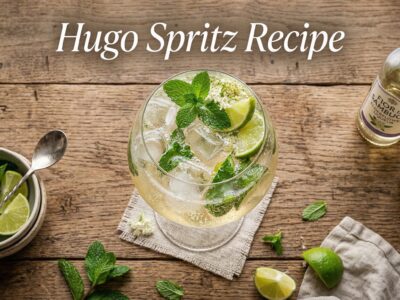
The Hugo Spritz is an Italian alternative to the Aperol Spritz that uses elderflower liqueur instead of Aperol, along with prosecco, soda water, and mint. The result is lighter and more floral, which some people prefer for particularly warm days. This cocktail originated in South Tyrol and has spread throughout Europe and beyond.
To make a Hugo Spritz, combine 4 ounces of prosecco with 2 ounces of elderflower liqueur and 1 ounce of soda water in a large wine glass filled with ice. Add a handful of mint leaves and a lime slice, then stir gently to combine. The mint should remain on top rather than being muddled, as this provides aromatic appeal without making the drink green.
Elderflower Spritz
Beyond the Hugo, elderflower lends itself to various spring spritz variations. St-Germain elderflower liqueur combines beautifully with gin, vodka, or prosecco, creating drinks that are floral without being sweet. A simple St-Germain Spritz uses 2 ounces of St-Germain, 4 ounces of prosecco, and 2 ounces of soda water, garnished with a lemon twist.
For something more complex, try adding cucumber or mint to an elderflower spritz, or experiment with different sparkling wines. The elderflower provides enough character that you can keep other additions minimal, making this a flexible base for spring experimentation.
Lillet Blanc Spritz
Lillet Blanc is a French aperitif wine that deserves more attention than it typically receives. This slightly sweet, fruity wine works beautifully in spritzes, particularly in spring when we want something that feels sophisticated without being heavy. The botanical notes in Lillet also make it interesting enough to sip on its own over ice.
A Lillet Spritz combines 3 ounces of Lillet Blanc with 2 ounces of prosecco and 1 ounce of soda water, served over ice with a slice of pear or apple. The fruit addition is seasonal; apples work particularly well in early spring, while pears come into their own later in the season.
Quick 2-3 Ingredient Spring Cocktails
One consistent theme from forum discussions is that simple cocktails are highly valued but often underrepresented in published recipes and restaurant menus. Many people want delicious drinks without investing in extensive ingredient lists or mastering complex techniques. These quick spring cocktails deliver flavor and refreshment with minimal effort.
Two-Ingredient Spritzes
The simplest spring spritz requires only two ingredients: your chosen sparkling beverage and a flavored component. Prosecco with a splash of Aperol creates an instant Aperol Spritz. Prosecco with St-Germain creates an elderflower spritz. Sparkling water with fresh citrus juice and a pinch of salt creates a Italian-style spritz that is virtually zero-proof.
The key to making these two-ingredient drinks shine is using high-quality components. Fresh citrus juice makes a enormous difference compared to bottled, and a decent sparkling wine elevates any spritz beyond the ordinary. These drinks prove that simplicity can be the ultimate sophistication.
Three-Ingredient Classics
The Negroni Sbagliato demonstrates how a happy accident created a spring favorite. This drink replaces gin with prosecco in a Negroni, creating a light, bittersweet spritz that works beautifully outdoors. The recipe uses equal parts Campari, sweet vermouth, and prosecco, built over ice with an orange garnish.
A Cucumber Gimlet requires only gin, lime juice, and cucumber. Muddle the cucumber with lime juice, add gin, shake with ice, and strain. The result is bright, herbal, and refreshing, proving that a classic can be simplified without losing its essence.
The Three-Ingredient Paloma follows the same principle as the full recipe but omits the salt rim for a faster assembly. Simply combine tequila and grapefruit juice over ice, top with soda water, and garnish with a lime wedge. This version takes under a minute to make and delivers the same refreshing experience.
Mocktail Variations
Spring gatherings benefit from including non-drinkers, and mocktail versions of these cocktails ensure everyone feels included. The key to a good mocktail is using the same flavor principles as the alcoholic version: citrus, herbs, and effervescence create the same refreshing experience without the alcohol.
A Spring Mocktail Mule combines ginger beer, lime juice, and cucumber in a copper mug, garnished with mint. A Virgin Mary, spring-style, uses fresh tomato juice with lemon, Worcestershire sauce, and a dash of hot sauce, served over ice with celery. A No-Groni replaces the spirits with additional Campari and sweet vermouth, topped with soda water for a bittersweet spritz.
These mocktails demonstrate that thoughtful non-alcoholic options can be just as interesting as their alcoholic counterparts, making spring gatherings more inclusive and enjoyable for all guests.
Conclusion
Spring cocktails celebrate the season’s best qualities: brightness, freshness, and the joy of spending time outdoors with good drinks in hand. Whether you prefer the classic elegance of a Mint Julep, the effervescent simplicity of an Aperol Spritz, or the garden-inspired complexity of a Gin Basil Smash, there is something on this list for every palate and skill level.
The key to great spring drinking lies in embracing seasonal ingredients like fresh herbs, ripe citrus, and floral liqueurs. These components transform ordinary cocktails into something that feels connected to the time of year, enhancing the overall experience of warming weather and longer days. Do not be afraid to experiment with proportions and substitutions; the best cocktails often come from happy accidents and personal adaptations.
As you welcome warm weather into your routine, consider how these spring cocktails might become part of your own seasonal traditions. Host a brunch featuring Mimosas and French 75s, unwind on your patio with a Tom Collins or Paloma, or gather friends for a spritz hour featuring multiple low-ABV options. The possibilities expand when you approach spring drinking with curiosity and openness.
Here is to a season of refreshing sips, outdoor gatherings, and the simple pleasure of a well-made cocktail enjoyed in good company. Cheers to spring 2026 and beyond.
FAQs
What is a good cocktail for a hot day?
Light, citrus-forward cocktails with high water content work best for hot days. A Paloma with grapefruit and tequila, or a Tom Collins with lemon and gin, refreshes while the citrus oils cool your palate. Adding sparkling water or soda increases hydration without diluting flavor.
What is a good spring cocktail?
A good spring cocktail features bright citrus, fresh herbs, or floral liqueurs. The Mint Julep, Tom Collins, Aviation, and Aperol Spritz are proven spring favorites. These cocktails balance refreshing brightness with enough complexity to enjoy slowly on a warm afternoon.
What is the 2:1:1 rule in bartending?
The 2:1:1 rule is a classic cocktail formula using 2 parts spirit, 1 part citrus, and 1 part sweetener. This ratio creates a balanced cocktail where the spirit provides the base, citrus adds brightness, and sweetener smooths the edges. Apply this to any spirit for a reliable spring drink.
How do I make a cocktail more refreshing for spring?
Add fresh herbs like mint or basil, incorporate citrus juices, use sparkling water or prosecco as a topper, and choose lighter spirits like gin, vodka, or silver tequila. Muddling herbs before adding ice releases essential oils that create that garden-fresh feeling.