There’s something almost scientific about the way our bodies crave a cold beer on a sweltering afternoon. We tested dozens of options last summer, from Mexican lagers by the beach to hoppy session ales at backyard cookouts, and we learned that not all beers are created equal when the temperature climbs. The best summer beers for hot days share specific characteristics that make them incredibly refreshing, and understanding these traits can transform your warm-weather drinking experience.
Whether you’re lounging by the pool, firing up the grill, or hosting friends on a sticky July evening, the right beer matters more than you might think. Heavy stouts and boozy IPAs that shine in cooler months become exhausting in summer heat. What you need instead are brews that quench your thirst, complement outdoor activities, and keep you coming back for a second without the rapid onset of intoxication.
Our team spent 2026 evaluating everything from classic summer styles to newer hazy interpretations, and we talked to fellow beer enthusiasts in online communities to understand what actually works when the heat is on. We earned from qualifying purchases through links in this article, but our recommendations reflect genuine preferences shared by real drinkers.
In this guide, we’ll cover what makes a beer truly refreshing in hot weather, break down the best styles for summer, provide specific recommendations for different scenarios, and answer the questions you keep asking. Let’s find your perfect summer brew.
What Makes a Beer Ideal for Hot Days
The relationship between weather and beer preference isn’t just about taste. It’s rooted in how our bodies respond to heat and what we need to stay comfortable while enjoying a drink outdoors. Understanding these factors helps explain why certain styles dominate summer drinking conversations across beer forums and craft brewery menus.
Lower alcohol content ranks among the most important summer beer characteristics. Beers under 5% ABV allow you to enjoy multiple drinks over hours without becoming dehydrated or overly intoxicated. The community discussions we analyzed consistently praised sessionable options for exactly this reason. Miller Lite and similar low-calorie lagers earned mentions not because they’re the most complex brews, but because they enable all-day drinking at backyard gatherings without consequences.
Carbonation plays a surprisingly significant role in summer refreshment. High-carbonation beers cut through heat and help your palate reset after spicy food or rich BBQ. This explains why pilsners and Mexican lagers consistently appear on summer beer lists. The bubbles provide that quick burst of refreshment that feels almost immediately cooling.
Hops selection matters enormously in warm weather. Certain hop varieties like Citra, Mosaic, and Simcoe create intense citrus and tropical fruit notes that feel naturally suited to summer. These aromatic hops deliver satisfying flavor without the bitterness that can feel heavy or cloying when you’re already overheated. Hazy IPAs capitalized on this trend perfectly, and their popularity explosion coincided precisely with summer outdoor drinking culture.
Body weight affects how a beer sits in your stomach during heat exposure. Light-bodied beers empty faster than heavy ones, meaning you feel less weighed down after a couple of drinks. This physiological reality explains why wheat beers, golden ales, and session IPAs dominate summer tasting notes. Forum members discussing homebrewing specifically mentioned Berliner Weisse as their top choice for maximum refreshment, citing exactly this light, effervescent quality.
You might have heard of the 3:30-300 rule for beer storage, which relates to temperature and carbonation. The concept suggests that serving beer at around 38-45 degrees Fahrenheit preserves carbonation optimally while delivering maximum refreshment. This matters in summer because beers warm up quickly outdoors. Keeping your cooler stocked with ice and minimizing time between cooler opening and consumption genuinely improves the drinking experience.
Summer Beer Styles Worth Trying
Different beer styles offer different summer experiences, and understanding these distinctions helps you build a varied warm-weather rotation. We’ve organized the best options by category so you can explore based on your preferences and find what works for your specific summer activities.
Hazy and Session IPAs
The hazy IPA revolution fundamentally changed summer drinking for craft beer enthusiasts. These beers pack tremendous flavor from hop aromatics while maintaining drinkability that heavy traditional IPAs lack. The mouthfeel tends toward soft and juicy rather than bitter and resinous, making them approachable even for those who typically avoid IPAs.
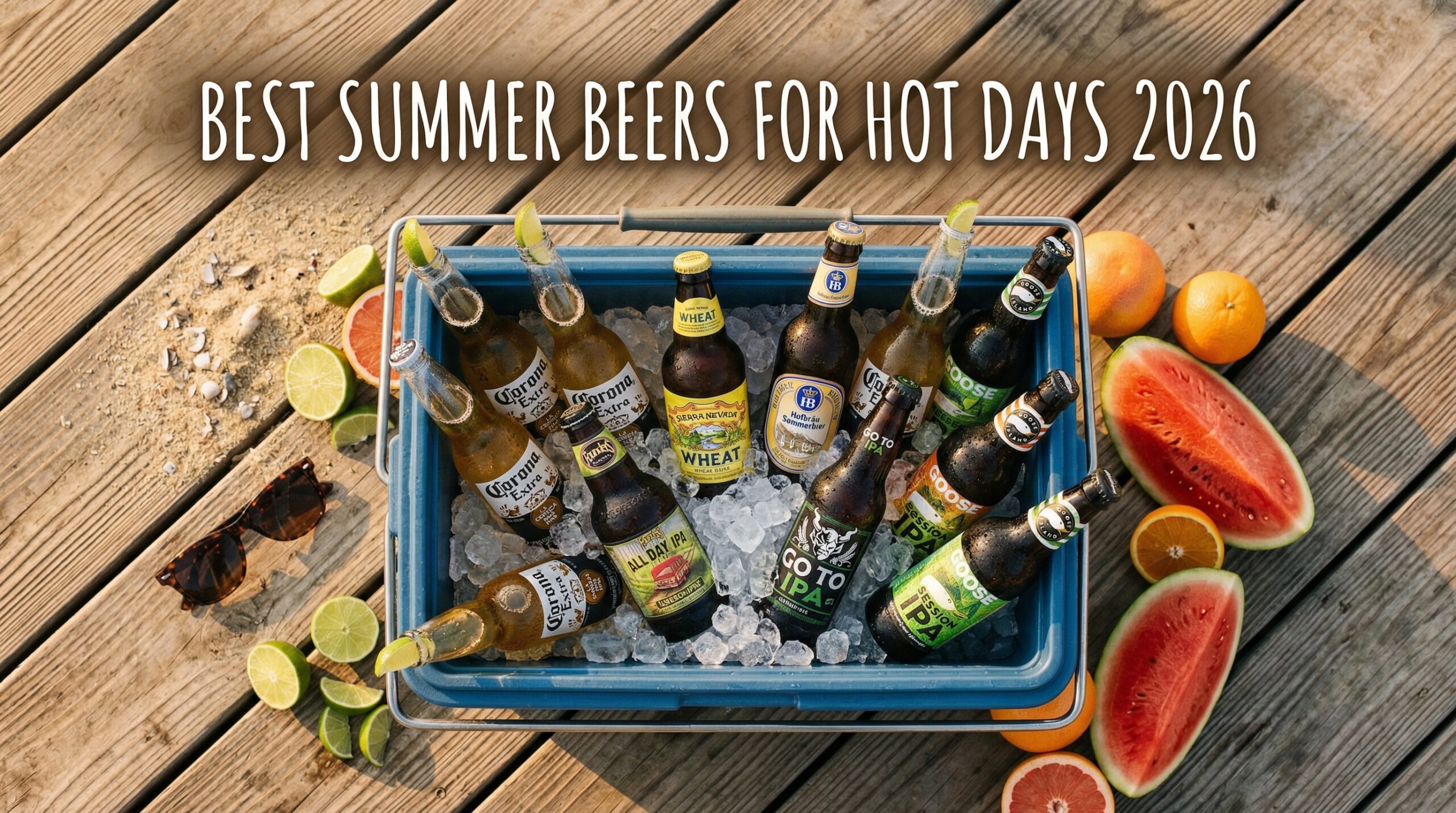
Session IPAs take this concept further by deliberately keeping ABV under 4.5%. Founders All Day IPA became a summer staple precisely because it delivers IPA flavor without the alcohol content that limits daytime consumption. Sierra Nevada’s Summerfest Lager occupies similar territory for lager enthusiasts, offering hoppy refreshment in a crisp package that works equally well at brunch or sunset.
Look for fruity hop additions like mango, passionfruit, or citrus zest when selecting hazy options. These complementary flavors amplify the summer drinking experience and create beers that feel specifically designed for hot weather consumption. Several breweries now release summer-specific hazy releases with tropical emphasis, making this an exciting category to explore.
Lagers and Pilsners
If you prefer traditional styles, summer is prime time for Czech and German pilsners. Pilsner Urquell earned consistent mentions in forum discussions as a reliable choice that delivers crisp, clean flavor with just enough bitterness to provide complexity without overwhelming the palate. The malt backbone supports the hop character while maintaining the light body that makes these beers so sessionable.
Mexican lagers like Corona and Pacifico represent the beach beer category almost universally. The forums confirmed what casual observation suggests: adding lime to these light lagers creates an experience that feels distinctly summer. The citrus oil interaction with the crisp lager base creates something greater than the sum of parts, which explains their dominance at coastal establishments nationwide.
Domestic light lagers like Coors Light and Yuengling Light serve an important function for budget-conscious summer drinking. While they won’t win taste awards, their widespread availability and low price point make them practical for large gatherings where variety matters less than volume. The forums suggested these work well when mixed with other options rather than consumed exclusively.
Wheat Beers and Hefeweizens
Wheat beers offer a distinctly different summer experience that many drinkers discover later in their beer journey. Allagash White and Hoegarden represent this category’s most accessible entries, delivering yeast-derived spice and citrus character with remarkable drinkability. The unfiltered versions retain more proteins that create a softer mouthfeel, enhancing the refreshing qualities.
Hefeweizen specifically brings banana and clove notes from the weizen yeast, creating a flavor profile that stands apart from nearly every other beer style. This distinctiveness makes wheat beers excellent conversation starters at parties while their refreshing qualities keep them practical for hot-day consumption. German breweries perfected this style over centuries, and the results remain perfect for modern summer drinking.
Berliner Weisse deserves special mention among wheat styles. This tart, low-alcohol sour wheat beer originated in Germany but gained modern following among American craft brewers and homebrewers. The acidity provides natural refreshment that many forum members cited as ideal for summer, and the low ABV enables extended sessions without consequence. Some brewers serve it with fruit syrup, which transforms it into a nearly dessert-like warm weather treat.
Shandies and Radlers
Beer mixed with lemonade or soda represents one of summer’s oldest traditions. The shandy concept originated in Europe where cyclists would dilute beer with lemon soda for refreshment during long rides. Samuel Adams Porch Rocker brought this style to mainstream American awareness, combining lager with lemon and ginger for a drink that tastes almost like beer-flavored lemonade.
The radler variation uses grapefruit soda, creating a more bitter profile that appeals to those who find traditional shandies too sweet. Leinenkugel’s Summer Shandy dominates this space with widespread distribution that makes it accessible nearly everywhere in summer months. The sweetness level varies by brand, so exploring different options can reveal personal preferences within this category.
Making your own shandy at home allows customization that commercial versions cannot match. Mixing your favorite light lager with fresh lemonade creates an immediately refreshing drink that costs a fraction of prepared options. The flexibility to adjust ratios based on personal taste makes home preparation appealing for gatherings where guest preferences vary.
Golden Ales and Kolsch
Kölsch and golden ale styles occupy fascinating territory between lagers and ales. These beers ferment like ales but package and serve like lagers, creating hybrid results that deliver clean fermentation character with crisp finish. Alaskan Kölsch represents this style’s American interpretation, while German versions provide the traditional baseline.
The flavor profiles typically emphasize delicate malt sweetness with subtle fruit esters and floral hop character. Nothing about these beers overwhelms, which makes them surprisingly satisfying over extended drinking sessions. Their subtlety also makes them excellent food pairings for summer dishes that might get overwhelmed by more assertive beer styles.
Brooklyn Summer Ale demonstrates how American craft breweries adapt European traditions for local palates. The version we tried delivered bright citrus hop notes atop a clean,-crunchy malt foundation that worked equally well with grilled chicken, salads, and lighter desserts. This versatility makes golden ales valuable additions to summer rotation.
Sours and Goses
Tart beers gained tremendous popularity in recent years, and summer represents their ideal season. The acidity provides a palate-cleansing effect that cuts through rich outdoor foods while the lower ABV options enable extended consumption. Westbrook Gose earned consistent mentions in forum discussions as a reliable sour option with just enough salt to enhance its refreshing qualities.
Goses specifically originate from Leipzig, Germany, where the style historically featured slight salt content. Modern American versions often amplify this characteristic, creating beers that taste almost like sports drinks but with meaningful beer character. The salt content theoretically helps with hydration, though we make no medical claims about beer and athletic performance.
Dogfish Head SeaQuench Ale combines sour fermentation with lime and black salt to create something genuinely unique. This beer emerged specifically designed for summer refreshment, and it delivers on that promise while offering enough complexity to reward those who pay attention. The sessionablity combined with flavor intensity makes it a worthy addition to any summer beer cooler.
Non-Alcoholic Summer Beers
The non-alcoholic beer category improved dramatically in recent years, making it worth revisiting even for skeptics. If you’re watching alcohol consumption during outdoor activities or need a refreshing option that won’t interfere with afternoon plans, these beers deserve consideration. Check out our complete guide to the best non-alcoholic beers for detailed recommendations.
Modern NA beers use dealcoholization techniques that preserve more flavor than older approaches. The results range from remarkably close to their alcoholic counterparts to genuinely excellent beers that happen to lack the ethanol. Sports scenarios, pregnancy, and designated driver situations all warrant exploration of this category, but even regular beer drinkers might find NA options useful for pacing across long summer events.
Top Summer Beer Recommendations (2026)
Specific recommendations matter more than abstract style discussions when you’re standing in a beer aisle trying to decide. We’ve organized our top picks by use case scenario, drawing on forum experiences and our own testing to provide actionable guidance for common summer drinking situations.
Beach and Poolside Picks
Nothing beats cracking open an ice-cold beer while feeling sand between your toes or pool water on your skin. These moments demand drinks that taste immediately refreshing and don’t require deep consideration. Corona Extra remains the beach beer archetype for good reason. The light lager base with subtle malt character provides just enough flavor without competing with ocean breezes and sunshine.
Modelo Especial and Pacifico Clara serve similar roles with slightly different flavor profiles. Modelo offers a touch more body while Pacifico emphasizes crispness. Both benefit enormously from the lime wedge ritual that has become summer drinking tradition. We found that keeping these beers submerged in ice water rather than just resting on ice maintains the ideal serving temperature longer.
For those who want something more interesting while still keeping things light, Threes Brewing Vliet Pilsner delivers serious beer character without the weight. The Czech-style pilsner offers crouton-like malt sweetness with herbal hop finish that feels appropriately refreshing. Finding it at local bottle shops provides an upgrade path when you want more than beach lager basics.
BBQ and Backyard Grilling
Cooking outdoors in summer heat demands beers that can handle smoky, charred flavors while standing up to whatever sauce philosophy you follow. Hoppy beers work surprisingly well here, but the right hoppy beers matter enormously. Hazy Little Thing IPA from Sierra Nevada brings the tropical hop aromatics that complement grilled meats without overwhelming them.
Kona Big Wave Golden Ale represents the lighter end of BBQ-appropriate beers. The malt sweetness mirrors caramelized onion and grilled corn notes, while the moderate ABV allows participation throughout a lengthy cooking and eating session. We found it particularly successful with grilled fish and vegetables where lighter meats might get lost.
Old Nation M-43 New England IPA demonstrates how far hazy IPAs have come in representing accessible summer options. The soft carbonation and fruit-forward hop character create something that tastes like summer smells, making it an ideal companion for backyard entertaining. Its popularity in craft beer circles suggests widespread availability at better beer retailers.
2026 Budget-Friendly Options for Gatherings
Hosting large gatherings requires balancing quality against quantity, and forum discussions revealed practical strategies for this challenge. Miller Lite emerged as the consensus choice when you need lots of cold drinks without watching costs carefully. The flavor won’t impress beer connoisseurs, but the price-to-quality ratio for day drinking makes practical sense.
Yuengling Light offers similar value positioning with slightly more character. The traditional amber lager base provides just enough personality to distinguish it from water while maintaining the sessionability that large events demand. Regional availability limits its usefulness in some areas, but where it’s available, it represents excellent value.
Building a cooler with multiple price tiers works better than forcing one beer on everyone. Stocking one premium option for yourself alongside budget beers for guests creates hospitality without waste. This approach also provides flexibility when drinking spans afternoon into evening, allowing guests to adjust their consumption accordingly.
Homebrewing Summer Beers
For those who brew their own beer, summer presents specific opportunities and challenges. The warmer ambient temperatures affect fermentation timing and yeast performance, requiring adjustments to your normal process. Forum discussions about homebrewing revealed that many practitioners specifically brew summer batches to accommodate their seasonal drinking preferences.
Berliner Weisse recipes deliver the most refreshing results for homebrewing efforts. The low ABV combined with lactic acid provides exactly the qualities that commercial examples deliver. Brewing this style requires attention to fermentation temperature and lactobacillus handling, but the results reward the extra effort. Several forum members cited this as their go-to summer brewing project.
Session pale ale recipes offer another excellent homebrewing path. Keeping the ABV low while maximizing hop character requires technique but produces beers that commercial examples rarely match. Citra and Mosaic hops work particularly well for summer iterations, bringing the tropical fruit notes that hazy IPAs made popular. The flexibility of homebrewing allows complete customization of sweetness, tartness, and carbonation levels.
Regional and Specialty Summer Options
Exploring beer traditions from different regions adds variety to summer drinking while introducing you to brewing approaches you might not otherwise encounter. Japanese beer brands offer particularly interesting options that differ meaningfully from American or European baselines. The Japanese beer brands we analyzed bring rice-forward flavors and delicate carbonation that feel suited to warm weather.
Japanese lagers like Asahi and Sapporo deliver clean, crisp drinking experiences that complement light summer foods. The rice content creates a drier finish than malt-only lagers, which many drinkers find more refreshing. Yuzu-flavored Japanese beers represent a more adventurous option that brings citrus brightness perfect for summer.
Belgian summer ales provide another regional option worth exploring. These straw-colored, effervescent beers emphasize yeast-derived fruitiness and spice with enough dryness to remain refreshing. Brasseries produce these specifically for summer release, and their centuries of refinement show in drinkability. Look for Duvel’s summer seasonal offerings and similar Belgian interpretations at specialty beer retailers.
Buying Guide: Finding the Right Summer Beer
Armed with style knowledge and specific recommendations, you still need practical strategies for actually obtaining these beers. Summer availability varies dramatically by region, and understanding where to look prevents disappointment when you’re craving a specific style.
Where to Shop for Summer Beers
Large grocery stores and convenience chains stock the widest variety of mainstream summer options. Corona, Miller Lite, and similar mass-market beers appear everywhere, making them reliable choices when you need something immediately. The tradeoff comes in craft and specialty options that require dedicated beer retailers or brewery direct purchases.
Specialty beer shops curate selections that grocery stores cannot match, and building relationships with these retailers pays dividends. The staff typically rotate seasonal selections thoughtfully, putting effort into anticipating what customers want during different times of year. Asking for summer recommendations at these shops usually yields personalized guidance that generic retail interactions cannot provide.
Breweries themselves represent underutilized resources for summer beer discovery. Many craft breweries release summer-seasonal offerings that never appear in retail channels. Visiting breweries directly, or ordering directly from them for pickup or delivery, opens access to these limited offerings. Some breweries even offer tours that explain their summer brewing approach, combining education with refreshment.
Timing and Seasonal Availability
Summer beers typically appear in stores by late spring and remain available through early fall, but exact timing varies by brand. Large breweries often release summer options earlier each year as competition for seasonal市场份额 intensifies. Watching for these releases in April and May,提前 preparation ensures you’re not caught without options during peak summer months.
Seasonal releases create urgency that can motivate purchases, but restraint often serves better than impulse. Buying too much of any single summer beer risks monotony and potentially stale product if the season runs longer than expected. Rotating through different styles and brands maintains interest while still capturing seasonal offerings.
Regional breweries often produce summer beers that match local preferences and ingredients. These might include local fruit additions, regional hop varieties, or brewing approaches specific to climate and culture. Exploring these local options provides unique drinking experiences unavailable elsewhere while supporting regional producers.
Storage and Temperature Tips
Proper storage maintains beer quality from retailer to your glass, and this matters enormously in summer heat. Light and heat destroy beer faster than almost any other factor, creating the dreaded “skunked” flavor that no amount of chilling can fix. Shopping quickly and refrigerating immediately preserves the flavors that brewers worked to create.
The ideal serving temperature for most summer beers ranges from 38-45 degrees Fahrenheit. Colder than this mutes flavor complexity, while warmer temperatures fail to deliver the refreshment your body craves. Having a dedicated beer refrigerator or section of your fridge set to this range provides optimal results. Avoid the common mistake of serving summer beers too cold, which masks their best qualities.
Cooler management during outdoor events requires attention and supplies. Block ice lasts longer than cubed ice and should be layered with beer cans and bottles. Keeping drinks submerged rather than simply surrounded by ice extends the cold period significantly. Shade management matters too, as direct sunlight rapidly warms drinks even when ambient temperature seems reasonable.
Building Your Summer Beer Selection
Creating an effective summer beer rotation requires balancing variety against practicality. Most people lack infinite refrigerator space, forcing choices about which styles to stock. We recommend selecting two or three categories you most enjoy and building depth in those areas rather than spreading across dozens of options superficially.
Consider your typical summer activities when selecting beers. Beach days demand light, cheap, and immediately refreshing options. Backyard grilling warrants something with more character that can handle smoke and spice. Pool parties benefit from options that work well half-warm after sitting in the sun. Matching beers to activities prevents both under and over-speccing your selections.
For more recommendations and guidance on building your beer collection, explore more beer guides from our archive. The thirstybear team covers seasonal selections, style deep dives, and regional brewery features that can inform your purchasing decisions throughout the year.
Frequently Asked Questions About Summer Beers
What beer is good for summer heat?
Light, crisp beers with lower ABV (under 5%) work best for summer heat. Mexican lagers like Corona and Pacifico, wheat beers like Hoegarden and Allagash White, and session IPAs like Founders All Day IPA provide refreshment without weighing you down. High carbonation, citrus notes, and light body all contribute to summer drinkability.
What type of beer is best for summer?
The best summer beers fall into several categories: Mexican lagers and pilsners for classic refreshing taste, wheat beers and hefeweizens for fruity complexity, hazy and session IPAs for hoppy flavor without high alcohol, and shandies or radlers for beer-lemonade combinations. Golden ales and kolsch styles also excel in warm weather due to their delicate, drinkable character.
What is the 3:30-300 rule for beer?
The 3:30-300 rule relates to beer storage temperature and its effect on carbonation and flavor. It suggests that beer stored at 38 degrees Fahrenheit maintains optimal carbonation and flavor for approximately 300 days, while warmer storage degrades quality proportionally. The 3:30 designation reportedly refers to temperature guidelines, though exact origins vary by source.
Which beer is good for acid reflux?
Lower-alcohol, less hoppy beers tend to be gentler on acid reflux symptoms. Wheat beers, golden ales, and smooth lagers like Corona or Pacifico are often better tolerated than highly hopped IPAs or high-ABV beers. However, individual reactions vary significantly, and those with acid reflux concerns should consult healthcare providers about alcohol consumption generally.
Conclusion
The quest for the best summer beers for hot days ultimately comes down to understanding what refreshment actually means in context of heat, activity, and prolonged outdoor enjoyment. Lower ABV, higher carbonation, citrus and tropical hop notes, and light body weight combine to create the beers that shine when temperatures climb.
We hope this guide helps you navigate summer beer selection with more confidence and fewer disappointing experiments. The styles and specific recommendations here reflect both research and community wisdom from fellow enthusiasts who share your goal of maximizing warm-weather enjoyment.
Exploring different styles keeps summer beer drinking interesting, and your perfect rotation likely differs from anyone else’s based on personal taste and local availability. The key is starting with the principles outlined here and adjusting based on what you actually enjoy drinking during heat exposure. Cheers to 2026 summer refreshment.