
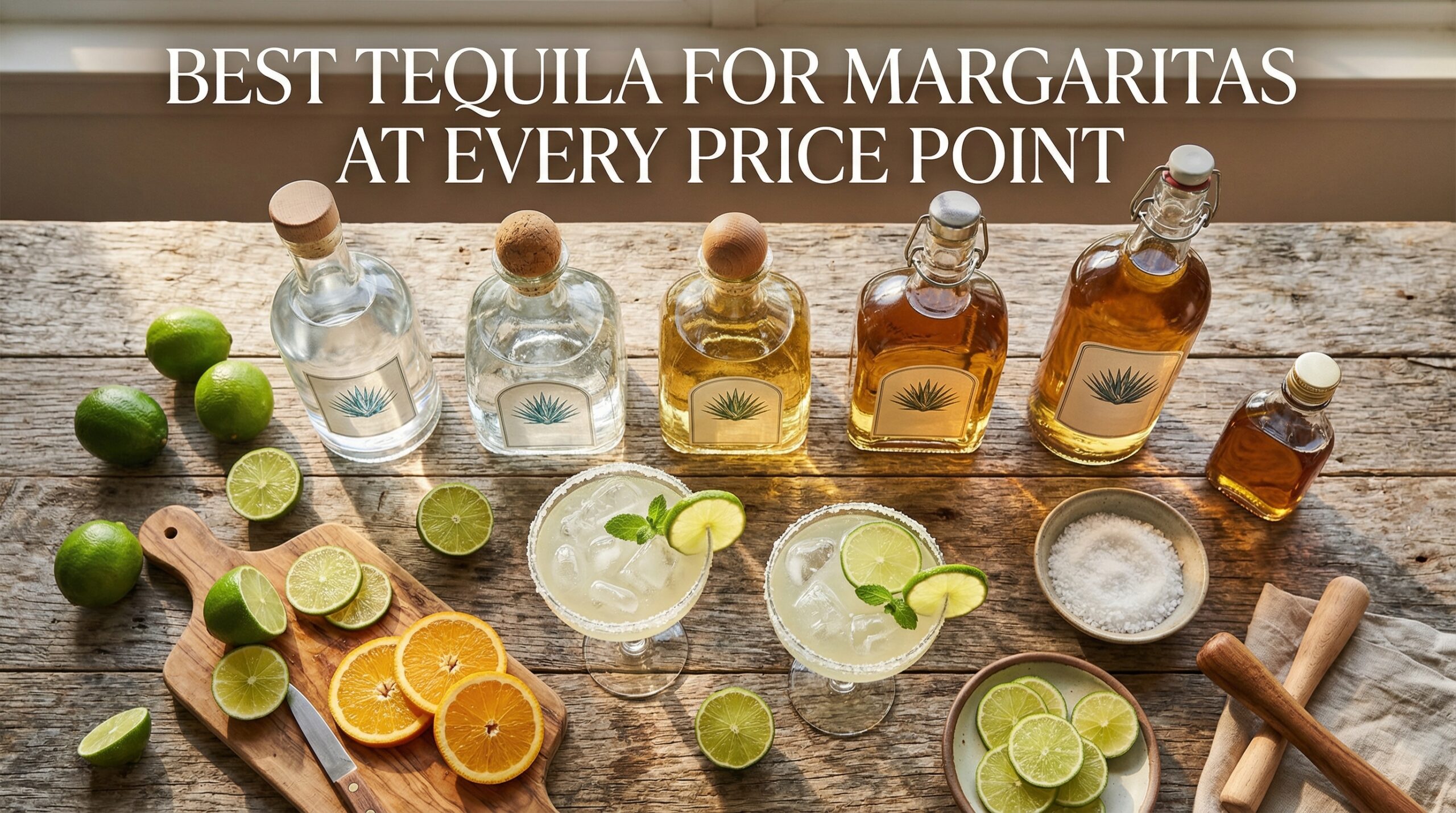
There’s nothing worse than mixing up a batch of margaritas only to take that first sip and cringe. The hangover-inducing burn, the fake sweetness, the rough finish that no amount of lime can mask. I learned this lesson the hard way at my own taco Tuesday parties years ago. After countless gatherings, hundreds of batches tested, and conversations with professional bartenders who actually know their stuff, I’ve discovered one universal truth: the best tequila for margaritas makes all the difference between a drink you’ll forget and one you’ll crave every weekend.
The encouraging part? You absolutely do not need a massive budget to make exceptional margaritas. Whether you’re filling your home bar without breaking the bank or ready to invest in something special for celebrations and dinner parties, there’s a perfect bottle waiting for you. This comprehensive guide breaks down everything you need to know about choosing tequila that transforms your margaritas from “meh” to “more, please.” We’ll cover types of tequila, specific brand recommendations across price tiers, bartender secrets, and the exact criteria that separate good bottles from great ones.
Table of Contents
Understanding Tequila Types: Blanco, Reposado, and Anejo
Tequila isn’t just tequila. The spirit comes in several distinct varieties, each with unique characteristics that affect how it performs in your margarita. Understanding these differences is the crucial first step toward making smarter purchasing decisions and getting more value from every dollar spent.
Blanco tequila, also called silver or plata, represents the purest form of the spirit. It’s bottled shortly after distillation without any aging, or sometimes spends just a few weeks in stainless steel tanks to settle. This means you’re tasting exactly what the distillery produced: the pure flavors of Blue Weber agave from a specific region combined with the techniques of that particular distillery. Blanco tequilas tend toward being crisp, bright, and agave-forward with clear citrus and pepper notes. They’re the most common choice for margaritas because their clean character allows the citrus and sweetness of the cocktail to shine through without competing flavors from oak or added complexity.
Reposado tequila has spent at least two months aging in oak barrels, typically American or French oak that previously held whiskey or wine. This required aging adds significant complexity: hints of vanilla, caramel, and subtle wood influence develop without overwhelming the underlying agave base. The result is a smoother, more rounded spirit that many bartenders actually prefer for premium margaritas. Reposado works beautifully when you want a more sophisticated cocktail with touches of sweetness from the oak and more body on the palate.
Anejo tequila ages for at least one year, often longer, in smaller barrels that accelerate oak interaction. These tequilas develop deep, rich flavors reminiscent of dark chocolate, dried fruit, and toasted wood. While absolutely delicious for savoring slowly after dinner, anejo is generally considered overkill for margaritas. You’re paying premium prices for complexity that unfortunately gets lost in a mixed drink with strong citrus and sweetness. Save the anejo for special occasions when you want to sip and appreciate its nuanced character.
For most margarita applications, blanco and reposado cover all your bases perfectly. If you’re curious how tequila compares to mezcal, that’s a different and equally fascinating rabbit hole worth exploring, but for now, focus on blanco and reposado varieties for your margarita needs.
Blanco vs Reposado for Margaritas: Which Should You Choose
Here’s the honest answer from someone who’s made hundreds of margaritas across all price points and styles: it depends entirely on what you’re making, who you’re serving, and what flavor profile you prefer.
Blanco tequila remains the traditional choice for a reason. Its bright, citrusy character pairs perfectly with the lime juice and orange liqueur in a classic margarita. When you shake a margarita with ice, the blanco’s crispness cuts through any sweetness and delivers that refreshing, almost palate-cleansing finish you crave on a hot day or at a summer gathering. Brands like Espolon, El Jimador, and Olmeca Altos have built their reputations largely on how exceptionally well their blancos perform in cocktails. The agave-forward profile means even with other ingredients present, you still taste the quality of the base spirit.
Reposado enters the picture when you want something notably more refined. The oak influence adds a subtle sweetness and body that can elevate a margarita from casual pool party to elegant dinner party. If you’re serving gold or aged margarita variations, using fruit-infused recipes, or making a margarita with less sugar so the spirit character shows through more clearly, reposado gives you more complexity to work with. Forum discussions consistently highlight reposado tequilas like La Gritona for delivering bold, earthy agave flavor that stands up beautifully to other ingredients without getting lost or overwhelmed by the mix.
My personal recommendation: keep both on hand in your bar. Use blanco for everyday margaritas when you want that classic, refreshing profile. Save the reposado for occasions when you want to impress guests or when you’re making a more refined cocktail. The price difference between most blanco and reposado expressions from the same producer is often minimal, and having both options makes you a significantly better host with more flexibility.
How to Choose the Best Tequila for Your Margarita
Before diving into specific brand recommendations and price tiers, let’s thoroughly cover the criteria that actually matter when selecting tequila for margaritas. Skip these fundamentals, and you’ll waste money on bottles that don’t deliver the quality you deserve.
The Golden Rule: Always Choose 100% Agave
This rule is absolutely not negotiable if you care about making good margaritas. “Tequila” in its cheapest form can legally contain up to 49% sugarcane spirit or other non-agave alcohol. This “mixto” tequila lacks the complex agave flavor you’re looking for and almost always causes worse hangovers due to the added sugars and processing. The bottle must clearly state “100% agave” or “100% de agave” somewhere prominent on the label. This certification means the entire fermentable base comes from Blue Weber agave, the only permitted agave species for authentic tequila production. You’ll taste the difference immediately between a quality 100% agave tequila and cheap mixto alternatives.
Reading Labels: NOM Numbers Explained
Every legitimate tequila bottle displays a NOM number, which identifies the specific distillery where the tequila was produced. This detail is crucial because the same brand name can be produced at multiple facilities with varying quality standards, resulting in inconsistent bottles. Researching NOM numbers helps you find consistently excellent products and avoid marketing-driven disappointment. For example, Fortaleza tequila carries NOM 1133 and has a devoted cult following precisely because it’s made at a single small traditional distillery using centuries-old methods like tahona stone crushing and copper pot stills rather than modern industrial efficiency. Checking NOM numbers is precisely what serious tequila enthusiasts do, and it’s how you separate genuinely excellent bottles from overpriced marketing.
Avoiding Additives and Celebrity Brand Hype
Some tequilas, particularly celebrity-endorsed brands, add flavor enhancers, sweeteners, or artificial ingredients that aren’t clearly disclosed on labels. These additives create a false smoothness that masks inferior base spirit quality. Users in forums consistently mention avoiding brands like Casamigos because of suspected additives designed to make mediocre tequila taste smoother than it actually is. Look for tequilas that proudly state “additive-free” if authenticity matters to you, and stick with distilleries focused on quality production rather than celebrity endorsement and flashy marketing budgets.
What Professional Bartenders Actually Use
Professional bartenders I’ve interviewed share a common fundamental philosophy: use a tequila you’d happily drink on its own. If a bottle tastes harsh, artificial, or unpleasant straight, it certainly won’t improve when mixed with other ingredients. Most bartenders gravitate toward mid-priced 100% agave blancos from established producers with solid track records. Espolon, El Jimador, Lunazul, and Olmeca Altos appear behind more professional bars than expensive premium bottles. Why? These workhorse tequilas deliver consistent quality, authentic agave flavor, and smooth enough character that the resulting cocktail tastes refined and sophisticated without costing a fortune per pour.
Best Budget Tequila for Margaritas Under $35
Here’s where things get genuinely interesting for home bartenders and budget-conscious entertainers. You absolutely do not need to spend $40 or more to make exceptional margaritas that impress your guests. The budget tier is packed with quality options that significantly outperform their modest price tags when used properly in cocktails.
Under $20: Best Value Bottles
Below $20, focus your attention on finding tequilas that deliver honest agave character without rough edges that mar the drinking experience. These bottles won’t have the complexity of premium expressions, but they’ll absolutely work in a margarita and deliver satisfaction.
El Jimador has earned its reputation as a reliable workhorse at this price point. It’s clean, reasonably smooth, and agave-forward without being boring or one-dimensional. Available in both blanco and reposado expressions, it handles the citrus and sweetness of a margarita without disappearing or getting overwhelmed by other ingredients. You’ll find it at nearly every liquor store nationwide for around $15-18, making it an accessible option for regular entertaining.
Espolon Blanco has become a genuine staple in bars across the country for very good reason. It offers more character than similarly priced competing options, with distinct notes of pepper, citrus, and faint herbal undertones. At $18-22, it punches noticeably above its weight class and frequently appears in “best value” discussions among tequila enthusiasts and professionals alike. The distinctive Day of the Dead inspired bottle design doesn’t hurt either.
Olmeca Altos Blanco uses mountain-grown agave from the highlands of Jalisco, resulting in slightly sweeter, more floral character compared to valley-grown agaves. It mixes exceptionally well in cocktails and adds a touch of elegance to standard margaritas without breaking the bank. The slightly higher price compared to basic options is justified by the noticeably improved flavor profile.
$20-35: Where Quality Jumps Significantly
Spending just a bit more opens doors to tequilas with genuine complexity that reward your investment. At this price point, you’re typically getting spirits made with more careful production methods, often from estate-grown agave rather than commodity purchased base.
Lalo has emerged as a rapidly growing popular go-to blanco among both consumers and bartenders in recent years. Created by a grandson of tequila legend Eduardo “Lalo” Gonzalez, it emphasizes fresh, bright agave flavor with impressively clean finish that works beautifully in cocktails. The distinctive bottle design stands out on shelves, and the liquid inside matches the premium positioning with quality you can taste. Available around $28-32 depending on your market.
Cimarron flies under most casual drinkers’ radar screens despite excellent quality that rivals more expensive options. It’s a genuine sleeper pick that forum users consistently recommend as a “why isn’t this more popular?” option that deserves wider recognition. Clean, smooth, with proper agave character and no rough edges whatsoever. If you spot it on a shelf, grab it without hesitation.
Lunazul offers remarkable value that consistently out-performs bottles priced significantly higher. The blanco expression features bright citrus and pepper notes, while the reposado adds subtle oak and vanilla without becoming overpowering. Available around $22-26 depending on your specific market and local pricing, making it an exceptional value proposition for regular margarita makers.
Best Premium Tequila for Margaritas $40 and Up
Premium tequila genuinely makes sense in specific situations. When you’re serving something special, celebrating an important occasion, or you simply appreciate what extra care in production delivers, premium options provide a noticeably elevated experience. Not every margarita needs a $50 bottle, but certain occasions absolutely call for it.
When Premium Actually Makes Sense
Consider premium tequilas when you’re making margaritas for a small group of discerning drinkers who genuinely appreciate quality and will notice the difference between good and exceptional. They’re particularly appropriate when the occasion is genuinely significant: an anniversary dinner, a meaningful celebration with close friends, or a holiday gathering where you want the cocktail to feel truly special and memorable. Premium tequilas also work exceptionally well when making smaller batches of highly concentrated margaritas where the spirit character really needs to shine through without any rough edges.
Top Premium Picks Worth Every Penny
Fortaleza Blanco regularly appears at the absolute top of “best tequila for margaritas” discussions among both enthusiasts and working professionals. Made at historic distillery NOM 1133 using traditional tahona stone crushing and copper pot stills, it delivers extraordinary depth and complexity while remaining unmistakably agave-forward. The price point around $45-50 reflects genuine craftsmanship rather than mere marketing budgets. Forum users specifically note it “takes margaritas to the next level” and “ruins you for cheaper options.”
Ocho (which simply means “eight” in Spanish) represents a newer generation of tequila producers focusing heavily on terroir, emphasizing how agave grown in different regions produces distinctly different flavor profiles. Each batch is vintage-dated and sourced from a single designated estate rather than blended from multiple sources. For margaritas where you want to showcase the spirit’s character itself with minimal mixing, Ocho delivers fascinating complexity worth exploring. Available around $50-60, positioned for the curious enthusiast.
Clase Azul Reposado is instantly recognizable by its distinctive hand-painted ceramic bottle, but dismissing it as pure decoration means missing out on quality liquid. The reposado expression inside matches the premium presentation, with extended aging that produces remarkably smooth, sweet character with impressive depth. Yes, you’re partly paying for the beautiful collectible bottle, but the tequila itself performs exceptionally in premium margaritas when you want both quality and presentation. Available around $70-80, making it a celebration-worthy investment.
Artisan and Additive-Free Options for Purists
An emerging and increasingly popular category includes small-batch tequilas emphasizing additive-free production and strictly traditional methods. These bottles often come from multigenerational family distilleries with decades or centuries of experience refining their craft. Tequilas like G4, El Tesoro, and Siete Leguas represent the craft end of the spectrum, each with intensely devoted followings among those who prioritize authenticity and traditional methods. They cost more than mass-market options, but for the dedicated margarita enthusiast who genuinely notices quality differences, exploring these artisan producers is a worthwhile journey.
Hidden Gem Tequilas Bartenders Genuinely Love for Margaritas
Some of the best tequilas for margaritas never appear in mainstream advertising or get mentioned in mass-market articles. They’re the bottles bartenders enthusiastically recommend to friends, the ones enthusiasts actively seek out and share on online forums, the hidden gems that generously reward those who look beyond familiar advertised names.
La Gritona Reposado consistently surfaces in forum discussions as an bartender favorite that deserves way more recognition than it receives. Made in the highlands of Jalisco using traditional methods, it offers bold, earthy agave character with subtle oak influence that adds complexity without overwhelming. The distinctive flavor profile stands up beautifully to margarita ingredients without getting lost or becoming too subtle. Despite quality that rivals bottles priced at twice its cost, La Gritona remains relatively under-the-radar and harder to find. If you spot it at a bottle shop, buy it without hesitation.
Cascahuin represents a small-batch traditional producer that serious tequila enthusiasts actively seek out. Their tahona-crushed expressions consistently deliver intense agave flavor with fascinating complexity that rewards slower appreciation. Cascahuin’s blanco is particularly noted for its pure, clean agave character that makes genuinely exceptional margaritas. Finding it might require visiting a specialty bottle shop or ordering from retailers specializing in craft spirits, but the search effort pays dividends in quality.
Volans represents the newer generation of Mexican-owned craft distillers focusing heavily on transparency and quality production methods. Their expressions showcase what modern tequila production can achieve while still respecting centuries of tradition. Less concerned with heritage branding and more focused on pure flavor excellence, these emerging producers often deliver exceptional value relative to established legacy names that coast on reputation rather than quality.
The common pattern among these hidden gems: they’re almost always made by smaller family-owned distilleries, frequently using traditional methods like tahona stone crushing rather than industrial efficiency. They invest heavily in liquid quality rather than massive marketing budgets. Actively seeking them out, whether at specialty retailers or through online ordering, rewards curious drinkers with distinctive tequilas that make genuinely memorable margaritas worth talking about.
Common Mistakes to Avoid When Choosing Margarita Tequila
Even with good intentions, it’s easy to make errors that compromise your margarita quality. Being aware of these pitfalls helps you make smarter purchasing decisions and avoid wasting money on bottles that don’t deliver.
Choosing based solely on bottle appearance rather than liquid quality is perhaps the most common mistake. Beautiful bottles with mediocre tequila inside abound, particularly in the celebrity-endorsed segment. Always research the actual liquid quality before purchasing based on how pretty the packaging looks. Your palate will thank you.
Assuming expensive means better for margaritas is another misconception worth addressing. While premium tequilas certainly offer more complexity, that complexity often gets lost in a mixed drink with strong citrus and sweetness. A well-chosen mid-priced blanco like Espolon often outperforms an expensive anejo in a margarita application. Match your tequila quality to the cocktail’s complexity.
Ignoring the NOM number means missing crucial information about where and how your tequila was actually produced. The same brand name can represent dramatically different quality levels from different distilleries. Taking a few minutes to check the NOM and research the distillery behind it separates thoughtful purchasing from gambling on marketing.
Bartender Tips and Techniques for Better Margaritas
Selecting great tequila is absolutely essential step one, but technique matters enormously when making truly memorable margaritas. The following professional techniques separate amateur margaritas from those that genuinely impress everyone who drinks them.
The 321 Rule for Perfectly Balanced Margaritas
Professional bartenders across the industry frequently reference the “321” ratio for perfectly balanced margaritas. The formula is beautifully simple: 3 parts tequila, 2 parts quality orange liqueur (like Cointreau or Luxardo Triplum), and 1 part fresh lime juice. This precise proportion creates the classic sweet-tart-smooth balance that defines an excellent margarita. Adjust individual elements to match your personal taste preferences, but starting here guarantees you won’t ever create an unbalanced drink. Some experienced bartenders add a small splash of agave nectar for extra roundness, particularly when using a blanco with higher agave intensity that might need slight sweetening.
Fresh Lime Juice Is Absolutely Non-Negotiable
This cannot possibly be stated too strongly: fresh lime juice transforms margaritas from ordinary to extraordinary in a way that bottled juice simply cannot match. Bottled juice tastes flat, vaguely citrusy, and slightly sweet in a way that announces itself as inferior to anyone with functioning taste buds. A bag of fresh limes costs maybe $3-4 and yields enough juice for 8-12 properly made margaritas. The investment in time is minimal: roll each lime firmly on the counter before cutting to break down the internal membranes, then juice thoroughly by hand or with a quality citrus press. The difference between fresh and bottled is immediate, dramatic, and undeniable.
Quality Orange Liqueur Choices Matter Significantly
Not all orange liqueurs deliver equal quality or flavor profiles. Cointreau sits firmly at the premium end, offering clean, bright orange flavor without artificial or chemical notes. Grand Marnier adds richness and genuine complexity with its cognac base. Mid-range budget options like DeKuyper or standard Triple Sec work adequately in a pinch but notably lack the depth and refinement of premium options. The quality of your orange liqueur directly affects how smooth and refined your finished margarita tastes. Consider this ingredient as important an investment as your tequila selection.
Proper Shaking Technique Explained
When mixing your margarita, shake aggressively with genuine commitment. You’re not gently combining ingredients; you’re creating a vortex while rapidly chilling the entire mixture. Fill your shaker completely with fresh ice, pour in your carefully measured margarita mixture, and shake vigorously for a full 15-20 seconds until the shaker becomes thoroughly frosty and cold to touch. The dilution from ice contact is actually desirable and intentional, as proper dilution smooths alcohol burn and integrates all flavor elements more harmoniously. If you’re curious about related tequila cocktails, the same shaking principle applies universally.
Frequently Asked Questions
What type of tequila is best for margaritas?
Blanco (silver) tequila is the most common choice for margaritas because its crisp, agave-forward character pairs perfectly with citrus and lets other ingredients shine. However, reposado also works excellently, offering more complexity and subtle sweetness from oak aging. Both should be 100% agave. The choice depends on your preference: go with blanco for bright, refreshing margaritas, or reposado for something more sophisticated and complex.
What is the 321 rule for margaritas?
The 321 rule is a simple ratio for balanced margaritas: 3 parts tequila, 2 parts orange liqueur (like Cointreau), and 1 part fresh lime juice. This proportion creates the classic sweet-tart-smooth balance that defines an excellent margarita. Start with this ratio and adjust to your personal taste preferences.
Is silver or gold tequila better for margaritas?
Silver (blanco) tequila is generally better for classic margaritas because its clean, bright character lets the citrus and sweetness of the cocktail shine through. Gold tequila typically refers to reposado or anejo that has taken on color and complexity from oak aging. While gold can work nicely in premium margaritas, silver remains the traditional choice and provides better refreshment.
What tequila do professional bartenders use for margaritas?
Professional bartenders typically use mid-priced 100% agave blancos like Espolon, El Jimador, Lunazul, or Olmeca Altos. The guiding philosophy is to always use a tequila you’d enjoy drinking on its own. These brands deliver consistent quality, authentic agave flavor, and smooth character without the premium price tag that premium bottles command.
How long does tequila last once opened?
Properly stored tequila (sealed, upright, away from direct sunlight and extreme temperature changes) maintains quality for years after opening. Unlike wine, tequila does not oxidize significantly because the high alcohol content naturally preserves it. However, for optimal fresh flavor, consume within 1-2 years of opening. Over very long periods, you may notice slight flavor changes as volatile aromatic compounds gradually dissipate.
Final Thoughts on Finding Your Perfect Margarita Tequila
The honest search for the best tequila for margaritas ultimately comes down to one fundamental principle: always start with 100% agave. From there, intelligently match your budget to your taste preferences and the specific occasion. Budget tequilas like El Jimador and Espolon deliver genuine quality that transforms homemade margaritas from ordinary to crowd-pleasing. Premium options like Fortaleza Blanco and Ocho elevate the experience substantially when you’re celebrating something special. Hidden gems like La Gritona and Cimarron reward the genuinely curious with distinctive flavors that make memorable cocktails.
My practical suggestion: grab a bottle of solid blanco like Espolon for everyday margaritas that deliver consistent satisfaction. Add a reposado like La Gritona for occasions when you want something more refined and complex. From there, experiment based on what genuinely resonates with your personal palate. Everyone’s perfect margarita is slightly different in its ideal balance of sweetness, tartness, and agave character. The genuine beauty of this classic cocktail lies in how beautifully adaptable it is to different tequilas and ratio variations.
The next time you’re standing in the liquor store, resist the urge to default to overly familiar names or whatever happens to be on sale. Take time to browse the mid-shelf areas, look for NOM numbers you don’t recognize, ask the store staff for genuine recommendations. Better margaritas are genuinely waiting for you on the other side of a little knowledge, thoughtful exploration, and willingness to experiment with new options. Your perfect margarita bottle is out there somewhere, ready to make your next gathering significantly more memorable.