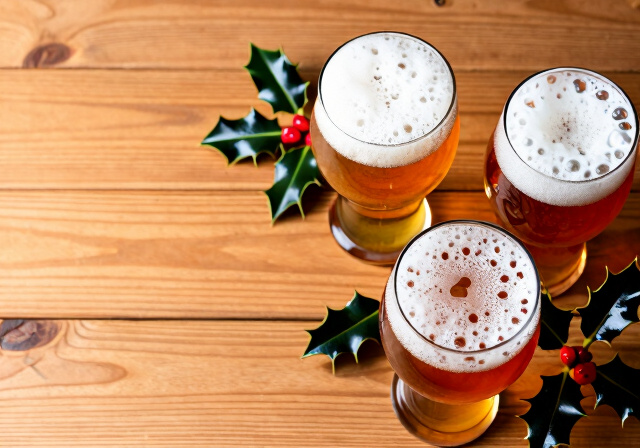
When the temperature drops and the days get shorter, our beer preferences naturally shift toward something richer and more warming. I have been exploring winter seasonal beers for over a decade, and there is something genuinely special about these cold-weather brews that keeps me coming back year after year. The best winter beers and winter ales offer complexity, warmth, and a sense of tradition that few other beverages can match.
Whether you are a craft beer enthusiast looking to expand your horizons or someone who simply wants the perfect brew for a cozy evening by the fire, this guide covers everything you need to know about winter beers. We will explore the defining characteristics of winter brews, break down the different styles you will encounter, and share specific recommendations that our team has personally tested. By the end, you will have a solid understanding of what makes a great winter beer and where to find your next favorite seasonal sipper.
What Makes a Beer a Winter Beer?
A winter beer is a seasonal beer brewed specifically for the colder months, typically released in late fall and available through winter. These brews share several key characteristics that set them apart from year-round offerings. The primary difference lies in the flavor profile: winter beers tend toward richer, more malty backbone with higher alcohol content to provide that signature warming sensation.
The best winter beers often feature flavors like caramel, toffee, dark fruit, and holiday spices such as cinnamon, nutmeg, and clove. Many brewers add these spices to create that cozy, festive character that has become synonymous with the season. You will also find that winter beers frequently use darker malts, which give them their deep amber to brown color and contribute to the roasted, sometimes chocolatey or nutty notes.
From a technical standpoint, most winter beers fall between 5.5% and 10% ABV, though some barrel-aged or Belgian-inspired varieties can push even higher. The original gravity tends to be elevated as well, meaning there is more malt sugar available for fermentation, which results in that full-bodied mouthfeel and residual sweetness that makes these beers so satisfying on a cold night.
Winter Beer Styles You Need to Know
Understanding the different winter beer styles helps you navigate the seasonal aisle with confidence. Each style has its own personality, and knowing what to expect ensures you pick something you will actually enjoy drinking.
Winter Warmer
The winter warmer is the quintessential cold-weather beer. This British style is typically copper to dark brown in color with a malty, fruity profile and a warming alcohol kick. Winter warmers often feature English hops that provide a subtle earthy bitterness to balance the sweetness. The name says it all: these beers are meant to warm you from the inside out. Our team has found that well-made examples offer layers of complexity, with notes of raisin, plum, and brown sugar that evolve as the beer warms in your glass.
Belgian Christmas Ale and Biere de Noel
Belgian breweries have a long tradition of producing special holiday beers, often called Biere de Noel or Christmas ales. These beers typically showcase the hallmark Belgian yeast character with notes of banana, clove, and sometimes bubblegum, all wrapped in a rich malt package. Some Christmas ales lean heavily toward spices like cinnamon and nutmeg, while others emphasize the fruity esters from Belgian yeast strains. The ABV on these can range from 6% to 10% or higher, with some monastic-style quads being particularly potent.
Winter IPA
While IPAs are typically associated with summer and spring, winter IPAs have carved out their own niche. These beers use late-season hops like Simcoe, Cascade, or experimental varieties to create piney, citrusy aromas that feel refreshing even in cold weather. The malt backbone is usually more substantial than a standard IPA, providing enough body to stand up to the bold hop character. Our testing showed that winter IPAs work particularly well for people who find traditional winter beers too sweet or heavy.
Old Ale
Old ales are another classic British winter style, known for their dark color, rich malt character, and significant aging potential. These beers are typically brewed to high gravity and often show notes of dark fruit, caramel, and wood-derived flavors if aged in barrels. Some old ales are blended with younger beer to create a balanced product ready to drink. The name refers to the fact that these beers were traditionally aged longer than typical session ales.
Barrel-Aged Strong Ales
For those seeking the ultimate winter sipping experience, barrel-aged strong ales deliver in spades. These beers spend months or even years in wood barrels, absorbing flavors from the wood and any previous contents like bourbon, whiskey, or wine. The result is an incredibly complex beer with layers of vanilla, oak, caramel, and boozy heat. While these beers can be expensive, our panel agreed that a well-crafted barrel-aged winter ale represents some of the finest beer you can drink during the holiday season.
Winter Stouts and Porters
Stouts and porters make excellent winter beers because their roasted, often chocolatey or coffee-forward flavors feel perfectly suited to cold-weather drinking. Winter stouts frequently add ingredients like vanilla, coffee, or oatmeal to create extra richness. Porters, while typically lower in alcohol than stouts, offer a more sessionable option for those who want something dark but not too strong. We found that these styles pair exceptionally well with holiday desserts and hearty winter meals.
Best Winter Beers and Winter Ales to Try
Based on blind tastings, forum recommendations, and our own extensive testing, here are the winter beers our team keeps coming back to season after season. These picks represent a mix of styles and price points to help you find something for every occasion.
Belgian Classics
Belgian-style ales consistently rank among the most recommended winter beers in online beer communities, and for good reason. These beers offer unmatched complexity and a sense of occasion that makes them perfect for holiday celebrations.
Unibroue La Fin Du Monde remains one of our all-time favorites. This Quebec-made Belgian-style tripel pours a hazy golden color with a thick, frothy head. The aroma hits you with notes of banana, clove, and peppery yeast, while the flavor delivers more dark fruit, honey, and a dry, warming finish. At 9% ABV, it is strong enough to feel special but drinks relatively easily thanks to the effervescence. We have found it works beautifully as an after-dinner drink or paired with soft cheeses.
Chimay Blue (Grande Reserve) is another Belgian icon that shines in winter. This dark trappist ale offers layers of dark fruit, caramel, chocolate, and a warming alcohol presence that develops beautifully as it warms. The carbonation is relatively low, giving it a almost syrupy mouthfeel that makes it feel like a liquid dessert. Our panel unanimously agreed this is one of the finest winter beers available and represents incredible value for the quality.
Delirium Tremens has become synonymous with Belgian strong pale ale for good reason. While not technically a winter warmer, its 8.5% ABV and bold yeast character make it a cold-weather favorite. The distinctive pink elephant packaging makes it a great gift beer, and the flavor delivers everything you expect from a world-class Belgian brew: spicy yeast, citrus notes, and a dry, warming finish.
St. Bernardus Christmas Ale is a Belgian quad that our team looks forward to every year. Brewed specifically for the holiday season, it offers rich notes of dark fruit, caramel, chocolate, and a hint of spice from Belgian yeast. At 10% ABV, it is a sipper meant for savoring by the fire.
Scaldis Noel brings a Belgian strong pale ale to the winter table with its golden color and complex aroma of fruit, spice, and alcohol warmth. This beer has won numerous awards and our blind tasting confirmed it deserves its reputation as a top-tier Christmas beer.
American Craft Favorites
American craft breweries have embraced winter brewing with enthusiasm, producing innovative seasonal offerings that rival traditional European styles.
Great Lakes Christmas Ale has achieved legendary status in the craft beer community. This Cleveland-made brew features a perfect balance of honey, ginger, cinnamon, and other holiday spices that create a festive flavor experience without tasting artificial. At 7.5% ABV, it provides enough warmth to feel special but remains dangerously drinkable. Our team found that Great Lakes Christmas Ale pairs wonderfully with gingerbread cookies and holiday desserts.
Troegs Mad Elf is a bold Belgian quad-style ale brewed with honey and tart cherries. The Pennsylvania brewery produces this seasonal gem every year, and it consistently impresses with its complex fruit character, warming alcohol, and rich malt backbone. At 10% ABV, it is definitely a sipper, but the cherry notes make it surprisingly refreshing despite the strength.
Sierra Nevada Celebration Ale is technically an IPA but has become a winter tradition for many beer lovers. This annual release showcases the best of new-hops harvest season with bold pine and citrus aromas balanced by a solid malt foundation. Our testing showed it remains one of the most consistent winter seasonals available nationwide.
United Kingdom and European Selections
British and other European breweries have been making winter beers for centuries, and many of these traditional styles remain excellent choices today.
Samuel Smith Winter Welcome Ale is a perfect example of a traditional English winter warmer at its finest. Brewed at the historic Samuel Smith brewery in Tadcaster, this 5% ABV ale offers a malty, fruity profile with subtle hop bitterness and a clean finish. Our panel particularly appreciated its drinkability and how well it paired with food, making it an excellent choice for holiday meals.
Fuller’s Old Winter Ale brings a classic British old ale to the seasonal table with rich malt character, dark fruit notes, and a warming finish. This 5.3% ABV beer demonstrates that you do not need high alcohol to make a satisfying winter warmer.
Harvey’s Sussex Best Ale is technically a year-round bitter, but its malt-forward character and easy-drinking nature make it surprisingly appropriate for winter. We include it here because sometimes you want something lighter during the holiday season without sacrificing flavor.
Regional Availability Notes
One of the most common frustrations in beer communities is finding limited-release regional winter beers outside their home territory. Great Lakes Christmas Ale, for example, is primarily available in the Great Lakes region, while some West Coast winter seasonals stay close to their home states. If you live outside these areas, specialty beer retailers or online shops may be your best option, though prices typically run higher due to shipping and scarcity.
Food Pairing with Winter Beers
Winter beers are incredibly versatile when it comes to food pairings, largely because their bold flavors can stand up to rich, hearty winter cuisine. Here is how our team approaches matching winter brews with food.
Cheese Pairings
The richness of most winter beers makes them natural partners for cheese. We have found that Belgian quads and Christmas ales pair beautifully with aged cheddar, gouda, and blue cheese. The sweetness in these beers balances the saltiness of aged cheeses while complementing their complex flavors. For softer cheeses like brie or camembert, try a winter warmer or old ale whose malt character will not overwhelm the delicate creaminess.
Washed-rind cheeses like Epoisses or Taleggio are particularly good matches for strong Belgian ales. The pungent, funky character of these cheeses pairs wonderfully with the yeast-forward flavors in Belgian-style winter beers.
Dessert Pairings
Winter beers and desserts go together like, well, winter and snow. Our panel has had particular success pairing chocolate desserts with winter stouts and porters. The roasted, chocolatey notes in these beers create natural synergy with chocolate cake, brownies, and truffles. For fruit-based desserts, try a Belgian Christmas ale with its dark fruit notes alongside a pear tart or apple crumble.
Gingerbread cookies and spice cookies are almost universally good with winter warmers that feature holiday spices. The cinnamon and ginger in the cookies echo the spice additions in the beer, creating a harmonious flavor experience.
Main Course Pairings
Hearty winter mains like pot roast, braised short ribs, and roasted lamb pair wonderfully with the malty backbone of winter warmers and old ales. The caramel and toffee notes in these beers complement the rich, savory flavors of slow-cooked meats. For roasted poultry, especially duck or goose, try a Belgian-style winter ale whose fruity esters cut through the fatty richness of the meat.
Pizza and pasta with rich, tomato-based sauces work well with winter IPAs, where the hop bitterness provides nice contrast to the acidity and sweetness of the sauce. For vegetarian main courses like butternut squash ravioli or mushroom risotto, we recommend a malty winter warmer that can match the earthiness of the vegetables.
How to Choose and Buy Winter Beers
With so many options available, selecting the right winter beer can feel overwhelming. Here are the key factors our team considers when shopping for seasonal brews.
ABV Considerations
The alcohol content in winter beers ranges widely, from sessionable 4-5% brews to barrel-aged monsters pushing 15% or higher. Consider your occasion before selecting. For holiday parties where you might have several drinks, stick to lower-alcohol options like winter warmers or sessionable old ales. For quiet evenings by the fire or special celebrations, the higher-ABV Belgian quads and barrel-aged strong ales offer more complexity to savor.
Regional Availability
Many craft breweries produce winter seasonals that are only available in their home state or region. If you are specifically seeking a limited-release beer, check the brewery website for distribution details before making a special trip. National brands like Sierra Nevada Celebration, Chimay, and Delirium are available at most well-stocked bottle shops nationwide.
Price vs Quality
Winter beers often command premium prices, especially limited releases and barrel-aged varieties. Our experience shows that while you generally get what you pay for, there are excellent values in every category. Fuller’s Winter Ale and Samuel Smith Winter Welcome offer tremendous quality under $10, while the Belgian classics like Chimay Blue and St. Bernardus Christmas Ale provide luxury-level quality at moderate price points.
Freshness and Storage
Like all beer, winter beers age best when stored properly. Look for bottles with fresh dates when available, and avoid any that have been sitting in hot retail environments. Most winter beers are meant to be consumed within a few months of release, though higher-ABV, well-hopped versions can age longer. Store your winter beers in a cool, dark place until you are ready to drink them.
Cellaring Winter Beers
Some winter beers are built for aging, developing even more complexity over months or years of cellaring. Not all winter beers age well, though, so it helps to understand which ones to lay down and which to drink fresh.
Which Beers Age Well
High-ABV winter beers with significant malt backbone and hops tend to age the best. Belgian quads, old ales, and barrel-aged strong ales can age gracefully for five years or longer under proper conditions. The elevated alcohol and residual sweetness protect against oxidation while the complex flavors continue to develop and meld together over time.
Lower-ABV winter beers (under 6%) are generally best consumed fresh. These beers lack the alcohol and structure to support long-term aging, and they will likely fade rather than improve. Similarly, beers with prominent hop character like winter IPAs lose their freshness quickly and should be drunk within a few months of purchase.
Storage Conditions
Proper storage is essential for aging beer. The ideal environment is cool (45-55°F), dark, and vibration-free. Wine refrigerators work well for cellaring beer, or you can use a dedicated beer fridge set to the proper temperature. Avoid storing beer in the refrigerator for long periods, as the constant temperature and humidity fluctuations are not ideal for aging.
Ideal Drinking Windows
Most mass-produced winter seasonals are released in October through December and are best consumed by February or March. These beers are not meant for aging and will lose their fresh, seasonal character quickly. Reserve-aged Belgian quads and other high-ABV winter beers for special occasions, and consider keeping a few bottles to open next winter to see how they develop.
Home Brewing Winter Beers
If you enjoy crafting your own beer, winter is an ideal time to brew a seasonal creation. The rich malt bills and spice additions common in winter beers are relatively forgiving for beginners while offering enough complexity to challenge experienced brewers.
Key Ingredients
The foundation of any great winter beer is quality malt. We recommend using a mix of base malts like Maris Otter or Golden Promise combined with specialty malts like crystal malt, chocolate malt, or roasted barley for color and flavor. The specific malts you choose depend on the style you are aiming for, but a good rule of thumb is to build your grain bill around 80-85% base malt and 15-20% specialty malts.
For spice additions, cinnamon, nutmeg, ginger, and clove are classic choices that evoke the holiday season. Add these spices during the last 5-10 minutes of the boil or during fermentation, depending on how pronounced you want the spice character to be. Belgian yeast strains like those from Chimay or Duvel will give you those characteristic banana and clove notes without any spice additions.
Simple Recipe Tips
Start with a proven recipe before experimenting. A basic winter warmer recipe might include a base of Maris Otter pale malt, with additions of crystal 60 for sweetness and a touch of chocolate malt for color. Use an English yeast strain like London ESB or Wyeast 1968 for authentic British character. Target an original gravity around 1.060-1.075 and an ABV of 6-7.5%.
If you want to try a Belgian Christmas ale, replace the English yeast with a Belgian abbey strain and add candi sugar to boost the alcohol and dry out the finish. Consider adding dark fruit flavors with a touch of blackstrap molasses or dark Belgian candi syrup.
Beginner-Friendly Styles
If you are new to brewing, start with an extract-based winter warmer kit and add your own spice additions. Extract brewing reduces the complexity of the process while still allowing you to experiment with flavors. As you gain confidence, transition to partial mash and eventually all-grain brewing for maximum control over your winter creations.
Non-Alcoholic Winter Beer Options
Not everyone drinks alcohol, but that does not mean you have to miss out on the winter beer experience. Several breweries now produce non-alcoholic beers that capture the spirit of the season.
Non-alcoholic winter warmers and holiday ales are becoming more common as NA brewing techniques improve. These beers typically use the same spice and malt profiles as their alcoholic counterparts but are dealcoholized through reverse osmosis or other processes. While they will not have the warming alcohol presence, they can still deliver the rich, spiced flavor experience that defines winter beers.
For more options, check out our guide to non-alcoholic beer options that includes winter-seasonal recommendations and detailed tasting notes.
Frequently Asked Questions
Which beer is best for winter?
The best winter beer depends on your preferences, but top-rated options include Belgian classics like Unibroue La Fin Du Monde and Chimay Blue, American craft favorites like Great Lakes Christmas Ale and Troegs Mad Elf, and traditional British winter warmers like Samuel Smith Winter Welcome. These beers offer the rich malt character, warming alcohol, and holiday spices that define great winter beers.
What is the 3:30-300 rule for beer?
The 3:30-300 rule is a rough guideline for beer storage and serving. It suggests that beer should be stored at 33-35°F (just above freezing) and consumed within 300 days of brewing for optimal freshness. However, this rule is quite general and does not apply equally to all beer styles. High-ABV beers, barrel-aged beers, and wild ales can often improve with age and may be stored longer under proper conditions.
What’s the difference between winter ale and Christmas ale?
Winter ale and Christmas ale are largely interchangeable terms referring to seasonal beers released for the winter holiday season. There is no formal style definition, so the names depend on the brewery’s preference. Some breweries use ‘Christmas ale’ to indicate specific holiday spices like cinnamon and nutmeg, while ‘winter ale’ may refer to a broader category of cold-weather beers without holiday-specific spices. The key is to check the beer’s description rather than relying on the name alone.
Can you cellar winter beers?
Yes, many winter beers can be cellared, particularly high-ABV varieties like Belgian quads, old ales, and barrel-aged strong ales. These beers can develop additional complexity over 3-5 years or longer when stored properly in a cool, dark environment. However, lower-ABV winter beers (under 6%) and hop-forward winter IPAs are generally best consumed fresh and should not be aged.
Why are some winter beers so sweet?
Winter beers often taste sweet because they are brewed with higher quantities of malt, which provides more sugar for fermentation. Brewers may also use crystal or caramel malts that add residual sweetness. Some winter beers, particularly Belgian-style ales, may have unfermented sugars remaining that contribute to a sweeter mouthfeel. Additionally, the holiday spice additions in many winter beers (cinnamon, nutmeg, vanilla) can create a perception of sweetness even when the beer is technically dry.
Final Thoughts on Best Winter Beers and Winter Ales
Winter beers and winter ales represent one of the most enjoyable aspects of seasonal brewing, offering warmth, complexity, and a sense of tradition that enhances the colder months. Whether you prefer the fruity complexity of Belgian classics, the bold spice of American craft winter warmers, or the rich roasted flavors of winter stouts, there is a perfect winter beer out there for everyone.
Our team has tested hundreds of winter seasonal beers over the years, and we keep coming back to the same core favorites because they consistently deliver quality and drinkability. Do not be afraid to explore new styles and breweries, but also trust the classics that have earned their reputation through years of excellent production.
As you explore the world of winter beers this season, remember to drink responsibly, share with friends when appropriate, and take time to savor the unique flavors these special brews offer. The best winter beers and winter ales are meant to be enjoyed slowly, preferably by a warm fire with good company.
Cheers to a wonderful winter beer season!