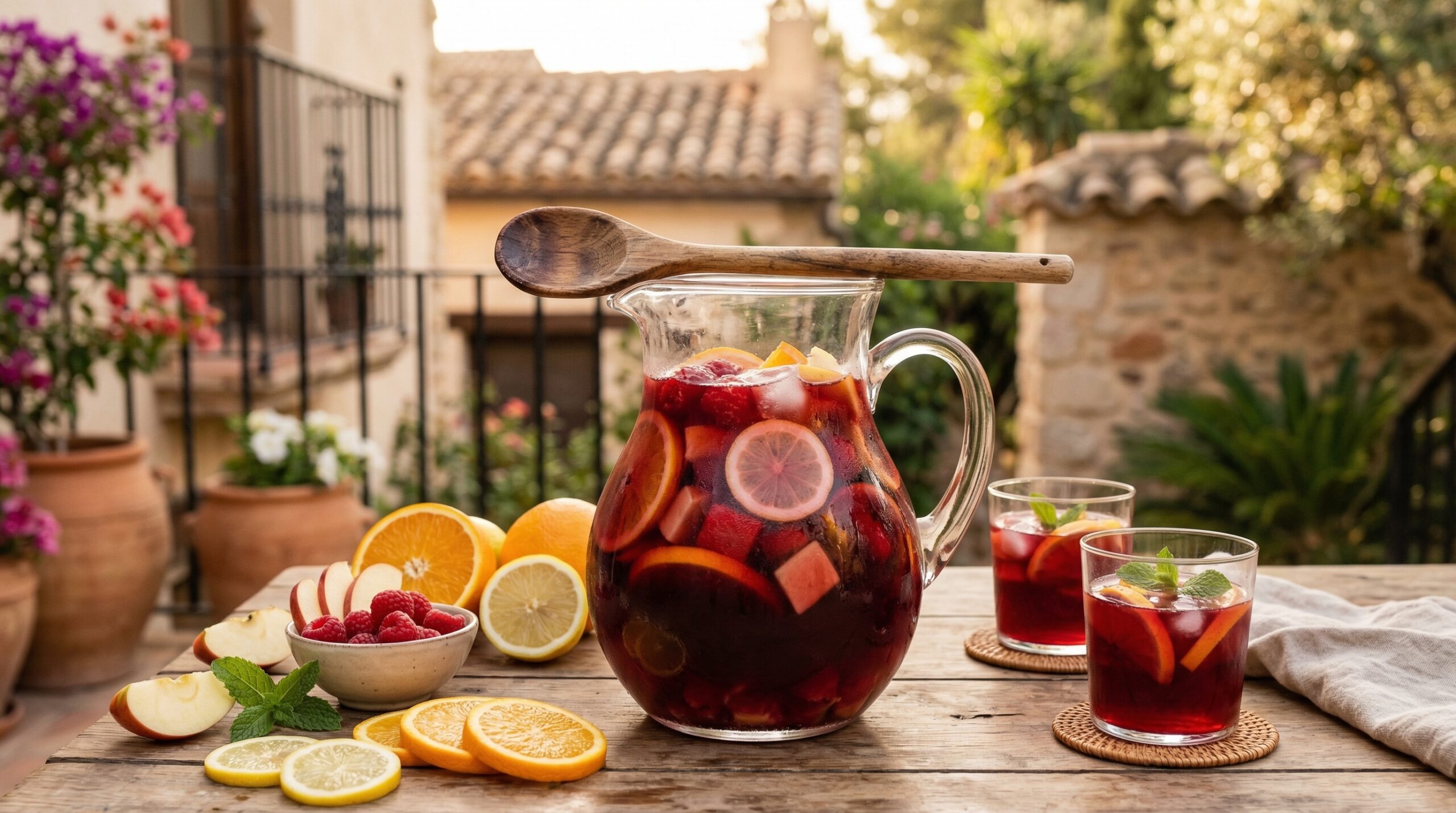
There is something undeniably irresistible about a pitcher of classic red sangria sitting on a sun-drenched patio table. The deep ruby color, the aroma of citrus and wine mingling in the air, and the promise of a refreshing sip make this Spanish creation a staple at gatherings of all sizes. I have been perfecting my Classic Red Sangria Recipe for years, testing countless variations until I landed on a version that balances fruitiness, warmth from brandy, and the perfect amount of sweetness.
This recipe delivers everything you want in a sangria. It is boozy but not overwhelming, fruity but not artificially so, and refreshing enough to keep you reaching for another glass. Whether you are hosting a summer barbecue, celebrating a holiday gathering, or simply want something special for a weekend brunch, this classic red sangria recipe has you covered.
The History and Origins of Sangria
While sangria feels quintessentially Spanish today, its origins actually trace back much further than most people realize. Ancient Roman soldiers brought wine mixed with water, herbs, and spices to the Iberian Peninsula during their conquests. The Romans were known for diluting their wine with water, believing it was the proper way to enjoy it. This practice combined with local traditions created the foundation for what would eventually become sangria.
The name itself comes from the Latin word “sanguis,” meaning blood, a reference to the deep red color of the wine-based drink. However, the modern version of sangria as we know it did not emerge until the 18th and 19th centuries. The drink gained popularity in Spain as winemakers in regions like La Rioja and Ribera del Duero began experimenting with adding fruit, sugar, and brandy to their wines.
During the 1964 New York World’s Fair, Spain introduced sangria to American audiences, and it quickly became a beloved party drink. Today, authentic Spanish sangria is protected under European Union designations, meaning only drinks produced in Spain following traditional methods can carry the name. Despite this protection, home bartenders worldwide have embraced the concept, creating countless variations while maintaining the spirit of the original.
What You Need: Classic Red Sangria Ingredients
The beauty of this Classic Red Sangria Recipe lies in its simplicity. You need just a handful of ingredients, most of which you probably already have in your kitchen. The key is using quality components and letting them meld together properly.
The Wine Base
Start with one 750ml bottle of dry Spanish red wine. Rioja is the traditional choice, with its medium body and notes of dark cherry and vanilla. Tempranillo and Garnacha are also excellent options that work beautifully in sangria. Look for wines labeled as joven or crianzas for the best flavor profiles. Avoid expensive reserve wines for mixing, but do not grab the cheapest bottle on the shelf either. A wine in the $8 to $15 range works perfectly here.
The Brandy Component
Brandy adds depth and a subtle warmth that elevates sangria beyond ordinary wine punch. Use half a cup of Spanish brandy or any quality brandy you have on hand. Some purists insist on Spanish brandy for authenticity, but I have found that good middle-shelf brandies work wonderfully. If you want a smoother finish, consider using cognac instead.
Fresh Fruits
The fruit is where sangria truly shines. You need one orange, one lemon, one apple, and half a cup of raspberries or strawberries for color and extra sweetness. Slice the citrus fruits into rounds, dice the apple, and add the berries whole. The fruit not only flavors the drink but also creates a beautiful presentation when served.
Sweeteners and Extras
For sweetness, use a quarter cup of orange juice (freshly squeezed is worth the effort), three tablespoons of simple syrup, and a splash of triple sec if you want extra orange flavor. A cinnamon stick adds a subtle warmth that pairs beautifully with the fruit and wine. Some versions include lemon-lime soda added just before serving for bubbles, but I prefer letting the fruit provide natural sweetness.
How to Make Classic Red Sangria
Making this Classic Red Sangria Recipe requires minimal effort, but patience is key. The waiting period is what transforms a simple wine mixture into a harmonious, complex drink.
Step 1: Prepare the Fruits
Wash all fruits thoroughly and dry them before slicing. Cut the orange and lemon into quarter-inch rounds. Dice the apple into one-inch cubes, leaving the skin on for color and texture. Add the raspberries or strawberries to a large pitcher whole.
Step 2: Add the Wine and Brandy
Pour the entire bottle of red wine into a large pitcher or jar. Add the brandy and simple syrup. Stir gently to combine the liquids without agitating the wine too much.
Step 3: Muddle and Infuse
Add the citrus slices and apple pieces to the pitcher. Use a wooden spoon or muddler to gently press the fruits, releasing their juices without breaking them apart completely. Add the cinnamon stick and pour in the fresh orange juice. Stir everything together softly.
Step 4: The Waiting Game
Cover the pitcher and refrigerate for at least four hours, though overnight is ideal. The longer the sangria sits, the more pronounced the fruit flavors become. I usually make it the night before and let it infuse for twelve to sixteen hours for maximum flavor development.
Step 5: Final Touches Before Serving
Before serving, taste the sangria and adjust sweetness if needed. Some fruits are less sweet than others, so you may want to add a touch more simple syrup. If you prefer bubbles, add a half cup of chilled sparkling water or lemon-lime soda just before serving.
Choosing the Right Wine for Sangria
The wine you choose makes or breaks your sangria. I have tested this recipe with dozens of varietals, and Spanish wines consistently deliver the most authentic results.
Rioja: The Gold Standard
Rioja remains the top choice for traditional sangria. Its flavors of ripe cherry, plum, and subtle oak complement the fruit and brandy perfectly. Look for Rioja on sale; there are excellent options under fifteen dollars that work beautifully in sangria.
Tempranillo: A Worthy Alternative
Tempranillo-based wines from Ribera del Duero or Navarra offer similar flavor profiles with slightly more tannins. These wines create a more structured sangria that some prefer. The dark fruit flavors hold up well to the addition of brandy and citrus.
Garnacha: For Fruit-Forward Sangria
Garnacha, also known as Grenache, produces a softer, fruitier sangria. If you want a sweeter end result, Garnacha-based wines are excellent choices. They tend to be lower in tannins and higher in fruit sweetness.
What to Avoid
Never use cooking wine or boxed wines with heavy oak aging. Pinot Noir and Merlot are too light and get lost in the mixing. Expensive reserve wines are wasted in sangria since the fruit and brandy dominate the flavor profile. The goal is a wine with enough character to stand up to the additions but not so bold that it overwhelms.
Tips and Variations for Perfect Sangria
Over the years, I have learned several secrets that take this Classic Red Sangria Recipe from good to exceptional. Here are my best tips along with some variations to suit different preferences.
The Secret to Great Sangria
Fresh orange juice makes an enormous difference. The bottled stuff works in a pinch, but freshly squeezed orange juice provides brightness and natural sweetness that concentrate simply cannot match. Another secret is using ripe but firm fruits. Overripe fruits turn mushy during the infusion period and can make the sangria cloudy.
Sweetener Options
Simple syrup dissolves instantly and ensures even sweetness distribution. However, you can substitute maple syrup for a deeper flavor, honey for a floral note, or regular sugar if you dissolve it first in a bit of warm water. Adjust the amount based on how sweet your fruits are and your personal preference.
Make-Ahead Benefits
One of the best things about sangria is that it actually improves with advance preparation. Unlike many cocktails that need to be served immediately, sangria develops complexity over time. Making it a day ahead means you can focus on your guests instead of playing bartender. Just add any sparkling elements right before serving.
Variation: Sangria with Sprite
For a lighter, fizzier version, add one cup of Sprite or other lemon-lime soda when serving. This version is perfect for summer parties where guests prefer something more refreshing and less alcoholic. Add the soda just before serving to maintain the carbonation.
Variation: Without Brandy
If you prefer a lighter sangria without brandy, simply omit it and increase the wine quantity by half a cup. You can also substitute white rum for a different spirit profile. The result is still delicious, just with a different character.
Scaling for Crowds
This recipe easily doubles or triples for large gatherings. When scaling up, use a large glass jar or beverage dispenser instead of a traditional pitcher. I have successfully made a triple batch for a wedding reception, and it was gone within an hour.
Final Thoughts
This Classic Red Sangria Recipe represents years of testing and refinement. The history of sangria spans centuries and continents, but the appeal remains constant: a fruity, refreshing, and social drink that brings people together. The Roman soldiers who first mixed wine with water and herbs could never have imagined their practical solution would evolve into this beloved Spanish tradition.
The beauty of sangria lies in its flexibility. Use this recipe as a starting point and adjust the sweetness, fruit selection, and spirits to match your taste. Want it sweeter? Add more syrup. Prefer more citrus? Throw in an extra lemon. The recipe forgives modifications well, making it perfect for both beginners and experienced home bartenders.
Whether you are serving it at a summer pool party, a holiday gathering, or a casual weekend get-together, this classic red sangria recipe delivers on every promise. The deep red color looks beautiful in any glass, the aroma of citrus and wine invites that first sip, and the balanced flavors keep everyone coming back for more. Cheers to good company and even better sangria.