
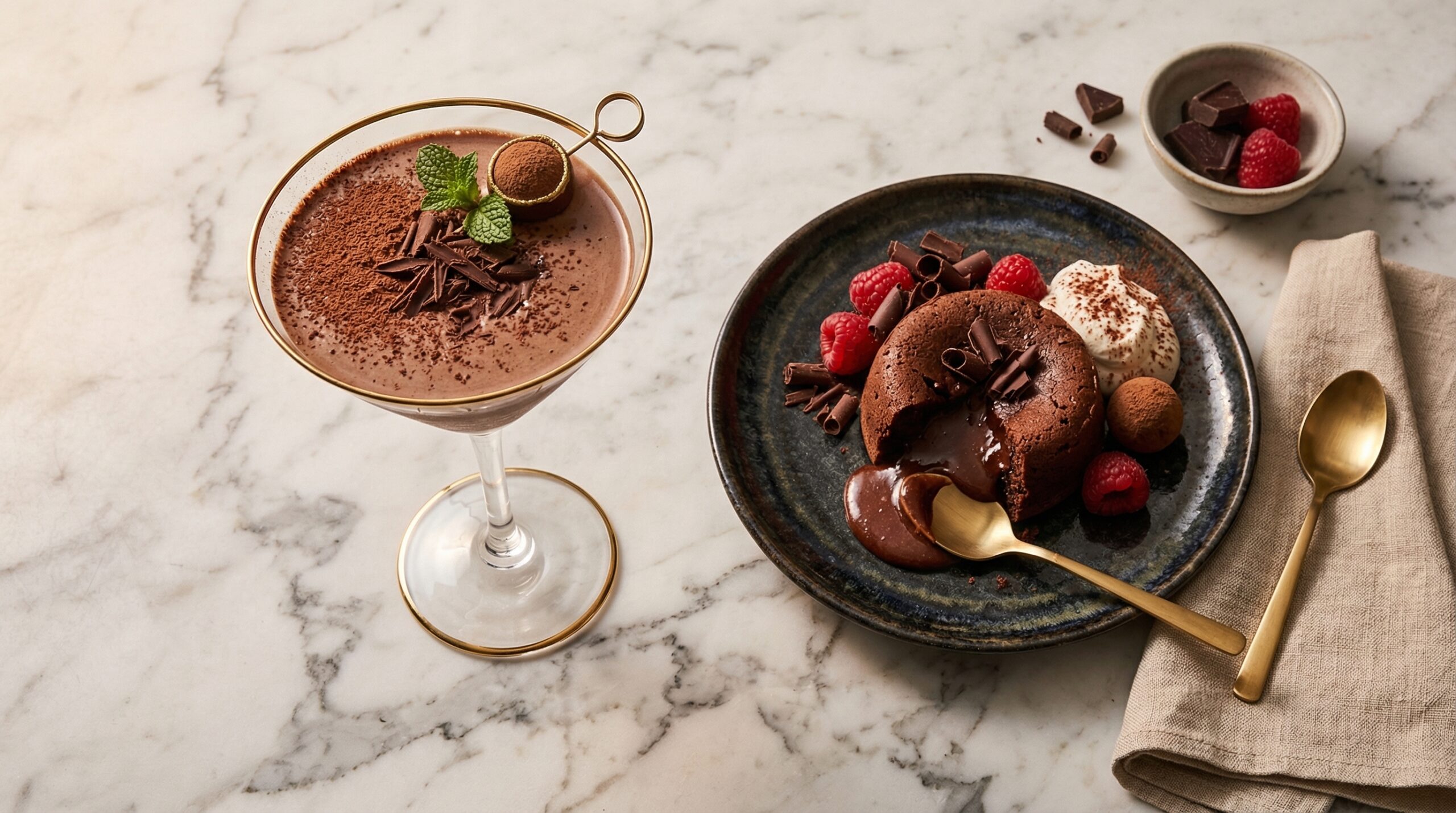
There is something undeniably satisfying about ending a meal with the perfect combination of a carefully crafted cocktail and a indulgent sweet treat. Dessert cocktails paired with sweet treats transform an ordinary dinner into a memorable experience, creating flavor harmonies that linger long after the last sip.
If you have ever wondered why some after-dinner drinks seem to elevate your dessert while others compete for attention, you are not alone. Our team has spent months exploring these combinations, tasting, and refining pairings to understand what makes certain matches truly exceptional.
In this guide, you will learn the core principles behind successful dessert cocktail pairings, discover specific combinations that work beautifully together, and pick up expert tips that will transform your entertaining game. Whether you are hosting a dinner party or simply treating yourself to a quiet nightcap, these insights will help you create moments worth savoring.
Table of Contents
Core Pairing Principles for Dessert Cocktails
The fundamental rule that governs great dessert cocktail pairings is surprisingly simple: match flavor intensities. A delicate dessert deserves a refined cocktail, while a rich, decadent sweet can handle something bold and complex.
When we look at how sommeliers approach wine and dessert pairings, the same principles apply to cocktails. You have three main approaches to work with.
The Sweet with Sweet Approach
The first method is pairing similar sweetness levels. Your cocktail should be at least as sweet as your dessert, or the drink will taste bitter by comparison. A classic White Russian paired with shortbread cookies demonstrates this perfectly. The cream and coffee liqueur in the cocktail match the buttery sweetness of the cookie without either element overwhelming the other.
This approach works exceptionally well with desserts that have nuanced sweetness, where the sugar is not the only flavor playing a role. The key is identifying the dominant notes in your dessert and finding a cocktail that echoes those same characteristics.
The Complement Approach
The second method involves complementing flavors that share similar profiles. When chocolate meets chocolate, the pairing amplifies both elements. Our espresso martini recipe featuring coffee liqueur alongside fresh espresso creates layers of roasted, bitter sweetness that intensify chocolate desserts in ways a single-note sweetness never could.
Citrus cocktails paired with lemon-based desserts work on this same principle. The bright acidity in a Lemon Drop mirrors the citrus notes in a lemon bar, creating resonance rather than competition.
The Contrast Approach
The third method is where many beginning hosts miss opportunities. Counterpoint flavors create excitement on the palate. The bitter notes in a Manhattan cocktail cut through the sugary richness of pecan pie, cleaning the palate and making each bite feel fresh.
This contrast principle explains why coffee and chocolate have been dance partners for centuries. The bitter roast notes wake up the tongue after sweetness, preparing it for the next forkful.
Chocolate Dessert Cocktail Pairings
No category dominates dessert cocktail conversations quite like chocolate. The depth and versatility of cocoa in all its forms creates endless pairing possibilities that professional mixologists return to again and again.
Dark chocolate desserts demand cocktails with backbone. The bitterness in high-percentage chocolate needs something that can stand up to it without adding cloying sweetness. A properly made drink using coffee liqueur brings roasted, earthy notes that enhance chocolate’s complexity rather than fighting it.
Milk chocolate and caramel desserts open different doors. The softer sweetness of these desserts welcomes cream liqueurs and vanilla-forward spirits. A Grasshopper, blending crème de cacao with cream and a touch of mint, creates a refreshing contrast when paired with chocolate cake that might otherwise feel heavy.
White chocolate, often overlooked in serious pairing discussions, actually responds beautifully to fruit-forward cocktails. The subtle vanilla and cocoa butter notes in white chocolate create space for brighter flavors to shine.
Citrus and Fruit Dessert Cocktail Pairings
Fruity desserts bring natural acidity and brightness that cuts through richer cocktail profiles. This acidity is your secret weapon when balancing sweeter cocktails against fruit-based sweets.
Berry desserts work surprisingly well with gin-based cocktails. The botanical notes in quality gin lift berry flavors rather than drowning them. A Raspberry Rossini, swapping champagne for Prosecco, brings subtle herbaceous undertones that make raspberry tart sing.
Citrus desserts like lemon bars or key lime pie practically beg for cocktails that echo their bright acidity. A classic Lemon Drop Martini mirrors these desserts so closely that you might swear they were made for each other. The fresh-squeezed lemon juice in the cocktail connects directly to the citrus in the dessert.
Tropical fruit desserts open doors to rum and coconut-based cocktails that feel like vacation in a glass. Pineapple upside-down cake finds its perfect partner in a Daiquiri, where the rum’s warmth complements the caramelized pineapple without overwhelming it.
Creamy Dessert Cocktail Pairings
Cream-based cocktails occupy a unique space in the dessert pairing world. When executed properly, they become liquid desserts themselves, standing alongside treats rather than merely accompanying them.
The Brandy Alexander remains the gold standard for understanding how cream cocktails interact with sweet desserts. Brandy provides warmth and complexity, crème de cacao adds chocolate depth, and cream binds everything together into a cohesive experience. This cocktail pairs magnificently with cookies that have a snap or crunch, as the cream softens while the cookie maintains texture.
The key to success with creamy cocktails lies in freshness. Forum discussions among professional bartenders consistently emphasize using freshly grated nutmeg, real cream rather than substitutes, and proper shaking technique to achieve the correct texture. These details matter enormously when your cocktail is expected to function as dessert.
When pairing cream cocktails with desserts, consider density. Lighter desserts like panna cotta or mousse can handle thinner cocktail textures, while denser cheesecakes need cocktails with real presence and weight to create balance.
Coffee Cocktail Dessert Pairings
Coffee cocktails occupy a category that proves the “sweet with sweet” principle works beautifully when applied thoughtfully. The bitter compounds in espresso create complexity that prevents these pairings from becoming overwhelmingly sugary.
An espresso martini has become the default choice for many hosts precisely because it handles chocolate desserts so well. The coffee notes enhance chocolate’s earthiness while the vodka base keeps the mixture from becoming too heavy. When your dessert features chocolate in any form, this combination deserves serious consideration.
The Irish coffee recipe approach takes a different path, trading vodka for whiskey and adding a warm, comforting dimension. This preparation, when made properly with hot coffee, brown sugar, quality Irish whiskey, and thick cream, creates something that feels simultaneously indulgent and refined. It transforms chocolate pastries into something approaching ceremony.
For those exploring beyond traditional espresso drinks, cold brew cocktails offer lighter alternatives that work beautifully with fruit-based chocolate desserts or lighter confections. The smoother, less acidic nature of cold brew allows these cocktails to complement rather than dominate subtler desserts.
Nutty and Caramel Dessert Pairings
Nut and caramel desserts represent some of the richest possibilities in the dessert pairing universe. These intensely flavored sweets demand cocktails with equal character and complexity.
Pecan pie and walnut-based desserts respond exceptionally well to bourbon and whiskey cocktails. The vanilla and oak notes in aged bourbon complement the buttery, nutty qualities of these desserts. The Manhattan, made with sweet vermouth and bitters, creates enough structure to cut through the corn syrup sweetness that many pecan pies rely on.
Hazelnut and amaretto liqueurs open doors to dessert pairings that feel sophisticated without requiring advanced mixology skills. A simple mixture of amaretto and cream over ice becomes an elegant accompaniment to nutty tortes or chocolate hazelnut desserts.
Caramel desserts deserve special attention because caramel exists at the intersection of sweet and bitter. The burnt sugar notes in good caramel find natural partners in spirits that bring warmth and slight bitterness. Salted caramel desserts are particularly forgiving, as the salt amplifies both the dessert’s sweetness and the cocktail’s more subtle notes.
Expert Tips for Perfect Dessert Cocktail Pairings
After testing hundreds of combinations, our team has identified several principles that consistently separate good pairings from great ones. These insights come directly from hands-on experimentation and community feedback from professional bartenders.
Avoiding the Most Common Mistake
The biggest failure we see in dessert cocktail pairings is overwhelming sweetness. Forum discussions repeatedly highlight this concern, with bartenders warning against cocktails that “hit you over the head with sugar.” The solution lies in adding complexity through bitter, sour, or spirit-forward elements that balance the sweetness.
Fresh ingredients transform everything. Real lemon juice versus sour mix, freshly grated nutmeg versus pre-ground, quality crème de cacao versus artificially flavored substitutes. These choices compound throughout the entire experience. Your dessert cocktail pairing deserves the same ingredient quality you would expect from the dessert itself.
Quality Spirits Matter
Experienced bartenders consistently emphasize that quality spirits matter more than complicated recipes. A four-ingredient cocktail made with excellent components will always outperform a ten-ingredient mixture built with mediocre spirits.
This principle extends directly to dessert pairings. When your cocktail features prominent liqueurs like crème de cacao or coffee liqueur, the quality of those ingredients determines whether the final result feels refined or cloying. Our tequila and mezcal guide explains how spirit selection affects flavor outcomes in liqueur-forward cocktails.
Presentation and Garnish
The visual presentation of your dessert cocktail contributes meaningfully to the overall experience. A dessert that looks ceremonial feels more special to consume. Consider the garnish as an opportunity to echo the dessert’s ingredients. Chocolate shavings on a chocolate-forward cocktail, citrus twists on fruit-based drinks, or freshly grated nutmeg on creamy cocktails all reinforce the pairing’s coherence.
Non-Dairy Alternatives
For hosts catering to guests with dietary restrictions, coconut cream provides an excellent substitute for traditional dairy in creamy cocktails. The slight sweetness of coconut cream actually enhances many dessert pairings, particularly those featuring tropical fruits or caramel. Oat cream has also gained popularity for its neutral flavor profile and smooth texture.
Seasonal Dessert Cocktail Pairing Guide
Different seasons call for different approaches to dessert cocktails and their sweet companions. These temporal adjustments ensure your pairings feel appropriate to the moment rather than generic year-round suggestions.
Spring and Summer Pairings
Lighter desserts take center stage during warmer months. Fruit tarts, panna cotta, and citrus-based sweets pair naturally with brighter cocktails featuring fresh herbs, elderflower, or Prosecco. A French 75 with its gin and lemon character complement lighter desserts without feeling heavy or burdensome after a warm-weather meal.
Fall and Winter Pairings
Cooler months invite richer, warmer combinations. Spiced cocktails featuring cinnamon, clove, and nutmeg create natural partnerships with pumpkin desserts, apple-based sweets, and chocolate indulgences. The classic Hot Toddy approach, adapted for dessert contexts, works beautifully with sticky toffee pudding or warm apple crisps.
Holiday Entertaining
Special occasions and holiday celebrations call for cocktails that feel indulgent and memorable. Eggnog, when properly made with fresh eggs, cream, and quality spirits, becomes the centerpiece of dessert pairings with gingerbread, yule log, or peppermint desserts. These combinations create the kind of festive memories that guests remember long after the event ends.
Frequently Asked Questions
What cocktails pair well with dessert?
The best dessert cocktails complement your sweet treats through matching intensities or contrasting flavors. Chocolate desserts pair beautifully with coffee liqueur-based drinks like an Espresso Martini, while citrus cocktails like Lemon Drop mirror lemon-based desserts. The key principle is ensuring neither the cocktail nor dessert overpowers the other.
What’s a good dessert cocktail?
A great dessert cocktail balances sweetness with complexity and structure. Classics like the Brandy Alexander, White Russian, and Grasshopper have endured because they achieve this balance. The Brandy Alexander combines brandy warmth with chocolate notes from crème de cacao and cream richness, creating something that functions as liquid dessert. Fresh ingredients and quality spirits distinguish exceptional dessert cocktails from mediocre ones.
What alcohol goes with chocolate desserts?
Chocolate desserts respond well to several spirit categories. Coffee liqueur and espresso-based cocktails amplify chocolate’s depth without overwhelming. Brandy and whiskey bring warmth that complements chocolate’s richness. Hazelnut liqueurs like Frangelic create natural chocolate-hazelnut combinations. The key is matching intensity, with darker chocolates demanding bolder spirits.
What drinks go well with pastries?
Pastries call for drinks that cut through buttery, flaky textures. A properly made Irish coffee, with its hot coffee base and whiskey warmth, complements chocolate croissants and pain au chocolat beautifully. Lighter pastries like fruit Danishes pair well with gin-based cocktails or sparkling wine cocktails that provide acidity without heaviness. The wine or spirit base should have enough character to stand up to the pastry’s butter content.
Elevate Your After-Dinner Experience
Dessert cocktails paired with sweet treats represent one of life’s simpler pleasures done well. The principles outlined here, from matching intensities to understanding complement and contrast, give you a framework for creating memorable combinations on your own.
The magic happens when you stop treating dessert and cocktails as separate courses and start viewing them as partners in a shared experience. Your chocolate cake becomes more chocolatey alongside an espresso martini. Your lemon tart gains dimension when paired with a properly made Lemon Drop.
Start experimenting with the classics, master those foundational combinations, then begin exploring. Your personal preferences and local ingredient availability will guide you toward pairings that feel uniquely yours.
If you are ready to try one of the most reliable dessert cocktail combinations, explore our espresso martini recipe and pair it with your favorite chocolate dessert. That single experience will demonstrate exactly why these principles matter and inspire your next round of pairing experiments.