The French Martini is having a major moment. This three-ingredient cocktail from the 1980s is back on bar menus and home carts everywhere, bringing that signature pink hue and creamy froth with it. I’ve made dozens of these over the years, and I can tell you there’s a reason this drink launched an entire martini craze. Here’s everything you need to know to make the perfect French Martini at home, plus the fascinating story behind its Y2K comeback.
What is a French Martini?
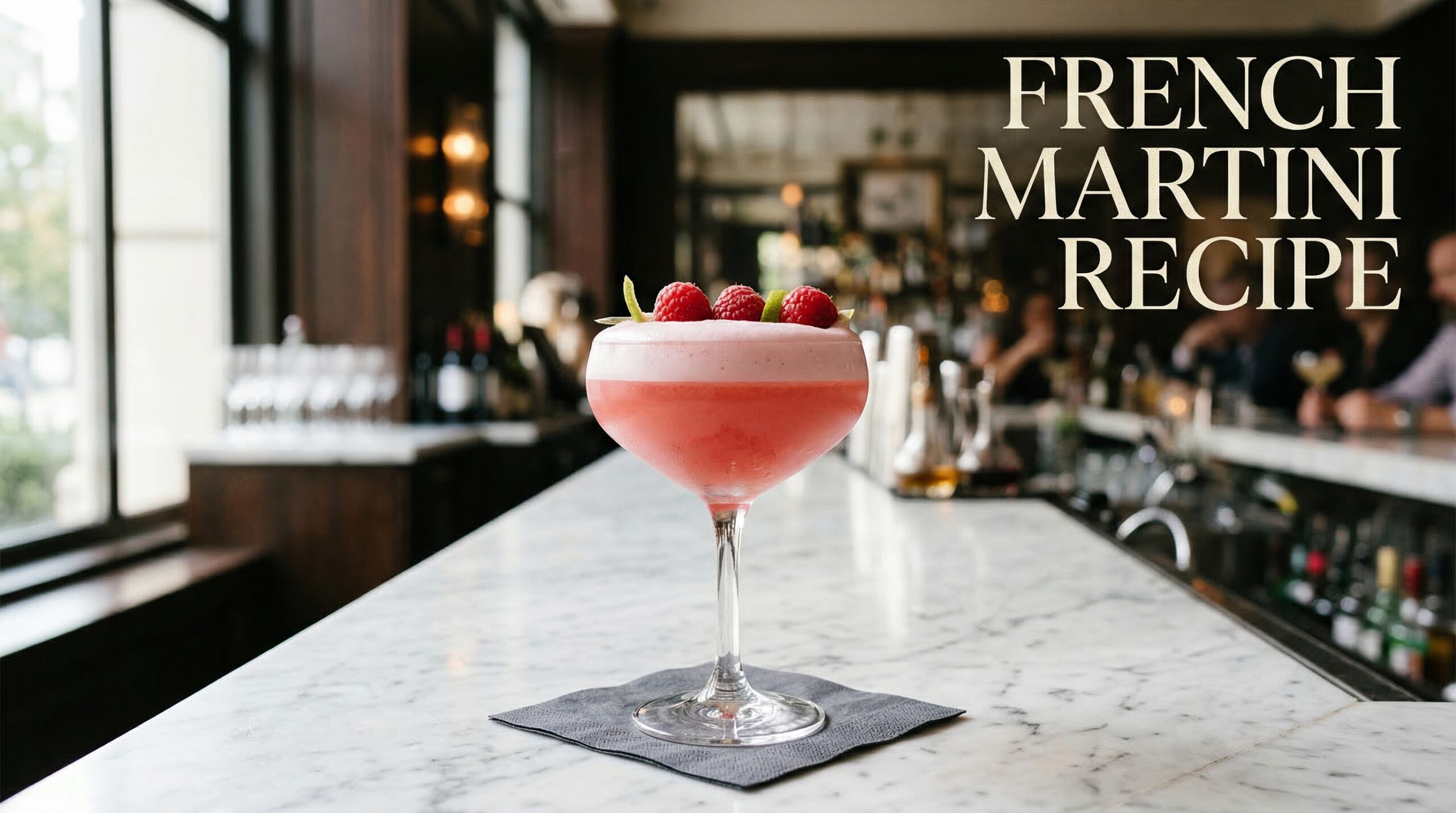
A French Martini is a vodka-based cocktail made with just three ingredients: vodka, pineapple juice, and Chambord black raspberry liqueur. The drink gets its name from Chambord, which hails from France’s Loire Valley, not from any French origin story. When shaken properly, the pineapple juice creates a natural frothy head and creamy mouthfeel without any egg white needed.
The result is a fruity, slightly sweet drink with a beautiful pink-ruby color. It’s approachable enough for cocktail beginners but sophisticated enough to hold its own at any gathering. If you’re looking to expand your home bar repertoire, check out our other cocktail recipes for more inspiration.
The Y2K Comeback Story
The French Martini was born in New York City in the late 1980s. Keith McNally, the restaurateur behind iconic spots like Balthazar and Pravda, is credited with popularizing this drink. Legendary bartender Dale DeGroff helped spread its popularity during the “martini craze” of the 1990s, when flavored martinis became the drink of choice for a generation.
For about two decades, the French Martini faded into obscurity. The craft cocktail revolution of the 2000s favored pre-Prohibition classics and complex, spirit-forward drinks. Sweet, fruity cocktails like the French Martini were considered passe, relics of a less sophisticated era.
But everything old becomes new again. The Y2K aesthetic revival has brought back low-rise jeans, butterfly clips, and yes, the cocktails that defined that era. Bartenders are rediscovering these drinks and giving them fresh respect. The French Martini, when made with quality ingredients and proper technique, deserves a spot in any modern cocktail rotation.
French Martini Recipe
Ingredients
Here’s what you’ll need for one French Martini:
- Vodka: 2 oz (60 ml) – Use a quality vodka. I prefer something smooth and neutral. Grey Goose or Absolut Elyx work beautifully here.
- Pineapple juice: 1 oz (30 ml) – Fresh is best, but a good canned version works too. If using canned, look for 100% juice without added sugar.
- Chambord: 0.5 oz (15 ml) – This black raspberry liqueur from France is the signature ingredient that gives the drink its name and gorgeous pink color.
What is Chambord, exactly? It’s a black raspberry liqueur made in the Loire Valley of France since the late 1600s. The recipe includes raspberries, blackberries, Madagascar vanilla, Moroccan citrus peel, honey, and cognac. Its rich, berry sweetness is essential to the French Martini’s character.
Step-by-Step Instructions
Step 1: Chill your glass. Pop a coupe or martini glass in the freezer for at least 5 minutes before making your drink. A chilled glass keeps your cocktail cold longer.
Step 2: Fill your shaker. Add the vodka, pineapple juice, and Chambord to a cocktail shaker. Fill it with ice cubes, leaving about an inch of space at the top.
Step 3: Shake vigorously. This is the most important step. Shake hard for 15-20 seconds. You want to aerate the pineapple juice, which creates that signature frothy head. The outside of your shaker should be frosty cold when you’re done.
Step 4: Strain into your glass. Use a fine mesh strainer (also called a tea strainer) in addition to your shaker’s built-in strainer. This catches any ice chips and ensures a silky smooth texture.
Step 5: Garnish. A fresh raspberry is the classic choice. A lemon twist works too if you want to add a bright citrus aroma. Drop it in gently so you don’t disturb that beautiful foam.
Pro Tips for the Perfect French Martini
After making more French Martinis than I can count, here are the tips that make the difference between an okay drink and an exceptional one:
- Shake harder than you think. The frothy texture comes from aeration. Give it everything you’ve got for a full 20 seconds. Your arms should feel it.
- Always fine-strain. That extra straining step removes tiny ice shards that dilute your drink and ruin the smooth mouthfeel.
- Use a coupe glass. While a traditional V-shaped martini glass works, I prefer a coupe. The wider bowl lets you appreciate the aroma, and it’s less likely to spill.
- Quality matters. With only three ingredients, each one needs to be good. Skip the bargain vodka and cheap pineapple juice.
Variations and Substitutions
Chambord can run $30-40 a bottle, which is steep for a single cocktail ingredient. Here are some alternatives that work well:
- Creme de cassis: This blackcurrant liqueur is more accessible and less expensive. It’s slightly less sweet with a deeper, darker berry flavor. Use the same amount called for in the recipe.
- Other raspberry liqueurs: Brands like Mathilde and Bols make raspberry liqueurs at lower price points. They won’t have Chambord’s complexity, but they get the job done.
- Vanilla vodka twist: Some people love using vanilla vodka instead of plain. It adds a warm, dessert-like quality that pairs beautifully with the raspberry.
- Lemon juice addition: A quarter ounce of fresh lemon juice cuts the sweetness and adds brightness. This is my personal favorite tweak.
Looking for another sophisticated martini variation? Try our lychee martini for a floral twist on the classic formula.
Food Pairings and Serving Ideas
The French Martini’s fruity, slightly sweet profile makes it incredibly versatile for food pairings. Here are my favorites:
- Brunch pairings: This drink is a natural at brunch. Pair it with eggs Benedict, smoked salmon, or fruit-topped pancakes. The pineapple and raspberry notes complement both savory and sweet dishes.
- Appetizers: Serve it alongside cheese plates (especially brie or goat cheese), shrimp cocktail, or bruschetta. The acidity cuts through rich cheeses while the fruit notes play well with seafood.
- Batch preparation: For parties, you can premix the vodka, pineapple juice, and Chambord in a pitcher. Keep it chilled, then pour individual servings over ice in a shaker when guests arrive. Shake and strain each drink fresh.
- Non-alcoholic version: Mix pineapple juice with a splash of raspberry syrup and a drop of vanilla extract. Shake with ice and strain. It won’t have the same complexity, but it’s a solid mocktail option.
Common Mistakes to Avoid
Even with just three ingredients, things can go wrong. Here are the pitfalls I see most often:
- Not shaking long enough: If your drink doesn’t have a frothy head, you didn’t shake it enough. Give it another 10 seconds next time.
- Wrong ratios: Too much pineapple juice makes it cloying. Too much Chambord overwhelms everything. Stick to the classic 2:1:0.5 ratio until you develop a feel for it.
- Skipping the fine strain: Those tiny ice chips melt and water down your carefully balanced drink. Always double-strain.
- Using low-quality ingredients: There’s nowhere to hide bad vodka or artificial-tasting juice in this drink. Quality shows.
Frequently Asked Questions
What are the ingredients in a French martini?
A French Martini contains just three ingredients: vodka (2 oz), pineapple juice (1 oz), and Chambord black raspberry liqueur (0.5 oz). The pineapple juice creates a natural frothy texture when shaken vigorously.
What is a substitute for Chambord in a French martini?
Creme de cassis (blackcurrant liqueur) is the most common substitute for Chambord. Other raspberry liqueurs from brands like Mathilde or Bols also work well. Use the same amount called for in the recipe.
What is the difference between French 75 and French martini?
French 75 is a completely different cocktail made with gin, lemon juice, simple syrup, and champagne. The French Martini uses vodka, pineapple juice, and Chambord. Both have French ingredients in their names but share no other similarities.
Is a French Martini actually French?
No, the French Martini was invented in New York City in the late 1980s. It gets its name from Chambord, the French black raspberry liqueur that’s a key ingredient. The drink itself has no actual French origin.
Conclusion
The French Martini recipe proves that simple doesn’t mean boring. With quality vodka, fresh pineapple juice, and that essential splash of Chambord, you can create a cocktail that’s both elegant and approachable. Whether you’re embracing the Y2K nostalgia or just want an easy crowd-pleaser, this three-ingredient wonder deserves a spot in your repertoire. Shake it vigorously, fine-strain it properly, and enjoy the creamy froth that makes this drink special. For more cocktail inspiration, explore our full collection of cocktail recipes.