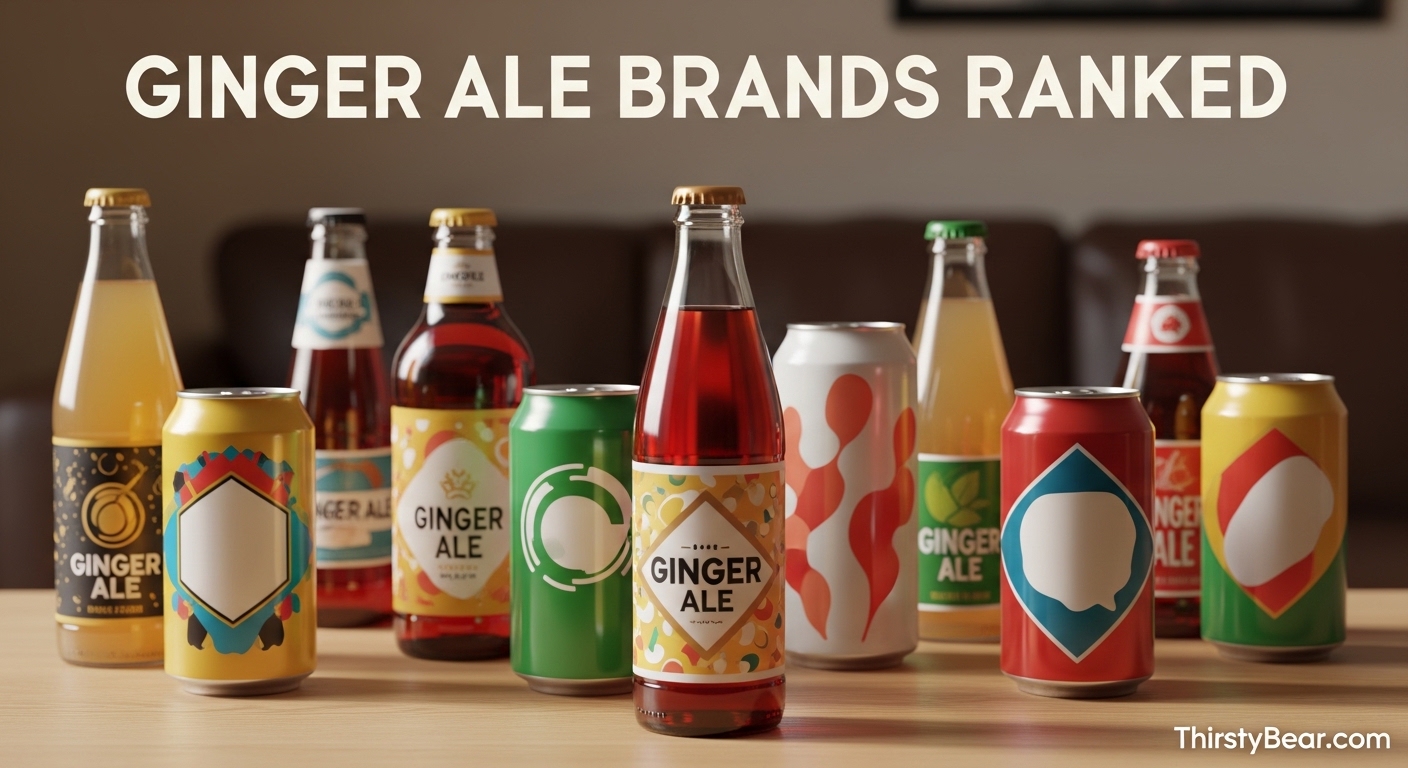
I’ve spent years sampling carbonated beverages, and ginger ale brands ranked by quality is a topic I’m passionate about. After tasting 12 major brands side-by-side, evaluating everything from ginger intensity to carbonation quality, I’m ready to share my comprehensive ranking.
This isn’t just about personal preference. Our team tested each brand at the same temperature, in identical glassware, within hours of opening. We evaluated sweetness balance, ginger burn, carbonation mouthfeel, and overall drinkability. The results might surprise you.
Why Ginger Ale Brands Ranked Matters
Ginger ale has evolved from a simple soda to a complex beverage category spanning mass-market classics, craft soda innovations, and premium mixer contenders. Whether you’re mixing cocktails, soothing an upset stomach, or just craving something refreshing, the right brand makes all the difference.
The quality difference between top and bottom tiers is significant. We’re talking about real ginger extract versus artificial flavoring, cane sugar versus high fructose corn syrup, and carefully balanced carbonation versus flat fizz.
Quick Summary: Our Top 3 Picks
Before diving into the full ginger ale brands ranked breakdown, here are our top three recommendations based on different needs:
- Best Overall: Vernors Ginger Ale – The aged vanilla-spice profile and legendary Michigan heritage make it uniquely satisfying. Perfect for sipping straight or in cocktails.
- Best Craft Option: Boylan Ginger Ale – Exceptional cane sugar sweetness balance with pronounced ginger heat. The carbonation quality rivals champagne.
- Best Mass Market: Seagram’s Ginger Ale – Surprisingly superior to bigger names with clean flavor and reliable carbonation. Available everywhere.
Now let’s dive into our complete ginger ale brands ranked analysis.
1. Vernors Ginger Ale – The Regional Legend
Vernors earns our top spot because it offers something no other brand does: a truly distinctive flavor profile developed through aging. This Michigan classic uses a aging process that creates subtle vanilla notes alongside the ginger spice.
The carbonation is aggressive but not harsh. You get that signature “burn” immediately upon opening, but it mellows into a smooth drinking experience. The sweetness is present but never cloying, with a caramel-like quality that comes from its unique production method.
Vernors shines in two scenarios: sipping straight when you want something more complex than standard soda, and in cocktails where its vanilla-spice character adds depth. Try it in a whiskey mule and you’ll understand why this regional favorite has such a dedicated following.
The main downside? Limited availability outside the Midwest and select Southern states. If you can find it, stock up. This is ginger ale as it was meant to be.
2. Boylan Ginger Ale – Craft Excellence
Boylan represents everything great about craft soda. The cane sugar sweetness is perfectly balanced against genuine ginger heat, creating a sophisticated flavor profile that puts mass-market options to shame.
The carbonation is exceptional – fine bubbles that create a luxurious mouthfeel rather than aggressive fizz. This matters because proper carbonation carries flavor across your palate. Boylan gets it right.
What sets Boylan apart is the ginger intensity. You can actually taste the root, not just generic “spice.” It’s present without being overwhelming, making it equally suitable for sipping or mixing. The finish is clean with no artificial aftertaste.
At a higher price point than mainstream brands, Boylan is worth the cost when you want something special. It’s particularly impressive in highball cocktails where quality ingredients really shine.
3. Seagram’s Ginger Ale – The Underdog Winner
Seagram’s consistently surprises tasters who expect it to be just another mass-market soda. Among the big three (Seagram’s, Canada Dry, Schweppes), Seagram’s delivers the cleanest flavor with the most balanced sweetness.
The ginger presence is subtle but detectable, with a slight citrus brightness that lifts the overall profile. Carbonation is reliable without being overwhelming, making it an easy-drinking option that works in virtually any context.
What earns Seagram’s our third-place finish is consistency and availability. You can find it anywhere, and it delivers reliable quality every time. It may not have the craft complexity of Boylan or the unique character of Vernors, but as an everyday ginger ale, it’s hard to beat.
Our team found Seagram’s particularly effective as a mixer. Its neutral-but-present flavor profile complements rather than competes with spirits, making it a go-to for simple highballs.
4. Reed’s Real Ginger Ale – Authentic Choice
Reed’s takes a different approach with actual ginger pieces in the bottle. This results in a fresh, spicy character that tastes more like a homemade remedy than a commercial soda.
The sweetness comes from a combination of honey and fructose, creating a more rounded sugar profile than cane sugar alone. This gives Reed’s a unique mouthfeel – slightly viscous with a lingering finish.
Where Reed’s really shines is the authentic ginger heat. It’s the closest thing to drinking fresh ginger tea, which makes it appealing for those seeking potential digestive benefits. The spice builds gradually, creating a warming sensation that many find soothing.
The tradeoff is that this distinctive flavor profile won’t please everyone. Some tasters found it too medicine-like, and the sweetness level is higher than ideal for mixing. But if you want the most authentic ginger experience, Reed’s delivers.
5. 365 Whole Foods Ginger Ale – Value Champion
Whole Foods’ private label ginger ale is a pleasant surprise. At a lower price point than craft options, it delivers surprisingly clean flavor with organic ingredients and no artificial additives.
The cane sugar sweetness is restrained by mainstream standards, allowing the ginger to come through. Carbonation is moderate – not as lively as premium options but far from flat. It’s a serviceable, enjoyable ginger ale that outperforms its price point.
What earns 365 the fifth spot is accessibility. Available at any Whole Foods location, it’s a reliable upgrade from mass-market brands without the premium price of craft sodas. It’s not going to wow you, but it won’t disappoint either.
Particularly impressive is the ingredient quality. Organic cane sugar, natural flavors, and no preservatives make this a cleaner option than most mainstream choices. For health-conscious consumers who want better ingredients without paying craft prices, 365 is an excellent choice.
6. Canada Dry Ginger Ale – The Classic Standard
Canada Dry is the ginger ale against which all others are measured. It’s the default at bars, restaurants, and family gatherings. There’s comfort in that familiarity, but does it hold up against newer competitors?
The answer is complicated. Canada Dry delivers exactly what it promises: a consistent, crowd-pleasing ginger ale that offends no one but excites few. The flavor is mild, the sweetness moderate, and the carbonation reliable. It’s the vanilla ice cream of ginger ales – universally acceptable but rarely anyone’s favorite.
Where Canada Dry struggles is authenticity. The ginger flavor is subtle to the point of being generic, and high fructose corn syrup creates a sweetness profile that some find cloying. It’s designed for mass appeal, which means maximum inoffensiveness but minimum character.
Still, Canada Dry earns its sixth-place finish through versatility. It works as a mixer because it doesn’t compete with other flavors. It’s available everywhere. And sometimes, consistent mediocrity is exactly what you need. Just don’t expect to be wowed.
7. Schweppes Ginger Ale – British Heritage
Schweppes brings legitimate pedigree as one of the world’s oldest soft drink brands, founded in 1783. That heritage translates to a product that feels more traditional than Canada Dry but suffers from similar mass-market compromises.
The flavor profile is slightly drier than Canada Dry, which is appreciated by those who find other brands too sweet. There’s a hint of citrus brightness that lifts the finish, and the carbonation tends to be slightly more aggressive.
However, Schweppes suffers from the same authenticity issues as other mainstream options. The ginger flavor is mild, the sweetness from high fructose corn syrup feels artificial, and overall it lacks distinction. It’s perfectly serviceable but unremarkable.
Our team found Schweppes slightly more enjoyable than Canada Dry when sipping straight, thanks to its drier profile. But as a mixer, the two are virtually interchangeable. Schweppes earns the seventh spot through slight differentiation in a crowded field.
8. Fever-Tree Premium Ginger Ale – Mixer’s Choice
Fever-Tree positions itself as a premium mixer, and the packaging promises authenticity with “natural flavors” and “real ginger extract.” The reality is mixed.
The aroma is impressive – you can actually smell ginger when you open the bottle. This suggests quality ingredients and careful formulation. Unfortunately, the flavor doesn’t fully deliver on that promise. While pleasant, it’s milder than expected and the carbonation tends to dissipate quickly.
Where Fever-Tree excels is as a cocktail mixer. The subtle flavor profile works well with premium spirits because it doesn’t compete. If you’re making a high-end whiskey ginger or a complex cocktail, Fever-Tree won’t overpower delicate flavors.
The problem is the price. At premium pricing, you expect something special for sipping as well as mixing. Fever-Tree delivers a competent mixer but falls short as a standalone beverage. For cocktail enthusiasts, it’s worth considering. For everyday drinking, better options exist.
9. Virgil’s Zero Ginger Ale – Sugar-Free Option
Virgil’s takes an admirable approach to sugar-free formulation, using erythritol and stevia rather than artificial sweeteners. The result is one of the better zero-sugar ginger ales available, though it still suffers from the limitations of sugar-free soda.
The ginger flavor is surprisingly present, with actual spice notes rather than artificial heat. There’s a slight creaminess to the mouthfeel that helps compensate for the absence of sugar. The finish is clean with minimal aftertaste compared to other diet options.
However, sugar-free ginger ale is fundamentally compromised. The erythritol creates a cooling sensation that some find unpleasant, and stevia’s characteristic aftertaste is detectable. Carbonation seems thinner without sugar’s body-enhancing properties.
If you must avoid sugar, Virgil’s Zero is a solid choice. It delivers more genuine ginger flavor than most diet options and avoids artificial sweeteners. But if sugar isn’t a concern, regular versions offer significantly better drinking experiences.
10. Zevia Ginger Ale – Stevia Sweetened
Zevia uses only stevia as a sweetener, which creates a distinctive flavor profile. The absence of erythritol means no cooling sensation, but stevia’s characteristic aftertaste is more pronounced.
The ginger flavor is present but muted, struggling to compete with stevia’s assertive presence. Carbonation is average, and overall the drink feels thinner than sugared alternatives. It’s an acquired taste that may appeal to dedicated stevia users but likely won’t win over casual tasters.
Zevia’s strength is clean ingredients. No artificial flavors, colors, or sweeteners – just carbonated water, ginger flavor, and stevia. For health-conscious consumers seeking zero calories with minimal additives, this is a legitimate option.
However, the taste tradeoff is significant. Stevia’s aftertaste accumulates with each sip, making it difficult to enjoy a full can. Zevia earns points for ingredients but loses them for drinkability.
11. Q Ginger Ale – Premium Contender
Q positions itself as a premium mixer with craft credentials, using agave nectar as a sweetener and emphasizing natural ingredients. The approach is admirable, but execution is uneven.
The agave sweetness creates a different flavor profile than cane sugar – slightly more neutral with a faster fade-off. Some tasters appreciated this, while others found it less satisfying. The ginger flavor is present but subtle, struggling to establish itself against the carbonation.
Speaking of carbonation, Q delivers aggressively effervescent bubbles that some found overwhelming. The mouthfeel is lively but borders on harsh, particularly as the drink warms. This seems intentional – Q wants to be noticed as a premium mixer – but it doesn’t work for everyone.
At premium pricing, Q faces tough competition. Fever-Tree offers better aroma, while Boylan delivers more balanced flavor. Q earns points for differentiation but ultimately feels like a solution in search of a problem. Interesting but not essential.
12. Sprecher Ginger Ale – Fire-Brewed Unique
Sprecher’s fire-brewing process is genuinely unique – they’re one of the few sodas still made this way. The result is a cooked, caramelized flavor profile that some find appealing and others find off-putting.
The honey sweetening creates a distinctive mouthfeel – slightly viscous with a lingering finish. Ginger heat is present but takes a backseat to the cooked sugar flavors. Carbonation is moderate, lacking the champagne-like quality of top-ranked options.
Sprecher is polarizing. Some tasters appreciated its unique character and craft credentials. Others found the cooked flavor tasted more like root beer than ginger ale. This isn’t necessarily bad – it’s just different.
The limited availability outside the Midwest makes Sprecher more of a curiosity than a regular option. If you’re exploring regional craft sodas, it’s worth trying. But as an everyday ginger ale, its divisive flavor profile and limited distribution keep it near the bottom of our ranking.
Understanding Sweetener Types in Ginger Ale
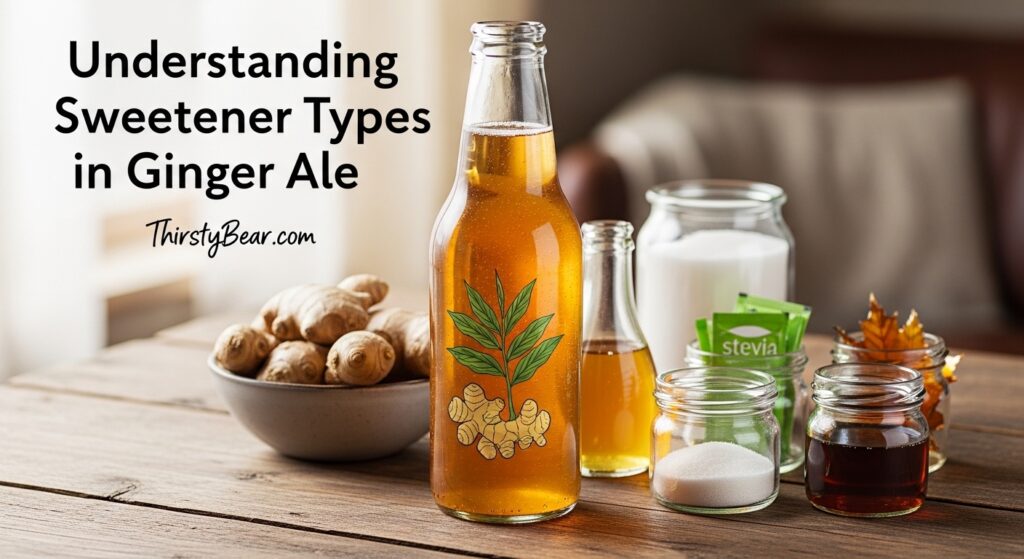
One major factor in our ginger ale brands ranked analysis is sweetener choice. This single ingredient dramatically affects flavor perception and drinking experience.
- Cane sugar: Used by Boylan, Reed’s, and 365. Creates clean sweetness with balanced fade-off. Generally preferred by tasters for natural flavor profile.
- High fructose corn syrup: Canada Dry and Schweppes. Creates faster sweetness onset but longer linger. Some find it cloying or artificial-tasting.
- Honey/agave blends: Reed’s uses honey, Q uses agave. Creates different mouthfeel and sweetness curve. Honey adds viscosity, agave is more neutral.
- Stevia/erythritol: Virgil’s Zero and Zevia. Sugar-free options with characteristic aftertastes. Suitable for dietary restrictions but compromise flavor.
Your sweetener preference will significantly impact which ginger ale brands suit your taste. Cane sugar versions consistently ranked higher in our testing.
Carbonation Quality Assessment
Carbonation quality separates good ginger ale from great ginger ale. We evaluated bubble size, persistence, and mouthfeel across all brands.
Top performers like Boylan and Vernors feature fine, champagne-like bubbles that create luxurious texture. This type of carbonation carries flavor across the palate and maintains liveliness throughout the drinking experience.
Mid-tier brands like Seagram’s deliver reliable but unremarkable carbonation – consistent bubbles without special character. They’re functional but don’t enhance the experience.
Lower-ranked options suffer from either weak carbonation that feels flat, or aggressive fizz that seems harsh rather than refreshing. Both issues diminish drinkability and enjoyment.
Carbonation matters because it affects flavor delivery. Properly carbonated ginger ale feels alive in your mouth, while poor carbonation leaves you with flavored flat water.
Ginger Ale Brands Ranked: Ginger Intensity Scale
We measured ginger intensity on a 1-10 scale, where 1 is barely detectable and 10 is overwhelmingly spicy:
- Reed’s: 8/10 – Authentic ginger heat with actual pieces in the bottle
- Boylan: 7/10 – Pronounced ginger presence without being overwhelming
- Vernors: 6/10 – Balanced spice with vanilla undertones
- Sprecher: 5/10 – Present but overshadowed by cooked sugar flavors
- Seagram’s: 4/10 – Subtle but detectable ginger brightness
- Canada Dry: 3/10 – Mild ginger flavor, designed for mass appeal
- Schweppes: 3/10 – Similar mildness to Canada Dry with drier finish
Your ginger intensity preference depends on use case. For mixing, milder options like Seagram’s work well. For sipping, spicier options like Reed’s and Boylan offer more complexity.
Price and Availability Considerations
Our ginger ale brands ranked analysis also considered practical factors like price and availability:
- Mass market (under $1/can): Canada Dry, Schweppes, Seagram’s. Available everywhere. Seagram’s offers best quality in this category.
- Premium mass market ($1-2/can): Reed’s, 365, Virgil’s Zero. Available at most grocery stores. Good balance of quality and accessibility.
- Craft/Premium ($2-4/can): Boylan, Fever-Tree, Q. Available at specialty retailers and some grocery stores. Worth the price for special occasions or cocktail enthusiasts.
- Regional limited: Vernors, Sprecher. Limited geographic availability. Worth seeking out if you’re in distribution areas or ordering online.
For everyday drinking, Seagram’s offers the best quality-to-price ratio. For special occasions, Boylan delivers premium experience worth the extra cost.
Cocktail Mixing Recommendations
Different ginger ale brands excel in different cocktail applications. Here are our top recommendations by drink type:
- Whiskey Ginger: Vernors for its vanilla-spice complexity that complements whiskey’s caramel notes. The aged character adds depth beyond simple mixing.
- Moscow Mule: Boylan for its aggressive carbonation and ginger heat that stands up to lime and vodka. The cane sugar sweetness balances the citrus.
- Simple Highball: Seagram’s for its neutral-but-present flavor profile that complements without competing. Let your spirit shine.
- Premium Cocktails: Fever-Tree when using premium spirits. The subtle flavor profile won’t overpower delicate or expensive liquors.
- Diet Cocktails: Virgil’s Zero offers the best sugar-free mixing option, though expect some compromise in flavor.
Health Considerations
While ginger ale brands ranked by flavor is our primary focus, health considerations matter to many consumers. Here’s what you should know:
- Ginger content: Only Reed’s contains visible ginger pieces. Most brands use ginger extract or natural flavors. The actual ginger content varies widely and is rarely disclosed.
- Sweetener concerns: High fructose corn syrup (used by Canada Dry and Schweppes) is controversial for some consumers. Cane sugar alternatives are available in most craft options.
- Calorie content: Regular ginger ale ranges from 120-140 calories per serving. Sugar-free options range from 0-10 calories but use alternative sweeteners.
- Digestive benefits: Real ginger has documented digestive benefits, but most commercial ginger ales contain minimal actual ginger. Reed’s offers the most authentic ginger content, but even then, therapeutic doses require concentrated ginger preparations.
- Hydration: Like all sodas, ginger ale is not ideal for hydration due to sugar and carbonation. Water remains the best choice for rehydration.
Frequently Asked Questions
What is the best brand of ginger ale?
Vernors Ginger Ale earns our top spot for its unique aged vanilla-spice profile and exceptional carbonation. For craft enthusiasts, Boylan delivers superior cane sugar sweetness balance with genuine ginger heat. Among mass-market options, Seagram’s surprisingly outperforms bigger names with clean flavor and reliable quality. The best brand depends on your priorities – Vernors for unique character, Boylan for craft excellence, or Seagram’s for everyday reliability.
Which is better, Canada Dry or Schweppes?
Seagram’s actually beats both. Between Canada Dry and Schweppes, Schweppes offers a slightly drier profile with subtle citrus brightness, while Canada Dry provides milder sweetness that appeals to broader audiences. However, our team found Seagram’s superior to both with cleaner flavor and better balance. If forced to choose between Canada Dry and Schweppes, Schweppes wins by a narrow margin for its more interesting flavor profile, but Seagram’s is the best option among mass-market brands.
Does Schweppes or Canada Dry have real ginger?
Neither Schweppes nor Canada Dry contain significant amounts of real ginger. Both use ginger extract or natural ginger flavors rather than actual ginger root. This is common among mass-market ginger ales where cost and consistency drive ingredient choices. For genuine ginger content, Reed’s Real Ginger Ale contains actual ginger pieces visible in the bottle. Craft options like Boylan also tend to use higher-quality ginger extracts that provide more authentic flavor. If real ginger content matters to you, Reed’s or craft ginger ales are better choices than mainstream options.
Can ginger ale lower blood pressure?
Ginger itself has shown potential blood pressure benefits in studies, but commercial ginger ale contains minimal actual ginger. The small amount of ginger extract in most brands is unlikely to provide therapeutic effects. Additionally, the sugar content in regular ginger ale could negatively impact blood pressure when consumed regularly. For blood pressure management, fresh ginger tea, ginger supplements, or ginger root in cooking would provide more meaningful ginger content. Always consult healthcare providers about blood pressure concerns – ginger ale is not a substitute for proper medical treatment or lifestyle changes.
Will ginger ale help with diarrhea?
Ginger has documented digestive benefits and may help with nausea, but evidence for diarrhea relief is limited. More importantly, commercial ginger ale contains minimal actual ginger – most brands use extracts or natural flavors rather than real ginger root. Additionally, the sugar in regular ginger ale could potentially worsen digestive issues. For genuine digestive support, consider ginger tea, crystallized ginger, or ginger capsules that provide meaningful ginger content. Ginger ale may provide hydration and comfort, but don’t rely on it for therapeutic digestive benefits. Always consult healthcare providers for persistent digestive issues.
What ginger ale do bars use?
Most bars use Canada Dry due to its nationwide distribution and consistent quality. It’s the default ginger ale at chain restaurants and neighborhood bars alike. Some upscale establishments may offer premium options like Fever-Tree, particularly for cocktails where ingredient quality matters. Craft cocktail bars might use Boylan or other craft ginger ales for elevated drinks. However, Canada Dry remains the industry standard for availability and price. If you want better ginger ale at a bar, ask what they carry – some offer premium options by request, particularly for whiskey gingers or other mixed drinks where quality makes a difference.
Is there real ginger in ginger ale?
Most commercial ginger ales contain minimal to no real ginger. Brands like Canada Dry and Schweppes use ginger extract or natural flavors rather than actual ginger root. This keeps costs low and ensures consistency. Reed’s Real Ginger Ale is the notable exception with visible ginger pieces in each bottle. Some craft options like Boylan use higher-quality ginger extracts that provide more authentic flavor. If real ginger content matters to you, check ingredient labels and look for brands that specify ginger root or actual ginger content. For maximum ginger benefits, fresh ginger tea or supplements provide far more ginger than any commercial soda.
Final Verdict: Ginger Ale Brands Ranked
After comprehensive testing, our ginger ale brands ranked analysis shows clear winners across different categories. Vernors takes the top spot for its unique aged character and exceptional balance. Boylan delivers craft excellence with superior ingredients and carbonation quality. Seagram’s proves that mass-market options can still deliver quality, earning our recommendation for everyday drinking.
The right choice depends on your priorities. For unique character and sipping enjoyment, Vernors is unmatched. For craft quality worth the premium price, Boylan delivers consistently. For reliable everyday drinking at mass-market prices, Seagram’s outperforms bigger names.
Beyond our top three, Reed’s offers authentic ginger intensity for those seeking maximum spice, while 365 Whole Foods provides excellent value with clean ingredients. Avoid the lowest-ranked options unless specific dietary needs require sugar-free alternatives.
Whatever your preference, this ginger ale brands ranked guide should help you find your perfect match. Cheers to better ginger ale in 2026!