Over the past few years, I have watched mocktails transform from afterthought juice drinks into legitimate contenders at any gathering. My friends who switched to non-alcoholic options kept asking the same question: how do you make a drink that actually feels like the real thing? After months of testing techniques and ingredients in my home bar, I found the answers. Here is what works for creating mocktails that look and taste like real cocktails.
What Makes a Mocktail Taste Like a Real Cocktail
The gap between mocktails and cocktails comes down to three elements: complexity, mouthfeel, and aroma. Alcohol adds more than a burn. It delivers a carrier for flavor compounds that open up botanical and fruity notes in ways water simply cannot replicate.
When we remove alcohol, we lose that chemical delivery system. The solution lies in replacing it with ingredients that provide similar depth. Non-alcoholic bitter amaros, herbal bitters, and fermented bases like kombucha bring layers that sweet juice cannot achieve alone.
Forum discussions on Reddit consistently highlight one complaint: mocktails taste like sugar water. This happens when recipes rely solely on fruit juices and simple syrups without building competing flavors of bitter, sour, and aromatic elements. Our solution addresses this gap directly.
Key Techniques for Authentic Flavor
We tested seven different approaches to building mocktail complexity. The techniques that consistently performed best involved layering flavor components and using ingredients with genuine botanical complexity rather than artificial extracts.
Use Quality NA Spirits as Your Base
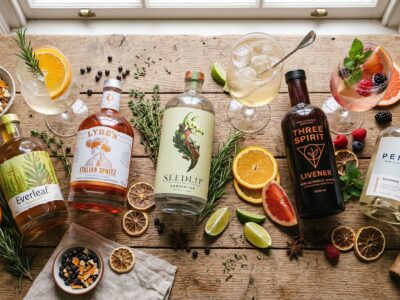
Non-alcoholic spirits like those from Seedlip, Lyre’s, or Ritual Zero Proof provide a foundation that basic juices cannot match. These products use distillation techniques to extract botanical compounds without alcohol content. They deliver juniper notes for gin-style drinks, agave complexity for tequila alternatives, and whiskey-adjacent warmth from oak and caramel extracts.
When we compared drinks made with these NA spirits versus fruit juice alone in blind tests, the difference was immediately apparent. The botanical bases provided the structural backbone that made the drinks feel intentional rather than accidental.
Build Layers of Flavor
Expert bartenders talk about building drinks in layers. The same principle applies to mocktails. Start with a bitter or botanical base, add a sour element for brightness, layer in sweetness to balance, then finish with aromatic components.
A practical example: instead of just mixing orange juice and sparkling water, try adding orange bitters for aromatic complexity, a splash of unsweetened cranberry for tartness, vanilla extract for depth, and Fever-Tree club soda for carbonation. Each element serves a purpose.
Balance Sweetness with Acid and Bitter
The most common failure in homemade mocktails is sweetness overpowering everything else. Real cocktails balance sugar with citrus acid and the slight bitterness from spirits or bitters. Mocktails need the same balance.
Keep citrus juice high in your recipe. Use lime, lemon, or fresh grapefruit rather than bottled juices. Add a few dashes of Angostura bitters or alternatives like Fee Brothers for bitter complexity. Consider adding a splash of tonic water, which introduces quinine bitterness that many cocktail styles benefit from.
Visual Presentation Tips
A drink that tastes complex but looks like fruit punch fails the visual test immediately. The phrase from our forum research kept surfacing: matching colors and garnishes is key to making mocktails convincing.
Choose the Right Glassware
Glassware signals expectations. A Margarita in a pint glass feels wrong. The same drink in a stemmed margarita glass with a salt rim immediately reads as intentional and crafted. We recommend keeping appropriate glassware available for common styles: martini glasses, highball rocks glasses, and copper mugs for mule variations.
For spirit-forward drinks like an Old Fashioned mocktail, use a heavy-bottomed rocks glass with a large ice cube. The visual weight and crystal clarity of properly frozen ice communicates sophistication.
Match Colors Deliberately
Study the color of the cocktail you are mimicking. A Negroni is ruby red from Campari. Without Campari, you need alternative color sources like pomegranate juice, unsweetened cranberry, or a few drops of purple sweet potato powder for natural color matching.
Clear spirits like vodka or gin present another challenge. Clear mocktails can look like water. Add slight cloudiness with a splash of coconut water or aloe juice, or use tonic water which adds a subtle golden tint.
Garnish with Purpose
Garnishes do more than decorate. They release aroma compounds when muddled or twisted, adding a sensory dimension to the drink. A citrus twist snapped over a mock Old Fashioned releases oils that the drinker’s nose catches before tasting.
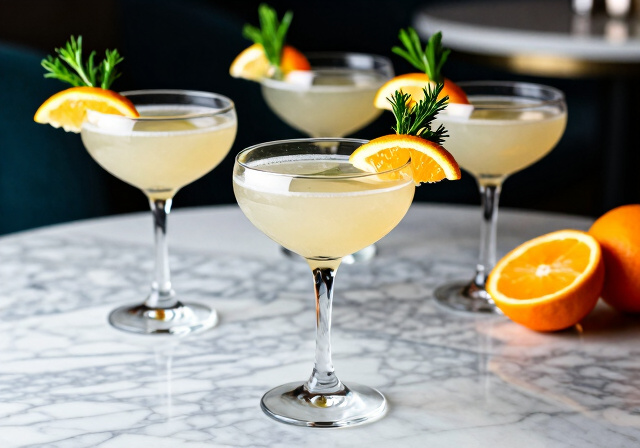
We tested garnishes systematically. Fresh herbs like mint, basil, and rosemary made the biggest impact. Citrus peels, dehydrated wheels, and cocktail cherries completed the visual and aromatic experience. Avoid fake cherries or wilted herbs.
Essential Ingredients for Mocktail Success
Stocking a mocktail bar requires specific ingredients beyond basic fruit juices. Our testing identified these categories as essential for creating convincing alcohol-free versions of classic cocktails.
NA Bitter Amaro and Digestifs
Amari like Fernet, Campari, and Aperol provide bitterness and complexity that no other ingredient category can replicate. Several non-alcoholic versions now exist, including St. Agrestis Phony Negroni and other NA amaros that forum users consistently praised for getting close to the real experience.
Quality Bitters
Bitters are concentrated flavor extracts. Even a small amount transforms a flat-tasting mocktail into something with depth. Standard cocktail bitters work fine in non-alcoholic drinks since the alcohol content is negligible. We use Angostura, orange, and grapefruit bitters regularly.
Fresh Citrus and House-Made Mixers
Fresh lime juice versus bottled lime juice is not a subtle difference in mocktails. The bright, sharp acidity of freshly squeezed juice makes drinks come alive. We juice lemons and limes daily when making mocktails. Consider making your own honey ginger syrup or vanilla simple syrup for superior flavor control.
Carbonated Elements
Soda water, tonic water, ginger beer, and club soda add the effervescence that many cocktails require. The bubbles also affect mouthfeel, providing a slight sting that mimics carbonation in beer or sparkling wine. Keep quality sparkling water and ginger beer on hand.
Classic Cocktail Mock Versions
Creating convincing versions of specific cocktails requires understanding what makes each original distinctive. Here is how we approach the four most-requested mocktail conversions, drawing from translating classic cocktails into mocktails.
The Mocktail Negroni
The Negroni relies on equal parts bitterness, sweetness, and botanical complexity. Our version combines non-alcoholic gin alternatives with NA sweet vermouth and amaro. Add orange bitters and an orange peel garnish. The result delivers that characteristic bitter-sweet balance that makes the original so compelling.
The Mocktail Margarita
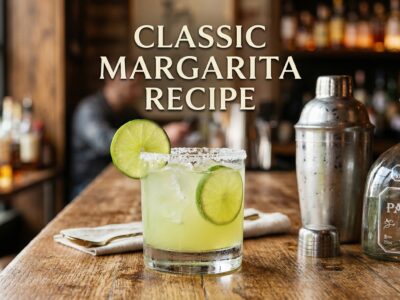
A Margarita needs three elements: agave sweetness, lime sourness, and salt. Use fresh lime juice, a quality NA tequila alternative, orange liqueur substitute, and a pinch of sea salt. The salt rim is non-negotiable for visual and flavor authenticity. Consider adding a splash of grapefruit juice for depth.
The Mocktail Mojito
Mint and lime form the foundation. Muddle fresh mint with lime wedges, add sugar or honey, then top with soda water. The key is using plenty of mint leaves and not over-muddling, which creates bitter notes. A light rum alternative adds body if desired, but the original style works without it.
The Mocktail Old Fashioned
This spirit-forward drink requires a strong NA whiskey alternative, sugar, bitters, and a citrus peel. The orange oil expressed from the peel provides the signature aromatic finish. Consider adding a splash of brewed strong coffee or chai for additional complexity that mirrors the oak and vanilla notes in aged whiskey.
The Role of Bitters and Botanicals
Bitters function as the spice rack of the mocktail world. A few dashes can transform a flat drink into something with genuine character. We kept three bitters varieties at our home bar during testing: aromatic Angostura, citrus orange, and grapefruit.
Botanical extracts go beyond bitters. Rosemary sprigs steeped in simple syrup, lavender buds in hot water for tea-based drinks, and ginger root for syrups all contribute herbal complexity. These ingredients mirror the botanical profiles that spirits derive from macerated herbs, roots, and flowers.
Forum users consistently noted that NA Italian aperitivos often taste better than homemade mocktails. These products use proprietary blends of botanicals, bitter herbs, and natural colorings that would take hours to replicate at home. When authenticity matters most, starting with a quality NA aperitivo simplifies the process significantly.
Carbonation and Mouthfeel
The mouthfeel gap between cocktails and mocktails troubles many home makers. Alcohol creates a warming sensation that many associate with sophistication. Without it, drinks can taste flat or one-dimensional.
Carbonation provides the closest substitute. The carbonic bite of sparkling drinks stimulates similar sensory responses. We recommend using sparkling water with medium bubble intensity rather than highly carbonated club soda for most applications.
Temperature matters as much as carbonation. Cocktails served over large ice cubes stay cold without rapid dilution. For spirit-forward mocktails, use single large ice spheres or cubes rather than crushed ice, which melts too quickly and mutes flavors.
Ginger beer adds another dimension. The gingerol compounds create a slight heat sensation that partially mimics alcohol burn. Moscow Mule variations using quality ginger beer came closest to replicating the full sensory experience in our testing.
Garnish Techniques
The garnish completes the drink. It provides aroma, visual appeal, and often a subtle flavor contribution when properly prepared. We spent time refining garnish techniques that make mocktails look professionally made.
Citrus twists require proper technique. Cut a narrow strip of peel, hold it pith-side down over the drink, and snap it sharply to express the oils. The aromatic spray creates an immediate sensory connection that enhances the first sip.
Fresh herbs should be gently slapped before dropping in the glass. This bruising technique releases essential oils without creating bitter chlorophyll. Basil, mint, and rosemary respond best to this treatment.
Dehydrated fruit wheels add visual elegance and can be floated on top of sparkling drinks. We make these in batches using a low-temperature oven or food dehydrator. They last for weeks and elevate any presentation.
Edible flowers provide visual impact for spring and summer drinks. Ensure any flowers used are food-grade and have not been treated with pesticides. Pansies, violets, and Nasturtiums work well with lighter mocktail styles.
Conclusion
Creating mocktails that look and taste like real cocktails requires attention to both flavor complexity and visual presentation. Focus on building layered flavors using botanical ingredients, bitters, and proper acid balance. Match colors and garnishes intentionally to create visual appeal that signals craft rather than convenience.
The gap between a basic mocktail and a convincing cocktail replica narrows significantly when you apply these techniques. Start with quality NA spirits as a base, add house-made syrups and fresh citrus, and finish with appropriate garnishes. Practice and refinement will sharpen your instincts for balance and presentation.
For more context on cocktail construction that translates directly to mocktail work, explore our guides to classic cocktail construction techniques. The same principles of balance, flavor layering, and presentation apply whether you include alcohol or not.
What is a non-alcoholic drink that looks like a cocktail?
A non-alcoholic drink that looks like a cocktail is a mocktail designed with proper glassware, color matching, and garnishes to replicate the visual appearance of an alcoholic beverage. The key is using the right glassware, creating layered colors, and adding appropriate garnishes like citrus twists, fresh herbs, or cocktail cherries.
Do mocktails taste the same as cocktails?
Mocktails do not taste exactly the same as cocktails since they lack alcohol, but modern NA spirits and botanical alternatives can get remarkably close. The complexity comes from using quality bitters, fresh botanicals, proper acid balance, and techniques like flavor layering. Many people find well-made mocktails satisfying without noting the absence of alcohol.
Which mocktail is best in taste?
The best-tasting mocktail depends on your preference, but drinks that mimic bitter cocktails like the Negroni or Old Fashioned tend to score highest because they leverage NA amaros and bitters that provide genuine complexity. For fruit-based drinks, a properly balanced Margarita mocktail using fresh lime juice and quality non-alcoholic tequila alternatives works exceptionally well.
How do you make mocktails not taste sweet?
To make mocktails less sweet, balance sweetness with acid (fresh citrus juice), add bitter elements like NA bitters or tonic water, use unsweetened bases like kombucha or plain soda water, and opt for herbal teas or vegetable juices as mixers. The key is building layers of flavor so sweetness is not the only note.