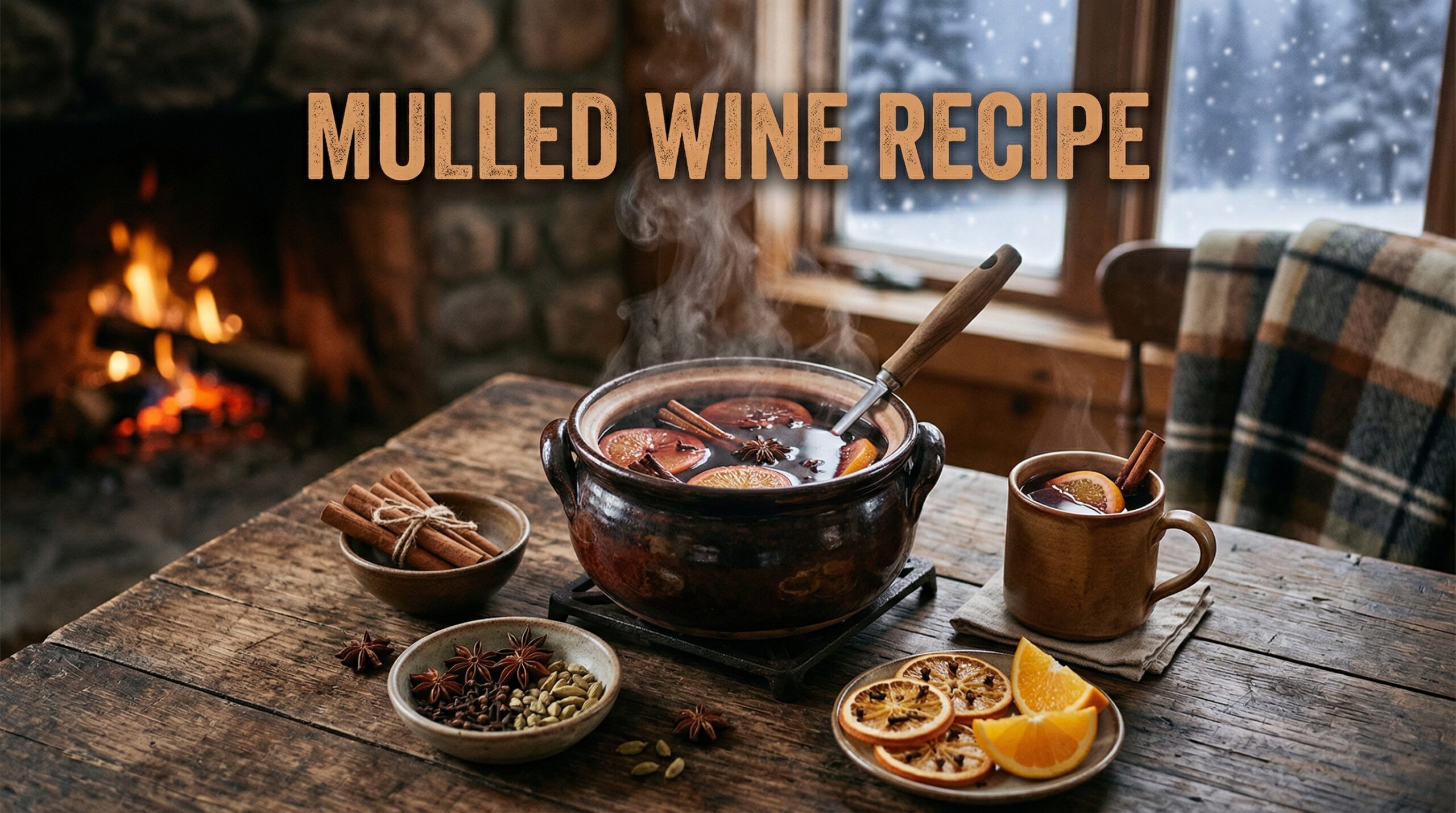
Few drinks capture the warmth of winter quite like a perfectly crafted Mulled Wine Recipe. The aroma of spices mingling with red wine as it gently warms on your stovetop instantly transforms any space into a cozy retreat. I have been making mulled wine for years, tweaking ratios and techniques, and I am excited to share everything I have learned with you.
Whether you are hosting a holiday gathering, settling in for a quiet evening by the fire, or searching for that signature winter sip to impress your guests, this guide has you covered. You will learn exactly what mulled wine is, how to select the right ingredients, the precise steps to achieve that perfect balance of spice and sweetness, and even some creative variations to keep things interesting throughout the cold months.
What is Mulled Wine?
Mulled wine is a warm, spiced wine drink made by simmering red wine with aromatic spices, citrus, and sweeteners. The result is a rich, warming beverage that has been cherished across Europe for centuries. Unlike regular wine, which is served at room temperature or slightly chilled, mulled wine takes on an entirely different character when heated with spices.
A Brief History
The origins of mulled wine trace back to ancient Roman times, when soldiers would heat wine with spices to stay warm during cold marches through the provinces. The Romans were known for their elaborate use of spices, including honey, pepper, and bay leaves, in their wines. From there, the practice spread throughout Europe as Roman roads expanded and trade routes brought exotic spices to new regions.
By the Middle Ages, mulled wine had become a staple across the continent. Each country developed its own variation: Germany’s Glühwein (meaning “glowing wine”), Sweden’s Glögg, France’s Vin Chaud, Italy’s Vin Brulé, and Spain’s Vino Caliente. In Scandinavia, Glögg became particularly elaborate, often featuring almonds and raisins added to the blend.
Today, mulled wine remains a staple at Christmas markets throughout Europe. In Germany, the holiday season simply would not be complete without a steaming cup of Glühwein at the markets. Its enduring popularity comes from that magical combination of warmth, aromatic spices, and the social ritual of sharing a steaming mug with friends and family during the coldest time of year.
Mulled Wine Ingredients
The beauty of a Mulled Wine Recipe lies in its simplicity. You need just a handful of ingredients, most of which you probably already have in your pantry. Here is what to gather before you begin.
Base Ingredients
You will need one bottle (750ml) of dry red wine. Skip the expensive stuff here, but avoid the cheapest vinegar-like wines that will only amplify when heated. A medium-bodied red like Merlot, Cabernet Sauvignon, or Zinfandel works beautifully. These wines have enough structure to stand up to the spices without becoming too harsh or thin when diluted with the water and sweetener additions.
For the citrus, grab one orange. Some recipes call for orange slices, but I recommend peeling the orange and adding the strips of peel, or using just the sliced fruit while avoiding the bitter white pith underneath. Blood oranges work wonderfully when in season, adding a deeper, more complex citrus note that forum users have praised in their own variations.
The Spices
The spice combination is where mulled wine gets its signature warmth. You will need:
- 2 cinnamon sticks
- 8-10 whole cloves
- 2 star anise
- 1/4 teaspoon freshly grated nutmeg (optional)
A tip from forum discussions that I have adopted: poke the cloves directly into the orange slices to prevent them from floating around in your pot. This makes for easier serving and a more pleasant drinking experience without bits of clove getting into every sip.
Sweeteners
For sweeteners, you have options. Traditional recipes use honey, which adds a floral sweetness that complements the spices beautifully. However, you can also use maple syrup for a richer, more caramel-like flavor, brown sugar for deeper notes, or regular white sugar if you prefer something neutral. Start with 2-3 tablespoons and adjust to taste at the end. If you want that extra dimension forum users mention, try adding a splash of Grand Marnier, Cointreau, or even port wine as a secret enhancement.
Optional Add-ins
Some variations include a small piece of fresh ginger for zing, a vanilla bean split and scraped, or even a bay leaf. One reddit user mentioned adding mace alongside ginger as their party hit, so do not be afraid to experiment once you have mastered the base recipe. A small piece of fresh ginger goes a long way, so start with just an inch and taste before adding more.
How to Make Mulled Wine: Step-by-Step Instructions
Now for the main event. Here is my tried-and-true method for making the best mulled wine, step by careful step.
Step 1: Add Wine to Your Pot
Pour your entire bottle of red wine into a large saucepan or medium pot. Add 1/4 cup of water to the pan as well. This helps extract flavors from the spices and prevents the wine from reducing too quickly over the heat. Some readers have asked why we add water: the answer is that it creates a gentler cooking environment and ensures the spices have liquid to release their flavors into rather than just burning on the bottom of the pan.
Step 2: Add Spices and Citrus
Add your cinnamon sticks, cloves, star anise, and orange slices (or peels) to the wine. If you want to avoid floating spices throughout the finished drink, tie them in a small piece of cheesecloth. Many forum users recommend this approach for easy removal before serving. The cheesecloth method also allows you to control the spice intensity by removing the bag earlier for a milder flavor.
Step 3: Add Sweetener
Stir in your chosen sweetener, starting with 2 tablespoons. You can always add more later after tasting. I recommend waiting until the wine is heated through before adjusting sweetness, as cold wine tastes less sweet than warm wine with infused flavors.
Step 4: Heat Gently
Here is the most critical part: heat your mulled wine over low to medium-low heat. You want to see small bubbles forming around the edges of the pan, a gentle simmer, not a rolling boil. This is why you see warnings everywhere: do not boil mulled wine. Boiling causes the alcohol to evaporate too quickly and can make the spices turn bitter from overexposure to heat.
Heat for 15-30 minutes, until the wine is hot and the flavors have melded together. Fifteen minutes gives you a lighter spice presence, while 30 minutes yields a deeper, more infused flavor profile. I typically aim for 20-25 minutes as a sweet spot that captures both worlds.
Step 5: Strain and Serve
Remove the pot from heat. If you used a cheesecloth bag, remove it now. Strain the wine through a fine-mesh sieve if you added loose spices or orange slices with pith. Pour into heatproof glasses or mugs and serve immediately while piping hot. Garnish with a fresh cinnamon stick or orange slice for presentation if desired.
Mulled Wine Recipe Tips
After years of making this drink for gatherings and quiet evenings at home, I have picked up several tips that make a significant difference in the final result.
Prevent Orange Bitterness
The white pith on oranges is notoriously bitter and can ruin an otherwise perfect batch. To avoid this, either peel the orange and add only the colored rind (avoiding as much white pith as possible), or use a vegetable peeler to create wide strips of peel without the bitter layer underneath. forum users consistently flag this as the number one mistake beginners make when first attempting mulled wine.
The Cheesecloth Trick
Tying your spices in cheesecloth makes cleanup effortless and gives you control over the spice intensity throughout the cooking process. Leave it in for the full time if you want bold, full-on spice flavor, or remove it early for something milder and more subtle. This method also prevents cloves and star anise pieces from ending up in everyone’s glass.
Make-Ahead Friendly
You can prepare mulled wine ahead of time for parties or busy holiday schedules. Simply make it as directed, let it cool completely, and refrigerate. When ready to serve, reheat gently over low heat until steaming. The flavors often deepen overnight in the refrigerator, making it even more delicious the next day than when freshly made.
Serving for Parties
One bottle of wine yields about 5 cups of mulled wine. For parties where it is the main drink being served, plan on about 2 cups per person to account for refills. Keep a slow cooker on the “warm” setting to maintain perfect temperature throughout your event without any risk of boiling or burning. This allows guests to serve themselves at their leisure.
Common Mistakes to Avoid
Beyond the orange pith issue, there are a few other mistakes to watch for. Adding too many spices and letting them steep too long creates an overpowering, medicinal flavor rather than a warm, welcoming one. Using wine that is too cheap (the kind that tastes like vinegar even cold) will only get worse when heated. And finally, never rush the heating process by using high heat. Patience rewards you with smooth, integrated flavors.
Mulled Wine Variations
While the classic red wine version is always a hit, there are several variations worth exploring to keep things fresh throughout the winter season.
White Wine Mulled Wine
For a lighter option that works well as an aperitif or for those who find red wine too heavy, substitute white wine for red. A dry white like Pinot Grigio or Sauvignon Blanc works well. The flavor profile is more delicate and crisp, so consider adding a bit more honey or using cinnamon and ginger as your primary spices to compensate for the lighter base.
Non-Alcoholic Mulled Wine
For those avoiding alcohol, combine grape juice or cranberry juice with the same spices and sweeteners. It captures the warmth and flavor without the alcohol content. You can also use a dealcoholized wine as a direct substitute for wine in any recipe. The result is a beverage that everyone can enjoy at your gatherings.
Slow Cooker Mulled Wine
For easy entertaining without standing over the stove, add all ingredients to your slow cooker set on low. Cook for 2 hours, then switch to the warm setting. This hands-off method works wonderfully for parties and keeps your wine at the perfect temperature without any monitoring. It also fills your home with that wonderful spiced aroma for hours.
Instant Pot Mulled Wine
Add all ingredients to your Instant Pot, seal, and set to “Saute” on low for 10-15 minutes. Use the “Keep Warm” function afterward to maintain serving temperature. This method heats the wine quickly while infusing all those wonderful spices, and the sealed environment helps capture and develop the aromatic qualities even more efficiently than stovetop methods.
With Brandy or Liqueur
Traditional recipes often include a splash of brandy for an extra warming kick that enhances the cozy factor significantly. Add 1/4 cup brandy after removing from heat for an extra warming sensation. Other excellent options include Cointreau, Grand Marnier, or even port wine stirred in before serving. These additions work particularly well on cold nights when you want maximum warmth radiating from your glass.
How to Store Mulled Wine
Leftover mulled wine keeps well in the refrigerator for up to 3 days. Store it in an airtight container or a mason jar with a tight-fitting lid. The spices will continue to infuse even while refrigerated, so the flavor may intensify slightly over time.
To reheat, pour into a saucepan and warm gently over low heat until steaming. Alternatively, transfer to a slow cooker on the warm setting for parties and gatherings. Do not boil reheated mulled wine, as the alcohol has already been partially cooked down during the initial preparation and further high heat only degrades the delicate flavors you worked so carefully to create.
If you made a large batch for a party, you can also freeze portions in airtight containers for up to a month. Thaw in the refrigerator overnight and reheat gently when ready to enjoy. This make-ahead approach is perfect for the busy holiday season when you want to prepare several batches in advance for different gatherings.
Frequently Asked Questions
What are the ingredients for mulled wine?
The basic ingredients are dry red wine, orange slices, cinnamon sticks, cloves, star anise, and a sweetener like honey or sugar. Some recipes include brandy, ginger, or a vanilla bean for added flavor complexity. The wine should be medium-bodied and dry, such as Merlot or Cabernet Sauvignon.
What is the secret ingredient in mulled wine?
There is no single secret ingredient, but many experienced mulled wine makers recommend adding a splash of Grand Marnier, Cointreau, or port wine after cooking for extra depth. Some also swear by adding a small piece of fresh ginger or a pinch of mace for zing that elevates the entire drink.
What is the best wine for making mulled wine?
A medium-bodied dry red wine works best. Merlot, Cabernet Sauvignon, or Zinfandel are excellent choices. Avoid inexpensive wines that taste vinegary, but you do not need an expensive bottle either. The spices and sweeteners will mask much of the original wine character, so a mid-range bottle is perfect.
How long should wine be mulled?
Simmer mulled wine for 15-30 minutes over low heat. Fifteen minutes produces a lighter spice presence, while 30 minutes yields a deeper, more infused flavor. I find 20-25 minutes hits the sweet spot for balanced results. Never boil mulled wine, as this causes the alcohol to evaporate and can make spices taste bitter.
Conclusion
Your Mulled Wine Recipe adventure starts now. With this guide, you have everything you need to create a warming, aromatic drink that will become a winter tradition in your home for years to come.
Remember the key points: use a good dry red wine, gentle simmering is essential (never boil), watch out for orange pith bitterness, and do not be afraid to experiment with variations like white wine, non-alcoholic versions, or the slow cooker and Instant Pot methods that make entertaining so much easier.
Whether you are curled up with a book on a cold night or hosting a festive gathering, mulled wine brings people together in a way few other drinks can. The warmth spreading through you with every sip, the aroma filling your home with holiday spirit, the simple pleasure of sharing something you made yourself with people you love. That is what mulled wine is really all about.
Gather your spices, pour yourself a glass, and embrace the cozy season ahead. Your perfect cup of mulled wine awaits.