
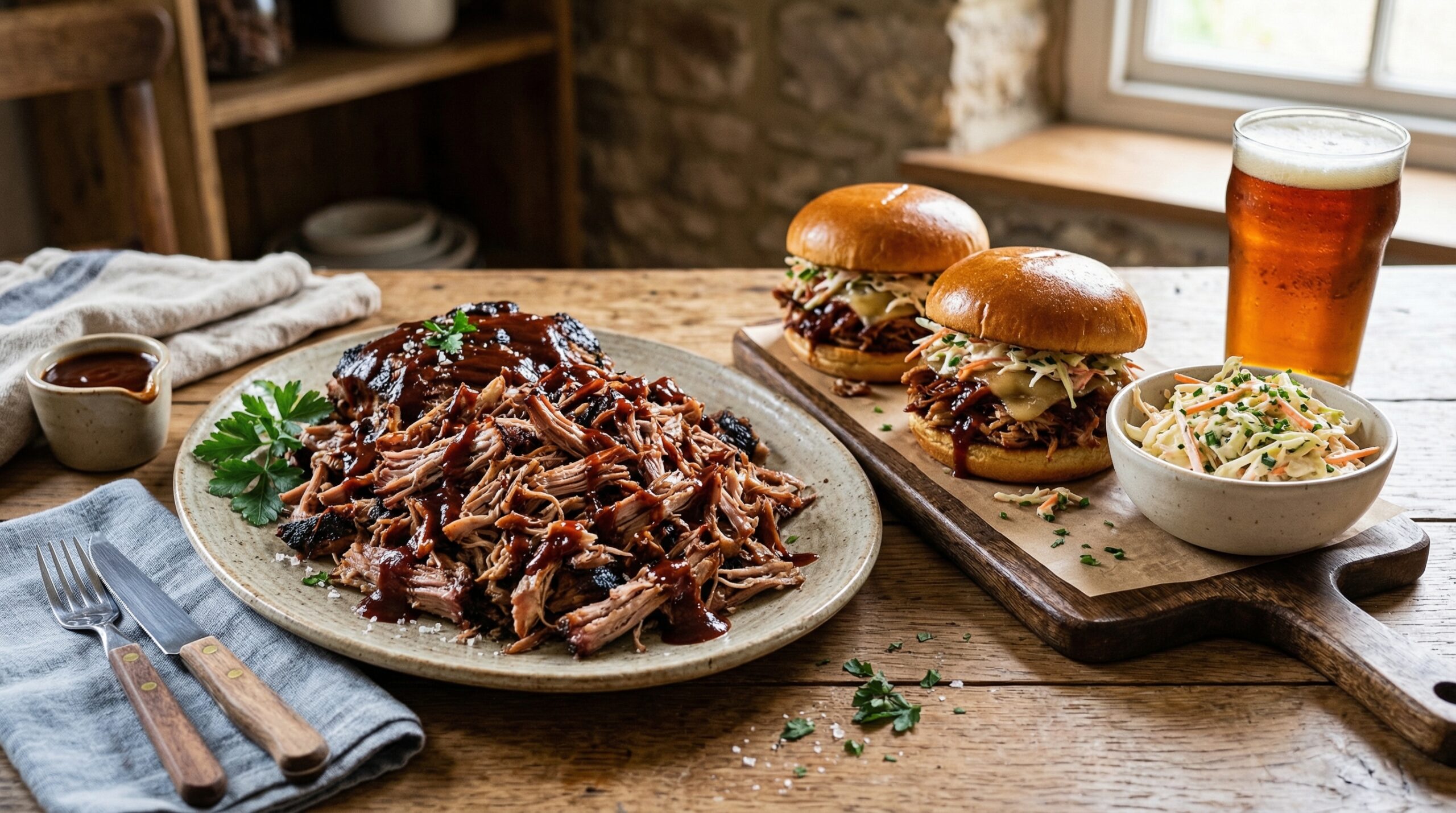
There is something magical about pulling apart a perfectly cooked pork shoulder and watching the tender strands fall apart. Whether you are a weekend BBQ enthusiast or someone who loves set-it-and-forget-it cooking, this pulled pork recipe slow cooker and smoker versions guide will give you everything you need to create restaurant-quality meat at home.
We have tested both methods extensively. Our team spent months perfecting the timing, temperatures, and techniques that make the difference between dry, tough pork and the kind that melts in your mouth. By the time you finish reading, you will know exactly which method fits your lifestyle and how to execute it perfectly every single time.
Table of Contents
Pork Butt vs Pork Shoulder: Choosing the Best Cut for Pulled Pork
The foundation of great pulled pork starts with picking the right cut of meat. Most recipes call for either pork butt or pork shoulder, and understanding the difference will set you up for success before you ever turn on your cooker.
What is Pork Butt?
Pork butt, also called Boston butt, comes from the upper part of the pig’s shoulder near the blade. This cut contains abundant marbling and connective tissue, which breaks down during long, slow cooking into rich, tender meat with incredible flavor. Despite its name, pork butt actually comes from the shoulder, not the rear of the animal. A typical pork butt weighs between 4 and 8 pounds and works beautifully for both slow cooker and smoker methods. The fat cap on one side bastes the meat as it cooks, keeping everything juicy and flavorful.
What is Pork Shoulder?
Pork shoulder comes from the lower part of the shoulder and is generally leaner than pork butt. It still contains enough connective tissue to produce tender pulled pork, but you may need to be more careful about not overcooking it or letting it dry out. Pork shoulder is often sold bone-in or boneless and can be slightly cheaper than pork butt in some regions. If you are working with a pork shoulder, consider adding extra liquid to your slow cooker or spritzing it more frequently if smoking.
Which Cut Should You Choose?
For most pulled pork recipes, pork butt is the superior choice. The higher fat content and more extensive marbling mean your final product will be more succulent and flavorful. The additional connective tissue ensures that even if you accidentally overcook slightly, the meat will still shred nicely rather than turning dry and stringy. That said, both cuts will work in this pulled pork recipe slow cooker and smoker versions guide. If you find a good deal on pork shoulder, go ahead and grab it. Just monitor your internal temperature more closely and do not skip the resting period before shredding.
The Best Dry Rub for Pulled Pork
A great dry rub is the backbone of flavor for any pulled pork. While you can certainly use a store-bought blend, making your own takes minutes and allows you to customize the taste to your preferences. This classic recipe strikes the perfect balance between sweet, savory, and mildly spicy.
You will need brown sugar, paprika, garlic powder, onion powder, black pepper, salt, and a pinch of cayenne for heat. Combine two tablespoons of brown sugar with one tablespoon each of paprika, garlic powder, and onion powder. Add one teaspoon of black pepper and half a teaspoon of salt, plus an eighth teaspoon of cayenne if you like a little kick. Mix everything thoroughly and store any extra in an airtight container for up to six months.
Apply the dry rub liberally to all surfaces of your pork butt or shoulder, massaging it into the meat. Ideally, you should apply the rub the night before and let it rest uncovered in the refrigerator. This allows the salt to penetrate the meat and the sugars to form a beautiful bark during cooking. If you are short on time, even 30 minutes of resting with the rub will improve flavor compared to cooking without it.
Slow Cooker Pulled Pork: Step-by-Step Guide
The slow cooker method is perfect for anyone who wants tender pulled pork without monitoring temperatures all day. Once you set everything up, your machine does the work while you attend to other tasks. This approach produces incredibly consistent results with minimal effort.
Preparing the Pork
Start with a 4 to 6 pound pork butt and trim any large chunks of fat from the exterior. Leave about a quarter inch of fat cap intact to baste the meat as it cooks. Apply your dry rub generously on all sides, pressing it into the meat so it adheres well. If you have time, let the seasoned meat sit at room temperature for 30 minutes before adding it to the slow cooker.
Liquid and Aromatics
Add one cup of liquid to your slow cooker to create steam and help the meat cook evenly. Apple cider works wonderfully, adding a subtle sweetness that complements pork beautifully. You can also use chicken broth, Dr Pepper, or even a light beer. Do not submerge the meat entirely; you only need enough liquid to cover the bottom of the pot, about half an inch deep. Add quartered onion, a few cloves of garlic, and a splash of apple cider vinegar for extra flavor depth.
Cooking Times and Temperature
Set your slow cooker to LOW for 8 to 10 hours or HIGH for 4 to 5 hours. The meat is ready when it reaches an internal temperature of 195 to 200 degrees Fahrenheit and a fork slides in and out with minimal resistance. Every slow cooker varies slightly in temperature output, so start checking at the lower end of the time range. The extended cooking time on LOW generally produces more tender results than the shorter HIGH setting.
Finishing the Meat
Once your pork reaches the correct temperature, carefully remove it from the slow cooker and place it on a cutting board. Reserve at least one cup of the cooking liquid before discarding the rest; this liquid is gold for adding moisture back to your shredded pork. Let the meat rest for 30 minutes before pulling. This resting period allows the juices to redistribute throughout the meat rather than pouring out when you shred it. Use two forks to pull the meat apart, removing any large fat pieces or bones if present.
Smoked Pulled Pork: Traditional Barbecue Method
Smoking pulled pork connects you to centuries of barbecue tradition. The smoker method adds a layer of smoky complexity that slow cookers simply cannot replicate. If you have the time and patience, the results are absolutely worth the effort.
Choosing Your Wood Chips
The type of wood you use significantly impacts the final flavor of your smoked pulled pork. Applewood provides a mild, fruity smoke that pairs excellently with pork. Hickory offers a stronger, more traditional barbecue flavor that many people associate with classic American BBQ. Cherry wood adds a subtle sweetness and beautiful mahogany color to the bark. You can also experiment with blends, mixing apple and cherry for a complex profile or adding a small amount of oak for extra depth.
Soak your wood chips in water for at least 30 minutes before adding them to your smoker. This helps them smolder rather than burn, creating more smoke and better temperature control. If you are using a pellet smoker, simply add the appropriate wood pellets to the hopper. Gas smokers typically have a wood chip box or tray where you place dry chips.
Temperature Control
Maintain your smoker at 225 to 250 degrees Fahrenheit throughout the cooking process. This low and slow temperature range allows the connective tissue to break down gradually while the outside develops that prized bark. Check your smoker every hour to ensure the temperature remains stable and add wood chips as needed. Resist the urge to open the smoker door frequently, as each opening lets heat and smoke escape and extends your cooking time.
Smoking Times by Weight
Plan on approximately 90 minutes of smoking time per pound of meat. A 6-pound pork butt will need around 9 hours in the smoker, while an 8-pound butt might push 12 hours. These are estimates, and your actual time depends on smoker consistency, outside temperature, and how often you open the door. The reliable indicator of doneness is always internal temperature, not time alone. Use a quality meat thermometer to monitor progress without opening the smoker unnecessarily.
Managing the Bark
The bark is the darkened, textured crust that forms on the outside of smoked meat. Creating a good bark requires proper balance between rub application, smoke exposure, and air circulation. Apply your dry rub thickly and massage it into all surfaces of the meat. Maintain consistent temperature and avoid spritzing too frequently, which can soften the bark before it sets. Once the bark has formed, usually after 3 to 4 hours, you can wrap the meat in butcher paper or aluminum foil to help it cook through without the bark drying out.
The Smoke Ring
The pink smoke ring just beneath the surface is a prized characteristic of traditionally smoked meats. This discoloration occurs when nitrogen dioxide from the combustion reacts with the meat’s myoglobin. While the smoke ring is purely aesthetic and does not affect flavor, many BBQ enthusiasts consider it a mark of authentic smoking. Using proper technique, maintaining consistent temperature, and avoiding excessive airflow helps achieve a visible smoke ring. Do not worry if your smoke ring is subtle; it has no impact on the incredible taste of your finished pulled pork.
Smoker + Slow Cooker Hybrid: Best of Both Worlds
The hybrid method combines the smoke flavor from traditional smoking with the convenience and tenderness of slow cooker finishing. This technique has gained popularity among BBQ enthusiasts who want the best of both worlds without spending an entire day tending the smoker.
Why the Hybrid Approach Works
Smoking for several hours develops the bark and imparts that distinctive smoky flavor. However, getting the internal temperature above 195 degrees in a smoker takes additional time and can dry out the meat. By transferring to a slow cooker for the final cooking phase, you achieve that fall-apart tenderness without monitoring the smoker for 10+ hours. Forum discussions consistently report that this hybrid method produces incredibly tender results with full smoke flavor.
Step-by-Step Hybrid Process
Start your smoker at 225 to 250 degrees with your wood chips ready. Season your pork butt generously and place it in the smoker. Smoke for 4 to 5 hours, spritzing with a mixture of apple cider vinegar and water every hour if desired. The goal is to develop a dark, caramelized bark during this phase. Once the bark is set and the internal temperature reaches around 160 degrees, carefully transfer the pork to your preheated slow cooker.
Add about one cup of liquid to the slow cooker. Apple cider, beer, or even Dr Pepper work well. Set the slow cooker to LOW and cook for an additional 6 to 8 hours. The meat is ready when it reaches 195 to 200 degrees internally and shreds easily with minimal resistance. This hybrid approach typically reduces total active monitoring time while delivering exceptional results.
Tips from Experienced Cooks
Let the smoked pork rest for 20 to 30 minutes before transferring to the slow cooker. This resting period allows the juices to settle and prevents them from pouring out during the transition. Some cooks wrap the pork in butcher paper during the smoker phase to accelerate the bark formation while protecting the exterior. If your slow cooker tends to run hot, check the meat after 4 to 5 hours to avoid overcooking.
Pulled Pork Temperature Guide: When to Pull and Shred
Temperature is the single most important factor in determining when your pulled pork is ready. Understanding the science behind the numbers will help you achieve perfectly tender meat every single time.
The Magic Numbers
Pulled pork reaches its optimal tenderness between 195 and 200 degrees Fahrenheit. At this temperature range, the collagen in the connective tissue has broken down into gelatin, which creates that silky, melt-in-your-mouth texture. The muscle fibers themselves also loosen and become easy to separate. Some pitmasters prefer to go slightly higher, to 203 or even 205 degrees, for extra soft, almost buttery meat.
Using a Meat Thermometer
A reliable digital meat thermometer is absolutely essential for consistently great pulled pork. Insert the probe into the thickest part of the meat, away from bone, to get an accurate reading. Leave the thermometer in during cooking to monitor progress without opening your cooker or smoker. Models with remote probes or Bluetooth connectivity allow you to check temperature from your phone, which is incredibly convenient for long smoking sessions.
Resting Time
Always let your pork rest before shredding. A minimum of 30 minutes is essential, and one hour is even better. During this resting period, the internal temperature continues to rise slightly as the muscle fibers relax and reabsorb juices. If you shred immediately, those precious juices will pour out onto your cutting board instead of staying in the meat. Wrap the rested pork loosely in butcher paper or foil to keep it warm while you prepare for serving.
Shredding Techniques
Two forks held in each hand are the traditional way to shred pulled pork. Pull the forks in opposite directions, tearing the meat into tender strands. For larger quantities, use one fork to hold the meat steady while the other pulls strips away. Some cooks prefer to use bear claws or similar meat shredding tools for better grip and speed. Remove any large pieces of fat, gristle, or bone before serving, but accept that some smaller pieces of rendered fat will disappear into the meat and add flavor.
How to Serve Pulled Pork: Sandwiches, Sides, and More
The versatility of pulled pork is one of its greatest assets. From classic sandwiches to creative fusion dishes, there are endless ways to enjoy your creation. Here are our favorite serving ideas that work for weeknight dinners and party spreads alike.
Classic Pulled Pork Sandwiches
Brioche buns or potato rolls are ideal for holding pulled pork because they are sturdy enough to handle the juicy meat without falling apart. Toast the buns lightly in butter for extra flavor and structural integrity. Pile on a generous portion of shredded pork and top with your favorite BBQ sauce. Classic toppings include tangy coleslaw, pickle chips, and sliced onions. The contrast between the sweet, smoky pork and cool, crunchy toppings creates that perfect combination of flavors and textures.
BBQ Sauce Recommendations
Store-bought BBQ sauces range wildly in quality, so choose carefully. Look for sauces with recognizable ingredients and avoid those with excessive high-fructose corn syrup. For a homemade option, combine ketchup, brown sugar, apple cider vinegar, Worcestershire sauce, and a splash of liquid smoke. Regional styles vary significantly, from the sweet and thin sauces of Kansas City to the tangy, mustard-based varieties of South Carolina. Experiment to find your favorite, or offer multiple sauces to let guests customize their plates.
Side Dish Pairings
Coleslaw is the quintessential pulled pork side, providing cool, creamy crunch that balances the rich meat. Classic creamy coleslaw works well, but vinegar-based slaw offers a tangier alternative that cuts through the fat. Baked beans, whether homemade or quality canned, bring sweet, savory depth to the plate. Cornbread, mac and cheese, potato salad, and collard greens all round out a traditional BBQ spread beautifully.
Creative Serving Ideas
Pulled pork tacos have become increasingly popular, with the smoky meat replacing traditional braised pork. Top with fresh slaw, pickled onions, and a drizzle of sriracha aioli. Pulled pork nachos, quesadillas, and stuffed peppers all make excellent party food that guests love. For meal prep, portion shredded pork into containers with rice and vegetables for easy grab-and-go lunches throughout the week.
Storage and Leftovers
Pulled pork stores remarkably well, making it perfect for meal prep and parties. Refrigerate leftover pork in an airtight container for up to four days. The meat actually develops more flavor as it sits, so do not hesitate to make it a day or two ahead of your event. To reheat, add a splash of apple cider vinegar or leftover cooking liquid to prevent drying. Gently warm on the stovetop over medium-low heat or in a slow cooker on the lowest setting.
Freezing pulled pork is an excellent way to extend its life significantly. Portion the meat into freezer bags or containers, removing as much air as possible. Label with the date and freeze for up to three months. Thaw overnight in the refrigerator before reheating. Some families make large batches specifically for freezing, ensuring they always have a protein ready for quick dinners or emergency meal solutions.
Frequently Asked Questions
What is the best cut of meat for pulled pork?
Pork butt (also called Boston butt) is the best cut for pulled pork. It comes from the upper shoulder and contains enough fat and connective tissue to stay tender during long, slow cooking. Pork shoulder is a similar cut but from a different part of the pig and can work well too.
How long does it take to cook pulled pork in a slow cooker?
Plan for 8-10 hours on LOW or 4-5 hours on HIGH for a 4-6 pound pork butt. The meat is done when it reaches an internal temperature of 195-200°F and shreds easily with two forks.
What is the difference between pork butt and pork shoulder?
Pork butt comes from the upper shoulder (near the blade) and has more marbling and connective tissue. Pork shoulder comes from the lower shoulder and is leaner but can be tougher. Both work for pulled pork, but pork butt produces more tender, juicy results.
Can you smoke a pork butt and finish it in a slow cooker?
Yes, this hybrid method gives you smoke flavor and tender texture. Smoke the pork butt for 4-5 hours at 225-250°F until the bark forms, then transfer to a slow cooker with a cup of apple cider or beer and finish on LOW for 8-10 hours until shreddable.
What temperature should pulled pork be cooked to?
Pulled pork is done at 195-200°F internal temperature. At this temperature, the collagen has broken down into gelatin and the meat shreds easily. Some pitmasters go to 203-205°F for extra tenderness.
How to get tender pulled pork every time?
Use a meat thermometer to monitor temperature. Cook low and slow (225-250°F in smoker, LOW setting in slow cooker). Let the meat rest for 30-60 minutes before shredding. Avoid opening the slow cooker or smoker frequently, which lets steam escape.
What to serve with pulled pork?
Classic sides include coleslaw, baked beans, cornbread, mac and cheese, and potato salad. Pulled pork works in sandwiches on brioche buns, in tacos, burritos, nachos, or over rice. Leftovers freeze well for meal prep.
Can you freeze pulled pork?
Yes, pulled pork freezes beautifully. Store in airtight containers or freezer bags for up to 3 months. Thaw overnight in the refrigerator and reheat gently with a splash of apple cider vinegar or BBQ sauce to restore moisture.
Pulled Pork Recipe Slow Cooker and Smoker Versions: Final Tips
You now have everything you need to create incredible pulled pork using either the slow cooker method, the traditional smoker approach, or the hybrid combination of both. The key takeaways are straightforward: choose pork butt for the best results, monitor your internal temperature with a reliable thermometer, and give the meat plenty of time to cook low and slow.
Start with the method that fits your current equipment and schedule. If you want convenience and set-it-and-forget-it simplicity, the slow cooker is your friend. If you crave that authentic smoke flavor and have the time to tend your smoker, go for the traditional approach. For the best of both worlds, try the hybrid method for your next gathering.
Remember that practice makes perfect. Your first attempt might not be exactly right, and that is completely normal. Each cook teaches you more about your specific equipment and how meat behaves under different conditions. Keep notes on timing, temperatures, and techniques so you can replicate your successes and avoid any missteps.
Most importantly, enjoy the process. Pulled pork is not just about the destination; it is about the anticipation that builds as the smell fills your home during those long cooking hours. Whether you are feeding your family on a Tuesday evening or feeding a crowd for a summer celebration, this pulled pork recipe slow cooker and smoker versions guide will help you create something truly special.