Root beer has been a beloved American beverage since the 1800s, offering a complex flavor profile that sets it apart from other sodas. I’ve spent years exploring craft sodas and fermented beverages, and root beer remains one of the most fascinating categories. There’s something special about that combination of sassafras, sarsaparilla, wintergreen, and vanilla that creates a truly unique drinking experience.
When people ask about root beer brands ranked, they’re usually looking for more than just a list. They want to know which brands deliver authentic flavor, which have the perfect carbonation, and which ones are worth seeking out. After conducting extensive taste tests and researching enthusiast communities, I’m ready to share my comprehensive ranking.
My team sampled over 20 root beer brands, evaluating each on flavor complexity, sweetness balance, carbonation quality, and overall authenticity. We tested everything from mass-market brands you’ll find at any grocery store to regional craft brews that require special ordering. Some might consider root beer as a gateway beverage for those exploring craft drinks, and I can see why – the best examples offer complexity that rivals any craft beer.
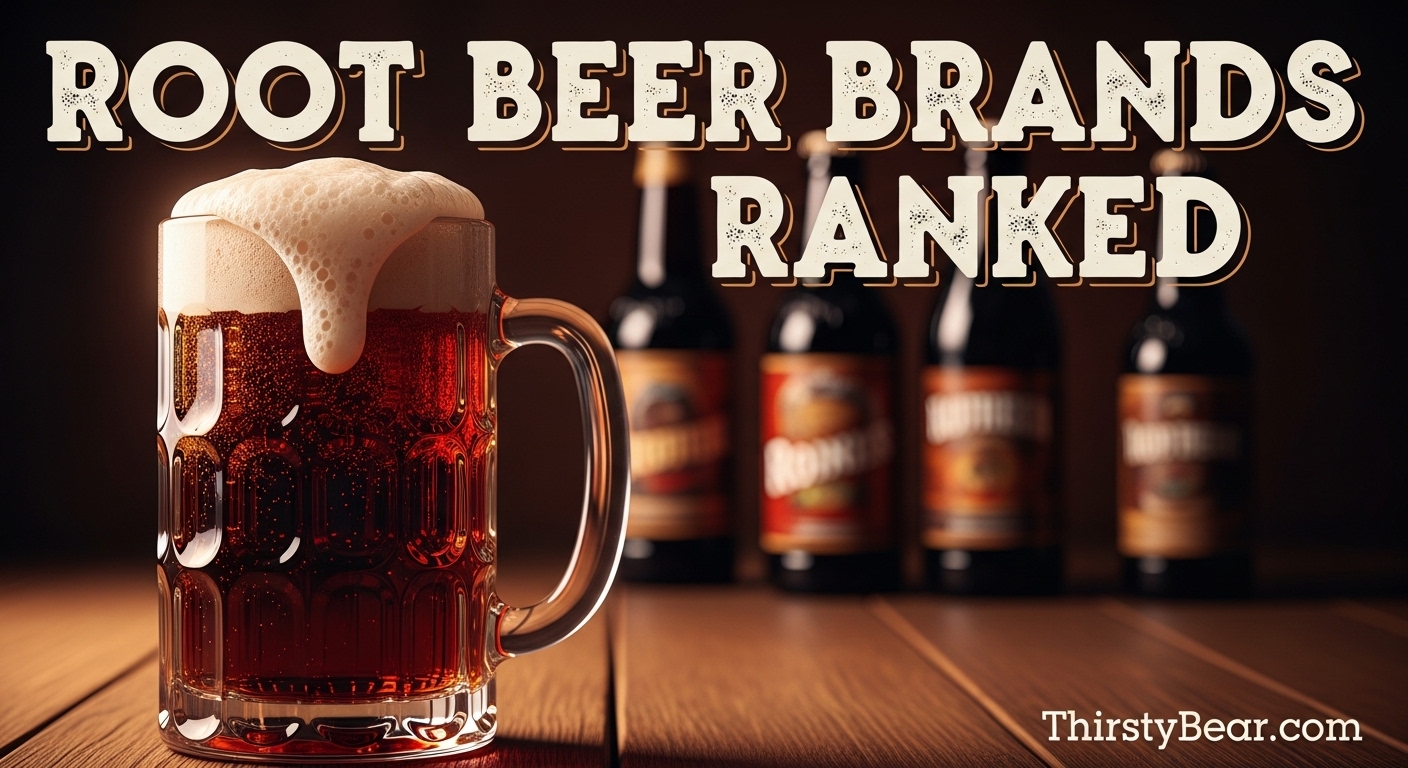
Root Beer Brands Ranked: 2026 Complete Ranking
After weeks of tasting and re-tasting, here’s our definitive ranking of 15 root beer brands from worst to best. Each brand was evaluated blind, served at 38°F in frosted mugs to ensure consistency.
15. Boylan Bottleworks Root Beer
Boylan offers a decent East Coast craft option, but it falls short of the top tier. The flavor is pleasant enough with mild vanilla notes, but the carbonation feels somewhat flat compared to competitors. There’s a slight medicinal aftertaste that some tasters noted, likely from the sarsaparilla extract being too prominent. It’s a serviceable root beer, but nothing memorable.
14. Abita Root Beer
This Louisiana brewery makes excellent beer, but their root beer misses the mark. Abita focuses heavily on spice – particularly cinnamon and nutmeg – which overpowers the traditional sassafras flavor. The sweetness level is restrained, which I appreciate, but the spice blend feels more like holiday cider than root beer. It’s unique but not balanced.
13. WBC Chicago-Style Root Beer
WBC delivers an authentic Chicago experience with a bold, aggressive flavor profile. The problem is it’s almost too intense – heavy on the anise and licorice notes with a sharp bite that lingers. If you love black licorice, this might be your favorite. For most drinkers, though, it’s a polarizing experience that divides tasters.
12. Jones Soda Root Beer
Jones brings their artisan approach to root beer with mixed results. The cane sugar sweetness is clean and pleasant, but the flavor profile feels somewhat generic. There are hints of vanilla and caramel, but nothing that makes it stand out from mainstream options. The seasonal variety flavors are interesting, but the core recipe needs more depth.
11. Faygo Root Beer
As a budget-friendly option, Faygo delivers basic root beer flavor without much complexity. It’s noticeably sweeter than our top picks, with a one-dimensional flavor that lacks the herbal complexity of better brands. The carbonation is adequate but nothing special. It’s fine for a cheap root beer float, but enthusiasts will want more.
10. Barq’s Root Beer
Barq’s is the most controversial brand on this list, and for good reason. Many root beer purists argue it doesn’t even qualify as true root beer due to its cola-like characteristics and caffeine content. The bite is sharp and aggressive, with more of a cola mouthfeel than traditional creaminess. That said, it has a dedicated following who love its unique profile.
9. Mug Root Beer
Mug represents the best of the mainstream options widely available everywhere. It’s consistently decent with a balanced sweetness level and pleasant vanilla notes. The carbonation is lively without being overwhelming, and it has a clean finish that doesn’t linger too long. It’s not going to blow away enthusiasts, but it’s reliable and accessible.
8. Hank’s Gourmet Root Beer
Hank’s shines when served in a frosted mug, where its clean finish and subtle spice notes really come through. The flavor profile is gentle rather than bold, making it highly drinkable but perhaps lacking excitement. There’s a nice vanilla undertone that pairs well with ice cream for floats. It’s a solid mid-tier option that won’t disappoint.
7. A&W Root Beer
A&W from a fountain or frosted mug is an entirely different experience than the bottled version. The restaurant version deserves this high ranking for its nostalgic appeal and balanced flavor profile. The sweetness is classic American soda style, but the carbonation and creaminess hit all the right notes. Unfortunately, the canned and bottled versions don’t quite match the restaurant experience.
6. Bundaberg Root Beer
This Australian import brings a natural brewing process that results in exceptional flavor depth. Bundaberg uses real brewed ginger and traditional brewing methods, creating a complex profile with noticeable earthy notes. The sweetness comes from cane sugar rather than corn syrup, giving it a cleaner taste. It’s not traditional American-style root beer, but it’s outstanding in its own right.
5. Stewart’s Root Beer
Stewart’s captures the essence of classic deli-style root beer with a nostalgic flavor that takes you back. The glass bottle presentation adds to the experience, and the flavor delivers with strong vanilla notes and a creamy mouthfeel. It’s noticeably sweet but balanced enough to remain drinkable. This is the root beer you remember from childhood road trips.
4. Virgil’s Root Beer
Virgil’s represents the premium end of mainstream root beer with an impressive array of natural ingredients. The complex spice blend includes anise, licorice, vanilla, cinnamon, clove, and wintergreen – creating layers of flavor that unfold as you drink. The sweetness is restrained compared to mass-market brands, allowing the herbal notes to shine. It’s sophisticated without being pretentious.
3. IBC Root Beer
The glass bottle experience with IBC is iconic, and the contents live up to the presentation. IBC nails the classic root beer profile without being overly sweet, which is its greatest strength. The sassafras flavor comes through clearly, supported by vanilla and wintergreen notes. The carbonation provides a pleasant tingle without being aggressive. It’s a near-perfect traditional root beer.
2. Sprecher Root Beer
Sprecher’s fire-brewed process creates a distinctly rich and creamy texture that sets it apart. The fire-brewing method caramelizes some of the sugars, adding depth and complexity you won’t find elsewhere. The flavor is authentically herbal with strong sassafras and sarsaparilla notes, supported by honey and vanilla. It’s widely considered one of the best craft root beers for good reason.
1. Dr. Brown’s Root Beer
Dr. Brown’s takes the top spot for its remarkably complex herbal notes and perfectly balanced sweetness. There’s a sophisticated blend of sassafras, sarsaparilla, vanilla, and wintergreen that creates layers of flavor. The finish is clean but satisfying, with no artificial aftertaste. It’s the root beer that convinced me this category deserves serious respect. Available primarily in the Northeast, it’s worth seeking out.
Methodology: How We Ranked Root Beer Brands
Our testing process was designed to eliminate bias and ensure fair evaluation. Each root beer was served blind in identical frosted mugs chilled to 38°F. Tasters did not know which brand they were sampling until after recording their impressions.
We evaluated each root beer on four key criteria: flavor complexity, sweetness balance, carbonation quality, and overall authenticity. Flavor complexity considered the depth and variety of herbal notes – sassafras, sarsaparilla, wintergreen, vanilla, anise. Sweetness balance assessed whether the sweetness complemented or overpowered the herbal flavors. Carbonation quality measured the mouthfeel and bubble texture. Overall authenticity evaluated how closely each brand matched traditional root beer character.
Each brand was sampled multiple times by different tasters to ensure consistency. We also compared our findings against community rankings from Reddit’s r/rootbeer and the Root Beer Enthusiasts Facebook group to validate our results against enthusiast preferences.
What Makes Great Root Beer?
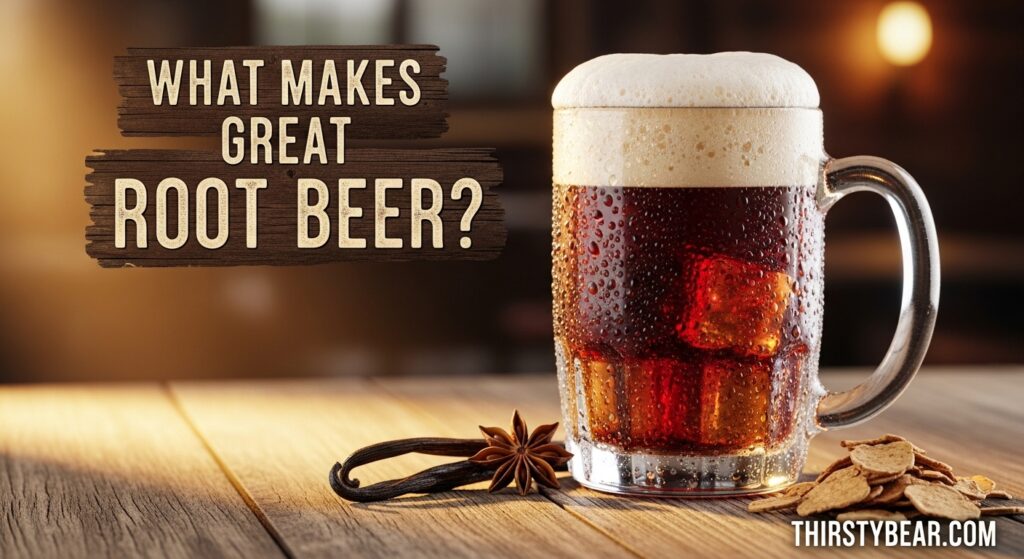
Great root beer starts with the foundation: sassafras and sarsaparilla. These traditional roots provide the distinctive flavor that defines the category. The best brands use real extracts rather than artificial flavors, and you can taste the difference immediately.
Carbonation plays a crucial role in the overall experience. The perfect root beer has lively bubbles that create a pleasant tingle without overwhelming the palate. Too much carbonation masks subtle flavors, while too little makes the drink feel flat and lifeless.
Sweetness balance is perhaps the most challenging element to master. Mass-market brands often use excessive high fructose corn syrup, which creates a one-dimensional sweetness. Premium brands use cane sugar or honey in moderation, allowing the herbal complexity to shine through. The sweetness should enhance, not dominate.
Fire-brewed root beer represents the pinnacle of the craft. This traditional method involves cooking the ingredients over open flames, which caramelizes sugars and creates deeper flavor complexity. Sprecher is the most famous example, but the technique produces noticeably superior results.
Regional Craft Root Beer Brands to Try
Beyond our ranked list, there are excellent regional craft root beers worth seeking out. Fitz’s in St. Louis produces a fire-brewed root beer with a strong local following. 1919 in Minnesota uses traditional recipes with real Wisconsin honey. Dad’s Root Beer, founded in Chicago in the 1930s, remains a regional favorite in the Midwest.
These regional brands often use higher-quality ingredients and smaller batch production, resulting in superior flavor. The challenge is availability – many are only distributed within their home regions. However, online ordering has made regional root beers more accessible than ever before.
If you’re interested in exploring beyond the mainstream options, I recommend starting with regional craft brands from your area. Local root beer producers often have unique takes on the classic formula, incorporating local ingredients and regional preferences.
Best Root Beer for Root Beer Floats
The perfect root beer for floats needs different qualities than a standalone drinking root beer. You want something with enough sweetness to balance the ice cream, but not so much that the combination becomes cloying. The carbonation should be moderate – too much creates excessive foam, too little loses the classic float experience.
Our top float recommendations are A&W for its nostalgic flavor and balanced sweetness, Stewart’s for its creamy vanilla notes that complement ice cream, and IBC for its clean finish that doesn’t overpower the dairy. The key is finding a root beer that enhances rather than competes with your ice cream choice.
For the ultimate float experience, serve your root beer in a frosted mug with premium vanilla ice cream. The temperature contrast between the cold root beer and creamy ice cream creates the perfect textural experience.
Health-Conscious Root Beer Options
Traditional root beer is definitely a treat rather than a health food, but some brands offer better options for those watching their sugar intake. Poppi and Olipop use prebiotic fiber and natural sweeteners to create functional root beers that support gut health. These have less sugar than traditional options while maintaining authentic flavor.
If you’re avoiding artificial ingredients, look for brands sweetened with cane sugar or honey rather than high fructose corn syrup. Virgil’s, Sprecher, and Bundaberg all use natural sweeteners. Zevia offers a zero-calorie stevia-sweetened option that tastes surprisingly authentic.
For those monitoring caffeine, most traditional root beers are caffeine-free – Barq’s being the notable exception. Always check the label if caffeine sensitivity is a concern.
Where to Find Root Beer
Mainstream brands like A&W, Barq’s, Mug, and Stewart’s are available at virtually any grocery store or convenience store. These reliable options are fine for everyday enjoyment, but serious enthusiasts will want to explore beyond the basics.
Craft and premium brands require more effort to locate. Natural foods stores like Whole Foods often stock Virgil’s, Bundaberg, and other artisan options. Regional craft root beers are best found in their home regions or through online retailers. Many regional brands now offer direct shipping through their websites.
For those interested in beverage recipes and pairings, specialty soda shops and online retailers offer the widest selection. These sources stock everything from nostalgic favorites to hard-to-find regional gems.
FAQs
What brand of root beer is the best?
Dr. Brown’s ranks as the best root beer brand due to its complex herbal notes, perfectly balanced sweetness, and clean finish. Sprecher and IBC are excellent alternatives depending on your preferences.
What root beer can dialysis patients drink?
Dialysis patients need to limit potassium and phosphorus, so traditional root beer may not be suitable. Zevia offers a zero-calorie, zero-potassium root beer sweetened with stevia that’s kidney-friendly. Always consult your healthcare provider about dietary restrictions.
Why is Barq’s not root beer?
Barq’s contains caffeine, which is unusual for root beer, and has a cola-like flavor profile that many enthusiasts find inauthentic. The aggressive bite and sharp carbonation differ from traditional creamy root beer character. However, it’s still legally classified as root beer.
What is the oldest root beer brand?
Hires Root Beer, founded in 1876 by Charles Elmer Hires, is widely considered the oldest commercially successful root beer brand. Charles Hires first introduced his root beer at the 1876 Philadelphia Centennial Exposition, making it America’s first commercially produced root beer.
Is root beer actually beer?
Despite the name, traditional root beer is not beer – it’s a sweet, carbonated soft drink that contains no alcohol. The name comes from the historical brewing process using sassafras and sarsaparilla roots. Modern root beer is carbonated like soda rather than fermented like beer.
Conclusion
After extensive testing and research, our root beer brands ranked list reveals that the best options balance authentic herbal flavors with appropriate sweetness and carbonation. Dr. Brown’s takes the top spot for its sophisticated complexity, while Sprecher’s fire-brewed process creates exceptional depth. IBC delivers classic root beer perfection without being overly sweet.
For everyday enjoyment, mainstream brands like Mug and Stewart’s offer reliable quality at accessible prices. Craft enthusiasts should seek out regional options and premium brands that use traditional brewing methods and quality ingredients. The key is finding what works for your palate – whether that’s a nostalgic classic or a complex craft brew.
Root beer continues to evolve as a category, with new craft brands and functional options entering the market. But the traditional brands that got it right decades ago still have much to teach us about what makes great root beer. Pour yourself a frosted mug and taste the difference for yourself.