
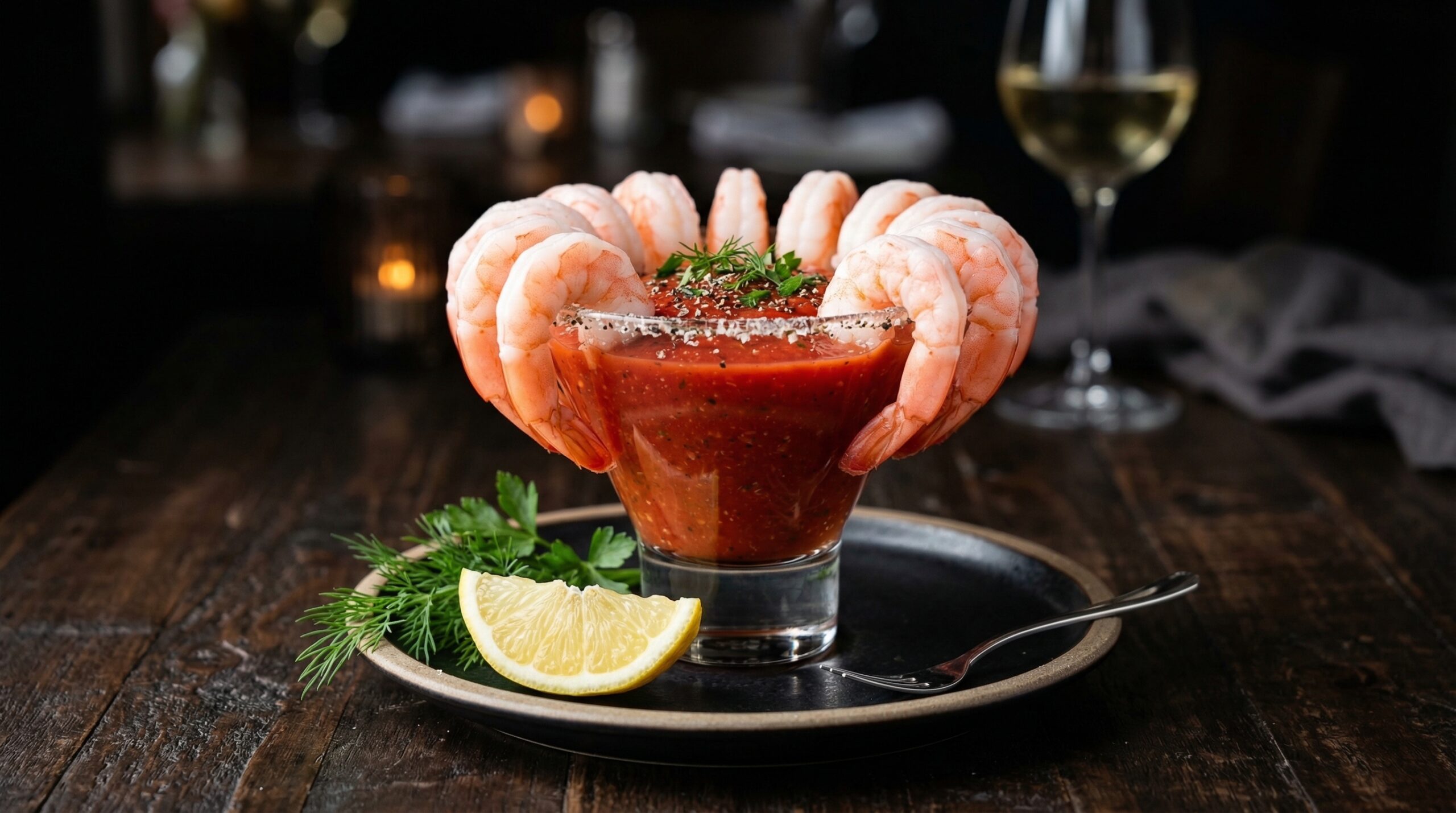
Few appetizers command a table quite like a perfectly executed shrimp cocktail. The briny sweetness of tender poached shrimp paired with that zingy, tangy sauce creates an experience that feels simultaneously elegant and comforting. Whether you are hosting a holiday gathering, planning a game day spread, or simply craving something impressive yet effortless, this shrimp cocktail recipe delivers every single time.
The beauty of this dish lies in its beautiful simplicity. You need just a handful of ingredients and about thirty minutes to create something that tastes like it came from a professional kitchen. Today, I am sharing not one but two versions: the classic that has stood the test of time, and a spicier rendition for those who like to turn up the heat. Both versions share the same flawless poaching technique, so once you master that, you can switch between sauces based on your mood or crowd.
What sets restaurant-quality shrimp cocktail apart from the soggy, rubbery versions many of us have endured? It all comes down to two things: not overcooking the shrimp and building layers of flavor into both the cooking liquid and the sauce. I will walk you through every detail, including some professional secrets I picked up along the way. One of my favorite tricks involves adding a touch of baking soda to the cooking water, a technique championed by Serious Eats that ensures your shrimp have that perfect tender snap.
Table of Contents
Classic Shrimp Cocktail Recipe
The classic shrimp cocktail represents everything we love about timeless American appetizers. It starts with a ketchup-based sauce that balances sweetness, tanginess, and that signature horseradish bite. The shrimp themselves are poached in heavily seasoned water, infused with aromatics that elevate their natural briny flavor without overwhelming the delicate texture.
For the classic version, you will want to use prepared horseradish rather than creamed horseradish. The prepared variety gives you that clean, sharp heat that cuts through the richness of the shrimp. If you can find fresh horseradish root and grate it yourself, even better. The difference in flavor is remarkable compared to the jarred versions. Speaking of quality ingredients, Heinz ketchup is consistently preferred by professional chefs for this recipe, though any quality ketchup will work in a pinch.
The cooking liquid for this shrimp cocktail recipe is where many home cooks cut corners, but this is precisely where you can build incredible depth. I use a full tablespoon of Old Bay seasoning, quartered onion, crushed garlic, bay leaves, and black peppercorns. Some cooks even add a splash of beer to the water, which imparts a subtle malty flavor that complements the shrimp beautifully. This technique appeared frequently in forum discussions among seafood enthusiasts, and once you try it, you will understand why it has such devoted followers.
After cooking and shocking the shrimp in an ice bath, peeling them is straightforward. Leave the tail shell intact, as it provides a natural handle and looks stunning for presentation. You can serve the shrimp arranged around a bowl of sauce, or place them directly in individual glasses with the sauce layered beneath. Both approaches work beautifully for entertaining.
Classic Cocktail Sauce Ingredients
- 1 cup quality ketchup
- 1/4 cup prepared horseradish
- 2 tablespoons fresh lemon juice
- 1 tablespoon Worcestershire sauce
- 1/2 teaspoon hot sauce (optional)
- Pinch of salt
Combine all ingredients in a bowl and refrigerate for at least an hour before serving. The sauce actually improves significantly after 24 hours, as the flavors meld together beautifully. If you are preparing this shrimp cocktail recipe for a party, you can make the sauce days in advance and just cook the shrimp the day of your event.
The sauce should have a balanced flavor profile: the ketchup sweetness, the horseradish heat, the lemon brightness, and that umami depth from Worcestershire. Taste and adjust as needed. Some prefer more horseradish kick, others want it tamer. This is your sauce, so make it exactly how you love it.
Quick Pro Tip
If you want to elevate your classic shrimp cocktail even further, try adding a teaspoon of Dijon mustard to the sauce. It contributes a subtle tanginess that brightens up the entire mixture without making it taste like a different condiment entirely. This little addition has become my secret weapon for shrimp cocktail that tastes like it belongs on a fine dining menu.
Spicy Shrimp Cocktail Recipe
Now for those moments when you want to bring some fire to the party. The spicy shrimp cocktail version takes everything wonderful about the classic and adds an exciting dimension of heat. Different cuisines approach this heat in various ways: harissa from North African cooking, yuzu kosho from Japanese cuisine, fresh jalapeno for bright, green heat, or classic Tabasco for that vinegary snap.
I have tested multiple spicy variations, and honestly, they all have merit depending on what you are craving. Harissa gives a smoky, complex heat that pairs wonderfully with the sweet shrimp. Yuzu kosho offers a unique citrusy, fermented pepper flavor that is absolutely addictive. Jalapeno provides fresh, vegetal heat that feels lighter. Tabasco, used by many professional recipes, delivers that sharp, vinegary kick that cocktail sauce fans know and love.
For the spicy version, I recommend starting with a base of the classic sauce recipe and then adding your chosen heat element. You can always add more heat, but you cannot remove it once it is mixed in. Begin with the measurements below and adjust to your preference. The sauce should still be balanced and enjoyable, not just a vehicle for capsaicin.
Spicy Cocktail Sauce Ingredients
- 1 cup quality ketchup
- 1/4 cup prepared horseradish
- 2 tablespoons fresh lemon juice
- 1 tablespoon Worcestershire sauce
- 1-2 tablespoons harissa paste (or yuzu kosho, or 1 tablespoon jalapeno minces)
- 1/2 teaspoon garlic powder
- Pinch of salt
The preparation remains identical to the classic version. Mix all ingredients thoroughly, taste for seasoning, and let the sauce rest in the refrigerator for at least an hour. The flavors will deepen and integrate beautifully, creating a sauce that is bigger than the sum of its parts.
One variation that particularly excites me involves adding clam juice or Clamato to the spicy version. This technique comes from authentic Mexican shrimp cocktail preparations, which often include avocado, pico de gallo, and Valentina hot sauce. The briny clam juice amplifies the seafood connection and creates something truly special for those who love bold, complex flavors.
When serving the spicy version, consider garnishing with fresh cilantro, a wedge of lime, or thin jalapeno slices. These additions provide visual appeal and let guests adjust their plate to their heat tolerance. The shrimp themselves can also be briefly marinated in the spicy sauce before serving, which infuses them with additional flavor.
Building Your Own Spice Blend
For the most control over your spicy shrimp cocktail, consider creating your own seasoning blend. One popular DIY option combines paprika, celery salt, black pepper, cayenne pepper, dry mustard, bay leaves, and cloves. This homemade Old Bay alternative allows you to adjust the heat level and flavor profile to match your preferences exactly. The recipe from Simply Recipes offers an excellent starting point if you want to explore this route.
How to Perfectly Poach Shrimp for Cocktail
The technique you use to cook the shrimp will make or break your shrimp cocktail recipe. Overcooked shrimp become tough and rubbery, releasing liquid and losing that prized tender texture. Undercooking them risks food safety issues and creates an unpleasant raw feel. The window is small but very manageable once you understand what you are looking for.
Start with the largest pot you have and fill it with water. You want enough liquid to comfortably accommodate all your shrimp without crowding them. Crowding causes the temperature to drop too dramatically when you add the shrimp, resulting in uneven cooking. Add your aromatics now: quartered onion, crushed garlic, bay leaves, peppercorns, and your chosen seasoning. Bring this mixture to a rolling boil and let it cook vigorously for several minutes to infuse the water with flavor.
The cooking time for shrimp is surprisingly short. For large shrimp (26-30 count per pound), you are looking at approximately 1-2 minutes in the boiling water. The shrimp are done when they have turned pink throughout and curled into a loose C shape. If they curl into a tight O shape, they are overcooked. I cannot stress this enough: pull them from the water the moment they turn pink. The carryover heat will continue cooking them even after you remove them from the pot.
The ice bath is non-negotiable. Prepare it before you start cooking by filling a large bowl with ice and cold water. As soon as each batch of shrimp finishes cooking, transfer them immediately using a slotted spoon. Let them cool completely in the ice bath, which should take about 5 minutes. This shocking method preserves that prized tender texture and keeps the vibrant pink color. Shrimp that cool slowly will become mushy and may turn grayish, which looks unappetizing.
Regarding deveining: this is a matter of personal preference and presentation. The vein is actually the shrimp’s digestive tract, and while it is harmless to eat, some people prefer to remove it for aesthetic reasons. Use a small paring knife to make a shallow cut along the back of each shrimp and pull out the dark thread. Leave the tails intact for both visual appeal and easy eating.
The Baking Soda Secret
Here is a technique that serious home cooks swear by: add a small amount of baking soda to your cooking water. This method, popularized by Kenji Lopez-Alt at Serious Eats, works by raising the pH of the cooking water. Shrimp protein binds differently at higher pH levels, resulting in a firmer, more tender texture with a satisfying snap. Use about one teaspoon per quart of water. The difference is subtle but noticeable, particularly with frozen shrimp that sometimes suffer from textural issues.
Shrimp Sizing Guide
For shrimp cocktail, you want shrimp large enough to make an impression but not so huge that they are difficult to eat. The ideal range is 26-30 count per pound (meaning there are 26-30 shrimp in one pound). These provide a substantial bite without feeling overwhelming. You can go larger to 16-20 count for an especially impressive presentation, but anything smaller than 30 count may feel insubstantial for a main appetizer portion.
Classic vs Spicy: Which Should You Make?
The question I get asked constantly is which version to serve. The answer depends on your audience, the occasion, and honestly, your willingness to deal with heat levels that might not suit everyone. Both versions of this shrimp cocktail recipe are excellent, and you truly cannot go wrong with either choice.
The classic version is your safest bet for mixed crowds, formal events, or when serving guests who may be sensitive to spice. It has universal appeal and represents the dish that people expect when they hear shrimp cocktail. The tangy, slightly sweet sauce appeals to nearly everyone and provides that nostalgic flavor that has made this appetizer endure for generations.
The spicy version works wonderfully when you know your crowd enjoys heat or when you are serving at casual gatherings where experimentation is welcome. The fiery variation particularly shines during summer months when bright, bold flavors feel appropriate. It also pairs excellently with beer, which makes it ideal for game day parties or outdoor barbecues.
If you are truly torn, consider making both sauces and letting guests choose. Set up a small station with the classic sauce, the spicy sauce, and perhaps a third option like the Mexican-inspired version with clam juice. This spread looks impressive and ensures everyone finds something they love. Plus, having multiple sauces gives you an excuse to eat more shrimp, which hardly seems like a problem to me.
Both sauces can be made ahead, which makes these shrimp cocktail recipes incredibly party-friendly. The classic sauce keeps for up to two weeks refrigerated in an airtight container. The spicy version keeps similarly, though if you use fresh ingredients like jalapeno, consume it within a week for optimal freshness and flavor.
Frequently Asked Questions
How do you make shrimp cocktail sauce from scratch?
To make shrimp cocktail sauce from scratch, combine 1 cup ketchup, 1/4 cup prepared horseradish, 2 tablespoons lemon juice, 1 tablespoon Worcestershire sauce, and 1/2 teaspoon hot sauce (optional). Mix well and refrigerate for at least an hour before serving. The sauce improves after resting for 24 hours as the flavors meld together.
What is the best way to cook shrimp for shrimp cocktail?
The best method is poaching. Bring seasoned water to a boil with aromatics like onion, garlic, bay leaves, and peppercorns. Add raw shrimp and cook for just 1-2 minutes until pink and curled into a C shape. Immediately transfer to an ice bath to stop cooking and preserve texture. This technique produces tender, flavorful shrimp perfect for cocktail service.
How long do you boil shrimp for cocktail?
Shrimp only need 1-2 minutes in boiling water for cocktail. Overcooking is the most common mistake, resulting in rubbery, tough texture. Watch carefully and remove shrimp the moment they turn pink and curl. The carryover heat will continue cooking them after removal.
What is the difference between classic and spicy shrimp cocktail?
Classic shrimp cocktail uses a ketchup-based sauce with horseradish, lemon, and Worcestershire for a tangy, slightly sweet flavor. Spicy shrimp cocktail adds heat through ingredients like harissa, yuzu kosho, jalapeno, or hot sauce. Both versions share the same poaching technique but differ in sauce complexity and heat level.
Final Thoughts
There you have it: everything you need to master the shrimp cocktail recipe for 2026 and beyond. Whether you lean toward the classic tangy version or prefer to turn up the heat with the spicier interpretation, you now have the techniques and knowledge to execute this timeless appetizer flawlessly. The keys to remember are simple: do not overcook your shrimp, build flavor into your cooking liquid, and give your sauce time to develop.
This dish rewards those who plan ahead. The sauce is genuinely better when made a day in advance, and the shrimp cook in mere minutes, so your last-minute prep is minimal. Set up a beautiful spread with both sauce options, arrange your gorgeous pink shrimp, and watch them disappear. A shrimp cocktail recipe like this does not need to share top billing with other dishes at your party. It can effortlessly carry the entire appetizer course on its own.
If you found this guide helpful, I encourage you to explore the Bloody Mary recipe on Thirsty Bear. The Bloody Mary shares several ingredients with classic cocktail sauce, making it a natural companion for your shrimp cocktail spread. Together, these two classics create an unforgettable appetizer station that will have your guests talking long after the party ends.
Now gather your ingredients, summon your confidence, and get cooking. Your perfectly poached shrimp await.