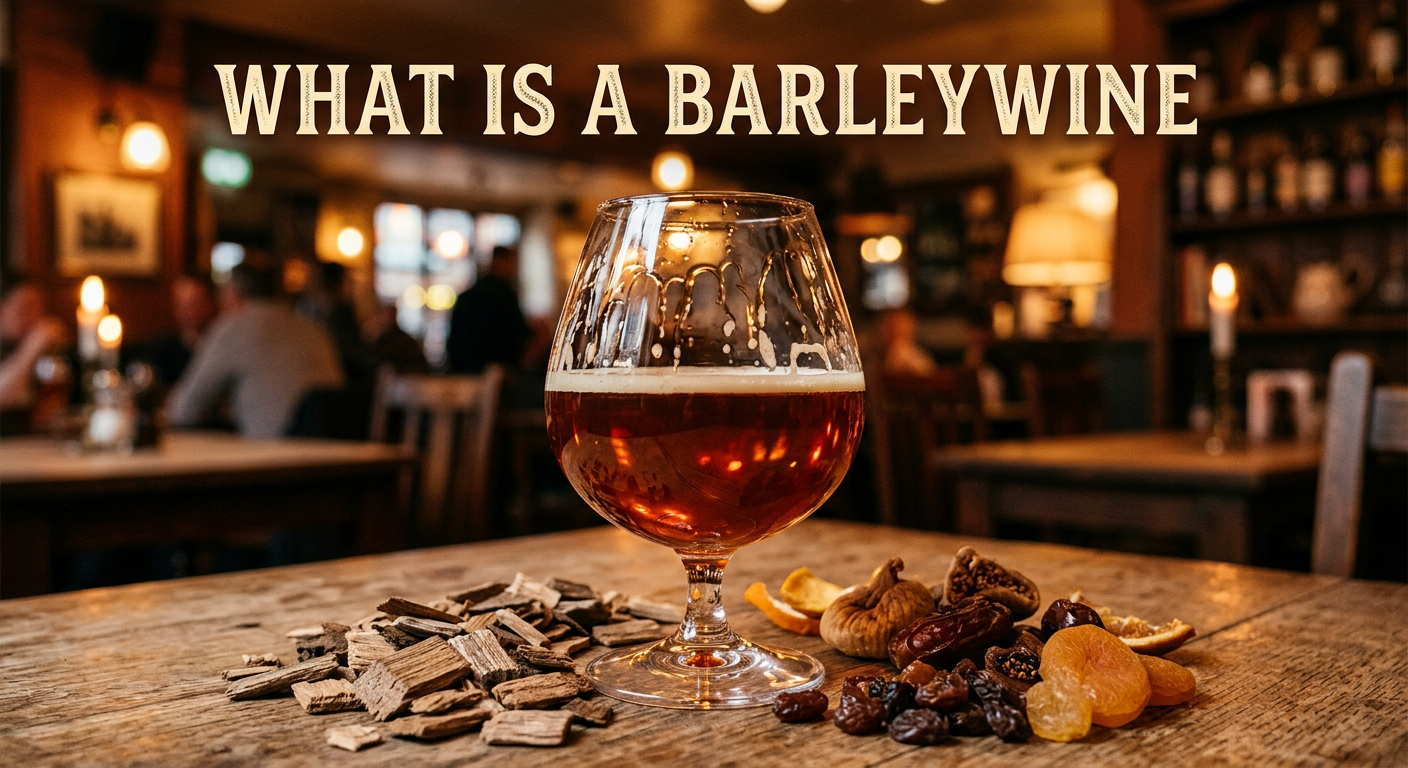
Barleywine is a strong ale that sits at the intersection of beer and wine, offering complexity that rivals many vintage wines. Despite its name, it contains no grapes and is brewed using malted barley, yet it earns the “wine” designation through its exceptional strength and depth. Most barleywines range from 8% to 12% ABV, making them some of the most potent brews you will encounter.
The question “what is a barleywine” comes up often because this style defies easy categorization. It originated in 19th-century Britain where breweries like Bass first used the term to describe their powerful ales. Today, craft brewers worldwide produce both American and English interpretations, each with distinct characteristics. I have been exploring Explore our brewery’s craft beer offerings and can tell you that barleywine remains one of the most rewarding styles for adventurous drinkers.
History and Origins of Barleywine
Barleywine traces its roots to Victorian-era Britain when brewers sought to create the strongest, most complex ales possible. The Bass Brewery in England claims one of the earliest documented uses of the term “barley wine” around 1870. These original barleywines were brewed using a technique called “first runnings,” where only the richest, most sugary portion of the mash was collected, resulting in an intensely flavored and alcoholic beverage.
British brewing tradition influenced how these beers developed, with early examples often leaning heavily on crystal and roasted malts for sweetness. The style gained recognition as something special, meant for savoring rather than quick consumption. Some brewers even aged their barleywines in oak barrels, a practice that introduced sherry-like notes and further complexity.
What Makes a Beer a Barleywine
The technical definition centers on three pillars: high original gravity, substantial alcohol content, and malt-forward flavor. A true barleywine typically starts with an original gravity exceeding 1.080 and finishes with an ABV between 8% and 12%. This puts it in the same alcohol range as many table wines, hence the name.
Unlike session beers designed for easy drinking, barleywine prioritizes intensity. Brewers use generous quantities of specialty malts to create layers of caramel, toffee, and biscuit flavors. Hopping rates vary by tradition, with English versions leaning toward traditional varieties like East Kent Goldings, while American brewers often add modern citrusy or piney hops for balance.
American vs English Barleywine
The two main traditions diverge significantly in character. English barleywine tends toward a darker, more caramelized profile with prominent residual sweetness. Traditional examples from Britain often display notes of dried fruit, treacle, and sherry, sometimes with subtle oxidative qualities that add depth. The hops take a backseat, providing only enough bitterness to balance the malt.
American barleywine emerged later, shaped by the craft beer revolution. American brewers embraced bolder hopping rates, creating beers with distinct citrus, pine, and floral aromatics that complement the malt backbone. These versions often showcase a more pronounced bitterness and can taste surprisingly hoppy even when aged. Color typically ranges from deep amber to copper, and many American examples are marketed as “Bigfoot” or similar names referencing their intensity.
Flavor Profile and Tasting Notes
If you are wondering what does barleywine taste like, prepare for an experience quite different from typical beer. The dominant sensation is malt richness, often described as a “malt monster.” Initial flavors typically include caramel, toffee, and dark fruit like raisins or figs. As the beer opens up, you might detect honey, biscuit, or even chocolate undertones.
The alcohol presents itself as warmth rather than harshness, coating the palate long after each sip. English versions often show signs of oxidative aging, manifesting as nutty or sherry-like qualities that many enthusiasts prize. American versions retain more hop character, offering bursts of grapefruit or pine alongside the sweet malt foundation.
One concern many newcomers raise relates to perceived “old IPA” flavors. This happens when barleywine oxidizes improperly or ages in unfavorable conditions. Well-crafted examples, however, develop desirable complexity without tasting stale or cardboard-like. I have tasted 16-year-old Sierra Nevada barleywine that still showed remarkable freshness and vibrancy, proving this style rewards patience.
Aging and Cellaring
How long does it take to age a barleywine? The short answer is that these beers are remarkably age-worthy. Unlike hop-forward IPAs meant for immediate consumption, barleywine improves with time as flavors meld and mature. The high alcohol and malt density create an environment where beneficial oxidation can work its magic, developing port-like and sherry-like characteristics over years.
For those new to cellaring, start with a six-month to one-year window before opening your first bottle. This allows the harsh edges to soften and the flavors to integrate. After that, check bottles annually to track their evolution. Some bottles peak at three to five years, while exceptional examples can remain outstanding for a decade or longer.
Storage conditions matter significantly. Keep bottles upright in a cool, dark place with consistent temperature, ideally between 50 and 55 degrees Fahrenheit. Unlike highly carbonated beers, barleywine does not require horizontally storage, and upright positioning actually minimizes surface area exposure to oxygen.
Glassware and Serving
Choosing the right glass enhances the drinking experience considerably. A snifter or brandy balloon works best, allowing you to swirl the viscous liquid while concentrating the aromas. The wide bowl gives space for the alcohol fumes to dissipate, while the narrow top traps the complex scents for your enjoyment.
Serving temperature matters more than many realize. Aim for 50 to 55 degrees Fahrenheit, which allows the flavors to open up without the alcohol becoming too volatile. Colder temperatures mute the malt complexity, while warmer service amplifies the alcohol heat and can overwhelm the nuanced flavors.
Food Pairing Suggestions
Barleywine pairs exceptionally well with rich, flavorful foods. The wine-like quality makes it a natural companion for aged cheeses, particularly sharp cheddar, blue cheese, or Gruyere. The beer stands up to the intensity of strong cheese without being overwhelmed.
Desserts offer another natural pairing opportunity. Consider chocolate tarts, caramel-based treats, or fig pudding. The malt sweetness complements these dishes while the alcohol cuts through fatty textures. Some enthusiasts even enjoy barleywine alongside main courses like braised short ribs or hearty stews.
Comparing Styles: Barleywine vs Stout
What is the difference between stout and barleywine? Both are strong, complex beers, but their foundations differ. Stouts derive their character primarily from roasted barley and dark grains, creating flavors of coffee, chocolate, and sometimes Guinness-style tartness. Barleywine, by contrast, centers on pale malts and crystal sugars, resulting in a sweeter, more wine-like profile.
Imperial stouts often match or exceed barleywine in alcohol content, yet their flavor profiles remain distinct. If you enjoy stouts for their roasted complexity, you might appreciate barleywine for its malt-driven richness and aging potential. The two styles cater to different palate preferences, with barleywine appealing to those who want something truly unique in the beer world.
FAQs
What does barleywine taste like?
Barleywine tastes like a malt monster with dominant caramel, toffee, and dried fruit flavors. English versions often show sherry and oxidative notes, while American versions retain more hop character with citrus or pine aromatics. The alcohol presents as warming rather than harsh, creating a wine-like experience.
What is the difference between stout and Barleywine?
Stouts get their character from roasted barley, creating coffee and chocolate flavors. Barleywine centers on pale malts and crystal sugars, resulting in a sweeter, more wine-like profile. Both are strong beers, but barleywine leans toward malt richness while stout emphasizes roasted complexity.
Why is it called barleywine?
Barleywine earned its name because it reaches wine-level alcohol content (8-12% ABV) through brewing with grain rather than grapes. The term reflects its exceptional strength and complexity, positioning it as a beer meant to be savored like fine wine.
What is English Barleywine?
English barleywine is the traditional style originating in 19th-century Britain. It features prominent caramel and dried fruit flavors, often with sherry-like oxidative notes from oak aging. Hops play a supporting role, providing subtle bitterness rather than distinct aroma.
What makes a beer a barleywine?
A beer qualifies as barleywine when it has high original gravity (exceeding 1.080), substantial alcohol content (8-12% ABV), and malt-forward flavor. The brewing process uses generous specialty malts and often employs first runnings techniques for maximum richness.
How long does it take to age a barleywine?
Barleywine benefits from at least six months to one year of aging for optimal flavor integration. Exceptional examples can age gracefully for three to five years or longer. Store upright in a cool, dark place at consistent temperature.
Final Thoughts on Barleywine
Understanding what is a barleywine opens doors to one of brewing’s most rewarding styles. These are not beers for casual sipping or hot summer days. Barleywine demands attention, patience, and an appreciation for complexity. The high alcohol content means moderation matters more than with typical beers.
If you are new to the style, start with an American example to experience the interplay between malt sweetness and hop character. Then progress to aged English versions to understand how time transforms these beers into something extraordinary. As experienced craft beer enthusiasts often say, this is not for people new to craft beer, but for those ready to explore the upper limits of brewing artistry.
The next time you encounter a barleywine, approach it as you would a fine wine. Take time to smell the aromas, note the layers of flavor, and appreciate how the warmth lingers. That is what makes this style so special and worth understanding.