
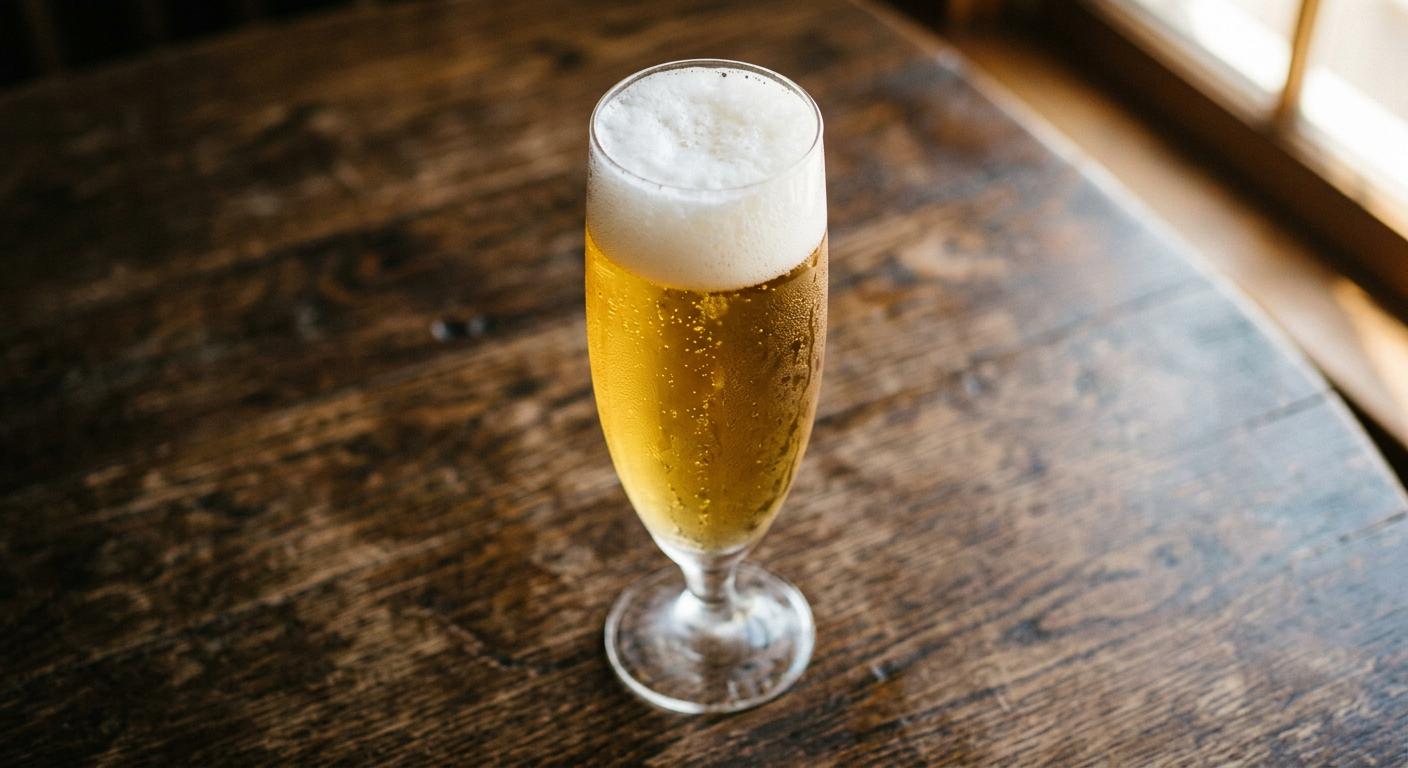
A pilsner is a type of pale lager that originated in the Czech city of Pilsen in 1842, and it’s currently experiencing a remarkable resurgence in the craft beer world. After years of dominating hop bombs and extreme flavor experiments, beer drinkers are rediscovering the elegant simplicity of a well-crafted pilsner. Our team has been watching this trend develop over the past few years, and we’re excited to explain why this classic style is winning over a new generation of beer lovers.
Table of Contents
What Is a Pilsner?
A pilsner is a pale lager characterized by its golden color, crisp finish, and balanced hop bitterness. Unlike its hop-forward craft beer cousins, a pilsner relies on subtle complexity rather than overwhelming flavor. The style uses bottom-fermenting yeast that works at cooler temperatures, which produces a clean, smooth profile free from the fruity esters common in ales.
This brewing approach requires patience and precision, qualities that separate dedicated craft brewers from mass-market producers. The name “pilsner” comes directly from Pilsen (Plzen in Czech), the Bohemian city where this beer style was perfected. Today, the term is used worldwide to describe pale lagers with specific characteristics, though true Czech-style pilsners maintain strict traditional methods.
The Origins of Pilsner in Pilsen, Czech Republic
The story of the pilsner begins in 1842, when a group of brewers in the Moravian city of Plzen responded to a crisis. Local consumers were rejecting dark, often spoiled beers, and the city authorities actually dumped barrels of subpar product in the main square. This embarrassing event prompted the formation of a new brewery that would revolutionize beer making.
The brewers, led by Bavarian-trained Martin Burger, introduced several innovations. They began using pale malt produced from locally dried barley, which replaced the dark malts common at the time. They also incorporated soft water from local springs and introduced Saaz hops from the nearby Žatec region. The final piece was adopting Bavarian bottom-fermentation techniques, which created what we now recognize as the pilsner style.
The original Pilsner Urquell, still brewed in Plzen today, set the standard that inspired brewers worldwide. German brewers later adapted the style, creating German pilsner with their own regional characteristics. The style traveled globally and became the foundation for most mainstream lagers consumed today, though many bear little resemblance to the original craft product.
What Goes Into a Pilsner: Ingredients and Brewing
Pilsner Malt and the Decoction Mash
The foundation of a quality pilsner lies in its malt. Pilsner malt is a pale, lightly kilned barley malt that provides the style’s characteristic bready, cracker-like backbone. This malt creates the golden color while delivering subtle malt sweetness without heavy caramel or roasted notes. The kilning process preserves enzymatic power, allowing brewers to convert starches efficiently during the mash.
Traditional Czech pilsners often employ decoction mash techniques, where portions of the mash are removed, boiled, and returned to raise temperatures gradually. This process intensifies malt flavors and develops the rich, complex character that distinguishes authentic pilsners from simpler implementations. While labor-intensive, decoction mashing produces noticeably better results that reflect the brewer’s commitment to tradition.
Saaz Hops and Noble Hop Character
Saaz hops, also known as Czech Saaz or Žatec, are the quintessential hop for authentic pilsners. These noble hops contribute herbal, spicy, and floral notes that complement rather than overwhelm the malt profile. The bitterness is present but restrained, typically ranging from 30-45 IBUs, creating balance without aggressive hop punch.
Noble hops like Saaz contain lower alpha acid content compared to modern American varieties, which means brewers must use more hops to achieve desired bitterness. This translates to more subtle, refined hop character rather than the tropical fruit explosions common in contemporary IPAs. The result is a beer where hops enhance rather than dominate, showcasing the harmony between malt and hop elements.
Bottom Fermentation and Lagering
Unlike ale yeasts that work at warmer temperatures, bottom-fermenting lager yeast performs best between 45-55°F (7-13°C). This cool fermentation produces minimal esters and phenols, allowing malt and hop flavors to shine through cleanly. The yeast simply does less flavor work, which paradoxically requires more technical brewing skill to execute properly.
After primary fermentation, lagers undergo an extended conditioning period called lagering. This cold storage phase, typically lasting 4-12 weeks, allows flavors to mature and any harsh edges to smooth out. CO2 dissolves more fully during lagering, creating the style’s characteristic lively carbonation and creamy head retention. This patience separates pilsners from beers brewed for speed to market.
Pilsner Styles Around the World
Czech Pilsner
The original style remains the gold standard for enthusiasts. Czech pilsners feature a rich malt body, prominent Saaz hop character, and a dry, bitter finish that invites another sip. Brands like Pilsner Urquell and Budweiser Budvar exemplify this traditional approach, often with higher original gravity and more assertive hop presence than their German counterparts.
German Pilsner
German brewers embraced the style with their own precision-focused approach. German pilsners tend to be lighter in body with more attenuated fermentation, resulting in a drier, crisper finish. Hopping rates vary by region, with northern German brewers often using Spalt or Hallertau hops for more subtle noble character. The style emphasizes cleanliness and refreshment above all else.
Italian Pilsner
A newer interpretation has emerged from Italy, where brewers apply their own creative vision. Italian pilsners often feature modern American hop varieties like Mosaic or Citra, creating hybrid styles that blend traditional technique with contemporary flavor. The base beer remains true to pilsner principles, but the hop bill brings tropical or citrus notes that appeal to craft beer veterans seeking familiar refreshment with unique character.
New Zealand Pilsner
New Zealand has developed its own take using locally grown hops like Nelson Sauvin and Motueka. These Southern Hemisphere varieties bring distinctive gooseberry, passionfruit, and white wine notes to the pilsner base. The result bridges traditional European brewing with New World hop innovation, creating refreshing beers with unique aromatic complexity that reward exploration.
The Sensory Profile: What Does a Pilsner Taste Like?
Pour a quality pilsner into a glass and you’ll notice its brilliant golden color, ranging from pale straw to deep yellow depending on malt depth. The beer displays excellent clarity, often with a persistent white head that indicates proper carbonation. Visual appeal matters because pilsners invite contemplation rather than demanding attention.
The aroma presents bready malt notes backed by subtle herbal, floral, or spicy hop character depending on variety used. Unlike hop-forward styles, pilsner aroma whispers rather than shouts. Take a moment to appreciate the restraint before the first sip.
On the palate, expect a light to medium body with cracker and bread crust malt flavors. Hop bitterness provides balance but never dominates. The finish is notably crisp and clean, with the dryness encouraging another drink. This drinkability explains why pilsners have remained popular for nearly two centuries across diverse cultures and continents.
Why Pilsners Are Making a Comeback
The Craft Beer Pendulum Swings Back
For roughly a decade, craft beer culture celebrated extreme flavors. Breweries competed to cram more hops, more adjuncts, more alcohol, and more intensity into every pour. IPAs became the default for craft beer enthusiasts, with barrel-aged stouts, fruited sours, and pastry stouts filling out the landscape of bold experimentation.
That intensity came with consequences. Many beer lovers report palate fatigue from constantly drinking aggressively hopped or sweetened beers. The novelty of extreme flavors fades when everything starts tasting like dessert. Pilsners offer a different proposition: simple pleasure without exhaustion. This shift in consumer preference is driving the style’s renewed popularity across beer markets worldwide.
Brewer Technical Skill on Display
A well-made pilsner reveals a brewer’s technical competence more clearly than most styles. Without heavy hopping to mask flaws or adjuncts to add complexity, every issue in recipe design or process control becomes immediately obvious. A dull pilsner, a gummy pilsner, or one with off-flavors stands revealed.
This transparency explains why craft brewers are increasingly proud of their lagers and pilsners. These styles demonstrate that a brewery can execute fundamentals flawlessly, which is the foundation of great brewing. When we explore our brewing philosophy, we recognize that mastery of classic techniques separates accomplished brewers from novices. Making a simple beer well requires genuine skill.
Drinkability and Sessionability
Pilsners typically range from 4-5.5% alcohol, making them ideal for extended drinking sessions without rapid intoxication. The crisp, refreshing character cleanses the palate between bites, making pilsners exceptional partners for diverse cuisines. Unlike high-alcohol barrel-aged beers, pilsners support multiple drinks over an evening without overwhelming the senses.
This sessionability appeals to changing consumer behavior. Many craft beer enthusiasts now prefer quality over quantity, choosing two well-crafted pilsners over five glasses of hop soup. The trend toward mindful drinking aligns perfectly with what pilsners offer. The style invites slower appreciation rather than demanding rapid consumption.
Market data confirms this shift. Craft breweries report growing sales of lagers and pilsners across North America and Europe. Major craft players have introduced dedicated lager programs, and traditional pilsner-focused breweries report increased interest from younger consumers who previously dismissed lagers as boring. The beer style guide perspective shows pilsners are gaining recognition alongside established craft favorites as consumers seek balance.
Pilsner and Food Pairing
Few beer styles match pilsners for food pairing versatility. The clean malt backbone supports without overwhelming delicate dishes, while the carbonation scrubs the palate between bites. This makes pilsners perfect for avoiding palate fatigue during multi-course meals. Whether you’re enjoying light appetizers or substantial mains, a pilsner adapts gracefully.
Traditional pairings include Czech dishes like svíčková (marinated beef with cream sauce) or roasted pork with dumplings. However, pilsners equally complement German sausages, Japanese sushi, Mexican tacos, and American BBQ. The style’s versatility stems from restrained flavors that enhance rather than compete with food.
At Spanish food and beer pairings, you’ll discover how pilsners cut through rich tapas like patatas bravas or garlic shrimp while standing up to bold cured meats. The carbonation handles spice particularly well, making pilsners excellent choices for cuisines featuring heat.
The organic brewing movement has also embraced pilsners because the style’s simple ingredient list showcases quality raw materials. When you use exceptional malt and hops, the result speaks for itself without requiring heavy additions. The organic brewing approach aligns naturally with pilsner production because traditional methods inherently value ingredient quality and honest brewing.
Conclusion: Pilsners Represent Brewing Excellence
A pilsner represents brewing at its most honest: simple ingredients executed with precision and patience. The style’s current comeback reflects changing consumer preferences toward balance, drinkability, and technical craftsmanship. Whether you’re a seasoned craft beer enthusiast or someone curious about beer beyond mass-market offerings, quality pilsners reward exploration.
The next time you see a pilsner on a menu or tap list, consider what you’re actually tasting: a style perfected over 180 years, requiring more time and skill than most modern beers, and offering satisfaction that builds with each sip rather than overwhelming immediately. That’s why pilsners are making a comeback in 2026.
FAQs
Why is pilsner so popular?
Pilsners offer a perfect balance of crisp refreshment and subtle complexity. After years of palate-fatiguing hop bombs, beer drinkers appreciate the clean, drinkable nature of a well-crafted pilsner. The style showcases brewer skill without hiding behind heavy adjuncts or excessive hopping.
What does pilsner taste like?
A quality pilsner delivers a brilliant golden appearance with a bready malt backbone, subtle hop bitterness from noble Saaz hops, and a clean crisp finish. It’s refreshing without being watery, and balanced without being boring.
Is a pilsner like a Coors Light?
While both are pale lagers, craft pilsners differ dramatically from mass-market light lagers. A true pilsner uses traditional ingredients like pilsner malt and Saaz hops, undergoes proper lagering for weeks, and showcases genuine flavor complexity rather than being brewed for maximum cost efficiency and distribution shelf life.
Where did pilsner originate?
The pilsner style originated in 1842 in the city of Pilsen (Plzen), Czech Republic. The style was born out of necessity when local brewers responded to a beer quality crisis by creating a pale, clear, consistent lager using new malting techniques and Saaz hops from the Žatec region.
Are lagers making a comeback?
Yes, we’re witnessing what many call a lager renaissance. Craft breweries across the world are embracing lagers and pilsners, recognizing that technical brewing skill produces beers that stand alongside hop-forward styles. The pendulum is swinging from extreme hop character back toward balance and drinkability.