Bourbon has a way of stealing the spotlight at any gathering. Its rich caramel and vanilla notes, developed through years in charred oak barrels, create a flavor profile that’s both bold and surprisingly versatile. If you’ve ever wondered what to mix with bourbon to create drinks that impress without requiring bartending school, you’re in the right place.
I’ve spent years experimenting with bourbon cocktails at home, from classic Old Fashioneds to creative seasonal drinks. Through trial and plenty of error, I’ve learned which mixers enhance bourbon’s natural sweetness and which ones clash with its oak-forward character. Whether you’re a bourbon beginner looking for your first mixed drink or an experienced home bartender seeking fresh ideas, this guide covers everything you need to know.
We’ll explore classic carbonated mixers, fruit juices that complement bourbon’s warmth, sweeteners that balance its intensity, and even some unexpected combinations that might become your new favorites. Along the way, I’ll share tips from experienced bourbon enthusiasts and common mistakes to avoid. For more cocktail recipes and drink inspiration, check out our recipes section.
Quick Picks: Top Bourbon Mixers at a Glance
Before diving into the details, here’s a quick reference guide to the most popular bourbon mixers and what makes each one work:
- Cola – The classic choice. Caramel and vanilla notes in cola mirror bourbon’s flavor profile, creating a familiar, crowd-pleasing combination. Works with any bourbon proof level.
- Ginger Beer/Ale – The no-fail mixer. Spicy ginger cuts through bourbon’s richness while adding refreshing effervescence. Ginger beer brings more kick; ginger ale is gentler for beginners.
- Club Soda – The purist’s mixer. Adds fizz without sweetness, letting bourbon’s natural flavors shine through. Perfect for high-quality bourbon you want to taste.
- Lemonade – The summer favorite. Tart citrus balances bourbon’s sweetness, creating a refreshing drink that works especially well with 80-90 proof bourbon.
- Simple Syrup – The essential sweetener. Used in countless classic cocktails, from the Old Fashioned to the Mint Julep. Easy to make at home and customize with flavors.
- Sweet Vermouth – The sophisticated choice. Creates the Manhattan and other refined cocktails. Herbal sweetness complements bourbon’s oak character.
- Cocktail Bitters – The flavor amplifier. Just a few dashes add aromatic complexity to any bourbon drink. Angostura is the classic choice.
- Apple Cider – The seasonal star. Warm spices and apple sweetness pair beautifully with bourbon for fall and winter drinks.
These eight mixers form the foundation of most bourbon cocktails you’ll encounter. Now let’s explore each category in depth so you can choose the right mixer for any occasion.
Classic Carbonated Mixers
Carbonated mixers remain the most popular choice for bourbon, and for good reason. They’re easy to find, simple to use, and create refreshing drinks with minimal effort. Let’s break down the top options and when to reach for each one.
Bourbon and Cola
The bourbon and cola combination is arguably the most popular bourbon mixed drink in America. It works because cola’s caramel and vanilla notes echo bourbon’s flavor profile, creating a harmonious blend rather than competing flavors. The carbonation adds a refreshing quality, while the sweetness helps smooth out any harsh edges in the whiskey.
For the best bourbon and cola, I recommend using a mid-range bourbon in the 80-100 proof range. Higher proof bourbons can overwhelm the cola, while very young bourbons might taste harsh. Mix at a 1:2 or 1:3 ratio (bourbon to cola) depending on your preference, and always serve over plenty of ice. A wedge of lime adds a bright citrus note that elevates the drink beyond the ordinary.
Ginger Beer and Ginger Ale
Among bourbon enthusiasts, ginger ale earns the title of the “no-fail” mixer. Its gentle spice and sweetness work with virtually any bourbon, from budget-friendly options to premium bottles. The difference between ginger beer and ginger ale matters here: ginger beer has a stronger, spicier ginger flavor and less sweetness, while ginger ale is milder and sweeter.
For a Kentucky Mule (bourbon’s answer to the Moscow Mule), use ginger beer and fresh lime juice. The spicy kick stands up beautifully to higher-proof bourbons like Wild Turkey 101 or Old Grand Dad Bonded. If you’re new to bourbon or working with a particularly bold bottle, ginger ale offers a gentler introduction. Serve in a copper mug if you have one, though any glass works fine.
Club Soda and Sparkling Water
Club soda might seem like a nothing mixer, but that’s exactly its strength. When you have a quality bourbon you actually want to taste, club soda adds effervescence without masking the whiskey’s character. It’s the preferred choice for bourbon enthusiasts who want a lighter drink without the sweetness of cola or ginger ale.
The key is using a bourbon you genuinely enjoy. Club soda won’t hide flaws or smooth out rough edges the way sweeter mixers will. I like using club soda with wheated bourbons (those using wheat as their secondary grain) because it lets their softer, sweeter profile shine through. A twist of lemon or lime adds just enough brightness without competing with the bourbon.
Lemon-Lime Soda (Sprite, 7-Up)
Yes, Sprite and bourbon is absolutely a thing, and it’s better than you might expect. The lemon-lime flavor adds brightness and sweetness that works surprisingly well with bourbon’s caramel and vanilla notes. This combination tends to be popular among people who find bourbon too harsh on its own but want something more interesting than a rum and Coke.
Is Sprite and bourbon good? It depends on your taste preferences. If you enjoy sweeter drinks, this combination delivers a refreshing, easy-drinking option. The citrus notes help cut through bourbon’s richness without the complexity of fresh lemon juice. For the best results, use plenty of ice and consider adding a splash of fresh lime juice to balance the sweetness.
Citrus and Fruit Juice Mixers
Fruit juices bring acidity and natural sweetness to bourbon, creating balanced cocktails that feel more sophisticated than simple soda mixes. The key is choosing juices that complement rather than overpower bourbon’s distinct character.
Lemon Juice and Lemonade
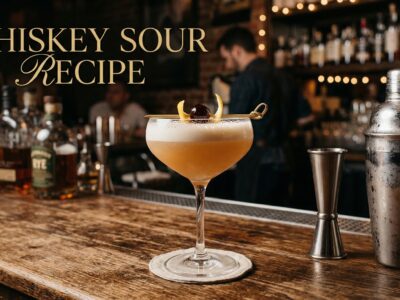
Fresh lemon juice might be the most versatile bourbon mixer in existence. It forms the backbone of the Whiskey Sour, one of the five classic cocktails every home bartender should master. The tart acidity cuts through bourbon’s richness while highlighting its vanilla and caramel notes.
For a proper Whiskey Sour, combine 2 ounces bourbon, 3/4 ounce fresh lemon juice, and 1/2 ounce simple syrup. Shake with ice and strain into a rocks glass. The egg white is optional but adds a silky texture and beautiful foam cap. If you want something even simpler, bourbon and lemonade (roughly 1:2 ratio) creates a refreshing summer drink that requires zero bartending skills.
Always use fresh lemon juice when possible. The bottled stuff works in a pinch, but it lacks the bright, aromatic quality that makes citrus cocktails shine. And if you’re making lemonade from scratch, go easy on the sugar – you want tartness to balance the bourbon, not compete with it.
Orange Juice
Bourbon and orange juice creates a surprisingly pleasant combination. The citrus sweetness and subtle bitterness of orange juice complement bourbon’s caramel notes without overwhelming them. This isn’t as common as the bourbon and cola combo, but it deserves more attention than it gets.
The key is using good orange juice – fresh squeezed if possible. Concentrate-based juices tend to be too sweet and lack the complexity needed to stand up to bourbon. A 1:2 ratio of bourbon to orange juice works well, served over ice with an orange wheel for garnish. Some people add a dash of Angostura bitters to add depth, creating something closer to a morning cocktail.
Apple Cider
When fall arrives, bourbon and apple cider becomes my go-to combination. The warm spices and natural apple sweetness pair beautifully with bourbon’s oak character, creating a drink that feels like autumn in a glass. This works equally well hot or cold, making it versatile for any temperature.
For a cold cider drink, mix 2 ounces bourbon with 4 ounces apple cider over ice. Add a cinnamon stick for garnish and maybe a dash of apple cider vinegar for complexity. For a hot version, warm the cider gently (don’t boil) before adding the bourbon – heat releases the spirit’s aromatics while the alcohol remains intact. This is an excellent way to use budget-friendly bourbon since the cider provides most of the flavor.
What About Cranberry Juice?
I’ll be honest: bourbon and cranberry juice isn’t my favorite combination. Cranberry’s tartness and slight bitterness can clash with bourbon’s sweetness, creating a drink that feels disjointed rather than balanced. That said, some people enjoy it, particularly when tempered with orange juice or a splash of lime.
If you want to try it, use a sweeter bourbon and add a bit of simple syrup to bridge the gap between the whiskey and cranberry. A 1:3 bourbon to cranberry ratio is a good starting point. Just don’t expect it to become your go-to drink.
Sweeteners and Syrups
Sweeteners might not seem like mixers in the traditional sense, but they’re essential for creating balanced bourbon cocktails. Understanding how to use them transforms harsh combinations into smooth, enjoyable drinks.
Simple Syrup: The Home Bar Essential
Simple syrup is exactly what it sounds like: sugar dissolved in water. But this basic ingredient forms the foundation of countless classic bourbon cocktails, from the Old Fashioned to the Mint Julep. Having a bottle on hand makes cocktail creation significantly easier.
Making simple syrup at home takes about five minutes. Combine equal parts sugar and water in a saucepan, heat gently until the sugar dissolves completely, then let cool. Store in the refrigerator for up to a month. The standard ratio is 1:1, though you can make a richer syrup with 2:1 sugar to water for cocktails that need more sweetness without added dilution.
Honey Syrup
Honey adds floral complexity that plain sugar lacks, creating deeper, more interesting cocktails. But pouring honey directly into a cold drink results in a gloppy mess at the bottom of your glass. Honey syrup solves this problem beautifully.
To make honey syrup, combine honey with warm water at a 1:1 or 2:1 ratio (honey to water) and stir until fully incorporated. This creates a pourable sweetener that blends smoothly into cocktails. Honey syrup works particularly well in bourbon drinks during fall and winter, adding warmth that complements the season. Try it in a Gold Rush (bourbon, honey syrup, lemon juice) for a honey-forward twist on the Whiskey Sour.
Maple Syrup
Real maple syrup brings a distinctive flavor that pairs surprisingly well with bourbon. Both ingredients share woody, caramel notes that create a cohesive, warming drink. This works best in cocktails served during cooler months when you want something that feels substantial.
Unlike honey, maple syrup is already liquid enough to mix directly into cocktails. Start with a small amount – maple’s flavor is potent, and too much will overwhelm the bourbon. A quarter ounce per drink is usually sufficient. The Maple Old Fashioned (bourbon, maple syrup, bitters) has become a modern classic worth trying.
DIY Infused Syrups
Once you’re comfortable with basic simple syrup, the possibilities expand dramatically. Infusing syrups with herbs, spices, or fruits creates unique flavor combinations that elevate simple bourbon drinks into something memorable.
Some infusion ideas that work beautifully with bourbon: cinnamon syrup (simmer cinnamon sticks with your simple syrup), lavender syrup (add dried lavender buds during cooling, then strain), ginger syrup (fresh ginger slices cooked with the syrup), and vanilla syrup (split vanilla bean added to hot syrup). Each adds a distinctive character to bourbon cocktails without requiring advanced bartending skills. Check out our recipes section for more DIY cocktail ingredient ideas.
Aromatics: Bitters and Vermouth
Bitters and vermouth occupy a special place in bourbon cocktails. These ingredients are used in small quantities but have outsized impact on flavor complexity. Understanding them opens up a world of classic cocktails.
Cocktail Bitters
Cocktail bitters are highly concentrated flavoring agents made from botanicals, herbs, and spices macerated in alcohol. Just a few dashes can transform a simple bourbon drink into something complex and aromatic. Angostura bitters is the most common variety, featuring a warm, spicy profile with notes of clove and cinnamon.
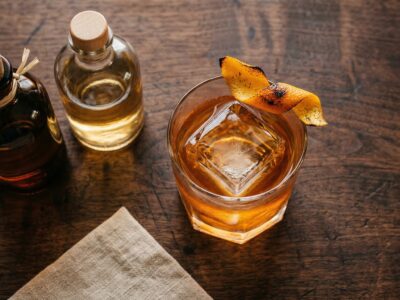
The Old Fashioned demonstrates bitters’ power perfectly: bourbon, a sugar cube (or simple syrup), and two dashes of bitters create one of the most revered cocktails in existence. The bitters don’t make the drink bitter – they add aromatic depth that ties the sweetness and whiskey together. Other varieties worth exploring include orange bitters (bright and citrusy), walnut bitters (nutty and rich), and chocolate bitters (for dessert-like cocktails).
Sweet Vermouth
Sweet vermouth is a fortified wine aromatized with botanicals, and it’s the essential partner to bourbon in the Manhattan cocktail. The herbal sweetness and slight bitterness of vermouth complement bourbon’s caramel and vanilla notes, creating a sophisticated drink that’s greater than the sum of its parts.
A classic Manhattan combines 2 ounces bourbon, 1 ounce sweet vermouth, and 2 dashes Angostura bitters, stirred with ice and strained into a chilled coupe. The result is silky, complex, and deceptively strong. Use decent vermouth (it doesn’t need to be top-shelf, but avoid the cheapest options) and keep it refrigerated after opening – it’s wine-based and will oxidize if left at room temperature.
Campari and Other Aperitifs
Campari’s bitter, herbal character might seem like an odd match for bourbon, but the combination works beautifully in the Boulevardier. This Negroni variation substitutes bourbon for gin, creating a warmer, richer cocktail that’s perfect for sipping slowly.
The Boulevardier combines bourbon, Campari, and sweet vermouth in equal parts (or slightly more bourbon if you prefer). The bitter Campari cuts through the bourbon’s sweetness while the vermouth bridges the gap between them. It’s an acquired taste for some, but once you appreciate it, this becomes a cocktail you crave.
Unexpected Mixers Worth Trying
Once you’ve mastered the classics, branching out into unexpected territory keeps things interesting. These unconventional mixers might not be traditional, but they create memorable drinks worth exploring.
Cold Brew Coffee
Coffee and bourbon share roasted, woody notes that make them natural partners. Cold brew coffee, with its smoother, less acidic profile than hot coffee, works particularly well in bourbon cocktails. The result is a drink that works equally well as an evening sipper or a brunch cocktail.
Try combining equal parts bourbon and cold brew over ice, sweetened lightly with maple syrup. A dash of coffee liqueur adds depth if you have it. This combination tastes like an elevated version of Irish coffee without the cream. The caffeine content means it’s probably not a drink for late evening, but it’s perfect for afternoon gatherings.
Tea
Tea might seem surprising, but its tannins and subtle flavors can complement bourbon beautifully. Sweet tea and bourbon creates a Southern classic, while iced tea mixed with bourbon and lemonade (an “John Daly” cocktail) offers a refreshing summer option.
For something more sophisticated, try Earl Grey tea with bourbon. The bergamot in Earl Grey adds citrus complexity that pairs surprisingly well with the whiskey. Make a strong cup, let it cool, then mix with bourbon in roughly equal parts. A touch of honey syrup ties everything together.
Tips for Mixing Bourbon Like a Pro
Knowing what to mix with bourbon is only half the battle. Understanding how to mix bourbon properly makes the difference between mediocre drinks and memorable ones.
Proof Matters
Bourbon proof (twice the alcohol by volume percentage) significantly impacts how it performs in mixed drinks. Lower-proof bourbons (80 proof) blend more easily with delicate mixers like lemonade or club soda, while higher-proof options (100+ proof) stand up to bold ingredients like ginger beer or vermouth.
For most mixed drinks, I recommend bourbons in the 90-100 proof range. They have enough character to shine through mixers without overwhelming them. Wild Turkey 101 and Old Grand Dad Bonded are favorites among bourbon enthusiasts for mixing because they maintain their personality even when diluted. Save your ultra-premium, cask-strength bottles for sipping neat.
Common Beginner Mistakes
The biggest mistake I see beginners make: using expensive bourbon in mixed drinks. If you’re adding cola, juice, or other strong flavors, the subtle differences between a $50 bourbon and a $20 bourbon mostly disappear. Use mid-range bottles for mixing and save the good stuff for sipping.
Another common error is adding too much mixer. Start with less than you think you need. You can always add more, but you can’t take it back. A good starting ratio is 1 part bourbon to 2 parts mixer, then adjust from there based on your taste.
The Budget-Friendly Approach
There’s no shame in mixing affordable bourbon. In fact, many experienced bourbon enthusiasts specifically keep budget bottles for cocktails. The mixer does most of the heavy lifting, so you don’t need a complex, aged bourbon to make a good drink.
Some affordable bourbons that mix well: Evan Williams Bottled-in-Bond, Jim Beam, Very Old Barton, and Benchmark. All deliver solid bourbon character without breaking the bank. Mix these with quality ingredients, and your cocktails will taste far more expensive than they actually are.
Seasonal Mixer Recommendations
Different mixers shine at different times of year. Here’s a quick guide to seasonal bourbon drinks that make the most of each season’s character.
Spring: Light and refreshing combinations take center stage. Bourbon and lemonade, the Whiskey Sour, and bourbon with club soda and fresh mint all work beautifully as the weather warms. These drinks highlight bourbon’s versatility without weighing you down.
Summer: Reach for the carbonated options. Kentucky Mules with ginger beer, bourbon and cola over plenty of ice, and bourbon with sparkling water and citrus all offer refreshment on hot days. Consider batching cocktails ahead of time for easy entertaining.
Fall: Apple cider and bourbon becomes essential as leaves change. The warming spices in cider complement bourbon’s oak character perfectly. Also consider maple syrup-based cocktails and drinks featuring cinnamon or other baking spices.
Winter: Embrace warmth and richness. Hot toddies (bourbon, hot water, honey, lemon, spices) provide comfort on cold nights. The Manhattan and Old Fashioned feel particularly appropriate during holiday gatherings. Consider serving bourbon with warm apple cider for a crowd-pleasing winter warmer.
What NOT to Mix with Bourbon
Just as important as knowing what works is understanding what doesn’t. Some combinations create drinks that are genuinely unpleasant, no matter how theoretically sound they might seem.
Avoid cream-based mixers. Bourbon and cream don’t play well together. The alcohol curdles dairy, creating an unappealing texture and strange flavor combination. If you want a creamy bourbon drink, look for bourbon cream liqueurs designed specifically for that purpose.
Go easy on tart juices. While lemon and lime work beautifully, very tart juices like straight cranberry or grapefruit can clash with bourbon’s sweetness. If you use them, balance with simple syrup or another sweetener.
Skip the energy drinks. Bourbon and energy drinks is a combination best avoided, both for flavor reasons and health considerations. The sweetness of energy drinks overwhelms bourbon’s character, and mixing stimulants with depressants can mask how intoxicated you actually are.
Don’t overdo it with sweet mixers. Too much sweetness masks bourbon’s complexity and creates cloying drinks. If your cocktail tastes more like dessert than a balanced beverage, dial back the sweet elements.
FAQs
What is good to mix with bourbon?
The best mixers for bourbon include cola, ginger beer or ginger ale, club soda, lemonade, simple syrup, sweet vermouth, and cocktail bitters. These ingredients complement bourbon’s caramel, vanilla, and oak notes without overwhelming them. For beginners, ginger ale is often recommended as a no-fail option that works with virtually any bourbon.
What do most people drink bourbon with?
Cola remains the most popular bourbon mixer by far, followed by ginger ale and ginger beer. Among cocktail enthusiasts, the Old Fashioned (bourbon, sugar, bitters) and Whiskey Sour (bourbon, lemon juice, simple syrup) are the most common bourbon cocktails. For casual drinking, bourbon and cola or bourbon and ginger ale are the go-to choices.
Is Sprite and bourbon good?
Yes, Sprite and bourbon creates a surprisingly pleasant combination. The lemon-lime flavor adds brightness and sweetness that works well with bourbon’s caramel and vanilla notes. This mix tends to be popular among those who find bourbon too harsh on its own. For best results, use plenty of ice and consider adding a splash of fresh lime juice to balance the sweetness.
What not to mix with bourbon?
Avoid mixing bourbon with cream-based ingredients (the alcohol curdles dairy), energy drinks (flavors clash and health concerns), and very tart juices without sweetener to balance them. Also avoid using expensive, complex bourbons in strongly flavored mixed drinks – save those for sipping neat. Budget to mid-range bourbons work perfectly for cocktails.
Conclusion
Understanding what to mix with bourbon opens up a world of drink possibilities, from simple two-ingredient combinations to complex classic cocktails. The key is matching mixers to bourbon’s inherent character – those caramel, vanilla, and oak notes that make this American whiskey so distinctive.
Start with the classics: cola for a crowd-pleasing highball, ginger ale for a no-fail option, or simple syrup and bitters for an Old Fashioned that showcases bourbon at its best. As you get comfortable, experiment with fruit juices, seasonal ingredients like apple cider, and even unexpected options like cold brew coffee. Remember that proof matters, budget-friendly bourbon works fine for mixing, and the best drink is ultimately the one you enjoy.
The beauty of bourbon lies in its versatility. Whether you’re mixing a casual drink for yourself or crafting cocktails for a gathering, there’s a bourbon combination perfect for the occasion. Now that you know the options, the only thing left is to start experimenting. For more drink inspiration and cocktail recipes, explore our growing collection.