
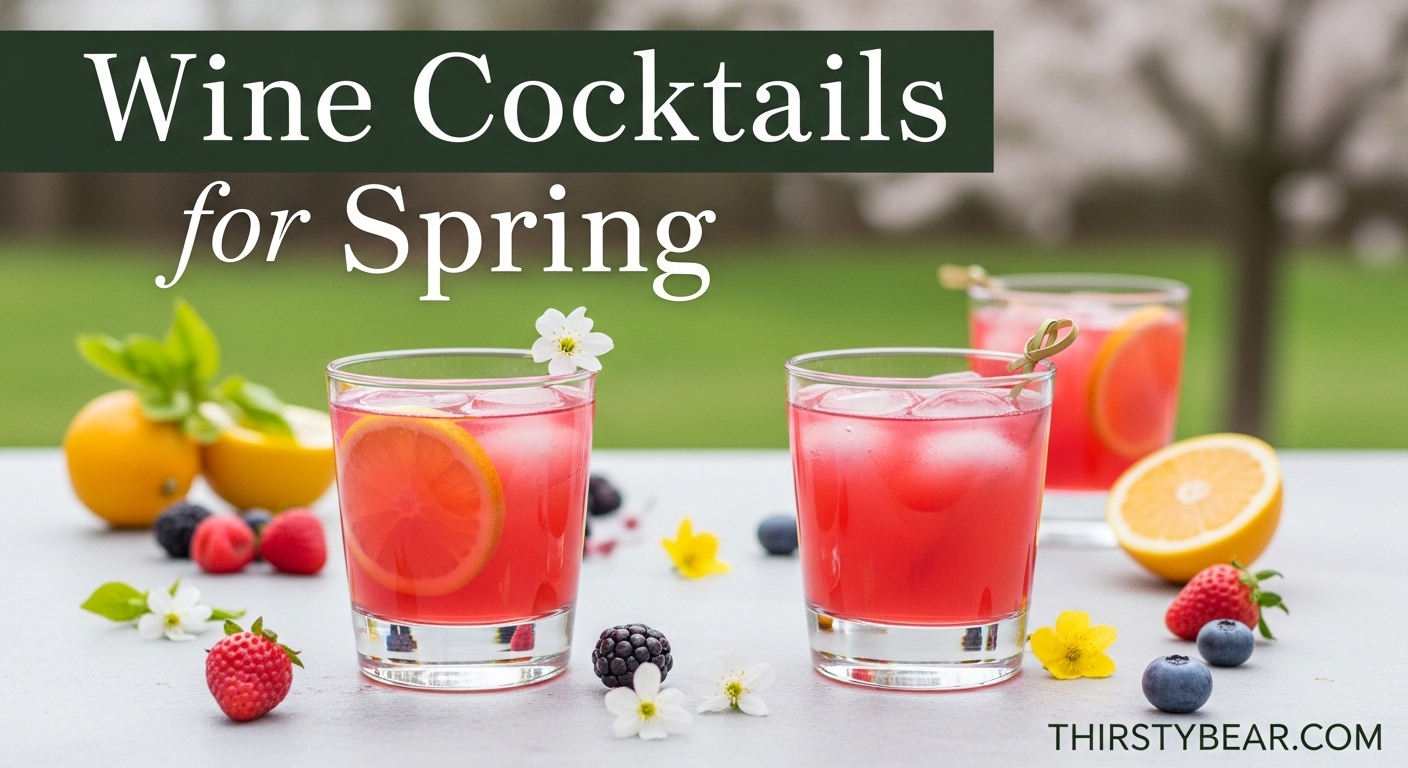
Spring brings longer days, blooming gardens, and the perfect excuse to refresh your cocktail rotation. Wine cocktails for spring capture everything we love about the season: bright flavors, floral aromas, and light, effervescent sips that pair beautifully with outdoor entertaining.
I have spent years testing wine-based drinks for brunches, garden parties, and lazy afternoon sipping. The recipes below are my tried-and-true favorites, organized by wine type and occasion. Whether you are a cocktail beginner or experienced mixologist, these easy impressive cocktails deliver professional results with minimal effort.
Table of Contents
What Makes a Spring Wine Cocktail Special?
Spring wine cocktails differ from winter and summer versions in key ways. Where winter drinks lean heavy and warming, and summer cocktails favor bold fruit, spring drinks strike a delicate balance. They feature floral notes, fresh herbs, and citrus-forward profiles that feel as invigorating as the season itself.
The best spring wine cocktails share three characteristics: they are light and refreshing rather than rich, they incorporate seasonal ingredients like fresh berries and edible flowers, and they have lower alcohol content than spirit-forward drinks. This makes them ideal for daytime occasions like Easter brunch, Mother’s Day gatherings, and garden parties.
Best Sparkling Wine Cocktail Recipes (2026)
Nothing signals spring celebration quite like bubbles. Sparkling wine cocktails offer instant elegance with minimal preparation. These three recipes work with Prosecco, cava, or any dry sparkling wine you prefer.
Elderflower Prosecco Spritz
This floral spritz has become my go-to welcome drink for spring gatherings. The elderflower liqueur adds subtle sweetness without overwhelming the wine’s natural brightness.
Ingredients:
- 4 ounces Prosecco or other dry sparkling wine
- 1 ounce St-Germain elderflower liqueur
- 2 ounces soda water
- Fresh mint sprig for garnish
- Lemon wheel for garnish
Instructions:
- Fill a wine glass with ice.
- Add elderflower liqueur first.
- Pour Prosecco over the liqueur.
- Top with soda water and stir gently.
- Garnish with mint and lemon.
Make-ahead tip: Mix the elderflower and soda water in a pitcher beforehand, then add individual portions of Prosecco when serving to preserve the bubbles.
Strawberry Basil Bellini
The classic Bellini gets a spring update with fresh strawberries and basil. I prefer this version to the traditional peach original because strawberries peak in late spring and offer brighter acidity.
Ingredients:
- 2 fresh strawberries, hulled
- 2 basil leaves
- 1/2 ounce simple syrup
- 4 ounces Prosecco
- Basil leaf for garnish
Instructions:
- Muddle strawberries and basil with simple syrup in a shaker.
- Add ice and shake for 10 seconds.
- Strain into a chilled champagne flute.
- Top slowly with Prosecco.
- Garnish with a fresh basil leaf.
Wine recommendation: Choose a fruit-forward Prosecco rather than an extremely dry brut style. The extra fruit character complements the strawberry beautifully.
Aperol Spritz with a Rosé Twist
Traditional Aperol Spritz uses Prosecco, but I discovered that swapping in sparkling rosé creates a prettier presentation and adds berry notes that work perfectly for spring.
Ingredients:
- 3 ounces sparkling rosé
- 2 ounces Aperol
- 1 ounce soda water
- Orange slice for garnish
- Ice
Instructions:
- Fill a large wine glass with ice.
- Add Aperol.
- Pour sparkling rosé over the ice.
- Add a splash of soda water.
- Garnish with orange slice and serve immediately.
This cocktail pairs wonderfully with salty appetizers like olives or prosciutto. The bitter-sweet balance wakes up your palate before a meal.
Best Rosé Cocktail Recipes (2026)
Rosé was made for spring sipping. Its versatility ranges from bone-dry Provençal styles to sweeter White Zinfandel varieties. These cocktails showcase rosé’s adaptability.
Frosé (Frozen Rosé)
The viral sensation deserves its popularity. Frosé transforms simple rosé into a slushy treat that guests request again and again. I make this for every spring bridal shower I host.
Ingredients:
- 1 bottle (750ml) dry rosé
- 1/2 cup strawberry puree (fresh or frozen)
- 1/4 cup sugar
- 1/4 cup water
- 2 tablespoons lemon juice
- Fresh strawberries for garnish
Instructions:
- Pour rosé into a 13×9 inch pan and freeze for at least 6 hours (it will not freeze solid due to alcohol).
- Make simple syrup by dissolving sugar in water over low heat. Cool completely.
- Blend frozen rosé, strawberry puree, simple syrup, and lemon juice until slushy.
- Serve immediately in wine glasses with strawberry garnish.
Pro tip: For a party, prepare the base mixture in advance and store in the freezer. Give it a quick blend before serving to restore the perfect slushy texture.
Rosé Sangria with Spring Berries
Traditional red wine sangria feels too heavy for spring. This rosé version stays light and lets seasonal berries shine through.
Ingredients:
- 1 bottle (750ml) Spanish rosé or dry blush wine
- 1 cup fresh strawberries, sliced
- 1/2 cup fresh raspberries
- 1/4 cup fresh blueberries
- 1 orange, sliced
- 1/4 cup orange liqueur (Cointreau or Triple Sec)
- 2 tablespoons honey
- 1 cup ginger ale or lemon-lime soda
- Mint for garnish
Instructions:
- Combine rosé, strawberries, raspberries, blueberries, and orange slices in a large pitcher.
- Add orange liqueur and honey. Stir until honey dissolves.
- Refrigerate for at least 4 hours or overnight for best flavor.
- Just before serving, add ginger ale for fizz.
- Serve over ice with mint garnish.
Make-ahead note: Sangria improves as it sits. Prepare this the night before your party for maximum berry infusion. Add the soda only when serving to maintain carbonation.
Rhubarb Rosé Spritzer
Rhubarb season overlaps perfectly with spring wine cocktail season. This recipe uses rhubarb simple syrup to add tart complexity to a simple rosé spritzer.
Ingredients for rhubarb syrup:
- 2 cups chopped rhubarb
- 1 cup sugar
- 1 cup water
Ingredients per cocktail:
- 4 ounces dry rosé
- 1 ounce rhubarb syrup
- 2 ounces soda water
- Rhubarb ribbon for garnish
Instructions:
- Make syrup by simmering rhubarb, sugar, and water for 15 minutes until rhubarb breaks down.
- Strain and cool the syrup completely (makes enough for 8 cocktails).
- Build each cocktail in a glass filled with ice: rosé, syrup, then soda water.
- Stir gently and garnish with a thin ribbon of fresh rhubarb peel.
Best White Wine Spritzers and Sangria Recipes (2026)
Crisp white wines create the most refreshing spring cocktails. Sauvignon Blanc, Pinot Grigio, and Albariño work particularly well because their high acidity balances sweet mixers.
Citrus-Herb White Wine Spritzer
This is the simplest cocktail in my collection, yet it never fails to impress. The secret is using fresh herbs from the garden and high-quality citrus.
Ingredients:
- 4 ounces Sauvignon Blanc or Pinot Grigio
- 1 ounce fresh grapefruit juice
- 1/2 ounce fresh lime juice
- 2 ounces tonic water or soda water
- Fresh rosemary or thyme sprig
- Grapefruit wheel for garnish
Instructions:
- Fill a large wine glass with ice.
- Add wine, grapefruit juice, and lime juice.
- Top with tonic water.
- Stir gently and garnish with herb sprig and grapefruit wheel.
I discovered this combination during a garden party where I needed something refreshing that guests could assemble themselves. Set out sliced citrus, herb sprigs, and let guests build their own.
Spring White Sangria with Stone Fruit
Early spring brings the first apricots and cherries to market. This white sangria celebrates those flavors while remaining light and drinkable.
Ingredients:
- 1 bottle (750ml) Spanish Albariño or Verdejo
- 2 apricots, pitted and sliced
- 1 cup fresh cherries, pitted and halved
- 1 peach, sliced
- 1/4 cup peach brandy
- 2 tablespoons honey
- 1/2 cup sparkling water
- Fresh basil leaves
Instructions:
- Combine wine, apricots, cherries, peach, brandy, and honey in a pitcher.
- Stir well and refrigerate for 4-6 hours.
- Before serving, add sparkling water and stir.
- Serve over ice with fresh basil garnish.
Wine selection: Albariño from Spain’s Rías Baixas region offers crisp citrus and stone fruit notes that amplify the fresh fruit. If unavailable, New Zealand Sauvignon Blanc makes an excellent substitute.
Elderflower White Wine Cooler
This cocktail bridges the gap between a spritzer and a full cocktail. The elderflower cordial adds English garden elegance to a simple wine cooler format.
Ingredients:
- 5 ounces Pinot Grigio or unoaked Chardonnay
- 1 1/2 ounces elderflower cordial (not liqueur – the non-alcoholic syrup)
- 1 ounce fresh lemon juice
- 2 ounces soda water
- Cucumber slice and edible flowers for garnish
Instructions:
- Build in a tall glass over ice: wine, elderflower cordial, lemon juice.
- Top with soda water and stir.
- Garnish with cucumber and edible flowers.
This drink works beautifully for baby showers or daytime events where you want something festive but not overly alcoholic. The cordial keeps the ABV low while adding plenty of flavor.
Low-ABV and Aperitif Wine Cocktail Recipes (2026)
Not every spring gathering calls for high-proof drinks. These low-ABV wine cocktails let you enjoy multiple rounds without overindulging. They are also perfect as pre-dinner aperitifs to stimulate the appetite.
Bamboo Cocktail
The Bamboo is a classic that deserves more attention. Equal parts dry vermouth and sherry create a sophisticated, savory sipper that pairs beautifully with Spanish tapas.
Ingredients:
- 1 1/2 ounces dry vermouth (Dolin or Noilly Prat)
- 1 1/2 ounces fino or manzanilla sherry
- 2 dashes orange bitters
- 1 dash Angostura bitters
- Lemon twist for garnish
Instructions:
- Fill a mixing glass with ice.
- Add vermouth, sherry, and both bitters.
- Stir for 30 seconds until well chilled.
- Strain into a chilled coupe or Nick and Nora glass.
- Express lemon twist over the drink and drop it in.
Why it works: The dry, nutty character of fino sherry complements the herbal vermouth perfectly. This is one of my favorite no-shake cocktails because it requires only a simple stir.
White Port and Tonic
Port often gets overlooked for warm-weather drinking, but white port mixed with tonic creates a refreshing, grapefruit-forward cocktail that converts skeptics immediately.
Ingredients:
- 2 ounces white port (Taylor’s or Croft)
- 4 ounces premium tonic water (Fever-Tree or Q Tonic)
- Orange slice
- Mint sprig
- Ice
Instructions:
- Fill a wine glass with ice.
- Pour white port over ice.
- Top with tonic water.
- Garnish with orange slice and mint.
- Give one gentle stir before serving.
I learned this combination at a wine bar in Lisbon, where it is served everywhere during warm months. The slight sweetness of white port balances tonic’s bitterness perfectly.
Lillet Blanc Spritz
Lillet Blanc, a French aperitif wine, offers citrus and honey notes that feel inherently spring-like. Mixed with soda and garnished with cucumber, it becomes the ultimate patio drink.
Ingredients:
- 3 ounces Lillet Blanc
- 3 ounces soda water
- Cucumber slice
- Strawberry slice
- Mint sprig
Instructions:
- Fill a wine glass with ice.
- Add Lillet Blanc.
- Top with soda water.
- Garnish generously with cucumber, strawberry, and mint.
Lillet contains about 17% ABV, significantly lower than spirits. This makes it ideal for afternoon drinking when you want to maintain energy for evening activities.
Choosing the Right Wine for Spring Cocktails
Understanding wine characteristics helps you create better cocktails. Not every bottle works well in mixed drinks. Here is what to look for when shopping.
Wine Sweetness Levels Explained
Wine sweetness dramatically affects your cocktail’s final taste. Dry wines (less than 10 grams residual sugar per liter) work best for most cocktails because they do not add unwanted sweetness. Off-dry wines (10-30 g/L) suit drinkers who prefer sweeter cocktails without adding extra sugar. Semi-sweet wines (30-50 g/L) work for dessert-style drinks but can overpower savory additions.
For spring cocktails, I recommend starting with dry wines and adding sweetness through liqueurs or simple syrup. This gives you control over the final sweetness level.
Best Wine Varietals for Cocktails
Sparkling wines lead the pack for spring cocktails. Prosecco offers fruit-forward character at budget-friendly prices. Spanish cava provides more complexity with bready, yeasty notes. French crémant delivers Champagne quality without the price tag. California sparkling wine varies by producer but generally offers ripe fruit flavors.
For still white wines, choose high-acid varieties. Sauvignon Blanc brings grassy, citrus notes. Pinot Grigio offers neutral character that lets other ingredients shine. Albariño contributes stone fruit and mineral qualities. Verdejo adds herbal, fennel-like aromatics. Avoid heavily oaked Chardonnays; the oak clashes with fresh spring ingredients.
Rosé selection depends on your cocktail style. Pale Provençal rosés work for delicate, elegant drinks. Spanish rosados handle bolder fruit flavors. White Zinfandel suits very sweet cocktail recipes. Look for rosés with good acidity regardless of color intensity.
Temperature and Serving Guidelines
Serve sparkling wine cocktails ice cold, between 38-42°F. Still wine cocktails work slightly warmer, at 45-50°F, which allows flavor nuances to emerge. For batch cocktails, keep pitchers refrigerated and add ice to individual glasses rather than the main container to prevent dilution.
When garnishing, remember that room-temperature garnishes warm your drink. Store citrus wheels and berries chilled until just before service. Frozen grapes make excellent edible ice cubes for wine cocktails; they chill without diluting as they thaw.
Food Pairings for Spring Wine Cocktails
The right food pairing elevates your cocktail from a simple drink to a complete experience. Spring wine cocktails pair naturally with lighter fare that matches their bright character.
Brunch Pairings
Sparkling wine cocktails love brunch food. Bellinis and Mimosas complement eggs Benedict, smoked salmon, and fresh fruit salads. The acidity cuts through rich hollandaise sauce while the bubbles cleanse your palate between bites. Rosé spritzers pair beautifully with quiches, frittatas, and savory tarts.
For a sweet brunch menu featuring French toast or pancakes, try the white port and tonic. Its slight sweetness echoes the maple syrup without creating a sugar overload.
Appetizer Combinations
Low-ABV aperitif cocktails shine with appetizer spreads. The Bamboo Cocktail was practically designed for olives, Marcona almonds, and Manchego cheese. The sherry’s nutty character creates flavor bridges with the food. Lillet Blanc spritzes work with cucumber sandwiches, deviled eggs, and fresh spring rolls.
For crudité platters and hummus, the citrus-herb white wine spritzer refreshes between bites of raw vegetables. The herbal notes complement the vegetal flavors while the acidity balances creamy dips.
Main Course Matches
Moving to heartier courses, wine cocktails continue to perform. Frosé surprisingly complements grilled chicken and seafood; the cold temperature contrasts nicely with warm food. Rosé sangria pairs with Spanish paella, grilled shrimp, or pasta primavera.
Spring white sangria with stone fruit matches pork tenderloin with fruit compote or roasted chicken with spring vegetables. The apricot and cherry notes in the drink echo the caramelized edges of roasted meats.
Dessert Pairings
For dessert, match intensity levels. Light fruit desserts like strawberry shortcake or lemon tarts pair with elderflower Prosecco spritzes. Richer chocolate desserts need the rhubarb rosé spritzer’s tartness to cut through the richness. Berry-based desserts naturally complement berry sangrias.
A general rule: your cocktail should be sweeter than your dessert. If the food is sweeter than the drink, the cocktail will taste flat and acidic by comparison.
Make-Ahead Tips and Batch Preparation
Preparation separates smooth entertaining from frantic last-minute mixing. Many wine cocktails benefit from advance preparation, while others must be built fresh.
Cocktails That Improve with Time
Sangria definitely improves overnight. The fruit infuses into the wine, and the flavors marry beautifully. Prepare sangria 12-24 hours before your event, keeping it refrigerated. Add sparkling elements just before serving. Frosé base mixtures can freeze for up to one week; blend before service.
Rhubarb syrup and other infused simple syrups keep refrigerated for two weeks. Make these during the week before your party to reduce day-of workload.
Last-Minute Assembly Required
Sparkling wine cocktails must be built fresh. Prosecco loses its bubbles within hours of opening, so do not pre-mix these. Prepare all garnishes in advance, though. Wash and slice citrus, pick herb sprigs, and arrange edible flowers on damp paper towels in sealed containers.
Spritzers with soda water lose carbonation quickly. Mix the wine and other ingredients ahead if needed, but add the soda component per drink at service time.
Batch Scaling for Parties
For parties of 10 or more, batching saves significant time. Multiply sangria recipes by the number of guests, allowing 5-6 ounces per person for the first hour and 3 ounces per subsequent hour. For sparkling cocktails, open bottles as needed rather than pre-pouring; flat sparkling wine disappoints guests.
Consider setting up a self-serve station for spritzers. Arrange wine, mixers, garnishes, and ice with clear recipe cards so guests can build their own. This frees you to enjoy your own party.
Frequently Asked Questions
What is a good springtime cocktail?
A good springtime cocktail is light, refreshing, and features seasonal ingredients like fresh berries, herbs, and floral elements. Sparkling wine spritzers with elderflower, rosé sangria with strawberries, and white wine coolers with cucumber all capture spring’s essence. The best spring cocktails have lower alcohol content than winter drinks and emphasize bright, citrus-forward flavors over heavy or warming ingredients.
What are some popular wine cocktails?
Popular wine cocktails include the Aperol Spritz, Bellini, French 75, Sangria, and wine spritzers. The Aperol Spritz combines sparkling wine with bitter orange liqueur. Bellinis blend Prosecco with fruit puree. Sangria mixes wine with fruit and brandy. Wine spritzers simply combine wine with soda water for a light, refreshing drink. Frosé, frozen rosé blended with berries, has become especially popular for spring and summer gatherings.
What is the best wine for spring cocktails?
The best wines for spring cocktails are crisp, high-acid varieties that refresh rather than weigh down. For sparkling options, choose Prosecco, Spanish cava, or dry sparkling rosé. For still wines, Sauvignon Blanc, Pinot Grigio, Albariño, and dry rosé work excellently. Avoid heavily oaked wines as the oak flavors clash with fresh spring ingredients. Look for wines labeled dry or brut rather than sweet or off-dry styles.
What drinks are associated with spring?
Drinks associated with spring include floral cocktails with elderflower or lavender, citrus-forward drinks featuring lemon and grapefruit, herb-infused beverages with mint and basil, and light wine-based drinks like spritzers and sangria. Spring drinks typically use sparkling wine, crisp white wine, or rosé rather than heavy red wines. Popular spring associations include pastel colors, edible flowers as garnishes, and fresh fruit like strawberries, rhubarb, and early stone fruits.
How do you make sangria for spring?
To make sangria for spring, use white wine or rosé instead of red wine. Choose crisp, acidic wines like Sauvignon Blanc, Albariño, or dry Spanish rosé. Add spring fruits such as strawberries, raspberries, apricots, and cherries. Include a small amount of brandy or orange liqueur and sweeten lightly with honey or simple syrup. Refrigerate for 4-24 hours to allow flavors to meld. Add ginger ale or sparkling water just before serving for fizz. Garnish with fresh mint or basil.
Can wine cocktails be made non-alcoholic?
Yes, wine cocktails can be adapted for non-drinkers. Replace wine with non-alcoholic wine alternatives, sparkling cider, or flavored sparkling water. Seedlip and other non-alcoholic spirits can substitute for liqueurs. Use fruit juices, herbal teas, and shrubs (drinking vinegars) to create complex flavors without alcohol. For mocktail spritzers, combine tonic water with fresh fruit juices and herbal garnishes. The presentation and garnishes matter as much as the liquid for inclusive entertaining.
Conclusion
These 15 wine cocktails for spring offer something for every occasion, from casual brunches to elegant garden parties. The recipes above combine tested techniques with seasonal ingredients that celebrate what makes spring special. Whether you prefer sparkling Prosecco spritzes, fruity rosé sangrias, or low-ABV aperitif-style sippers, you now have a complete toolkit for spring entertaining.
Remember that the best cocktail is one shared with good company. Focus on fresh ingredients, prepare what you can ahead of time, and do not stress over perfect execution. Your guests will remember the conversation and atmosphere more than whether your garnish was Instagram-worthy.
For more seasonal inspiration, explore our collections of holiday cocktails and winter warmers to keep your home bar stocked with options year-round. Share your favorite spring wine cocktail creations in the comments below, and tell us which recipes from this collection you plan to try first.