
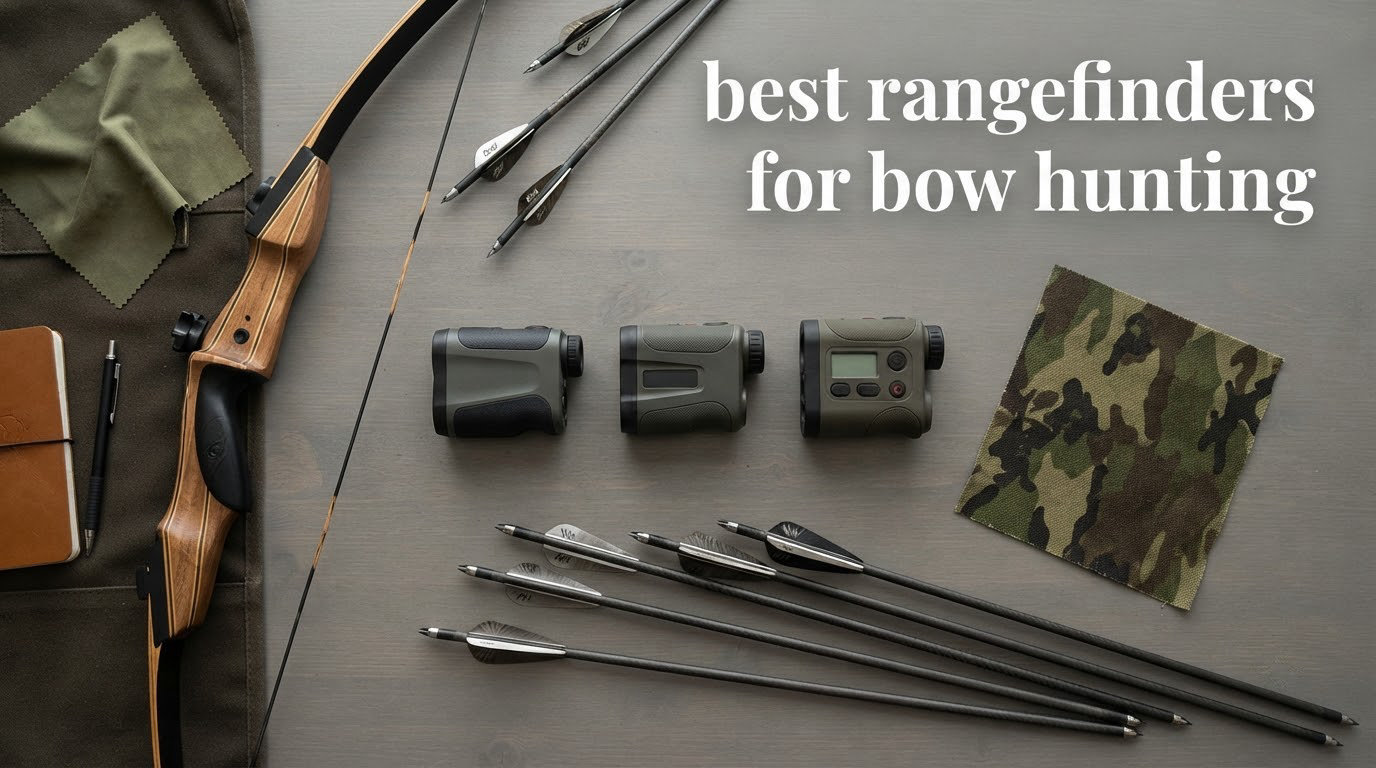
The best rangefinders for bow hunting right now are the Vortex Crossfire HD 1400 for most people, the Leupold RX-1400i TBR/W Gen 2 if you want a genuine bow mode, and the TIDEWE rechargeable unit if you would rather carry no spare batteries. We compared all twelve below in the conditions that actually decide a hunt: pre-dawn light, sloped whitetail country, and backcountry lanes where a buck shows up at 70 yards instead of 35.
A bowhunting arrow is still falling toward the ground at distances that look point-blank. That is the entire reason a laser rangefinder lives in a bow case: it turns a guess into a number, and a number into a pin or a hold. Any hunter shooting past 30 or 40 yards, hunting ridged terrain where the slope changes the answer, or climbing into a stand before civil twilight gets real value from one.
For the wider picture, our hunting rangefinder roundup covers field use generally, and the laser rangefinder guide breaks down the electronics. If you are still building a kit, our picks for the best bow sights and the best bow cases belong alongside it. Everything below was refreshed for 2026.
Table of Contents
Top 3 Best Rangefinders for Bow Hunting (October 2026)
If you want the short answer, start here. These three cover the three situations most archers fall into, and every one can be operated one-handed with a bow in the other hand.
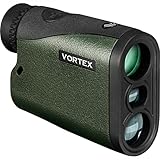
Vortex Crossfire HD 1400
- 1400 yard range
- 750 yards on game
- 5x magnification
- 4.8 oz body
- Red TOLED display
- IP54 waterproof
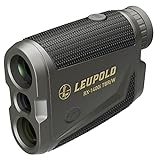
Leupold RX-1400i TBR/W Gen 2
- Selectable Bow mode with Flightpath
- TBR/W wind hold points
- Angle-compensated ranging
- 5x
- 5.1 oz aluminum body

TIDEWE Rechargeable Rangefinder
- 700 yard range with +/-1 yard accuracy
- Rechargeable Li-ion
- 21000 measurements
- 6x
- 5.67 oz
- multiple distance modes
Best Rangefinders for Bow Hunting in 2026
All twelve models below are handheld laser rangefinders of the same class, and the table shows why the price spread between them is so wide. What changes across the list is magnification, effective range on live game, whether the unit corrects for slope, and whether it runs on a battery you can replace in the field.
| Product | Specifications | Action |
|---|---|---|
| Vortex Crossfire HD 1400 |
|
Check Latest Price |
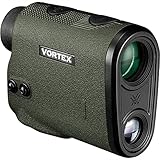 Vortex Diamondback HD 2000 Vortex Diamondback HD 2000 |
|
Check Latest Price |
| Leupold RX-1400i TBR/W Gen 2 |
|
Check Latest Price |
 Bushnell BoneCollector 850 Bushnell BoneCollector 850 |
|
Check Latest Price |
 Sig Sauer Buckmasters 1500 Sig Sauer Buckmasters 1500 |
|
Check Latest Price |
 Astra Optix OTX/HTX-1600 Astra Optix OTX/HTX-1600 |
|
Check Latest Price |
 Bushnell Broadhead Bushnell Broadhead |
|
Check Latest Price |
 Vortex Razor HD 4000 Vortex Razor HD 4000 |
|
Check Latest Price |
| TIDEWE Rechargeable Rangefinder |
|
Check Latest Price |
 AOFAR HX-700N AOFAR HX-700N |
|
Check Latest Price |
 AOFAR HX-1200T AOFAR HX-1200T |
|
Check Latest Price |
 WOSPORTS 800/1200 Yard Rangefinder WOSPORTS 800/1200 Yard Rangefinder |
|
Check Latest Price |
1. Vortex Crossfire HD 1400 – The Best Rangefinder for Most Bowhunters
Vortex Crossfire HD 1400 Laser Rangefinder
1400 yd reflective, 750 yd on game
5x, 21mm objective
Red TOLED display
4.8 oz, IP54
Pros
- 4.8 oz body packs flat in a bow case
- HD optics with low chromatic aberration
- Red TOLED stays readable as light changes
- Normal
- First and Last target modes
- Vortex unlimited lifetime warranty
Cons
- Game range drops to about 750 yards
- No bow mode or ballistic solver
- 5x is modest against 6x and 7x models
This is the unit we kept reaching for. At 4.8 ounces it matters more than the spec sheet suggests, because a rangefinder you will not carry is one you will not use. It disappears into a chest pocket or a bow case side panel and stays there all season.
It reads 1,400 yards on reflective targets and about 750 on game, far beyond what most bowhunting needs. Owners report dependable lock-on at ordinary deer distances in good conditions, and the 4.8 average across more than a thousand ratings reflects consistency rather than excitement.
The red TOLED display is what earns its keep before sunrise. It does not wash out in the flat grey light of a treetop, and it needs no brightness setting, which removes one small failure point on a frozen morning.
Three target modes and two ranging modes cover most of what a hunter needs. Normal for a clean shot, First and Last when more than one animal is in the lane, HCD for horizontal distance and LOS for the raw line of sight. That flexibility separates it from a single-purpose unit.
What you give up by choosing the Crossfire HD 1400
There is no bow mode and no ballistic solver. It reports distance and horizontal distance and leaves the holdover or pin selection to you. That is fine if your sight is dialed and you know your arrow speed, and a real gap if you shoot several distances without thinking about drop.
The 5x magnification also gives a smaller, dimmer picture than the 6x and 7x models here. In heavy timber at 70 yards, more magnification helps you confirm a deer rather than a limb before committing.
Who should buy it
Buy this if you hunt whitetail mostly inside 60 yards, in any light, and want a warranty that never expires. It is also the safest first rangefinder we can recommend, because there is no menu to learn and no setup to get wrong.
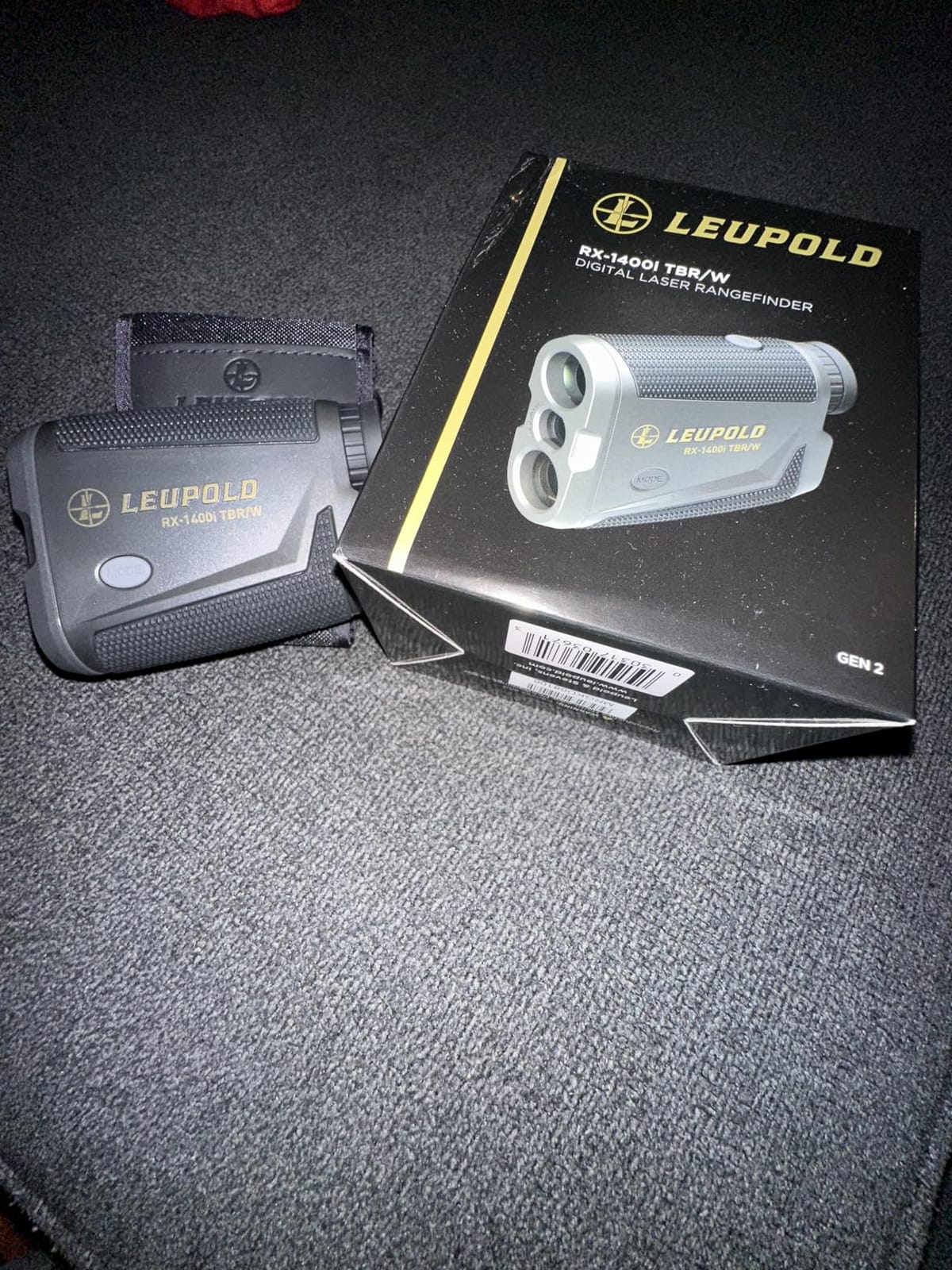
2. Leupold RX-1400i TBR/W Gen 2 – Best Rangefinder With a Real Bow Mode
Leupold RX-1400I TBR/W Gen 2 w/Flightpath Rangefinder, Black/Gray
Bow mode with Flightpath obstruction alert
TBR/W wind hold points to 800 yards
1,400 yd reflective, 1,200 yd on trees
5.1 oz aluminum, IP54
Pros
- The only dedicated bow mode in this roundup
- Flightpath warns you when branches break the reading
- Angle-compensated ranges for hill country
- Adjustable brightness TOLED display
- Leupold lifetime warranty
Cons
- Tree range of 1200 yards trails some rivals
- Rifle-oriented TBR/W menus add complexity
- Water resistant rather than fully waterproof
Every other bow-specific feature in this category is an angle compensation adjustment. This one has an actual bow mode, and it is why the RX-1400i TBR/W Gen 2 belongs near the top of any list of the best rangefinders for bow hunting. In that mode the unit applies archery ballistics rather than rifle ballistics to the number it gives you.
Flightpath is the other half of the argument. The most common way a rangefinder lies to a bowhunter is not the slope, it is a branch or sapling halfway to the buck. Flightpath flags when the reading comes through foreground clutter so you know the number is suspect.
TBR/W also produces wind hold points out to 800 yards, a rifle feature a bowhunter never uses and simply ignores. What matters is the angle compensation, which corrects an uphill or downhill shot to horizontal distance. In ridge country that correction separates hitting what you aimed at from hitting the dirt in front of it.
The adjustable brightness on the TOLED readout lets you dim the display in full daylight so the animal behind it stays visible, and raise it under canopy at dawn. The 5.1 ounce aluminum body is compact, cold in the hand, and does not feel cheap.

When bow mode matters and when it does not
Inside about 35 yards a 400-grain arrow at normal velocity is still near the aiming point, and the bow mode does very little. Past 50 yards, especially with a light fast arrow, the gap between a raw range and a compensated range becomes a hit instead of a miss.
One setup at one distance makes the compensation a convenience. Moving your treestand, hiking into a drainage or taking a shot at a different elevation makes it the feature that keeps you from holding wrong.
Where it falls short
Tree range is listed at 1,200 yards, below several cheaper models, though that makes little practical difference here. The menus were designed for rifle shooters first, so a bow-only buyer clicks through options that mean nothing to them.
It carries an IP54 water resistance rating rather than full waterproofing, so keep it out of a downpour. Model naming is genuinely confusing too: this is the RX-1400i TBR/W Gen 2 with Flightpath, model 183727, not the RX-1600i or the RX-FullDraw.
3. TIDEWE Rechargeable Rangefinder – Best Value for Bowhunters Who Hate Batteries
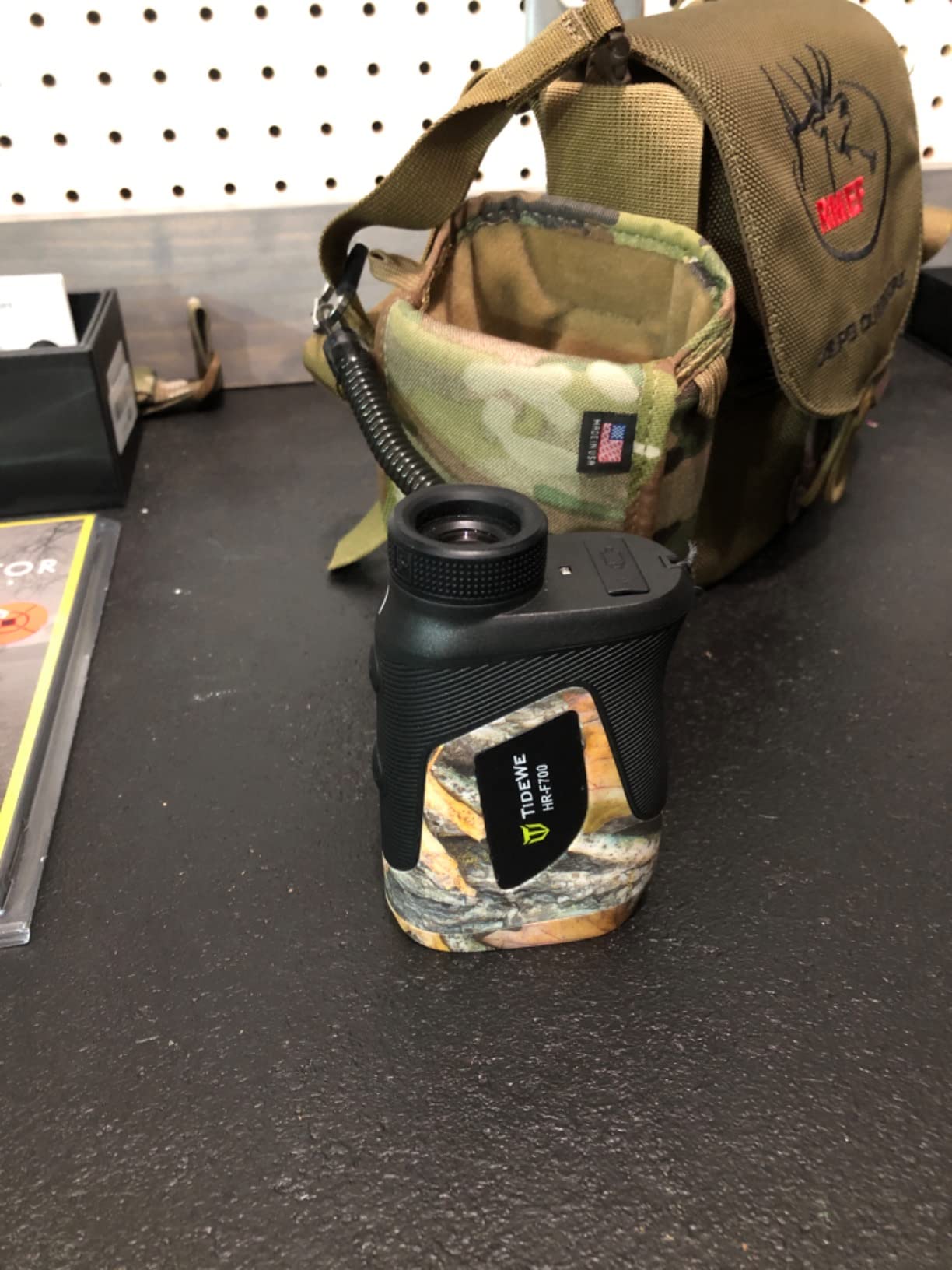
TideWe Hunting Rangefinder with Rechargeable Battery, 700Y Camo Laser Range Finder 6X Magnification, Distance/Angle/Speed/Scan Multi Functional Water-Resistant Rangefinder with Case
3 to 700 yd at +/-1 yard accuracy
6x in a 5.67 oz body
Rechargeable Li-ion, 21000 measurements
0.46 second readings with scan
Pros
- Rechargeable battery removes spare cells from the pack
- Over 6000 ratings from real owners
- Compact 5.67 oz camo body
- Line-of-sight
- vertical and horizontal modes
- Storage bag and lanyard included
Cons
- 700 yard ceiling is well short of premium models
- Plastic housing feels basic
- Only a one-year manufacturer warranty
The most common rangefinder failure in the field is not accuracy, it is a dead CR2 in a cold tree stand on the third morning. This one removes the problem. A rechargeable lithium-ion cell gives up to 21,000 measurements per charge, more than any hunter will use in a season.
It reads 3 to 700 yards at plus or minus one yard, with a 0.46 second reading speed and continuous scan for a moving buck. That ceiling is short next to the 1,400-yard models here and irrelevant inside 60 yards.
What is remarkable is the scale of the owner feedback. Over 6,000 ratings at a 4.7 average is a far larger sample than most premium optics on this list have ever accumulated, and the complaints it produces are consistent: range ceiling, plastic feel, warranty length.
Operation is genuinely one-handed. Mode and power use short and long press logic, focus is a plus and minus knob, and yards or meters toggle easily. You can put this in use without reading a manual, which is what you want with cold hands and a bow in the other arm.
Whether the rechargeable battery helps or hurts
In warm weather it is a clear win. In genuine cold a lithium-ion cell loses capacity, and if you forget to top it up after a freezing night, you have no spare to fall back on. January hunters often carry a CR2 backup anyway.
There is also no recovery in a battery emergency, because a flat internal cell cannot be swapped in the field. If you hunt cold and remote, a replaceable-battery design is the safer bet, and that is the trade you are making.
What you accept for the price gap
The housing is plastic rather than aluminum and does not feel like a premium tool. It is IP54 waterproof in a leaf camo finish that disappears into a hunting bag, but it is still a plastic shell.
No bow mode and no listed angle compensation, so treat the readout carefully on a slope. The one-year warranty is the weakest here against lifetime coverage from Vortex and Leupold. For a hunter who will retire it after a few seasons, that is a fair trade.
4. Bushnell BoneCollector 850 – Best for Tree Stand and Compact Kit Builds
Bushnell Bone Collector 850 Laser Rangefinder, Realtree Edge
850 yd reflective, 350 yd to deer
ARC true horizontal distance
6x24mm with large coated objective
Scan updates 4x per second
Pros
- ARC returns true horizontal distance on a slope
- Large fully multi-coated objective helps at dawn
- Scan mode refreshes four times per second
- One-button design is quick to learn
- Pocketable and survives repeated drops
Cons
- Shortest effective range in this group at 850 yards
- Reticle is not illuminated for low light
- Reviews note a slight positive distance bias
Range on a deer is listed at 350 yards. That sounds limiting until you remember what the unit is for: a buck at 25 yards in a stand, a lane check, a doe crossing a clearing. For that job the number is comfortable and the cost is not.
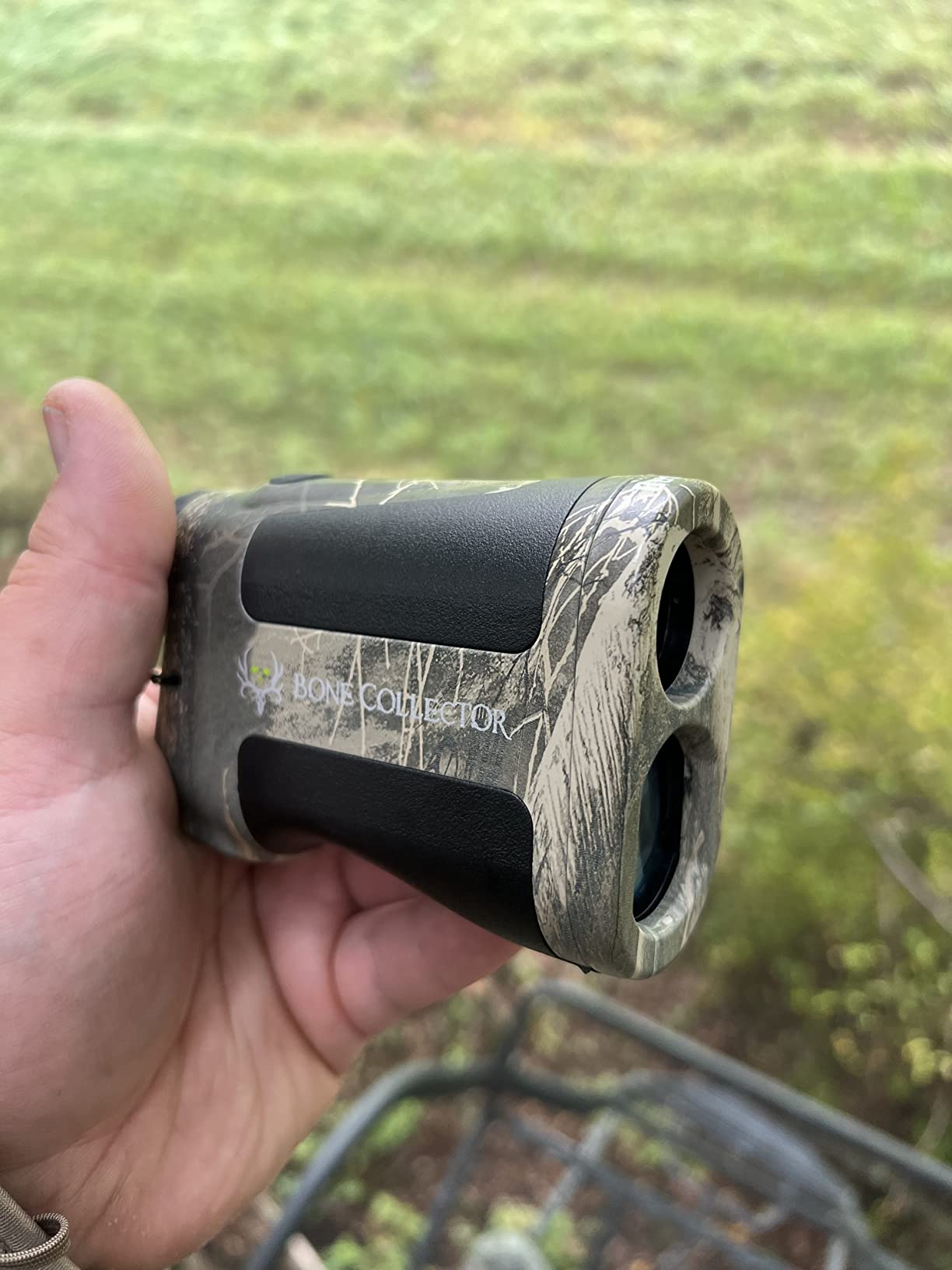
ARC returns true horizontal distance rather than line-of-sight distance, so a deer standing downhill does not read long. One-button operation and a fast-focus eyepiece mean pack to ranging without thinking, and the Realtree Edge camo package slips into a bow case without announcing itself.
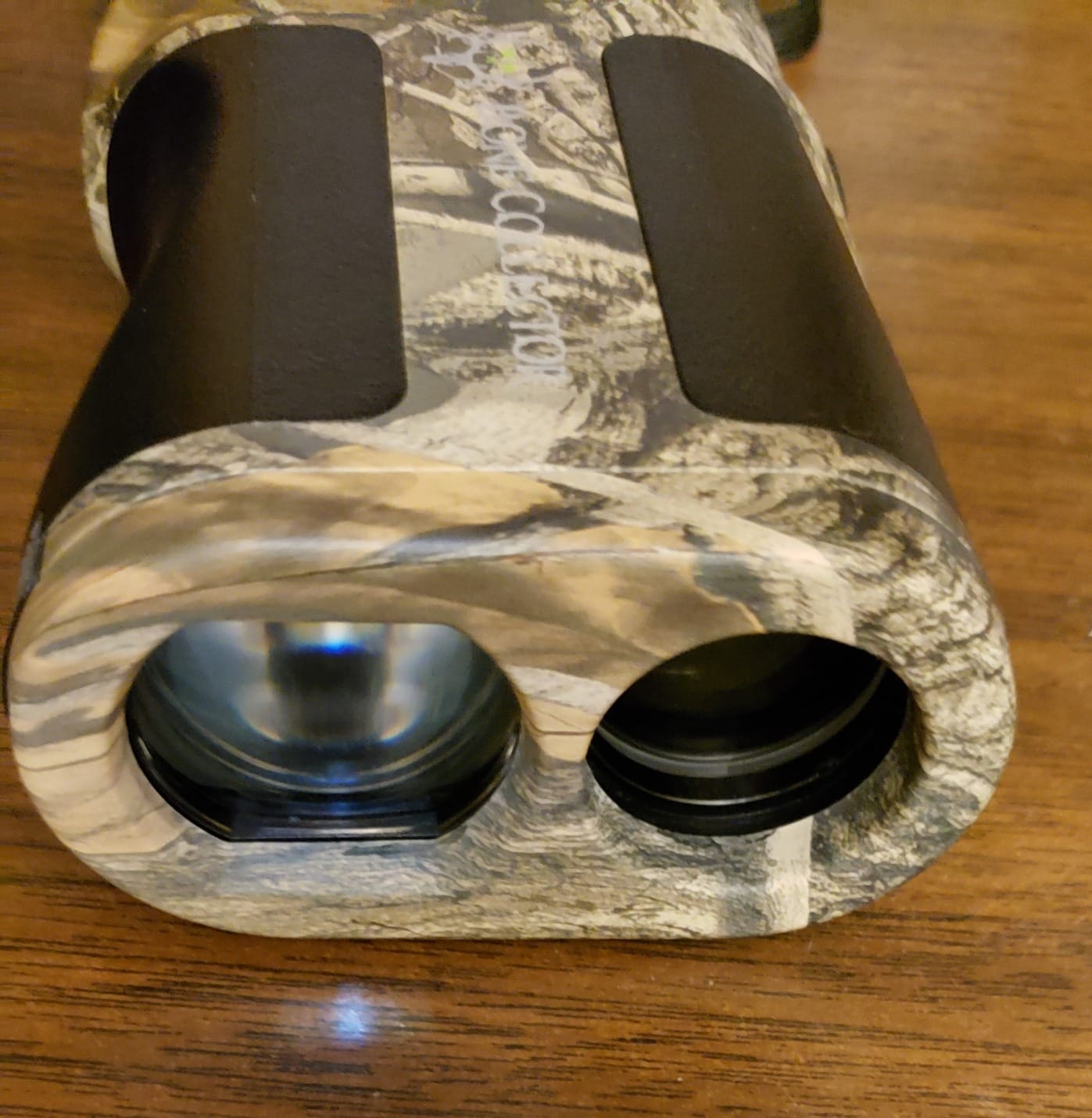
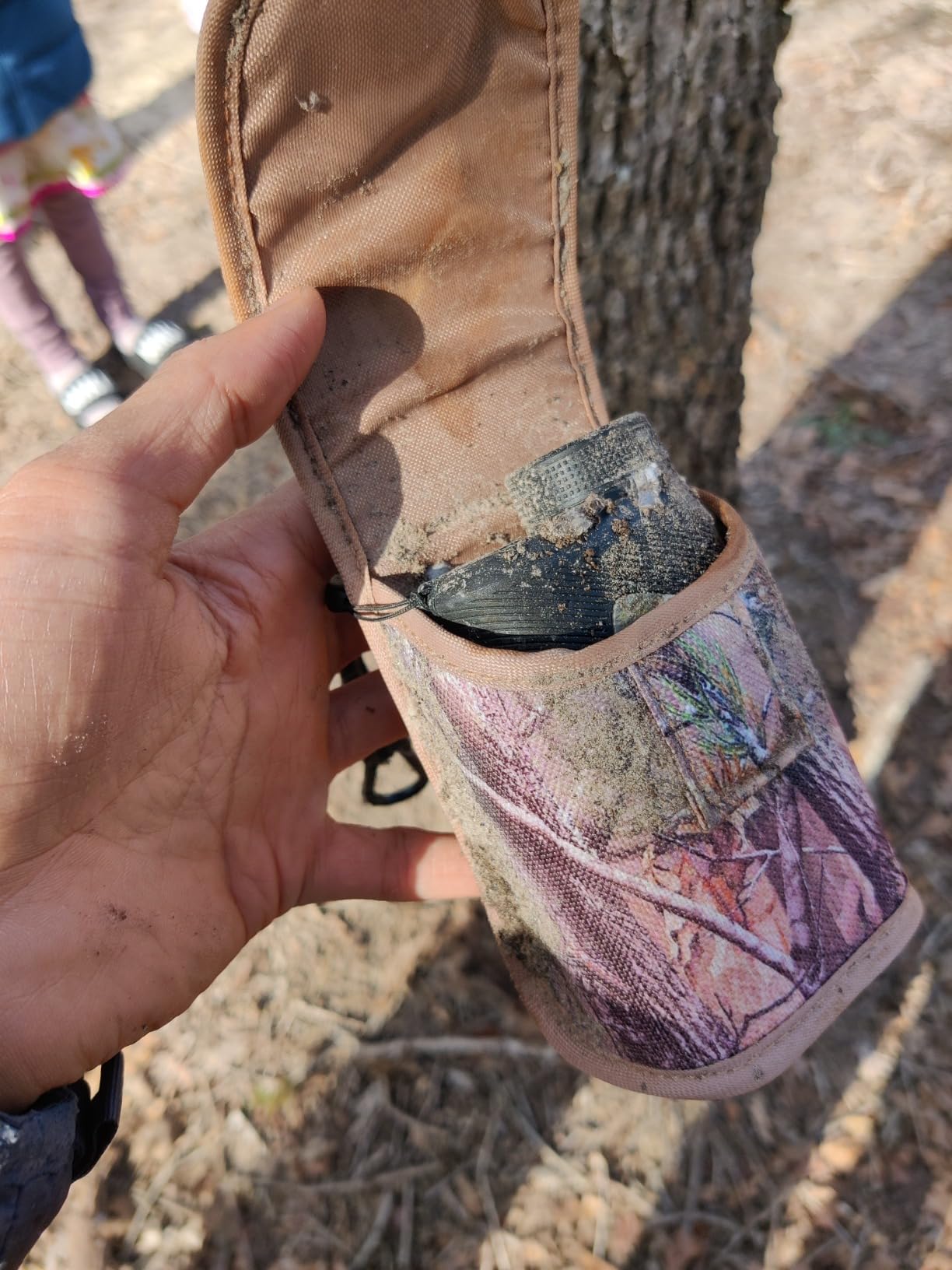
With more than 1,000 ratings at 4.7, this is a well-exercised unit. Owners use it for target and casual field ranging, and surviving multiple seasons including drops is the most common theme in the feedback.
The 6x24mm setup with a 50 percent larger fully multi-coated objective is a sensible compromise: a brighter picture than a 6×21 at dawn without the bulk of a 7x body. The display shows distance, incline angle and remaining battery together.
The two drawbacks to know before buying
The reticle is not illuminated, and that is the most-cited complaint among owners. It matters directly for a stand hunter shooting in the last fifteen minutes of light: the readout is readable, but there is no reticle to find against a dark background.
The listed ranges are the shortest here at 850 yards reflective, 500 to a tree and 350 to a deer. Open prairie or a canyon crossing is the wrong application. For eastern timber it does more than enough.
Accuracy and the distance bias
Some reviews note a slight positive bias of about a yard. Inside 40 yards that is a rounding error next to natural variation in arrow launch speed, and nobody is grouping to a range card in a stand.
Past 60 yards the same offset matters more, and that is where we would step up to a longer-ranging unit. Verify any rangefinder against a known distance before trusting it, which takes fifteen minutes with a laser measure.
5. Vortex Diamondback HD 2000 – Best Picture and Range for Backcountry
Vortex Diamondback HD 2000 Laser Rangefinder
2000 yd range, 1400 yd on game
7x magnification, 24mm objective
Red OLED display
Rubber armor overmold
Pros
- 1400 yards on live game
- more than most rivals
- 7x picture brighter and more usable than 5x models
- Red OLED reads well in low light
- Rubber armor gives a secure grip
- Unlimited lifetime warranty
Cons
- Only two target modes
- No bow mode or ballistic solver
- Heavier and bulkier than compact models
Magnification is where this unit separates itself from the budget tier. At 7x with a 24mm objective the picture is bright enough to identify an animal at 100 yards through light timber, where a 5x gives you a shape and a guess.
It ranges 2,000 yards on reflective surfaces and about 1,400 on game. For a hunter who spots a herd across a meadow and needs to know whether the shot is 45 or 75 yards, that reach is the reason to own one.
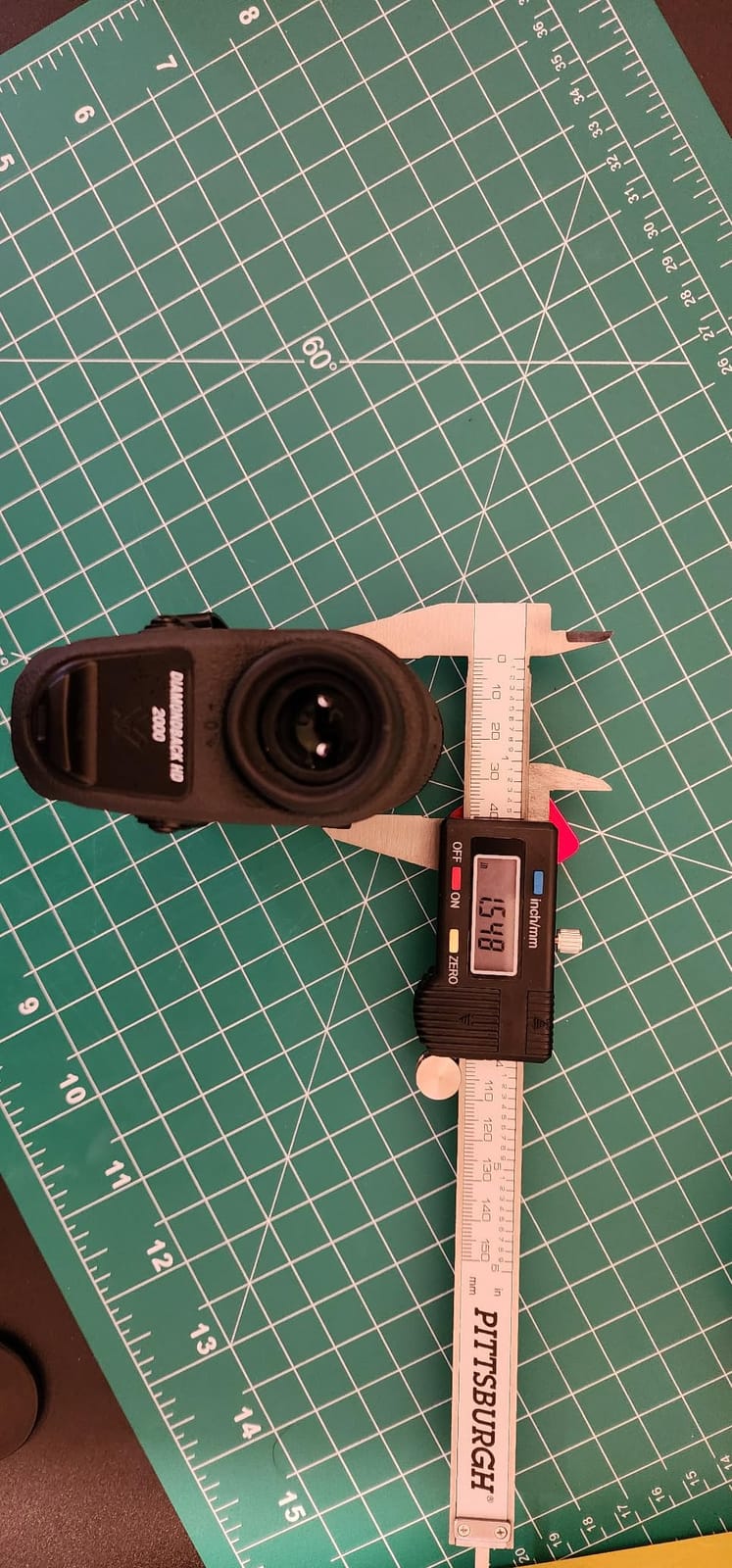
The red OLED display is from the same family as the Crossfire HD and reads clearly in low light. Normal and Last target modes cover the two situations you actually use, and HCD and LOS ranging give a choice of how the number is reported.
It is also tripod adaptable, which matters when glassing a canyon or pairing it with a spotting scope on a ridge. The rubber armor overmold stays quiet in a pack and gives a real grip with gloves on.
Why 7x is the right number for backcountry
Magnification has one job: confirming what you are looking at before spending an arrow. A 5x shows there is an animal. A 7x shows whether it is a legal buck, a doe or a branch.
There is a ceiling, though. Above roughly 8x, hand tremor and low light work against you, and most archers are better served at 6x or 7x. Bowhunting does not reward magnification past that point.
What you are giving up
There is no bow mode and no solver, so you get raw and horizontal distance and nothing further. You also get only Normal and Last modes, meaning no First mode when a second animal steps in behind the first.
It is heavier and bulkier than the compact models here, which is the cost of the glass. For tree stand and lane work inside 50 yards, the Crossfire HD 1400 does the same job with less bulk in your pocket.
6. Sig Sauer Buckmasters 1500 – Best for Bowhunters Who Also Use BDC Dots
Sig Sauer Buckmasters 1500 6x22mm Rangefinder Monocular
1500 yd reflective, 600 yd on deer
6x, 22mm objective, 18mm eye relief
Red illuminated display
8 onboard ballistic groups
Pros
- Buckmasters Mode with 8 ballistic groups for BDC dots
- Illuminated red display suits low light
- Compact 5.2 oz profile with 18mm eye relief
- Continuous scan works on sloped terrain
- Aluminum body with IPX4 sealing
Cons
- Display brightness is fixed and can wash out the picture
- Uses an uncommon battery size
- BDC ballistics are rifle-oriented
Buckmasters Mode is the reason to look at this one, and the reason is specific. Eight onboard ballistic groups are stored in the unit, and each matches a BDC holdover dot on a hunting reticle. Select the group, drop to the dot, and the rangefinder handles the rest.
If you have set a bow up for BDC holdover, you already understand the model. This moves group selection from memory to a button, which is faster and removes one thing to forget at full draw.
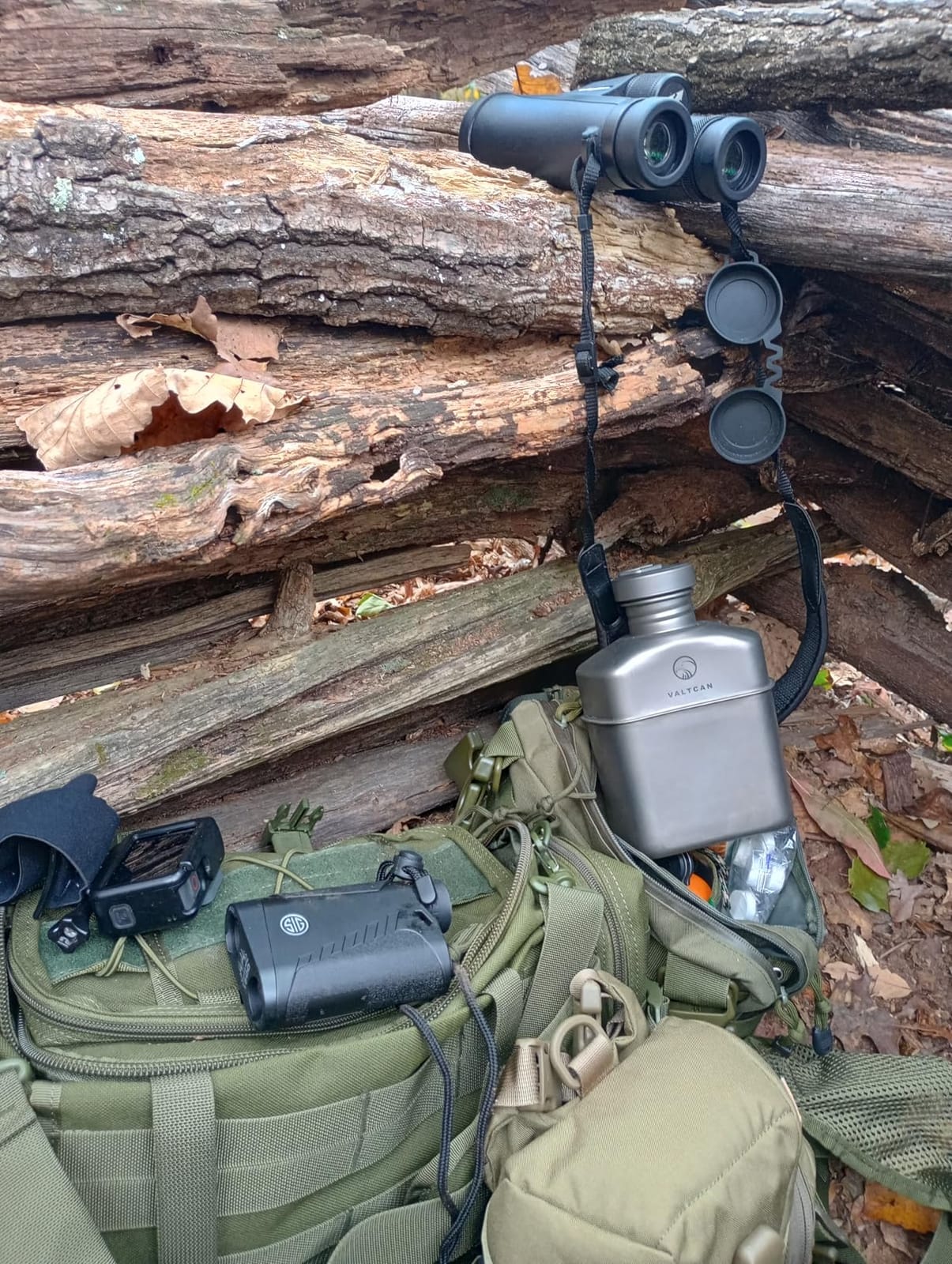
The optics are honest for the class. 6x with a 22mm objective and 18mm of eye relief, which is comfortable for glasses wearers, and the red illuminated display reads well in low light when brightness is not fighting you.
Range is 1,500 yards reflective, 800 on trees and 600 on deer, more than enough here. Continuous scan tracks a moving animal across an angle, which is where the incline reading earns its keep.
The fixed brightness problem, in detail
There is no brightness adjustment. One owner found the backlit screen unusable during the first half hour of legal light because the red wash sat over the sight picture rather than behind it. Other owners use it happily, so this is a tolerance issue, not a defect.
If you shoot exclusively in that window, test it in person if you can. The BoneCollector fails the same test for the opposite reason, having no illumination at all. You want the middle ground between the two.
Battery and ballistic fit
The battery is an uncommon size rather than the CR2 or AA most of this list uses, so a spare is harder to find in a small town on the last morning of a trip. Budget for that before you leave.
For a pure bowhunter with a single-pin or holdover setup the ballistic groups are wasted capability. For someone who also hunts rifle and wants one device for both, it is a reason to pick this over a similar-priced bow-specific unit.
7. Bushnell Broadhead – Best Precision at Short and Medium Range
Bushnell Broadhead Hunting Laser Rangefinder
0.3 yard accuracy to 150 yards
ActivSync auto-shifting reticle
ARC angle compensation, 1 degree
6x24mm, 1500 yard maximum
Pros
- 0.3 yard accuracy verified against calibrated tape
- ActivSync reticle shifts black-to-red for contrast
- Bush mode ignores foreground clutter
- ARC compensation at plus or minus 1 degree
- Only 5.9 ounces
Cons
- Aluminum body is not rubberized and is loud in a quiver
- Lowest 4.3 rating with 9 percent one-star reviews
- Some reports of electronics and lens problems
This is the most precise unit in the roundup, and the figure is specific: 0.3 yard accuracy out to 150 yards, tested against 3D archery targets and animal hides and verified by archery competitors against calibrated tape.
Whether that changes your grouping depends on your bow. At normal launch speeds a one-yard ranging error is smaller than the spread of a real shot, so precision matters most for target archery and for confirming a unit is reading correctly.
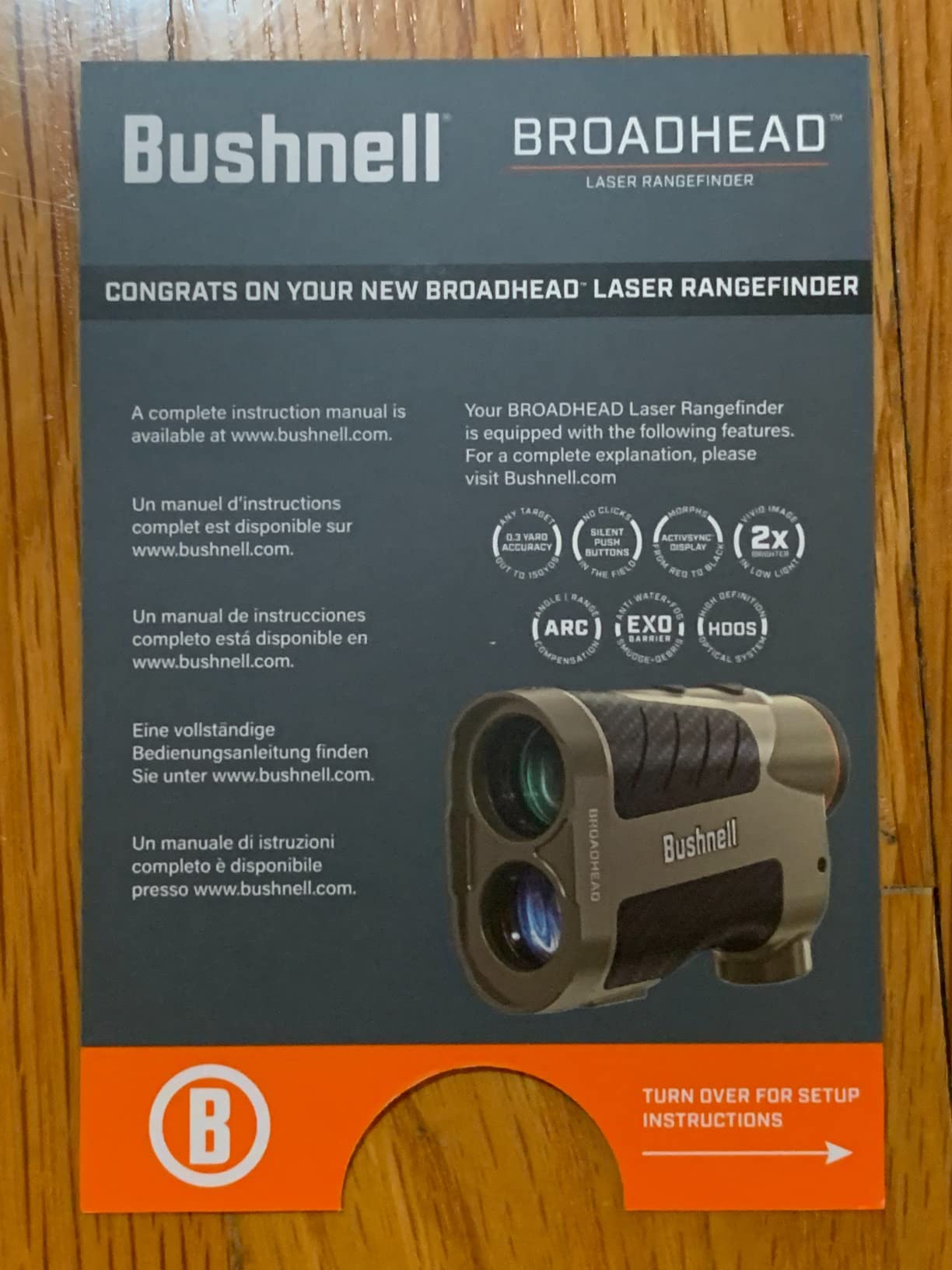
ActivSync is the more interesting feature for hunting. The reticle shifts black to red automatically to contrast with the background, and several owners rate it as more readable than a Leupold RX-FullDraw in flat light. On an overcast morning, a display that adapts beats one you have to set.
Brush and Bullseye modes solve a specific problem. Bush mode reads through to the farthest return instead of locking onto a nearby twig, and Bullseye filters for a small target, which is exactly what a partly concealed buck presents.
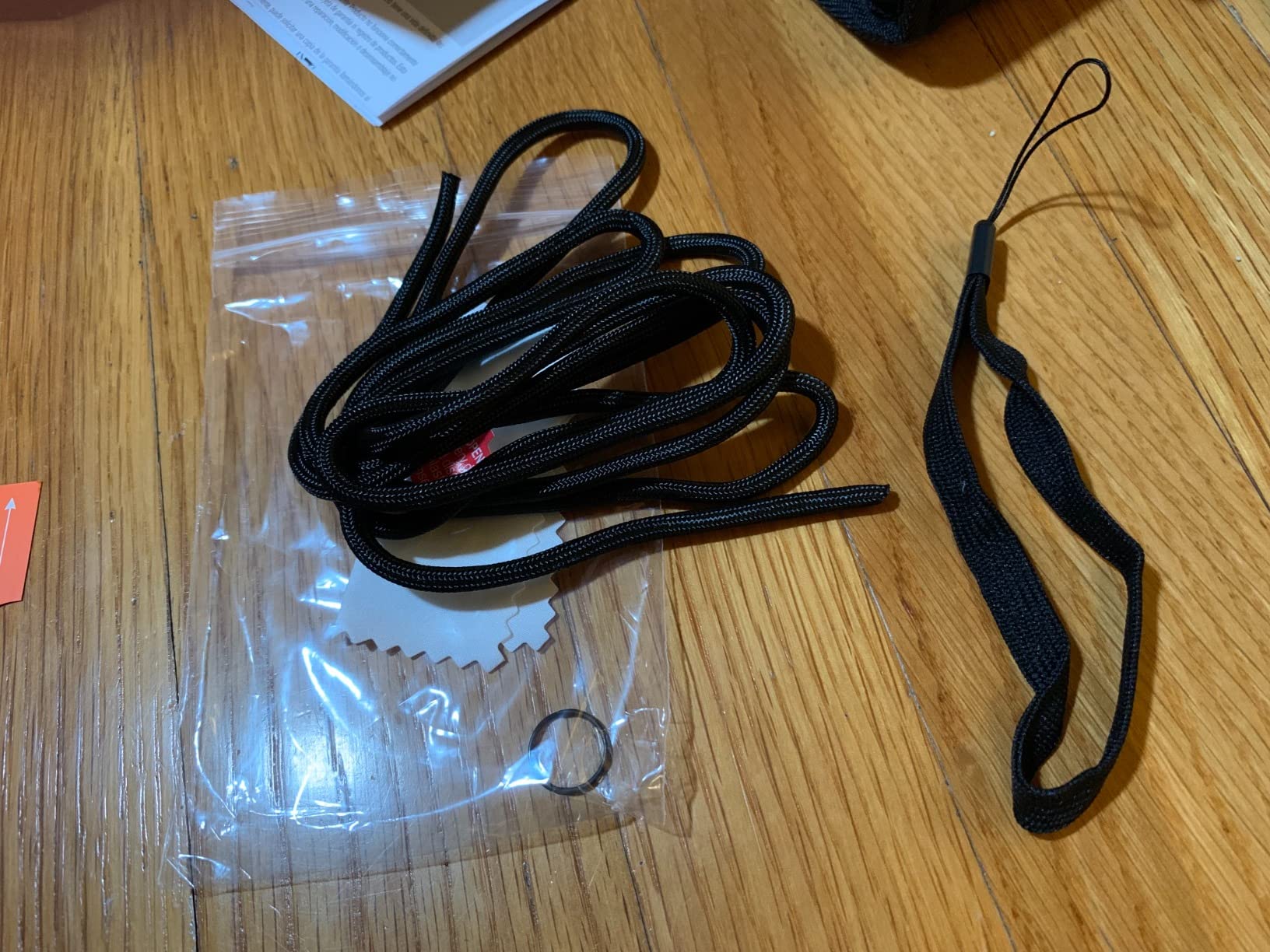
Why the 4.3 rating deserves a second look
This has the lowest average of the twelve, and a 9 percent share of one-star reviews is not noise. Owners report electronics that stopped ranging and lenses that became blurry, plus complaints about the un-rubberized body being noisy in a quiver.
At 111 ratings the base is also the thinnest here, so a handful of failures moves the average a long way. Check warranty terms and test the unit fully on arrival rather than assuming it works.
Who should accept the trade
Target archers and 3D shooters get the most from 0.3-yard accuracy, since their scoring loop is tight enough to notice. Bowhunters get the ActivSync reticle and brush filtering, which are real advantages in timber.
Anyone buying this for a season of hard use should weigh those failure reports against the Leupold or a Vortex, both carrying lifetime warranties and much larger review bases. This is a specialist, and specialists carry specialist risk.
8. Astra Optix OTX/HTX-1600 – Best Feature Pack for the Money
Astra Optix OTX/HTX1600 1760yd Laser rangefinder for Hunting, Shooting and Golfing with Red OLED/HD LCD Fast 0.10s and Accurate +/-1yd (OTX1600 1760yd Red OLED)
1760 yd reflective, 800 yd on deer
Archery, gun, golf and scan modes
0.10 second ranging, +/-1 yard
Red OLED, five brightness settings
Pros
- Dedicated archery mode alongside gun and golf modes
- Longest reflective range in this group at 1760 yards
- 0.10 second readings with +/-1 yard accuracy
- Five brightness settings and three reticles
- Nitrogen filled IPX6 body resists weather
Cons
- Small 6x21 objective gives a dimmer image
- Lower review volume than the major brands
- Listings may pair this model with an LCD variant
Nobody sells more capability per unit at this level. The mode list alone puts it ahead: archery, gun, golf with pin lock, HCD, LOS and continuous scan, on a body ranging 1,760 yards reflective and 800 yards on deer.
Ranging speed is the quiet advantage. At 0.10 second per reading you can scan a treeline and still have a number on a moving animal before it has moved a yard. For a fast bow shot, that fraction of a second separates ranging the deer from ranging where the deer was.
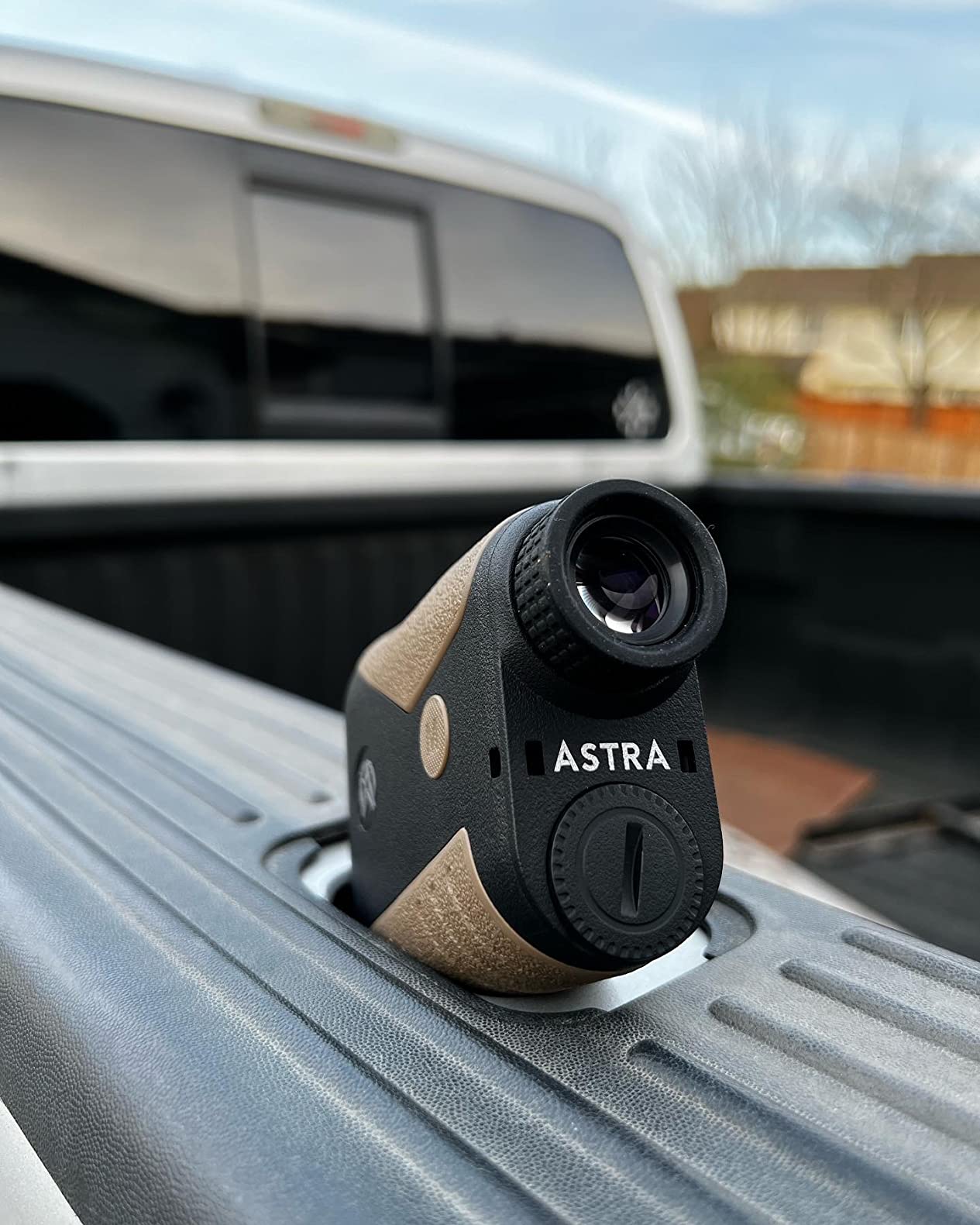
Five brightness settings and three selectable reticles give more control than most models here, and the red OLED on the OTX version is a step up from a fixed backlight. Owners cite the all-glass multi-coated optics, with 70.9 percent full-system light transmission, as clearer than expected for the class.
The nitrogen-filled IPX6 body is better sealed than the typical IP54 polymer unit here, and the transferable lifetime Handshake Warranty is unusual at this level. The kit is complete: case, lanyard, lens cloth, quick start guide and a CR2 battery.
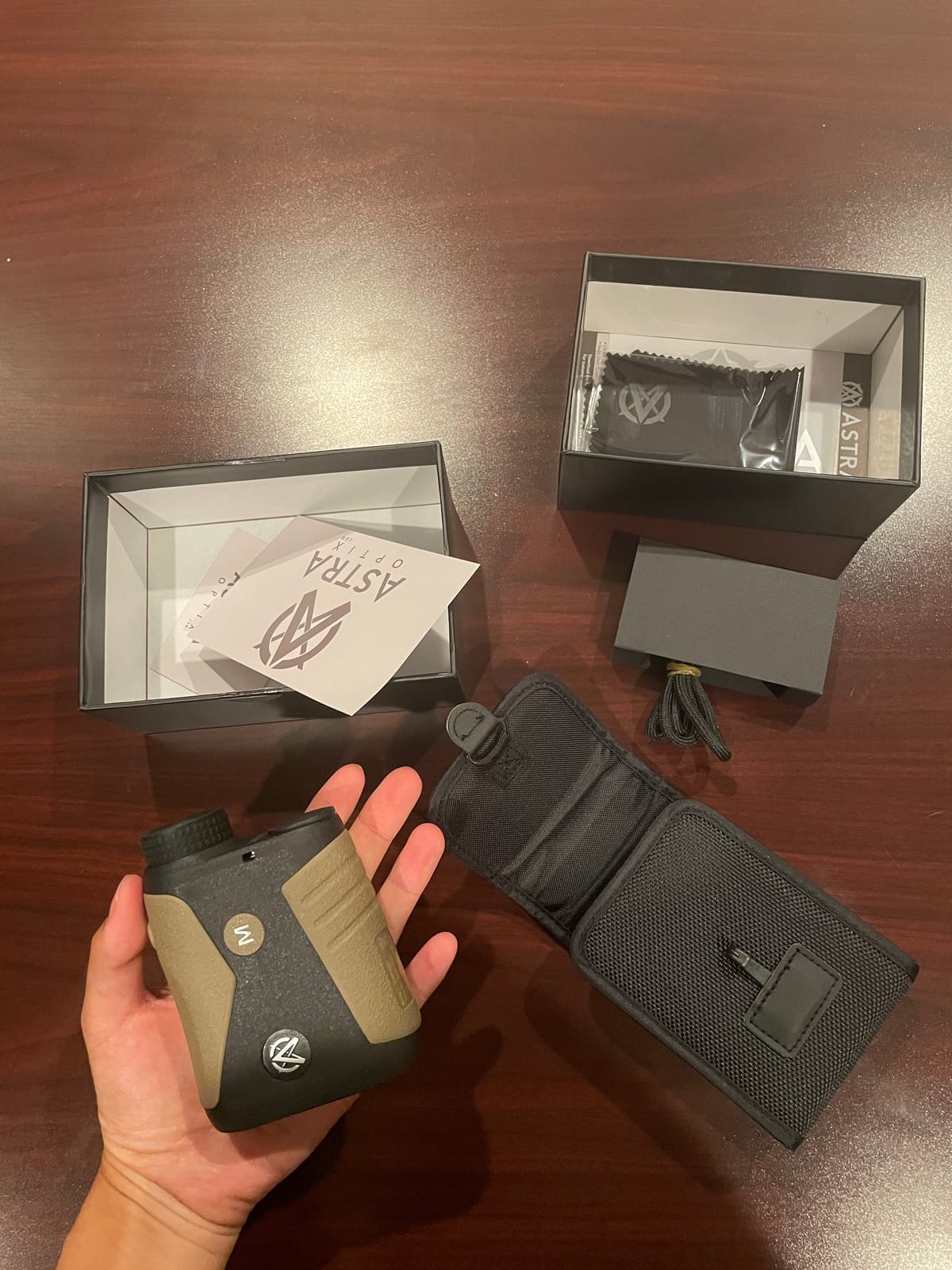
Archery mode versus a full-draw solver
This is a genuine archery mode with its own ballistics, not an angle compensation adjustment. It sits a step below a full-draw solver, which uses your actual arrow weight, length and velocity rather than a standard profile.
With one consistent setup the difference is small. Change arrows, or shoot heavy broadheads for elk alongside a light target arrow, and a solver calibrated to your setup is the more accurate tool.
Where the savings show
The 6×21 objective is smaller than the 6×24 and 7x models here, so the picture is dimmer in low light. That is the trade for feature breadth, and a harder one for a dawn stand hunter than for someone scanning a sunny field.
At 216 ratings the owner base is far thinner than the Vortex, Leupold or Bushnell models, and some listings pair this model number with an HD LCD variant instead of the red OLED. Confirm which version you are receiving before relying on the display claims.
9. Vortex Razor HD 4000 – Best for Open Country and Very Long Shots
Vortex Razor HD 4000 Laser Rangefinder
4000 yard maximum range
7x with 25mm objective
Four target modes, continuous scan
IPX7 waterproof, tripod adaptable
Pros
- Longest range here at 4000 yards for open plains
- Best-in-class glass clarity and light transmission
- Geoballistics solver on select models
- Scan tracks a moving animal while panning
- IPX7 sealing with rubber armor
Cons
- Costs roughly double most models in this list
- Backlit LCD is less crisp than the OLED models
- Geoballistics menu has a learning curve
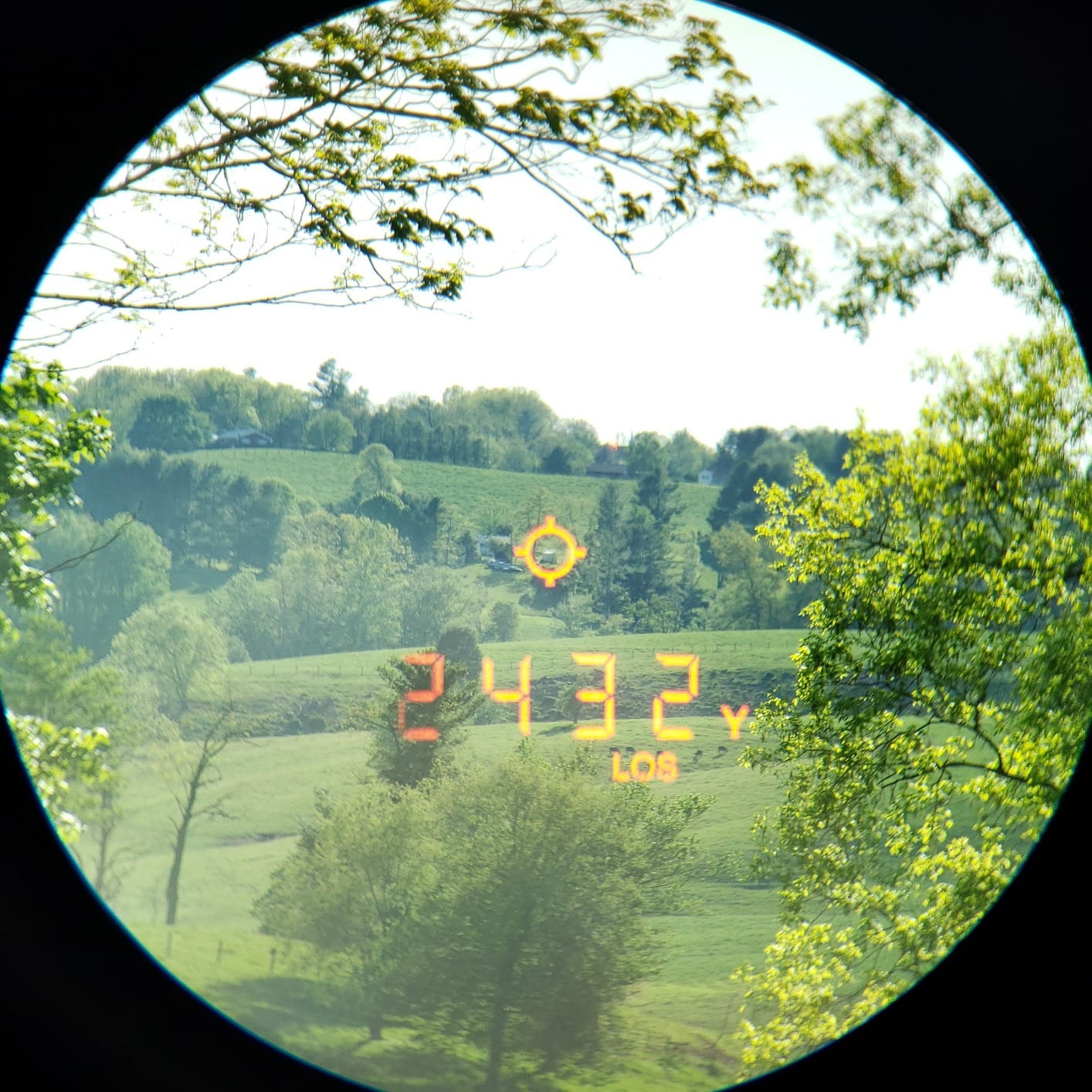
The Razor HD 4000 is the reach instrument of this group. At 4,000 yards it suits the hunter who spots animals across prairie draws and coulees, and owners report ranging targets beyond 900 yards and even measuring structures over 2,000 meters away.
Glass quality is the other reason to spend up here. A 7x with a 25mm objective on an X Plus fully multi-coated HD optical system gives a picture you can actually resolve an animal in, and 91 percent of ratings are five stars, the highest share in this roundup.
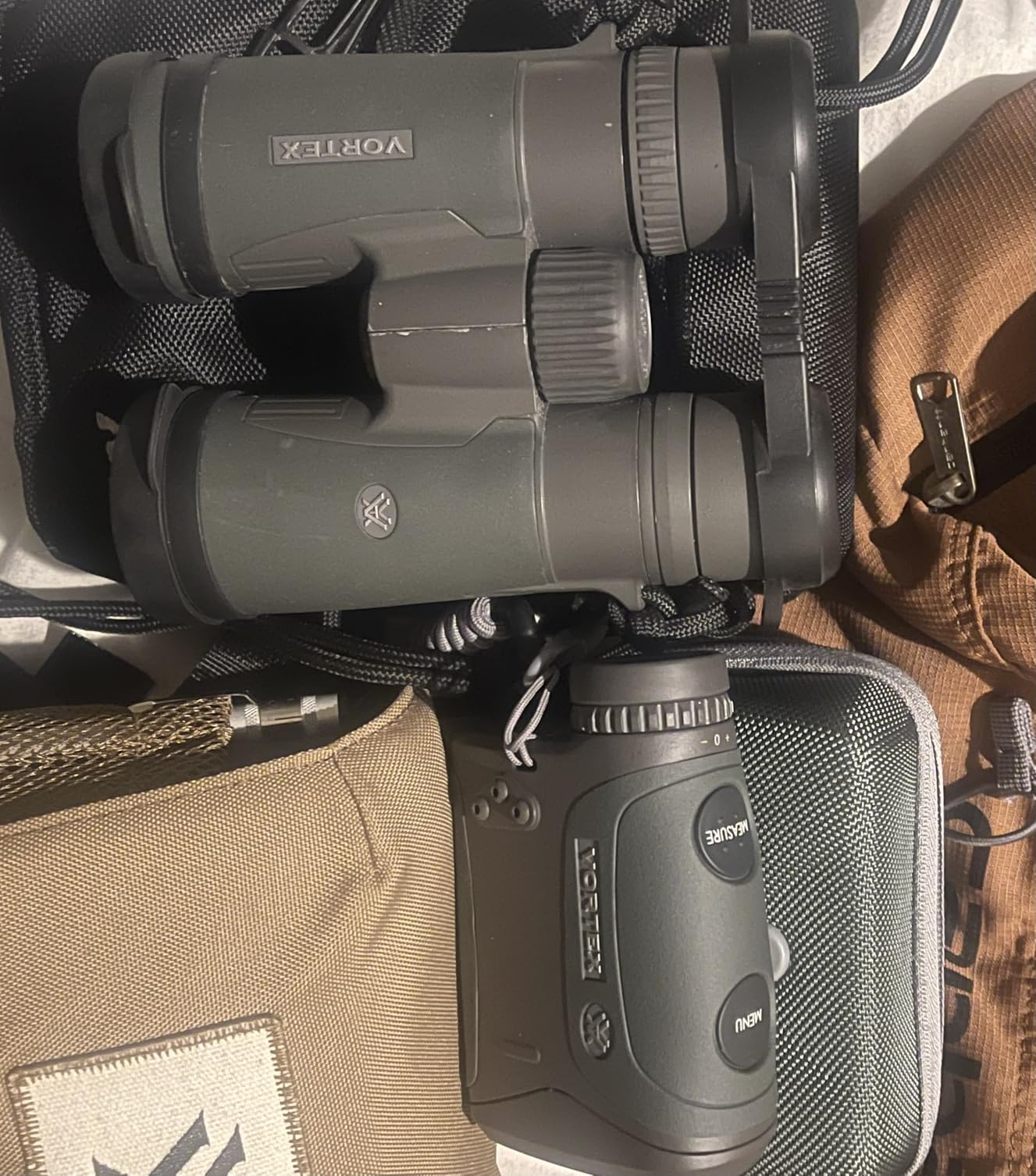
Four target modes including extended laser range, HCD and LOS with continuous scan, and a Geoballistics solver on select models. Scan mode is the practical one for a bowhunter because it follows an animal while you pan, holding a readout until you settle.
Build is the most serious here, with ArmorTek coatings, a rubber armor overmold and IPX7 sealing that survives immersion rather than just rain. It is tripod adapter compatible for ridge work alongside a spotting scope.
Whether you actually need 4,000 yards
Almost nobody does. A 70-yard shot is a long bow shot, and every unit on this list reaches well past it. The Razor earns its price when you hunt open country and use the rangefinder to scout as much as to shoot.
If your hunting is whitetail inside 60 yards, a 1,400-yard unit at a third of the cost will serve you for a decade. We would not fault you for buying the smaller one.
The honest criticisms
The backlit LCD is less crisp than the OLED displays on Vortex’s own Diamondback and Crossfire HD models, an odd place for a step down. Owners also report a learning curve in the Geoballistics interface and no way to program custom data.
Cost is the real limiter. It is roughly double most models in this roundup, and the unlimited lifetime warranty only pays off if you keep it a long time rather than sell it. Know your horizon before buying.
10. AOFAR HX-700N – Most Versatile and Reliable Backup Unit
AOFAR HX-700N Hunting Range Finder 700 Yards Waterproof Archery Rangefinder for Bow Hunting with Range and Speed Mode, Free Battery, Carrying Case
5 to 700 yd at +/-1 yard accuracy
6x magnification with pin sensor
Range and speed modes
Waterproof, dustproof 180g body
Pros
- Owners verify accuracy against a surveyor's tape to about a yard
- Review base of more than 11000 shows sustained real use
- Full accessory kit with pouch and carabiner and rope
- Waterproof and dustproof and survives drops
- Two year VIP warranty
Cons
- Display and crosshairs do not illuminate
- Bulky in the hand against slimmer models
- No angle compensation or bow mode
With more than 11,000 ratings this is the most-used rangefinder in the roundup by a wide margin, and the pattern of use is consistent: a backup or blind-side unit that lives in a jacket pocket for the walk to the stand.
Owners check accuracy against a surveyor’s tape and find it within about a yard, matching the advertised figure. Range and speed modes cover the two things most people need, and 6x from a pin sensor is respectable for the class.
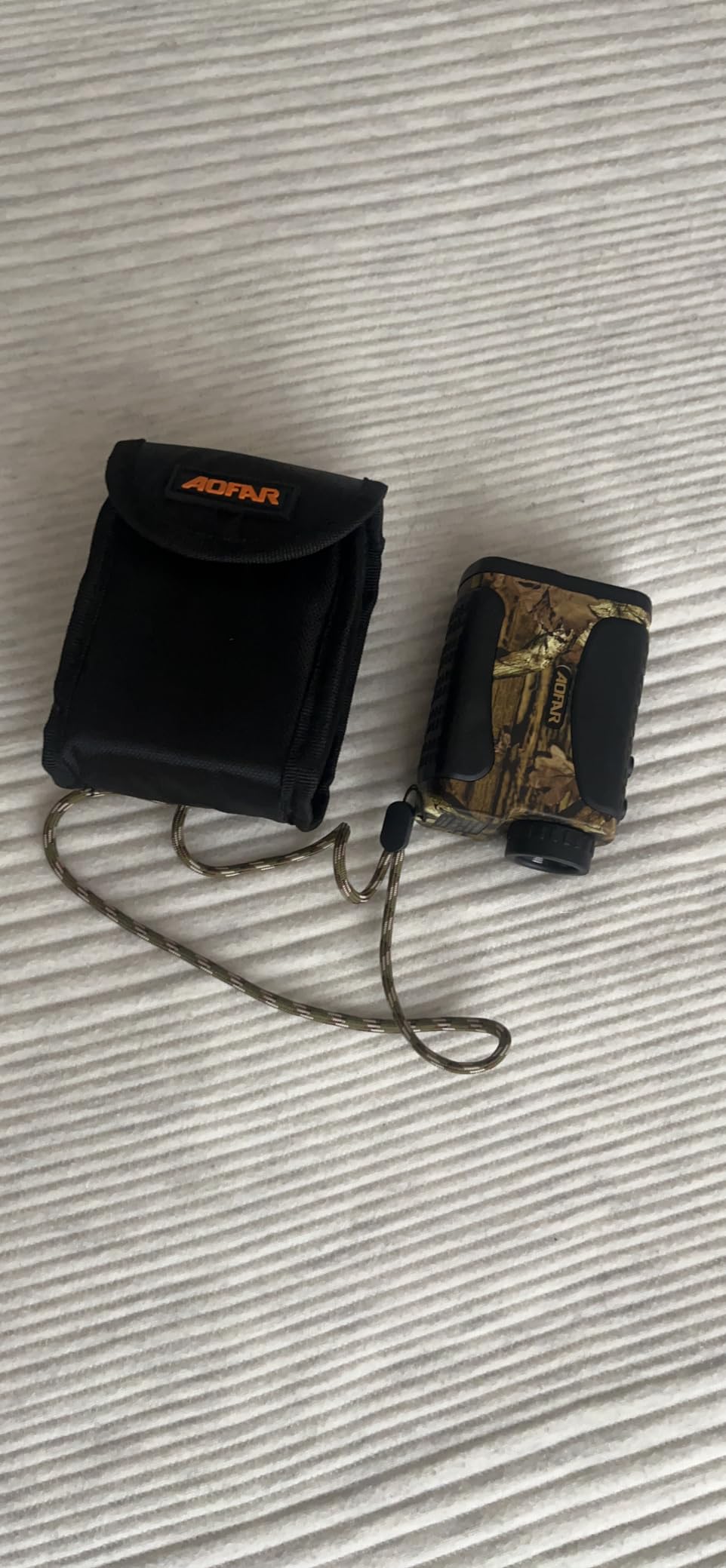
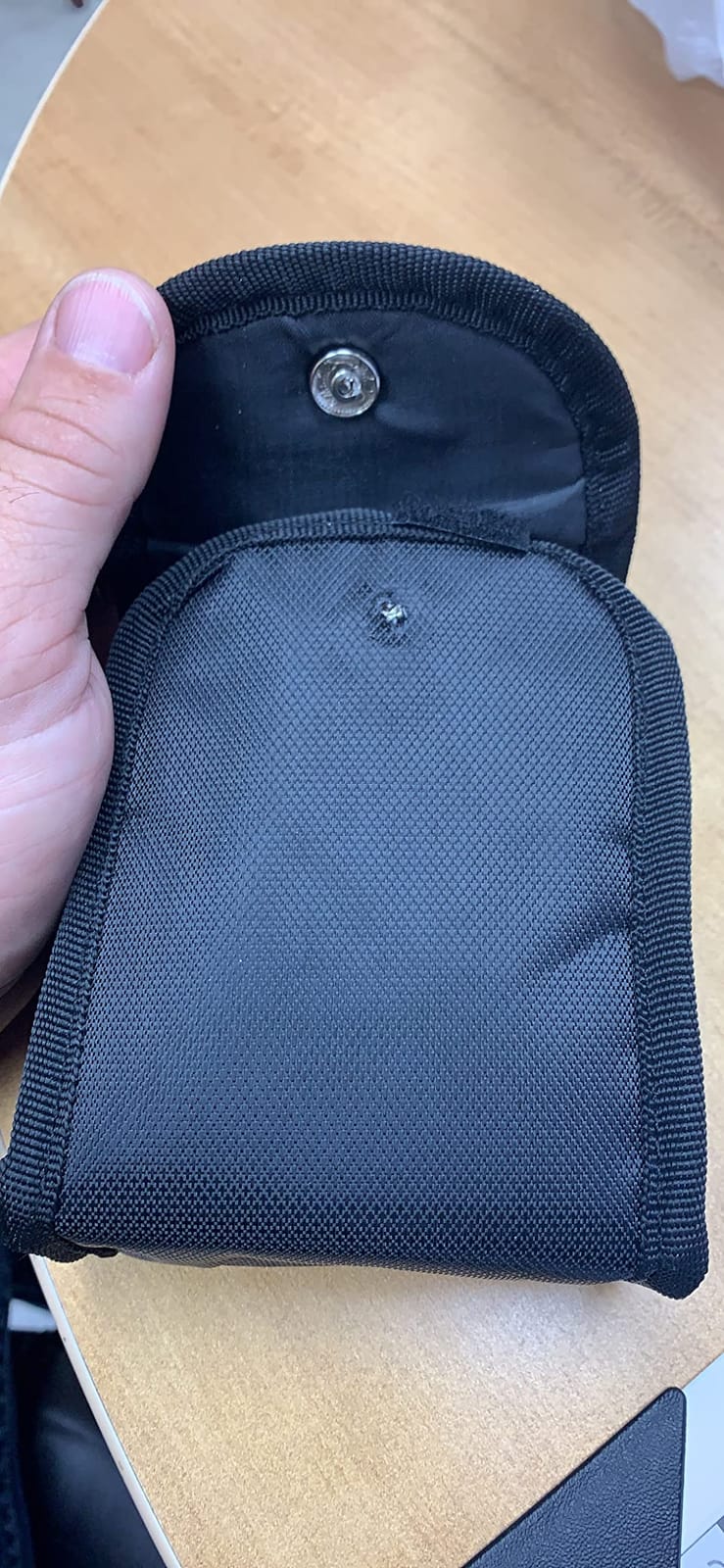
The accessory kit is unusually complete for the tier: carrying pouch, CR2 battery, portable rope, carabiner, cloth and manual. Waterproof and dustproof construction has survived drops according to a large number of owners, which is what you want from something that lives in a pack.
Two years of VIP warranty and lifetime customer support beat the one-year terms on several models here. The pin sensor is the mechanism behind the ranging consistency and the reason readings tend to hold on partially obscured animals.
Why the unlit display disqualifies some hunters
Neither the crosshairs nor the readout illuminate. That is the most consistent complaint across thousands of reviews, and it is not a minor one for a bowhunter, because the shot needing help is usually the one in failing light.
Hunt exclusively at dawn or dusk and rule this unit out regardless of cost. Hunt in the middle of the day, or buy it as a daylight scouting backup, and it is a sound choice.
Where budget models genuinely fall down
Past 50 to 70 yards, budget rangefinders tend to lose lock-on reliability on small or partly obscured animals, and this is the most common forum complaint about low-cost models in general. A 700-yard headline number does not mean a reliable 700-yard reading.
It is also bulky in the hand at 180 grams, and there is no angle compensation at all, so a downhill buck reads long. For inside-50-yard daylight whitetail, that is an acceptable set of limits.
11. AOFAR HX-1200T – Best Bow Mode Without the Premium Badge
AOFAR HX-1200T Range Finder for Hunting Archery, 1200 Yards with Angle and Horizontal Distance, Shooting Wild Waterproof Coma Rangefinder, 6X 25mm, Range and Bow Mode, Free Battery Gift Package
5 to 1200 yd at +/-1 yard accuracy
Bow mode with angle and horizontal readout
6x magnification, 25mm-class objective
IPX4 dustproof, fogproof, waterproof
Pros
- Bow mode reports angle and horizontal distance
- 1200 yard range covers longer shots than the HX-700N
- 6x with a 25mm-class objective for a usable picture
- Sealed against dust
- fog and water
- Full gift package with pouch and carabiner
Cons
- Smaller review base than the HX-700N
- Plastics and acrylic housing feel less premium
- Low-light display legibility trails name-brand models
The HX-1200T is the version of this budget line to buy if you shoot past 50 yards. It doubles the maximum range to 1,200 yards and adds a bow mode that reports angle and horizontal distance alongside the straight-line reading.
That is more capability than the cheaper AOFAR for a modest step up, and it puts a basic compensation readout in reach of a hunter on sloped ground. The 6x magnification with a 25mm-class objective also gives a better picture than the smaller sensors in the entry tier.
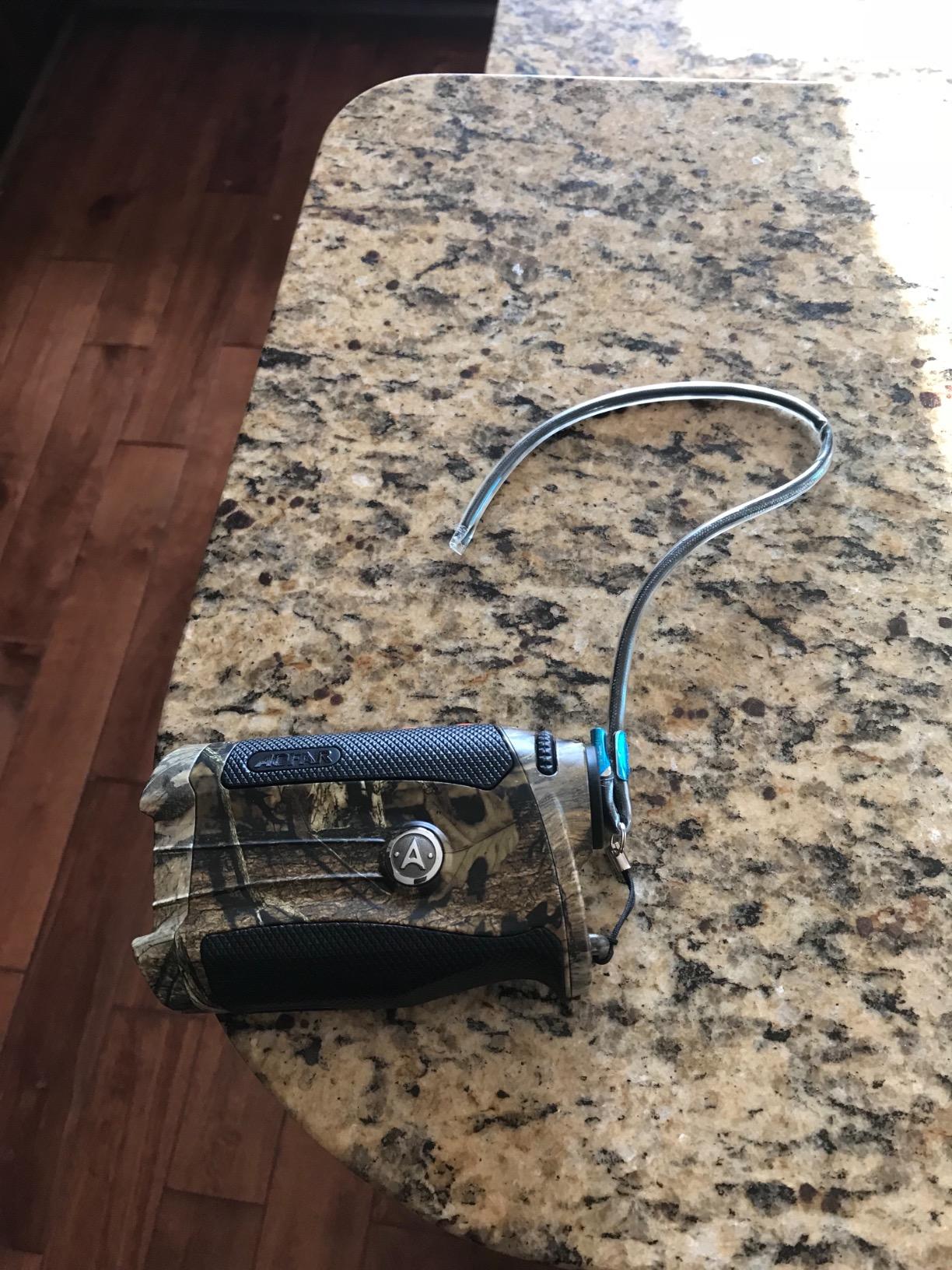
With more than 3,200 ratings at a 4.6 average the feedback is substantial and consistent. Owners highlight value, range and included accessories, a genuine convenience when assembling a first kit.
Construction is rated dustproof, fogproof and waterproof at IPX4, and the body is 180 grams. Upgraded pin sensor technology holds plus or minus one yard across the span, and bow mode handles the incline calculation the plain range mode ignores.
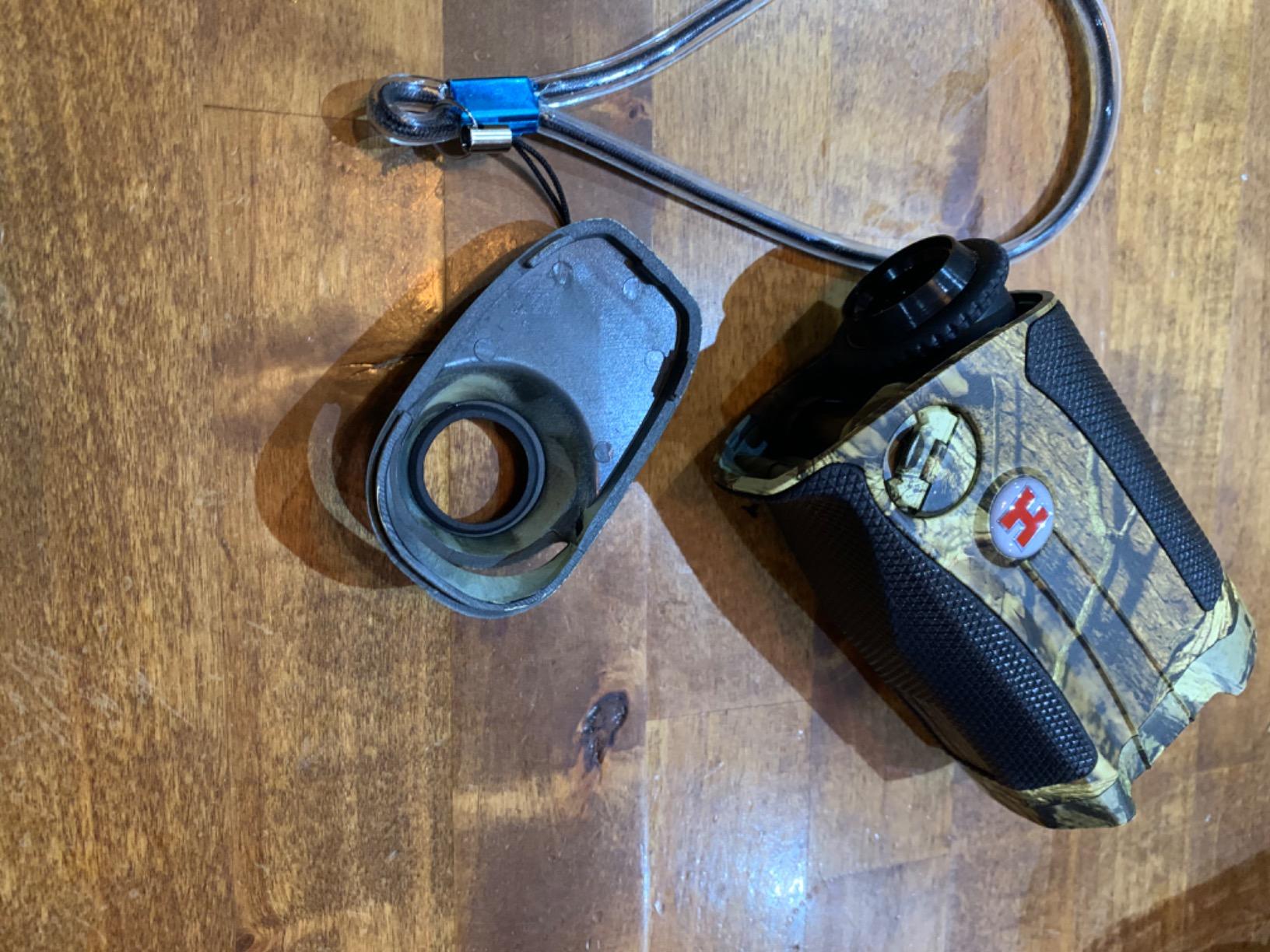
How its bow mode compares to the Leupold
The bow mode here reports an angle and a horizontal distance so you adjust your hold. The Leupold RX-1400i does more: it applies bow ballistics inside a True Ballistic Range system and warns about foreground clutter with Flightpath. One gives a corrected number, the other gives a corrected number plus a warning and a hold.
For a hunter who shoots one setup and holds under consistently, the correction is most of the value. Change bows or arrows often and the fuller solver pays for itself faster.
What you trade away
The acrylic and plastic housing does not feel like a tool the way aluminum does, and low-light display legibility trails the name-brand models. There is no illumination control, which is the recurring limit across this whole budget group.
Sales rank and review base trail the HX-700N, so there is less long-term feedback to draw reassurance from. Used name-brand models hold value remarkably well, and that is worth weighing if you are shopping secondhand.
12. WOSPORTS 800/1200 Yard Rangefinder – Best Multi-Purpose Budget Unit
Wosports Hunting Range Finder, Archery Rangefinder for Bow Hunting with Flagpole Lock – Ranging – Speed and Scan
5 to 800 yd at +/-1 yard accuracy
Sub-0.5 second readings
Straight-line, Target Lock, Vertical modes
6x with fast-focus eyepiece
Pros
- Owners validate accuracy against map measurements
- Reads decimals for finer ranging detail
- Target Lock and Vertical Distance modes suit tree stands
- Works as a low magnification spotting scope
- Compact enough for a pocket
Cons
- Black numerals blend into dark backgrounds
- ABS plastic body feels cheap
- No illumination and no dependable angle compensation
This is the most versatile low-cost unit here because it does not pretend to be archery-specific. Straight-line distance, Target Lock and Vertical Distance modes let you use it for ranging, target identification and working out tree height or a drop into a ravine.
Owners also point out that it doubles as a low magnification spotting scope, which is a real bonus when you want to scan a clearing without unpacking glass. Readings come in under half a second and the output shows decimals rather than whole yards.
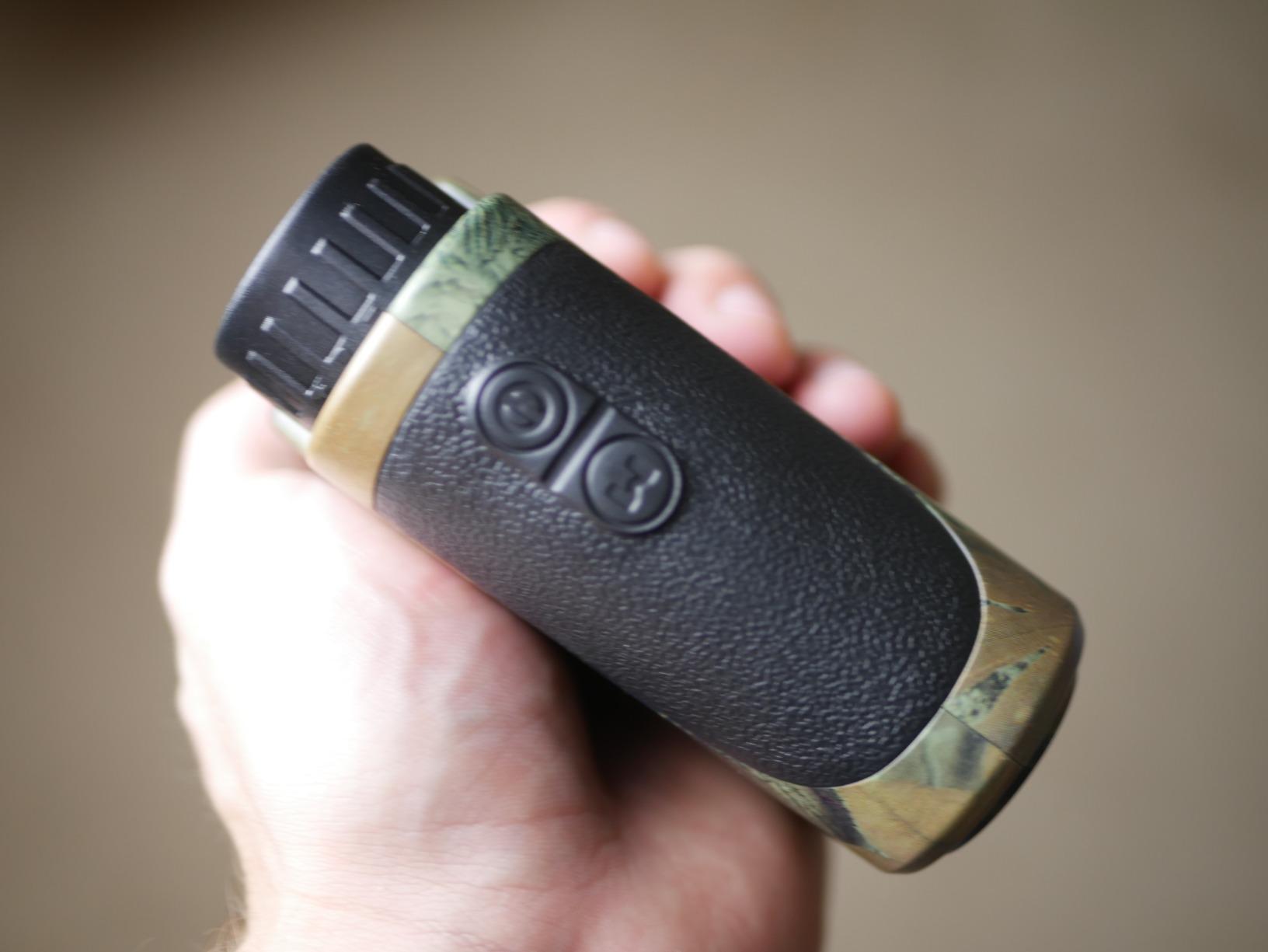
Accuracy is validated by owners against Google Maps measurements, rough but real. The 6x magnification and fast-focus eyepiece are good enough for lane work, and the 10 second auto-off protects the CR2 between uses.
At more than 2,000 ratings it has enough owner history to judge fairly. The camo finish, carry bag, lens cloth, hang string and carabiner round out a kit covering archery and rifle use from the same bag.
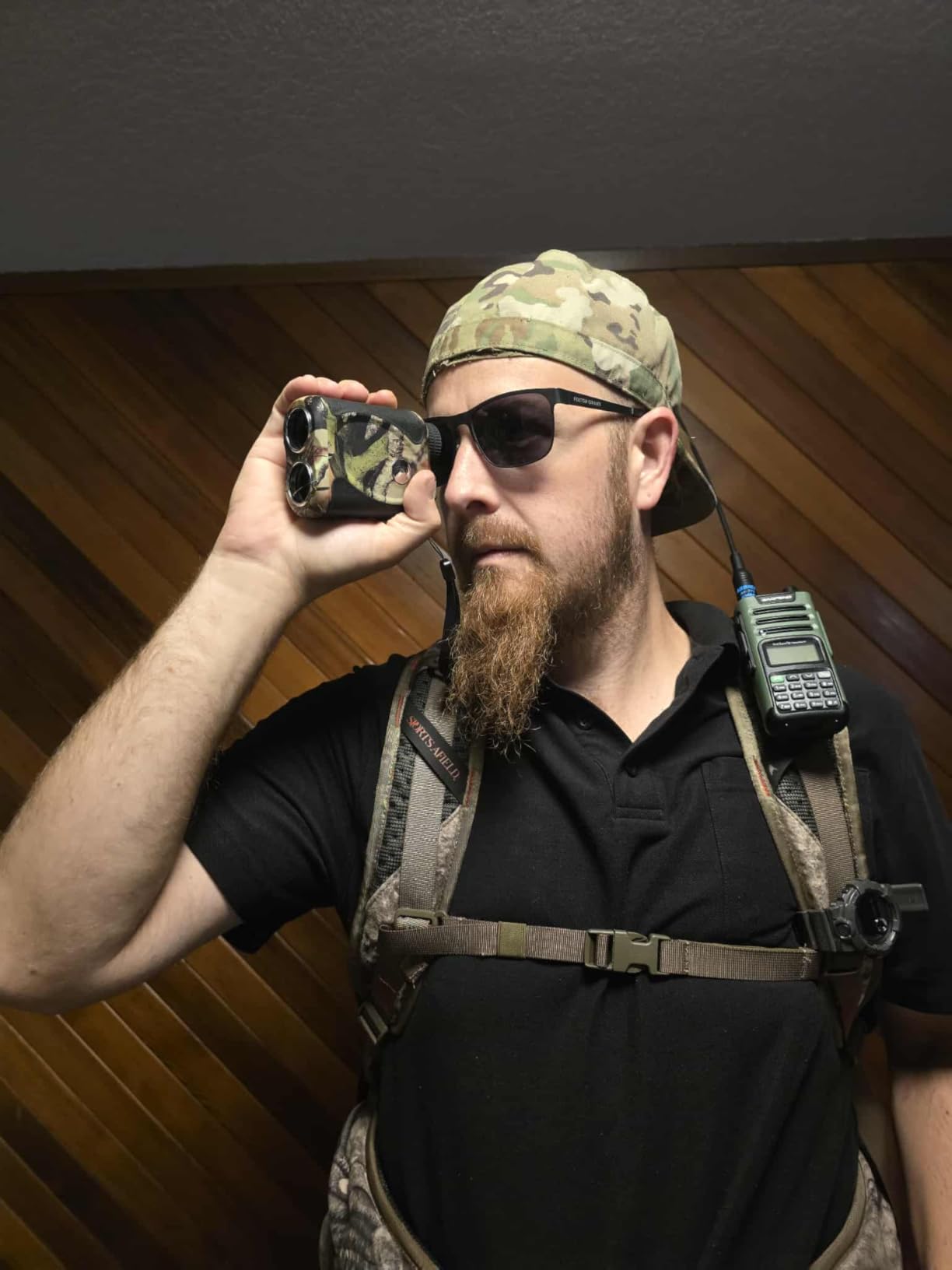
The display problem and how to work around it
Several buyers report black digital numerals blending into dark backgrounds, and there is no illumination. If your hunting happens in the last thirty minutes of light, that is a hard problem rather than an inconvenience.
The workaround is real but limited: use it for daylight scouting and the early hunt, and estimate by eye once the light fades. Know your 30, 40, 50 and 60 yard distances well enough to call them by feel when the display fails you.
What the listed angle feature is worth
The marketing names an angle capability, but owners report no dependable angle compensation, so treat the straight-line number as the only number it gives. On a downhill shot that readout runs long and you compensate by eye.
The ABS plastic body feels inexpensive and may not tolerate rough handling, and a few owners report early unit failure despite prompt replacement. For a first rangefinder or a dedicated backup those are acceptable odds. For the unit you rely on in the dark, they are not.
Handheld Rangefinders vs Bow-Mounted Rangefinding Sights
A bow-mounted rangefinding sight is a different product, not a better one, and the trade is worth understanding before you spend. The handheld goes in your pocket, works for target archery and general spotting, and never touches your bow setup. The mounted sight automates aiming instead of informing it.
A mounted unit puts a rangefinder inside a bow sight and drives the pins or a digital display. You get a range and an aim point together at full draw, which removes the whole step of looking down, ranging, adjusting and coming back up. The cost is weight on the bow, added complexity, and a device only as good as its power source.
One consideration is specific to bowhunting. A handheld gives a number for any animal at any distance, including a deer at 25 yards you would rather not risk a fixed sight on. A mounted sight is built around a sight picture, so a shot far outside its calibrated window is not automatically served.
Our view is that the handheld is the right first purchase for most archers, which is why every unit in this roundup is one. If you already own a bow you love and shoot the same distances, a rangefinding sight is a genuine upgrade, and our bow sight guide belongs next to this one.
How to Program a Rangefinder for Full-Draw Shooting
A full-draw solver is what separates a bow-specific rangefinder from a generic one, and setting one up takes about five minutes once you know the four variables. Get them right and the unit returns the distance to your aim point rather than the distance to the deer.
First, arrow weight in grains. Second, arrow velocity in feet per second, and this is where most people guess wrong. Third, peep height, or how far above your arrow rest the peep sits. Fourth, sight height, meaning how far the pin sits above the center of the shaft.
Velocity matters most. Without a chronograph reading, shoot a group at a known distance, adjust the sight until it hits, and use a bow speed app to estimate. Overestimating velocity produces a hold that is too high, and a buck at 60 yards will explain that to you.
With those four entered, most models offer two outputs. A hold point tells you how far to aim above the deer. A true ballistic range returns the distance to shoot for, so a 70-yard measured range may come back as 55 yards of shooting distance. Which you want depends on whether you hold under or dial a pin.
Verify any solver before the season by ranging a known distance and checking the result against your bow. A unit off by two yards in the first week is far more useful than one off by two yards in November.
Bow Hunting Rangefinder Buying Guide
Most specs that look decisive on a product page matter less than bowhunting actually requires. Here is what we would weigh, in the order we would weigh it, after using the dozen models above.
Angle compensation and bow solvers
Angle compensation corrects a sloped shot to horizontal distance, and that is the minimum you want in hill country. A bow solver does more: it uses arrow speed and ballistic data to return the distance you should shoot for, or a hold point to aim at. Only the Leupold RX-1400i in this group has a true selectable bow mode, the Astra Optix has an archery mode, and the Bushnell ARC models correct for slope.
Flat timber makes angle compensation optional. Ridges, drainages or any ground with a slope between you and the animal make it required.
Range and magnification
Rangefinders advertise maximum range against reflective surfaces, a number you will never use. The figure that matters is range on game, and most models here land between 350 and 1,400 yards. For bowhunting anything past 100 yards on game is plenty.
Magnification matters more than people expect because its job is confirmation, not precision. 6x to 7x is the useful range, anything above is wasted on a bow shot, and below 6x you are guessing whether the shape in the trees is a deer.
Low-light display readability
This is the criterion that separates a good bowhunting rangefinder from a bad one, and it is the most common complaint in hunting forums. Look for a red OLED or TOLED readout, adjustable brightness, and a reticle that changes contrast against a dark background, which is what the Bushnell Broadhead’s ActivSync does.
Avoid anything with an unilluminated display if you hunt in the last hour of light. Three models on this list, including two popular budget models, fail on exactly that point.
Size, weight and one-handed operation
Everything here is meant to work one-handed with a bow in the other. The practical test is whether you can pull it out, focus and get a number before the buck moves. Weights run from 4.8 ounces on the Crossfire HD 1400 to just under 10 on the Razor HD 4000, and that extra weight tells in a stand at dawn.
Check that the eyepiece focuses with one hand and controls are reachable without regripping. A unit that needs two hands is a spotting scope.
Durability, sealing and warranty
IP54 is the common baseline and handles rain and dust. IPX6 and IPX7, on the Astra Optix and the Razor HD 4000, add real protection if you hunt in weather rather than around it.
Aluminum bodies survive drops better than ABS plastic, and rubber armor keeps a unit quiet in a quiver when you are moving through a stand at first light. Warranty length is a fair proxy for manufacturer confidence: lifetime terms from Vortex and Leupold against one year on the TIDEWE is a genuine signal.
Battery and power
Replaceable CR2 cells are the standard here and the safest cold-weather choice, because a spare lithium cell can ride in a jacket pocket. The rechargeable lithium-ion in the TIDEWE is more convenient with 21,000 measurements per charge, but a depleted internal cell cannot be replaced in the field.
If you hunt in genuine cold, carry a spare cell regardless. Battery failure is the most common rangefinder problem bowhunters report and the easiest to prevent.
When you do not need one at all
Inside about 30 yards, in open ground, in good light, a good archer estimates distance more accurately than an entry-level rangefinder. A hunter in r/Hunting put it plainly: at a given distance, your eyes are the best rangefinder you have.
A rangefinder earns its place when you shoot past 40 yards, when the terrain has slope, or when the light is bad. If none of those apply, put the money into arrows tuned for the field instead.
Frequently Asked Questions
What is the best rangefinder for bowhunting?
The Vortex Crossfire HD 1400 is the best overall pick for most bowhunters, weighing 4.8 ounces with a red TOLED display, a 750 yard effective range on game, and an unlimited lifetime warranty. If you want a dedicated bow mode with Flightpath obstruction detection, choose the Leupold RX-1400i TBR/W Gen 2 instead.
What is the best bow sight with rangefinder?
Bow-mounted rangefinding sights combine a rangefinder with a digital sight so the unit returns a range and an aim point at full draw, removing the step of ranging and then adjusting. They suit archers with a single bow and consistent distances, while handheld models cost less, weigh nothing on the bow, and can be used for any animal at any distance.
Do bow hunters use rangefinders?
Yes, especially anyone shooting past 30 to 40 yards or hunting sloped ground. A bowhunting arrow is still in flight at distances that look point-blank, so a rangefinder converts a guess into a known distance and lets you hold under or dial the correct pin. Most hunters find that alone turns guessed shots into quick, ethical ones.
What is the best rangefinder for hunting based on value for money?
The TIDEWE rechargeable rangefinder is the strongest value pick, with a 700 yard range at plus or minus one yard accuracy, 6x magnification at 5.67 ounces, and a rechargeable lithium-ion battery rated for up to 21,000 measurements. It carries a 4.7 average across more than 6,000 ratings, the largest owner base in this roundup.
What is the most accurate rangefinder for archery?
The Bushnell Broadhead is the most precise unit here, rated at 0.3 yard accuracy out to 150 yards and verified against calibrated tape by archery competitors. Most other models are rated at plus or minus one yard. In practice that difference rarely changes grouping, because arrow launch variability is larger than the ranging error.
What range do I need for bow hunting?
You need far less than the headline numbers suggest. A 70 yard shot is a long bow shot, so anything that ranges reliably to 100 yards on live game is more than enough for typical whitetail and backcountry hunting. Pay attention to range on game rather than the reflective-surface maximum, which is a figure you will never use.
How does a TBR rangefinder work for archery?
True Ballistic Range uses arrow speed and a standard ballistic coefficient to return the distance you should shoot for rather than the distance to the target. On a downhill shot at 60 measured yards it might return 50 yards of shooting distance. The Leupold RX-1400i adds a selectable bow mode on top of TBR/W for archery ballistics.
What is the best affordable archery rangefinder?
The AOFAR HX-1200T is the pick if you want bow mode and angle compensation on a budget, ranging 5 to 1,200 yards at plus or minus one yard with 6x magnification. The AOFAR HX-700N is cheaper and has the larger review base, but neither model has an illuminated display, so neither is suited to low-light hunting.
Final Verdict: The Best Rangefinders for Bow Hunting in 2026
The Vortex Crossfire HD 1400 is the best rangefinder for bow hunting for most people, because it weighs 4.8 ounces, reads clearly in the low light where the shot actually happens, and carries a warranty that never expires. Hunt ridged or sloped ground and move up to the Leupold RX-1400i TBR/W Gen 2 for the dedicated bow mode and Flightpath obstruction alerts.
Below that the ladder is simple. The TIDEWE rechargeable unit is the best value and the easiest to live with, the Bushnell BoneCollector 850 is the compact choice for tree stand work, and the Vortex Diamondback HD 2000 is the pick when you need to identify an animal at 100 yards. On a tight budget the AOFAR HX-1200T gives you bow mode, but skip any unilluminated display if your hunt happens at dawn.
Whichever you choose, verify it against a known distance before the season, carry a spare battery, and check the return policy before ordering optics online.