
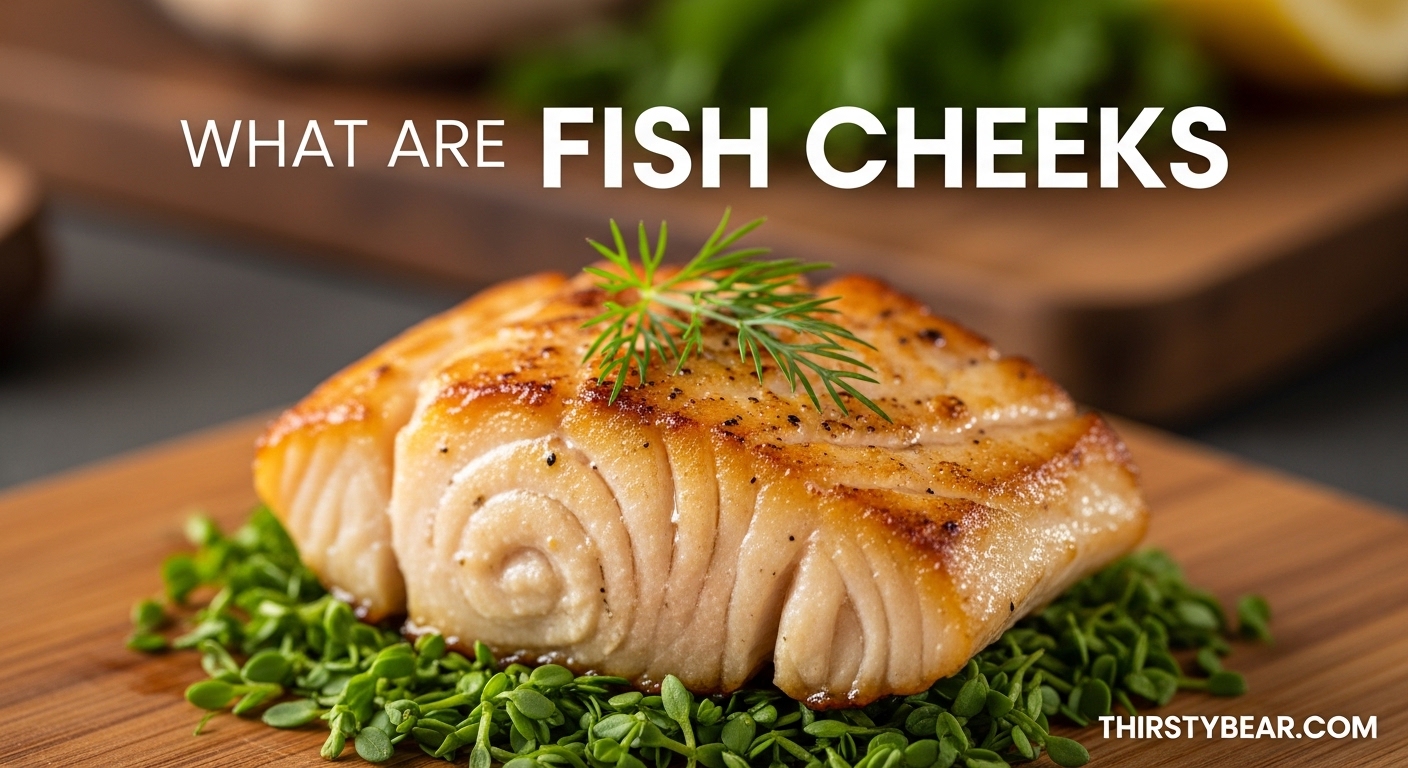
Fish cheeks are small, tender cuts of meat located just below a fish’s eyes, considered a hidden delicacy in many cuisines around the world. If you’ve ever wondered what are fish cheeks and why seafood enthusiasts prize them, you’re not alone. These bite-sized morsels offer some of the most succulent eating on the entire fish, yet many home cooks have never experienced them.
Unless you’re someone who regularly eats whole fish, you may be unfamiliar with this cut. Fish cheeks remain one of the most underrated seafood items available, often overlooked in favor of fillets and steaks. Let me explain what makes these little medallions so special.
Table of Contents
What Are Fish Cheeks
Fish cheeks are exactly what they sound like – the muscle tissue located in the cheek area of a fish, just below and slightly behind the eyes. Unlike fillets which come from the main body muscles, cheek meat comes from smaller muscles that control the fish’s jaw movement.
Why is it called fish cheeks? The name is quite literal. These anatomical muscles resemble what we’d call cheeks in other animals. However, unlike mammalian cheeks, fish cheeks are primarily muscle tissue rather than fatty deposits, making them dense with protein.
Fish cheeks typically range from the size of a large scallop to a small medallion, depending on the species. Each fish yields only two cheeks – one on each side of the head – which contributes to their status as a specialty item.
What Do Fish Cheeks Taste Like
Fish cheeks offer a remarkably sweet, mild flavor that’s often compared to sea scallops. The taste is delicate and clean, without the strong fishiness that turns some people away from certain seafood varieties. This makes them an excellent entry point for those new to adventurous eating.
The texture is where fish cheeks truly shine. Because these muscles aren’t overworked like the fish’s swimming muscles, the meat stays incredibly tender. When cooked properly, fish cheeks have a melt-in-your-mouth quality that’s more like butter than typical fish flesh.
The texture is often described as silky, firm yet yielding, and substantially more delicate than even the tenderest fish fillet. I’ve found that this unique combination of sweet flavor and luxurious texture is what converts first-timers into immediate fans.
Which Fish Have Edible Cheeks
Not all fish produce cheeks large enough to harvest. You need species with substantial head size to make the effort worthwhile. Here are the most popular options:
- Saltwater Species: Halibut cheeks are perhaps the most sought-after, followed closely by grouper, cod, and sometimes larger snapper varieties. Pacific halibut in particular produces exceptionally large, meaty cheeks that are widely available from Alaskan fisheries.
- Freshwater Species: Walleye cheeks are prized among anglers, as are lake trout and whitefish cheeks. These freshwater varieties tend to be slightly smaller but equally delicious. Many freshwater fishing communities consider the cheeks the reward after a successful catch.
The key is size – the fish needs to be large enough that the cheeks contain sufficient meat to justify harvesting. For most species, this means fish weighing several pounds minimum.
How to Cook Fish Cheeks
Cooking fish cheeks requires a gentle touch due to their delicate nature. The most important rule is quick cooking at high heat, which sears the exterior while keeping the interior tender and moist.
Pan-searing is my preferred method. A hot skillet with butter or oil, just 2-3 minutes per side, produces a beautiful crust while maintaining that silky texture. I recommend serving them medium-rare to medium – anything beyond medium and they risk becoming rubbery.
Grilling works wonderfully for larger cheeks from halibut or grouper. A quick 2 minutes per side over high heat gives you those attractive grill marks while preserving the delicate flesh. Basting with garlic butter or lemon sauce during the last minute adds incredible flavor.
Frying creates a crispy exterior that contrasts beautifully with the tender interior. A light dusting of seasoned flour or a panko-Parmesan coating (as I’ve seen discussed in fishing forums) adds texture without overwhelming the natural sweetness.
Avoid slow-cooking methods. Fish cheeks are too delicate for braising or slow-roasting – they’ll disintegrate or become tough. Think of them more like scallops than like fish fillets when planning your cooking approach.
Nutrition and Health Benefits
Fish cheeks pack impressive nutritional benefits into a small package. Like other seafood cuts, they’re an excellent source of lean protein with relatively few calories. A typical serving contains around 130 calories while providing substantial protein for muscle maintenance and satiety.
Beyond protein, fish cheeks are rich in vitamin D – a nutrient many people don’t get enough of. They also provide potassium, which supports heart health and proper muscle function. Like other fish, they contain omega-3 fatty acids, though the exact amount varies by species.
From a health perspective, fish cheeks offer the same benefits as other fish cuts but in a more concentrated, flavorful package. They’re naturally low in fat and free of carbohydrates, making them suitable for most dietary patterns.
Where to Buy Fish Cheeks
Finding fish cheeks can be challenging, as they’re rarely available in typical supermarket seafood counters. Your best bet is developing a relationship with a fishmonger or specialty seafood market that handles whole fish.
Many high-quality fish markets will set aside cheeks for regular customers who request them. I’ve found that simply asking “Do you have any fish cheeks today?” often yields positive results, especially at establishments that process whole fish on-site.
Online seafood suppliers, particularly those specializing in Alaskan fish, often sell halibut cheeks directly to consumers. This can be a reliable option if you lack local sources. Some Asian markets also carry fish cheeks, reflecting their cultural appreciation for this cut.
Alternatively, if you purchase whole fish, you’re harvesting your own cheeks. It takes some practice, but the reward is worth the effort – plus you’ll have the rest of the fish for other meals.
Why Fish Cheeks Are Worth Seeking Out
Fish cheeks represent one of those rare culinary treasures that offer exceptional eating experience while remaining relatively unknown to the general public. In Asian cuisines, particularly Thai and Chinese, cheeks have long been celebrated as a delicacy worth seeking out.
The combination of tenderness, sweetness, and versatility makes them a worthy addition to any seafood lover’s repertoire. Whether you’re an adventurous home cook looking to expand your horizons or simply someone who appreciates exceptional ingredients, fish cheeks deliver on flavor and texture.
Plus, there’s something satisfying about utilizing parts of the fish that might otherwise go to waste. In an era of nose-to-tail (and head-to-tail) eating, fish cheeks represent both culinary excellence and thoughtful consumption.
Frequently Asked Questions
What do Fish Cheeks taste like?
Fish cheeks have a sweet, mild flavor often compared to sea scallops. The taste is delicate and clean without strong fishiness. The texture is incredibly tender and silky, almost melt-in-your-mouth, which is what makes them so prized among seafood enthusiasts.
Why do people eat Fish Cheeks?
People eat fish cheeks because they’re often the most tender and flavorful part of the fish. The cheek muscles aren’t overworked like swimming muscles, resulting in exceptionally sweet, delicate meat. They’re considered a delicacy in many cultures, particularly Asian cuisines where they’ve been prized for generations.
What type of food are Fish Cheeks?
Fish cheeks are a seafood delicacy – bite-sized medallions of muscle meat taken from the cheek area below the fish’s eyes. They’re typically the size of large scallops and are classified as a specialty cut of fish, similar to how oysters or sweetbreads are considered specialty items from other animals.
Why is it called Fish Cheeks?
The name is literal – fish cheeks come from the actual cheek area of the fish, located just below and slightly behind the eyes. Unlike mammalian cheeks which are fatty, fish cheeks are primarily muscle tissue that controls jaw movement. This anatomical position gives them their name.
Are Fish Cheeks healthy to eat?
Yes, fish cheeks are healthy. They’re an excellent source of lean protein with approximately 130 calories per serving. They contain vitamin D, potassium, and omega-3 fatty acids. Like other fish cuts, they’re low in fat and carbohydrates while providing high-quality protein for muscle maintenance and overall health.
Conclusion
Now that you understand what are fish cheeks, you can see why they’re such a prized delicacy among seafood lovers. These tender, sweet morsels offer eating experiences that rival premium scallops at a fraction of the cost. While sourcing them requires a bit more effort than picking up a fillet at the supermarket, the reward is well worth it.
Whether you’re pan-searing halibut cheeks in butter or grilling fresh walleye cheeks from your latest catch, you’re in for a treat. Fish cheeks represent one of those rare culinary discoveries that make exploring food so rewarding – exceptional flavor, unique texture, and a story worth telling. Next time you see fish cheeks on a menu or at your fishmonger, give them a try.