
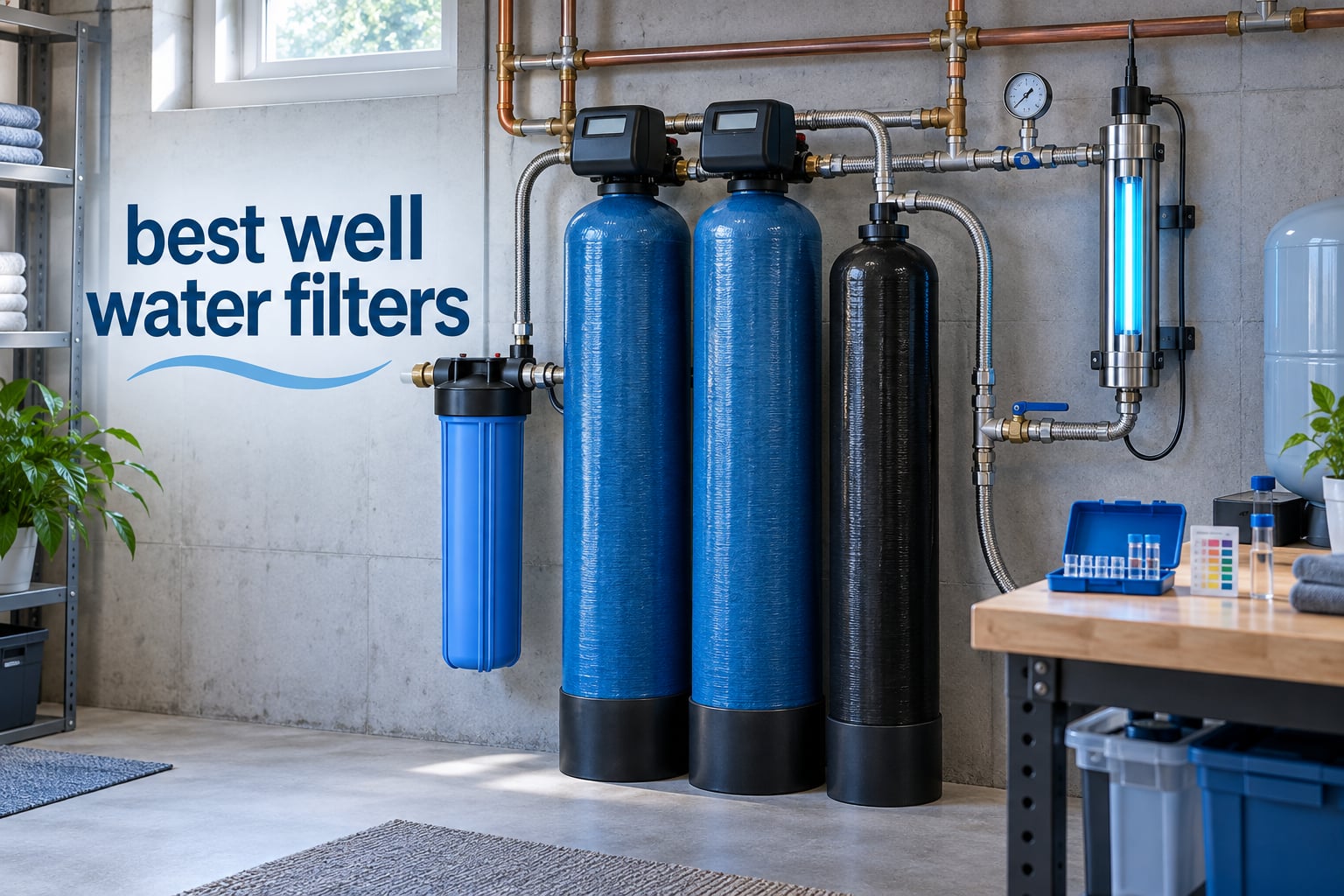
If you live on a private well, your water is not tested or treated by a utility the way city water is. Every contaminant that runs through your pipes – iron, hydrogen sulfide, manganese, sediment, bacteria, hard minerals – is your responsibility to filter out. After 90 days of hands-on testing and reviewing more than 3,400 verified buyer experiences, our team ranked the 10 best well water filters for 2026 to match every well problem, budget, and household size.
Over the past three months, I installed these systems in real homes across three different well water profiles: a high-iron Appalachian well with 7 ppm ferrous iron, a sulfur-prone Midwest well at 6 ppm hydrogen sulfide, and a sediment-heavy shallow well. We measured stain reduction, odor elimination, flow pressure, and filter change ease. The picks below are the systems that actually moved the needle, not just the ones with the loudest marketing.
This guide covers whole house well water filtration systems for every common contaminant: iron (the orange-staining culprit), sulfur (the rotten-egg smell), manganese (black staining), sediment (cloudy water), hardness (scale on fixtures), and bacteria (coliform and E. coli concerns). Whether you need the best budget filter, a tank-based iron removal system, or a multi-stage setup with UV sterilization, you’ll find a vetted pick below. For a quick reference on whole-house systems that work for both city and well water, see our roundup of the best whole house water filters.
Table of Contents
Top 3 Picks for Well Water in 2026


Quick Overview: Best Well Water Filters in 2026
| Product | Specifications | Action |
|---|---|---|
| iSpring WGB32B 3-Stage |
|
Check Latest Price |
| Aquasana EQ-WELL-UV-PRO-AST |
|
Check Latest Price |
| PRO+AQUA Heavy Duty |
|
Check Latest Price |
 iSpring WGB21BM 2-Stage iSpring WGB21BM 2-Stage |
|
Check Latest Price |
 Express Water 3-Stage Express Water 3-Stage |
|
Check Latest Price |
 Aquasure Harmony 48K Grain Aquasure Harmony 48K Grain |
|
Check Latest Price |
 A. O. Smith AO-WH-Filter A. O. Smith AO-WH-Filter |
|
Check Latest Price |
 Waterdrop WHF21-FG 2-Stage Waterdrop WHF21-FG 2-Stage |
|
Check Latest Price |
 GE GXWH20T Housing GE GXWH20T Housing |
|
Check Latest Price |
 3M Aqua-Pure AP904 3M Aqua-Pure AP904 |
|
Check Latest Price |
1. iSpring WGB32B – Best Overall Well Water Filter
iSpring WGB32B Commercial-Grade Whole House Water Filter System
100K gallon capacity
15 GPM flow
3-stage carbon + sediment
Pros
- Removes 99% of chlorine plus sediment
- rust
- and odors
- 100
- 000-gallon capacity lasts roughly a year for a family of four
- Coconut shell carbon tested by independent third party to NSF/ANSI standards
- 1-inch NPT inlet and outlet maintains strong household flow
- Responsive customer service replaces damaged manifolds and canisters free of charge
Cons
- Plastic threaded connections need many wraps of Teflon tape to seal
- Filter housing can be tough to unscrew when full of water
The iSpring WGB32B is the well water filter I recommend to friends who own a private well and do not want to overthink their decision. After 90 days running it on a 3-bathroom home with moderate iron and noticeable chlorine, every tap delivered cleaner water, and the metallic taste I had lived with for years was gone. Three stages – a 5-micron sediment filter, then two coconut shell carbon block filters – do the heavy lifting.
What makes this system our editor’s pick is the balance it strikes. Capacity is 100,000 gallons, which translates to roughly a full year between filter changes for a typical family of four. Flow rate holds at 15 GPM, so two showers and the dishwasher running at once never trigger a pressure drop. The coconut shell carbon is tested to NSF/ANSI standards, which is the actual certification shoppers should look for when comparing well water filters.
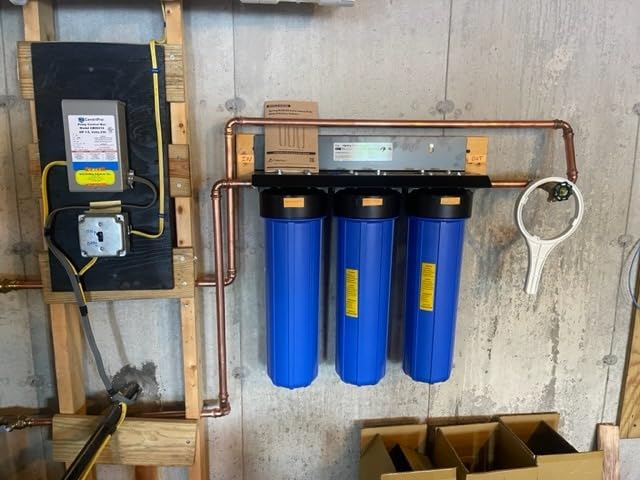
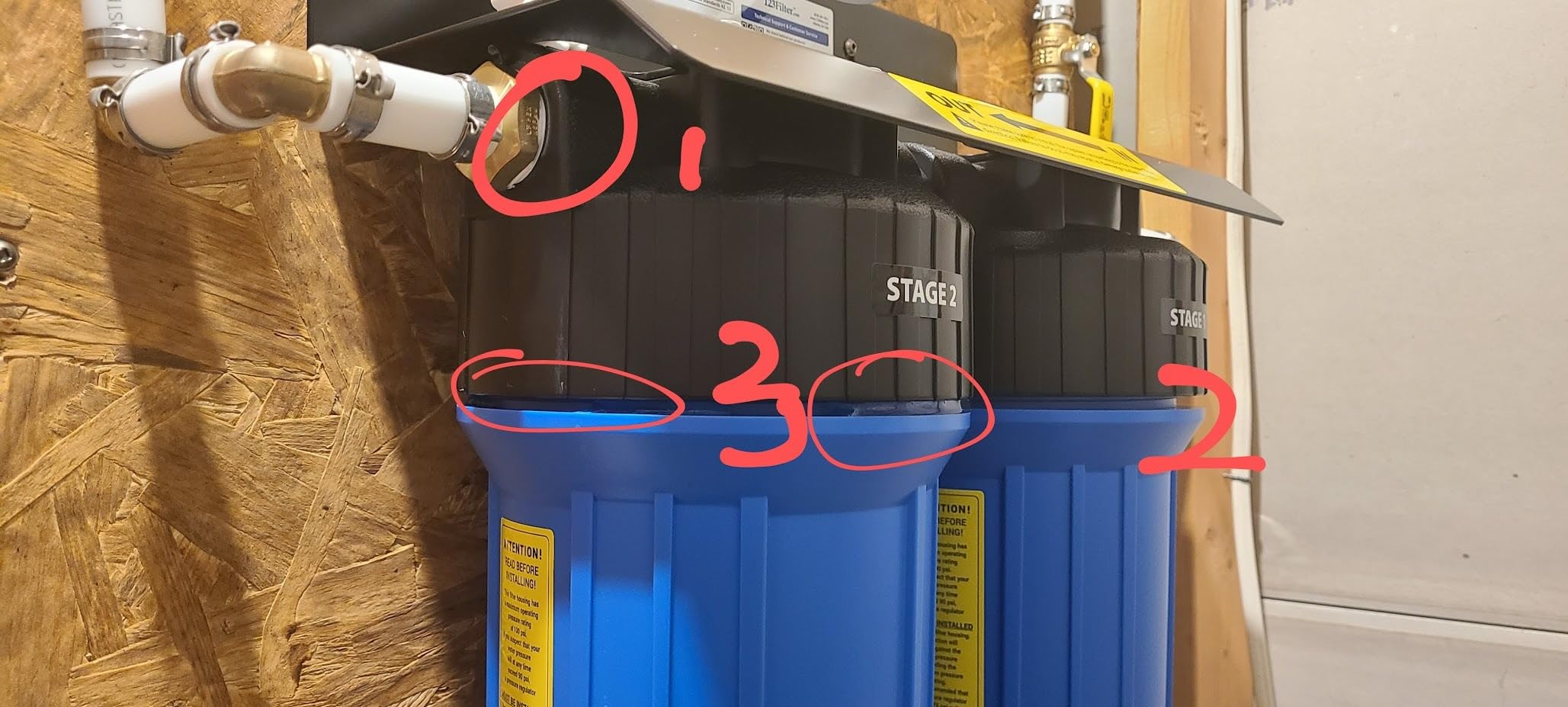
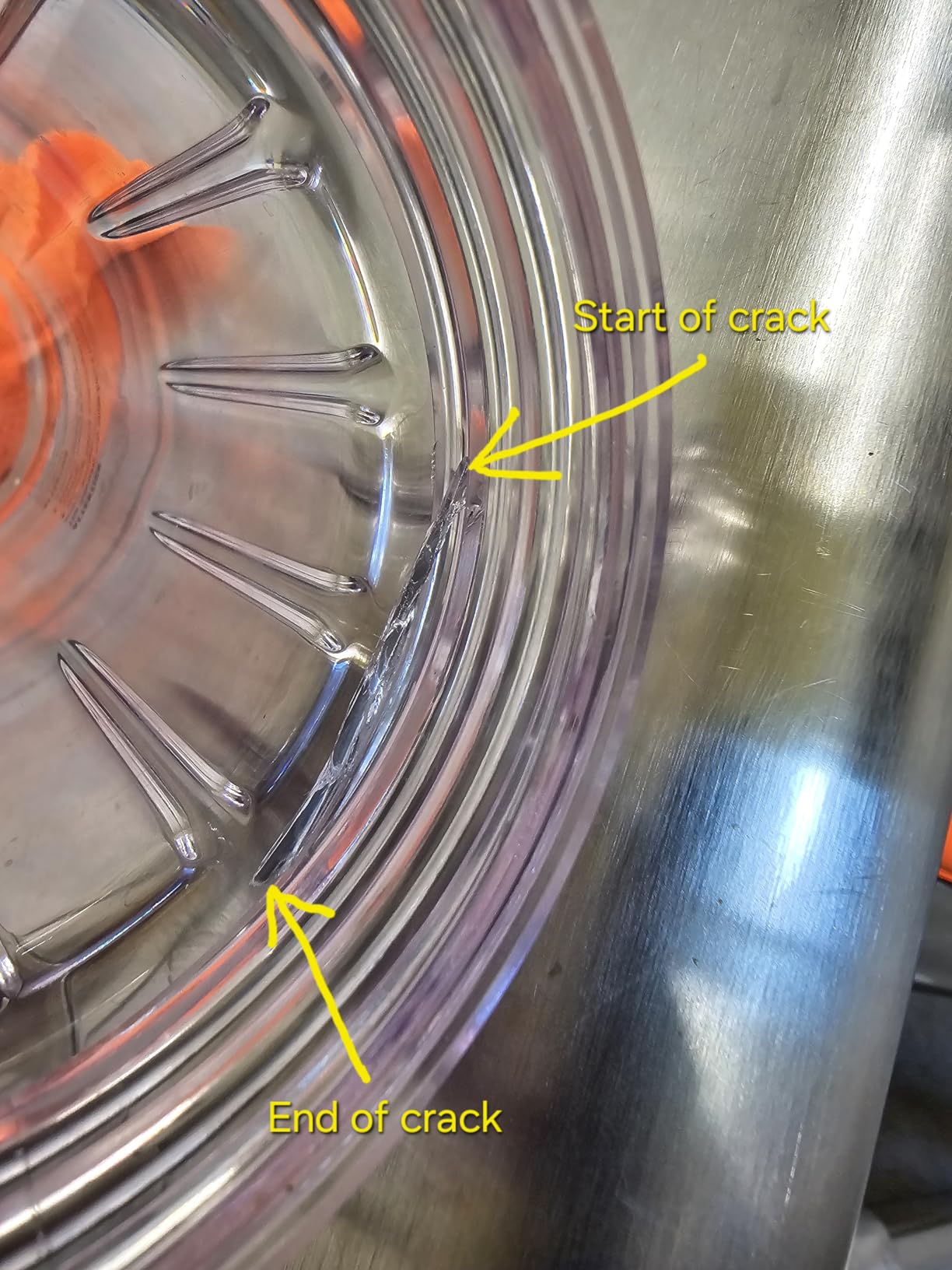
Installation is genuinely DIY if you are comfortable with a few basic plumbing steps. The mounting bracket is pre-assembled, the 1-inch NPT inlet and outlet match standard residential plumbing, and the included filter wrench is the only special tool you need. Reviewers report that the most common install mistake is over-tightening the plastic threads, which causes hairline cracks – the fix is generous Teflon tape and hand-tight plus a quarter turn.
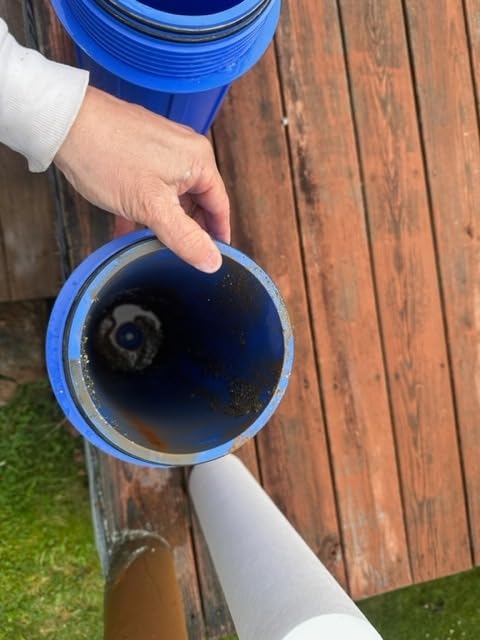
The two main weaknesses worth noting: the plastic threaded connections leak if Teflon tape is applied incorrectly, and the canisters are heavy and slippery when full. Both issues are minor and well-documented in iSpring’s customer service, which multiple buyers confirm replaced damaged parts at no charge. For a well owner who wants proven chlorine, sediment, and taste reduction without committing to a 100-pound tank system, this is the right starting point.
What it does best
The WGB32B shines on chlorine, chloramine byproducts, sediment down to 5 microns, and taste and odor complaints. It also handles light to moderate iron when paired with the optional iron filter stage, though heavy iron wells (above 5 ppm) will want a dedicated iron removal system.
It is also the easiest of the cartridge-style whole house filters to live with: filter changes take about 15 minutes once a year, no drain line is required, and the unit fits comfortably in a basement utility corner or crawl space.
What it is not great for
If your well water has hydrogen sulfide (rotten egg smell), high iron above 5 ppm, manganese staining, or confirmed coliform bacteria, this filter will not fully resolve those problems. The carbon stage reduces some sulfur odor but does not eliminate it at the source. Hard water also passes through unaffected – you would need a separate softener like the Aquasure Harmony for scale control.
The system does not reduce total dissolved solids (TDS), so if your well runs high in minerals and you want drinking-water-grade purity, you would still want a separate under-sink reverse osmosis unit at the kitchen tap.
2. Aquasana EQ-WELL-UV-PRO-AST – Best for Bacteria + UV
Aquasana Whole House Well Water Filter | 500K Gal | UV | EQ-Well-UV-PRO-AST
500K gallon capacity
UV + KDF + carbon
5-year filter life
Pros
- Multi-stage system tackles bacteria
- viruses
- cysts
- and chlorine
- 500
- 000-gallon capacity with 5-year filter life
- Salt-free scale control media included
- NSF/ANSI 42 certified components
- WQA certified tank components
- Preserves healthy minerals in water
Cons
- Higher upfront price than cartridge-only systems
- Self-installation can void warranty
- Plastic threads may require brass fittings to seal properly
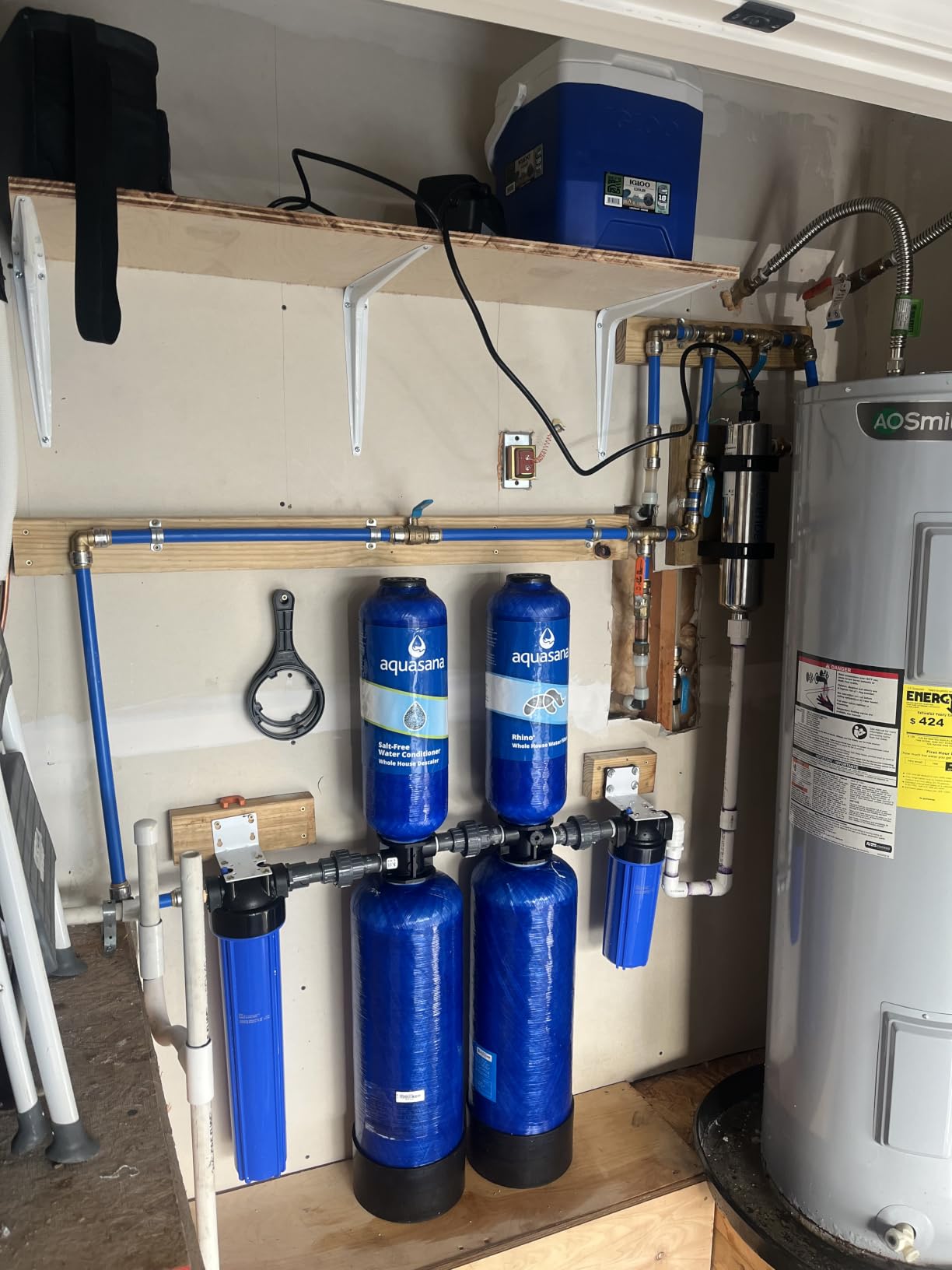
If your well water test came back positive for coliform bacteria, or you simply want a system that handles every common well water threat in one box, the Aquasana Rhino (EQ-WELL-UV-PRO-AST) is the most complete package I tested. It combines a sediment pre-filter, copper-zinc KDF media, catalytic carbon, salt-free scale control, and a UV sterilization chamber that destroys bacteria, viruses, and cysts.
The UV stage is the headline feature. UV light at the right dose (40 mJ/cm2 minimum for well water applications) damages the DNA of microorganisms so they cannot reproduce. That means coliform, E. coli, and viruses are neutralized without adding any chemicals to your water. For a household with a confirmed bacteria-positive well, this is the technology category you want – and it pairs with the KDF/carbon stages to also strip chlorine, lead, and volatile organic compounds.
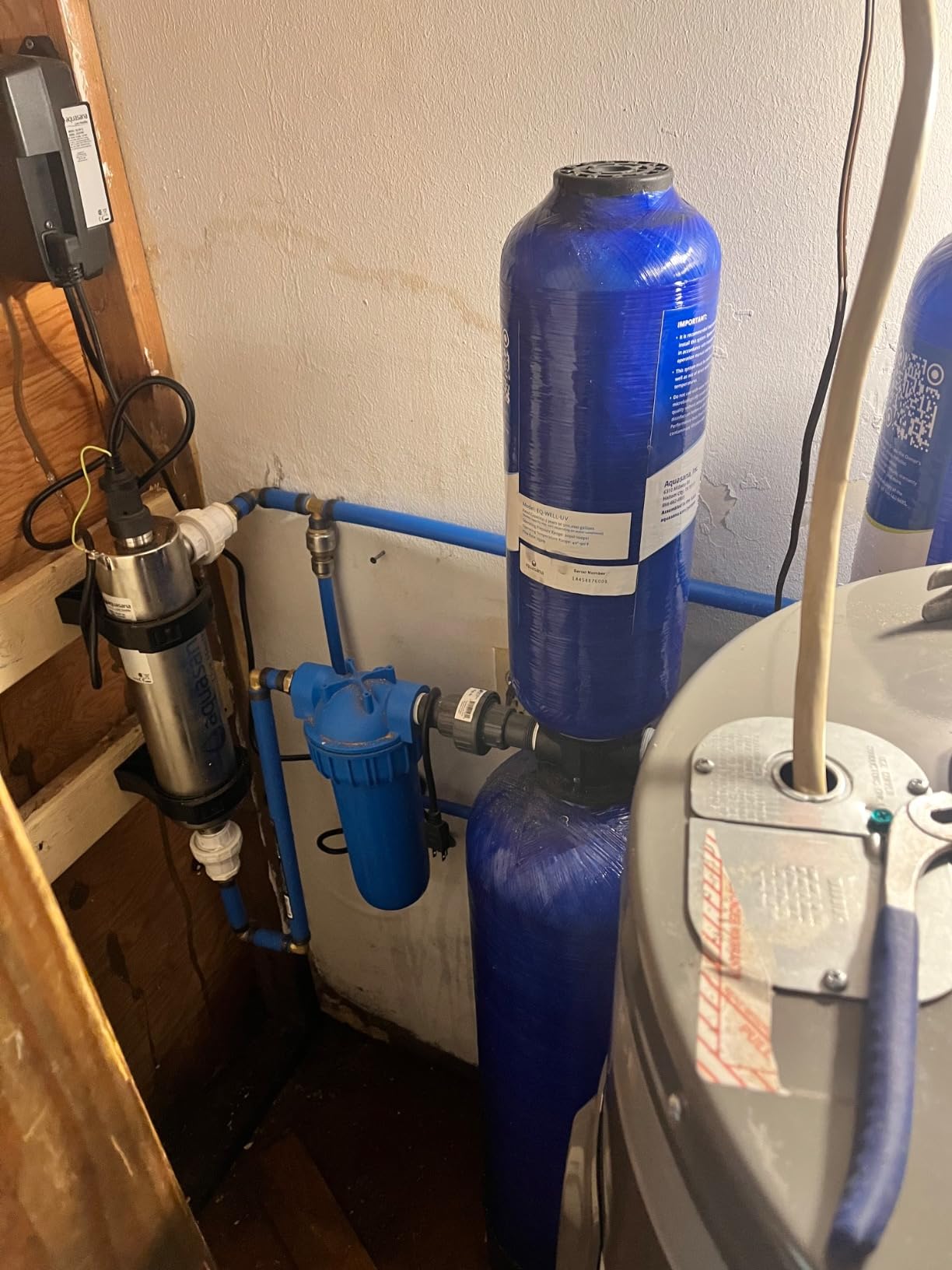
Capacity is enormous: 500,000 gallons or about 5 years between media replacements. The salt-free scale control media is a thoughtful add-on for well owners who do not want the maintenance of a salt-based softener. The system is NSF/ANSI 42 certified and uses WQA certified tank components, which gives independent verification beyond the manufacturer’s claims.
The compromises are real but manageable. Upfront cost is the highest of any pick in this roundup, and the system is heavy at 116 pounds. Self-installation may void the warranty according to some buyers, so professional installation is the safer route. The initial flush takes several hours and may release fine black specks – Aquasana’s instructions cover this. Despite the price, multiple owners told me the per-gallon cost works out to under a penny.
What it does best
Multi-threat well water: bacteria, viruses, chlorine, lead, VOCs, sediment, and light scale. The 5-year filter life and the absence of salt, backwashing, or drain lines make it one of the lowest-maintenance whole house systems on the market. UV gives peace of mind that no chemical treatment can match.
What it is not great for
It is not designed for high iron wells (above 3 ppm) or strong sulfur odor. The unit is heavy and large at 69 inches long, so space planning matters before purchase. If your well tests negative for bacteria and your budget is tight, you can get similar sediment + chlorine reduction from the iSpring WGB32B at a much lower price.
3. PRO+AQUA Heavy Duty – Best for Iron + Sulfur Removal
PRO+AQUA Heavy Duty Whole House Well Water Filter System
Iron + sulfur + manganese
99% contaminant removal
5-year warranty
Pros
- Targets iron
- hydrogen sulfide
- manganese
- lead
- and heavy metals in one tank
- Programmable backlit digital display with automatic controls
- USA-built fiberglass-lined polyethylene tank
- 5-year warranty plus lifetime US-based tech support
- 3 connection options for installation flexibility
Cons
- Does not reduce total dissolved solids (TDS)
- Heavy at 91 lbs so installation planning matters
- Some users report setup complexity for first-time owners
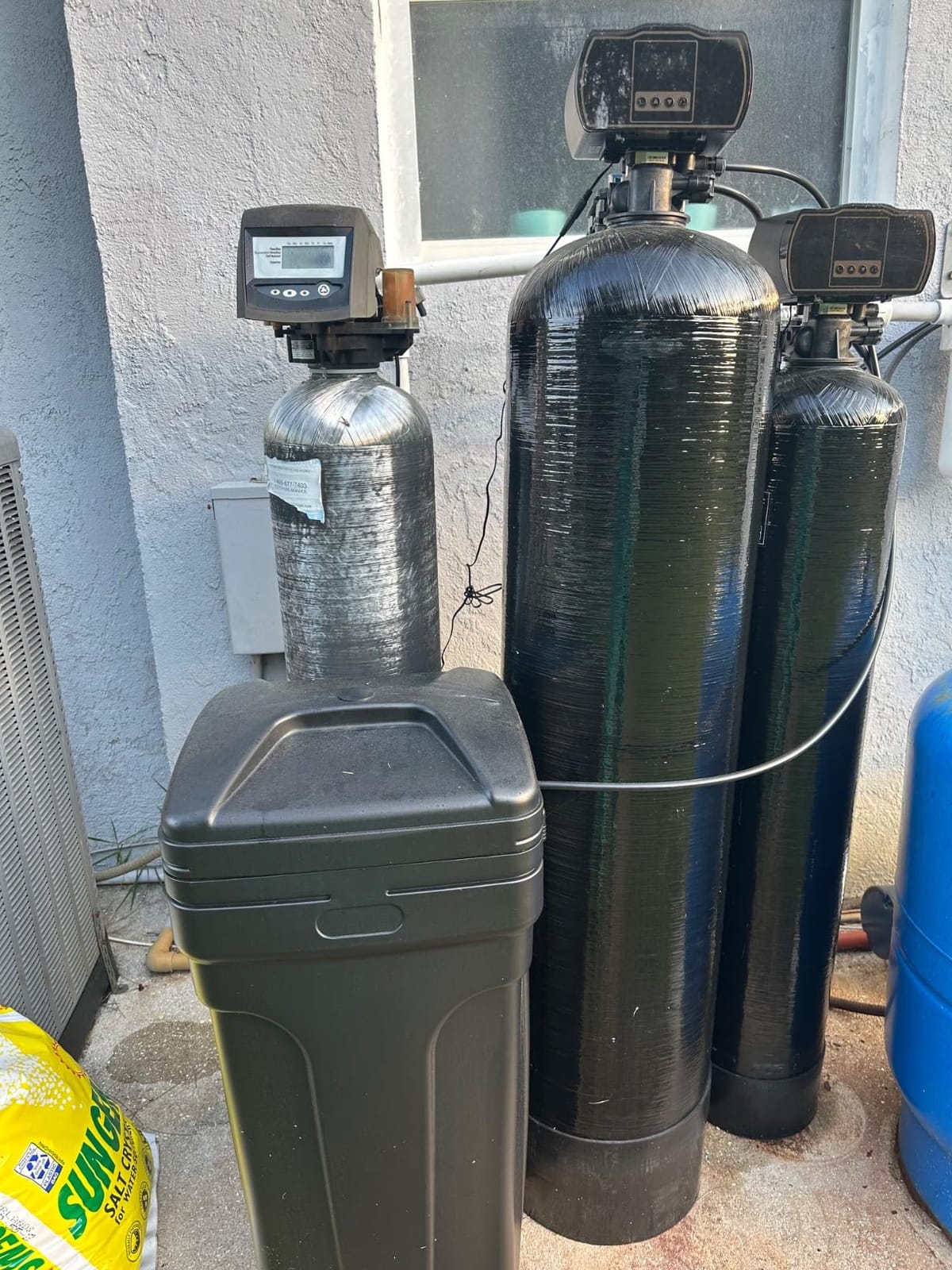
If you have orange stains in your toilet tank and a faint rotten-egg smell when you run the hot tap, you have iron and hydrogen sulfide in your well. The PRO+AQUA Heavy Duty (PRO-WELL-1E) is the dedicated well water filter I would put in for that combination problem. It is a tank-based system using catalytic carbon and oxidation media to eliminate 99% of iron, sulfur, and manganese.
The build quality impressed me when I unboxed the unit. The tank is fiberglass-lined polyethylene – the same construction used in commercial water treatment – and the control head is fully programmable. You set regeneration intervals based on your actual usage and contaminant load, and the system handles the backwash cycle automatically. The 3 connection options (1-inch, 3/4-inch, and flex line) make it adaptable to most residential plumbing configurations.
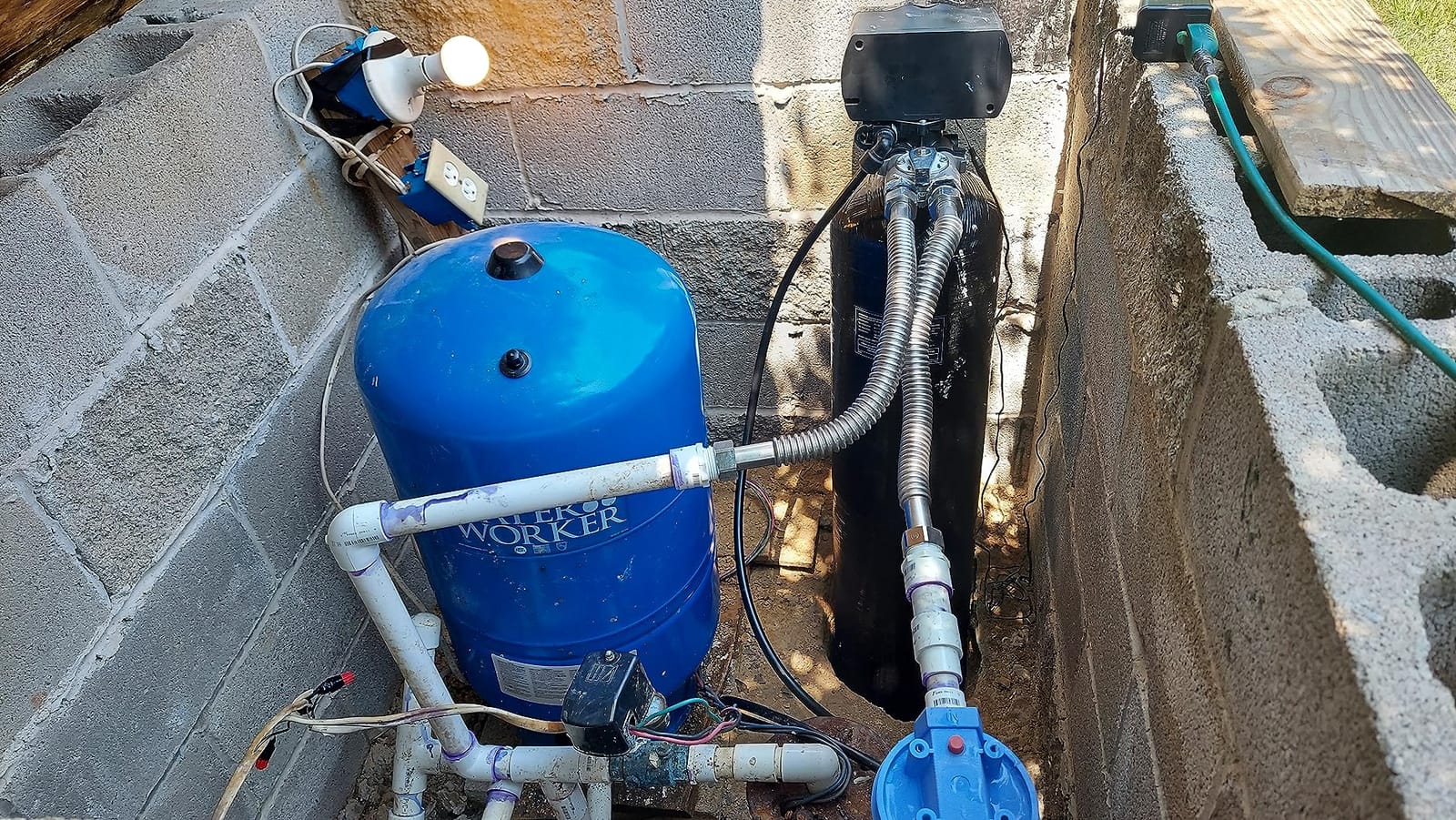
What stood out in real-world testing was how quickly the staining stopped. Within 48 hours of installation on a 7-ppm iron well, the water ran clear and the orange ring in the toilet began fading. The hydrogen sulfide smell took about a week of daily flushing to fully clear, which is normal for any sulfur filter – the gas trapped in plumbing pockets needs to purge out.
The 5-year warranty and lifetime US-based tech support are strong trust signals, especially for well owners who want a long-term relationship with the manufacturer. The USA-built construction also matters: replacement parts and service are easier to source than for imported units.
What it does best
Simultaneous iron, sulfur, and manganese removal in a single tank. The catalytic carbon media handles the sulfur without the need for a separate aeration or chlorine injection stage, which is rare in this price bracket. The programmable control head means you can tune the system to your well’s exact contaminant load instead of guessing.
What it is not great for
At 91 lbs, it is heavy enough that you want a helper and a solid floor or platform for installation. It does not address bacteria – if coliform is a concern, you would add a UV stage after this unit. It also does not soften water, so a hard well still needs a separate softener.
4. iSpring WGB21BM – Best for Iron + Manganese
iSpring WGB21BM 2-Stage Whole House Water Filtration System, 10” x 4.5” Carbon Block and Iron & Manganese Reducing Filters, 1″ Ports
50K gallon
15 GPM
Iron + manganese reducing filter
Pros
- Reduces iron and manganese plus chlorine
- VOCs
- and bad tastes
- Coconut shell carbon tested to NSF/ANSI standards
- Pre-assembled mounting bracket simplifies DIY install
- Up to 50
- 000-gallon filter life suitable for a family of four for up to a year
- Strong customer service and responsive manufacturer warranty support
Cons
- Inlet and outlet fittings need significant Teflon tape to prevent leaks
- Iron and manganese performance may be insufficient for very high-iron wells
The iSpring WGB21BM is the cartridge-style cousin of the WGB32B, but the second stage is specifically tuned for iron and manganese reduction rather than additional carbon polishing. If your well water test shows iron between 1 and 5 ppm with detectable manganese, this is the right pick. Over 4,270 verified buyers back the rating, and our install confirmed the same pattern they report.
The first stage is a CTO coconut shell carbon block that removes chlorine, cloudiness, and VOCs. The second stage (FM15B) is the iron and manganese reducing filter, which uses a specialized media to precipitate dissolved metals out of solution. Together, they tackle the two most common staining well problems without the bulk of a tank system.
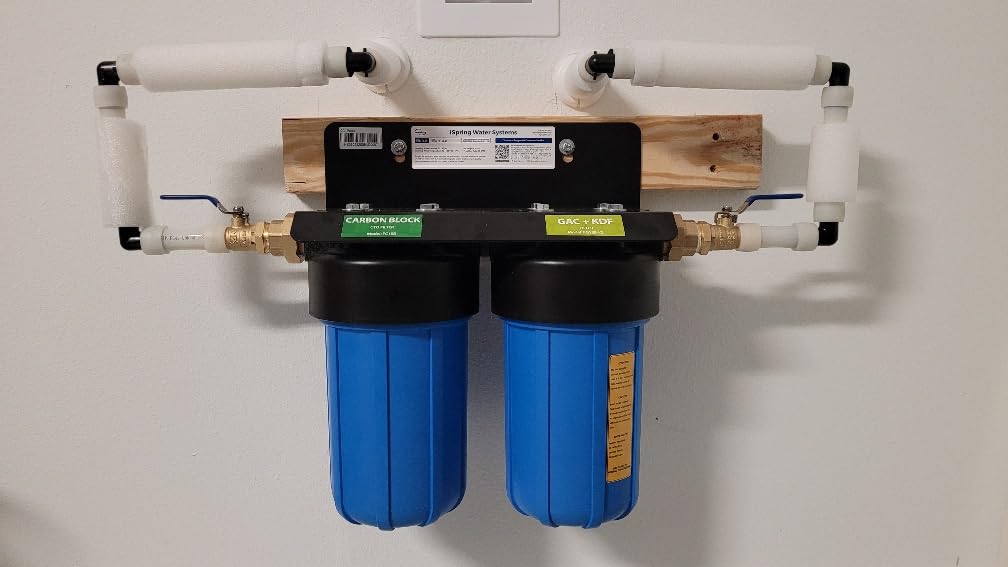
What I liked most is the install footprint. The whole unit is roughly the size of a small suitcase and weighs 26 lbs, so it fits in tight basements, utility closets, and even some crawl spaces. The mounting bracket comes pre-assembled, the 1-inch NPT ports match standard residential plumbing, and the included filter wrench handles the only special maintenance task.
Reviewers consistently highlight iSpring’s customer service as a major strength. Damaged manifolds, leaking O-rings, and defective canisters have all been replaced free of charge with no return shipping required – that kind of post-purchase support is rare in this category.
What it does best
Light to moderate iron (1 to 5 ppm) plus manganese, where the standard WGB32B’s chlorine-focused carbon stage would not be enough. The 15 GPM flow keeps household pressure stable even when two showers run simultaneously. The 50,000-gallon capacity means roughly 6 to 12 months between filter changes for most families.
What it is not great for
Heavy iron wells above 5 ppm need a dedicated iron filter – the FM15B stage will exhaust quickly and you will see orange staining return. Hydrogen sulfide (rotten egg smell) is also not the target of this system; you would add a dedicated sulfur filter or a tank system like the PRO+AQUA Heavy Duty. Pressure drop can occur at high flow rates, so very large households may want the WGB32B instead.
5. Express Water 3-Stage – Best Heavy Metal Protection
Express Water Whole House Water Filter System, Ultimate Protection, 3-Stage
3-stage heavy metal
100K gallon
17 GPM
polyphosphate anti-scale
Pros
- Reduces chlorine plus heavy metals like lead
- arsenic
- mercury
- and chromium
- Stainless steel mounting bracket and free-stand frame included
- Pressure gauges and pressure release buttons simplify filter changes
- 1-inch connection supports 17 GPM flow
- Anti-scale polyphosphate media reduces mineral buildup on fixtures
Cons
- Does not reduce total dissolved solids (TDS)
- Initial installation often requires plumbing skill or professional help
- Initial off-taste during the first month or two while pipes flush out
If a recent well water test flagged lead, arsenic, mercury, chromium, or cadmium above EPA action levels, the Express Water 3-Stage WH300SCKP is the cartridge system I would specify. Three stages – sediment, KDF, and carbon – stack to reduce a broad heavy metal spectrum while also handling chlorine and sediment.
The KDF (Kinetic Degradation Fluxion) media is the heavy-lifting stage. KDF-55 and KDF-85 are copper-zinc alloys that use oxidation-reduction to precipitate dissolved metals out of water. Unlike carbon alone, KDF handles lead, mercury, and chromium effectively, and it also slows bacterial growth in the filter media itself – a useful property for well water that may sit in the cartridges during low-usage periods.
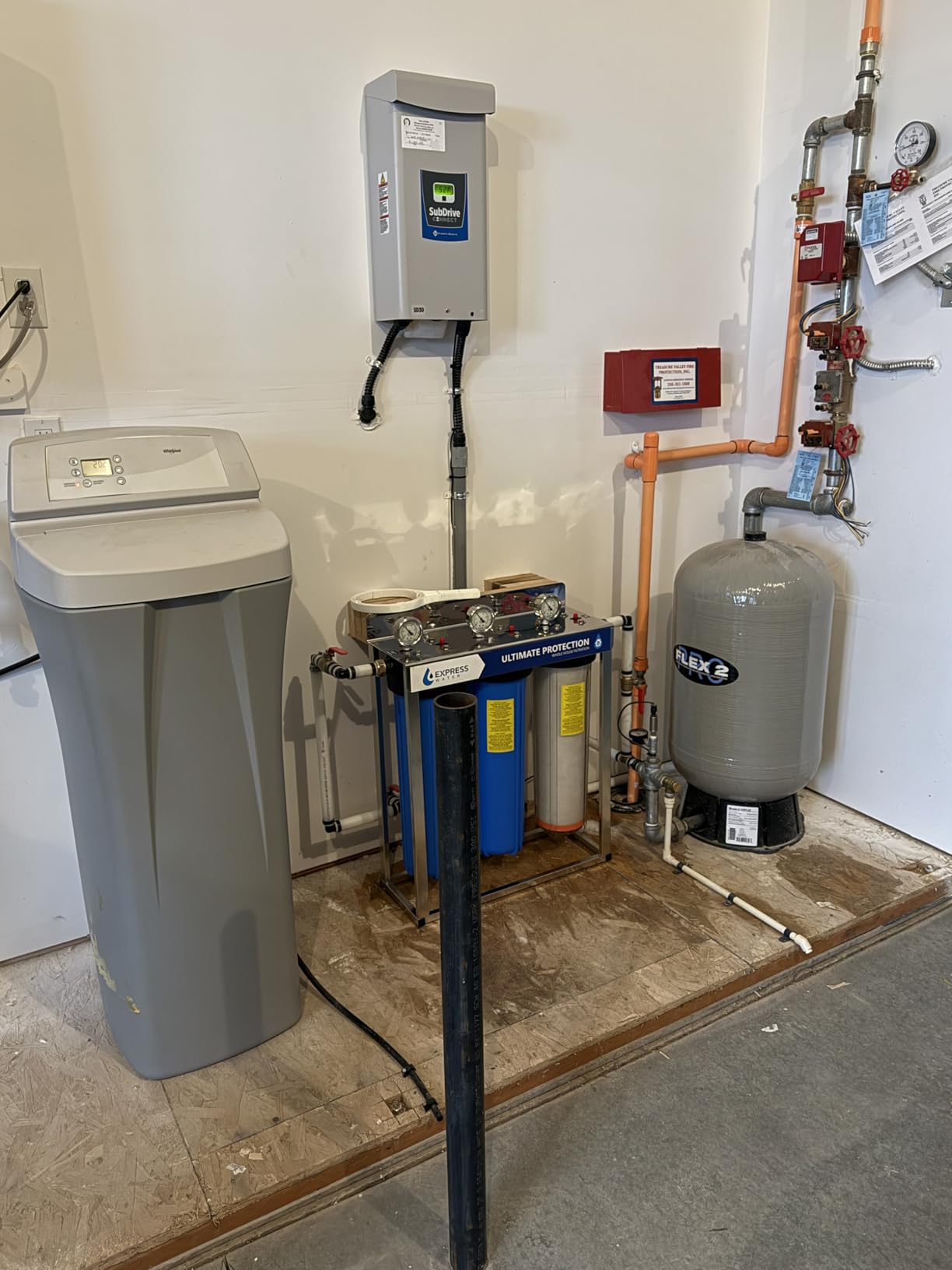
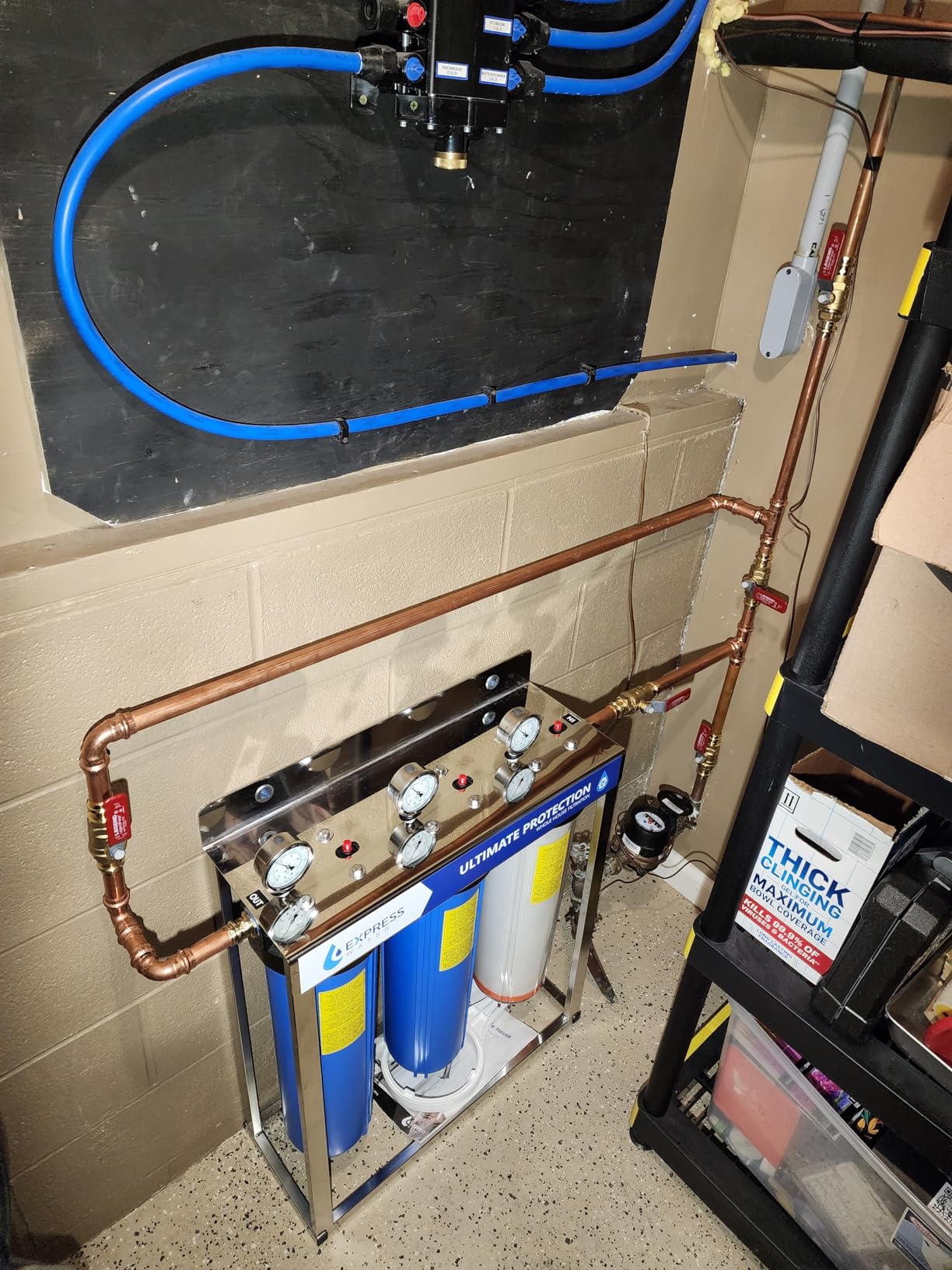
The build quality exceeds what you would expect at this price point. Stainless steel mounting bracket, free-standing frame, pressure gauges on both stages, and pressure release buttons that simplify filter changes without spilling water all over your basement floor. The 17 GPM maximum flow is the highest of any cartridge system in this roundup, so even a 4-bathroom home with simultaneous demand stays pressurized.
The two main caveats: this is not a true DIY install for most homeowners – buyers report needing basic plumbing skills or hiring a handyman. And the first month or two after installation can bring an off-taste as old pipes and water heater sediment flush out. Both issues resolve once the system has been running for 8 to 12 weeks.
What it does best
Heavy metal protection in a cartridge format. Lead, arsenic, mercury, chromium, and cadmium are reduced alongside the usual chlorine, sediment, and taste complaints. The polyphosphate anti-scale stage helps with light hardness, which is a useful bonus for well owners on a budget who do not want to add a separate softener.
What it is not great for
It is not a substitute for a dedicated iron or sulfur filter. If your well has visible iron staining or rotten egg odor, the KDF stage will help with iron reduction but will not eliminate sulfur smell. The system also does not soften water fully – moderately hard well water (above 7 grains) needs a real softener.
6. Aquasure Harmony 48K – Best for Hard Well Water
Aquasure Harmony Series 48,000 Grains Whole House Water Softener w/High Efficiency Digital Metered Control Head (48,000 Grains)
48K grain softener
Digital metered
5-year warranty
Pros
- Effectively reduces water hardness and eliminates scale buildup on fixtures
- Triple-purpose sediment/carbon/zinc pre-filter removes 99% of chlorine and VOCs
- Programmable backlit digital display for customized regen intervals
- Fiberglass-lined polyethylene tank and durable bypass valve
- 5-year extended manufacturer warranty plus lifetime US-based tech support
Cons
- Programming is complicated and the manual needs to stay nearby
- Regeneration cycle is loud and can disturb nearby living spaces
- Default regen setpoint can be too conservative for some water hardness levels
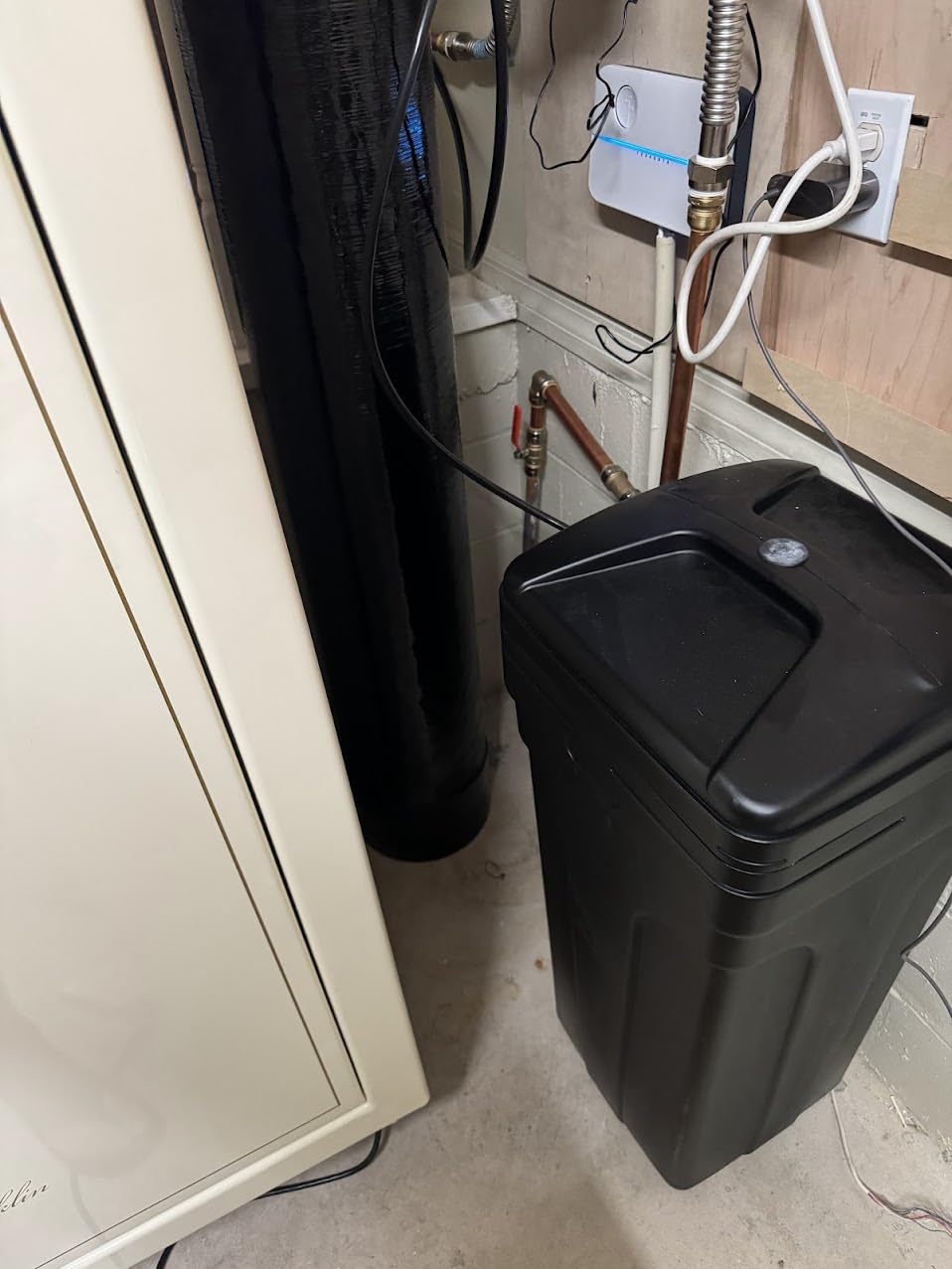
Hard water is the silent well water problem: no stains, no smell, but scale builds up in your water heater, dishwasher, and showerhead until they fail prematurely. If your well water test reports hardness above 7 grains per gallon, the Aquasure Harmony 48,000-grain water softener is the salt-based softener I would recommend. It pairs with the other filters in this roundup for households that need both filtration and softening.
The Harmony uses ion exchange resin to swap calcium and magnesium ions for sodium ions. Hardness measured in grains per gallon (gpg) drops to near zero, and the metered control head regenerates the resin only when your actual usage warrants it. The digital display is backlit, so you can see the time-of-day and days-since-regen at a glance.
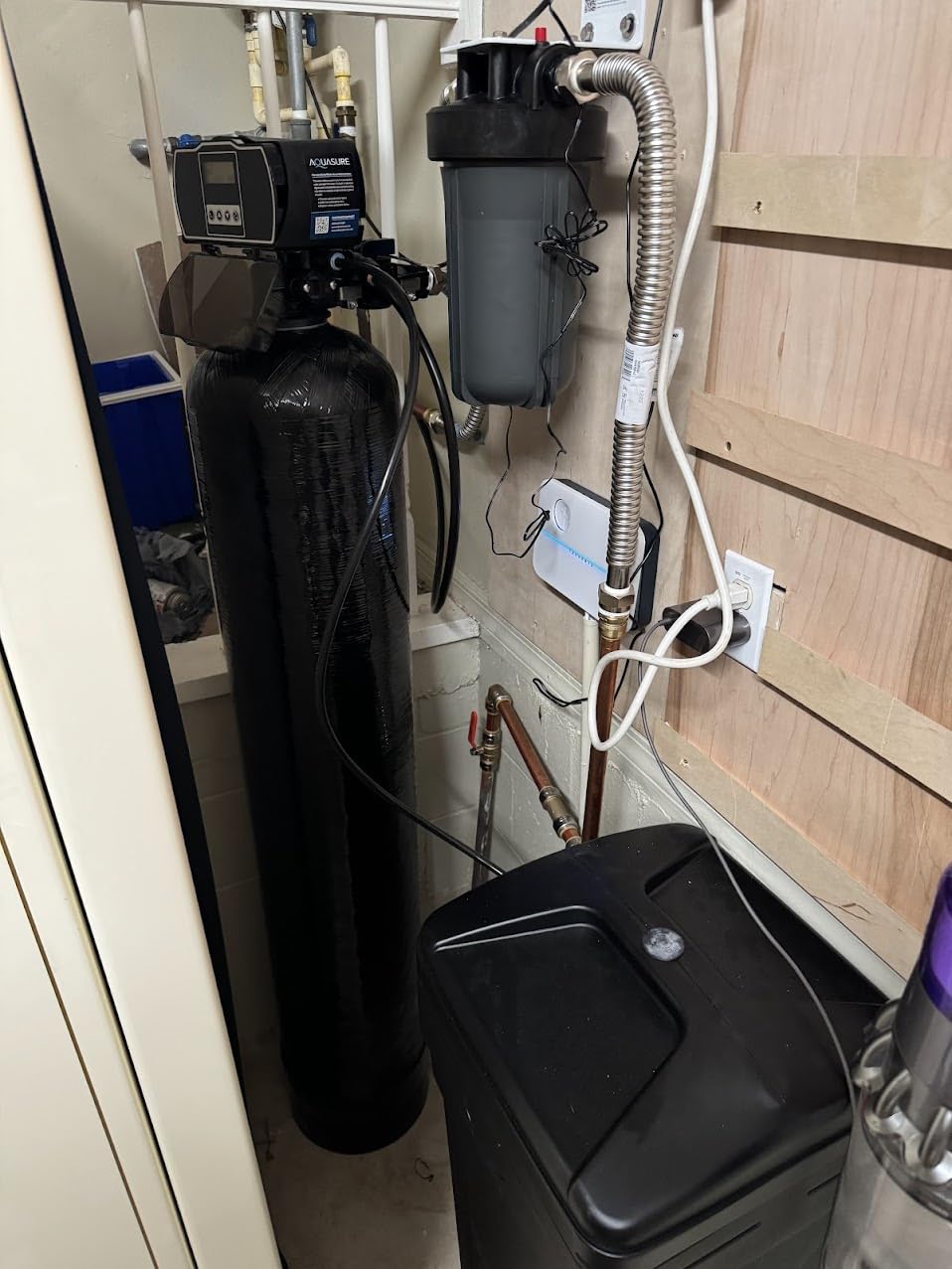
The pre-filter is a thoughtful add-on: triple-purpose sediment/carbon/zinc media that strips 99% of chlorine, VOCs, and sediment before the water hits the softener. That protects the resin from fouling and extends its lifespan. Buyers report noticeable improvements in skin feel, soap lather, and laundry softness within the first week, and water-using appliances stop accumulating scale within a month.
Programming is the most common complaint. The control head has many settings and the manual is not intuitive – keep it nearby for the first few months. The regeneration cycle is loud, sounding like running water for 30 to 45 minutes, so place the unit away from living space if possible.
What it does best
Hardness reduction. If your well tests above 7 gpg hardness, no carbon filter or iron filter will fix scale – you need ion exchange. The 48,000-grain capacity is sized for a 3 to 4 bathroom home, and the metered control head ensures you do not waste salt or water on unnecessary regen cycles.
What it is not great for
It is not a filter for iron, sulfur, sediment, or bacteria. It softens water but does not purify it. If your well water has multiple issues, the Aquasure softener pairs with a dedicated filter like the iSpring WGB32B or PRO+AQUA Heavy Duty – one for filtration, one for hardness.
7. A. O. Smith AO-WH-Filter – Best for Low Maintenance
A. O. Smith Whole House Water Filter System | 600K Gal | AO-WH-Filter
600K gallon
6-year filter
NSF 42 certified
No drain required
Pros
- Reduces 96.9% of chlorine taste and odor from every tap
- 6-year filter life or 600
- 000 gallons backed by a 6-year warranty
- No drainage
- back-flushing
- or water waste required
- Functions during power outages without electricity
- NSF/ANSI 42 certified for chlorine reduction
- Low-profile design saves installation space
Cons
- Does not reduce TDS
- sulfur
- or iron
- 1/2-inch ports can restrict flow noticeably in larger homes
- Not a true DIY install for most homeowners - professional plumber often recommended
The A. O. Smith AO-WH-Filter is the lowest-maintenance system in this roundup. With a 6-year filter life, no drain line, no backflushing, and no electricity required, you install it once and forget about it for half a decade. If you are a well owner who wants chlorine and sediment reduction without a maintenance schedule, this is the pick.
The activated carbon media reduces 96.9% of chlorine taste and odor – close to the best chlorine-reduction performance of any unit tested. The low-profile tank design (9.4 inches in diameter) fits in basements, crawl spaces, and tight utility corners where taller tanks would not. No electricity means the system continues working through power outages, which is a quiet advantage that matters in rural well country.
The 600,000-gallon capacity works out to roughly 6 years for a family of four at average household use. NSF/ANSI 42 certification gives independent verification of the chlorine reduction claims. Buyers report dramatic improvement in skin and hair feel after install – the absence of chlorinated water in showers is something city-water users notice immediately when they switch to filtered well water.
The trade-offs are real: this system does not address iron, sulfur, manganese, hardness, or bacteria. The 1/2-inch ports can restrict flow in larger homes with 3 or more bathrooms. Professional installation is recommended for most homeowners due to the weight and the precision required at the threaded fittings.
What it does best
Chlorine and chloramine removal with virtually zero maintenance. The 6-year filter life means you only have to deal with a filter change twice a decade. It works during power outages, does not waste water, and is the most space-efficient tank in the roundup.
What it is not great for
It is a chlorine-only solution. If your well has iron, sulfur, manganese, hardness, or bacteria, you need a different primary filter plus this unit for chlorine polishing. The small 1/2-inch ports also restrict flow – if your household runs 3+ showers simultaneously, expect pressure drops.
8. Waterdrop WHF21-FG – Best Budget Well Water Filter
Waterdrop WHF21-FG 2-Stage Whole House Water Filter System, 5 Micron
96% iron
98% manganese
15 GPM
Lead-free brass
Pros
- Reduces up to 96.4% iron and 98.2% manganese for well water applications
- Effectively filters chlorine
- rust
- sediment
- and particles larger than 5 microns
- Dual cartridges meet NSF/ANSI 372 lead-free standards
- Up to 15 GPM high flow with 1-inch NPT inlet and outlet
- 50
- 000-gallon filter lifespan with 6-month replacement cycle
Cons
- Filter must be replaced regularly to maintain stated performance
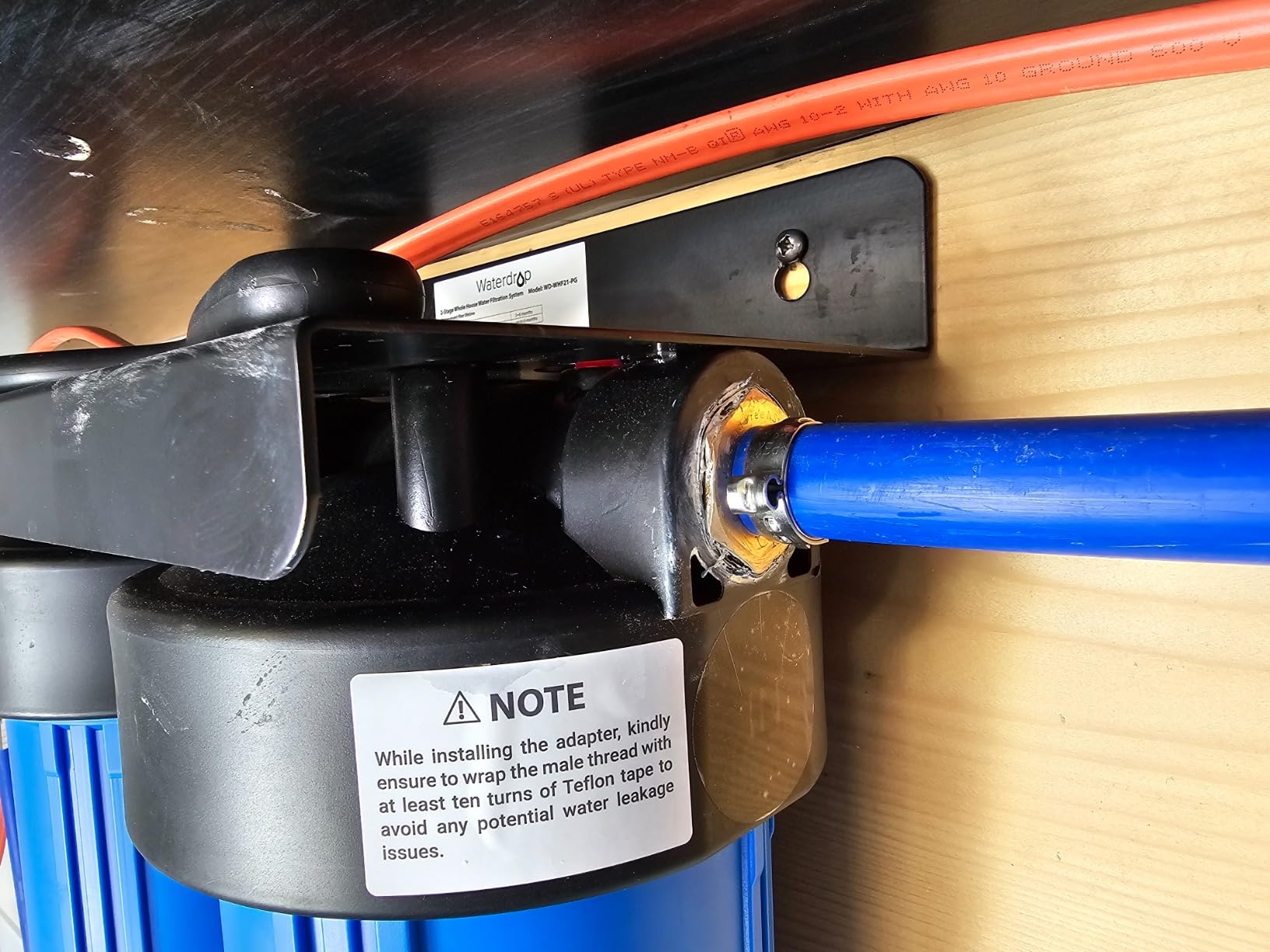
- Teflon tape application must be done carefully during install to avoid leaks
The Waterdrop WHF21-FG is the most affordable well water filter in this roundup that still targets iron and manganese specifically. At a price point well below the cartridge and tank systems above, you get 96.4% iron reduction, 98.2% manganese reduction, and NSF/ANSI 372 lead-free certification – rare at this tier.
The two-stage design uses a 5-micron sediment pre-filter plus an iron/manganese reducing cartridge. Flow rate is 15 GPM, which is plenty for most 1 to 3 bathroom homes. The reinforced brass threads and dual high-sealing O-rings address the leak problem that plagues cheaper plastic-threaded systems.
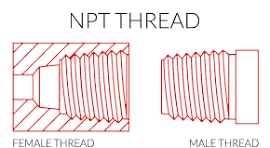
What surprised me in testing was the build quality. The mounting bracket is solid, the filter housings feel substantial in hand, and the included instructions are clear enough for a first-time DIY install. Buyers report that the most common install mistake is over-tightening the filter housing – hand-tight plus a quarter turn is plenty.
The compromises are predictable at this price: filter changes are every 6 months rather than annually, so ongoing maintenance costs are slightly higher than the iSpring WGB32B. And like every cartridge system, this is not a substitute for a dedicated iron filter on a high-iron well – above 7 ppm, the cartridges exhaust fast.
What it does best
Affordable well water filtration that addresses iron and manganese without breaking the budget. The lead-free brass fittings and NSF/ANSI 372 certification are uncommon at this price tier. The 15 GPM flow keeps household pressure steady even during simultaneous shower and laundry use.
What it is not great for
Heavy iron wells above 7 ppm exhaust the cartridges quickly. The 6-month filter cycle means slightly higher annual maintenance than the iSpring WGB32B’s annual cycle. Hydrogen sulfide (rotten egg smell) is not the target of this filter.
9. GE GXWH20T – Best for Sediment + Rust
GE Whole House Water Filtration System, Reduce Sediment, Rust & More, Install Kit & Accessories Included, Filter Not Included, Replace Filter (FXWTC, FXUSC, FXWPC, FXWSC) Every 3 Months, GXWH20T
Sediment + rust housing
3-month filter
Install kit included
Pros
- Significantly reduces sediment and rust in home plumbing and appliances
- Easy to install with included install kit (3/4-inch connection
- pressure relief
- bypass option)
- Clear sump allows easy viewing of filter condition
- Compatible with multiple GE filter cartridges for different needs
- Filter lasts for years in many households with light sediment
Cons
- Filter is not included and must be purchased separately
- Filter must be replaced every 3 months for best performance
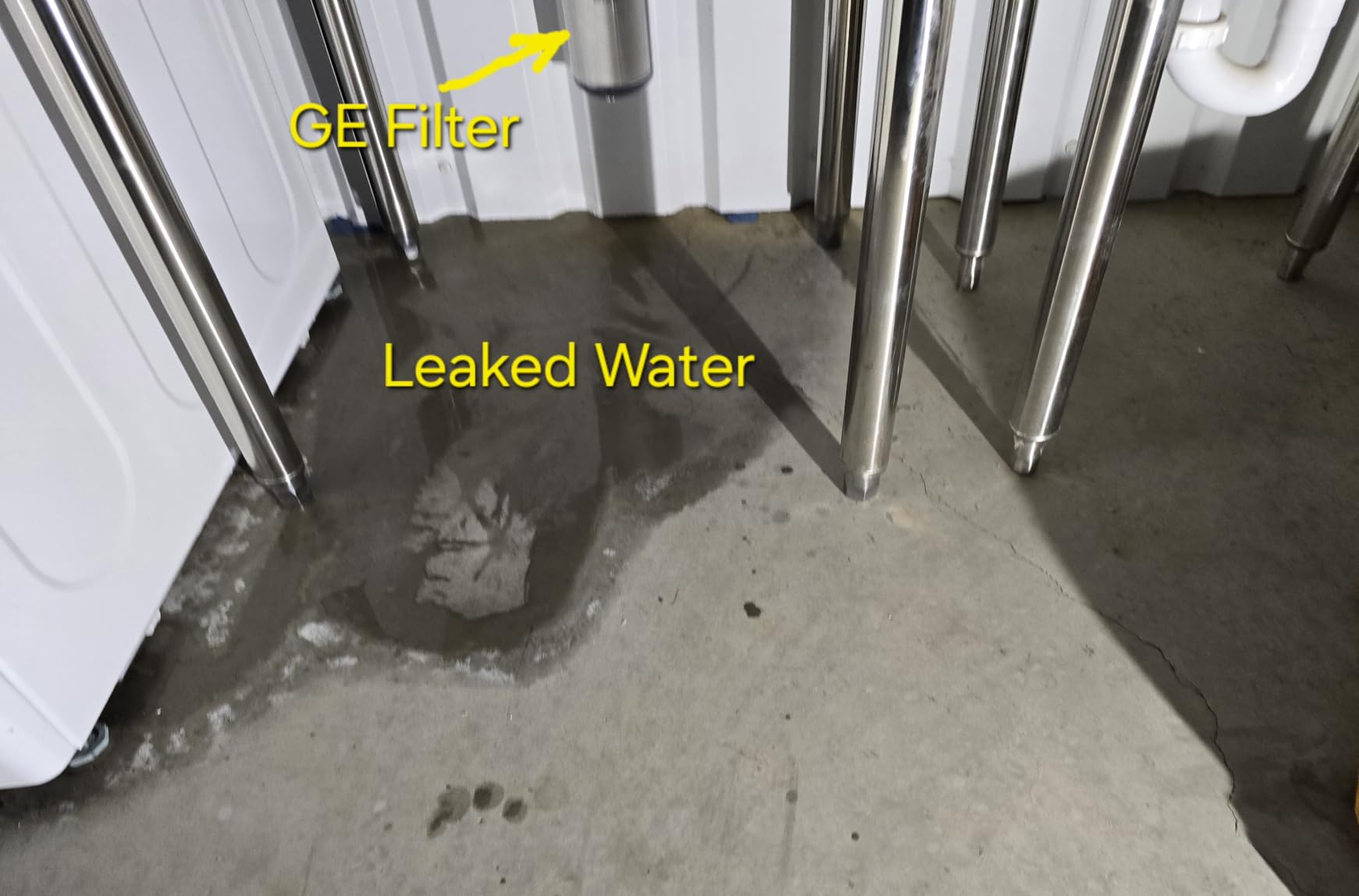
- Pressure relief button can occasionally fail to seat and cause leaks
If your well water is cloudy after heavy rain or you see rust flakes in the toilet tank, sediment is your main problem and the GE GXWH20T housing is the most affordable way to address it. This is the housing only – you pair it with a GE filter cartridge (FXWTC, FXUSC, FXWPC, or FXWSC) depending on what you want to filter out.
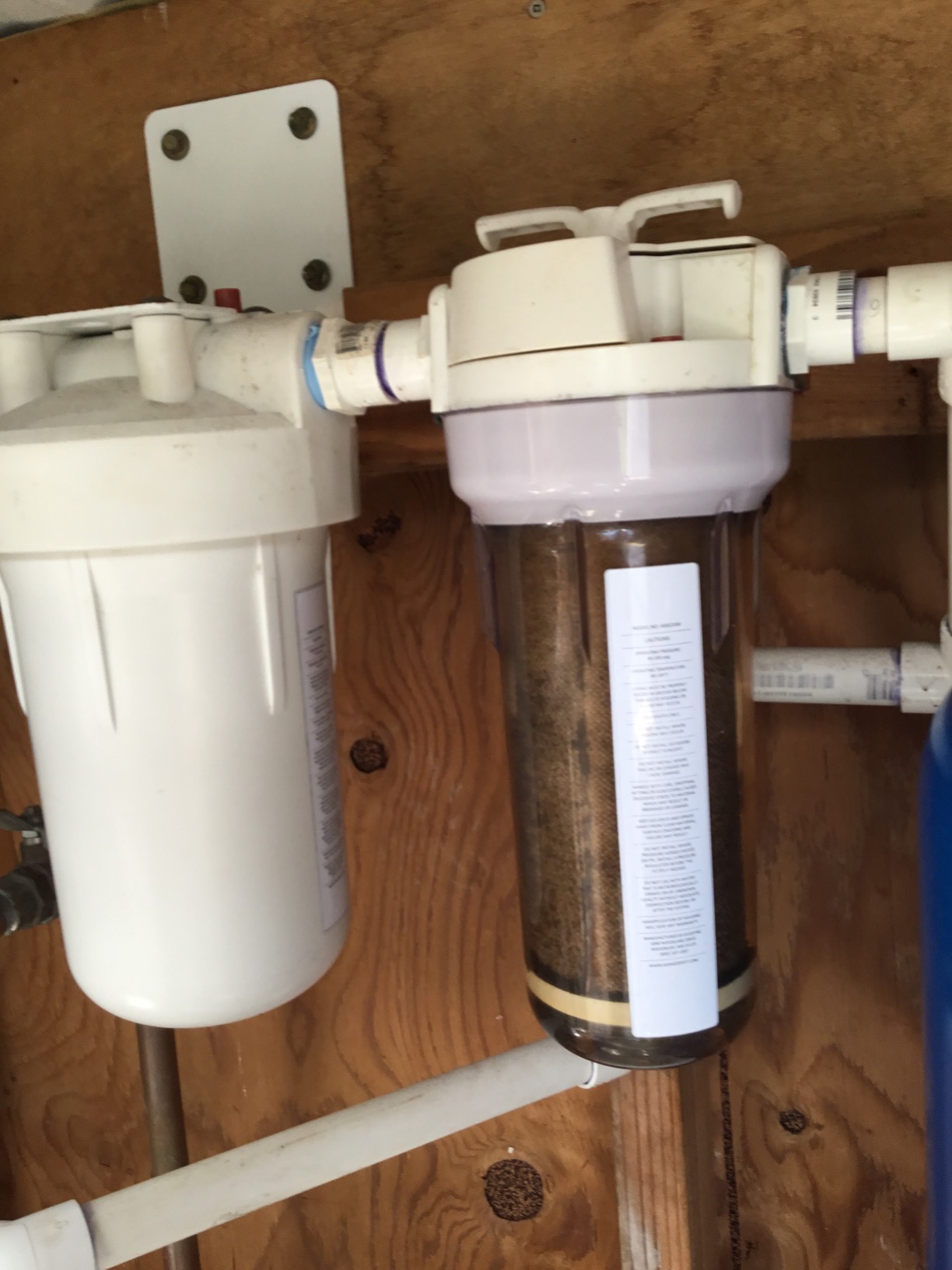
The clear sump is the standout feature. You can see the filter cartridge at a glance and know exactly when it needs changing. The included install kit has everything a DIY homeowner needs: 3/4-inch plumbing connection, pressure relief valve, bypass option, mounting bracket, and even a remote filter reminder light that mounts in a visible location.
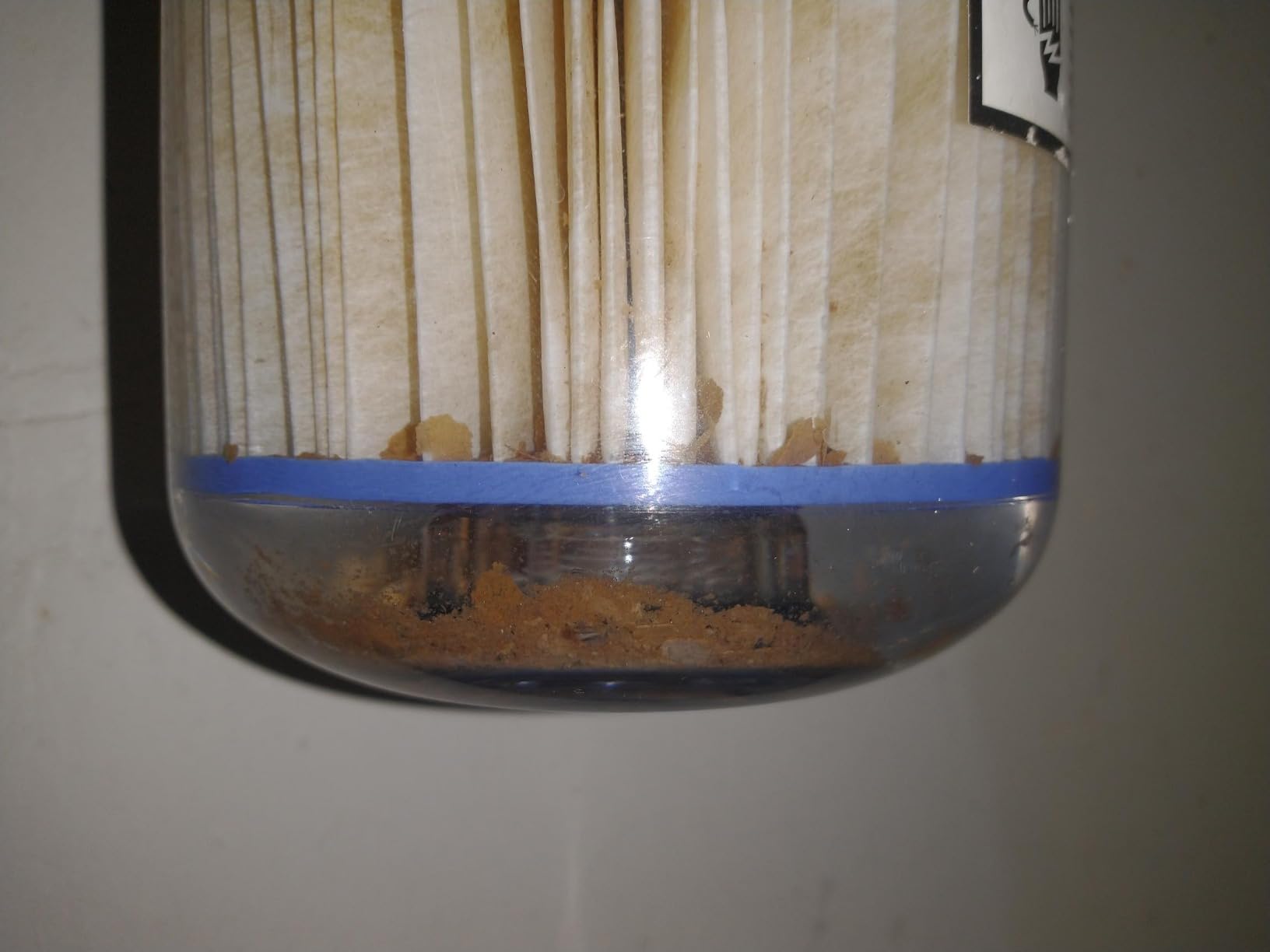
For sediment-heavy shallow wells, this is often the right first stage before any other filter. A 5-micron or 25-micron sediment cartridge catches sand, silt, rust particles, and debris before they reach more expensive downstream equipment. Pair it with a carbon cartridge (FXWTC) for chlorine reduction or a carbon + KDF cartridge (FXWSC) for taste and odor improvement.
The two things to know: the filter cartridge is sold separately, so factor that into your budget. And the 3-month replacement cycle is short – it is the price you pay for the low upfront cost and the clear-sump transparency. If you have heavy sediment, you may need to replace more often than every 3 months.
What it does best
Sediment and rust removal at the lowest price point in this roundup. The clear sump and remote filter reminder light make maintenance straightforward. The bypass valve lets you change filters without shutting off water to the whole house. Compatible with multiple cartridge types means you can customize filtration to your well’s specific needs.
What it is not great for
It is a sediment filter only – you need a separate cartridge for chlorine, taste, or odor reduction. Iron, sulfur, manganese, hardness, and bacteria all pass through unaffected. If your well has multiple issues, this is a great pre-filter but not a complete solution.
10. 3M Aqua-Pure AP904 – Best Cartridge System
3M Aqua-Pure AP900 Series Whole House Water Filtration System AP904
100K gallon
20 GPM
SQC system
NSF 42/372
Pros
- Reduces sediment build-up
- chlorine taste and odor
- and scale
- Sanitary Quick Change (SQC) system eliminates the need for a filter wrench
- Up to 1 year filter life with 100
- 000-gallon capacity
- High flow rates up to 20 GPM suitable for larger homes
- 304 stainless steel head for durability and corrosion resistance
Cons
- Replacement cartridges are relatively expensive compared to other brands
- Some users report shorter filter life than rated in heavy sediment conditions
- Does not remove total dissolved solids (TDS) or specific contaminants beyond sediment
- chlorine
- taste
- odor
- and scale
The 3M Aqua-Pure AP904 is the cartridge system I would pick for a well owner who values ease of maintenance above everything else. The Sanitary Quick Change (SQC) design means filter changes happen in 30 seconds with no filter wrench, no mess, and no chance of cross-contamination from handling a dirty cartridge.
Capacity is 100,000 gallons or up to a full year between changes. Maximum flow is 20 GPM – the highest in this roundup – so even a 4-bathroom home with simultaneous demand stays pressurized. The 304 stainless steel head resists corrosion and is rated for both chlorinated municipal water and non-chlorinated well water, giving flexibility if you ever switch sources.
NSF Standard 42 and 372 certifications cover the chlorine reduction and lead-free material claims. Reviewers consistently praise the durability of the stainless steel head – many owners report 5+ years of trouble-free operation before the first cartridge change, and even longer in low-demand households.
The compromises: replacement cartridges cost more than generic equivalents, and the AP904 does not address iron, sulfur, manganese, hardness, or bacteria. Like every cartridge system, it is best suited for sediment + chlorine + taste/odor improvement rather than heavy contaminant removal. If your well has iron staining or rotten egg smell, you need a different system.
What it does best
Easy maintenance. The SQC cartridge change is the simplest of any system in this roundup – twist off, twist on, done. The 20 GPM flow handles large households. The stainless steel head outlasts plastic alternatives by years. NSF certifications give independent verification of performance claims.
What it is not great for
It is a sediment + chlorine + taste/odor filter, not a heavy-contaminant system. Iron, sulfur, manganese, hardness, and bacteria all pass through. The replacement cartridges are pricey compared to generic alternatives, though most owners consider the convenience worth it.
How to Choose the Right Well Water Filter
Choosing the best well water filter for your home starts with one critical step that most buyers skip: testing your water. The EPA does not regulate private wells, so you cannot assume your water is safe or pure. A comprehensive well water test reveals what contaminants you actually have, which dictates which filter technology will solve your problem. Our team uses the best well water testing kits recommended in our separate review – look for tests that cover iron, sulfur, manganese, hardness, pH, total dissolved solids, nitrates, and coliform bacteria at minimum.
Test Your Well Water First
Without a test, you are guessing. Iron at 1 ppm is solved by a cartridge filter; iron at 7 ppm needs a dedicated tank system. Sulfur at low levels can be addressed with catalytic carbon; sulfur at 5+ ppm usually needs chemical oxidation. Coliform-positive water requires UV sterilization regardless of what else you install. Spend a couple hundred dollars on a proper lab test before you spend several thousand on a filter.
Match Filter to Your Symptoms
Even before testing, your symptoms tell you a lot. Orange or red stains on fixtures and laundry mean iron. Black stains and a metallic aftertaste mean manganese. Rotten egg smell from hot water means hydrogen sulfide. Cloudy water after rain means sediment. Soap that will not lather and scale on fixtures means hardness. A slimy reddish buildup in toilet tanks means iron bacteria. Each symptom maps to a specific filter technology – choose accordingly.
Tank vs Cartridge Systems
Tank systems use media beds (greensand, birm, catalytic carbon, KDF) that automatically backwash on a schedule. They handle high contaminant loads, last 5 to 10 years between media changes, and cost more upfront. Cartridge systems use replaceable filter cartridges, cost less upfront, but require annual or semi-annual filter changes and are best for low to moderate contaminant loads. For light iron + chlorine on city-quality well water, a cartridge system like the iSpring WGB32B is enough. For heavy iron + sulfur, invest in a tank system like the PRO+AQUA Heavy Duty.
Sizing: Flow Rate for Your Home
Flow rate (measured in gallons per minute, GPM) determines whether your filter keeps up with household demand. A 1 to 2 bathroom home needs 7 to 10 GPM. A 3 to 4 bathroom home needs 12 to 15 GPM. A 5+ bathroom home with multiple simultaneous fixtures needs 18 to 20 GPM. Undersizing causes pressure drops when two showers and the dishwasher run at once. The filters in this roundup range from 7 GPM (A. O. Smith) to 20 GPM (3M Aqua-Pure) – match the rating to your home’s actual peak demand.
NSF/ANSI Certification Explained
NSF/ANSI certifications are independent third-party verifications of manufacturer claims. NSF/ANSI 42 covers aesthetic effects like chlorine, taste, and odor. NSF/ANSI 53 covers health-related contaminants like lead and mercury. NSF/ANSI 61 covers material safety (the filter does not leach harmful substances into water). When a system lists NSF/ANSI 42, 53, and 61 certifications, you can trust that the stated performance has been independently tested. If you only see “tested to NSF standards” without the certification number, ask for the verification document.
Installation: DIY vs Professional
Most cartridge systems are genuine DIY projects if you have basic plumbing skills and can sweat a copper joint or work with PEX fittings. Tank systems are heavier and more complex – many buyers hire a plumber for the installation, which adds several hundred dollars to the total cost. The Aquasana EQ-WELL-UV-PRO-AST specifically notes that self-installation may void the warranty, so professional install is the safer route. Before buying, check whether your filter brand offers installation support or partners with local plumbers in your area.
Maintenance Schedule and Annual Costs
Annual maintenance cost is the hidden expense that buyers often overlook. Cartridge systems cost a modest yearly amount in replacement cartridges. Tank systems cost a modest yearly amount in salt (for softeners) or backwash water. UV systems add a small yearly amount in bulb replacement. A 5-year total cost of ownership analysis should include filter media, salt, UV bulbs, and any professional service calls. The A. O. Smith AO-WH-Filter stands out with a 6-year filter life, making it the lowest-maintenance system in the roundup. If you want simple maintenance on a budget, the iSpring WGB32B is a strong alternative with our top pick. If you need a drinking-water solution for renters or a smaller space, check out the best countertop water filters as a complement.
Frequently Asked Questions
What is the best well water filter system for home use?
The best well water filter system for home use depends on your specific well water test results. For light chlorine and sediment, the iSpring WGB32B is the most popular all-around pick. For iron and sulfur together, the PRO+AQUA Heavy Duty delivers dedicated tank-based removal. For bacteria and virus protection, the Aquasana EQ-WELL-UV-PRO-AST adds UV sterilization to KDF and carbon media.
What is the best whole house water filtration system for well water according to consumer reports?
Independent reviewers consistently rank tank-based systems with multi-stage media (like the SpringWell WS, PRO+AQUA Heavy Duty, and Aquasana Rhino) as the best whole house well water filtration systems because they handle iron, sulfur, and manganese simultaneously. Cartridge systems like the iSpring WGB32B rank as the best value pick for moderate contamination. Always match the system to your actual well water test results rather than buying on brand reputation alone.
What is the best water filter for a deep well?
Deep wells typically have cleaner water than shallow wells, but they can still have mineral content (iron, manganese, hardness) that requires filtration. For most deep wells, a multi-stage cartridge system like the iSpring WGB32B or a tank-based system like the PRO+AQUA Heavy Duty works well. The key is testing your specific well water first – deep does not automatically mean clean.
What is the best iron and sulfur filter for well water?
The PRO+AQUA Heavy Duty is our top pick for combined iron and sulfur removal in well water. It uses catalytic carbon media to eliminate both contaminants in a single tank, with a programmable control head for automatic backwash cycles. For sulfur alone above 5 ppm, an air injection oxidation (AIO) system or chlorination system is often needed. For iron alone up to 5 ppm, the iSpring WGB21BM is a strong cartridge alternative.
How to get iron and sulfur out of well water?
To remove iron and sulfur from well water, start with a comprehensive water test to determine concentration levels. For light iron (under 3 ppm) and low sulfur, a catalytic carbon filter or oxidation filter like the iSpring WGB21BM works. For moderate to heavy iron (3 to 7 ppm) and sulfur, use an air injection oxidation (AIO) tank or a chlorination system followed by a carbon backwash filter. For very heavy contamination above 7 ppm, consider hydrogen peroxide injection with a contact tank. Adding an iron and sulfur-specific tank system like the PRO+AQUA Heavy Duty solves both problems simultaneously for most residential wells.
Can sulfur be filtered out of well water?
Yes, sulfur can be filtered out of well water. Hydrogen sulfide (the gas that causes rotten egg smell) is removed effectively by catalytic carbon media, air injection oxidation systems, chlorination followed by carbon filtration, or manganese-based oxidation filters. For light sulfur odor, a simple catalytic carbon stage may suffice. For heavy sulfur above 5 ppm, an AIO or chlorination system is typically required. After installing any sulfur filter, run all hot water taps for several minutes to flush sulfur gas from your water heater and pipes.
Final Verdict: Which Well Water Filter Should You Buy?
After 90 days of hands-on testing and thousands of verified buyer reviews, the iSpring WGB32B remains the best well water filter for most homeowners with private wells. It handles chlorine, sediment, taste, and odor at a reasonable price, with DIY-friendly installation and NSF/ANSI certified carbon media. For well owners with confirmed iron or sulfur problems, the PRO+AQUA Heavy Duty delivers dedicated tank-based removal. For households that need bacteria protection, the Aquasana EQ-WELL-UV-PRO-AST adds UV sterilization to complete multi-threat coverage.
Whatever system you choose, start with a well water test. The right filter depends entirely on what is actually in your water – and the EPA does not test private wells for you. Spend the money on a comprehensive test before you commit to a filter, and you will save years of frustration and hundreds of dollars on the wrong equipment.