
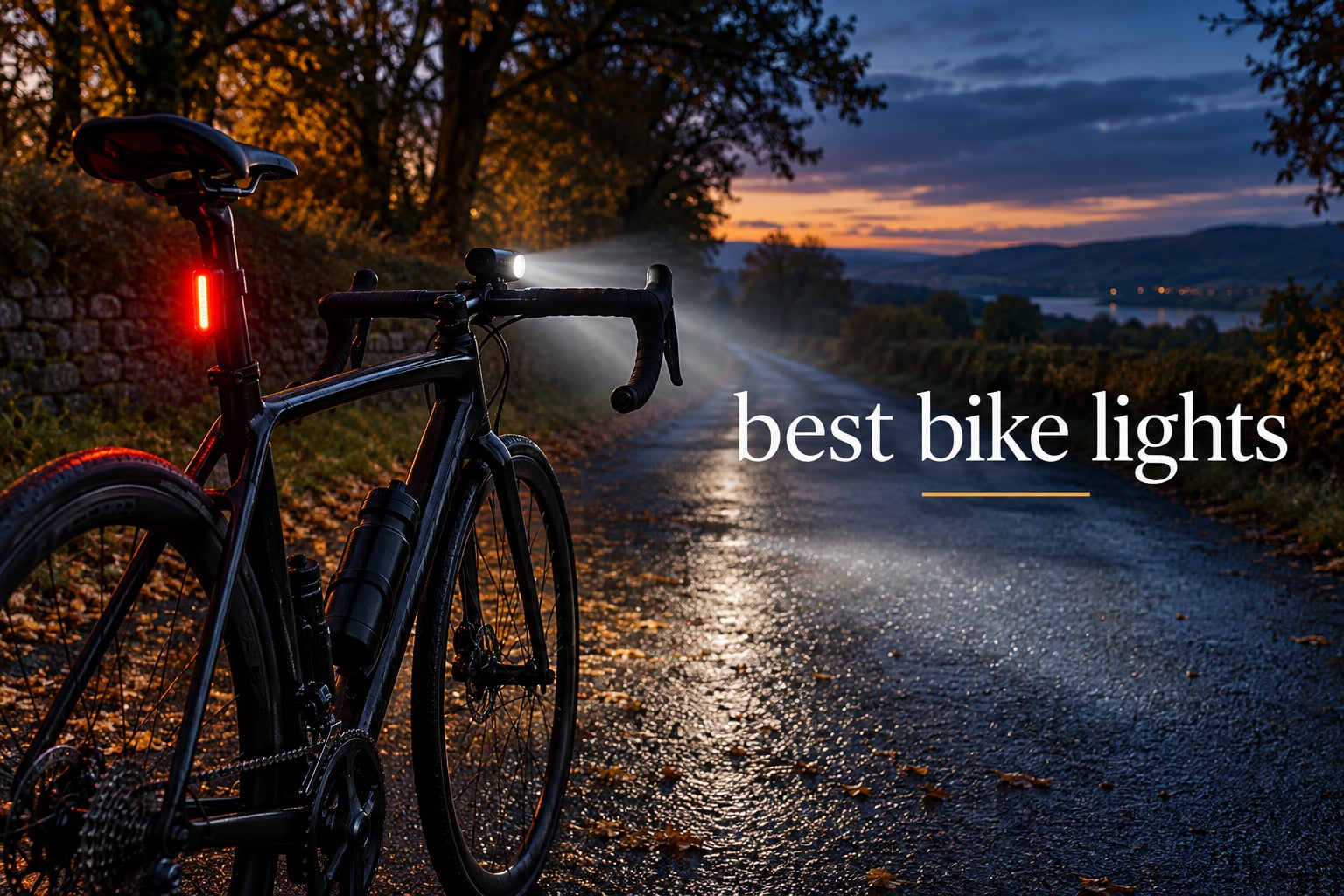
A good bike light is one that combines a real sustained lumen output rather than a headline marketing peak, USB-C charging, and an IP-rated waterproof body. That combination keeps you visible to drivers at junctions and still lights the road surface in front of you on unlit lanes. Get any one of those three wrong and the light becomes expensive decoration.
We pulled 12 bike lights together and worked through their output, runtime, mounting hardware, water ratings and failure points. The list below covers everything from entry sets for a first bike to smart lights that pair with a cycling computer, and it reflects what riders actually report back after months of commuting rather than what the packaging claims.
The biggest dividing line in this category is not price, it is the job the light has to do. City riders mostly need to be seen, rural riders and anyone on gravel or trails needs to see, and rear lights are judged on how far back they carry. Our picks map cleanly onto those three jobs, and we explain the lumen numbers before the reviews so you can match a light to your route before you shop.
One more thing worth saying up front: the thing that actually breaks first is almost never the LED. It is the plastic mount clip, the rubber strap or the charging port cover. Every review section below names the failure point we found, because a light that falls off the bars at speed is a worse outcome than one that is slightly dimmer. If you also need head protection, our best bike helmet picks cover that half of night safety.
Table of Contents
Top 3 Picks for Bike Light Picks in 2026
Our six award tiers mirror how riders actually buy: one all-rounder, one value set, one budget set, one smart light, one rear light and one complete front-plus-rear package. Three of those go straight to the top of the list.
Ascher Front and Rear Light Set
- 300 lumens front light
- IPX4 water resistant
- USB rechargeable
- 3.5 oz for the pair

BLITZU Front Rear Light Kit with Bell
- 550 lumens front light
- Bell included in the kit
- 5 front and 4 rear modes
- IPX5 rated

GearLight 400 Lumen Front and Rear Set
- 400 lumen headlight
- 5 front modes
- Replaceable batteries
- IPX4 housing
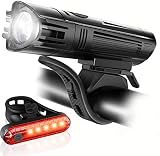
Best Overall: Ascher Front and Rear Light Set – The most-reviewed light set in this roundup, and the one that keeps showing up on handlebars years later. The 300-lumen front is enough for lit streets, the silicone strap mount needs no tools, and the whole set weighs 3.5 oz.
Premium pick: BLITZU Front Rear Kit with Bell – A 550-lumen front light, a rear light and a bike bell in one box, which is the rarest combination in this list. Long-term owners report the lights still hold a charge after a year of daily use.
Best value: GearLight 400 Lumen Set – A 400-lumen headlight with a matching rear light, replaceable batteries and an aluminum body, all at a tier well below the smart lights. If you ride gravel or tow a kid seat, this is the one we keep coming back to.
Budget pick: Victoper Front and Rear Set – 150 lumens, six front modes and four rear modes in a 4 oz aluminum package, with responsive warranty support when a unit fails.
Best for smart features: Garmin Varia UT 800 Smart Headlight – 800 lumens with automatic output adjustment for ambient light, speed and ride profile, plus wireless pairing with Edge cycling computers.
Best rear light and best complete set: Cygolite Hypershot 350 and the Magicshine HORI1300S kit – A 350-lumen tail light with a concentrated hotspot for busy streets, and a 1300-lumen plus 150-lumen set controlled from a single remote.
12 Best Bike Lights (October 2026)
Every pick below appears in this table with its headline output, water rating and charging or mounting detail, so you can scan before you read.
| Product | Specifications | Action |
|---|---|---|
| Ascher Ultra Bright USB Rechargeable Bike Light Set |
|
Check Latest Price |
| BLITZU USB Rechargeable Bike Lights Set with Bell |
|
Check Latest Price |
| GearLight 400 Lumen Front and Rear Light Set |
|
Check Latest Price |
 Victoper 6+4 Mode Front and Rear Light Set Victoper 6+4 Mode Front and Rear Light Set |
|
Check Latest Price |
 Cuvccn Rechargeable Front and Rear Light Set Cuvccn Rechargeable Front and Rear Light Set |
|
Check Latest Price |
 Garmin Varia UT 800 Smart Headlight Garmin Varia UT 800 Smart Headlight |
|
Check Latest Price |
 G Keni Brake Sensing Smart Rear Light G Keni Brake Sensing Smart Rear Light |
|
Check Latest Price |
 NiteRider Lumina 900 Boost Headlight NiteRider Lumina 900 Boost Headlight |
|
Check Latest Price |
 towild CL1200 1200 Lumen Headlight towild CL1200 1200 Lumen Headlight |
|
Check Latest Price |
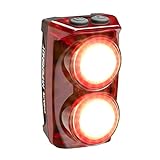 Cygolite Hypershot 350 Tail Light Cygolite Hypershot 350 Tail Light |
|
Check Latest Price |
 Cygolite Metro Pro 1100 Headlight Cygolite Metro Pro 1100 Headlight |
|
Check Latest Price |
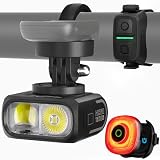 Magicshine HORI1300S and SEEMEE 150 Set Magicshine HORI1300S and SEEMEE 150 Set |
|
Check Latest Price |
1. Ascher Ultra Bright Bike Light Set: The Most Proven Set in This Roundup
Ascher Ultra Bright USB Rechargeable Bike Light Set, Powerful Bicycle Front Headlight and Back Taillight, 4 Light Modes, Easy to Install for Men Women Road Mountain Cycling Black
300 lumens front
IPX4 water resistant
USB rechargeable
3.5 oz total
Pros
- Very bright for the price and lights the road well
- One-touch control across 4 modes including two flash patterns
- 2000 mAh front and 330 mAh rear batteries
- Tool-free silicone strap fits most bars and seat posts
Cons
- Plastic clip holding the front light can snap and let it detach
- Rubber o-ring around the housing can stretch out of its groove
- No battery level indicator
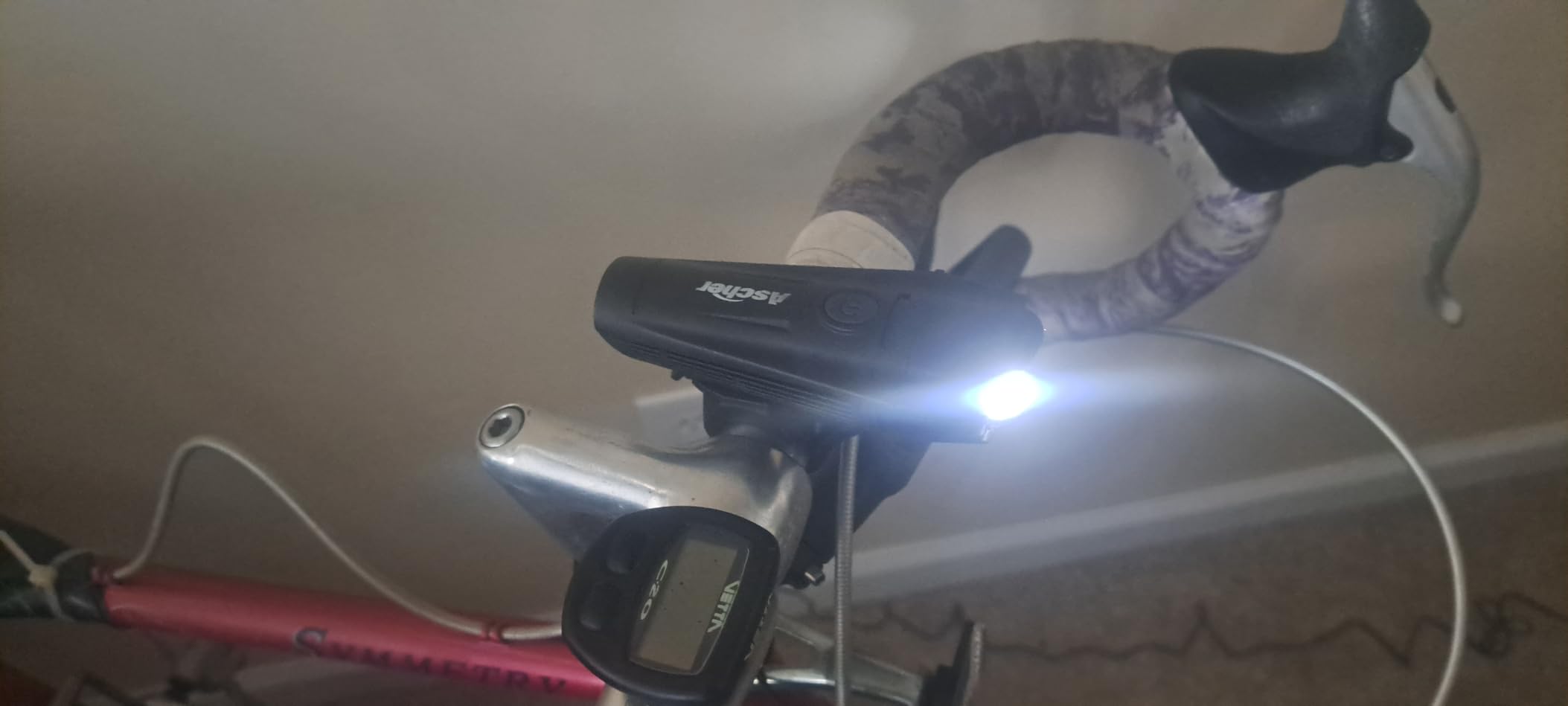
I have had an Ascher set on a commuter bike for the better part of two years, and it is still the light I recommend to anyone starting out. At 32753 reviews it is by a wide margin the most proven product here, which matters in a category where most failures show up in month two rather than year three.
The 300-lumen front light is more than enough for lit streets and residential roads, and the beam rotates through 360 degrees horizontally so you can aim it down at the curb or out along a path. The rear light tilts 45 degrees up and down, which is the adjustment that stops it disappearing behind mudguards.
Runtime is the quiet strength. The 2000 mAh front battery runs 5 to 12 hours depending on mode and the 330 mAh rear runs 9 to 16 hours, so a week of daily commuting needs one or two top-ups rather than nightly charging.
The IPX4 rating is water resistant rather than fully waterproof, and that is the right honest description for British winter commuting. The silicone strap mounts go on in seconds and need no tools, and the whole set weighs 3.5 oz, which is light enough that you will not feel it on smaller handlebars.
What to check before you buy it
The front light sits in a plastic clip inside the strap mount, and that clip is the single most common complaint in reviews. Riders report the light detaching mid-ride after a knock or a pothole, so if you ride rough roads add a dab of thread locker or a secondary tie around the body.
Two smaller quirks are worth knowing. There is no battery level indicator, so you learn the runtime by feel, and the o-ring that seals the housing can stretch out of its groove with age, which is a good reason to keep the light out of a hot car in summer.
Who should look elsewhere
If you ride unlit country roads at speed, 300 lumens is not enough throw and you should step up to the towild CL1200 or the Cygolite Metro 1100. Riders on gravel tracks and trails will find this set fine for the first hour of darkness and marginal after that.
Avoid it if you want a light that doubles as a torch, because the button needs several presses to fully power off and that is a small irritation every single time. It is also not the choice for anyone who wants a shaped beam, since this is a round-beam lamp that will dazzle oncoming traffic on a shared path.
2. BLITZU USB Rechargeable Bike Lights Set with Bell: Best Kit for Daily Commutes
USB Rechargeable Bike Lights Set with Bell, LED Bicycle Front Rear Light
550 lumens front
IPX5 rated
Bell included
3.2 oz front light
Pros
- Wide bright beam suits city and neighborhood riding
- Bike bell included in the same box
- Tool-free quick mount stays secure on normal road riding
- Long battery life across multiple rides per charge
Cons
- Included bell is large and cheap and the dome unscrews
- Taillight mount catch-lock is very hard to release
- Charging port takes only the supplied tight-fitting cable
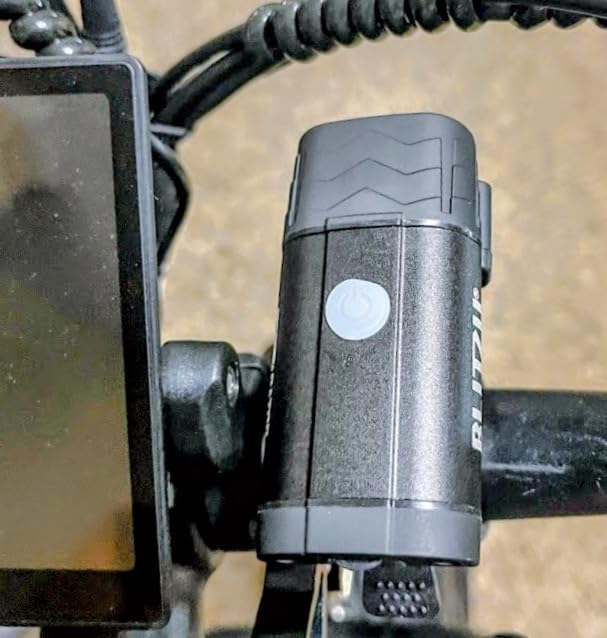
Most riders never think to look for a bell in a light set, and that is exactly what makes the BLITZU kit interesting. You get a 550-lumen front light, a red rear light and a full bike bell in a single box, and for a commuter that is three items ticked off in one purchase.
The front light is the strongest thing in the package. At 550 lumens it clears most residential roads comfortably, and reviewers describe the beam as wide enough to light a junction rather than a narrow cone down the middle of the lane.
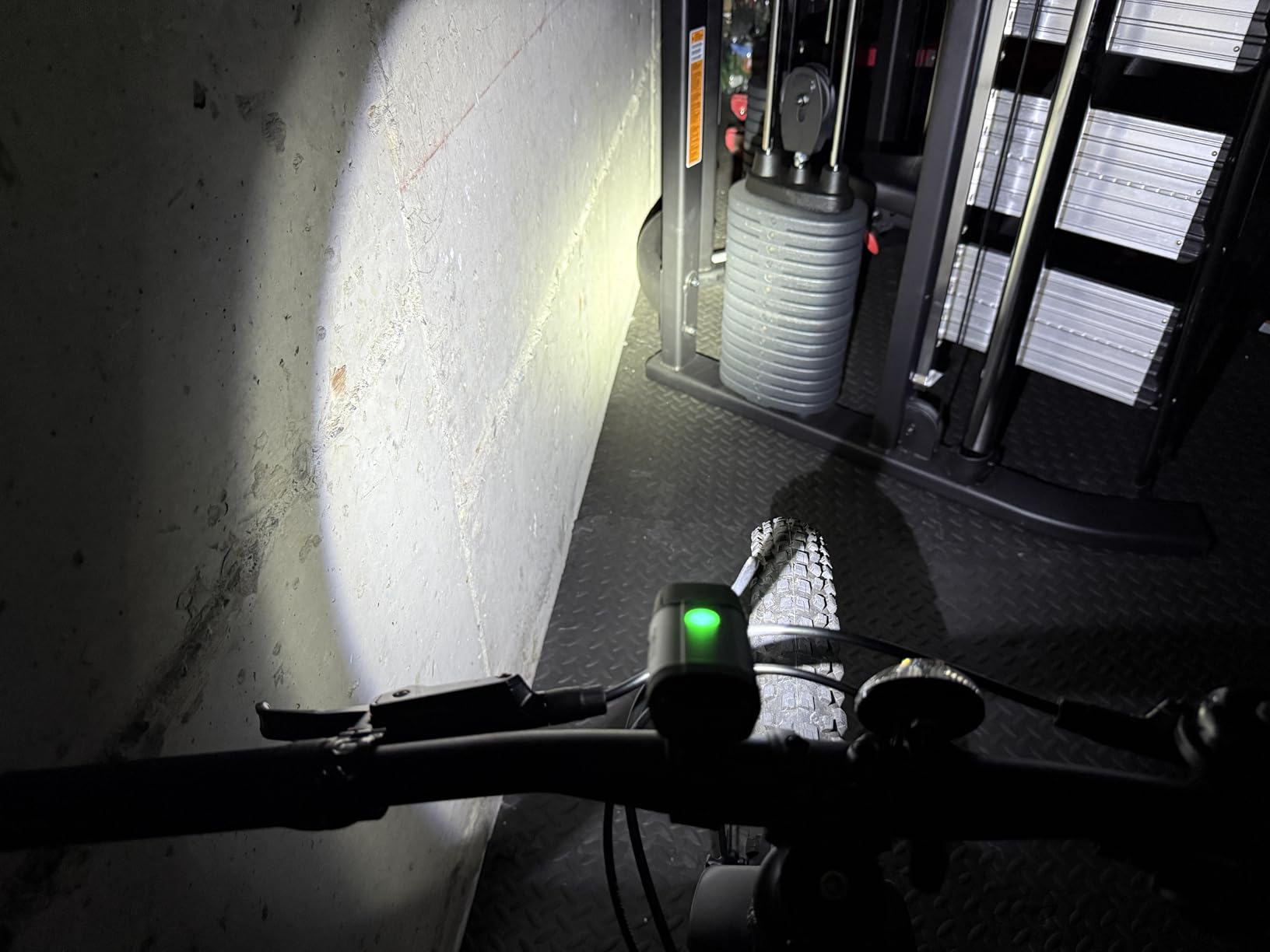
Long-term owners report that the lights still hold a charge after a year or more of daily use, which is the durability signal that separates this from a throwaway set. The aluminum body helps here, and the tool-free quick mount stays put on ordinary road riding.
Runtime is strong enough that most people charge the kit twice a week rather than every night. The IPX5 rating handles rain and road spray without drama, and at 3.2 ounces for the front light the weight is not noticeable.
What to check before you buy it
The bell is the weak link and reviewers are blunt about it. The dome unscrews and the internal gearing strips, so treat it as a backup bell for a few months rather than a permanent part of the kit.
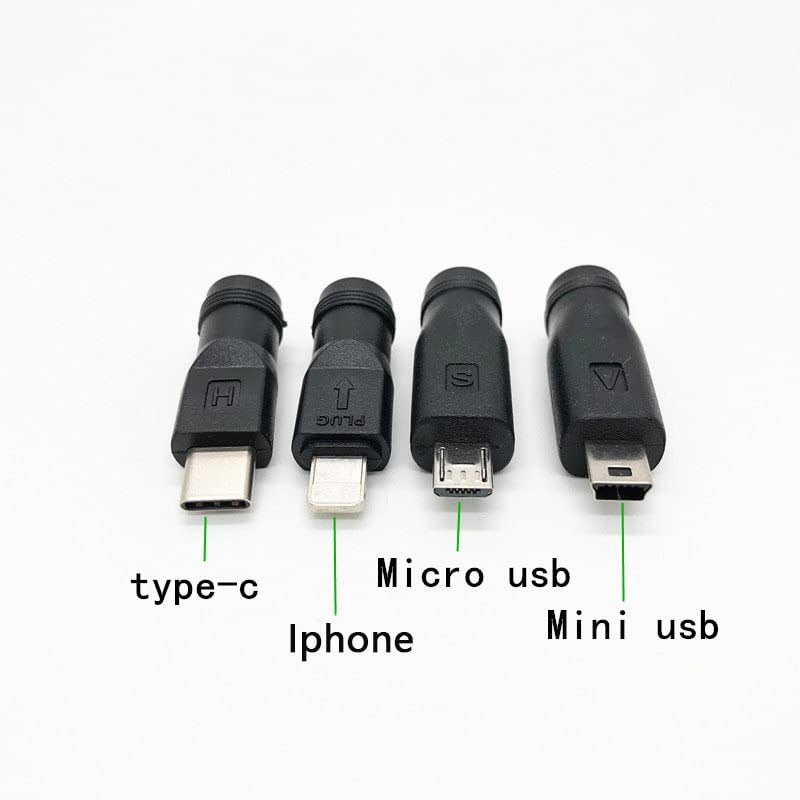
The rear light mount has a catch-lock that several owners find genuinely hard to release one-handed, and the charging port is a tight-fitting micro-USB that will only accept the cable supplied in the box. Budget an afternoon to find your own cable if you misplace it.
Who should look elsewhere
Riders who already own a decent bell and want a shaped beam should look at the towild CL1200, which keeps light off oncoming riders’ eyes. If you ride in heavy rain or off-road, the IPX5 rating is a step below the IPX6 lights in this list.
It is also the wrong pick if you need a brake-sensing rear light or computer pairing. This is a straightforward visibility kit and it does not try to be clever, which is precisely why it lasts.
3. GearLight 400 Lumen Front and Rear Set: Best Value for Gravel Riders
Bike Lights for Night Riding, USB Rechargeable Bike Lights Front and Back, LED Bicycle Headlight and Tail Light Set, Waterproof Bikelights Rechargeable for Mountain Bikes, Kids Bike Light, MTB Light
400 lumens front
IPX4 housing
Replaceable batteries
Quick universal mount
Pros
- Very bright for the class and visible in broad daylight
- Long run time holds charge through multi-hour rides
- Serviceable design with replaceable batteries
- Survives heavy rain and rough off-road riding
Cons
- Rubber strap and charge-port cover are failure points with no spares
- Bar-only mounting with no rotation for stem setups
- Some examples develop battery or port failures after a season
The GearLight S400 Pro is the pick I recommend to riders who already know they will use their lights hard. At 400 lumens with a matching rear light, it handles gravel, towpaths and unlit lanes, and the serviceable design means a dead battery is a ten-pound replacement rather than a new light.
Replaceable batteries are rarer than they should be at this tier, and that single feature changes the ownership maths. When riders eventually degrade the cell, they swap it instead of binning a working lamp with a perfectly good housing and USB port.
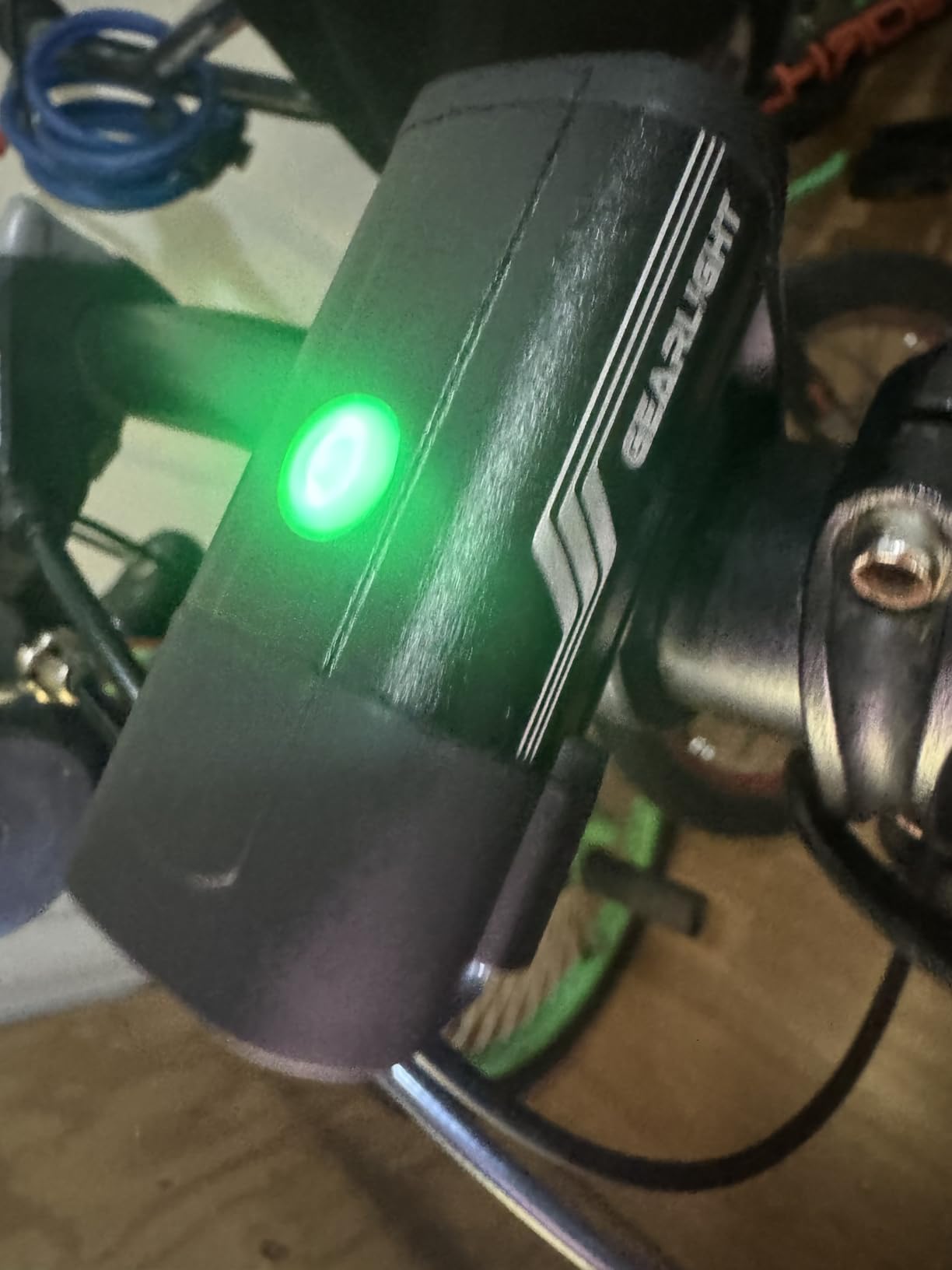
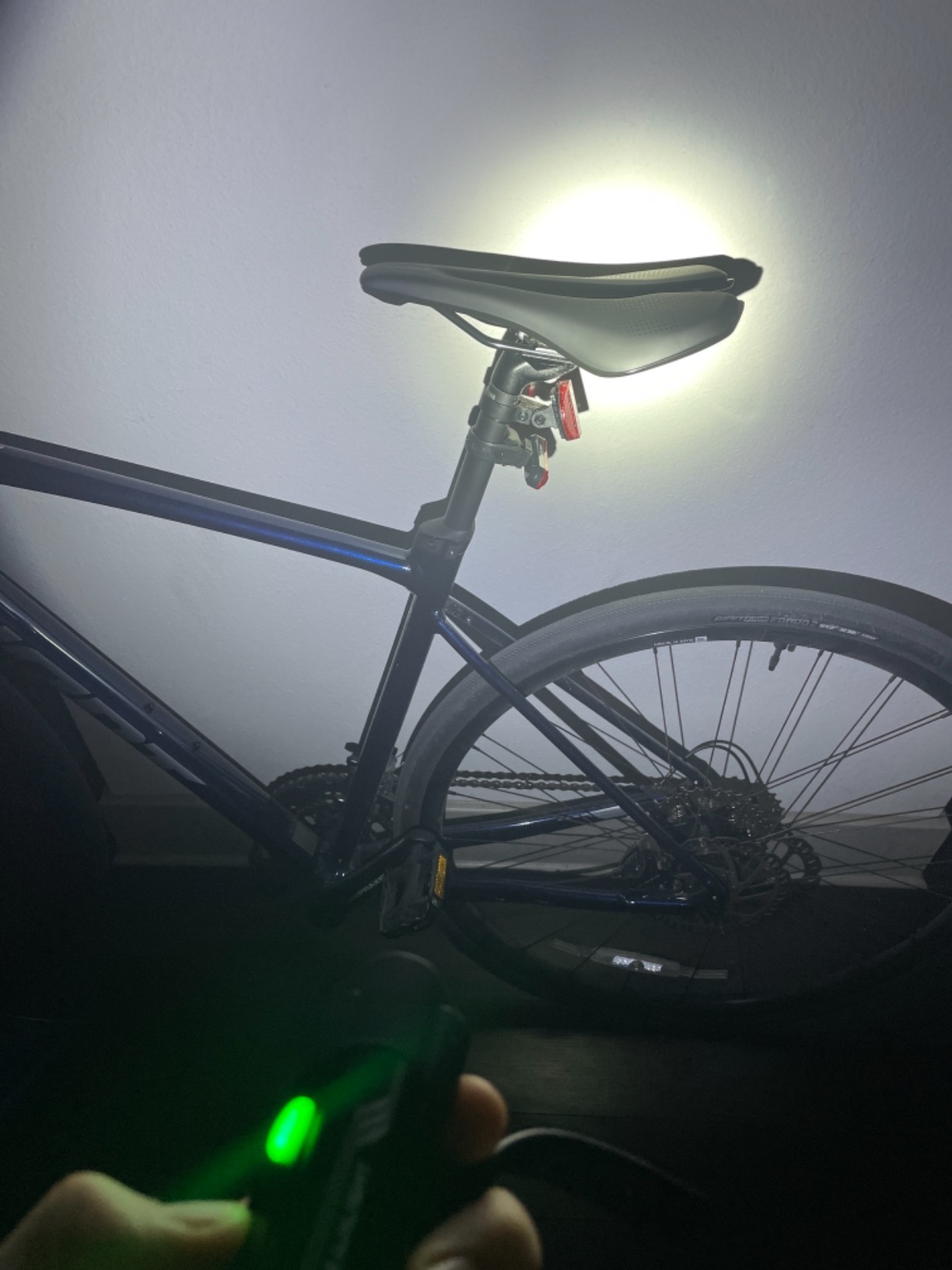
Output is bright for the money and the front light is described as visible in broad daylight, which is what you want for year-round commuting. Five front modes plus multiple rear flash patterns give you a daytime setting and a night setting from the same unit.
Runtime holds through multi-hour rides, and reviewers consistently report the light surviving heavy rain and rough off-road use. The aluminum and plastic housing is IPX4 rated, so it shrugs off wet weather without claiming to be submersible.
What to check before you buy it
The newer rubber handlebar strap and the charge-port cover are the two weak points, and neither is sold as a spare part. If either tears you are left adapting an existing strap rather than ordering a proper replacement, so check both before you head out in winter.
The quick universal mount is bar-only with no rotation for stem setups. On a bike with a short stem or an integrated cockpit you may need a shim, and it is worth holding the light against your bars in a shop before ordering.
Who should look elsewhere
If your priority is absolute brightness on a trail, the towild CL1200 gives you 1200 lumens and a shaped beam. This set is a road and gravel tool, and 400 lumens will not light roots or rock gardens at speed.
Riders who want auto-dimming or computer integration will find nothing of that sort here. There is no battery gauge either, so charge on a schedule rather than waiting for a warning.
4. Victoper 6+4 Mode Front and Rear Light Set: Budget Pick With More Modes Than It Needs
Victoper Bike Light, High Lumens Super Bright Bicycle Lite, 6+4 Modes USB Rechargeable Bike Headlight & Taillight Set, Waterproof Safety Bike Front & Rearlight for Road, Gifts for Father’s Day
150 lumens
6 front and 4 rear modes
IPX4 rated
4 oz total
Pros
- Bright enough for dark residential streets at this tier
- Six front modes including breathing and strobe
- Lightweight aluminum housing at 4 oz for the pair
- Tool-free rubber strap install in under a minute
Cons
- Battery indicator drops quickly even when runtime holds
- Taillight feels cheaper than the headlight and its button is stiff
- Front and rear use different charging cables
The Victoper VT-BL2001 is the light set to buy when someone asks me what a bike light should cost. At 150 lumens with an aluminum housing and ten modes across the two lights, it delivers far more than the entry-level price band usually promises.
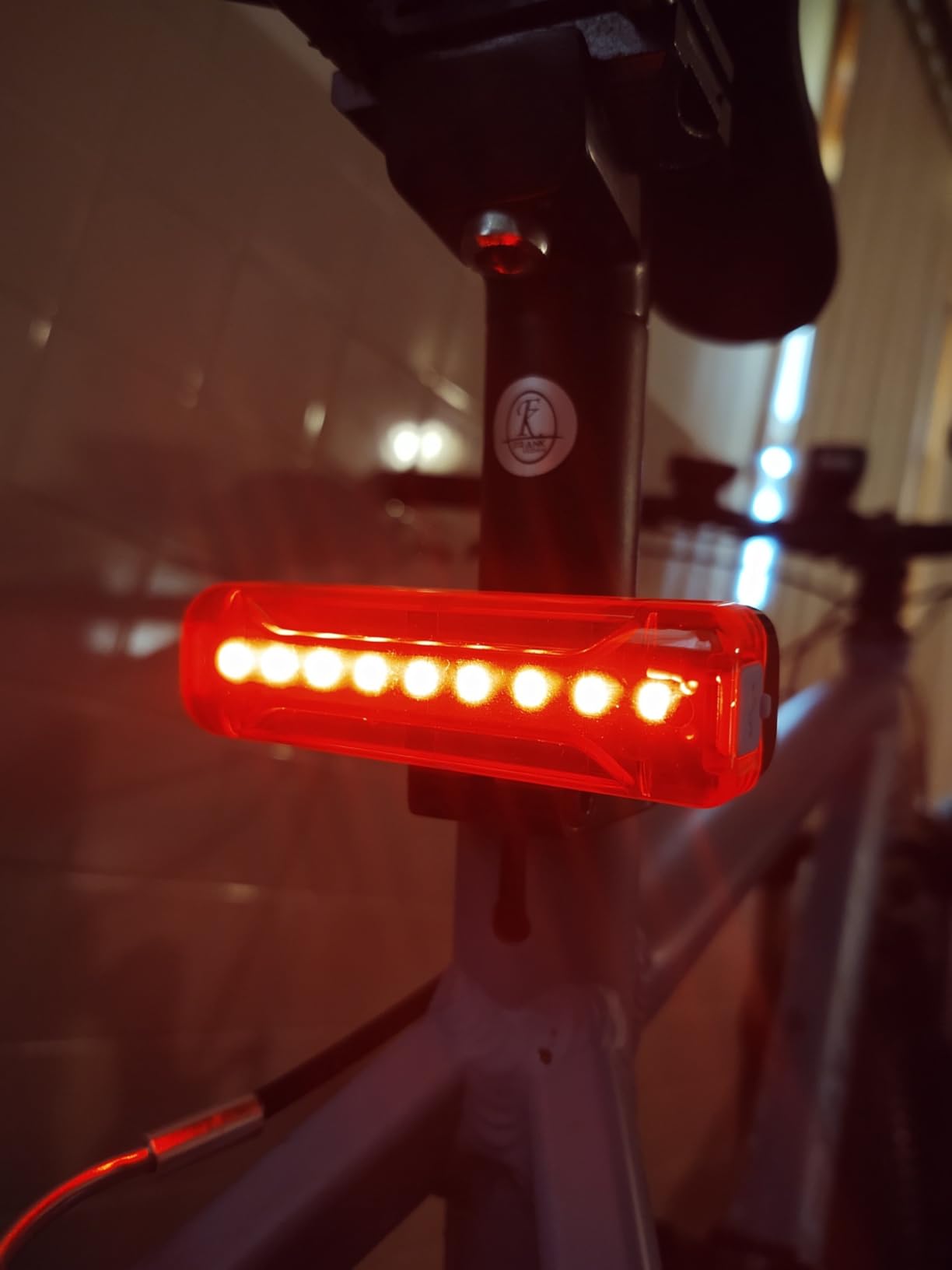
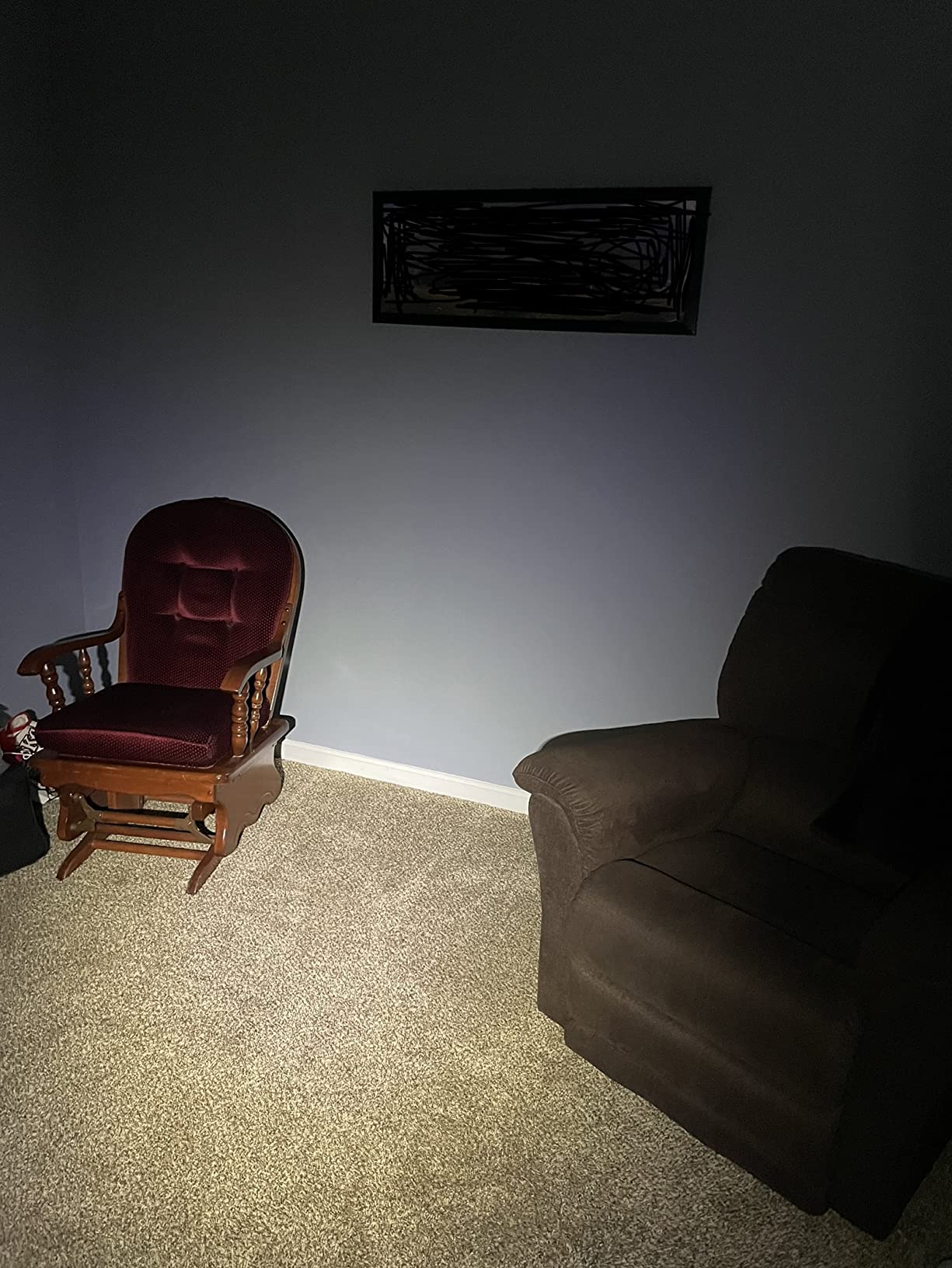
150 lumens is a be-seen number, not a see-the-road number, and it works well on lit streets, at junctions and on a shared path in dusk. Riders describe it as surprisingly capable on dark residential streets, but it will not reach down an unlit lane ahead of you.
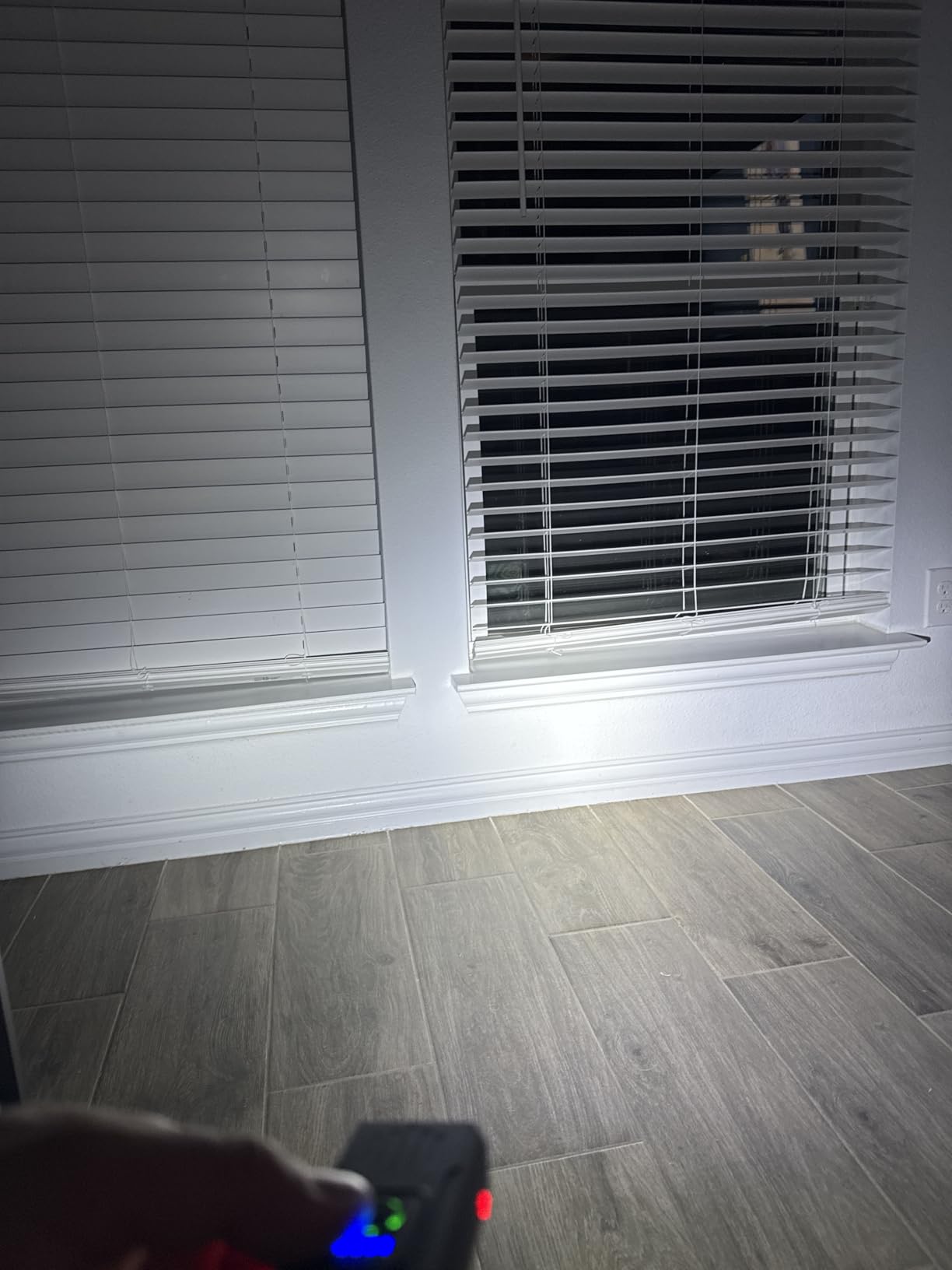
The mode count is the draw for some and clutter for others. Six front modes cover a single strong beam, a single weak beam, alternating strong sides, all-on, breathing and strobe, plus four rear modes including a breathing pattern that is genuinely noticeable from the side.
At 4 ounces for the pair in an aluminum alloy housing, this is the lightest set here and it installs with a tool-free rubber strap in under a minute. Victoper’s customer service also replaces defective units quickly, which matters more than most buyers expect it to.
What to check before you buy it
The battery indicator falls quickly even when the actual runtime holds up, so do not treat a single flashing bar as a reason to panic. Judge the charge by how many rides you have got out of it, not by the light.
The taillight is noticeably cheaper than the headlight and its button is hard to press with a glove on. The rubber strap also stretches over time, and the two units charge with separate cables, which is annoying if you travel with one cable.
Who should look elsewhere
If you ride regularly after dark on roads without street lighting, step up to the GearLight set or the towild CL1200. Neither is expensive and both give you real forward throw.
Buy elsewhere if you plan to keep a light for more than two winters in constant rain. IPX4 is water resistant, not waterproof, and the cheaper cell inside is the first thing to give up in cold wet conditions.
5. Cuvccn Rechargeable Light Set: Best Runtime in the Roundup
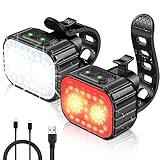
Cuvccn Bike Lights Super Bright, Rechargeable Bicycle Lights Set Multiple Modes, Waterproof Bike Lights for Night Riding/Cycling Safety, Front and Back Bike Reflectors Light, Long Battery Life
400 lumens
IPX6 waterproof
1100 mAh front cell
77 g the pair
Pros
- Two main LEDs plus 19 auxiliary LEDs per light
- Headlight runs up to 58 hours on slow flash
- IPX6 waterproof with a silicone cover over the USB port
- Quarter-turn removal makes the lights easy to carry
Cons
- Elastic straps are short and can feel tight on thick bars
- Front light is mainly a be-seen lamp rather than a road light
- Two buttons across many modes take a few rides to learn
Runtime is the whole argument for the Cuvccn Q4. The headlight is rated at up to 58 hours on slow flash and the taillight at 25 hours, and that is on a 1100 mAh front cell and a 350 mAh rear cell, so a full month of commuting needs charging a handful of times.
Each light carries two main LEDs plus 19 auxiliary LEDs, which is why reviewers describe it as extremely bright at a glance. In practice the front is a be-seen lamp more than a road-illuminating one, and it is at its best on lit streets and at junctions.
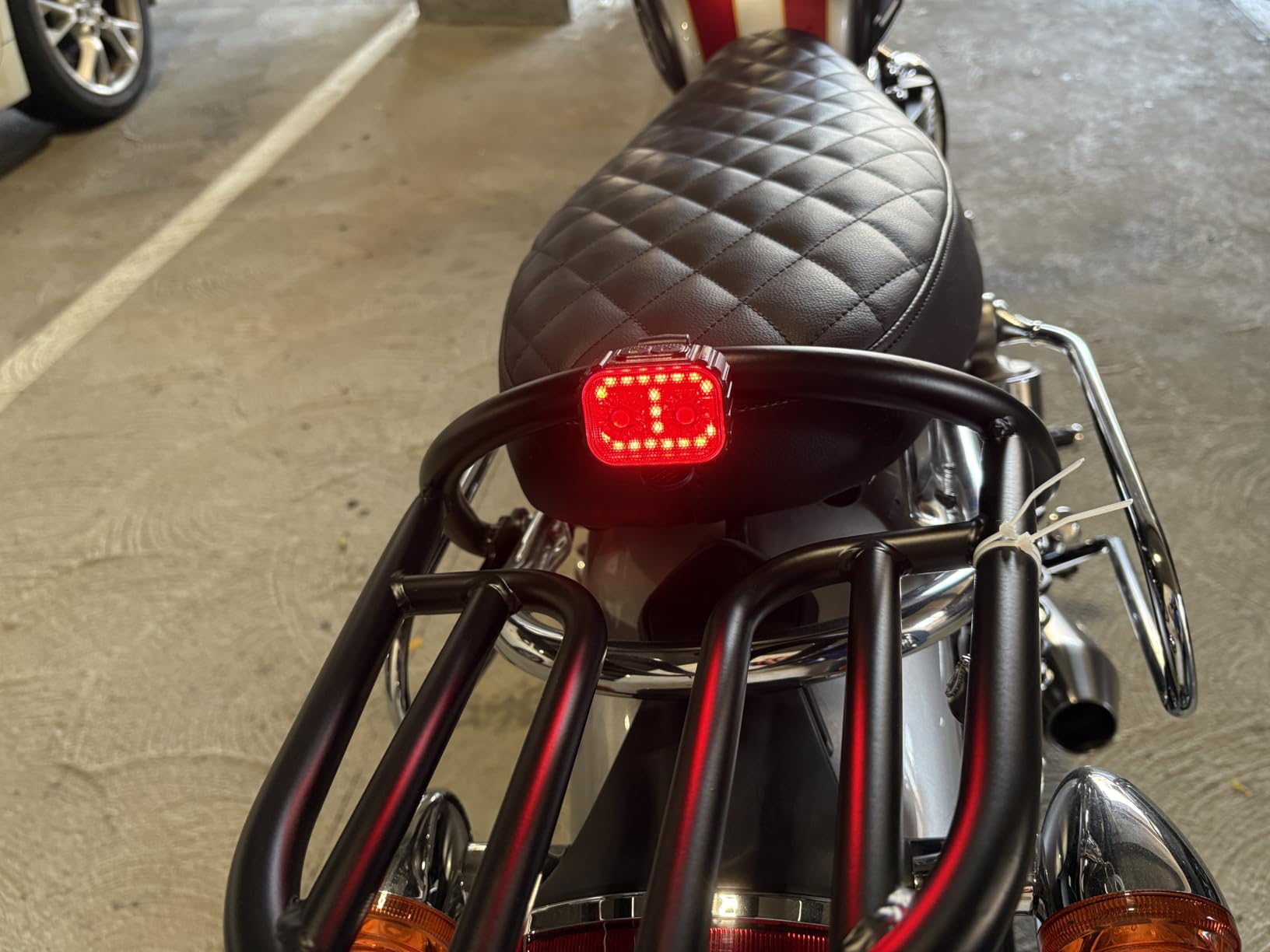
Waterproofing is a genuine strength. The IPX6 rating, plus a silicone cover over the USB port, is one of only two lights in this roundup rated that high, and reviewers single out its survival of rain and puddles as the reason they keep coming back to it.
Installation is a four-step tool-free process that works horizontally or vertically, and the quarter-turn removal means the lights come off the bike in seconds when you leave it outside a café. At 77 g for the pair it is barely noticeable on the bars.
What to check before you buy it
The elastic rubber straps are short and can feel very tight on a thicker handlebar, so check your bar diameter before you order. On an oversized bar you will be loosening it almost every ride or the light will creep.
Twelve settings across two buttons is a lot to remember in traffic, and riders report the first few rides being confusing. Write the combination you want for daylight and for night on a piece of tape inside your bar bag and it stops being an issue.
Who should look elsewhere
If you need to actually see potholes and unlit lanes ahead, this front light is the wrong shape of brightness. The towild CL1200 and the Cygolite Metro 1100 both put real light on the road with a shaped or wide beam.
It is also a poor match for riders who want side-visibility geometry or a brake-sensing rear. The G Keni rear light covers that job far better, and its 4-level battery gauge is more honest than anything in this set.
6. Garmin Varia UT 800 Smart Headlight: Best for Computer Pairing
Garmin Varia UT 800 Smart Headlight with Dual Out-Front Mount
800 lumens
IPX6 rated
Smart auto adjustment
Pairs with Edge computers
Pros
- Visible in daylight from more than a mile away
- 800 lumens for up to 1.5 hours in high mode
- Adjusts output to ambient light speed and ride profile
- Wireless pairing with Edge cycling computers
Cons
- Costs far more than similarly bright generic lights
- High mode runtime of 1.5 hours is short for long rides
The Garmin Varia UT 800 Smart is the only light here that genuinely thinks for itself, and if you already run an Edge computer the pairing is the reason to buy it. Once connected, the headlight turns on with your ride, switches modes with your routes and changes brightness without you touching anything.
On a dark lane after a day in bright sun, the automatic adjustment uses ambient light, your speed and your ride profile to pick a sensible mode. That means the light is already right before you realise it was not.
The other headline claim is daylight visibility from more than a mile, which is a be-seen number rather than a see number. It is the reason this works so well for daytime urban riding in traffic, where the real problem is that nobody looks at you.
Build is a 0.13 kg aluminum body rated IPX6, and it comes with a dual out-front mount that sits the light ahead of the bars where cables and a wide handlebar cannot block the beam. The mount hardware is one of the better engineered parts in this roundup, and it is a large part of why the light holds its aim over rough tarmac.
What to check before you buy it
Cost is the honest drawback. You can get close to 800 lumens from a generic light for a fraction of the figure, and reviews consistently name price relative to output as the main complaint. You are paying for the electronics, the mount and the support, not for extra lumens.
The 1.5 hour high-mode runtime is genuinely short for a long winter ride, and there is no battery gauge. Plan around medium and low for anything beyond an hour of darkness, and carry a backup if you ride home late.
Who should look elsewhere
Skip it if you do not own an Edge computer, because that removes most of the reason for the premium. A rider on a tight budget gets far more light for the money from the Cygolite Metro 1100.
It is also the wrong tool for trails and unlit rural riding. 800 lumens with a smart controller is a city package, and gravel riders should look at the towild CL1200 for a shaped beam and a much larger battery.
7. G Keni Brake Sensing Smart Rear Light: Best Rear Light for Busy Traffic
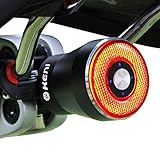
G Keni Smart Brake Sensing Bike Tail Light, Ultra Bright Rear Bike Light, USB C Rechargeable Waterproof Bike Lights for Night Riding with Auto Sensor for Road & Mountain Bikes
120 lumens
Brake sensing burst
USB-C 400 mAh cell
IPX6 waterproof
Pros
- Brake sensing jumps to ultra bright for 5 seconds when you brake
- Motion and light sensors power the light off when idle
- USB-C 400 mAh battery with up to 50 hours and 4-level indicator
- Aluminum alloy housing with a metal base that can be bolted to a rack
Cons
- Auto on and off can disable the light at dusk or dawn
- Auto off triggers after about 20 seconds of no movement
- Bracket screws loosen over time
The G Keni Q5 does the one rear-light trick that genuinely changes how traffic behaves: it drops into an ultra-bright five-second burst every time you brake. Drivers behind you see a red light that intensifies exactly when you slow, which is the moment they need the warning most.
On top of that it has motion and light sensors that power the lamp down when the bike sits still and bring it back up when you move, so there is no dead flat battery from a light left on in a shed for a fortnight.
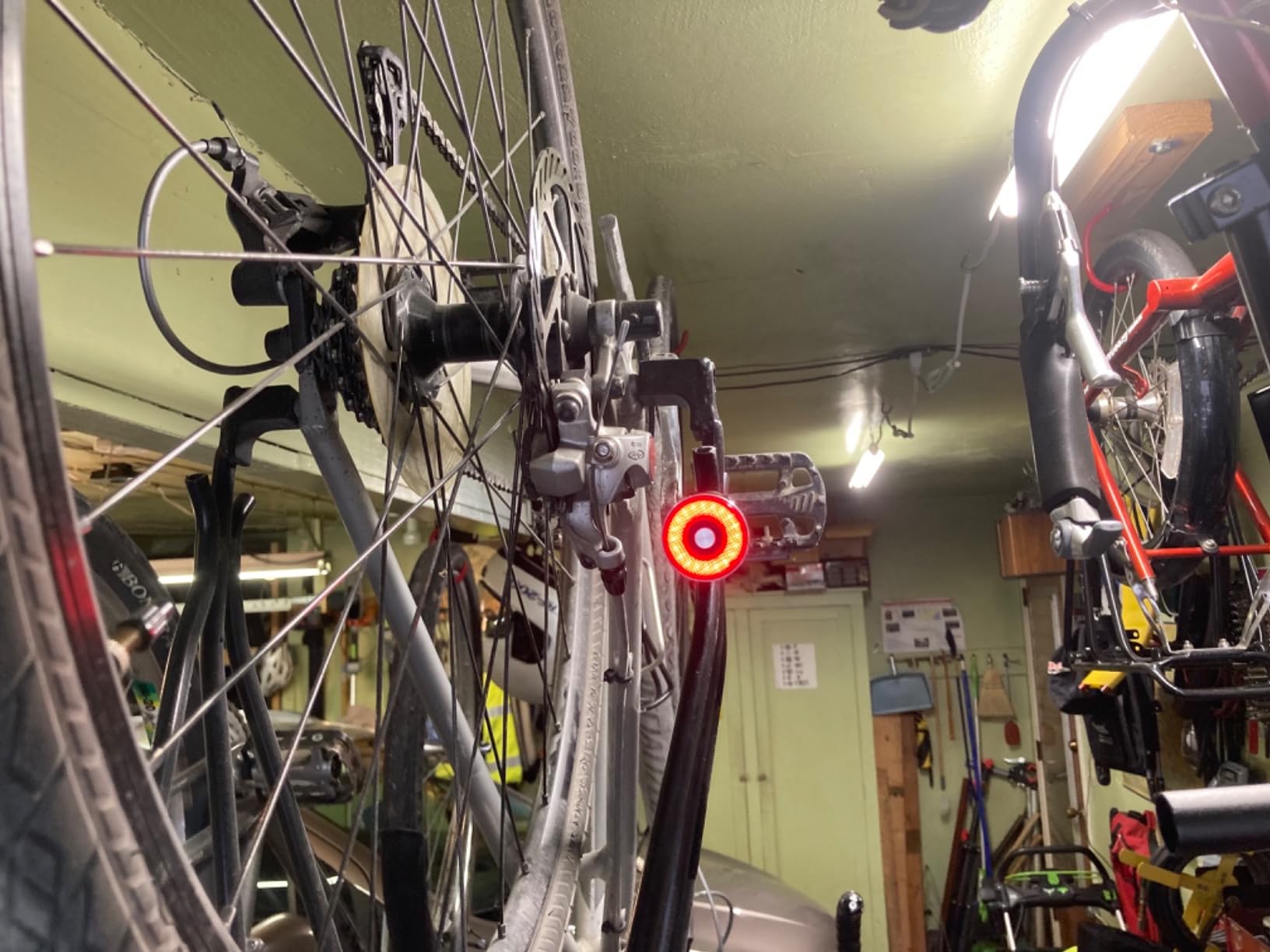
Power comes from a USB-C rechargeable 400 mAh cell rated at up to 50 hours, with a four-level battery indicator that is more honest than anything else in this roundup. The aluminum alloy housing is IPX6 rated, and at 3 ounces it is one of the lighter rear options.
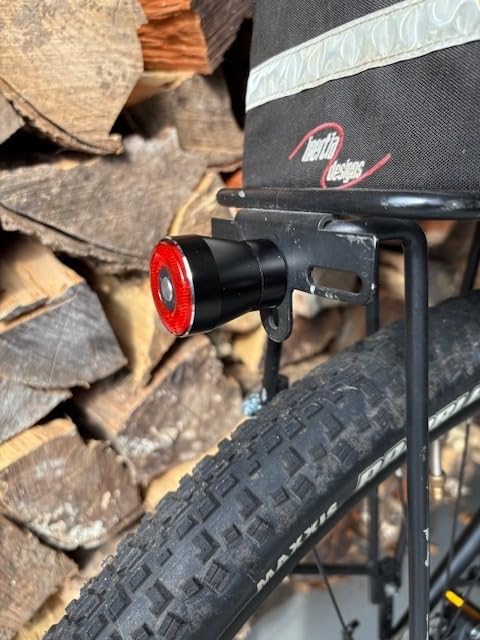
The mount is a real standout. It uses a metal base with a seat-rail mount that can be permanently bolted to a rack, and reviewers single that out as the most secure fixing any of these lights offers. There is also a variant with a built-in alarm for anyone worried about theft.
What to check before you buy it
The automatic on and off is the most discussed drawback and it is worth thinking carefully about. The auto off triggers after roughly 20 seconds without movement, so at a long red light the lamp can go dark, and in some modes it will not come back on at dusk or dawn when you need it.
Bracket screws also loosen with time, so check them every few weeks. And if you want a light you can point and aim, note that only the fast-blink and steady modes stay lit in daylight.
Who should look elsewhere
Riders who want a single predictable mode with no automation should pick the Cygolite Hypershot 350, which is brighter and far more configurable. If you ride in genuinely heavy rain, the IPX6 rating here is only just sufficient.
It is not the right pick for long-distance tourers either, because a 120-lumen output is tuned for being noticed in town rather than throwing light far back down a dark road. Pair it with a brighter front light and you have a strong city package.
8. NiteRider Lumina 900 Boost: Best for Gravel and Mountain Bikes
NiteRider Lumina 900 Boost USB Rechargeable MTB Road Commuter LED Bike Light Powerful Lumens Water Resistant Bicycle Headlight, LED Front Light Easy to Install Cycling Safety
900 lumens
7 modes
IP64 rated
6.08 oz
Pros
- 900 lumens from a compact USB rechargeable light
- Daylight visible flash mode for daytime riding
- Battery indicator built into the power button
- Aluminum heatsink with fiberglass-reinforced nylon housing
Cons
- Arrives in lock mode and must be unlocked before first use
- IP64 rated so water resistant rather than fully waterproof
The NiteRider Lumina 900 Boost has the kind of brand history that shows up in forums, where riders describe NiteRider as a brand that has stood the test of time rather than one chasing headline lumens. That matters if you want a light that still works in three winters.
Nine hundred lumens from a 6.08 oz body is an unusually good power-to-weight ratio, and the aluminum heatsink under the nylon housing is the reason it can run that hard without cooking. Seven modes give you a genuine range from trail output down to a walking mode.
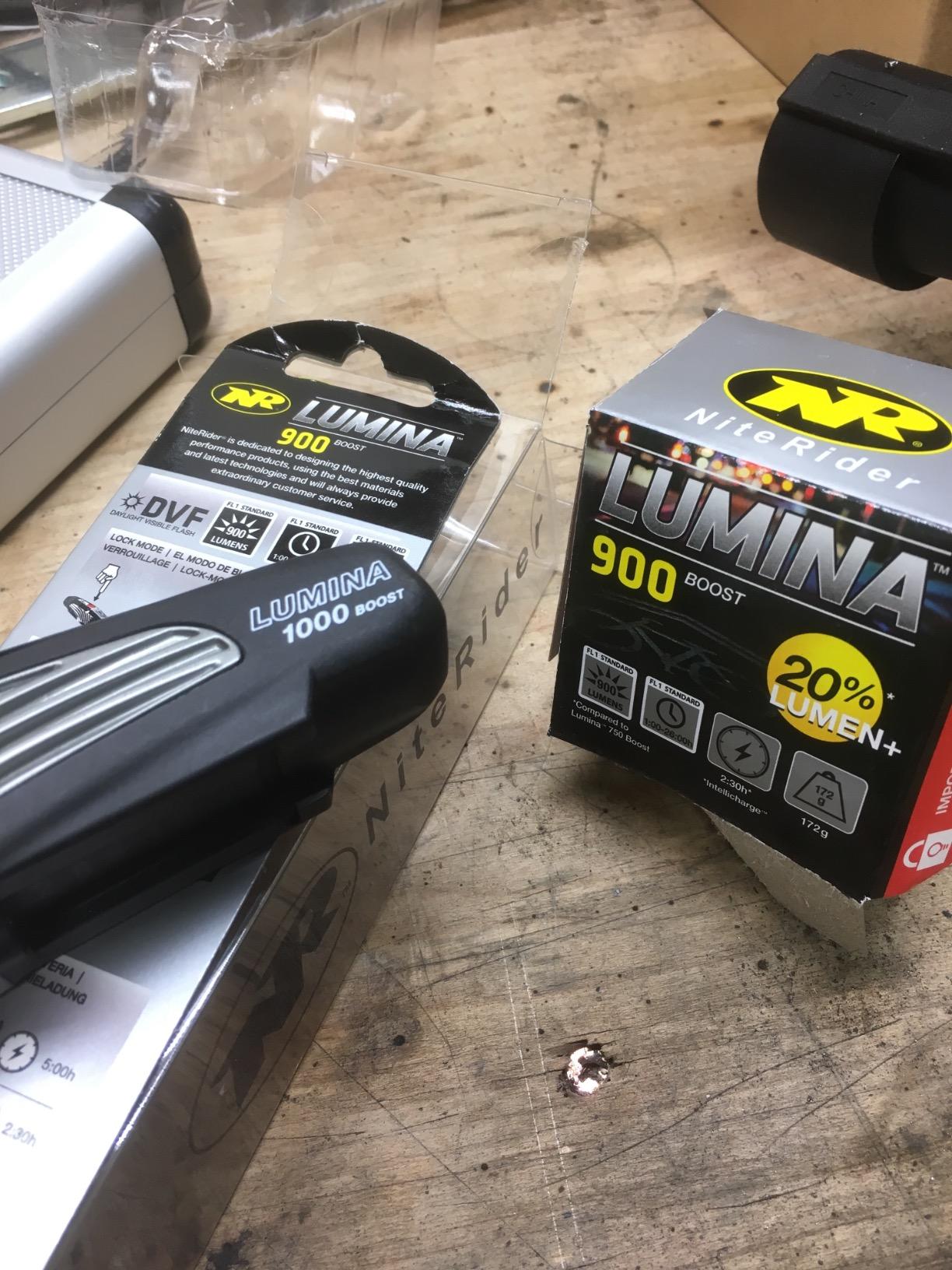
The daylight visible flash is a proper feature rather than a gimmick, and the battery indicator sits in the power button itself, showing blue for good and red below 20 percent. That is a small thing you will appreciate on a long ride in the cold.
Mounting is a quick-release tab that lets you take the light off while leaving the bracket on the bars, which is the correct setup for anyone running two bikes. The warranty covers one year on the battery and two years on the electronics.
What to check before you buy it
The light arrives in lock mode and you have to hold the power button for 8 to 10 seconds before it will turn on. This catches out a startling number of first-time buyers, so it is worth knowing before the light appears dead on day one.
IP64 is water resistant rather than fully waterproof, and this is the highest share of one-star reviews in the whole group. If you ride through Scottish winter rain at speed, the towild CL1200 or the Cuvccn set with IPX6 is a safer bet.
Who should look elsewhere
Gravel riders who ride fast on unlit lanes will want a shaped beam rather than a round one, which points to the towild CL1200 and keeps light out of oncoming drivers’ eyes. Serious trail riders will want more than 900 lumens and a remote control.
Skip it if you need USB-C, because this generation charges over a dedicated USB cable. And if you have no patience for a lock-mode ritual, pick a light that works straight out of the box.
9. towild CL1200 Headlight: Best for Unlit Roads
TOWILD CL1200 Bike Lights for Night Riding,Compatible with Garmin/GoPro Mount,1200 Lumen Bright Bike Headlight,5000mAh Rechargeable Battery,Waterproof Bike Front Light for Commuter Cyclists
1200 lumens
Shaped cut-off beam
5000 mAh USB-C
IPX6 rated
Pros
- Shaped StVZO-style beam puts light on the road and cuts off glare
- 5000 mAh battery gives 10 hours at 300 lumens and 2.75 at 1200
- Full charge in four hours and doubles as a power bank
- Garmin quarter-turn and GoPro mounts plus a handlebar mount
Cons
- Single-button mode switching is fiddly while riding
- Supplied plastic GoPro adapter is not sturdy and can crack
- Heaviest front light here at 176 g
The towild CL1200 is the only light in this roundup with a properly shaped beam, and experienced riders single that out as the reason to buy it. A shaped beam with a top cut-off lights the road surface while deliberately keeping glare out of the eyes of drivers coming the other way.
That design choice matters more than raw lumens once you are on a country lane or a shared path. Most generic lights throw light everywhere, including into the windscreen of the car behind you, and a cut-off beam is simply a better way to spend the same power.
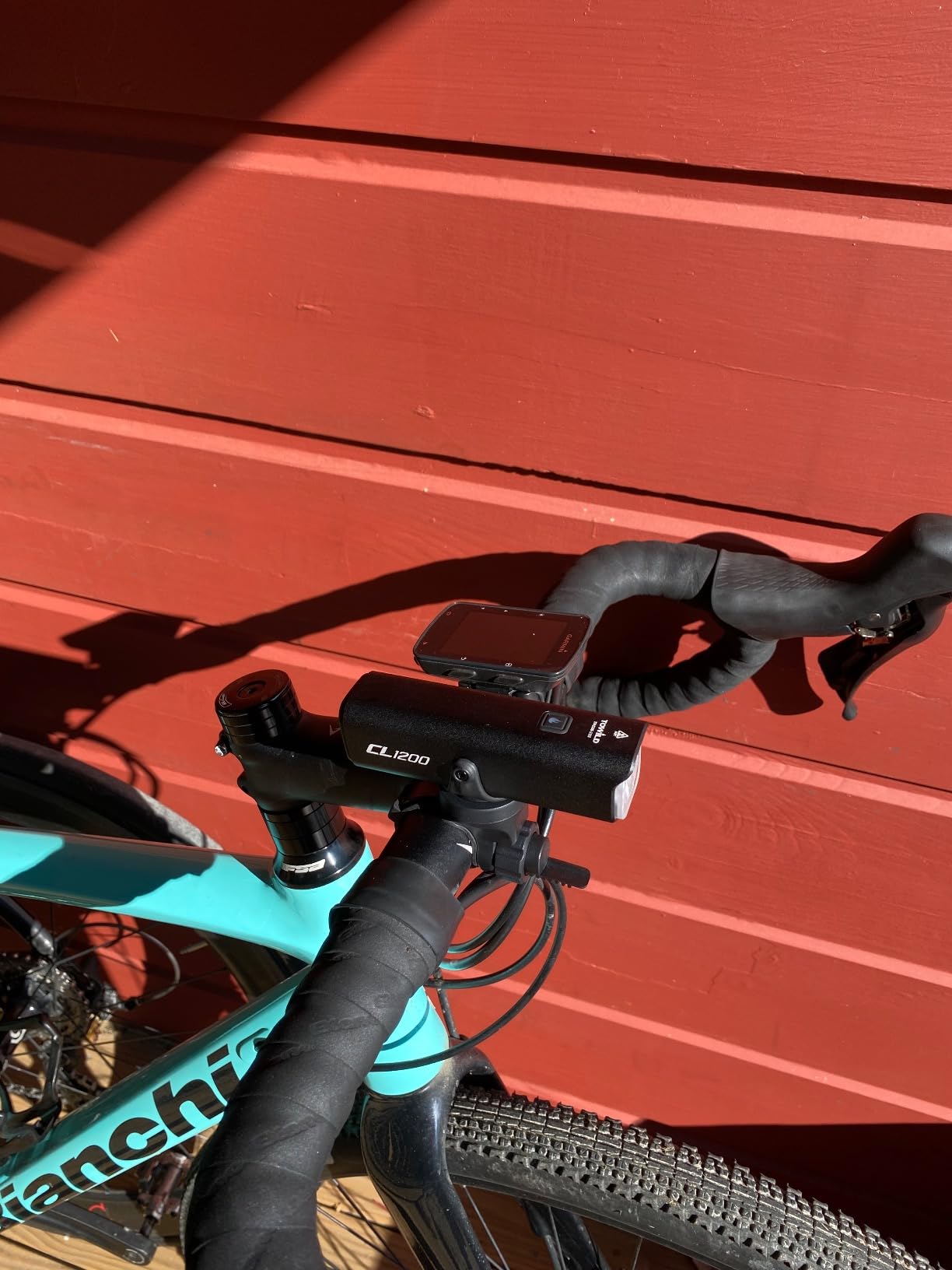
The 5000 mAh battery is the largest here and the runtime figures are honest: 10 hours at 300 lumens, 5 hours at 600 and 2.75 hours at 1200. It fully recharges over USB-C in four hours and can charge a phone or a bike computer when you run out.
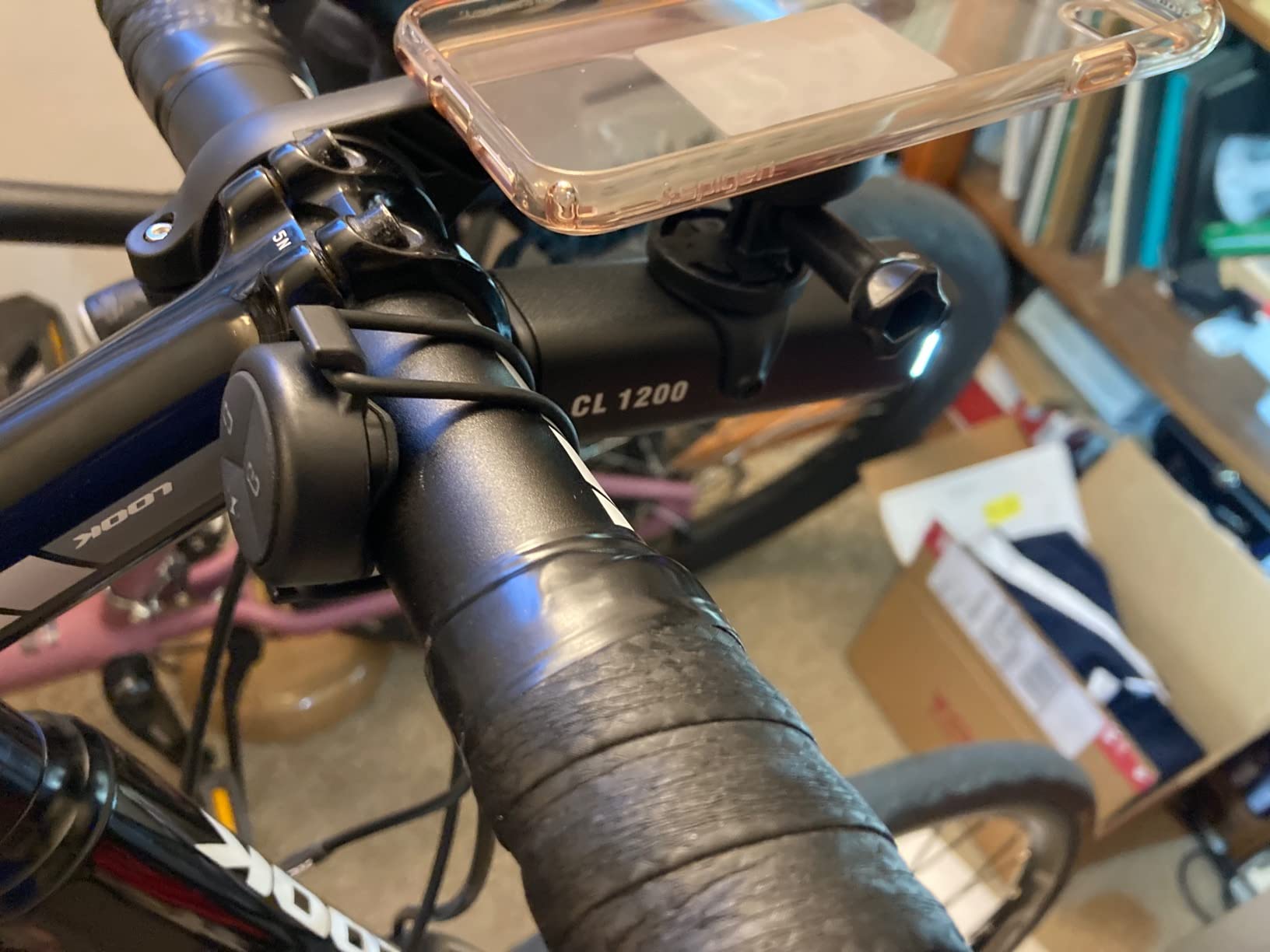
Mounting is unusually flexible with Garmin quarter-lock, GoPro and handlebar mounts included, and the aluminum body is IPX6 rated and reported to survive repeated drops and freezing rain. A two-year guarantee backs it up.
What to check before you buy it
The single-button mode switching is fiddly, and the last thing you want is cycling through modes at a junction in the dark. The optional wireless remote solves it, so budget for that if you ride at night regularly.
The included plastic GoPro adapter is the part most likely to break, and at 176 g this is the heaviest front light here. A few buyers also report output below the claimed 1200 lumens, so treat that figure as a ceiling rather than a promise.
Who should look elsewhere
City-only riders do not need 176 g of aluminium and a 5000 mAh cell on their bars. The Cygolite Hypershot 350 on the rear and the BLITZU or Victoper set on the front cover a lit commute for a fraction of the effort.
It is also a lot of light for someone who only wants to be seen. If you need a wide flood for trail corners rather than a shaped road beam, the NiteRider Lumina 900 is a better tool.
10. Cygolite Hypershot 350: The Brightest Rear Light Here
Cygolite Hypershot – 350 Lumen Bike Tail Light– 7 Night & Daytime Modes–User Adjustable Flash Speeds- Compact & Durable–IP64 Water Resistant–Secured Hard Mount–USB Rechargeable–Great for Busy Streets
350 lumens
7 modes
2 to 200 hour run time
75 g
Pros
- Exceptionally bright with a hotspot visible at a quarter mile in daylight
- Seven modes including Steady Zoom and Daylighting Flash
- Adjustable flash speeds and brightness on two buttons
- Runs roughly 2 to 200 hours depending on the mode
Cons
- Seat post clip can pop off mid-ride if the release stays open
- Can dazzle riders behind you so dim it for group rides
- Micro-USB charging rather than USB-C
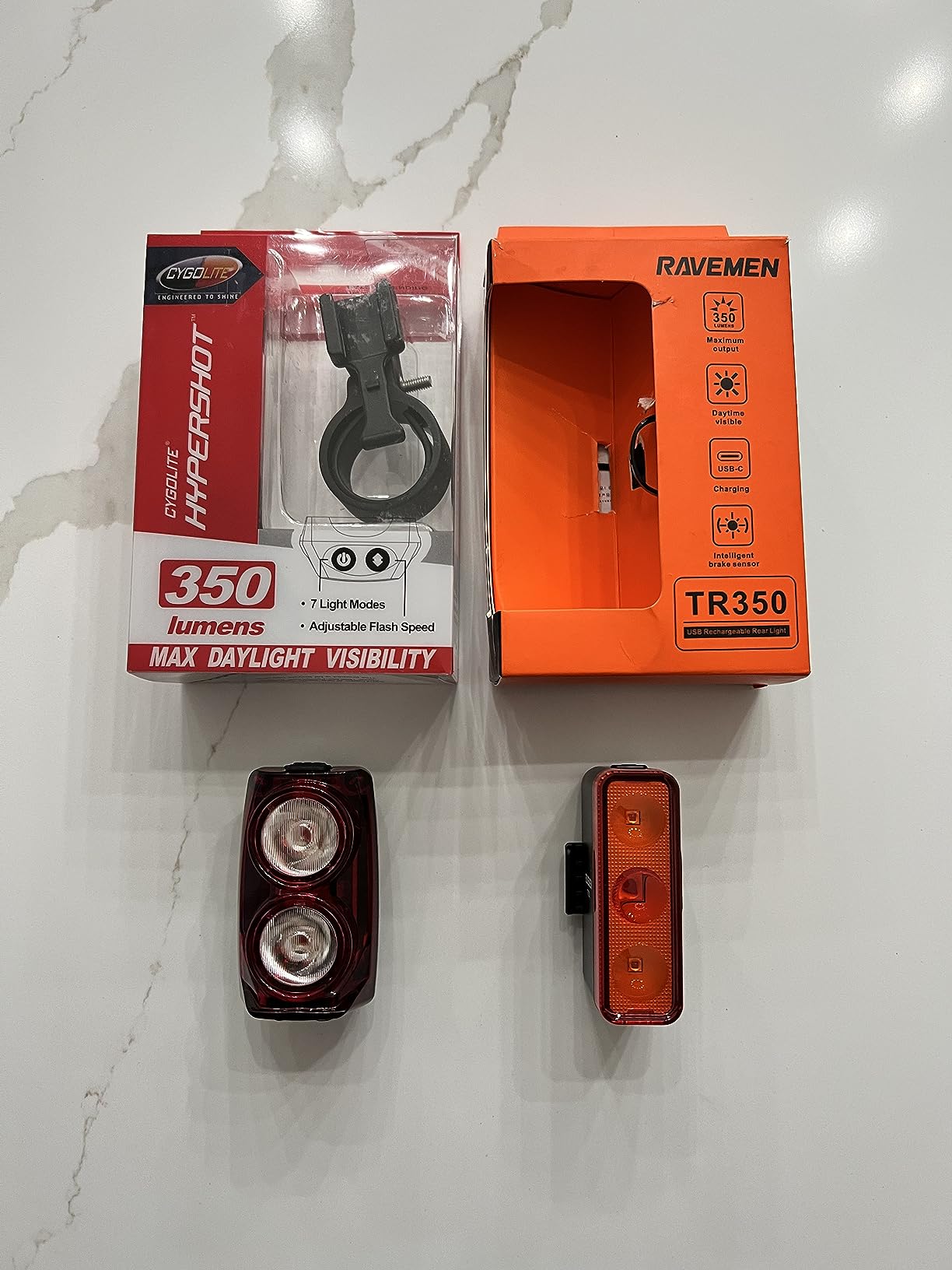
No other rear light here comes close to the raw output of the Cygolite Hypershot 350. At 350 lumens with a concentrated hotspot, riders report being visible at a quarter mile in daylight and motorists giving them noticeably more space.
Seven modes cover Steady, Zoom, Steady Pulse, Bzzz Flash, Triple Flash, Daylighting Flash and Random Flash, and both flash speed and brightness are user-adjustable. Two buttons handle it and the light remembers the setting you left it on.
Runtime is the surprise. Depending on the mode it runs from about 2 hours to 200 hours, and the long end is where the low battery indicator earns its place, because nobody wants to discover an empty tail light on a wet dark morning.
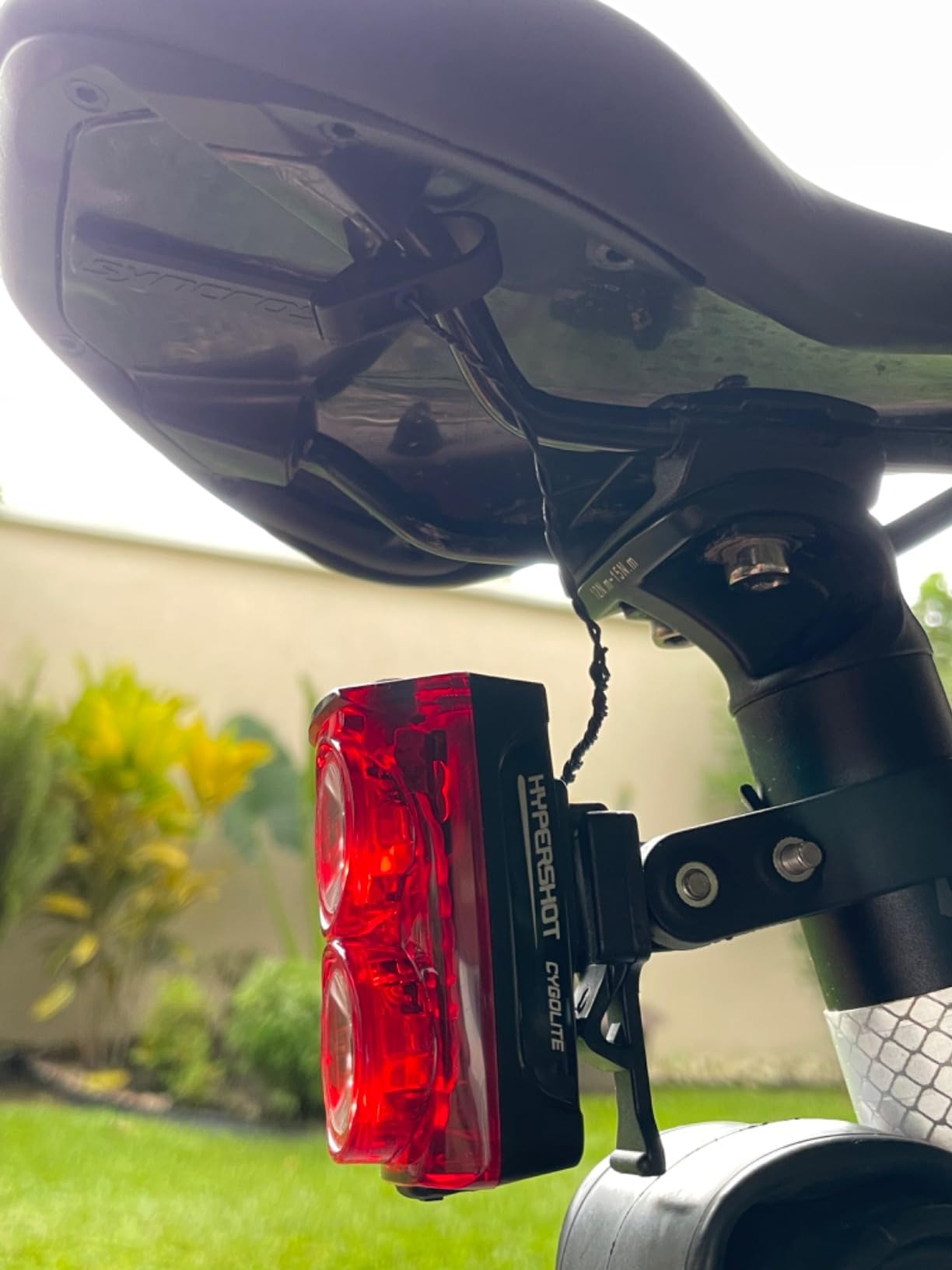
At 75 g with both a seat post and a seat stay mount in the box, it is a proper dual-mount light that also works as a backpack clip. Riders on r/flashlight point to Cygolite specifically because its support replaces units rather than deflecting you.
What to check before you buy it
The seat post clip can pop off mid-ride if the lateral release is left open, and that is the single most common complaint. Check the catch every few rides and keep the strap closed once it is set.
Brightness needs managing in a group. Several riders report dazzling the person behind them, so dial it down for a group ride and save the full output for solo night riding. The micro-USB port is also the last one in the roundup rather than USB-C.
Who should look elsewhere
If you want automatic behaviour, the G Keni Q5 brakes brighter and switches itself off when the bike stands still. Riders on aero seatposts need the extra mount accessory, because the standard clip will not grip that profile.
It is a poor pairing for a rider who wants a brake sensor or radar-style warnings. What this light does exceptionally well is simple: being the brightest red point on the back of your bike.
11. Cygolite Metro Pro 1100: Best IP67 Build and Long-Term Ownership
Cygolite Metro 1100 Pro Lumen Bike Light, USB Rechargeable, Secure Hard Mount, Night & Daytime Modes, Compact, Durable, IP67 Waterproof; Road, Mountain, Commuter Bicycles
1100 lumens
9 modes
IP67 rated
6.4 oz
Pros
- Genuinely bright 1100 lumens with a wide diffused beam
- Nine modes including SteadyPulse and DayLightningFlash
- Several hours on medium for the output
- Compact and light enough to pocket as a theft deterrent
Cons
- Boost mode drains the battery for a small brightness gain
- All-plastic body so drop damage is a real concern
- Handlebar clip can shift out of alignment on rough roads
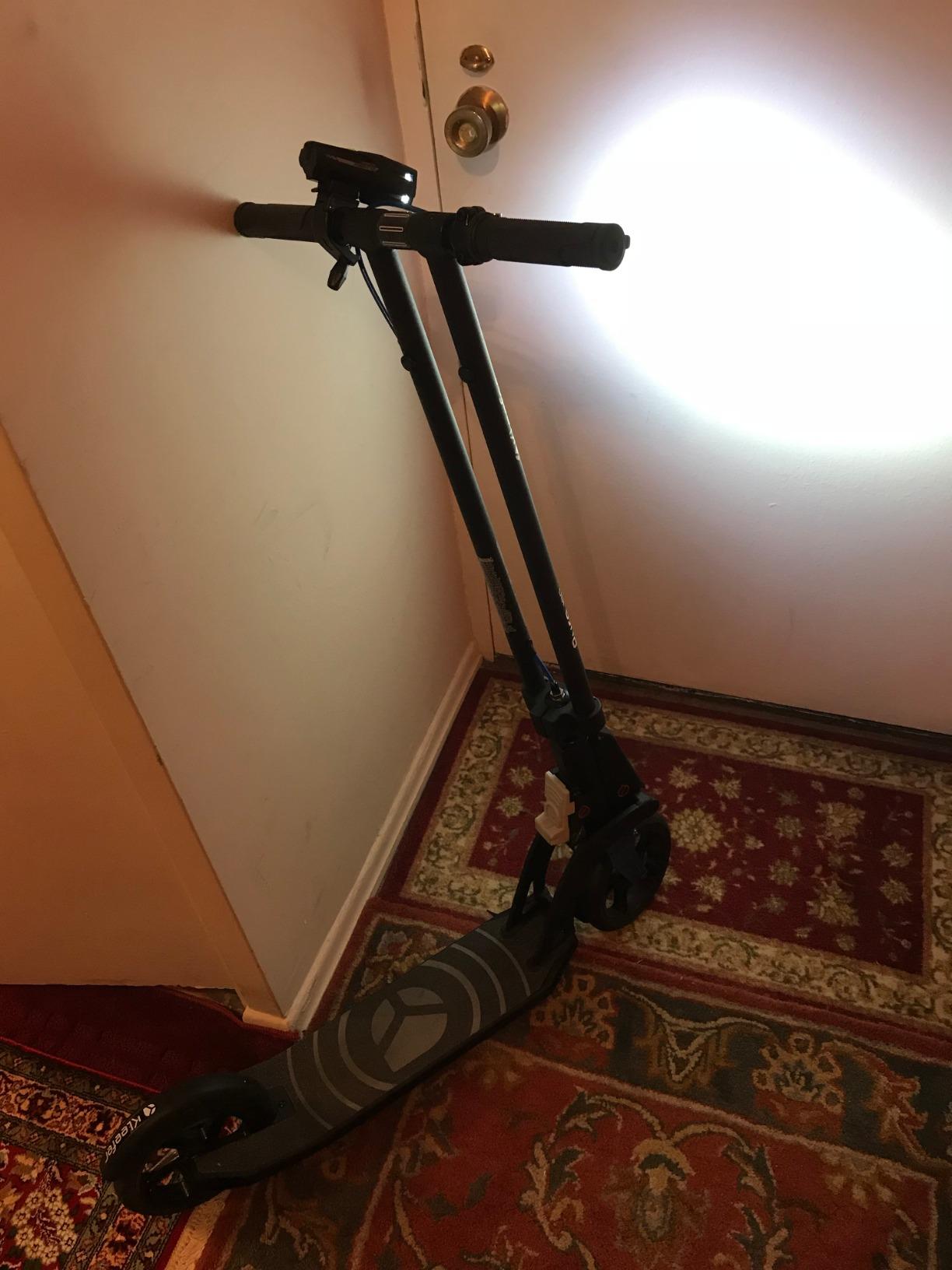
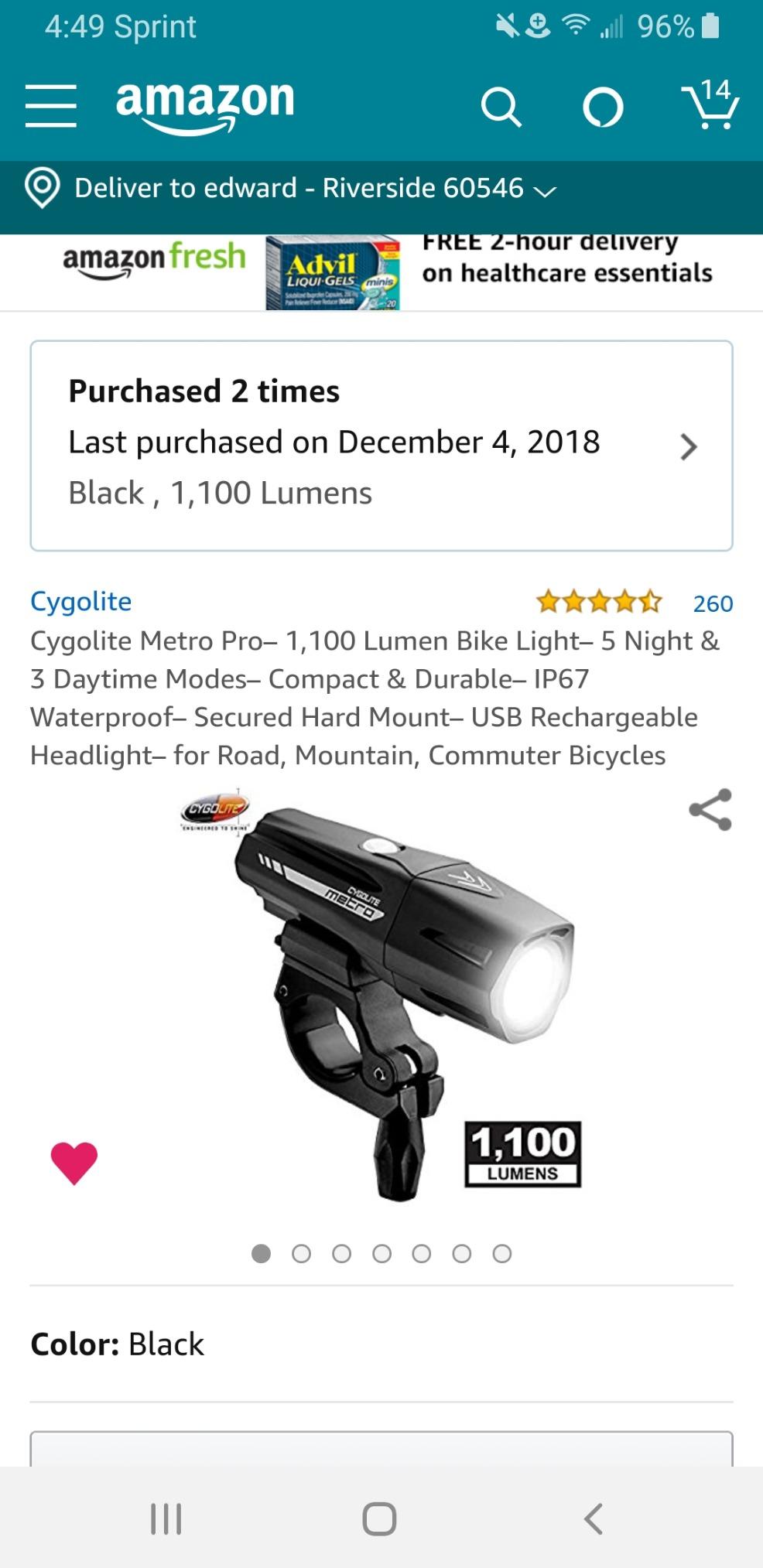
The Cygolite Metro Pro 1100 is the light owners describe as still working after years, and the IP67 rating is the reason. IP67 means dust-tight and capable of surviving immersion in water, and it is the highest water rating in this roundup, with no other light reaching that level.
Owners also report the output is genuinely 1100 lumens rather than a marketing peak, and that the wide diffused beam lights the edges of a road as well as the middle. That combination of honest output and a wide pattern is what makes it work for both commuting and unlit lanes.
Nine modes include Boost, High, Medium, Low, SteadyPulse, Walking, DayLightningFlash, Triple Flash and Zoom, which is a lot of choice, though the modes group into a few families once you learn them. Several hours on medium is realistic for the output.
A lock mode stops the light switching on in your bag, released by holding the power button for six seconds, and the compact 6.4 oz body is small enough to pocket when you lock the bike up. Cygolite support will send replacement mounts and port covers, which is rare.
What to check before you buy it
Boost mode is a trap. It drains the battery quickly for only a small brightness gain, so leave it for the last few minutes of a ride rather than setting it as your default.
The body is all plastic, which is the trade for the weight, and drop damage is a genuine concern. The handlebar clip can also shift out of alignment on rough roads and the Locktite clamp screw may loosen and need replacing.
Who should look elsewhere
If you ride trails, the towild CL1200 gives you a shaped beam and a far larger battery for long sessions away from a socket. And if you want computer integration, this light has no radios at all, so the Garmin UT 800 is the smarter buy.
It is also available in 800, 680 and 500 lumen versions, which is the sensible move if you mostly ride lit streets and want to save both weight and money without losing the IP67 body.
12. Magicshine HORI1300S and SEEMEE 150 Set: Best Complete Front and Rear Package
Magicshine HORI1300S & SEEMEE 150 MAG Bike Lights Front and Back, FTR LightSync One-Touch Control, 1300LM Front & 150LM Magnetic Rear Light, USB-C Rechargeable IPX6 Waterproof for Night Riding
1300 lumens front and 150 rear
One-touch remote
USB-C fast charging
IPX6 rated
Pros
- 1300 lumen high beam plus an anti-glare low beam with a sharp cut-off
- Included remote powers and switches both lights with one press
- 150 lumen dual-colour rear light with 360 degree visibility and a magnetic mount
- USB-C fast charging with battery indicators and vibration auto on and off
Cons
- Recent release with only 117 reviews so long-term durability is unproven
- Remote and mount hardware add bulk to an already busy cockpit
The Magicshine set is the newest release in this roundup and the highest rated at 4.7, but with 117 reviews it is also the one with the least history behind it. We include it because the specification genuinely beats the alternatives, not because the long-term record is proven.
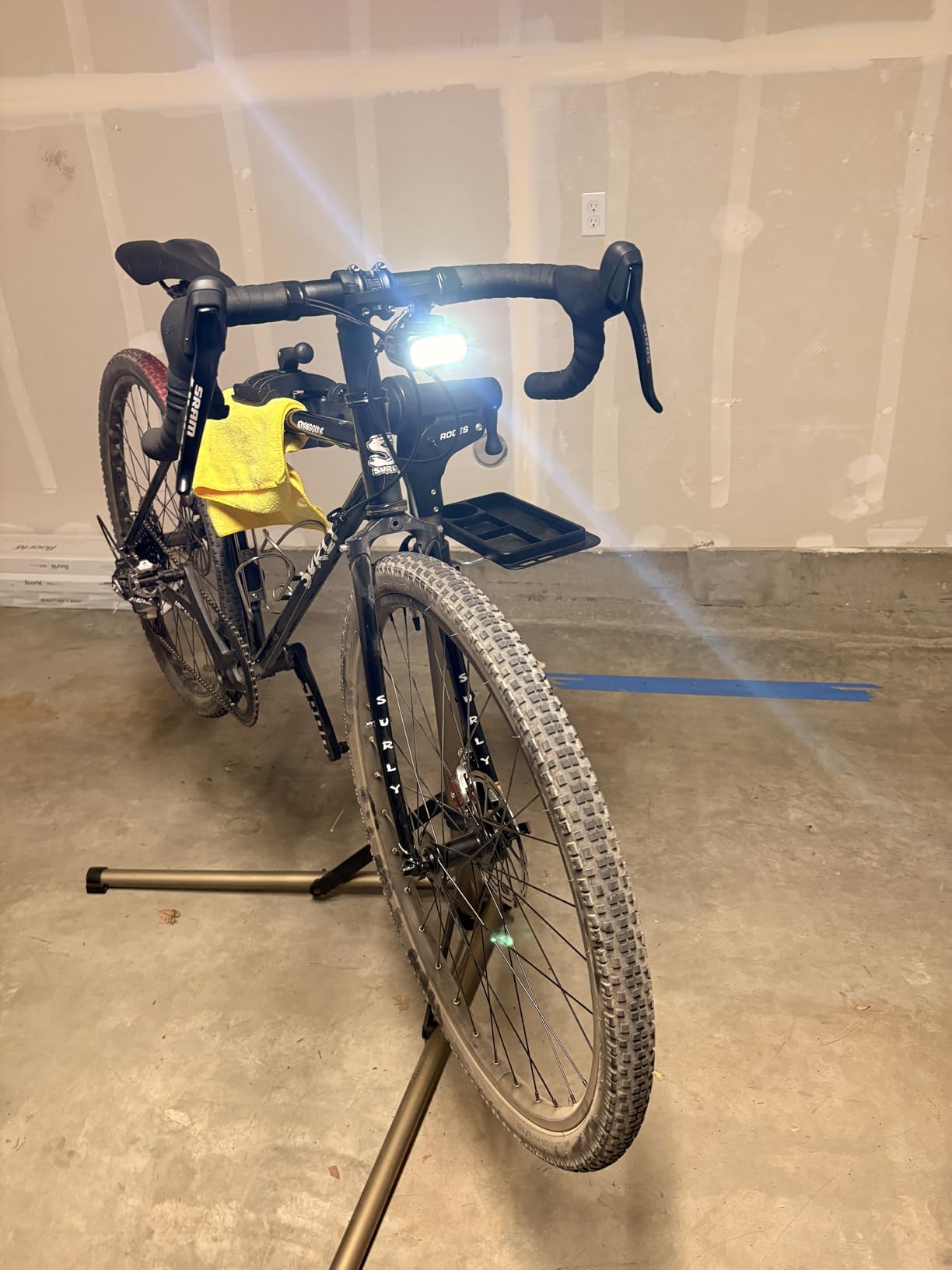
What you get is a two-light system: a 1300-lumen high beam for unlit roads plus an anti-glare low beam with a sharp cut-off line for city riding, and a 150-lumen rear light with red and white output and 360 degree visibility.
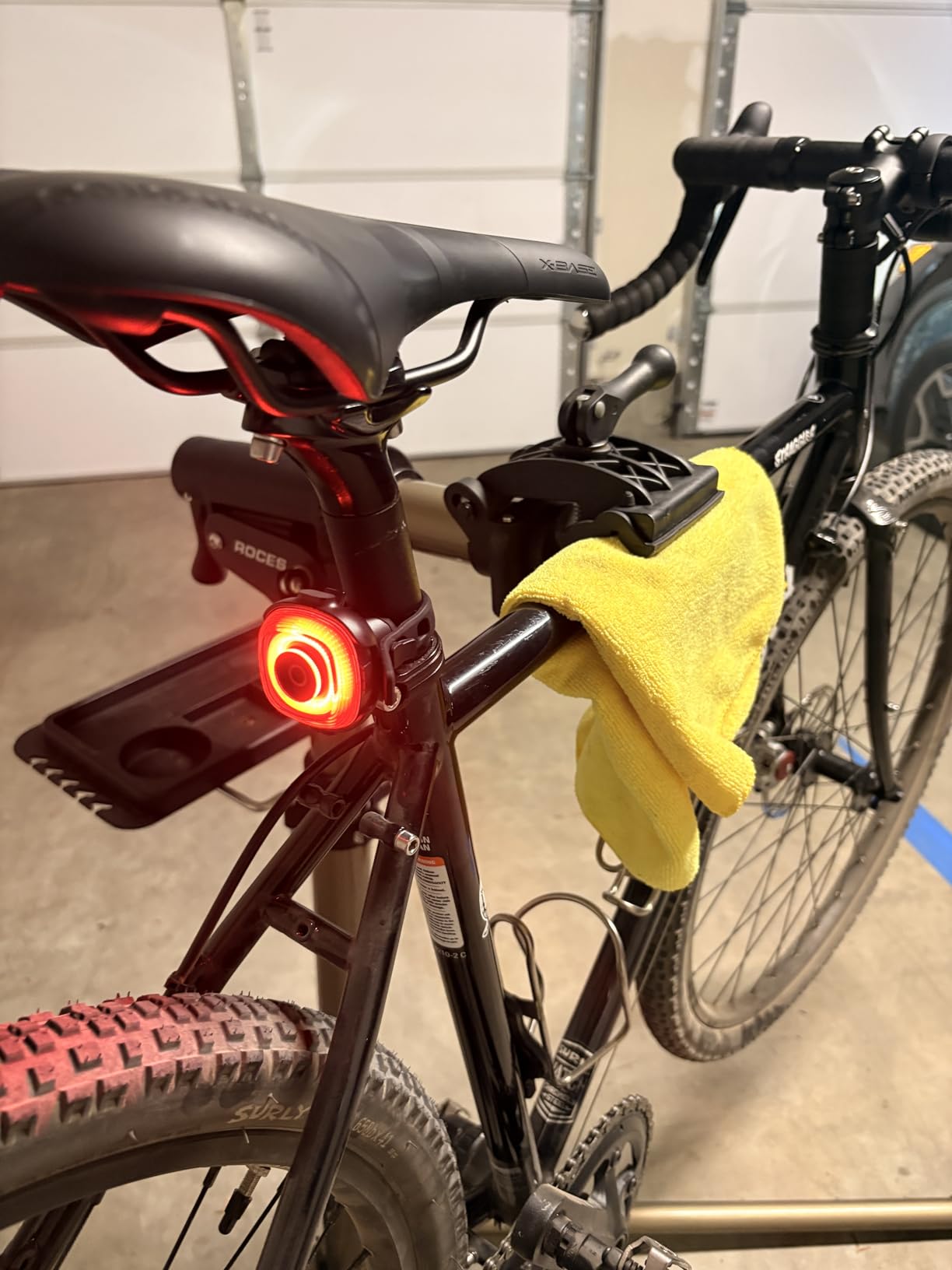
The FTR LightSync remote is the feature buyers mention first. One press turns both lights on and switches between them, which removes the whole problem of reaching down to two separate buttons on a dark road, and it also raises the practicality of running the low beam in traffic.
Charging is USB-C fast charging with battery indicators on both lights, and the headlight has vibration-based auto on and off so it switches itself off when the bike is parked. The aluminum headlight body dissipates heat well and the whole package is IPX6 rated with a two-year warranty.
What to check before you buy it
The honest caveat is the review base. With 117 reviews, mostly recent, there is no multi-year durability evidence yet, and in this category that is the thing that usually decides whether a light is still working in season three.
On fit, the headlight mount is designed to sit cleanly with Garmin bike computers, which is the point, but the remote plus the mount plus the computer is a lot of hardware on a crowded cockpit. Check your bar space before committing.
Who should look elsewhere
If you want proven longevity and no remote, the Ascher set or the Cygolite Metro Pro 1100 are the safer buys at these prices. Riders who only need one light should skip a set entirely and choose a front or rear model on its own merits.
Buy elsewhere if your cockpit is already full or if you ride on shared paths where a 1300-lumen high beam on a set and forget is a poor idea. The low beam is the mode to default to in traffic, and the remote makes that easy.
How Many Lumens Do You Actually Need?
Lumens measure total light output, and a bike light needs different amounts depending on whether you are lighting yourself up or the road. Daytime visibility on lit streets needs around 100 lumens of flash, urban night commuting works at 150 to 600 lumens, rural roads and gravel want 400 to 1000 lumens, and trail riding starts at 1500 lumens. Anything under 100 lumens is a legal minimum rather than a useful one.
That is the short answer. The longer answer is that headline lumens are marketing peaks, and a light advertised at 1200 lumens may only hold that figure for an hour or two before stepping down, or never reach it at all. Sustained output on a medium setting is the number that predicts whether you can see a pothole at 15 mph on a dark lane.
Here is the practical band-by-band breakdown:
Daytime running, 100 lumens and up. A flashing or steady light for riding in traffic at 2 pm. Output here is about being noticed, and the flash pattern matters more than the lumens.
Urban commuting, 150 to 600 lumens. Lit streets, junctions and shared paths. This is where most people should sit, and it covers the Ascher, BLITZU, Victoper, Cuvccn and GearLight sets in this roundup.
Rural and gravel, 400 to 1000 lumens. Unlit lanes, towpaths and forest tracks. You want real throw here, which is why the towild CL1200 and the Cygolite Metro 1100 earn their place.
Trail and mountain biking, 1500 lumens and up. Roots, rocks and ruts at speed, usually with a helmet mount and often with a second light. Nothing in this roundup reaches that band, and we would not pretend otherwise.
What about lux? Lux measures illumination on a surface, which is closer to what you actually experience. StVZO-certified lights in Germany are measured in candela and lux rather than lumens precisely because beam shape and cutoff matter more than total output. A shaped 400-lumen beam can be a better road light than a round 1200-lumen lamp.
What does the law ask for? In most countries you need a white front light and a red rear light from sunset to sunrise, and rules vary by state and country. Flash rates are commonly limited to somewhere between 60 and 240 flashes per minute. Germany and Austria require StVZO approval, which is a certification for a defined beam shape. Check your local rules rather than assuming.
See Versus Be Seen: Choosing Runtime, Beam and Mounting
Rear lights are judged on a completely different scale from front lights. Output matters less than the shape of the light, its side visibility and whether a pannier or a mudguard is blocking it. The Cygolite Hypershot 350 wins on raw brightness, the G Keni Q5 wins on behaviour with its five-second brake burst, and the Magicshine rear wins on 360 degree visibility with a magnetic mount.
A rear light gets blocked more often than most riders notice. A pannier, a saddle bag, a long coat or a full mudguard can sit directly behind the lamp, so mount it on the seat post clear of the bag or use the seat stay position where nothing follows you. Checking it is a ten-second job: walk to the back of the bike and look.
Side visibility is the quiet safety upgrade. A light with a downward-facing LED or wide side-illumination gives drivers a view of you when they are alongside at a junction, which is where most urban cyclist collisions actually happen.
Runtime and charging. USB-C has become the expected standard and anything using a proprietary charger locks you into one cable ecosystem. Three lights in this roundup still use micro-USB or a tight-fitting port that only accepts the supplied lead, so check that before you buy. As a rough rule, expect 2 to 4 hours on high, 5 to 10 hours on medium and far longer on a flash mode.
Water ratings. IPX4 is splash resistant, IPX5 handles rain and jetting, IPX6 survives heavy rain and powerful water jets, and IPX7 means temporary immersion. For year-round commuting in a wet climate, IPX6 or better is the line we would draw, and only the Cuvccn, G Keni, towild, Garmin and Magicshine lights here reach it.
Beam pattern. A round beam floods everywhere and dazzles oncoming drivers. A shaped beam with a top cut-off puts light where you want it. On shared paths and country roads, the shaped beam on the towild CL1200 is a better experience than a brighter round lamp.
Mounts are the real failure point. Reviews across every brand name plastic clips, rubber straps and charge-port covers as the things that break first. If you can, choose a metal base, a quarter-turn interface that survives a knock, or a mount that lets the light be removed while the bracket stays on the bars. Riders running two bikes should check that our bike trainer picks stay clear of the light too.
One light or two? Riders on forums argue this constantly and the honest answer is that two small lights beat one clever one. A narrow throw light plus a wide flood light, front and rear, covers more than a single lamp that compromises between the two. If you have a front and rear set already, adding a small bar-end light for side visibility costs little and closes a real gap.
Before every ride, do this. Check both lights turn on, aim the front slightly down so the beam lands 5 to 10 metres ahead rather than in drivers’ eyes, confirm the rear is not blocked by a bag, and look at the charge indicator. A two-minute check prevents most night-riding failures. Locking up properly matters as much as being seen, so pair it with our bike lock recommendations.
Frequently Asked Questions
How many lumens do I need for a bike light?
Around 100 lumens is enough for daytime visibility in traffic. Urban night commuting works at 150 to 600 lumens, unlit rural roads and gravel want 400 to 1000 lumens, and trail riding starts at 1500 lumens. Judge sustained output on a medium setting rather than the headline peak, because most manufacturers quote a one-hour maximum that the light rarely holds.
Which bike light companies are considered the best?
Cygolite and NiteRider carry the strongest reputations for build quality and long-term support in this roundup, with Cygolite also praised for replacing damaged units. Magicshine and towild lead on specification, Garmin leads on computer integration, and the value brands such as Ascher, BLITZU, Victoper, Cuvccn and GearLight cover the budget tier well.
What is the best bike light for value for money?
The GearLight 400 lumen set is our value pick because the 400-lumen headlight pairs with replaceable batteries and an aluminum body, which is unusual below the smart-light tier. The Ascher set is the stronger all-round choice at 300 lumens, and the Victoper set wins on outright lightness at 4 ounces with ten modes across the two lights.
What is the law for bike lights?
Most countries require a white front light and a red rear light from sunset to sunrise, and common rules cap flash rates at somewhere between 60 and 240 flashes per minute. Some jurisdictions add a minimum output or a beam-shape requirement, and Germany and Austria require StVZO approval. Requirements vary by region, so check the rules where you actually ride.
Should bike lights be flashing?
A steady beam is better for seeing the road ahead, while a flash is better for being seen by other traffic. Most riders do best with both: a steady or low beam for the road and a flash mode for daylight and junctions. Riders on shared paths and group rides should dim or steady their lights so they do not dazzle the people behind them.
Is IPX6 waterproof enough for a bike light?
IPX6 means the light survives powerful water jets from any direction, which is what year-round commuting in heavy rain requires. IPX4 is splash resistant and fine for occasional showers, while IPX7 adds temporary immersion. If you ride in winter rain at speed, aim for IPX6 or better and check that the USB port is covered.
Which Bike Light Should You Buy in 2026?
The decision is simpler than the specification lists suggest. Match the light to the job: if you ride lit streets, buy a proven all-rounder and spend nothing on electronics. If you ride unlit lanes, buy output and a shaped beam, and accept the extra weight. If your main fear is being hit from behind, buy rear brightness and a secure mount rather than a brighter front.
Our all-round winner in 2026 is the Ascher set. At 32753 reviews it is the most proven product here, the 300-lumen front light handles lit commuting comfortably, and 3.5 oz for the pair means you will not notice it. The GearLight set is the value choice if you ride gravel, and the towild CL1200 is the light to buy if your routes are unlit and fast.
Whatever you pick, check the mount rather than the lumens. A light that stays on the bars through winter matters more than a few hundred extra lumens, and a two-minute pre-ride check catches almost every failure. If you also need somewhere to secure the bike while you are out, see our bike trailer guide for the next step in your setup.