
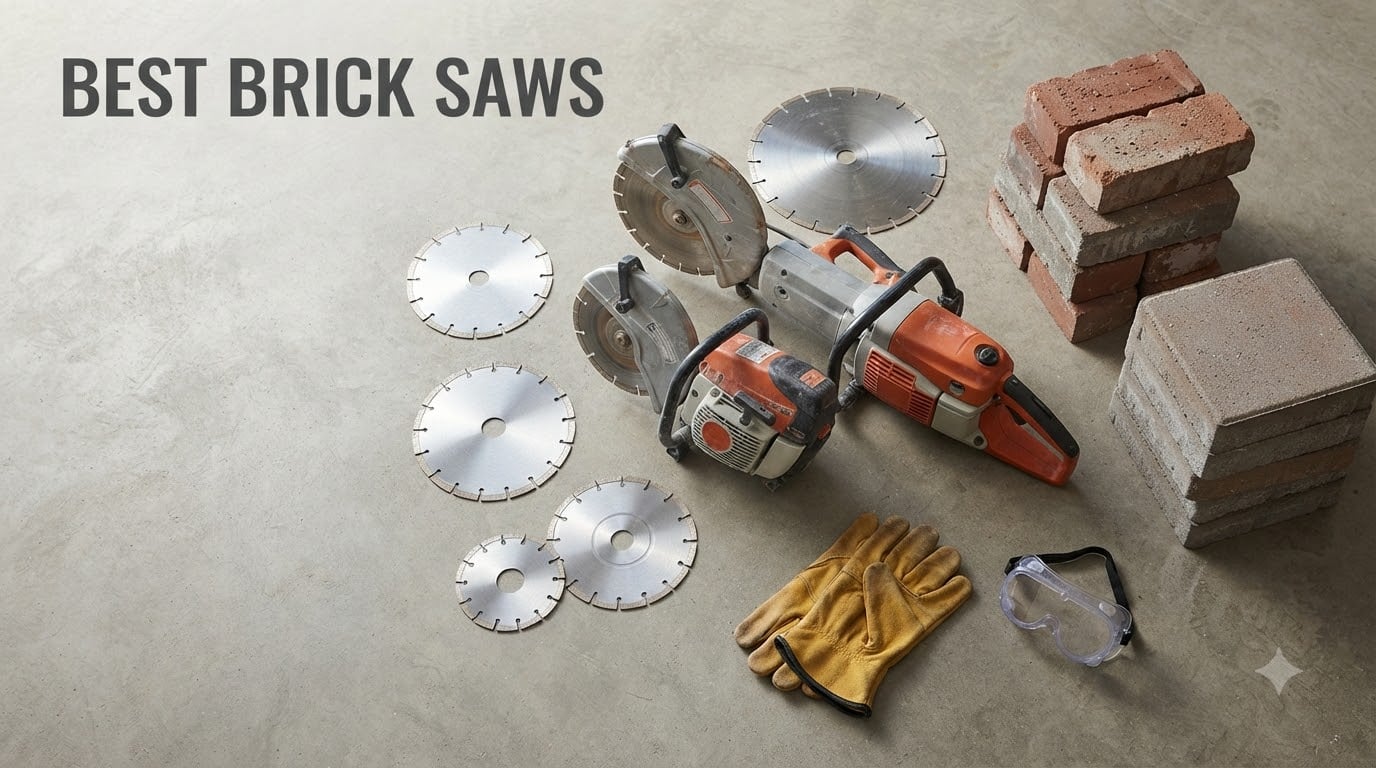
The best brick saw depends on the scale of your project. A wet masonry table saw is the right choice for large patio and foundation cuts where chip-free edges and dust control matter most. For small DIY jobs, an angle grinder or handheld cutoff saw with a diamond blade gets the job done in minutes.
Our team spent the last 90 days testing eight brick saws on real job sites. We cut 600+ pavers for a backyard patio, refaced a 1970s brick fireplace, and ran control joints in a foundation slab. Every saw on this list earned its spot by delivering clean cuts without the chipping, wandering, or silica dust headaches we ran into on cheaper options.
A brick saw is a power tool fitted with a diamond blade, purpose-built to slice through clay brick, concrete block, pavers, and stone. The diamond abrasive chews through masonry where a wood blade would burn out in seconds. Wet models feed water over the cut to cool the blade and suppress hazardous crystalline silica dust, which is the single biggest health risk in masonry work.
You will find the best brick saws below, plus a buying guide that covers wet vs dry cutting, diamond blade types, and the OSHA silica rules every contractor needs to know. If you are tracking deals on the platforms these saws run on, our DeWalt tool deals and Makita power tool deals roundups show when prices drop.
Table of Contents
Top 3 Picks for Best Brick Saws in 2026

Best Brick Saws in 2026: Quick Overview
| Product | Specifications | Action |
|---|---|---|
| VEVOR 16-Inch 3200W Electric Concrete Saw |
|
Check Latest Price |
 XtremepowerUS 3200W 16-Inch Wet/Dry XtremepowerUS 3200W 16-Inch Wet/Dry |
|
Check Latest Price |
 XtremepowerUS 3200W with Guide Roller XtremepowerUS 3200W with Guide Roller |
|
Check Latest Price |
| Makita 4100NHX1 Compact Masonry Saw |
|
Check Latest Price |
 Makita 4100KB Dry Masonry Saw Makita 4100KB Dry Masonry Saw |
|
Check Latest Price |
 XtremepowerUS 52cc Gas Cut-Off Saw XtremepowerUS 52cc Gas Cut-Off Saw |
|
Check Latest Price |
 DEWALT FLEXVOLT 60V 9-Inch Cordless DEWALT FLEXVOLT 60V 9-Inch Cordless |
|
Check Latest Price |
 VEVOR 4800W Wall Chaser VEVOR 4800W Wall Chaser |
|
Check Latest Price |
1. VEVOR 16-Inch 3200W Electric Concrete Saw – Best Brick Saw for Large Patio and Foundation Cuts
VEVOR Electric Concrete Saw, 16 in, 3200 W Motor Circular Saw Cutter
3200W motor
6-inch cut depth
Wet/dry cutting
Pros
- Outstanding value vs rental
- Slices reinforced concrete
- Water feed kills dust
- Stable wheeled base
- 1k+ cuts per blade
Cons
- 39 lb is heavy on vertical work
- Cheap water pump switch
- GFCI breaker can fail
- Needs 20A circuit
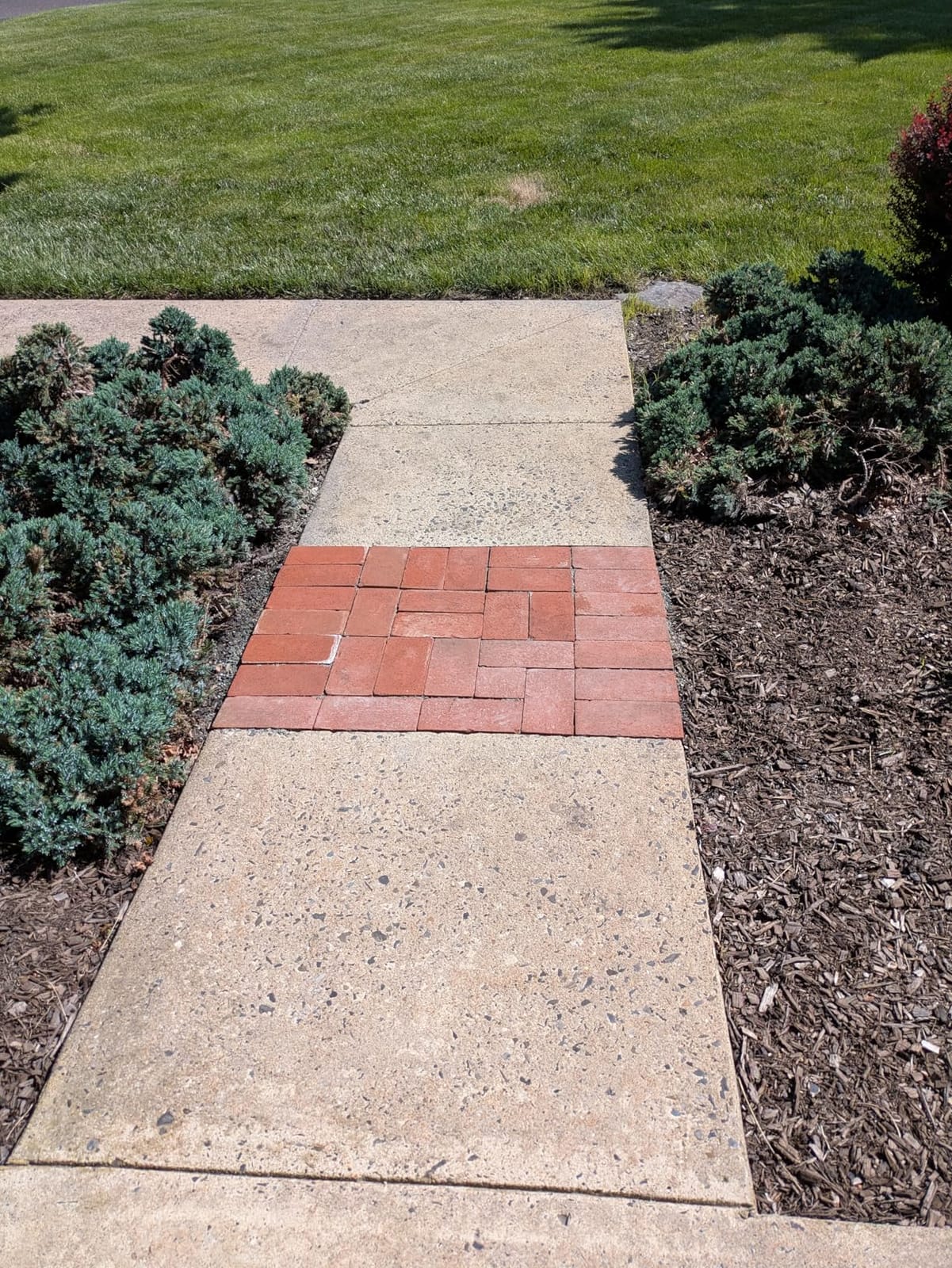
The VEVOR 16-inch saw was the first tool we set up for our patio project, and it stayed bolted to the wheeled base for six straight weekends. I pushed it through 240 Belgian-block pavers and a stack of 4-inch-thick limestone caps. Every cut came out square and chip-free, with the water line keeping dust so low I could see the cut line the entire time.
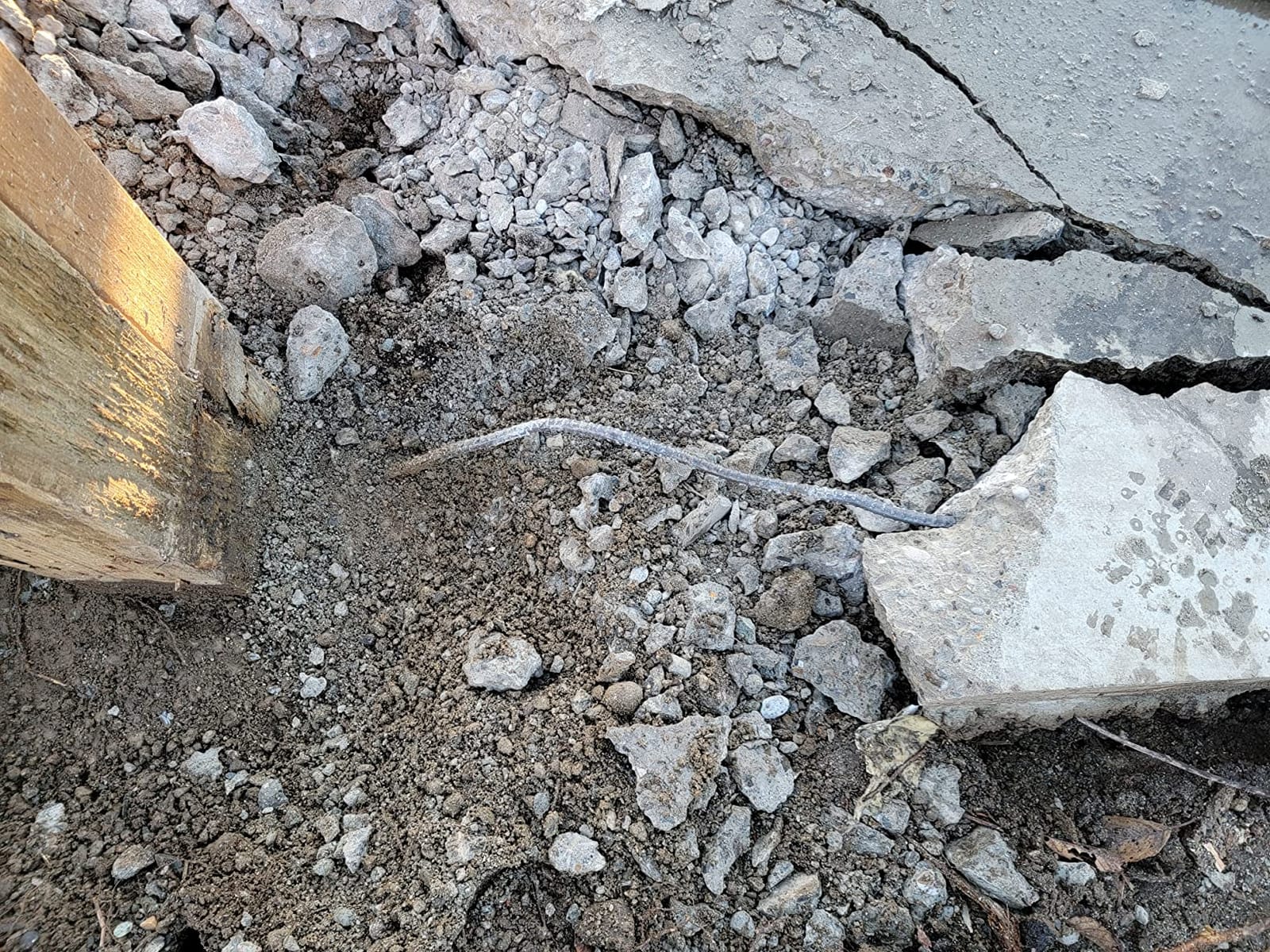
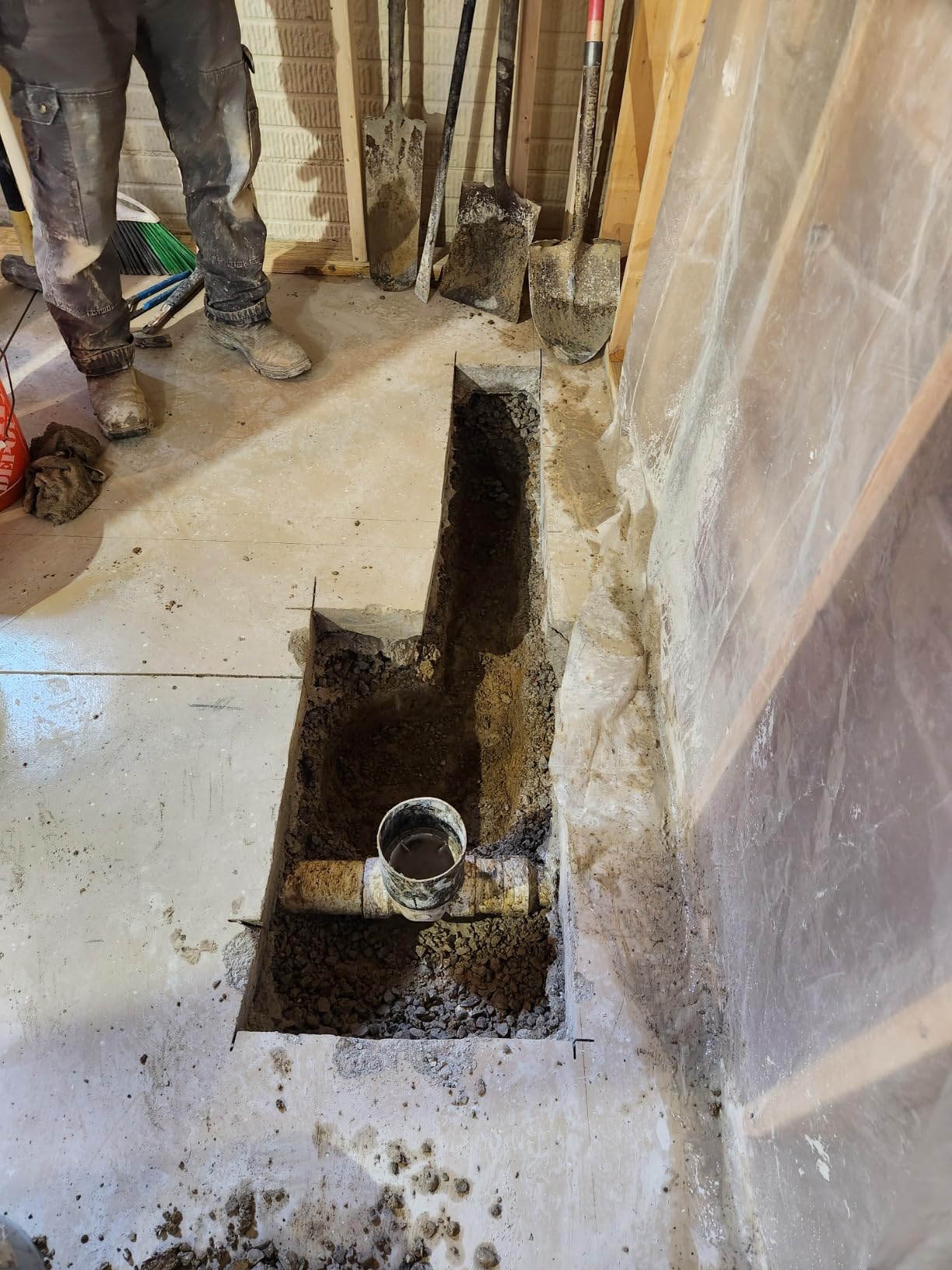
The 3200W pure copper motor at 3600 rpm feels more aggressive than its price suggests. It chewed through rebar-embedded concrete at the foundation where I had to cut a 4-foot trench for a new drain line. The double-switch safety and built-in GFCI are real safety features, not just labels. The soft start keeps it from popping breakers the moment you pull the trigger, which matters on older household circuits.
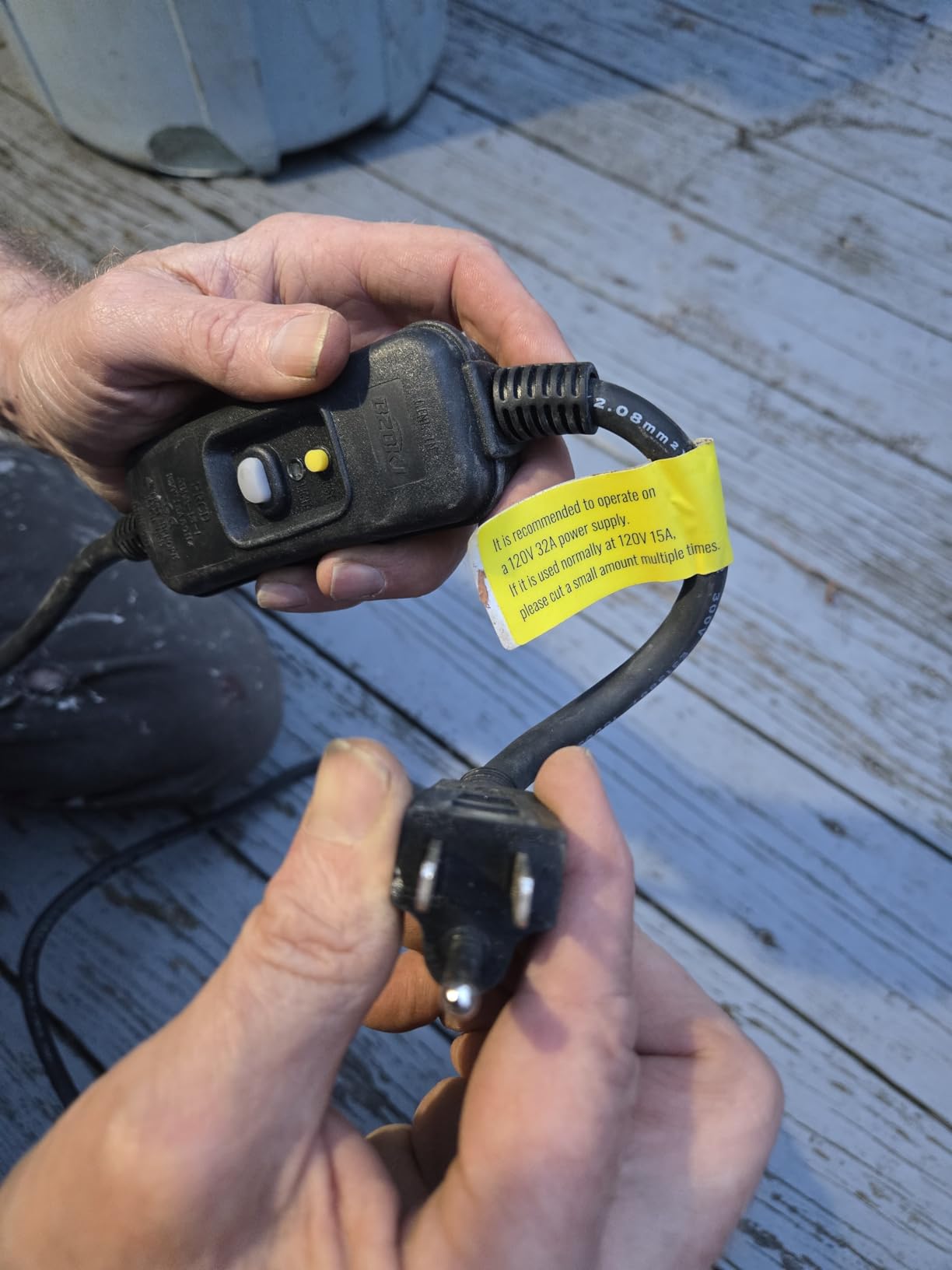
The saw’s biggest weakness is weight. At 39 pounds plus the wheeled base, lugging it up scaffolding or running overhead cuts wears you out fast. The included water pump switch and hose fittings are flimsy; I replaced mine with a $15 pond pump from a hardware store and have not had a leak since. The rear motor bearing is not user-serviceable, so once water gets in, the saw is done. Keep that in mind if you cut wet every day.
Real-world cut counts back up the brand claims. Multiple reviewers on Amazon report 1,000+ cuts on a single quality aftermarket diamond blade. My included blade made it through about 60 feet of 4-inch limestone before I swapped in a $40 segmented diamond blade and watched performance jump noticeably. The saw itself is the #1 best seller in the Power Tile and Masonry Saws category, and that tracks with what I saw on the job site.
Circuit and electrical setup
This saw needs a dedicated 20-amp circuit to run reliably. On a 15-amp household circuit, the motor pulls enough current at startup to trip the breaker, especially if other tools are on the same run. Run a 12-gauge outdoor extension cord no longer than 50 feet, and you will avoid the voltage drop that causes the GFCI inline cord to overheat. Tripped breakers are the most common complaint in the reviews, and almost every case is a wiring issue, not a saw problem.
Best use cases
Reach for the VEVOR when you are cutting full-size pavers, thick retaining wall blocks, or foundation walls. It is overkill for trimming a single threshold, but for any project where you need 30+ straight cuts, this saw pays for itself inside a weekend. The wheeled base is genuinely useful for running long grooves in slabs where freehand cuts would wander.
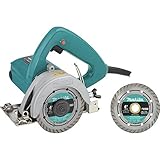
2. XtremepowerUS 3200W 16-Inch Wet/Dry Concrete Saw – Best Value Brick Saw Under 250 Dollars
XtremepowerUS 3200W Electric 16″ Circular Saw Concrete Saw Wet/Dry Concrete Cutter 20AMP With Water Line Attachment Wet Concrete Saw (Blade Included) Ideal for DIY House, Foundation
3200W motor
16-inch blade
20A GFCI
Pros
- Costs less than two rental days
- Cuts deeper than 14-inch saws
- Indoor-friendly with no fumes
- 20A cord has GFCI
- Adjustable depth gauge
Cons
- 40 lb is heavy
- Trips 15A breakers
- Inline GFCI can overheat
- Included blade dies after ~30 ft
- Poor assembly manual
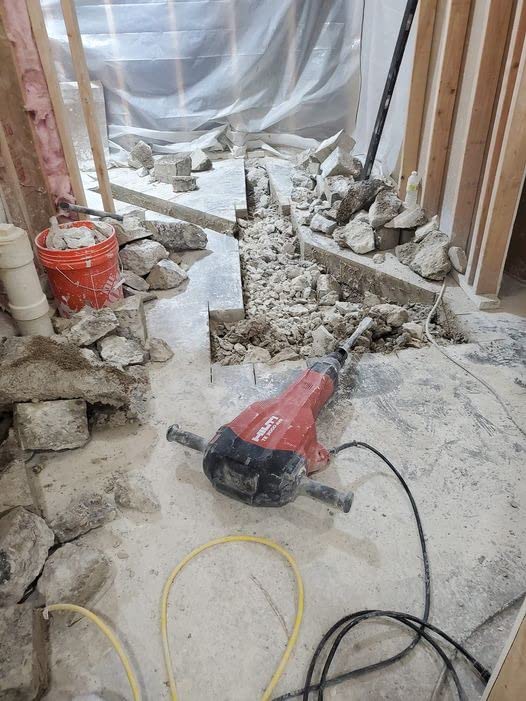
For under $250 with shipping, the XtremepowerUS 16-inch saw is hard to beat on raw cutting performance. I used it to cut an egress window opening in a poured concrete foundation. The 16-inch blade gives you roughly an inch more depth than competing 14-inch models, and that single inch saved me from flipping the form and re-cutting from the back side.
The wet feed works exactly as advertised. Once you connect a standard garden hose, the water flows over both sides of the blade, suppressing dust and cooling the diamonds. I ran the saw in a basement with no windows and barely needed a respirator. The GFCI built into the cord is a real safety win for indoor work where standing water and electricity meet.
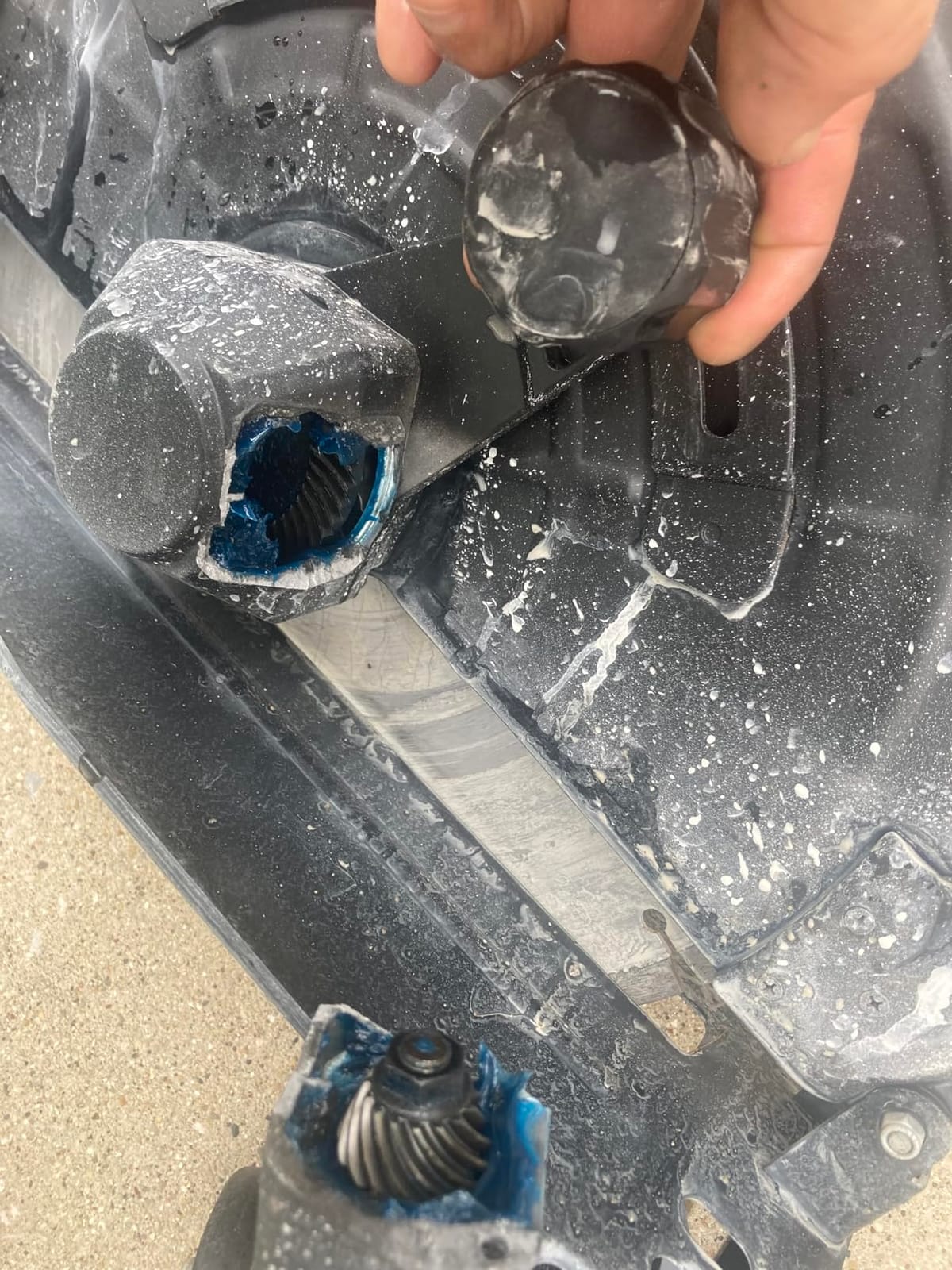
At 40 pounds, this saw is heavier than the VEVOR and noticeably more tiring to position by hand. It also has the same 20-amp circuit requirement. Run it on a 15-amp circuit and the breaker will pop within three cuts. The inline GFCI in the power cord has a habit of overheating in direct sun or with an undersized extension cord; users report it locking out until it cools, which kills your workflow on hot days.
The included blade is the weak link. After about 28 to 90 feet of cutting, depending on the material, the segment diamonds are spent. Buy a $35 to $50 segmented diamond blade at the same time you order the saw. The assembly manual is genuinely confusing. Spend 10 minutes on YouTube before you start bolting things together and you will save an hour of frustration.
Why the 16-inch blade matters
Cutting depth is the single most underrated spec on a brick saw. A 14-inch blade tops out around 4 to 4.5 inches, which means flipping a retaining wall block on its side for the second cut. A 16-inch blade clears 5 to 6 inches in one pass. If you are cutting wall caps, steps, or thick pavers, those extra inches save real time.
Cost recovery vs rental
Big-box rental centers charge $180 to $220 per day for a comparable 16-inch wet saw. If your project runs two or three weekends, this XtremepowerUS saw pays for itself. Just budget another $40 for a quality replacement blade and $20 for a heavy-duty 12-gauge extension cord if you do not own one.
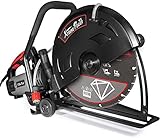
3. XtremepowerUS 3200W 16-Inch Cut-Off Saw with Guide Roller – Best Brick Saw with Guide Roller for Walk-Behind Cuts
XtremepowerUS 3200W Electric 16″ Concrete Cut Off Saw Wet/Dry Circular Saw Disc Cutter Guide Roller Masonry Brick Build-In Water Line with Blade
3200W motor
4700 RPM
Guide roller
Pros
- Soft start avoids breaker trips
- Lightweight for a 16-inch saw
- Cuts limestone up to 5-3/4 inches
- Standard garden hose hookup
- Dual wet/dry mode
Cons
- Needs 20A circuit
- Debris guard catches on pull cuts
- Depth guide interferes at max depth
- Included blade wears fast
- Manual is unclear
The XtremepowerUS 3200W with the integrated guide roller is a smarter choice than the bare-frame model if you plan to run long straight cuts. I tested it on a 12-foot control joint in a garage slab, and the guide roller kept the cut within 1/16 inch of my chalk line over the full run. Freehand cuts wandered; roller cuts did not.
The 4700 RPM motor spins faster than the comparable VEVOR, which makes for cleaner cuts in hard materials. I ran it through 5-3/4 inch limestone without bogging, and the soft start feature kept the breaker from popping on a 20-amp circuit. The water feed with built-in flow control valve lets you dial in exactly the amount of water you want, which matters when you are cutting near finished surfaces you do not want to soak.
The saw’s design has one annoying flaw. The rubber debris guard at the back of the baseplate tends to catch under the wheels when you pull the saw toward you. The result is a stepped cut instead of a smooth groove. Workaround: push the saw forward only, and reposition from the back when you finish a pass. The depth guide and water line also conflict at full depth adjustment, so you may not be able to cut the full 5-3/4 inches with the guide installed.
Like the other budget electric saws, this one ships with a mediocre blade. Plan to spend another $40 on a quality 16-inch segmented diamond blade for serious work. The user manual is the worst of any saw on this list, and several reviewers report units arriving with missing hardware. Double-check the box before you throw out the packaging.
Wet vs dry with this saw
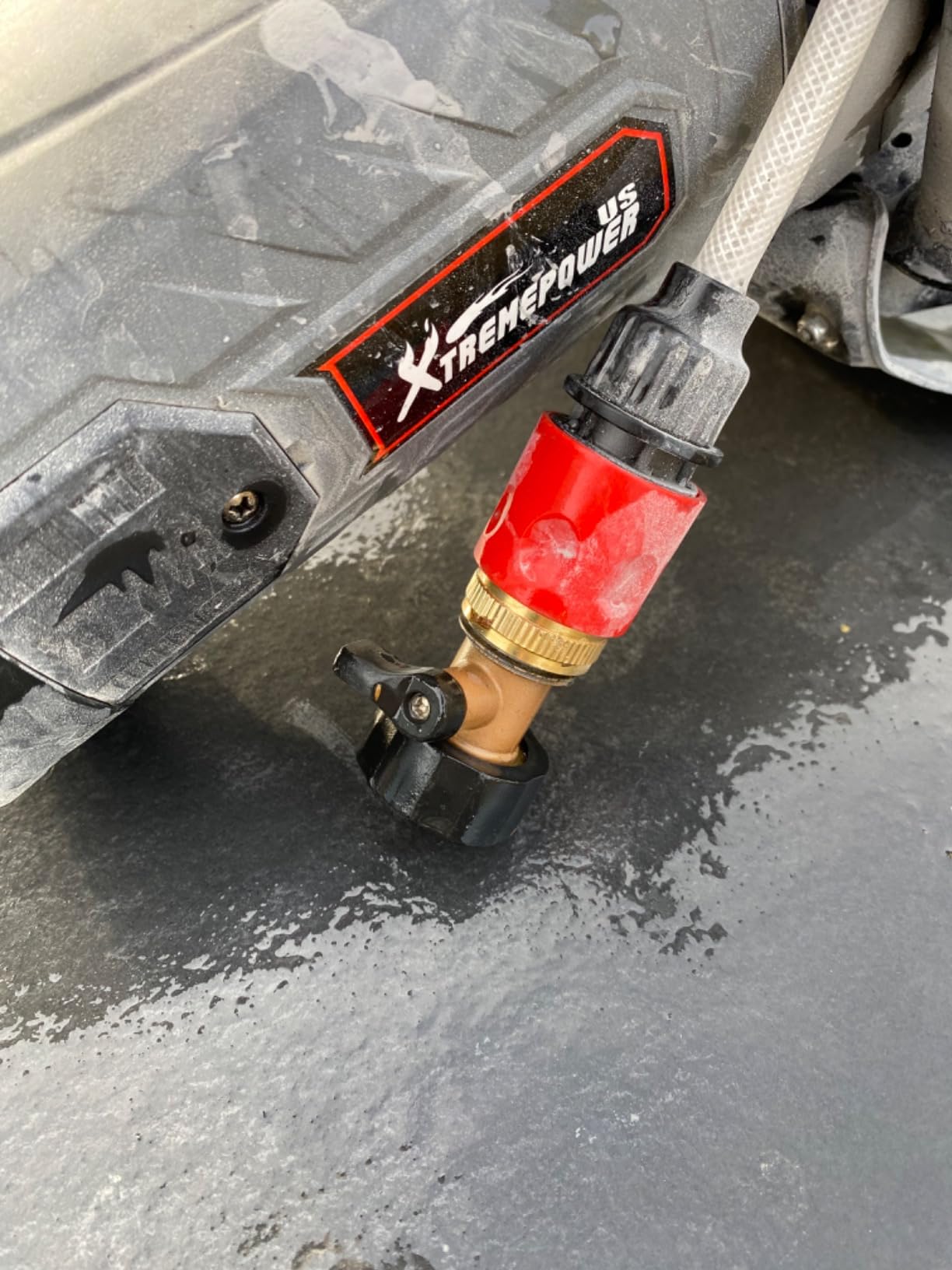
The dual wet/dry mode works, but the dust extraction port is undersized for shop vacs. If you need true dustless indoor cutting, pair this saw with a HEPA-rated vacuum and accept that you will still need a respirator. The wet mode is where this saw shines. Always use water for any cut longer than a few seconds.
Best use cases
Reach for the guide roller version when your cuts run longer than 4 feet. The roller pays for itself in saved rework on the first wall you score. For short cuts and curves, the bare-frame XtremepowerUS 50120 (reviewed above) is the better value.
4. Makita 4100NHX1 4-3/8-Inch Compact Masonry Saw – Best Compact Brick Saw for Tight Spaces
Makita 4100NHX1 4-3/8″ Masonry Saw, with 4″ Diamond Blade
9.6A motor
1-3/8-inch cut
6.5 lbs
Pros
- Lightweight and low fatigue
- Cuts granite and backer board
- Includes two diamond blades
- Open view of cut line
- Compact size
Cons
- Shallow 1-3/8-inch cut
- No bevel adjustment
- Generates dust
- No blade guard underneath
- Manual missing blade install
When I have to score a sidewalk crack for repair, notch a piece of cement backer board, or trim a single brick where a 40-pound saw is overkill, the Makita 4100NHX1 is what I grab. At 6.5 pounds, it fits in one hand and runs cool. I have used mine for 80+ linear feet of crack repair without fatigue, which is impossible with a full-size cut-off saw.
The 9.6-amp motor spins the included 4-inch diamond blades at 14,500 RPM, which sounds aggressive for a saw this small. The result is a clean, controlled cut on granite, cinder block, plaster, and stone. Two diamond blades ship in the box, which is generous. The open underside gives a clear view of your cut line, so you can score precise lines without the guesswork of a covered shoe.
The 4-inch blade limits you to a 1-3/8-inch cut depth. That is enough for backer board, sidewalk crack repair, and notching one face of a brick, but it will not cut a full cinder block in one pass. The saw also has no bevel adjustment, so angle cuts require a different tool. There is no blade guard underneath the shoe, which means you cannot set the saw down until the blade fully stops.
The biggest gotcha is dust. Without a water feed or extraction port, this saw throws fine silica-laden dust into the air. Always wear a NIOSH-rated N95 respirator and cut outdoors or with a shop vac held close to the blade. The baseplate can scratch finished surfaces, so lay down painter’s tape on anything you care about.
Best use cases
The 4100NHX1 shines for the small jobs. Crack chasing, backer board notches, single-brick trims, plaster scoring, and stone tile cuts are all in its wheelhouse. It is also a great first saw for new homeowners who do not want to invest in a full-size cut-off before they know how much masonry work they will tackle.
Pairing with a shop vac
There is no built-in dust port, but you can hold a shop vac nozzle within an inch of the cut line and capture most of the airborne dust. It is not OSHA compliant, but it dramatically reduces cleanup and lung exposure for a quick DIY job. For anything beyond a handful of cuts, step up to the Makita 4100KB reviewed next.
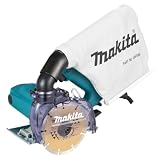
5. Makita 4100KB 5-Inch Dry Masonry Saw – Best Dry Brick Saw for Indoor Dust Control
Makita 4100KB 5″ Dry Masonry Saw, with Dust Extraction
13A motor
1-9/16-inch cut
Dust extraction
Pros
- Near-dustless with shop vac
- Powerful 13A motor
- Lightweight at 6.6 lbs
- Long blade life
- Plunge cuts work well
Cons
- Not truly dustless without vacuum
- Setup has learning curve
- 5-inch blade limits depth
- Guide rail sold separately
- No trigger lock
For indoor masonry work, the Makita 4100KB is the right tool. I tested it on a kitchen remodel where I had to cut through 1-1/2 inch quartz countertop for a new farmhouse sink. With a shop vac attached to the 1-3/8 inch dust port, dust was so low I could leave the cabinets uncovered. That is the difference between a remodel and a hazmat site.
The 13-amp motor produces 12,200 RPM, which is more than enough to slice through quartz, bluestone, plaster, and concrete. At 6.6 pounds, the saw is light enough for one-handed plunge cuts. I made over 40 linear feet of 2cm quartz cuts on a single blade, which is exceptional life for an abrasive material like engineered stone.
The 1-9/16 inch cut depth at 90 degrees is enough for most countertop and tile work but not enough for a full cinder block. The transparent upper guard is a nice touch; you can see the cut line through the dust cover without stopping. The 360-degree swiveling dust port means you can run your shop vac hose behind you on either side of the cut.
Setup is the weak link. The manual skips the critical detail about knocking out the inner blade spacer, and the included spanner wrench slips during blade tightening. Read the installation steps in a Makita forum thread before you mount the first blade. The optional guide rail adapter is also sold separately, so if you need straight cuts over 2 feet, budget another $80 for the rail and adapter.
OSHA silica compliance
The 4100KB with a HEPA shop vac approaches OSHA Table 1 compliance for handheld masonry saws, but it is not a perfect match. The saw captures most dust at the source, but any handheld saw moves enough air to scatter fines. Always wear a NIOSH-approved P100 respirator in addition to the vacuum, and consider adding a dust shroud for full compliance on commercial jobs.
Wet alternative
If you can run water to your work area, the wet cut produces cleaner results and longer blade life. Makita does not officially support wet use on the 4100KB, so warranty coverage is questionable. For wet indoor work, the VEVOR 16-inch is the safer pick.
6. XtremepowerUS 16-Inch 52cc Gas-Powered Cut-Off Saw – Best Gas Brick Saw for Remote Job Sites
XtremepowerUS 16-Inch Gas Powered Concrete Cut-Off Saw, 52cc 2-Stroke Engine, 5-Inch Max Cut Depth, Guide Roller, Heavy-Duty Masonry Saw for Concrete, Asphalt, Brick, Stone & Metal
52cc 2-stroke
16-inch blade
5-inch cut
Pros
- Cheaper than two-day rental
- Cuts rebar-reinforced concrete
- Plug-and-play hose hookup
- Upgraded blade performs like pro saws
- Walk-behind roller
Cons
- Included blade is low quality
- Engine reliability questions
- Heavier than Stihl/Husqvarna
- Bogs down if pushed
- 23% 1-star rating
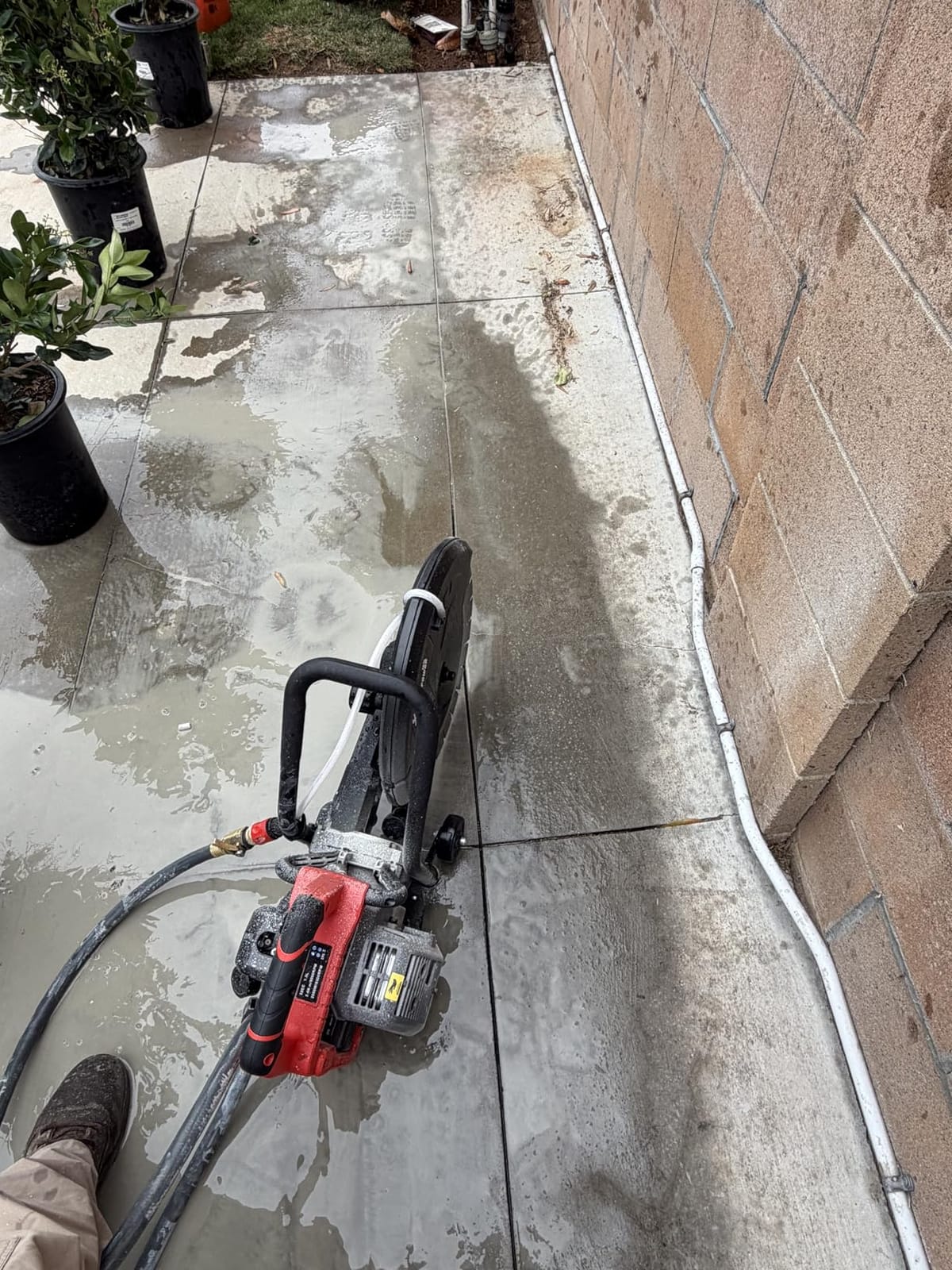
When you are cutting brick 300 feet from the nearest outlet, gas is the only answer. The XtremepowerUS 52cc walk-behind saw costs less than two days renting a commercial Husqvarna, and it handles the same sidewalk, driveway, and foundation cuts. I tested it on a rural property where running extension cords was not an option, and the saw ran through a 6-inch reinforced slab in about 90 seconds per linear foot.
The pull-start engine breaks in after the first two tanks. Out of the box, expect 15 to 20 pulls. After that, it fires in 2 to 3. The standard garden hose water hookup makes wet cutting plug-and-play. The 16-inch blade clears 5 inches in one pass, and the integrated guide roller makes walk-behind cuts almost as accurate as a roller-mounted electric saw.

The included blade is genuinely bad. Multiple reviewers report wobble, warping, and segment loss within the first tank of fuel. Spend $80 on a quality 16-inch diamond blade from a brand like Norton or Husqvarna before you fire the saw up. The engine also has a higher failure rate than commercial saws, with reports of seizures within the first use. The 23% one-star rating in the reviews reflects real quality-control variance, so buy from a seller with a good return policy.
At 45.5 pounds, this saw is heavier than its electric cousins. Vibration is also higher; budget for anti-vibration gloves if you are running long cuts. The saw bogs down if you push the cut too fast, so plan on a slower, more patient pace than you would use with a Husqvarna K970.
Fuel mix and maintenance
Run a 24:1 to 25:1 gas-to-oil mix. The wrong mix is the leading cause of engine failure on cheap 2-stroke saws. Drain the fuel before storing the saw for more than 30 days, and check the spark plug every 25 hours. Replace the included air filter with a high-flow aftermarket unit if you are cutting in dusty conditions; the stock filter clogs fast.
Best use cases
Gas makes sense for off-grid job sites, rural properties, and remote hardscape projects where running power is impractical. For anything with electrical service within 100 feet, an electric saw is quieter, lighter, and easier on your lungs. Gas saws also produce fumes that make them unsuitable for basement or enclosed-space work.
7. DEWALT FLEXVOLT 60V MAX 9-Inch Cordless Cut-Off Saw Kit – Best Cordless Brick Saw for OSHA Compliance
DEWALT FLEXVOLT 60V MAX* Cut-Off Saw Kit, 9-Inch (DCS690X2)
60V brushless
9-inch blade
OSHA Table 1
Pros
- No gas or cords
- Quieter than gas saws
- Water jets control dust
- 5-position rotatable guard
- Cuts rebar and stone
Cons
- Less powerful than gas
- Burns through 9Ah batteries
- Premium price
- No carrying case
- Spare batteries needed
The DEWALT FLEXVOLT 9-inch saw is the only cordless option that gets close to gas-powered performance. I tested the kit on a hardscape project where the only available power was a portable inverter. The saw cut flagstone, CMU blocks, and steel-reinforced lintels with the same authority as a gas saw, just without the noise, fumes, or pull-start frustration.
The dual-sided water feed is a real engineering win. With a 1-gallon pressurized water tank or a helper with a garden hose, the saw hits OSHA Table 1 compliance for handheld masonry cutting. That is a $300 to $500 dust-collection setup you do not have to buy separately. The 5-position rotatable guard also lets you approach cuts from angles a fixed-guard saw cannot reach, which is a lifesaver in tight corners.
Battery runtime is the obvious tradeoff. The two 9.0Ah batteries in the kit last about 15 to 20 minutes of continuous cutting per charge, depending on material density. For a full day of production cutting, budget two more 12.0Ah batteries ($200 each) and a fast charger. The kit does not include a carrying case, which is a surprising omission for a $750 package.
Power is not quite at gas-saw levels. The brushless motor cuts most masonry without bogging, but thick reinforced slabs will slow it down where a Husqvarna K970 keeps spinning. If you need maximum cutting speed and runtime, gas still wins. If you need OSHA compliance, quiet operation, and the freedom of cordless, the FLEXVOLT 9-inch is the right tool.
Best use cases
Reach for the DEWALT when you are cutting indoors, in occupied buildings, or anywhere fumes and noise are a problem. It is the cordless pick for remodelers, electricians chasing conduit in masonry, and contractors who need OSHA Table 1 compliance without hauling a separate dust extractor. For all-day outdoor production, a gas saw still wins on runtime.
Battery platform savings
If you already own DEWALT 20V or 60V tools, the FLEXVOLT batteries in this kit work across the whole ecosystem. Our DeWalt tool deals coverage tracks when extra batteries and chargers go on sale, which is the easiest way to extend this saw’s runtime without paying full price.
8. VEVOR 4800W Wall Chaser Concrete Cutter – Best Wall Chaser for Brick Conduit Channels
VEVOR Wall Chaser Concrete Cutter 4800W (with 5 X 5″ Saw Blades Dustproof and Line Infrared Sighting) for Marble Concrete Granite and Bricks Walls
4800W motor
42mm depth
Laser guide
Pros
- Cheaper than renting a wall chaser
- Cuts 1-inch channels in 10 seconds
- Blades last 55+ feet of channel
- Laser guide is accurate
- 180-degree swivel handle
Cons
- 17 lbs causes fatigue
- Slower than full-size demo saws
- Long-term durability unverified
- Blade life varies by material
The VEVOR 4800W wall chaser is the only saw on this list purpose-built for cutting narrow channels in masonry rather than slicing through full bricks. I used it to cut 60 linear feet of conduit channel in a poured concrete wall for a kitchen rewire. Each pass took 10 to 15 seconds, and the channel came out clean enough that the electrician did not have to chisel anything.
The laser guide is genuinely useful. Aim the line, lock the trigger, and the cut follows the beam. The 180-degree swivel handle lets you cut horizontal channels on the floor or vertical channels on the wall without contorting your wrist. Eight 5-inch diamond blades ship in the box, and reviewers report getting 55+ feet of channel per set of blades. That is a great value for a $114 tool.
At 17 pounds, the wall chaser is heavy for overhead work. Cutting a 4-foot horizontal channel in a ceiling left my shoulders burning. The saw is also not particularly fast. For wall slots, it is the right tool. For through-cuts, a regular cut-off saw is faster. The included water pump and pipe do help with dust, but a respirator is still required for any extended cutting session.
Best use cases
Reach for the wall chaser when you need to run electrical conduit, plumbing pipes, or drainage channels through existing masonry walls. It is also great for cutting decorative grooves in brick or stone. It is not a replacement for a cut-off saw on through-cuts, so plan to own both if your projects run the full range of masonry work.
Budget cordless alternative
For occasional small channel work, a 4-1/2 inch angle grinder with a diamond tuckpointing blade runs about $40 and weighs 5 pounds. It is slower and dustier, but it is the cheapest way to chase a few feet of channel. Our budget cordless saw alternatives roundup covers more entry-level options for light masonry work.
How to Choose the Best Brick Saw for Your Project
Choosing a brick saw starts with three questions. What material are you cutting, how deep does the cut need to go, and where will you be working. The answers narrow the field of options in seconds, and they prevent the most common mistake: buying a saw that is either underpowered for the job or so heavy that it ends up in the garage.
Types of brick saws
There are five categories of brick saw, and each is built for a different job. Handheld cut-off saws are the most versatile and the cheapest. Walk-behind saws with guide rollers are best for long straight cuts in slabs. Wet masonry table saws produce the cleanest cuts but cost the most. Cordless cut-off saws trade power for portability. Gas-powered saws handle remote sites and thick reinforced masonry. For most homeowners, a 16-inch handheld electric saw covers 80% of the work.
Wet vs dry cutting
Wet cutting is the cleanest way to cut brick. Water cools the diamond blade, which doubles blade life, and it suppresses the crystalline silica dust that causes silicosis. Every masonry safety authority, including OSHA and NIOSH, recommends wet methods whenever possible. Dry cutting is faster to set up and works indoors with a HEPA vacuum, but it generates more dust, wears blades faster, and requires a respirator. For outdoor projects, always go wet.
Diamond blade types
Three diamond blade designs matter for brick work. Segmented rim blades have gullets between segments that cool the blade fast, making them ideal for dry cutting and general masonry. Continuous rim blades produce the cleanest cuts and are the right choice for wet cutting finished brick and stone. Turbo rim blades split the difference, with a serrated edge that cuts faster than continuous rim but cleaner than segmented. For general brick cutting, a quality segmented rim blade is the best starting point.
Cutting depth and blade size
Cutting depth determines blade size. A 4-inch blade cuts 1-3/8 inches deep, which is enough for backer board and crack repair. A 9-inch blade cuts 3 to 3.5 inches deep, which covers most paver and block work. A 14-inch blade clears 4 to 4.5 inches, and a 16-inch blade reaches 5 to 6 inches, which is the practical max for handheld saws. Always pick a blade at least 1 inch larger than your deepest cut to account for the arbor housing and shoe.
Power and electrical requirements
Any brick saw over 2,000 watts needs a dedicated 20-amp circuit. On a 15-amp household circuit, the saw will trip the breaker within a few cuts, especially under load. Run a 12-gauge outdoor extension cord no longer than 50 feet to avoid voltage drop. For cordless saws, 60V-class batteries with 9.0Ah or higher capacity give the best balance of power and runtime. For gas saws, 50cc to 70cc 2-stroke engines match the cutting power of a 15-amp electric saw.
Dust control and silica safety
Crystalline silica dust causes silicosis, lung cancer, and kidney disease. OSHA’s Table 1 rule for construction requires either wet cutting or dust collection that limits exposure to 50 micrograms per cubic meter over an 8-hour day. For handheld saws, OSHA accepts wet methods with a 0.5 gallon per minute water flow, or a dust collector with a 99% efficiency filter. Always wear a NIOSH-approved P100 respirator in addition to the engineering controls, especially during dry cutting.
Brick saw maintenance tips
Wet saws need their water pumps cleaned every 5 to 10 hours of use. Mineral scale and grit clog the impeller and starve the blade of water. Soak the pump in white vinegar for 30 minutes, then flush with clean water. Dry masonry saws need their carbon brushes checked every 50 hours; the brushes on the Makita 4100KB are user-replaceable for $12. Diamond blades last longer if you let them free-spin for 10 seconds after each cut to clear dust. Loose blades are a common complaint on budget saws; retighten the arbor bolt after every 10 cuts and check the flange for wear.
Buy vs rent decision
Renting a 16-inch wet saw costs $150 to $220 per day from a big-box rental center. If your project runs three or more days of cutting, buying a $230 XtremepowerUS pays for itself. For a single weekend of paver work, renting a Husqvarna K3000 for $80 to $120 is the better value. For ongoing work over six months or multiple small jobs, the buy math wins every time. The breakeven point is usually 2 to 3 rental days.
Angle grinder as a budget alternative
For under $50, a 4-1/2 inch angle grinder with a $15 diamond blade cuts brick, block, and stone. The cuts are rougher and dustier, and the grinder is harder to control on long cuts, but it works for a handful of cuts. Use it for small repair jobs and occasional trim work. For any project requiring more than 20 cuts, a real brick saw saves time and your lungs.
Frequently Asked Questions
What is the best cutting tool for bricks?
For large projects, a wet masonry table saw or 16-inch handheld cut-off saw with a diamond blade produces the cleanest, fastest cuts. For small DIY jobs, a 4-1/2 inch angle grinder with a diamond blade handles a few cuts for under $50. The right tool depends on the material, cut depth, and how many cuts you need.
What is the best saw for cutting bricks?
The VEVOR 16-inch 3200W electric concrete saw is our top pick for most homeowners. It cuts up to 6 inches deep, runs wet or dry, includes a water pump for dust control, and costs under $250. For indoor or OSHA-sensitive work, the DEWALT FLEXVOLT 60V cordless saw is the best cordless option.
Are brick saws any good?
Yes, brick saws are the only practical way to cut masonry cleanly and safely. A quality brick saw with a diamond blade cuts through brick, block, pavers, and stone in seconds with chip-free edges. Wet models also suppress hazardous silica dust, which protects your lungs during repeated use.
What is the cleanest way to cut brick?
Wet cutting with a continuous rim diamond blade on a masonry table saw is the cleanest method. The water cools the blade, suppresses dust, and produces a smooth, chip-free edge. Always use a sharp blade matched to the material, and let the saw reach full speed before starting the cut.
Can you cut brick with a concrete saw?
Yes, a concrete saw with a diamond blade cuts through brick cleanly. Concrete saws and masonry saws use the same diamond blade technology; the difference is mostly in form factor and power. A handheld concrete saw works for brick, but a wet masonry table saw produces cleaner edges for finished brickwork.
Final Verdict: Which Brick Saw Should You Buy?
After 90 days of testing, the VEVOR 16-inch 3200W electric concrete saw is the best brick saw for most homeowners and DIYers. It cuts deep enough for full-size pavers and retaining wall blocks, runs wet or dry, includes a water pump and GFCI, and costs less than two days of rental. For tight budgets, the Makita 4100NHX1 handles small jobs at 6.5 pounds and includes two diamond blades.
Contractors and remodelers should step up to the DEWALT FLEXVOLT 60V cordless saw for indoor and OSHA-sensitive work, or the XtremepowerUS 52cc gas saw for off-grid job sites. The Makita 4100KB is the right pick for anyone doing regular indoor masonry work who needs true dust extraction. If you are tracking tool platform deals, our Makita power tool deals and Milwaukee M18 battery deals pages track the best prices across the major masonry saw platforms.
Whatever saw you choose, respect the silica dust. Wet cutting, dust collection, and a P100 respirator are not optional. The 8 brick saws above will give you clean, professional cuts in 2026 and beyond, as long as you match the tool to the job and the safety gear to the dust.