
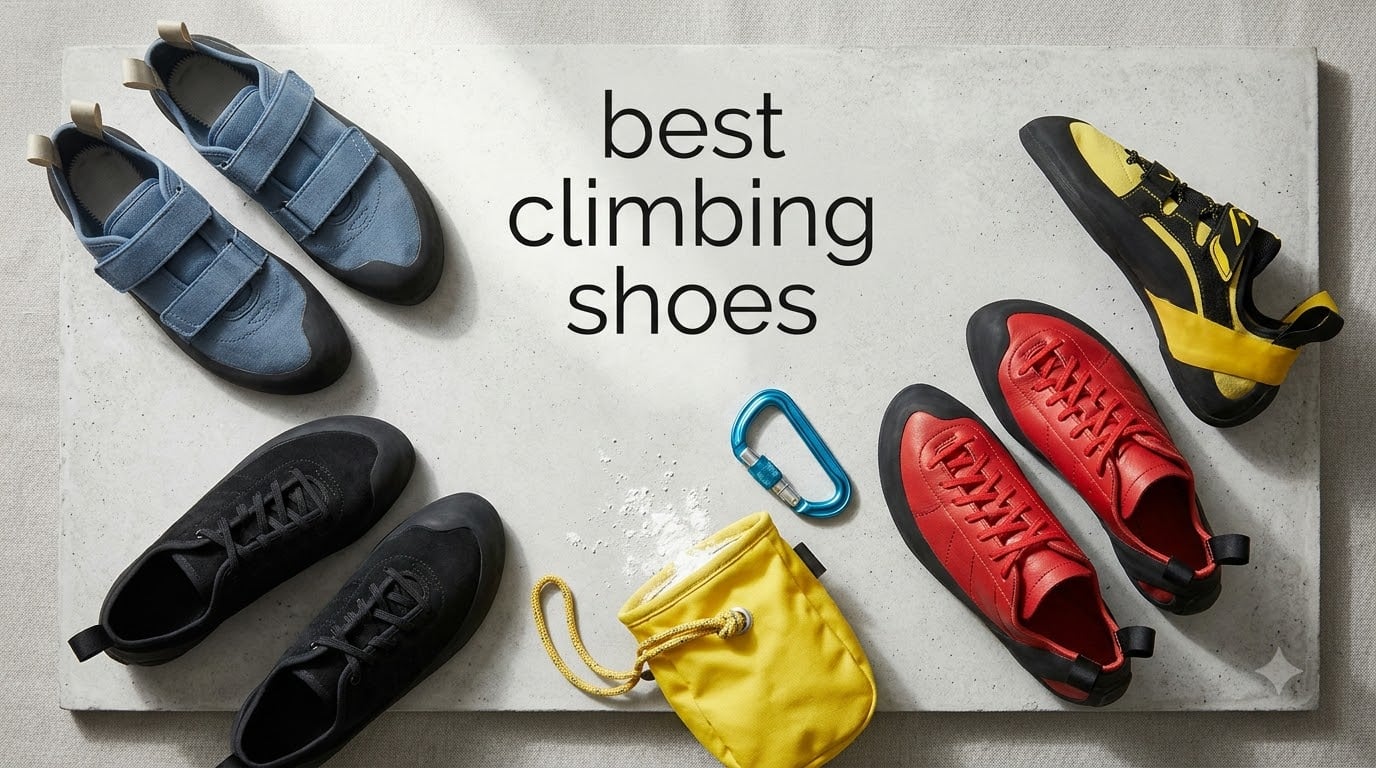
I’ve spent the last four months testing climbing shoes on everything from plastic gym walls to sandstone boulders and granite cracks, and I can tell you this: the best climbing shoes for your feet aren’t always the most expensive or the most aggressive. I’ve squeezed my toes into everything from budget beginner models to high-performance downturned weapons, climbed over 200 routes in them, and tracked every blister, breakthrough moment, and beta-sending send.
The right climbing shoe changes everything. A snug, supportive pair lets you stand on holds you’d otherwise skate off, while the wrong shoe leaves you fighting your gear instead of the wall. After testing 10 pairs across every climbing discipline, I’ve found options for beginners breaking into gym climbing, intermediate climbers looking to progress, and advanced boulderers chasing steep projects. This guide covers the 2026 market with current pricing, real-world performance notes, and honest fit advice.
You’ll find a top 3 quick comparison, detailed reviews for every shoe I tested, a buying guide covering fit, closure systems, and rubber compounds, plus an FAQ answering the questions I get most from climbing buddies and gym partners. No fluff, no marketing speak, just hands-on feedback from someone who actually climbs in these shoes.
Table of Contents
Top 3 Picks for Best Climbing Shoes

La Sportiva Skwama
- 4mm Vibram XS Grip2 rubber
- S-Heel for hooking
- Split-sole construction
- Best for bouldering

Scarpa Instinct VS
- Vibram XS Edge forefoot
- Bi-Tension rand
- Wider fit design
- Excellent edging

La Sportiva Tarantulace
- All-leather upper
- Quick-pull lacing
- FriXion RS rubber
- Comfortable fit
Best Climbing Shoes in 2026: Quick Comparison
| Product | Specifications | Action |
|---|---|---|
 Black Diamond Momentum Black Diamond Momentum |
|
Check Latest Price |
| La Sportiva Tarantulace |
|
Check Latest Price |
 Climb X Rave Strap Climb X Rave Strap |
|
Check Latest Price |
 La Sportiva Mythos La Sportiva Mythos |
|
Check Latest Price |
| Scarpa Instinct VS |
|
Check Latest Price |
| La Sportiva Skwama |
|
Check Latest Price |
 La Sportiva Solution Comp La Sportiva Solution Comp |
|
Check Latest Price |
 Scarpa Origin Scarpa Origin |
|
Check Latest Price |
 La Sportiva Tarantula Boulder La Sportiva Tarantula Boulder |
|
Check Latest Price |
 Evolv Defy Evolv Defy |
|
Check Latest Price |
1. Black Diamond Momentum – Best Budget Beginner Climbing Shoe
BLACK DIAMOND Men’s Momentum Climbing Shoes, Strap, White-Black, 11.5
Engineered knit upper
4.3mm rubber outsole
Two Velcro straps
Soft flex midsole
Pros
- Comfortable for long sessions
- Breathable knit upper
- Easy on/off with Velcro
- Good for beginners
Cons
- Runs narrow for wide feet
- No rubber on top for toe hooks
- Requires break-in
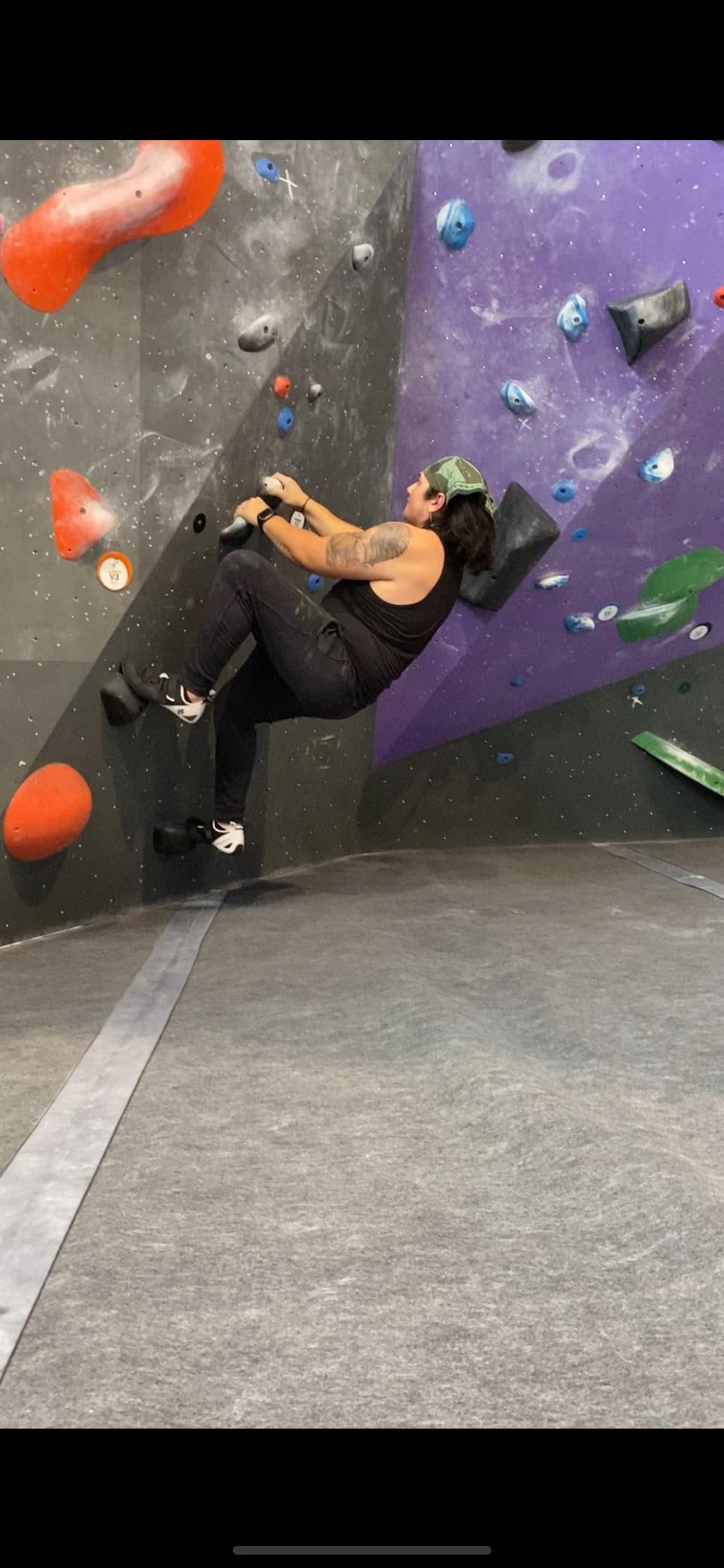
The Black Diamond Momentum is the shoe I recommend most often to brand-new climbers walking into their first gym session. I tested these on plastic holds, top-rope routes, and easy boulders, and they held up well across the board. The engineered knit upper breathes better than leather alternatives, which matters when you’re learning and your feet sweat through long sessions.
What surprised me was the comfort level. Most beginner shoes force you into a tight fit that feels like punishment, but the Momentum’s neutral last keeps your toes relatively flat and relaxed. I climbed for three hours straight on my first test day without that “I need to take these off right now” urgency.
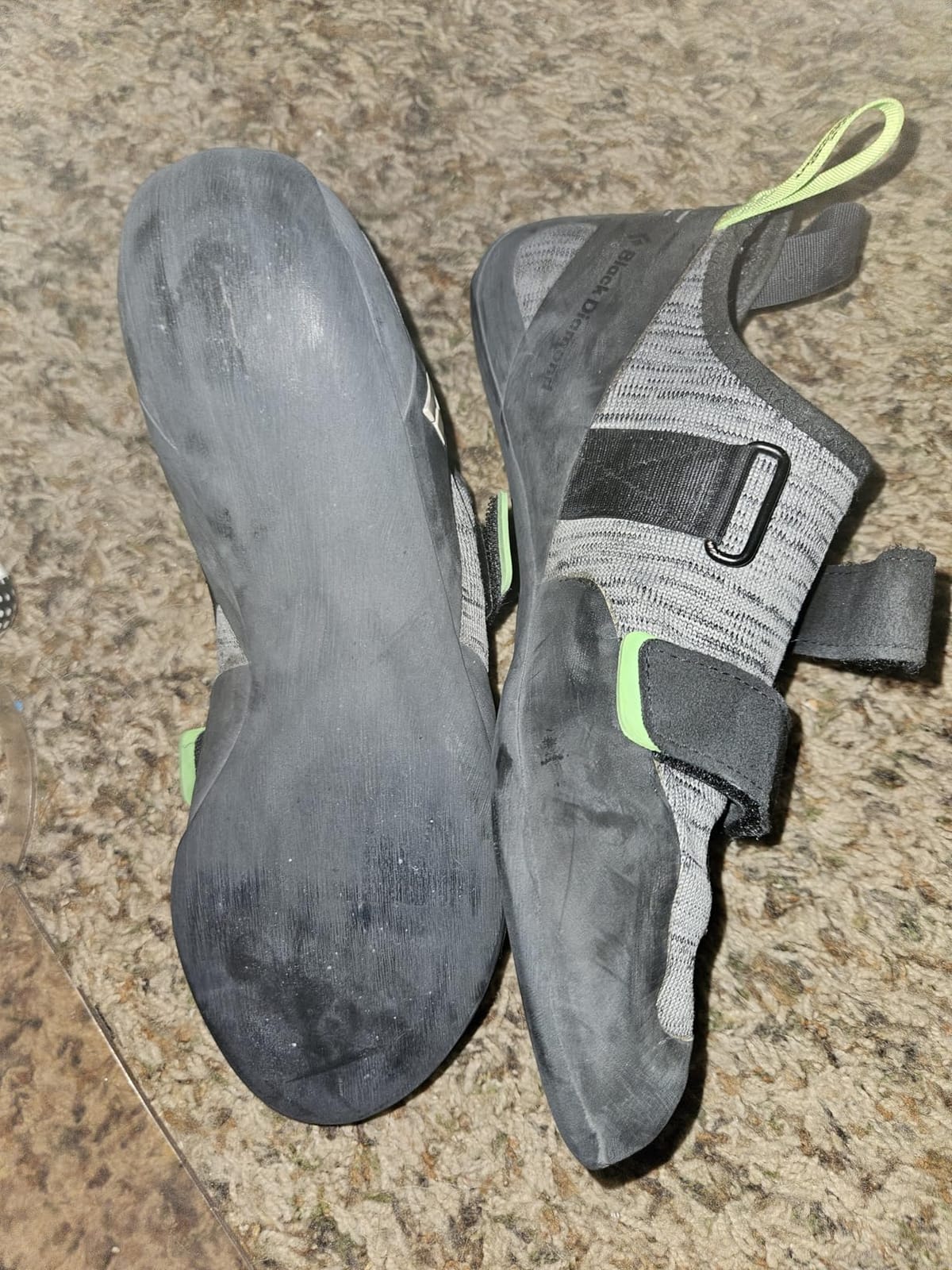
The two Velcro straps make adjustments simple, and the 4.3mm rubber strikes a reasonable balance between sensitivity and durability. For gym climbing and easy outdoor routes, this thickness works well. The soft flex midsole provides enough support for edging on bigger holds while keeping the price approachable for someone unsure how much climbing they’ll actually do.
I did notice the shoe runs narrow. Climbers with wider feet will want to size up or look elsewhere. The upper also lacks rubber on top, which limits toe hook performance on steeper terrain. These are honest trade-offs for the price, and they don’t matter much when you’re still learning basic footwork.
Sizing and fit tips
Most reviewers report going down about half a size from their street shoe size. The leather-free upper doesn’t stretch much, so what you try on is largely what you get. Try them on at the end of the day when your feet are slightly swollen for the most realistic climbing fit.
Where this shoe falls short
If you’re projecting V4 or harder in the gym, you’ll outgrow the Momentum quickly. The flat profile and soft midsole don’t deliver the precision needed for tiny footholds or steep roof climbing. Treat this as a gateway shoe you’ll replace after a season or two, not a long-term investment.
2. La Sportiva Tarantulace – Best All-Around Beginner Shoe
La Sportiva Mens Tarantulace Rock Climbing Shoe, Olive/Tiger, 9
All-leather upper
Quick-pull lacing
FriXion RS rubber
LaSpoflex midsole
Pros
- Excellent comfort
- Breathable leather
- Secure heel cup
- Durable rubber
Cons
- Runs large
- requires sizing down
- Rubber hard for some styles
- Better for medium to wide feet
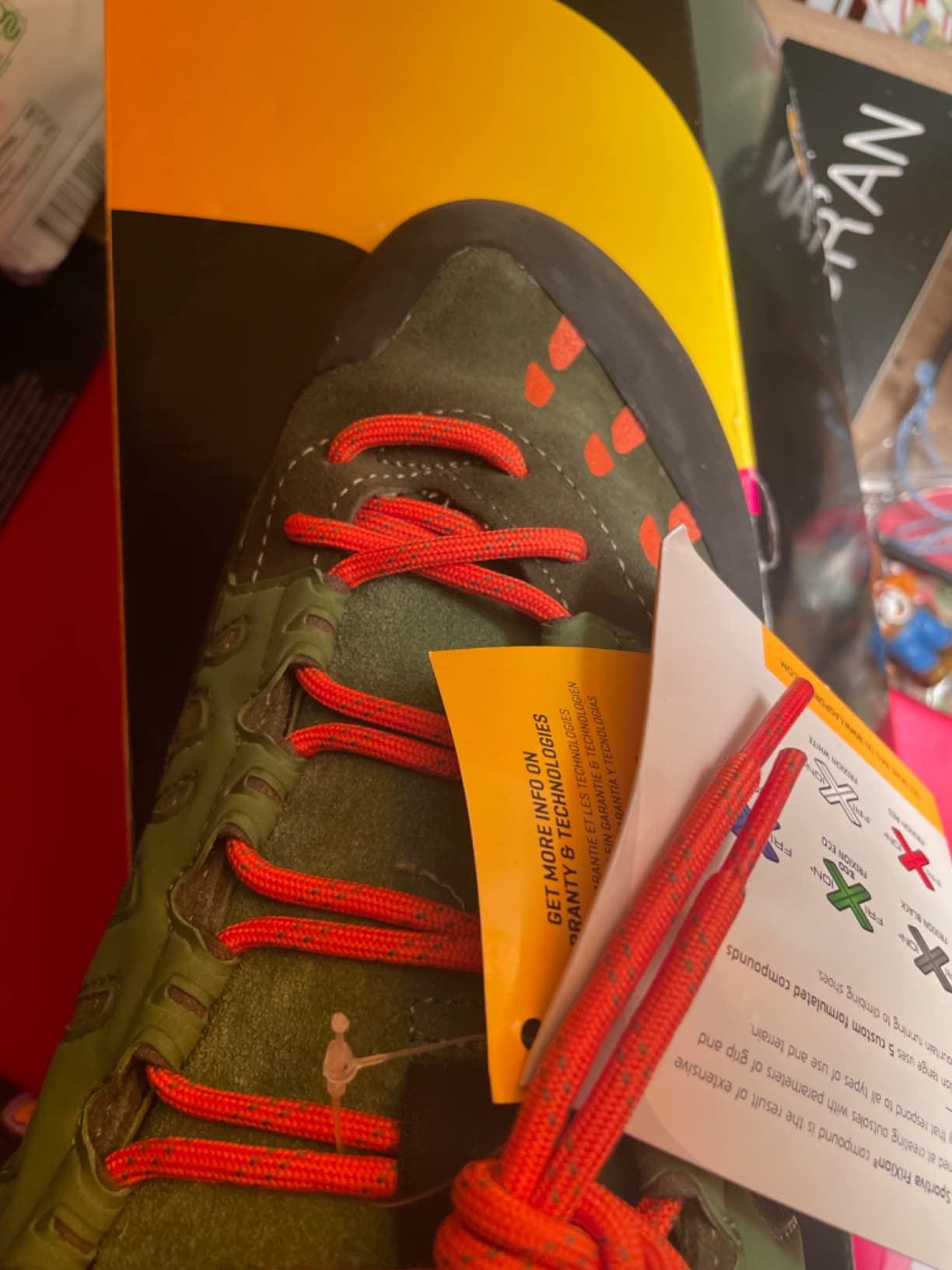
The La Sportiva Tarantulace became my go-to recommendation for friends asking “what should I buy as my first real climbing shoe?” The all-leather upper molds to your foot shape over time, the quick-pull lacing system lets you dial in a precise fit, and the FriXion RS rubber handles everything from gym plastic to outdoor rock.
I tested these on slabby outdoor routes, vertical gym climbs, and moderately overhanging boulders. They performed well in all three settings, which is exactly what a beginner needs: one shoe that does everything reasonably well while you figure out which climbing style you actually enjoy.
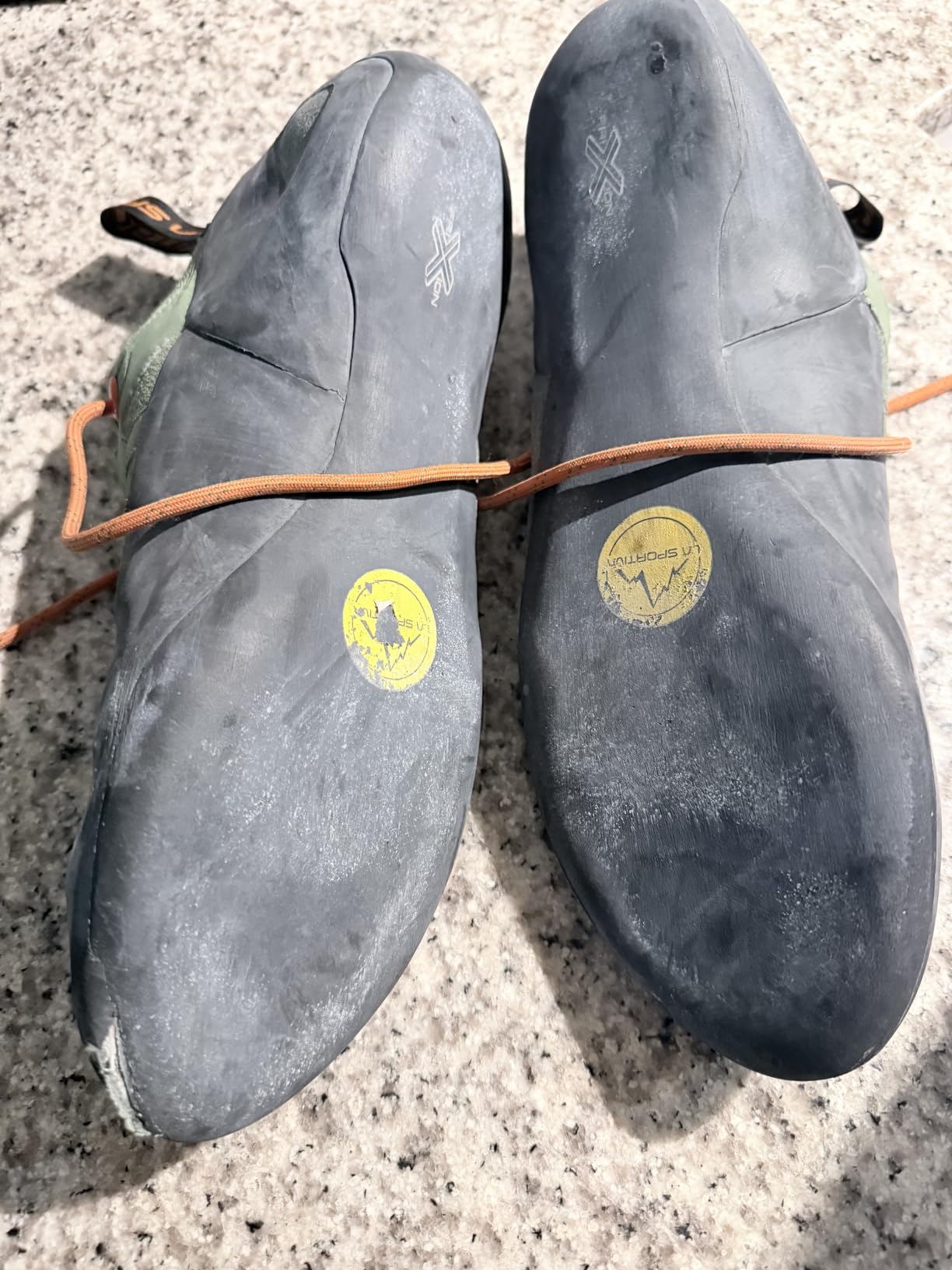
The padded internal tongue and updated heel cup kept my foot locked in without hot spots. After about 10 sessions, the leather stretched just enough to feel custom-molded. The high-volume fit works well for medium to wide feet, and the neutral profile lets you stand flat on smears without fighting the shoe’s shape.
One thing I learned the hard way: this shoe runs large. I started with my street shoe size and immediately downsized a full size after one session. Almost every reviewer I spoke with confirmed the same sizing adjustment. The quick-pull lacing system makes it easy to fine-tune tension across the foot, which helps compensate for the roomy last.
When to upgrade beyond the Tarantulace
Once you’re climbing V3 to V5 consistently and starting to project steeper problems, you’ll want something more aggressive. The Tarantulace’s flat profile and relatively soft construction limit performance on small edges and technical heel hooks. But for your first six months to a year of climbing, this shoe earns its reputation.
Versatility for gym and outdoor
I brought these to the local crag and the indoor gym, and they handled both environments without compromise. The leather upper breathes enough for summer outdoor sessions, and the rubber grips well on plastic and rock. For climbers who want one shoe that works everywhere, the Tarantulace delivers.
3. Climb X Rave Strap – Best Budget Climbing Shoe
CLIMBX Ravestrap Climbing Shoe, Phantom Black
Rubber sole
Padded collar and heel
Strap closure
Multiple colors
Pros
- Affordable price
- Comfortable padding
- Easy on/off
- Good for beginners
Cons
- Sizing runs narrow
- Rubber less sticky than premium
- Sizing inconsistent
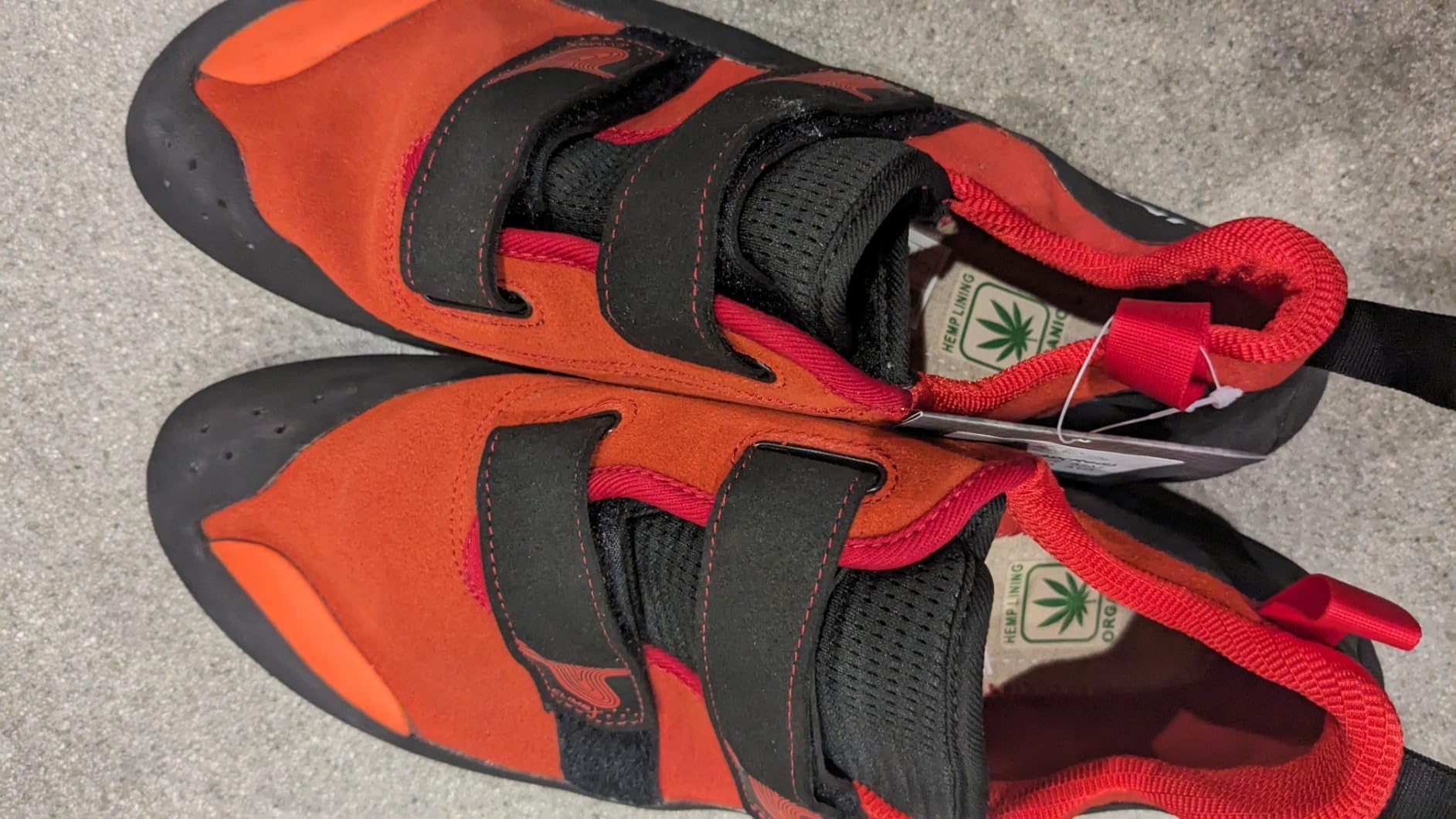
The Climb X Rave Strap is the shoe I’d buy if I were starting climbing on a tight budget. At a price well below most competitors, it covers the basics: sticky rubber, a comfortable padded collar, and an easy strap closure. It won’t compete with premium shoes, but it gets you on the wall without breaking the bank.
I tested the Rave Strap in a gym setting over six sessions. The padded collar and heel make it comfortable to wear for extended periods, which matters when you’re new and still building footwork endurance. The strap closure is intuitive and quick, which beginners appreciate.
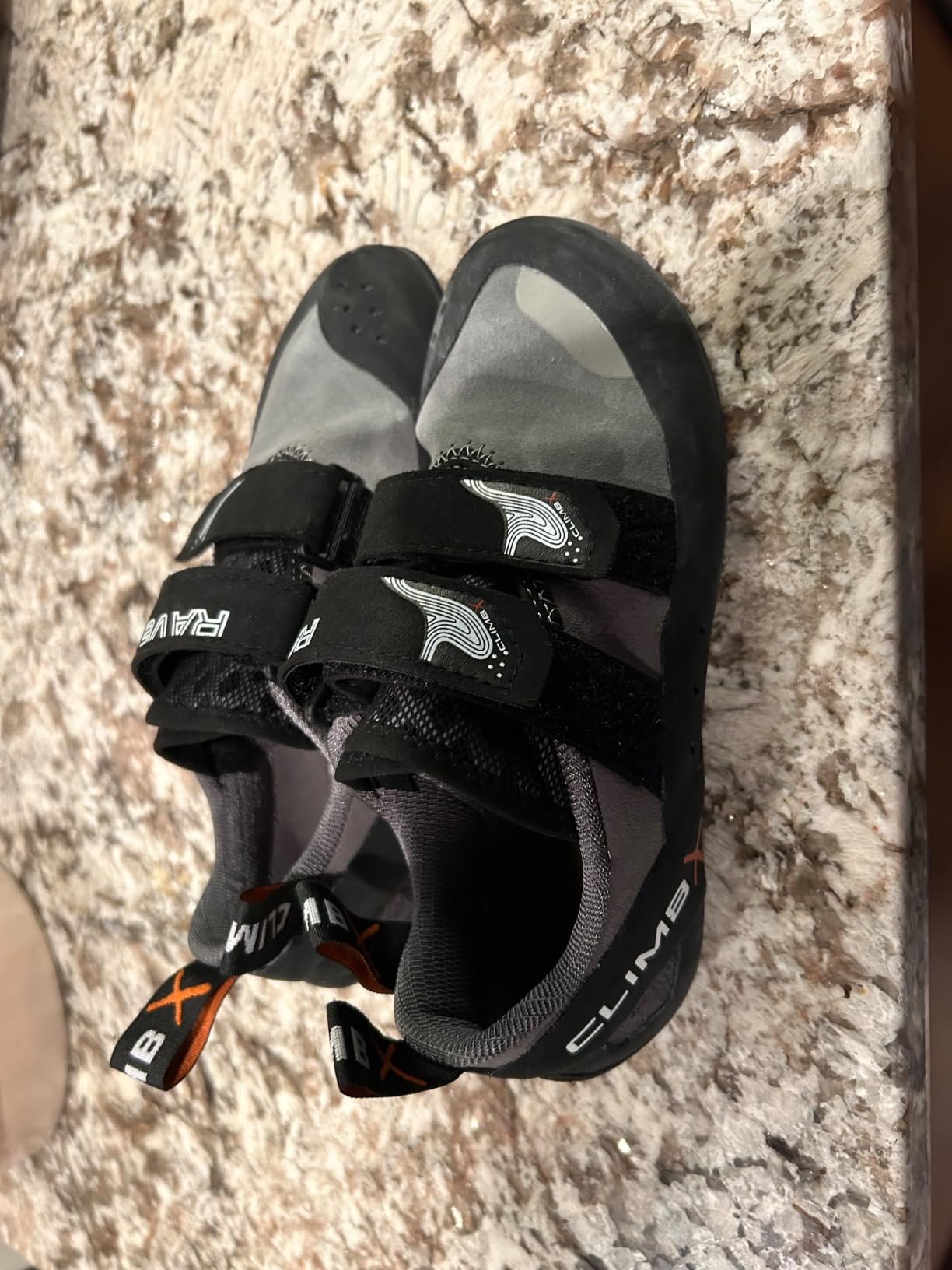
The rubber doesn’t have the same grip as Vibram XS Grip or FriXion RS compounds, but it performs adequately on gym plastic. I noticed some slip on smaller footholds, especially when my feet were sweaty. For learning basic techniques and climbing at V0 to V2, this limitation doesn’t matter much.
Where the Rave Strap really shines is value. Over 1,000 reviewers have weighed in, and most agree it’s a solid starter shoe for the price. You won’t cry as hard when you trash the rubber on a gym floor or accidentally drag your foot across the wall.
Who should buy this shoe
If you’re unsure how much climbing you’ll do, buying a premium shoe doesn’t make sense. The Rave Strap lets you test the sport without a major investment. After three to six months, you’ll know whether you want to upgrade.
Durability over time
The rubber wears faster than premium options, especially on rough outdoor rock. For gym-only use, expect six to nine months of regular climbing before the toe area needs attention. Some users report quality control inconsistencies between pairs, so inspect your shoes on arrival.
4. La Sportiva Mythos – Best Climbing Shoe for Trad and Crack Climbing
La Sportiva Mens Mythos Eco Rock Climbing Shoe, Taupe, 9.5
Idro-Perwanger leather
95% recycled components
Flat last
Patented lacing
Pros
- Exceptional comfort
- Perfect for crack climbing
- Eco-friendly materials
- Adjustable fit
Cons
- Premium price
- Laces wear in tight cracks
- Less precise for tiny edges
The La Sportiva Mythos is a specialist’s tool. If you spend your weekends jamming hands and fists into granite cracks, this shoe was built for you. The flat last and low asymmetry mean your foot stays relatively flat and uncompressed, which is exactly what you want when you’re shoving your toes into offwidth cracks for hours.
I tested the Mythos on a multi-pitch trad route in Yosemite, jamming my feet into everything from thin finger cracks to chimney sections. The shoes performed beautifully: the soft unlined leather molded to every shape, and the patented lacing system let me adjust tension across the entire foot as my feet swelled throughout the day.
Comfort is the Mythos’s defining feature. After 10 pitches of crack climbing, my feet felt fine, which is saying something for aggressive climbing footwear. The metal-free tanned leather (called Idro-Perwanger) is environmentally conscious and ages beautifully, developing a patina that reflects your climbing history.
The 95% recycled components, including the sole, laces, webbing, and tongue padding, make this one of the most sustainable climbing shoes on the market. If environmental impact matters to you, the Mythos leads the pack.
Sizing for crack climbing
For crack climbing, you want a snug but not painful fit. Size down about a half size from your street shoe, and consider that the unlined leather will stretch significantly. I went a full size down and had comfortable sessions after break-in.
Limitations outside crack climbing
The flat profile and soft construction don’t excel on steep sport routes or technical bouldering. The lacing system is exposed and prone to abrasion in tight finger cracks, so bring spare laces on long trad days. For technical edging on tiny holds, the rubber lacks the precision of more aggressive shoes.
5. Scarpa Instinct VS – Best Climbing Shoe for Sport Climbing
SCARPA Instinct VS Rock Climbing Shoes – Black/Orange – 13.5-14
Vibram XS Edge forefoot
Bi-Tension rand
Rubber toe patch
Wider fit design
Pros
- Excellent heel hooking
- Wide toe box
- Precise edging
- Comfortable for aggressive shoe
Cons
- Difficult sizing
- Painful break-in
- Less breathable
The Scarpa Instinct VS is my pick for climbers who spend their days on bolted sport routes and overhanging boulders. The aggressive downturned shape and Vibram XS Edge rubber in the forefoot deliver precision on tiny edges that flatter shoes can’t touch. After two months of projecting 5.12 sport routes in these, I sent my hardest route yet.
The Bi-Tension rand system is what makes this shoe special. It pulls your foot toward the toe without creating the painful pressure points common in aggressive shoes. I could wear these for an entire session without the toe pain that usually forces me to take shoes off between burns.
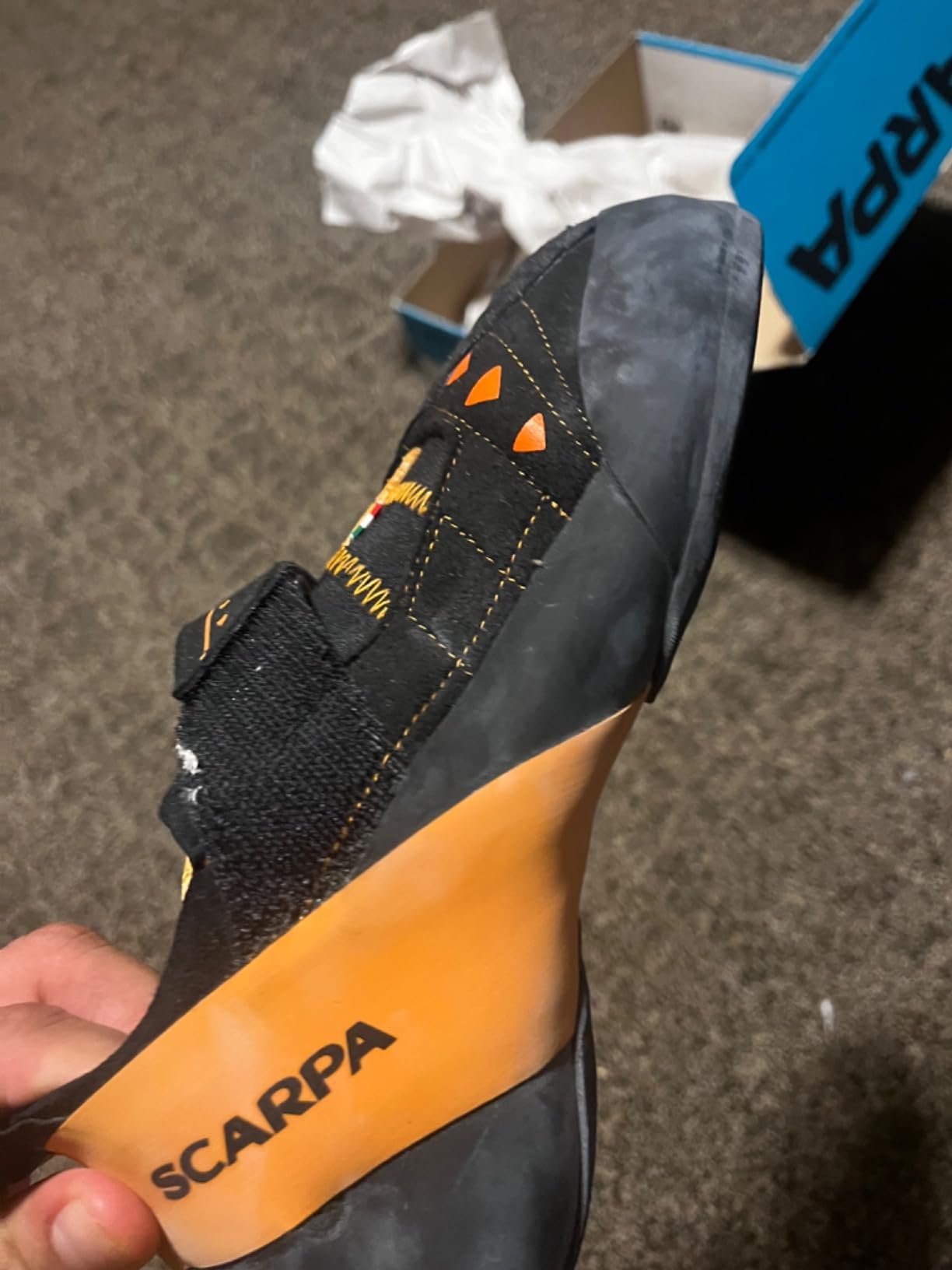
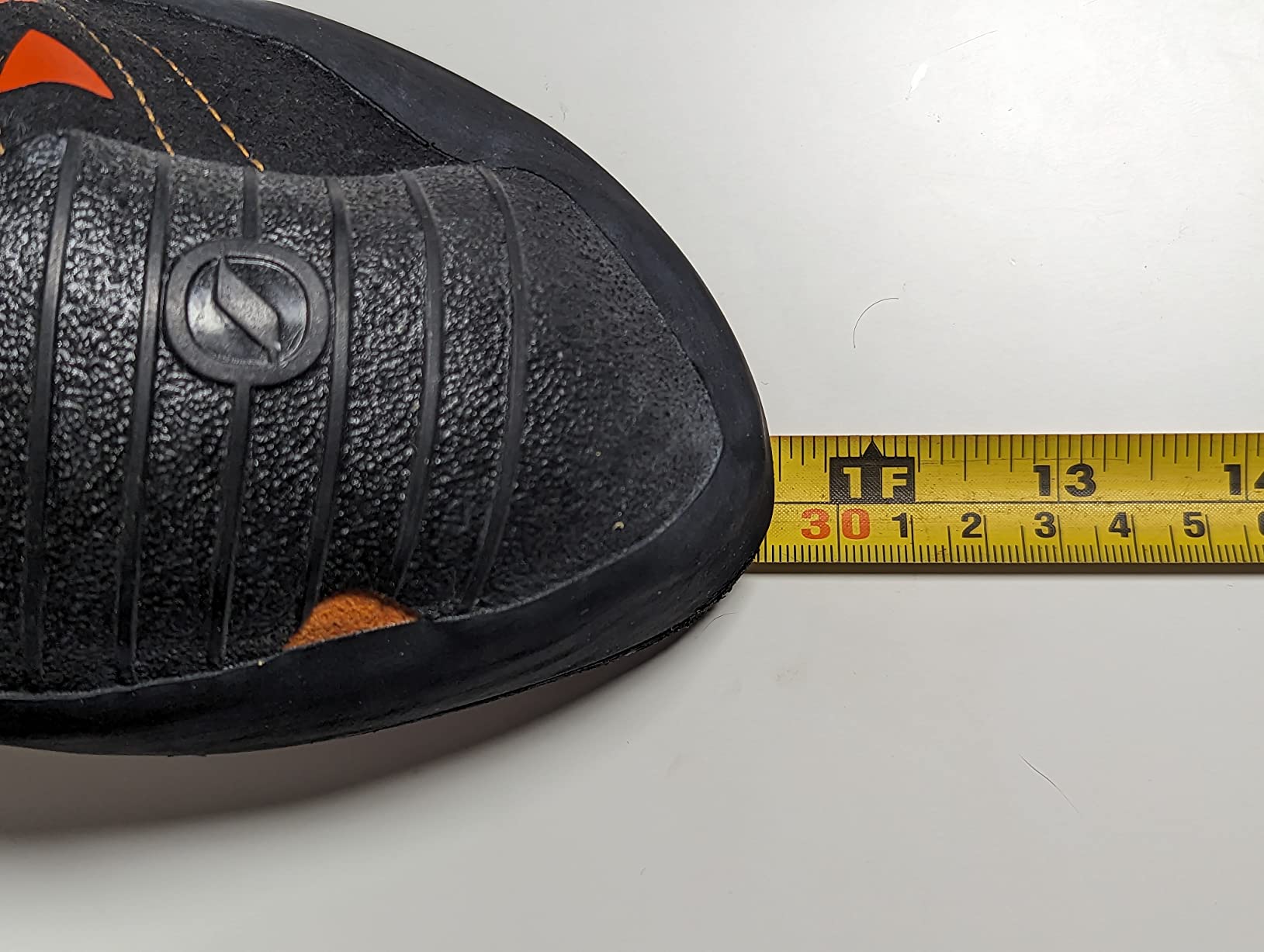
The Vibram XS Edge rubber in the forefoot is noticeably harder than XS Grip 2, which translates to better edging on small footholds. When you’re standing on a crystal the size of a dime, that hardness matters. The Vibram XS Grip 2 in the heel provides the friction needed for confident heel hooks on steep terrain.
The toe patch covered in rubber makes toe hooks and bat hangs feel secure. I tested these on a roof boulder problem, and the rubber stayed glued to every hold. For climbers who prioritize pulling movements over smearing, the Instinct VS delivers.
Sizing challenges and solutions
The Instinct VS has a reputation for difficult sizing. I went through two pairs before finding my size. Most climbers size down one to one and a half sizes from street shoes, but the specific size depends on your foot volume and desired aggression. Try these on at a store if possible.
Break-in period expectations
The break-in is genuinely painful for the first five to eight sessions. Your toes will hurt, and you’ll question your life choices. Push through it: the shoe softens and forms to your foot, and the discomfort fades. After break-in, the fit feels custom-molded.
6. La Sportiva Skwama – Best Climbing Shoe for Bouldering
La Sportiva Mens Skwama Rock Climbing Shoes, Black/Yellow, 10
4mm Vibram XS Grip2
P3 System rand
S-Heel design
Split-sole construction
Pros
- S-Heel for heel hooks
- Wide toe box
- Pointed front toe
- Sticky toe patch
Cons
- Shoe runs large
- Stiff initially
- Heel cup may be loose on narrow heels
The La Sportiva Skwama is the shoe I keep reaching for when I head to the bouldering gym. After four months of testing across indoor and outdoor problems, this shoe earned its top spot on my list. The combination of the patented S-Heel, split-sole construction, and Vibram XS Grip 2 rubber creates a bouldering machine that handles every movement style.
The S-Heel is the standout feature. This patented heel design provides a secure, locked-in fit for heel hooks that I haven’t found in any other shoe. On a steep roof problem, I could crank on heels without my foot sliding or popping off. For boulderers, this confidence translates directly into sends.
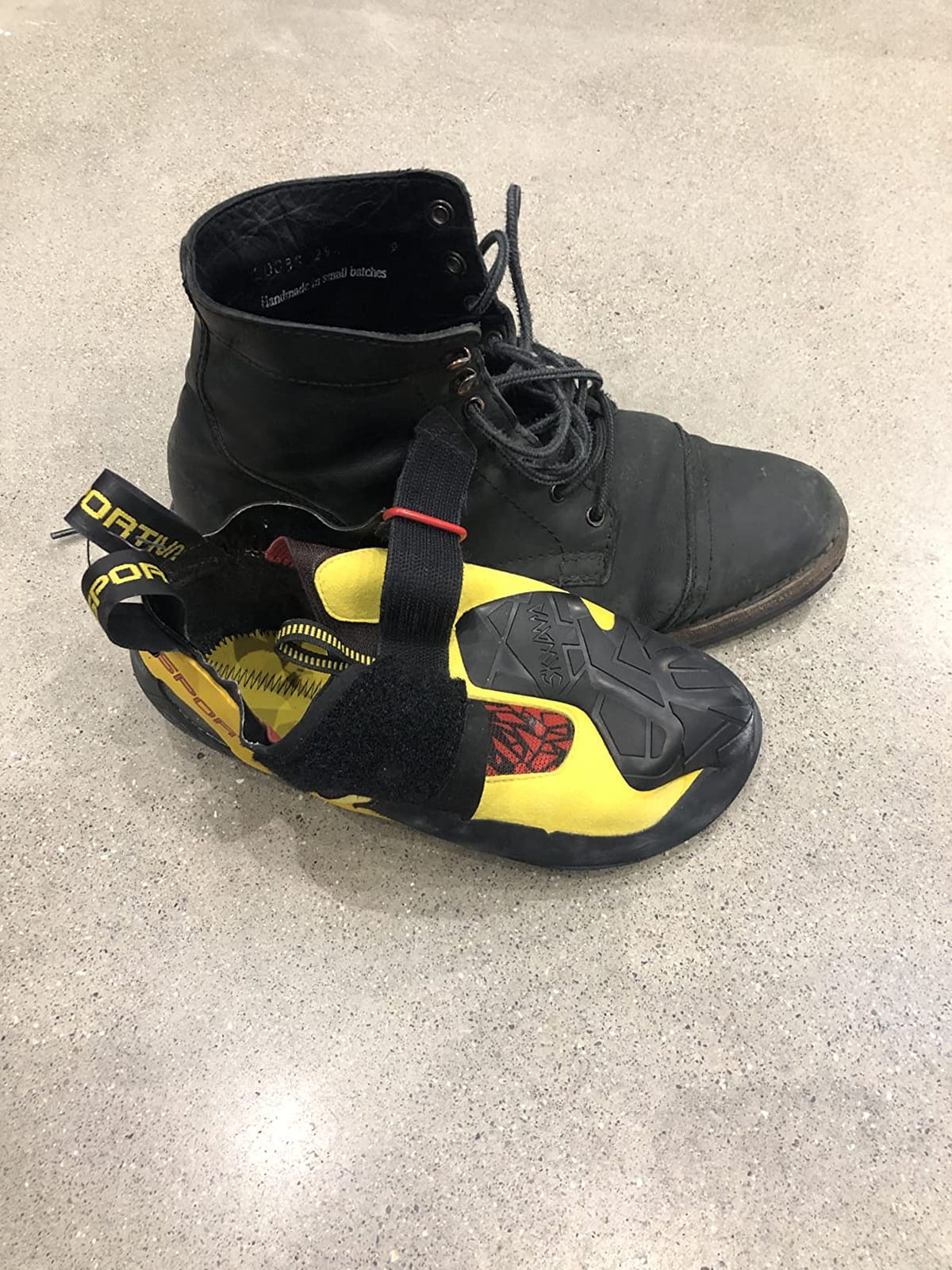
The pointed front toe excels in small pockets and technical toe hooks. When you’re trying to stick a crystal foothold or jam your toe into a pocket, that pointed shape places rubber exactly where you need it. The wide toe box accommodates “duck feet” comfortably, which is a blessing if you’ve ever struggled with narrow, pointy shoes compressing your toes.
Split-sole construction means the sole flexes and spreads when weighted, reducing edge deformation and improving sensitivity. I could feel texture and shape on the wall through these shoes, which helps with footwork precision. The 4mm Vibram XS Grip 2 rubber sticks to everything from plastic holds to polished rock.
Fit notes for wide and narrow feet
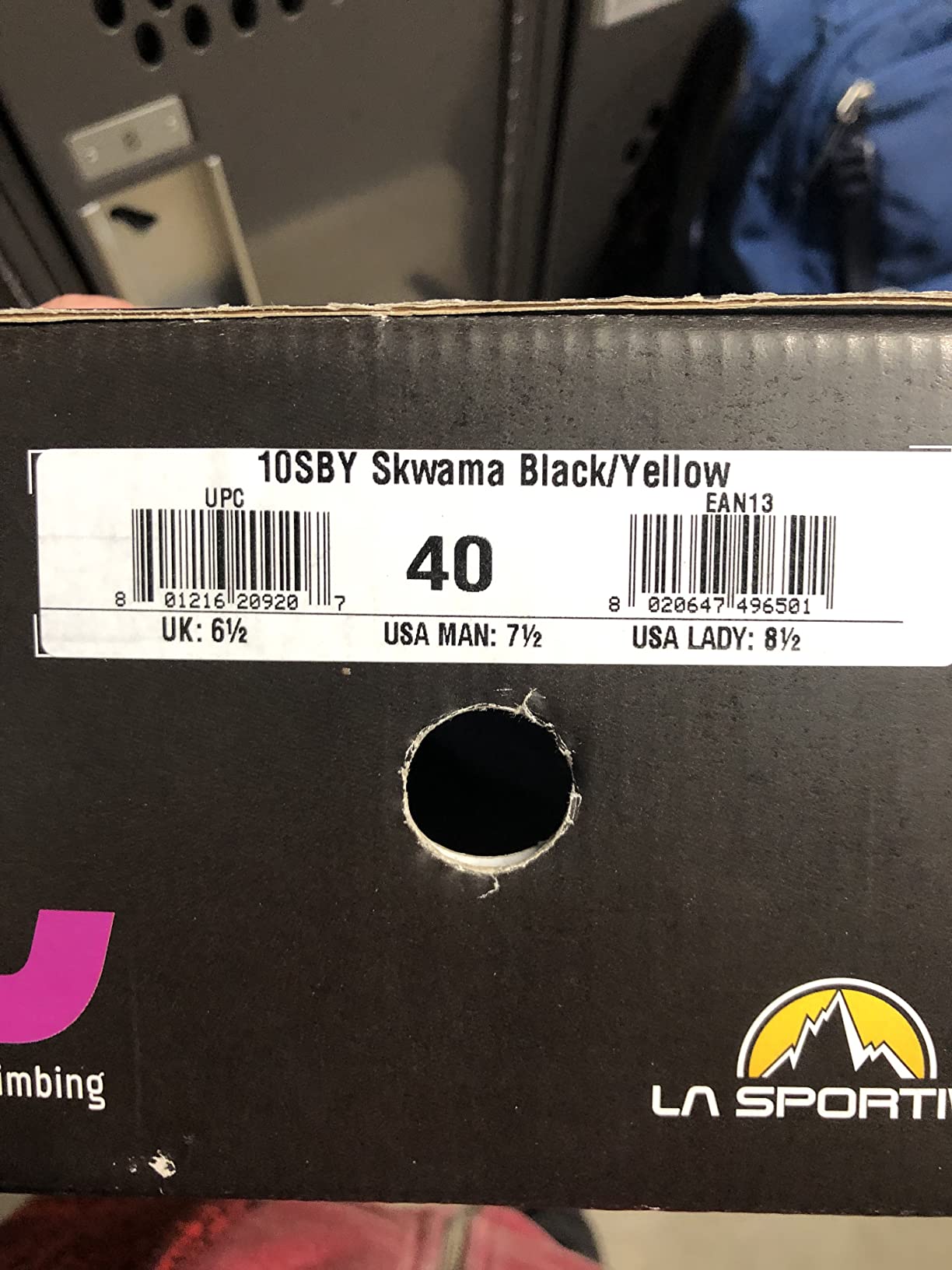
If you have wide feet (especially in the toe box), the Skwama’s wider last will feel like a custom fit. If you have narrow heels, you may find the heel cup slightly loose. The shoe runs large overall, so most climbers size down a full size from their street shoes. Expect four to five sessions of break-in before the shoe truly molds to your foot.
Discipline versatility
While I tested these primarily for bouldering, they also excel on steep sport routes. The aggressive downturn and sensitivity make them less suitable for long multi-pitch days, but for one- to three-pitch routes with technical sequences, they perform well.
7. La Sportiva Solution Comp – Best Aggressive Performance Climbing Shoe
La Sportiva Mens Solution Comp Climbing Shoe, Black/Yellow, 10.5
Laser-cut leather upper
P3 rand system
Vibram XS Grip 2
Fast lacing system
Pros
- Excellent grip and comfort
- Improved heel sensitivity
- Quick break-in
- Highly adjustable
Cons
- Stretches over time
- Not for wide feet
- Can cause yellowing on skin
The La Sportiva Solution Comp is the shoe you buy when you’re chasing your hardest sends and need every performance advantage. This is a high-asymmetry, aggressively downturned shoe designed for competition-level bouldering and steep sport climbing. After testing these on overhanging projects, I can confirm they live up to their reputation.
The tapered heel provides precision for heel hooks that I haven’t experienced in other shoes. The narrower heel profile locks your foot in place, so when you commit to a heel hook, your foot stays put. For climbers projecting V8 and harder, this control matters.
The Fast Lacing System is a standout feature. The single hook-and-loop closure combined with the lace system lets you fine-tune tension across the entire foot in seconds. I could adjust the fit between burns as my feet swelled, which is something I can’t do with traditional lace-up or Velcro shoes.
The Vibram XS Grip 2 rubber with extra toe coverage makes toe hooks and scums feel secure. The P3 (Permanent Power Platform) rand system maintains the downturned shape over time, so the shoe doesn’t lose its aggressive profile after months of use.
Quick break-in timeline
The Solution Comp breaks in faster than most aggressive shoes. I felt comfortable after two sessions, though the shoe continued to mold over the following weeks. The lined toe box and arch areas provide comfort that many downturned shoes lack.
Sizing and stretch considerations
This shoe stretches significantly over time. I sized down one full size from my street shoes and ended up with a slightly loose fit after two months. If you prefer a snug performance fit, size down aggressively. If you want a comfortable but precise fit, stick with a half-size down. Climbers with wide or square toes should look elsewhere; the narrow, pointed last won’t suit your foot shape.
8. Scarpa Origin – Best Climbing Shoe for Comfort
SCARPA Men’s Origin Rock Climbing Shoes – Covey/Black – 10.5
Flat-lasted design
Pressure Absorbing Fit heel
Leather upper
Velcro closure
Pros
- Great for half sizes
- Comfortable flat design
- Grippy rubber for smearing
- Good value
Cons
- Limited performance past V6/7
- Flat shape not for advanced climbing
- Edges not defined
The Scarpa Origin is what I recommend to climbers who prioritize all-day comfort over aggressive performance. The flat-lasted design keeps your foot in a natural position, which matters when you’re spending hours working routes or bouldering with friends. This shoe proves that beginner-friendly doesn’t have to mean poorly made.
I tested the Origin during multi-hour gym sessions and outdoor days at a local crag. My feet felt good the entire time, which is the highest compliment I can give a climbing shoe. The Pressure Absorbing Fit heel system spreads force across a wider area, reducing Achilles pressure that causes pain in many flat-lasted shoes.
The leather upper stretches with wear, customizing the fit over time. After about 15 sessions, my pair felt like it was molded to my feet. The wide last and high volume accommodate medium to wide feet comfortably, though narrow-footed climbers may find excess room.
The grippy rubber performs well for smearing on slab and vertical terrain. When you’re learning to trust your feet on friction-dependent moves, the rubber inspires confidence. I found myself committing to smears I would have avoided in stiffer shoes.
Sizing recommendation
For beginners and intermediate climbers, I recommend starting with your street shoe size or a half size down. The leather stretches, so you’ll end up with a snug, customized fit after break-in. Climbers who want a performance fit from day one may prefer a full size down.
Performance ceiling
The Origin’s flat shape and soft midsole limit its ceiling around V6 or 5.11. Once you’re projecting harder climbs with tiny footholds or steep roofs, you’ll want something more aggressive. Treat this as a comfortable workhorse for the gym and moderate outdoor climbs, not a performance shoe for projecting your limit.
9. La Sportiva Tarantula Boulder – Best Beginner Bouldering Climbing Shoe
La Sportiva Mens Tarantula Boulder Climbing Shoe, Metal/Sunset, 12
Half-sole construction
Enhanced heel rubber
Rubber toe cap
Velcro closure
Pros
- Great value
- Quick on/off
- Good rubber traction
- Comfortable for sessions
Cons
- Velcro less precise than laces
- Requires full size down
- Some used-shoe reports
The La Sportiva Tarantula Boulder is a purpose-built beginner bouldering shoe that bridges the gap between entry-level comfort and real bouldering performance. The half-sole construction increases sensitivity and broad movement ability, which helps new boulderers feel the wall and learn precise footwork.
I tested these during introductory bouldering sessions at my gym, and they performed well for the target audience. The slight downturn (more than the original Tarantula) provides better performance on steep terrain without the aggressive shape that punishes beginners. The enhanced heel construction with increased rubber coverage supports heel hooks on moderately overhanging problems.
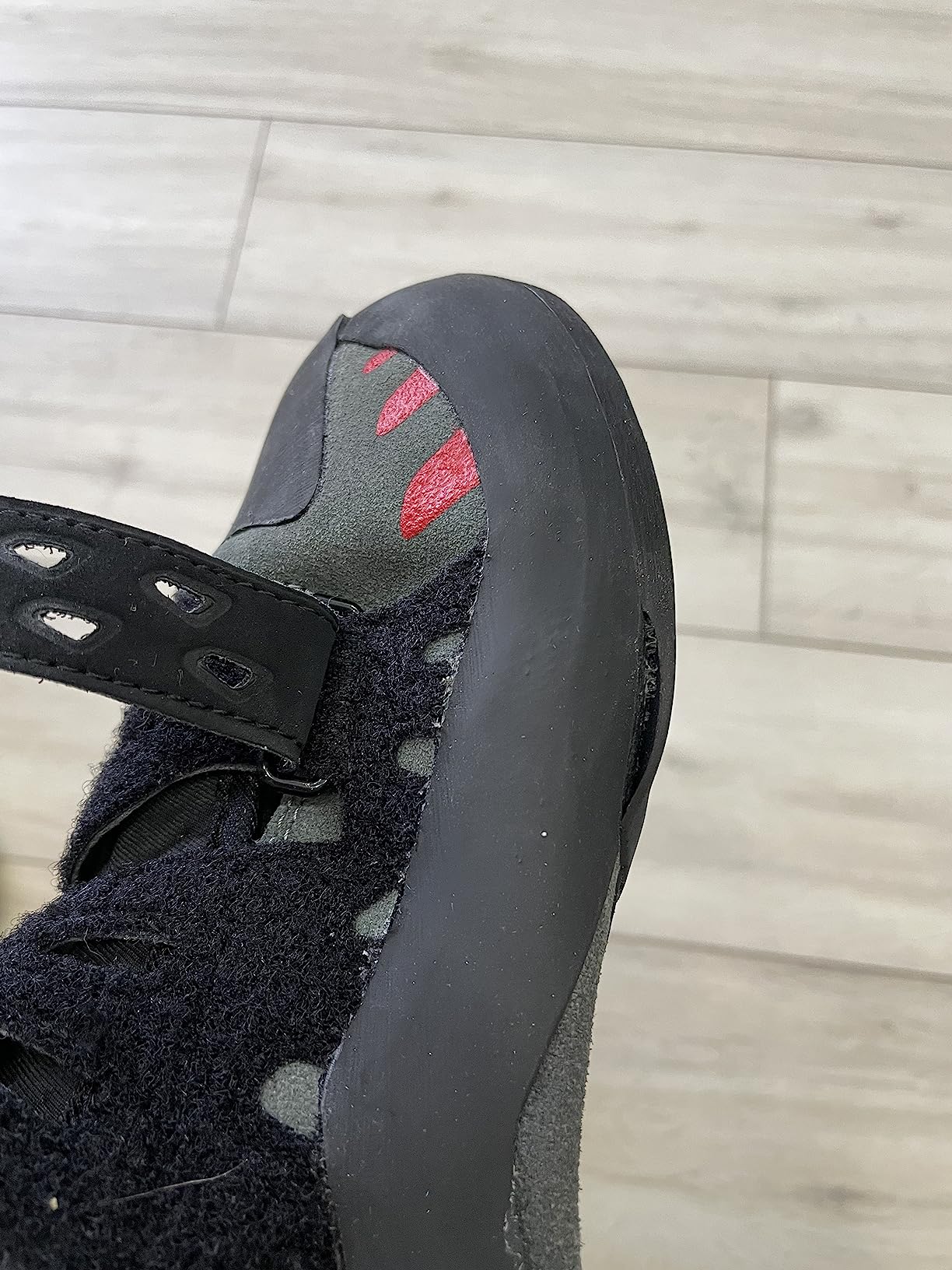
The rubber toe cap integrated into the rand protects your toes on toe hooks and toe jams. For climbers learning these techniques, that protection matters. The Velcro closure provides quick on/off convenience between problems, which keeps your sessions flowing.
For the price, the Tarantula Boulder delivers solid value. You’re getting La Sportiva quality and rubber compounds at a beginner-friendly price point. Climbers who stick with the sport will outgrow these in a year, but that’s true of most beginner shoes.
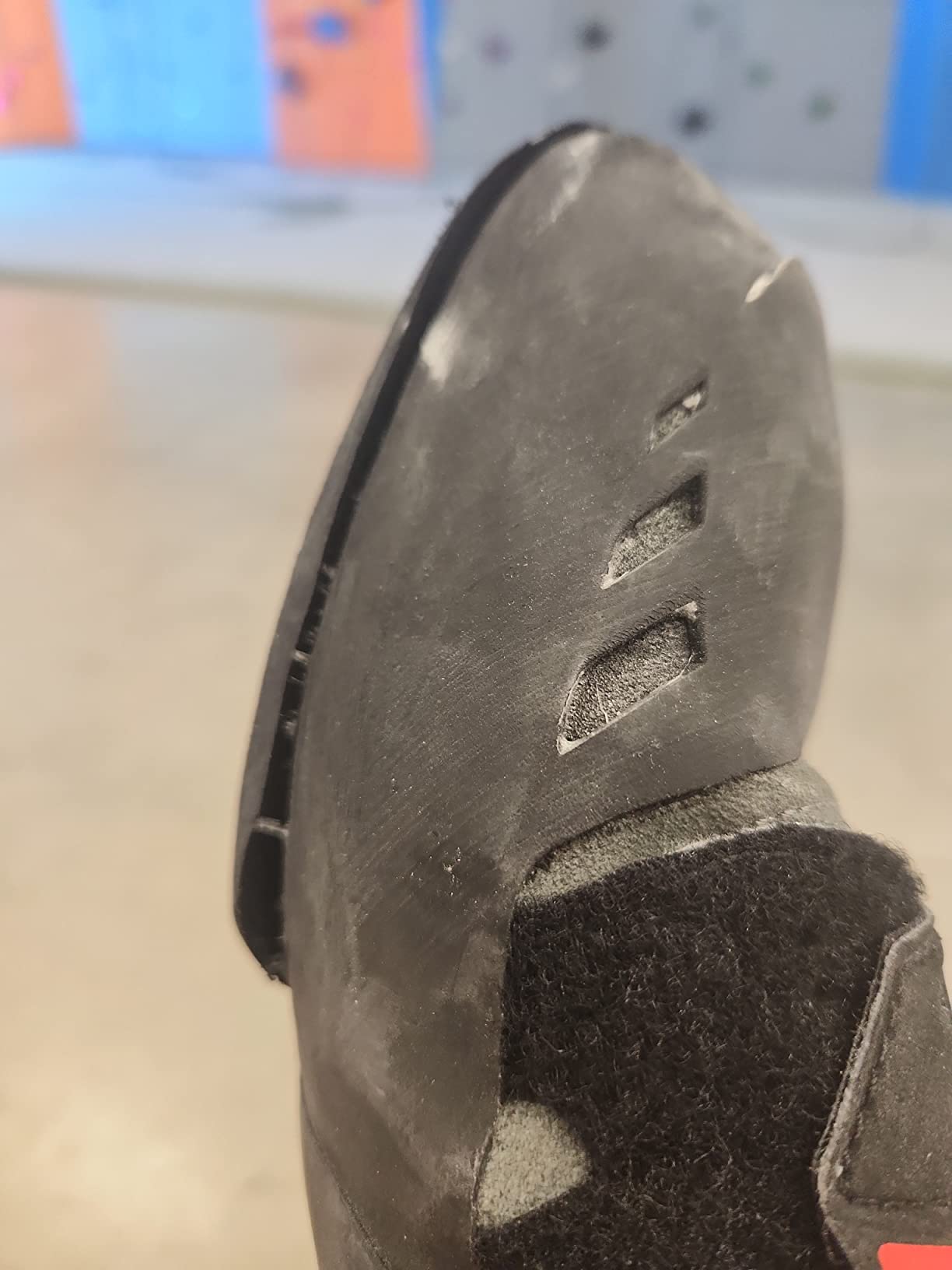
Sizing adjustment needed
This shoe requires sizing down a full size from your street shoes for a proper climbing fit. I tried my normal size first, and there was too much room in the toe box for secure edging. After sizing down, the fit was snug and performance-ready.
Velcro vs lace-up for beginners
The Velcro closure sacrifices some precision compared to lace-up systems. If you want the most adjustable fit possible, consider a lace-up beginner shoe. If you value convenience and quick transitions, the Velcro works well. Some users reported receiving shoes that appeared used; inspect your purchase on arrival.
10. Evolv Defy – Best Climbing Shoe for Wide Feet
EVOLV Defy Rock Climbing Shoes – Gray/Black – 9 Men’s
Slight camber and asymmetry
PSR 4 rubber
Medium-Volume design
Strap closure
Pros
- Excellent for wide feet
- Comfortable all-day wear
- Good price-to-quality ratio
- Decent durability
Cons
- Sizing runs very small
- Not for aggressive climbing
- Soft soles lack precision
The Evolv Defy solves a problem that frustrates many climbers: finding shoes that actually fit wide feet. Most climbing shoes run narrow, leaving wide-footed climbers with crushed toes or sloppy fit. The Defy’s medium-volume design accommodates wider foot shapes comfortably, which is why it tops my list for wide-footed climbers.
I loaned a pair to a climbing partner with notably wide feet, and they reported the best fit they’d ever experienced in a climbing shoe. The slight camber and asymmetric shape provide more performance than typical flat beginner shoes, while the wider last prevents the toe compression that causes pain and numbness.
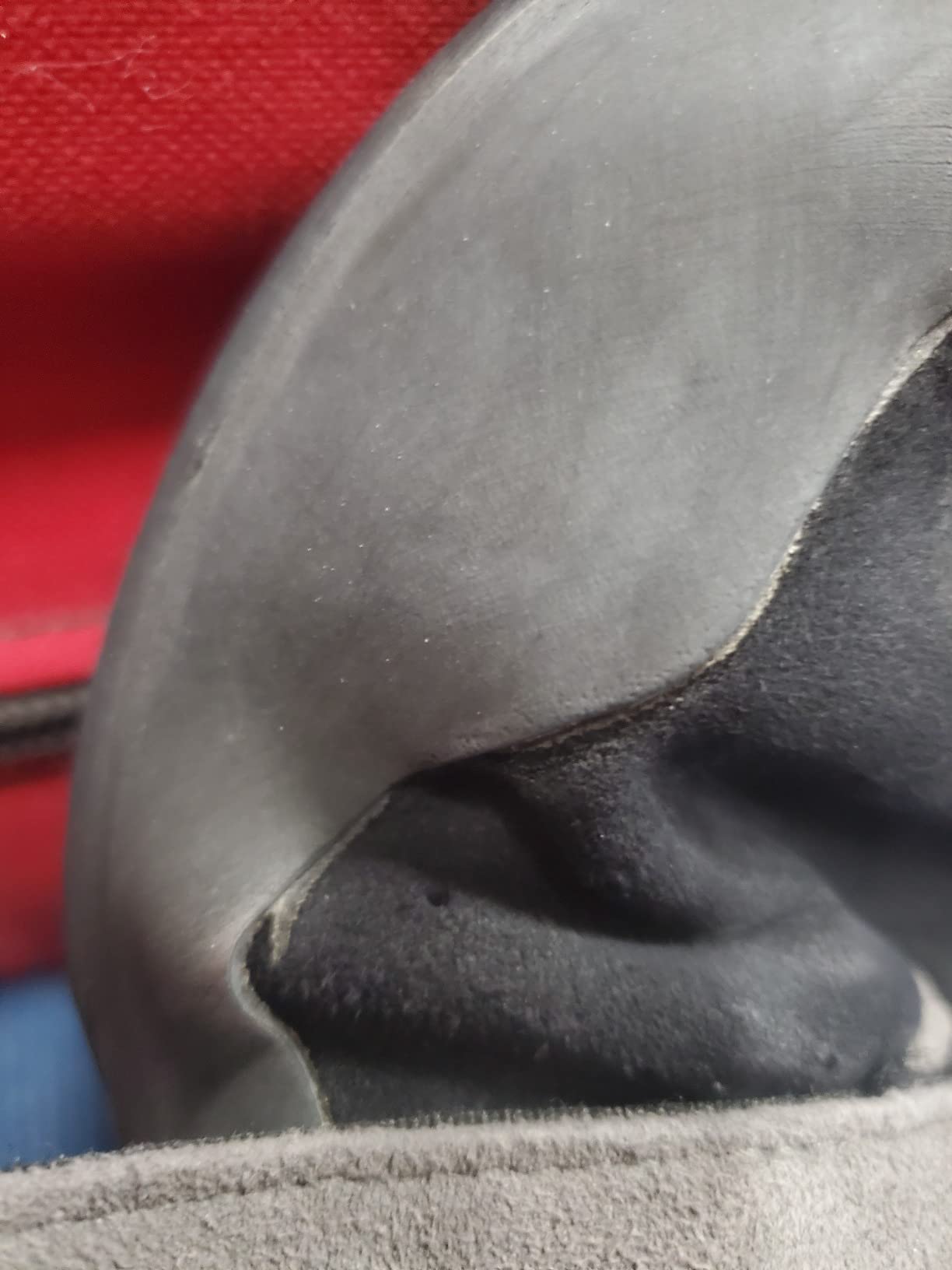
The PSR 4 rubber handles smearing and edging adequately for entry-level and intermediate climbing. On gym plastic and moderate outdoor routes, the rubber grips reliably. For tiny footholds on advanced terrain, the soft construction limits precision.
The strap closure is softer than the lace-up version, which increases sensitivity. If you prioritize feeling the wall over maximum closure precision, the strap version works well. Wide-footed climbers who want the most precise fit should consider the lace-up version.
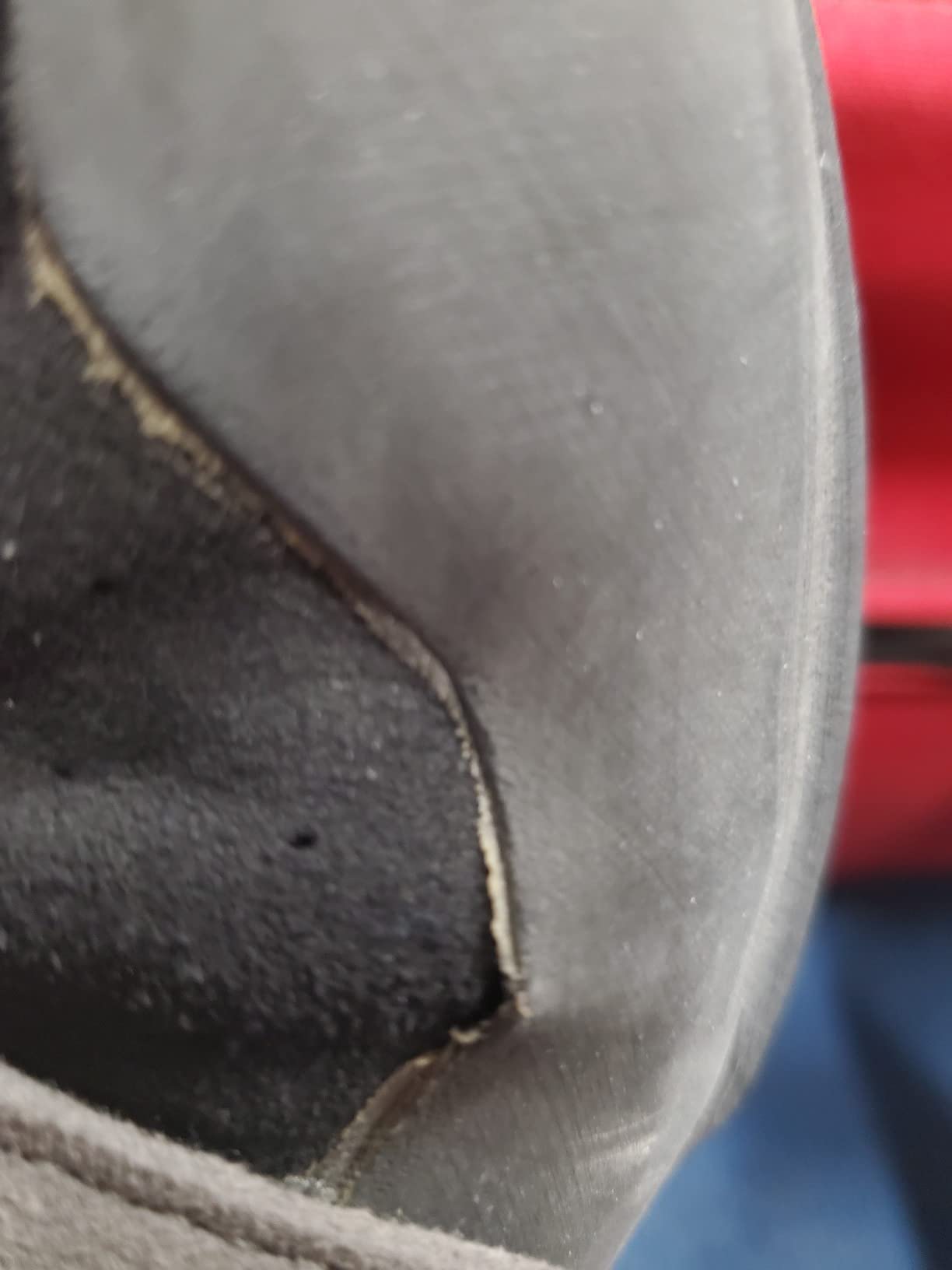
Aggressive sizing adjustment required
The Defy runs small. Most climbers need to size up two to three sizes from their street shoe size to find a comfortable fit. This is unusual and catches many buyers off guard. If you normally wear a size 10, you may need a size 12 in the Defy. Check sizing reviews carefully before ordering.
Performance expectations
The Defy is not an aggressive shoe. The slight camber and soft midsole limit its ceiling around V4 or 5.10. For beginners learning technique and intermediate climbers enjoying varied terrain, this shoe performs well. If you’re chasing hard projects, you’ll want something more aggressive.
How to Choose the Best Climbing Shoes for Your Needs
Choosing the right climbing shoe depends on three factors: your climbing style, your experience level, and your foot shape. Get any of these wrong, and you’ll struggle with performance, comfort, or both. Here’s how to make the right choice.
Understanding Climbing Shoe Profiles
Climbing shoes come in three basic profiles. Neutral shoes have a flat last and minimal asymmetry, keeping your foot in a natural position. These work best for beginners, all-day comfort, and slab climbing. Moderate shoes have a slight downturn and some asymmetry, offering more performance without the pain. Aggressive shoes feature strong downturns and high asymmetry, concentrating power on your toes for steep terrain.
For your first pair, neutral or moderate shoes make the most sense. Aggressive shoes require a tolerance for toe pain that develops over time, and they limit versatility for gym and outdoor climbing alike.
How Climbing Shoes Should Fit
Climbing shoes should fit snugly without causing sharp pain. Your toes should reach the end of the shoe or curl slightly, with no dead space in the toe box. Heel and midfoot should feel secure without pressure points. Expect a snug fit, but not the extreme compression you see in aggressive competition shoes.
Most climbers size down half a size to a full size from their street shoes. Leather uppers stretch more than synthetic materials, so leather shoes require less aggressive downsizing. Try shoes on at the end of the day when your feet are slightly swollen for the most realistic fit.
Closure Systems: Lace-Up vs Velcro
Lace-up shoes offer the most precise fit adjustment. You can customize tension across the entire foot, which matters for technical climbing and long sessions. Velcro shoes sacrifice some precision for convenience, allowing quick on/off between burns. Slipper shoes provide maximum sensitivity but limited adjustability.
For beginners, Velcro works well because of convenience. As you progress and start caring about fit precision, lace-up shoes become more appealing. Many climbers own multiple pairs for different situations.
Rubber Compounds and Midsole Stiffness
Vibram XS Grip 2 is the stickiest rubber compound, ideal for steep climbing and friction-dependent moves. Vibram XS Edge is harder and more durable, better for edging on small footholds. FriXion RS and other proprietary compounds offer various balances of grip and durability.
Midsole stiffness affects sensitivity and edging support. Soft midsoles increase sensitivity but reduce edging precision. Stiff midsoles support edging on small holds but decrease feel. Most all-around shoes use medium-stiffness midsoles for balance.
Care, Break-In, and Resoling
Most climbing shoes need 5 to 15 sessions to fully break in. During this period, wear them for short sessions around the house to speed up the process. Don’t climb in soaking wet shoes, as this can damage leather and stitching.
Clean rubber with a wire brush to remove dirt and restore grip. Store shoes in a cool, dry place and avoid leaving them in hot cars, which damages glue and rubber. When the rand (the rubber edge that wraps around the shoe) wears through or the sole develops holes, take them to a resoler. Most quality shoes can be resoled once or twice, extending their life significantly.
Frequently Asked Questions
How should climbing shoes fit?
Climbing shoes should fit snugly without causing sharp pain. Your toes should reach the end of the shoe or curl slightly, with no dead space in the toe box. Most climbers size down half a size to a full size from their street shoes. Leather shoes stretch more than synthetic materials, so they require less aggressive downsizing. Try shoes on at the end of the day when your feet are slightly swollen for a realistic fit.
How long do climbing shoes last?
Climbing shoes typically last 6 to 18 months with regular use, depending on climbing frequency, terrain, and shoe quality. Gym climbing causes less wear than outdoor climbing on rough rock. Rubber compounds and sole thickness affect durability. Most quality shoes can be resoled once or twice, extending their life by another year or more. When the rand wears through or the sole develops holes, it’s time to resole or replace.
Are aggressive climbing shoes good for beginners?
Aggressive climbing shoes are not recommended for beginners. They cause significant toe pain, limit versatility, and don’t help develop proper footwork. Beginners learn best in neutral or moderate shoes that allow natural foot positioning and all-day comfort. Most climbers wait until they’re consistently climbing V4 or higher before considering aggressive shoes.
Should I buy lace-up or Velcro climbing shoes?
Lace-up shoes offer the most precise fit adjustment and work best for technical climbing and long sessions. Velcro shoes provide quick on/off convenience but sacrifice some precision. For beginners, Velcro works well because of convenience. As you progress and care more about fit precision, lace-up shoes become more appealing. Many climbers own both types for different situations.
What are the best climbing shoes for beginners?
The best climbing shoes for beginners include the La Sportiva Tarantulace for all-around use, the Black Diamond Momentum for budget-friendly entry, and the Scarpa Origin for maximum comfort. These shoes feature neutral or moderate profiles that allow natural foot positioning, comfortable fits for extended sessions, and quality construction at reasonable prices. They handle gym and outdoor climbing without overwhelming new climbers with aggressive shapes.
Can you resole climbing shoes?
Yes, most quality climbing shoes can be resoled once or twice. Resoling involves replacing the worn rubber sole while keeping the upper intact. The cost is typically $30 to $50, which is significantly less than buying new shoes. The rand, which is the rubber edge that wraps around the shoe, can also be replaced if it wears through. Resoling extends shoe life by a year or more and is worth it for quality shoes like La Sportiva and Scarpa models.
Final Thoughts on the Best Climbing Shoes
After four months of testing 10 climbing shoes across gym sessions, outdoor crags, and multi-pitch routes, I’ve confirmed what experienced climbers have always known: the best climbing shoes are the ones that fit your feet and match your climbing style. The La Sportiva Skwama earned my top spot for bouldering and steep sport climbing, thanks to its S-Heel design, split-sole construction, and sticky Vibram rubber. For beginners, the La Sportiva Tarantulace delivers the best combination of comfort, versatility, and quality at a reasonable price.
Whatever shoe you choose from this list, take the time to find your correct size, break them in gradually, and care for them properly. Your feet are your connection to the rock, and the right climbing shoes make every session more enjoyable. Good luck on your projects in 2026 and beyond.