
Most of the golf advice aimed at high handicappers talks about drivers, and drivers are the least productive club in the bag to change. Irons are the clubs you swing eighteen times a round, and they are where forgiveness actually turns into scorecard. After comparing complete sets, iron-only sets, super game-improvement designs and single-length clubs side by side, these are the best golf irons for high handicappers we would put in front of a beginner, a slow swinger or a slicer in 2026.
A high handicap is 20 or above by the USGA index, and that number describes ball striking as much as it describes course management. A golfer at 28 is not bad at golf. They are spreading the face, losing loft at impact and paying for it with a double bogey on the par five. The right iron set fixes that by widening the sweet spot, lifting the launch and slowing the clubhead through rough and bad contact.
One thing surprised us while putting this together. Across every forum thread we read, the single most common improvement high handicappers reported was not a new iron set at all. It was swapping a 4-iron or 5-iron for a hybrid. That does not replace a good set, but it tells you where the real distance is hiding, and we cover it in the buying guide below.
If you are still choosing a ball for your bag, our picks for the best golf balls for high handicappers pair well with everything on this list. For a broader look at irons across all skill levels, including players-distance and forged models, read our general golf iron review.
Who this guide is written for: golfers with a handicap index of roughly 20 or higher, golfers over 45 whose swing speed has dropped with age, golfers who fight a right miss, and anyone who is starting the sport late and wants to avoid paying for clubs that punish an inconsistent strike. It is also written for the person buying a first full set, because the distance between a 15 handicap iron and a 30 handicap iron is larger than the distance between two premium iron lines.
What this guide is not: it is not a fitting service, and no bag on this page has been custom built for your swing. It is also not a ranking of the best irons in golf. Forged players irons exist, they are excellent, and a golfer with a 28 handicap should not buy one. Several of the reviews below explain exactly who each set is wrong for, because that is more useful than a single verdict.
Table of Contents
Top 3 Picks for Golfers With a High Handicap


The Callaway Strata wins this list because it solves the entire problem in one purchase. A high handicapper does not want to assemble a bag club by club, and the Strata gives them a 460cc driver, a fairway wood, a hybrid, perimeter-weighted irons and a putter that all work together from day one.
The TaylorMade SIM2 Max is the pick if you only want to change irons. It is a dedicated iron set with the most sophisticated construction in this guide, and the ECHO damping system makes a cast iron feel closer to a forged one than anything else we tested.
The Cleveland Launcher XL Halo is the answer for the golfer who is over 40, getting older, or simply does not generate much speed. Lightweight graphite shafts, a 2,908 g-cm2 MOI in the 7-iron and a stepped crown combine into the easiest launch we found.
Best Golf Irons for High Handicappers (October 2026)
| Product | Specifications | Action |
|---|---|---|
| Callaway Strata Complete Set |
|
Check Latest Price |
 Wilson Profile SGI Package Wilson Profile SGI Package |
|
Check Latest Price |
 Tangkula 10-Piece Complete Set Tangkula 10-Piece Complete Set |
|
Check Latest Price |
 Wilson Profile Platinum Wilson Profile Platinum |
|
Check Latest Price |
 Ram Golf EZ3 Iron Set Ram Golf EZ3 Iron Set |
|
Check Latest Price |
| TaylorMade SIM2 Max Irons |
|
Check Latest Price |
 XINGGM XM-01 Iron XINGGM XM-01 Iron |
|
Check Latest Price |
| Cleveland Launcher XL Halo |
|
Check Latest Price |
 Orlimar Intercept Single Length Orlimar Intercept Single Length |
|
Check Latest Price |
 Wilson Tour Velocity Wilson Tour Velocity |
|
Check Latest Price |
 MAZEL 9-Piece Iron Set MAZEL 9-Piece Iron Set |
|
Check Latest Price |
 BombTech Golf 4.0 Iron Set BombTech Golf 4.0 Iron Set |
|
Check Latest Price |
1. Callaway Strata Complete Set: Best Overall for High Handicappers
Callaway Golf Men’s Strata Complete 12 Piece Package Set (Blue, 12 Piece (Strata), Men;s, Right Hand)
12-piece package
460cc forged titanium driver
Perimeter-weighted irons
Hybrid and fairway wood included
Pros
- Forgiving from tee to green
- Large 460cc driver is easy to launch
- Complete package needs no extra buying
- Well-regarded by beginners and returning golfers
- 5500+ reviews averaging 4.6
Cons
- Bag and grip quality are basic at this tier
- Wedge spin control is limited versus higher sets
- Steel shafts add weight versus graphite
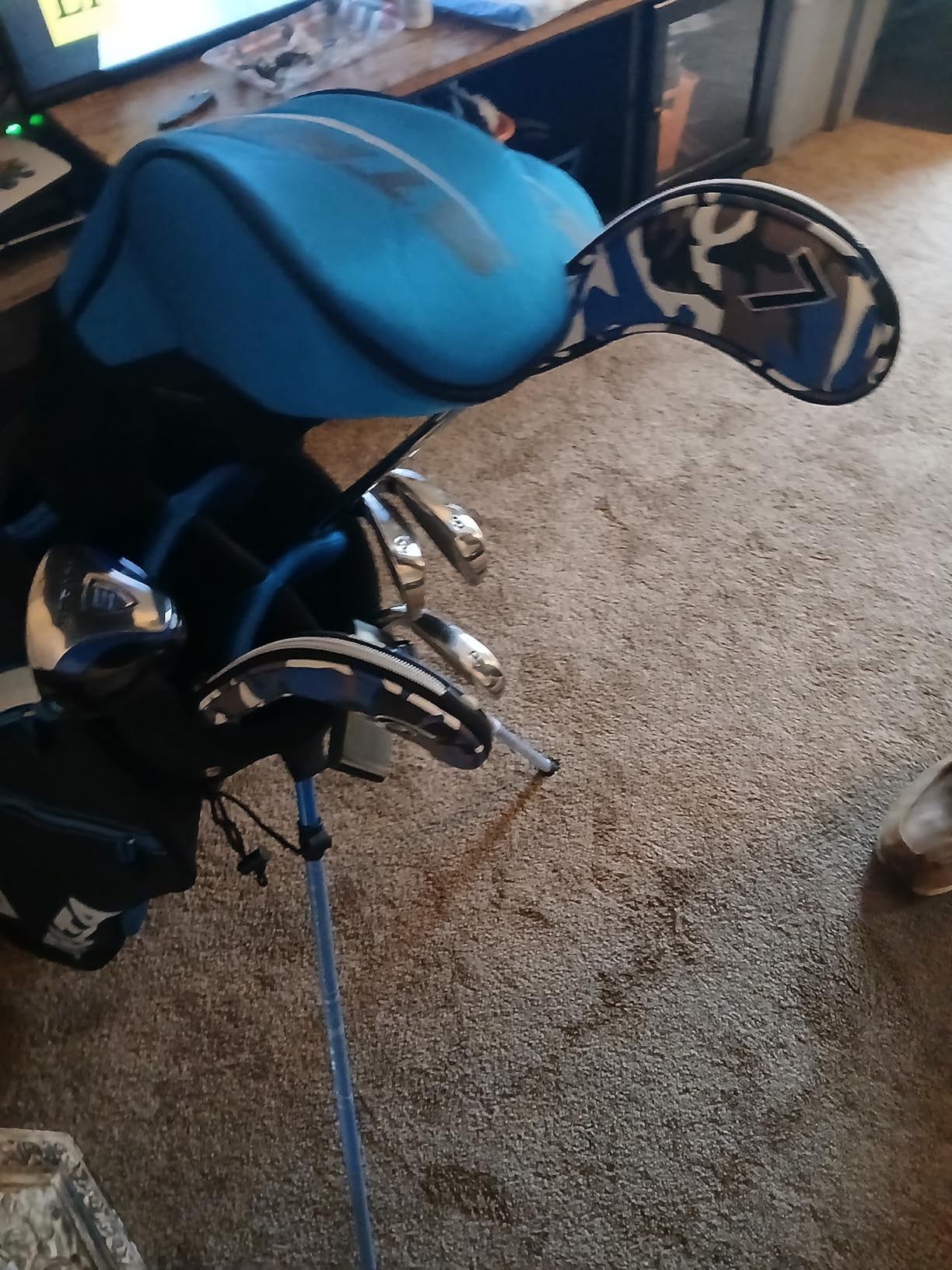
The Strata is the set we hand to friends who tell us they are going to take up golf again after twenty years away. It does not ask them to think. Twelve clubs come ready to play, and the irons are the part that matters for a high handicap: perimeter-weighted so mishits stay on line.
The 460cc forged driver is unusually large for a package set, and that size is the whole point. A bigger head with a low center of gravity gives you a bigger target and more launch, which is what a golfer still learning a swing needs off the tee.
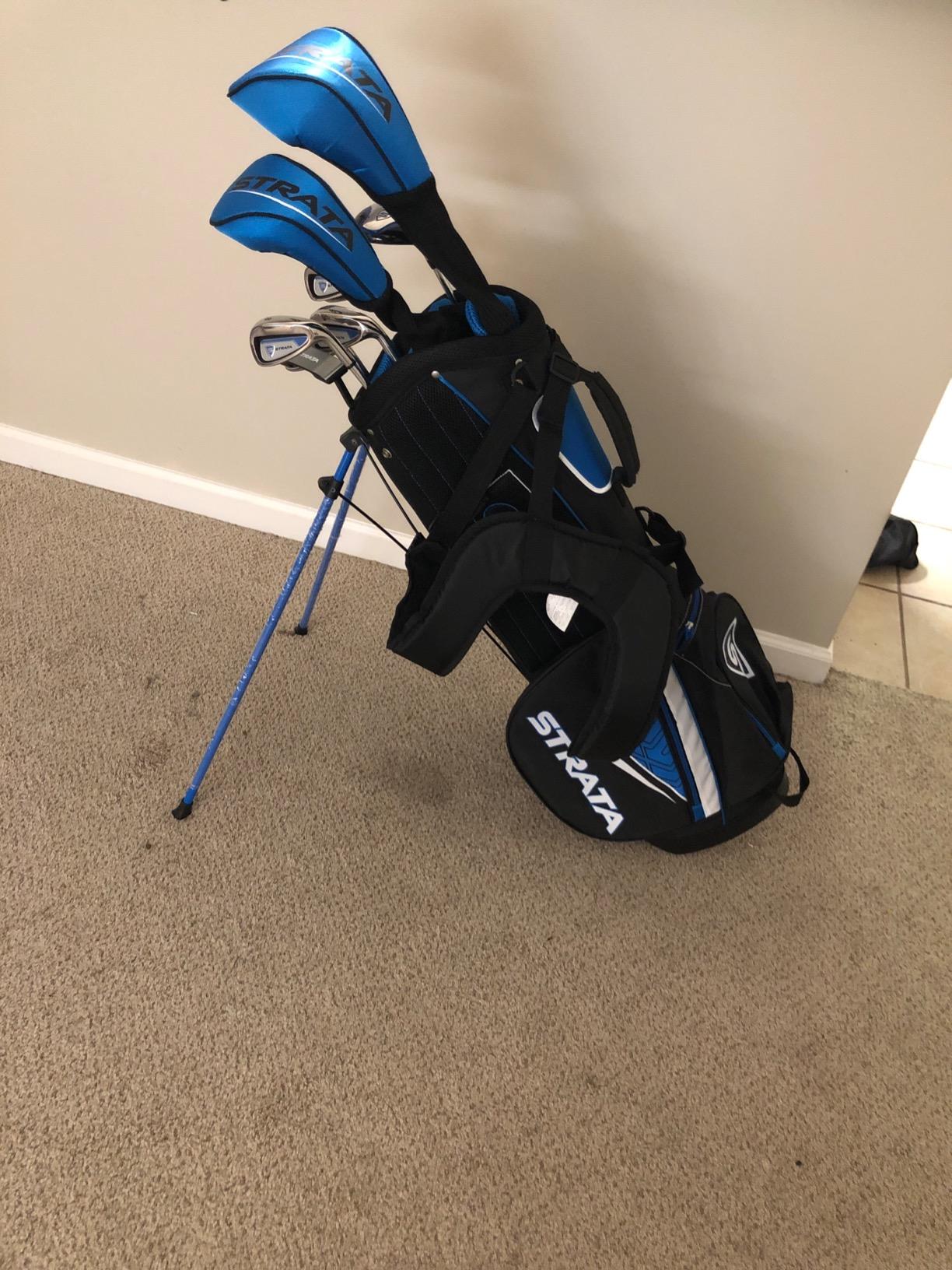
What surprised us was how much the hybrid and fairway wood do. They cover the long-iron range that most high handicappers struggle with, so the irons start at an easier part of the bag. That solves the gapping problem we discuss later in about ten seconds of club selection.
Feel is the compromise. The Strata uses alloy steel shafts, and reviewers repeatedly note that the stock bag and grips feel like what you paid for. None of that matters much when every club in the bag is easy to swing.
Who this set suits
It suits a beginner, a returning player, or anyone who wants a full playable bag on day one. It is the safest recommendation in this guide because you are not asking anyone to make a judgement call about loft or shaft weight.
It also suits a couple who wants one purchase to cover two golfers, since the set is offered in men’s and women’s configurations.
Who should skip it
Skip it if you already have a driver, woods and putter you like. In that case an iron-only set gives you better steel, better shafts and more clubs per dollar spent on the part of the bag that actually matters.
Skip it if you have genuine distance to gain from a hybrid. The included hybrid helps, but a dedicated 4- or 5-hybrid you can swing confidently beats a package version every time.
2. Wilson Profile SGI Package: Best for a Golfer Who Wants Maximum Forgiveness
WILSON Golf Profile SGI Men’s Complete Golf Set — Regular, Right Hand,Red (Regular)
460cc super game-improvement driver
431 stainless low-CG irons
Wide-sole easy launch sand wedge
Graphite shaft driver
Pros
- Shallow cavity-back irons deliver real forgiveness
- Deep perimeter weighting keeps mishits straighter
- Sand wedge has an easy-launch wide sole
- Stand bag is light with comfortable straps
Cons
- Clubs feel heavy and hit clunky
- Hybrid uses a steel shaft while the driver uses graphite
- Soft driver face marks and dents easily
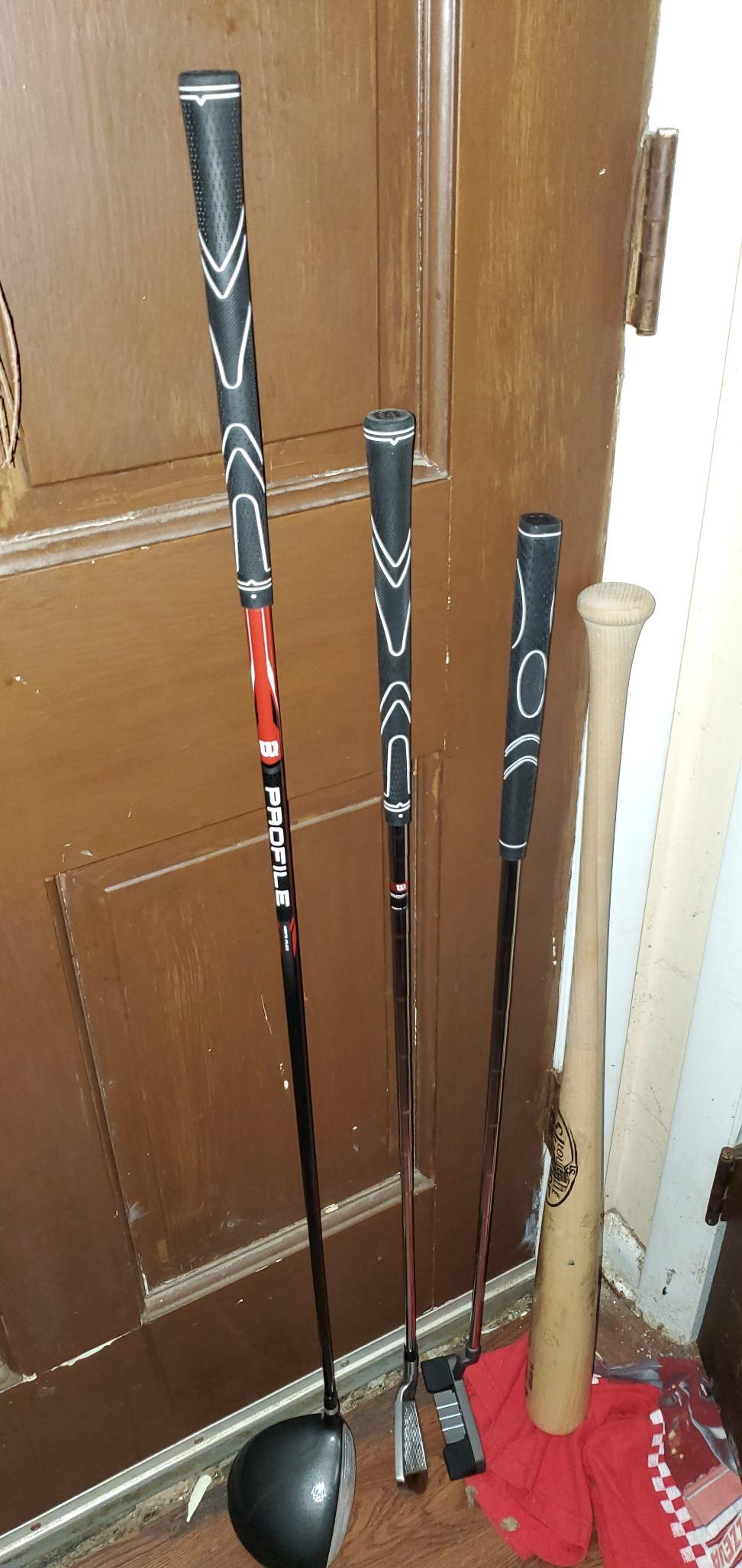
This is the most aggressively forgiving set in the guide, and the driver and irons are both built around the same idea. The 460cc head uses super game-improvement technology aimed squarely at new golfers, and the irons are deep perimeter-weighted 431 stainless steel with a very low center of gravity.
Reviewers consistently single out the sand wedge. It has very low weighting and a wide sole, which is a smart piece of design for a set aimed at high handicappers because most beginners are weakest at short shots with sand in them.
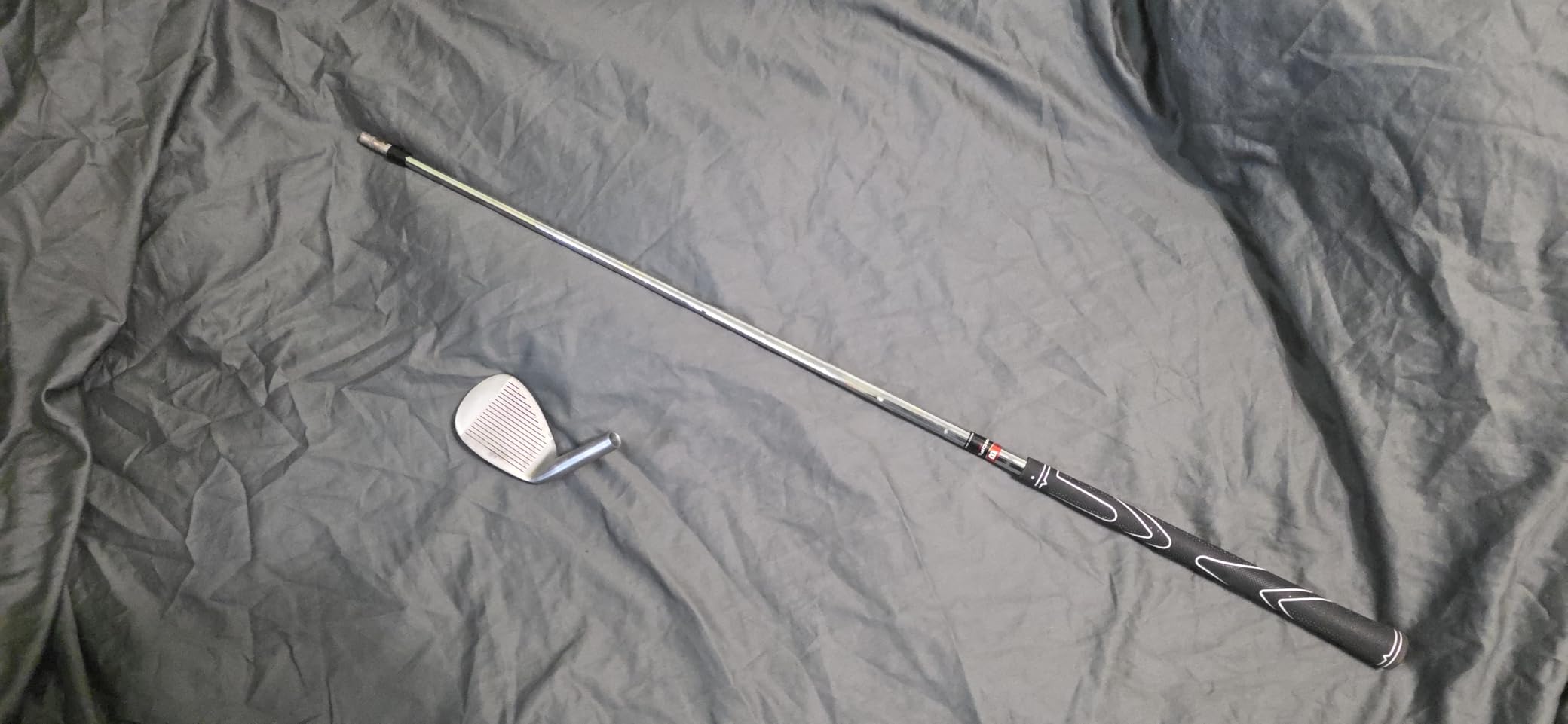
The complaint we heard most often is weight. Multiple owners say they have to club up compared with a lighter graphite set to reach the same distance, and the whole package weighs in around 15 pounds. For a fit, older golfer that is a real consideration.
There is also a mixed-shaft oddity worth knowing: the driver is graphite while the hybrid is steel. It is not a deal breaker, but it means the bag will not swing with one uniform feel.
What to look at before you commit
Compare total swing weight against any set you already own. If you are used to graphite irons and this one feels clunky through the bag, the forgiveness gains will not show up in your scores.
Check your height against the standard shaft lengths. This set is not offered in a tall-carry configuration, so taller golfers should look at the Profile Platinum instead.
Where it is the wrong call
It is the wrong call for a golfer who has already broken 20 and cares about workability. The head size and profile are the most cartoonish in this roundup, and a thick top line is the number one objection we saw in forum threads about super game-improvement irons.
It is also the wrong call for left-handed golfers. The listed configuration is right hand only.
3. Tangkula 10-Piece Complete Set: Best Budget Entry Into Golf
Tangkula 10 Pieces Men’s Complete Golf Clubs Set Right Hand, Includes 460cc Alloy #1 Driver & #3 Fairway Wood & #4 Hybrid & #6/#7/#8/#9/#P Irons & Putter, Golf Club Set, Gray
460cc alloy driver with large sweet spot
Number 3 wood and number 4 hybrid
Zinc alloy irons with deep grooves
Lightweight self-standing bag
Pros
- Very affordable complete package
- Driver delivers good distance for the money
- Lightweight stand bag with self-activating legs
- Three matching head covers included
Cons
- Shallow cavity limits forgiveness on bad strikes
- Alloy driver head feels less solid than titanium
- Grips are basic TPR training grips
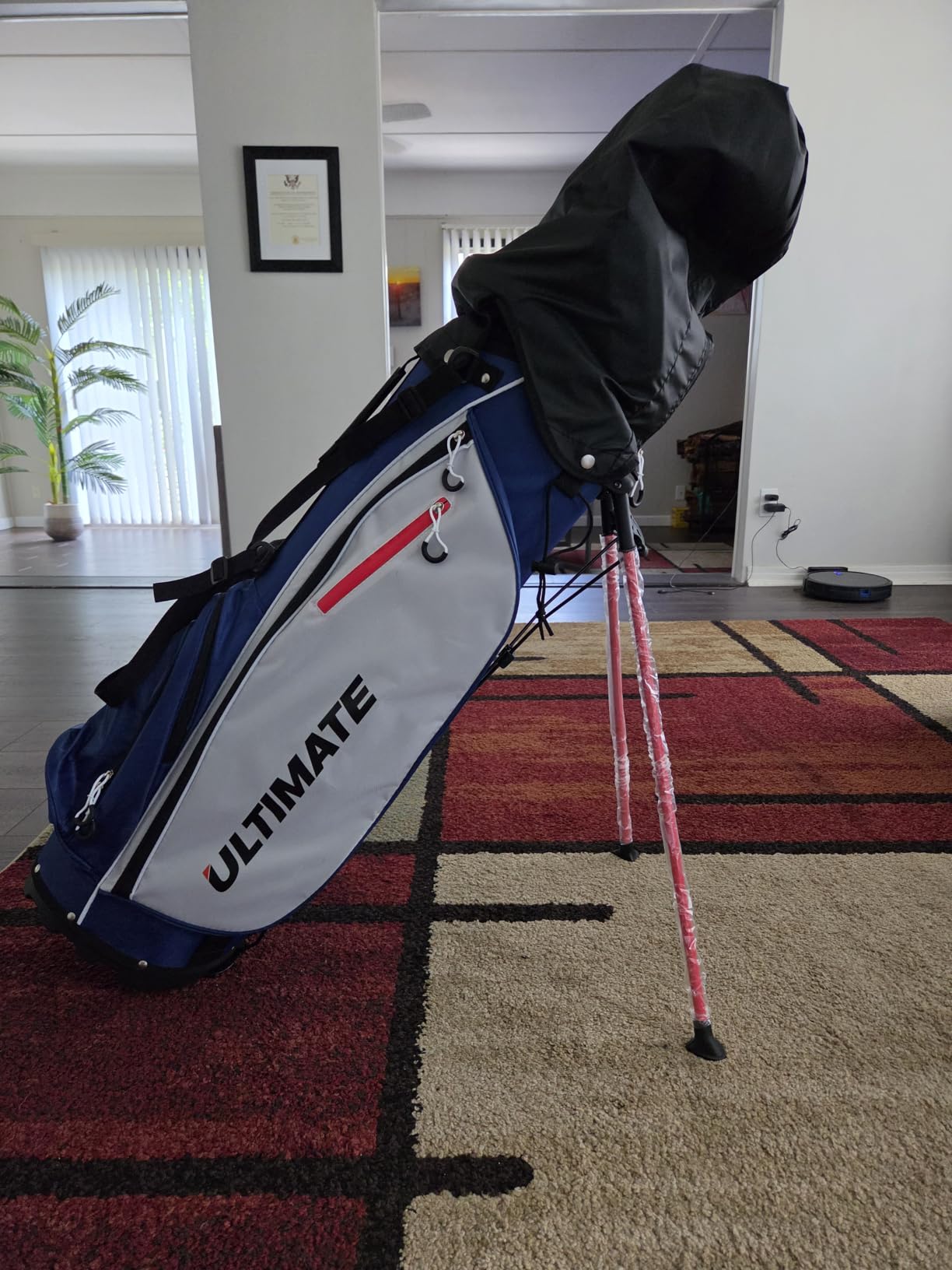
The Tangkula exists to answer one question: can a beginner get a playable full set without spending real money. Owners treat it as a starter package and rate it well for what it delivers, particularly the driver and the bag.
The 460cc aluminum driver has a large sweet spot and heel and toe sole weighting for high launch. The #3 wood and #4 hybrid cover long approaches, which is the part of the bag beginners miss most.
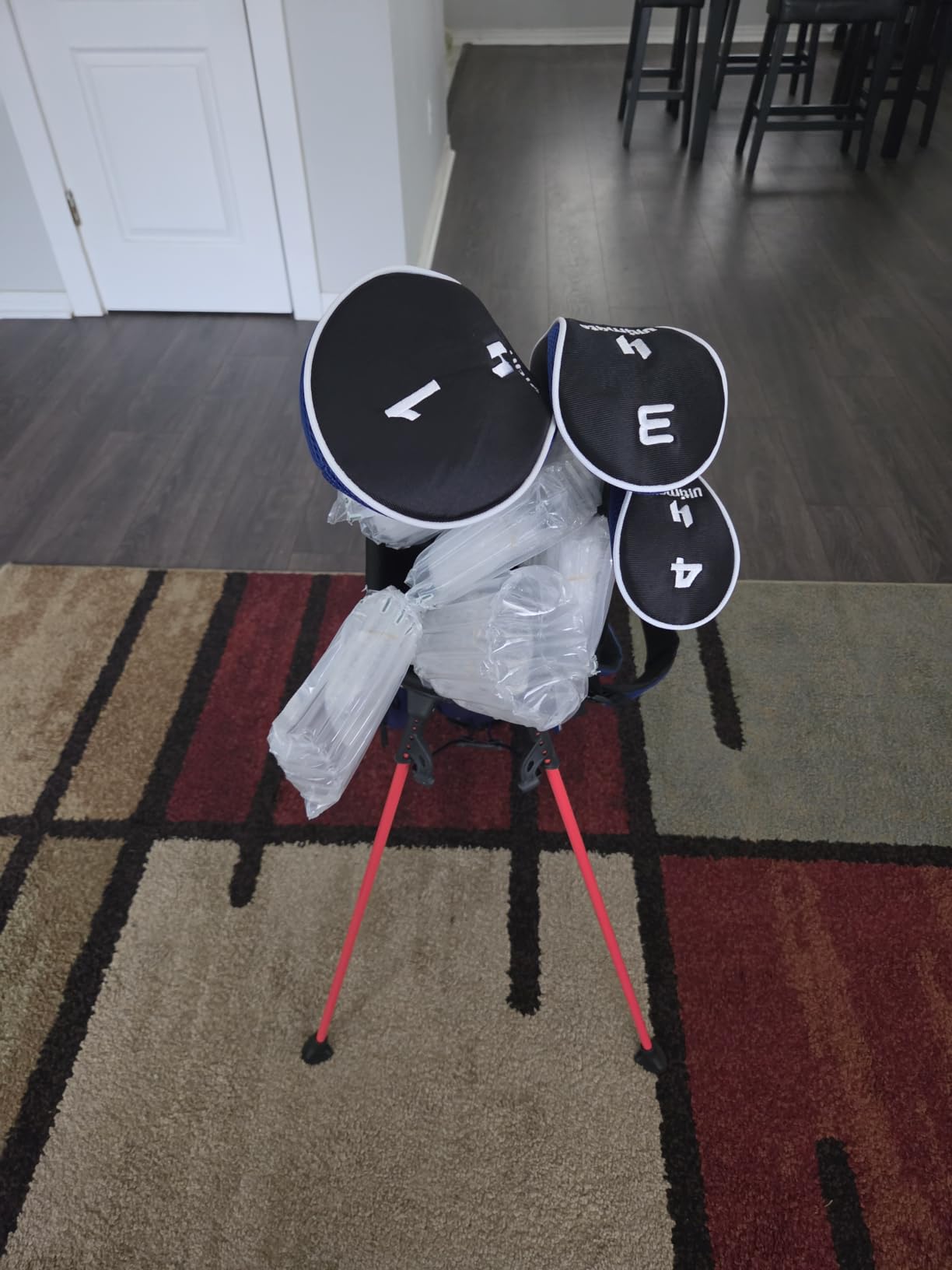
The irons are the honest weak point. They are zinc alloy with deep grooves, and reviewers describe them as adequate rather than premium, with a shallow cavity that gives up forgiveness on badly struck shots. That is the compromise in this package.
Most owners upgrade the grips first. TPR training grips get replaced within a season by almost anyone who takes the game seriously, and it is a cheap fix that improves the feel immediately.
Is the low cost a real advantage?
Yes, for the right person. If you are unsure whether golf will stick, this set removes the barrier entirely and you can learn on clubs that will not punish a bad swing. That matters more than marginal ball speed.
It is also a reasonable first bag for a teenager learning the game, since a mishit costs nothing in frustration.
When to spend more instead
Move up if you already know you will play regularly. The shallow-cavity irons and the alloy driver face will not reward the improvement that comes with a season of practice.
Also move up if you need a sand wedge. The standard configuration does not include one, so you would be adding clubs later anyway.
4. Wilson Profile Platinum: Best for Taller Golfers With Standard-Length Sets Failing
WILSON Golf Profile Platinum Package Set, Men’s Right Handed, Tall Carry
Tall carry shaft lengths
10-club configuration
Thin hot perimeter-weighted iron face
Offset face putter
Pros
- Tall carry shafts suit taller golfers
- Perimeter-weighted iron face for a large sweet spot
- 5-wood and hybrid both carry around 200 yards
- Durable black PVD driver finish
Cons
- Very soft tall flex driver shaft produces extreme slices
- Driver face finish wears quickly
- Putter is ordinary and hard to hit consistently
Most package sets are built to one shaft length and then hope for the best. The Profile Platinum is the exception in this list, with tall carry shafts that taller beginners rate as a decisive benefit when standard length clubs leave them standing over the ball.
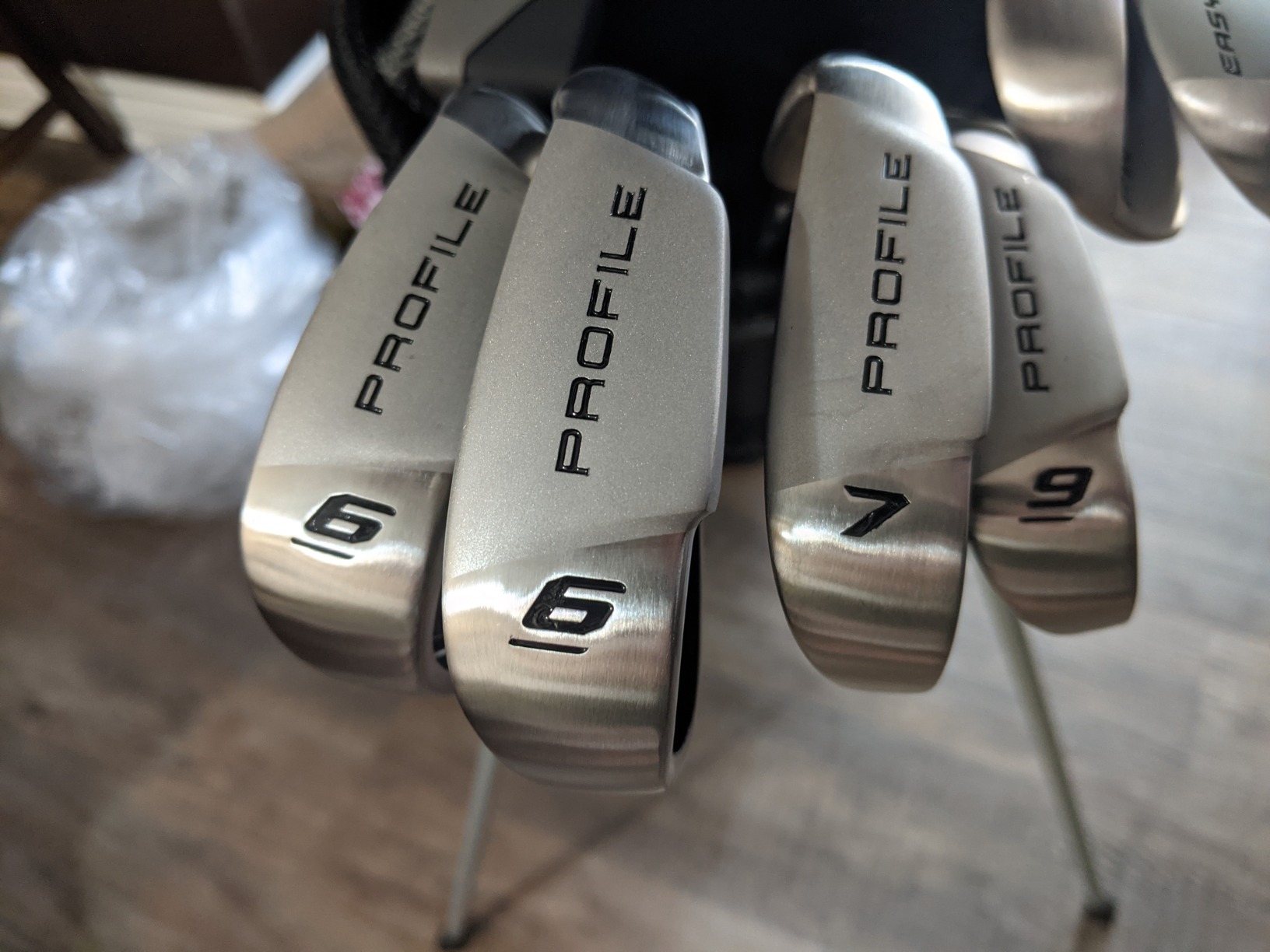
The iron technology follows the Profile line. A thin, hot face is perimeter weighted to create a large sweet spot, and the mass sits low and back for straighter shots. The 10-club configuration runs driver, 5-wood, 5-hybrid, 6 through sand wedge, and a putter.
Owners like the 5-wood and 5-hybrid, reporting around 200 yards for many users with both. For a high handicapper, that is two easy clubs covering the range where a long iron would otherwise punish them.
The repeated criticism is the driver shaft in the tall flex. Reviewers describe it as very soft and say it produces extreme slices, which is a specific fit warning rather than a general quality complaint.
Who benefits most from tall carry
It suits golfers who stand up to the ball in a way that standard length clubs cannot reach. If you spend every swing adjusting your stance rather than hitting the shot, longer shafts fix the problem in a way no technology will.
It is also a good fit for a player who already knows their standard-length clubs fit but wants to try a different number.
What to watch out for
Test the driver shaft first. A tall flex that is too soft for your speed produces a big, weak slice that is easy to mistake for a bad swing. If that happens, the rest of the set is fine and the shaft is the problem.
Skip it if you are on a strict budget for quality control reasons. There are reported issues with cosmetic trim pieces loosening and one account of a club head separating from the shaft, so inspect the set on arrival.
5. Ram Golf EZ3 Iron Set: Best Value Iron Run With a Free Hybrid
Ram Golf EZ3 Mens Right Hand Iron Set 5-6-7-8-9-PW – Free Hybrid Included
Full 5 through PW six-club run
Cavity back design for forgiveness
Bonus number 4 hybrid included
Steel shafts throughout
Pros
- Cavity back design is genuinely forgiving
- Bonus number 4 hybrid replaces the hardest long irons
- Lowest entry cost for a full 5-PW run
- Steel shafts give predictable feedback
Cons
- Steel shafts make the set heavier than modern graphite
- Limited shock absorption at this tier
- Included hybrid sits flat and goes left
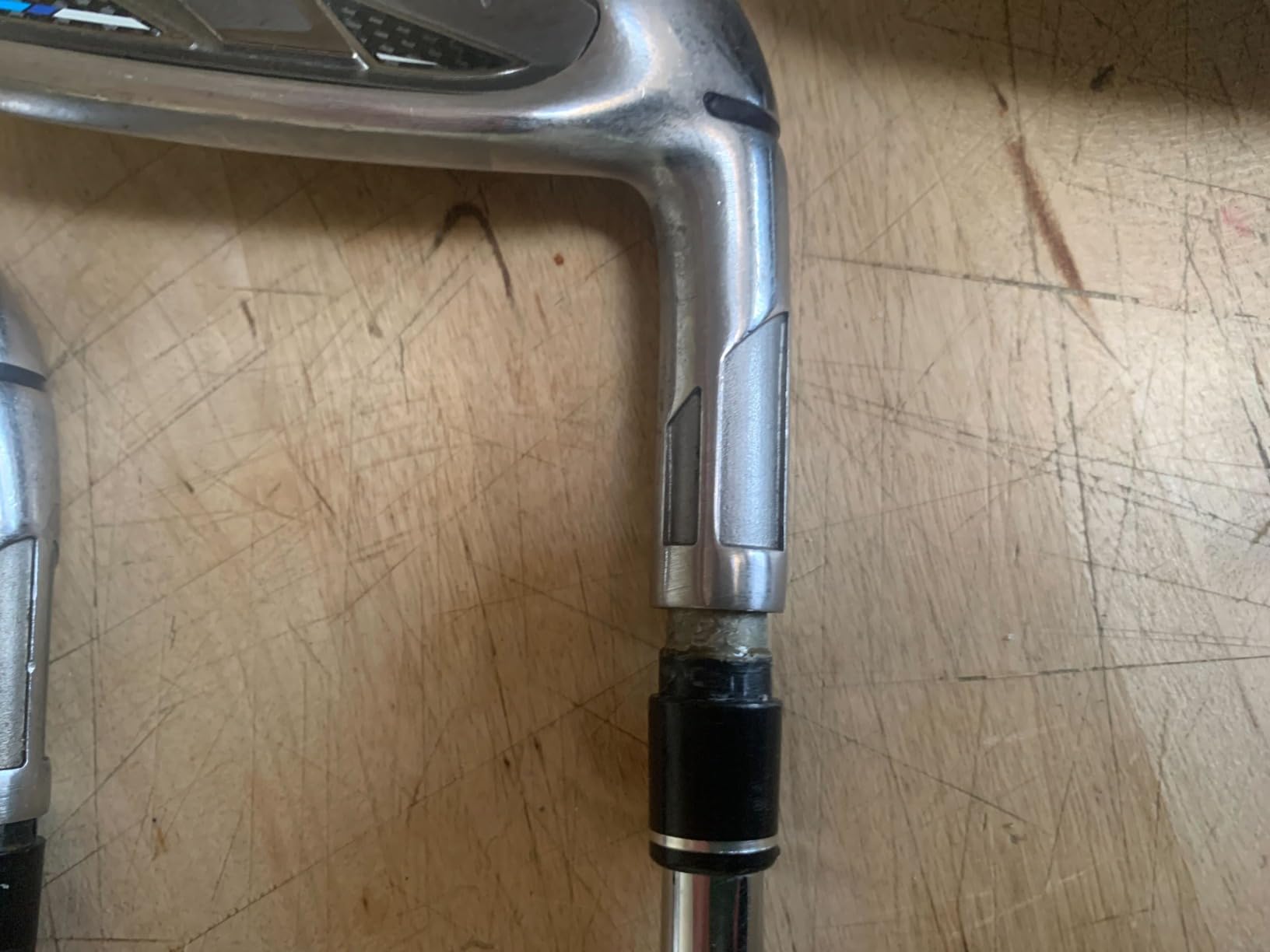
The EZ3 is the simplest recommendation here. It is a 5 through pitching wedge cavity back set, and the free number 4 hybrid is a genuinely clever inclusion because it removes the two clubs beginners hit worst.
High-handicap buyers routinely report striking this set better than expensive iron sets they owned before. That is the forgiveness story told plainly: a cavity back with a steel shaft does not need a spec sheet to work.
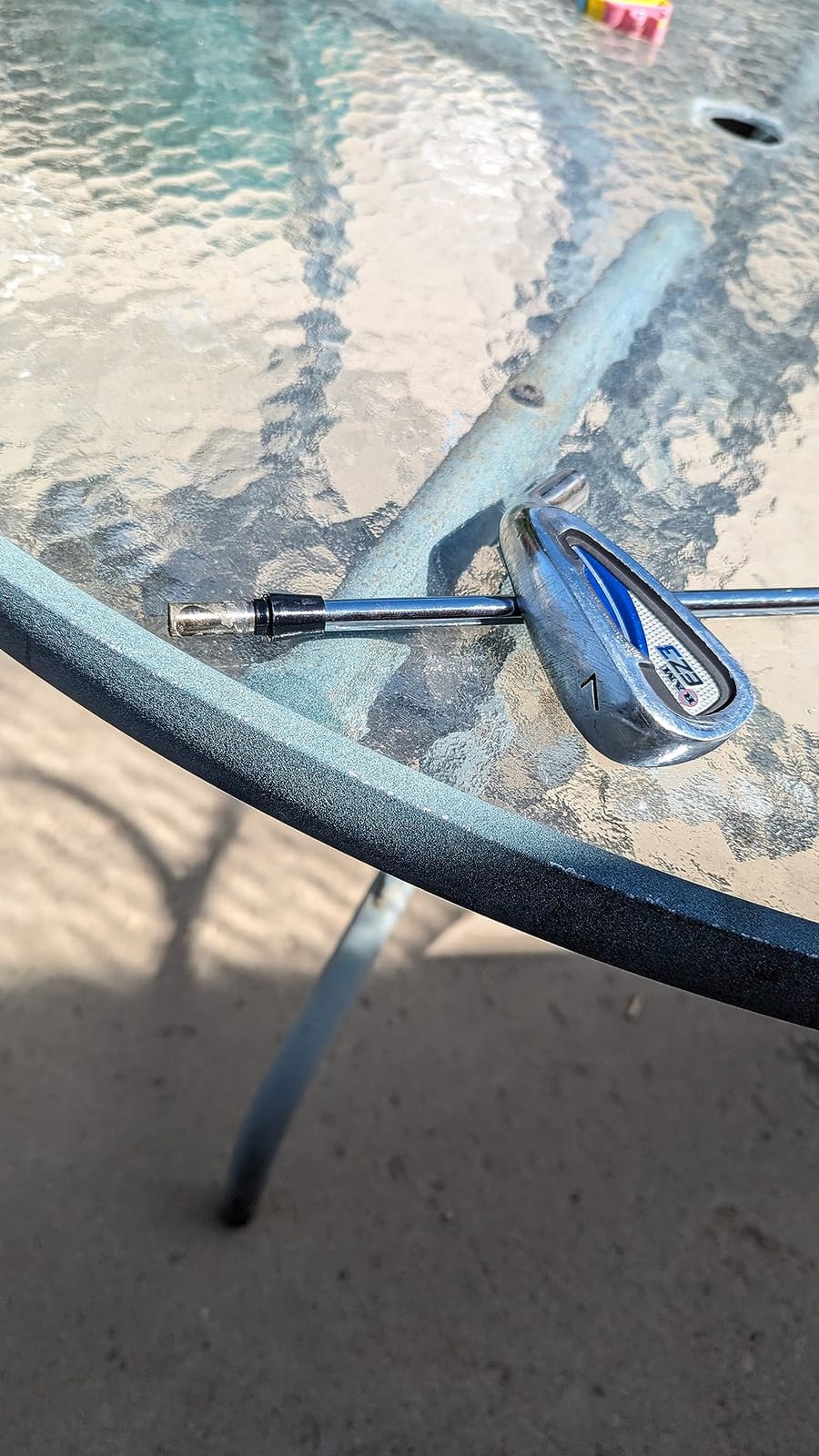
The bonus hybrid needs work from most addresses. Owners say it sits very flat and goes left unless it is opened up, so treat it as a second 5-iron rather than a default club off the tee.
Steel shafts are the other trade-off. The set is heavier than modern graphite irons, which can cost a slower swinger some clubhead speed but also tends to help players who are building strength.
Why the hybrid matters more than the irons
Across every forum thread we read, high handicappers kept saying the same thing. The biggest single gain came from replacing a 4 or 5 iron with a hybrid, not from upgrading the set. The EZ3 gives you that club before you think to buy it.
If you already own a hybrid, this set becomes purely an iron purchase and the value still holds for a beginner on a tight budget.
Where it falls short
It falls short on feel and vibration control at impact, which owners describe as limited shock absorption. If you are sensitive to a harsh strike, demo a hollow-body set first.
It also ships without a sand wedge, so budget for a gap wedge and a sand wedge separately. Budget fitting help is also not something these brands offer in the way a certified fitter would.
6. TaylorMade SIM2 Max Irons: Best Iron Set for Feel and Distance Combined
TaylorMade Golf SIM 2 MAX IRON SET MENS RIGHT HAND STEEL REGULAR 5-PW, AW
7-iron through approach wedge
Cap Back multi-material construction
ECHO vibration damping
Thru-Slot Speed Pocket
Pros
- Extremely low center of gravity from the Cap Back build
- ECHO damping gives a forged-like feel
- Thru-Slot adds forgiveness on low-face hits
- Inverted Cone Technology reduces side spin
Cons
- Priced well above the other irons here
- Cast construction gives less feel than a true forged iron
The SIM2 Max is the only dedicated iron set in this guide, and for a golfer who already owns woods and a putter that fit, it is the correct buy. Everything else on this list is a package; this is a 5-PW iron run with real construction behind it.
The Cap Back design combines high-strength stainless steel with ultralight polymers to push the center of gravity extremely low. Low CG is the single most useful trait for launch, and it is the one feature every high handicapper should be shopping for.
The ECHO damping system is the surprise at address. It uses a softer polymer blend across multiple contact points to channel away harsh vibration, and reviewers describe the resulting feel as closer to a forged iron than the price would suggest.
The Thru-Slot Speed Pocket adds face flexibility for low-face mishits, and Progressive Inverted Cone Technology is designed to reduce side spin and cut the typical right miss. Slicers should feel that last one most.
Is this too good for a high handicap?
No. Low CG and high MOI are exactly the traits a 25 handicap needs, and forgiving clubheads do not require good technique to work. What they do require is a strike pattern, and a cast face is more forgiving of a strike pattern than a blade.
The one caution is feel. If you are used to hitting a thin, firm cast iron, the SIM2 Max is a bigger head than you may expect. Demo it rather than judging it from a photograph.
When another set suits you better
Choose a hollow-body or super game-improvement alternative if your handicap is 30 or above and you need a larger head. This set is a game-improvement design, not the most forgiving category on the market.
Consider buying used if budget is the deciding factor. A generation-old version of this class of iron often costs a fraction of the new one and forgives nearly as well.
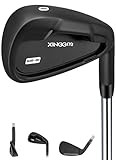
7. XINGGM XM-01: Best for Filling a Single Gap in an Existing Bag
XM-01 Individual Golf Irons or Golf Irons Set – Premium Men Golf Club Iron with Steel Shaft for Right Hand Golfers Stiff Flex (#0 Iron Single, Right)
Sold as a single club or partial set
CNC milled deep grooves
Broad sole with a low CG design
Stainless steel with QPQ treatment
Pros
- Very low cost per club
- CNC grooves give a clean consistent strike
- Broad sole and low CG reduce digging on poor strikes
- Also offered in left hand
Cons
- Sold as single clubs rather than a full set
- Stiff flex suits faster swings than a slow high-handicap tempo
- Limited feel and sound versus premium irons
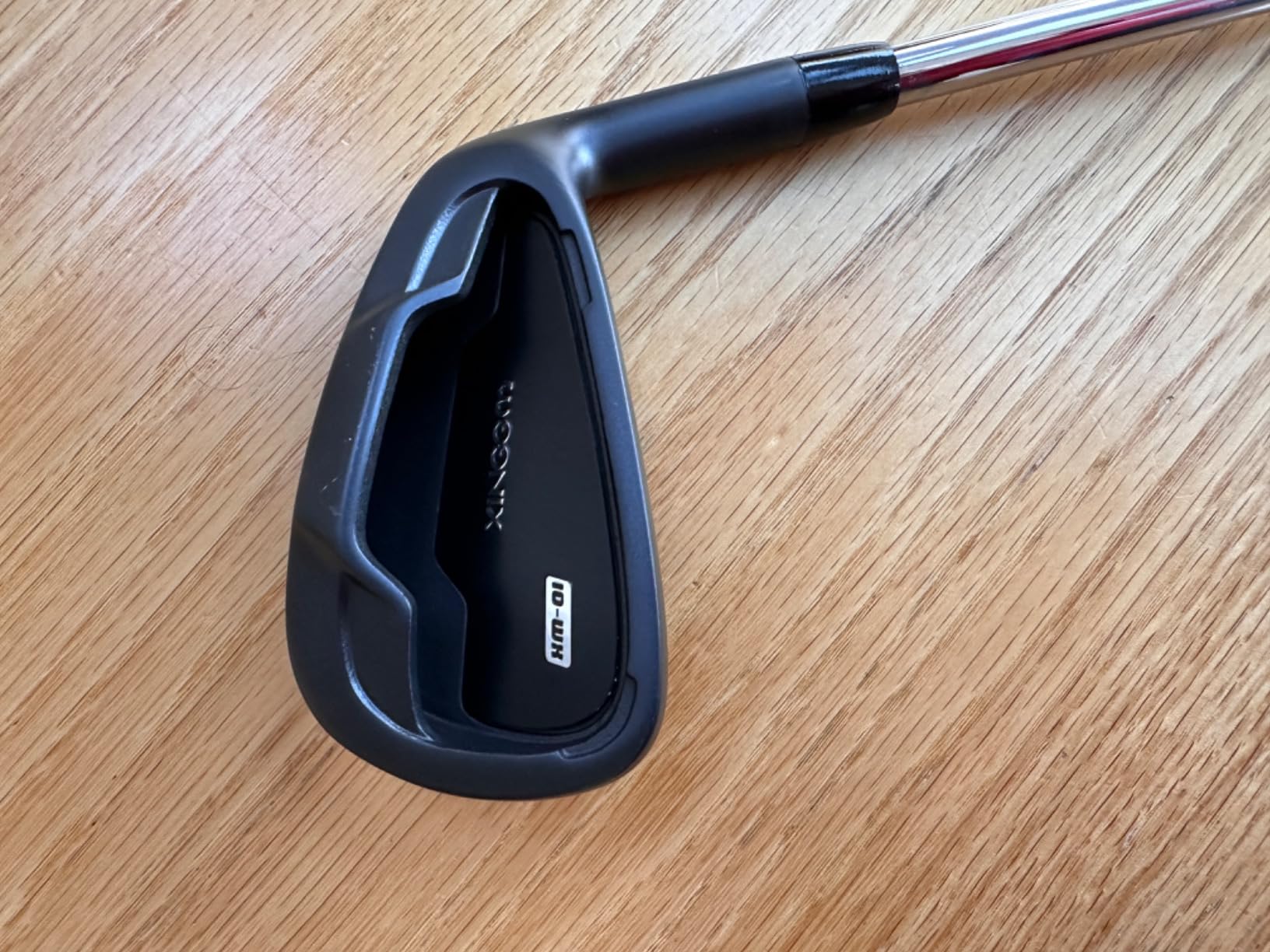
The XM-01 is not a bag and it is not a full set. It is a cheap way to solve one specific problem, such as a missing 5 iron or a broken 7, and that narrow purpose makes it easy to judge.
The construction details are better than the price implies. It uses precision CNC milled deep grooves, a low center of gravity design that minimizes turf interaction on mishits, and a concave back with a broad sole for forgiveness.
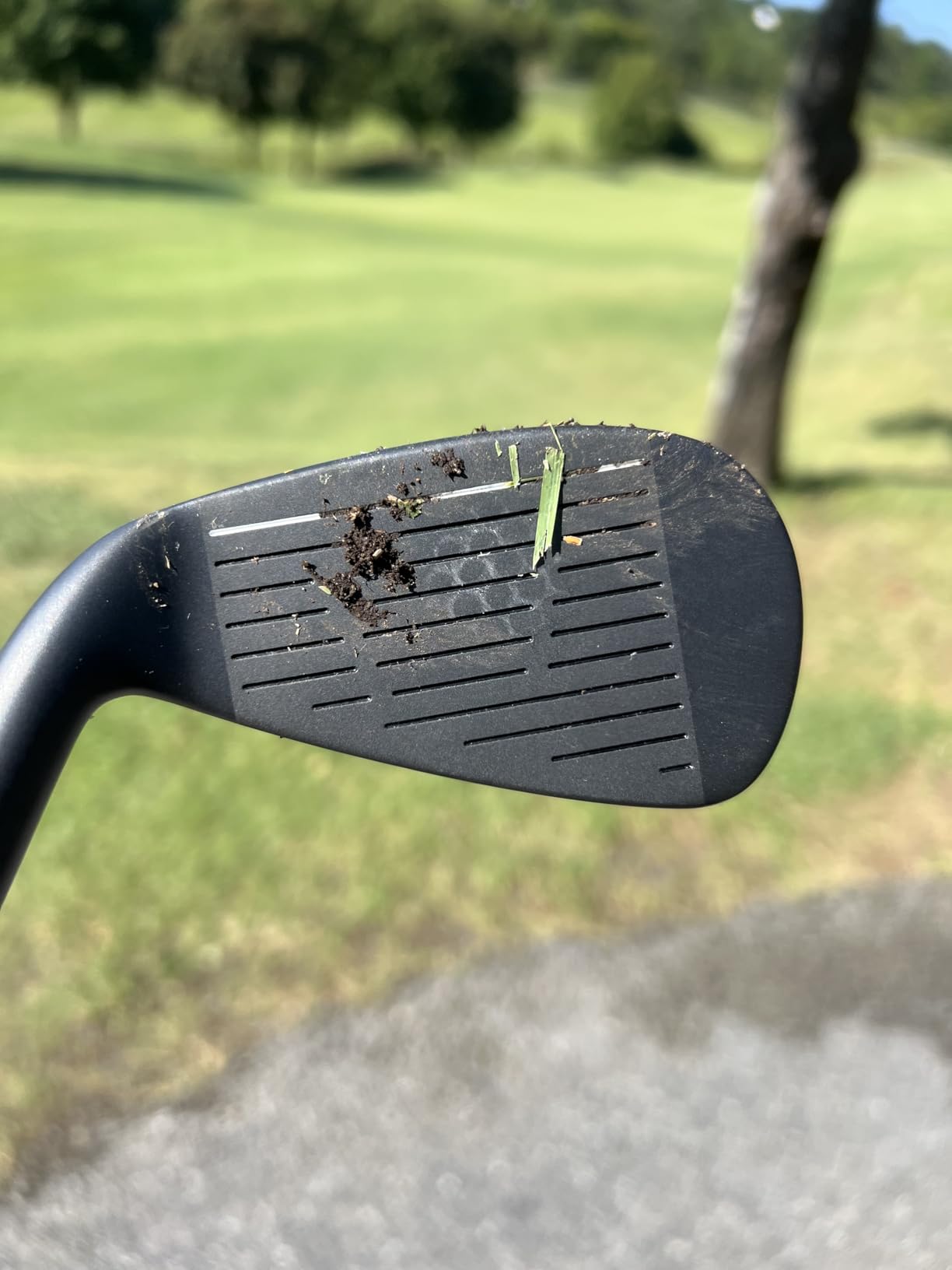
The mismatch to watch is the stiff flex. Reviewers report it as the single most common problem for slower swing speeds, because a stiff shaft asks a slower tempo to accelerate a heavy tip and it never settles.
Feel and sound are the other limitation. Owners compare the strike to budget clubs rather than to forged or hollow-body irons, and vibration damping is minimal at this tier.
When a single club makes sense
It makes sense when you love your current set and one club is cracked, or when you want to experiment with a loft you do not own. It also works as a cheap practice club you will not mind losing in the water.
It is one of the few products here offered in both right and left hand, which is a genuine advantage for left-handed beginners buying their first iron.
When you need a real set
Do not try to build a full bag from these. The flex mismatch across a set assembled club by club is a bigger problem than the price you saved, and inconsistent shaft feel is harder to fix than an inconsistent loft.
Look at a 5-PW set or a complete package instead. The cost difference is modest and the swing consistency is night and day.
8. Cleveland Launcher XL Halo: Best for Slow Swing Speeds and Older Golfers
Cleveland Launcher XL Halo Iron Set RH 5-DW Graph Reg
MOI of 2908 g-cm2 in the 7-iron
Regular lightweight graphite shafts
Gliderail to V-shaped sole design
HiBore stepped crown for high launch
Pros
- Enormous sweet spot keeps mishits straighter and longer
- Easy to get the ball airborne at slower speeds
- Very wide sole glides through turf on most surfaces
- Lightweight graphite shafts are easy on the body
Cons
- Hollow cast construction gives reduced feel
- Thick top line looks heavy at address
- Black coating shows wear quickly
If your swing speed is the problem rather than your technique, this is the set we would start with. Reviewers with slower swing speeds and higher handicaps consistently report that these irons get the ball up in the air and hold greens better than the forged clubs they played before.
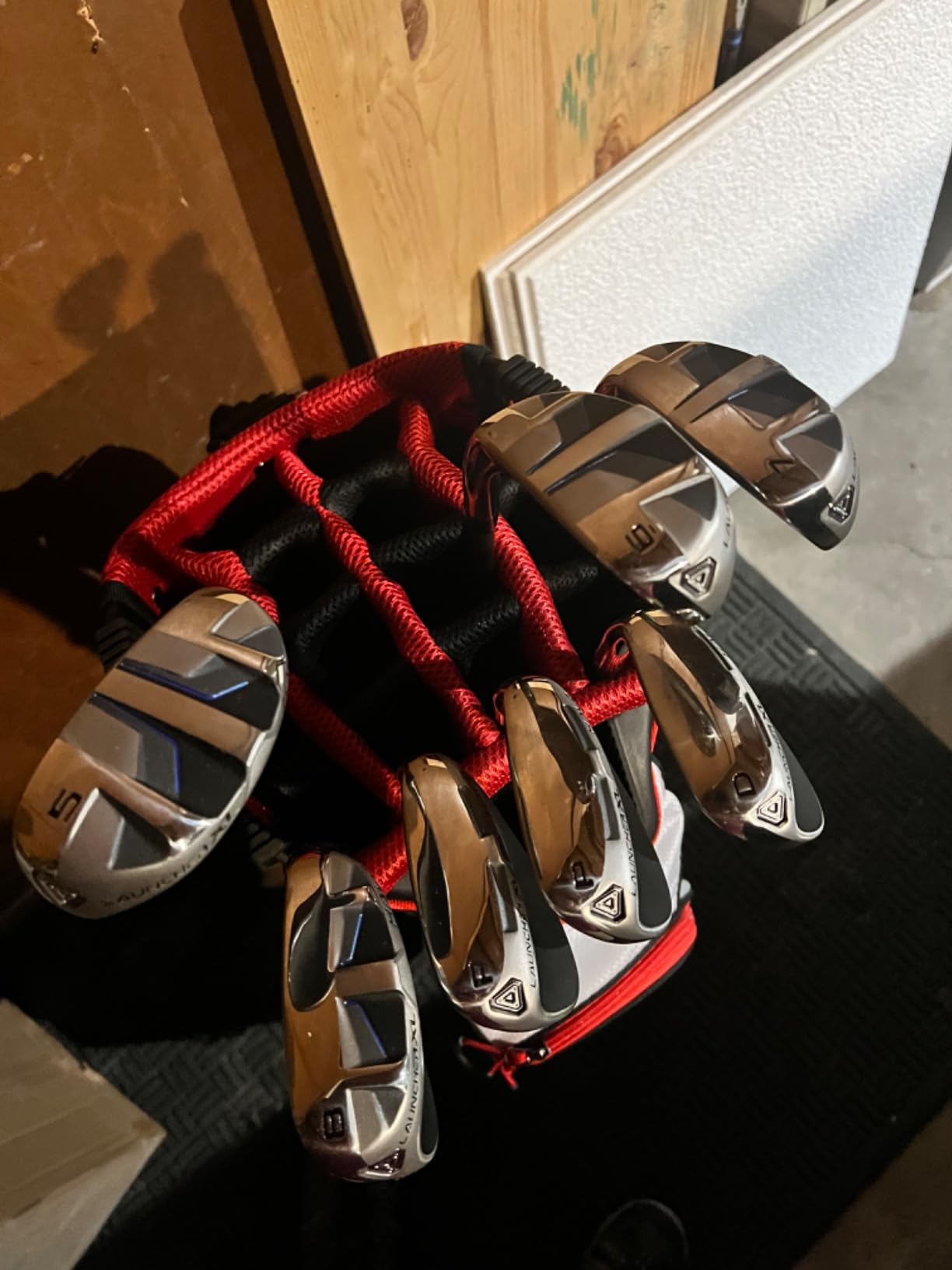
The XL head design delivers an MOI of 2,908 g-cm2 in the 7-iron, which is a large number for a golf iron and the single best explanation of why mishits survive. The HiBore Crown Step lowers the center of gravity for high-launching shots.
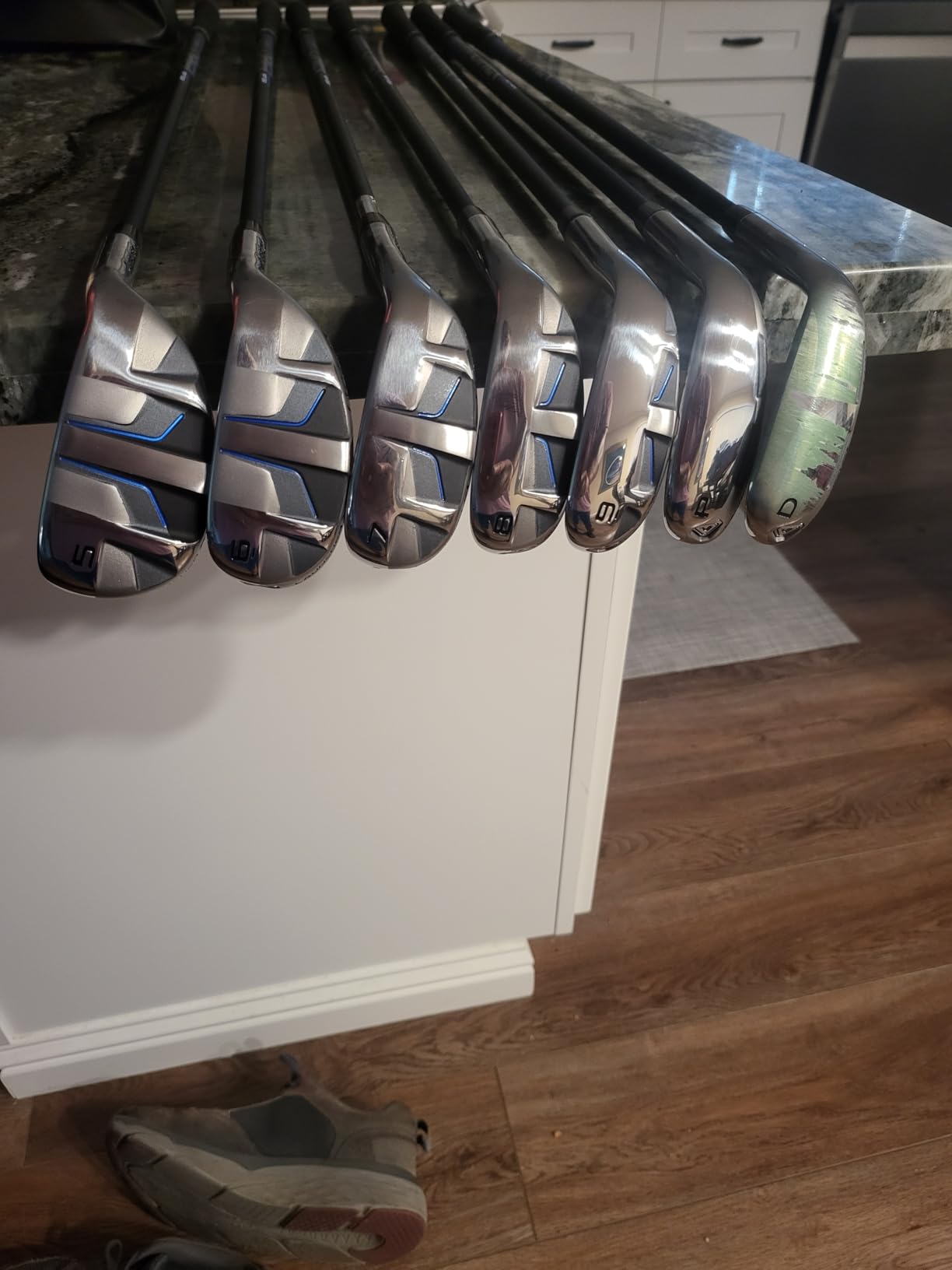
The sole is the other hero. It runs as a Gliderail in the long irons, transitions to a V-shaped sole through the short irons, and finishes with a 3-tiered sole on the wedges. That is real engineering attention at the point of turf interaction.
Action Mass technology places 8g of weight inside the end of the grip, so balance improves without adding length to the club or effort to the swing.
Why launch is the whole ball game
Distance for a high handicapper is mostly a launch problem. When a ball comes off the face low and running, no amount of effort fixes it, and the shot is dead regardless of how hard it was struck. A stepped crown plus a wide sole corrects the geometry of the strike.
Graphite shafts at roughly regular weight are also kinder to an older body than a steel set, and several owners single that out as the reason they can play more than they used to.
What you give up
Feel. The hollow cast construction is springy and noticeably less responsive than a blade, and the thick top line is one of the ugliest profiles in this guide. Players who want to shape shots will find the limited workability frustrating.
The wide sole can also feel awkward out of very dense rough, where a narrow sole digs down and stops the club.
9. Orlimar Intercept Single Length: Best for Swing Consistency
Orlimar Intercept Single Length Iron Set for Men Steel Regular Flex
Identical 37 inch length and lie on every club
Advanced undercut cavity
Flex Face thin face on 5 and 6 irons
Orlimar 95 steel shafts
Pros
- One setup for every club in the set
- Undercut cavity raises MOI for accuracy
- Ultra-thin face adds real distance in the 5 and 6 irons
- Textured rubber grips feel secure
Cons
- 37 inch length can feel cramped for taller golfers
- Steel shafts are heavier than graphite alternatives
- Uniform length makes distance gaps feel inconsistent
- No sand wedge in the set
Single length is the entire concept, and it is a concept that pays off for a specific kind of golfer. Every club in the set is 37 inches long with the same lie and head weight, so your setup never changes from the 5 iron to the gap wedge.
For a high handicapper who is still building a repeatable motion, that removes one variable. Reviewers like the undercut cavity that redistributes weight to the perimeter and rear to increase MOI, and the Flex Face thin face on the 5 and 6 irons for distance.
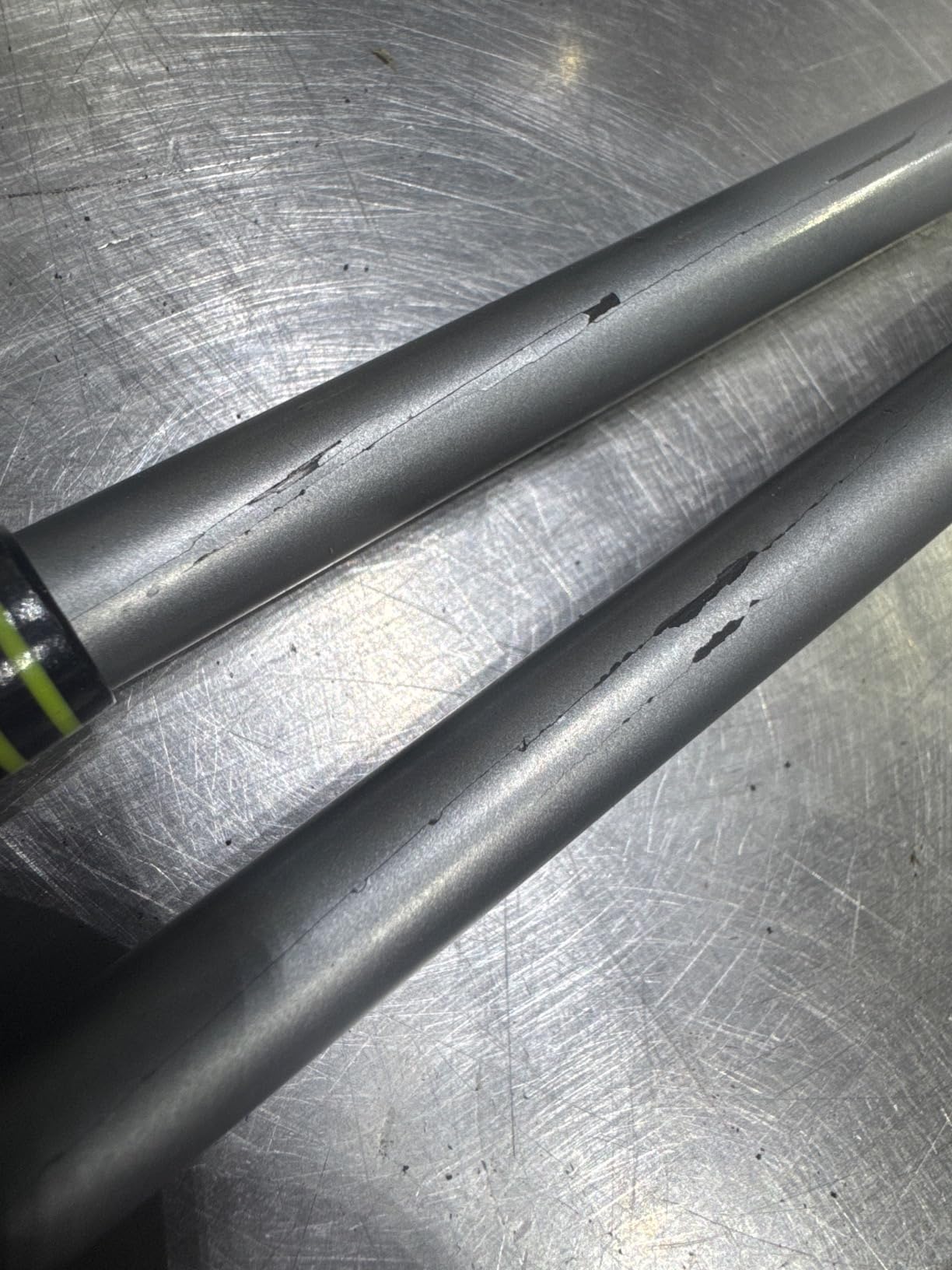
Lofts run from 23.5 degrees at the 5 iron through 50 degrees at the gap wedge, and the set runs 5 through gap wedge. It is right-hand only with Orlimar 95 steel shafts.
Height is the deciding factor. Reviewers are split cleanly on the 37-inch length, calling it either the reason the set works or the reason it feels cramped. If you are over about six feet, be cautious.
Who benefits from identical length
It suits golfers whose miss changes from club to club. When every iron is the same length, the only thing changing is the loft, and that simplifies learning a repeatable swing far more than club-by-club lengths do.
It also suits a player who travels and practices in different climates, since temperature barely affects the feel of a set with no length variation.
What you need to check first
Measure your current 7 iron or get a lie angle reading. If your natural length is closer to 38.5 inches, a 37-inch set will leave you standing and reaching, which destroys the consistency the design is meant to create.
You will also need a sand wedge. The set ends at a gap wedge, so that is another purchase.
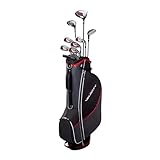
10. Wilson Tour Velocity: Best Oversized Head Set with a Full Bag
Wilson Men’s Tour Velocity Complete Golf Set with Stand Bag – Right Hand
Driver fairway wood hybrid and putter
Four perimeter-weighted irons
Oversized low center of gravity iron heads
Stand bag with three head covers
Pros
- Oversized irons with a very large sweet spot
- Low center of gravity makes launch easy
- Best rating-to-price ratio among the complete sets
- Double shoulder straps reduce on-course fatigue
Cons
- Only four irons included so mid-range clubs must be added
- Bag is functional but not premium
- Driver shaft is a step lighter than a pure graphite build
The Tour Velocity ties for the highest average rating in this guide on a much smaller review base, and the reason is the irons. They are oversized with a low center of gravity and extreme perimeter weighting, which is about as forgiving an iron head as you can buy in a complete set.
Owners point at the sweet spot size as the reason for the score. For a 30 handicap who strikes the face away from the center most of the time, that single design choice can be worth several shots a round.
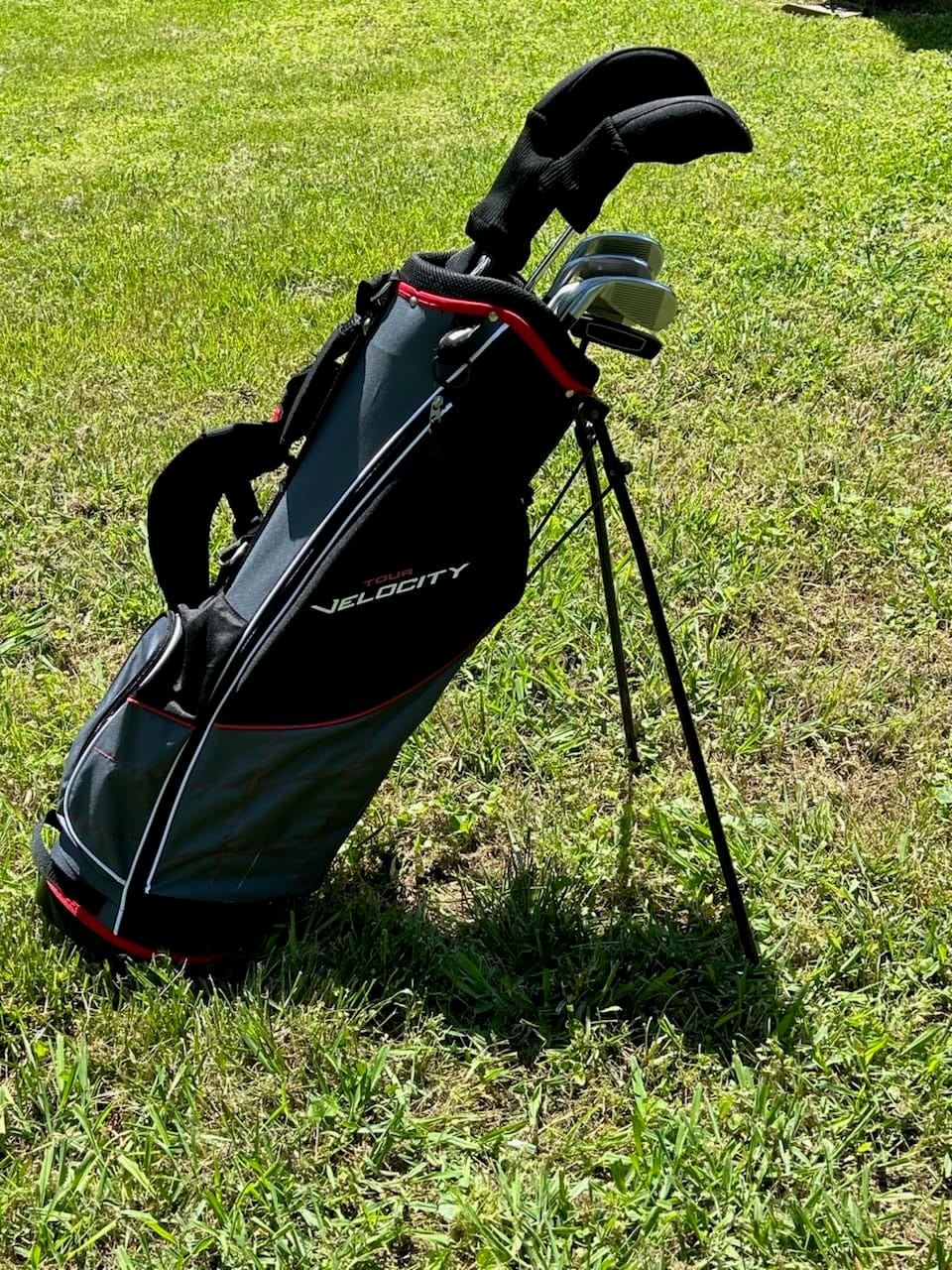
The bag is a proper stand bag with double shoulder straps and plenty of pockets, plus three head covers. Several owners mention the straps specifically as a comfort feature over long rounds.
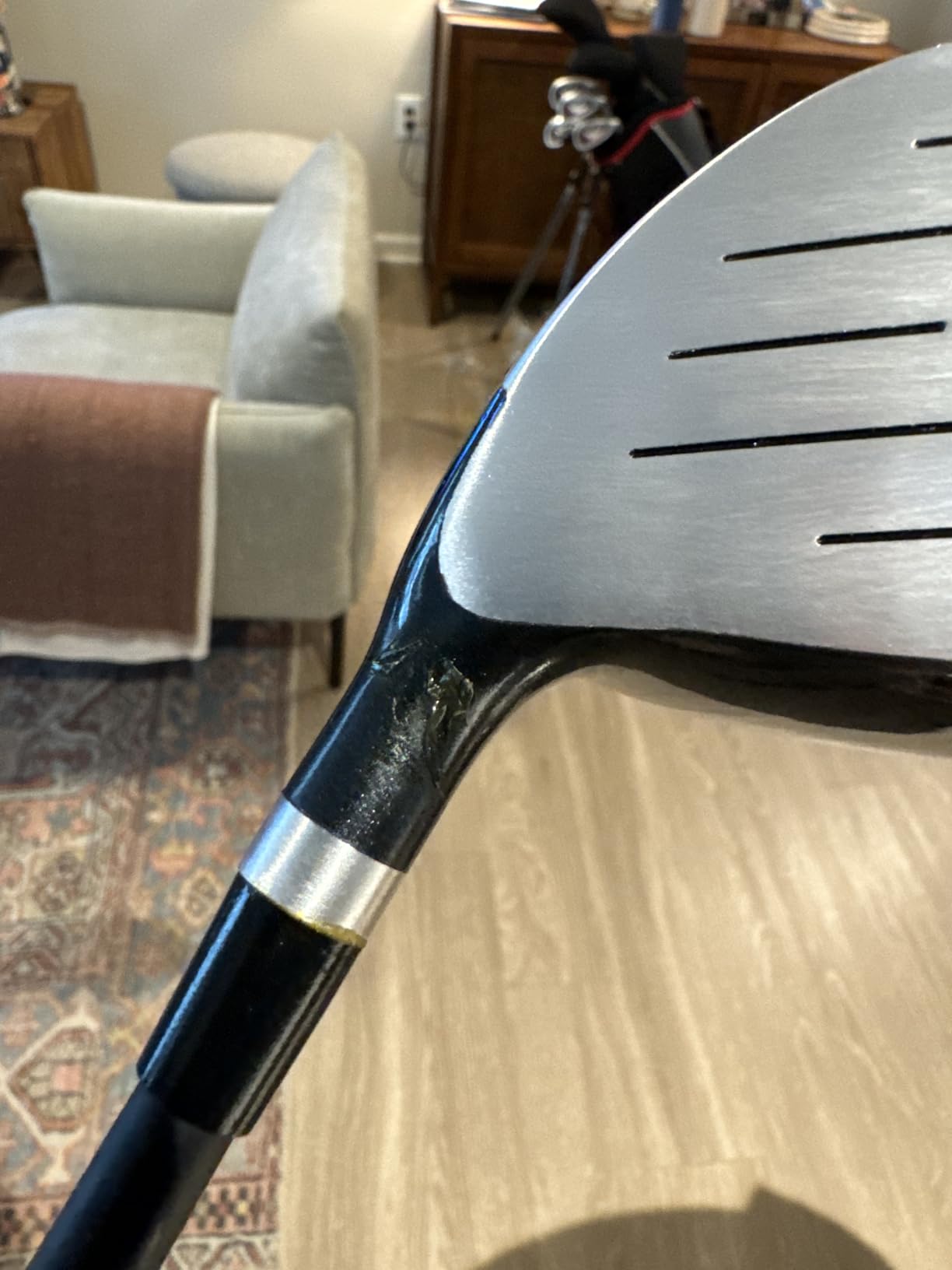
The driver is a forged titanium composite 460cc oversized head with power weighting technology, which is a softer and more forgiving sound than a cheap cast driver.
Is a bigger head always better?
Not always. Oversized heads raise MOI but they also lower the center of gravity so far that some players struggle to control the flight, and a very low face can make it hard to keep the ball on the ground for chip shots.
For a beginner who wants the ball airborne and does not have a consistent release yet, it is the better side of that trade. The thick top line is the visual cost, and it is the first objection most golfers raise.
The gap in this package
Only four irons are included, so the middle of the bag is missing. You would need to add a 5 or 6 iron to avoid a large gap between the hybrid and the shortest iron, and that is a real extra cost at buying time.
If you only need irons, buy a set. If you are starting from nothing, this is an efficient way to cover the whole bag in one decision.
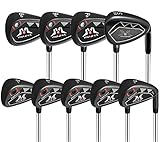
11. MAZEL 9-Piece Iron Set: Best for a Complete Long-Iron Run
MAZEL Men Golf Iron Set (9PCS) or 1,2,3,4,5,6,7,8,9,Pitching Wedge,Sand Wedge with Steel Shafts for Right Handed Golfers (3-SW (9PCS))
Hollow body 3 through 7 irons
Extra weight screw lowers center of gravity
Larger face with deep CNC grooves
Stainless steel with vibration control
Pros
- Hollow body 3-7 irons deliver high ball speed and forgiveness
- Deep CNC grooves and larger face improve accuracy
- Weight screw produces a high easy launch
- Loft angle printed on every club head
Cons
- Long irons feel heavy like hitting with a hammer
- Black coating scratches and wears through quickly
- Stiff flex is wrong for slower swing speeds
- No gap wedge between the pitching and 56 degree wedge
Most sets in this guide stop at a 5 iron or a 4 iron. The MAZEL goes from the 3 through the 7 in hollow body construction, which is a lot of clubs in the hardest part of the bag. Owners moving up from beginner irons report it plays closer to a premium club than the cost suggests.
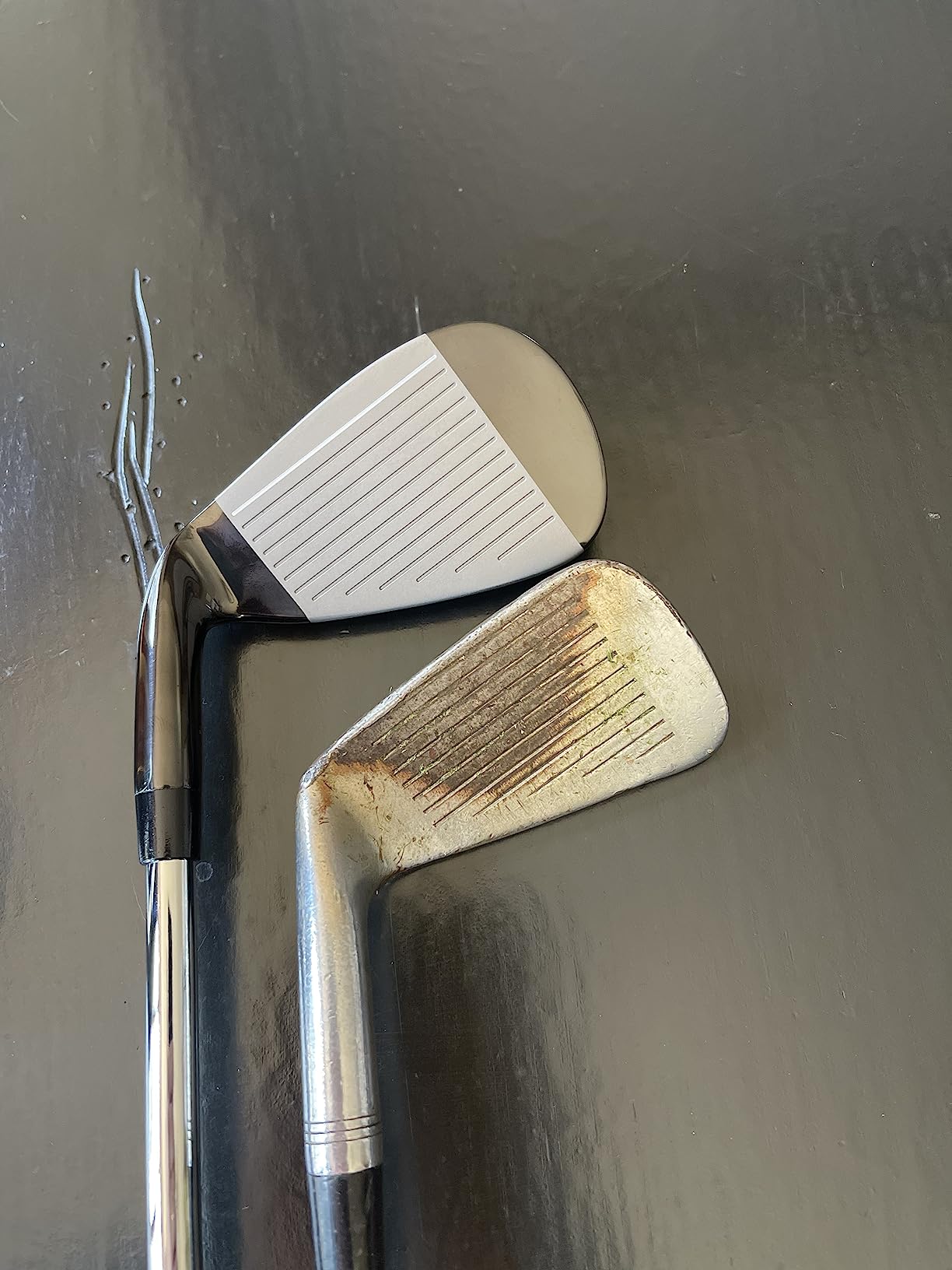
Three design choices do the work. Hollow body construction on the 3 to 7 irons for ball speed, a larger hitting face with deep CNC grooves for forgiveness, and an extra weight screw on the back that lowers the center of gravity for high launch from fairway, fringe or rough.
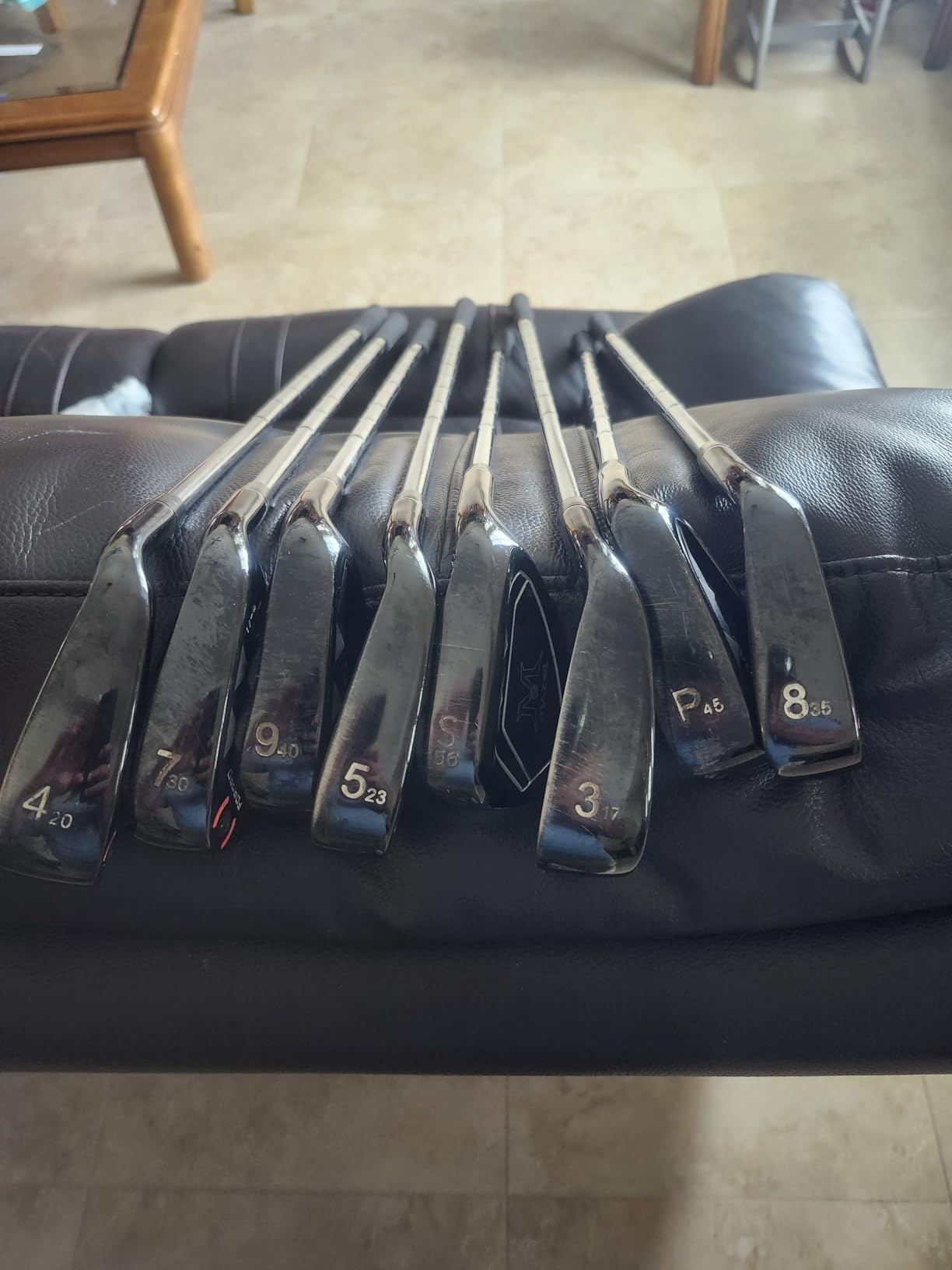
Small details are unusually thoughtful. The loft angle is printed on every club head, which saves you counting numbers in a bag full of black heads, and the stainless steel body absorbs unwanted vibration for a stable feel.
The two repeated complaints are weight in the long irons, described as hitting with a hammer, and a black coating that scratches and wears through quickly.
Do you really need 3 irons?
Most high handicappers do not. Forum advice is nearly unanimous that a 3 and 4 iron are clubs you will not hit well, and a hybrid covers that distance far more forgivingly. Buy this set for the quality of the 6 and 7 irons, not for the numbers at the top.
If your handicap is 25 or below and you strike irons reasonably consistently, having the full run is a genuine advantage at tight courses where par threes are reachable with a mid iron.
What to check on arrival
Check the stiff flex against your swing speed. Owners specifically flag it as a poor match for slow high-handicap tempos, and that is a fitting issue you cannot fix later.
Note the missing gap wedge. The run goes from the pitching wedge to a 56 degree wedge, which leaves a gap you will notice on the back nine.
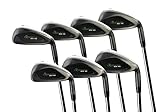
12. BombTech Golf 4.0 Iron Set: Best for Building Swing Strength
BombTech Golf 4.0 Iron Set – Black (Stiff Flex)
Full 4 through pitching wedge run
Undercut cavity shifts CG rearward
431 stainless heads with steel shafts
8 degree bounce angle
Pros
- Full 4-PW run at a low cost
- Undercut cavity gives good forgiveness across the face
- Heavy club weight suits golfers building strength
- Consistent flight from virtually any lie
Cons
- Very heavy swing weight compared with the rest of this list
- Hard slippery grips are replaced by almost everyone
- Limited feedback between good and bad strikes
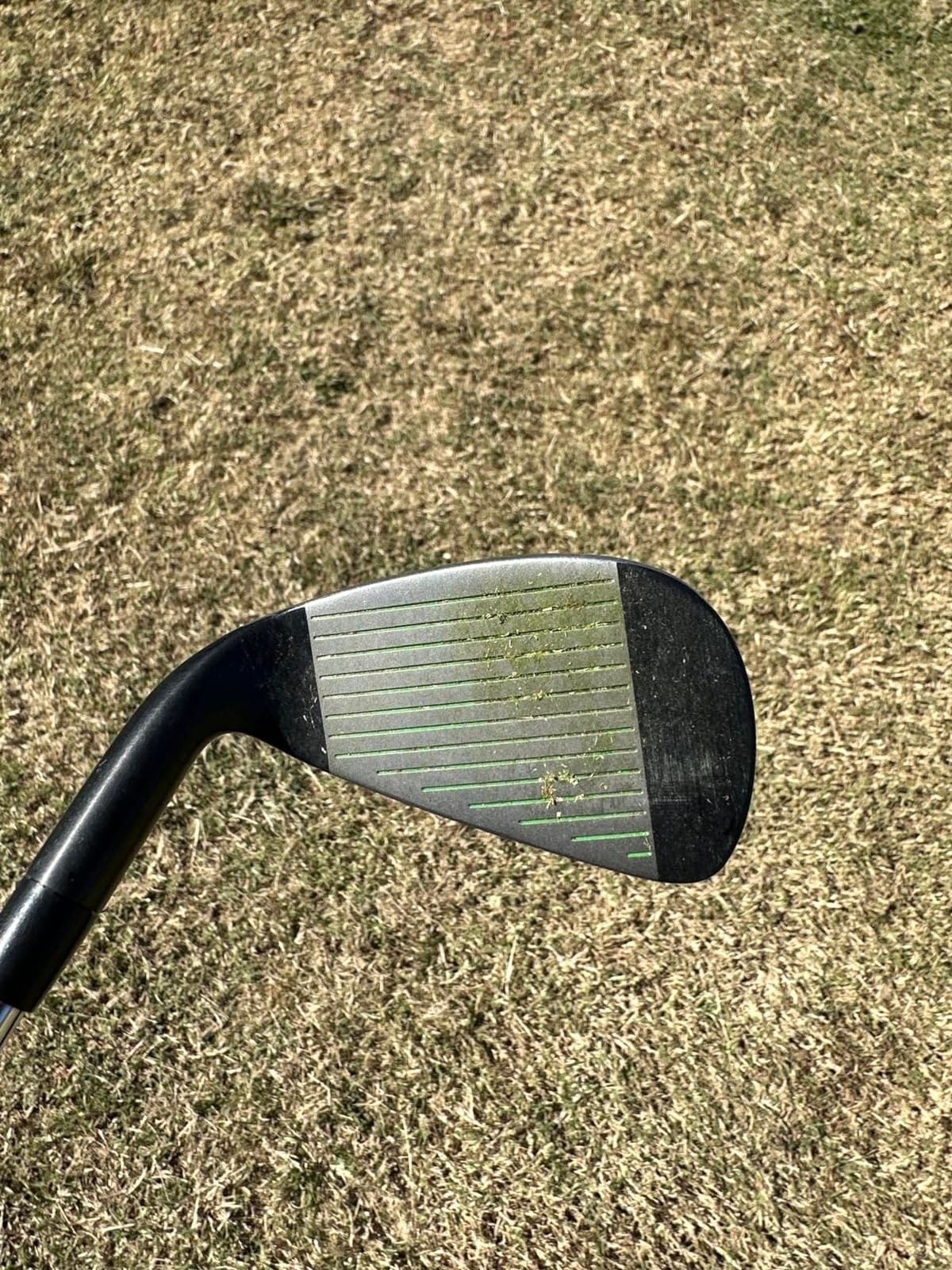
- Black paint finish does not hold up
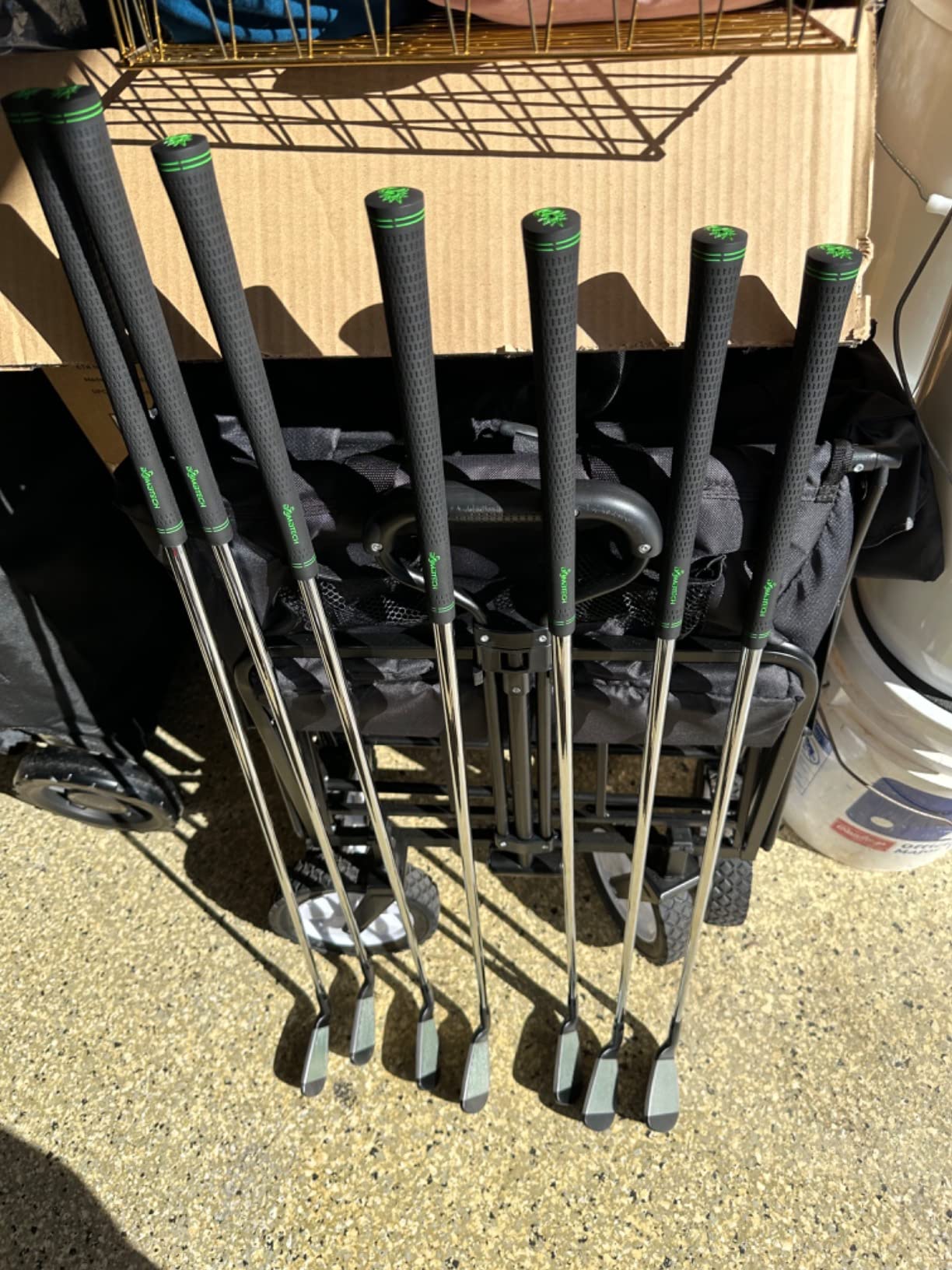
The BombTech 4.0 is the odd one out and the reason it is here. It is a full 4 through pitching wedge run, and the clubs are heavy, which high-handicap owners describe as a benefit for building strength rather than a flaw.
The undercut cavity shifts the center of gravity rearward for a higher moment of inertia, and the perimeter and increased weighting keeps shots consistent through impact. Owners describe consistent, easy-to-hit flight from virtually any lie.
Feedback is deliberately muted. The impact sound does not distinguish a clean strike from a mishit, and several owners describe that as the point, since nothing punishes them for a bad contact.
Two upgrade items dominate the reviews. Nearly every buyer replaces the grips immediately because they are hard and slippery, and regripping exposes sharp metal edges from the cut shafts that need to be smoothed down first.
Is heavier really better here?
It depends on your strength and speed. Golfers building a swing often like a heavier club because it moves the head through the ball with less effort, and several owners converted from lighter sets specifically for that reason.
A slower swinger should not choose this set. The added weight costs clubhead speed, and a high handicap with a slow tempo needs speed more than stability.
What to plan for
Budget for new grips from day one and expect to sand the shaft ends. The 431 stainless heads and step-less steel shafts are dependable, but the finish and the grips are not.
Skip it if you play in a group that cares about profile and sound. The feedback is the flattest in this guide, and players who like hearing a crisp strike find it unsatisfying.
How to Choose Forgiving Irons: A Buying Guide for High Handicappers
1. Set your goal: irons only or a whole bag
Decide this first, because it halves the choices. If you already have a driver, woods and a putter you like, an iron-only set gives you better steel, better shafts and more clubs for the money. If you are starting from nothing, a complete package gets you playing this week.
The mistake is buying a package set and then replacing half of it. Work out which part of your current bag is failing you, and upgrade only that.
2. Iron style: super game improvement, game improvement, players distance
A super game-improvement (SGI) iron is the largest and most forgiving category, with a thick top line and an oversized head. A game-improvement (GI) iron is a step down in size with slightly more feedback. A players-distance iron is compact and more responsive, aimed at golfers who strike the ball well enough to handle it.
For a 28 handicap, an SGI or GI iron is the right starting point. For a 15 handicap who is still losing shots, a players-distance iron can work, but only if ball striking is already consistent.
3. Clubhead size, offset and the right miss
More offset moves the hands forward at address and helps a golfer who fades the ball, because the toe of the face is further ahead at impact. It also encourages a draw, which is why strong-loft GI and SGI irons visibly reduce dispersion for slicers over a season.
The most common objection in every forum we read is the thick top line and oversized head. It is a real concern and it is a cosmetic one, so stand over the clubs in a shop mirror before you dismiss or accept them.
4. Shaft material and flex for slow swing speeds
Graphite is lighter and easier to accelerate, which suits slower swing speeds and older players. Steel is heavier, gives more feedback and is more stable in the wind, which suits players who generate speed or are building strength.
Flex matters more than many buyers expect. The XM-01, MAZEL and BombTech sets here are stiff flex, and stiff shafts punish a slow tempo. A regular flex graphite shaft is the safer default for a high handicap.
5. Match the category to your handicap number
20 to 24: A game-improvement iron set, regular flex graphite, moderate offset. Forgiveness still matters, but you can handle a slightly smaller head.
25 to 29: A super game-improvement or deep cavity GI iron with strong lofts and lightweight shafts. This is the category most built for your situation.
30 to 35: The largest SGI head you can stand over, plus hybrids replacing your long irons. Profile matters less than launch and distance.
35 and above: A complete package set, or a super game-improvement iron set with two or three strong-loft wedges. Do not buy a full 4-PW run you will not hit.
6. Loft gapping and why strong lofts cost distance
Loft gapping is the spacing between the lofts of your irons. Too close together and the ball flies too high, runs on and past greens. Too far apart and you cannot hit a smooth gap shot between two clubs.
Strong lofts are a real trade-off. They raise launch, which high handicappers need, but they also cost stopping power, and the same forum threads that praise forgiveness contain complaints about flyers. Ask for a loft chart before you buy and check that the gap from your wedge to your gap wedge is workable.
7. The core distance problem: how to hit your irons higher
Distance for a high handicapper is not a strength problem, and buying clubs will not fix it on its own. It is a launch and delivery-speed problem, and that is good news because both are trainable.
The three delivery changes that move the ball the most are simple. Ball position moves forward, which lengthens the swing and lets the clubhead reach the ball while it is still moving fast. Weight distribution shifts toward the lead foot at impact, which gets the club down and through instead of leaving it behind the ball. And a wider takeaway slows the backswing so the downswing has somewhere to go.
On the equipment side, two traits do the same job. A low center of gravity raises launch without any swing change, and a wider sole reduces the amount of turf interaction that flattens the ball on a mishit. Every set we rate highly above has both.
The simplest check on your progress is the 7 iron carry number from section 8. Measure it on a calm day, take the best of five, and repeat every few weeks. If it is not moving, the problem is in the swing and a new set will not fix it.
8. Distance expectations by handicap index
Distance targets help you tell an equipment problem from a practice problem. These are realistic average carry distances for a mid handicap golfer, and expectations scale with swing speed, not with handicap label.
A 10 handicap typically carries a 7 iron about 165 to 175 yards, a 20 handicap about 145 to 155 yards, and a 30 handicap about 125 to 135 yards. If your numbers sit well below the band for your handicap, the fix is usually a launch problem, and a lower center of gravity is worth more than a new driver.
Because swing speed drives carry distance, adding ten yards of clubhead speed typically adds 15 to 20 yards of iron distance. That is why slower players should prioritize swing speed and a fitting over any premium iron head.
9. Shopping for used irons without getting burned
Used sets are the cheapest path to good ball striking, and used-set veterans consistently point beginners toward older Callaway Steelhead and Big Bertha sets, TaylorMade Burner SuperLaunch, and Cobra and Callaway X24 sets. The problem is that most buyers cannot judge what they are looking at.
Inspect the grooves first. Worn grooves reduce spin and control on approach shots, and grooves worn past the undercut no longer hold a ball. Next, look for face thinning, which shows up as a concave or bowed face. Then check that lie angles are consistent across the set, because a botched lie angle is the most common reason a cheap used set never improves a score.
Look for bend in the shafts, especially the tips, and check that the grooves are the same depth across clubs. Two-second Swing, Global Golf and Play It Again Sports all carry return windows, and those windows are what make an unfamiliar brand less frightening.
10. Beyond irons: a 14-club high handicap bag
Answering the question of what 14 clubs a high handicapper should carry starts with the hybrids. A 3-hybrid, 4-hybrid and 5-hybrid replacing your 3, 4 and 5 irons removes three clubs you hit badly and adds three you can hit well.
A workable high handicap bag is driver, 3-wood, 3-hybrid, 5-hybrid, 6 iron through 9 iron, pitching wedge, gap wedge, sand wedge, and a putter. That is fourteen clubs with a clean gap structure and no long irons.
Several high handicappers told us the hybrid swap produced a bigger improvement than any iron set they bought. If your budget is limited, spend it there before you spend it on a premium iron head.
11. Demo day, fitting or online purchase: how to actually buy
Buying irons online is the fastest route and the riskiest, because shaft length is the one measurement you cannot eyeball. If you do order online, your height and the length of your current clubs are the only data points that matter, and you should compare them against the manufacturer chart before choosing a set.
A demo is the cheapest useful test. Take your usual 7 iron with you and hit it, then hit the same loft from two different sets on the range. Feel the difference in weight at the top of the swing and in where the ball starts, and ignore the sound entirely because it is the least reliable signal.
A fitting is worth it when your miss is inconsistent or when you are over 45 and your speed has changed since you were last fitted. A certified fitter can add loft, adjust shaft weight and set lie angle in ways no retail shelf allows, which matters most for a slow swinger who needs lightweight graphite and more loft rather than a different brand.
12. Left handed, womens fit and buying outside the US
Most packages here are right-hand configurations only, so a left-handed beginner will have fewer options and may need to look at iron sets offered in both hands. The XM-01 is one of the few products on this list made in right and left hand.
Shaft customization is limited on budget brands, so a golfer who needs a specific length or flex is better served by a fitting. Graphite shafts in regular and lightweight flex are the most commonly fitted options, and lightweight graphite is the standard recommendation for players over 50 with reduced swing speed.
For UK and European buyers, the models on this list are generally available outside the US, but custom fitting and left-hand options are far easier through a local retailer. The distance bands in section 8 hold in any climate once you adjust for temperature and altitude.
13. When a super game-improvement iron is the wrong choice
The most forgiving club in golf is not always the right club. There are three situations where a super game-improvement iron actively costs you shots.
First, if you have just started playing from a decent budget set and you are already striking the ball well, a 12-piece package can undo progress. The oversized head invites a slower, shorter swing, and tempo is usually the thing that needs work rather than the clubhead. If your miss is a hook or a pull, an SGI head often makes it worse by encouraging an outside-in path.
Second, if you are a strong player who joined a club with an older handicap index. Club makers do not publish handicap ceilings because a forged iron with a low center of gravity works for almost anybody who can strike it, and the forgiveness gains a 32 handicap values are worth little to a 6 handicap.
Third, if you play on fast greens or in tight weather. Strong lofts are what make these clubs launch, and the same loft that gets the ball airborne 15 yards higher takes spin off it on landing. That is the trade forum golfers complain about most often, and it is why wedge choice matters as much as iron choice for a slicer.
A fair compromise is a game-improvement iron rather than a super game-improvement iron. You keep most of the forgiveness and most of the launch while getting a slightly more responsive head and a thinner top line.
14. Buying one premium set now or a cheap set to start
Plenty of high handicappers ask whether to spend properly once or start cheap and upgrade later. The answer depends on how long you expect to be above a 20 handicap, and how much of your miss is caused by the clubs.
Start cheap if you are undecided about the sport, if your swing tempo is still changing week to week, or if your miss is inconsistent enough that a loft change will not fix it. A package set removes the pressure to perform, and you can upgrade once you know which part of your game is the real limit.
Spend properly now if you have already been playing for a season, if you practice regularly, and if your miss is a consistent slice rather than a random one. In that case the irons are genuinely the problem, and one good set will be the cheapest equipment money you will spend.
There is also a middle path worth naming. Buy a mid-tier iron-only set for the irons, and a pair of used hybrids from a shop with a return window. That concentrates the spend on forgiveness and launch while leaving the rest of the bag cheap.
How We Picked: Testing Criteria and Editorial Standards
Every set in this guide was judged on the same four things. First, launch and whether the clubhead design gets the ball into the air without effort. Second, forgiveness, measured by how a mishit is punished rather than by a marketing claim on the box. Third, whether the set is a sensible purchase as a package rather than a good club surrounded by filler. Fourth, whether the value holds up for a golfer on a limited budget.
Complete sets are included alongside iron-only sets on purpose. A high handicapper starting from zero clubs needs a decision, not a spec sheet, and a package that works out of the box is a real recommendation rather than a compromise.
We also weighted forum feedback heavily, because the recurring complaints in golf communities are consistent and specific. Weight, stiff flex in a slow swing, thick top lines and strong-loft flyers show up again and again, and each one shaped the cons listed with each product.
One frustration deserves its own note, because almost every golfer above 25 handicap has felt it. Your handicap can go up shortly after you buy better irons. The new clubs promise more distance and forgiveness, you swing harder to get it, and the scorecard gets worse for a month. This is a tempo problem rather than an equipment problem, and the fix is to play with the new clubs at the same effort until distance returns without extra force.
We earn a commission when you buy through the links on this page, at no additional cost to you. That never affects which products appear here or the order they appear in.
Frequently Asked Questions
How far should a 20 handicap hit a 7 iron?
A 20 handicap golfer typically carries a 7 iron between 145 and 155 yards, compared with roughly 165 to 175 yards for a 10 handicap and 125 to 135 yards for a 30 handicap. Carry distance follows swing speed more closely than handicap, so if your numbers fall well below your band, a fitting and a lower center of gravity will help more than a new driver.
Which golf irons are the easiest to hit?
The easiest irons to hit are the super game-improvement and deep cavity-back game-improvement designs with the lowest center of gravity. In this guide the Wilson Tour Velocity, the Wilson Profile SGI and the Callaway Strata stand out, because oversized perimeter-weighted heads preserve both direction and speed on strikes away from the center of the face.
What are the most forgiving irons for high handicap golfers?
Forgiving irons are the ones built with wide soles, perimeter weighting and a low center of gravity. Those three traits enlarge the sweet spot, raise launch on a mishit and keep the ball closer to your intended line. The Callaway Strata is our most forgiving overall pick, and the Wilson Tour Velocity has the largest sweet spot among the complete sets.
Which used irons are the most forgiving for high handicappers?
Used sets built as super game-improvement or game-improvement irons with perimeter weighting are the most forgiving, and older Callaway Steelhead and Big Bertha sets, TaylorMade Burner SuperLaunch and Cobra and Callaway X24 sets are the ones buyers recommend most. Inspect groove wear, face thinning and lie angle consistency before buying, and use a retailer with a return window.
What 14 clubs should a high handicapper carry?
A workable high handicap bag is a driver, 3-wood, 3-hybrid, 5-hybrid, 6 through 9 irons, pitching wedge, gap wedge, sand wedge and a putter. That is fourteen clubs with no long irons, and it is the setup that removes the shots you hit worst. Many high handicappers get a bigger improvement from the hybrids than from a new iron set.
Should a high handicap golfer play forged irons?
No, not yet. Forged irons reward a strike pattern that a high handicapper is still building, and they are unforgiving when contact is scattered across the face. A cavity-back game-improvement or super game-improvement iron is a far better fit, and you can move to a players-distance or forged design once your handicap drops and your contact improves.
Final Verdict for High Handicappers in 2026
The Callaway Strata remains the best golf irons for high handicappers pick in this guide, because it hands a beginner a bag that works from the first round with perimeter-weighted irons and an easy 460cc driver. If you only want to change irons, the TaylorMade SIM2 Max gives you the best construction and feel, and the Cleveland Launcher XL Halo is the answer when swing speed is the limiting factor.
For the tightest budget, the Ram Golf EZ3 comes with a bonus hybrid and a full 5-PW run at a cost that will not hurt. Whatever you choose, pair it with lightweight graphite shafts, a 4 or 5 hybrid to replace your longest iron, and a real fitting if your strike pattern is scattered.
Use the price-check buttons below each review to see the current listing for any of these sets, and read our golf ball picks for high handicappers to finish matching the rest of your bag.