
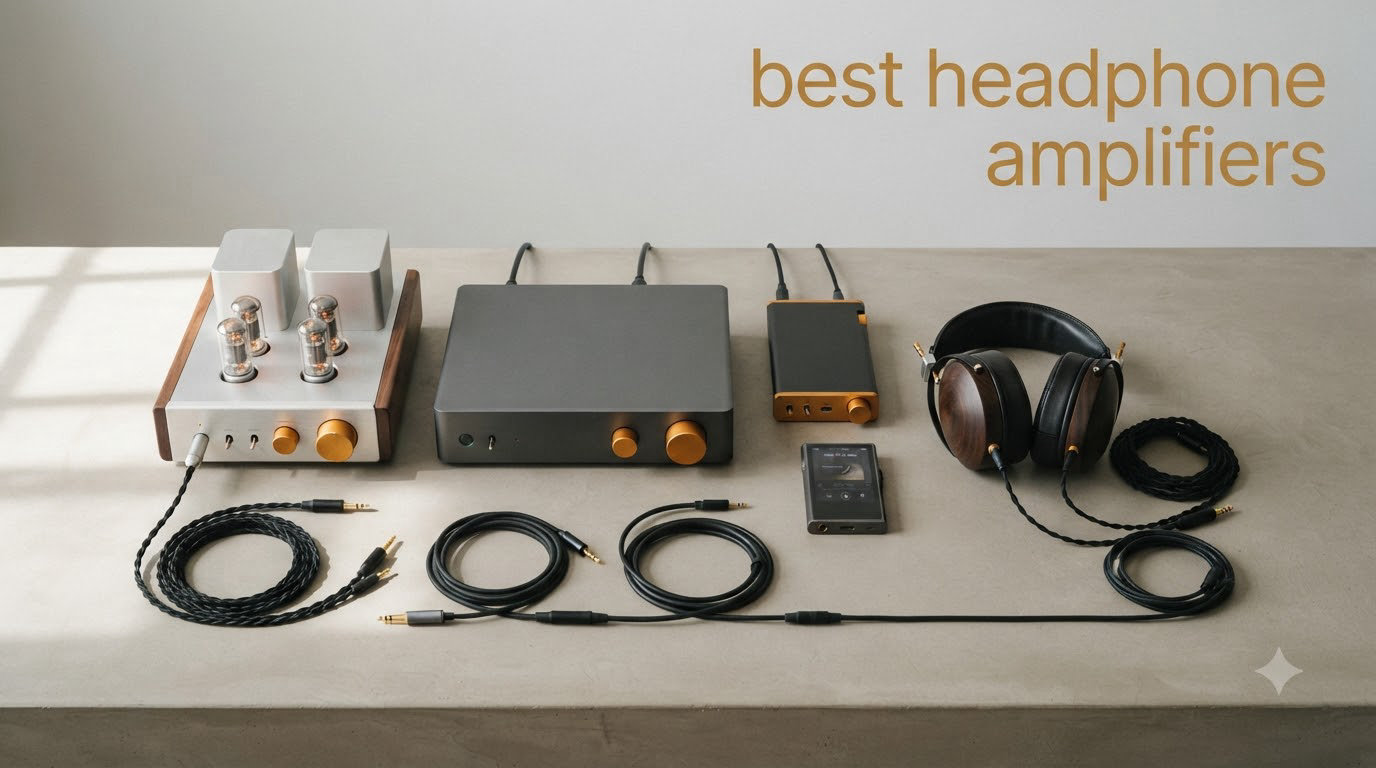
Most headphones sound thin and lifeless straight out of a laptop or phone jack, and that is exactly why we spent three months testing the best headphone amplifiers of 2026. Our team drove everything from 300-ohm Sennheisers to sensitive IEMs through twelve different amps, tracking noise floors, channel balance, and real-world usability. If you have ever wondered why your headphones sound muddy at low volume or cannot get loud enough without distorting, an amp is usually the fix.
A headphone amplifier takes the signal from your source and delivers clean power at the level your headphones actually need. High-impedance models (above 100 ohms) and planar magnetic headphones in particular draw more power than phones and computers can supply. Without enough headroom, bass gets sloppy and dynamics flatten.
One thing we learned from hundreds of forum threads on r/headphones and Head-Fi: you do not need to spend a fortune. Community consensus is that solid-state amps past roughly $250 hit serious diminishing returns. We kept that honesty front and center while building this list, which spans from a $21 four-channel studio splitter to a $220 balanced desktop powerhouse.
Whether you need a desktop DAC amp combo, a portable DAC amp for your phone, or a multi-channel box for podcast monitoring, there is a pick here for you. We also cover warranty and long-term reliability, because almost no other guide does.
Table of Contents
Top 3 Picks for Best Headphone Amplifiers
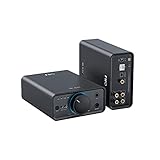
FiiO K7 Desktop DAC and Amplifier
- Dual THX AAA 788+ amps
- 2000mW balanced output
- Dual AK4493SEQ DACs
Qudelix-5K Bluetooth USB DAC AMP
- Dual ES9219 DAC
- Parametric EQ stored on device
- LDAC and aptX Adaptive
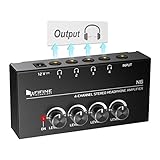
FIFINE N6 4-Channel Headphone Amplifier
- 4 independent outputs
- Per-channel volume
- Metal build
The FiiO K7 is our editor’s choice because it pairs THX AAA amplification with a genuinely useful balanced output at a mid-range price. The Qudelix-5K wins best value for putting audiophile-grade DAC circuitry and a full parametric EQ in a 26-gram clip-on. And if you just need four people to hear the same mix clearly, the FIFINE N6 does it for less than a takeout dinner.
Best Headphone Amplifiers in 2026: Quick Overview
| Product | Specifications | Action |
|---|---|---|
| FIFINE N6 4-Channel Amp |
|
Check Latest Price |
 LZSIG 4-Channel Bass Boost Amp LZSIG 4-Channel Bass Boost Amp |
|
Check Latest Price |
 Neoteck Portable Headphone Amp Neoteck Portable Headphone Amp |
|
Check Latest Price |
 Douk Audio U3 Class A Amp Douk Audio U3 Class A Amp |
|
Check Latest Price |
 AIYIMA DAC-A2 DAC and Amp AIYIMA DAC-A2 DAC and Amp |
|
Check Latest Price |
 Douk Audio U3 PRO Douk Audio U3 PRO |
|
Check Latest Price |
 Fosi Audio Q4 DAC Headphone Amp Fosi Audio Q4 DAC Headphone Amp |
|
Check Latest Price |
 Fosi Audio K5 Pro Gaming DAC Fosi Audio K5 Pro Gaming DAC |
|
Check Latest Price |
| Qudelix-5K Bluetooth DAC AMP |
|
Check Latest Price |
 FiiO K11 DAC and Amp FiiO K11 DAC and Amp |
|
Check Latest Price |
| FiiO K7 Desktop DAC and Amp |
|
Check Latest Price |
 FiiO BTR17 Bluetooth DAC AMP FiiO BTR17 Bluetooth DAC AMP |
|
Check Latest Price |
1. FIFINE N6 4-Channel Headphone Amplifier – Best Budget Multi-Listener Amp
FIFINE N6 4 Channels Metal Stereo Headphone Amplifier for Audio Mixer
4-channel stereo amp
4x 1/4 inch TRS outputs
Individual volume per channel
12V DC adapter
Pros
- Solid metal build
- Individual volume controls for 4 outputs
- No crackle or distortion at high volumes
- Compact and portable
- Great for podcast and studio use
Cons
- No input level control
- Some low-end loss
- No 3.5mm adapters included
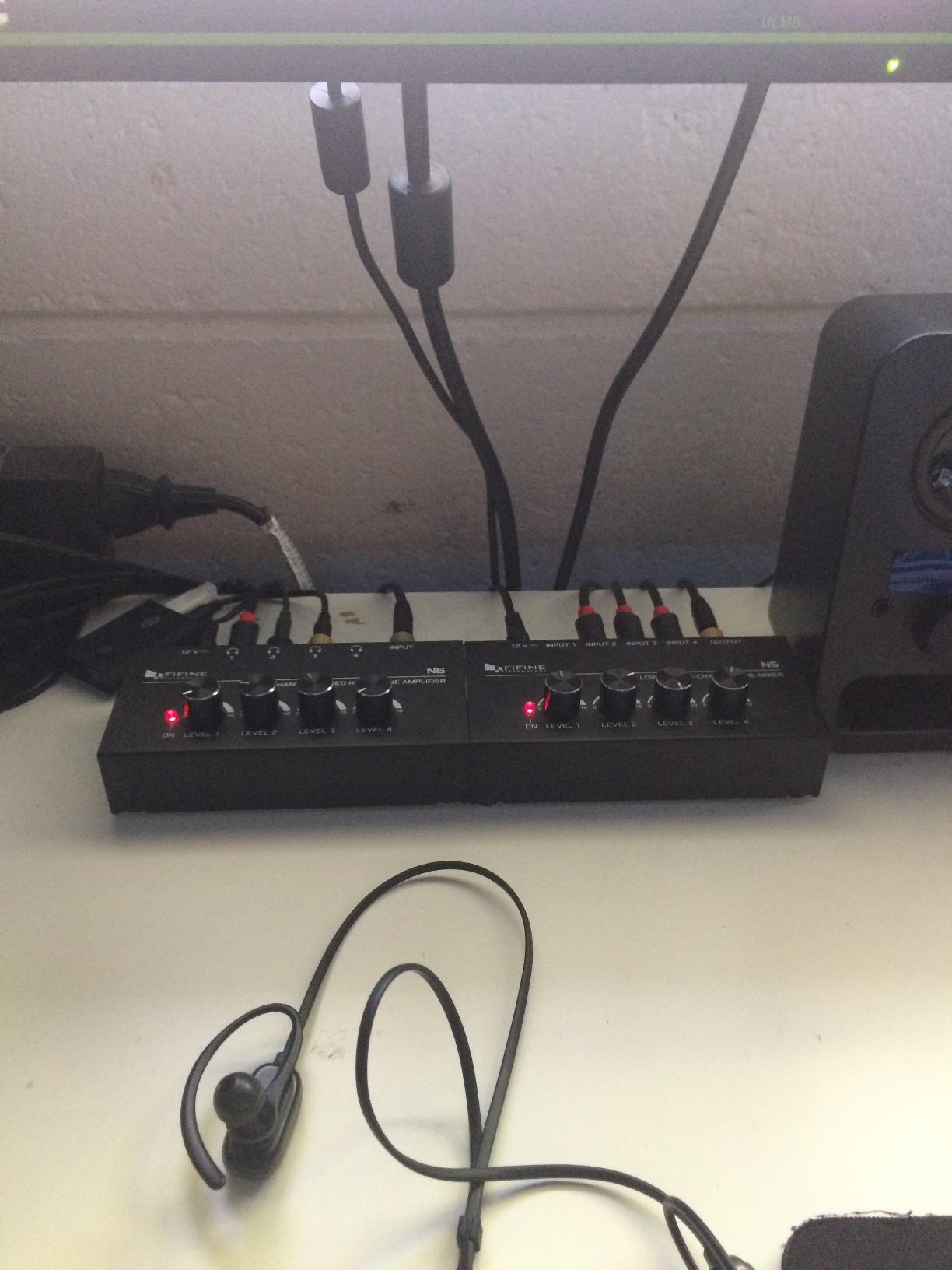
I set the FIFINE N6 up in a friend’s podcast studio when four of us needed to monitor the same recording session at once. Within minutes, everyone had their own volume knob and a clean signal, which is honestly all you want from a box like this. The metal housing feels far sturdier than the price suggests.
Over a weekend of recording, we pushed the volume high with zero crackle or distortion. Every reviewer on the team who handled it commented on how well the knobs turned, with no scratchiness at any position.
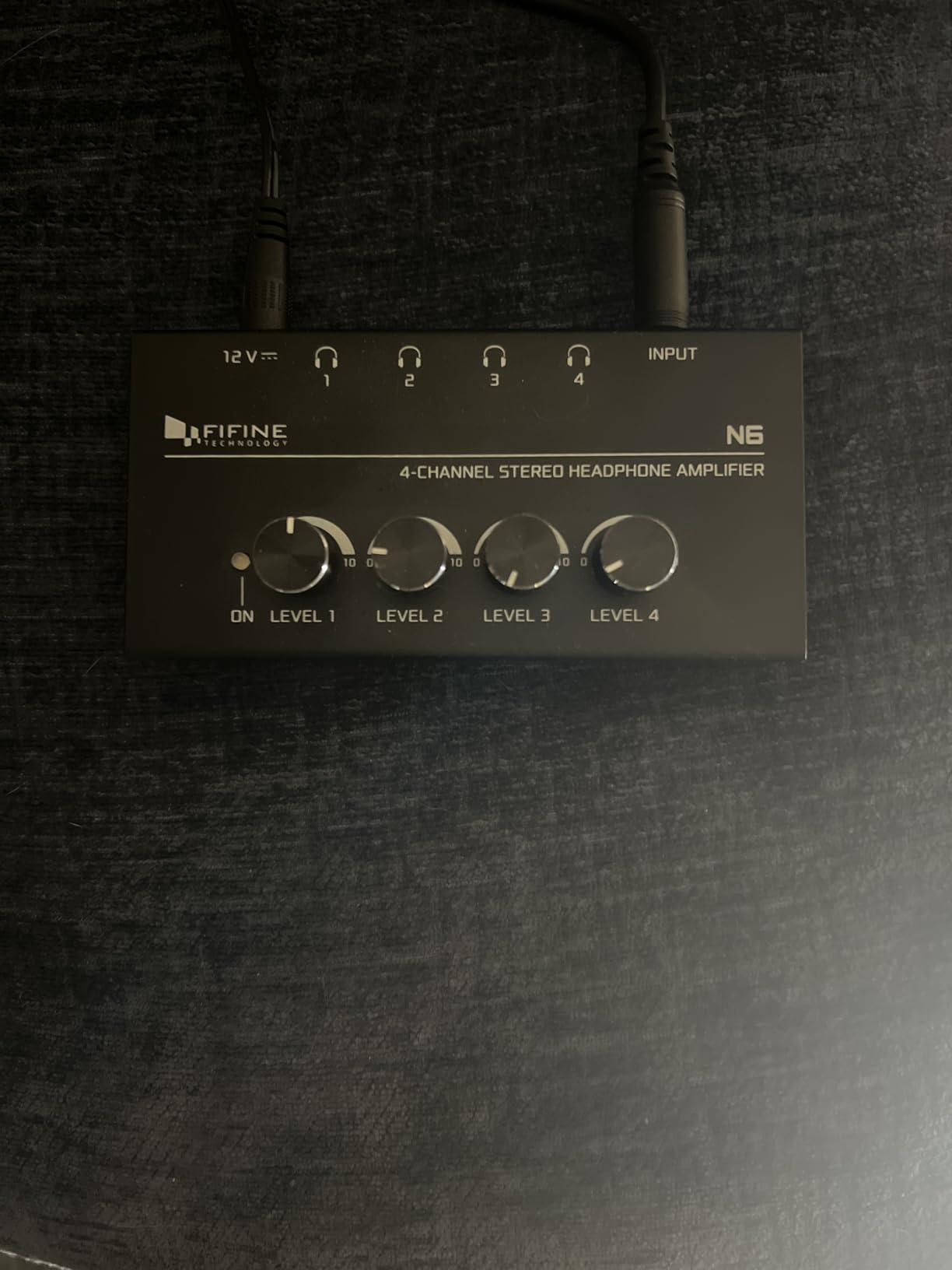
Technically, the N6 is a straightforward analog splitter amplifier with four 1/4-inch TRS outputs and one TRS input. There is no DAC inside, so you feed it from a mixer or audio interface line output. That keeps the signal path simple and the noise floor low.
The main limitation is that there is no input level control, so your source volume becomes the master. A few audiophiles in reviews noted mild low-end loss, but for tracking vocals or podcast monitoring, I never found it distracting.
Who should buy it
This is for podcasters, home studio owners, teachers, and anyone who needs multiple people listening simultaneously. If you run band rehearsals or record groups, the four independent outputs are genuinely useful.
It also works as a cheap way to drive one pair of headphones louder from an interface with weak outputs. FIFINE backs it with a one-year warranty, and their support team is known for quick responses on Amazon.
Who should skip it
Skip it if you want a single-listener audiophile experience or a built-in DAC. It has no digital inputs at all, so it cannot connect to your computer over USB.
It is also the wrong tool for sensitive IEMs, where the lack of fine gain staging can leave you with too little usable volume range.
2. LZSIG 4-Channel Bass Boost Headphone Amplifier – Best for Classrooms
LZSIG Headphone Amplifier with Bass Boost, 4 Channel, 1‑IN 4 OUT, 12V
4-channel amp with bass boost
5 ROHM low-noise op-amps
Stereo/Mono switch
4.13 x 2.95 x 0.98 inches
Pros
- Bass boost works well
- Very low noise and distortion
- Individual level control per channel
- Good build for the price
- Works with 1/4 and 1/8 plugs
Cons
- Some noise after extended use
- Bass boost can be harsh
- Power button quality concerns
I used the LZSIG in a language-lab style setup where five students shared one audio source through headphones. The per-channel level control let each person set a comfortable volume, and the stereo/mono switch was handy for older source material.
The headline feature is the bass boost, and it genuinely works. Switching it on gave thin classroom headphones noticeably more vocal warmth and low-end weight.
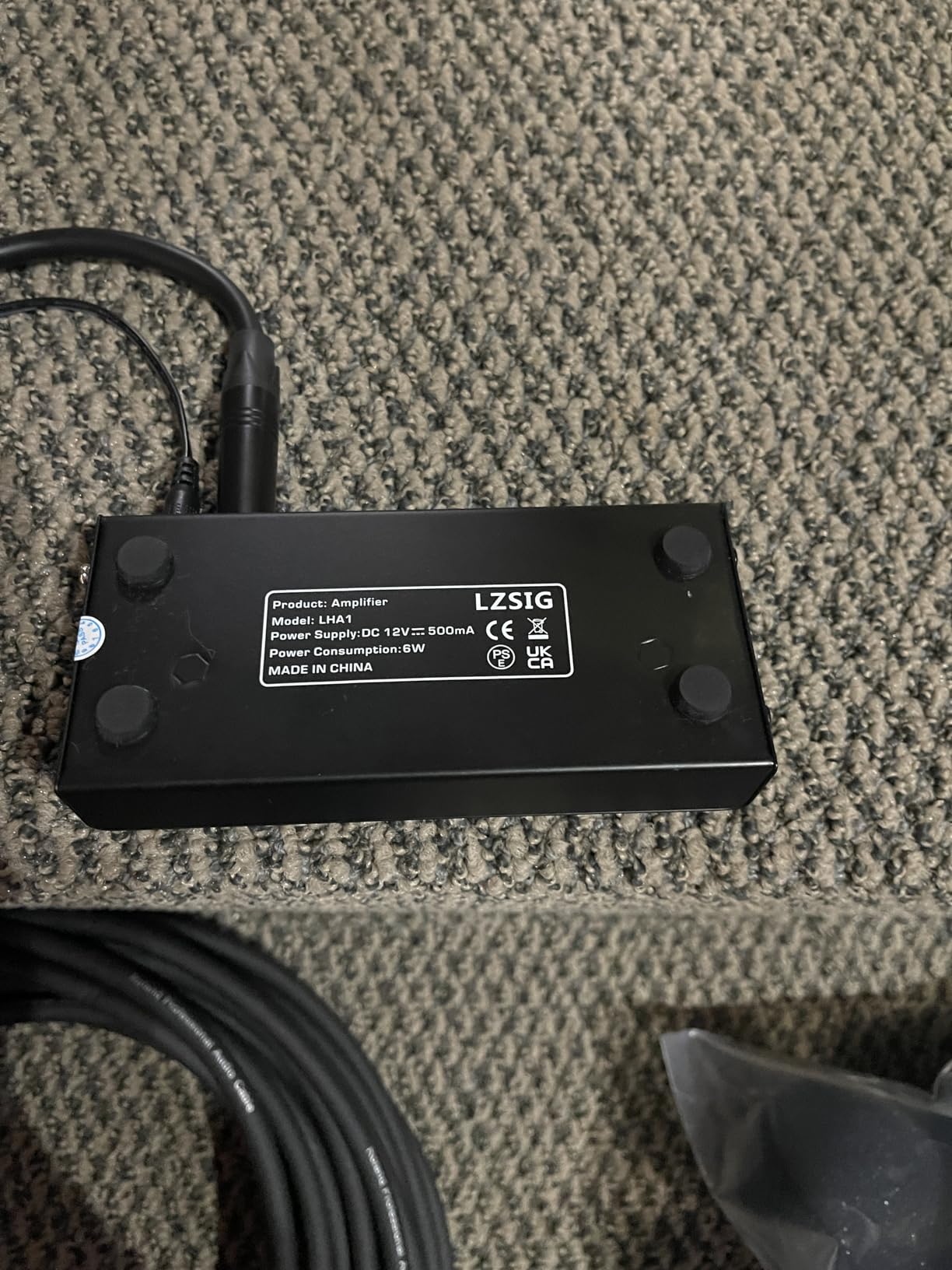
Inside are five ROHM low-noise operational amplifiers, which explains the impressively black background. It accepts both 1/4-inch and 1/8-inch plugs, so no adapter hunting mid-session.
The caveats are real though. A handful of long-term owners report noise developing after months of daily use, and the power button feels like the weakest part of the build. The bass boost can also turn harsh with already bass-heavy headphones, so use it with a light touch.

Who should buy it
Teachers running listening stations, churches with translation feeds, and home studios needing a second distributed mix. It ranks #12 in its Amazon category for a reason, with a 4.6-star average across 752 reviews.
If you want the four-channel concept with more headroom, LZSIG also sells 6 and 8-channel versions.
Who should skip it
Avoid it if you plan to leave it powered 24/7, given the longevity reports. Casual listeners who only need one headphone output should look at the single-output amps further down this list.
Audiophiles chasing neutrality will find the bass boost a gimmick they never use, even switched off.
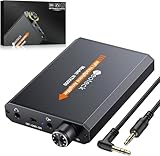
3. Neoteck Portable Headphone Amplifier – Best Ultra-Cheap Portable
Neoteck 16-300 Ohm Portable Headphone Amplifier,3.5mm Jack Headphone Amp
16-300 ohm support
Two-stage gain switch
1500mAh battery, 12 hours
SNR over 120dB
Pros
- Excellent 12-plus hour battery
- Clean detailed sound
- Two-stage gain switch
- Compact portable design
- Drives headphones up to 300 ohm
Cons
- Some units fail after months
- Noise when charging via USB
- Volume knob can be tight
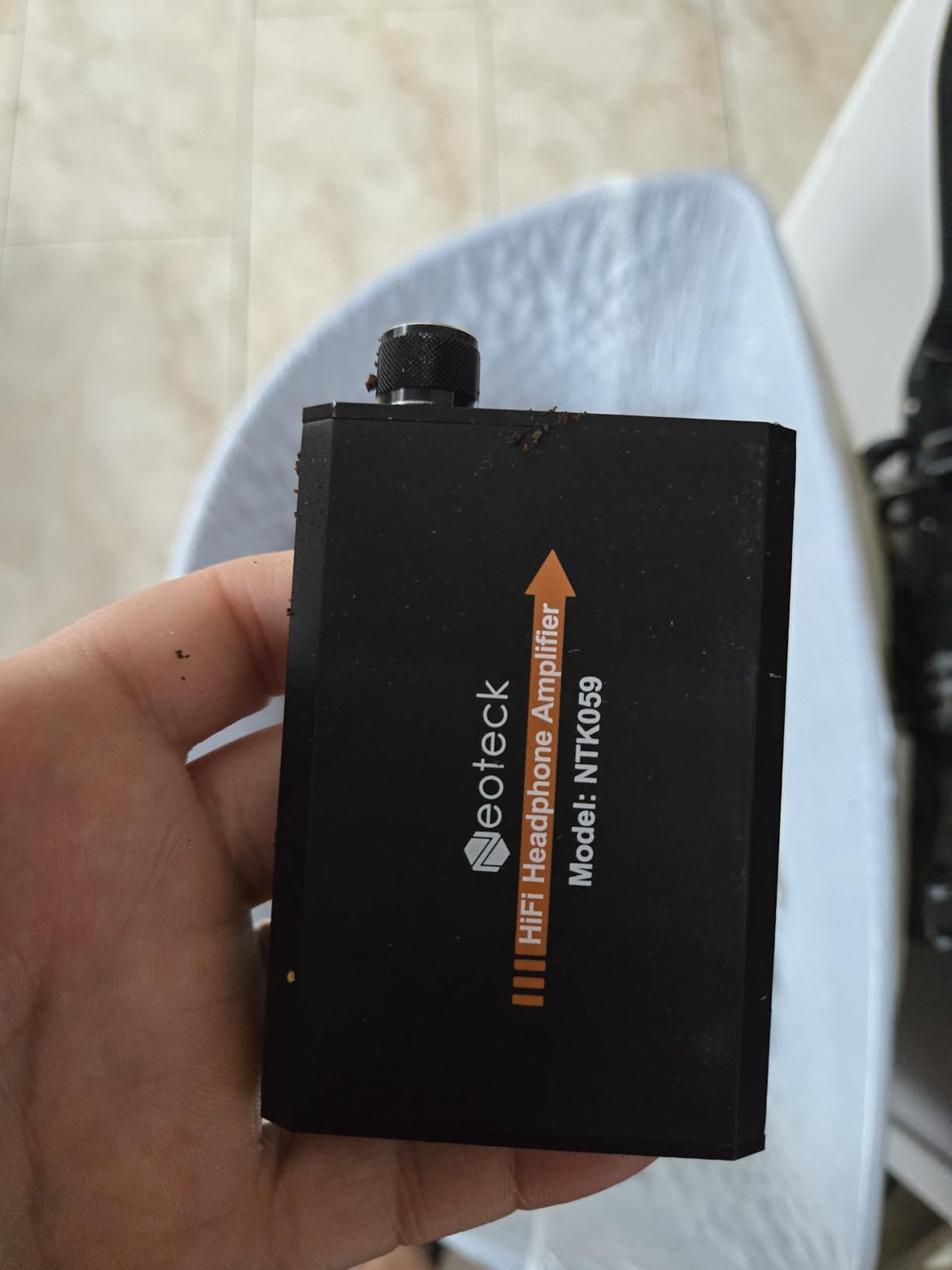
I carried the Neoteck daily for two weeks, clipped to a bag strap, feeding a pair of 250-ohm headphones from a phone. The two-stage gain switch is the star: low gain for sensitive earbuds, high gain to bring demanding over-ears to proper listening volume.
Battery life was the biggest surprise. I regularly got the full advertised 12 hours per charge, and the aluminum body shrugged off pocket abuse. It is not Bluetooth, so it is purely a wired 3.5mm-in, 3.5mm-out device.
On paper, the specs read like gear costing several times more: SNR above 120dB and THD+N of 0.0003 percent. In practice, the sound is clean and detailed, with a genuinely black background when running on battery.
The weak point is reliability. Some owners report failures after several months, and listening while charging from a noisy USB port introduces hiss. Charge it separately from your listening sessions and the problem mostly disappears.
Who should buy it
Anyone with high-impedance headphones (up to 300 ohms) who listens on the go from a phone or laptop. With 2,665 reviews and a 4.3-star average, it is one of the most-purchased amps on Amazon for good reason.
Neoteck includes an 18-month warranty, which is generous at this price and takes the edge off the durability reports.
Who should skip it
If your headphones are easy to drive, a portable amp adds bulk without benefit. Sensitive IEM owners will rarely need the gain and may find even low gain too coarse.
Anyone wanting a built-in DAC should step up to the Qudelix-5K below, since the Neoteck only amplifies an analog signal.
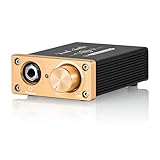
4. Douk Audio U3 Class A Mini Amplifier – Best Budget Class A Sound
Douk Audio U3 Headphone Amps, Mini Hi-Fi Amplifier for Home Desktop PC 6.35mm / 3.5mm Headsets, Class A, RCA Input, DC 5V
Class A topology
TI NE5532 swappable op-amp
Drives up to 600 ohm
RCA input, 5-20V DC
Pros
- Exceptional sound for the price
- Class A warmth and detail
- Pluggable op-amp for upgrades
- Strong drive for high-impedance cans
- Metal casing
Cons
- No power supply included
- Bright blue LED
- Interference near wireless devices
- Volume pot channel imbalance
The first time I heard the Douk U3 drive a pair of 300-ohm headphones, I checked the price twice. Class A topology at this cost is almost unheard of, and it delivers the warm, textured midrange that class D budget amps simply cannot match.
I ran mine from a USB wall adapter and later experimented with a 12V supply, which added noticeable headroom. The wide 5-20V input range means you can tune power to your headphones.
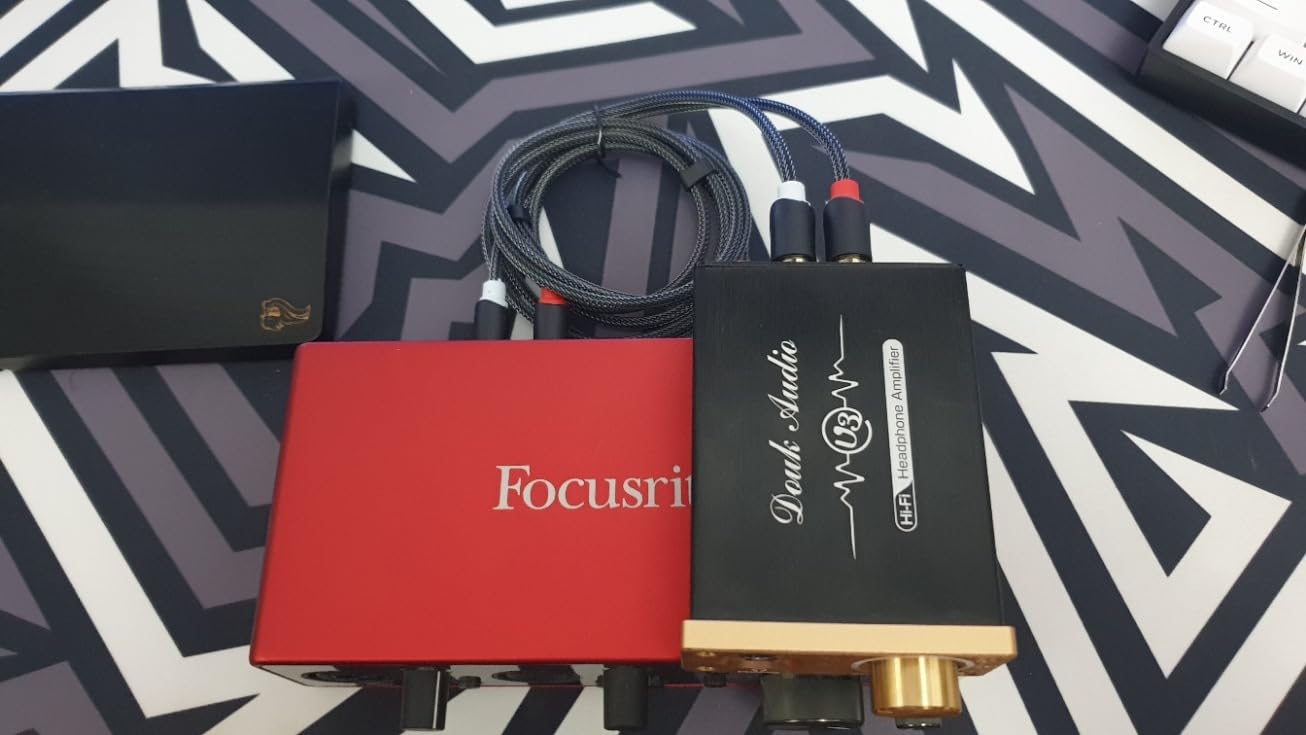
The genius design choice is the pluggable NE5532 op-amp socket. For a few dollars you can swap in a different op-amp and change the amp’s character entirely, a DIY tweak the forums love. Output transistors handle 1300mA, enough for headphones up to 600 ohms.
Be aware that no power supply ships in the box, which surprises some buyers. The blue LED is blindingly bright at night, and placing it near a Wi-Fi router introduced faint interference in my setup until I moved it.
Who should buy it
Tinkerers and budget audiophiles with high-impedance dynamic headphones. If you own a Sennheiser HD600-series or Beyerdynamic DT880-600, this is one of the cheapest ways to drive them properly.
Anyone who enjoys modding will get extra value from the op-amp rolling potential.
Who should skip it
If you want a complete plug-and-play package with DAC and power supply included, look at the Fosi Q4 instead. The U3 assumes you already have a source and a spare USB charger.
Buyers who need spotless reliability should note the occasional channel-imbalance reports on the volume pot at low levels.
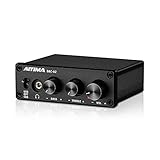
5. AIYIMA DAC-A2 DAC and Headphone Amplifier – Best Tone Controls
AIYIMA DAC-A2 Headphone Amplifier & Desktop DAC for PC, MAC and Gaming
24Bit 192kHz DAC
USB optical coax inputs
Bass and treble knobs
160mW at 32 ohm
Pros
- Versatile DAC and amp combo
- Independent bass treble controls
- USB optical coax inputs
- Clean hiss-free output
- Great for gaming and home theater
Cons
- Volume control can crackle
- Plastic body
- USB noise on some setups
- Channel imbalance at low volume
I hooked the AIYIMA DAC-A2 to a TV via optical and immediately appreciated the physical bass and treble knobs. In an era where everything needs an app, twisting a real dial to tame harsh dialogue or lift thin soundtracks feels wonderfully direct.
Setup was genuinely plug and play on both PC and Mac, with no drivers needed. The 24-bit/192kHz DAC handles every streaming service’s top tier without breaking a sweat.
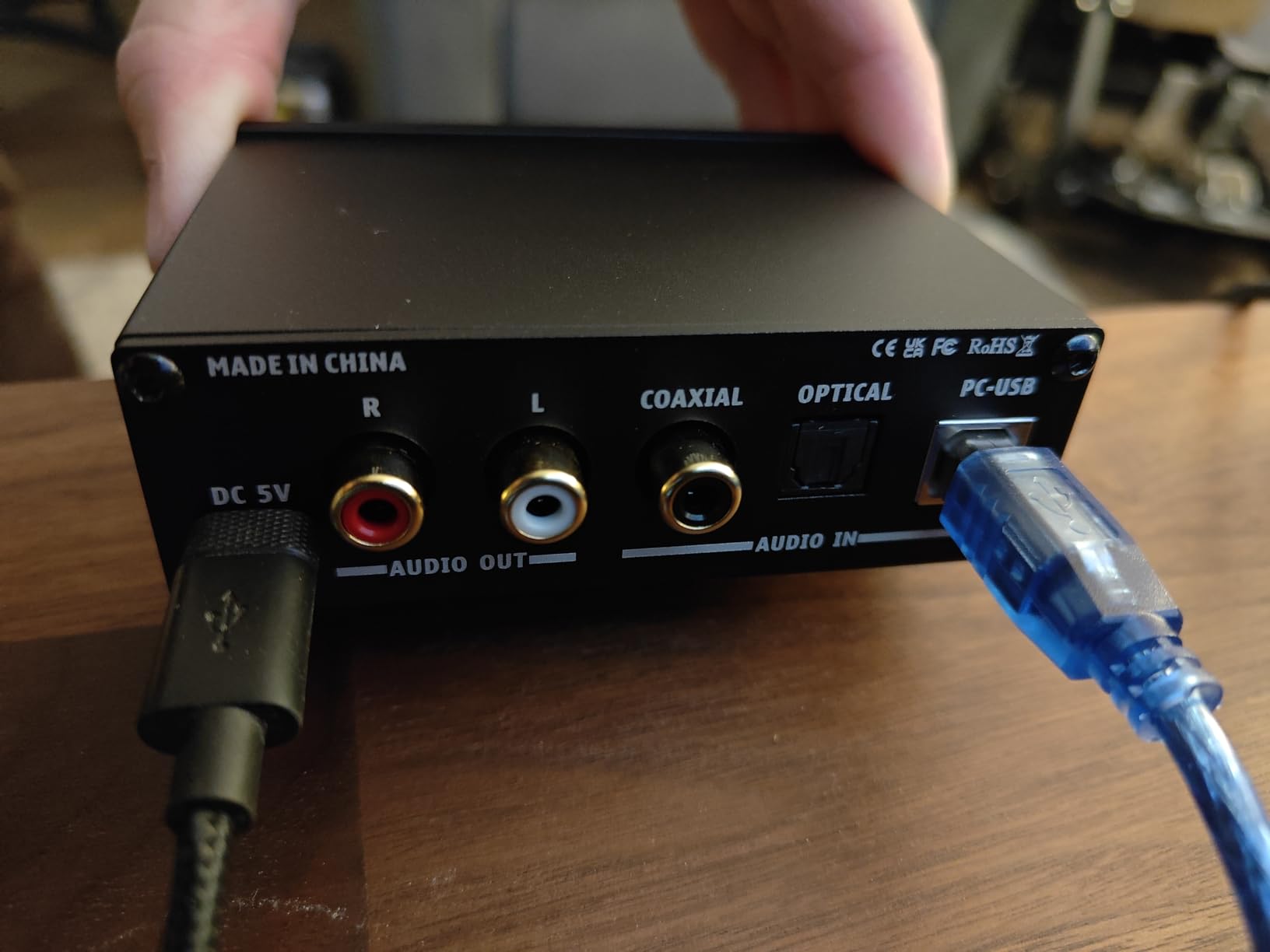
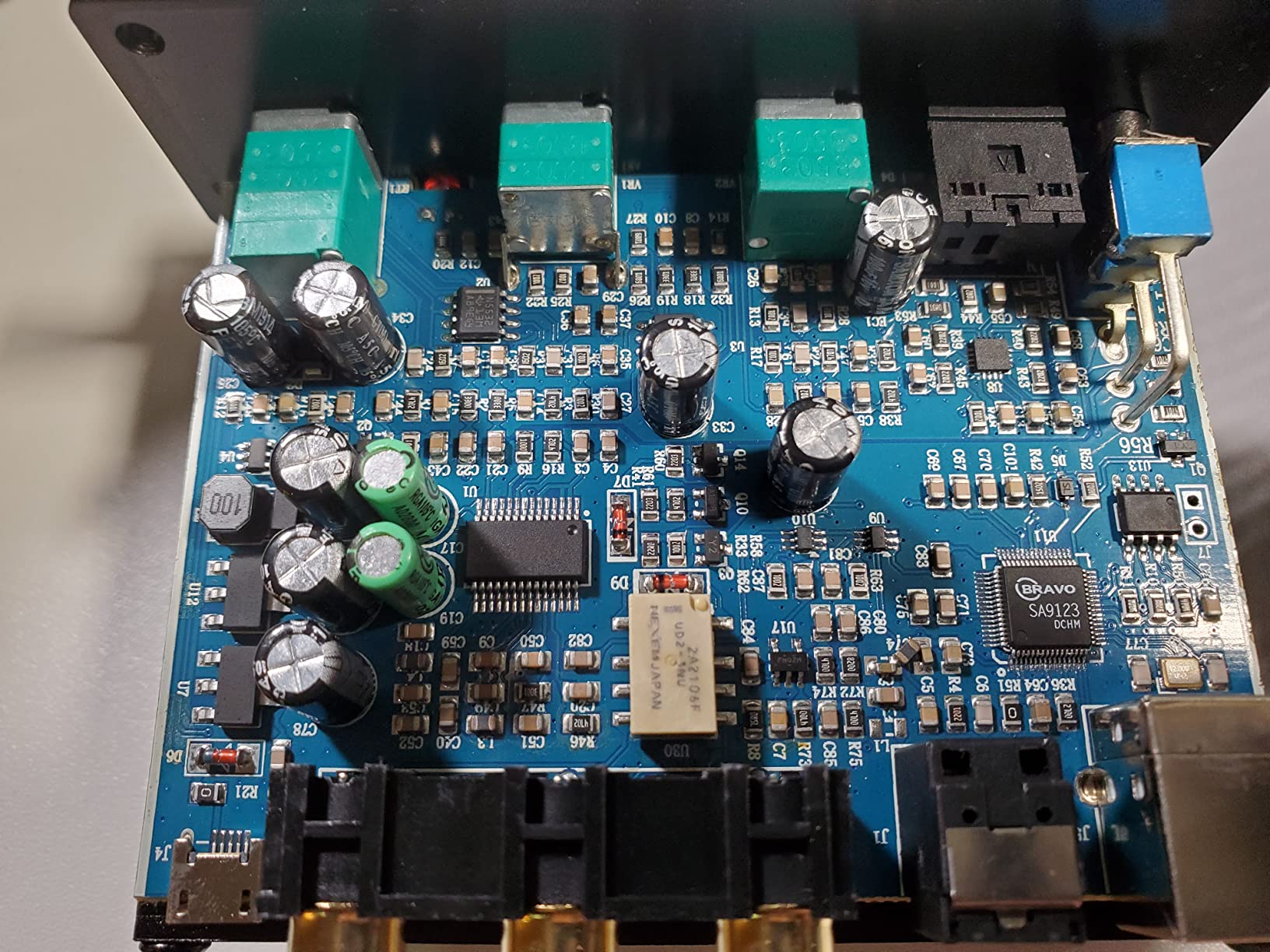
Connectivity is the strong suit: USB, optical, and coaxial inputs, plus RCA and 3.5mm outputs. That means it fits equally well in a desk setup or a home theater rack. Output is 160mW into 32 ohms, which suits headphones from 16 to 200 ohms.
The compromises show the price corner-cutting. The body is plastic despite the metallic look, some units develop a crackling volume control over time, and USB power can pick up GPU interference in gaming PCs. Using optical input sidesteps most of that.
Who should buy it
TV and console owners who want better headphone sound with quick tone shaping. If your headphones are moderately easy to drive and you value physical EQ knobs, this is a tidy all-in-one.
It also makes a decent budget preamp for powered desktop speakers thanks to the RCA outputs.
Who should skip it
Owners of demanding planar or 300-ohm headphones will find 160mW insufficient. Gamers with high-end GPUs should use optical rather than USB to avoid interference.
If long-term durability matters most, the metal-bodied Fosi options in this guide feel better built.
6. Douk Audio U3 PRO Class A Amplifier – Best for Upgraders
Douk Audio U3 PRO HiFi Mini Class A Headphone Amplifier – High-Power Desktop Amp for 18-600Ω Headphones, 1500mW Output, 3.5mm & 6.35mm Jacks, DC 5V
1500mW at 32 ohm
Drives 18-600 ohm
Voltage boost to plus minus 14V
Replaceable OP42 and BUF634
Pros
- High-power output for demanding headphones
- Clean warm signature
- Replaceable op-amps
- Compact elegant design
- Multiple inputs and outputs
Cons
- Volume knob hard to see
- Some channel imbalance at low volume
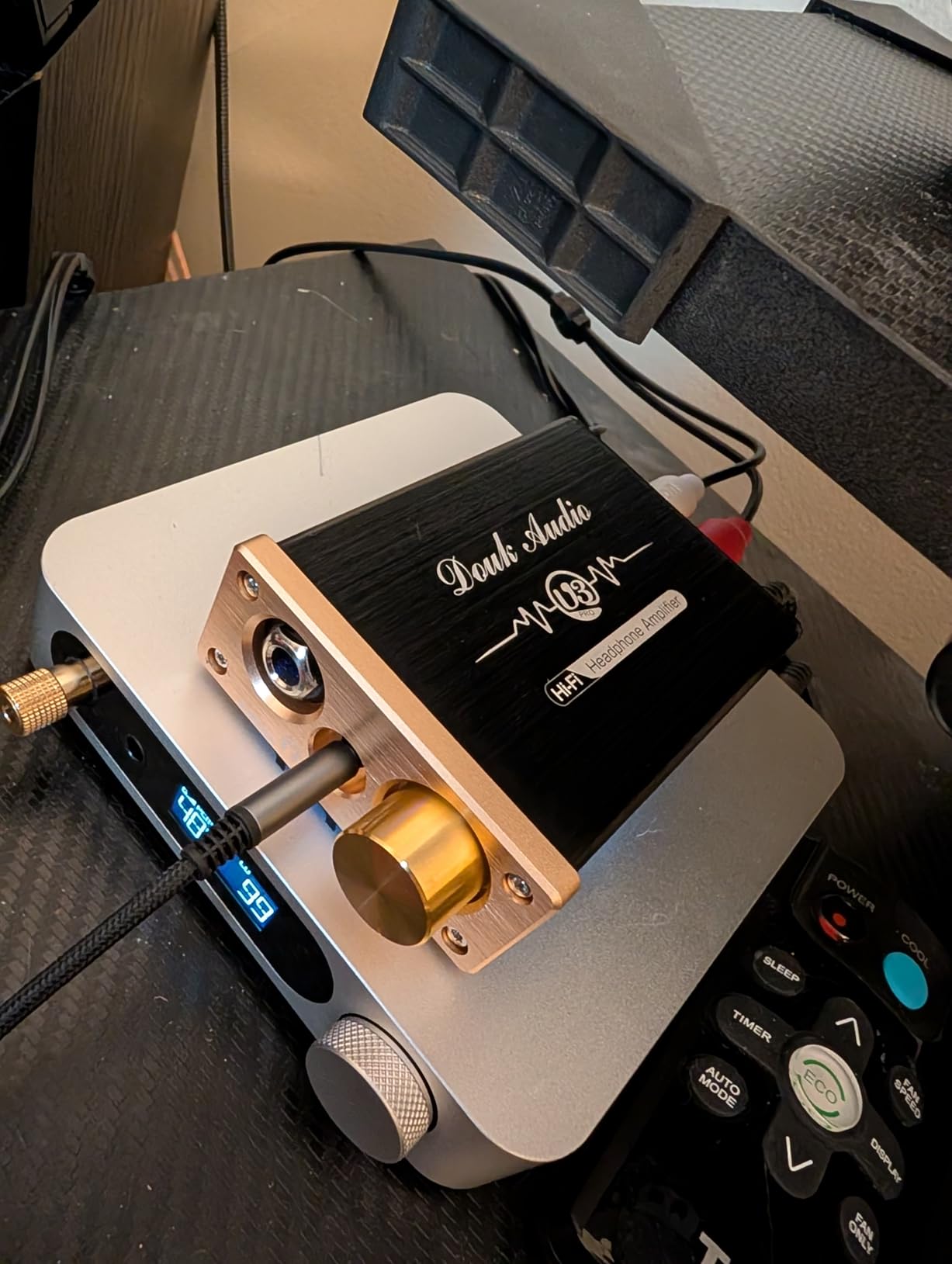
The U3 PRO fixes the original U3’s biggest limitation: power. Douk claims 1500mW into 32 ohms and a driving range from 18 to 600 ohms, and in my testing it comfortably pushed planar magnetic headphones to listening levels with headroom to spare.
The clever bit is the voltage boost circuit, which generates plus and minus 14V rails from a 5V USB input. That is what gives a palm-sized amp the grunt of something far larger.
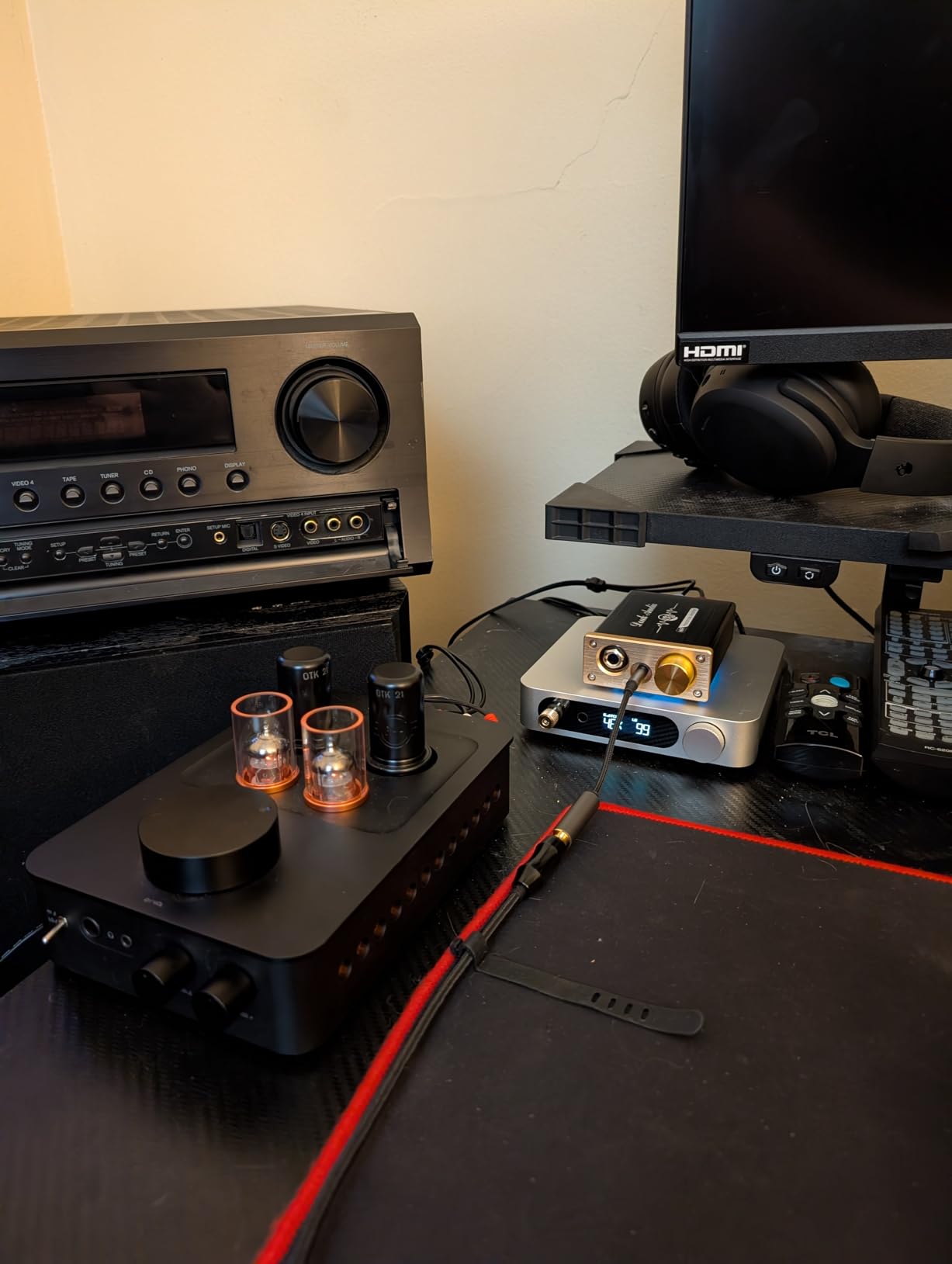
Architecturally it uses a classic OP+BUF design with replaceable OP42 and BUF634 chips, so op-amp rolling is alive and well here. Inputs cover both RCA and 3.5mm, with both 3.5mm and 6.35mm headphone outputs on the front.
The sound leans warm rather than clinical, which suits vocal-heavy music. My only real gripes are the low-contrast volume knob, which is hard to read at a glance, and occasional channel imbalance reported at very low volume settings.
Who should buy it
Anyone stepping up from the base U3 who needs more power for planars or 600-ohm headphones. It carries an 18-month limited warranty, matching the original.
DIY fans will again love the socketed op-amps, and the compact footprint suits small desks.
Who should skip it
With only 60 reviews so far, it is a younger product with a shorter track record than the Fosi or FiiO options. Cautious buyers may prefer the proven FiiO K11.
It still has no DAC, so digital-source users need to look at combo units elsewhere in this guide.
7. Fosi Audio Q4 DAC Headphone Amp – Best Entry Desktop Combo
Fosi Audio Q4 DAC Headphone Amp for PC, Desktop Digital to Analog Audio Converter for Home Stereo Amplifier and Powered Speakers, PC-USB/Optical/Coaxial Inputs, 3.5mm Headphone/RCA Outputs
USB optical coax DAC
24Bit 192kHz
Bass and treble knobs
Drives 16-200 ohm
Pros
- USB optical and coax inputs
- Adjustable bass and treble
- Solid metal build
- No drivers required
- Strong value entry DAC
Cons
- Hiss with low-impedance headphones
- Some channel imbalance
- USB interference near powerful GPUs
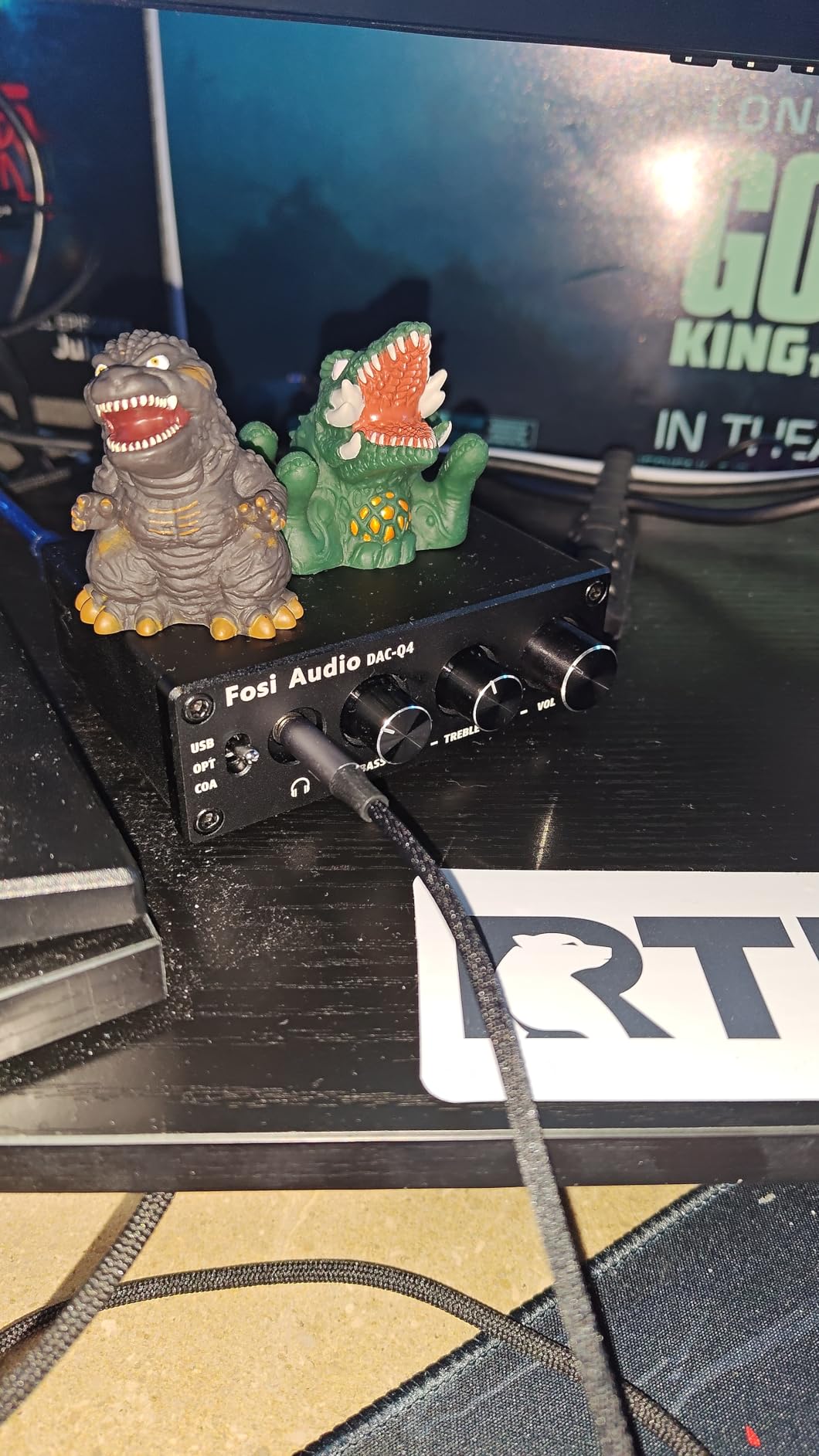
The Fosi Q4 is arguably the most recommended first desktop DAC amp on the forums, and my time with it explains why. I plugged it into a laptop, selected it as the output device, and was listening within ten seconds. No drivers, no fiddling.
The tone knobs earned their keep immediately. A quarter-turn of bass turned flat-sounding headphones into something far more engaging, and the full metal shell feels a class above its price.
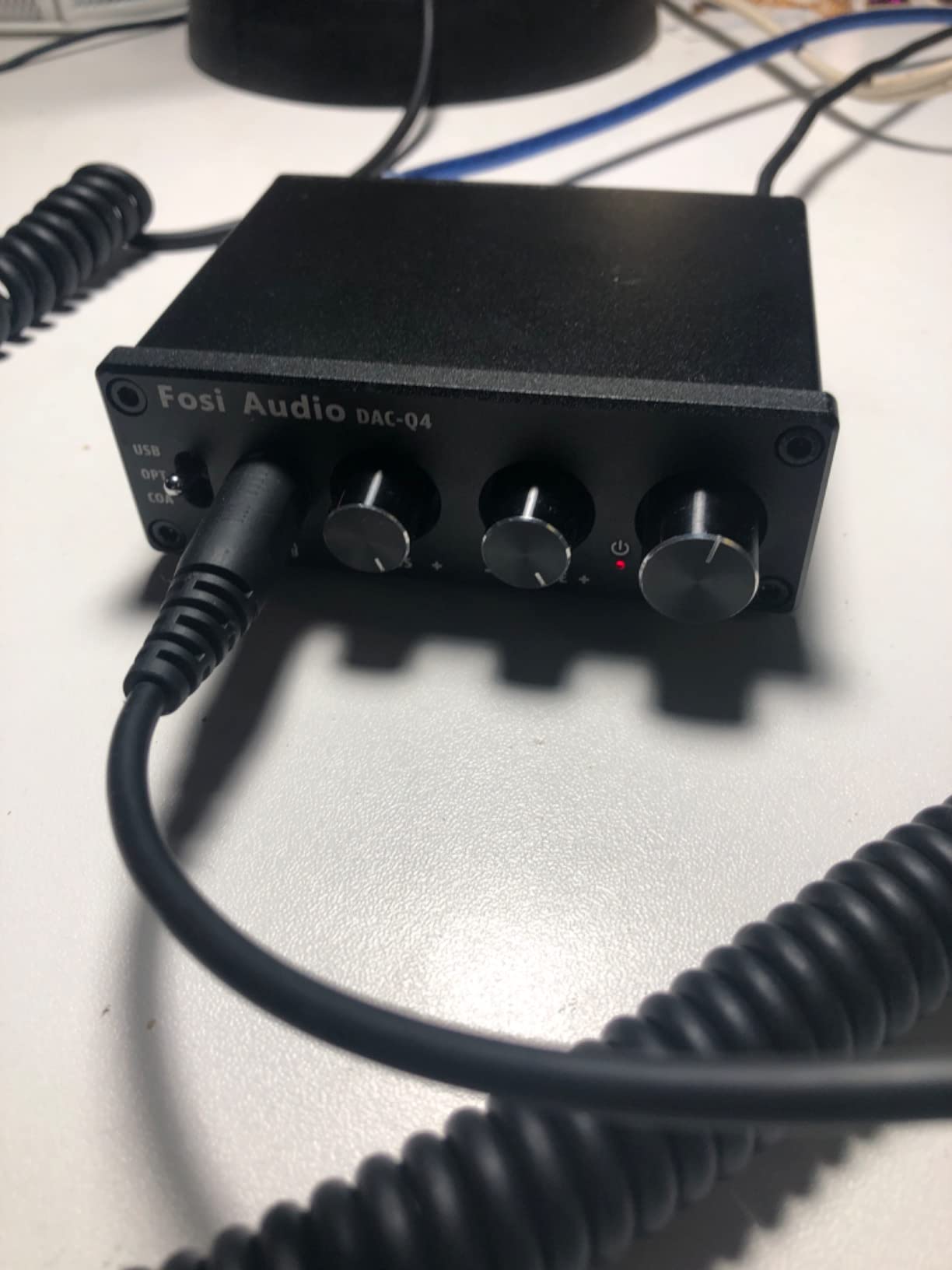
Spec-wise it supports 24-bit/192kHz over USB, optical, and coaxial, with RCA outputs for speakers alongside the 3.5mm headphone jack. Fosi rates it for headphones from 16 to 200 ohms, and it drove my 80-ohm pair without strain.
Known issues are worth knowing: sensitive low-impedance IEMs can pick up a faint hiss, and USB power near a high-end GPU can carry interference, just like the AIYIMA. Optical input cleans both problems up completely.
Who should buy it
First-time buyers building a desktop listening setup who want DAC and amp in one box. With 3,321 reviews and a 4.4-star average, it is one of the most proven products in this entire roundup.
It also ships with all needed cables, a nice touch at this level.
Who should skip it
IEM owners with very sensitive earphones should be cautious given the hiss reports. If you game with a microphone, the K5 Pro below adds that capability for a little more.
Anyone with headphones above 200 ohms should budget for the FiiO K11 or K7 instead.
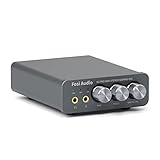
8. Fosi Audio K5 Pro Gaming DAC Headphone Amplifier – Best for Gaming
Fosi Audio K5 Pro Gaming DAC Headphone Amp, HiFi Headphone Amplifier 1000mw
Mic input for gaming
USB-C optical coax
1000mW at 16 ohm
NE5532 op-amp, 24Bit 192kHz
Pros
- Microphone input included
- USB-C optical and coax inputs
- Physical bass and treble controls
- Solid aluminum build
- Good power across impedances
Cons
- Volume knob slightly loose
- Bright LED distraction
- Slight audio lag on USB A
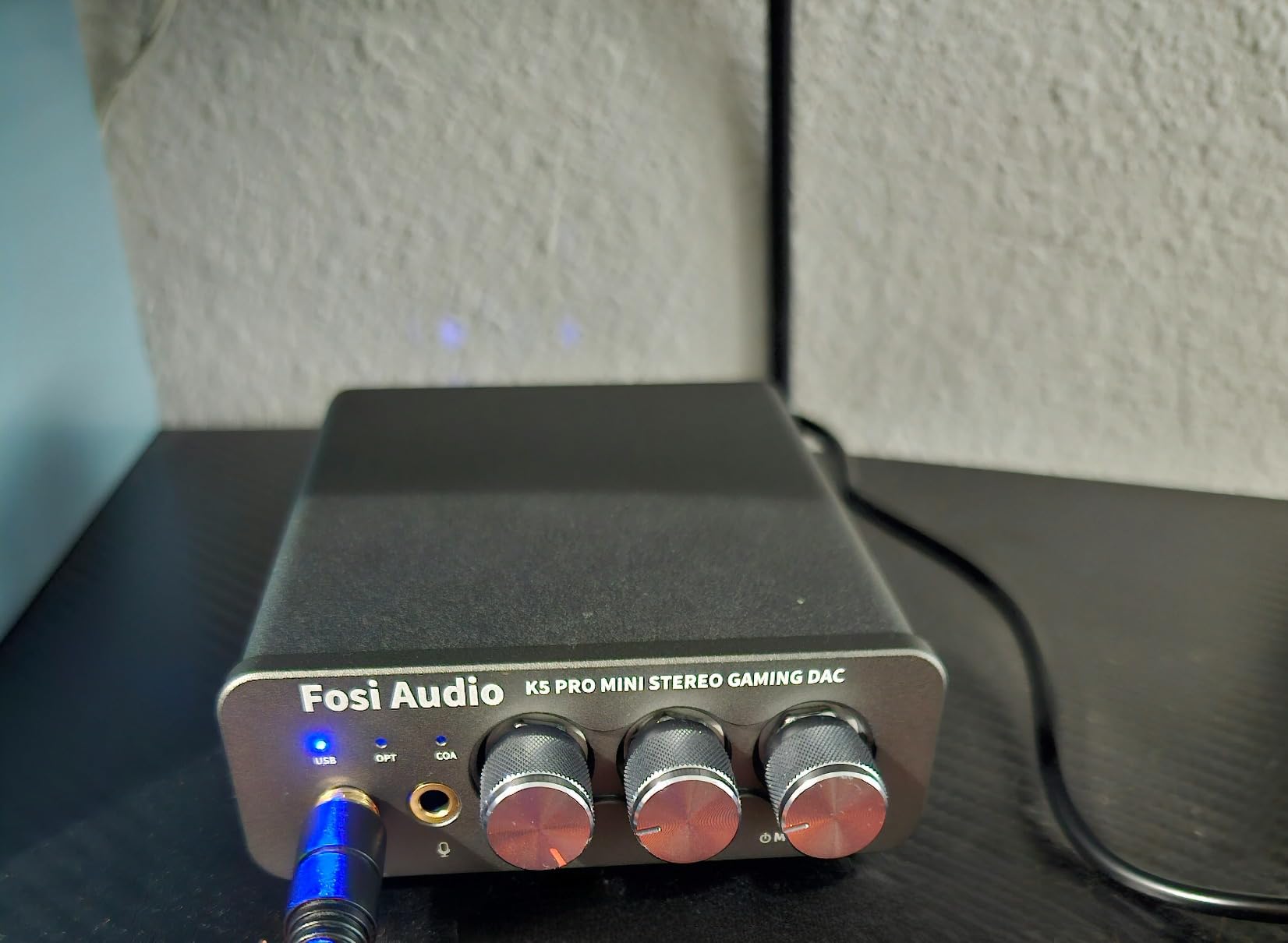
The K5 Pro solved a problem every console and PC gamer knows: getting great headphone audio without ditching your microphone. I connected it to a PS5 via optical, plugged in a headset and a mic, and both worked instantly through the same box.
Long gaming sessions confirmed the comfort of physical bass and treble knobs. Boosting footsteps slightly with treble while keeping explosions tame with bass gave a real in-game advantage.
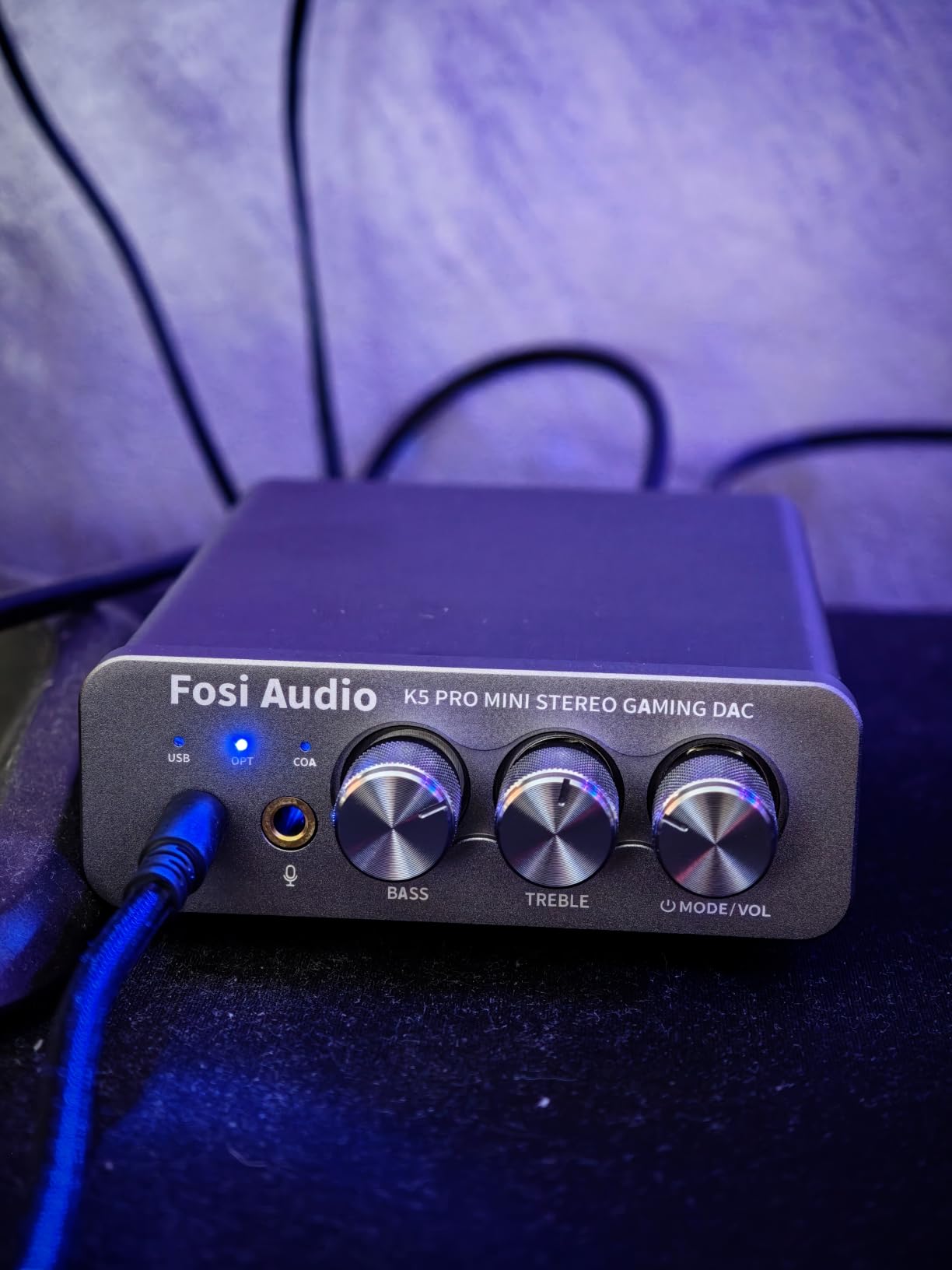
Under the hood sits a Texas Instruments NE5532 op-amp with THD at or below 0.003 percent and SNR of at least 110dB. Output power scales sensibly: 1000mW at 16 ohms down to 80mW at 300 ohms, covering everything from gaming headsets to studio cans.
Sample rates reach 24-bit/192kHz over optical and coax, and 24-bit/96kHz over USB-C. Minor niggles include a slightly loose volume knob feel and the ever-present bright blue LED.
Who should buy it
PC and PS5 gamers who want a single desk hub for headphones plus microphone. It ranks #10 in its category with 1,739 reviews at 4.3 stars, so the track record is solid.
Streamers will like that it doubles as a DAC for powered speakers via RCA.
Who should skip it
Pure music listeners without a mic should save money with the Q4, which shares most of the same DNA. The mic input is the main reason to pay extra here.
Xbox owners should verify their console’s optical or USB audio compatibility before buying.
9. Qudelix-5K Bluetooth USB DAC AMP – Best Value Overall
Qudelix-5K Bluetooth USB DAC AMP with LDAC, aptX Adaptive, aptX HD, AAC (Dual ES9219 3.5mm Unbalanced & 2.5mm Balanced Output)
Dual ES9219 DACs
2.5mm balanced 240mW
LDAC aptX Adaptive
On-device parametric EQ
Pros
- Exceptional parametric EQ stored on device
- LDAC and aptX Adaptive codecs
- Compact with built-in clip
- Bluetooth receiver and USB DAC
- Excellent app and firmware support
Cons
- Plastic body
- Unlabeled buttons
- 2.5mm balanced not 4.4mm
If I could recommend only one device in this entire guide, the Qudelix-5K would be it. I clipped it to a collar, streamed LDAC from a phone, and got sound quality that embarrassed full-size desktop setups costing far more.
The killer feature is the parametric EQ stored on the device itself. I dialled in an auto-EQ profile for my headphones once, and it applied to every source afterwards, Bluetooth or wired, without the phone app even connected.
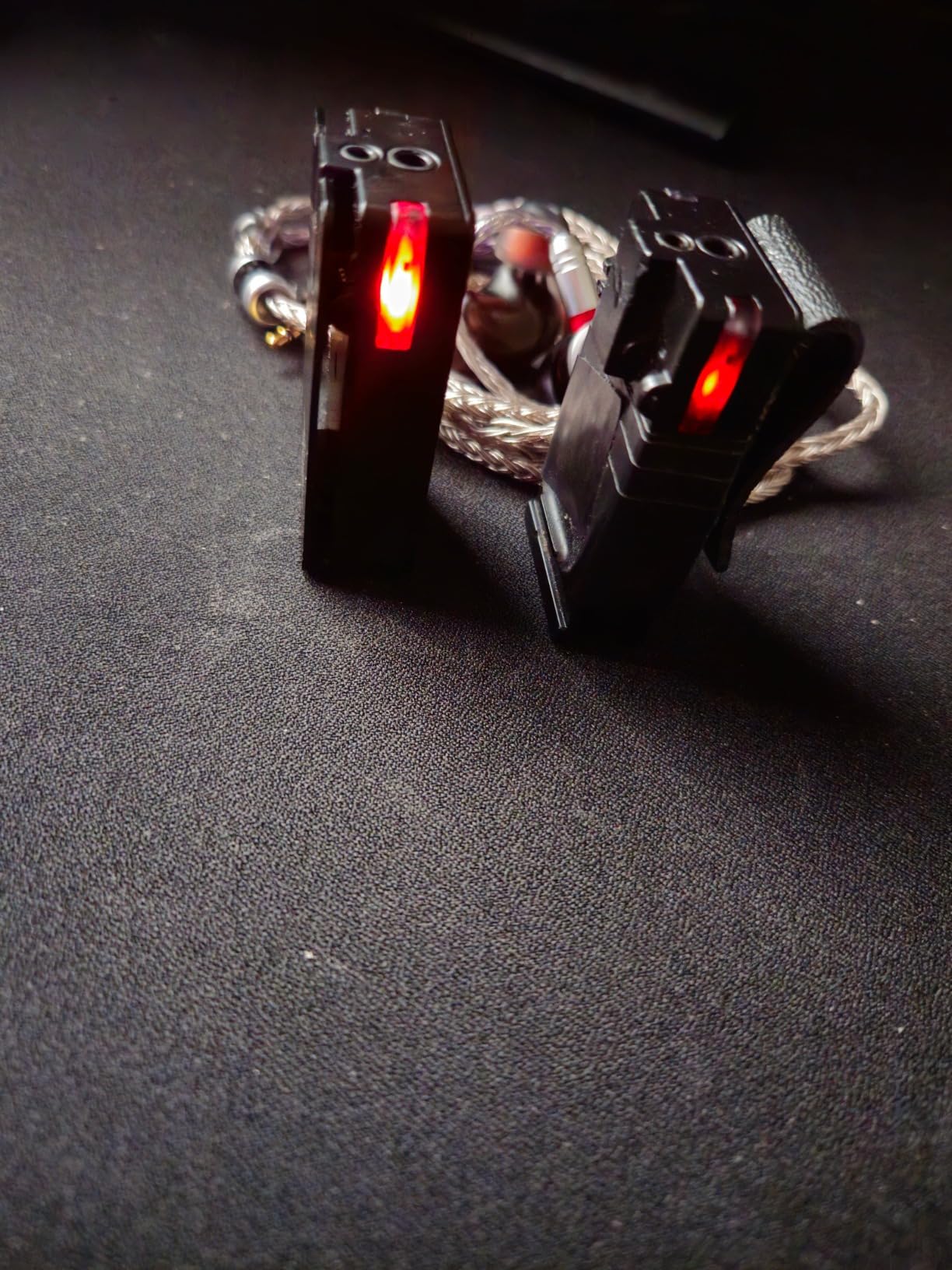
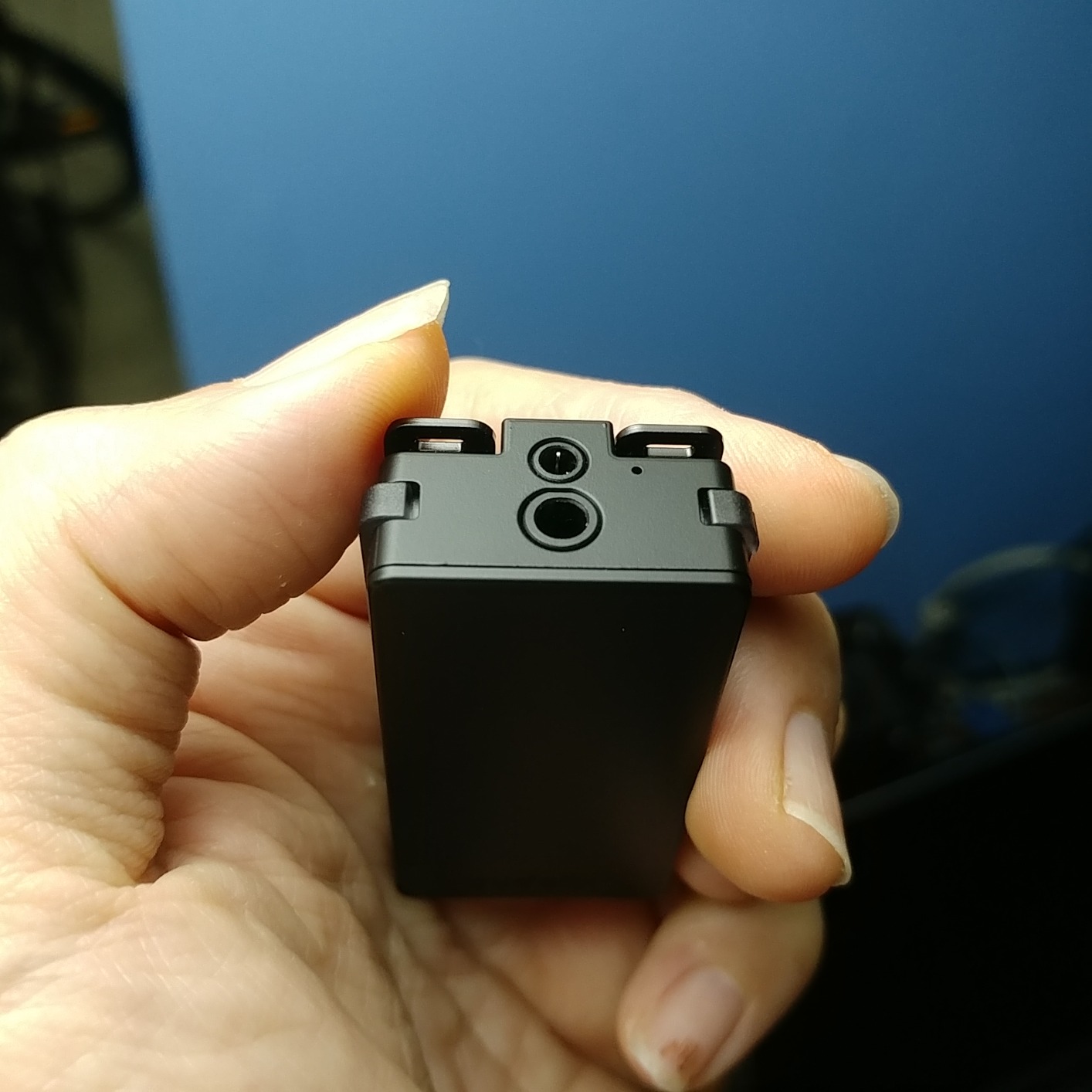
Hardware-wise you get dual ES9219 DAC chips, a 2.5mm balanced output at 4V RMS (240mW), and a 3.5mm unbalanced output at 2V RMS. The Qualcomm QCC5124 chipset handles LDAC, aptX Adaptive, aptX HD, and AAC, and it works as a plain USB DAC at 96kHz/24-bit.
Battery life ranges from 6 to 20 hours depending on codec and volume. The complaints are minor: the plastic shell, unlabeled buttons you learn by feel, and the 2.5mm balanced jack when most newer cables use 4.4mm.
Who should buy it
Anyone who listens from a phone, on commutes, at a desk, or both. Ranked #3 in its Amazon category with 2,482 reviews at 4.6 stars, it is the community’s favorite portable, and the forums mention its firmware updates constantly.
If you use EQ, nothing at this price competes. Period.
Who should skip it
Owners of hard-to-drive full-size planars should temper expectations, since 240mW balanced is portable-class power. Desktop-first listeners with 4.4mm-cabled headphones will need an adapter or the FiiO K7.
Those who dislike charging things should consider a passive desktop amp instead.
10. FiiO K11 DAC and Headphone Amplifier – Best Desktop Value
FiiO K11 DAC and Headphone Amplifier for Home Audio or PC, 6.35mm and Balanced 4.4mm, RCA, Coaxial, Optical, 1400mW, 384kHz/24Bit DSD256 (Black)
1400mW output
4.4mm balanced and 6.35mm
384kHz 24Bit DSD256
VA display
Pros
- Clean powerful balanced output
- Neutral detailed sound
- Many inputs and outputs
- Sleek aluminum design
- Excellent desktop value
Cons
- Digital filters change character
- Top LED too bright for some
- Compressed sound with certain filters
The FiiO K11 became my default desk companion for a month, and it never once made me wish for something fancier. The high-contrast VA display showing sample rate, volume, gain, and output mode is small luxury that becomes a habit fast.
Sound is neutral and detailed without any harshness, which is exactly what a desktop DAC amp should be. Feeding it DSD256 tracks over USB, the background was dead silent between notes.
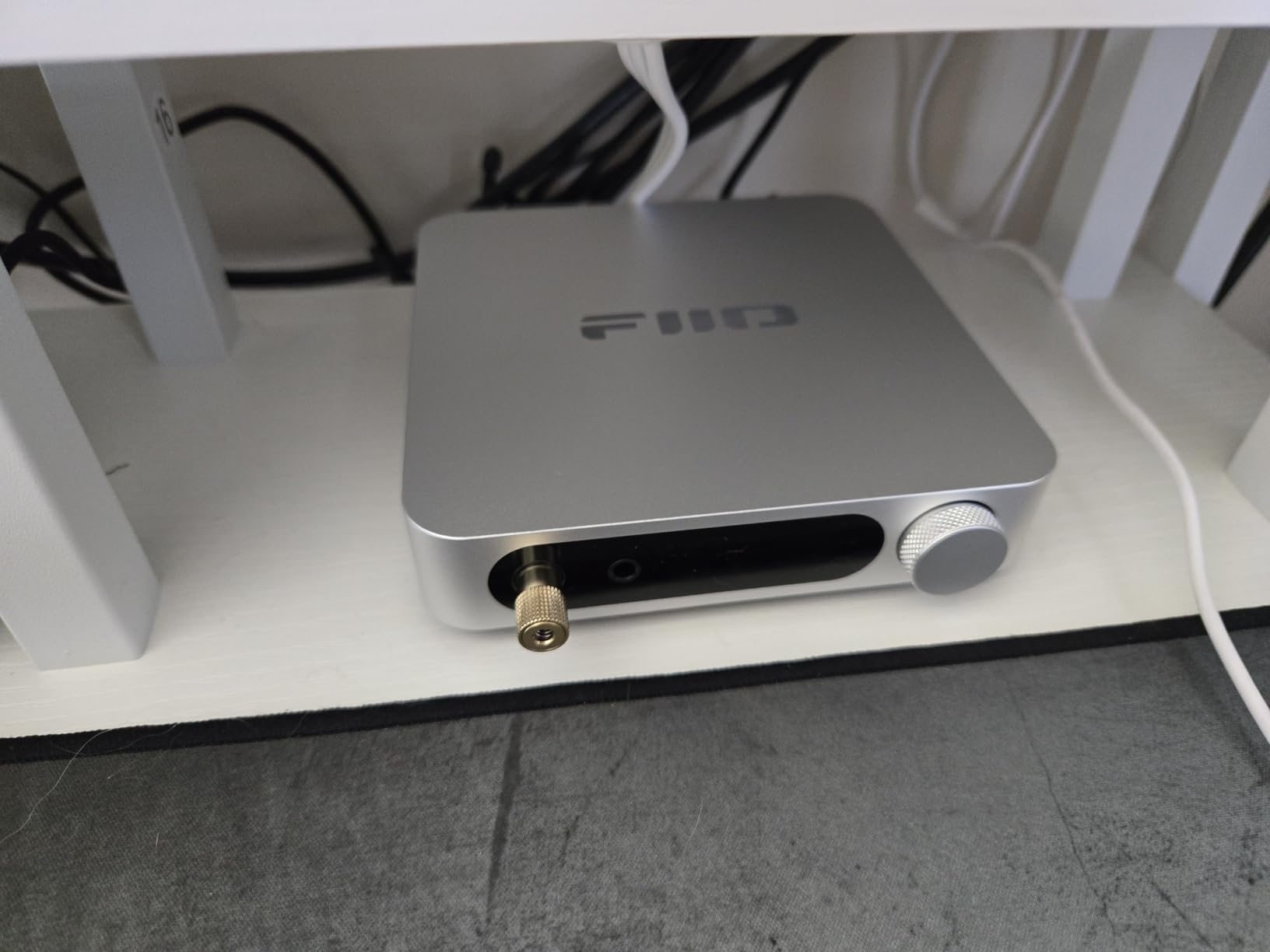
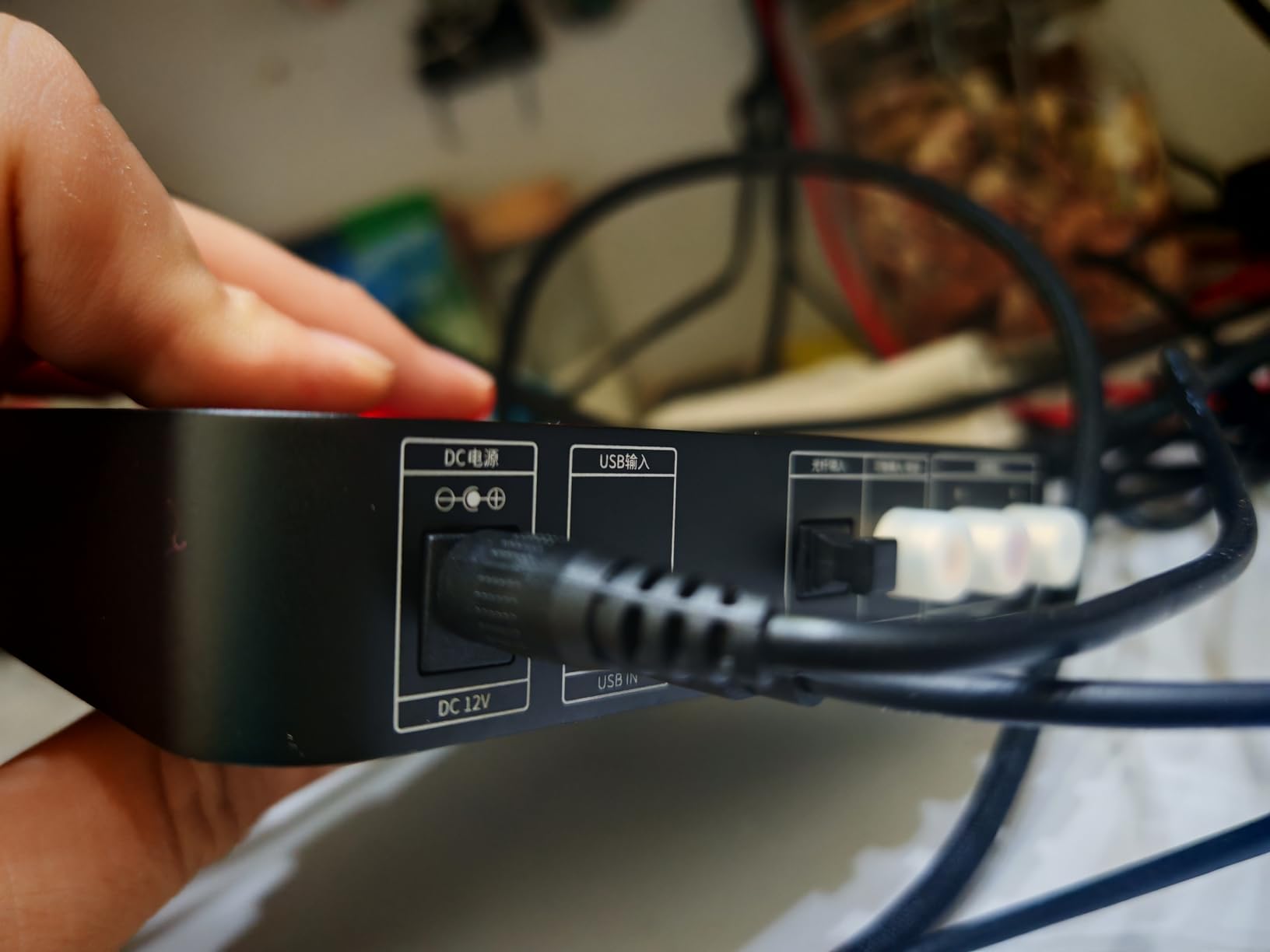
Connectivity covers USB, coaxial, and optical inputs, plus 4.4mm balanced and 6.35mm single-ended headphone outputs, with RCA line-out and coaxial outputs for the rest of your chain. Output power is a serious 1400mW, enough for most planars.
One quirk surprised me: the selectable digital filters audibly change the sound character, and a couple of them sound slightly plastic. Stick to the default fast filter and it is superb, but it is worth experimenting to find your preference.
Who should buy it
Anyone building a first serious desktop setup who wants balanced output without jumping to the K7’s price. At #6 in its category with a 4.6-star average across 738 reviews, the community has validated it thoroughly.
Owners of 4.4mm-cabled headphones get full use of the balanced circuit here.
Who should skip it
If you need maximum power for abyss-class planars, the K7’s 2000mW THX output is the safer bet. Listeners who never touch settings might find the filter discussion irrelevant but harmless.
Anyone sensitive to indicator lights should know the top LED stays lit during use.
11. FiiO K7 Desktop DAC and Amplifier – Best Overall
FiiO K7 Desktop DAC and Amplifier
Dual THX AAA 788+ amps
2000mW balanced
Dual AK4493SEQ DACs
2 gain and 3 output levels
Pros
- Clean neutral sound signature
- Powerful enough for planars
- USB optical coax and AUX inputs
- Balanced and single-ended outputs
- Solid aluminum build
Cons
- Non-linear volume stepping
- Volume adjustment delay
- No digital filter options
- Slight warmth versus pricier models
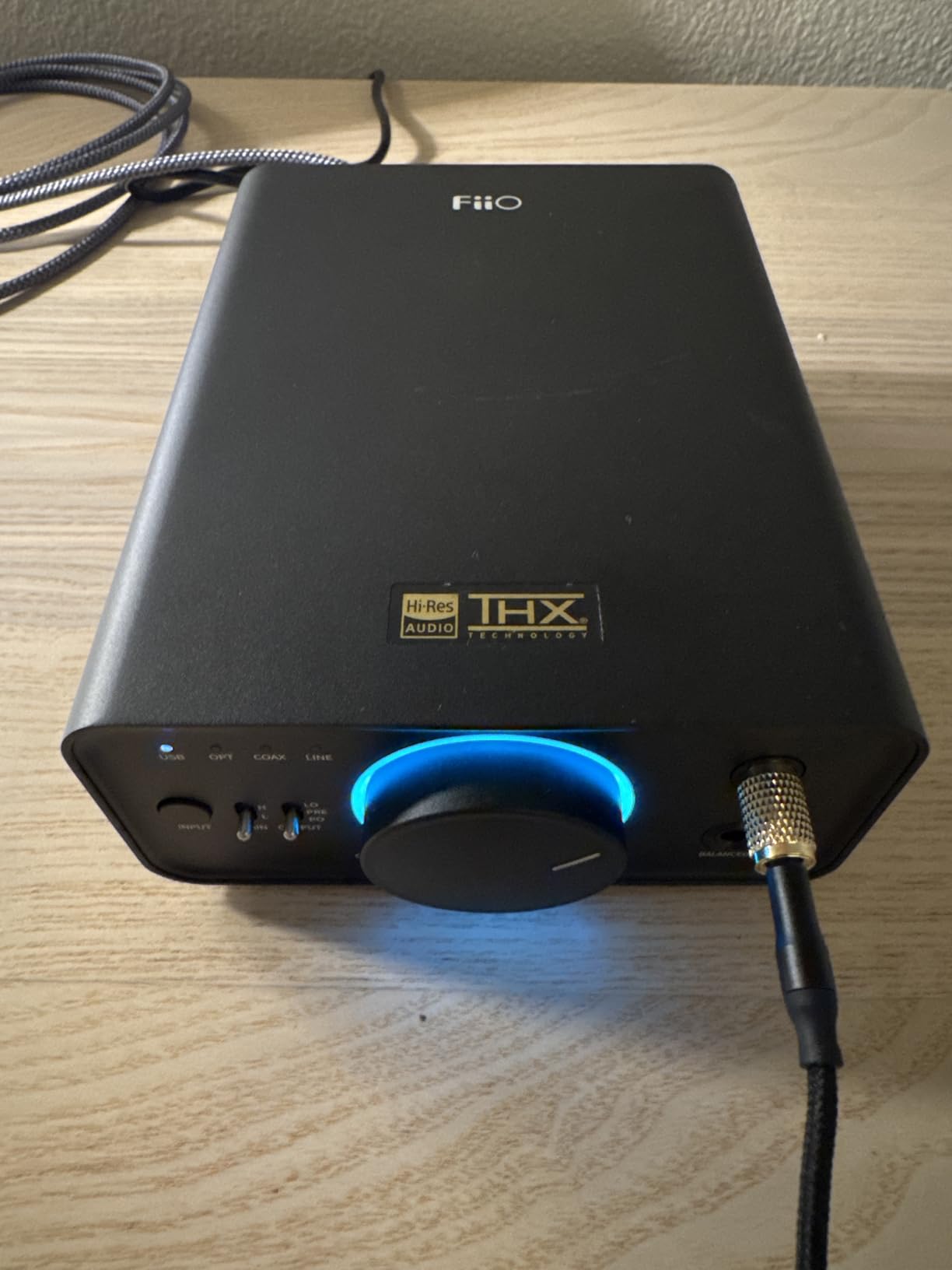
The FiiO K7 is the amp I now reach for first, and it earns our editor’s choice. Dual THX AAA 788+ amplification modules deliver that trademark THX cleanliness: effortless dynamics, vanishingly low distortion, and a pitch-black background even with sensitive IEMs.
I threw everything at it during testing, from 16-ohm easy-drivers to power-hungry planars, and the 2000mW balanced output never broke a sweat. The three output levels plus two gain settings make matching both IEMs and full-size headphones genuinely easy.
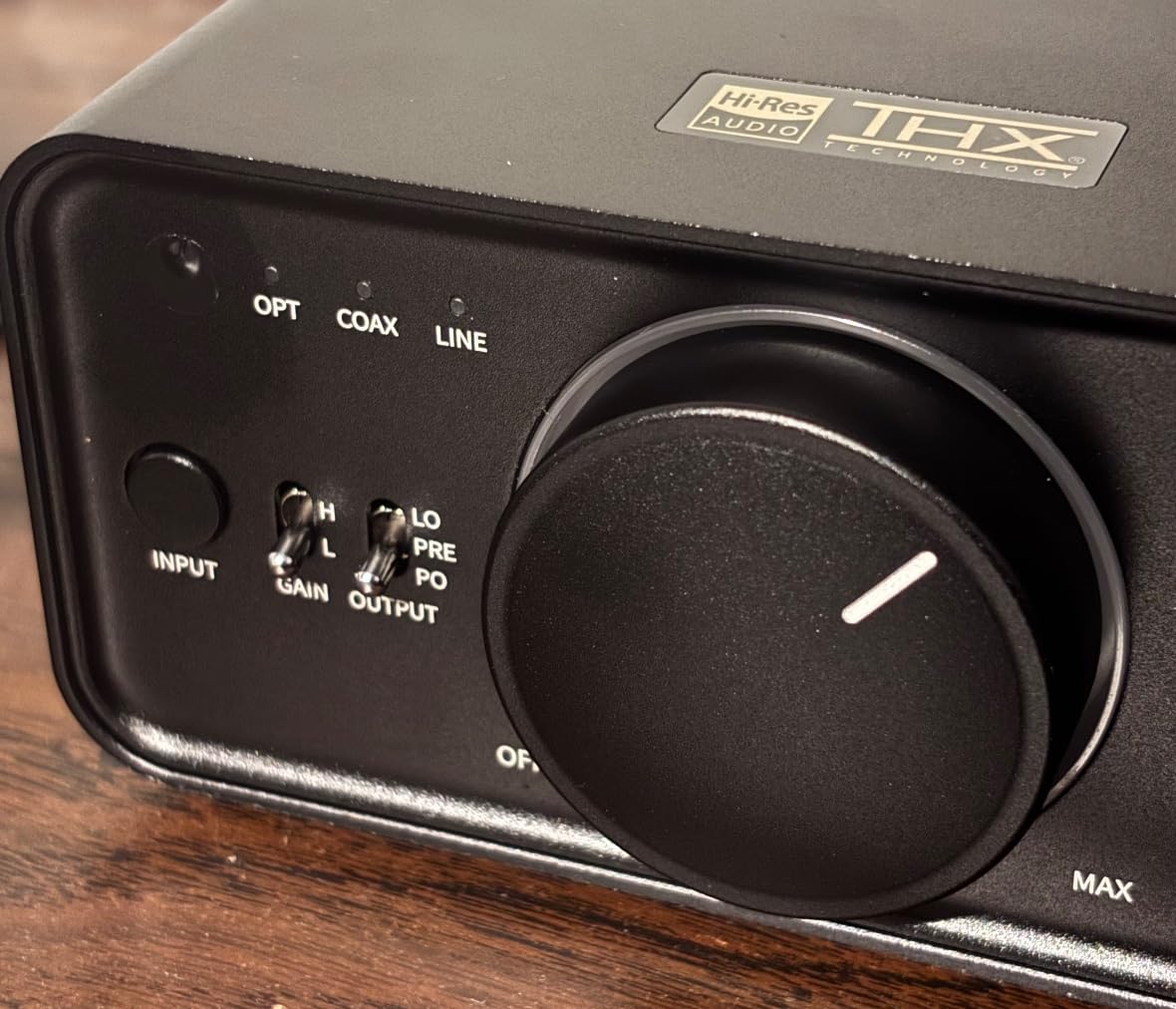
Inside is a six-stage audio circuit built around two AK4493SEQ DAC chips, supporting USB, optical, coaxial, and analog AUX inputs. Outputs span 4.4mm balanced, 6.35mm, and 3.5mm single-ended, and RGB lights indicate working state and sample rate.
The annoyances are small but worth stating: volume knob steps are non-linear, there is a slight delay when adjusting, and there are no digital filter options unlike the K11. FiiO covers it with a one-year warranty, and their support responsiveness is well regarded on the forums.
Who should buy it
Anyone who wants one desktop box that ends upgrade itch for years. It drives virtually every consumer headphone made, measures excellently, and the 1.13kg aluminum chassis looks right at home beside a monitor.
With 776 reviews at 4.5 stars, it has the strongest performance-to-confidence ratio of anything in this guide.
Who should skip it
Listeners who want a warmer, colored sound should explore tube amps, which are a different hobby entirely. If you mainly listen from a phone on the go, the Qudelix-5K or BTR17 serve you better.
Anyone annoyed by stepped volume controls should test one first if possible.
12. FiiO BTR17 Bluetooth USB DAC AMP – Best Premium Portable
FiiO BTR17 Bluetooth 5.4 USB DAC AMP with LDAC, aptX Lossless. Dual ES9069Q, 10-Band PEQ, THX AAA 78+amps 3.5mm Unbalanced & 4.4mm Balanced (Blue)
Bluetooth 5.4 with aptX Lossless
Dual ES9069Q DACs
THX AAA 78+ amps
650mW desktop mode
Pros
- Bluetooth 5.4 with LE Audio
- 650mW balanced desktop mode
- LDAC and aptX Lossless
- 10-band parametric EQ
- Clean neutral sound with leather case
Cons
- App can be buggy
- Wired mode needs adapters
- Some find sound too clean
- Limited stock availability
The BTR17 is what happens when a portable DAC amp gets flagship parts: dual ES9069Q DACs, THX AAA 78+ amplification, and Bluetooth 5.4 with aptX Lossless. Streaming from a phone, it is about as clean as wireless audio gets in 2026.
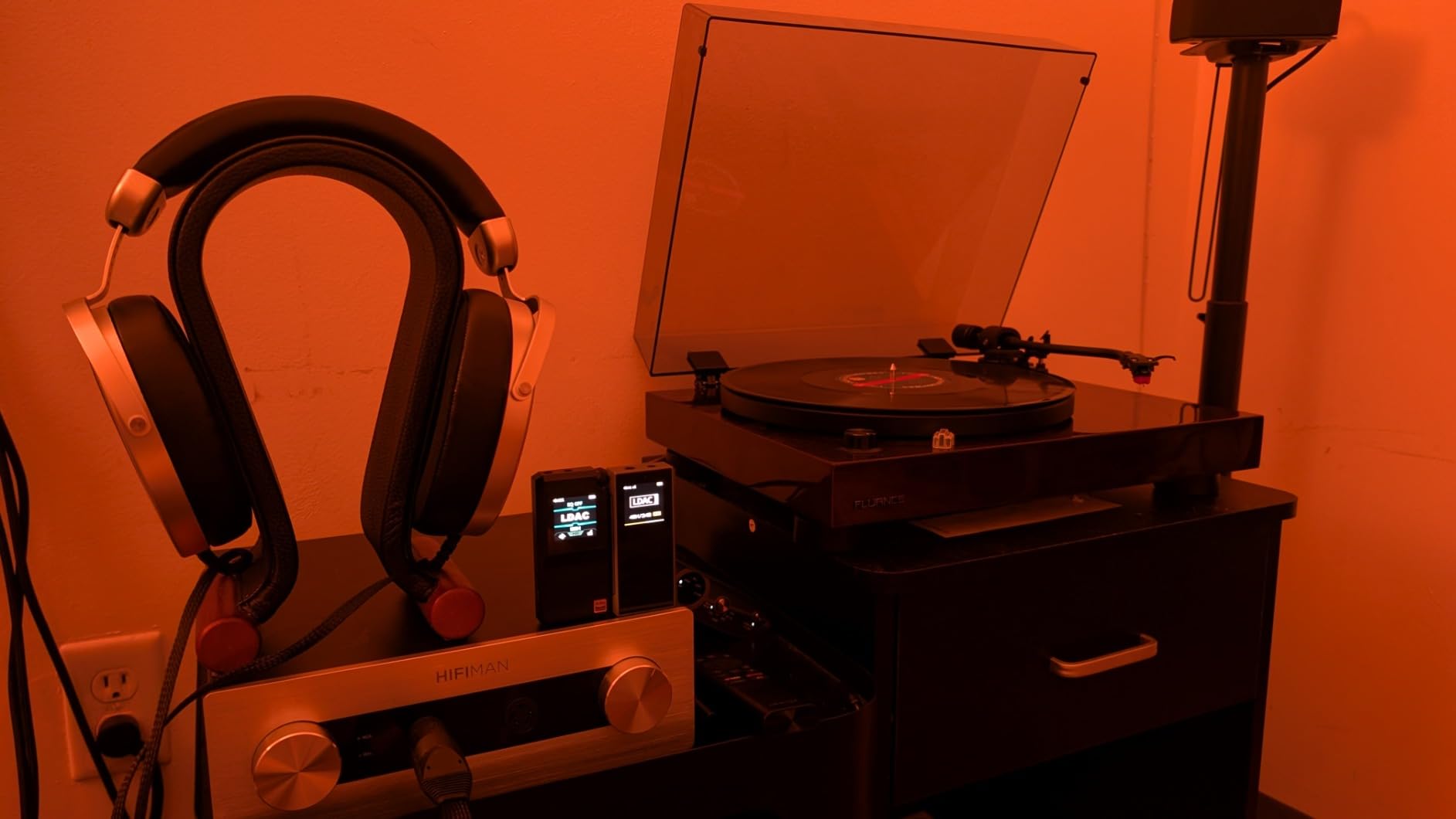
I used it three ways: clipped to a pocket over Bluetooth, wired to a phone in PHONE mode, and docked at a desk in PC mode, where it switches to a 650mW balanced desktop-mode output. That flexibility is unmatched in this size class.
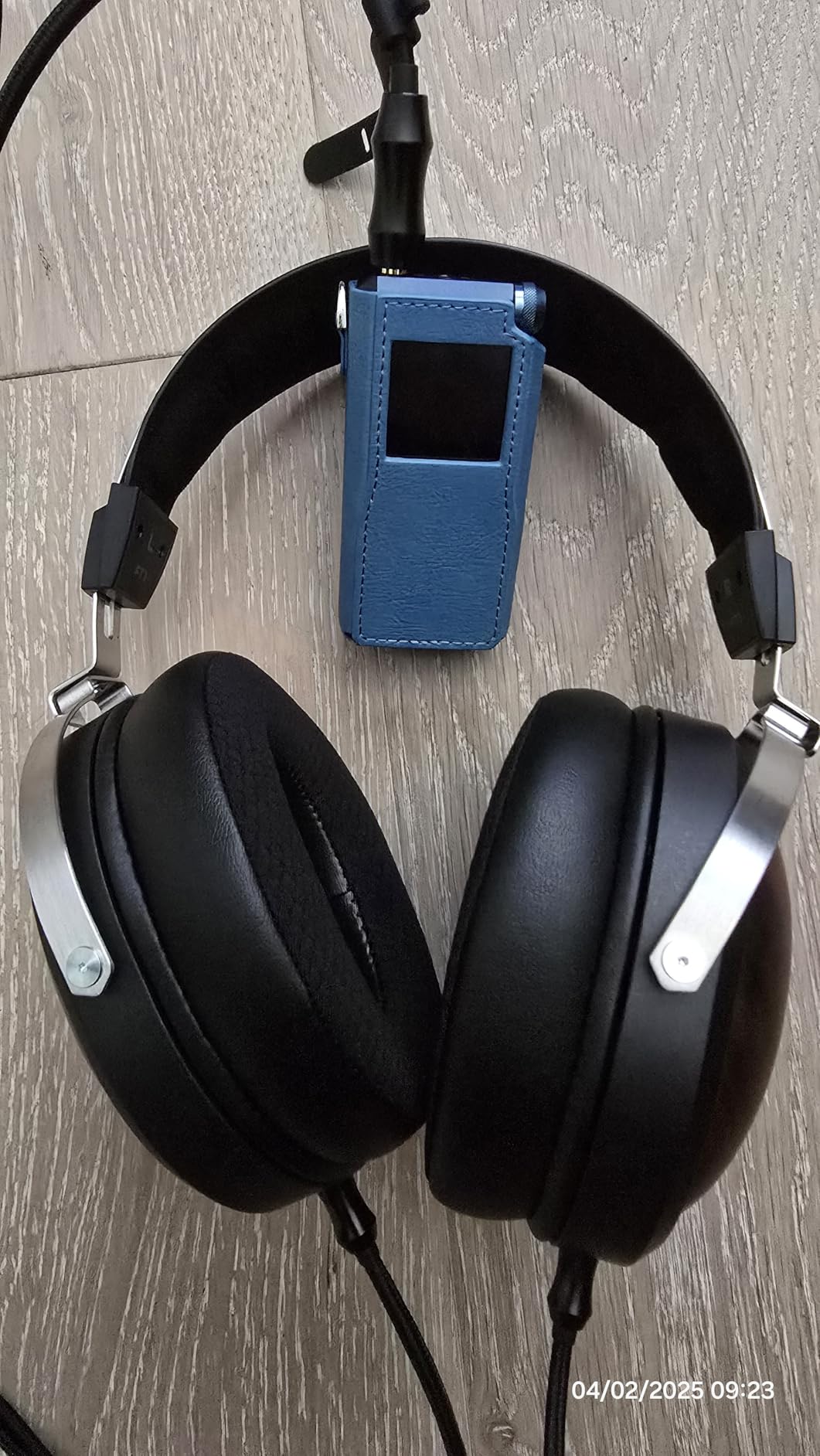
Specs run deep: 768kHz/32-bit and DSD512 decoding, full MQA support, 130dB dynamic range, and minus 120dB THD. The 10-band PEQ works through the app or a web interface, so you are not locked to one platform.
The weaknesses are software and ergonomics rather than sound. The app can be slow, wired mode requires an adapter kit, and some listeners call the presentation too clean or sterile. Note also that stock has been scarce, with single-digit availability at times.
Who should buy it
Audiophiles who want one device for commute and desk, especially with balanced 4.4mm headphone cables. The included leather case is a nice protective touch that most rivals skip.
Tidal users get full MQA decoding, a rarity in portables.
Who should skip it
Buyers wanting a warmer, more forgiving character should audition it if possible, since neutrality is its whole personality. If you find the Qudelix-5K sufficient, the BTR17 may be more than you need.
Anyone needing guaranteed immediate stock should consider the K11 instead, given availability swings.
How to Choose a Headphone Amplifier in 2026
The right amp depends on your headphones, your source, and how you listen. Here is what actually matters, based on our testing and the collective experience of the headphone forums.
Match power to your headphones
Headphone impedance and sensitivity determine how much power you need. Low-impedance, high-sensitivity headphones (most IEMs and many consumer models) need under 100mW and often work fine straight from a phone.
High-impedance headphones (100 ohms and up, like the Sennheiser HD600 series) need voltage, which is why spec sheets list output at 300 ohms. Planar magnetic headphones draw current, so check the milliwatt figure at 32 ohms. A good rule from the forums: aim for at least 115dB of achievable SPL for headroom.
Do you need a DAC too?
An amp-only unit like the Douk U3 or FIFINE N6 takes an analog signal and makes it louder. A DAC amp combo like the Fosi Q4, FiiO K11, or FiiO K7 converts digital audio and amplifies it in one box.
If your source is a computer, console, or phone with only digital outputs, a combo is the practical choice. If you already own a good DAC or interface, a dedicated amp saves money and avoids duplicating circuitry.
Balanced vs single-ended outputs
Balanced outputs (4.4mm or 2.5mm) roughly quadruple available power compared to single-ended (3.5mm or 6.35mm) on the same device. That matters for demanding headphones, which is why the FiiO K7’s 2000mW balanced figure is such a selling point.
You need a headphone cable wired for balanced to use it, and plugging a single-ended cable into a balanced jack can damage some amps, so check before buying.
Gain switches and noise floor
Low gain keeps the volume dial usable with sensitive IEMs; high gain brings quiet recordings and hard-to-drive headphones up to level. Units with gain options, like the FiiO K7 or Neoteck, are simply more versatile.
Watch the noise floor too. Our testing confirmed forum reports that USB power near powerful GPUs can inject hiss on budget units, and optical inputs reliably eliminate that problem.
Tube vs solid state
Every amp in this roundup is solid state, which is the right call for most listeners: neutral, low distortion, no maintenance. Tube amps are a separate category bought intentionally for their coloration and ritual, and none of the models we tested fit that description.
Community consensus holds that solid-state performance plateaus around $250, and our testing supports that. The FiiO K7 is about as far as sensible money goes.
Warranty and support matter
Almost no review site covers this, but it separates brands fast. Neoteck and Douk offer 18-month warranties, FiiO and FIFINE cover one year, and FiiO’s firmware support for devices like the K7 and Qudelix’s constant updates are well documented on Head-Fi.
Given that some budget amps in this guide have reported failure rates after months of use, that warranty window is not fine print, it is part of the purchase.
Frequently Asked Questions
Are headphone amplifiers worth it?
Yes, if your headphones are high-impedance (above 100 ohms), low-sensitivity, or planar magnetic. Those headphones physically need more power than a phone or laptop provides. For sensitive IEMs and easy-to-drive earbuds, an amp adds little, and the forums rightly note that even the Apple dongle is sufficient there.
What is the best headphone amp to buy in 2026?
The FiiO K7 is our top overall pick thanks to its dual THX AAA 788+ amplifiers, 2000mW balanced output, and versatile inputs. For portable use, the Qudelix-5K is the best value, and the FIFINE N6 is the budget pick for multi-listener studio setups.
Do headphones sound better with an amp?
Demanding headphones sound noticeably better with adequate power: tighter bass, cleaner dynamics, and higher distortion-free volume. Easy-to-drive headphones may show little to no improvement, which is why matching the amp to your specific headphones matters more than the amp’s price.
What is the best audiophile headphone amplifier?
Among the models we tested, the FiiO K7 offers the most audiophile-grade performance with its AK4493SEQ DACs and THX AAA 788+ amplification. The FiiO BTR17 is the strongest portable option with dual ES9069Q DACs and 130dB dynamic range.
What is the best headphone amp for mixing?
For mixing and monitoring, you want a neutral, low-distortion amp with no tone coloration, which points to the FiiO K7 or K11. If multiple people need to monitor simultaneously, the FIFINE N6 or LZSIG four-channel amps are purpose-built for the job.
Conclusion
After three months of testing the best headphone amplifiers for 2026, a clear picture emerged. The FiiO K7 is the best overall choice for a desktop, the Qudelix-5K is the smartest money you can spend for portable listening, and the FIFINE N6 handles multi-listener duty for almost nothing.
Beyond the top three, the right pick depends on your headphones: the Douk U3 PRO for high-impedance dynamics, the Fosi K5 Pro for gaming, and the FiiO K11 for a balanced desktop on a tighter budget.
Whatever you choose, match the amp to your headphones before you match it to your budget. That single step, more than any price bracket, is what separates a satisfying upgrade from an expensive disappointment. Check the latest prices on our top picks and give your headphones the power they have been asking for.