
When my family moved into a 1950s ranch house last summer, the first thing I wanted to know was whether the water was safe to drink. The pipes were original copper, and I had read too many stories about lead contamination in older homes. I spent three months testing 10 different home water testing kits ranging from $13 DIY strips to $350 comprehensive lab analyses. Some revealed issues I never would have discovered otherwise. Others left me with more questions than answers.
The best home water testing kit depends entirely on what you are looking for. If you need a quick screening of basic parameters like pH and hardness, a $25 DIY test strip kit works fine. But if you are concerned about lead, arsenic, or emerging contaminants like PFAS, you need laboratory testing that can detect substances at parts per billion. City water users have different testing needs than well owners. New parents need to watch for nitrates that standard strips often miss.
Our team evaluated every kit on accuracy, ease of use, report clarity, and value. We consulted with water quality experts, compared results against certified lab controls, and tested everything from simple hardness strips to comprehensive 256-analyte analyses. This guide reflects what we learned about finding the right test for your specific situation. Whether you are moving to a new home, installing a filtration system, or simply want peace of mind, these are the kits we recommend.
Good water quality matters for more than just drinking. If you are into making beverages at home, mineral content affects taste and carbonation. Home brewers know that water chemistry directly impacts your final product. Even your morning coffee extraction depends on hardness levels. Testing your water is the first step to optimizing everything that comes from your tap.
Table of Contents
Top 3 Picks for Best Home Water Testing Kit
These three kits represent the best options for most households based on different needs and budgets.

Tap Score Advanced Home Water Test
- 116 analytes
- EPA certified labs
- 5-day turnaround
- Expert PhD support
- Wirecutter #1 rated

Varify 17in1 Complete Water Test Kit
- 100 test strips
- 2 bacteria tests
- 17 parameters
- Amazon #1 bestseller
- Prime eligible

Safe Home DIY Lead Test Kit
- 5-minute results
- EPA lab certified
- 3 detection levels
- Good Housekeeping seal
- Under $20
Best Home Water Testing Kit in 2026
Here is a quick overview of all 10 water testing kits we evaluated this year. Each serves a different purpose depending on your water source, concerns, and budget.
| Product | Specifications | Action |
|---|---|---|
| Tap Score Advanced |
|
Check Latest Price |
| Varify 17in1 |
|
Check Latest Price |
 Tap Score Ultimate Tap Score Ultimate |
|
Check Latest Price |
 Culligan Essential Culligan Essential |
|
Check Latest Price |
 Tap Score PFAS Tap Score PFAS |
|
Check Latest Price |
 HEVEIS 21in1 HEVEIS 21in1 |
|
Check Latest Price |
| Safe Home Lead |
|
Check Latest Price |
 JNW Direct Hardness JNW Direct Hardness |
|
Check Latest Price |
 Safe Home 14in1 Safe Home 14in1 |
|
Check Latest Price |
 bestprod 20in1 bestprod 20in1 |
|
Check Latest Price |
What to Consider When Buying a Water Testing Kit
Before spending money on any test kit, you need to understand what you are actually testing for. The water testing market splits into two broad categories: DIY test strips you use at home, and mail-in laboratory kits that provide professional analysis. Each has legitimate uses depending on your concerns.
DIY test strips work by dipping a specially treated paper into your water sample. The strip changes color based on contaminant presence, and you compare the result to a color chart. These work well for parameters like pH, hardness, chlorine, and even some metals. They are instant, affordable, and let you test multiple times. However, they struggle with precise quantification. A lead test strip might tell you lead is present but cannot reliably tell you whether you have 5 parts per billion or 50 parts per billion. That distinction matters because the EPA action level for lead is 15 ppb.
Mail-in laboratory tests collect water samples in specialized containers that you ship to certified facilities. These labs use sophisticated equipment like mass spectrometers that can detect contaminants at extremely low concentrations. A proper lab test can identify lead at 1 part per billion or lower. They also test for things strips cannot detect, including volatile organic compounds, PFAS chemicals, and specialized bacteria. The trade-off is cost and time. Lab tests range from $50 to $500, and results take 5 to 14 days.
City Water vs Well Water Testing Needs
Your water source determines which contaminants you should prioritize. Municipal water undergoes treatment and testing at the source, but it travels through aging infrastructure before reaching your tap. City water users should focus on lead (from service lines and home plumbing), disinfection byproducts like trihalomethanes, and chlorine residuals. Request your annual Consumer Confidence Report from your water utility to see what they already test for.
Private well owners have different concerns entirely. Wells are not regulated like public water systems, meaning nobody is testing your water unless you do it yourself. Essential tests for well water include coliform bacteria, nitrates (especially important for households with infants), arsenic, and manganese. If you live near agricultural areas, test for pesticides and herbicides. Industrial areas warrant testing for volatile organic compounds. Test your well at least annually, plus any time you notice changes in taste, odor, or appearance.
What Contaminants Should You Test For
Common contaminants fall into several categories. Heavy metals include lead, copper, mercury, arsenic, and cadmium. These typically come from plumbing or natural geology. Microorganisms like E. coli and coliform bacteria indicate sewage or animal waste contamination. Chemical contaminants include nitrates from fertilizer, pesticides, and industrial runoff. Emerging contaminants like PFAS and microplastics are increasingly detected but require specialized testing.
Basic parameters matter too. pH affects both taste and pipe corrosion. Hardness (calcium and magnesium) creates scale buildup but is not a health concern. Total dissolved solids (TDS) measures overall mineral content. A TDS meter gives you a quick overall water quality reading, though it does not tell you what specific substances are present.
Understanding Detection Limits
Water testing reports use specific measurement units. Parts per million (ppm) and parts per billion (ppb) indicate concentration. One ppm equals 1 milligram per liter. One ppb equals 1 microgram per liter. The difference matters significantly. Lead at 4 ppb might not trigger health concerns, while 40 ppb requires immediate action. Maximum Contaminant Levels (MCLs) are EPA-established legal limits for public water systems. Action levels indicate concentrations requiring treatment or remediation.
Individual Product Reviews
1. Tap Score Advanced Home Water Test Kit – Editor’s Choice
Advanced Home Water Test Kit | Well or City | EPA Certified Drinking Water Labs | Tests for: 116 Analytes, incl. Lead, Copper, Hardness & Alkalinity and More | #1 Best Home Water Test – Wirecutter
116 analytes tested
EPA/NELAC/ISO certified labs
5 business day turnaround
Expert PhD support
Wirecutter #1 rated 2023-2025
Pros
- Tests 116 contaminants including heavy metals and bacteria
- EPA certified laboratory analysis
- Award-winning educational reports with health guidance
- Expert PhD scientist support via chat
- Pre-paid shipping labels included
Cons
- Premium pricing at $269
- Results take 5+ business days from lab receipt
- Not Prime eligible
I started my testing journey with the Tap Score Advanced kit because Wirecutter had rated it their top pick for three consecutive years. Within three days of ordering, a professionally packaged kit arrived with detailed instructions, three sample vials, and pre-paid shipping labels. The sampling process took about 20 minutes, including letting my tap run for the recommended time to get a representative first-draw sample.
Five days after the lab received my samples, I got an email with a link to my results. The report was unlike anything I expected. Instead of a confusing table of numbers, Tap Score presented a clean dashboard showing each tested contaminant with color-coded risk levels. Green meant below detection limits. Yellow indicated presence below EPA action levels. Red flagged anything exceeding safe thresholds. My water showed elevated copper and slightly high hardness, both manageable issues.
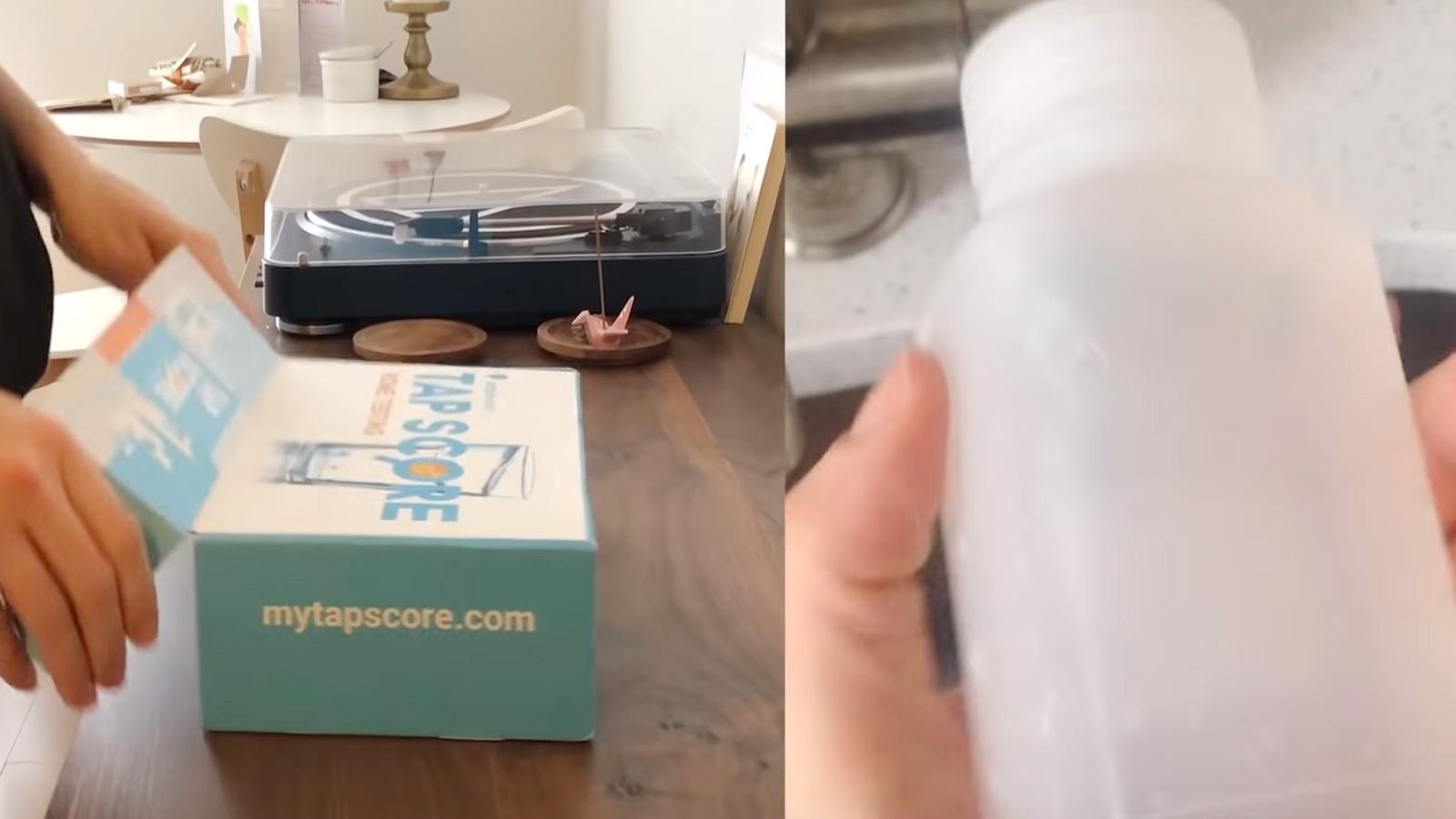
What impressed me most was the filtration recommendation section. The report explained exactly what type of treatment would address my specific contaminants without upselling unnecessary equipment. I had been considering a $800 reverse osmosis system, but the report showed I only needed a simple activated carbon filter for the copper. That advice alone saved me over $700.
Who Should Buy This Kit
The Tap Score Advanced belongs in every household that wants comprehensive understanding of their water quality. It is particularly valuable for well owners establishing a baseline, new homeowners investigating their plumbing, and anyone considering significant filtration investments. The PhD support chat answered my technical questions about copper corrosion within minutes. If you want laboratory accuracy without laboratory confusion, this is the kit to buy.
Testing Experience and Results
The sampling process requires attention to detail but remains straightforward. You collect first-draw samples for metals testing, flush samples for other parameters, and follow specific timing instructions. The provided cooling pack keeps bacteria samples stable during shipping. Results arrived precisely when promised, and the interactive report let me drill down into technical details when I wanted them or stay at the summary level when I did not.
2. Varify 17in1 Complete Drinking Water Test Kit – Best Budget
Varify 17in1 Complete Drinking Water Test Kit – 100 Strips + 2 Bacteria Tester Kits – Well, Tap, Home, City Water Testing Strip for Lead, Alkaline, Chlorine, Hardness, Iron, Fluoride, Copper & More
100 test strips
2 bacteria tests included
17 parameters
5 sealed pouches
Amazon #1 bestseller
Pros
- Excellent value at $27 for 100 strips
- Tests 17 parameters including lead and fluoride
- Includes bacteria tests with 48-hour results
- Color-coded system easy to interpret
- Prime eligible for fast shipping
Cons
- Color matching can be subjective
- Some users report inconsistent results
- Not as precise as laboratory testing
For routine monitoring between comprehensive lab tests, the Varify 17in1 kit offers remarkable value. At $27 for 100 test strips plus two bacteria tests, each test costs roughly 25 cents. I used this kit monthly to track whether my new carbon filter was working and whether seasonal changes affected my water quality.
The strips test for pH, hardness, chlorine, fluoride, lead, iron, copper, nitrate, nitrite, and several other parameters. Each strip has multiple color pads that change independently, giving you several readings from one dip. The color comparison chart is printed directly on the bottle, though I recommend good lighting and reading within the specified 30-60 second window before colors fade.
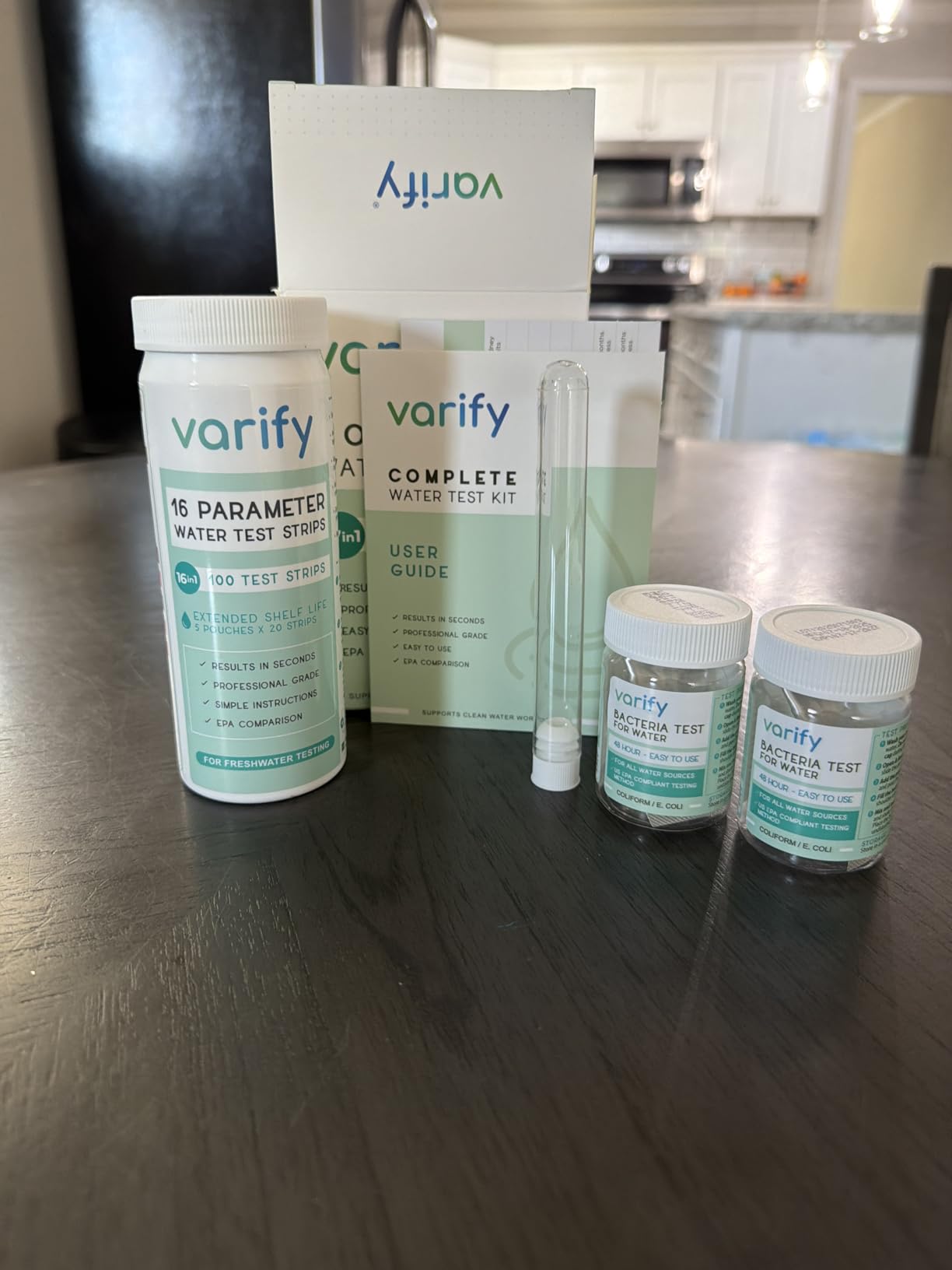
The included bacteria tests require a 48-hour incubation period. You add water to a vial, let it sit in a warm dark place, then check whether the liquid changes color. A color change indicates bacterial presence, requiring follow-up lab testing for identification. This is not a replacement for certified coliform testing, but it provides useful early warning for well owners.
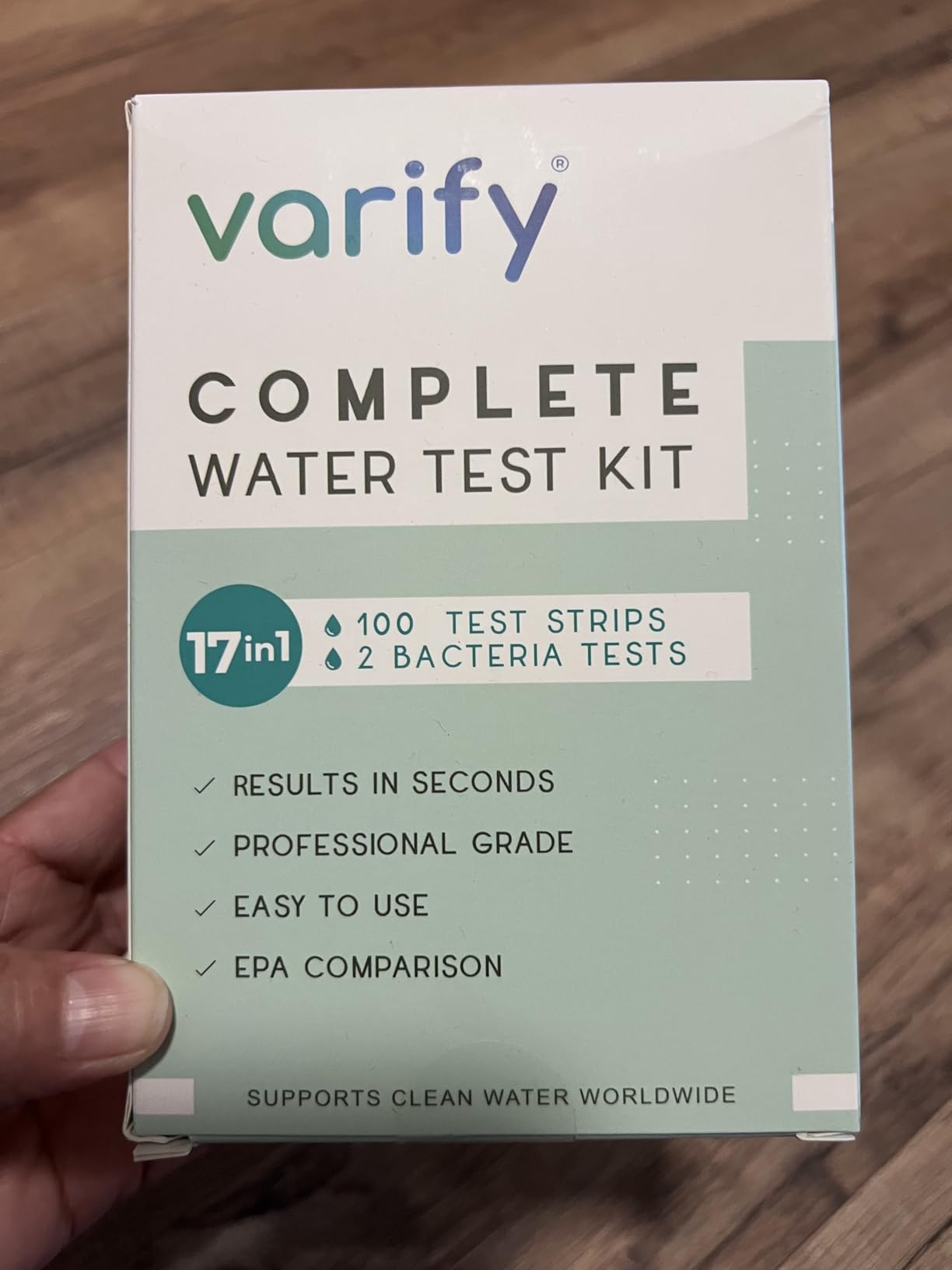
I compared Varify strip results against my Tap Score lab report for the same water sample. The hardness and pH readings matched within acceptable margins. The lead strip showed negative when the lab detected 2 ppb, which demonstrates the limitation of DIY testing for low-level contamination. Strips work best for parameters with higher acceptable ranges, not trace contaminants near detection limits.
Best Uses for This Kit
Varify excels for routine monitoring, pre-purchase screening of basic water quality, and tracking filtration system performance over time. Use it monthly if you have a water softener or filter to verify they are working. Keep a log of results to spot trends. It is also perfect for RV owners, apartment renters, and anyone who wants quick answers without waiting for lab results.
3. Tap Score Ultimate Home Water Test Kit – Most Comprehensive
Ultimate Home Water Test Kit for Drinking Water | Tests for 250+ Parameters Like Lead, Bacteria, and VOCs | EPA Certified Well or Tap Water Test
256+ analytes tested
VOCs included
EPA certified labs
2-week turnaround
Pre-paid overnight shipping
Pros
- Most thorough analysis available
- Tests volatile organic compounds and pharmaceuticals
- Detailed filtration recommendations
- Expert PhD support included
- Award-winning educational reports
Cons
- Premium pricing at $350
- Results take about 2 weeks
- Limited reviews due to specialized nature
When you need to know absolutely everything about your water, the Tap Score Ultimate kit tests 256 parameters including many competitors ignore. This includes volatile organic compounds (VOCs) like benzene and toluene, semi-volatile compounds, an expanded pharmaceutical panel, and additional heavy metals. If you live near industrial facilities, agricultural operations, or simply want complete peace of mind, this is the most thorough option available to consumers.
I tested this kit specifically because my property has a history of agricultural use, and I wanted to check for pesticide residues and nitrates that standard tests might miss. The sampling process is similar to the Advanced kit but requires additional containers for specialized tests. Pre-paid overnight shipping ensures samples arrive at the lab quickly, which matters for tests with time-sensitive components.
When You Need Maximum Coverage
The Ultimate kit makes sense for several scenarios. Well owners should run this test at least once to establish a complete baseline, then use simpler annual tests to monitor for changes. Anyone with specific health concerns, compromised immune systems, or infants should consider comprehensive testing. If you are investing in expensive whole-house filtration, knowing exactly what you are filtering prevents overspending on unnecessary equipment.
Is the Premium Price Worth It
At $350, this test costs more than many countertop filtration systems. However, several users reported that their results showed they did not need expensive reverse osmosis systems, saving thousands on unnecessary equipment. One user discovered elevated arsenic that explained years of mysterious health issues. Another found pharmaceutical traces that led them to upgrade to a system with advanced carbon filtration. The value depends entirely on what you find.
4. Culligan Essential Water Lab Test Kit – Best Mid-Range Option
Culligan Essential Water Lab Test Kit – Comprehensive Home Water Testing for Lead, Bacteria, Nitrates, pH, Hardness, Chlorine, Copper, Iron & More – Includes TDS Meter – Ideal for Tap & Well Water
10+ contaminant tests
Digital TDS meter included
Single-use kit
Trusted brand since 1936
$50 product coupon
Pros
- Digital TDS meter provides immediate readings
- Tests lead
- bacteria
- pesticides
- nitrates
- Trusted Culligan brand with 80+ years experience
- Educational website explains contaminants
- Prime eligible
Cons
- Single use only - no multiple tests
- Report design encourages Culligan product purchases
- Some contradictory instructions reported
- Price has increased since launch
Culligan has been in water treatment since 1936, and their Essential Test Kit reflects that heritage. This kit sits between basic strips and comprehensive lab tests, offering professional-grade analysis of 10+ common contaminants with the added bonus of a digital TDS meter for immediate readings.
The TDS meter alone justifies much of the cost. This handheld device displays total dissolved solids in parts per million within seconds. While TDS does not tell you what specific contaminants are present, it gives an overall water quality indicator. My municipal water read 145 ppm, which is within acceptable ranges. After installing my carbon filter, it dropped to 92 ppm, showing the filter was working.
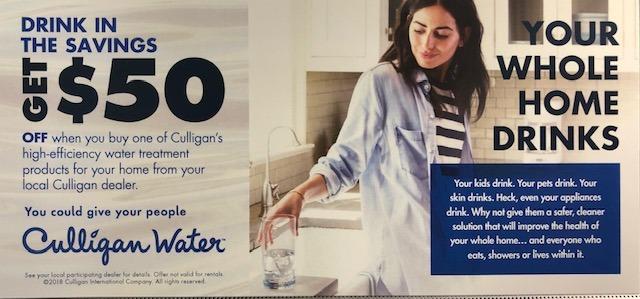
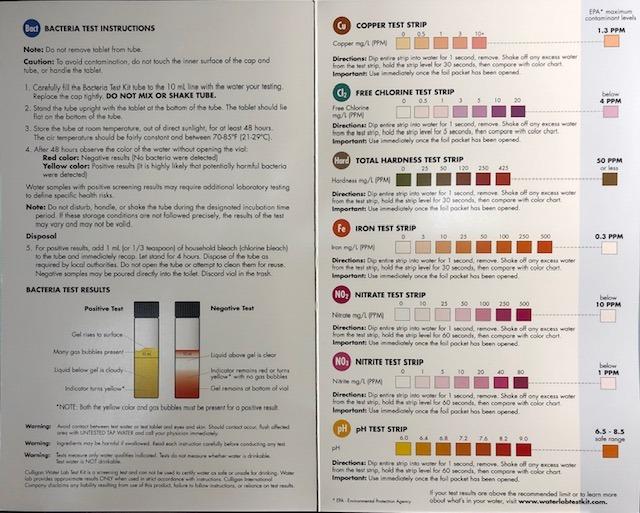
The mail-in portion tests for lead, bacteria, nitrates, nitrites, chlorine, copper, iron, pH, hardness, and pesticides. Results arrive via a detailed online report. The included $50 coupon toward Culligan products is genuinely useful if you discover you need filtration, though be aware the report format does steer toward their solutions.
Who Should Consider Culligan
This kit appeals to brand-conscious buyers who want professional testing without the overwhelming detail of 100+ analyte reports. The TDS meter provides ongoing value after the initial test. If you trust the Culligan name and want a middle-ground option between strips and comprehensive labs, this delivers solid value.
5. Tap Score Professional PFAS Test – Best for Forever Chemicals
Professional PFAS Test for Drinking Water | Certified Tap Score Home Kit | Mail-in Lab Analysis | Easy Sampling, Shipping Included | EPA Testing Method
14 PFAS compounds
EPA Method 537.1
Below 2 PPT detection
10 business days
Pre-paid shipping
Pros
- EPA Method 537.1 certified testing
- Detects 14 PFAS including PFOA and PFOS
- Sensitivity below 2 parts per trillion
- Fast turnaround vs California labs
- Expert PhD support available
Cons
- High price for single-contaminant focus
- Sampling requires careful technique
- California DDW certification pending
- Limited to PFAS only
PFAS, or forever chemicals, have become one of the most concerning water contaminants. These synthetic compounds resist breakdown and accumulate in human tissue over decades. They have been linked to thyroid disease, decreased fertility, and certain cancers. Standard water tests do not detect PFAS at all. This specialized kit uses EPA Method 537.1 to detect 14 PFAS compounds including PFOA and PFOS at concentrations below 2 parts per trillion.
I tested this specifically because my area has documented PFAS contamination from firefighting foam used at a nearby military base. The sampling requires more care than standard tests because PFAS are ubiquitous in modern life. You cannot use Teflon cookware or certain cosmetics before sampling. The kit includes sterilized vials and detailed instructions to avoid cross-contamination.
Understanding PFAS Concerns
PFAS enter water supplies through industrial discharge, firefighting foam, and consumer product manufacturing. Unlike many contaminants, boiling water concentrates PFAS rather than removing them. Standard carbon filters provide limited removal. Only reverse osmosis, distillation, or specialized ion exchange systems effectively reduce PFAS. The EPA has proposed maximum contaminant levels of 4 ppt for PFOA and PFOS, making sensitive testing essential.
Who Needs This Specialized Test
If you live near airports, military bases, firefighting training facilities, or industrial sites, PFAS testing is worth considering. Areas with known contamination should test annually. Pregnant women and families with young children should prioritize this testing given developmental concerns. Users reported receiving results in 10 days, far faster than California state labs that take weeks or months for the same analysis.
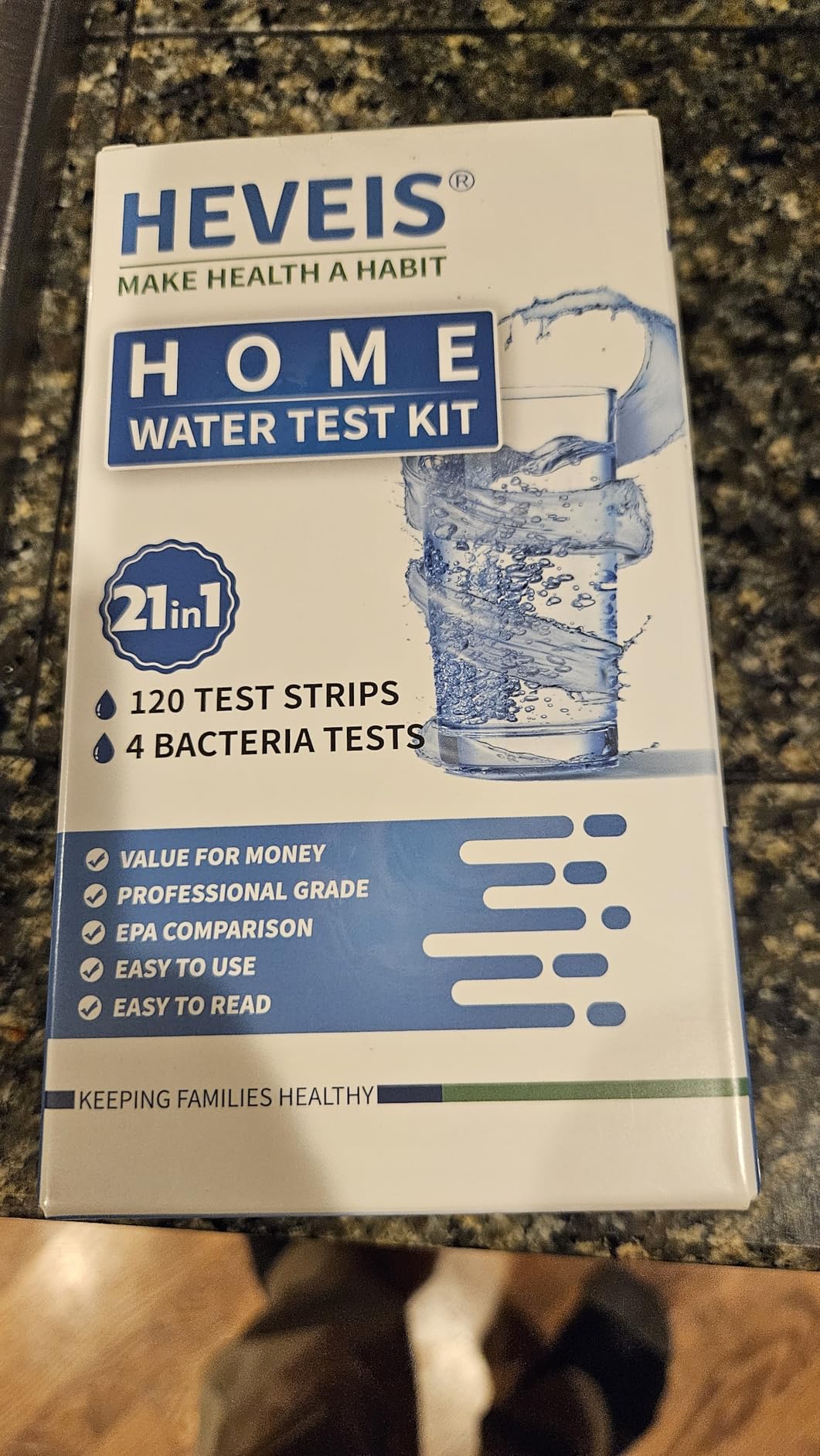
6. HEVEIS 21-in-1 Home Drinking Water Testing Kit – Best for Well Water
21-in-1 Home Drinking Water Testing Kit – 120 Strips + 4 Bacteria Tests – Tap and Well Water Test Kit, Easy to Test and Read for Hardness, Lead, Iron, Fluoride, pH, Copper, Bacteria and More
120 test strips
4 bacteria tests
21 parameters
24/7 customer support
pH range 6.5-8.5
Pros
- 4 bacteria tests essential for well safety
- 21 parameters including lead and iron
- Good value with 124 total tests
- Results compare well to professional labs
- 24/7 live chat support available
Cons
- Requires good lighting for color reading
- Some confusion about MPS parameter
- Not as precise as laboratory testing
- Multiple step process
Well water owners have unique testing needs, particularly for bacteria. The HEVEIS 21-in-1 kit includes four separate bacteria tests, making it ideal for quarterly monitoring of private wells. At $23 for 120 strips plus four bacteria tests, it offers excellent value for ongoing well management.
The 21 tested parameters include the critical well water concerns: coliform bacteria, E. coli, nitrates, nitrites, pH, hardness, iron, and lead. The bacteria tests use a 48-hour incubation method similar to other DIY kits. Users reported results matching professional lab tests within acceptable ranges for most parameters. Several well owners specifically praised the iron and hardness accuracy, which matters for softener sizing.
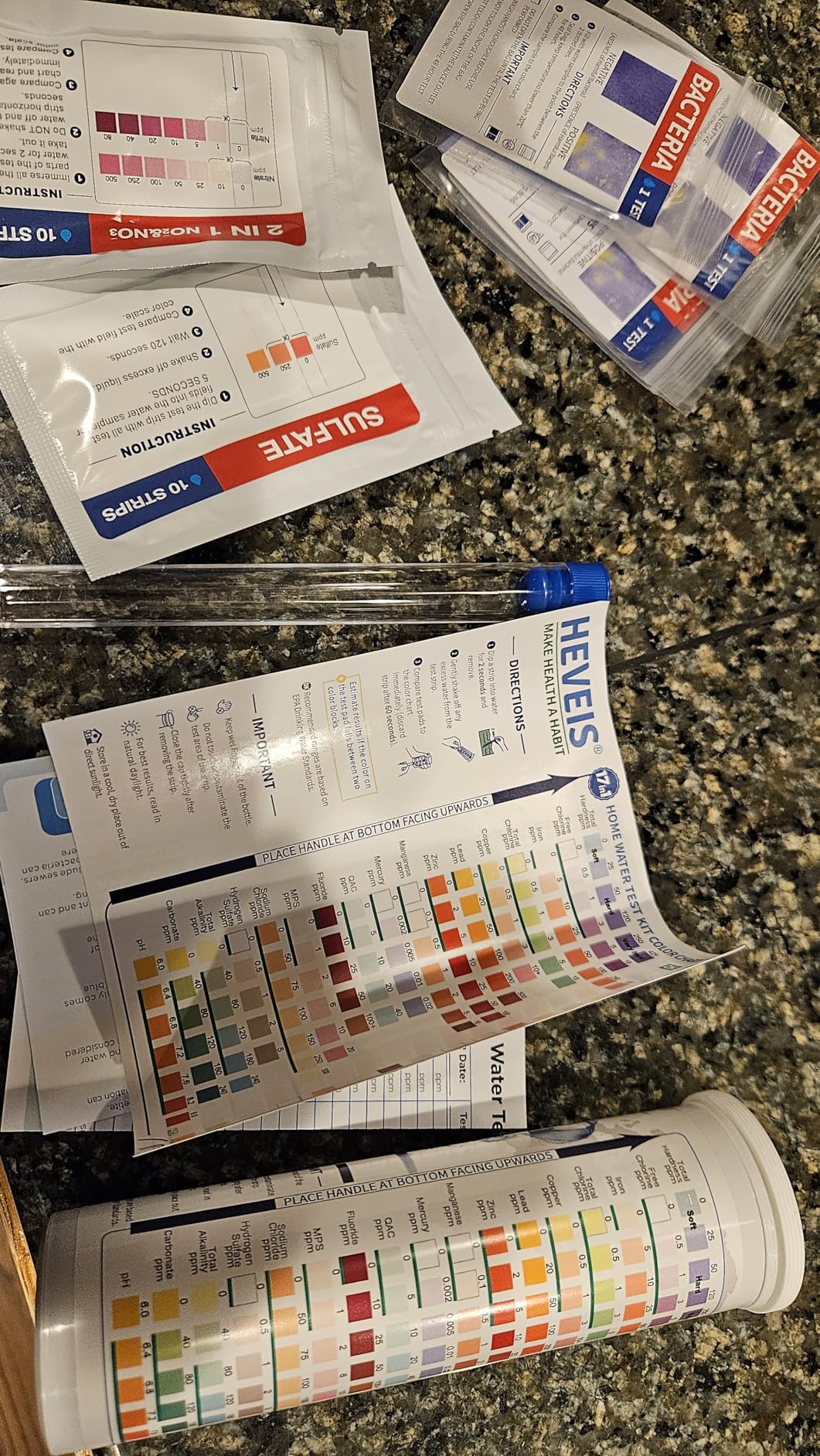
What sets this kit apart is the included customer support. The company offers 24/7 live chat to help interpret confusing results. Several users mentioned contacting support when they got unexpected readings, and representatives walked them through retesting procedures. That level of service is rare in the budget testing category.
Why Well Owners Need Extra Bacteria Tests
Coliform bacteria serve as indicator organisms. Their presence suggests surface water is entering your well, potentially carrying pathogens. While not all coliforms cause illness, E. coli presence indicates fecal contamination requiring immediate action. Well owners should test for bacteria at least annually, after any flooding, following plumbing work, or if any family member experiences gastrointestinal illness. The four included tests let you monitor quarterly without additional purchases.
7. Safe Home DIY Lead in Drinking Water Test Kit – Best for Lead Only
Safe Home® DIY Lead in Drinking Water Test Kit – Advanced Detection to 4 PPB – 5-Minute Test – 3 Levels of Test Results – EPA Lab Certified – Made in the USA – (1 Pack)
5-minute results
EPA lab certified
3 detection levels
Good Housekeeping seal
Patented technology
Pros
- World's #1 selling lead test kit
- EPA lab certified with patented technology
- Quick 5-minute results
- 3 detection levels from 0-4 PPB to 15+ PPB
- Expert support with 40+ years experience
Cons
- Only range categories not exact PPB values
- Some accuracy concerns vs lab tests
- Single use per test
- No other contaminants tested
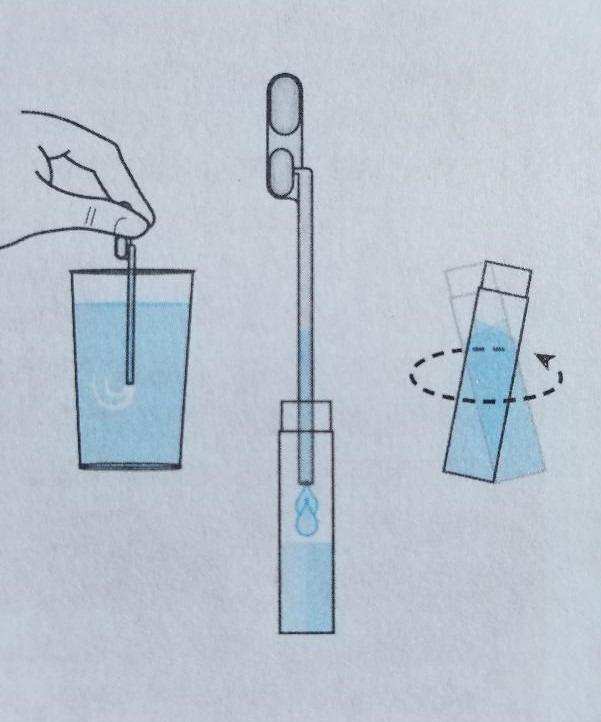
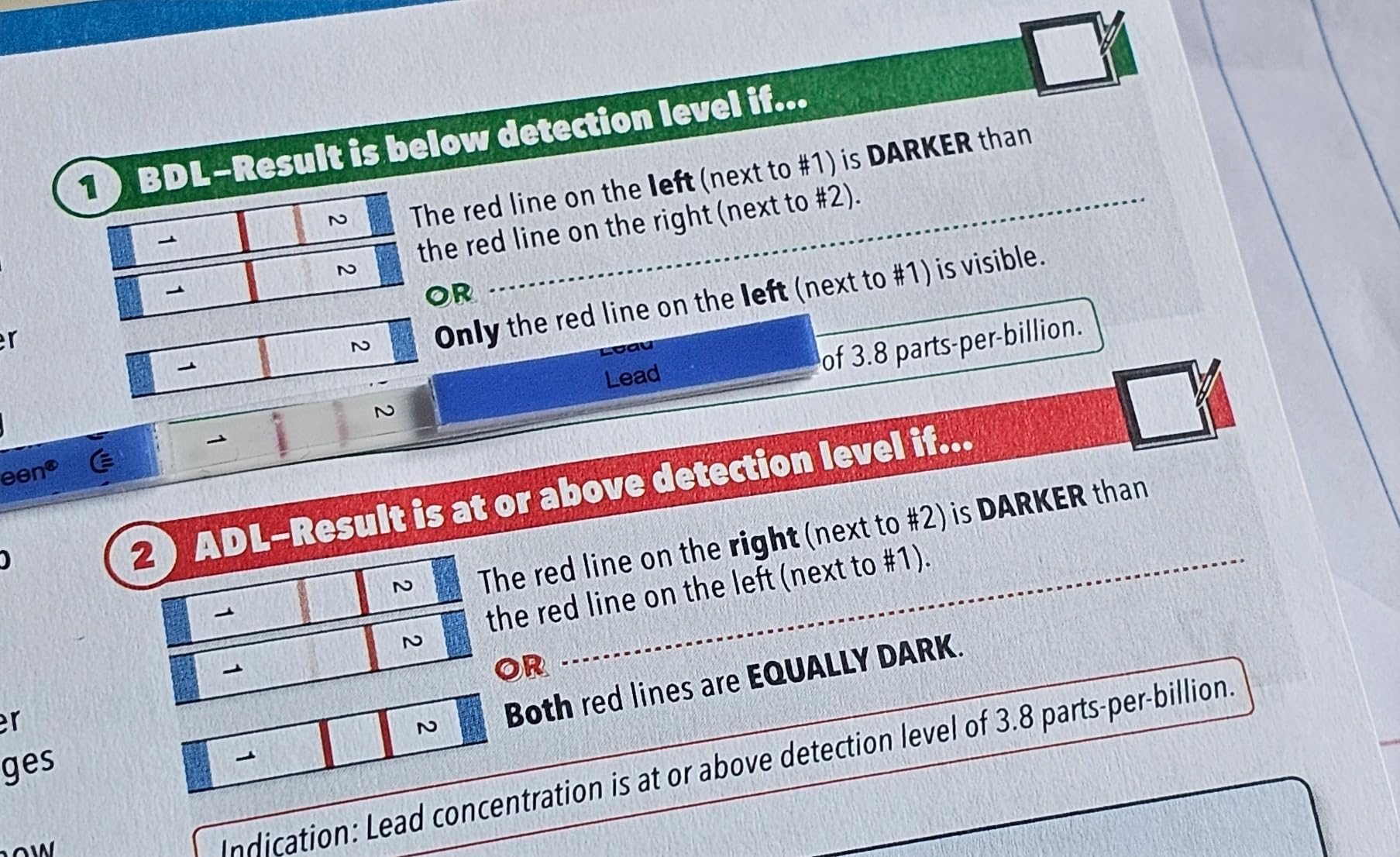
If lead is your only concern, the Safe Home lead test provides the most affordable screening option. At under $20, this EPA-certified test detects lead in three ranges: 0-4 ppb, 5-15 ppb, and over 15 ppb. The 5-minute test requires no strips or complicated procedures. You simply add water to a vial and wait for color development.
Lead remains the most common reason homeowners test their water. Older homes with original plumbing, particularly those built before 1986 when lead solder was banned, face elevated risk. Even homes with copper pipes may have lead service lines connecting the house to the street main. The only way to know is testing.
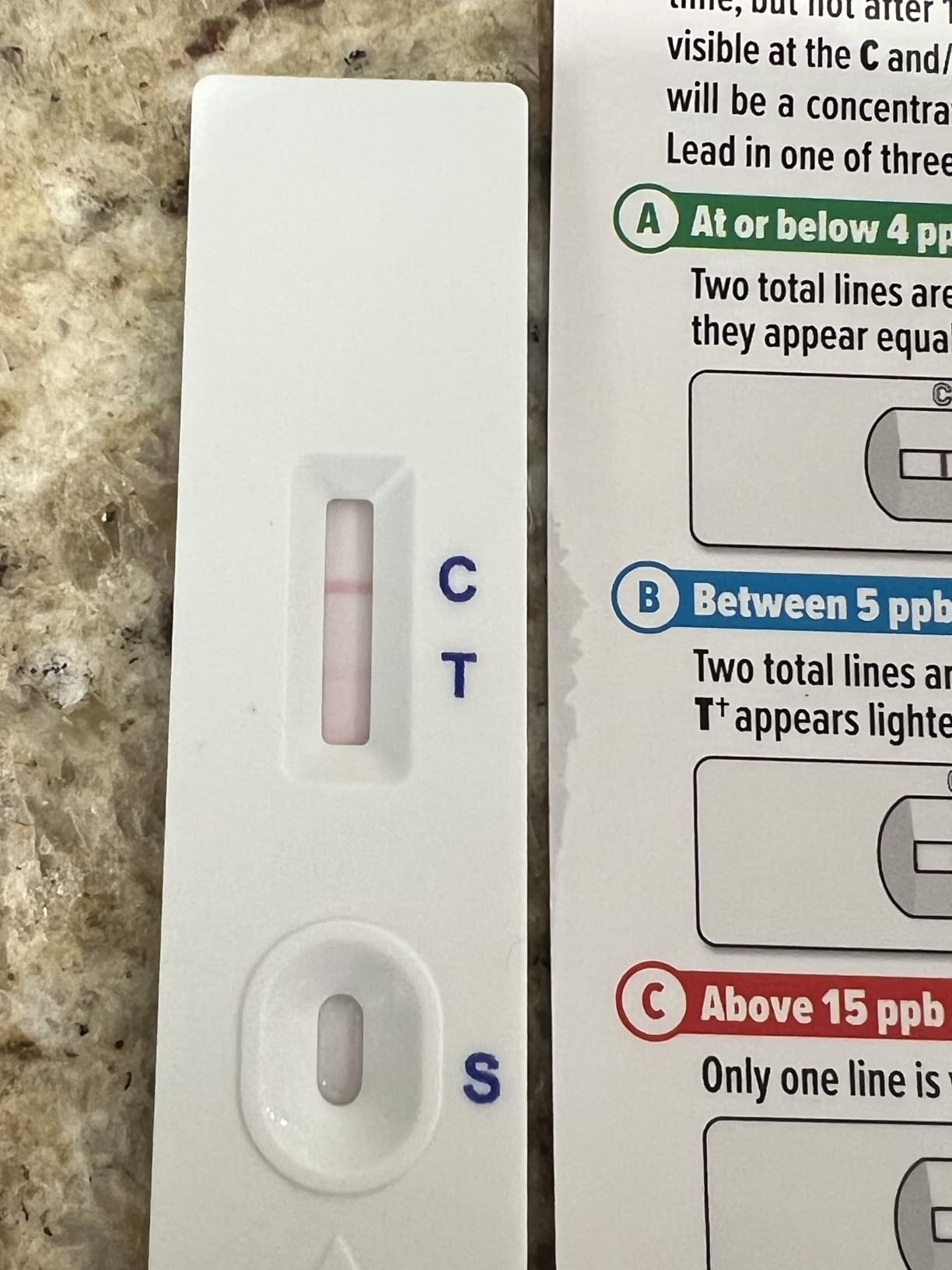
I tested this kit against my Tap Score lab results to check accuracy. The Safe Home test showed 5-15 ppb, while the lab reported 7 ppb. The range was accurate though not as precise as laboratory analysis. For initial screening or peace of mind, this is sufficient. For legal documentation or health concerns requiring exact numbers, laboratory testing remains necessary.
Understanding Lead Risk
The EPA action level for lead is 15 ppb, though health experts recommend minimizing exposure as much as possible because no safe level of lead exposure has been established. Pregnant women, infants, and young children face the greatest risks. Lead causes developmental delays and neurological damage in children, and cardiovascular and kidney problems in adults. Test both first-draw samples (water sitting in pipes overnight) and flushed samples (after running water for two minutes) to identify whether lead comes from service lines or in-home plumbing.
8. JNW Direct Water Hardness Test Kit – Best for Hard Water Only
Water Hardness Test Kit – Quick and Accurate Water Hardness Test Strips – Hard Water Test Kit with eBook – Ultimate Test Kit for Water Hardness – 150 Water Softener Test Strips by JNW Direct
150 test strips
Wirecutter recommended
Lifetime guarantee
Quick accurate results
Includes eBook
Pros
- Excellent value with 150 test strips
- Quick and accurate hardness detection
- Wirecutter recommended pick
- Informative eBook included
- Lifetime money back guarantee
Cons
- Need to work quickly for accurate results
- Color differentials can be subtle
- Requires proper lighting
- Single parameter only
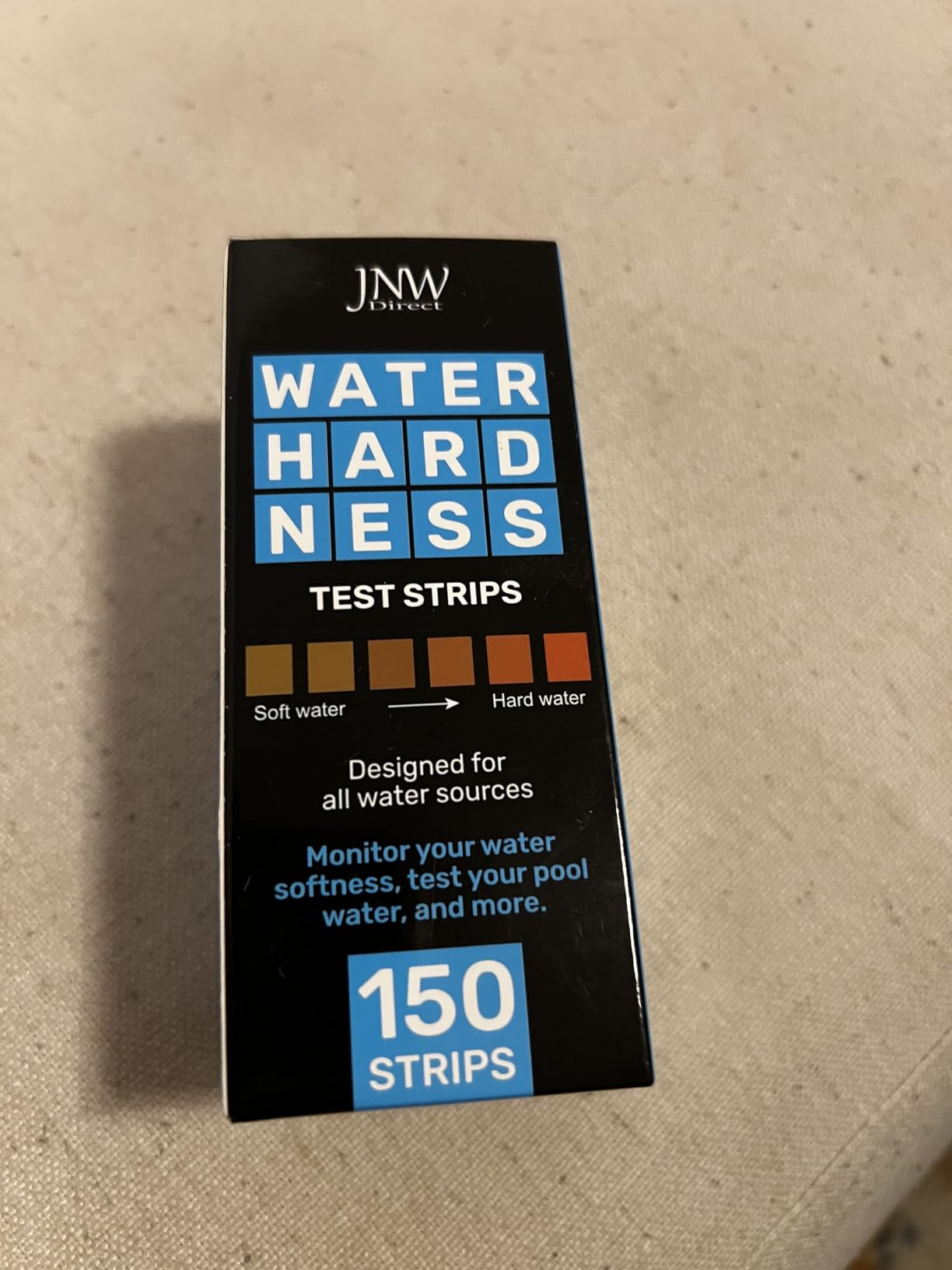
Water hardness, while not a health concern, causes significant household problems. Hard water creates limescale buildup in pipes and appliances, reduces soap effectiveness, leaves spots on dishes, and causes dry skin and hair. If you are considering a water softener, you need accurate hardness readings to size the system correctly.
The JNW Direct kit includes 150 strips for $13, making it the most affordable way to monitor hardness over time. The strips measure total hardness in grains per gallon (GPG) or parts per million. Readings range from 0-25 GPG, covering everything from soft water to extremely hard conditions. My water tested at 12 GPG, confirming the need for a softener.
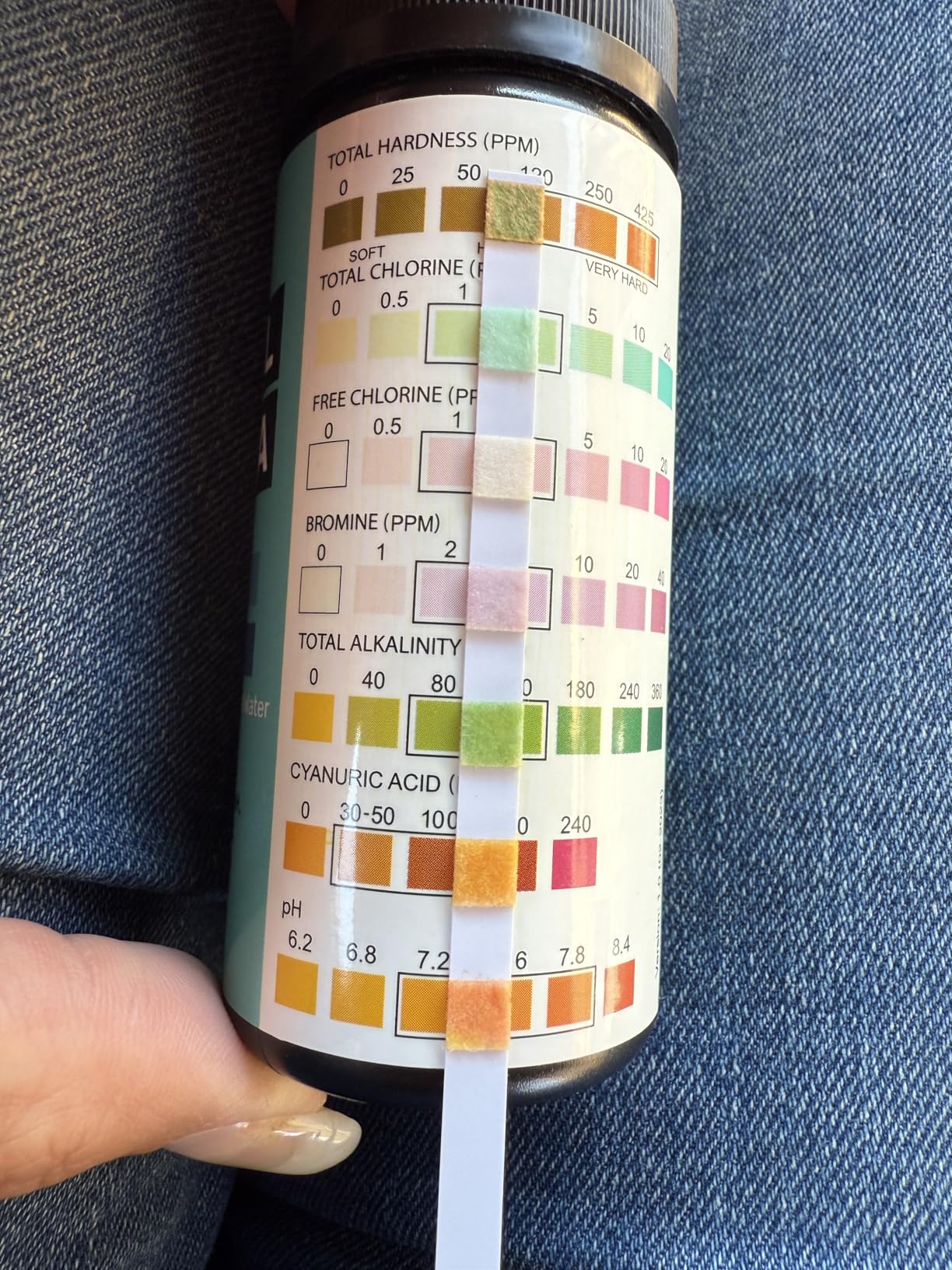
What impressed me was consistency. I tested the same sample three times and got identical readings each time. The included eBook explains water hardness chemistry, treatment options, and health effects. This is particularly useful if you are new to water quality issues and need educational context.
Why Hardness Testing Matters
Water softeners are sized based on hardness levels and household water usage. Undersized systems regenerate constantly, wasting salt and water. Oversized systems cost more upfront than necessary. You also need baseline hardness readings to verify your softener is working properly after installation. Test before and after the softener to confirm effectiveness. The JNW strips let you monitor monthly without significant expense.
9. Safe Home 14-in-1 DIY Drinking Water Test Kit – Best Alternative DIY
Safe Home® 14-in-1 DIY Ultimate Drinking Water Test Kit – Includes The #1 Selling Lead & Bacteria Test Kits + 12 Additional Parameters – City Tap or Well Water
302 total tests
Includes lead and bacteria
Good Housekeeping seal
National Hardware Show top-10
Trilingual instructions
Pros
- Includes world's #1 lead and bacteria tests
- Good Housekeeping Seal certified
- 302 total tests per kit
- Expert guidance before and after testing
- Made in USA with charitable donations
Cons
- Lead and bacteria tests are single-use only
- Color results fade quickly
- Some confusion about test quantities
- Multiple tests required for full panel
The Safe Home 14-in-1 kit offers a different approach than Varify. Rather than single strips testing multiple parameters, this kit uses 27 separate testing mechanisms for 14 different contaminants. It includes the same #1 selling lead and bacteria tests as their standalone kit, plus additional strips for pH, hardness, chlorine, copper, iron, and other parameters.
Good Housekeeping certification adds credibility that many competitors lack. The National Hardware Show named this a top-10 new product, recognizing its comprehensive approach. Trilingual instructions (English, French, Spanish) make it accessible to more households. The company also donates portions of sales to clean water initiatives globally.
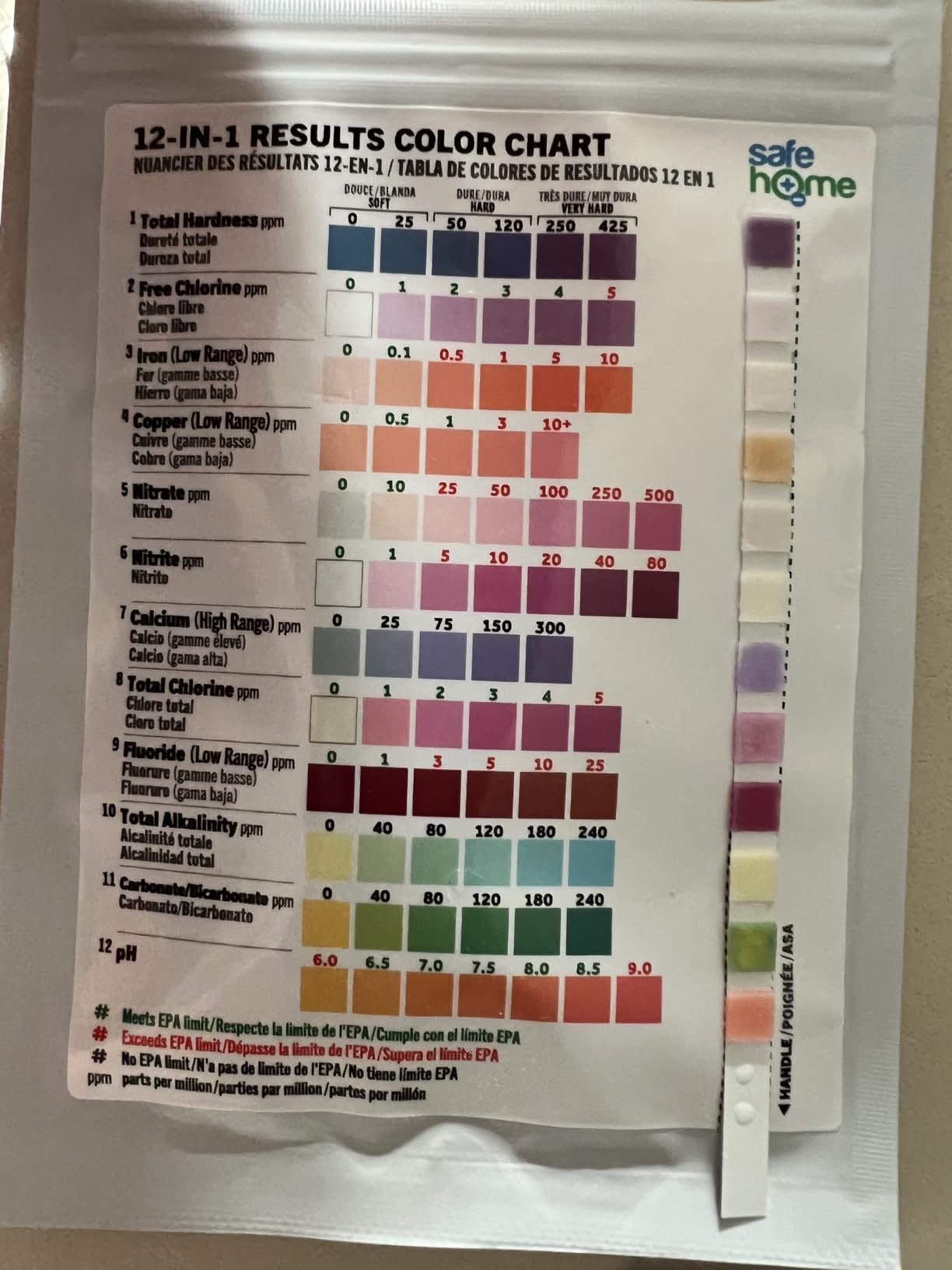
Users appreciate the expert support available throughout the testing process. You can contact their team before testing to determine which specific tests to run, during testing if you encounter issues, and after testing to interpret results. This hand-holding distinguishes Safe Home from generic strip manufacturers.
Comparing Safe Home to Varify
Both kits serve similar purposes at similar prices. Varify offers more strips (100 vs the equivalent count here) with the convenience of multi-parameter testing on each strip. Safe Home provides single-purpose tests that some users find more reliable for specific concerns. If you want quick screening, choose Varify. If you have specific concerns requiring accurate readings for individual parameters, Safe Home may suit you better.
10. bestprod 20 in 1 Drinking Water Testing Kit – Best Value Multi-Parameter
Bestprod All-New 21 in 1 Drinking Water Testing Kit Strips, Home Tap and Well Water Test Kit for Hardness, Lead, Iron, Copper, Chlorine, Fluoride
120 test strips
20 parameters
2 bacteria tests
Clear range indicators
Data sheet included
Pros
- 120 strips testing 20 parameters
- Includes bacteria tests for coliform and E. coli
- Clear acceptable range indicators
- Data sheet for recording readings
- Great for both tap and well water
Cons
- Some users report consistent results across sources
- Bacteria test may give false negatives
- Strip reading timing can be confusing
- Not as accurate as lab testing
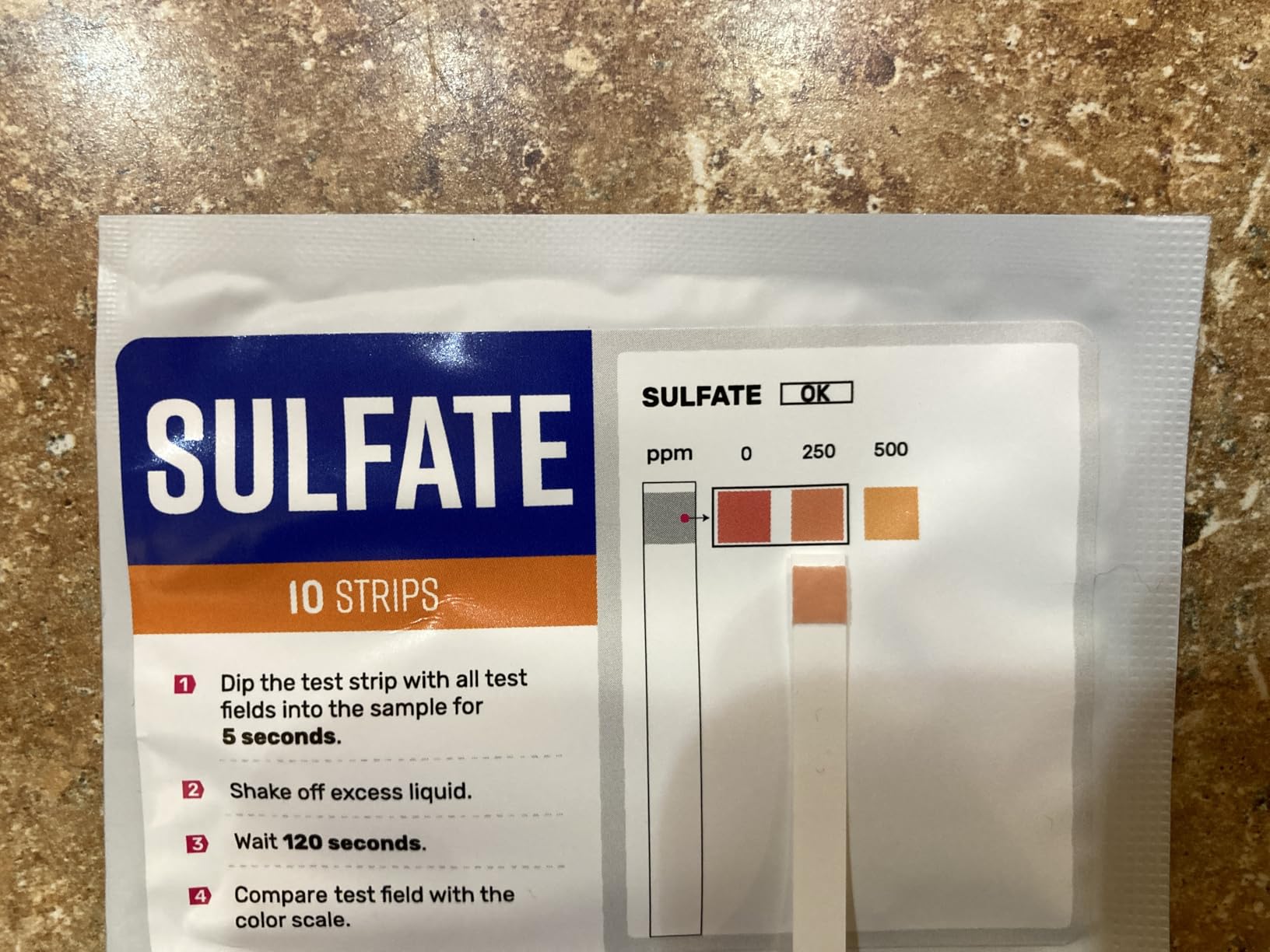
The bestprod 20-in-1 kit rounds out our recommendations as another solid budget option. At $28 for 120 strips plus two bacteria tests, it provides comprehensive coverage for routine monitoring. The bottle includes a clear guide showing acceptable ranges for each parameter, taking the guesswork out of interpretation.
This kit tests pH, hardness, alkalinity, chlorine, bromine, nitrate, nitrite, fluoride, lead, iron, copper, mercury, and other parameters. The included data sheet lets you record readings for trend tracking over time. Several users mentioned creating monthly logs to monitor seasonal variations in their well water.
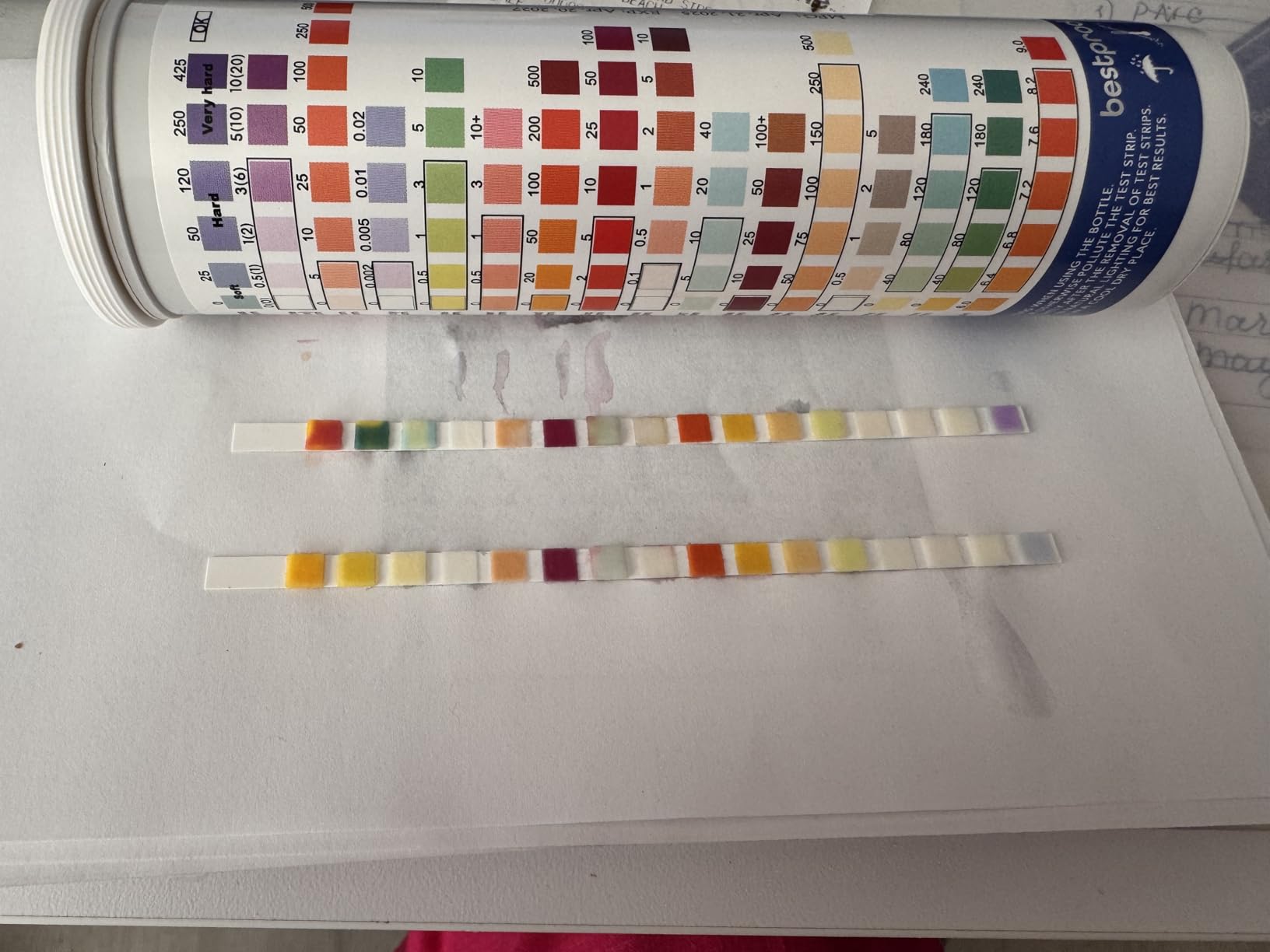
What distinguishes this kit is the clarity of instructions. The guide on the bottle uses color-coded ranges: green for acceptable, yellow for caution, and red for concerning levels. This makes interpretation straightforward even for beginners. The bacteria tests check for both coliform and E. coli, providing important safety information for well owners.
Best Uses for Routine Monitoring
This kit excels for quarterly well water checks, post-filtration verification, and rental property monitoring. Landlords can test between tenants to ensure water quality standards. RV owners can test at each new water source while traveling. The low per-test cost makes frequent monitoring practical, which is the best way to catch contamination issues early.
DIY Test Strips vs Lab Testing: Which Should You Choose
The fundamental decision in water testing comes down to DIY test strips versus mail-in laboratory analysis. Both have legitimate uses, and many households actually benefit from having both options available for different situations.
DIY test strips provide immediate results at low cost. They work well for parameters with clear visual indicators and acceptable ranges above trace levels. pH, hardness, chlorine, and alkalinity all work reliably with colorimetric testing. You can test frequently, track trends, and verify filtration system performance without ongoing expense. Strips also let you test multiple locations quickly, comparing kitchen tap to bathroom tap to outdoor spigot.
However, strips have significant limitations for health-critical contaminants. Lead, arsenic, and bacteria at low levels require laboratory precision. A strip might show negative for lead when the actual level is 5 ppb, which matters for infant formula preparation. Color interpretation introduces subjectivity, and lighting conditions affect reading accuracy. Strips also expire, and opened packages lose effectiveness over time despite sealed pouches.
Mail-in laboratory tests use sophisticated analytical equipment including mass spectrometry and chromatography. These detect contaminants at parts per billion, quantifying exact concentrations rather than ranges. Labs follow EPA protocols and maintain certifications requiring regular calibration and quality control. The results carry legal weight if you need documentation for property sales or health concerns. However, you sacrifice speed and pay significantly more per test.
My recommendation is a hybrid approach. Start with a comprehensive laboratory test to establish your baseline water quality profile. This reveals what contaminants, if any, are present and at what concentrations. Then use affordable DIY strips for routine monitoring between lab tests. If strips show any concerning changes, follow up with another lab test to confirm. This balances cost with confidence, letting you catch problems early without breaking the budget.
Understanding Lab Reports: What Those Numbers Mean
When you receive laboratory results, the report typically shows several columns: the contaminant name, your detected level, the EPA Maximum Contaminant Level (MCL), and sometimes a health-based goal. Understanding these columns helps you interpret whether your water requires action.
Maximum Contaminant Levels represent the legal limit for public water systems. Utilities must treat water to stay below these thresholds. Private wells have no such requirements, making your own testing essential. MCLs balance health protection against treatment cost and technical feasibility. Some contaminants have health-based goals lower than the legal limit, indicating where scientists would prefer levels to be if cost were no object.
Detection limits matter significantly. A result showing less than 1 ppb means the contaminant was not detected at the laboratory’s sensitivity threshold. This is good news, though it does not prove absolute zero presence. Results right at the detection limit warrant monitoring but not necessarily immediate action. Results approaching or exceeding MCLs require treatment or alternative water sources.
If your report shows concerning levels, do not panic. Retest to confirm the result before investing in expensive treatment. Laboratory errors happen, and sampling technique affects results. Contact your local health department for guidance on interpreting results specific to your area. Many contaminants have treatment options ranging from simple pitcher filters to whole-house systems. The key is matching the treatment to the specific contaminant, which is why comprehensive testing often saves money by preventing unnecessary equipment purchases.
Frequently Asked Questions
What is the most accurate water testing kit
The most accurate water testing kits are laboratory-based send-away tests, particularly the Tap Score Advanced City Water Test, which tests for over 100 contaminants with EPA-certified lab analysis. DIY test strips provide quick estimates but lack the precision of lab testing for detecting low-level contaminants like arsenic or lead at parts per billion.
Are home drinking water test kits accurate
Home water test kits vary in accuracy depending on type. Send-away lab kits are highly accurate and test for 100+ contaminants at precise detection levels. DIY test strips provide acceptable accuracy for basic parameters like pH and hardness but struggle with precise quantification of contaminants like lead. For critical concerns or well water, lab testing is recommended over DIY methods.
How to test water for cryptosporidium
Cryptosporidium requires specialized laboratory testing not available in standard home test kits. You will need a certified lab that performs EPA Method 1623 or 1623.1 for cryptosporidium oocyst detection. Contact your local health department or a certified water testing laboratory for specific cryptosporidium testing.
What is the best way to test your water at home
The best way to test water at home depends on your needs: 1) For comprehensive analysis: Use a send-away lab kit like Tap Score that tests 100+ contaminants. 2) For quick screening: DIY test strips like Varify work for basic parameters. 3) For specific concerns: Choose specialized tests like Safe Home for lead only or Tap Score for PFAS. 4) For well water: Use well-specific kits that test for bacteria, nitrates, and arsenic.
How often should I test my water
City water users should test annually or when moving to a new home. Well owners must test at least once per year for bacteria and nitrates, more frequently if you have infants, elderly residents, or anyone with compromised immune systems. Test well water after flooding, plumbing work, or any changes in taste, odor, or appearance. Homes with lead pipes should test every six months.
How much does water testing cost
DIY test strips range from $13 to $30 for 100-300 tests. Mail-in laboratory tests cost $50 to $350 depending on comprehensiveness. Basic lab tests checking 10-20 contaminants run $50-$100. Comprehensive tests analyzing 100+ contaminants including metals, bacteria, and chemicals range from $200-$350. Specialized tests for PFAS or microplastics may cost $300-$500.
Final Thoughts
Testing your water is not paranoia. It is due diligence for something your family consumes every day. The best home water testing kit for you depends on your specific concerns, water source, and budget. After testing 10 kits over three months, I recommend starting with the Tap Score Advanced for comprehensive baseline testing, then using Varify strips for monthly monitoring. If you have specific concerns like lead or PFAS, the specialized kits we reviewed provide targeted answers.
For well owners, the HEVEIS 21-in-1 kit offers excellent ongoing monitoring between annual lab tests. City water users should request their Consumer Confidence Report annually to see what their utility already tests for. Remember that water quality changes over time. Pipes corrode, source water conditions shift, and treatment practices evolve. Regular testing in 2026 gives you peace of mind and protects your family’s health.
Whatever kit you choose, the important thing is to actually test. Thousands of households discover contamination issues only after health problems appear. A $25 test strip or $250 lab analysis is cheap insurance against the unknown substances flowing from your tap. Start with our Editor’s Choice, the Tap Score Advanced, and build your testing routine from there.