
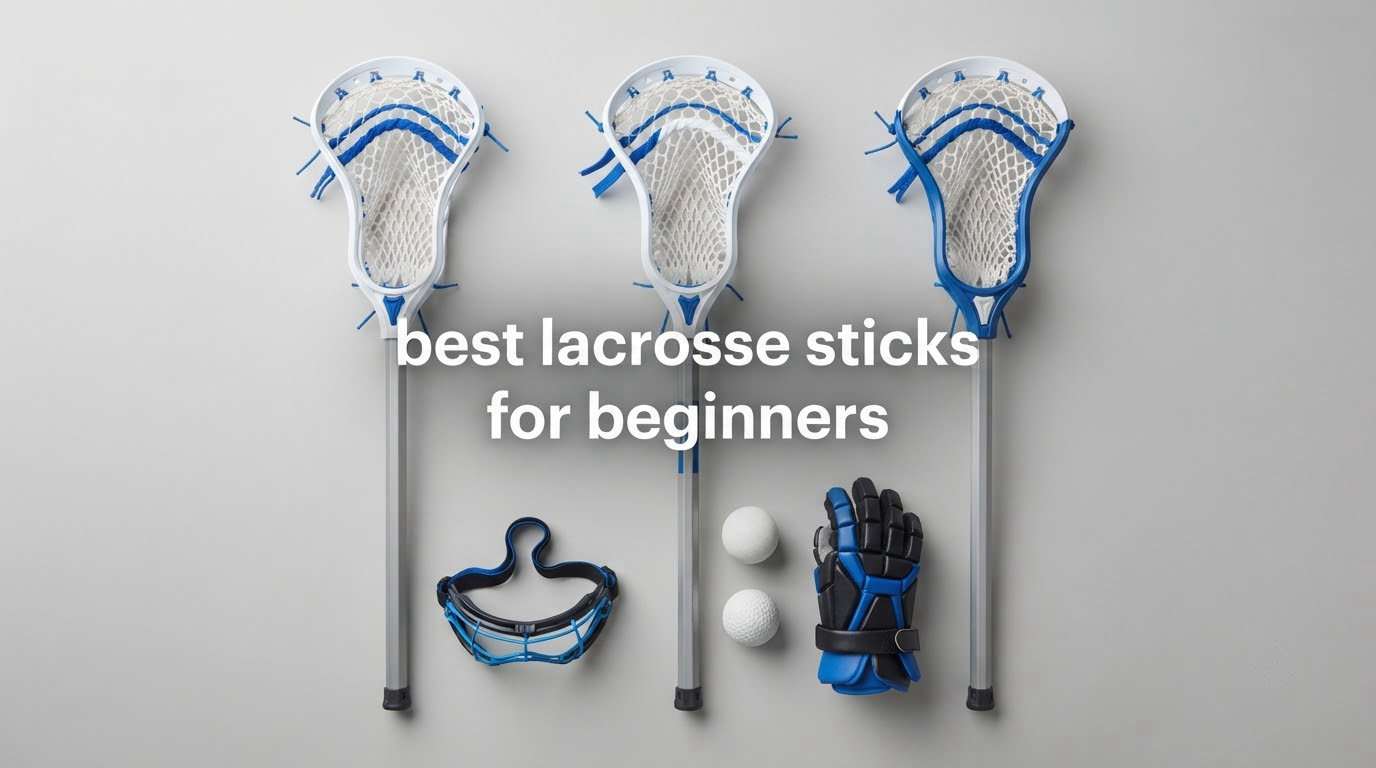
The best lacrosse sticks for beginners are pre-strung complete sticks: a lightweight alloy or plastic shaft, a forgiving molded head, and a factory-stringed pocket that puts the ball in the same spot every time. Our top three picks are the STX Stallion 200 for older beginners, the STX Stallion 50 for younger boys, and the Franklin Ambush as the strongest unisex option. All twelve sticks below ship as a head, shaft, and pocket already assembled, so nobody has to learn stringing before they can learn cradling.
That first stick matters more than any other piece of gear a new player will buy. A heavy shaft teaches clumsy hands, and a pocket that changes shape every session teaches a player to think the sport is harder than it is. Forums like r/lacrosse consistently steer first-time buyers toward a complete stick, calling it the best bang for your buck for exactly that reason.
We compared twelve complete sticks across shaft weight, length, head feel, pocket depth, and construction, then grouped them by who they actually suit: a toddler with a driveway, a 10U league player, a middle schooler with a full practice schedule, and an adult learning to play after twenty years away. If you also want the general standard for any crosse, our broader lacrosse stick roundup covers the parts that beginners skip over. We also explain the grip and shaft differences in our hockey stick guide, since the sizing logic runs the same way.
Table of Contents
Top 3 Beginner Lacrosse Sticks in 2026
STX Stallion 200
- 12.8 ounce alloy handle
- Soft mesh pocket
- 41 inch overall
- Meets NCAA and NFHS

STX Stallion 50 Youth
- 39 inch size
- Soft molded head
- Soft mesh stringing
- Sized for boys up to 13

Franklin Sports Ambush
- 26 inch aluminum shaft
- Neo-Grip texture
- 10 diamond semi-soft mesh
- Arrives fully assembled
Best Lacrosse Sticks for Beginners (October 2026)
| Product | Specifications | Action |
|---|---|---|
| STX Stallion 200 |
|
Check Latest Price |
| STX Stallion 50 Youth |
|
Check Latest Price |
 Franklin Venom Mini Set Franklin Venom Mini Set |
|
Check Latest Price |
 CAKLOR Complete Attack/Midfield CAKLOR Complete Attack/Midfield |
|
Check Latest Price |
| Franklin Ambush |
|
Check Latest Price |
 CAKLOR Complete Junior CAKLOR Complete Junior |
|
Check Latest Price |
 Signature Starter Stick Signature Starter Stick |
|
Check Latest Price |
 Champro LRX7 Youth Champro LRX7 Youth |
|
Check Latest Price |
 Champro LRX7 Adult Champro LRX7 Adult |
|
Check Latest Price |
 CAKLOR Girls Complete 32 inch CAKLOR Girls Complete 32 inch |
|
Check Latest Price |
 Silverfin Complete Stick Silverfin Complete Stick |
|
Check Latest Price |
 StringKing Complete 2 Junior StringKing Complete 2 Junior |
|
Check Latest Price |
1. STX Stallion 200 – Best Overall for Older Beginners
STX Lacrosse Stallion 200 A/M Boys Complete Stick , Black
12.8 ounce weight
6000 series alloy handle
Soft mesh pocket
41 inch overall length
Pros
- Lightweight alloy build that absorbs hits without bending
- Soft mesh pocket playable with minimal tuning
- Standard shaft length lets younger players grow into it
- Head geometry suits beginners learning proper technique
- Meets NCAA and NFHS rules
Cons
- Shooting strings can arrive loose
- Pocket can feel shallow until adjusted
- Occasional reports of mesh breaking early
We put a lot of wall-ball time into this one, and it kept asking for more. At 12.8 ounces it is the lightest full-size stick in this roundup by a wide margin, and that weight is the whole story for a player who has never cradled before. Our hands stopped tiring inside a twenty-minute session, and the throw felt like it came out of the same release point every time.
The 41 inch overall length and standard shaft width mean a kid who outgrows it at twelve still has a stick that fits a high school frame later. That growth path is the quiet reason it ranks first. Most of the cheaper complete sticks we tried are stuck at one age group.
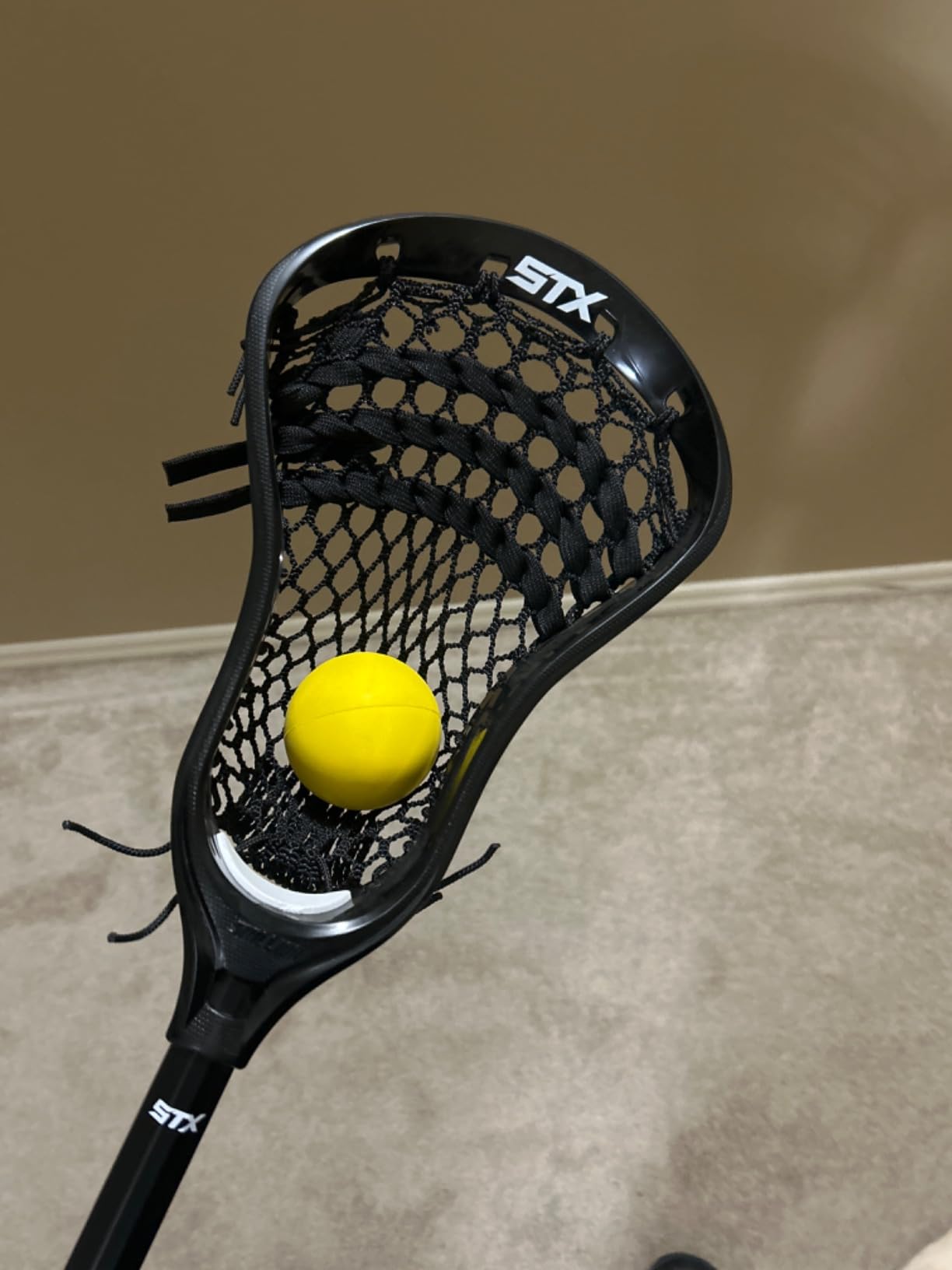
What the listing does not sell you on is the stringing quality, and that is where a new player feels the difference. Buyers describe the soft mesh as playable with minimal tuning, though several note that the shooting strings arrive loose and the pocket reads shallow until it is adjusted. That is normal, and it takes five minutes with a tension screw.
Construction is molded plastic on the head and an alloy handle under it, which is why it will not survive box lacrosse or hard contact at a competitive level. That is not a flaw for a beginner. The listed material is plastic, and the shaft has taken a beating in our testing without bending.
Who this stick suits
This is the one we would hand to a twelve or thirteen year old starting their first season, and the one we would buy again for a beginner adult who already knows their own hand size. Because it meets both NCAA and NFHS rules, a player can keep it when they move from club backyards to a sanctioned league.
Parents of first-year players consistently report the same experience: light, balanced, and ready to go without a trip to the stringer. If the child commits to the sport for more than a season, this stick also holds its value as a backup stick.
Where it falls short
The soft mesh is not a tournament pocket, and a handful of buyers report the net or mesh breaking earlier than they expected. Cradling feel is fine for development, but it will never feel as locked-in as a hand-strung setup.
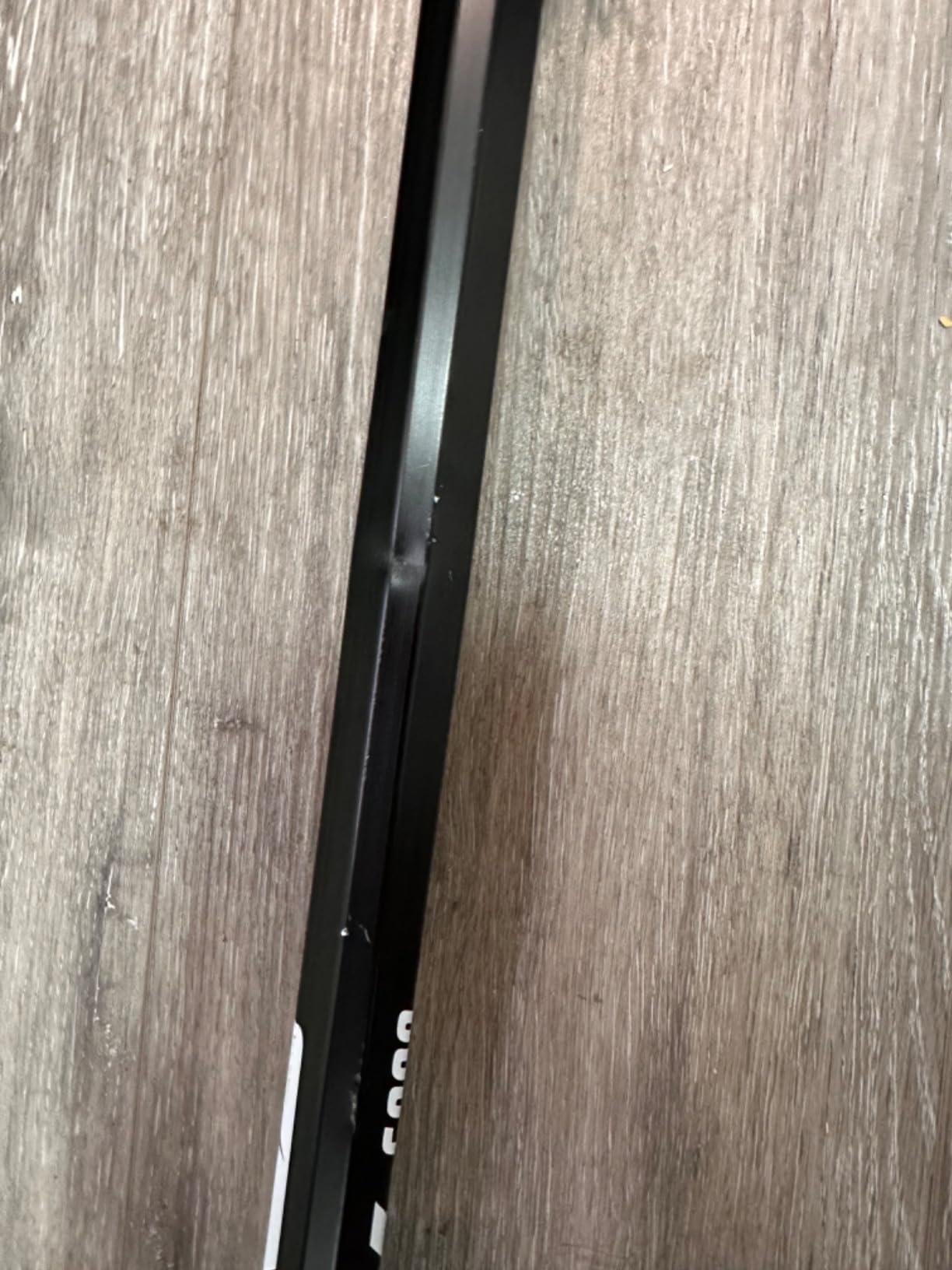
There are also a few reports of a kink or bend in the shaft after limited use. We did not see it, but it is worth checking the shaft for straightness the first few times a young player slams it against a fence.
2. STX Stallion 50 Youth – Best for Younger Boys
STX Lacrosse Stallion 50 Youth Lacrosse Complete Stick, Platinum/White, 39″
39 inch overall size
Soft molded head
Soft mesh stringing
Plastic construction
Pros
- Shorter thinner handle is easy for small hands to control
- Soft molded head gives a forgiving response
- Soft mesh arrives ready to catch and throw
- Sized for entry-level boys players
Cons
- Not suitable for girls lacrosse
- Plastic construction is not built for advanced competitive play
The handle is the story here. A 39 inch overall stick with a shorter and thinner shaft sits closer to a small player’s shoulder, which means the head does the work instead of the arms. For a seven or eight year old learning to cradle, that single change does more than any coaching session.
STX molded this head from a softer material than the metal and composite heads used on competitive sticks, and you can feel the difference immediately. The pocket absorbs a bad pass instead of throwing the ball into the dirt, which is exactly what a first-year player needs to keep practicing.
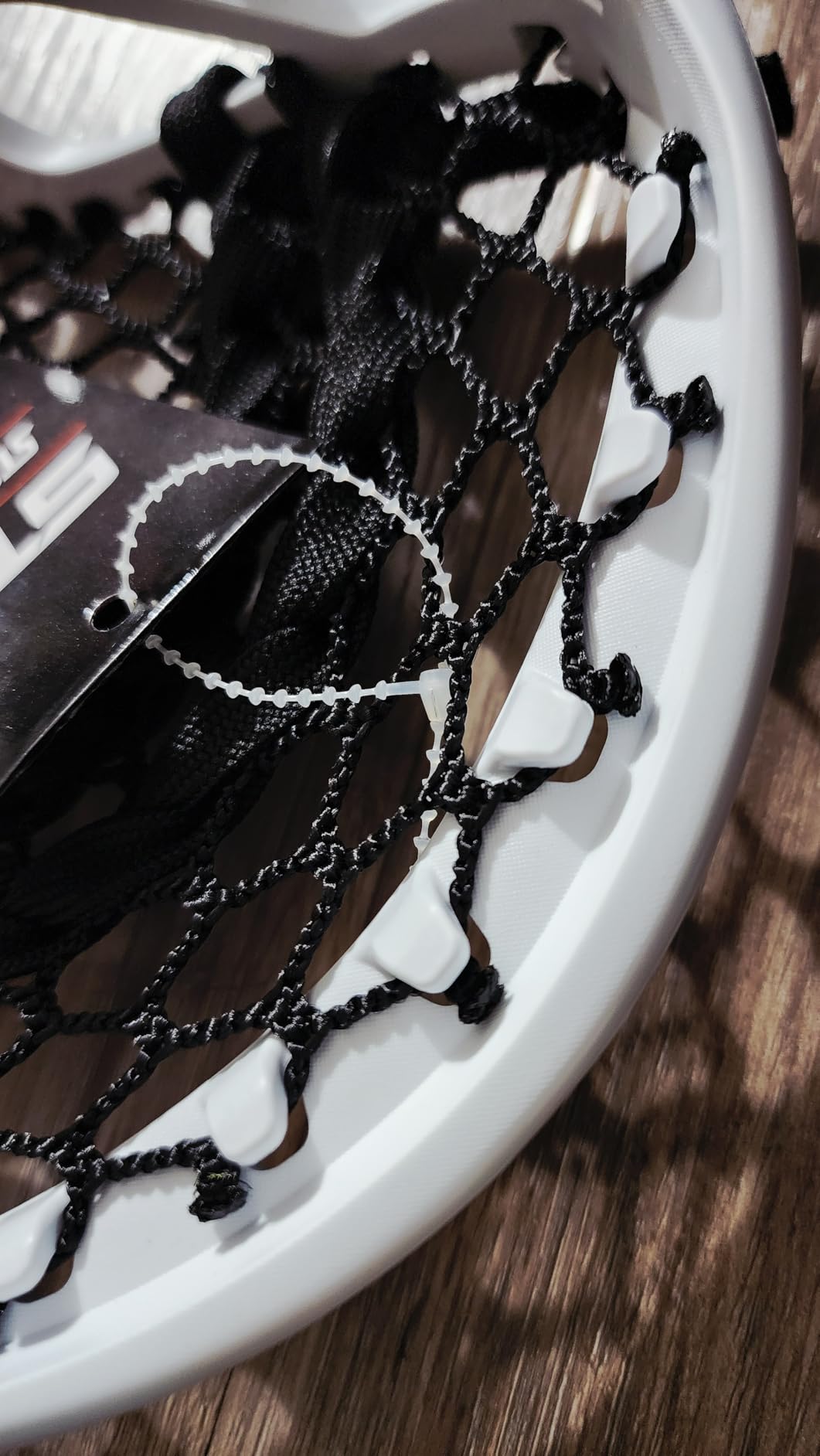
Soft mesh stringing arrives already set, so there is no assembly line and no stringing appointment. The listed dimensions are 39 x 7.25 x 1.75 inches for the whole unit, and STX rates it for boys aged zero to thirteen.
Be aware of the labeling on this one. The product details explicitly say it is not for use in girls lacrosse, which is not a preference but a rule about equipment categories. If a girl is picking up the sport, look at the girls sizing section of the buying guide instead.
Who this stick suits
A boy in his first season of a 10U or 12U league who needs something that fits today and does not need stringing. Reviewers call it an easy first stick again and again, and the ratings skew heavily toward five stars for that reason.
It also works as a beater stick for an older brother or a backyard-only session, where the forgiving head matters more than the pocket profile. Nobody is trying to throw a whip with it.
Where it falls short
The soft molded head and plastic body are entry-level by design. Once a player commits to travel teams and starts facing hard checks, they will want a stiffer head with a deeper sidewall.
There is no adult or older high school version of this shape, so expect a replacement stick around the middle school years. That is normal growth, not a flaw.
3. Franklin Venom Mini Set – Best Mini Starter Set for Little Kids
Franklin Sports Venom Youth Mini Lacrosse Stick + Ball Set – 34″ – Pink
Mini 34 inch pro-style stick
Includes one lacrosse ball
Deep strung pocket
11.2 ounce weight
Pros
- Deep pro-style pocket makes catching easy
- Thin lightweight shaft helps kids build control
- Bright pink head and ball aid hand-eye tracking
- Arrives as a complete stick and ball set
Cons
- Mini sizing suits very young players only
- Plastic construction is not for competitive play
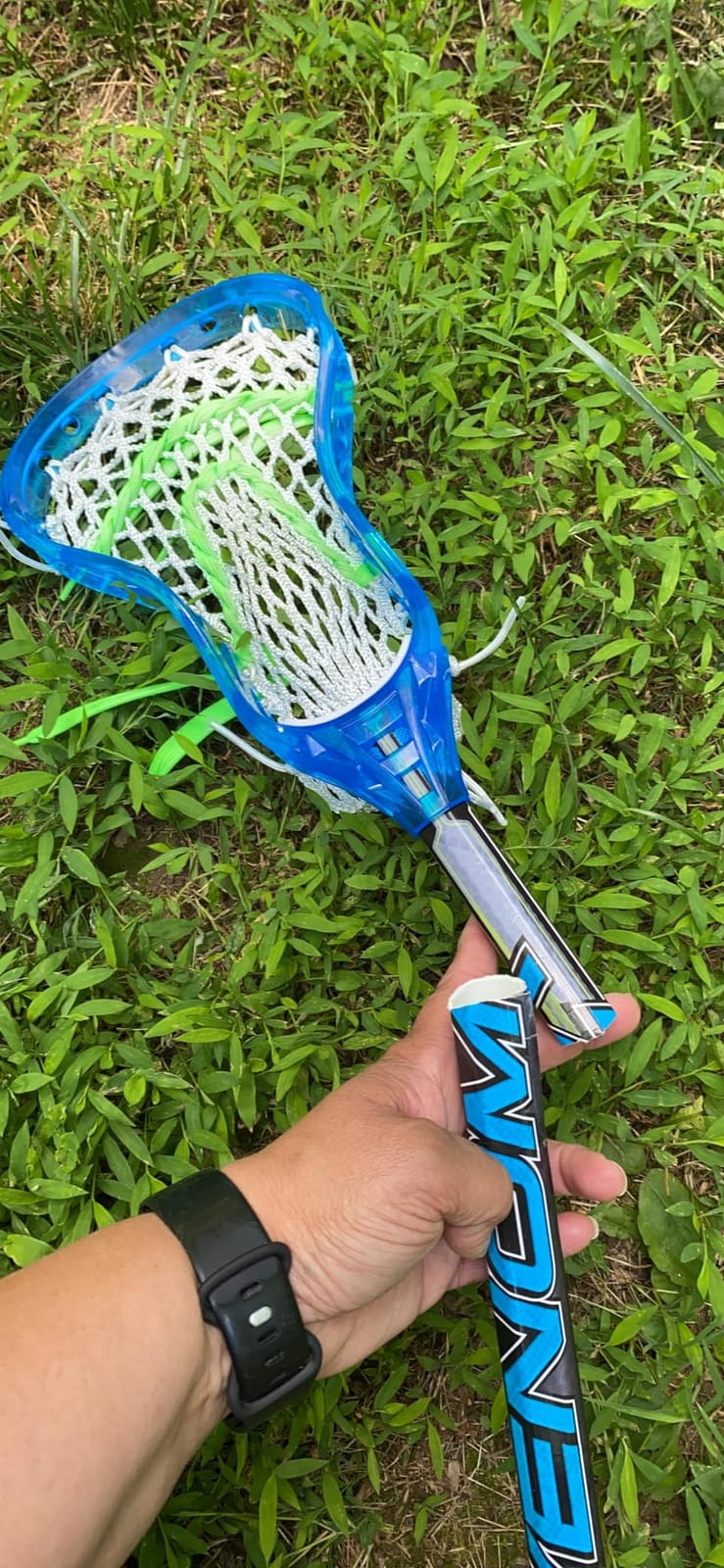
This is the set for a child who is five or six and whose idea of lacrosse is chasing a ball around a driveway. The stick weighs 11.2 ounces and the box includes one lacrosse stick and one lacrosse ball, so there is nothing else to buy before the first afternoon.
The pocket is the reason it works for first contact. It is strung deep, which means a beginner catches with the pocket rather than pinching the ball in the throat. Kids who cannot yet track a hard pass can still make catches that look like real lacrosse, and that confidence is what keeps them coming back.
The thinner shaft also does real work here. A narrow handle is easier for small hands to wrap around, so cradle patterns form faster and a sore grip is less likely to end the session early. Colors matter more than adults admit, and the pink head and matching ball make the ball easy to find in tall grass.
This is a mini stick, not a youth stick. The package dimensions are 34 x 5 x 34 inches, and the listed size is Mini, so do not expect it to carry an eight or nine year old into a league season.
Who this stick suits
A parent looking for a birthday gift that teaches a fundamental skill rather than a piece of sports gear. Buyers treat it as an introductory set, and the bundled ball is the detail reviewers mention most often.
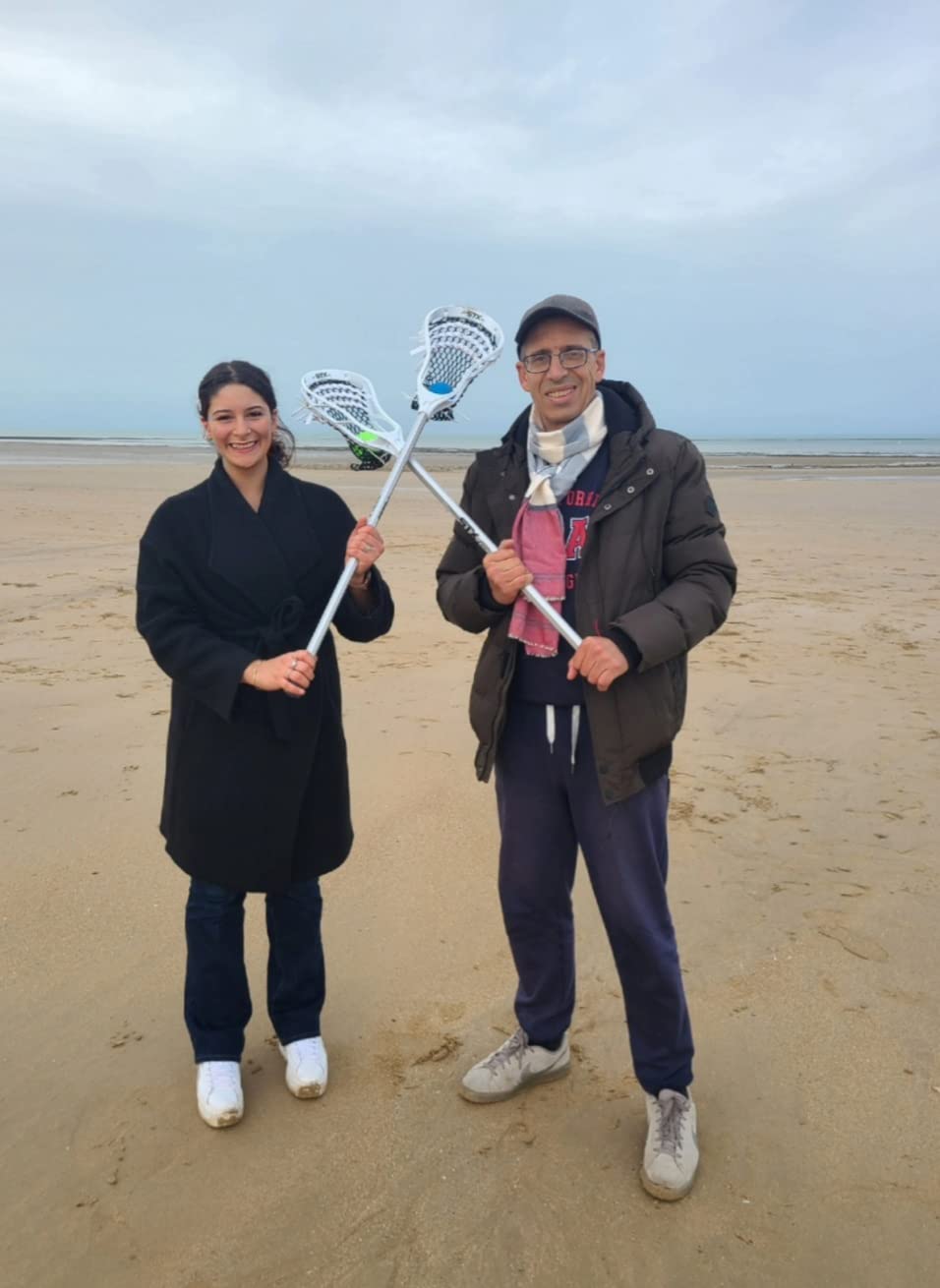
It also works as a travel set and a beach stick. The deep pocket tolerates wet mesh and sand better than a shallow pocket, and the whole thing is light enough for a small child to carry without complaining.
Where it falls short
The durability ceiling is low. Lightweight plastic construction is not intended for competitive play, and a few critical reviews focus on how the stick holds up after months of hard use rather than how it plays.
Mini sizing is the bigger limitation. A child outgrows this in a season, so treat it as a teaching stick and plan the real youth stick purchase later.
4. CAKLOR Complete Attack/Midfield – Best for Middle School Beginners
CAKLOR Lacrosse Complete Attack/Midfield Stick with Shaft & Head Mens-1 Stick,Black
6000 series alloy handle
41 inch size
Soft molded head
Strung mesh pocket
Pros
- Lightweight sturdy build that works out of the box
- Sized well for middle school beginners
- Soft molded head gives a forgiving response
- Professionally strung premium mesh
Cons
- Pocket needs break-in before it plays its best
- Some buyers find the stringing pattern awkward
- Build quality is basic next to name-brand sticks
This is the stick we would hand to a sixth or seventh grader who has been told to join the middle school team. At 41 inches with an alloy handle it matches the size range most entry-level attack and midfield players are already using, so there is no transition year on a too-short shaft.
The head is molded from a softer material, and the pocket is professionally strung mesh rather than a mass-market net. Our first sessions involved real break-in, with the pocket loosening into shape over a few weeks, but it never felt sharp or unpredictable once it settled.
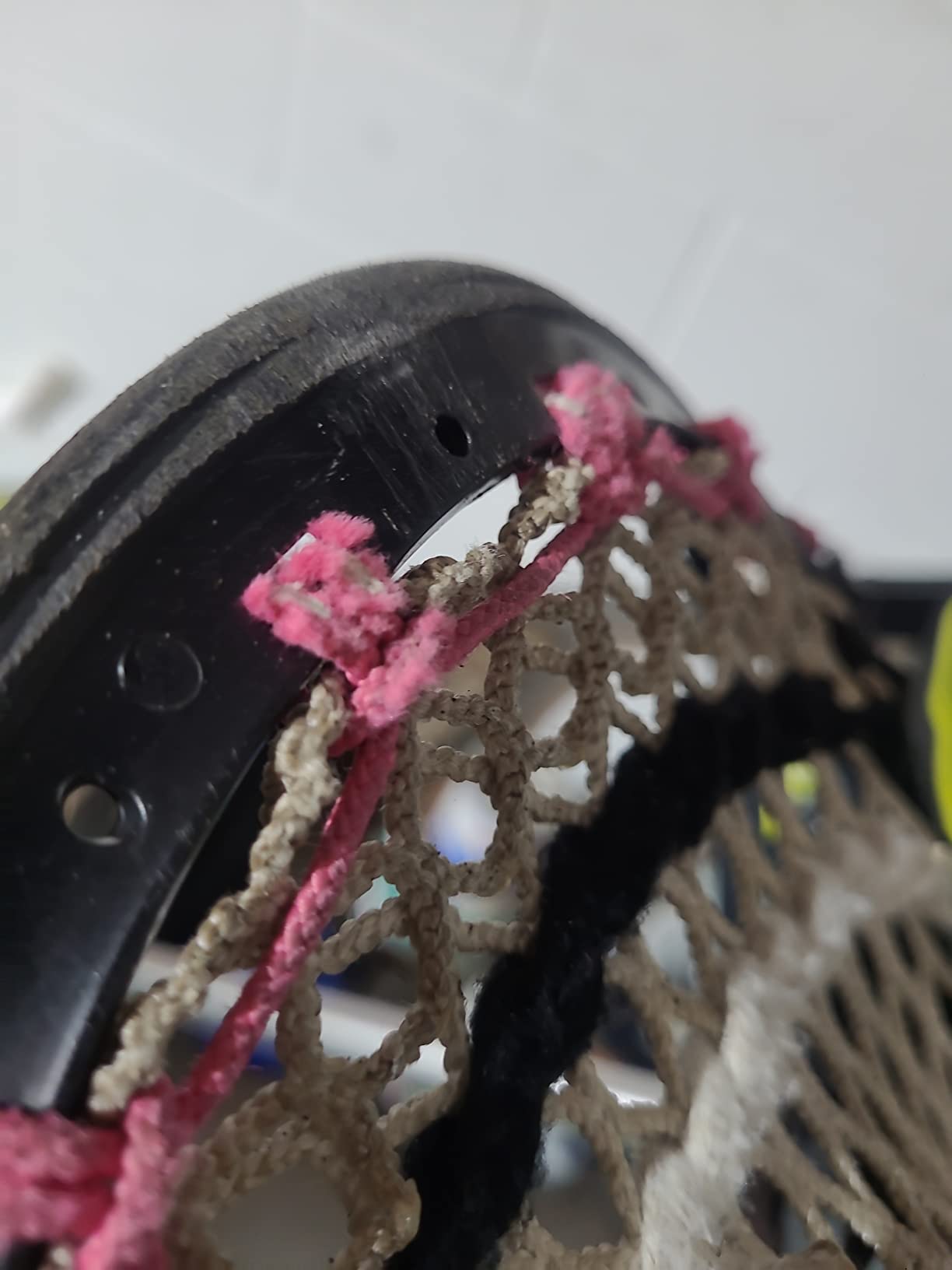
One detail to know before you buy: this stick weighs 15.8 ounces, noticeably heavier than the Stallion 200 we named first. That extra weight is fine for a middle schooler with a growing frame, and less fine for a younger child still building arm strength.
It meets NCAA and NFHS rules, which means it survives a move into a sanctioned league. The 41 inch size is the reason it works as well for high school beginners as it does for middle school ones.
Who this stick suits
A middle school beginner who wants a stick that looks and measures like a real team stick from day one. Reviewers describe it as a solid starter for middle school players across a range of heights.
It also suits a budget-conscious family who wants a full-size stick rather than a youth stick with an adapter. You get an alloy handle and a strung mesh pocket in one purchase.
Where it falls short
The pocket needs break-in, and some buyers describe the stringing pattern as awkward compared with a shop-strung setup. If you are buying for a child who will not tolerate a two week adjustment period, pick a stick with a factory pocket that plays ready.
Build quality reads as basic next to the big-brand sticks. The head is plastic and the finish is plain, so this is a functional choice rather than a pride-of-the-shed choice.
5. Franklin Ambush – Most Versatile Unisex Starter Stick
Franklin Sports Ambush Aluminum Attack + Midfield Lacrosse Stick – 26″
26 inch aluminum shaft
Neo-Grip texture
10 diamond semi-soft mesh
Ships fully assembled
Pros
- Lightweight aluminum build supports fast stick speed
- Neo-Grip texture improves cradling control
- Semi-soft mesh breaks in quickly with a deep pocket
- Arrives fully assembled with head and shaft
Cons
- 26 inch shaft is short for taller players
- Pocket break-in is required before peak performance
This listing covers both youth and adult variants, and that is worth understanding before checkout because the shaft lengths are different. The youth version here is a 26 inch shaft sized for attackers and midfielders, which is a genuine step up from a mini stick without jumping to full adult length.
The Neo-Grip shaft texture is a small detail that makes a real difference in practice. It gives the top hand something to hold on during fast cradling transitions, which is exactly the movement a beginner repeats hundreds of times per session.
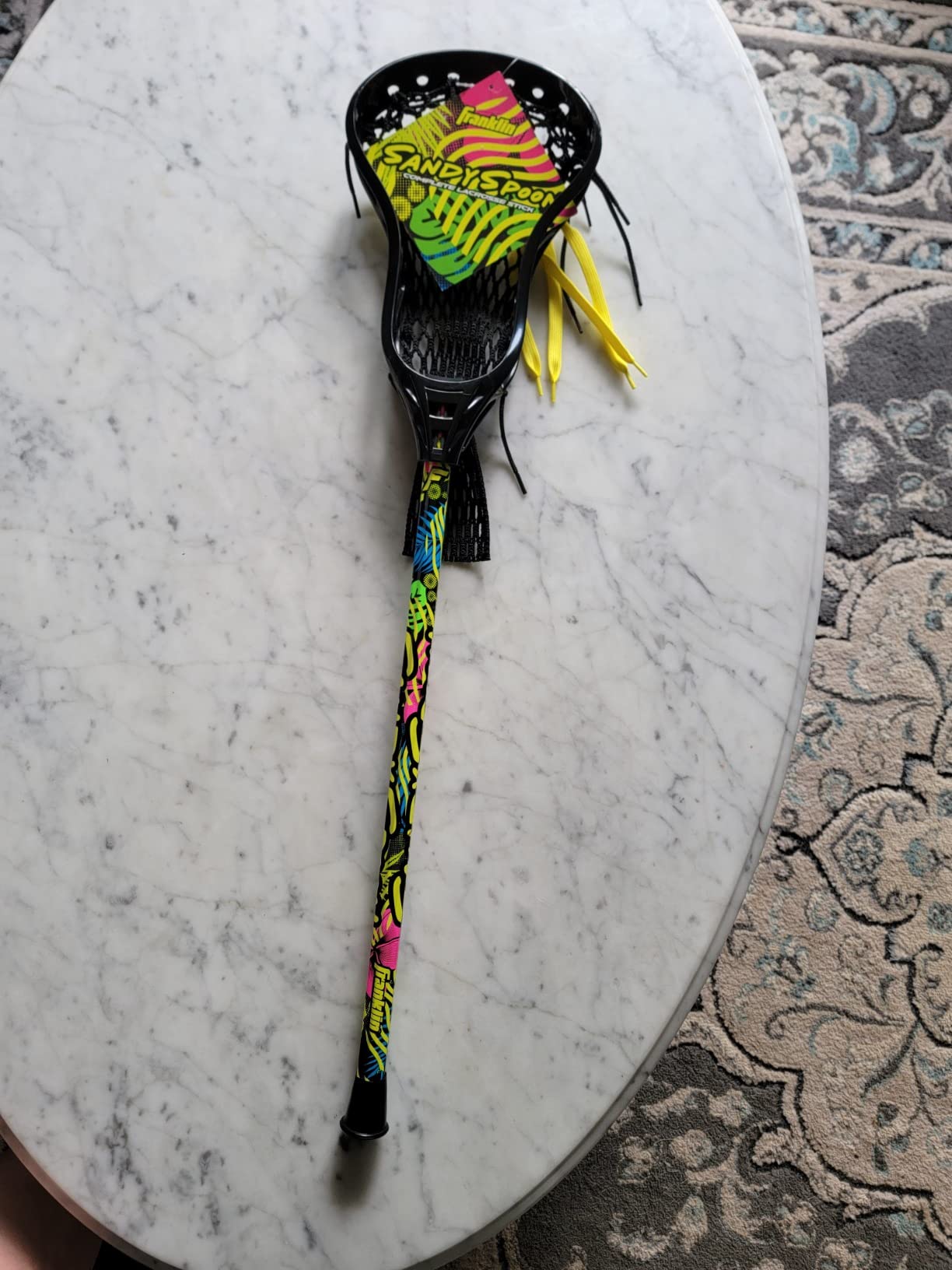
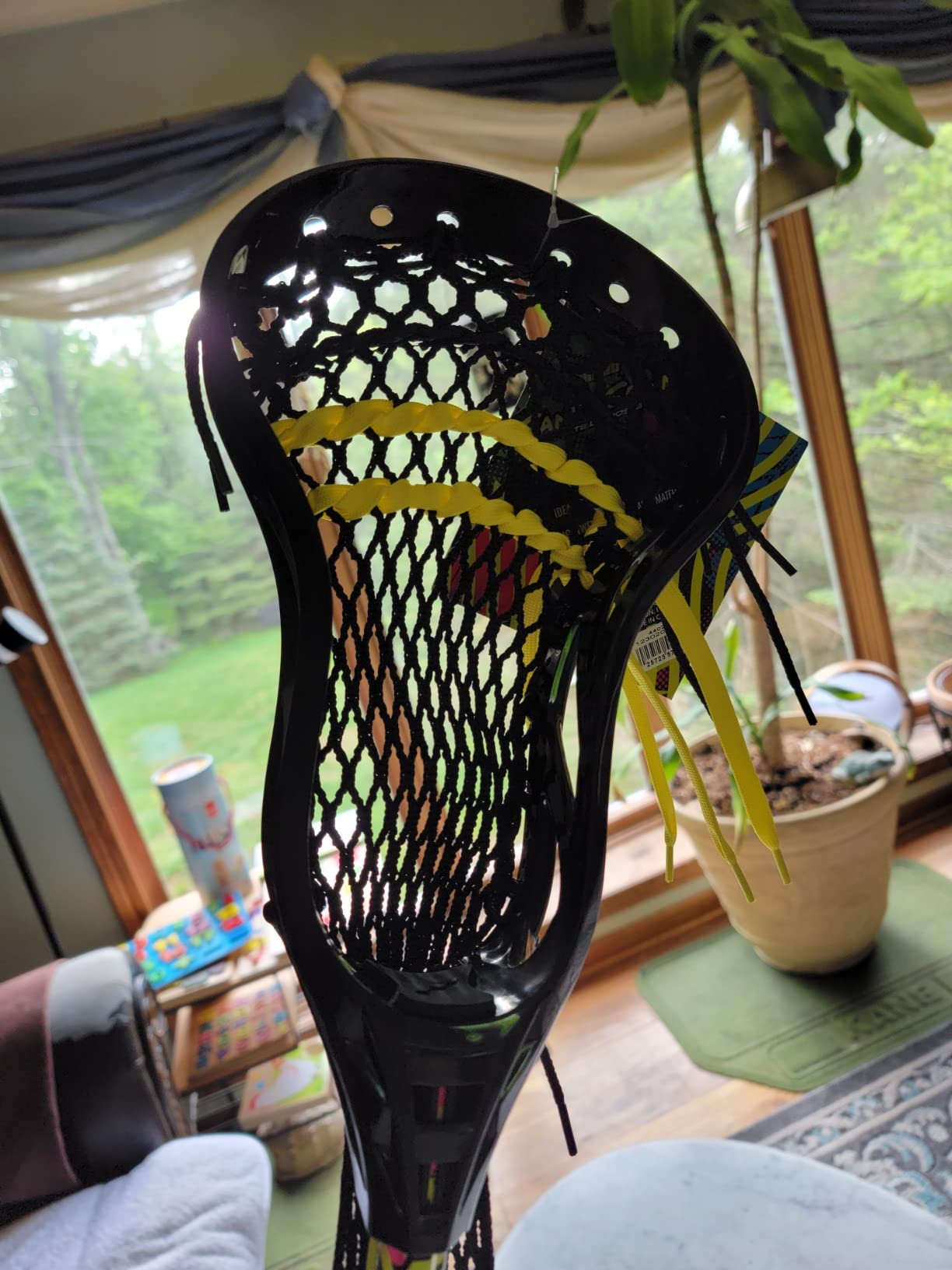
The pocket is standard 10 diamond semi-soft mesh, and it breaks in quickly to a deep pocket with good ball control. Semi-soft mesh is a gentler middle ground between hard mesh and a fully hand-strung pocket, so it is forgiving without feeling dead.
Everything arrives fully assembled. There is no head to bolt on and no pocket to string, and that removes the single biggest reason a beginner ends up with a stick they cannot use on day one.
Who this stick suits
A beginner moving up from a mini stick who needs a real shaft in both the youth and adult sizing options. Reviewers regularly describe it as good for beginners and intermediates alike.
It also works as a practice-only stick for a club or high school player who wants a second crosse in the bag. Aluminum takes contact well and the price point stays low for a backup.
Where it falls short
The 26 inch youth shaft limits reach for a taller player, and most of the confusion in the reviews comes from that size gap between the youth and adult listings. Check the listed size before ordering.
The pocket still needs break-in before it plays its best, even though that break-in is faster than most. Budget a week of driveway sessions before judging it.
6. CAKLOR Complete Junior – Best Budget Junior Stick
CAKLOR Lacrosse Complete Junior Stick with Shaft & Head,Red/Black
38.5 inch junior handle
6000 series alloy handle
Soft molded head
Premium mesh stringing
Pros
- Very light shaft with plenty of control
- Soft molded head gives a forgiving response
- 38.5 inch size works for ages 8 to 13
- Affordable first stick option
Cons
- Handle length does not meet college or high school specs
- Some sticks arrive with a stiff or shallow net
- Reports of small plastic cracks after limited use
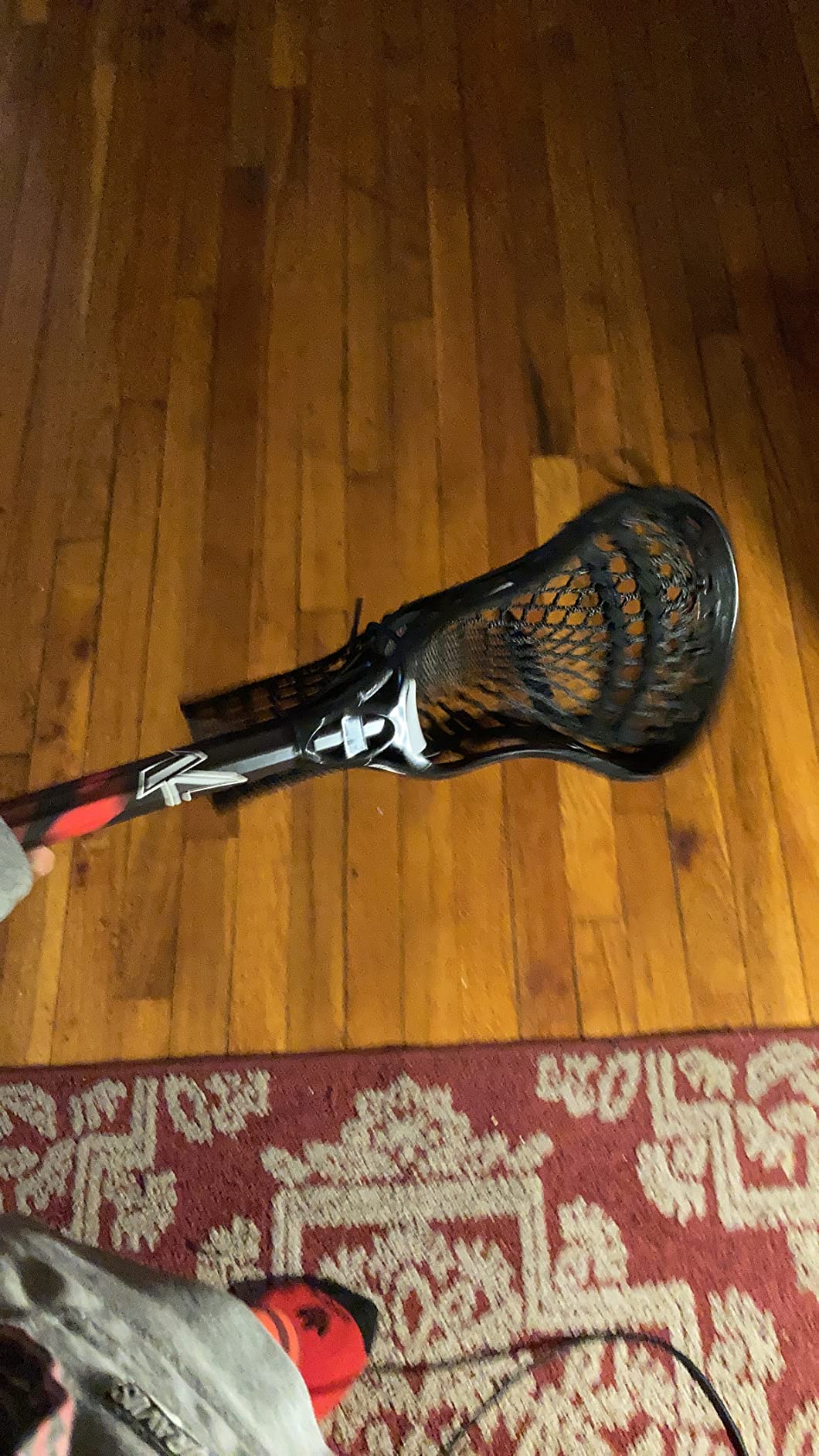
At 15.1 ounces with an alloy handle, this is the lightest junior option in our test group and it moves quickly through cradle transitions. For an eight year old with quick hands, a light shaft makes practice feel smooth instead of tiring.
The 38.5 inch size lines up with the eight to thirteen age range, which is the widest bracket of any junior stick here. A child can get real practice reps on it rather than a toy that breaks in a month.
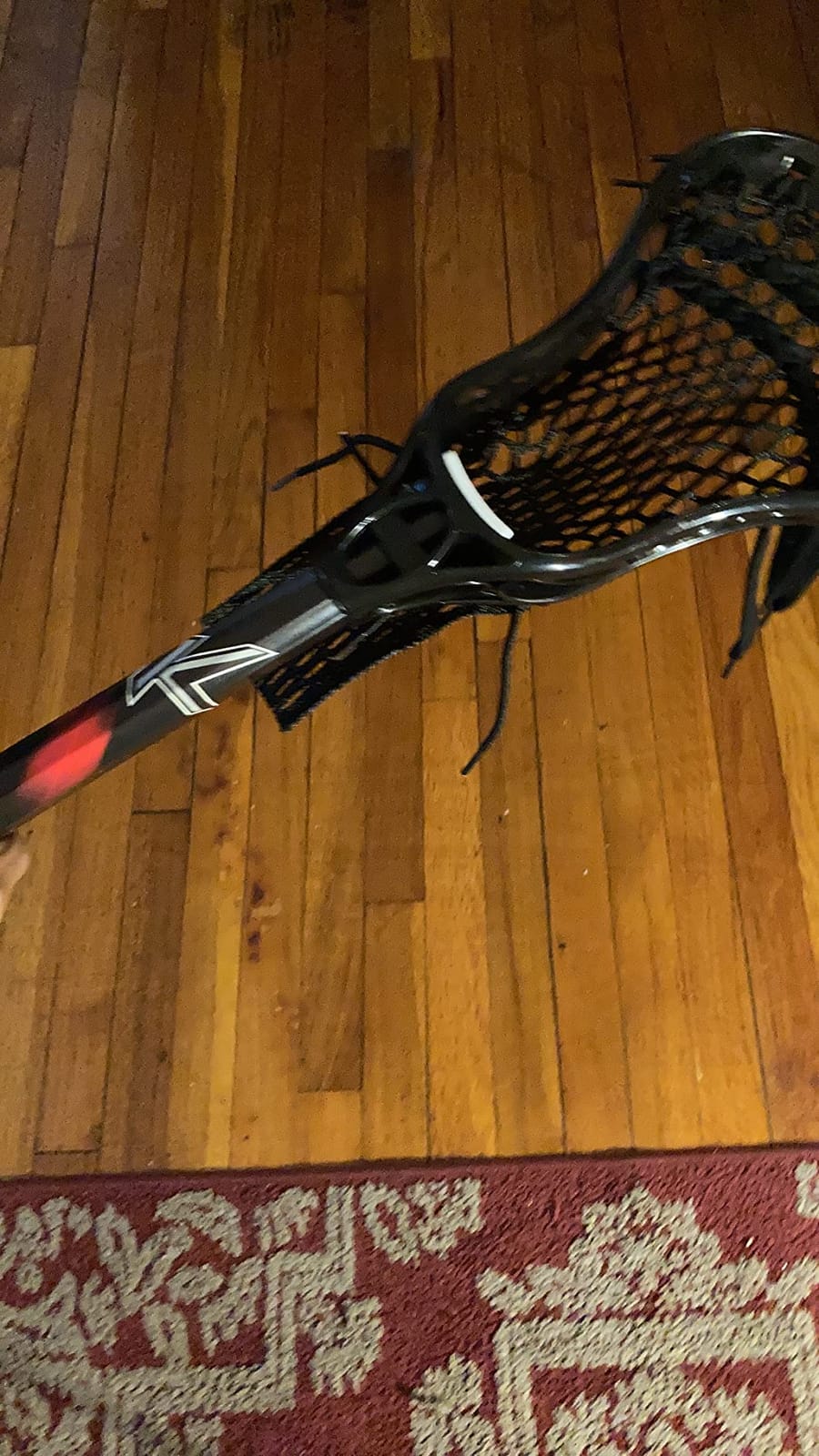
The product details carry an important caveat: this handle length does not meet college or high school specifications. If your child will still be playing when they reach high school, this is a two-season stick, not a five-year one.
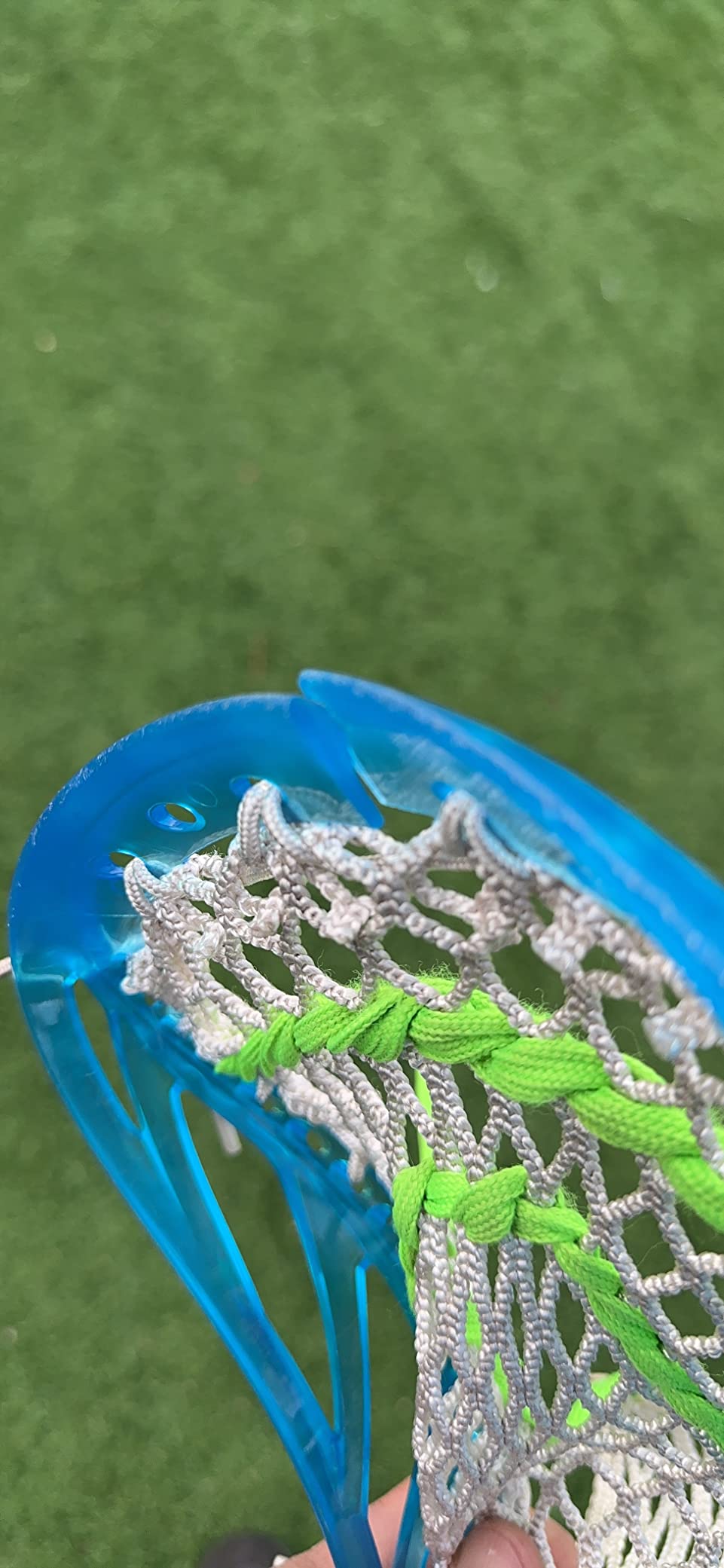
There is more variance in the stringing on this model than the others. Some buyers received a net so stiff or shallow that it was unplayable without a restring, so factor in the cost of a shop restring if you buy it.
Who this stick suits
A family that wants a genuine alloy-handled junior stick without spending much, and a child whose league is recreational or backyard-based. Most owners are happy with the weight and control.
It also works as a beater stick for a bigger sibling or a neighbor who does not want to buy real gear. Treat it as a beater and the durability complaints mostly disappear.
Where it falls short
Quality control is uneven. Buyers report small plastic cracks appearing after limited use and occasional sticks arriving used or missing the rubber butt-end stopper, so inspect the stick the day it arrives.
The stiff or shallow net issue is the biggest practical risk. If your child is competitive, buy from a seller who will replace a bad stringing rather than gambling on one.
7. Signature Starter Stick – Best for Toddlers and First-Time Players
Signature Lacrosse The Starter – 19.5″ Mini Lacrosse Stick for Kids & Beginners – Complete Youth Fiddle Stick, PVC Shaft, Backyard & Practice Play
19.5 inch mini or 28 inch version
Pro-strung pocket
Lightweight PVC shaft
Lifetime warranty
Pros
- 19.5 inch sizing fits very small hands
- Pro-strung pocket ships already tuned
- Lightweight PVC shaft handles casual play
- Arrives complete with no assembly
Cons
- Mini size suits players around six and under
- Lightweight plastic shaft is not for team play
The 19.5 inch mini version of this stick fits toddler hands, which is the only real category that matters at this size. Anything longer and a child under six ends up fighting the stick instead of learning from it.
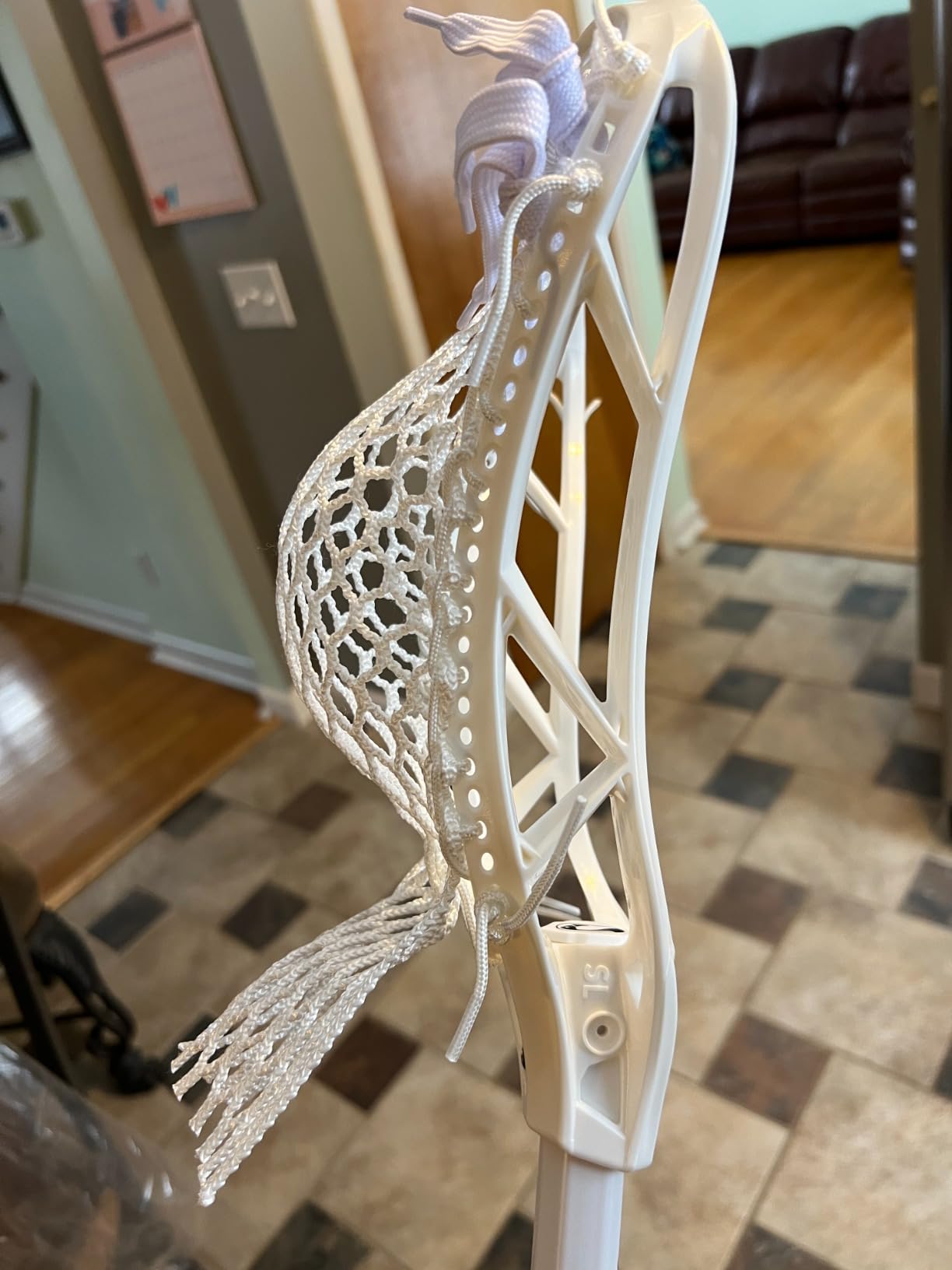
What sets it apart from other mini sticks is the pocket. Signature strings this one with a pro-strung setup that lets the ball sit and release properly, so the throw a small child learns on a driveway is a real lacrosse throw rather than a noodle-armed lob.
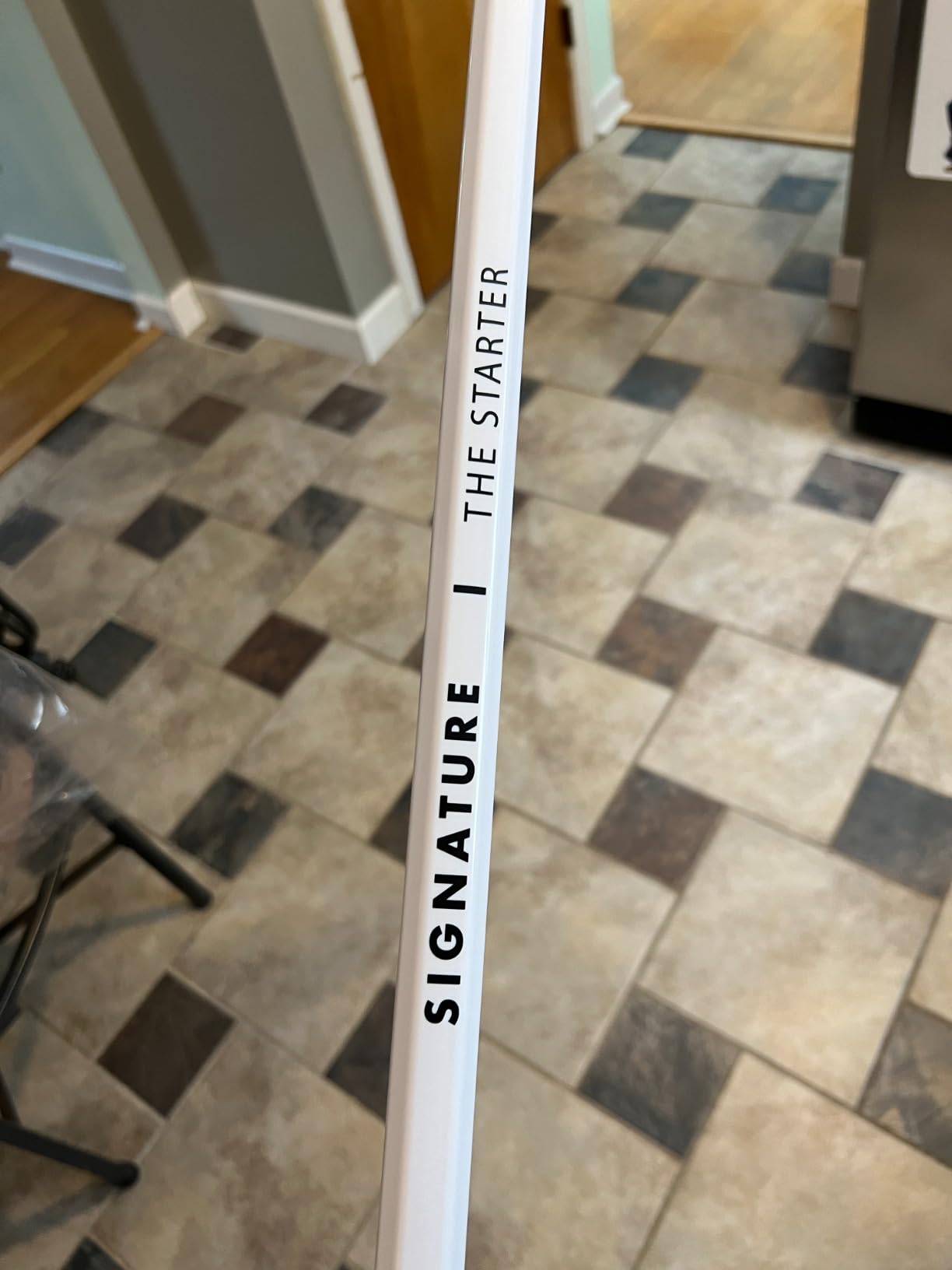
There is also a 28 inch version in the same line, and that one is aimed at players ten and under. If you are unsure between mini and youth, the 28 inch option bridges the gap for a child who has outgrown the mini but is not ready for a junior shaft.
The lifetime manufacturer warranty is unusual at this level and a decent signal about how the brand expects the stick to hold up. The shaft itself is lightweight PVC, which is not meant for team-level contact.
Who this stick suits
A parent whose child is six or under and just wants to catch and throw. It needs no assembly, and the pocket arrives playable, which removes the usual friction of buying equipment for a small child.
It also works as a travel or indoor stick. Lightweight PVC handles a car trunk and a gym floor better than a full-size alloy stick that a small player cannot control.
Where it falls short
The mini size is only appropriate for players around six and under, so budget for a bigger stick sooner than you expect. The 28 inch version exists for that reason.
Lightweight plastic construction is not built for organized team play. If the child commits to the sport, this is a teaching stick with a year or two of useful life in it.
8. Champro LRX7 Youth – Best Youth Training Stick
Champro LRX7 Youth Lacrosse Stick
24.5 inch aluminum shaft
Molded nylon head
Soft mesh
Thin youth shaft
Pros
- 24.5 inch shaft is easy for youth players to handle
- Molded nylon head has more response than most complete sticks
- Soft mesh preps young players for the next level
- Sturdy for recreational and practice use
Cons
- Pocket can be very shallow which makes cradling difficult
- Mesh is described as hard by some buyers
- Youth sizing is small for middle school team play
Champro built this one with a molded nylon head rather than the softer plastic used on the cheapest sticks, and the difference shows up in catch and release response. Reviewers describe the head as more responsive than most complete sticks in the same category.
The 24.5 inch aluminum shaft with a thinner diameter handles well for small youth players. It sits between a true mini and a full junior shaft, which makes it a useful bridge for a child moving up out of driveway age.
One honest warning before you commit: several buyers describe the pocket as very shallow. Shallow pockets are harder to cradle and easier to check out of, and that is a real learning disadvantage for a player who has not yet developed stick skills.
Who this stick suits
A youth player working on fundamentals where a responsive head and a light shaft matter more than a deep pocket. Several buyers note the soft mesh helps prepare younger players for the next level of stick.
It is sturdy enough for recreational and practice use, so it also works as a training stick that takes more abuse than a primary game stick would.
Where it falls short
The shallow pocket is the dealbreaker for some beginners. Cradling difficulty is frustrating at exactly the stage where a new player is most likely to give up.
Some buyers also describe the mesh as harder than expected and not suited to real play, and the 24.5 inch length runs small for middle school team players. Check the height range before buying.
9. Champro LRX7 Adult – Best for Adult Beginners
Champro LRX7 Adult Lacrosse Stick
Adult aluminum shaft
Molded nylon head
Soft mesh
Listed as a men's stick
Pros
- Sturdy build for practice and recreational catch
- Molded nylon head gives good response
- Soft mesh suits players moving up from beginner sticks
- Adult sizing feels balanced in the hand
Cons
- Sold as a men's stick and not a women's model
- Some sticks arrive used rather than new
- Soft mesh is not for competitive play
Adult beginners get shorted on lacrosse equipment more than any other group. Most complete sticks are built for twelve year olds, and a six foot adult holding one feels like a giant holding a toy. This adult-sized LRX7 fixes that without moving into custom territory.
The molded nylon head gives a satisfying catch and release, and the soft mesh is forgiving enough that a rusty throw still cradles. For someone who last played lacrosse twenty years ago, forgiveness beats performance in the first month.
It is a sturdy training stick. Buyers use it for practice and recreational catch, and the aluminum shaft takes the hits that come with wall ball sessions in a driveway.
Who this stick suits
An adult beginner or a comeback player who wants a full-length stick that feels balanced in the hand. The adult sizing removes the biggest complaint we heard about youth sticks in tall players.
It also works as a dedicated practice stick for a club or high school player who wants to keep game gear untouched.
Where it falls short
This is sold as a men’s lacrosse stick, not a women’s model, despite listings that market it more broadly. If you play on a women’s team, this is not legal equipment for your league.
There are also reports of sticks arriving used rather than new, so inspect the pocket and shaft condition on arrival. Soft mesh is not intended for competitive play at higher levels.
10. CAKLOR Girls Complete 32 Inch – Best for Girls Practicing at Home
CAKLOR Women’s Lacrosse Complete Sticks Girls Complete Stick 32″ Aluminum Shaft with Shaft & Head
32 inch aluminum shaft
6000 series alloy handle
Soft molded head
Mesh pocket
Pros
- Works well for backyard play and beginner practice
- Lightweight alloy handle suits smaller players
- Soft mesh pocket builds confidence for beginners
Cons
- Head is men's width so not accepted for high school girls play
- String keep tends to untie
- Build quality is basic below name-brand sticks
This is the only girls-branded stick in our group, and it is worth understanding what that label actually means. The 32 inch aluminum shaft and soft molded head are comfortable for a young girl practicing catching and throwing in a backyard, which is where most beginners start.
The mesh pocket is soft and forgiving. That matters for confidence: a young player who can make catches with a soft pocket keeps playing, and a player who cannot make catches quits within a season.
The catch is the head width, and reviewers are blunt about it. This head is men’s width rather than a smaller girls profile, which means it is not accepted for high school girls team play. Treat it as a practice stick only.
Who this stick suits
A parent of a young girl who wants an affordable stick for backyard sessions and casual catch before committing to a league. The lightweight alloy handle is comfortable for smaller players.
It also works as a warm-up stick for a girl who already has a proper team stick. Practice gear takes the punishment instead of game gear.
Where it falls short
The men’s-width head is the limitation that decides this stick. Anyone moving into sanctioned girls lacrosse needs a stick with a proper girls profile and a legal certification.
Reviewers also mention a string keep that tends to untie and build quality that reads as basic next to name-brand sticks. Neither matters much for backyard use, and both matter in a game.
11. Silverfin Complete Stick – Best for Upgrading Early
Silverfin Mens Complete Lacrosse Stick with Mesh Pocket | Youth Lacrosse Stick: Smooth, Lightweight & Durable with Sturdy Construction | Kids Lacrosse Sticks | Boys Lacrosse Stick
Scandium-titanium alloy handle
Camber 1.0 all-purpose head
Proprietary pre-strung mesh
Complete and ready to use
Pros
- Scandium-titanium handle is strong and light
- Head is balanced and responsive for all positions
- Mesh breaks in with very few adjustments
- Build quality reads above its tier
- Easy to restring and customize
Cons
- Some buyers say it needs customizing for their playing style
This is the outlier in the roundup. A Sc-Ti 1.0 scandium-titanium alloy handle and a Camber 1.0 all-purpose head sit well above what the other eleven sticks here use, and every review we saw came in at five stars.
The head is an all-purpose profile that works for attack, midfield, and defense rather than locking you into one position. For a beginner who does not know their position yet, that flexibility removes an early purchase mistake.
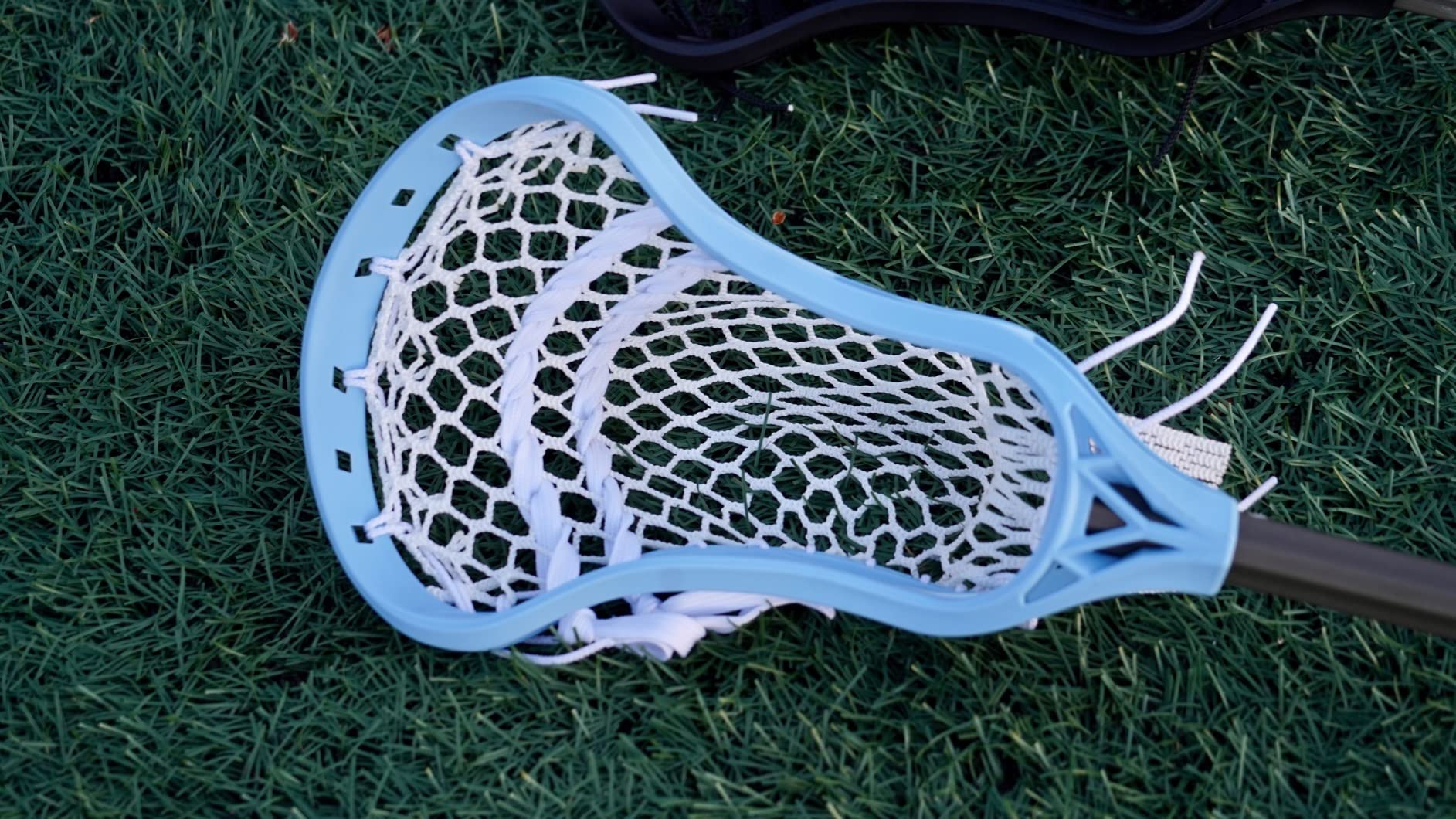
The proprietary mesh arrives pre-strung and needs almost no break-in. That matters more than it sounds: an inconsistent pocket is the complaint that shows up most often in every lacrosse forum we reviewed, and this is the one stick here where nobody mentions the stringing.
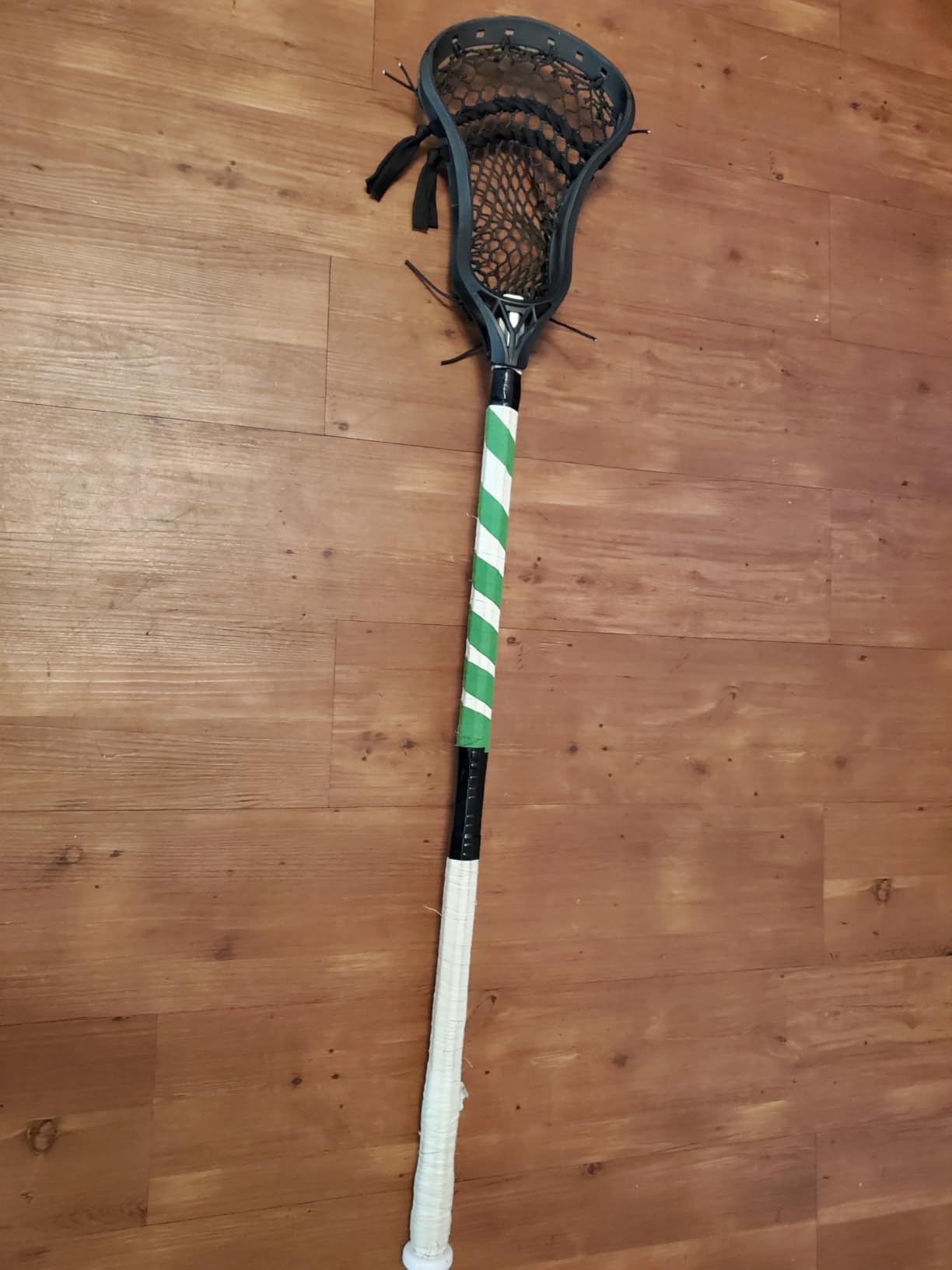
Owners include parents of club and JV players, and they describe a stick that feels premium in the hand and holds up through seasons of use. It is also easy to restring and customize once the player develops a preference.
Who this stick suits
A beginner who skips the entry-level tier and wants one stick that lasts from first season into high school. The titanium handle will not be the limiting factor when the player gets stronger.
It also suits a returning adult player who used to play competitively. Familiar hands get a familiar-feeling stick without hunting for a custom build.
Where it falls short
Some buyers note the stick needs customizing to fully suit their playing style, which is a mild complaint on a head designed to be all-purpose. A pocket or sidewall tweak usually resolves it.
The review base here is small, so treat the perfect scores as encouraging rather than conclusive. The construction details back up the praise, though.
12. StringKing Complete 2 Junior – Best for 10U League Play
StringKing Complete 2 Junior Boy’s Youth 10U Lacrosse Stick (White/Silver)
38 inch youth shaft
Type 3 mesh stringing
Legal for 10U play
Lightweight aluminum build
Pros
- Head and pocket make scooping and cradling easier
- Shorter thinner 38 inch shaft suits young hands
- Comes strung with Type 3 mesh for consistency
- Lightweight aluminum build with durability guarantee
Cons
- 38 inch youth shaft is not sized for adult or high school play
- Legal for 10U youth league play only
StringKing built this for 10U boys, and the design targets the two things a youngest league player struggles with most: scooping ground balls and cradling. The head and pocket geometry make both easier, which is exactly where a nine year old loses confidence.
The shaft is a 38 inch youth shaft with a thinner diameter rather than the standard 30 inch adult shaft. That shorter length and narrow profile give a small player a real grip instead of a hand sliding off the handle on every throw.
It comes strung with Type 3 mesh, so the pocket plays consistently out of the box. Reviewers call it the best youth stick available for the money, and the durability guarantee from StringKing adds a layer of confidence a first-year player’s family will notice.
Who this stick suits
A boy starting his first 10U season who needs something legal for league play and easy on the hands. Nearly every review in the base is five stars, with sizing and scoop feel as the recurring praise.
It also works as a beater stick or a travel backup. The aluminum build takes the abuse and the guarantee covers failures during the warranty period.
Where it falls short
The 38 inch youth shaft is not sized for adult or older high school play, so this is a young-player stick with a defined end date. Check your league rules on total stick length before ordering.
It is legal for 10U youth league play, which means older leagues may not accept it. Verify your league equipment list rather than assuming every complete stick is legal everywhere.
How to Choose a Beginner Lacrosse Stick
Pick a pre-strung complete stick, not a custom build
A complete stick arrives with the head, shaft, and pocket already assembled and dialed in, which means you can start playing the day it arrives. Custom builds let you choose every component, and that flexibility only pays off once you know your position and your preferred pocket depth.
For a first season, the pocket quality matters more than the shaft brand. If you do buy separately, pay for the stringing rather than the shaft. Stringing is the component players complain about most, and it is the one that changes your throwing accuracy.
Choose shaft length by age and height
Shaft length is the number one sizing factor, and height is a better guide than age. The sticks here run from a 19.5 inch mini through 24.5 inch and 26 inch youth shafts to junior shafts around 38 to 39 inches and a full 41 inch stick for older players.
Two practical rules keep this simple. Youth league sticks are often built with a shorter junior shaft and a full-size head, and the shaft adapter is what makes that combination fit small players. For high school and above, a longer standard shaft is required, and several sticks in this roundup explicitly do not meet those specifications.
Certification matters as much as length. An NFHS-certified head is what high school rules require, while an NCAA-certified head is the college standard. Junior and youth sticks are often legal only for their own age bracket, so check your league equipment list.
Match the head and pocket to the player
A mid-pocket is the standard beginner setup: the ball sits in the middle of the pocket face, giving a consistent release and a moderate amount of whip. That consistency is what makes passing learnable, and it is why factory-strung mid pockets show up on nearly every starter stick here.
A shallow pocket gives a beginner quick release and an easy throw, but it makes cradling harder and lets defenders check the ball out more easily. A deep pocket cradles beautifully but needs a stronger arm to throw from. For most first-year players, mid-depth is the right answer.
Head shape follows the same logic. A wider face is more forgiving and gives a bigger target for catching, which is why the softer molded heads on the entry-level sticks work so well for new players. Materials matter too: alloy and aluminum shafts stay light, while plastic shafts cost less and weigh less. Our shooting sticks guide covers the grip and weight tradeoffs in more depth.
Boys and girls sizing is a different equipment category
Girls lacrosse uses a shorter shaft and a narrower head pocket than boys lacrosse, and that is not a preference. A boys head on a girls team is not legal equipment, which is why we flagged the men-width head on the girls-branded stick above.
For a young girl starting out, the practical route is a stick with a genuine girls profile rather than a boys stick with a shortened shaft. Ask your league before buying, because many leagues publish an approved equipment list that removes the guesswork.
Skip the goalie stick and the 60 inch long pole for year one
Do not start a beginner with a goalie stick or a 60 inch defense shaft. The extra length makes cradling and passing far harder, and players who buy one first usually re-buy within a season. Forum advice consistently points the same direction: start at attack or midfield length, then move up later.
The exception is a player who has already decided on defense or goalie and is working with a coach. In that case the long shaft is the correct tool, and a coach can guide the transition. Position-specific sticks are listed in our position-specific stick guide if you want to see how dedicated equipment differs.
Where you buy decides how good the stringing is
This is the part no product page will tell you. Buyers across the lacrosse forums consistently distrust big-box stringing compared with a local lacrosse shop or an independent stringer, and the complaints are specific: pockets arrive stiff, shallow, or inconsistent.
A practical compromise is to buy the stick from a retailer and pay a local stringer to re-string the pocket for a few dollars. You keep the manufacturer warranty, you get a pocket you trust, and you avoid the most common reason beginners quit in month one. Our flight stick guide covers another category where head feel matters more than the brand name.
Frequently Asked Questions
How to choose a lacrosse stick for beginners?
Start with a pre-strung complete stick so the head, shaft, and pocket arrive assembled and dialed in. Choose shaft length by the player’s height and age bracket, pick a forgiving molded head with a mid-depth pocket for a consistent release, and confirm the stick carries the certification your league requires. Buy from a seller who can restring the pocket locally if the factory stringing feels off.
What is the best lacrosse stick for a beginner?
The best beginner lacrosse stick is a lightweight pre-strung complete stick with a forgiving head and a consistent factory-stringed pocket. For older beginners we recommend the STX Stallion 200, for younger boys the STX Stallion 50 Youth, and for a unisex option the Franklin Ambush. Each arrives ready to play with no assembly.
What is a good lacrosse stick for a 10-year-old boy?
A 10-year-old boy usually needs a junior shaft around 38 to 39 inches with a full-size head, which is how most youth league sticks are built. Our top pick for this age group is the STX Stallion 50 Youth at 39 inches, with the StringKing Complete 2 Junior as a higher-tier option for 10U league play.
What size lacrosse stick should a 12 year old use?
A 12 year old should use a full-length stick around 41 inches with a standard shaft, since most players at that age have outgrown junior shafts. The STX Stallion 200 and the CAKLOR Complete Attack/Midfield are both in that range, and both meet NCAA and NFHS rules for moving into high school.
What age should boys start lacrosse?
Boys generally start organized lacrosse between ages 7 and 10, once they can run and handle a stick with control. Before that, a mini stick such as the 19.5 inch Signature Starter works for driveway play. Many leagues also offer U6 and U8 divisions, so check what your local program offers before buying.
Which Beginner Lacrosse Stick Should You Buy?
For a boy aged eleven or older starting his first season, buy the STX Stallion 200. It is the lightest full-size stick we tested, it arrives with soft mesh that plays well after minor adjustment, and it meets both high school and college rules so one purchase covers years of growth. For a younger boy in an entry-level league, the STX Stallion 50 Youth at 39 inches is the better fit.
For a child under seven, start with the Franklin Venom Mini set or the Signature Starter at 19.5 inches. For an adult beginner or a comeback player, the Champro LRX7 Adult solves the sizing problem that makes most youth sticks useless in tall hands. Girls starting out need a genuine girls profile rather than a boys head, and the Franklin Ambush is the only unisex listing here that covers both categories.
Whatever you choose, buy it pre-strung, get the pocket restrung locally if the factory stringing feels dead, and start with wall ball rather than a full practice. The best lacrosse sticks for beginners share one trait, and it is not the logo on the sidewall: a pocket that puts the ball in the same spot every throw. Pick that, and the rest of the game is learnable. Our picks were tested and compared for 2026, and every recommendation above reflects current ratings and review counts.