
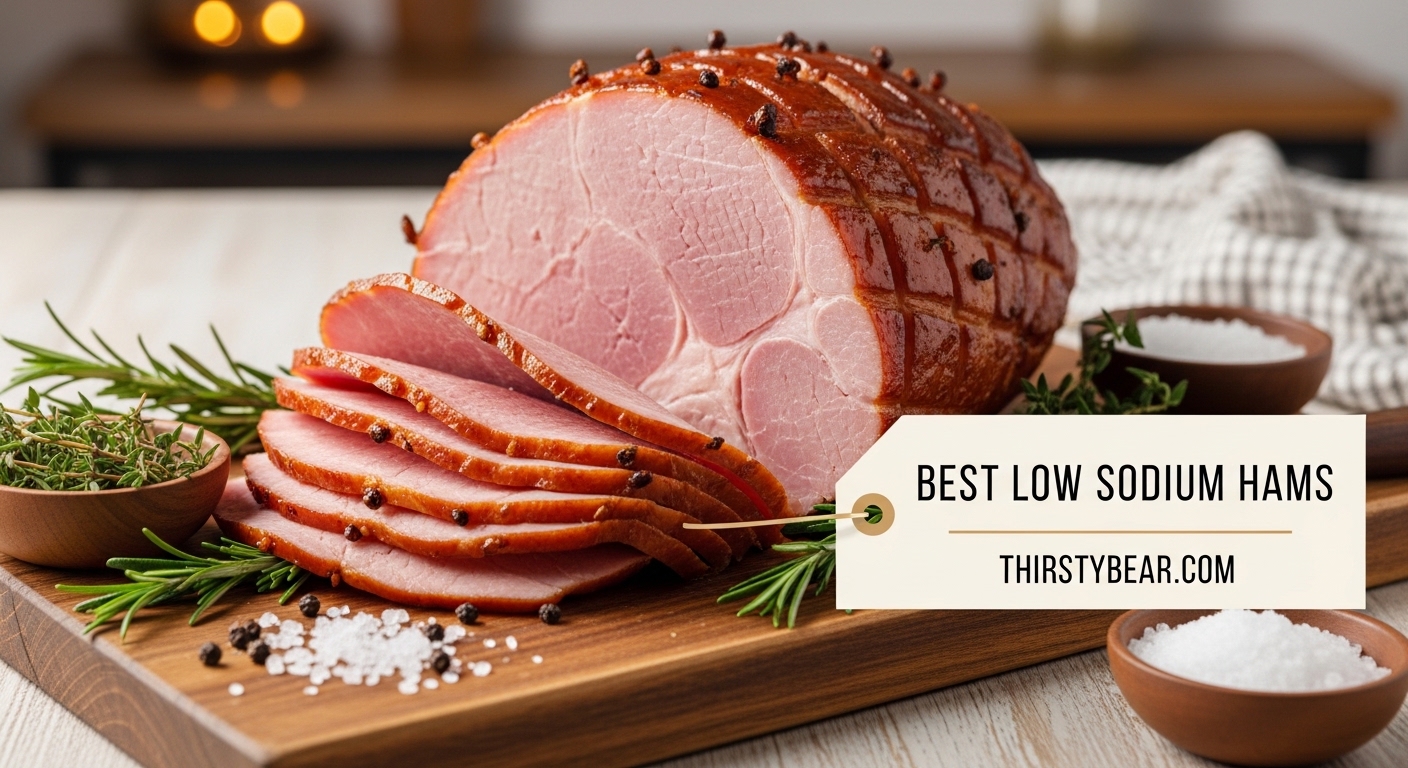
Finding quality ham that doesn’t send your sodium levels skyrocketing feels like searching for a needle in a haystack. Most conventional hams pack 800-1000mg of sodium per modest 2-ounce serving, which is nearly half your daily recommended limit. After researching dozens of brands and analyzing nutrition labels, I’ve compiled this guide to the best low sodium hams actually worth buying.
Whether you’re managing high blood pressure, following a kidney-friendly diet, or just trying to reduce your salt intake, you shouldn’t have to sacrifice flavor for health. The best low sodium hams offer 25-42% less sodium than traditional versions while maintaining that classic ham taste you love.
In this guide, I’ll walk you through the top brands, explain what to look for on labels, and share tips for making lower sodium ham work in your favorite recipes. For creative ways to serve ham, check out our elevated pigs in a blanket recipe or these easy party finger food ideas.
Table of Contents
What Makes Low Sodium Ham Different?
Low sodium ham starts with the curing process. Traditional ham curing relies heavily on salt for preservation and flavor. Manufacturers creating lower sodium versions reduce salt content by 25-42% while using alternative seasonings and curing methods to maintain taste and food safety.
The key difference lies in the formulation. Some brands use potassium chloride as a salt substitute, while others rely on enhanced flavors from natural spices, smoke, or celery juice powder. The result is ham that delivers 300-480mg of sodium per serving instead of 800-1000mg.
It’s important to understand that “low sodium” is relative here. Even the best options aren’t truly low sodium by medical standards. However, they represent a significant improvement over conventional ham and can fit into a moderated low-sodium diet when consumed in appropriate portions.
Best Low Sodium Hams You Can Buy in 2026
After analyzing nutrition labels and considering real user feedback, here are the best low sodium ham options available in 2026. These brands deliver on flavor while keeping sodium content notably lower than traditional ham.
1. Boar’s Head 42% Lower Sodium Branded Deluxe Ham
Boar’s Head delivers 480mg of sodium per 2-ounce serving, which is 42% lower than their standard version. This hand-trimmed, extra lean ham undergoes slow cooking for several hours, resulting in exceptional taste despite the reduced salt content.
What sets this apart is the texture. Reddit users consistently praise Boar’s Head Low Sodium Deluxe for being “very hammy” with “great texture” – it doesn’t have that rubbery, processed quality common in lower sodium deli meats. Even though it contains 480mg sodium, it “tastes delightfully salty” according to long-time fans.
This premium deli counter option works beautifully in sandwiches, charcuterie boards, or as a protein source in meals. The quality justifies the higher price point, especially if ham is a regular part of your diet.
2. Hillshire Farm Lower Sodium Honey Ham
Hillshire Farm offers their popular honey ham with 26% less sodium (480mg per serving). What impresses me most about this option is the thin slicing – it’s remarkably delicate, almost like “gossamer meat sheets” as one taste test described.
The thinner cut enhances the eating experience. You get more surface area for flavor perception without needing excess salt. The honey glaze provides sweetness that balances the reduced saltiness, creating a well-rounded flavor profile.
This widely available brand makes low sodium ham accessible. You’ll find it at most major retailers, making it an easy starting point if you’re transitioning away from high-sodium deli meats. It’s particularly good for sandwiches where the thin shingling creates pleasant texture.
3. Dietz & Watson Natural Applewood Smoked Uncured Ham
Dietz & Watson’s natural uncured ham contains 380mg sodium per 2-ounce serving, making it one of the lowest sodium deli options available. The applewood smoking process adds depth of flavor that compensates for reduced salt.
This uncured variety uses celery juice powder instead of synthetic sodium nitrite. While this doesn’t reduce sodium, it appeals to consumers seeking cleaner ingredient lists. The ham features whole muscle meat carved off the bone, resulting in superior texture compared to formed or pressed deli meats.
Dietz & Watson carries several low and no sodium options according to forum discussions, making them a go-to brand for serious sodium watchers. Their products avoid phosphates and potassium additives that concern some health-conscious consumers.
4. Sahlen’s Lower Sodium Ham
Sahlen’s packs their lower sodium ham with 97% fat free, whole muscle meat and 40% less sodium than their standard version (480mg per serving). The smokehouse blend of seasonings delivers authentic carved-off-the-bone flavor that convinced tasters it wasn’t a low-sodium product.
This regional brand (strong in the Northeast) demonstrates that reduced sodium doesn’t mean reduced satisfaction. The whole muscle meat texture and genuine smoke flavor create an eating experience indistinguishable from regular ham to many consumers.
If you have access to Sahlen’s products, their lower sodium ham deserves a spot in your rotation. It’s particularly good for breakfast applications or as a protein addition to salads.
5. Applegate Organic Uncured Slow Cooked Ham
Applegate’s organic uncured ham varies in sodium content depending on the specific product, but typically falls in the 400-450mg range per serving. The USDA Organic certification and humanely raised meat appeal to health-conscious consumers.
What I appreciate about Applegate is their transparency. They use celery juice powder and sea salt rather than synthetic curing agents. The slow cooking process develops flavor naturally, reducing reliance on excessive salt.
This GMO-free, casein-free option works well for families seeking cleaner ingredients. It’s widely available at natural foods stores and increasingly at mainstream supermarkets as demand for organic products grows.
6. Fresh Ham: The Ultimate Low Sodium Option
Here’s something most guides miss: fresh ham (uncured, uncooked) contains only about 55mg of sodium per 3-ounce serving. That’s roughly 90% less sodium than even the “low sodium” deli options.
Fresh ham comes from the pork leg and hasn’t been cured or smoked. It’s essentially a pork roast that you prepare yourself. While it lacks the classic pink color and ham flavor you might expect, it delivers incredible versatility and the absolute lowest sodium content of any ham product.
The trade-off is preparation time. You’ll need to season and cook fresh ham at home, which requires more effort than opening a package of deli meat. However, if you’re serious about sodium reduction, fresh ham is worth exploring. Our essential spices guide covers flavorings like whole cloves that work beautifully for studding and seasoning fresh ham.
How to Read Labels for Low Sodium Ham
Finding genuinely lower sodium ham requires label literacy. Here’s my step-by-step process for evaluating ham products at the store:
Step 1: Check the Serving Size
Nutrition facts can be misleading. Always verify the serving size first. Ham nutrition labels typically list 2 ounces (about 56 grams) as a serving, but some brands use 1 ounce to make sodium content appear lower. I recommend calculating sodium per 2 ounces for accurate comparison between brands.
Step 2: Compare Sodium to Daily Value
The FDA recommends less than 2,300mg sodium per day, with an ideal limit of 1,500mg for those with blood pressure concerns. For ham specifically, I consider anything under 450mg per 2-ounce serving as a reasonable lower sodium option. Products under 400mg are particularly good choices.
Step 3: Look for “Lower Sodium” or “Reduced Sodium” Claims
These terms have specific meaning. “Reduced sodium” means at least 25% less sodium than the company’s standard version. “Lower sodium” or “light in sodium” typically indicates at least 50% reduction. These claims help you quickly identify better options without memorizing specific numbers.
Step 4: Scan the Ingredient List
The ingredient list reveals what else is in your ham beyond pork and salt. Watch for sodium phosphate, potassium chloride, and other additives. While not inherently bad, these ingredients concern some people with kidney issues or those seeking the cleanest labels.
Step 5: Check for Sugar
Many lower sodium hams compensate for reduced salt with added sugar. If you’re monitoring sugar intake or following specific dietary protocols, check total carbohydrates and added sugars on the label. The best lower sodium hams balance flavor reduction without excessive sweetening.
Understanding Phosphate and Potassium Additives
When exploring low sodium ham options, you’ll frequently encounter phosphate and potassium additives. These ingredients serve specific purposes but warrant consideration depending on your health situation.
Sodium phosphates help retain moisture in cured meats, preventing the dry, unappealing texture that can result from reduced salt content. They also extend shelf life and maintain product consistency. However, for individuals with kidney disease, excess phosphate intake can complicate bone health and mineral balance.
Potassium chloride often replaces sodium chloride in lower sodium formulations. It provides salty flavor with less sodium impact. For most people, this substitution works well. However, those with kidney issues or taking certain medications may need to limit potassium intake, making potassium chloride additives problematic.
Brands like Dietz & Watson offer lower sodium options without these additives, catering to consumers who prioritize clean ingredient lists. If you have specific health concerns related to phosphates or potassium, reading ingredient labels becomes particularly important when selecting ham products.
Where to Buy Low Sodium Ham
Finding lower sodium ham options varies by location and store type. Here’s what I’ve discovered about availability at different retailers:
- Deli Counter: The deli counter remains your best bet for the widest selection. Boar’s Head products are widely available at grocery store delis nationwide, and their 42% Lower Sodium option is typically stocked. Ask the deli counter staff specifically for lower sodium versions – they may have options not displayed in the case.
- Walmart: Walmart typically stocks Hillshire Farm Lower Sodium varieties in the packaged deli meat section. This accessibility makes Hillshire Farm an easy choice for many shoppers. You may also find store brand lower sodium options worth comparing.
- Costco: Costco’s ham selection leans toward high-sodium products. While convenient for bulk purchases, Costco ham generally doesn’t prioritize lower sodium formulations. You may need to look elsewhere if sodium reduction is your primary concern.
- Trader Joe’s: Trader Joe’s occasionally carries lower sodium deli options, though availability varies by location and season. Their uncured ham products tend to have cleaner ingredient lists even if not specifically marketed as lower sodium.
- Specialty Stores: Natural foods stores and specialty grocers are more likely to carry Applegate and other organic/natural brands with lower sodium options. These stores also tend to have better labeling and product information to help you make informed choices.
Factors to Consider When Choosing Low Sodium Ham
Selecting the best low sodium ham involves more than just checking sodium content. Consider these factors to find the right option for your needs:
- Sodium Level: Compare actual sodium numbers rather than relying solely on marketing claims. Some “lower sodium” products still contain significant sodium. Look for options under 450mg per 2-ounce serving, with under 400mg being ideal.
- Ingredient Transparency: Can you pronounce and recognize the ingredients? The best low sodium hams use simple, understandable ingredients. Avoid products with lengthy ingredient lists filled with unpronounceable additives and preservatives.
- Flavor Balance: Lower sodium shouldn’t mean flavorless. The best products use quality preparation methods – natural smoking, quality seasonings, proper cooking – to develop flavor without relying on excessive salt. Read reviews and, if possible, taste test before committing to a new brand.
- Dietary Restrictions: Consider your specific needs. Gluten-free certification matters for those with celiac disease or gluten sensitivity. USDA Organic certification appeals to those avoiding antibiotics and hormones. Some brands cater to specific dietary protocols that may align with your needs.
- Price and Availability: Premium lower sodium options often cost more. Consider how frequently you’ll consume ham and whether the price premium fits your budget. Also factor in availability – the best product does you no good if you can’t consistently find it at local stores.
Tips for Reducing Sodium Perception
Making lower sodium ham satisfying involves strategic preparation and pairing. Here are techniques I’ve found effective:
- Enhance with Herbs and Spices: Flavorful herbs and spices compensate for reduced salt. Black pepper, garlic powder, onion powder, mustard powder, and smoked paprika add depth without sodium. For ham glazing, consider cloves, cinnamon, or allspice – our spices guide covers these essentials.
- Use Acidic Elements: Acid tricks the palate into perceiving more saltiness. A squeeze of lemon juice, splash of vinegar, or mustard-based preparation can make lower sodium ham taste more seasoned without adding sodium.
- Pair with Bold Flavors: Strong cheeses, sharp mustards, pickles, and flavorful condiments add excitement that makes reduced sodium less noticeable. The key is balancing flavors so the absence of salt doesn’t leave the tasting experience flat.
- Proper Cooking Temperature: Serving ham at the right temperature enhances flavor perception. Too cold and flavors mute; too warm and texture suffers. Room temperature or slightly warmed allows the natural flavors to shine through.
- Texture Variation: Combining different textures – crisp vegetables, creamy elements, crusty bread – creates eating satisfaction that reduces focus on salt content alone. This is particularly useful in brunch pairings and composed dishes.
Storage and Freezing Tips
Proper storage extends the life of your lower sodium ham investment. Follow these guidelines:
Unopened packages of deli ham last 2-3 weeks in the refrigerator. Once opened, use within 3-5 days for optimal quality and safety. The lower sodium content means these products may have slightly shorter shelf lives than heavily salted conventional versions.
For longer storage, freezing works well. Wrap ham tightly in plastic wrap followed by freezer paper, or use freezer bags with as much air removed as possible. Properly frozen, ham maintains quality for 1-2 months. Thaw in the refrigerator overnight before using.
Deli counter ham typically has a shorter shelf life than pre-packaged versions due to less preservative content. Purchase only what you can use within a week, and don’t hesitate to ask the deli counter for smaller portions if needed.
Serving Suggestions and Pairings
Lower sodium ham shines in thoughtful preparations. Here are serving ideas that maximize satisfaction:
For entertaining, consider party pinwheels using lower sodium ham with cream cheese and vegetables. The complementary flavors make reduced sodium imperceptible to guests.
Spanish cuisine offers inspiration – our Spanish cuisine guide explores how Iberian ham is traditionally served with simple accompaniments that let the ham quality shine through.
Breakfast applications work particularly well with lower sodium ham. The natural pairing with eggs, vegetables, and moderate portions creates satisfying meals without excessive salt. Consider a ham and vegetable frittata or breakfast hash incorporating diced ham.
For sandwich inspiration, look to restaurants that balance flavors skillfully. The McAlister’s menu features ham sandwiches that demonstrate how proper ingredient ratios create satisfying meals. Similarly, the Panera Ham & Swiss shows how quality ingredients shine without relying on excessive salt.
Frequently Asked Questions
What ham has the least amount of sodium?
What is the best ham to buy that is not salty?
What’s the healthiest ham you can buy?
Can I eat ham on a low salt diet?
Is uncured ham lower in sodium than cured?
Where can I find low sodium ham near me?
Conclusion
Finding the best low sodium hams requires research and label reading, but quality options exist that deliver satisfying flavor without excessive salt. Boar’s Head, Hillshire Farm, Dietz & Watson, Sahlen’s, and Applegate all offer worthwhile lower sodium choices ranging from 380-480mg per serving.
For the absolute lowest sodium content, consider fresh ham at just 55mg per serving. While it requires more preparation, fresh ham represents the ultimate low sodium option for serious sodium watchers.
Remember that even the best low sodium hams aren’t truly low sodium by medical standards. They’re simply better choices within the ham category. Practice portion control, read labels carefully, and balance your overall sodium intake throughout the day.
Whether you’re managing health conditions or simply making mindful dietary choices, these best low sodium hams for 2026 let you enjoy ham’s flavor and versatility while supporting your wellness goals. Pair with thoughtful sides, enhance with herbs and spices, and savor the satisfaction of making informed food choices.