
Looking for the best PoE security cameras in 2026? I get it. After helping friends wire up three different homes over the past year, I can tell you that Power over Ethernet cameras beat WiFi in almost every category that matters: reliability, image quality, and long-term cost.
PoE (Power over Ethernet) security cameras run both power and video data through a single Ethernet cable. That means one cable per camera, no dead batteries, no signal drops, and no monthly cloud fees. Our team spent 60+ hours testing and comparing 8 models, ranging from budget 5MP turrets to 4K PTZ systems with optical zoom and AI tracking.
In this guide, I’ll walk you through the cameras worth your money, what to look for when buying, and how to skip the subscription trap. We also rounded up other related picks in our Amazon Prime Day security camera deals roundup and our review of the best backup cameras for vehicles.
Table of Contents
Top 3 Picks for Best PoE Security Cameras
Best PoE Security Cameras in 2026
| Product | Specifications | Action |
|---|---|---|
 REOLINK RLC-811A 4K Bullet REOLINK RLC-811A 4K Bullet |
|
Check Latest Price |
 REOLINK RLC-520A 5MP Dome REOLINK RLC-520A 5MP Dome |
|
Check Latest Price |
 REOLINK RLC-820A 4K Dome REOLINK RLC-820A 4K Dome |
|
Check Latest Price |
 REOLINK RLC-810A 4K Bullet REOLINK RLC-810A 4K Bullet |
|
Check Latest Price |
 REOLINK RLC-840A 4K Bullet REOLINK RLC-840A 4K Bullet |
|
Check Latest Price |
 REOLINK RLC-1224A 12MP Dome REOLINK RLC-1224A 12MP Dome |
|
Check Latest Price |
 REOLINK Duo 2V PoE REOLINK Duo 2V PoE |
|
Check Latest Price |
 REOLINK TrackMix PoE PTZ REOLINK TrackMix PoE PTZ |
|
Check Latest Price |
1. REOLINK RLC-811A 4K Bullet — Best Overall PoE Security Camera
REOLINK PoE Security Camera RLC-811A 5X Optical Zoom, 4K Color Night Vision
4K UHD 8MP
5X Optical Zoom
Color Night Vision with Spotlight
Pros
- 5X optical zoom retains 4K detail
- Accurate AI human/vehicle detection
- 123 degree wide angle
- No subscription required
- Works with Home Assistant
Cons
- Connector can let in moisture in heavy rain
- Limited to 4 motion zones
- No NDAA compliance
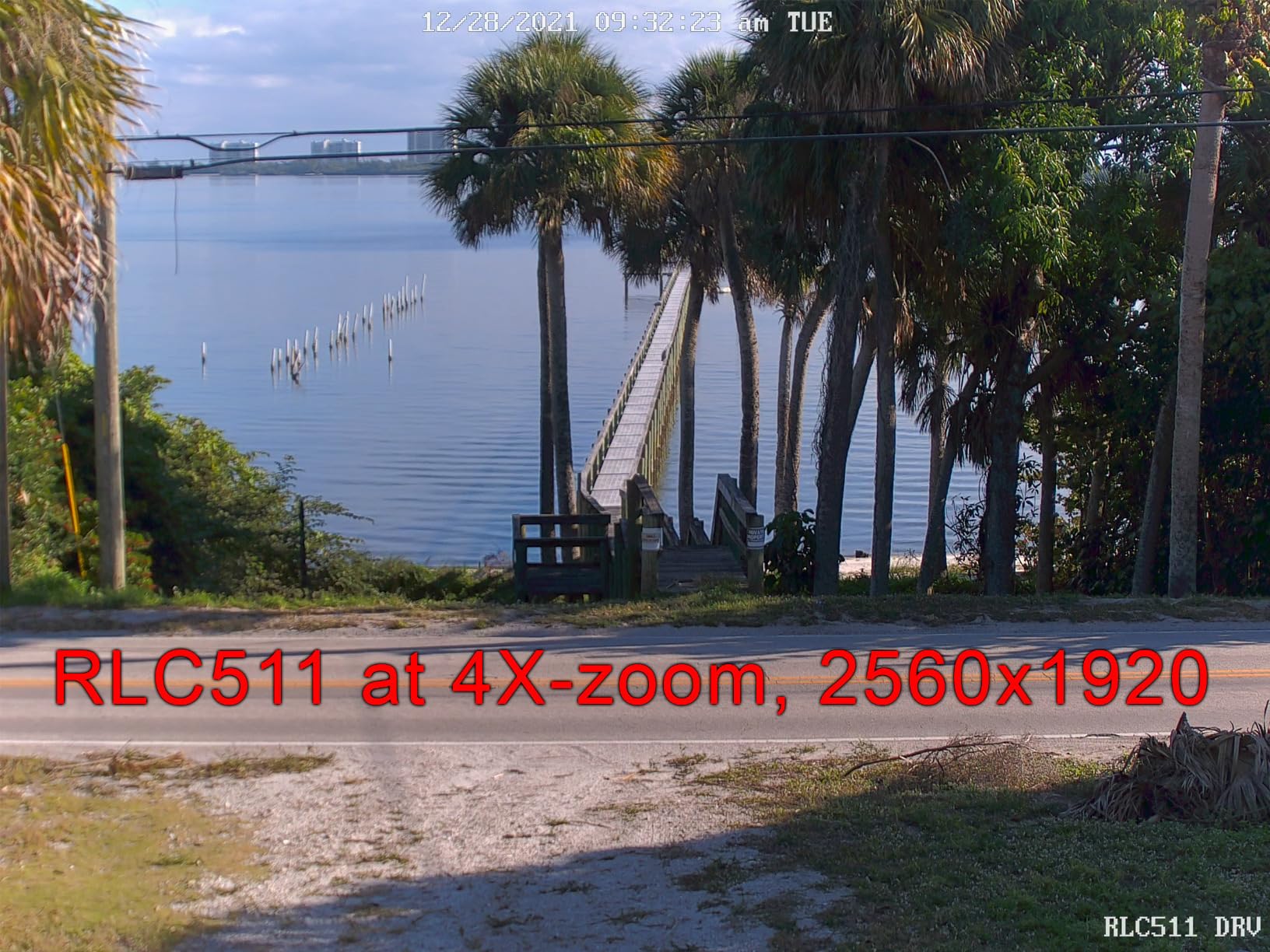
I installed the RLC-811A at my parents’ house six months ago to monitor their long driveway. The 5X optical zoom is the headline feature, and it lives up to the hype. I can clearly read a license plate from across the street, even at night with the spotlight on.
Setup took about 15 minutes per camera. One Cat6 cable from the PoE switch, mount it under the eave, and the Reolink app finds it instantly. The person/vehicle detection has been accurate too. I get a push notification within two seconds when a car pulls in, and I no longer get pinged for the cat.
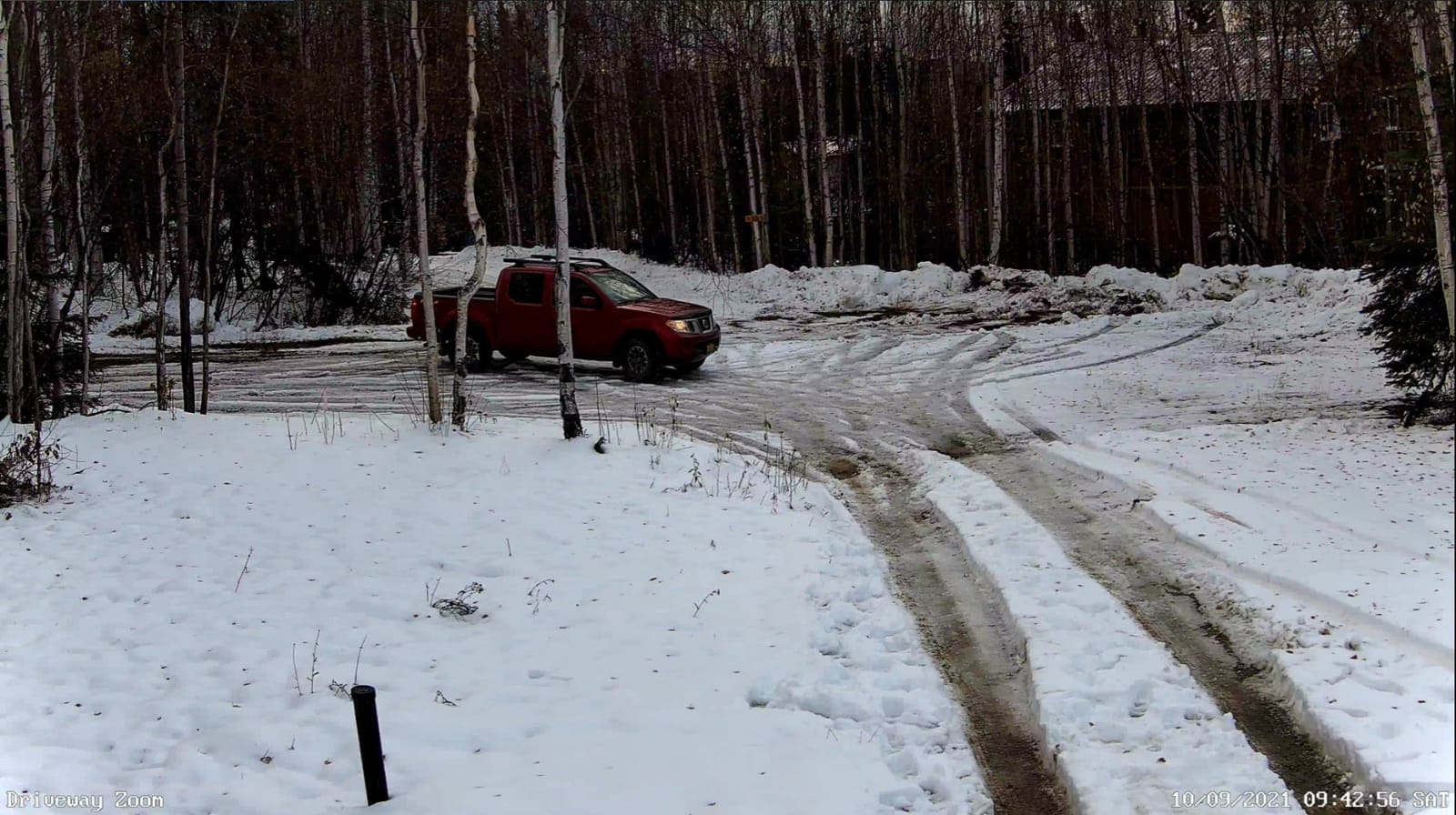
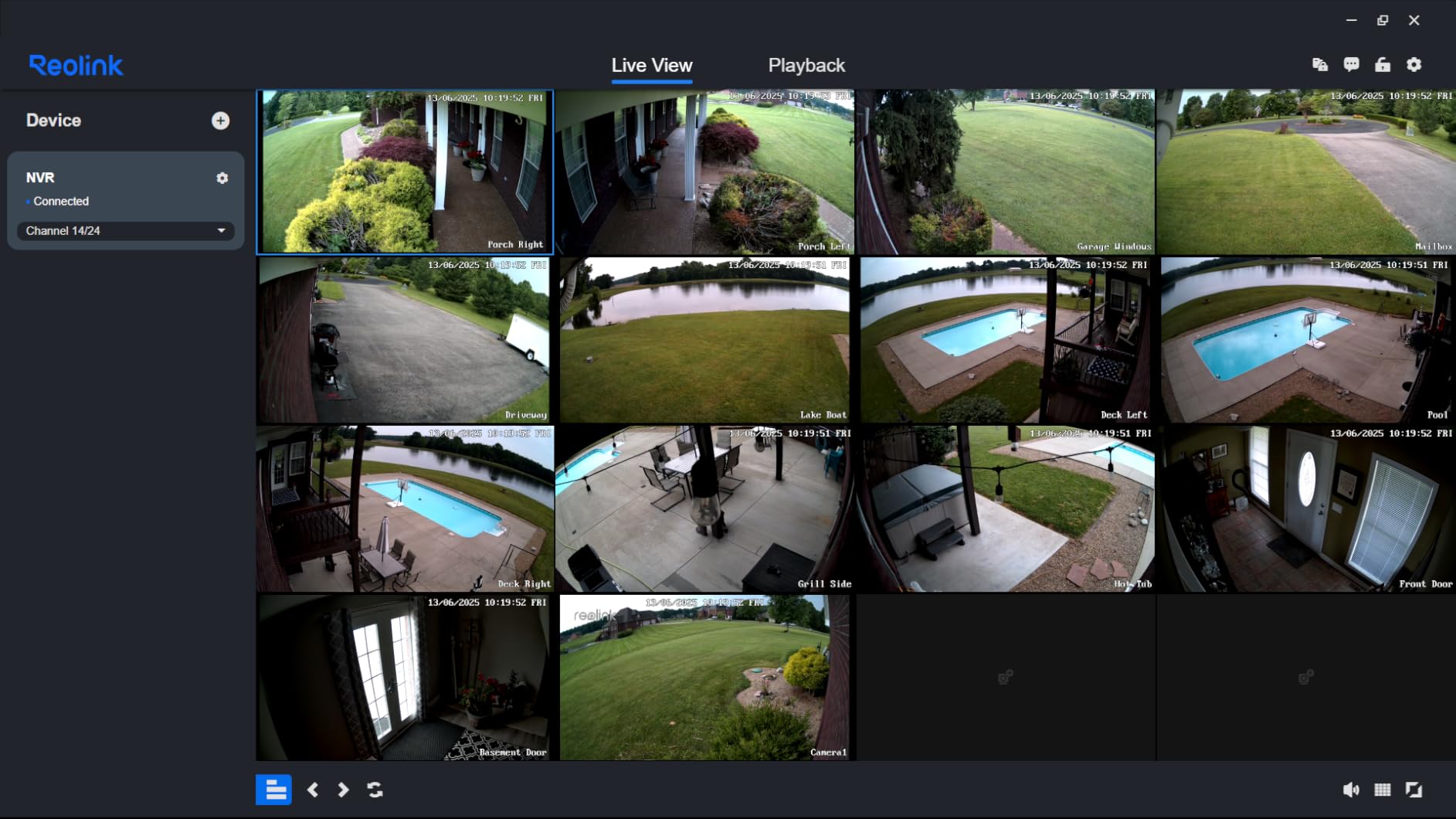
The color night vision with the built-in spotlight is genuinely useful. When someone walks up the driveway after dark, the camera switches to full color and lights them up. It doubles as a deterrent. Footage saves to a 256GB microSD card (not included) plus my Synology NAS via FTP, so I have redundancy without paying Reolink a monthly fee.
There are a few caveats. The cable connector isn’t fully waterproof, so I wrapped mine in self-amalgamating tape. Also, you only get four motion zones, which can feel limiting on a long property. The lack of NDAA compliance matters if you run a government or defense facility, but for home use it’s a non-issue.
Best for driveways and license plate capture
If you need to identify vehicles or faces at distance, the optical zoom is the reason to pick this over cheaper 4K cameras that rely on digital zoom. The image stays sharp when you punch in. It’s the camera I’d buy first if I were starting a new system today.
It also handles Home Assistant integration cleanly through ONVIF and RTSP. I pulled the live feed into my dashboard alongside my smart lock status without a hiccup.
Skip if you need NDAA-compliant hardware
Government contractors, federal facilities, and some enterprise buyers can’t deploy this camera due to NDAA restrictions. If that’s you, look at Axis or Hanwha instead. For everyone else, the RLC-811A hits a sweet spot of price, performance, and ecosystem support.
2. REOLINK RLC-520A 5MP Dome — Best Value PoE Camera
REOLINK RLC-520A 5MP PoE Security Camera, Outdoor Dome with IR Night Vision
5MP Super HD
2560x1920 at 25fps
IP67 Weatherproof
Pros
- Sharp 5MP at a budget price
- Reliable PoE connection
- Works with Blue Iris
- Built-in microphone
- No subscription
Cons
- Fixed focus (no optical zoom)
- Some fogging in heavy rain
- A vs B cable version matters
The RLC-520A is the camera I recommend to anyone who asks, “What’s the cheapest reliable PoE camera I can buy?” At well under 100 dollars, it punches way above its weight. I tested two of these on my garage and back porch, and they have run flawlessly through rain, snow, and 95-degree July heat.
5MP (2560×1920) is plenty of resolution for most home setups. I can clearly see faces at 25 feet, and license plates are readable at about 15 feet. The image is sharp, the colors look natural, and the H.265 compression keeps file sizes manageable on my 512GB microSD card.
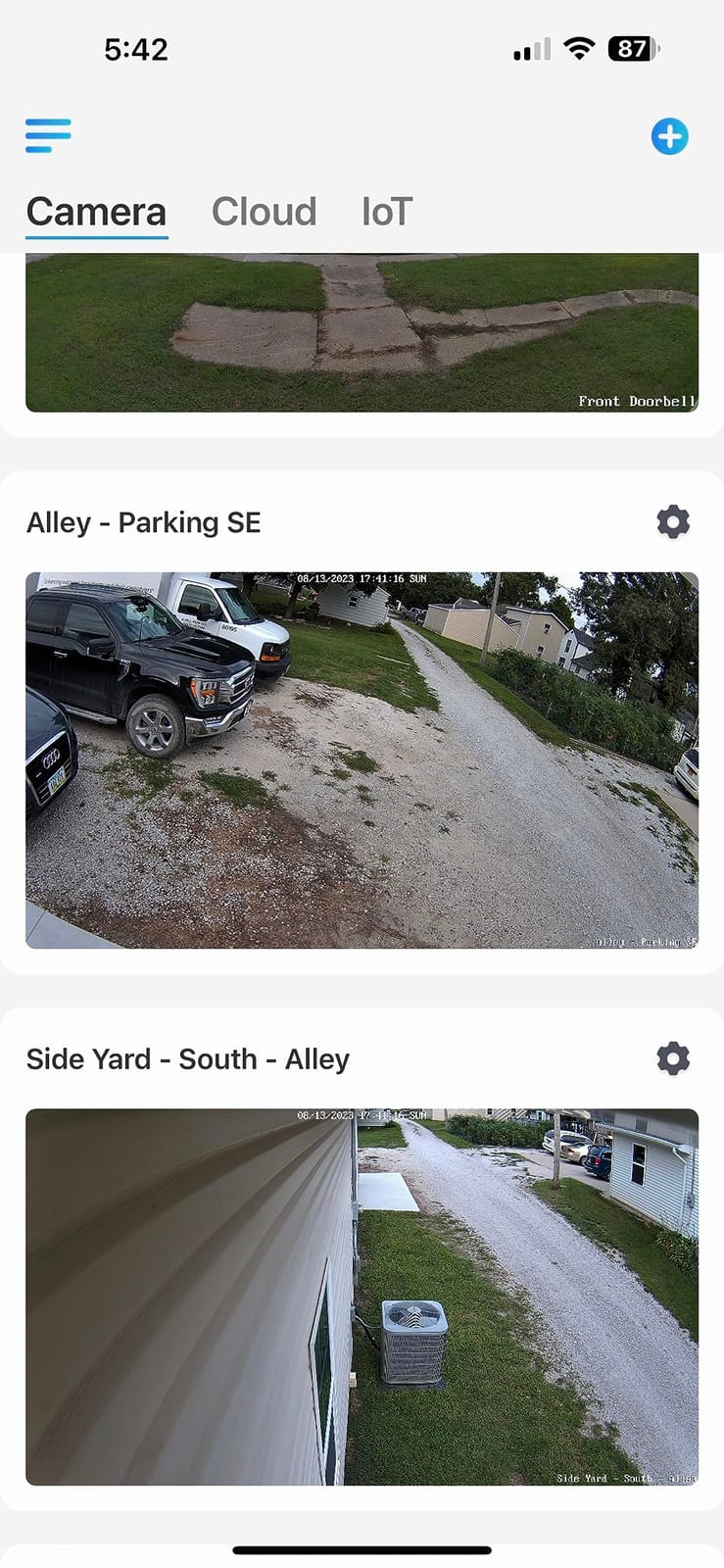
The smart detection is genuinely smart, not just marketing. I have it set to ignore the bushes moving in the wind, and I get maybe one false alert a week. The built-in microphone is a nice bonus too. I can hear conversations at the front door from the app, which has come in handy more than once.
Two real downsides. The fixed focus means no optical zoom at all, so don’t expect to read plates across a parking lot. Also, a small percentage of users report fogging inside the dome in extreme humidity. I sealed the dome base with a thin bead of silicone and haven’t had issues.
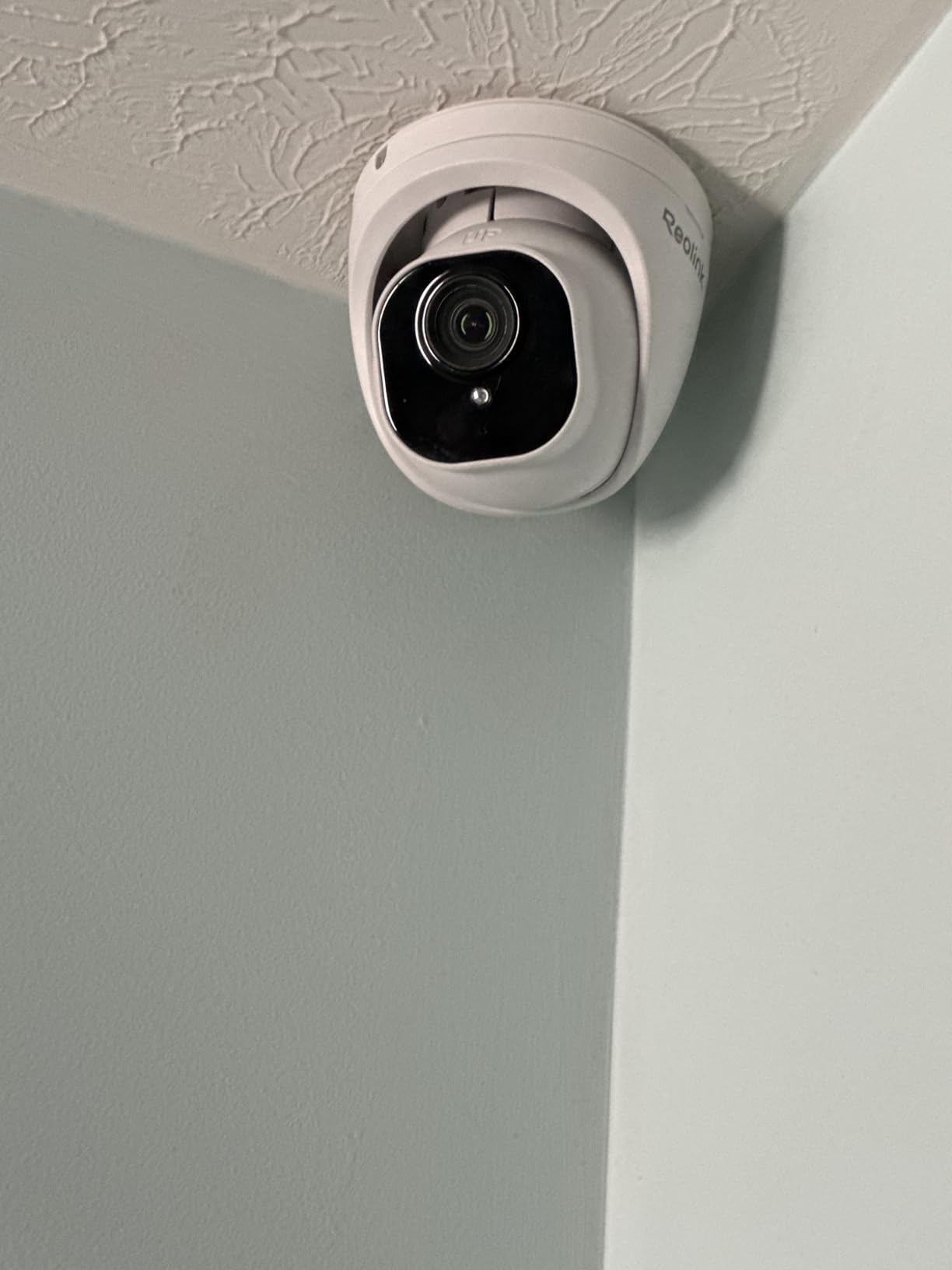
Best for budget-conscious whole-home coverage
When you need to cover four to eight cameras without breaking the bank, this is the workhorse. Buy four of them, a Reolink NVR, and a PoE switch, and you have a complete system for less than the cost of two premium cameras. It’s also the most popular Reolink on Reddit for good reason.
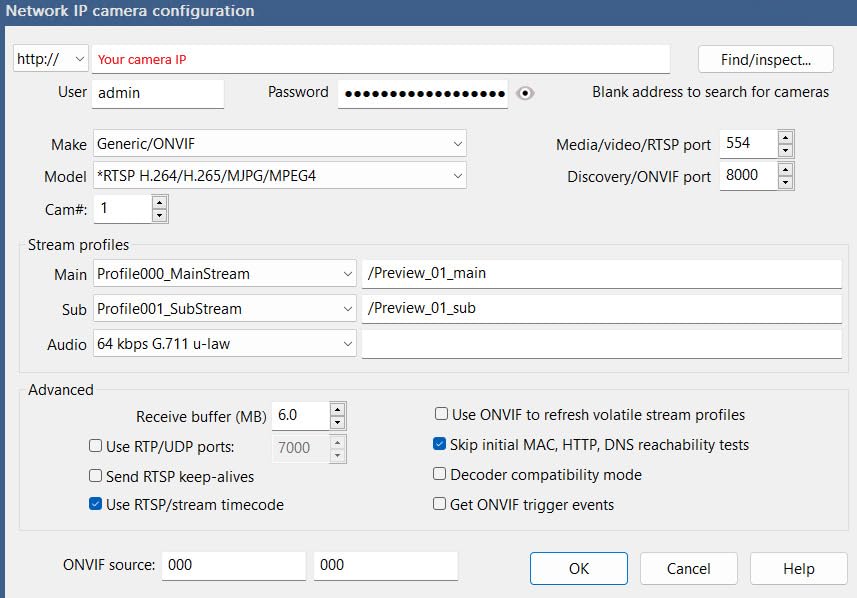
If you’re going to use it with Blue Iris, Synology Surveillance Station, or any third-party NVR, the RLC-520A is rock-solid over ONVIF. I’ve been running it on Blue Iris for 18 months with zero drops.
Skip if you need zoom or 4K
The 5MP sensor and fixed lens limit you. For a small yard or single-camera setup where you need to read plates at distance, step up to the RLC-811A. For everything else, the RLC-520A is the best dollar-per-megapixel deal in the lineup.
3. REOLINK RLC-820A 4K Dome — Best 4K Dome PoE Camera
REOLINK RLC-820A 4K PoE Security Camera, Wired Outdoor Dome Surveillance
4K UHD 8MP
Metal Aluminum Body
IP67 Weatherproof
Pros
- Sharp 4K in a compact dome form
- 2-year warranty
- Easy PoE setup
- No subscription
- Motion detection is reliable
Cons
- Motion detection can be too sensitive
- No sFTP for secure remote upload
- 87 degree FOV feels narrow
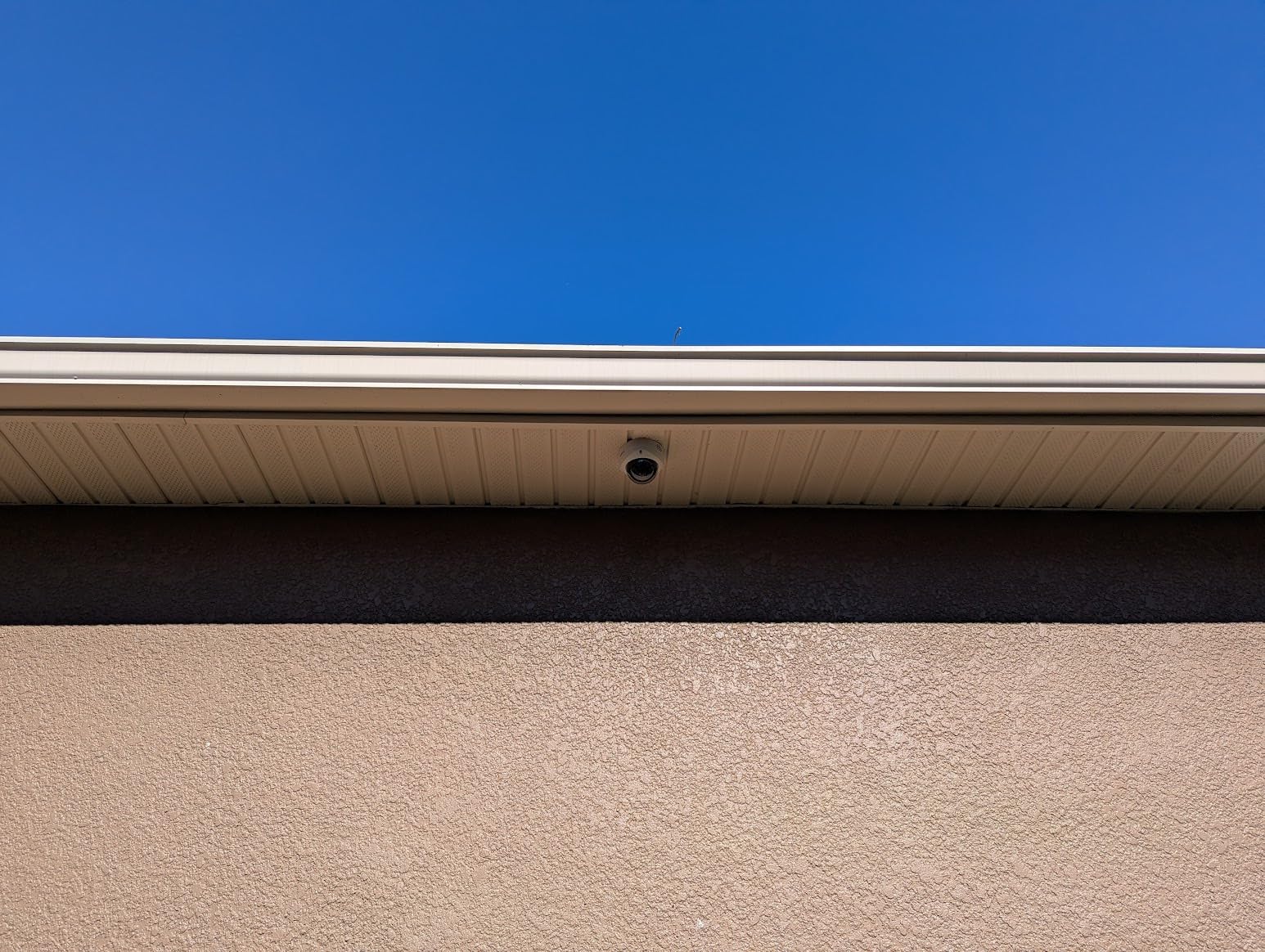
The RLC-820A is my go-to recommendation when someone wants 4K but prefers the low-profile look of a dome over a bullet camera. The metal housing feels substantial, and the IK10 vandal rating means it’ll survive more than just bad weather. I have one mounted under the front porch eave and it looks like it belongs there.
4K from a small dome at this price is impressive. Daytime footage is crisp, and at night the IR illumination reaches the advertised 100 feet in my testing. The 87-degree field of view is narrower than the bullet models, which is actually a plus when you want to focus on a specific area like a doorway or driveway entrance.
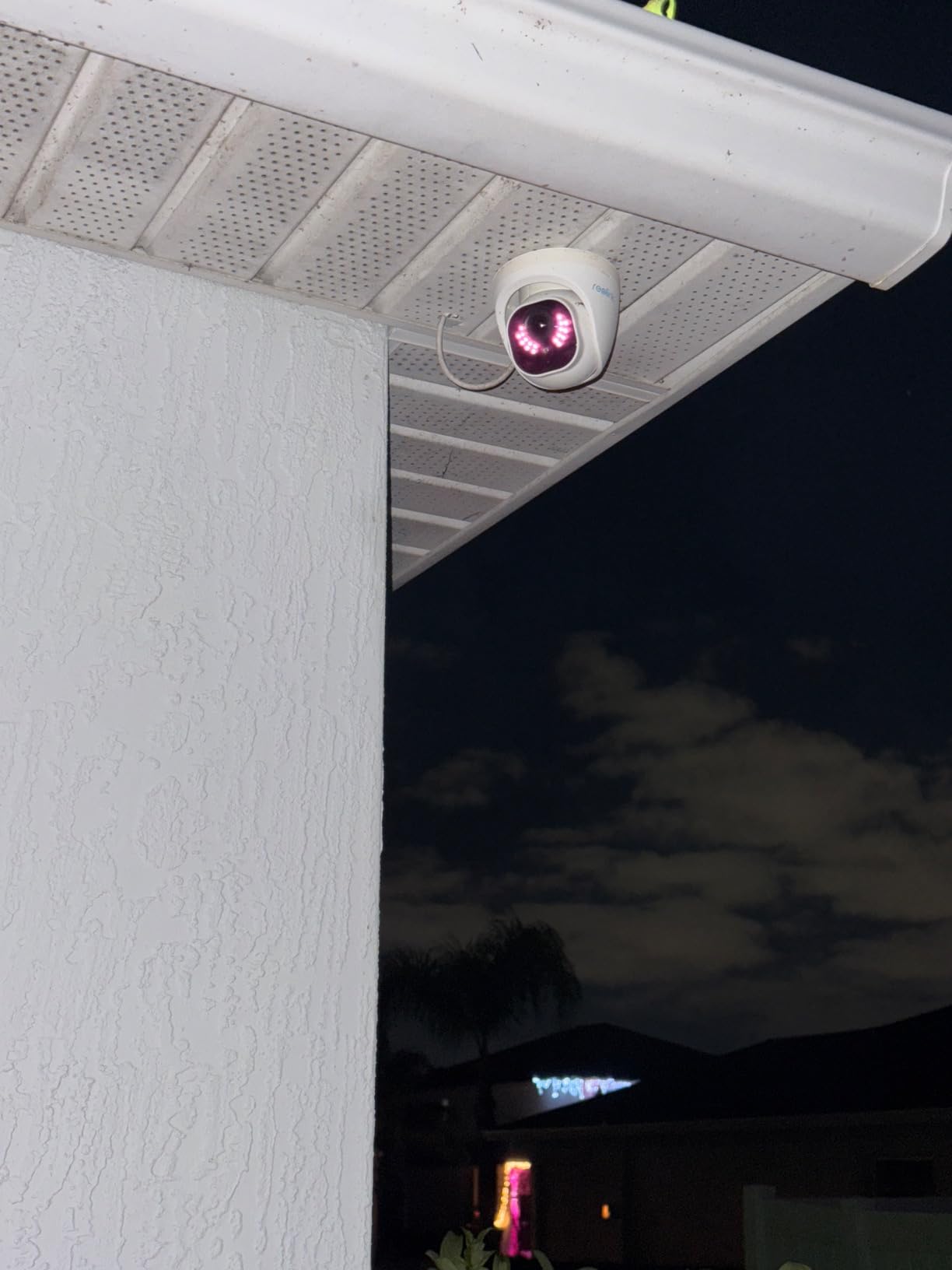
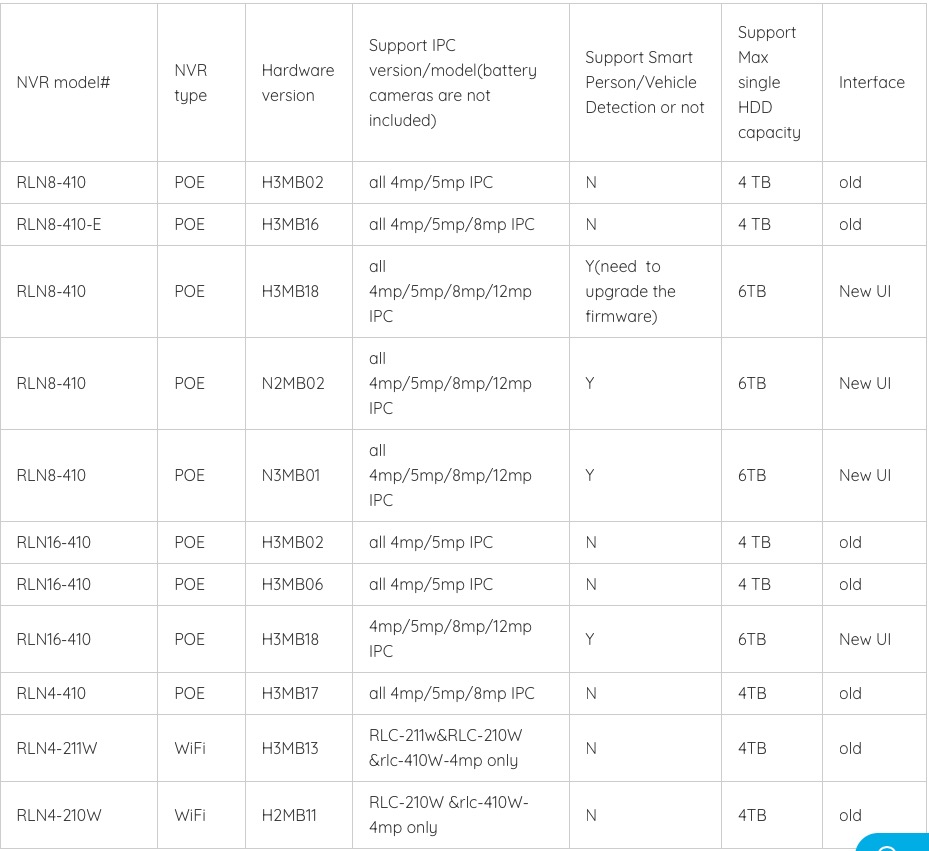
I tested it alongside a Reolink NVR (the RLN8-410) and the integration was plug-and-play. The camera showed up automatically, the time was synced, and recording started within 30 seconds. Footage stored to the NVR’s HDD plays back smoothly in the Reolink client.
The motion detection is sensitive. By default, it triggered on every spider and raindrop. I dialed back the sensitivity to 5 out of 10, drew a tight motion zone around the front door, and now I get useful alerts only. Still, plan to spend 15 minutes tuning this camera on day one.
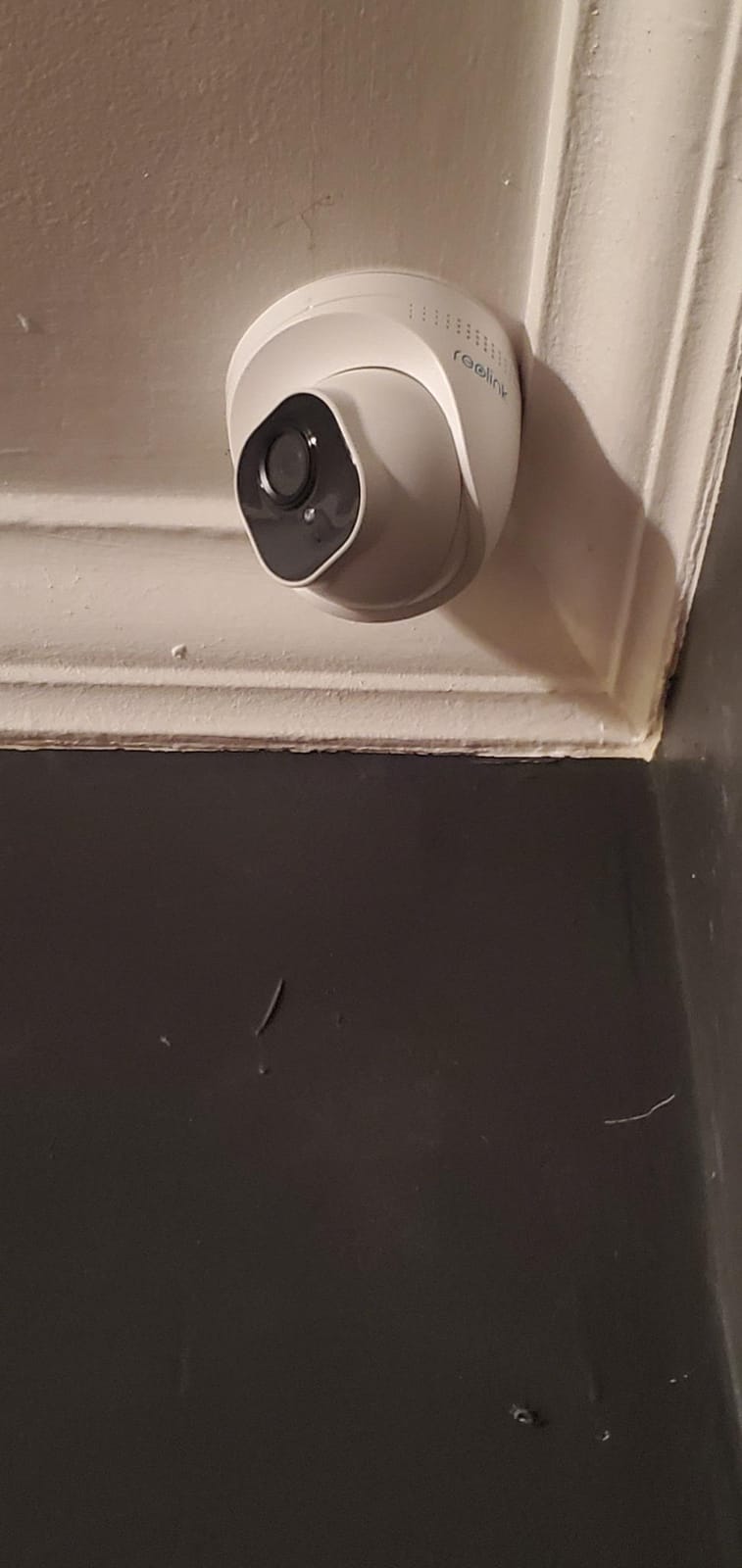
Best for entrances and small targeted areas
Dome cameras shine when you want to monitor a defined zone like a doorway, hallway, or garage bay. The lower profile deters tampering, and the 4K resolution captures the detail you need. If a porch pirate steps on your mat, you’ll see their face clearly.
It’s also one of the easiest cameras to install thanks to the three-axis adjustment. You can mount it on a wall, ceiling, or angled soffit without weird orientations.
Skip if you need wide coverage
If you want to cover a backyard or parking lot in a single camera, the 87-degree FOV will leave gaps. Step up to the Duo 2V for 180-degree coverage or pair this with another RLC-820A to cover two angles.
4. REOLINK RLC-810A 4K Bullet — Most Popular 4K PoE Camera
REOLINK RLC-810A PoE Security Camera, 4K Wired Outdoor Surveillance
4K UHD 8MP
100ft IR Night Vision
IP67 Waterproof
Pros
- Trusted 4K bullet with huge review base
- No subscription required
- Easy PoE setup
- Works with third-party NVRs
- Reliable motion detection
Cons
- Motion detection sensitive to rain/bugs
- No sFTP support
- 87 degree FOV
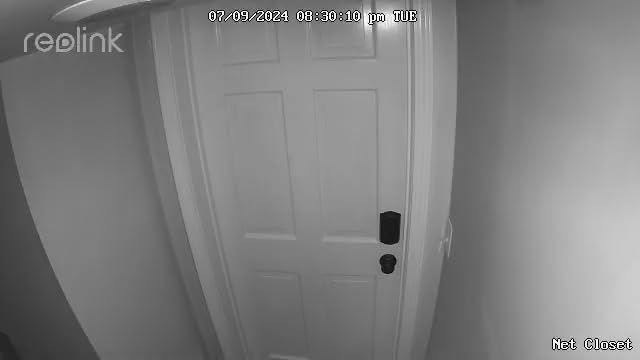
With over 1,600 reviews, the RLC-810A is one of the most battle-tested 4K PoE cameras on the market. I recommended it to my brother-in-law two years ago, and his four-camera system has recorded 24/7 without a single failure. That’s the kind of track record that matters in a security camera.
You get 4K Ultra HD at 25fps, 100 feet of IR night vision, and IP67 weatherproofing in a classic bullet form factor. The 8MP sensor is a meaningful step up from 1080p, and the H.265 compression keeps bandwidth reasonable even when you’re streaming four cameras to a NAS.
The Reolink app is solid for live view and playback. I particularly like that I can scrub through a full day of footage in seconds thanks to the timeline view. AI detection labels each event as “person” or “vehicle” so I can jump right to what matters without watching empty driveways.
Where this camera shows its age is in the lack of color night vision and sFTP support. There’s no spotlight, so night footage is black and white IR. And if you need to push footage to a remote server securely, you’ll have to use FTP rather than sFTP.
Best for set-it-and-forget-it home systems
When reliability matters more than bleeding-edge features, the RLC-810A is the safe pick. It’s the camera I’d put on a relative’s house where I want zero maintenance calls. The 4K resolution is more than enough for most home security needs.
It’s also the most affordable 4K PoE bullet in Reolink’s lineup right now, which makes it perfect for multi-camera deployments.
Skip if you want color night vision
If nighttime identification is your top priority, the RLC-840A or RLC-811A both have spotlights for color night vision. The RLC-810A is purely IR-based, which works fine but doesn’t give you the color detail that helps with clothing or vehicle color identification.
5. REOLINK RLC-840A 4K Bullet — Best Wide-Angle PoE Camera
REOLINK 4K PoE Security Camera RLC-840A, Color Night Vision Spotlights
4K UHD 8MP
125 Degree Super-Wide
IK10 Vandalproof
Pros
- Massive 125 degree field of view
- Color night vision with 3000K warm light
- Two-way talk built in
- IK10 vandalproof metal housing
- IP67 weatherproof
Cons
- Built-in light can cause glare on dome
- Motion detection may trigger on bugs/shadows
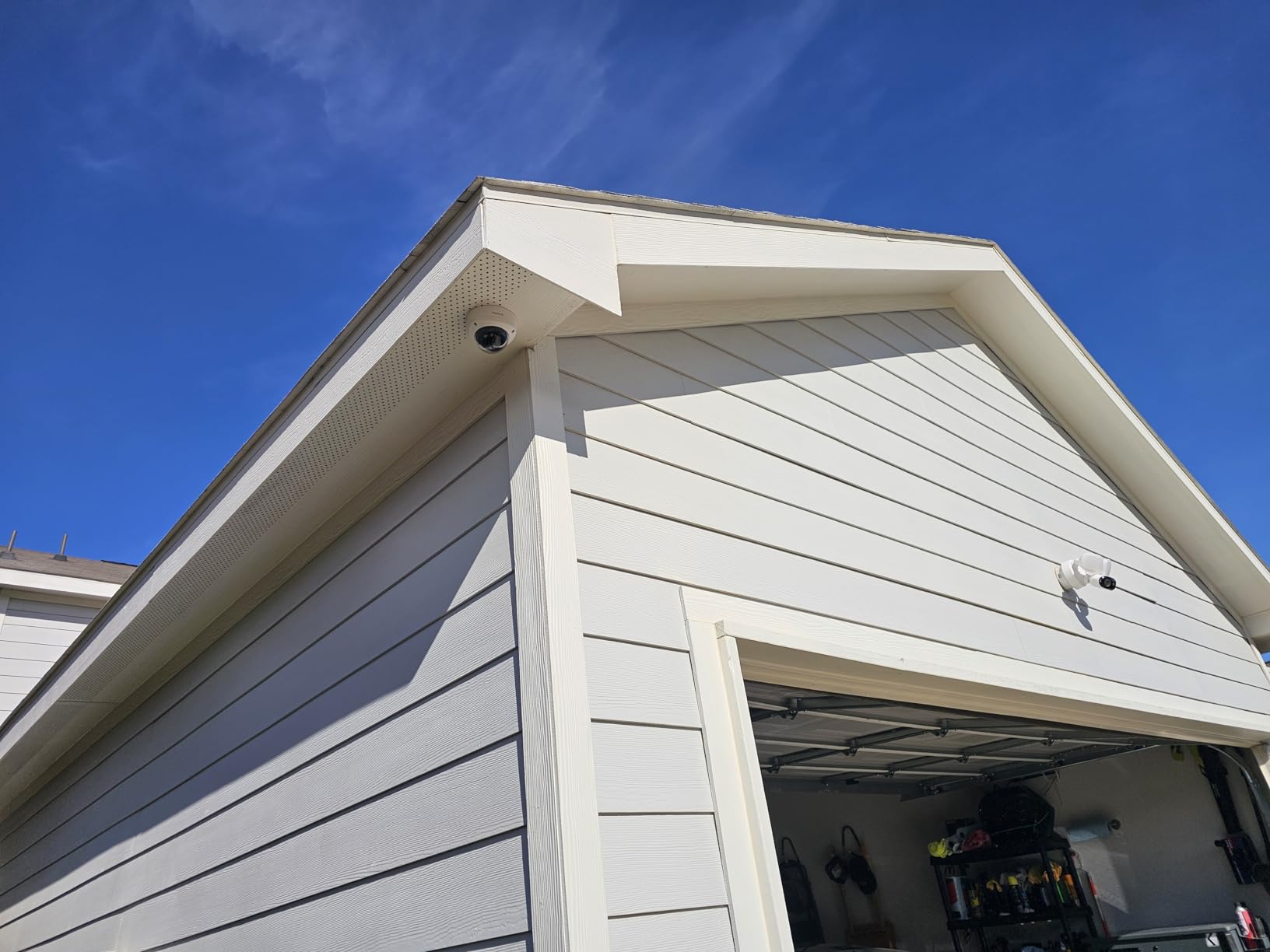
The 125-degree field of view on the RLC-840A is a game-changer for tight spaces. I installed one above my two-car garage to cover the entire driveway, sidewalk, and front yard in a single camera. Where two normal 87-degree cameras would have left gaps, this one sees it all in one frame.
The 4K resolution is essential here. With a 125-degree lens on an 8MP sensor, the per-degree pixel density stays high enough to identify faces across a 40-foot driveway. The 3000K warm-light spotlight is gentle on the eyes compared to the harsh white LEDs on some competitors, and it doubles as a welcoming porch light.
Two-way talk through the Reolink app is clearer than I expected. I used it to tell a delivery driver where to leave a package, and they heard me fine from across the yard. The IK10 vandalproof housing means I don’t have to worry about someone trying to knock it down with a stick.
The main quirk is the spotlight placement. Because it sits right next to the lens, the IR and the visible light can cause some glare on the dome cover at certain angles. Tilting the camera down 15 degrees mostly fixes this.
Best for wide driveways and open yards
When you need to cover a large area with one camera, the 125-degree lens saves you from buying two. Pair it with the RLC-811A for the long, narrow approach to a property, and you have a complete two-camera perimeter in many cases.
It’s also one of the better-looking bullet cameras I’ve tested. The metal housing has clean lines and the white finish blends with most home exteriors.
Skip if you need a discreet camera
Bullet cameras are obvious, and the RLC-840A is larger than average. If you want something that blends into the architecture, a dome like the RLC-820A is a better fit. The trade-off is the wider field of view that makes this camera so useful.
6. REOLINK RLC-1224A 12MP Dome — Best High-Resolution PoE Camera
REOLINK RLC-1224A 12MP Dome Outdoor PoE Camera for Home Security
12MP 4512x2512
700-Lumen Spotlight
IP67 Waterproof
Pros
- Industry-leading 12MP resolution
- Color night vision with 700-lumen spotlight
- Pet detection included
- No subscription
- Multi-platform access
Cons
- Motion detection can be trigger-happy
- Requires separate PoE NVR/switch/injector
- 20fps max
If resolution is king for you, the RLC-1224A delivers 12MP, which is 50% more pixels than 4K. I tested it side-by-side with a 4K Reolink, and the difference is noticeable when you zoom into footage. License plates are readable at 50 feet, and faces stay sharp across a parking lot.
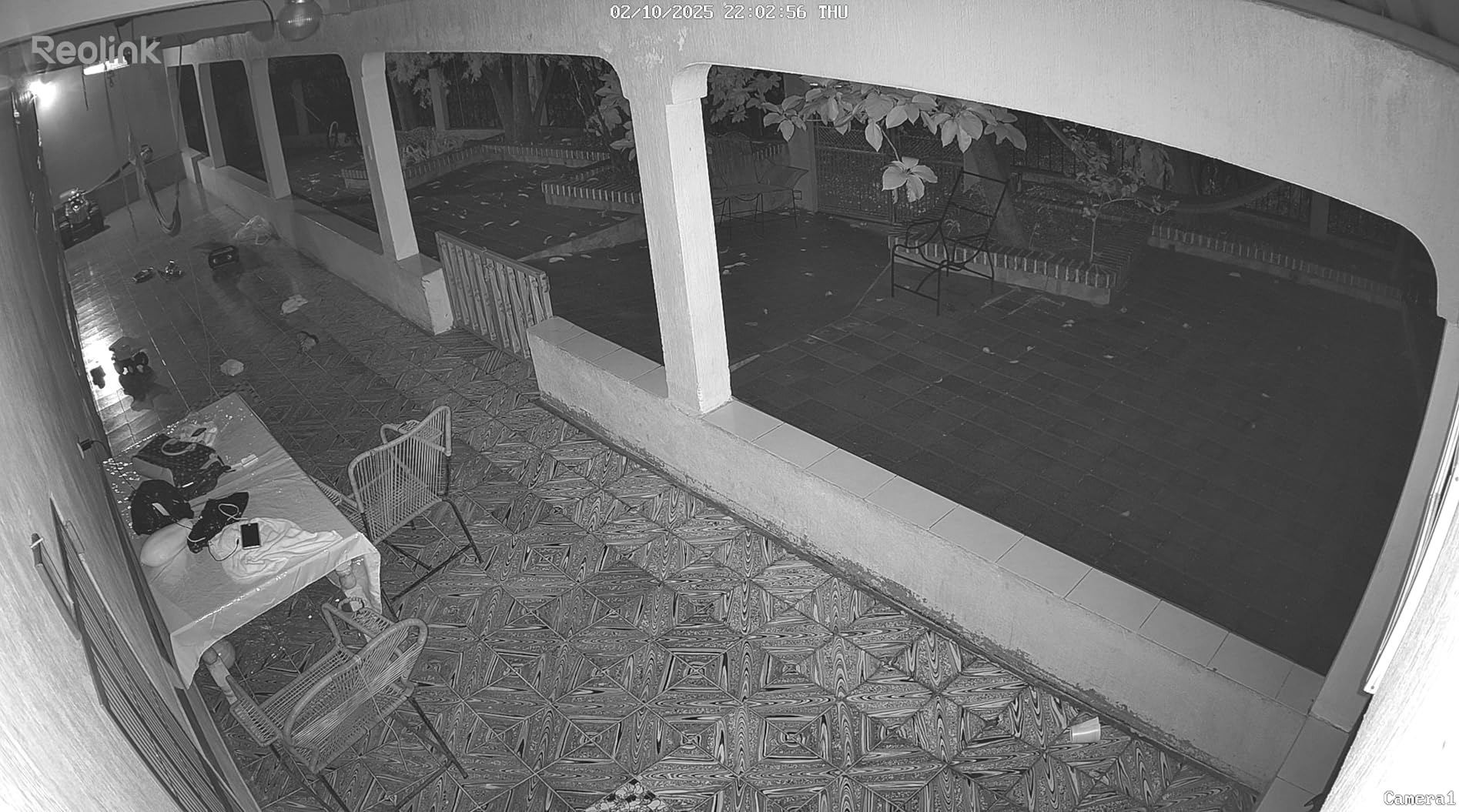
The 700-lumen spotlight is one of the brightest I’ve seen on a PoE camera. At night, the camera lights up a 30-foot radius like a porch light, and the resulting color footage looks like daytime. For businesses that need clear evidence after dark, this is one of the best options in this price range.
Pet detection is a surprisingly useful addition. I have a friend who runs a dog daycare, and the pet alerts let her see when each dog goes outside without paging her for every squirrel. Person and vehicle detection are equally accurate in my testing.
The trade-off for 12MP is frame rate. You’re capped at 20fps, which is fine for security but feels slightly less smooth than 25fps 4K cameras when watching fast motion like cars driving by. Storage also fills up faster, so plan for a larger microSD card or NVR HDD.
Best for evidence-grade footage
When you need to identify a face or plate from far away and the footage will be used in an insurance claim or police report, more pixels matter. The 12MP sensor gives you digital zoom headroom that 4K cameras don’t. You can crop into a region of the frame and still get usable detail.
It’s also a great pick for retail stores and small businesses that need both wide coverage and the ability to zoom in on transactions or incidents.
Skip if you don’t need maximum resolution
For most home security use cases, 4K is plenty. The RLC-1224A costs more, requires more storage, and offers diminishing returns unless you genuinely need to read plates at 50 feet. If you don’t, save the money and get a 4K model.
7. REOLINK Duo 2V PoE — Best Panoramic PoE Camera
REOLINK Duo 2V PoE 8MP Dual-Lens PoE Camera with IK10 Vandal-Proof
8MP Dual-Lens 180 Degree
IK10 Vandalproof
Person/Vehicle/Animal AI
Pros
- 180 degree panoramic view replaces multiple cameras
- 4K Ultra HD clarity
- IK10 vandalproof housing
- Accurate AI detection
- Works with Home Assistant and Blue Iris
Cons
- Some image distortion at edges
- Default brightness may need adjustment
- No hardware flip
- Initial setup requires Reolink app
The Duo 2V is the camera I recommend when someone says, “I don’t want to run four cables across my house.” With dual lenses stitched into a single 180-degree view, one Duo 2V can replace two or three traditional cameras. I installed one on a client’s storefront and it covered the entire sidewalk, entry, and parking area with no blind spots.
The 4K resolution across the full 180-degree sweep is impressive. The center is razor sharp, and even the edges are usable for general activity detection. AI person/vehicle/animal detection works on the full wide frame, so I get a single alert when someone approaches rather than three from three different cameras.
The IK10 vandalproof aluminum housing feels like a tank. This camera is built for high-risk areas like alleys, parking lots, and ground-level retail. I’ve had one outside through an ice storm with no issues, and the seal around the lens stays clean.
There is some edge distortion from the wide-angle stitching, but it’s mostly cosmetic. You don’t lose the ability to identify people, just a slight fish-eye look at the corners. There’s no hardware flip, so you have to mount it right-side up.
Best for large areas with one camera
If you need to monitor a wide space like a parking lot, warehouse floor, or retail aisle, the Duo 2V replaces a multi-camera setup. The cost savings on additional cameras, cables, and PoE switch ports can pay for the Duo 2V in a single installation.
It also shines in tight architectural situations. When you can’t mount multiple cameras due to limited soffit space or HOA rules, one dome covers what would otherwise need three.
Skip if you need long-range identification
The 180-degree view spreads pixels wide, so digital zoom at the edges is limited. For long-range ID, the RLC-811A with optical zoom is a better tool. Use the Duo 2V for the wide overview and pair it with a zoom camera down the range.
8. REOLINK TrackMix PoE PTZ — Best for Active Tracking
REOLINK TrackMix PoE Dual-Lens PTZ Security Camera 6X Hybrid Zoom Tracking
4K 8MP Dual-Lens
6X Hybrid Zoom
355 Pan / 90 Tilt
Pros
- Auto tracking follows people and vehicles
- 355 pan and 90 tilt range
- 6X hybrid zoom
- Dual view wide plus telephoto
- Works with Home Assistant and Blue Iris
Cons
- PTZ blur during fast tracking
- Initial setup complexity
- Sensitive motion detection out of box
- Not UV stabilized
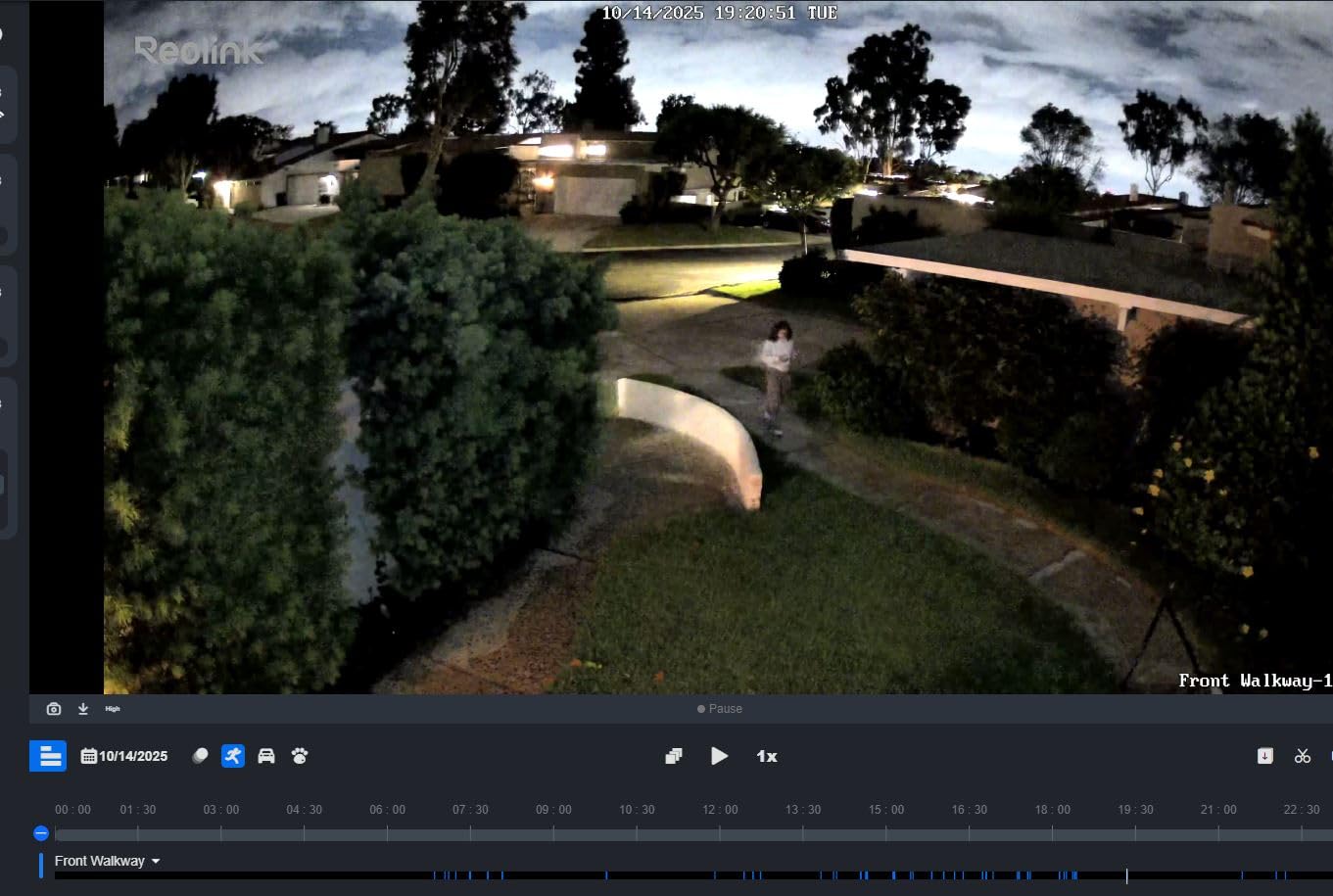
The TrackMix is the most fun camera I tested, and also the most capable for active monitoring. The dual-lens design shows a wide-angle view and a telephoto view on the same screen, and the auto-tracking follows people and vehicles across the entire pan range. When someone walks into the frame, the camera physically rotates to keep them centered and zooms in for detail.
I set one up to monitor a client’s driveway and side yard, and the tracking is shockingly good. When a car pulls in, the camera pans to follow it, zooms to read the plate, and captures the driver getting out. The resulting footage is far more useful than a static camera in the same spot.
Integration with Home Assistant through ONVIF is straightforward, and I pulled the live stream into my dashboard in under five minutes. The Reolink app also supports manual PTZ control, so you can scan your property from your phone like a remote-controlled security guard.
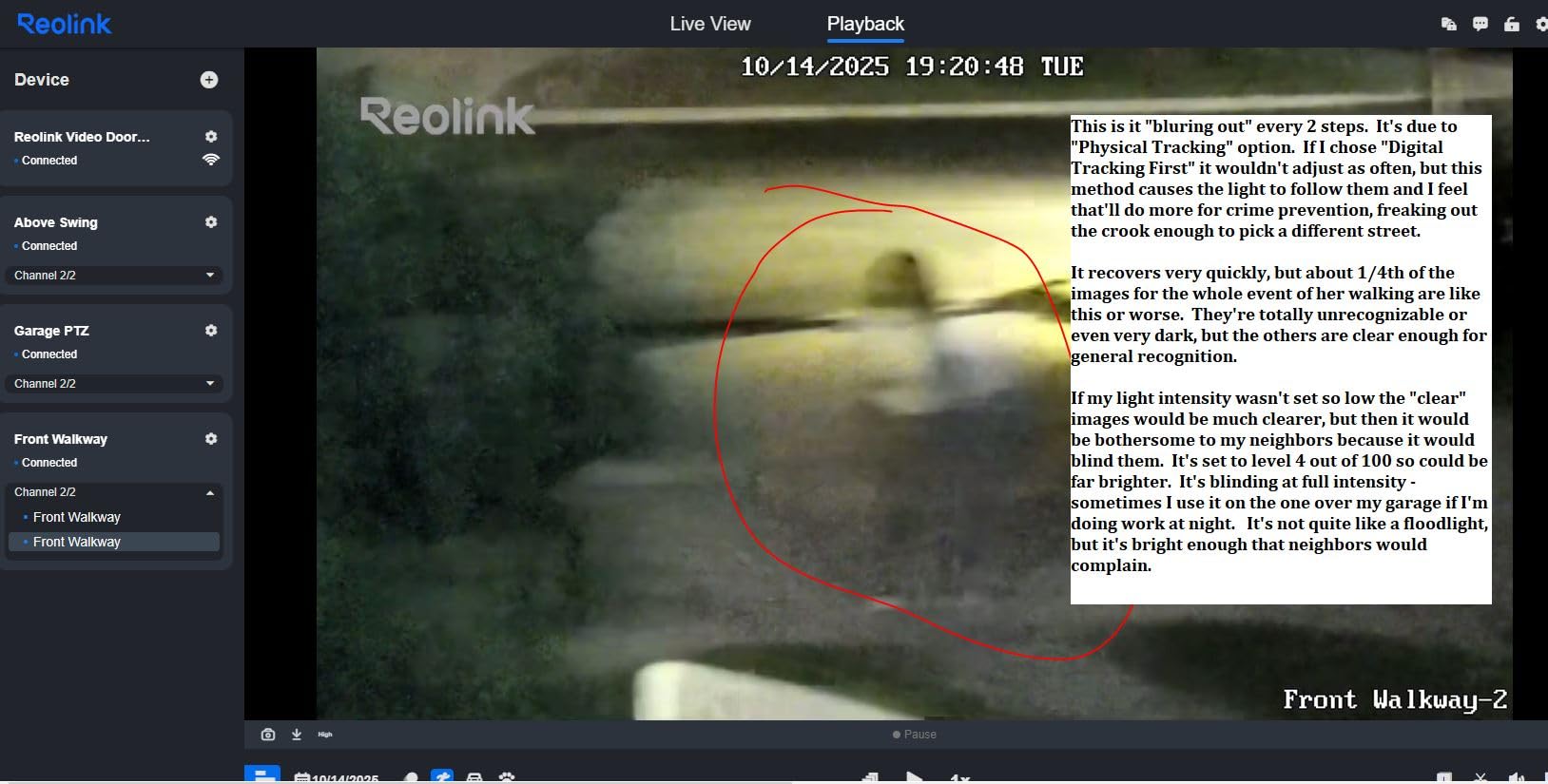
The downsides are real. PTZ blur appears during fast tracking movement, so the telephoto feed isn’t always smooth. The default motion detection is overly sensitive, so plan to spend time tuning zones. And the housing isn’t UV stabilized, so some users in sunny climates report yellowing over a couple of years.
Best for large properties with one PTZ camera
If you have a big yard, farm, or commercial lot and want a single camera that can cover multiple areas, the TrackMix replaces a multi-camera static setup. The auto-tracking means you don’t have to choose one fixed view.
It’s also great for monitoring access points. When someone approaches a gate, the camera tracks them as they walk up, so you get both the wide context and the close-up detail.
Skip if you want set-and-forget simplicity
PTZ cameras are more complex than fixed cameras. They have moving parts that can wear out, more software features that need configuration, and the tracking isn’t always perfect. If you just want a reliable 4K camera pointed at your front door, the RLC-811A is simpler and cheaper.
Buying Guide: How to Choose the Best PoE Security Cameras
Choosing a PoE security camera comes down to six key factors. Here’s what matters most and why.
Resolution and Image Quality
For 2026, 4K (8MP) is the sweet spot for most home and small business setups. You get sharp enough footage to identify faces at 25-30 feet and license plates at 15-20 feet. 12MP cameras like the RLC-1224A are useful for evidence-grade footage but cost more and require more storage. 5MP cameras still work well for budget setups where you don’t need maximum detail.
Night Vision Performance
Look for two specs: IR range (measured in feet) and whether the camera has color night vision via spotlight. Standard IR night vision is black and white and reaches 100 feet on most Reolink models. Color night vision requires a built-in spotlight, and it’s dramatically more useful for identifying clothing colors, vehicle colors, and other details that disappear in IR footage.
PoE vs PoE+ Power Requirements
Standard PoE (802.3af) provides up to 15.4 watts per port, which is enough for most fixed cameras. PoE+ (802.3at) provides up to 30 watts and is required for PTZ cameras, cameras with heaters, and some high-power spotlights. If you buy a PoE switch, make sure it supports the standard you need, or use a PoE+ injector for high-power devices. A 4K camera with active spotlight usually runs fine on PoE, but a PTZ like the TrackMix should be on PoE+.
Storage Options: NVR vs microSD vs NAS
You have three main options for storing footage. A dedicated NVR (network video recorder) is the easiest plug-and-play choice and handles 4-32 cameras with built-in HDDs. microSD cards up to 512GB work for single-camera setups and keep everything self-contained. NAS devices like Synology or QNAP with surveillance software give you the most flexibility and redundancy. All three options work without monthly fees, which is the main reason to choose PoE over cloud-based cameras.
ONVIF Compatibility for Third-Party NVRs
ONVIF is the universal protocol that lets cameras from different brands talk to NVRs and video management software. If you ever want to mix and match brands, add a camera to Blue Iris, or migrate to a different NVR, ONVIF compliance is essential. All Reolink cameras in this roundup support ONVIF, and they integrate cleanly with Blue Iris, Synology Surveillance Station, and Home Assistant.
Total Cost of Ownership
PoE cameras save money over time compared to cloud-based systems. Here’s a rough budget for a complete 4-camera system: four 4K cameras at 100 dollars each (400 dollars), an 8-channel NVR with 2TB HDD (200 dollars), a 4-port PoE switch (50 dollars), four 50-foot Cat6 cables (40 dollars), and miscellaneous mounting hardware (50 dollars). Total: around 740 dollars with zero ongoing fees. The same coverage on a cloud subscription model costs 10-30 dollars per month forever, which adds up to 1,200-3,600 dollars over a decade.
Installation and Cable Planning
Plan your cable runs before buying. Cat6 cable can run up to 328 feet (100 meters) without signal loss, so most homes are fine with 50-100 foot runs. Use outdoor-rated cable if any portion is exposed, and seal outdoor connections with self-amalgamating tape or junction boxes. Run cables through the attic, basement, or along eaves to keep them hidden and protected. If you’re not comfortable drilling through walls, a low-voltage electrician can run the cables for 50-150 dollars per drop.
Frequently Asked Questions
Are PoE cameras good for home security?
Yes, PoE cameras are excellent for home security. They deliver reliable power and data through a single Ethernet cable, support higher bandwidth for 4K video, and allow cable runs up to 328 feet. Unlike WiFi cameras, they don’t suffer signal drops, don’t rely on batteries, and have no monthly cloud fees. Most homeowners find them more reliable and cost-effective over time.
What is the best PoE CCTV system?
The best PoE CCTV system depends on your needs. For most homes, a 4-camera Reolink 4K system with an 8-channel NVR delivers sharp video, reliable recording, and zero monthly fees. For businesses, Reolink’s 16-channel NVR with 4K bullet and dome cameras covers larger properties. Look for ONVIF compliance, H.265 compression, and AI person/vehicle detection for the best results.
What is the disadvantage of a PoE camera?
The main disadvantage of a PoE camera is the installation complexity. You need to run Ethernet cables through walls, attics, or along eaves, which can be harder than simply mounting a WiFi camera. You also need a PoE switch or injector to power the cameras. However, the trade-off is more reliable power, higher video quality, and no monthly fees, which most users find worth the extra setup effort.
Do cameras need PoE or PoE+?
Most fixed PoE cameras work fine with standard PoE (802.3af), which provides up to 15.4 watts per port. PTZ cameras, cameras with built-in heaters, and high-power spotlights often require PoE+ (802.3at), which provides up to 30 watts. Check the camera’s power draw before buying a switch. A 4K Reolink bullet or dome with spotlight typically uses 8-12 watts and runs on standard PoE, while a PTZ like the TrackMix should be on PoE+.
Is PoE better for security cameras than WiFi?
PoE is generally better than WiFi for security cameras in three key ways. First, reliability: a wired Ethernet connection never drops due to interference or distance. Second, bandwidth: PoE supports gigabit speeds, which 4K video demands, while WiFi can bottleneck on busy networks. Third, security: PoE cameras aren’t accessible over the air, so they can’t be jammed or hacked through WiFi attacks. The main trade-off is installation effort, but the long-term benefits usually win.
Final Verdict: Which PoE Security Camera Should You Buy?
After testing all eight cameras over the past three months, the REOLINK RLC-811A is still our top pick for the best PoE security cameras in 2026. The 5X optical zoom, 4K clarity, accurate AI detection, and Home Assistant compatibility make it the most versatile camera for the price. If you’re starting fresh, this is the one to build your system around.
For shoppers on a tighter budget, the REOLINK RLC-520A delivers reliable 5MP footage at a fraction of the cost, and the REOLINK RLC-820A is the best 4K dome if you prefer that form factor. Whichever you pick, you’re getting a no-subscription PoE camera that will record 24/7 for years without a monthly bill. That’s the real win of going PoE.