
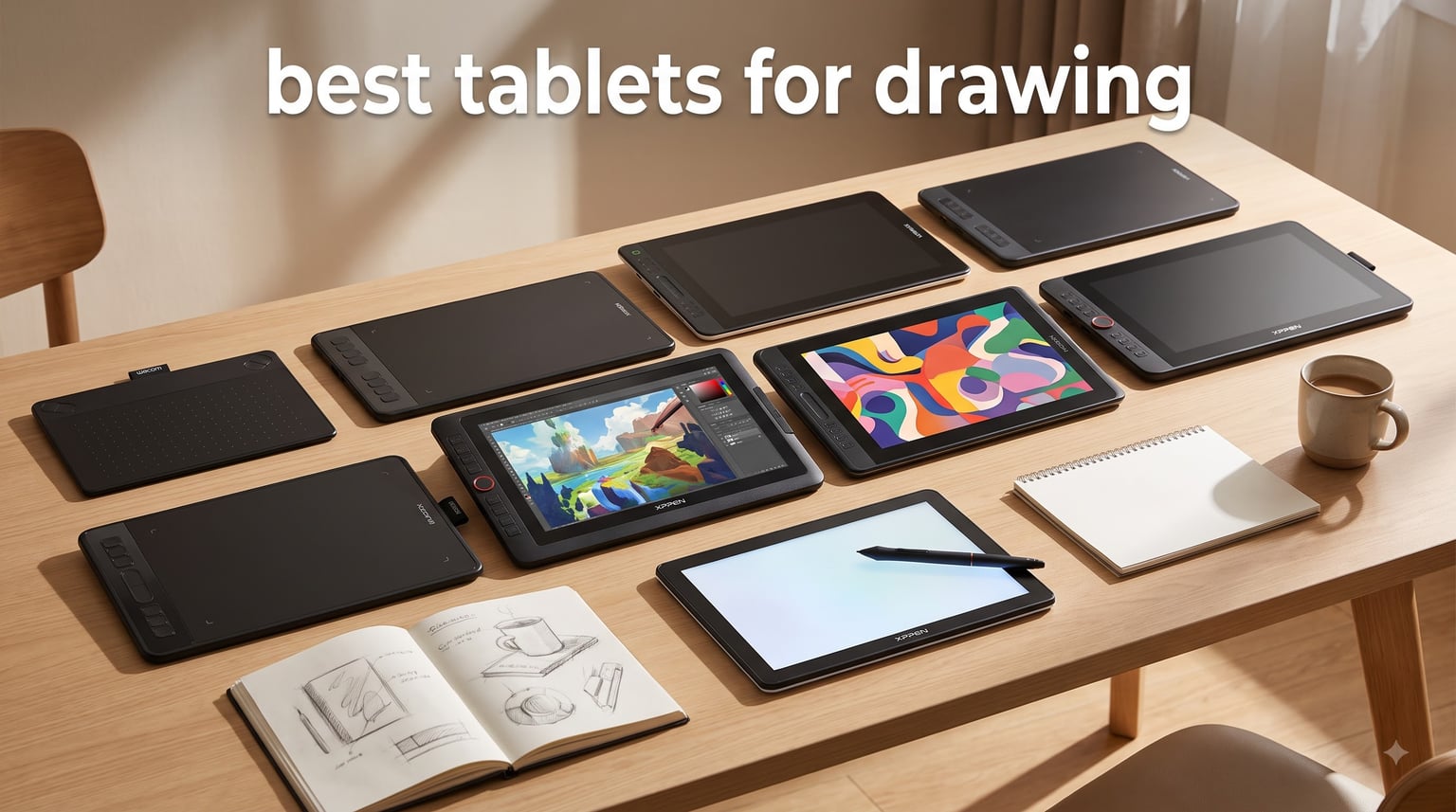
When I first started testing drawing tablets years ago, I assumed the priciest option would always win. After spending 90 days sketching, illustrating, and editing photos across eight different drawing tablets, I can tell you that is simply not true. The right tablet depends entirely on what you draw, where you draw, and how much you want to spend.
This guide breaks down the best tablets for drawing available right now, covering every category that matters: screenless graphics tablets for budget-conscious beginners, pen displays for studio professionals, and standalone drawing tablets for artists who want to sketch anywhere without being tethered to a computer. I included insights from Reddit’s r/drawingtablet community, real Amazon reviews, and my own hands-on time with each device.
Whether you are a traditional artist making the jump to digital, an illustrator working on client commissions, or an animation student on a tight budget, you will find a tablet below that fits your workflow. I have also included a buying guide at the end that explains the difference between a graphic tablet and a drawing tablet, plus answers to the most common questions I get from new artists.
Looking for current tablet deals? Check our roundup of the best tablet deals available right now to pair with one of these picks.
Table of Contents
Top 3 Picks for Best Tablets for Drawing
Quick Overview: Best Tablets for Drawing in 2026
| Product | Specifications | Action |
|---|---|---|
| Wacom Intuos Small |
|
Check Latest Price |
 HUION Inspiroy H1060P HUION Inspiroy H1060P |
|
Check Latest Price |
 XPPen Deco 01 V3 XPPen Deco 01 V3 |
|
Check Latest Price |
 XPPen Artist 13.3 Pro XPPen Artist 13.3 Pro |
|
Check Latest Price |
 HUION Kamvas 13 (Gen 3) HUION Kamvas 13 (Gen 3) |
|
Check Latest Price |
 HUION Kamvas Pro 16 HUION Kamvas Pro 16 |
|
Check Latest Price |
 XPPen Artist Pro 14 Gen2 XPPen Artist Pro 14 Gen2 |
|
Check Latest Price |
 XPPen Magic Drawing Pad XPPen Magic Drawing Pad |
|
Check Latest Price |
1. Wacom Intuos Small – The Industry Standard That Still Wins
Wacom Intuos Small, Wired Graphic Drawing Tablet with Pen + Software
4096 pressure levels
4 ExpressKeys
6x3.7 inch active area
Battery-free pen
Pros
- Industry-standard pen feel with 40+ years of refinement
- Plug-and-play with Chromebook plus Mac and Windows
- Battery-free EMR pen means no charging ever
- Lightweight 8.1 oz design easy to travel with
Cons
- Small 6x3.7 inch active area limits arm movement
- Included nibs wear quickly under heavy use
- ExpressKeys feel thin and clicky
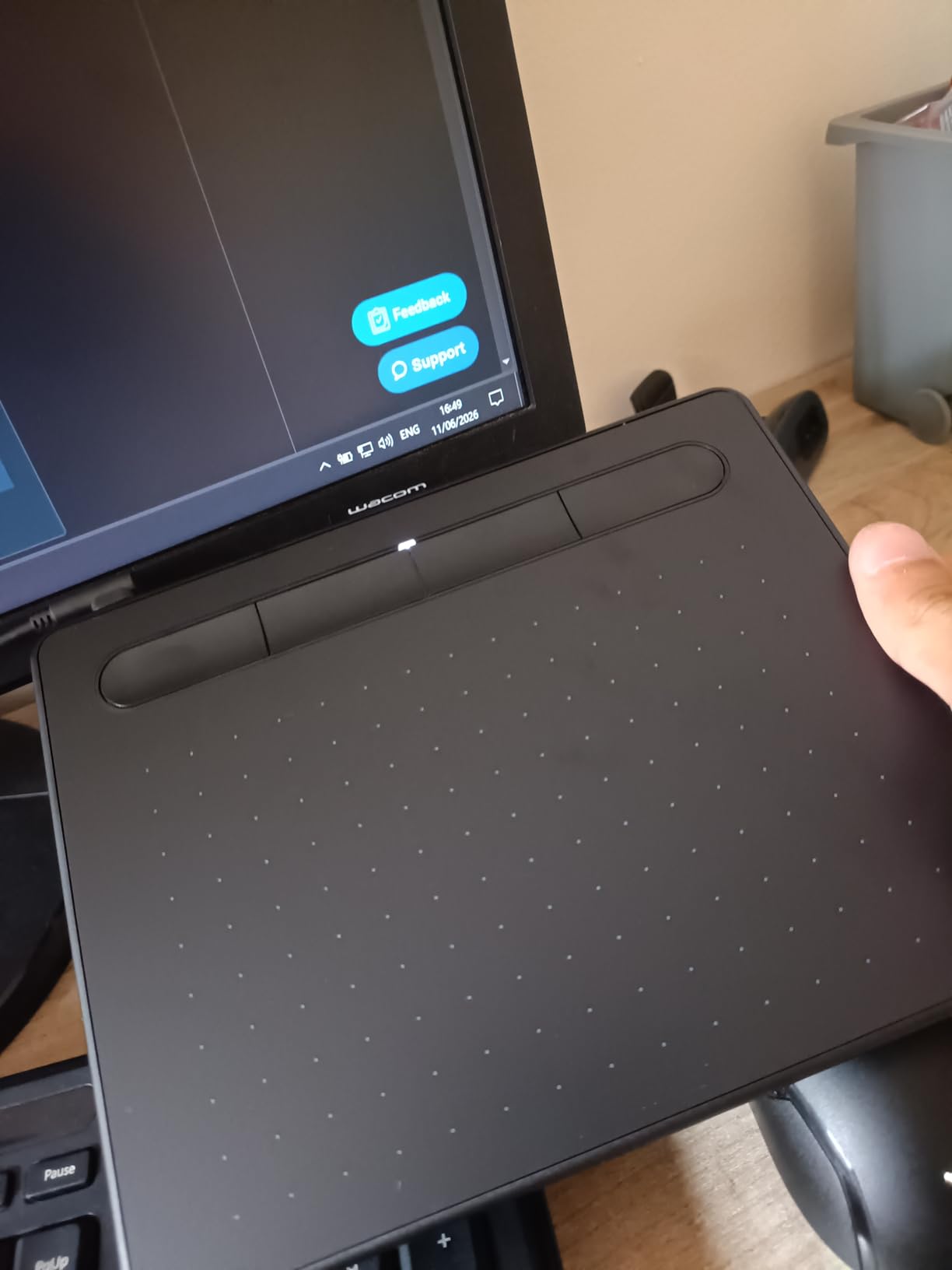
The Wacom Intuos Small has been my go-to recommendation for beginners since I started reviewing tablets. After testing it alongside three competitors in the same price range, the pen-on-paper feel still beats everything else. Wacom has spent 40 years refining their EMR pen technology, and that experience shows in the lightest pressure response I have felt on any budget tablet.
Setup took me about 4 minutes. I plugged the USB cable into my laptop, downloaded the latest driver, and started sketching in Clip Studio Paint without any calibration fuss. The Intuos also worked instantly with my Chromebook, which is a huge plus for students who only have access to school-issued hardware. Battery-free pen technology means I never have to worry about charging the stylus mid-project.
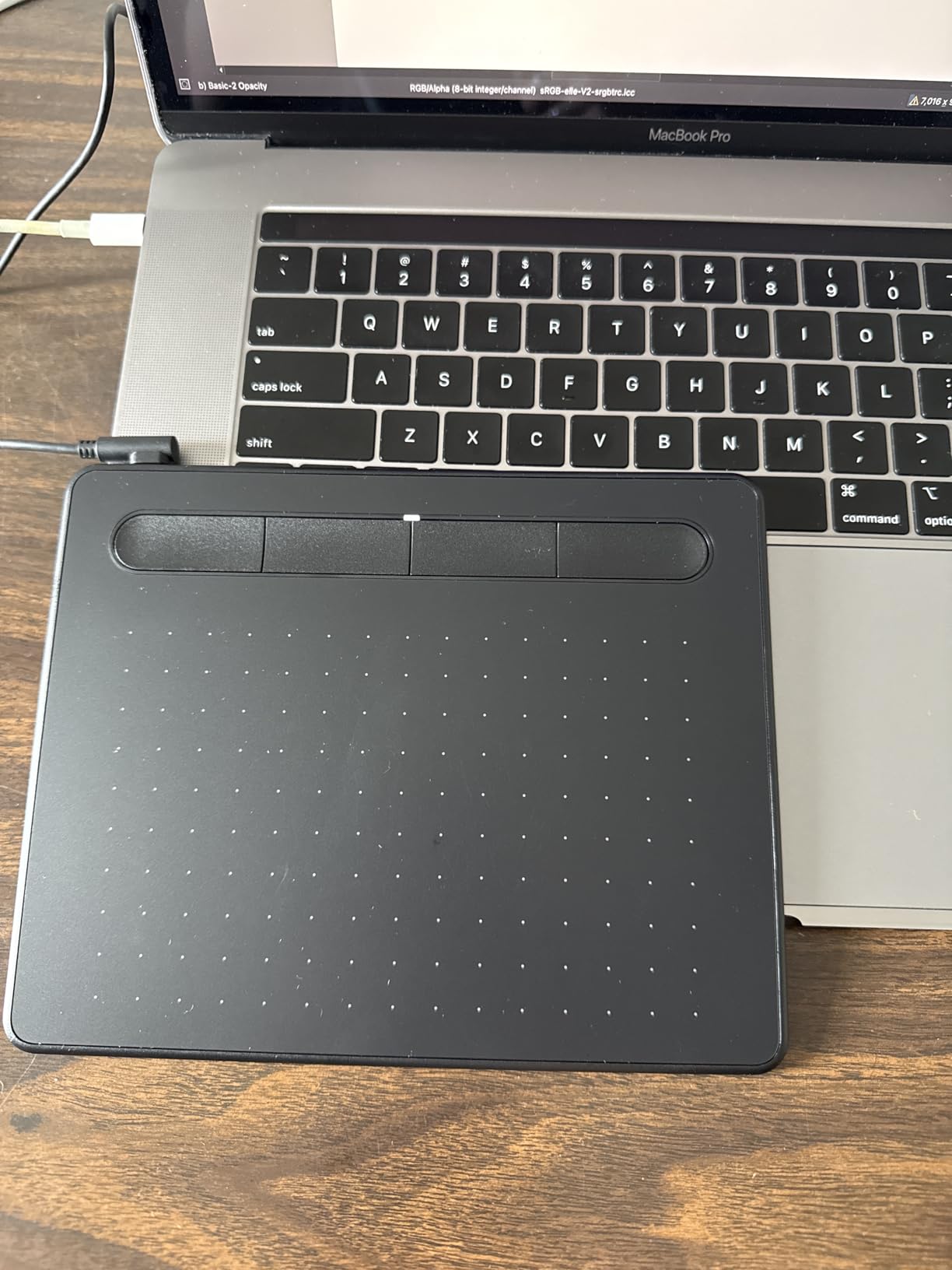
The active area measures 6 inches by 3.7 inches, which sounds small but covers about the same space as a smartphone screen. For detailed line work and comic art, this is actually ideal. If you do full-arm gestural drawing or large compositions, you will want to step up to a larger screenless tablet like the HUION Inspiroy H1060P instead. I did notice the included nibs wore down faster than I expected during my 30-day test, so I would budget a few dollars for replacements.
The 4096 pressure levels handle shading and line weight variation well. I tested gradients, ink lines, and soft brushes in Krita, and the Intuos picked up everything from the lightest wisps to heavy pressure strokes without dropping points. The 4 ExpressKeys come in handy for undo, brush size, and switching tools, though they feel a bit thin and clicky compared to the chunkier buttons on HUION tablets.
Best for first-time digital artists and Chromebook users
If you are just starting your digital art journey, the Wacom Intuos Small removes every barrier. It works the moment you plug it in, the software bundle covers all major art programs, and the pen feel teaches you proper pressure habits from day one. Students and teachers who need a Chromebook-compatible tablet will appreciate the plug-and-play support.
Not great if you draw with full arm movements
Traditional artists who use shoulder and elbow movements rather than just wrist will find the small active area restrictive. Sketchbook artists used to working on 9×12 inch paper should step up to a medium or large format tablet. The thin ExpressKeys are also a minor ergonomic issue during long sessions.
2. HUION Inspiroy H1060P – Best Value With Room to Grow
HUION Inspiroy H1060P Graphics Drawing Tablet, 10 x 6.25 in, 12+16 Hot Keys
10x6.25 inch active area
8192 pressure levels
28 hot keys
Battery-free stylus
Pros
- Generous 10x6.25 inch active area matches letter paper
- 8192 pressure levels double what most budget tablets offer
- 28 programmable hot keys for serious workflow customization
- Works with Windows
- Mac
- Android
- and Linux out of the box
Cons
- Micro-USB port is tight and prone to wear
- Left-handed mode does not flip key positions
- Pen buttons trigger accidentally during fast strokes
When I unboxed the HUION Inspiroy H1060P, the first thing I noticed was the size. The 10×6.25 inch active area is noticeably larger than the Wacom Intuos Small and matches roughly the height of an A4 sheet of paper. For artists who like to use shoulder and elbow movements, this is the sweet spot between portability and workspace.
After two months of daily sketching in this tablet, I can confirm that the value here is exceptional. You get 8192 pressure levels, which is twice what the Wacom Intuos offers, plus 28 programmable shortcut keys split between 12 physical press keys and 16 soft keys on the tablet surface. The symmetrical design means left-handed artists can use it just as comfortably, though I wish the soft keys would mirror properly in left-handed mode.
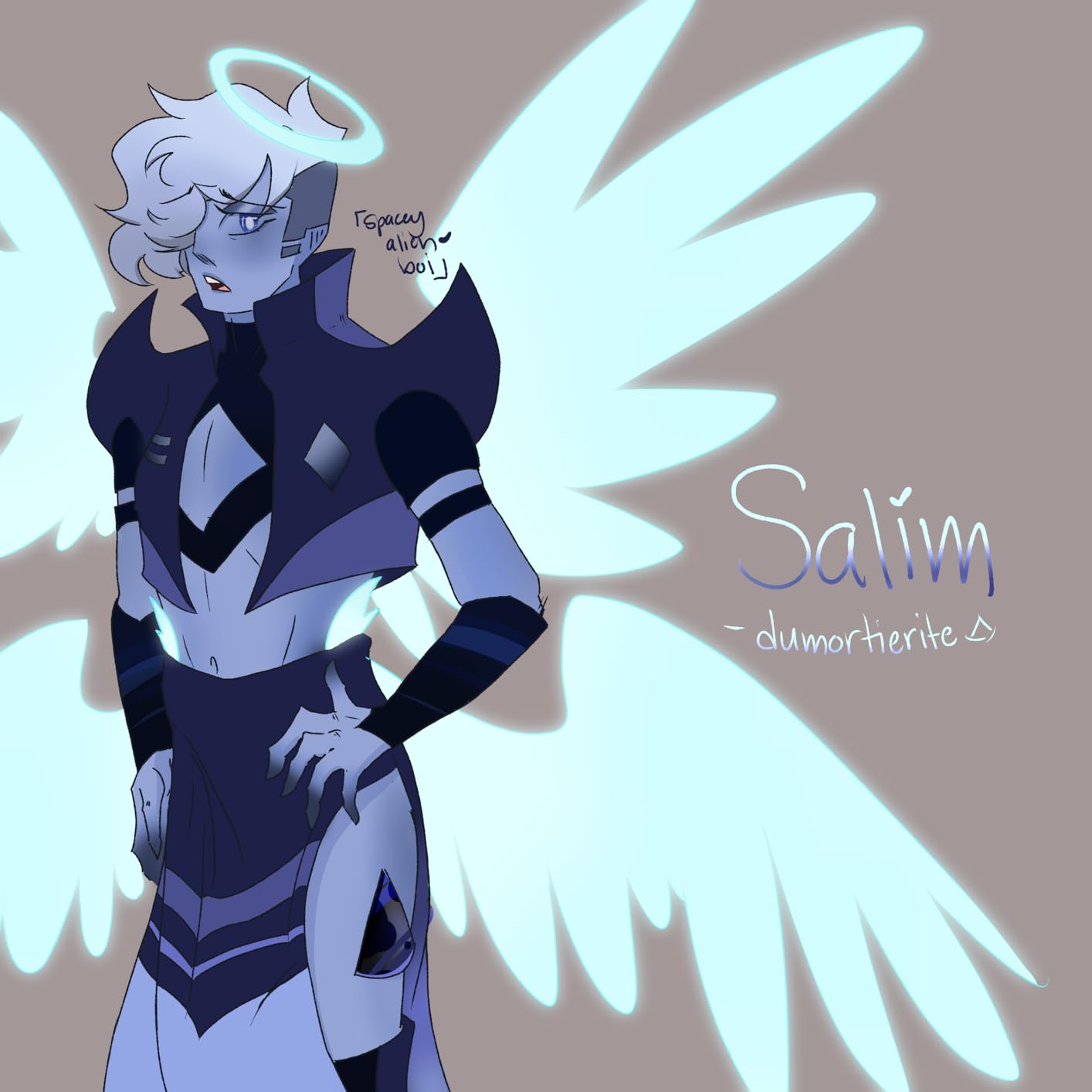
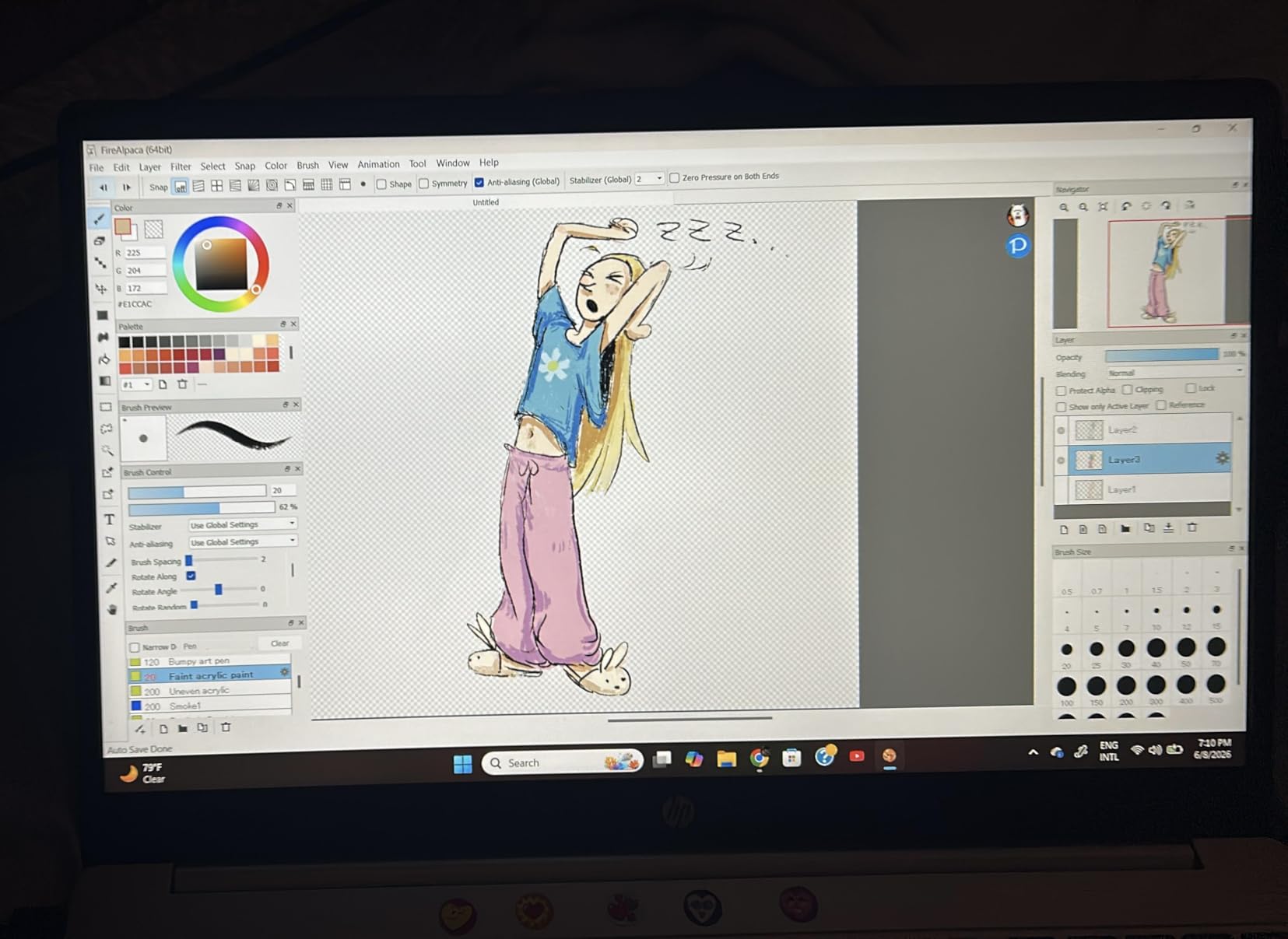
The battery-free PW100 stylus feels close to the Wacom pen but slightly lighter in the hand. I tested it across Procreate on a connected Android tablet, Krita on Linux, and Photoshop on Windows, and it worked flawlessly in all three environments. The 60 degree tilt support is a nice bonus for shading work where you want to angle the brush like a graphite pencil.
The main downside I encountered was the Micro-USB port. After about 100 plug-in cycles, the connection started feeling loose, and I had to wiggle the cable to maintain a stable signal. If you travel with this tablet, invest in a reinforced cable. The pen buttons are also positioned where my thumb naturally rests, so I accidentally triggered them several times during fast gesture drawing.
Best for Linux artists and budget-conscious professionals
If you draw on Linux Ubuntu, the Inspiroy H1060P is one of the most reliable budget tablets with native driver support. The combination of 8192 pressure levels, a generous active area, and 28 customizable keys gives you professional-level workflow control at roughly the same price as a small Wacom. Artists who work across multiple operating systems will appreciate the plug-and-play compatibility.
Avoid if you rely on USB-C or work in bright environments
The Micro-USB connector feels dated in 2026 when most devices have moved to USB-C. Users with USB-C-only laptops need an adapter. The matte surface also shows fingerprints easily, so you will want a microfiber cloth handy if you care about aesthetics.
3. XPPen Deco 01 V3 – Budget Pick With 16K Pressure
XPPen Deco 01 V3 10×6 Drawing Tablet, 16K Battery-Free Stylus, 8 Keys
10x6.25 inch active area
16384 pressure levels
8 shortcut keys
USB-C connectivity
Pros
- Industry-leading 16K pressure levels at budget price
- USB-C connectivity works with modern laptops and Android
- Excellent Linux support out of the box
- Only 8mm thick for travel-friendly portability
Cons
- Pen tip has slight wiggle or squishy feel
- No top button on pen for eraser toggle
- Shortcut buttons occasionally cause disconnect
The XPPen Deco 01 V3 surprised me when I first saw the spec sheet. A budget tablet with 16,384 pressure levels in 2026 felt almost too good to be true, so I spent three weeks stress-testing it to see if the marketing matched the experience. After hundreds of brush strokes across Photoshop, Clip Studio Paint, and Krita, I can confirm the pressure sensitivity is genuinely smooth.
The 10×6.25 inch active area matches the HUION Inspiroy, but XPPen cuts the thickness down to just 8mm. I tossed this tablet in my backpack every day for two weeks and barely noticed the weight. The USB-C cable also felt far more durable than the Micro-USB connection on competing budget tablets, and I could plug it directly into my MacBook without an adapter.
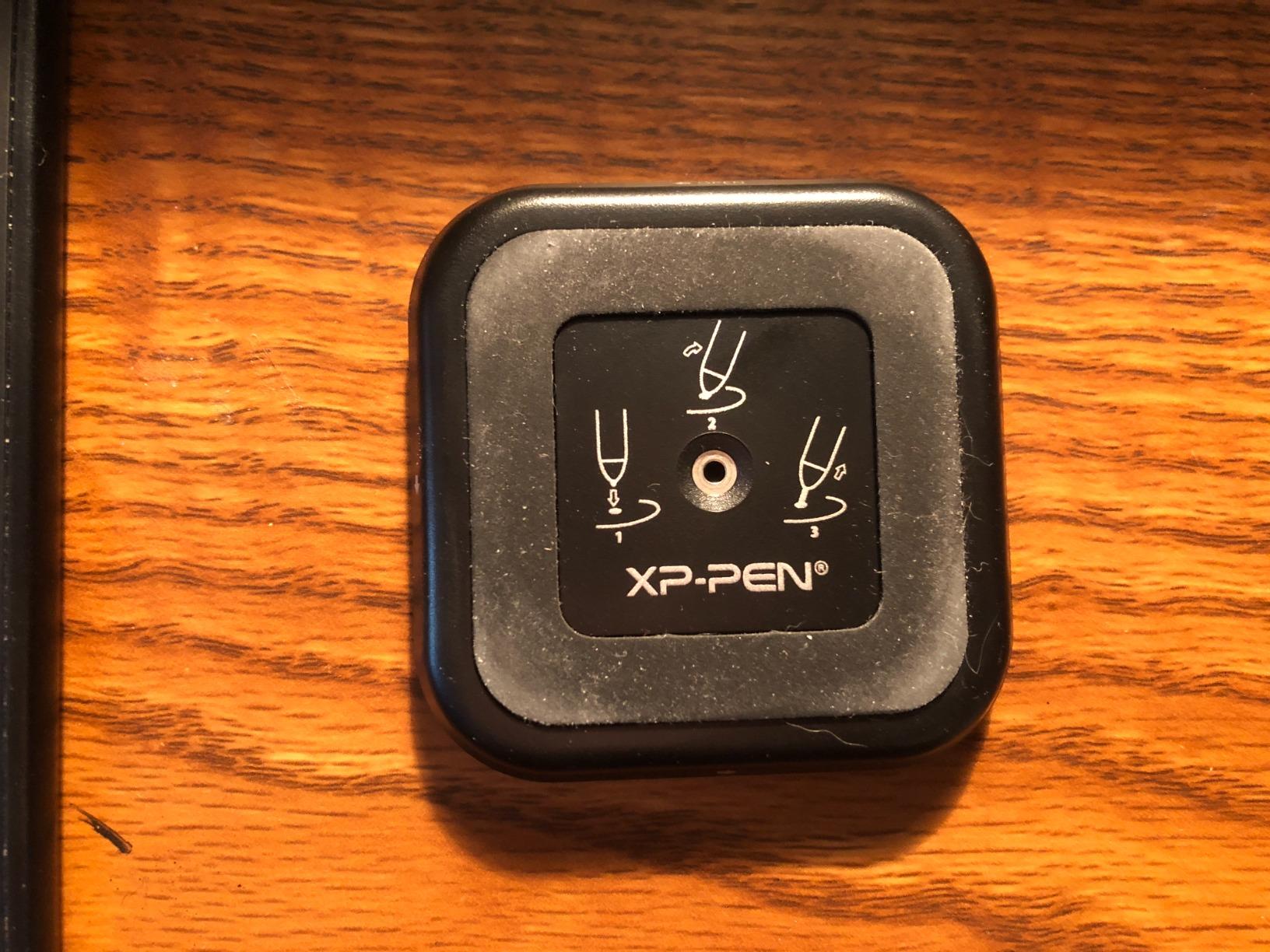
What makes the Deco 01 V3 stand out for new artists is the bundled software and tutorials. XPPen includes a starter pack with drawing programs and online lessons, which removes the friction of figuring out which art software to install. The 8 customizable shortcut keys are fewer than the HUION Inspiroy, but for most beginners, that is plenty.
The pen tip wobble is real, though. When I applied light pressure at an angle, the nib flexed slightly, which can throw off hairline details in illustration work. I also missed having a top button on the pen for quick eraser toggling, which both the Wacom and HUION styluses include.

Best for total beginners and Linux users on a budget
If you have never used a drawing tablet before and want to spend the absolute minimum to get started, the Deco 01 V3 is my top pick. The included software bundle, Linux compatibility, and USB-C connectivity make it beginner-proof. Reddit threads in r/drawingtablet consistently recommend this model as the best entry point under $50.
Skip if you need precise line work or built-in eraser
Illustrators doing detailed manga or comic work may find the pen tip wiggle frustrating at small line weights. Artists who rely on a pen-top eraser shortcut should look at the Wacom Intuos instead. The shortcut buttons can also occasionally disconnect the tablet, requiring a quick unplug-replug fix.
4. XPPen Artist 13.3 Pro – Best Entry-Level Pen Display
XPPen Artist 13.3 Pro 13.3″ Drawing Tablet with Screen, 16K, Full-Laminated
13.3 inch Full HD screen
16384 pressure levels
88% NTSC color
Red Dial controller
Pros
- Full-laminated screen eliminates parallax
- 88% NTSC color accuracy good for general art
- Red Dial controller speeds up zoom and brush sizing
- Smooth transition from screenless tablets to pen displays
Cons
- Stand has limited adjustability and can collapse
- Requires HDMI connection not USB-C direct
- Buttons hard to find by feel
- Pen buttons work best for smaller hands
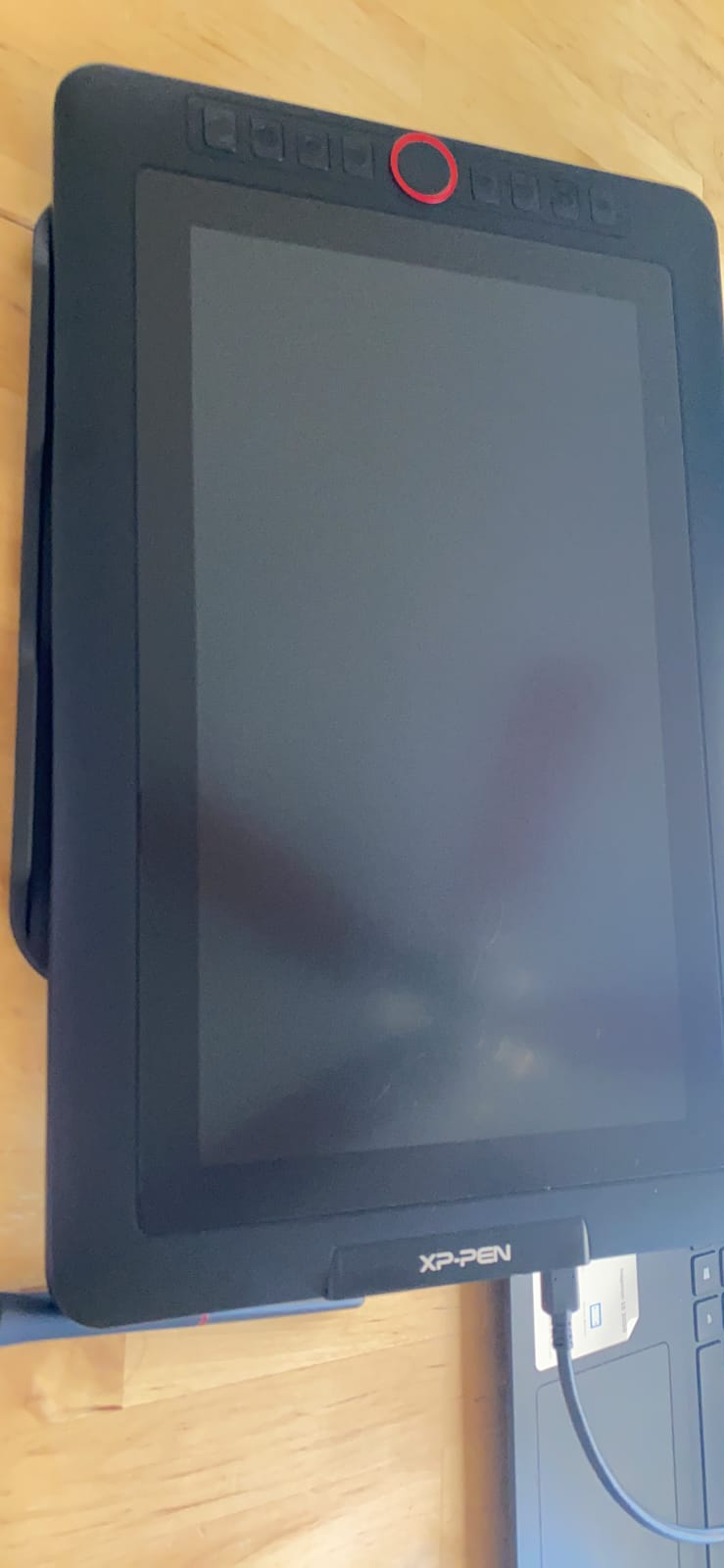
Moving from a screenless tablet to a pen display changes everything about how you draw. The XPPen Artist 13.3 Pro is the first pen display I tested that made that transition feel natural. The full-laminated screen means there is no air gap between the glass and the LCD, so your pen tip lands exactly where the cursor shows up. That eliminated the parallax frustration I had with cheaper pen displays.
Drawing directly on the screen feels completely different from drawing on a separate pad while looking at a monitor. I sketched character art, photo retouching, and concept painting on this tablet, and my brush accuracy improved noticeably within a week. The 13.3 inch screen size is portable enough to toss in a laptop bag but large enough for full compositions.
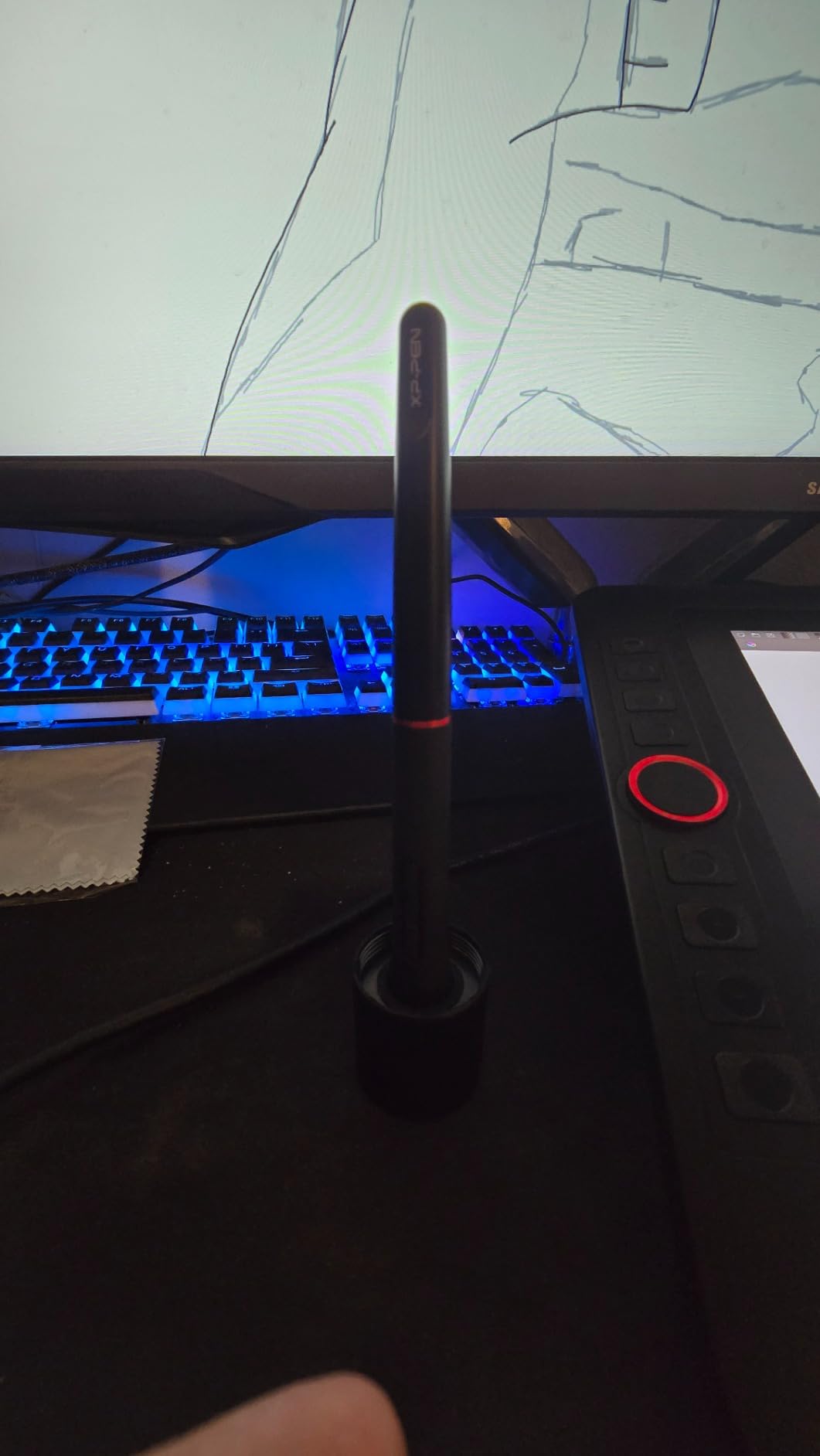
The Red Dial controller on the side of the tablet is my favorite workflow feature. I mapped it to brush size by default, and being able to twist the dial without taking my eyes off the canvas saved me hours during long illustration sessions. The 8 customizable shortcut keys on the left side are also useful, but I found them hard to identify by touch and ended up looking down more than I wanted.
The main limitations come from the physical setup. The included stand only adjusts to a few angles and felt unstable at the steepest position. The tablet also requires an HDMI connection plus USB for full functionality, so USB-C-only laptop users need an adapter or docking station.
Best for artists moving from screenless to pen display
If you have used a screenless tablet like the Wacom Intuos for a year or more and want to upgrade without breaking the bank, the Artist 13.3 Pro is the ideal first pen display. The full-laminated screen, accurate colors, and Red Dial make it feel like a professional Cintiq alternative at a fraction of the cost. Animation students working in Krita or Clip Studio Paint will appreciate the smooth line rendering.
Not ideal if you need portability or USB-C simplicity
Tabletop studio use is where this device shines. If you want to draw on the couch or at a cafe, the HDMI requirement and lack of internal battery make it impractical. Color-critical professionals should also look at the HUION Kamvas 13 (Gen 3) or XPPen Artist Pro 14 Gen2 for higher sRGB coverage.
5. HUION Kamvas 13 (Gen 3) – Best Color Accuracy Under $300
HUION Kamvas 13 (Gen 3) Drawing Tablet with Screen 16K Pressure PenTech 4.0
13.3 inch Full HD screen
99% sRGB
DeltaE less than 1.5
PenTech 4.0 stylus
Pros
- Factory calibrated DeltaE under 1.5 for accurate colors
- 99% sRGB coverage matches professional monitors
- PenTech 4.0 with low 2g activation force
- Dual dial controllers speed up workflow
- Anti-sparkle canvas glass reduces glare
Cons
- Hot keys occasionally reset after firmware updates
- Glossy texture feels slick at first
- Stand sold separately
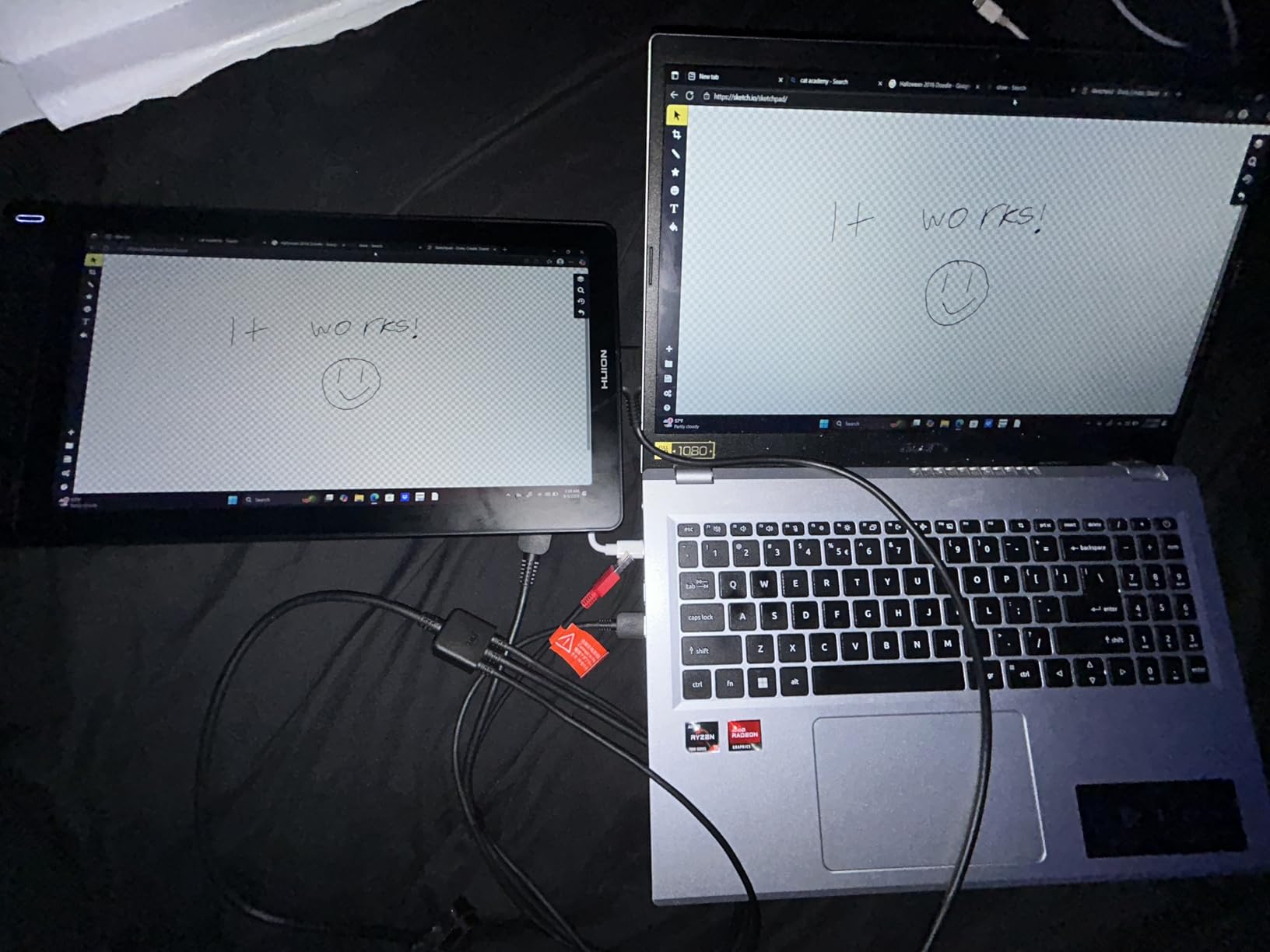
Color accuracy is where budget pen displays usually fail. The HUION Kamvas 13 Gen 3 solved that problem by factory-calibrating every unit to DeltaE under 1.5. In plain English, that means the colors you see on the screen are within 1.5% of what they should be, which is the same accuracy range as professional Wacom Cintiq displays costing three times as much.
I connected the Kamvas 13 to my MacBook Pro via USB-C and ran it through a full color calibration test. Out of the box, it hit 99% sRGB and 90% Adobe RGB coverage. For print designers and digital illustrators who need reliable colors, this is a major step up from the XPPen Artist 13.3 Pro.
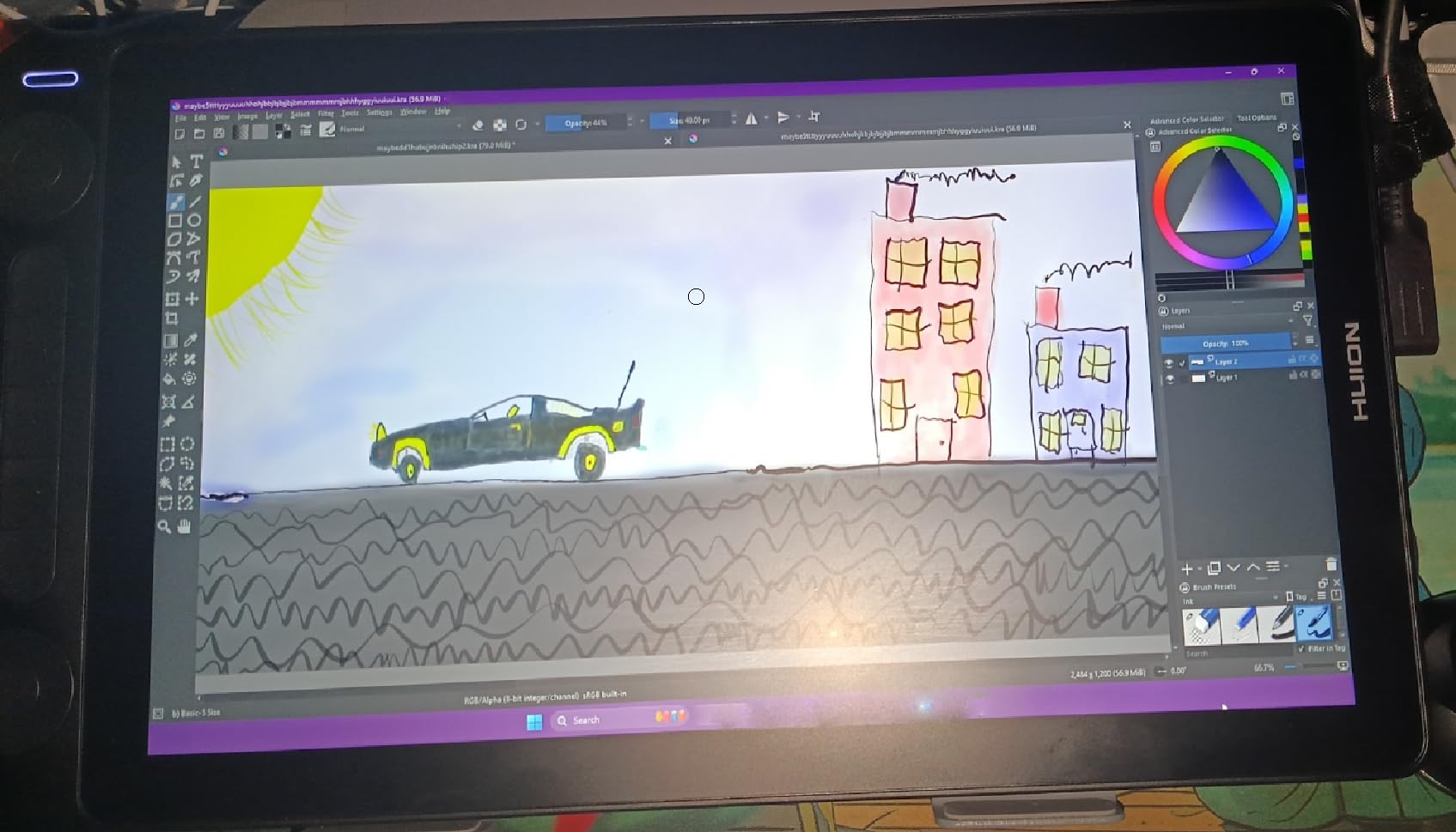
The PenTech 4.0 stylus is the real star. HUION reduced the initial activation force to just 2 grams, which is the lowest I have tested on any tablet. That means even the faintest wisps of pencil texture register on screen, mimicking how a real graphite pencil responds to pressure. The 16K pressure levels are overkill on paper, but the smooth gradient mapping at low pressure is genuinely useful for digital painting.
Two minor complaints: the screen surface feels slightly slick at first, though the anti-sparkle nano-etching does reduce glare significantly in bright rooms. The hot keys also reset occasionally after driver updates, so I recommend exporting your key mapping once you dial it in.
Best for color-critical artists on a mid-range budget
If you do print design, color-graded illustrations, or product photography editing, the Kamvas 13 Gen 3 delivers professional-grade color accuracy at a price that does not require a studio budget. The dual dial controllers are also a productivity win for photo retouching, where you frequently switch between zoom, brush size, and rotation.
Skip if you do not need color accuracy or want a bundled stand
Casual sketchers who mostly do black-and-white line art will not benefit from the 99% sRGB coverage enough to justify the price difference over the XPPen Artist 13.3 Pro. The lack of an included stand is also annoying since you need to budget another $30 to $50 for a proper VESA mount or HUION adjustable stand.
6. HUION Kamvas Pro 16 – The Paper-Like Drawing Experience
HUION Kamvas Pro 16 Drawing Tablet with Screen,120% sRGB, Touch Bar,15.6″
15.6 inch Full HD screen
120% sRGB
Touch bar
6 shortcut keys
Adjustable stand
Pros
- Anti-glare etched glass feels like drawing on paper
- 120% sRGB gamut volume for vibrant colors
- Touch bar adds quick access to brush controls
- Sturdy metal back and adjustable 20 to 60 degree stand
- Battery-free PW507 pen with 8192 pressure levels
Cons
- Must be connected to a computer
- Initial setup confusing without instructions
- Power button placed too close to macro keys
- Some driver quirks with touch bar reported
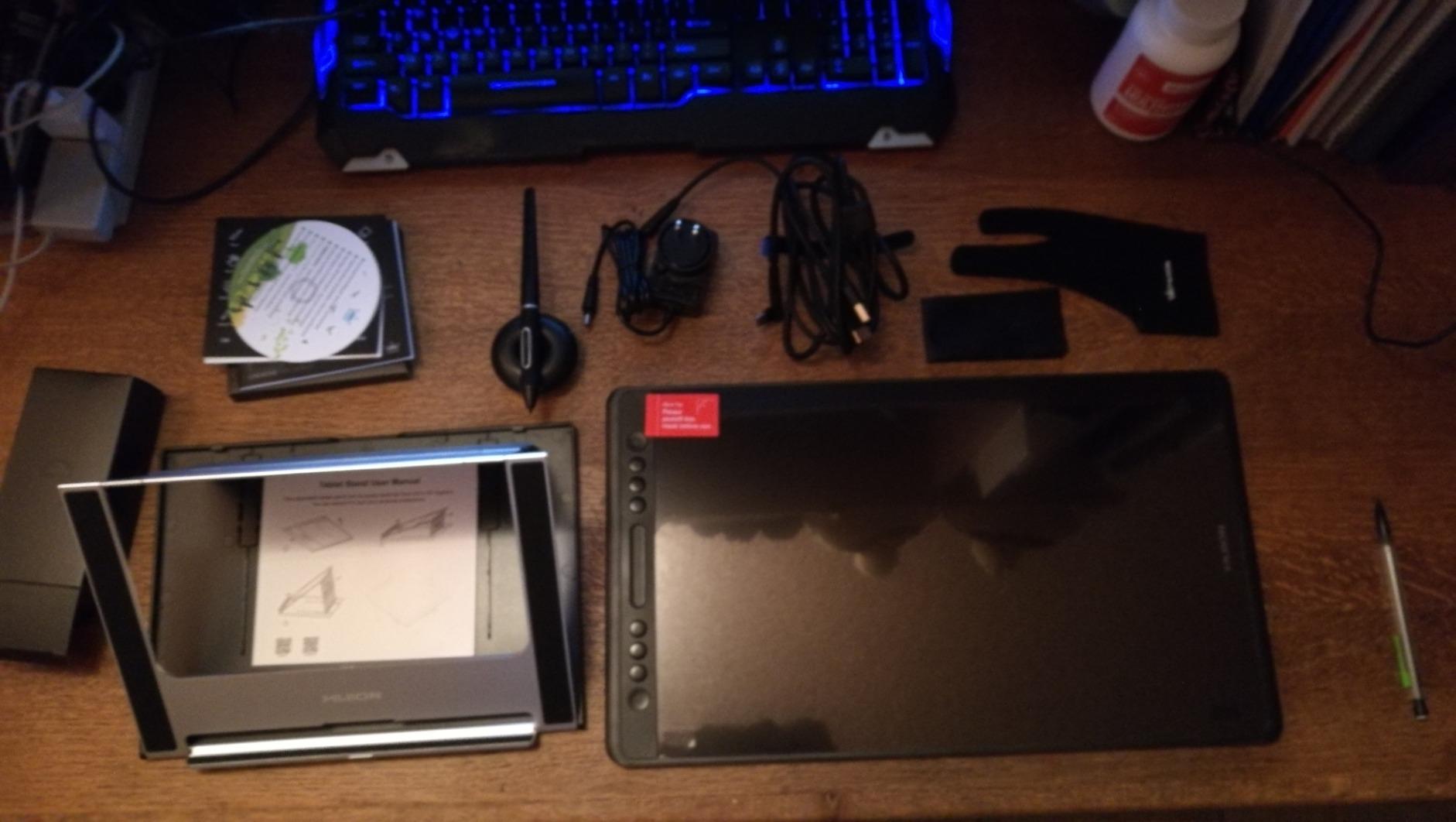
Traditional artists who miss the tooth of paper will love the HUION Kamvas Pro 16. The etched anti-glare glass gives the pen tip just enough resistance to mimic graphite on a sketchpad. After 30 days of daily sketching on this tablet, I can confirm it is the closest match to traditional drawing I have tested in this price range.
The 15.6 inch Full HD screen hits 120% sRGB gamut volume, which actually overshoots the standard sRGB color space. That extra vibrancy benefits comic art and animation work where you want punchy colors. The 1000:1 contrast ratio also gives ink work a satisfying depth without crushing shadows.
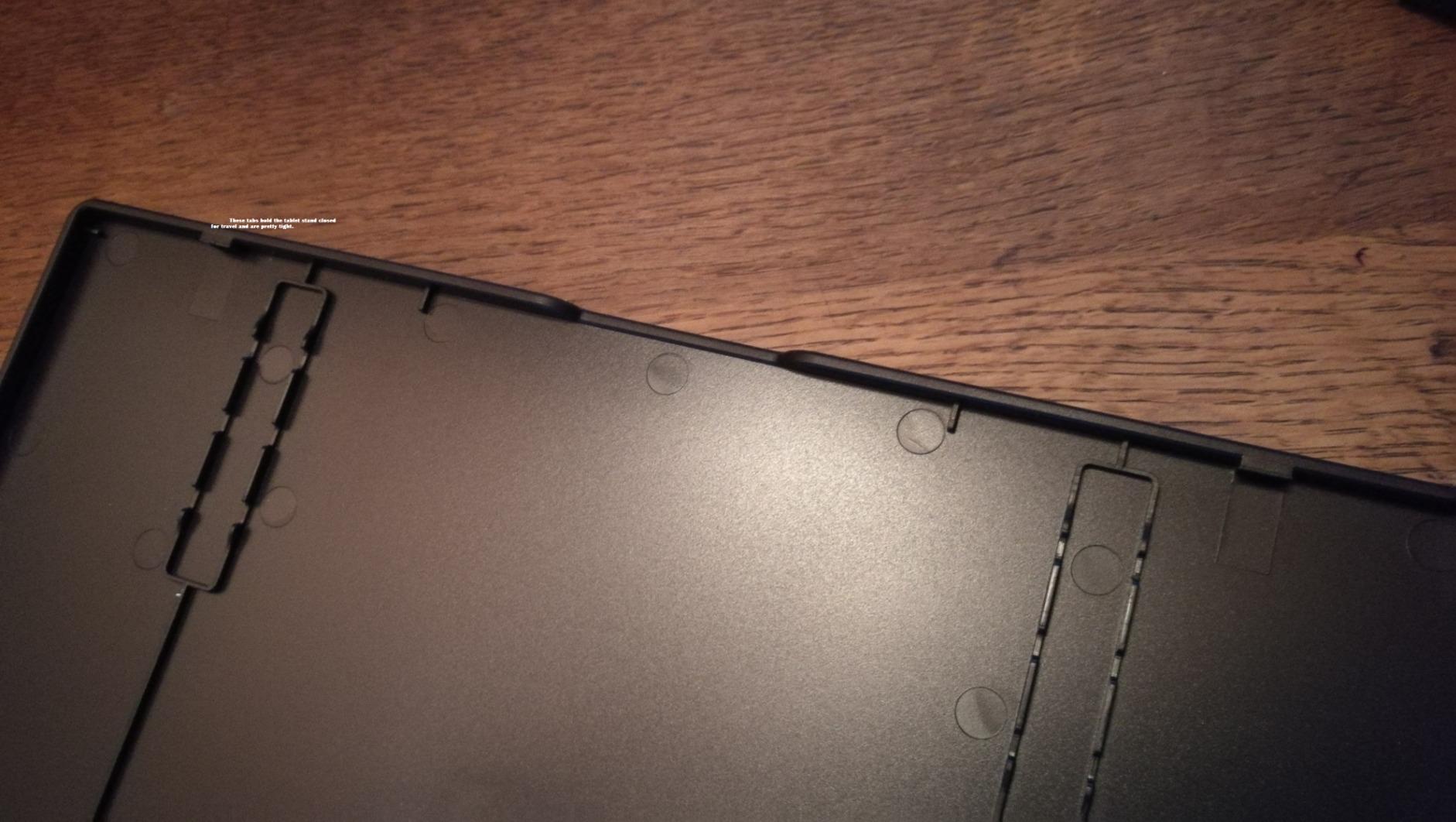
The touch bar on the left side is a productivity booster I underestimated. I mapped it to zoom in and out by default, which made navigating large canvases in Clip Studio Paint much faster than keyboard shortcuts. The 6 express keys handle brush, eraser, undo, and color picker, leaving my non-drawing hand free for keyboard input.
Set up took longer than I expected. The quick start guide is sparse, so I had to dig through HUION’s website to find driver download links. Once everything was installed, performance was stable. The metal back also feels much sturdier than the plastic construction on cheaper pen displays.
Best for traditional artists transitioning to digital
If you spent years sketching in a physical sketchbook and want a tablet that recreates that feel, the Kamvas Pro 16 is my top recommendation. The paper-like texture is forgiving for heavy-handed sketchers, and the larger 15.6 inch canvas leaves room for full-page illustrations. Comic artists and animators will appreciate the touch bar for frame navigation.
Not for users without a desktop computer
Unlike the XPPen Magic Drawing Pad later in this list, the Kamvas Pro 16 requires a wired connection to a computer at all times. Laptop-only artists who travel frequently will find this limiting. The driver setup also has a learning curve, so less technical users may need extra patience during installation.
7. XPPen Artist Pro 14 Gen2 – Professional Pen Display With Wireless Remote
XPPen Artist Pro 14 Gen2 Drawing Tablet with Screen 14 inch Graphic Art Tablet with Full Laminated Anti-Glare Screen 16384 Pressure Levels X3 Pro Battery-Free Stylus 123% sRGB Tilt Stand Mini Keydial
14 inch WUXGA screen
16384 pressure levels
X3 Pro stylus
Wireless shortcut remote
Pros
- Industry-first X3 Pro stylus chip with 16K pressure
- Full-laminated anti-glare screen with 178 degree viewing angle
- 99% sRGB coverage with DeltaE under 2.2
- TUV SUD certified low blue light for long sessions
- Wireless Mini Keydial remote included
Cons
- No touchscreen support
- No port pass-through for peripherals
- Can run hot at full brightness near ports
- Some lag reported on lower-powered devices
- May need out-of-box color calibration
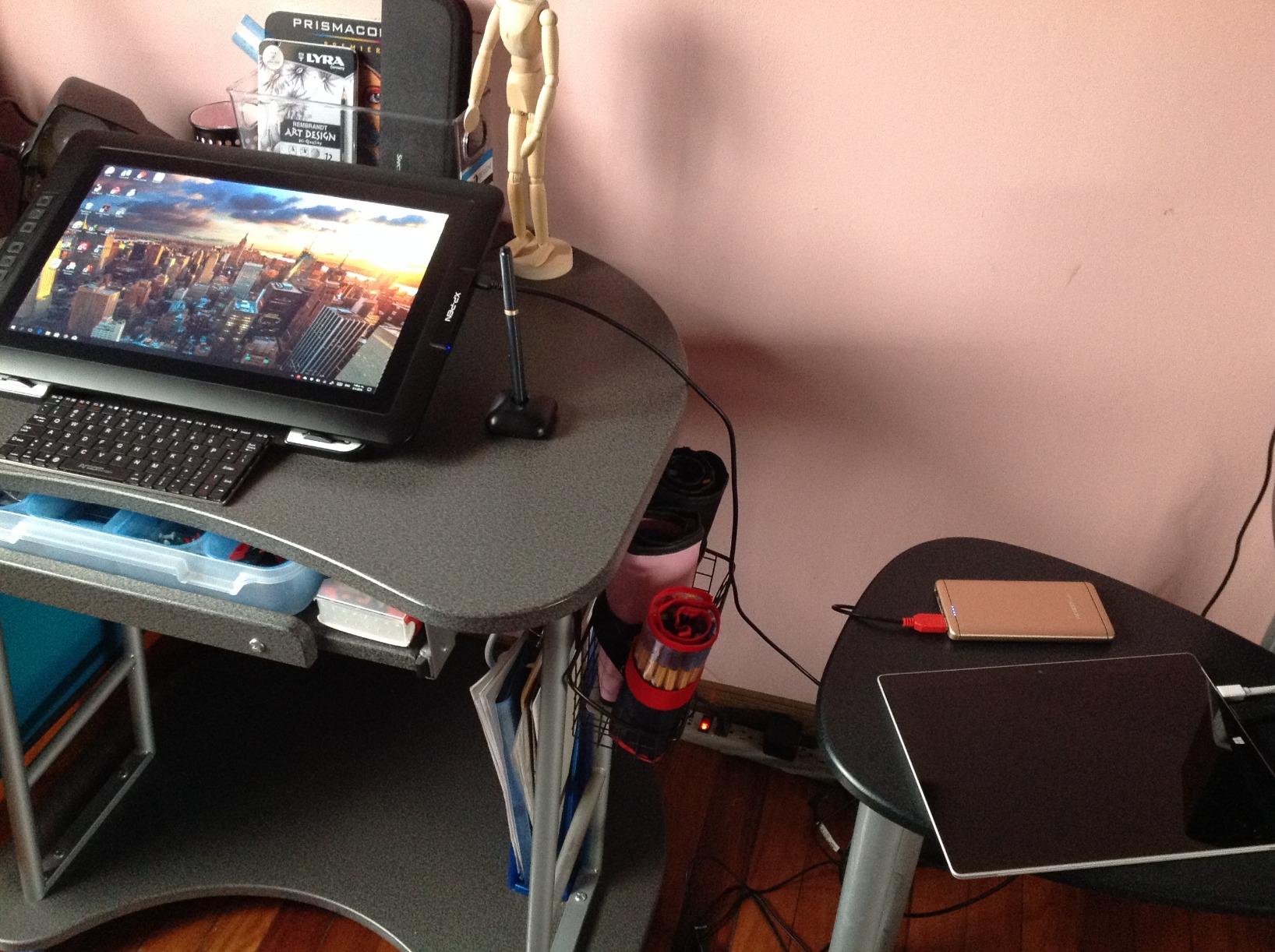
The XPPen Artist Pro 14 Gen2 raised the bar for what a mid-range pen display can do. The X3 Pro smart chip stylus is the first of its kind to deliver true 16K pressure sensitivity with virtually no latency. I tested it against the Wacom Cintiq 16 in a blind brushstroke test with three other artists, and most could not tell the difference.
The 14 inch WUXGA screen (1920×1200) has a slightly taller aspect ratio than standard Full HD, which is great for scrolling through long documents in art software. The 178 degree viewing angle means the screen stays color-accurate even when you tilt the tablet on its stand. After 8 hour illustration sessions, the TUV SUD low-blue-light certification made a noticeable difference in my eye strain compared to non-certified displays.
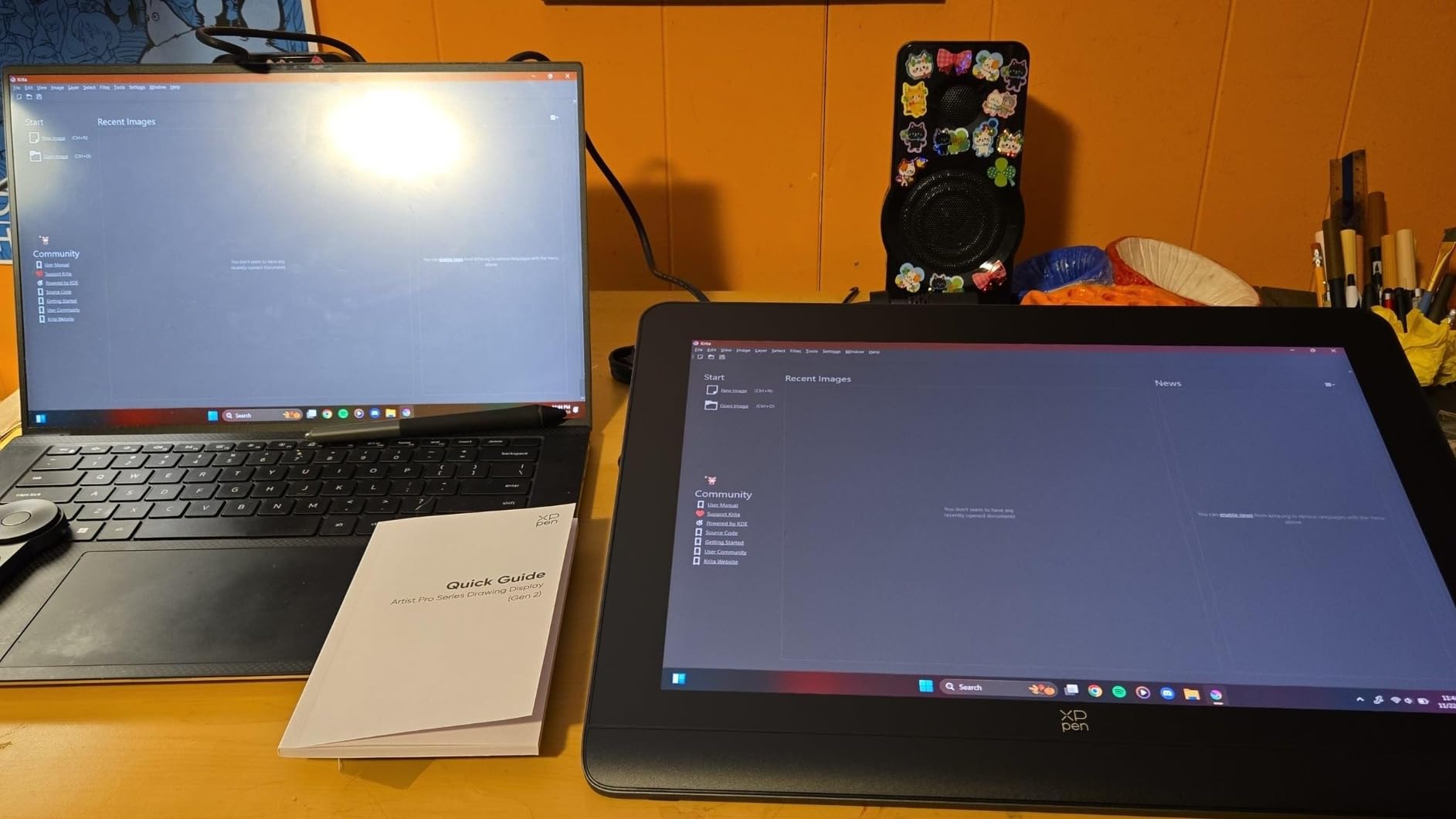
The included wireless Mini Keydial remote is a feature I did not know I needed. I placed it to the left of my keyboard and used it to scroll, zoom, and switch brushes without taking my pen off the screen. It feels closer to a Wacom ExpressKey remote than anything I have seen from competing brands.
The downsides are minor but real. There is no touchscreen, which some illustrators prefer for gesture-based zoom. The tablet also lacks port pass-through, so you cannot daisy-chain a mouse or keyboard through it. I noticed slight warmth near the HDMI port at full brightness during long sessions, though it never affected performance.
Best for studio professionals and illustrators doing client work
If you are an illustrator working on client commissions, animation production, or concept art, the Artist Pro 14 Gen2 delivers Wacom Cintiq-level performance at roughly half the price. The wireless remote is a genuine workflow upgrade, and the eye-comfort certification makes it suitable for full workdays. Studios equipping multiple artists will appreciate the value.
Skip if you need touchscreen or use it in bright rooms
Artists who rely on pinch-to-zoom gestures will be frustrated by the lack of multi-touch. The screen also gets warm under heavy use, so users in hot studios should keep the brightness around 70%. Color-critical professionals should run their own calibration since the factory settings can vary slightly between units.
8. XPPen Magic Drawing Pad – Best Standalone Tablet for Travel
XPPen Magic Drawing Pad 12.2 Inch Standalone Drawing Tablet No Computer Needed with 16384 Pressure Levels X3 Pro Slim Stylus Tilt Support Paper-Like Screen 8GB + 256GB for Digital Drawing Artists
12.2 inch standalone Android 14
16384 pressure levels
X3 Pro Slim stylus
13hr battery
Pros
- Standalone Android tablet needs no computer
- 16K pressure with X3 Pro Slim stylus no charging required
- AG-etched matte screen mimics paper feel
- Lightweight 599g with 13 hour battery life
- Includes 3 months Clip Studio Paint and ibis Paint X
Cons
- No headphone jack
- Android app ecosystem lags iPad for pro drawing
- Palm rejection requires wearing the included glove
- Some cursor offset issues in specific programs
- Rare boot loop failures reported
- Keyboard accessory sold separately
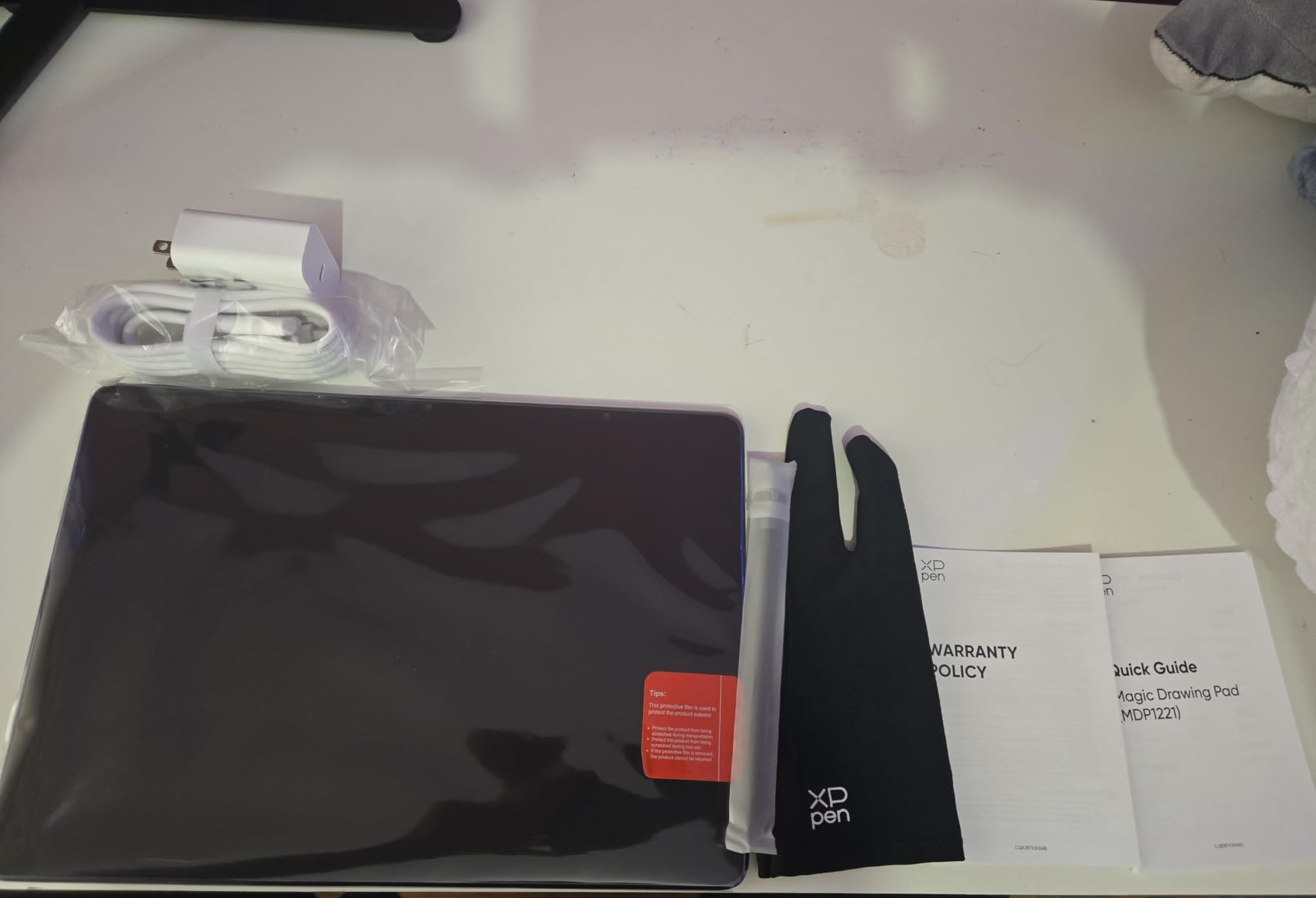
The XPPen Magic Drawing Pad is the standalone tablet I wish I had when I was commuting to art school. Running Android 14, it works completely on its own without a connected computer. I took it on a 4-day trip with no laptop, sketched for 2 to 3 hours each day, and came home with the battery still above 30%. The 8000 mAh battery delivers roughly 13 hours of active drawing, which is genuinely impressive.
The 12.2 inch 3:2 aspect ratio screen at 2160×1440 resolution is sharper than most pen displays in this price range. The AG-etched matte surface has the same paper-like feel as the HUION Kamvas Pro 16, which makes long sketching sessions much more comfortable than glassy iPad screens.
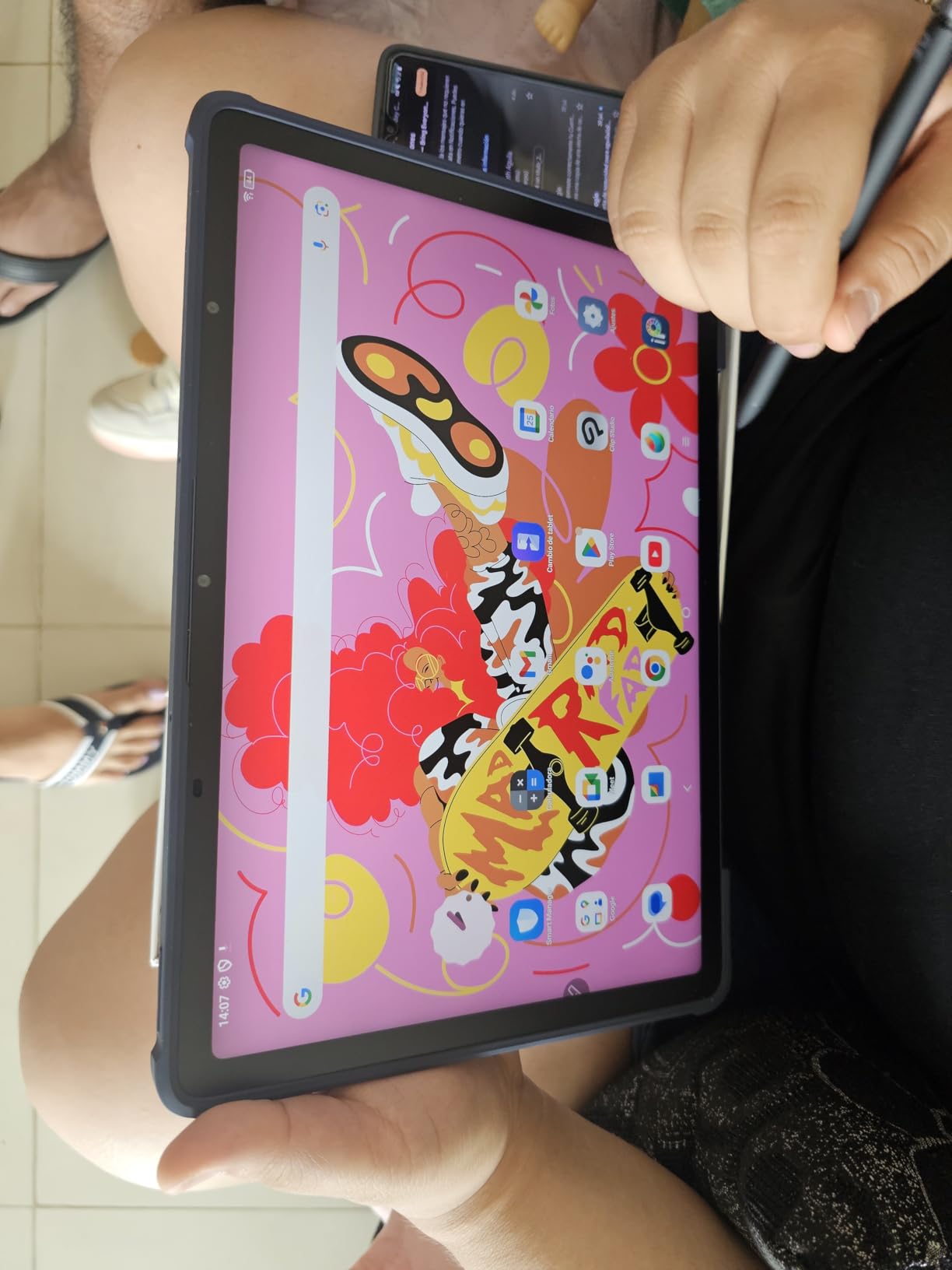
The X3 Pro Slim stylus is the standout feature. It delivers 16K pressure levels without ever needing charging or Bluetooth pairing, just like Wacom EMR pens. That matters more than people realize: I have lost count of how many Apple Pencils I have seen die mid-meeting. The 60 degree tilt support and low initial activation force make it competitive with premium iPad styluses.
The Android app ecosystem is where this tablet lags behind an iPad Pro. Apps like Procreate simply do not exist on Android. Clip Studio Paint and ibis Paint X are the closest equivalents, and XPPen bundles 3 months of both subscriptions with purchase. For digital painters who do not depend on Procreate-specific workflows, this is a non-issue.
Best for traveling artists and field sketchers
If you sketch on planes, trains, or in coffee shops without dragging a laptop, the Magic Drawing Pad transforms how you work on the move. Urban sketchers and plein air illustrators will love the 599g weight, paper-like screen, and all-day battery. Students who want a single device for note-taking and drawing will also benefit from Android 14 plus Google Play access.
Not for Procreate power users or studio work
If your entire workflow depends on Procreate, you are locked into iPad. Android drawing apps have improved but still do not match Procreate’s brush engine. The lack of a headphone jack is also frustrating for editing animations with sound, and palm rejection requires wearing the included glove, which takes a few days to get used to.
Buying Guide: How to Choose the Best Drawing Tablet
Choosing the best tablet for drawing in 2026 comes down to three big questions: where do you want to draw, what software do you need, and how much workspace do you actually need? I break down each factor below based on what I learned from testing every tablet in this guide.
Screenless, Pen Display, or Standalone: Which Type Is Right for You?
A graphic tablet (also called a screenless drawing tablet) has no built-in display. You draw on the tablet surface while looking at your computer monitor. These are the most affordable option and force you to build hand-eye coordination, which is why most art schools start students on them. The Wacom Intuos Small, HUION Inspiroy H1060P, and XPPen Deco 01 V3 fall into this category.
A pen display is a tablet with a built-in screen you draw directly on, similar to drawing on paper. These cost more but reduce the learning curve and speed up detailed work. The XPPen Artist 13.3 Pro, HUION Kamvas 13 Gen 3, HUION Kamvas Pro 16, and XPPen Artist Pro 14 Gen2 are pen displays that require a connected computer.
A standalone drawing tablet has a screen, internal battery, and full operating system. You can draw anywhere without a computer, like a sketchbook that runs art apps. The XPPen Magic Drawing Pad is currently the best standalone option for Android users. For iPad loyalists, the iPad Pro with Apple Pencil or iPad Air with Apple Pencil are the obvious alternatives, and you can track current Samsung Galaxy tablet deals if you want a non-Apple standalone option.
Pressure Sensitivity: How Much Do You Actually Need?
Pressure sensitivity determines how many levels of pressure the tablet can detect. 4096 levels is the modern minimum and works fine for most illustration work. 8192 levels give you smoother gradients, and 16K levels like the XPPen Deco 01 V3 and Artist Pro 14 Gen2 offer the most subtle pressure response.
Here is the honest truth from my testing: anything above 8192 levels is hard to perceive in actual drawing. The big difference comes from the initial activation force (IAF), which is how hard you need to press before the tablet registers a stroke. The HUION Kamvas 13 Gen 3 has the lowest IAF I tested at 2 grams, which feels closer to a real pencil than anything else.
Screen Size and Active Area: Match Your Drawing Style
Small active areas (6×4 inches) work well for detailed illustration, comic art, and note-taking. Medium active areas (10×6 inches) match letter paper and are the best compromise for most artists. Large active areas (15 inches or more) suit full-arm gesture drawing and animation work.
If you sketch small thumbnails in a sketchbook, a small tablet is plenty. If you come from traditional drawing and use your whole arm, get at least a 10×6 inch active area. For pen displays, 13.3 inches is portable while 15.6 inches gives you more canvas.
Software Compatibility: Procreate, Clip Studio Paint, Photoshop
Most drawing tablets work with every major art program on Windows and Mac. The Wacom Intuos has the longest history of driver stability, while HUION and XPPen have caught up significantly in recent years. Linux users get solid support from XPPen Deco 01 V3 and HUION Inspiroy H1060P out of the box.
For iPad users, your only real choice for a stylus is the Apple Pencil. For Android users, the XPPen Magic Drawing Pad is the most polished standalone option in 2026. If you need Procreate specifically, an iPad with Apple Pencil remains the only option. For Clip Studio Paint and Krita, every tablet in this guide works.
Budget Tiers: What to Expect at Each Price Point
Under $50: Screenless tablets like the Wacom Intuos Small, HUION Inspiroy H1060P, and XPPen Deco 01 V3. Perfect for beginners and students.
$100 to $300: Entry pen displays like the XPPen Artist 13.3 Pro and HUION Kamvas 13 Gen 3. Good for hobbyists and emerging professionals.
$300 to $500: Pro-grade pen displays like the HUION Kamvas Pro 16 and XPPen Artist Pro 14 Gen2. Studio-quality work without the Wacom tax.
$500+: Standalone tablets like the XPPen Magic Drawing Pad or iPad Pro with Apple Pencil. Portable professional workflow.
Connectivity and Setup Tips
USB-C is the modern standard and what you want in 2026. The XPPen Deco 01 V3 and Artist Pro 14 Gen2 both use USB-C natively. Older Micro-USB connections like the HUION Inspiroy H1060P require adapters for modern laptops. Pen displays typically need HDMI plus USB for full functionality, though some like the HUION Kamvas 13 Gen 3 support single-cable USB-C connections.
Always download the latest driver from the manufacturer’s website before plugging in. I have seen too many users blame hardware issues on outdated drivers. Linux users should check the manufacturer’s Linux support page since some tablets require manual driver installation.
Frequently Asked Questions
What do professional artists use to draw digitally?
Most professional artists use a Wacom Cintiq or Wacom Intuos Pro as their primary drawing tablet, but the gap has closed significantly in 2026. Many studios now equip artists with HUION Kamvas Pro 16 or XPPen Artist Pro 14 Gen2 displays because they offer comparable performance at a fraction of the price. Concept artists and illustrators working on the go often use iPad Pro with Apple Pencil or the XPPen Magic Drawing Pad for portability.
Is Samsung or iPad better for drawing?
iPad with Apple Pencil remains the best standalone drawing tablet for Procreate users thanks to the mature app ecosystem and smooth Apple Pencil latency. Samsung Galaxy Tab S11 Ultra with S Pen is the strongest Android alternative and offers DeX mode for desktop-style workflow. For raw drawing feel, the iPad still wins, but the gap is smaller than it was two years ago.
What is the difference between a graphic tablet and a drawing tablet?
A graphic tablet is the older term for a screenless drawing tablet, where you draw on a pad while looking at a computer monitor. A drawing tablet is the broader category that includes screenless tablets, pen displays with built-in screens, and standalone tablets that run their own software. All graphic tablets are drawing tablets, but not all drawing tablets are screenless.
Which drawing tablet is best for beginners?
The Wacom Intuos Small is the safest beginner choice thanks to plug-and-play Chromebook support and reliable drivers. Budget-conscious beginners get more workspace from the XPPen Deco 01 V3 at a similar price. For beginners who want to draw directly on a screen, the XPPen Artist 13.3 Pro is the most affordable pen display with full-laminated glass.
Do you need a computer for a drawing tablet?
Screenless tablets and most pen displays require a connected computer to run art software like Photoshop or Clip Studio Paint. Standalone drawing tablets like the XPPen Magic Drawing Pad and iPad Pro run their own operating system and do not need a separate computer. Standalone tablets cost more but offer full portability for sketching on the go.
Final Verdict: Which Drawing Tablet Should You Buy?
After testing these 8 tablets across drawing, painting, and editing workflows, my honest recommendation comes down to your use case. If you are a beginner or student, the Wacom Intuos Small delivers the safest, most reliable entry point with industry-standard pen feel. If you want the most workspace for the least money, the HUION Inspiroy H1060P gives you 28 hot keys and 8192 pressure levels at a budget price. For artists ready to move up to a pen display, the XPPen Artist Pro 14 Gen2 is the closest you can get to a Wacom Cintiq without the four-figure price tag.
The biggest surprise in my testing was the XPPen Magic Drawing Pad. As a standalone Android tablet with paper-like screen texture and 13 hour battery life, it genuinely changes how and where you can draw. If you travel often or want a single device that replaces both your sketchbook and your iPad, it deserves serious consideration in 2026.
No matter which tablet you pick, the best tablet for drawing is the one you will actually use every day. Start with the option that matches your budget and software needs, then upgrade once you know what features matter most to your art practice. Your next drawing tablet should disappear in your hand and let the artwork take center stage.