
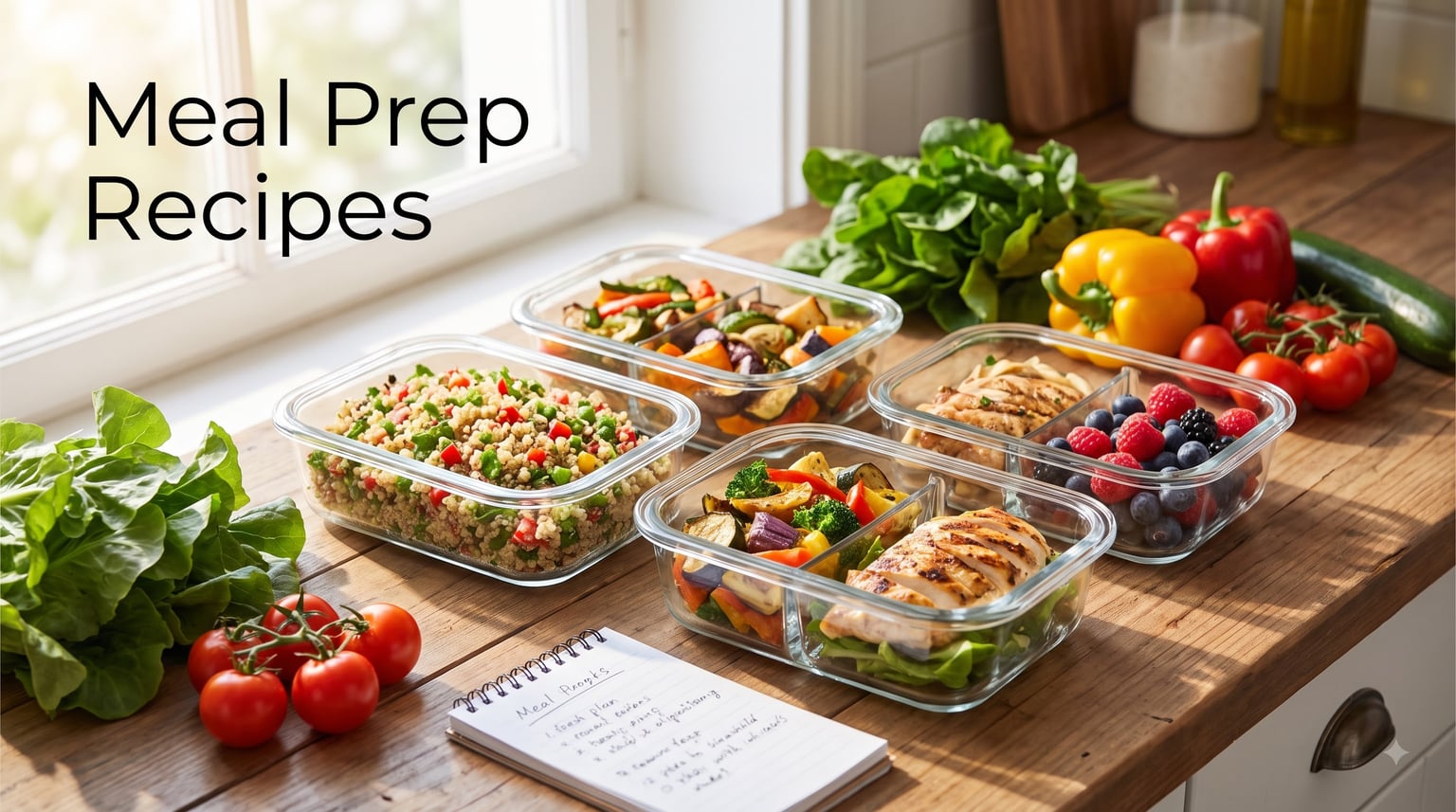
I have been meal prepping for over six years, and I can tell you that finding the right meal prep recipes changed everything about how I eat during the week. Gone are the days of staring into the fridge at 7 PM with no plan.
Meal prep recipes are dishes specifically designed to be cooked in advance, portioned into containers, and stored for quick meals throughout the week. They use ingredients that hold their texture and flavor after refrigerating or reheating, making them perfect for batch cooking.
In this guide, I will walk you through everything from beginner basics to advanced strategies, with over 20 tested recipes across breakfast, lunch, dinner, and snacks. If you want inspiration beyond what is here, check out our full recipe collection for meal prep ideas.
You will also find storage tips, cost breakdowns per serving, macro information, dietary modifications, and the common mistakes I see beginners make so you can avoid them. Let’s get into it.
Table of Contents
Why Meal Prep Recipes Are Worth It?
Meal prep recipes save you time, money, and stress during busy weeks. I used to spend $80 a week on takeout lunches alone before I started prepping my meals on Sundays.
When you cook in batches, you buy ingredients in larger quantities, which lowers your cost per serving. Most of the recipes in this guide cost between $3 and $6 per serving, compared to $12 to $20 at a restaurant.
Meal prepping also helps you eat more consistently. When healthy food is already cooked and waiting in the fridge, you are far less likely to grab fast food or skip meals.
Here are the biggest benefits our team and community members report after switching to weekly meal prep:
Save 5 to 8 hours per week on cooking and cleanup
Reduce food waste by using all ingredients you buy
Hit nutrition and macro goals more consistently
Spend less money on takeout and impulse food purchases
Reduce decision fatigue around what to eat each day
If you love comfort food classics, many classic comfort food recipes freeze and reheat beautifully for meal prep.
Meal Prep Basics: How to Start
Starting meal prep is simpler than most people think. You do not need fancy equipment or an entire free day to make it work.
The key is starting small with just two or three recipes, then expanding as you get comfortable with the process. Here is the exact step-by-step method I recommend for beginners.
Step 1: Pick Your Recipes
Choose two to three recipes for your first week. Pick one protein-focused meal, one grain or bowl-based meal, and one breakfast option. This gives you variety without overwhelming your prep session.
Step 2: Make a Shopping List
Write down every ingredient you need and check your pantry before heading to the store. This prevents buying duplicates and keeps your grocery bill under control.
Step 3: Set Aside Prep Time
Block off two to three hours on Sunday (or whatever day works for you). I prep on Sunday mornings because my kitchen is clean and I have fewer distractions.
Step 4: Cook Proteins and Grains First
Start by cooking your proteins (chicken, ground beef, tofu) and grains (rice, quinoa, pasta) since they take the longest. While those cook, you can chop vegetables and prepare sauces.
Step 5: Portion and Store
Divide everything into individual containers once it cools to room temperature. Label each container with the date so you know when to eat it by.
Best Meal Prep Recipes for Breakfast
Breakfast is the easiest meal to prep because so many recipes store well for four to five days. Here are five breakfast meal prep recipes I rotate through regularly.
1. Overnight Oats (Prep Time: 10 Minutes)
Combine half a cup of rolled oats, half a cup of milk (dairy or plant-based), one tablespoon of chia seeds, and a drizzle of honey in a jar. Add fruit and nuts in the morning.
Macros per serving: 320 calories, 12g protein, 52g carbs, 7g fat. Store for up to 5 days in the fridge. Vegan and gluten-free friendly.
I make five jars on Sunday and grab one each morning. The oats absorb the liquid overnight and taste like dessert.
2. Egg Muffin Cups (Prep Time: 15 Minutes, Cook Time: 20 Minutes)
Whisk 12 eggs with diced bell peppers, spinach, cheese, and a pinch of salt. Pour into a greased muffin tin and bake at 350 degrees F for 20 minutes.
Macros per muffin: 85 calories, 7g protein, 2g carbs, 6g fat. Store for 4 days in the fridge or freeze for up to 2 months. Vegetarian, and you can swap cheese for dairy-free versions.
3. Greek Yogurt Parfait Jars (Prep Time: 5 Minutes)
Layer Greek yogurt with granola and berries in a mason jar. Keep the granola separate until eating to prevent sogginess.
Macros per serving: 280 calories, 22g protein, 35g carbs, 6g fat. Store for 4 days. Gluten-free if you use certified GF granola.
4. Breakfast Burritos (Prep Time: 20 Minutes, Cook Time: 15 Minutes)
Scramble eggs with black beans, cheese, and salsa. Wrap in tortillas, then wrap each burrito in foil and freeze.
Macros per burrito: 340 calories, 18g protein, 38g carbs, 12g fat. Freeze for up to 3 months. Reheat in the microwave for 2 minutes or oven for 15 minutes at 350 degrees F.
5. Chia Pudding (Prep Time: 5 Minutes)
Mix 3 tablespoons of chia seeds with 1 cup of coconut milk and 1 tablespoon of maple syrup. Stir well and refrigerate overnight.
Macros per serving: 240 calories, 6g protein, 28g carbs, 12g fat. Store for 5 days. Naturally vegan and gluten-free.
Best Meal Prep Recipes for Lunch
Lunch is where meal prep shines the most. These seven recipes are designed to reheat well, travel easily, and keep you full through the afternoon.
1. Chicken Burrito Bowls (Prep Time: 15 Minutes, Cook Time: 25 Minutes)
Cook shredded chicken with taco seasoning, then layer with rice, black beans, corn, salsa, and cheese in containers.
Macros per serving: 520 calories, 38g protein, 55g carbs, 14g fat. Cost per serving: approximately $3.50. Store for 4 days in the fridge. Freeze without cheese and salsa for up to 2 months.
This is the most requested recipe in our household. It reheats perfectly and never gets soggy when you store wet and dry ingredients separately.
2. Mason Jar Salads (Prep Time: 15 Minutes)
Layer dressing at the bottom, then hearty vegetables, protein, greens, and nuts on top. Shake and eat when ready.
Macros per serving: 380 calories, 28g protein, 22g carbs, 18g fat. Store for 4 days. The layering trick keeps everything crisp.
3. Turkey Meatball Meal Prep (Prep Time: 20 Minutes, Cook Time: 25 Minutes)
Bake turkey meatballs and serve with quinoa and roasted vegetables. Drizzle with a simple tahini sauce.
Macros per serving: 460 calories, 34g protein, 42g carbs, 16g fat. Cost per serving: approximately $4.00. Store for 4 days or freeze for up to 3 months.
4. Honey Garlic Chicken with Broccoli (Prep Time: 10 Minutes, Cook Time: 20 Minutes)
Cook chicken breasts in a honey garlic sauce, then serve with steamed broccoli and brown rice.
Macros per serving: 490 calories, 40g protein, 48g carbs, 12g fat. Cost per serving: approximately $4.50. Store for 4 days. The sauce thickens nicely when reheated.
5. Mediterranean Quinoa Bowls (Prep Time: 15 Minutes, Cook Time: 20 Minutes)
Combine cooked quinoa with chickpeas, cherry tomatoes, cucumber, feta cheese, and tzatziki sauce.
Macros per serving: 430 calories, 18g protein, 52g carbs, 16g fat. Store for 4 days. Vegetarian and easily made vegan by swapping feta for a plant-based alternative. For more cold options, try these cold soup recipes that work great for meal prep.
6. Sheet Pan Chicken and Vegetables (Prep Time: 10 Minutes, Cook Time: 30 Minutes)
Arrange chicken thighs, sweet potatoes, and Brussels sprouts on a sheet pan. Drizzle with olive oil and season. Bake at 400 degrees F for 30 minutes.
Macros per serving: 510 calories, 38g protein, 36g carbs, 22g fat. Cost per serving: approximately $4.00. Store for 4 days. One pan means minimal cleanup.
7. Lentil Soup (Prep Time: 15 Minutes, Cook Time: 35 Minutes)
Simmer lentils with carrots, celery, onion, and vegetable broth. Season with cumin and smoked paprika.
Macros per serving: 320 calories, 18g protein, 48g carbs, 4g fat. Cost per serving: approximately $2.50. Store for 5 days or freeze for up to 3 months. Vegan and gluten-free.
Best Meal Prep Recipes for Dinner
Dinner meal prep recipes should be satisfying and reheat well after a long day. These five options cover different protein types and cooking methods.
1. Slow Cooker Pulled Pork (Prep Time: 10 Minutes, Cook Time: 8 Hours)
Place a pork shoulder in the slow cooker with BBQ sauce, onions, and spices. Cook on low for 8 hours. Shred and serve with coleslaw and buns.
Macros per serving: 480 calories, 32g protein, 38g carbs, 20g fat. Cost per serving: approximately $3.00. Store for 4 days or freeze for up to 3 months.
2. Ground Beef and Rice Skillet (Prep Time: 10 Minutes, Cook Time: 20 Minutes)
Brown ground beef with onions, peppers, and taco seasoning. Mix with cooked rice and top with cheese.
Macros per serving: 540 calories, 30g protein, 48g carbs, 24g fat. Cost per serving: approximately $3.50. Store for 4 days or freeze for up to 2 months. For more budget-friendly ideas, browse these ground beef recipes perfect for meal prep.
3. Baked Salmon with Sweet Potato (Prep Time: 10 Minutes, Cook Time: 25 Minutes)
Bake salmon fillets at 400 degrees F alongside cubed sweet potatoes and asparagus. Season with lemon, garlic, and olive oil.
Macros per serving: 460 calories, 34g protein, 32g carbs, 20g fat. Cost per serving: approximately $5.50. Store for 3 days (salmon does not last as long as chicken or beef).
4. Vegetarian Chili (Prep Time: 15 Minutes, Cook Time: 40 Minutes)
Simmer black beans, kidney beans, diced tomatoes, corn, and spices in a large pot. This recipe makes 6 to 8 servings easily.
Macros per serving: 290 calories, 16g protein, 48g carbs, 4g fat. Cost per serving: approximately $2.00. Store for 5 days or freeze for up to 3 months. Vegan and gluten-free.
5. Chicken and Vegetable Stir-Fry (Prep Time: 15 Minutes, Cook Time: 15 Minutes)
Stir-fry diced chicken with broccoli, bell peppers, snap peas, and carrots in a soy-ginger sauce. Serve over rice or noodles.
Macros per serving: 420 calories, 30g protein, 44g carbs, 12g fat. Cost per serving: approximately $3.50. Store for 4 days. Reheats exceptionally well in the microwave.
For inspiration from classic dishes, many traditional dishes can be reinvented for meal prep with simple storage modifications.
Meal Prep Snacks to Keep You Going
Snacks are often overlooked in meal prep, but having them ready prevents vending machine runs and afternoon energy crashes.
1. Hard-Boiled Eggs
Boil a dozen eggs on Sunday. Keep them peeled or unpeeled in the fridge for up to 7 days. Each egg has 70 calories and 6g of protein.
2. Hummus and Veggie Packs
Portion hummus into small containers with carrot sticks, cucumber slices, and bell pepper strips. Store for 4 days. About 150 calories per pack.
3. Energy Balls
Mix rolled oats, peanut butter, honey, and mini chocolate chips. Roll into balls and refrigerate. Store for 7 days. About 100 calories per ball.
4. Roasted Chickpeas
Toss chickpeas with olive oil and spices, then roast at 400 degrees F for 25 minutes. Store for 5 days in an airtight container. About 120 calories per quarter cup.
5. Cheese and Crackers Packs
Cube cheese and pair with whole grain crackers and a handful of grapes. Store for 4 days. About 200 calories per pack.
Meal Prep Storage Tips and Container Guide
Proper storage is what separates good meal prep from soggy, spoiled food. The right containers make a huge difference in how your meals taste on day four.
Glass vs Plastic Containers
Our team strongly prefers glass containers with locking lids. Glass does not absorb odors or stains, is microwave and oven safe, and lasts longer than plastic. The main downside is weight and breakability.
BPA-free plastic containers are lighter and cheaper, making them fine for beginners. Just avoid reheating fatty foods in them, as heat can cause leaching.
How Long Meal Prep Recipes Last
Most cooked meals last 4 to 5 days in the refrigerator. Soups and stews can stretch to 5 days because the flavors actually improve over time.
For longer storage, freeze meals for up to 3 months. Always label containers with the date and contents.
Food Safety Guidelines
Cool cooked food to room temperature before sealing containers. Refrigerate within 2 hours of cooking to prevent bacterial growth. When reheating, make sure food reaches 165 degrees F internally.
Never eat meal prep that has been in the fridge longer than 5 days. When in doubt, throw it out.
Meal Prep Strategies and Common Mistakes to Avoid
Once you master the basics, these strategies help you meal prep more efficiently and avoid the pitfalls that trip up beginners.
Weekly Schedule Template
Here is a simple schedule that works for most people. Pick one prep day and stick to it weekly.
Wednesday: Plan your recipes and write your shopping list
Thursday: Grocery shop after work
Saturday or Sunday morning: Prep for 2 to 3 hours
Throughout the week: Grab containers and go
Batch Cooking Technique
Cook one large batch of a versatile protein (like shredded chicken) and use it in three different meals throughout the week. This saves time and prevents boredom from eating the exact same dish every day.
Common Meal Prep Mistakes
I made all of these mistakes when I started, so you do not have to.
Prepping too many meals at once and getting overwhelmed
Not separating wet and dry ingredients, leading to soggy food
Forgetting to season properly, making bland reheated meals
Using containers that leak or do not seal properly
Prepping foods that do not reheat well (like crispy fried foods or delicate greens)
Not labeling containers with dates, leading to mystery meals
Variety Strategies to Avoid Boredom
Reddit users on r/MealPrepSunday consistently say boredom is the number one reason people quit meal prepping. The fix is simple: prep two different recipes per week and rotate them.
Keep a list of sauces and seasonings in your pantry. The same chicken and rice tastes completely different with teriyaki sauce versus BBQ seasoning.
Frequently Asked Questions
What are meal prep recipes?
Meal prep recipes are dishes specifically designed to be cooked in advance and stored for later consumption. These recipes feature ingredients that maintain their texture and flavor when refrigerated or frozen, making them ideal for batch cooking and weekly meal planning.
How do I start meal prepping?
Start by choosing 2 to 3 recipes, making a shopping list, and setting aside 2 to 3 hours on a weekend day. Cook your proteins and grains first, then portion everything into containers and store in the fridge or freezer.
What are the best foods for meal prep?
The best foods for meal prep include chicken breast, ground turkey, beef, rice, quinoa, roasted vegetables, beans, lentils, hard-boiled eggs, and soups. These foods hold their texture and flavor well after reheating.
How long do meal prep recipes last in the fridge?
Most meal prep recipes last 4 to 5 days in the refrigerator when stored in airtight containers. Soups and stews can last up to 5 days. For longer storage, freeze meals for up to 3 months.
What containers are best for meal prep?
Glass containers with locking lids are the best option because they do not absorb odors, are microwave and oven safe, and last longer than plastic. BPA-free plastic containers work for beginners on a budget.
Can you freeze meal prep recipes?
Yes, many meal prep recipes freeze well for up to 3 months. Soups, stews, casseroles, marinated meats, and cooked grains freeze best. Avoid freezing creamy sauces, crisp vegetables, and foods with high water content.
How much does meal prep save money?
Meal prep can save $100 to $300 per month per person by reducing food waste, avoiding takeout, and buying ingredients in bulk. Average meal prep costs $3 to $6 per serving compared to $12 to $20 for restaurant meals.
What are easy meal prep ideas for beginners?
Easy beginner meal prep ideas include overnight oats, sheet pan chicken with vegetables, burrito bowls with rice and beans, mason jar salads, hard-boiled eggs, pasta dishes, and slow cooker soups.
Wrapping Up: Your Meal Prep Recipes Game Plan
Meal prep recipes are one of the most effective ways to eat well, save money, and reduce daily stress around food. Start with two or three recipes from this guide, pick a prep day that works for you, and build the habit over a few weeks.
The recipes and strategies here cover breakfast, lunch, dinner, and snacks with real macro information, cost per serving, storage times, and dietary modifications. Bookmark this page and come back whenever you need fresh ideas.
Meal prep is not about perfection. It is about having good food ready when you need it. Start small, stay consistent, and adjust your recipes as you discover what you love. For even more inspiration, explore our broader recipe library for dishes that adapt well to make-ahead cooking.