
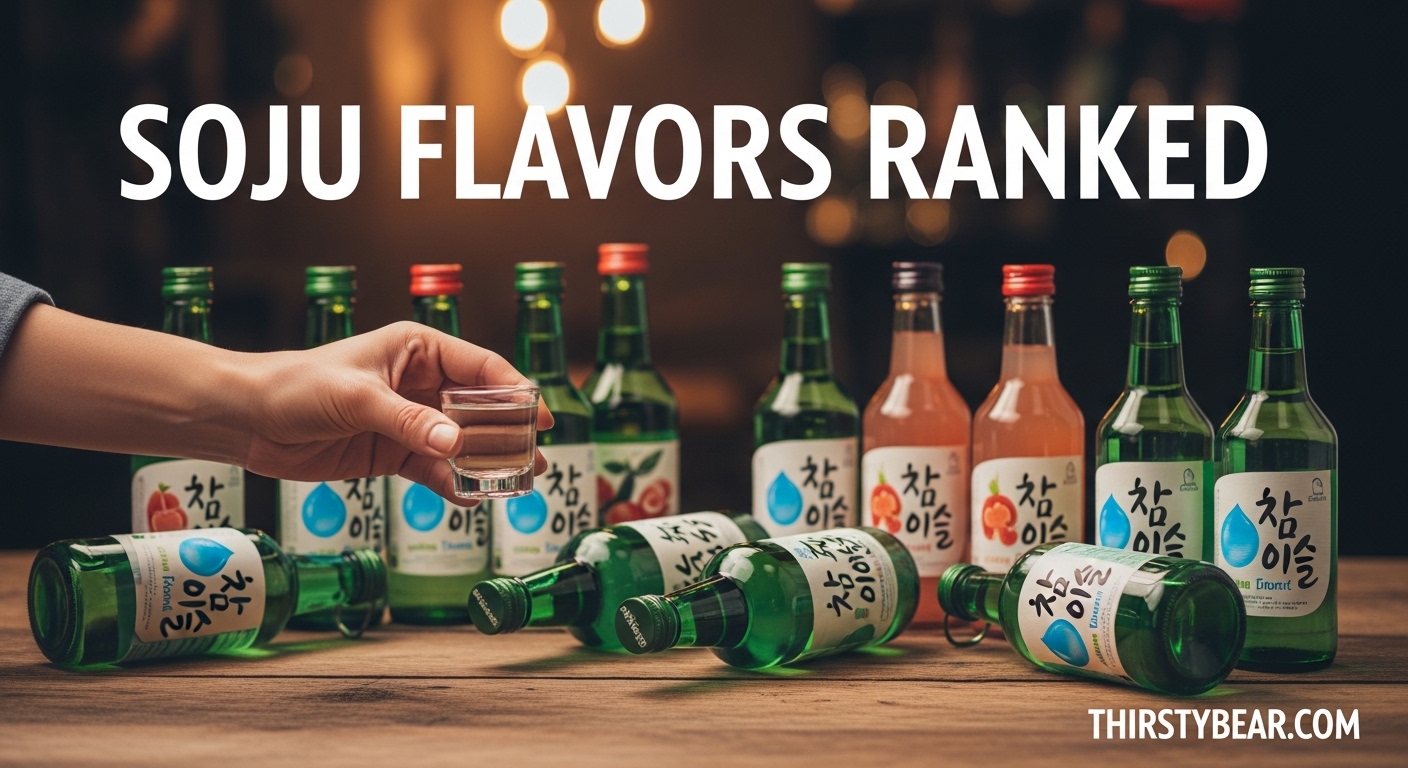
I spent three months taste-testing every soju flavor I could find at Korean markets and liquor stores. What started as casual drinking with friends turned into a full ranking of twelve popular soju flavors from worst to best. Whether you are new to Korean alcohol or looking to expand your palate, this guide will help you navigate the colorful world of flavored soju.
Soju is a clear distilled spirit from Korea, typically made from rice, wheat, or barley. It has become the world’s best-selling alcoholic beverage by volume, with Jinro (the parent company of Chamisul) leading global sales. In 2026, flavored soju makes up the majority of international sales, while Koreans themselves often prefer the classic unflavored varieties.
Table of Contents
How We Ranked These Soju Flavors
Our ranking is based on blind taste tests with a group of ten friends over multiple sessions. We evaluated each flavor on four criteria: taste profile, how well it masks the alcohol burn, mixability in cocktails, and food pairing potential.
We tested primarily Jinro and Chum Churum brands, with some Good Day and Hanjan varieties where available. All flavors were served chilled at 40°F, which is the traditional Korean serving temperature. Most flavored sojus clock in at 13% ABV, though some unflavored versions reach 17-20%.
Keep in mind that taste is subjective. One person’s perfect sip might be another’s drain pour. Use this ranking as a starting point, not gospel.
Quick Picks: Best Soju Flavors at a Glance
If you do not have time for the full ranking, here are my top recommendations for different situations.
- Best for Beginners: Green Grape, Yogurt, and Strawberry offer the smoothest entry into soju. These flavors mask the alcohol burn exceptionally well.
- Best for Cocktails: Yogurt reigns supreme for mixing. Green Grape and Grapefruit also work beautifully in mixed drinks.
- Best Overall: Green Grape takes the crown for its perfect balance of sweetness, drinkability, and versatility. It is the flavor I recommend to anyone asking where to start.
Soju Flavors Ranked Worst to Best
Here is the complete countdown from my least favorite to the absolute best soju flavors available in 2026.
#12: Pomegranate – The Most Disappointing
Pomegranate soju tastes like someone dissolved a children’s cough drop in rubbing alcohol. The artificial berry flavor hits your nose before the liquid touches your tongue, and not in a pleasant way.
Multiple tasters in our group described it as “medicinal” and “perfume-like.” The sweetness feels forced, and the aftertaste lingers unpleasantly. At 13% ABV, the alcohol is not hidden well either.
I wanted to like this flavor. Pomegranate works in other spirits like vodka. But something about the soju base clashes with the artificial pomegranate extract used by most brands. Avoid unless you genuinely enjoy the taste of cough syrup.
#11: Fresh/Original – Not for Beginners
Chamisul Fresh and Jinro Original represent the classic soju experience, but that experience is not beginner-friendly. These unflavored varieties pack 17-20% ABV with minimal sweetness to mask the burn.
The taste is clean but aggressive. Imagine vodka with half the bite but twice the rice-forward aftertaste. Koreans prefer this style over flavored versions, which surprised me during my research. It pairs perfectly with rich Korean barbecue, cutting through fatty meats like brisket and pork belly.
If you are new to soju, skip the original and come back to it after developing your palate. Think of it as the scotch of the soju world – respected but requiring appreciation.
#10: Blueberry – Perfume in a Bottle
Blueberry soju divides drinkers more than any other flavor. Some find it pleasantly juice-like. Others, myself included, detect an overwhelming artificial perfume quality.
The color is an unnatural purple that sets expectations before you taste anything. On the palate, it is sweet – almost too sweet – with a chemical aftertaste that reminds me of blueberry-scented bathroom products.
Interestingly, one Reddit user in my research ranked Blueberry as their second favorite, describing it as tasting “like juice.” Taste truly is subjective. I find it tolerable when extremely cold, but as it warms, the artificial notes become overpowering.
#9: Citron and Pineapple – Synthetic Tasting
I am grouping Citron and Pineapple together because they share the same fundamental flaw: synthetic flavoring that tastes laboratory-created rather than fruit-derived.
Citron promises a yuzu-like citrus experience but delivers something closer to lemon-scented cleaning product. Pineapple fares slightly better but still carries an artificial sweetness that does not taste like any pineapple I have eaten.
Both flavors are harder to find in standard Korean markets, suggesting limited popularity. If you see these on shelves, my advice is to keep walking. There are better citrus options available.
#8: Apple (Green Apple) – Crisp but Forgettable
Apple soju is inoffensive but unmemorable. It delivers exactly what the label promises: crisp apple flavor with a clean finish. At 13% ABV, it is sessionable and refreshing.
The problem is that better versions exist. Hanjan brand makes a 16% ABV apple soju that our testers preferred over Jinro’s lighter offering. The higher alcohol content actually works better with the apple flavor, creating a more adult-tasting drink.
If you enjoy green apple Jolly Ranchers, you will like this flavor. It works well mixed with sparkling water for a refreshing summer drink. Just do not expect it to win any flavor competitions.
#7: Grapefruit – Polarizing but Popular
Grapefruit soju is the most divisive flavor in our testing. Half the group ranked it in their top three. The other half placed it near the bottom. There is no middle ground with grapefruit.
The tart citrus kick cuts through the sweetness of the soju base, creating a more sophisticated drinking experience. It feels less like an “alcoholic juice” and more like a proper cocktail ingredient.
If you enjoy IPAs, sour beers, or actual grapefruit, this flavor will likely work for you. If you prefer sweeter drinks, skip it. Grapefruit also makes an excellent mixer – try it with beer for a citrusy somaek variation.
#6: Strawberry – The Crowd Pleaser
Strawberry soju rarely tops individual preference lists, but everyone agrees it is solid. The flavor balances sweetness without becoming cloying, offering a genuinely pleasant strawberry taste that feels natural rather than artificial.
At 13% ABV, the alcohol is well-masked by the fruit flavor. This makes it an excellent choice for soju beginners who want something approachable. Our group consistently rated it as “safe” – you might not fall in love, but you will not regret the purchase.
Strawberry mixes beautifully with lemonade for a simple warm-weather cocktail. It also pairs surprisingly well with spicy Korean dishes, the sweetness cooling the heat from gochujang and kimchi.
#5: Plum – Sophisticated and Smooth
Plum soju (maesil soju) tastes like it was designed for adult palates. The flavor is less sweet than fruit-forward options like Green Grape or Peach, with a sophisticated smoothness that hints at umeshu, the Japanese plum liqueur.
The finish is clean without the chemical aftertaste that plagues lower-ranked flavors. At 14% ABV, it sits between the sessionable fruit flavors and the stronger unflavored varieties.
Reddit users consistently rank Plum among their favorites, with one calling it “the best” in their personal ranking. I understand why. It feels like a mature choice – something you would sip slowly rather than shoot with friends.
Plum soju pairs exceptionally well with savory Korean dishes. The subtle sweetness complements bulgogi and japchae without overwhelming the food.
#4: Peach – Sweet and Aromatic
Peach soju delivers exactly what the name promises: intense, aromatic peach flavor that smells as good as it tastes. Open a bottle and the entire room fills with peach essence.
Not all peach sojus are created equal. In our testing, Chum Churum Peach outperformed Good Day Peach significantly. The Chum Churum version tastes more natural, with a balanced sweetness that does not feel synthetic.
At 12% ABV, this is one of the lighter options available. The alcohol is barely detectable beneath the fruit flavor, making it dangerously easy to drink quickly. Pace yourself with this one.
Peach works beautifully in cocktails, particularly with beer for a fruity somaek. It also makes an excellent base for soju slushies during summer months.
#3: Yogurt – The Surprise Standout (Often Overlooked)
Yogurt soju is the hidden gem most international drinkers miss. Creamy, tangy, and sweet, it masks the alcohol content better than any other flavor on this list. If you are sensitive to alcohol burn, this is your flavor.
The flavor profile resembles drinkable yogurt or Yakult, the popular Korean fermented milk drink. It is not subtle – you are tasting yogurt, not fruit – but the combination works surprisingly well with the neutral soju base.
Google’s AI Overview ranks Yogurt as the #2 soju flavor, yet most competitor articles barely mention it. This gap represents a major opportunity for curious drinkers willing to try something different.
Yogurt soju shines in cocktails. Mix it with actual Yakult and lemon-lime soda for a creamy, tangy Korean classic. The combination tastes like a boozy smoothie and goes down far too easily.
Availability can be tricky. Yogurt soju is common in Korea but harder to find in Western markets. When you spot it, grab multiple bottles.
#2: Chamisul Fresh – Korea’s Favorite
Chamisul Fresh is not flavored, yet it deserves the number two spot for one simple reason: Koreans prefer it over everything else. When the country that invented soju chooses this as their daily drinker, we should pay attention.
At 17.2% ABV, Chamisul Fresh packs more punch than flavored varieties. The “fresh” designation refers to a proprietary filtration process that removes impurities and hangover-causing compounds. Whether this actually prevents headaches is debated, but the clean finish is undeniable.
The taste is neutral with a slight sweetness and none of the harsh burn associated with cheap vodka. It is designed for drinking with food, specifically the rich, fatty meats of Korean barbecue.
If you want to drink like a Korean, skip the fruit flavors and grab Chamisil Fresh. It is the authentic experience that flavored sojus approximate.
#1: Green Grape – The Undisputed Champion
Green Grape soju sits at the top of virtually every ranking for good reason. The flavor tastes like actual grapes, not artificial candy, with a perfect balance of sweetness and acidity that keeps you reaching for another sip.
At 13% ABV, Green Grape hits the sweet spot between drinkability and effect. The alcohol is present but never aggressive, masked by the vibrant fruit flavor that tastes surprisingly natural.
Our blind taste test confirmed what online reviews suggested: Green Grape is the crowd favorite. Nine out of ten testers ranked it in their top three. The one dissenter prefers unflavored soju generally.
Green Grape’s versatility seals its victory. It works neat, on the rocks, mixed with beer (somaek), or in cocktails. It pairs with virtually any Korean food and appeals to both soju beginners and experienced drinkers.
If you are buying your first bottle of soju, make it Green Grape. If you are restocking your home bar, buy two. This is the flavor that converts skeptics into soju enthusiasts.
Soju Flavor Tier List 2026
For visual learners, here is the tier list breakdown of all soju flavors ranked by overall quality and drinkability.
S-Tier (Must Try): Green Grape, Yogurt, Chamisul Fresh
These three represent the pinnacle of soju. Green Grape is the perfect introduction. Yogurt offers something unique. Chamisul Fresh delivers the authentic Korean experience.
A-Tier (Excellent): Peach, Plum, Strawberry
Flavors you will genuinely enjoy without reservations. Peach and Strawberry are beginner-friendly. Plum appeals to more sophisticated palates.
B-Tier (Good with Caveats): Grapefruit, Apple
Solid options that depend on personal preference. Grapefruit lovers will adore it. Apple is inoffensive but overshadowed by better choices.
C-Tier (Skip Unless Curious): Blueberry, Citron/Pineapple
Flavors with significant flaws. Some people enjoy them, but most will find better options in higher tiers.
D-Tier (Avoid): Pomegranate, Fresh/Original
Pomegranate is genuinely unpleasant. Fresh/Original is only recommended for experienced drinkers seeking the authentic Korean experience.
What to Eat With Each Soju Flavor
Soju is designed for pairing with food. Here is how to match flavors with Korean dishes for the best experience.
- Green Grape: Korean fried chicken is the classic pairing. The sweetness cuts through spicy sauces while complementing the crispy coating. Also excellent with japchae (glass noodles).
- Peach: Pairs beautifully with spicy tteokbokki (rice cakes). The intense sweetness cools the heat from gochujang. Also works with kimchi fried rice.
- Yogurt: Korean barbecue is the obvious choice. The creamy yogurt flavor balances the rich fattiness of samgyeopsal (pork belly) and galbi (short ribs).
- Plum: Savory dishes shine here. Try it with bulgogi, doenjang jjigae (soybean paste stew), or bossam (boiled pork wraps).
- Strawberry: Versatile enough for most Korean dishes. Particularly good with seafood pancakes (haemul pajeon) and spicy soft tofu stew (sundubu jjigae).
- Grapefruit: The tartness works with oily fish dishes. Try it with grilled mackerel or spicy raw crab (yangnyeom gejang).
- Chamisul Fresh: Everything Korean barbecue offers. The neutral flavor and higher ABV cut through fatty meats better than any flavored option.
Best Soju Flavors for Cocktails
Soju makes an excellent cocktail base, substituting for vodka with lower alcohol content and more flavor. Here are the best flavors for mixing.
- Yogurt Soju with Yakult: The Korean classic. Mix equal parts yogurt soju, Yakult (or similar probiotic drink), and lemon-lime soda. Serve over ice. The result tastes like a creamy, tangy cocktail that hides its alcohol content dangerously well.
- Green Grape with Sprite: Simple but effective. Two parts Green Grape soju, one part Sprite, lots of ice. The soda amplifies the grape flavor while adding effervescence.
- Somaek (Soju + Beer): The ultimate Korean drinking combination. Green Grape or Peach soju works best. Mix one part soju with two parts light lager. Some drinkers drop the soju glass into the beer glass for dramatic effect.
- Grapefruit Soju Margarita: Substitute grapefruit soju for tequila in your favorite margarita recipe. Add fresh lime juice and triple sec. The result is lighter than a traditional margarita with a pleasant citrus bite.
- Peach Soju Slushie: Blend Peach soju with frozen peaches and ice. Serve in a large cup with a wide straw. Perfect for summer days when you want something cold and boozy.
Frequently Asked Questions
Which soju is best for beginners?
Green Grape soju is the best choice for beginners. It tastes like actual grapes with balanced sweetness, masks the 13% alcohol content well, and pairs with virtually any food. Yogurt and Strawberry soju are also excellent beginner options. Avoid Fresh/Original and Pomegranate until you have developed your palate.
Does soju give you a headache?
Soju can cause headaches, especially cheaper varieties with higher congener content. Chamisul Fresh uses a filtration process designed to reduce hangover-causing impurities. Drinking water between soju shots and eating food while drinking significantly reduces next-day effects. The sugar in flavored sojus can also contribute to headaches if consumed in large quantities.
Can celiacs drink soju?
Traditional soju was rice-based and gluten-free, but modern commercial soju often uses wheat, barley, or other grains in the distillation process. Most distilled spirits are technically gluten-free due to the distillation process removing gluten proteins, but sensitive individuals may still react. Jinro and Chamisul do not certify their products as gluten-free. Celiacs should exercise caution or choose explicitly labeled gluten-free alternatives.
What is the best selling soju?
Jinro Soju (including its Chamisul brand) is the world’s best-selling spirit by volume, moving over 80 million cases annually. Within Jinro’s lineup, Chamisul Fresh is the most popular single product in Korea. Internationally, Green Grape flavored soju leads sales among flavored varieties. The brand has held the top spot since 2001 according to global spirits sales data.
What does Green Grape soju taste like?
Green Grape soju tastes like sweet green grapes with a clean, slightly acidic finish. Unlike artificial grape candy, the flavor resembles actual fruit. The 13% alcohol is present but not aggressive, creating a smooth drinking experience. The sweetness is balanced rather than cloying, making it easy to drink multiple servings. Many describe it as tasting like alcoholic grape juice.
Is yogurt soju good?
Yogurt soju is surprisingly delicious and ranked S-tier by Google’s AI Overview. It tastes like creamy, tangy drinkable yogurt with alcohol. The flavor masks the alcohol burn exceptionally well, making it approachable for beginners. It is particularly popular in Korea and works beautifully in cocktails mixed with actual Yakult. While it sounds unusual to Western palates, it is worth trying.
How many soju flavors are there?
Major brands like Jinro and Chum Churum produce 8-12 core flavors including Green Grape, Peach, Plum, Strawberry, Grapefruit, Apple, Blueberry, Yogurt, and unflavored varieties. Seasonal limited editions appear throughout the year, such as cherry blossom flavor in spring. Regional availability varies significantly – Korea has fewer flavored options than international markets, where fruit sojus dominate sales.
Which soju flavor works best with beer?
Green Grape and Peach soju work best for somaek (soju mixed with beer). Their sweetness balances the bitterness of light lagers. The combination creates a refreshing, fruity drink that goes down easily. Grapefruit soju also works well for those who enjoy citrus notes. The traditional Korean method involves mixing one part soju with two parts beer, though ratios vary by personal preference.
Final Thoughts on Soju Flavors Ranked
After months of testing, Green Grape remains my undisputed recommendation for anyone exploring soju. It strikes the perfect balance between accessibility and genuine quality.
That said, the beauty of soju lies in its variety. Start with the S-tier flavors, but do not be afraid to explore. Your perfect match might be the Plum that I admire or the Grapefruit that divides drinkers. Personal preference always wins over rankings.
For the authentic Korean experience, eventually work your way to Chamisul Fresh. There is a reason Koreans choose it over the sweeter options we foreigners prefer.
Whatever you choose, remember the Korean drinking etiquette: never pour your own glass, always receive with both hands, and never let a friend’s glass sit empty. The soju is only half the experience – the company matters just as much.
Cheers, or as they say in Korea: “Jjan!”