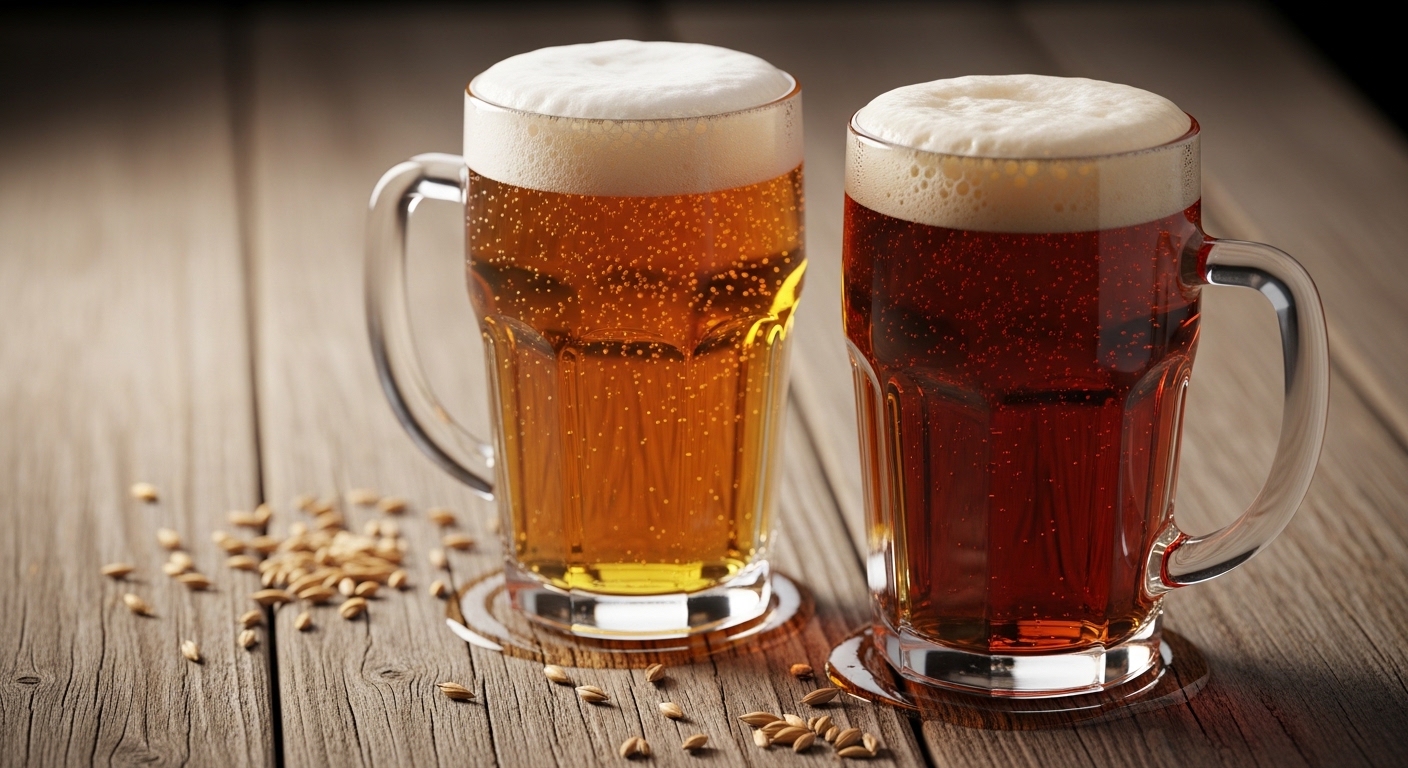
If you have ever stared at a beer menu wondering whether to order a stout or a porter, you are not alone. These two dark beer styles share a lot of similarities, which makes the confusion understandable. The good news is that once you know what to look for, telling them apart becomes second nature.
The fastest way to distinguish a stout from a porter comes down to one ingredient: the type of barley used. Porters are made with malted barley, while stouts traditionally use unmalted roasted barley. This single difference shapes everything from flavor to appearance. On the thirstybear.com brewery page, you can explore the beer styles we offer and taste these differences for yourself.
Where Porter Came From
Porter emerged in 18th-century London and quickly became the working-class beer of choice. Dock workers, street vendors, and factory laborers all drank it. The style got its name because it was especially popular among porters, the people who carried goods across the city.
Brewers created porter by roasting malted barley at high temperatures, which gave the beer its dark color and signature chocolate and caramel notes. The style spread across England and eventually made its way to other countries, where local brewers put their own spin on it.
How Stout Evolved from Porter
The word “stout” originally meant strong or powerful, not a specific beer style. Early on, brewers used “stout porter” to describe a stronger version of porter. Over time, “stout” became its own category.
The key difference is that true stouts use unmalted roasted barley instead of malted barley. The roasting process gives unmalted barley a distinct coffee-like bitterness that defines the stout character. This is why stouts taste more roasted and bitter compared to the smoother, chocolate-forward profile of porters.
The Core Difference: Malted vs Unmalted Barley
Understanding the barley difference is the key to understanding both styles. Malted barley is dried and heated in a way that activates enzymes needed for fermentation. Unmalted barley skips this malting process and goes straight to roasting, which creates those intense roasted flavors.
When you sip a porter, you will notice flavors like chocolate, caramel, and toffee. These come from the malted barley and the way it ferments. Stouts deliver bolder roasted coffee notes, a drier finish, and sometimes a bitter edge that comes from the unmalted roasted barley.
Both styles use top-fermenting yeast, which means they are ales rather than lagers. The understanding hop bitterness in beer concept applies here too, though hops play a supporting role in these malt-forward styles.
Porter vs Stout Flavor and Appearance
Porter Flavor Profile
Porters typically offer a smoother, more rounded drinking experience. Common tasting notes include dark chocolate, caramel, toffee, and sometimes a hint of nuttiness or dried fruit. The malted barley creates a fuller body with a softer finish.
Stout Flavor Profile
Stouts lean toward roasted, coffee-like flavors with a drier finish. You might also detect notes of dark cocoa, burnt sugar, or even smoky undertones. The unmalted barley creates a lighter body despite the bold flavors, and the finish is often noticeably drier than porter.
Visual Differences
Appearance is one of the easiest ways to tell them apart. Stouts are typically opaque black or very deep brown, often appearing nearly black in the glass. Porters are dark brown with ruby or reddish highlights when held up to light. If you can see through the beer at all, it is probably a porter rather than a stout.
Both styles can produce a creamy, tan-colored head, but stouts often retain that head longer due to the nitrogenation common in many stout recipes.
Porter and Stout Subtypes Worth Knowing
Porter Subtypes
American Porter has become popular among craft brewers, often featuring bold hop character alongside the chocolate and caramel base. English porters tend to be more restrained and sessionable. Baltic Porter is a stronger, heavier version that originated along the Baltic Sea, often with higher alcohol content and notes of dark fruit.
Stout Subtypes
Irish Stout, best known through Guinness, is the classic dry stout with moderate alcohol and that signature roasted flavor. Imperial Stout takes things to the extreme with high alcohol content and intense, complex flavors that can include dark fruit, chocolate, and even vinous notes from barrel aging.
Oatmeal Stout adds oats to the grain bill, creating a smoother, creamier mouthfeel. Pastry Stout is a newer American creation that loads in adjuncts like lactose, vanilla, and fruit to create dessert-like flavors.
Is Guinness Stout or Porter?
Guinness is definitively a stout, specifically an Irish Dry Stout. When Arthur Guinness founded his brewery in Dublin in 1759, he was brewing porter. Over time, the recipe evolved toward what we now recognize as stout characteristics, particularly the use of roasted barley and the signature dry finish.
Modern Guinness Draught uses nitrogen instead of carbon dioxide for dispensing, which creates that characteristic creamy head and smooth mouthfeel. Despite its popularity, Guinness is actually lower in alcohol than many other stouts, typically around 4.2% ABV.
Practical Tips for Telling Them Apart
When you encounter both styles, start with the visual test. Stouts will look opaque and black. Porters will show some light through when held up. Next, bring the glass to your nose. Stouts typically have prominent roasted coffee or espresso notes. Porters tend toward chocolate and caramel.
For the tasting test, look for that dry, roasted finish in stouts. Porters will feel smoother and more full-bodied in comparison. Pairing dark beers with food follows similar principles for both: chocolate and caramel forward porters work beautifully with desserts and grilled meats, while the coffee notes in stouts complement chocolate, oysters, and even some cheese dishes.
Glassware matters too. A tulip glass or a traditional pint glass works well for both styles, though some stouts are served in specially designed glasses that help release the aroma.
Conclusion
Now that you know how to tell a stout from a porter, you can approach that beer menu with confidence. The next time you see both styles on tap, try a side-by-side comparison. Order a porter with chocolate notes and an Irish stout with coffee flavors. Compare the colors, aromas, and finishes. This hands-on approach will train your palate faster than any article alone.
The world of dark beer has plenty of room for both styles, and the gray area between them is part of what makes craft beer so interesting. Brewers constantly experiment with recipes that blend characteristics from both traditions. Some porters use roasted barley, and some stouts use malted barley, which means the lines will continue to blur in practice.
The most important thing is to drink what you enjoy. Whether you prefer the smooth chocolate character of a porter or the bold roasted edge of a stout, there is a dark beer out there for you.