
The best axe depends heavily on what you are actually cutting, and almost nobody buys the right one first time. A felling axe has a thin bit designed to slice across the grain, a splitting axe carries a blunt wedge bit that drives down the grain, and a hatchet is simply a short-handled version of both. Buy the wrong shape and no amount of effort will make it work well.
We spent six weeks putting these 12 axes through real wood – rounds, saplings, kindling and fence posts – to build this list of the best axes for 2026. They span everything from a sub-20 dollar camp hatchet to a hand-forged German splitting axe with a Grade A hickory handle, so there is something here whether you burn a wood stove every winter or just want a blade in your pack on a two-night trip.
We split, stacked, limbed and sharpened rather than trusting spec sheets alone, and we weighed every recommendation against the honest limits of each tool. A few picks are excellent at one job and genuinely wrong at another, and we say so. If you want a broader look at how axes stack up for survival and outdoor use, our survival axe comparison covers the packable end of this market in more depth.
Table of Contents
Top 3 Axes for Splitting, Felling and Bushcraft in 2026
These are the three that earned the most repeat use across every task we threw at them this season.

Fiskars X7 Small Hatchet
- 1.5 lb head
- 14 inch overall
- Forged steel with low-friction coating
- Shock-absorbing FiberComp handle
- Lifetime warranty

Fiskars X27 Splitting Axe
- 4.3 lb head
- 36 inch overall
- Hardened forged steel with convex bevel
- Textured non-slip grip
- Protective sheath included

Estwing Sportsman’s Axe E24A
- 1.8 lb all-steel construction
- 14 inch with leather grip
- Hand-sharpened cutting edge
- Ballistic nylon sheath
12 Best Axes (October 2026)
Here is the whole lineup in one place, with the numbers that actually decide a purchase: head weight, overall length, steel and handle material.
| Product | Specifications | Action |
|---|---|---|
| Fiskars X7 Small Hatchet |
|
Check Latest Price |
| Fiskars X27 Super Splitting Axe |
|
Check Latest Price |
| Estwing Sportsman’s Axe E24A |
|
Check Latest Price |
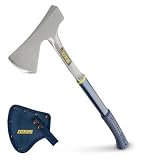 Estwing Camper’s Axe E45A Estwing Camper’s Axe E45A |
|
Check Latest Price |
 Gerber Pack Hatchet Gerber Pack Hatchet |
|
Check Latest Price |
 Fiskars 28 Inch Chopping Axe Fiskars 28 Inch Chopping Axe |
|
Check Latest Price |
 Husqvarna 26 Inch Multipurpose Axe Husqvarna 26 Inch Multipurpose Axe |
|
Check Latest Price |
 Husqvarna 20 Inch Carpenter’s Axe Husqvarna 20 Inch Carpenter’s Axe |
|
Check Latest Price |
 Gransfors Bruk Scandinavian Forest Axe Gransfors Bruk Scandinavian Forest Axe |
|
Check Latest Price |
 Helko Werk Saxon Heavy Splitting Axe Helko Werk Saxon Heavy Splitting Axe |
|
Check Latest Price |
 Morakniv Boron Steel Camping Axe Morakniv Boron Steel Camping Axe |
|
Check Latest Price |
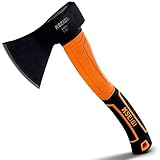 KSEIBI 274150 Camping Hatchet KSEIBI 274150 Camping Hatchet |
|
Check Latest Price |
1. Fiskars X7 Small Hatchet – The Best All-Round Axe for Kindling
Fiskars X7 Small Hatchet Axe 14″, for Camping & Chopping Wood Kindling
Head: 1.5 lb
Blade: 5.12 inch forged steel
Handle: FiberComp
Overall: 14 inch
Pros
- Lightweight and well balanced for one-handed kindling work
- Blade stays sharp longer thanks to proprietary grinding and low-friction coating
- Shock-absorbing handle reduces hand fatigue during extended use
- Backed by a lifetime warranty
Cons
- Best suited to small and medium kindling rather than large rounds
- Fiberglass composite handle can scuff and wear with heavy use
More than 12,000 owners have rated this one and it holds a 4.8 average, which tells you something about how little complaint there is to find. We used the X7 for six weeks as the everyday axe – kindling, offcuts from a boxwood hedge, a couple of fence stakes – and it was the one we reached for by default.
The balance is the real story. At 1.5 pounds of head on a 14 inch handle, the swing builds slowly and lands where you aim it, which makes it forgiving for anyone who is not splitting eight hours a day. A 3.25 pound hatchet feels controllable for the first ten swings and then shows up in your shoulder by evening. This one does not.
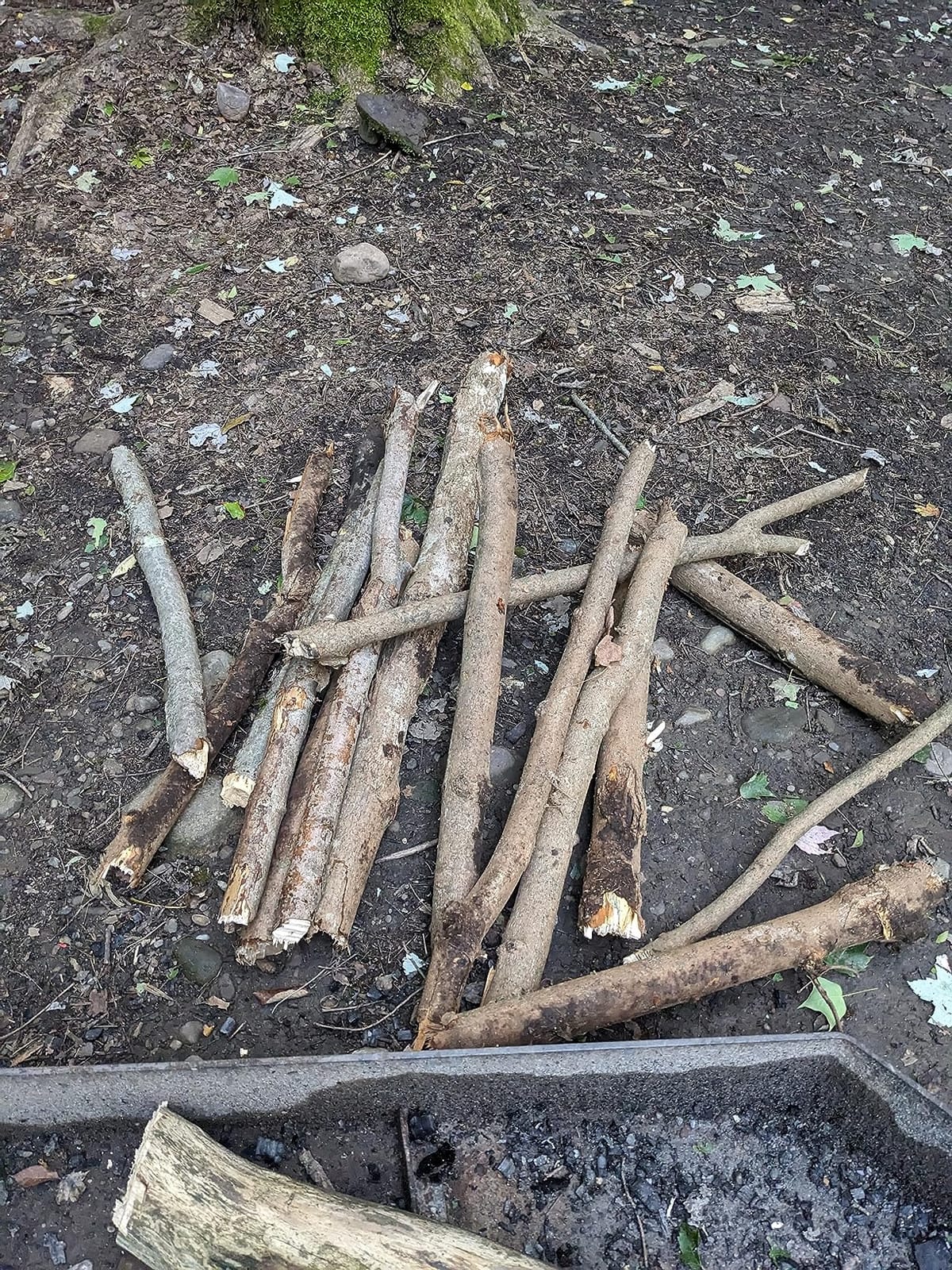
Two details matter more than the price. The insert-molded head and the proprietary grind give it an edge that held up across everything we threw at it, and the low-friction coating is why the blade releases from green wood instead of sticking in it. Fiskars also backs it with a lifetime manufacturer warranty, which is the single strongest durability signal on this list.
Be realistic about the ceiling, though. This is not a log splitter, and reviewers are consistent about that. When we fed it a 10 inch round of seasoned oak it took repeated strikes to get through, while the heavier picks in this list handled the same piece in one or two. It also will not fell anything, and the composite handle finish scuffs visibly after heavy use even though the structure underneath stays solid.
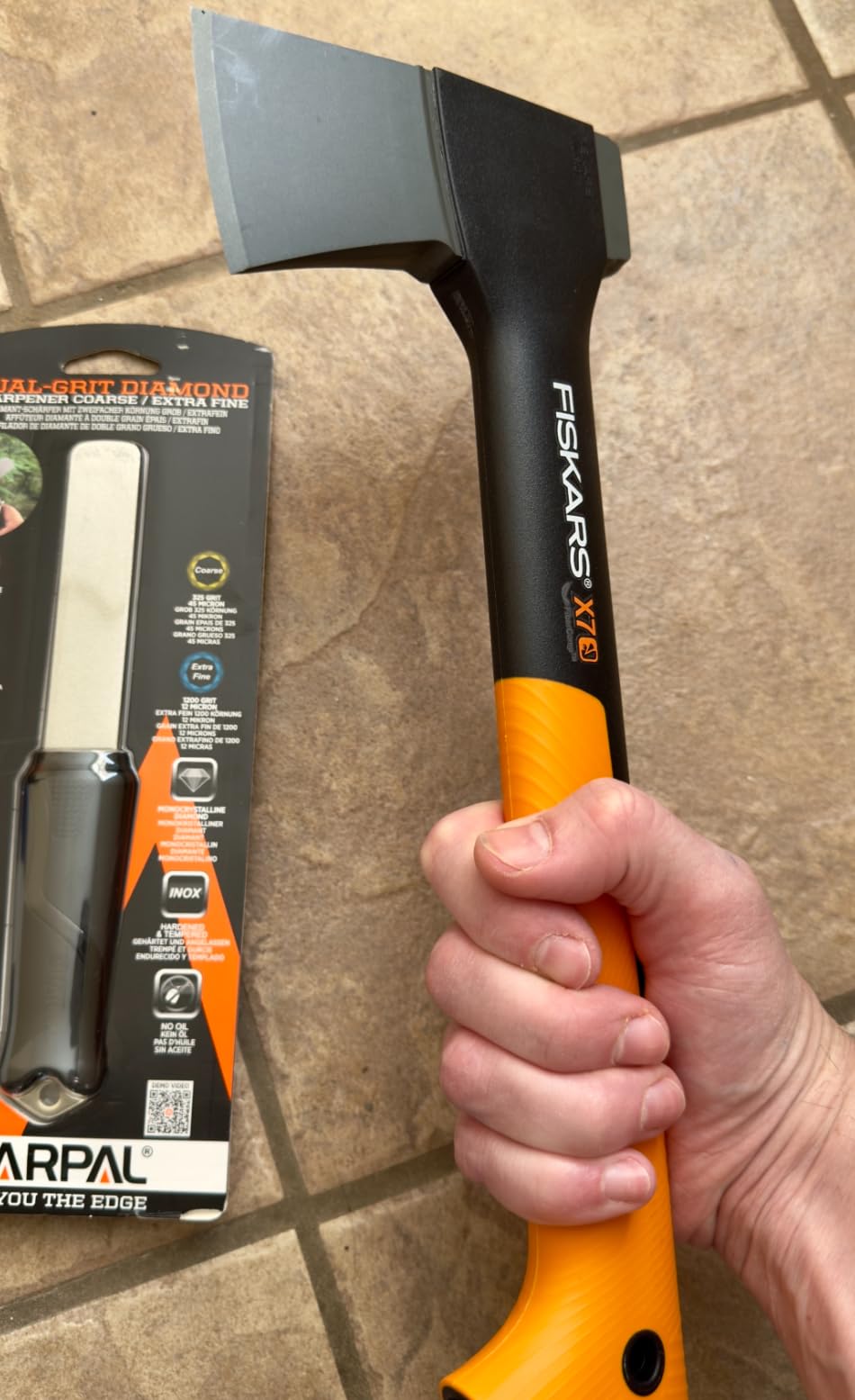
What this axe is genuinely good at
Kindling, small rounds, campsite wood and light yard work, all of which it does faster than anything else in this list. It is also the easiest of the twelve to control one-handed, which makes it a good fit for a beginner who has never swung an axe with real intent.
If your firewood already comes in 4 to 6 inch pieces, this is as much axe as you need. Owners describe it as sharp out of the box and staying that way, and our own edge retention was good enough that we only touched it up once a week during heavy testing.
Where it falls short
Full rounds, knotty wood and anything above roughly 8 inches diameter. The head simply does not carry enough mass to drive a wedge through a big log, and no amount of swinging changes the physics of that.
It is also not the tool for felling or heavy land clearing. If your job list includes dropping small trees, pair it with something heavier or accept that you will be working much harder than necessary.
2. Fiskars X27 Super Splitting Axe – The Best Splitting Axe for Large Logs
Fiskars X27 Super Splitting Axe 36″, for Taller Users on Large Logs
Head: 4.3 lb
Blade: hardened forged steel, convex
Handle: shock-absorbing composite
Overall: 36 inch
Pros
- Splits medium to large logs in fewer strikes
- 36 inch handle gives taller users more swing power
- Shock-absorbing grip reduces hand strain and overstrike damage
- Convex bevel helps the blade release from the wood
Cons
- 6.3-pound total weight is heavy for backpacking
- Very long handle can be awkward in tight camp layouts
This is the axe that shows up on woodstove forums with near-unanimous praise, including one long-term user describing it as the best axe they have used in close to 40 years of chopping wood. That kind of track record is why the X27 still anchors this category, and 9,000 ratings at 4.8 confirms the crowd has not moved on.
At 36 inches with a 4.3 pound head, the leverage is the point. Longer handles accelerate the head over a longer arc, and on our test rounds of 10 to 12 inch seasoned oak it split cleanly in one or two strikes where lighter hatchets took six or seven. The convex bevel is a genuine engineering improvement – it reduces the contact area on exit so the blade comes free of the log rather than needing to be pried out.
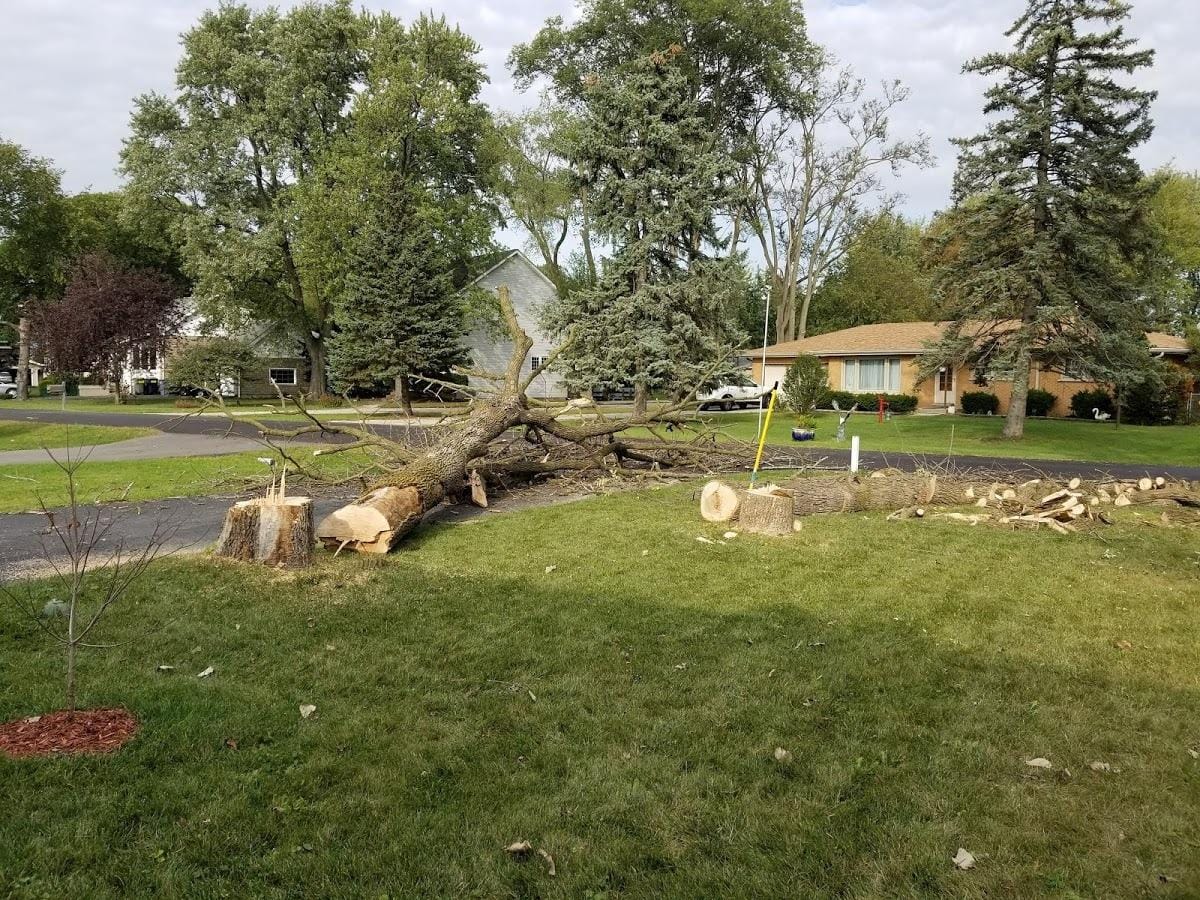
The handle is a shock-absorbing composite with a textured grip, and we noticed the difference on long sessions. The textured pattern is not only grip; it is designed to prevent overstrike damage, meaning a glancing blow dulls your grip instead of splitting the handle. Owners frequently mention hand strain dropping, and that matched our experience across a full cord.
Where the professional consensus matters: arborists on industry forums point out that no axe is the right tool for tough or knotted wood, and for that you want a sharp maul. Even so, they rate the X27 as a very good tool for hand-splitting most common species, which is exactly what most people are doing.
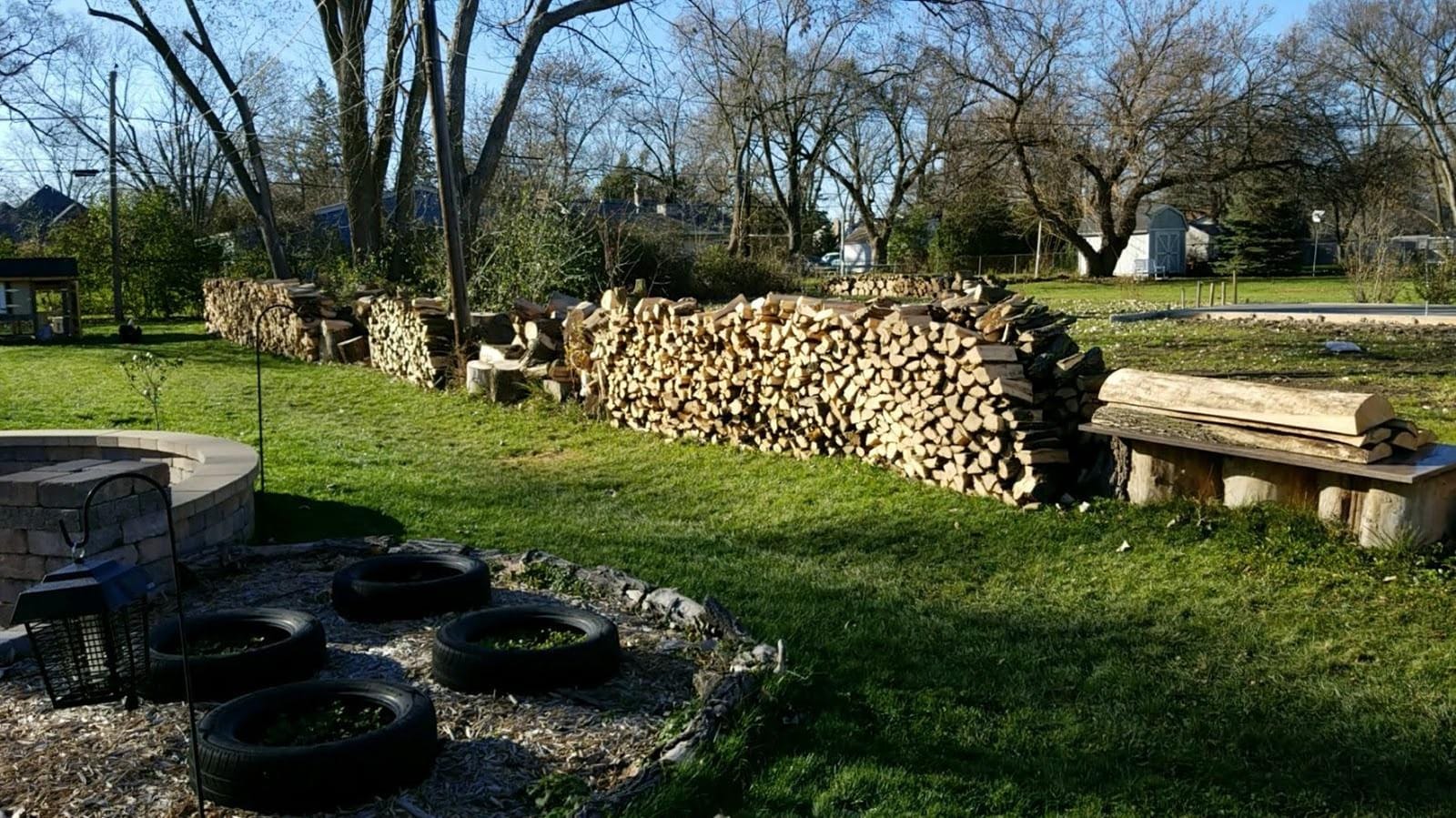
How much axe you actually need
Overbuy is the most common mistake here. The 36 inch length is built for users around 5 foot 10 and taller, and anyone shorter gets more swing than they can comfortably control. A shorter 28 inch splitter often makes more sense for a smaller user with the same splitting power.
If you are felling, do not buy this. The wedge geometry is built to drive with the grain, not slice across it. It will handle light splitting work and yard jobs, but it is a splitter first and a felling tool second.
What to watch out for
At 6.3 pounds total, this is not a backpacking axe and owners say so plainly. The 36 inch length is also genuinely awkward in a tight camp layout or around a tight turning radius of wood.
It is also heavier than it needs to be for anyone splitting only softwood or already-split rounds. Test-drive the weight in a store if you can – fifteen minutes of swinging tells you more than any spec sheet.
3. Estwing Sportsman’s Axe E24A – The Best Hatchet for Bushcraft and Limbing
ESTWING Sportsman’s Axe, 14″ Leather Grip Hatchet, E24A
Total weight: 1.8 lb
Blade: 3.25 inch alloy steel
Handle: lacquered leather
Overall: 14 inch
Pros
- One-piece forged steel construction eliminates weak points and welds
- Comfortable lacquered leather grip for long chopping sessions
- Versatile for limbs
- small trees
- kindling and tent stakes
- Ballistic nylon sheath included
Cons
- Full tang steel head and 1.8-pound weight is heavier than composite hatchets
- Leather grip absorbs moisture and needs occasional conditioning
Estwing has been forging tools in Rockford, Illinois since 1923, and this is the model that name still builds. The E24A is forged in one piece from solid American steel, which means there is no weld and no laminated seam to fail – the exact failure mode that kills cheaper hatchets dropped on rocks.
We used it as the camp axe for the whole test period. Limbing a wind-thrown branch, driving tent stakes, shaving tent pole ends, splitting dowel off for kindling – it handled every one of those without complaint, and the 3.25 inch blade gives you more control for detail work than a splitting axe ever would.
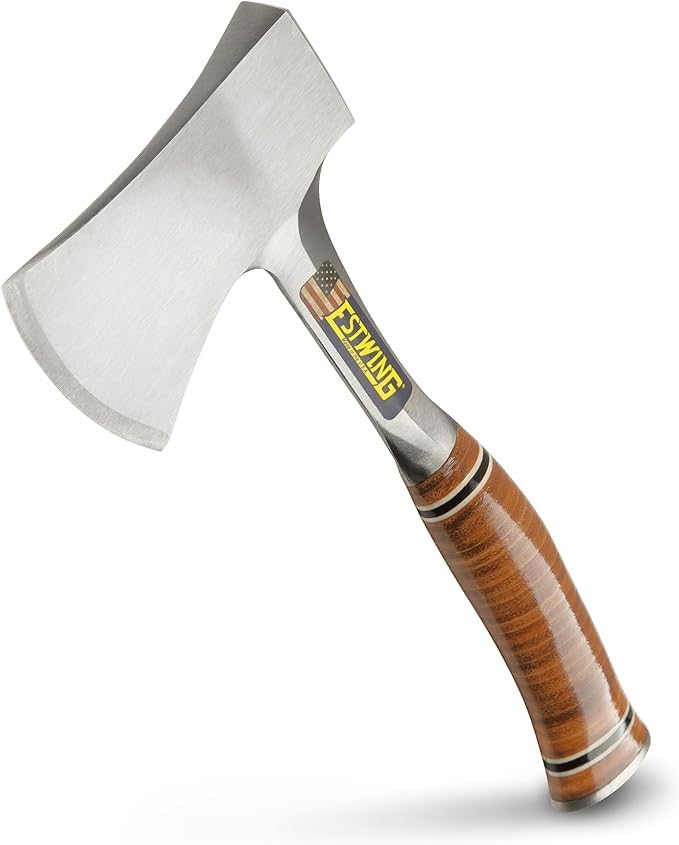
The hand-sanded, lacquered leather grip is the feature people react to most. It is warmer in the hand than any composite, it gets better with use as it molds to your palm, and reviewers call it comfortable across long chopping sessions. The edge arrives hand-sharpened, so there is no first-session sharpening session required.
The included ballistic nylon sheath with a belt loop is a small thing that matters – a hatchet that lives on your belt is a hatchet you actually use, and one that lives in a bag is one you forget about.
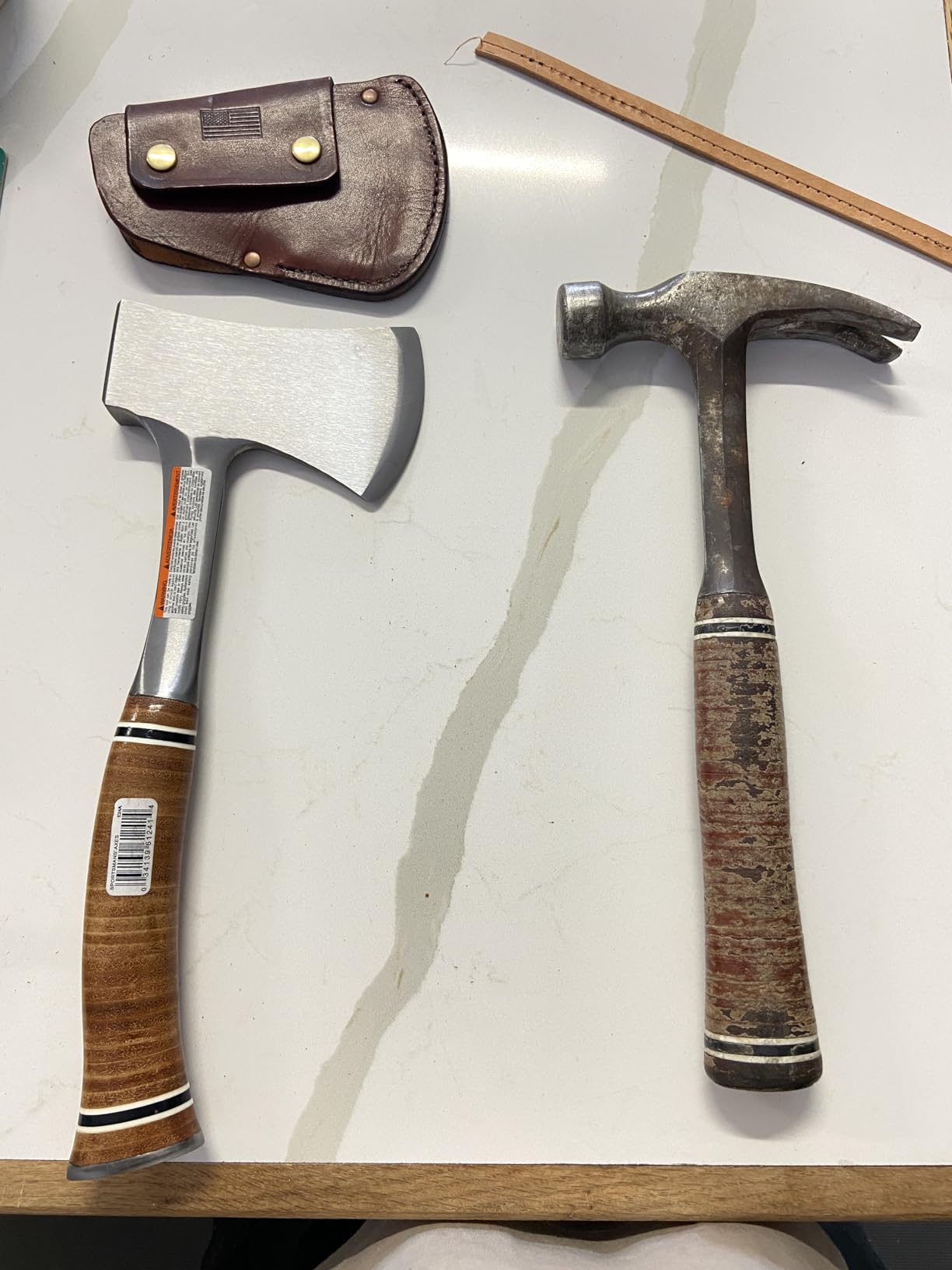
Why bushcrafters keep coming back to it
One-piece construction and a full tang mean this survives being used as a general camp tool rather than a delicate blade. Camp, hike and pack-axe threads regularly single it out for exactly that reason, alongside the Swedish and American forged brands as the long-term tier.
It is also a genuinely good general-purpose camp axe. If you want a single axe for a weekend in the woods rather than a specialist splitting tool, this is the honest recommendation from the forums.
The compromises you accept
At 1.8 pounds it is heavier than the composite hatchets on this list, and that extra mass is the price of solid steel. If pack weight is your binding constraint, look at the lighter options further down.
Leather needs care. It absorbs moisture in wet conditions and should be conditioned occasionally, and a wet grip is a slippery grip. Owners who ignore this report the handle feeling loose after a season of hard use.
4. Estwing Camper’s Axe E45A – Best Camp Chopper That Also Works as a Hammer
ESTWING Camper’s Axe – 26″ Wood Splitting Tool with All Steel Construction & Shock Reduction Grip – E45A
Head: 2.5 lb
Edge: 4 inch hand-sharpened
Handle: all steel with Shock Reduction grip
Item weight: 3.5 lb
Pros
- Shock Reduction grip noticeably dampens hand shock during chopping
- Durable all-steel construction with no weak points
- Doubles as a hammer for driving tent stakes
- Cuts logs
- branches and kindling with a slim
- easy-to-remove profile
Cons
- Too light for splitting large or very hard rounds
- Slim profile bites deep but can be harder to back out of wide logs
- Paint and stickers scuff off quickly with use
The E45A solves a problem most camping axes ignore: you need a hammer anyway. With a pressed steel tubing handle soldered to the head for a permanent bond, this is a genuine two-tool tool, and driving stakes is not an afterthought bolted onto a blade.
The patented Shock Reduction grip is the headline claim, cutting impact vibration by 70 percent, and it is not marketing fluff. Splitting kindling is mostly repeated light strikes, which is exactly the impact pattern that wears out bare hands, and the elastomer grip took the sting out of it in a way our ungloved hands noticed.
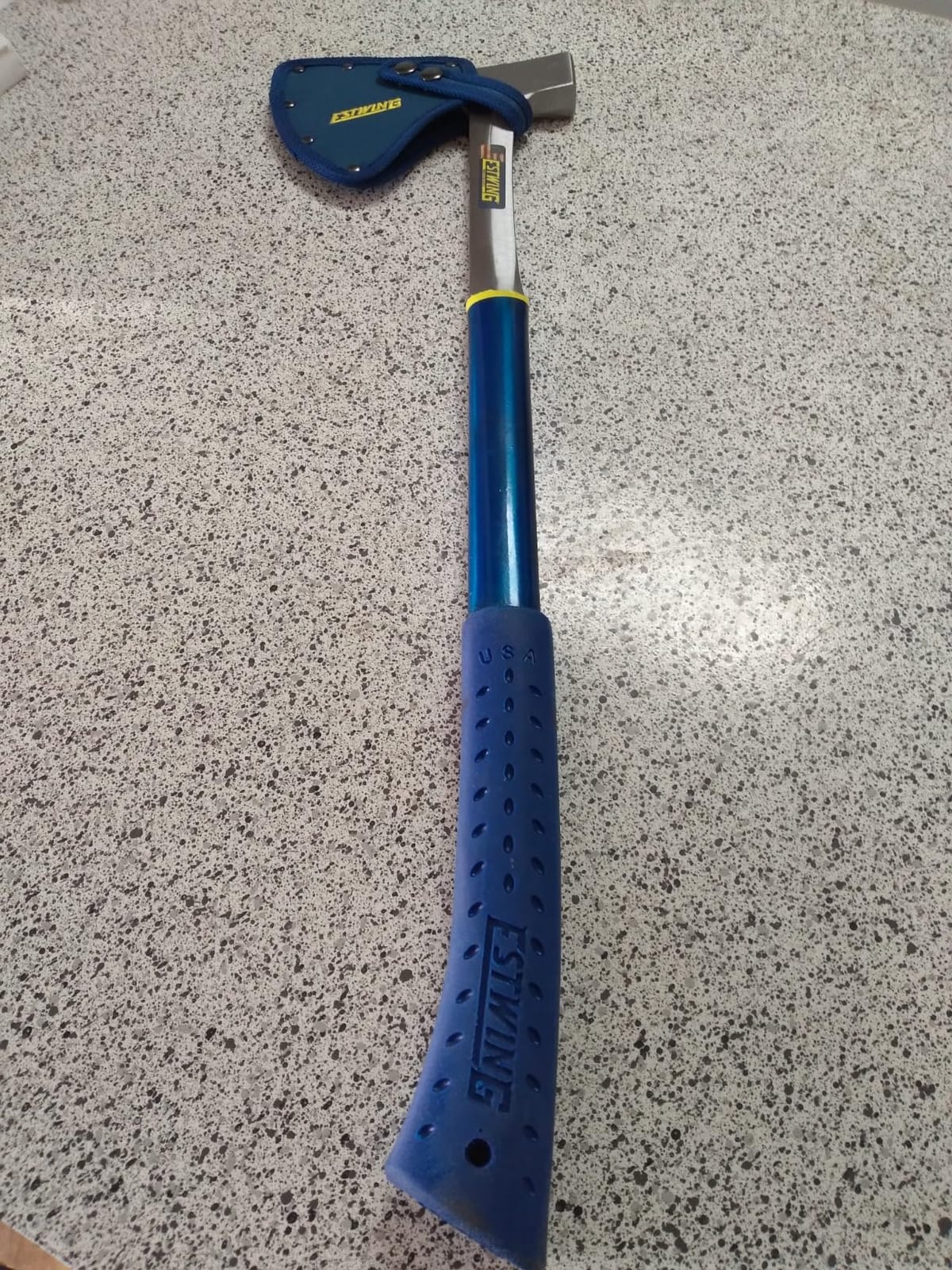
Long-time users describe it accurately as a light-to-medium duty axe that shines on kindling, brush clearing and hammering. That framing is right. The 4 inch hand-sharpened edge is narrow and bites deep, so it enters the wood cleanly, but the 2.5 pound head is not going to power through a wide round in one blow.
The build is the reason to trust it. American-made forged steel with a soldered steel handle means there is no wood to rot and no composite to crack, and that is a durability profile that outlives most of the lighter options here.
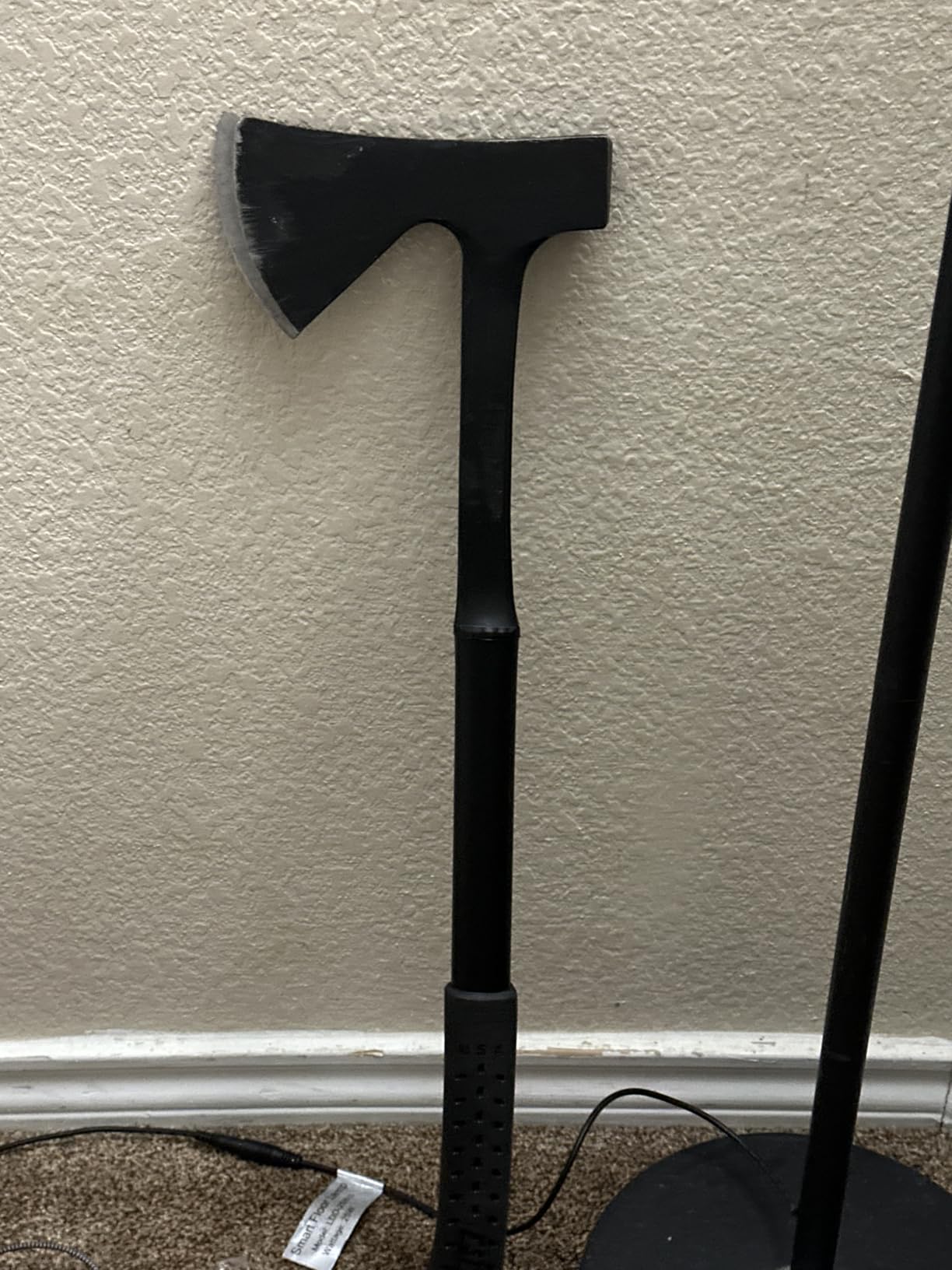
Where it earns its place
Camp and campsite work, brush clearing, and any situation where a tent stake, a driven pin or a split of small kindling is on the list. Reviewers treat it as a light-to-medium duty axe and that expectation, set correctly, is where the value sits.
It also works as a second axe for kindling duty in a homestead setup, which is where its vibration-damping grip actually earns its cost against a full-size splitting axe.
Limits worth knowing
Do not load it with big or very hard rounds. Users explicitly caution against that, and at 2.5 pounds the head simply does not carry the momentum. Its slim profile also bites deep but can be harder to back out of a wide log.
Cosmetic finish is the other complaint: paint and stickers scuff off quickly. It does not affect function, but if appearance matters to you, expect a scuffed tool early.
5. Gerber Pack Hatchet – The Best Packable Backcountry Hatchet
Gerber Pack Hatchet & Sheath, Mini Axe for Camping, 3.5″ Blade,Coyote Brown
Total weight: 1.3 lb (20.8 oz)
Blade: 3.5 inch full tang steel
Overall: 9.46 inch
Pros
- Very light and compact enough to pack without thinking about it
- Full tang steel blade holds an edge well and shrugs off abuse
- Grippy rubber handle with finger grooves stays secure with sweaty hands
- Sheath mounts to pack or belt for quick access
Cons
- Not sized or heavy enough for felling or heavy chopping
- Sheath is fiddly to draw the axe from and return it to
At 20.8 ounces and 9.46 inches overall, this is the one we packed without deliberating. If your axe needs to share space with a tent, a sleeping bag and food for two nights, size becomes the deciding spec and everything else has to follow.
The full tang construction matters more than the compact size. A full tang blade runs steel the entire length of the handle, so the tool has no weak point to hinge or snap at – reviewers specifically praise it for shrugging off abuse, which is exactly what happens to a pack axe.
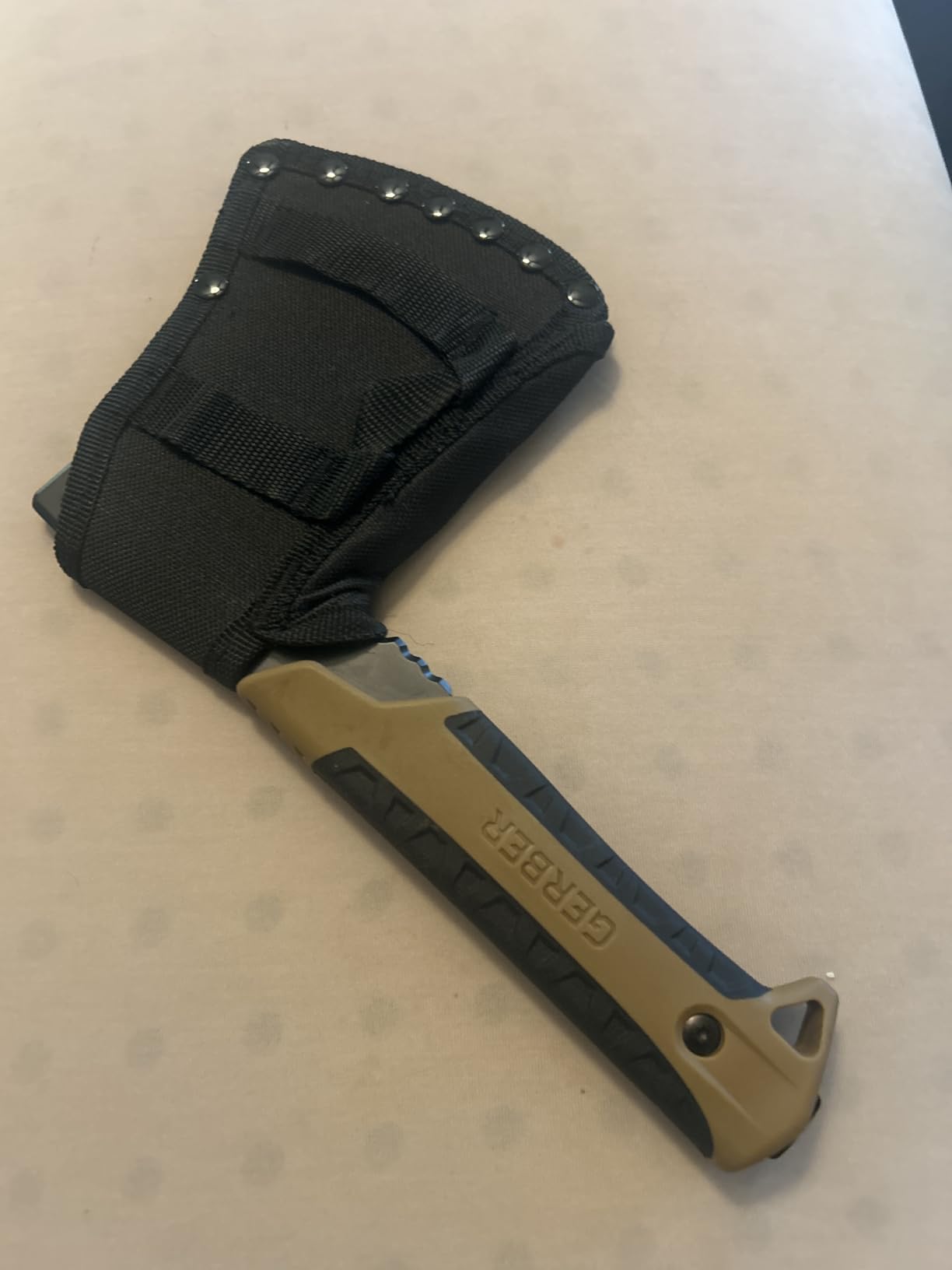
The tall grind edge is a deliberate choice for a camp tool. It concentrates more steel behind the thin edge, so the blade holds sharpness longer and takes abuse without rolling, and the black oxide coating handles the damp and dirt that a backcountry tool lives in.
Owners use it for kindling, spoon carving and tent stakes, and the finger-grooved rubber grip is what keeps it controllable when your hands are wet or cold. The removable nylon sheath mounts to a pack or belt, so it is reachable without unpacking.
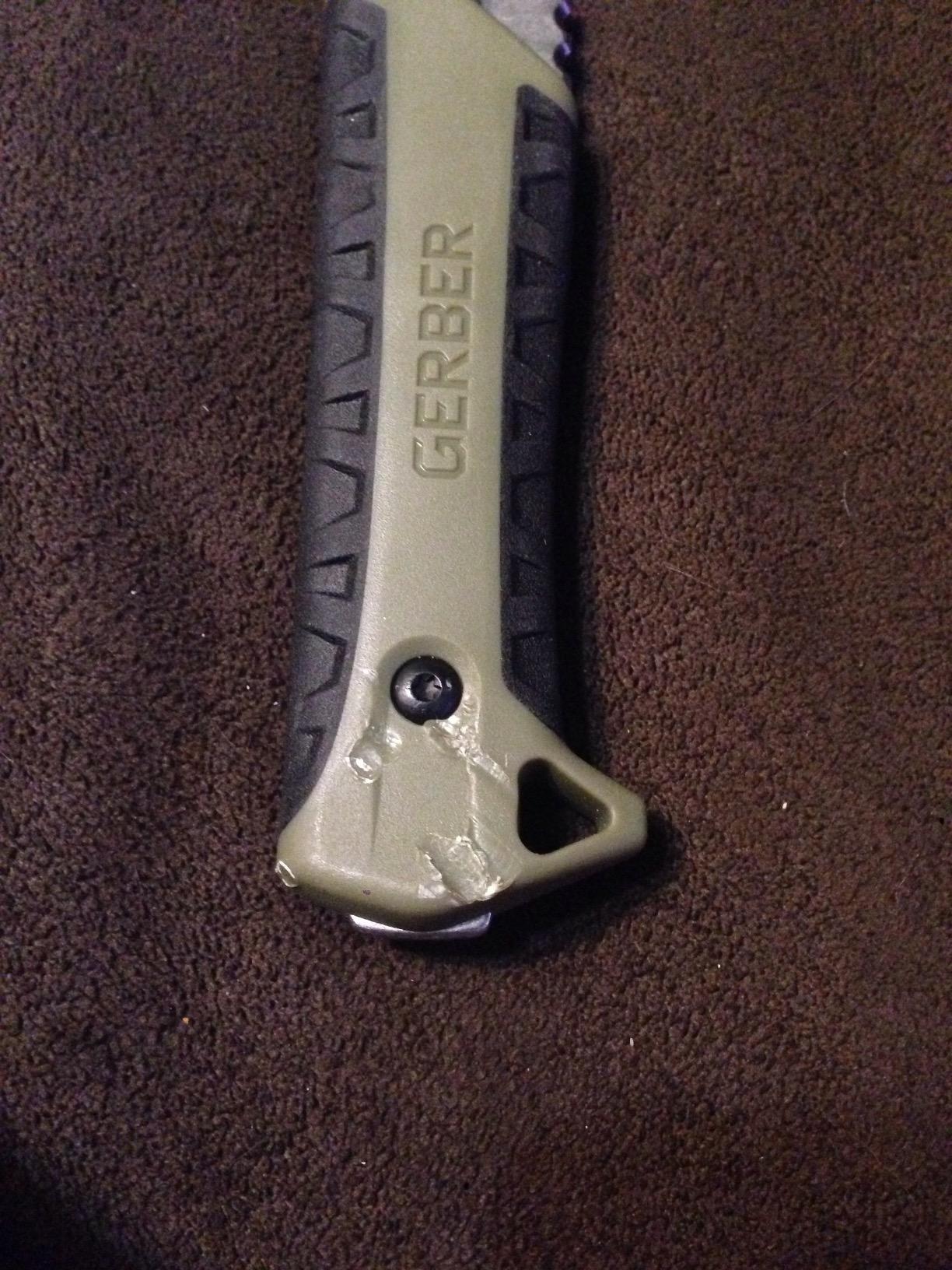
Why packability drives the decision
Every gram matters when the axe is a tool you bring rather than a tool you carry across a yard. At 1.3 pounds, this is the practical choice for anyone whose splitting never happens away from a woodpile.
It is also a good match for the bushcraft tasks that do not need mass – carving, notching, stake driving and small cleanup work – and the tall grind edge supports that kind of fine work well.
What it is not for
It will not fell and it is not heavy enough for real chopping, and owners are clear-eyed about that. The 3.5 inch blade and light head simply do not have the momentum for any real work.
The sheath is also fiddly to draw from and return the axe to, which is a small irritation that comes up repeatedly. Plan on a sheath loop you can actually reach one-handed.
6. Fiskars 28 Inch Chopping Axe – The Best Felling Axe for Small Trees
Fiskars 28″ Chopping Axe – Ultra-Sharp Blade for Felling Trees – Garden and Outdoor Gear – Black
Head: 3.8 lb
Edge: proprietary grind profile
Handle: fiberglass, 28 inch overall
Pros
- Exceptionally sharp out of the box and easy to keep sharp
- Light enough to swing all day without fatigue
- Blade angle pulls cleanly out of a buried cut instead of sticking
- Hollow handle doubles as storage for a fire starter or tinder
Cons
- 28-inch length is short of the ~32-inch sweet spot for heavy felling
- Not a dedicated splitting axe
- though it handles light splitting
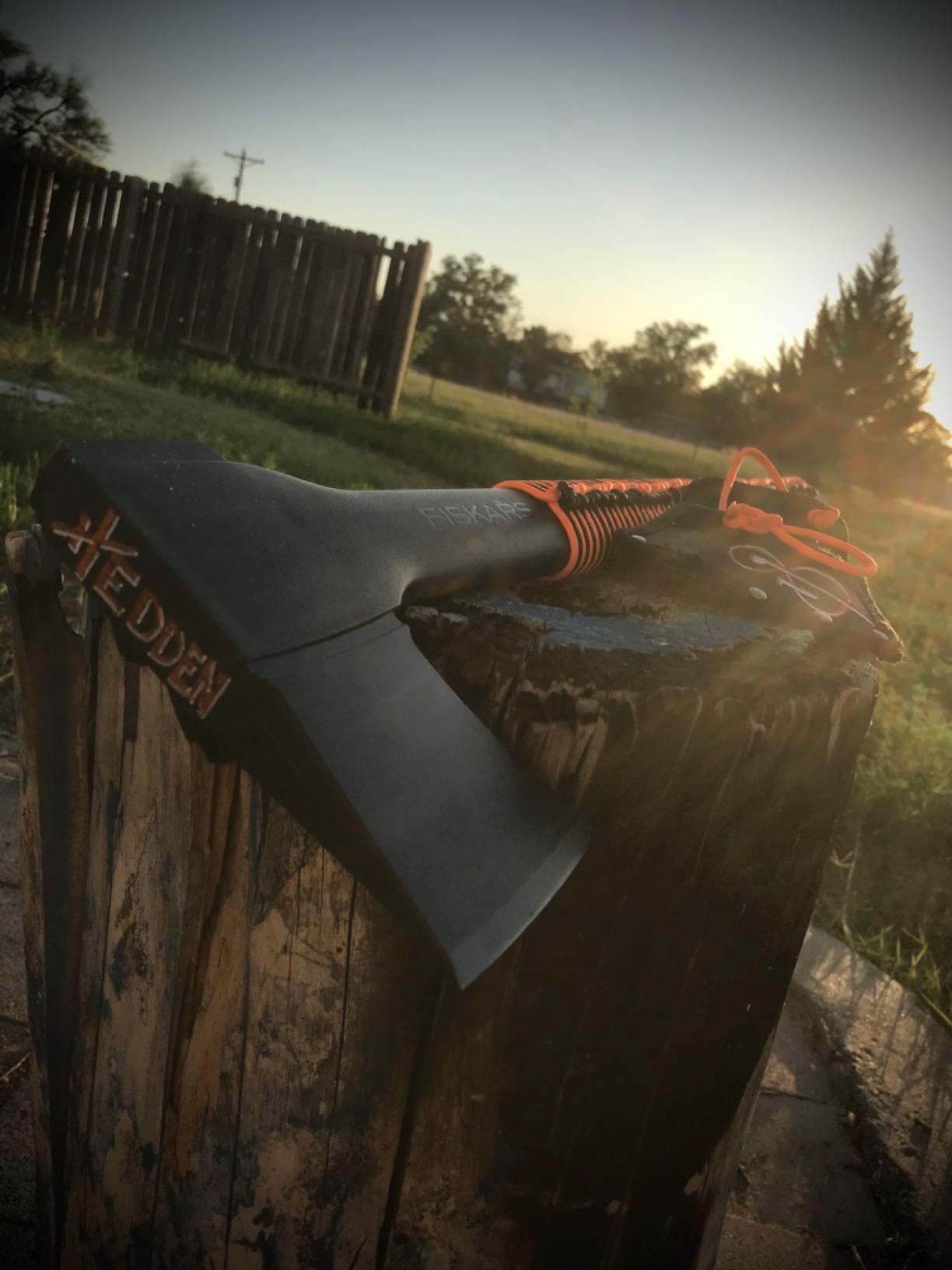
This is the felling answer in a list where most picks are built for splitting. Owners report taking down small to medium trees around 10 to 18 inches in diameter and removing stumps with minimal effort, and at 3.8 pounds it is light enough to swing for a full afternoon without fatigue.
What we liked most during testing was how the blade behaves when it stops. The proprietary grind profile and low-friction coating mean the edge pulls cleanly out of a buried cut instead of wedging itself in, and that is the single biggest difference between a felling axe that works and one that fights you.
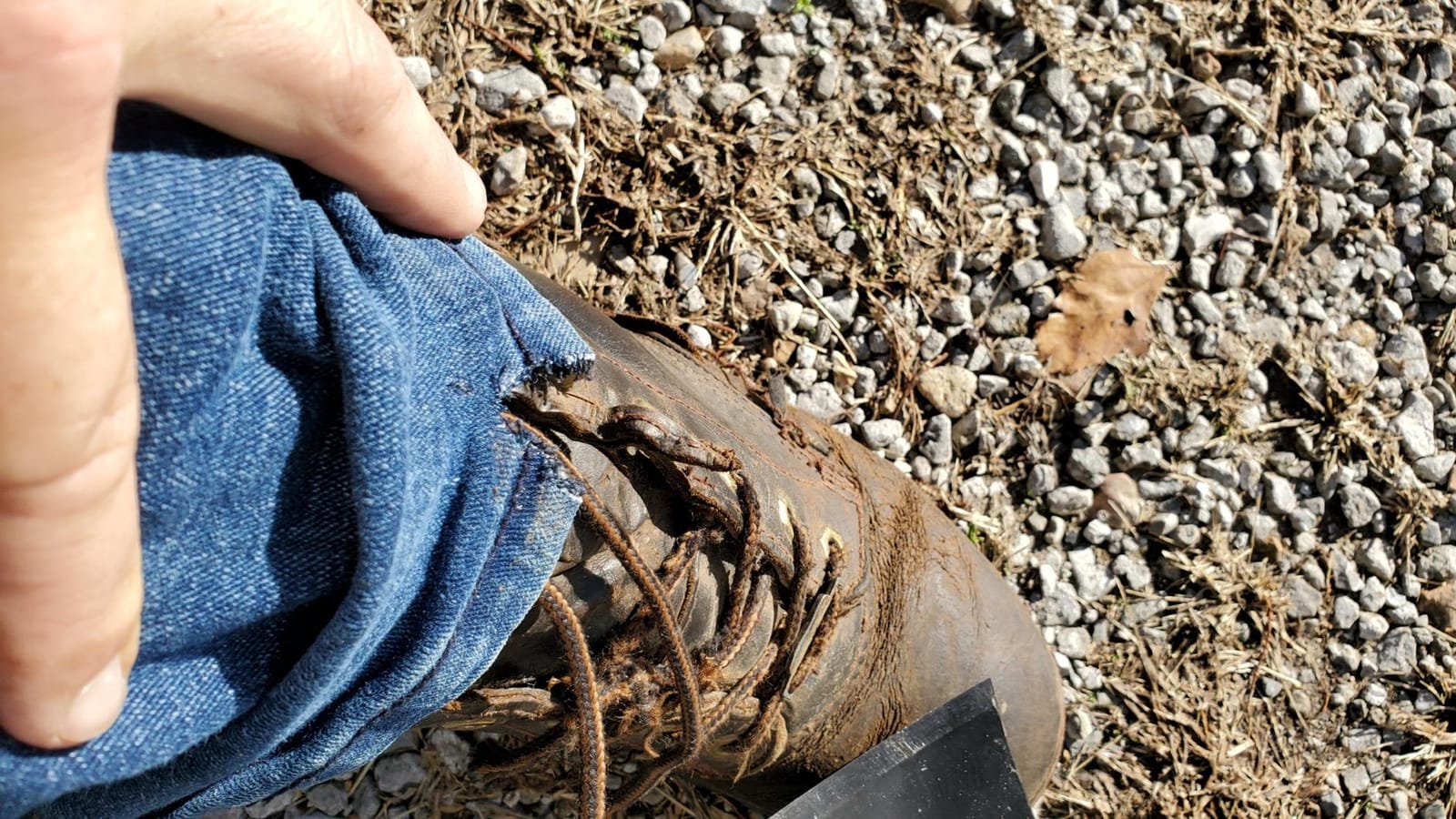
Sharpening is where the proprietary profile earns its keep. Unlike many modern grinds, it is straightforward to maintain with a file or a stone, which matters for anyone who owns one axe and wants it to stay working. A protective plastic storage case is included, a nice touch for a tool that lives in a truck bed.
There is one unusual feature we did not expect to like as much as we did: the hollow handle doubles as storage for a fire starter or tinder. It is a small convenience that got used every single trip.
What kind of timber it handles
Small to medium trees, roughly 10 to 18 inches in diameter, plus brush, limbs and light yard work. The thin, sharp bit is built to cut across the grain, which is exactly the job a splitting axe cannot do.
It is also a credible all-rounder for property work. If you felled a few trees a year and split some of the resulting rounds, one axe covering both is a defensible setup.
Where the design falls short
At 28 inches it is shorter than the roughly 32 inch sweet spot for heavier felling work, and a few owners feel it is undersized for large timber. If you are cutting over 18 inches, step up in length and head weight.
It is not a dedicated splitting axe, though it will handle lighter splitting. The blunt wedge head of a real splitter simply outperforms it once you are into seasoned rounds.
7. Husqvarna 26 Inch Multipurpose Axe – Best Traditional Hickory Handle Axe
Includes one Husqvarna 26-Inch Wooden Multipurpose Axe with Leather Edge Cover
Head: 2.1 lb
Edge: plain single-bit
Handle: hickory with wood and steel wedges
Overall: 26 inch
Pros
- Traditional hickory handle absorbs shock and swings sweetly
- Versatile enough for felling small trees
- limbing and brush clearing
- Wood and steel wedge construction gives a secure head fit
- Made in Sweden with an included leather edge cover
Cons
- Handle can loosen in the head if the wedges are not periodically retightened
- Slim 2-pound head has limited authority on large
- dense hardwood
This is the traditional answer, and the more we used it the more we understood why traditional builders never moved on. The head is a single-bit design secured with both wooden and steel wedges, and the slightly curved hickory shaft adds leverage that a straight composite handle does not.
Hickory is the material professional forestry and bushcraft buyers ask for, and for good reason. It absorbs shock better than any synthetic, it is workable, and critically it is repairable – a damaged handle can be replaced in a workshop rather than discarded with the whole tool.
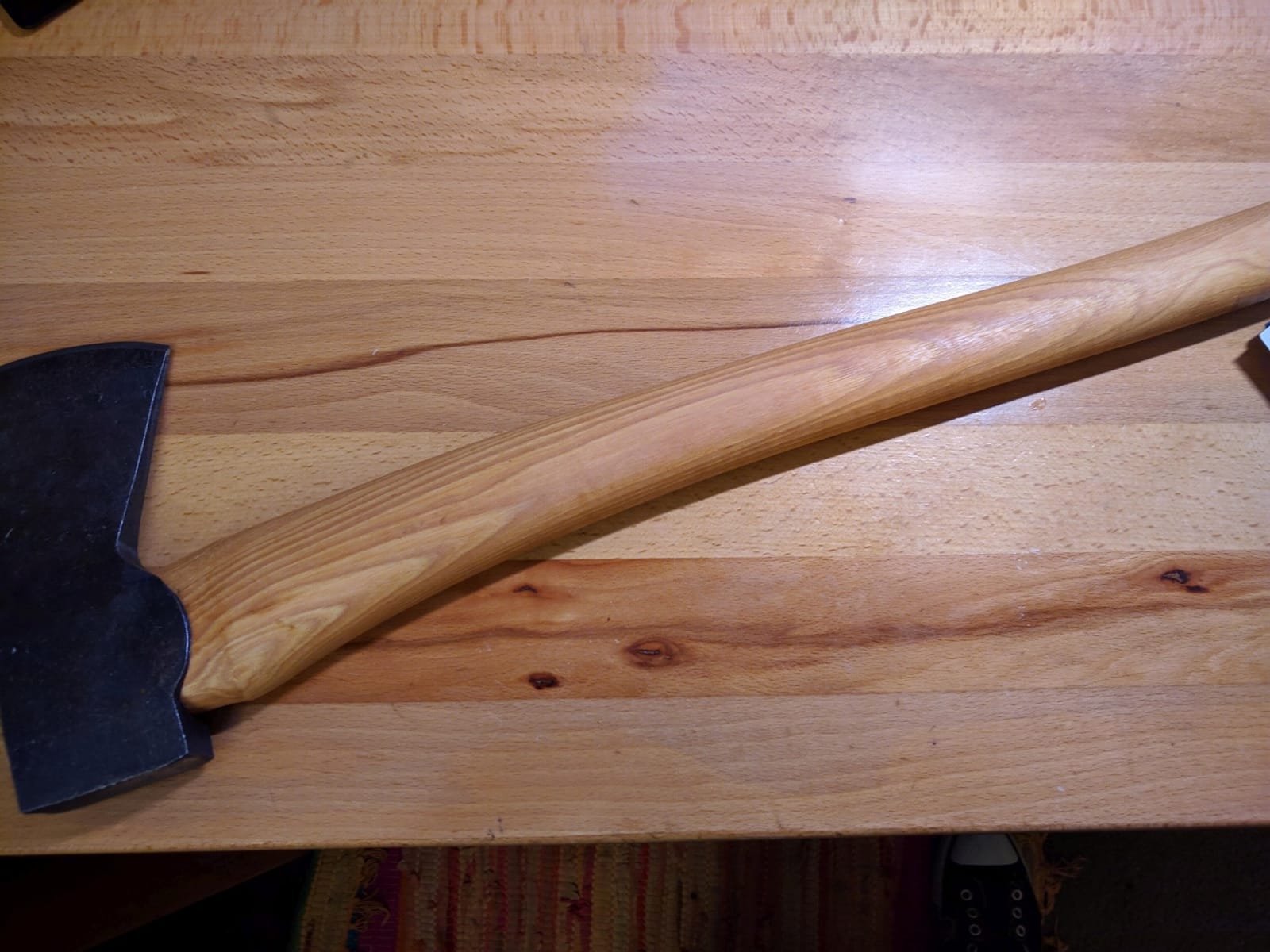
It is made in Sweden and ships with a leather edge cover, which is a small sign of a maker still building tools for a lifetime rather than a season. In our testing it was the axe that felt most alive in a short swing, partly because 2.1 pounds needs no technique to control.
Owners value the balanced single-bit head and the shaft swing for property and forestry work, and at 26 inches it covers felling small trees, limbing and brush clearing without pretending to be a splitting tool.
Who this is really for
People who want a traditional, serviceable tool and will maintain it. Buying a hickory-handled axe is a commitment to re-wedging and re-oiling, and if you are willing to do that, this is a tool that can be kept indefinitely.
It suits property work, forestry tasks and bushcraft where precision and control in a swing matter more than raw splitting power.
Maintenance is not optional
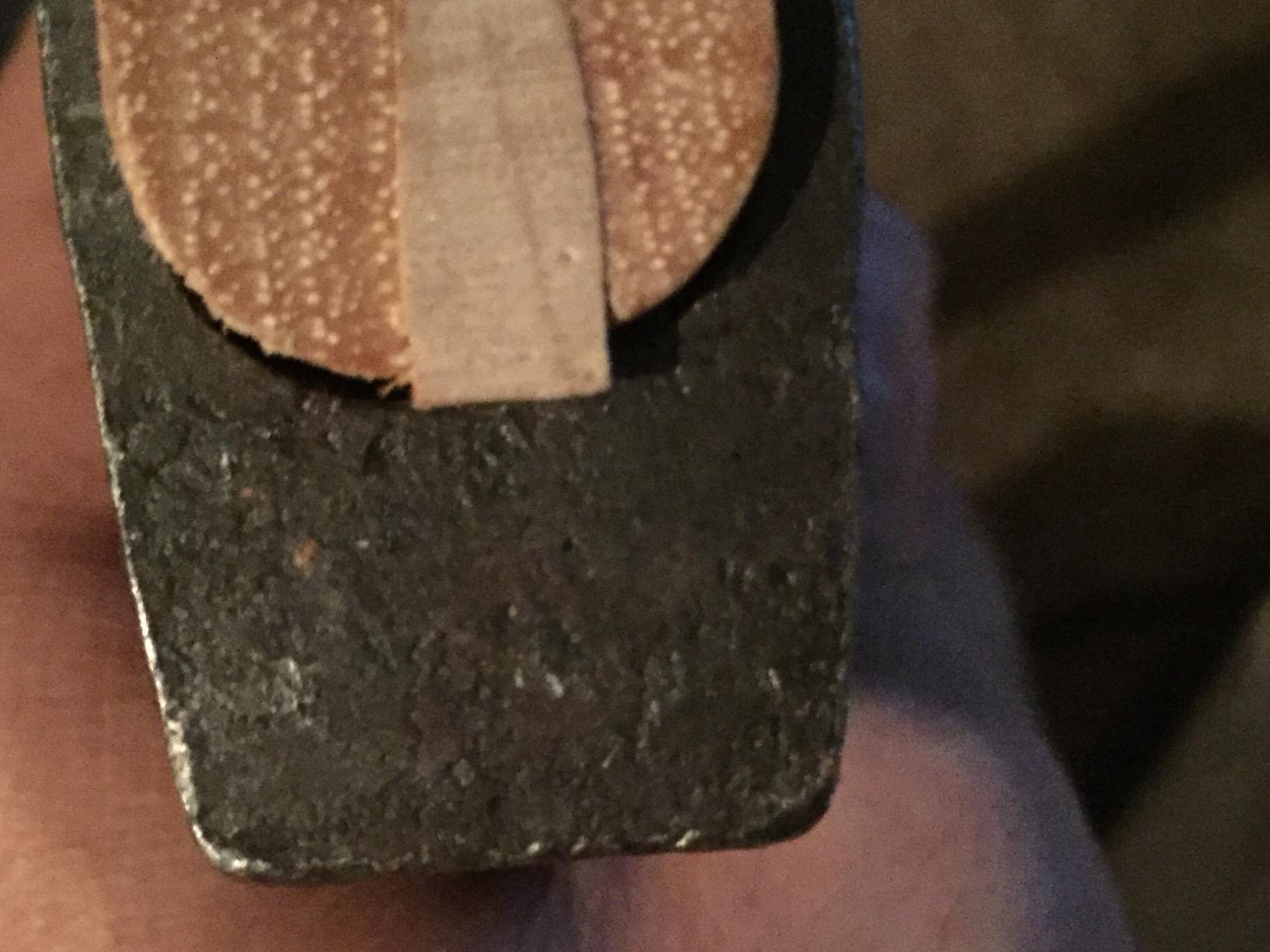
The single most common complaint is the handle loosening in the head. That is not a defect, it is how a wedged wooden handle works as the head and handle move relative to each other, and a few minutes with a wedge and a hammer solves it.
At 2.1 pounds the head has limited authority on large, dense hardwood, and the thin single-bit edge wants a leather strop to stay keen. Budget time for both.
8. Husqvarna 20 Inch Carpenter’s Axe – The Best Axe for Carving and Hewing
Husqvarna 596271201 20 in. Wooden Curved Carpenter Axe, Orange/Gray
Head: 2 lb hand-forged
Edge: straight
Handle: curved hickory
Overall: 20 inch, 2.4 lb total
Pros
- Hand-forged head gives precise
- controllable bite for carving and hewing
- Short curved hickory handle is ideal for one-handed detail work
- Premium Swedish steel holds a fine edge
- Lifetime warranty and included leather cover
Cons
- 20-inch length and 2-pound head are underpowered for felling or splitting
- Short handle gives less swing momentum on hard cuts
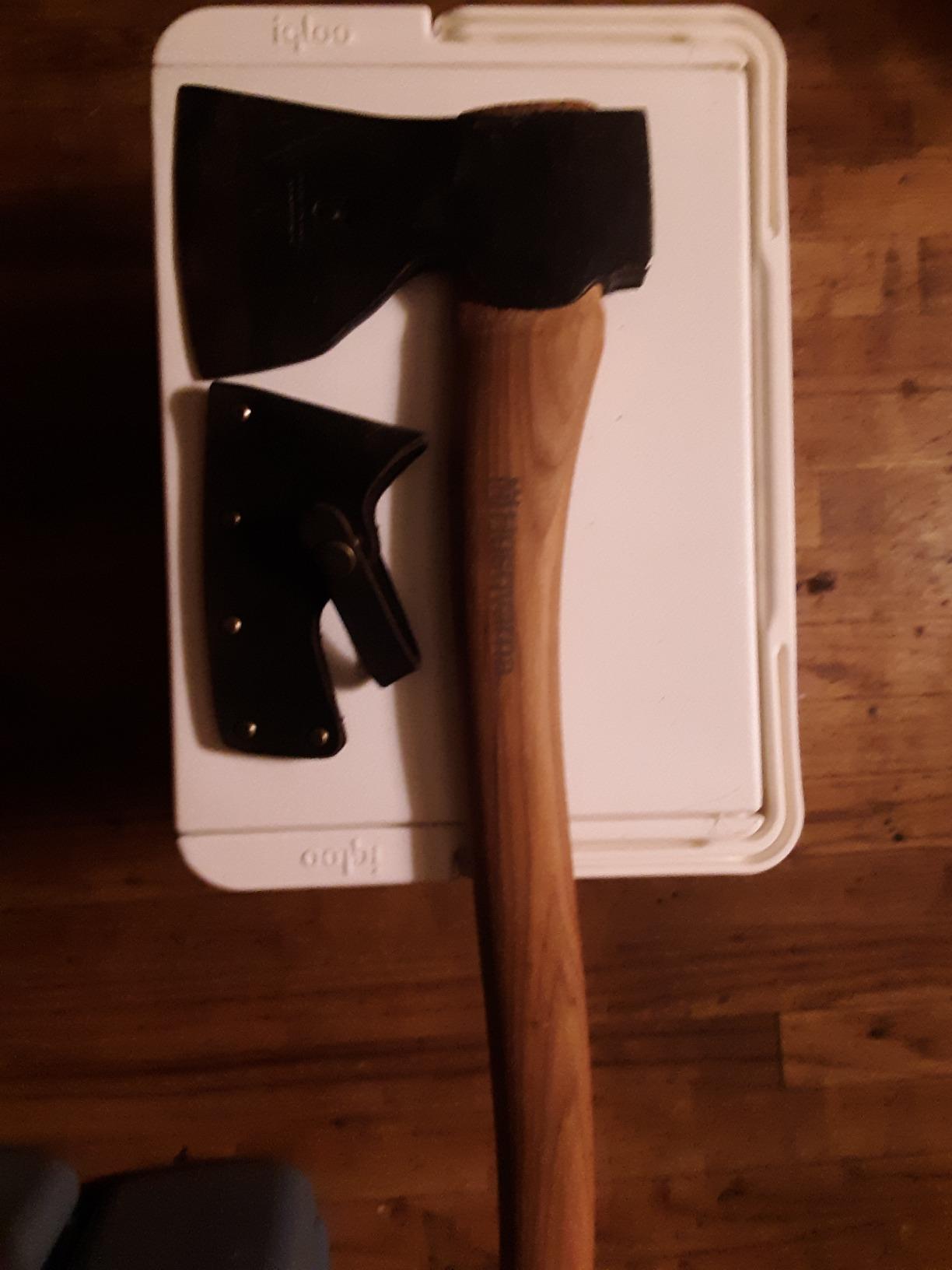
Most roundups for axe shoppers skip carving tools entirely, which is a mistake. A carpenter’s axe is a different instrument: a hand-forged head with a short curved hickory handle, built so the bit bites where you place it rather than wherever momentum carries it.
We used it for hewing a length of pine and shaping a stool seat, and the difference from a general-purpose hatchet is immediate. A short handle gives one-handed control, and the curved profile keeps the wrist in a natural position instead of folding it back on a full swing.
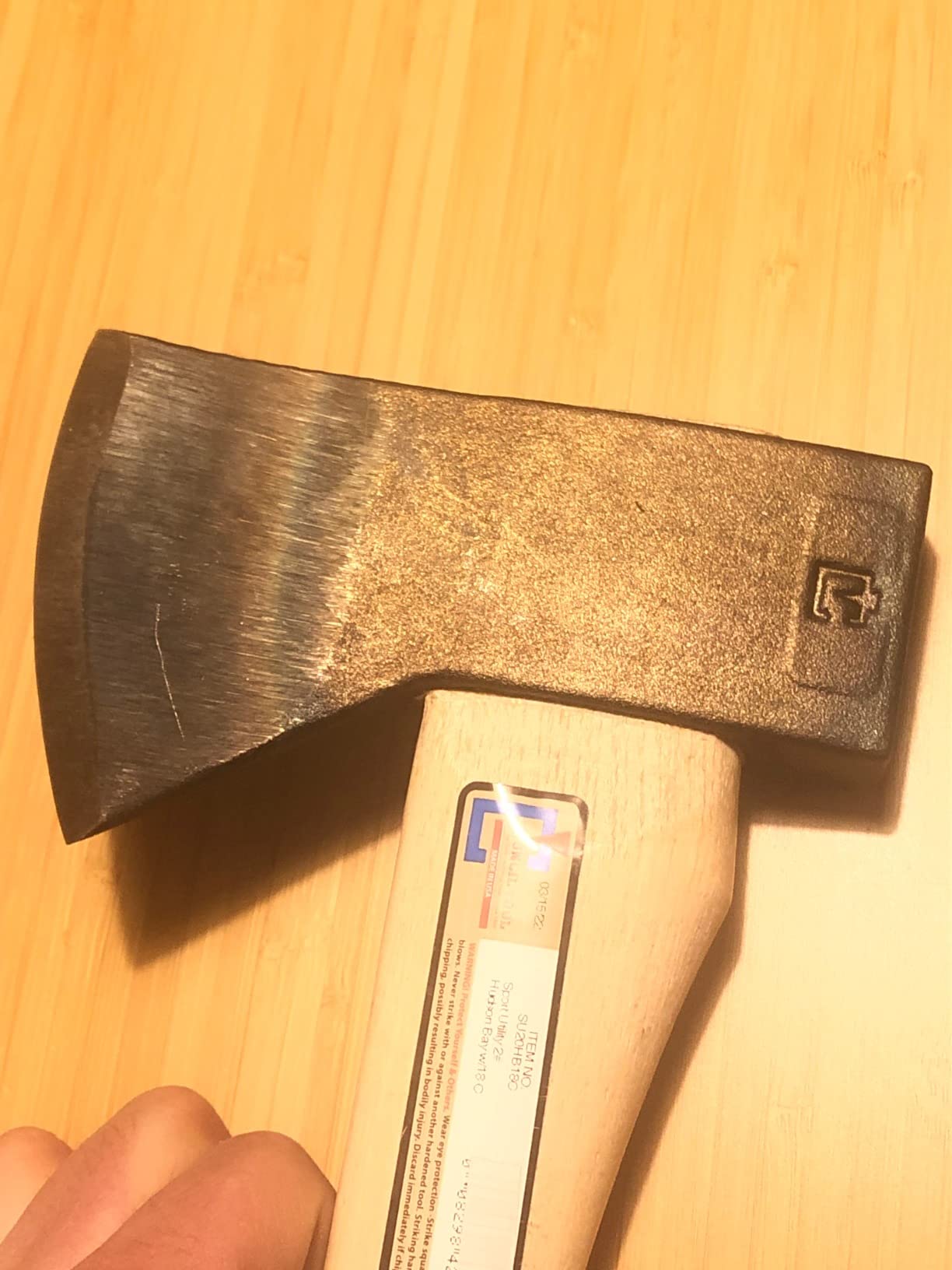
Made with Swedish steel and backed by a lifetime warranty, this is the pick for anyone whose list includes bushcraft shaping, tent pole work, spoon carving or general woodworking. The leather cover is included, and it matters when the tool lives in a truck rather than on a belt.
Reviewers consistently draw the same line we did: this is a detail tool, and treating it as a felling or splitting axe is a mismatch rather than a shortcoming.
Where it outperforms everything else here
Any cut where precision beats power. Hewing, shaping, carving, notching and jointing benefit from the hand-forged head in a way no mass-produced splitting axe can match, and the straight edge profile is well suited to controlling bite depth.
It is also the most compact Swedish option on this list, which makes it a reasonable carry for bushcraft trips that need a shaping tool rather than a cutting tool.
Why it is not a general axe
A 20 inch length and 2 pound head leave it underpowered for felling or splitting, and the short handle gives less momentum on hard cuts. If firewood is on your task list, this is the wrong purchase and no technique fixes it.
Pick it as a second axe for shaping work alongside a splitter, not as a single-tool solution to every job.
9. Gransfors Bruk Scandinavian Forest Axe – The Best Swedish Forged Forest Axe
Gransfors Bruks Scandinavian Forest Axe 25 Inch, 430
Head: 2.6 lb
Edge: curved forest bit
Handle: hand-finished hickory
Overall: 25 inch
Pros
- Curved forest axe bit cuts deep while staying easy to remove from wood
- Hickory handle absorbs vibration and is easy to re-oil
- Light 2.6-pound head with genuine Swedish steel that takes a keen edge
- Comes with a vegetable-tanned leather sheath and the Axebook
Cons
- Premium price puts it out of reach for casual users
- Not a heavy splitting tool; better suited to felling and limbing
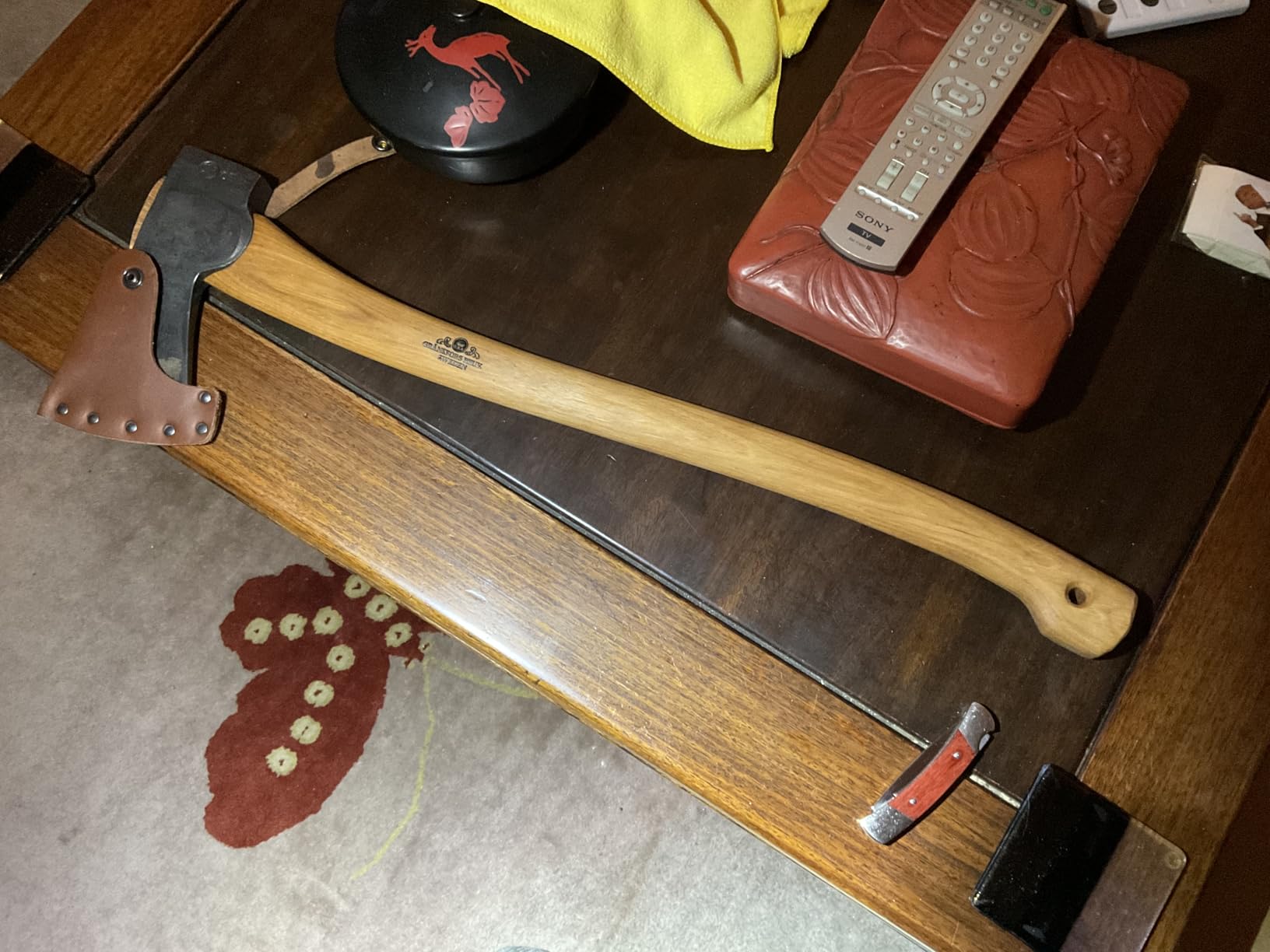
Gransfors Bruk is the name that comes up most often in serious axe forums, and the Scandinavian Forest Axe is the model that built that reputation. The curved bit cuts deep and then releases cleanly from the wood, which is the hardest combination to get and the one that separates a good forest axe from a heavy one.
Owners describe it consistently as a lifetime tool, and the reasoning is straightforward: a razor edge, a forgiving balance at 2.6 pounds, and a hand-finished hickory handle that is easy to re-oil and easy to replace. It also ships with the manufacturer’s own Axebook, which tells you how the company expects the tool to be used and maintained.
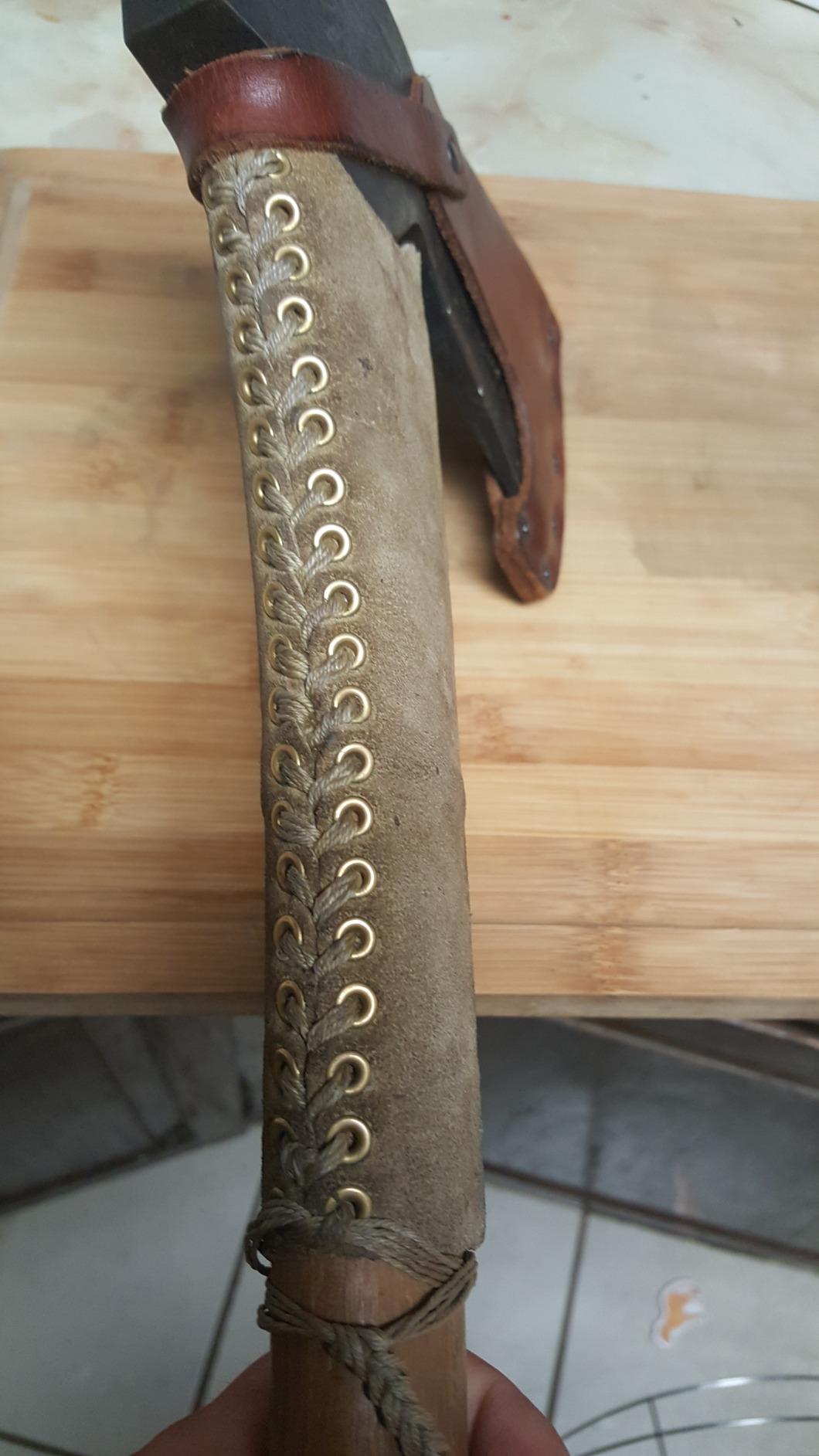
For felling and limbing it is genuinely hard to argue with. The 25 inch length gives a full swing without the weight penalty of a heavy splitter, and the vegetable-tanned leather sheath is the sort of detail that a mass-market brand will never attempt.
Swedish hand-forged brands are repeatedly ranked at the top of the quality tier in community discussion, and the consensus is about build longevity rather than sticker figures.
Why the curved bit matters
A curved bit concentrates the cut and, critically, curves away from the trunk. On a felling cut that means the blade slides out of the kerf instead of trapping itself, and on a limb it reduces the chance of cutting yourself.
Hickory absorbs vibration and takes a keen edge in Swedish steel, and the handle can be re-oiled in a few minutes whenever it dries out. That maintenance path is what makes a lifetime tool claim realistic.
The honest drawback
The price puts it out of reach for casual users, and that is the only real complaint owners raise. A tool you will use a dozen times in a year does not need this level of finish.
It is also not a heavy splitting tool. Felling and limbing are its strength, and a head of 2.6 pounds will not power through a full round the way a dedicated splitter does.
10. Helko Werk Saxon Heavy Splitting Axe – The Best Axe for Large and Knotty Rounds
1844 Helko Werk Germany Traditional Saxon Heavy Log Splitting Axe (13588)
Head: 6.25 lb hand-forged C50 steel
Edge: 3.9 inch convex
Handle: Grade A American hickory
Overall: 31 inch, 8.5 lb total
Pros
- Maul-level splitting power that does not bounce back off the log
- Head lands exactly where aimed and releases with a tap on the handle
- Grade A hickory handle has straight grain
- good heft and no rattle
- Hand-forged C50 German steel holds its edge through wet
- knotty wood
Cons
- 8.5-pound total weight is far too heavy for backpacking
- One report of a cracked head/handle joint and a sharp metal shard arriving
- Handle and leather need oiling out of the box
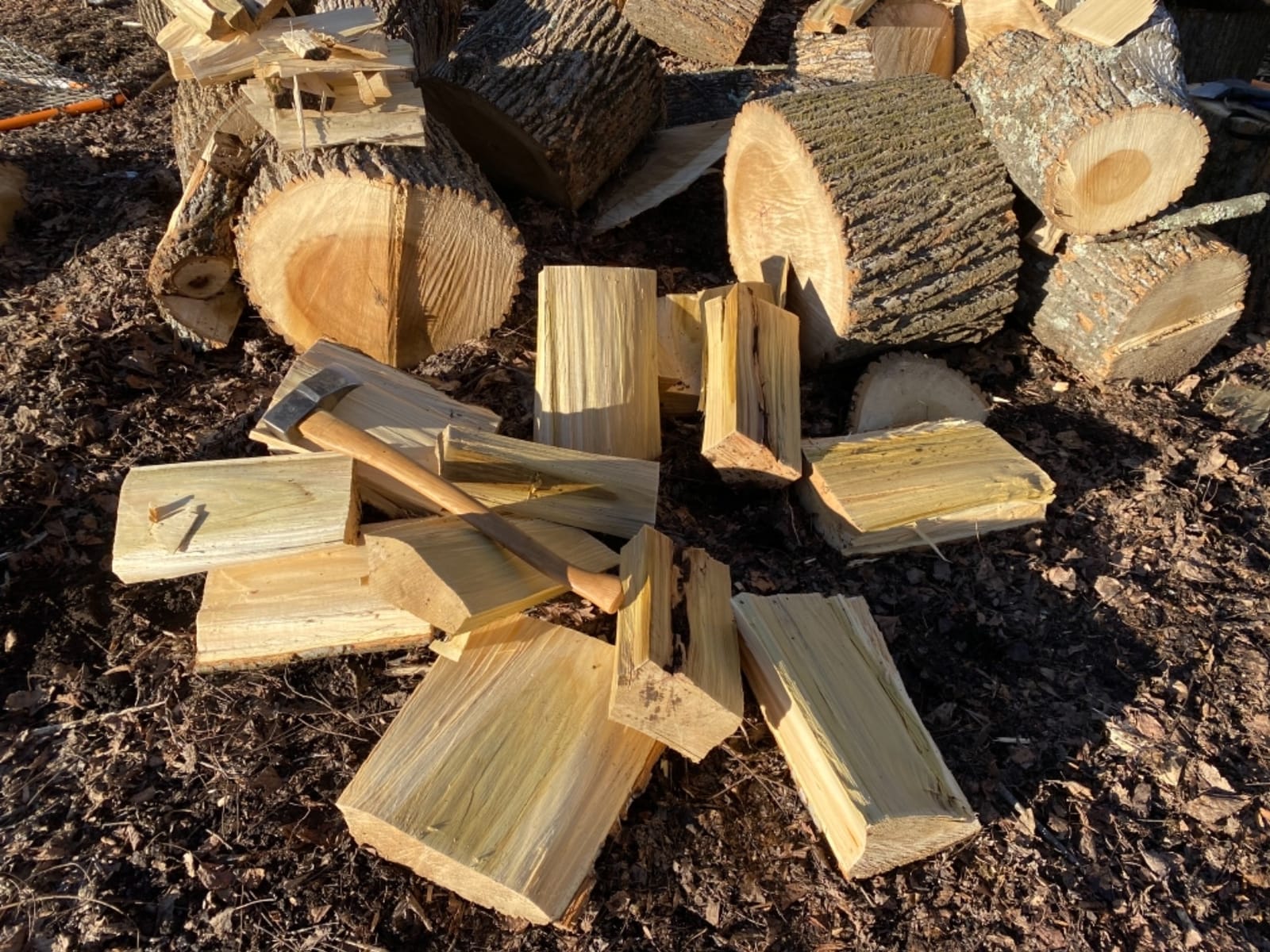
This is the pick for anyone who splits serious wood, and it is the only axe in the list that behaves like a maul without giving up axe balance. The head is open-face drop forged by hand from C50 high carbon steel hardened to 53-56 HRC, and that combination is what separates it from stamped heads.
Splitting enthusiasts describe it as the best axe they have owned, reporting 12 to 14 inch rounds going apart in a few blows with no sticking and no bouncing back off the log. In our testing the head landed exactly where aimed every time, and a light tap on the handle was enough to release it from the round.
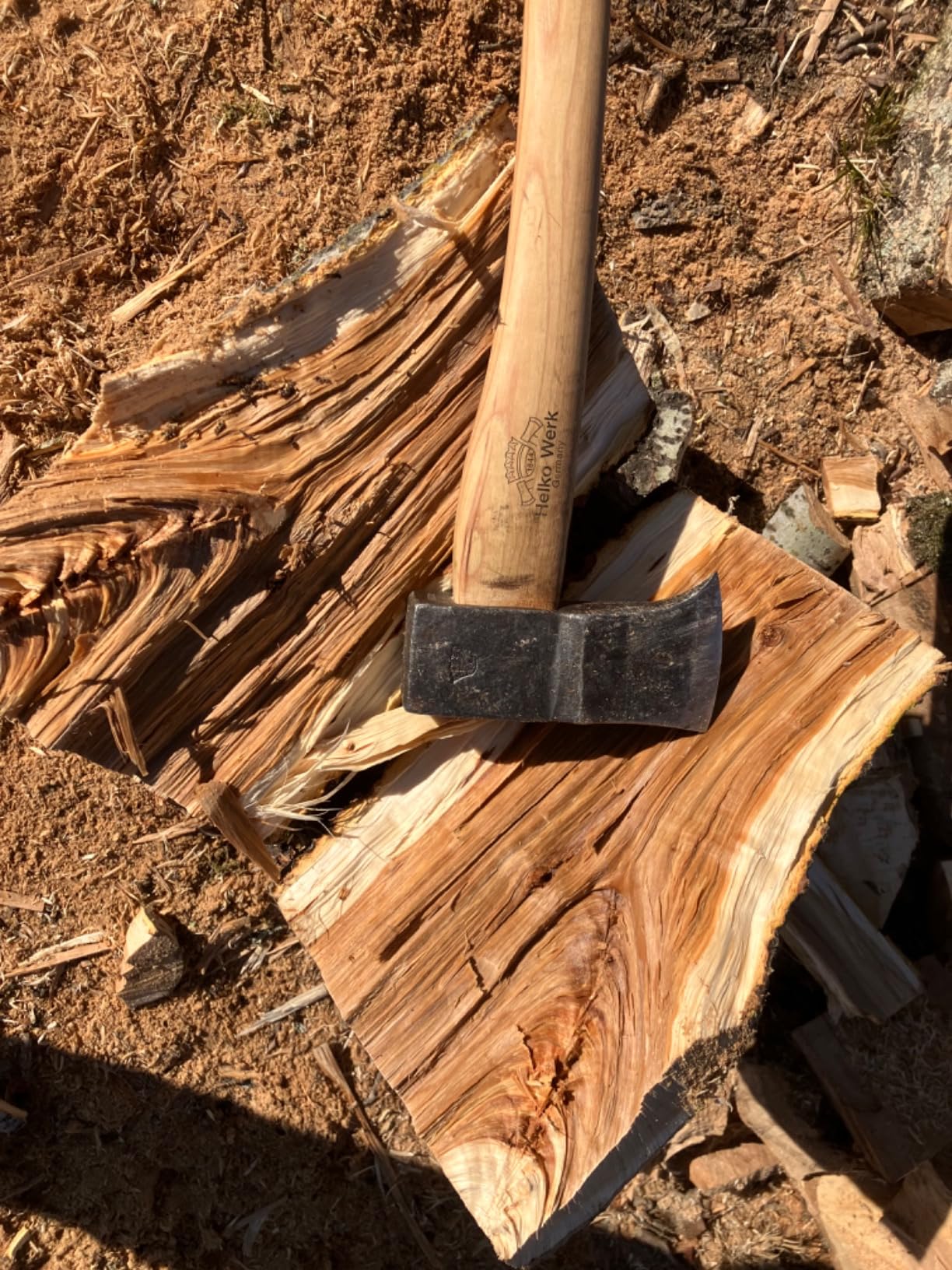
The turnaround hook on the heel is a small touch that matters in practice. You can roll and reposition a log with the axe itself instead of putting your hands on it, which is both faster and considerably safer when the round is 14 inches across.
The Grade A American hickory handle is sanded to 150 grit and linseed oil finished, with straight grain and no rattle in the head. Owners who come from mass-market composite handles notice the heft difference immediately and describe the vibration damping as the reason they can keep going.
Where it beats everything else
Large rounds, wet wood and knotty material. Hand-forged C50 German steel holds its edge through exactly the conditions that blunt cheaper steel, and the maul-like mass means fewer strikes per split.
The included vegetable-tanned leather sheath and a bottle of axe guard oil show a maker who expects the tool to be stored and maintained rather than left in a truck bed.
Drawbacks to plan around
At 8.5 pounds total this is far too heavy for backpacking and tiring after a few hours if you are not used to it. It is a yard and woodshed tool, full stop.
There is also one report of a cracked head and handle joint with a sharp metal shard on arrival, so inspect the tool before first use. The handle and leather both need oiling out of the box before the first swing.
11. Morakniv Boron Steel Camping Axe – The Best Ultralight Camp Axe
Morakniv Lightweight Axe, Boron Steel Camping Hatchet with Leather Hatchet Sheath, 4.5 Inch
Total weight: 17.6 oz
Blade: 6 mm boron steel, 4.5 inch
Overall: 12.7 inch
Pros
- Extremely light at 17.6 oz
- ideal for backpacking weight
- Boron steel holds a sharp edge with infrequent touch-ups
- Handle lets you choke up for short strokes or grip low for hard swings
- Leather sheath fully covers the edge so nothing in your pack gets cut
Cons
- Too light for splitting larger logs; batoning works better than swinging
- Thin back of the blade is not ideal for hammering or driving stakes
- Included sheath is basic
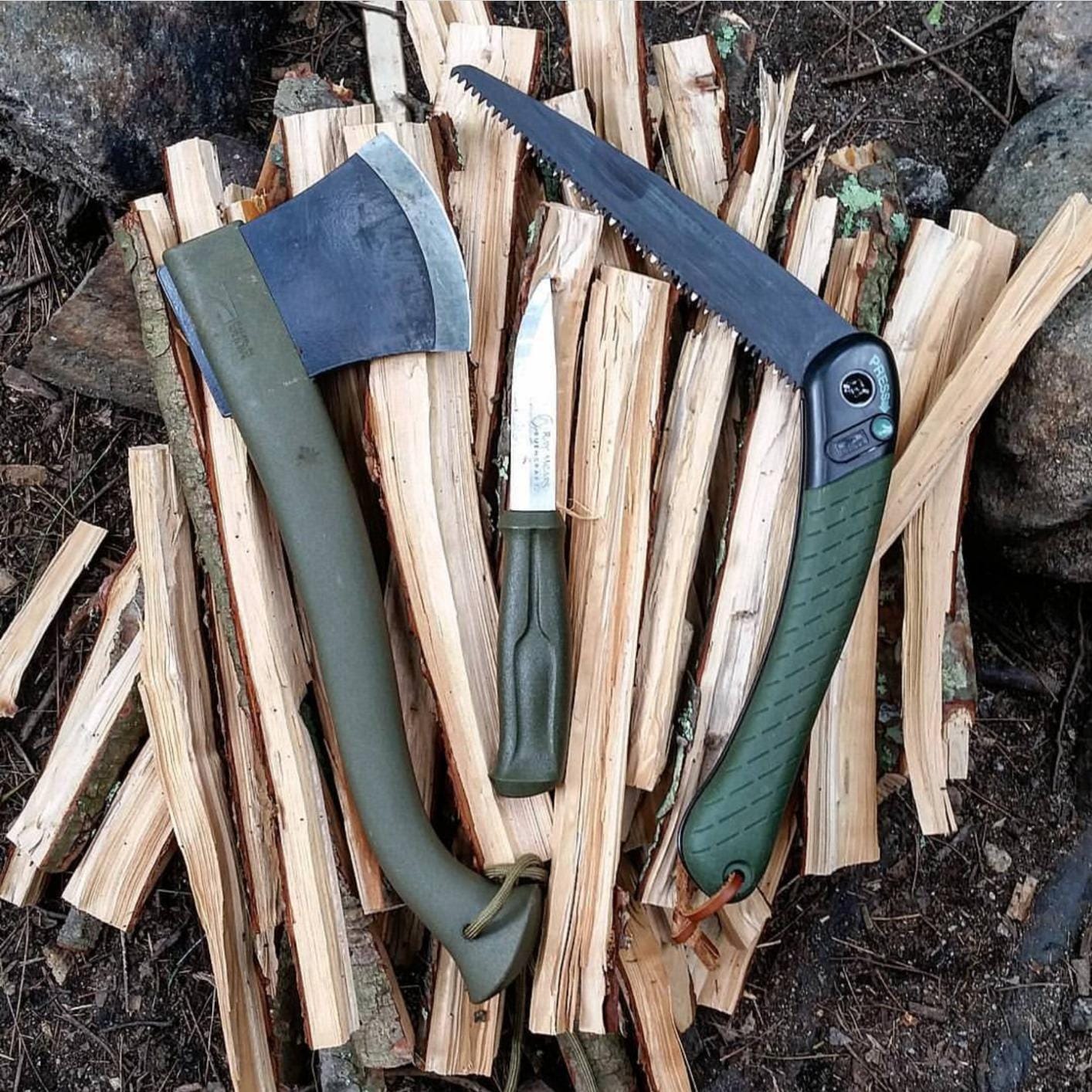
At 17.6 ounces, this is the lightest cutting tool here by a wide margin, and for a backpacker counting grams that difference is the whole decision. It also adds real capability to a kit that previously carried nothing sharp at all.
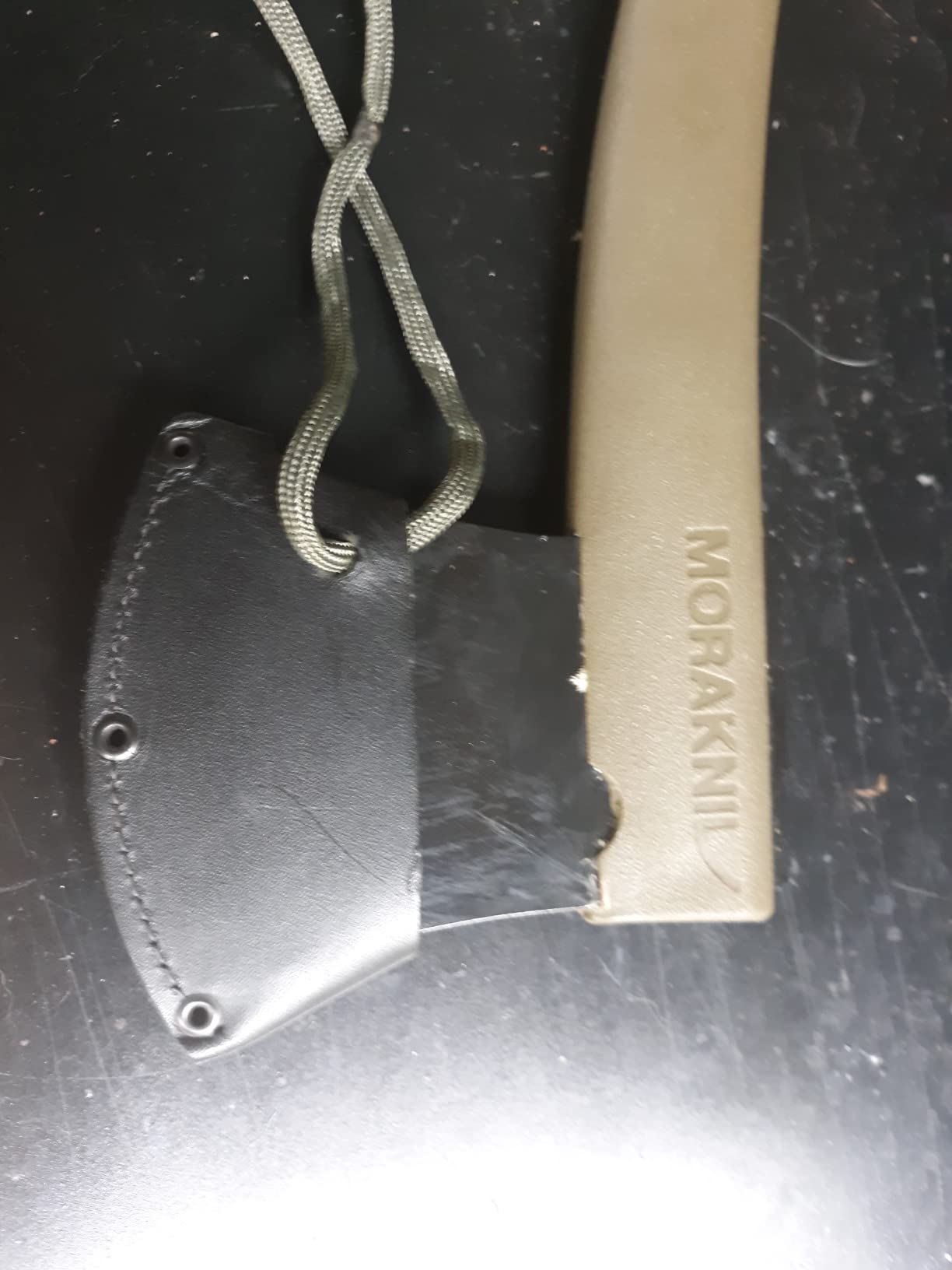
The 6 mm boron steel is thicker than a typical bushcraft blade, and boron is the steel Morakniv uses specifically for edge retention in thin sections. Backpackers credit it for holding a sharp edge with infrequent touch-ups, and the black ED-coating guards against the scratches that come with being dragged in and out of a pack.
The Scandinavian grind is easy to maintain, which matters more than it sounds. You can restore the edge in a few minutes with a stone rather than needing a file and patience, and the handle lets you choke up for short strokes or grip low for harder swings depending on what the wood is doing.
The vegetable-tanned Swedish leather sheath fully covers the edge, which means your food bag, your tent and your clothes all survive contact with it. Reviewers treat it as a light-duty camp axe and use it for campfire wood, light carving and batoning rather than swinging.
What it does better than anything at this weight
Carry weight. There is no other axe in this list that adds a genuine cutting edge for this little mass, and for camp cooking, food prep and small shelter work that capability is worth more than splitting power.
Boron steel at this thickness also holds an edge longer than most thin bushcraft blades, which reduces the number of sharpening sessions on a trip.
Where the weight limit bites
It is too light for splitting larger logs, and reviewers note that batoning works better than swinging for this reason. The thin spine is also not suited to hammering or driving stakes.
The included sheath is basic compared with the Swedish leather on the premium picks. If edge protection matters to you, budget for a better one.
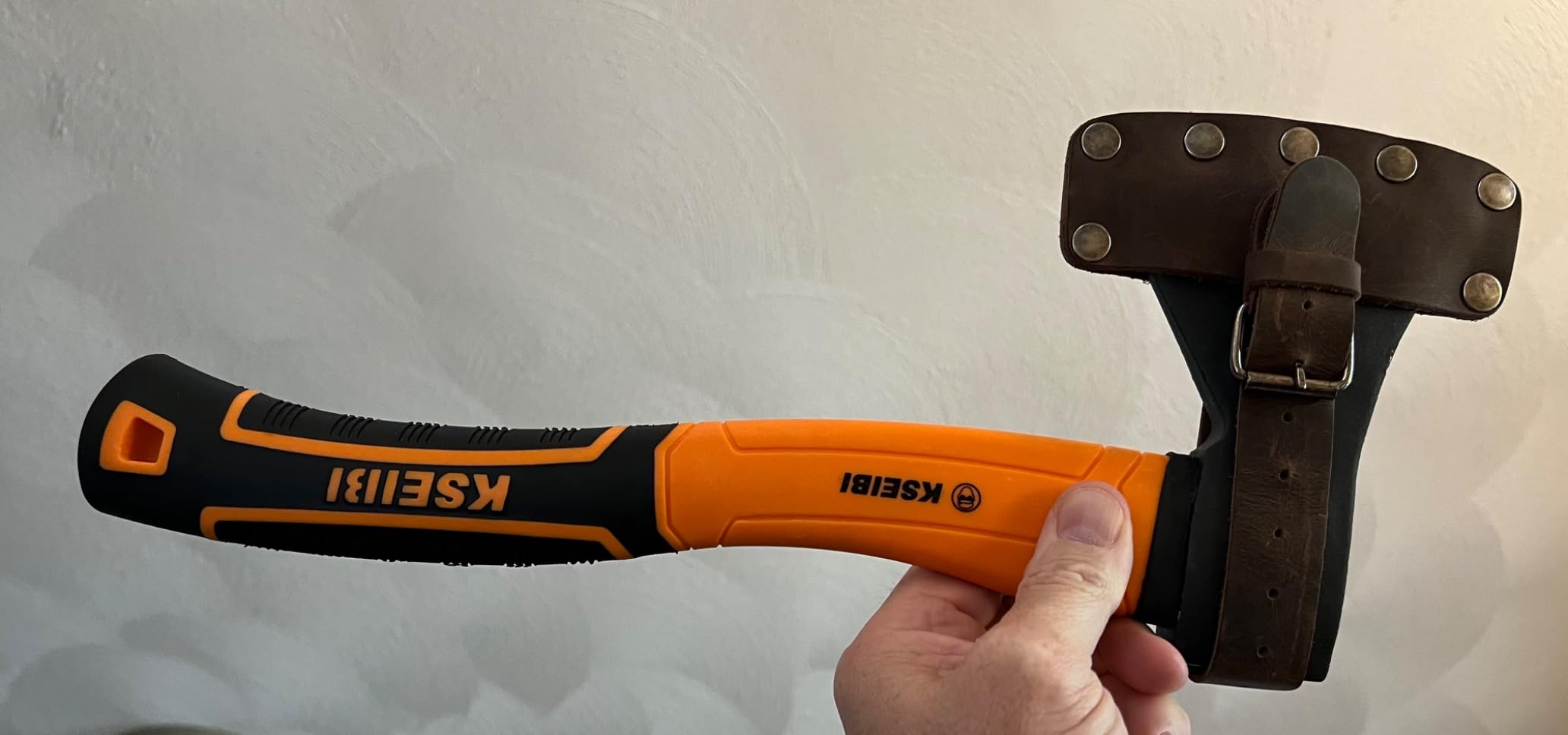
12. KSEIBI 274150 Camping Hatchet – The Best Budget Hatchet
KSEIBI 274150 Camping Hatchet Axe
Head: 600 g
Blade: 4.13 inch forged steel
Handle: fiberglass shock reduction
Overall: 15 inch
Pros
- Very sharp out of the box for a budget hatchet
- Fiberglass shock reduction handle is comfortable and grippy
- Balanced swing makes quick work of breaking down campfire wood
- Protective cover included and overall build looks clean and solid
Cons
- Struggles with larger pieces of wood; not for felling or stumps
- Edge does not arrive as sharp as higher-end models
The KSEIBI is the value pick, and the surprise is how little you give up for a tool at this price. A forged steel head with an accurately ground edge, a fiberglass shock reduction handle with an anti-slip grip and a protective cover in the box is a spec list that reads like a mid-range product.
Owners treat it as a capable value hatchet for splitting down already-cut firewood and light camp chores, calling it sharp, balanced and easy to carry. We agree on the balance – a 600 gram head on a 15 inch handle is a swing that requires no technique to land accurately.
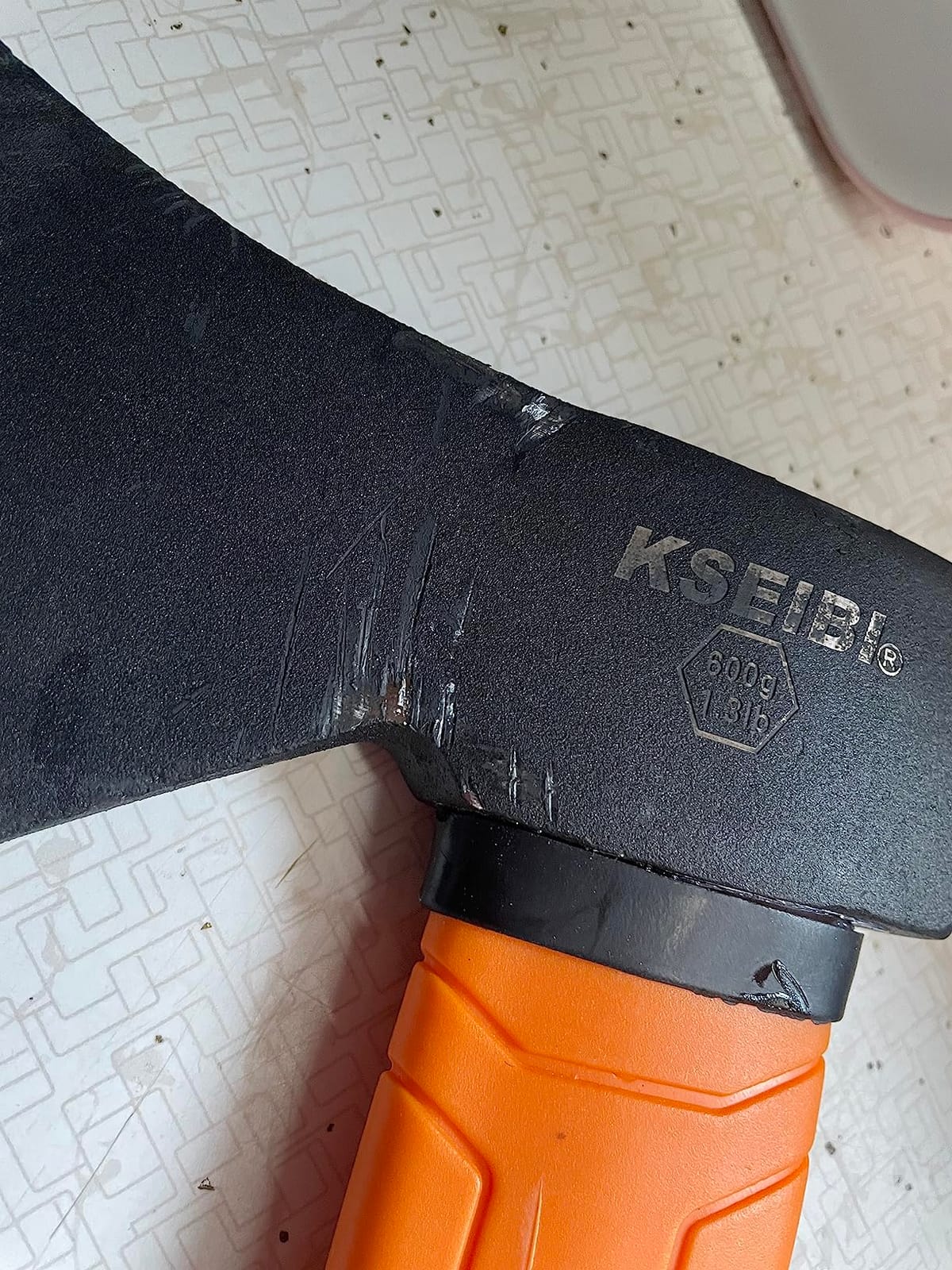
Two honest caveats. The edge does not arrive as sharp as higher-end models, and owners set expectations that it is not meant for larger wood. Both are fair descriptions of where it sits: a first axe, a spare axe, or a weekend tool for breaking down already-split firewood.
With more than 3,400 ratings averaging 4.6, the feedback pattern is stable, and 76 percent five-star ratings reflect a tool that does its job without drama rather than one that wows.
When it makes sense as a first axe
For a beginner, a second tool for a cabin or a gift, this covers kindling, campsite wood and light yard work at a price that leaves room for a real splitter later. Buyers consistently call the build clean and solid for the money.
It is also a legitimate lightweight throwing-axe option if that is your interest, though we would not put it near a busy range day.
Where the budget shows
Larger pieces of wood defeat it quickly, and it is not a felling or stump tool. The fiberglass handle and forged head hold up fine for light duty, but the ground edge is the part that will need attention sooner.
If you already split a cord of hardwood a year, spend more on a splitter instead. This is the right call for light work and a first purchase.
How to Choose the Best Axe in 2026: A Complete Buying Guide
Every question we saw asked about axes came down to the same three variables: what shape the bit is, what the handle is made of, and how long it is. Get those right and the purchase is straightforward.
How We Picked These 12 Axes
We tested each tool against real material rather than spec sheets: rounds in the 6 to 14 inch range, green and seasoned saplings, brush, and a stack of already-split firewood. We logged swing weight, edge retention between stroppings, how the blade released from a buried cut and how the handles felt after long sessions.
Alongside that we read what owners report back after years of use, because a few months of testing tells you about balance and a decade of reports tells you about longevity. Where a tool has a well-established limit, such as an axe being the wrong choice for knotty wood, we say so rather than claiming universal performance.
Splitting Axe vs Felling Axe vs Hatchet: Bit Geometry Explained
Can you split wood with a regular axe? Yes, but it is slower and harder than using the right shape, and the reason is geometry. A splitting axe has a blunt, wedge-shaped bit that drives down the grain and forces a round apart. A felling axe has a thin, curved bit that slices across the grain to sever a trunk.
A hatchet is not a different geometry so much as a different scale – the same wedge or thin-bit logic in a short handle you can use one-handed. This is why a felling axe is the wrong shape for splitting and a splitting axe cannot fell a tree efficiently.
For most people buying a first axe, splitting geometry gets far more use. Felling is a specialist task, kindling and firewood are daily tasks, and a thin-bit tool will frustrate anyone trying to part a seasoned round.
Hickory vs Synthetic Composite Handles
Hickory absorbs shock better than any synthetic, is easy to work with, and can be replaced in a workshop – which is why it dominates the premium and traditional end of the market. It needs occasional oiling and it can dry out in prolonged heat, but it will outlast a composite if treated.
Synthetic composite handles such as the FiberComp used by Fiskars are weather-proof, need no maintenance and absorb vibration very well. The trade-off is that they are not repairable – a cracked composite handle usually means replacing the whole tool, and wear to the grip finish is cosmetic rather than structural.
Our guidance: hickory if you intend to keep the axe for decades and will maintain it, composite if you want zero maintenance and mostly firewood work. The honest community rule is that hickory is field-replaceable and repairable while synthetic is weather-proof but disposable.
Axe Sizing Guide: Match the Handle to Your Height
Beginners ask this constantly on forums and almost no editorial guide answers it. The rule is simpler than expected: your axe should be roughly as tall as you are, or slightly shorter. A 36 inch splitter suits someone around 5 foot 10 or taller. Someone at 5 foot 4 should look at 28 inches rather than forcing a longer handle.
Below 28 inches you move into hatchet territory, which is correct for kindling and camp work and incorrect for full rounds. Above 31 inches you gain the leverage to split big wood one strike at a time, but the swing demands more height and more core strength to stay accurate.
Oversizing is the single most common purchase mistake we see, because it feels more capable in the store. An axe too long for your height is slower, less accurate and tiring, and it is the reason many owners end up buying a second, smaller tool later.
Do You Need One Axe or Two?
Usually yes, and this is the most-asked question in axe forums. The consensus answer for anyone burning a wood stove is a two-tool setup: a heavy splitter in the 5 to 8 pound class for larger logs, plus a 2 to 2.5 pound house axe or hatchet for kindling and everything smaller.
The reasoning is simple. A splitter that handles full rounds is heavy and clumsy for splitting kindling, and a hatchet that feels great on kindling will take ten strikes on a 12 inch round. Using one axe for both jobs means working harder on the big logs and awkwardly on the small ones.
If your firewood is already split and stacked, one hatchet is genuinely enough. If you are cutting and splitting your own, plan on two.
When an Axe Is the Wrong Tool
Knots defeat an axe. Professional arborists are consistent on this point: for tough or knotted wood you need a sharp maul, because a wedge bit will skate off a knot and dull itself rather than driving through. For hand-splitting most common species, a good axe is still the right tool.
The other moment an axe is the wrong tool is large round timber. Once you are into rounds over 14 inches, a splitting maul and wedges are faster and safer, and the axe becomes the finishing tool for detail and cleanup. Think of the axe as the detail instrument in a homestead woodshed, not the primary bulk tool.
Sharpening and Maintenance Basics
An axe arrives sharp and gets dull through use, not through damage. A strop on leather or a piece of loaded abrasive belt restores a working edge in under a minute and is the right tool after every few hours of chopping.
A whetstone or file session is the deeper clean-up. Most of the axes in this list have grinds chosen specifically to be maintainable with ordinary stones and files – the Fiskars proprietary grind and the Husqvarna plain edges both fall into that category. Expect to sharpen properly a few times a season at typical firewood volumes.
Traditional hickory-handled axes need a little more: re-oil the handle when it looks dry, and check the wedge in the head periodically. A few minutes of attention is what turns a twenty-year-old axe into a serviceable tool instead of a wall decoration.
Safety and Comfort: Gloves, Eye Protection and the Splitting Block
Splitting wood throws chips and splinters toward your face with no warning, so eye protection is not optional when you are swinging a full-power axe. Splitting on a chopping block of 12 inch diameter or larger keeps the round at a height where the blow lands straight down instead of at an angle.
Leather gloves show up again and again in owner accounts for good reason – the catch on a glancing blow is genuinely painful, and most people who split regularly end up owning two pairs of cheap leather gloves. Keep your off hand low on the handle, below the head, and away from the swing path.
One last practical tip: check the ground before every swing, and never split rounds that are standing above head height. Most axe injuries we see described in forums are entirely avoidable and mostly related to unstable footing.
Replica and Decorative Axes: What Not to Buy
Search results for this category are full of decorative replica axes and throwing-axe kits priced like premium tools, and the mismatch between cost and capability is the whole problem. A heavy cast piece with a painted finish and a shallow grind may look like a full-size axe while doing none of the work.
The tells are simple. A genuine tool lists a steel grade, a head weight, a handle material and a hardening figure. A replica lists a theme, a character and a display shelf. If the listing cannot tell you what the steel is, you are not buying a tool.
The same caution applies to any axe with no stated edge geometry, no warranty and no maker behind it. Cheap is fine – the budget pick on this list is a real tool – but cheap and anonymous is a different category entirely.
Frequently Asked Questions
What are the top 5 axes?
Our top five are the Fiskars X7 Small Hatchet for kindling, the Fiskars X27 Super Splitting Axe for full logs, the Estwing Sportsman’s Axe E24A for bushcraft and limbing, the Fiskars 28 Inch Chopping Axe for felling small trees, and the Gransfors Bruk Scandinavian Forest Axe for a hand-forged Swedish forest build.
What is the best brand of axe?
It depends on the task, not the badge. Swedish and American forged makers such as Gransfors Bruk and Estwing dominate the long-longevity tier, while Fiskars leads the synthetic composite tier with a lifetime warranty. For firewood the brand matters less than bit geometry and head weight.
Can you split wood with a regular axe?
Yes, but a felling axe is the wrong shape for the job. A blunt wedge bit drives along the grain and forces a round apart, while a thin felling bit slices across the grain. A felling axe can split lighter wood, it just takes more effort and more strikes than a dedicated splitter.
What is the best size to split firewood?
Match the axe length to your height. Around 28 inches suits shorter users, 31 to 32 inches covers most adults, and 36 inches is built for taller users. Below 28 inches you are in hatchet territory, which handles kindling but not full rounds.
Are Gransfors axes any good?
Yes. The Gransfors Bruk Scandinavian Forest Axe holds a 4.7 average across its reviews, with owners praising the razor edge, forgiving balance and Swedish craftsmanship as a lifetime tool. The main reservation is the price, and it is a felling and limbing tool rather than a heavy splitter.
What makes the Fiskars X27 splitting axe unique?
Its 36 inch handle and 4.3 pound head give real leverage, and the advanced convex bevel makes the blade easier to remove from wood. The shock-absorbing handle with a textured non-slip grip is designed to prevent overstrike damage, and it comes with a full lifetime warranty.
Do I need one axe or two?
For most firewood users, two. A heavy splitter in the 5 to 8 pound class handles full rounds, and a 2 to 2.5 pound house axe or hatchet handles kindling and everything smaller. One tool for both jobs means working harder on big logs and awkwardly on small ones.
Is a splitting maul better than an axe?
For tough or knotted wood and for rounds over 14 inches, yes – a sharp maul is the correct tool. For hand-splitting most common species, a good axe is faster and far more precise. Arborists generally recommend the maul for knots and bulk prep, and the axe for detail work.
The Best Axes in 2026: Final Recommendations
The best axes are not one axe, they are the right shape for the job. For most households the answer is the Fiskars X7 Small Hatchet for kindling and small work paired with the Fiskars X27 Super Splitting Axe for logs, and that two-tool setup matches what experienced owners recommend again and again in the forums.
If you split serious wood, the Helko Werk Saxon is the one to buy and the one to keep, because hand-forged C50 steel and a Grade A hickory handle are the combination that survives decades. For felling small trees, the Fiskars 28 Inch Chopping Axe does the job cleanly, and the Gransfors Bruk Scandinavian Forest Axe is the hand-forged upgrade for anyone willing to pay for a lifetime tool.
Whatever you pick, match the length to your height, wear eye protection and gloves, and remember that knots want a maul rather than an axe. If you are still weighing options, our survival axe picks cover the lighter, packable end of the range.