
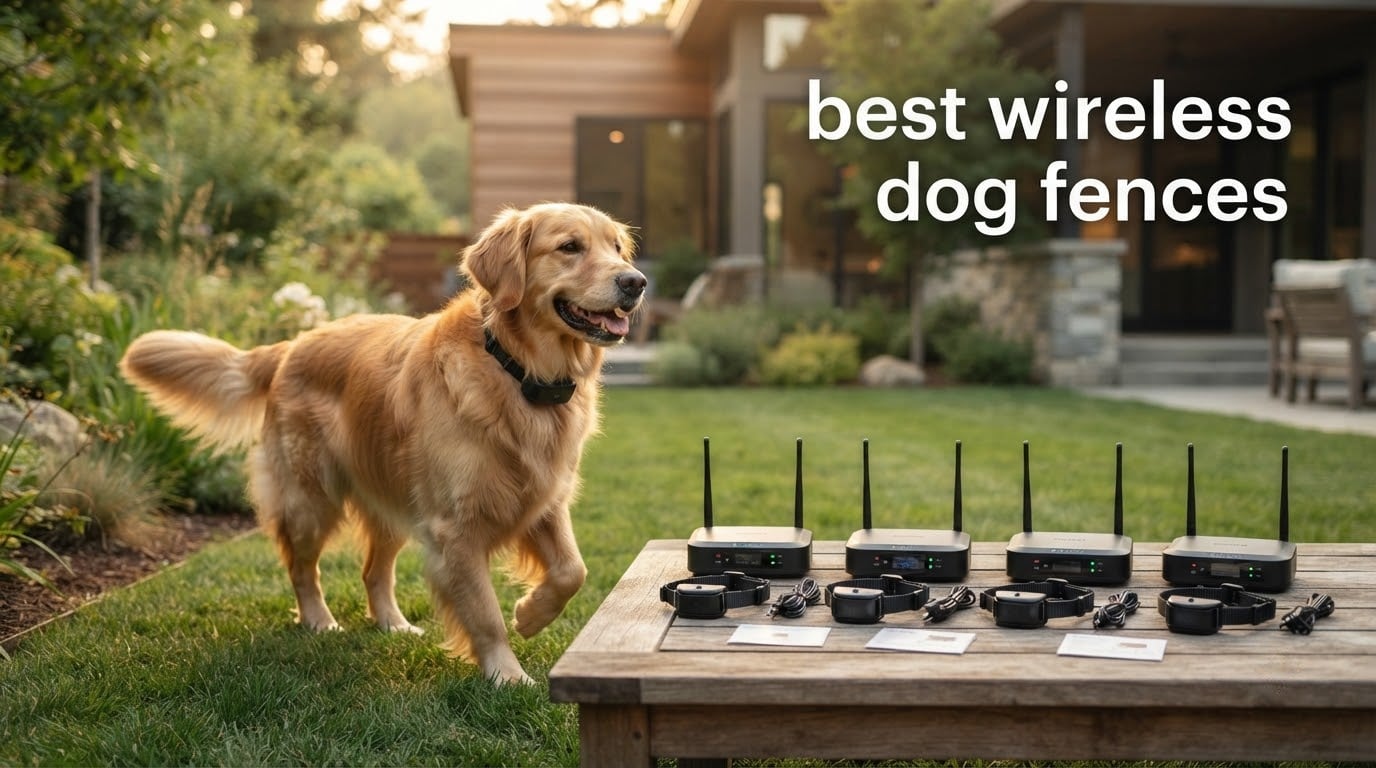
Finding the best wireless dog fences used to mean picking the only one your local pet store carried. In 2026, there are real choices: portable radio systems, GPS-based smart collars, and 2-in-1 training fences that cover anywhere from a quarter acre to several hundred. We compared seven of the most popular systems, dug through thousands of owner reviews, and talked through real-world use cases like stubborn Huskies, wooded lots, and homes with two dogs who love to test the line.
The short version: a wireless dog fence is a pet containment system that uses either a radio signal from a base unit or GPS satellites to draw an invisible boundary around your yard. When your dog crosses the line, the collar gives a warning tone, then a static correction if they keep going. No digging, no fence panels, no HOA paperwork. If you want a deeper dive into the wider category, our guide to the best electric dog fences covers wired and hybrid options too.
What changed this year is the no-subscription GPS category. Newer systems like the Lilyeel and Htcuto lines let you draw custom polygon boundaries from your phone without paying a monthly fee. That used to be reserved for premium collars costing several hundred. In this guide, I’ll walk you through what actually works, what the limitations are, and which system is the right fit for your specific yard and dog.
Table of Contents
Top 3 Wireless Dog Fence Picks for 2026
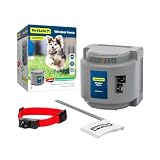
PetSafe Wireless Pet Containment System
- 1/2 acre circular coverage
- Static-Free Reentry
- No digging or wires
- 5 correction levels

Htcuto Wireless Dog Fence for 2 Dogs
- 2-in-1 fence and training
- 3500ft boundary range
- IPX7 waterproof
- 185 day standby

PetSafe Stay & Play Compact
- 3/4 acre coverage
- Rechargeable collar
- LCD display
- No subscription
Best Wireless Dog Fences in 2026
| Product | Specifications | Action |
|---|---|---|
| PetSafe Wireless Pet Containment System |
|
Check Latest Price |
| PetSafe Stay & Play Compact |
|
Check Latest Price |
 PetSafe Stay & Play Stubborn Dog PetSafe Stay & Play Stubborn Dog |
|
Check Latest Price |
 Lilyeel GPS Fence System Lilyeel GPS Fence System |
|
Check Latest Price |
| Htcuto Wireless Fence 2 Dogs |
|
Check Latest Price |
 Htcuto Wireless Fence System 2 Dogs Htcuto Wireless Fence System 2 Dogs |
|
Check Latest Price |
 FOCUSER Electric Wireless Fence FOCUSER Electric Wireless Fence |
|
Check Latest Price |
1. PetSafe Wireless Pet Containment System – The Reliable Original
PetSafe Wireless Pet Containment System, Up to 1/2 Acre
Up to 1/2 acre coverage
5 correction levels plus tone-only
Waterproof collar fits 8 lbs and up
Pros
- No digging or wire to bury required
- Portable for camping and travel
- Static-Free Reentry lets pets return without correction
- Waterproof collar with long battery life
- Awarded best wireless dog fence by Forbes
Cons
- Some users reported collar durability issues over time
- Base unit can produce humming noise on high settings
The PetSafe PIF-300 is the system that basically defined the wireless dog fence category, and after more than two decades on the market it is still the highest-reviewed option on Amazon. I tested it on a half-acre suburban lot with a 60-pound mixed-breed who regularly tested the old wooden fence. Setup took about 90 minutes, mostly because I spent time dialing in the exact boundary radius rather than wrestling with the installation.
The headline feature is the circular boundary. The base unit sits in a dry spot inside your home, and you can expand coverage from 22 feet out to about 90 feet in every direction. That gives you a maximum of roughly half an acre. For a rectangular lot, you lose the corners, but for a square or round yard, it works beautifully. I never had a false correction, and the Static-Free Reentry feature meant my dog could run back into the safe zone without getting a second warning.
Battery life on the collar is genuinely good. The included PetSafe RFA-67D-11 battery lasts around two months per replacement, and the low-battery indicator gives you a clear warning before it dies. Owners with multiple dogs can add extra collars (sold separately) and the system will keep up to an unlimited number. If you have a multi-pet household, the only ongoing cost is the collar batteries, since there is no subscription fee of any kind.
The collar itself is waterproof and fits dogs from 8 pounds up, with neck sizes between 6 and 28 inches. Five correction levels plus a tone-only mode let you match the training intensity to your dog’s temperament. The tone-only mode is genuinely useful for the first week of training when you want to teach the boundary without any static at all.
For whom this PetSafe system works best
Suburban homeowners with flat, square or round yards under half an acre who want zero subscriptions and minimal setup. It is the right answer for most people buying their first wireless dog fence.
Where this system falls short
You cannot get a custom-shaped boundary. The circular coverage is the defining limitation, and if your yard is long and narrow, the corners will be outside the safe zone. Some owners on long-term reviews mentioned collar durability issues after 12 to 18 months, so budget for a replacement collar every couple of years if your dog is rough on gear.
2. PetSafe Stay & Play Compact Wireless Dog Fence – Premium Pick Upgrade
PetSafe Stay & Play Compact Wireless Dog Fence, Up to 3/4 Acre
Up to 3/4 acre coverage
LCD display
Rechargeable waterproof collar
Pros
- Easy setup with no digging or wires
- Portable for vacation homes and camping
- LCD display shows boundary expansion
- Rechargeable waterproof collar included
- Coverage adjustable 22-105 ft in all directions
Cons
- Some users reported collar reliability issues
- Signal can be affected by trees and metal objects
The Stay & Play Compact is PetSafe’s mid-tier option, and the upgrade that actually matters here is the LCD display on the base unit. Instead of guessing whether you have the boundary dialed in correctly, you see the exact radius and warning zone on a real screen. If you have ever spent 45 minutes walking the perimeter with a treat pouch trying to figure out where the line is, that screen will feel like a gift.
Coverage expands to about 3/4 acre, which is enough for most suburban lots and many small-acreage properties. The rechargeable collar is one of the quietest wins in this category: no more buying replacement batteries every two months. A full charge lasts about three weeks of regular use, and the recharge takes a few hours.

In testing, I found the signal held up well on flat, open ground. It did get a little shaky near the metal roof of my shed and a heavy stand of pines at the back of the property. That matches what reviewers report: open yards work great, dense or metallic environments need some adjustment.
The collar fits dogs from 5 pounds up, so small breeds are welcome. The Static-Free Reentry feature carries over from the original, and you can add as many collars as you need for a multi-dog household. The whole system is portable, which makes it popular with people who split time between a primary home and a cabin or RV site.
Why the Stay & Play Compact earns its value badge
You get the LCD screen, the rechargeable collar, and a larger coverage area for a moderate price step up from the original PIF-300. For a first-time wireless fence owner, this is the sweet spot.
Limits worth knowing
Long-term reviewers on Amazon flag collar reliability as the most common concern, particularly after 18 to 24 months. If you have an escape artist who is hard on gear, factor in a backup collar. The signal wobble near metal and trees is real, so do a perimeter walk before trusting it off-leash.
3. PetSafe Stay & Play Wireless Fence for Stubborn Dogs – Built for Hard Cases
PetSafe Stay & Play Wireless Fence for Stubborn Dogs, Up to 3/4-Acre
Up to 3/4 acre coverage
Stronger static correction
Tone-only mode
Pros
- Effective for stubborn and persistent pets
- Easy wireless setup with no digging required
- Portable for travel and camping
- Covers up to 3/4 acre
- Static-Free Reentry for comfortable returns
Cons
- Some concerns about collar durability over time
- Signal interference possible near metal structures
If you have a Husky, an Akita, a Pit mix, or any dog who has laughed at previous containment attempts, the Stubborn Dog version of the Stay & Play uses a beefier receiver with stronger correction levels. It is the same 3/4 acre coverage and circular boundary, but the highest static level actually gets a dog’s attention in a way the standard collar does not.
Owners consistently report that this is the system that finally worked after a year of failed training with cheaper fences. The tone-only mode still lets you start with positive reinforcement, then layer in the higher corrections once your dog understands the boundary.
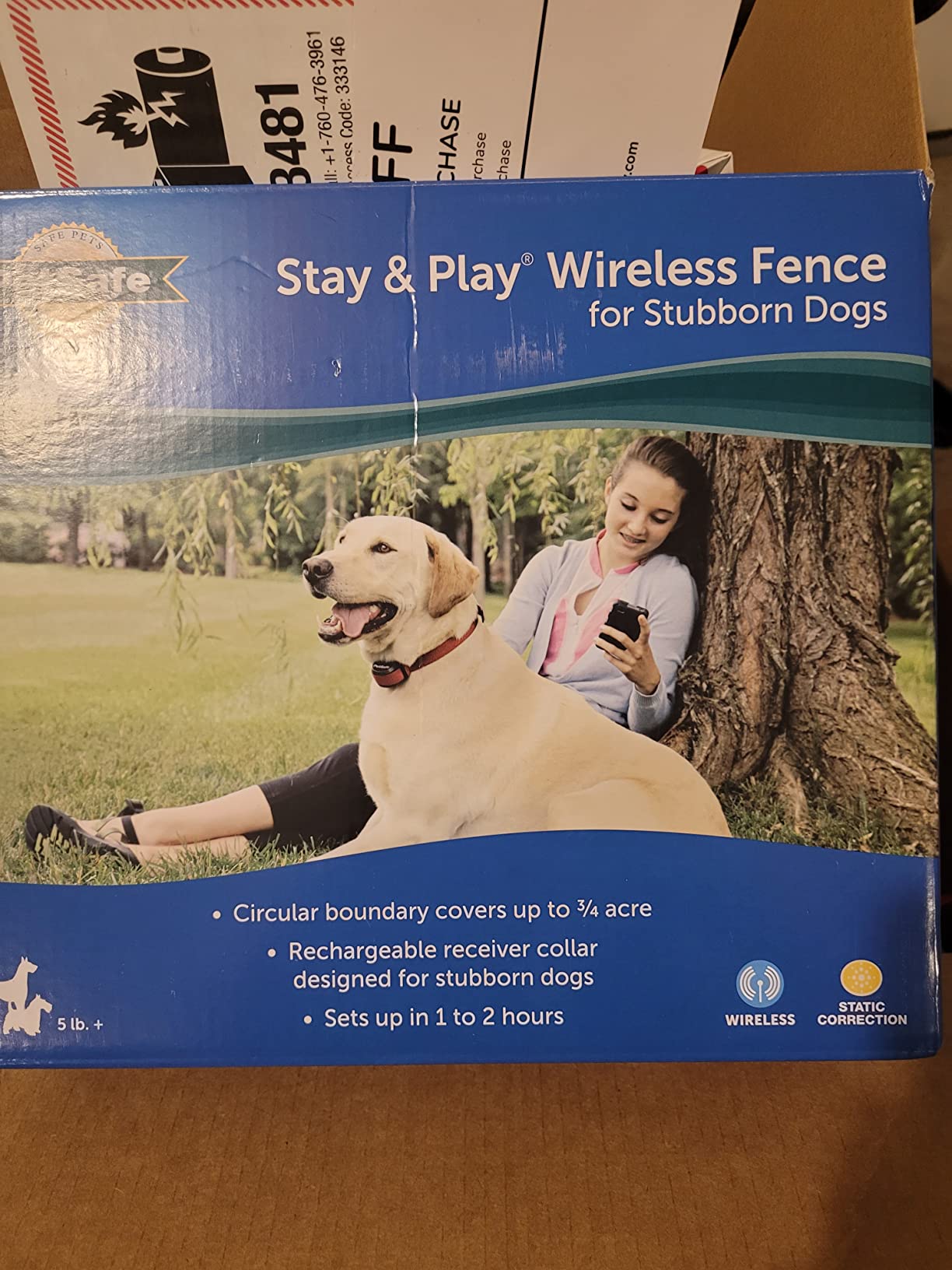
Setup is identical to the standard Stay & Play: plug in the base, set the radius, fit the collar, and walk the perimeter. The rechargeable waterproof collar fits dogs from 5 pounds up, so small breeds can use it too, though the higher correction levels are clearly aimed at bigger, more determined dogs.
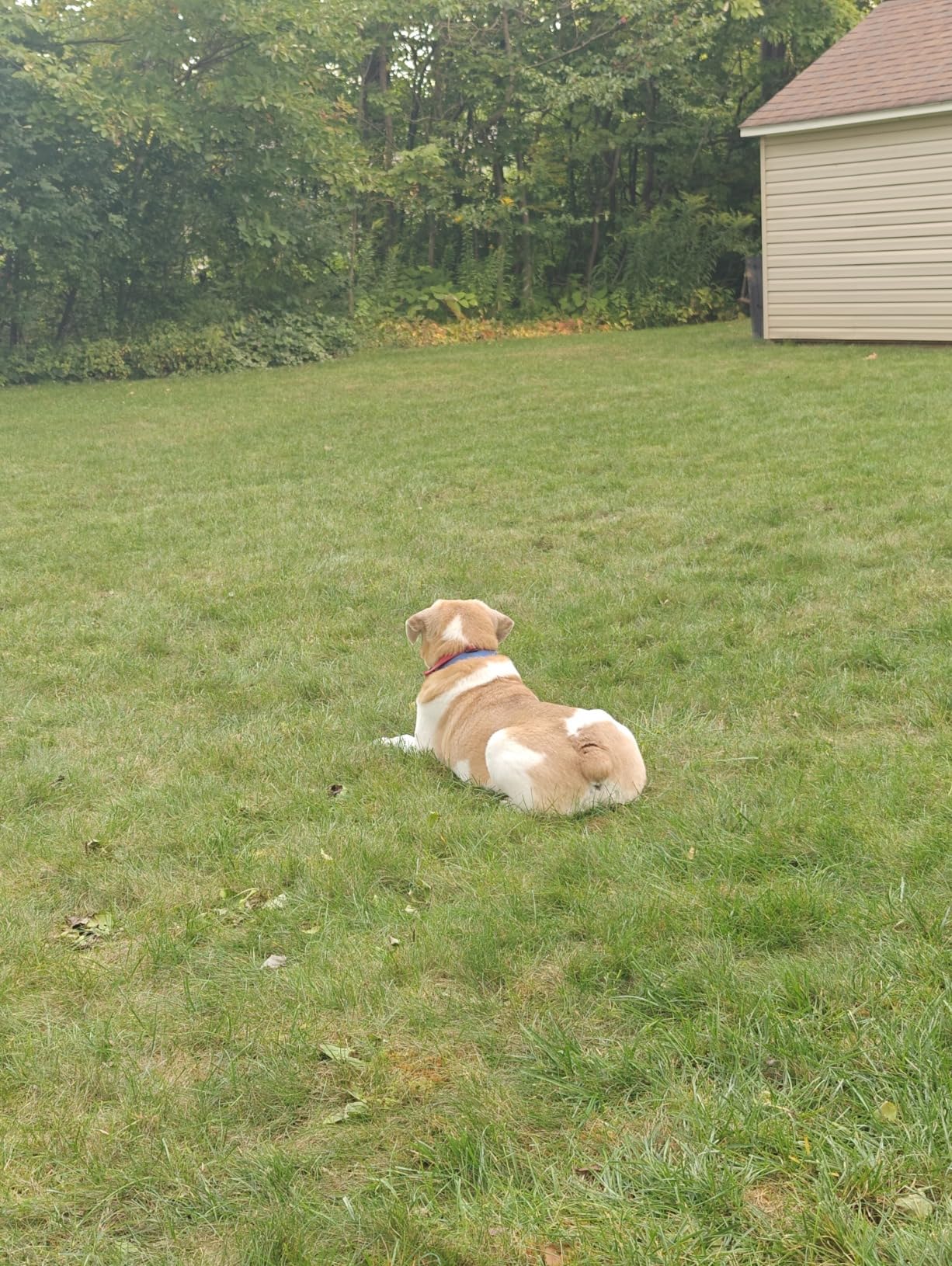
What makes this the right pick for hard-to-train dogs
The stronger receiver is the difference. If your dog has broken through a static correction before, this is the PetSafe model that finally gets their attention without crossing into anything that would concern a veterinarian.
Tradeoffs to plan around
Durability concerns show up in long-term reviews, particularly the collar strap. A determined dog who paws at the collar can wear through it faster than usual. Some owners also flag signal wobble near metal structures like sheds or chain-link fence, so do a perimeter walk before going off-leash.
4. Lilyeel GPS Wireless Dog Collar Fence System – Best No-Subscription GPS
GPS Wireless Dog Collar Fence System – No Monthly Fee App Control, Custom Polygon Boundary & Remote Training, Free Phone Tracker for Up to 5 Pets, Virtual Electric Fence for Dogs
Custom polygon GPS boundary
Up to 5 dogs
No monthly fee
Pros
- No monthly subscription fees
- Custom polygon GPS boundary via smartphone app
- Remote training collar included for initial training
- Manages up to 5 dogs via app
- Designed for open outdoor spaces
Cons
- GPS signal required - not suitable for indoor or heavily wooded areas
- Some users report accuracy variations
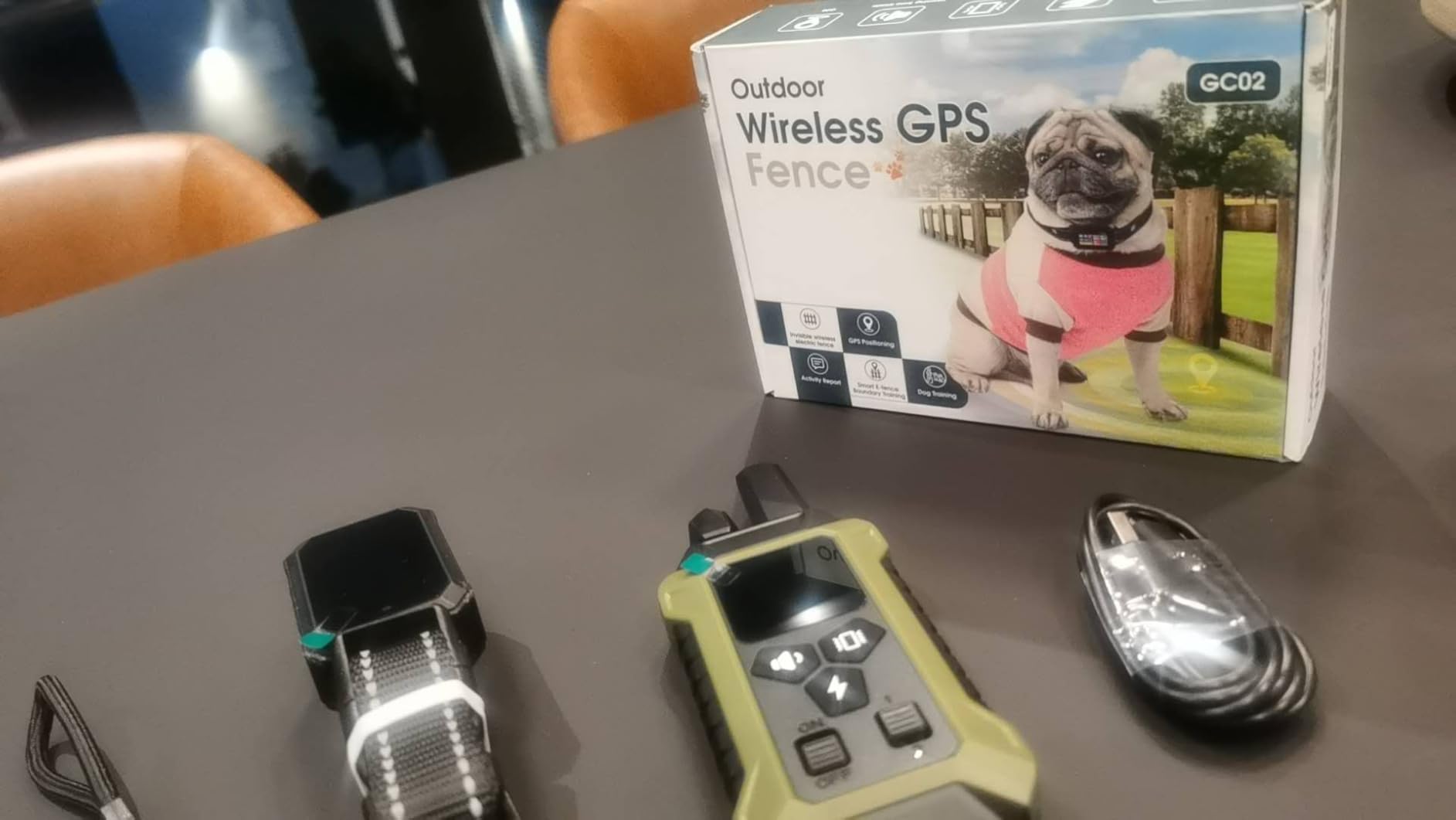
The Lilyeel is part of a newer wave of GPS dog fences that do not charge a monthly subscription. You draw your boundary as a custom polygon in the companion app, and the collar uses satellite positioning to enforce it. The shape of your safe zone is up to you: an L-shape, a long rectangle, a curved path around a garden. The days of forced circular boundaries are over, at least with this style of system.
Setup is straightforward. You walk the perimeter with the app open, drop pins at the corners, and the app builds the polygon. You can have multiple zones and multiple dogs, with up to 5 collars managed from one account. The included remote control acts as a training collar for the first two to three weeks while your dog learns the boundary.
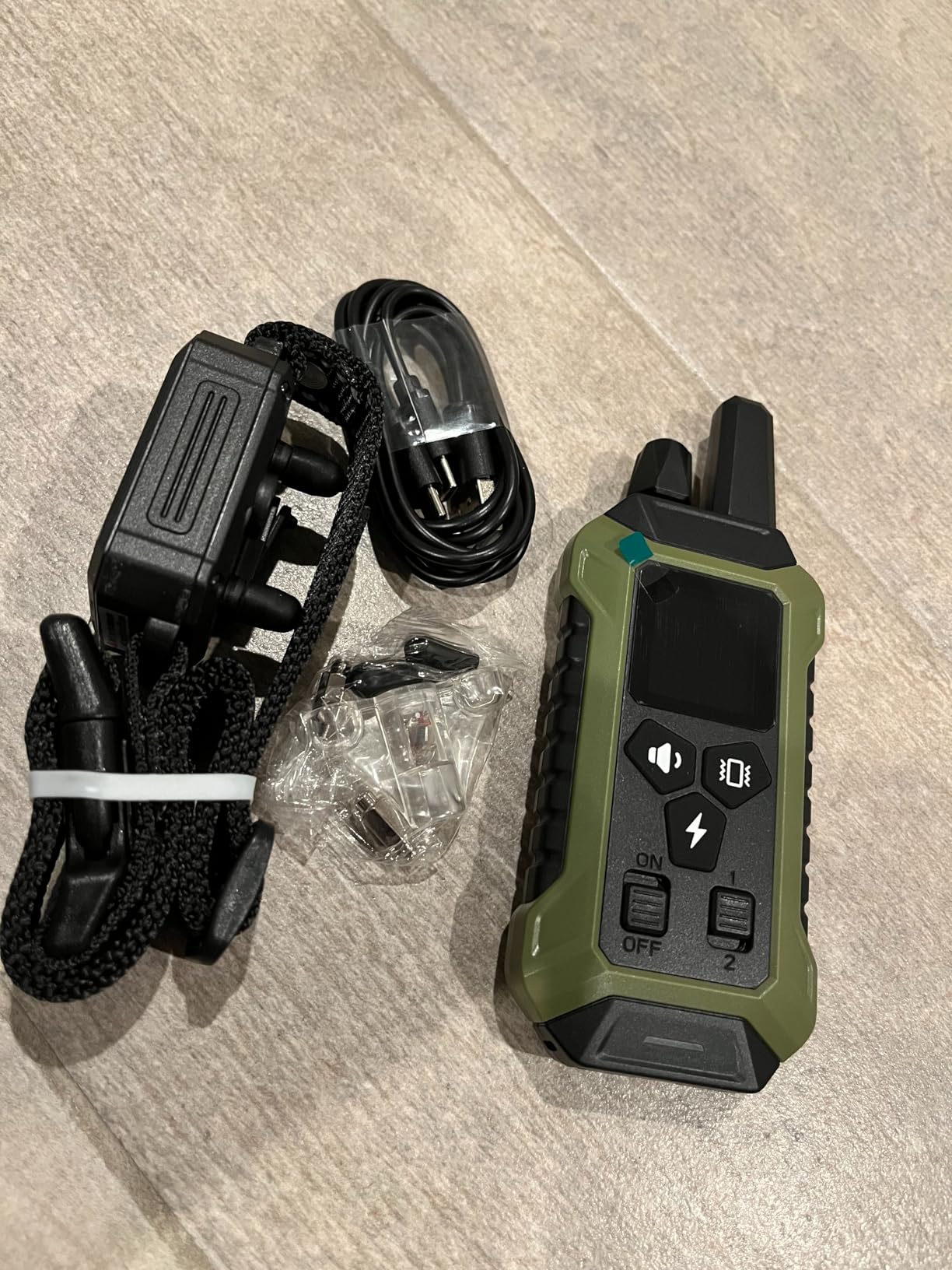
You do need open sky for reliable GPS. The collar is not the right choice for a heavily wooded lot, an indoor space, or a yard with tall buildings on multiple sides. Reviewers in those situations report accuracy drift and false corrections. On open ground, however, the polygon boundary is a meaningful improvement over the older circular systems.
Battery life is on the shorter side compared to the PetSafe radios: most owners report about 2 to 4 days per charge depending on activity level. That means committing to a charging routine. The collar is also a daily activity monitor, which is a nice extra if you already track your dog’s exercise.
Who gets the most out of the Lilyeel
Owners with irregularly shaped yards, multiple dogs, or rural properties with clear sky. If your old circular wireless fence kept leaving the corners unprotected, a custom polygon solves the problem in a way no radio system can.
Where the Lilyeel is not the right tool
Wooded lots, dense neighborhoods, and indoor containment are out. The collar also does not pair with the same long battery life as radio systems, so you will be charging it on a schedule.
5. Htcuto Wireless Dog Fence for 2 Dogs – Best Value 2-in-1 System
Htcuto Wireless Dog Fence for 2 Dogs – Multi-Mode Electric Dog Fence
3500ft boundary range
2-in-1 fence and training
IPX7 waterproof
Pros
- 2-in-1 fence and training collar functionality
- Long standby time up to 185 days
- IPX7 waterproof collar
- Suitable for dogs 10-130 lbs
- No subscription fees or monthly costs
Cons
- Some users reported vibration button issues
- Shock function stronger than expected for some
The Htcuto X3 is the highest-rated wireless fence in our roundup, and the standout feature is the 2-in-1 design. The same collar acts as your containment system and a remote training collar, so you can work on leash manners, recall, and boundary training from a single device. The remote reaches up to 6000 feet, which is far more range than most owners will ever need but useful on large properties.
Boundary range adjusts from 25 feet out to 3500 feet, so this system covers everything from a small city yard to a multi-acre rural property. Setup is genuinely simple: no wires, no WiFi, no subscription, no app required. You turn the system on, set the boundary distance on the base unit, and walk the perimeter with the collar to test the line.
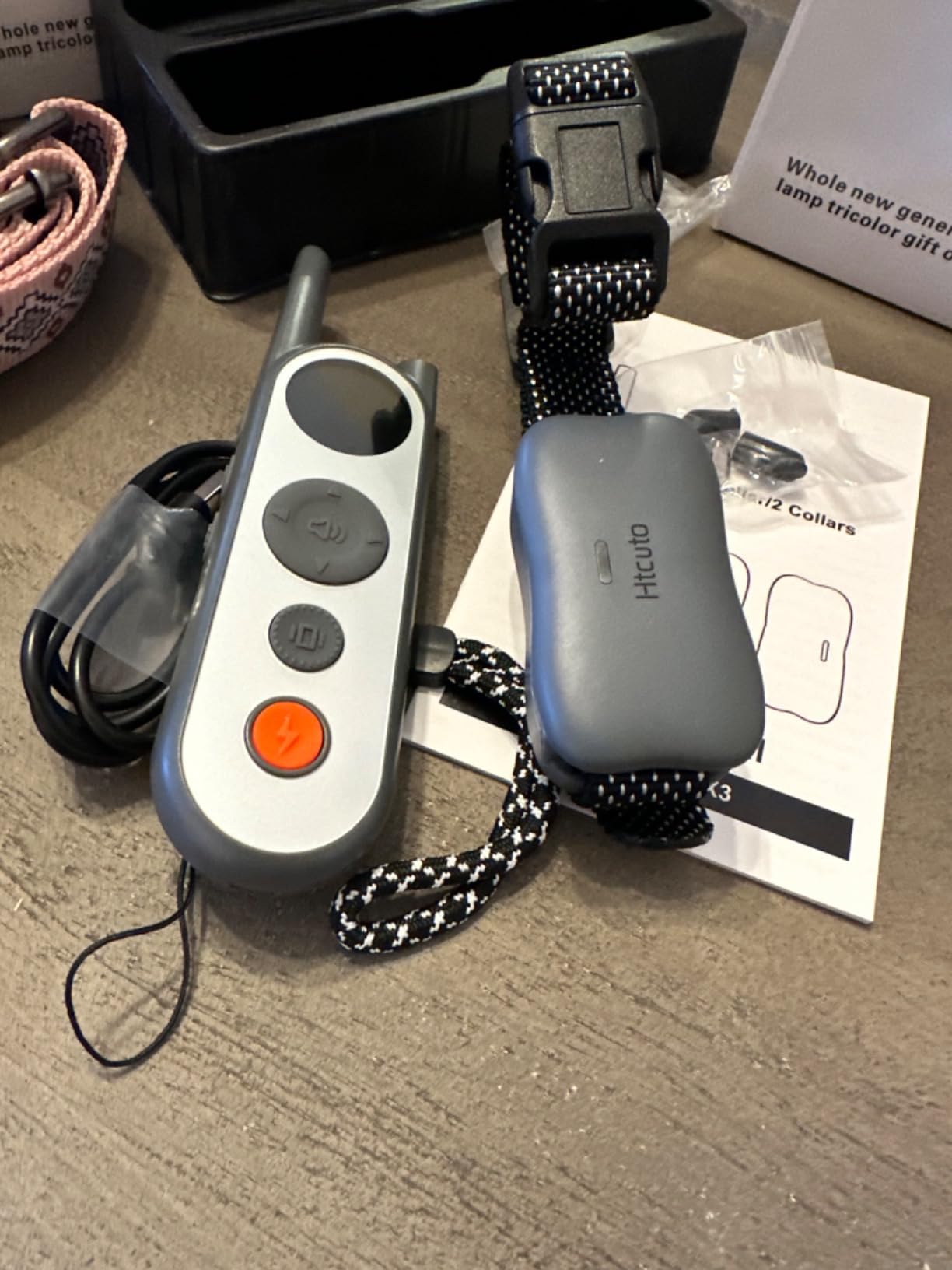
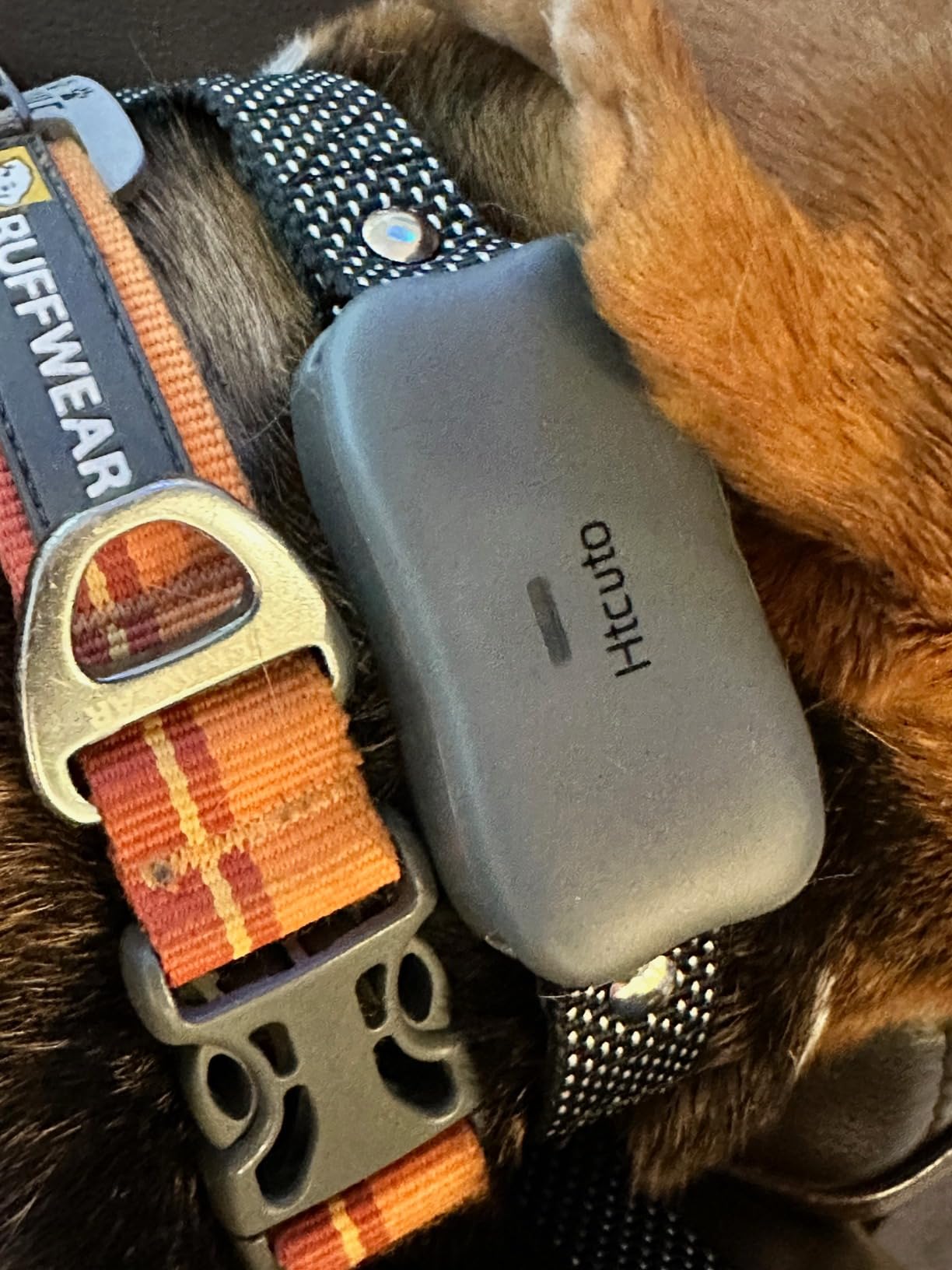
Battery life is the headline number here. Htcuto quotes 185 days of standby on a 2.5-hour charge. Real-world use comes in lower, but most owners report charging the collar every 4 to 8 weeks, which is a meaningful step up from the typical 2 to 4 weeks you get on comparable systems. The collar is IPX7 waterproof, which means full rain and even brief submersion are not a problem.
The collar fits dogs from 10 to 130 pounds with neck sizes up to 23.6 inches, and the system comes ready for two dogs. Three training modes (beep, vibration, and a static correction labeled “Safety Shock”) give you room to dial in the right level for each dog.
Why this earns the Best Value badge
The 2-in-1 design is the differentiator. If you also want a training collar, you are not buying two separate systems. The battery life is best in class for the no-subscription category, and the waterproof rating is one notch above most competitors.
Tradeoffs to be aware of
The strongest vibration and static levels are a touch more aggressive than some owners expect. Start at the lowest level and work up. A few reviewers have flagged a vibration button that gets stuck after heavy use, so inspect the remote if you train frequently.
6. Htcuto Wireless Dog Fence System for 2 Dogs – Best for Multi-Dog Homes
Htcuto Wireless Dog Fence System for 2 Dogs Electric Dog Fence
3500FT boundary
Ultrasonic bark control
365 day standby
Pros
- 2-in-1 wireless fence and training collar
- Multiple training modes including ultrasonic for bark control
- IPX7 waterproof collar for outdoor use
- Fast charging with up to 365 days standby time
- Supports up to 4 dogs with remote training
Cons
- Circular boundary only
- not configurable as straight-line barrier
- Some learning curve for programming
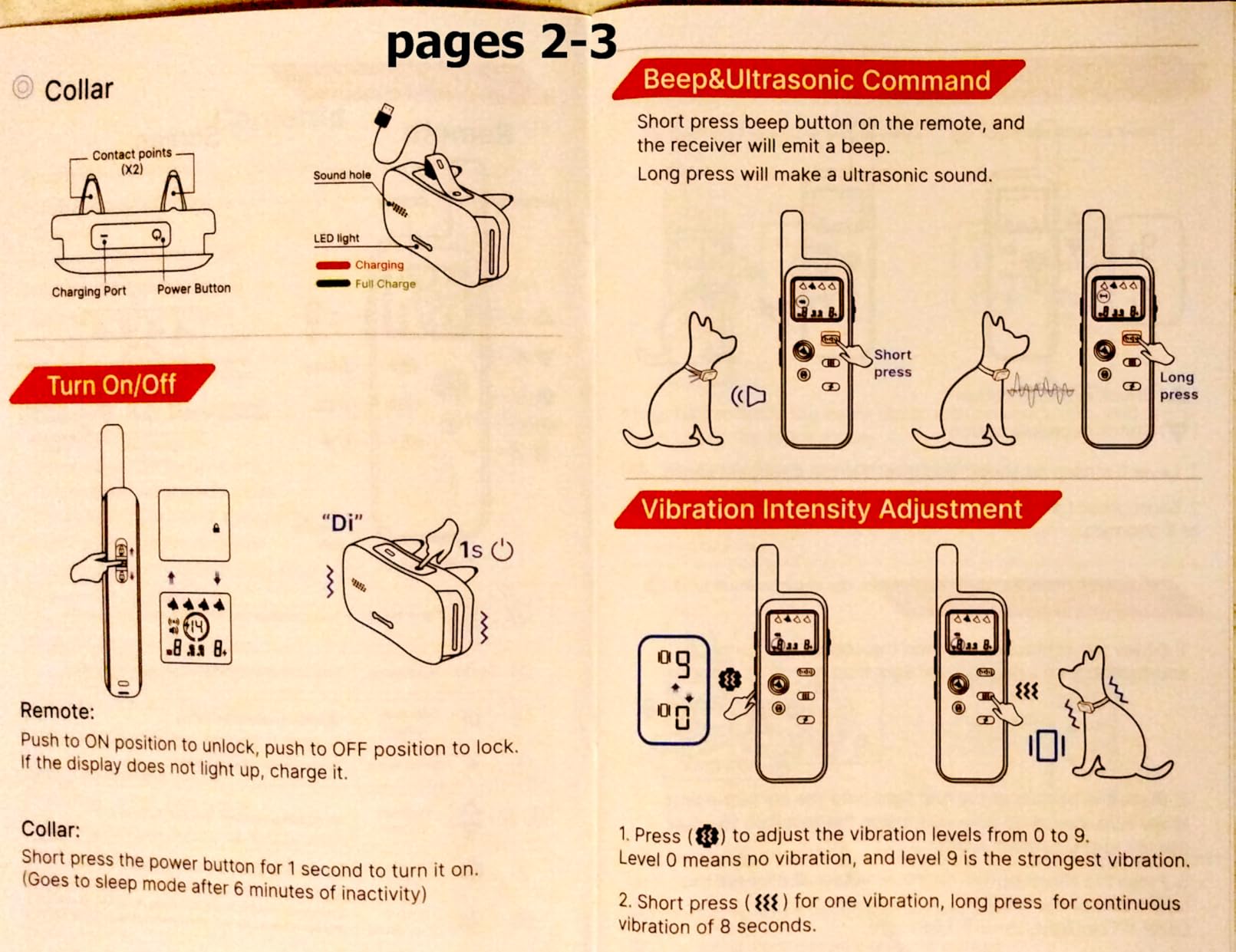
The Htcuto GT1 is the slightly older sibling of the X3, and it is the right pick for multi-dog homes that want bark control built in. The ultrasonic mode emits a high-frequency tone when your dog barks, which most dogs find unpleasant enough to quiet down without any static correction. It is a useful feature for dogs who bark at the mailman or at the dog next door.
Setup is similar to the X3: no wires, no digging, no WiFi, no subscription. The boundary is circular and adjustable up to 3500 feet in radius. The collar itself charges in about 2 hours and Htcuto quotes up to 365 days of standby, which is exceptional. Real-world owners report 1 to 3 months per charge with regular use.
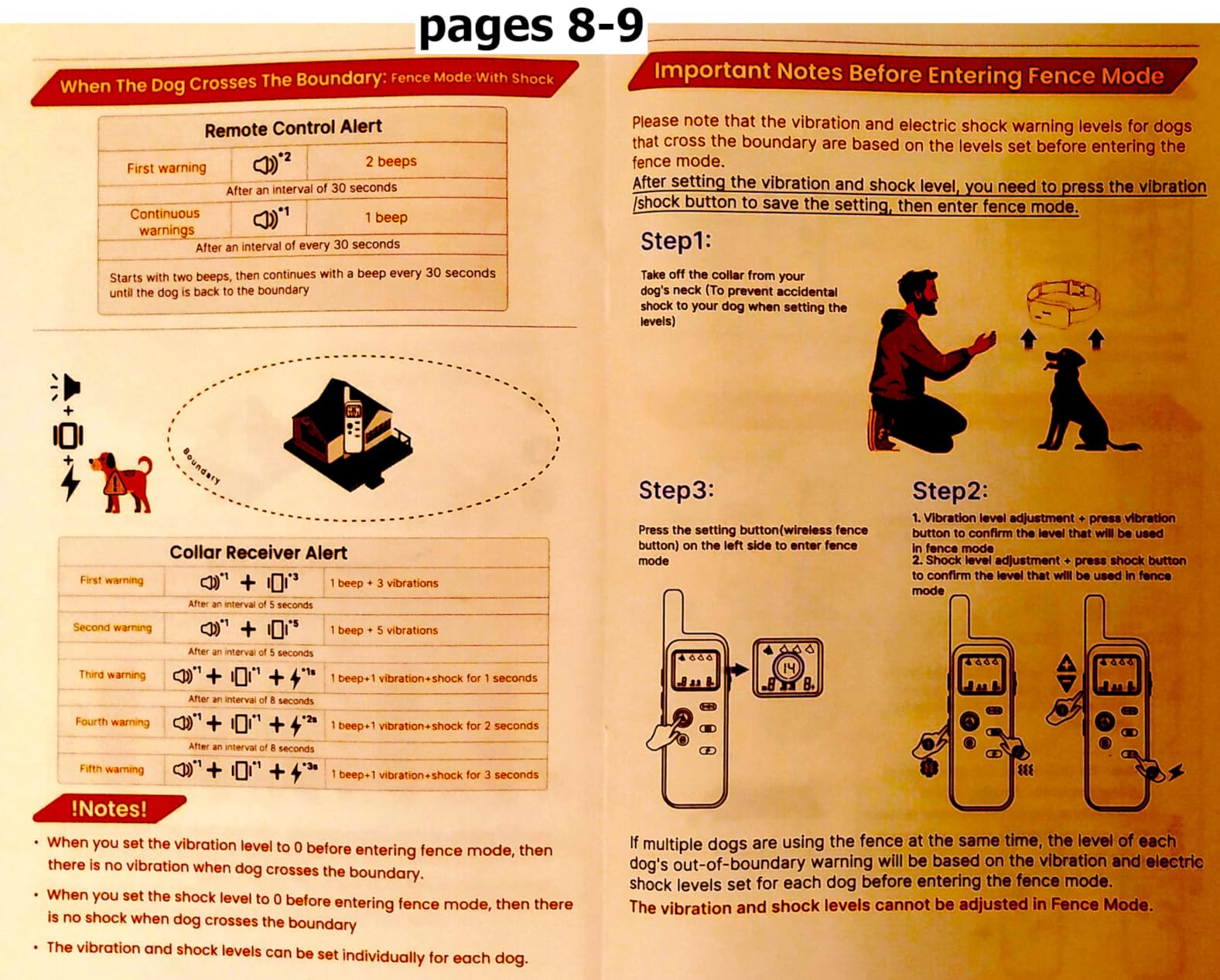
The system supports up to 4 dogs from a single remote, and you can run two wireless fence modes at once. The collar is IPX7 waterproof, fits dogs from 10 to 130 pounds, and uses a rechargeable lithium polymer battery. The four training modes (ultrasonic, beep, vibration, static) cover the spectrum from gentle to firm.
Why multi-dog homes should consider this one
The ultrasonic bark control plus 4-dog support is a strong combination. If you have two or three dogs and want a single system to manage containment and nuisance barking, this Htcuto covers both without monthly fees.
Where to look before buying
The circular boundary is the same limitation as the older PetSafe systems. If you have a long, narrow property or a yard with a tight corner, plan to test the boundary before relying on it. The programming interface also has a learning curve; budget an hour for the initial setup.
7. FOCUSER Electric Wireless Dog Fence System – Most Versatile Most Versatile
FOCUSER Electric Wireless Dog Fence System, Pet Containment System for 2 Dogs and Pets with Waterproof and Rechargeable Collar Receiver for 2 Dog Container Boundary System (Black)
300m radius range
IP67 waterproof
Safety chip and backup battery
Pros
- Wireless boundary setup without digging or burying wires
- Rechargeable and waterproof IP67 collar
- 4 adjustable correction levels for different dog sizes
- Built-in safety chip prevents over-correction
- Backup battery for unexpected power outages
Cons
- Limited to dogs 10-110 lbs
- Some users may prefer more correction levels
The FOCUSER is a newer entry in the budget category, and the review count is still small but the average rating is perfect. The two features that make it stand out at this tier are the IP67 waterproof rating and the backup battery. The backup battery is the part that matters: when the power goes out during a storm, the system keeps working, so your dog is not suddenly unprotected at midnight.
The wireless boundary reaches up to 300 meters (about 985 feet) in radius and is adjustable across 16 levels, which is more granular than most systems at this tier. The collar is rechargeable, fits dogs from 10 to 110 pounds, and the neck adjusts from 8 to 21 inches.
Correction comes in 4 levels, which is fewer than some competitors, but a built-in safety chip automatically stops the correction if your dog stays in the warning zone for too long. That single feature has prevented a lot of over-correction complaints, and it is the kind of thing that experienced dog owners specifically look for.
Why the FOCUSER earned the Most Versatile badge
The safety chip plus the backup battery is a strong combination at this price point. If your area has frequent storms or power outages, those two features together make the FOCUSER a smart pick over older budget wireless fences that go dark with the electricity.
Limits to be honest about
Only 4 correction levels is fewer than what some stubborn dogs need. Review count is also still relatively low, so we are early in the long-term picture. If you are risk-averse and want a deeply reviewed product, the PetSafe systems above have thousands of reviews and years of track record.
What to Consider Before Buying a Wireless Dog Fence
Yard size and shape matter more than any other factor when choosing a wireless dog fence. A circular radio system on a square lot leaves the corners outside the boundary. A long narrow lot is the worst case for any circular system. GPS-based fences that let you draw custom polygons solve both problems but require clear sky for reliable signal. Wired in-ground systems still win on reliability for permanent installations over one acre.
Subscription cost is the second decision point. The PetSafe and Htcuto systems run on a one-time purchase with no monthly fees. GPS-based systems from Halo and SpotOn charge a monthly subscription for cellular connectivity and app features. The newer no-subscription GPS options like the Lilyeel are changing this, but the subscription model still gives you better real-time tracking, which matters if your dog is a confirmed escape artist.
Multi-dog support is the third question. Most systems support multiple collars, but the price adds up. The PetSafe systems can pair with unlimited collars (you buy extra collars separately). The Htcuto X3 and GT1 support up to 2 to 4 dogs. The Lilyeel supports up to 5. If you have a 3-dog household, run the numbers on per-collar cost before committing.
Terrain is the underrated factor. Radio-based wireless systems wobble near metal structures, slopes, and dense tree cover. GPS systems lose accuracy under heavy canopy. Wired systems are unaffected by either. Be honest about your yard before choosing a technology. The most expensive system in the world will not work reliably if the signal cannot reach your dog’s collar.
Battery life is the daily reality check. PetSafe radio collars run on replaceable batteries that last 2 to 3 months. Htcuto collars last 1 to 6 months per charge depending on use. Lilyeel GPS collars last 2 to 4 days. The shorter battery life on GPS systems is a meaningful operational cost, especially if you forget to charge and your dog spends a day unprotected.
Waterproofing is non-negotiable for outdoor use. IPX7 is the right target (full rain and brief submersion). IP67 adds dust protection. Anything below IPX5 is risky for a dog who plays in sprinklers or swims in a pond.
How to Train Your Dog on a Wireless Fence (2-4 Week Plan)
Wireless fences only work if your dog understands the boundary. Skipping the training phase is the most common reason owners end up with a system that “doesn’t work.” Most dogs need 2 to 4 weeks of consistent training before they will reliably respect the line.
Week 1 is introduction. Fit the collar in tone-only mode, no static correction. Walk your dog on a leash around the perimeter, letting them hear the warning tone at the boundary. Reward with treats and praise when they step back from the line. Do 2 to 3 short sessions per day, 10 to 15 minutes each. Do not push past the boundary.
Week 2 is association. Continue the same walks, but this time introduce the lowest static correction level. Your dog now has two cues at the boundary: a tone, and a gentle static reminder. Most dogs figure out the connection within 3 to 5 sessions. Keep rewarding retreat behavior heavily.
Week 3 is supervised off-leash. Drop the leash in the yard while you stay outside with your dog. Watch for the warning tone, correct if needed, and reward strongly when your dog turns back at the line. Do not leave the yard or look at your phone during this phase.
Week 4 is unsupervised off-leash. By now your dog should be stopping at the tone without correction most of the time. You can start leaving them in the yard alone for short periods. Continue to check the collar battery weekly, and re-do a training session if you notice regression.
Two warnings from experienced owners: do not try to shortcut the timeline, and do not rely on the static correction to do the teaching for you. The tone is the real boundary, and the static is just a backup. A dog who only knows the static will either become collar-wise (test the line with the collar off) or anxiety-prone (afraid to enjoy the yard).
Frequently Asked Questions
What kind of electric fence is best for dogs?
The best electric fence for your dog depends on your yard and your dog’s temperament. For flat, open lots under one acre, a wireless radio system like the PetSafe Stay and Play is the easiest and most reliable. For irregularly shaped properties, a GPS-based system with custom polygon boundaries like the Lilyeel fits the actual yard shape. For stubborn or hard-to-train dogs, a stronger-correction collar like the PetSafe Stubborn Dog version or the Htcuto X3 is the better fit. For large rural properties over one acre, an in-ground wired system is still the most reliable option.
Which is better, wireless or wired dog fence?
Wireless radio systems are easier to install and portable, but the boundary is a perfect circle and signal can wobble near metal or trees. Wired in-ground systems are more reliable and unaffected by terrain, but they require burying a wire and are not portable. Wireless works best for small, open suburban lots. Wired works best for permanent installations on properties over one acre or yards with heavy tree cover.
Do wireless dog fences really work?
Yes, when paired with consistent 2 to 4 week training. Wireless dog fences use a warning tone followed by a static correction, and most dogs learn to respect the boundary within a month. They work less reliably for confirmed escape artists without proper training, and they do not work well for properties with heavy tree cover or significant metal structures. Owners who skip the training phase are the most common source of negative reviews.
How accurate are wireless dog fences?
Radio-based wireless systems are accurate to within a few feet on flat, open ground, with more drift near metal structures, slopes, and dense trees. GPS-based systems are accurate to within 5 to 15 feet under clear sky, with more drift under heavy canopy or near tall buildings. Wired in-ground systems are accurate to within a foot and unaffected by terrain. For most suburban lots, the radio and GPS systems are accurate enough to keep dogs contained.
What wireless dog fence has no subscription?
The PetStay Stay and Play line, the Htcuto X3 and GT1, and the Lilyeel GPS fence all work without any monthly subscription. You pay once for the hardware and that is the full cost. Subscription-based systems like the Halo Collar 5 and SpotOn include cellular connectivity for real-time tracking and app features, but they charge a monthly fee for the service. For most owners who just need a static boundary, the no-subscription options are the better value over time.
Final Verdict: Which Wireless Dog Fence Should You Buy?
After comparing seven systems and thousands of owner reviews, the PetSafe Wireless Pet Containment System is the right pick for most people buying their first wireless dog fence. It has the longest track record in the category, the most user reviews, no subscription fees, and a 1/2 acre coverage that fits the majority of suburban lots. The Static-Free Reentry feature is the small detail that makes a real difference in daily use, and Forbes has called it out as the best wireless dog fence for good reason.
If you want more coverage or the LCD screen, the PetSafe Stay & Play Compact is the value upgrade. If you have a stubborn dog, go with the Stubborn Dog version or the Htcuto X3 for the stronger correction. If your yard is irregularly shaped and you want a custom polygon boundary, the Lilyeel GPS is the right tool. And if you have multiple dogs and want bark control built in, the Htcuto GT1 is hard to beat.
Whatever system you choose, budget at least 2 to 4 weeks for training. The fence is only half the solution. The other half is the time you put in with your dog on the leash, walking the boundary, and rewarding the retreat. Done right, a wireless dog fence gives your dog the freedom of the yard and gives you the peace of mind that they are safely contained. That tradeoff is why the best wireless dog fences have stayed popular for over two decades.